
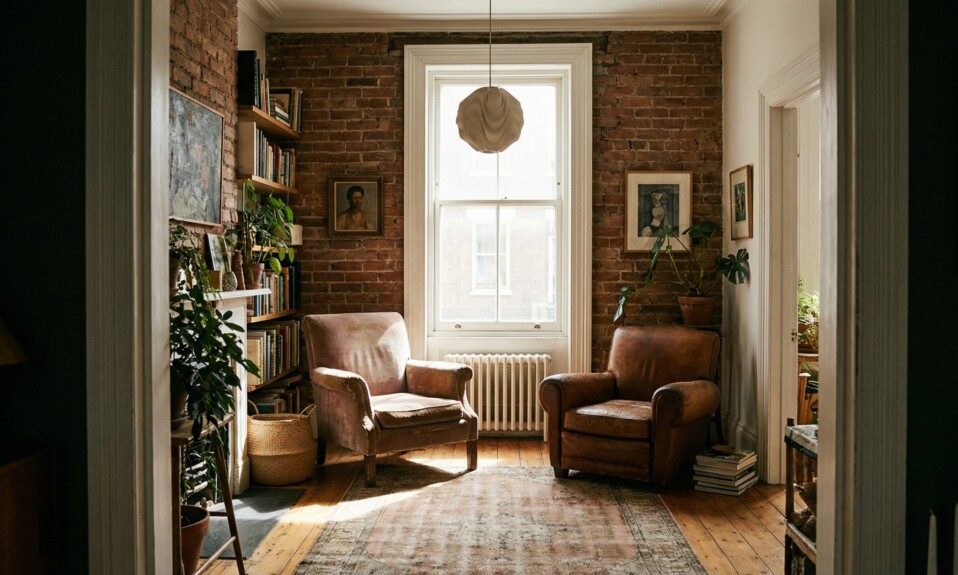
You found a listing that says “cozy, charming home with original character in a sun-drenched location, priced to sell.” Sounds lovely, right? Heres what a real estate agent actually wrote: small, old, outdated, hot in summer, overpriced but negotiable. Real estate listing language is its own dialect — part marketing copy, part legal protection, part polite fiction. Once you learn to read between the lines, youll never skim a listing the same way again. Welcome to the insiders translation guide.
1. “Cozy”
What it means: Small. Very small. We are talking about a bedroom where you have to shuffle sideways to get to the closet, or a living room where the couch and the TV are having an uncomfortably close relationship.
Real example: A “cozy 1-bedroom retreat” listed at $400K in Austin turns out to be 490 square feet. Adorable, sure. But your dining table and your desk cannot both exist simultaneously.
What to do: Always check the square footage in the listing data (not the headline). Anything under 700 sq ft for a full apartment, or under 1,000 sq ft for a 2-bed house, should trigger a mental translation.
2. “Charming”
What it means: Old. Possibly older than it should be for the asking price. “Charming” is what you say when a home has been around long enough to acquire personality — and problems. It often means dated fixtures, a quirky floor plan, or plumbing that has opinions.
Real example: A “charming craftsman bungalow” might genuinely have gorgeous bones and original hardwood floors. It might also have knob-and-tube wiring, a foundation thats “settling,” and a bathroom that hasnt been touched since the Eisenhower administration.
What to do: Budget for surprises. A pre-purchase inspection is non-negotiable for anything described as charming — plan for $500–$1,000 on the inspection and potentially tens of thousands in repairs.
3. “Character” (or “Full of Character”)
What it means: Dated. The finishes, the layout, or both are stuck in a previous decade. “Character” is the polite way of saying the kitchen has laminate countertops in a brown-beige gradient and the carpet is the color of dried mustard.
Real example: “A home full of character and charm” frequently translates to: original 1978 kitchen, bathrooms with pink tile and aqua fixtures, and light fixtures that were cutting edge during the Carter administration.
What to do: If youre okay with a renovation project (and have the budget), character homes can be incredible value. If you need move-in ready, steer clear unless the price reflects the work ahead.
4. “Sun-Drenched” or “Bathed in Natural Light”
What it means: West-facing, or possibly south-facing with no trees. In other words: blazing hot in the afternoons from spring through fall. Its bright, yes. Its also potentially an oven by 3pm.
Real example: A “sun-drenched living room” that faces west in Phoenix will have afternoon sun blasting through from 1pm to sunset. Your furniture fades, your AC bill spikes, and you develop a complicated relationship with blackout curtains.
What to do: Check the compass orientation of the main living areas and bedrooms. Apps like Sun Seeker or even Google Maps satellite view can tell you which direction the windows face before you ever visit.
5. “Motivated Seller”
What it means: Something is wrong. Maybe the sellers are divorcing, facing foreclosure, or relocating urgently. Or — and this is the version to watch out for — something is wrong with the house. Its been on the market too long, had deals fall through, or theres a problem they know about that keeps killing buyer interest. Readers who enjoy these kinds of details may also want 25 Things Hotel Staff Notice About Every Guest the Second They Walk Through the for another quick detour.
Real example: A home listed as having a “motivated seller, priced for quick sale” sat on the market for 140 days. Inspection revealed the basement flooded seasonally and the foundation had a crack that had been cosmetically patched but not repaired.
What to do: Ask directly: why is the seller motivated? How long has it been listed? How many deals have fallen through and why? A good buyers agent can pull this data for you.
6. “Priced to Sell”
What it means: The sellers think theyre offering a deal, but its almost always relative. “Priced to sell” doesnt mean cheap — it means theyve set a price they believe is competitive enough to move quickly. Which can still mean overpriced for the actual condition.
Real example: A house “priced to sell at $589K” is $589K. Whether thats actually a deal depends entirely on comps in the area. The phrase itself is marketing, not math. For another nearby rabbit hole, What Did ‘Groovy’ Actually Mean? The Real History looks at a related piece of everyday culture.
What to do: Pull comparable sales (comps) in the area for the last 90 days. Your buyers agent can do this, or you can look at Redfin or Zillows sold data. Price-per-square-foot comparisons are more useful than the headline number.
7. “Handyman Special” or “TLC Needed”
What it means: The property needs significant work. Were not talking new paint — were talking structural, mechanical, or cosmetic issues that require real money. Agents use this phrase to attract investors and flippers while legally disclosing that the home isnt in sellable condition. If this part caught your attention, 19 Words Salespeople Use That Quietly Push You to Spend More in 2026 gives you another specific angle to compare.
Real example: A “handyman special with great bones” might need a new roof ($15K), updated electrical panel ($4K), all new HVAC ($8K), and kitchen gut ($25K+). Add those up before you fall in love with the bones.
What to do: Get a detailed inspection and, if possible, bring a contractor before you make an offer. Get actual quotes, not estimates. Then build in a 20% contingency because renovations always cost more than you think.
8. “Original Features” or “Retains Its Original Details”
What it means: It has not been updated since it was built. The agent is trying to make this sound like preservation rather than neglect, and sometimes it genuinely is — original hardwood floors and millwork can be beautiful and valuable. But “original features” can also mean original plumbing, original single-pane windows, and original everything-that-will-cost-you-money.
Real example: “Original 1950s kitchen features” = no dishwasher, no disposal, no soft-close anything, and possibly a gas line that hasnt been inspected since Kennedy was president.
What to do: Ask specifically which features are original and which have been updated. Electrical, plumbing, roof, HVAC — these are the systems that matter. Beautiful original trim is a bonus; original galvanized pipes are a liability.
9. “Open Plan Living” or “Open Concept”
What it means: Usually fine, but occasionally: a wall was removed at some point and nobody is totally sure if it was load-bearing or not, and permits may or may not have been pulled. Most open plan homes are totally legitimate. A few are not. For a different but related slice of the same world, Today’s NYT Connections Words Explained for May 28, 2026 is a good next stop.
Real example: A 1970s ranch described as having “modern open plan living” had indeed had its dining room wall removed — by a previous owner, without permits, and without proper beam installation. The ceiling above was slowly sagging.
What to do: Ask your inspector to specifically evaluate any open areas that appear to have been formerly walled off. Check county permit records (usually searchable online) to see if any structural work was filed.
10. “Minutes From” Everything
What it means: Drive time figures are optimistic at best, fictional at worst. “Minutes from downtown” might mean 8 minutes at 2am on a Tuesday, and 35 minutes during actual commuting hours. “Walking distance to shops” can mean a 25-minute walk on a road with no sidewalks.
Real example: A listing described as “10 minutes from the city center” clocked in at 22 minutes during morning rush hour, and required a toll road. Not ideal when youre doing it five days a week.
What to do: Google Maps. Set your actual commute time — morning rush, Tuesday. Check the walking directions yourself. Never trust listing distances at face value. If you like this kind of overlooked detail, Words Your Parents Used That Gen Z Has Never Heard is another useful read to open next.
11. “Breathtaking Views”
What it means: There is a view. What kind of view is a different question entirely. “Breathtaking” is in the eye of the beholder (and the photographers lens, which can make a parking lot look like a vista if you angle it right). It might mean stunning mountain views from every window — or it might mean you can see the water if you lean out the upstairs bathroom window on a clear day. That same curiosity is what makes Ski Words Explained: Lift, Lodge, Slope, and Jump worth checking after this section.
Real example: A listing with “breathtaking city views” had one west-facing window in the master bedroom from which you could see a sliver of the downtown skyline. Not breathtaking. More like: present.
What to do: Look at the photos carefully — which room is the “view” photo from? Visit in person. Stand in every room. Look out every window. The view youll actually see daily matters more than the one in the listing photo.
Real estate agents arent necessarily lying — theyre marketing. But now you know the language theyre marketing in. The next listing you read, run it through this translator. Youll see a completely different house than the one they described, and youll be a much smarter buyer for it.