What Did ‘Groovy’ Actually Mean? The Real History
Few words carry as much cultural baggage as groovy. Say it today and people either laugh or picture a tie-dye shirt. But this word had a serious life before it became a punchline — a life rooted in jazz clubs, counterculture manifestos, and the search for something real in a conformist world. Here’s the full story.
-
The Jazz Origins: 1930s
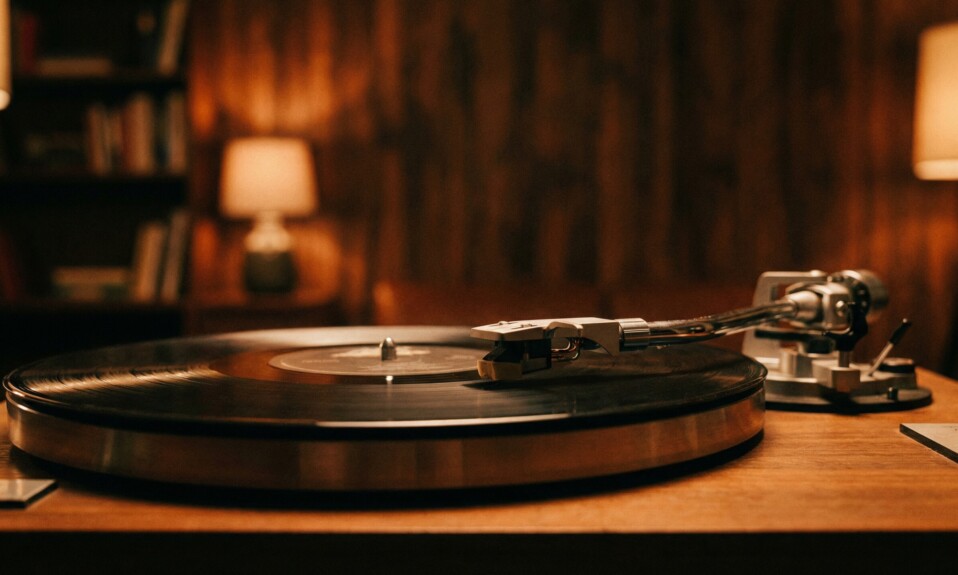
The word “groove” long predates the slang. In music, a groove literally referred to the spiral channel cut into a vinyl record — the track the needle followed. Jazz musicians borrowed this as metaphor: being “in the groove” meant being completely locked into the rhythm, playing with perfect, effortless flow.
From there, groovy emerged as the adjective form — something that had that quality of flow and rightness. The earliest documented uses come from jazz musicians in the late 1930s. To call a performance groovy was a genuine compliment from serious musicians about serious music. It wasn’t casual. It meant something.
In the segregated jazz clubs of Harlem and Chicago, groovy carried real cultural weight — it was insider vocabulary for people who understood what great improvisation felt like from the inside.
-
The Beatnik Bridge: 1950s
The beatnik generation of the 1950s inherited jazz vocabulary wholesale. Writers like Jack Kerouac and Allen Ginsberg were obsessed with jazz culture — they wrote about it, attended sessions, and absorbed its language into their own work.
On the Road (1957) is practically a textbook of jazz slang in action, and groovy appears throughout the Beat lexicon as something authentic and worth seeking. The Beats were running from conformity, and jazz — with its improvisation, its freedom, its rejection of commercial polish — was their model.
Groovy, in this context, described not just music but an entire way of being: spontaneous, present, unbothered by the square world’s expectations.
-
The Peak: 1960s Counterculture
The 1960s took groovy from an insider jazz term to a mass cultural phenomenon. The word became central to the counterculture’s vocabulary — used by hippies, anti-war protesters, and anyone who wanted to signal they were part of the emerging alternative culture.
The Summer of Love in 1967 was probably groovy’s peak moment. It appeared in songs (“Feelin’ Groovy” by Simon & Garfunkel, 1966), in political speeches, in magazine headlines, and in the mouths of television characters trying to appear hip. When a word gets that mainstream, something is always lost.
The shift is important: in the 30s, groovy was a precise musical compliment. In the 60s, it became a general-purpose happiness word, applicable to anything pleasant. The specificity eroded as the audience grew.
-
Famous Uses That Defined the Word
Simon & Garfunkel’s “The 59th Street Bridge Song (Feelin’ Groovy)” (1966) is probably the word’s most enduring monument — a gentle, almost childlike celebration of slowing down and being present. The song captured exactly what groovy meant at its most optimistic: ease, warmth, contentment.
The TV show The Brady Bunch (1969–1974) used groovy constantly, and this is where the word’s decline begins. When suburban sitcom families are calling things groovy, the counterculture cred is gone. It had been fully domesticated. Readers who enjoy these kinds of details may also want Words Your Parents Used That Gen Z Has Never Heard for another quick detour.
Spider-Man also used it — Peter Parker’s groovy exclamations in 1960s comics are both charming and slightly awkward, the word already straining under the weight of its own trendiness.
-
The Decline: 1970s–1980s
By the mid-1970s, groovy was already becoming dated — a marker of the previous decade’s optimism that now felt naive in the aftermath of Vietnam, Watergate, and the end of the hippie dream. The word carried too much baggage from a moment that had soured.
The 1980s buried it. In a decade defined by material ambition, neon, and corporate pop, groovy was the opposite of cool — it was your parents’ word, your embarrassing uncle’s word. Teenagers avoided it the way they avoided bell-bottoms. For another nearby rabbit hole, What Real Estate Agents Mean When They Say ‘Cozy’, ‘Charming’, and ‘Character’ looks at a related piece of everyday culture.
The word essentially went dormant for mainstream use, surviving only in retro contexts and ironic air quotes.
-
The Ironic Revival: 1990s–Today
Groovy came back — but different. Austin Powers: International Man of Mystery (1997) made groovy its signature word, using it as a comedic device to highlight how absurdly dated the 60s spy aesthetic was. Mike Myers understood that groovy had become funny precisely because it was so earnestly, hopelessly square. If this part caught your attention, What ‘Free Cancellation’ Actually Means — And When It Doesn’t Apply gives you another specific angle to compare.
But irony has a funny way of cycling back to sincerity. Today, groovy gets used in two modes simultaneously: the winking, self-aware retro joke and a genuine, warm expression of approval. Younger speakers often use it without the ironic distance, simply because it sounds pleasant and nostalgic. For a different but related slice of the same world, 90s Phrases We All Said But Never Actually Questioned is a good next stop.
There’s also been a quiet return in music — lo-fi, indie, and funk revival artists have reclaimed groove as an aesthetic ideal, and groovy has come with it.
-
What the Word Actually Means, Stripped Down
At its core, groovy always meant something like: this feels right, this flows, this is the way things should be. The jazz musician’s version was technical — the groove was literally the mechanism of music. The hippie’s version was philosophical — the groove was a metaphor for living in harmony with the world. That same curiosity is what makes Paint Color Names Are Nonsense — Here’s How to Actually Choose the Right One worth checking after this section.
Both meanings share the same root idea: there’s a correct way for things to move, a natural flow, and when you find it, that’s groovy. It’s a more optimistic concept than it gets credit for.
The word was always about presence — being so locked into something that effort disappears. In that sense, it’s the opposite of anxiety. Maybe that’s why it keeps coming back.
-
Etymology: Where the Sound Came From
The path from “groove” (Old French: grouve, meaning a mine or pit, related to digging) to musical metaphor to slang adjective is a beautiful example of how language drifts through metaphor.
“Groove” as a verb (to groove on something) appeared alongside groovy as an adjective, and both reinforced each other. You could groove on something groovy. The word family created its own ecosystem of meaning.
Linguists sometimes point to groovy as a case study in what’s called semantic bleaching — the process by which a specific, vivid term gradually loses its precise meaning through overuse and broadens into a vague intensifier. It happened to “cool,” to “nice,” to “awesome,” and it happened to groovy too.
Groovy’s journey from jazz club to hippie commune to suburban sitcom to Austin Powers punchline to ironic-yet-sincere revival is really a story about American culture itself — how movements get commercialized, how words get used up, and how the things we love have a way of cycling back around. It’s a word with more history packed into it than most people realize. And honestly? That’s pretty groovy. If you like this kind of overlooked detail, 35 Things Every 1930s Family Did That We’ve Completely Forgotten is another useful read to open next.