A compassionate letter about the private challenges of life at 80 that are easier to carry once someone finally names them.
Dear friend,
There are things about life at 80 that people do not see because you have become very good at making them look smaller than they feel. You smile. You adjust. You say, "I'm fine." You make a joke before anyone can hear the tiredness underneath.
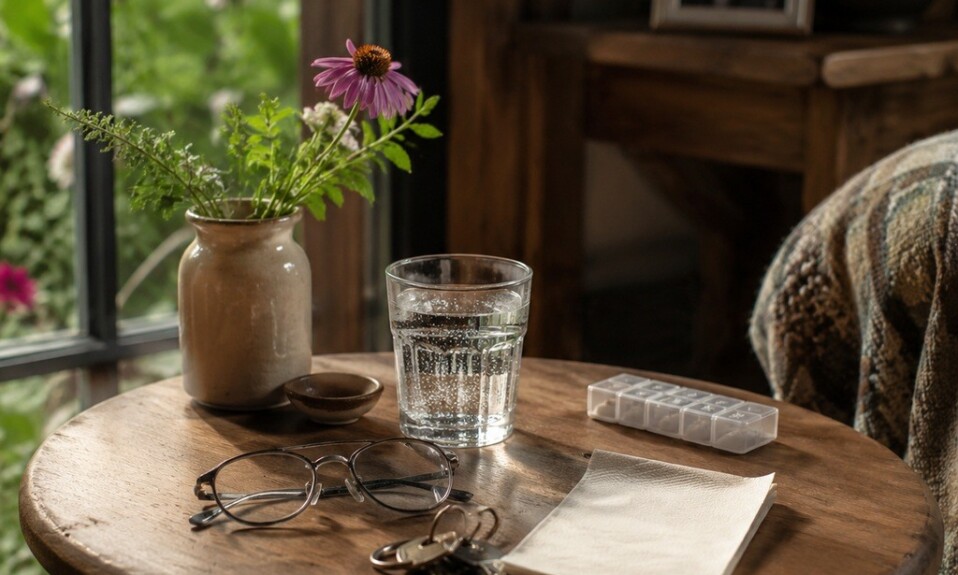
But inside, some days may feel like a thousand small negotiations. The step, the pill bottle, the calendar, the name that hovers just out of reach, the chair that suddenly matters because getting up is no longer casual. Life can become heavier without looking dramatic from the outside.
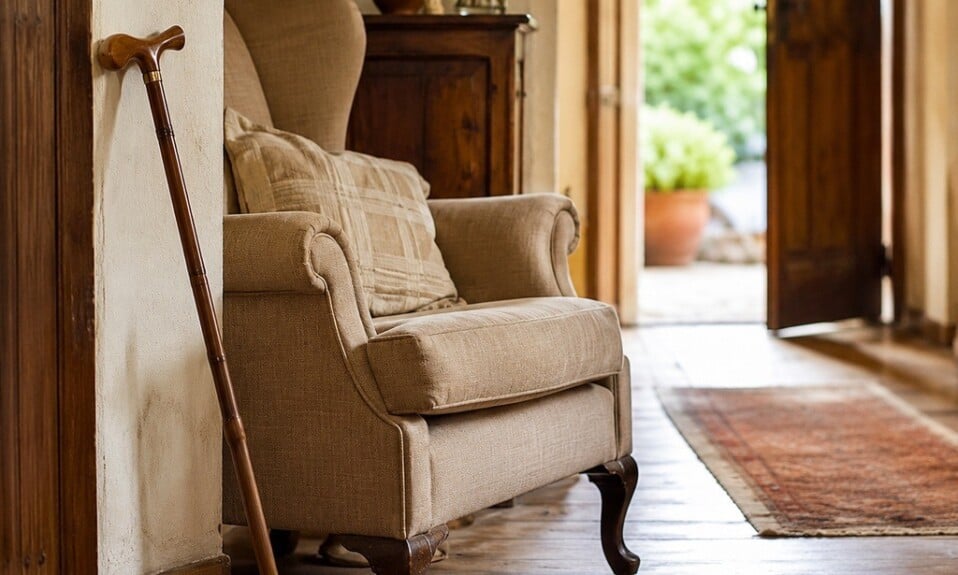
That hidden weight can be lonely. People notice the obvious things: a cane, a slower walk, a doctor's appointment. They may not notice the mental effort of planning every outing around bathrooms, parking, weather, noise, stamina, and whether you will have enough energy to come home.
You may miss spontaneity more than you expected. The old ease of saying yes. The old confidence of leaving the house without checking so many conditions first. The old body that did not need a committee meeting before an errand.
Please do not call yourself difficult for needing more thought now. Your needs are not inconveniences just because they are new. They are information from a body that has carried you a very long way.
There may also be the hidden work of not worrying people. You may soften the truth for your children. You may say the appointment went fine, the fall was nothing, the loneliness passes, the night was not that long. Sometimes protecting others becomes another chore you never planned to carry.
And yet you may still want dignity. You may want help but not hovering. Concern but not control. Company but not pity. Being older does not mean you stop needing the right kind of respect.
It is exhausting when every choice starts to feel like a debate between safety and selfhood. Use the railing, but do not feel old. Ask for help, but do not become dependent. Rest, but do not disappear. Move, but do not risk falling. The rules can contradict each other until you feel tired before the day begins.
If nobody has said this plainly: some of this is hard because it is hard. Not because you are failing. Not because you have the wrong attitude. Aging asks for courage in very ordinary clothes.
The courage may look like admitting you need the brighter lamp. It may look like accepting the ride. It may look like saying no to an event that would empty you for two days. It may look like telling the truth when someone asks, "How are you really?"
You do not have to make every challenge inspirational. Some things are simply annoying. Some are frightening. Some are sad. You are allowed to feel the inconvenience of your own limitations without turning it into a lesson by dinner.
Still, there can be relief in naming the hidden weight. Once a thing has a name, it is not only a vague pressure pressing on your chest. It becomes something you can arrange around, ask help with, or speak about without apologizing.
Maybe the sentence is, "I need more time." Maybe it is, "I can come, but I cannot stay long." Maybe it is, "Please do not rush me." Maybe it is, "I want help, but I still want to decide." Plain words can protect dignity.
There may be moments of beauty inside this season too. A slower morning may let you notice light on a wall. A smaller circle may reveal who is truly gentle. A body that needs patience may teach you to stop wasting tenderness on people who only valued your usefulness.
That does not erase the hard parts. It simply means the hard parts do not get the whole story.
You are more than the management of your own decline. You are still humor, memory, preference, irritation, forgiveness, appetite, taste, stubbornness, and love. The weight is real, but it is not all of you.
The hidden weight can also include decision fatigue. Should you mention the symptom? Should you ask for a ride? Should you tell your child about the bill, the dizziness, the loneliness, the broken step? Every small question can carry the fear of becoming "too much."
Please hear this: needing more consideration does not make you too much. It means life has changed and the people who love you may need to learn new forms of love.
You may also be grieving privacy. Not only physical privacy, but emotional privacy: the ability to have a hard day without it becoming a family discussion, a doctor's note, or another reason someone checks on you with worry in their voice.
That is why respectful help matters so much. Help that listens feels different from help that takes over. One preserves your dignity; the other makes you feel like a project.
If you can, name what kind of help feels good. "Please ask before moving things." "Please slow down." "Please let me try first." These are not demands. They are instructions for loving you better.
The hidden weight becomes lighter when it is shared by people who do not make you regret telling the truth.
May someone near you learn to see what you carry quietly. May they help without taking over. And may you remember, on the days that feel heavy, that needing more care does not mean you have become less worthy of being known.