A calm letter for the gardener who loves a lively yard but wants fewer hiding places, surprises, and snake-friendly mistakes close to the house.
Dear gardener,
It is hard to enjoy a yard when part of you is wondering what might be hidden under the edge of the shed, the woodpile, the tall grass, or the messy corner you keep meaning to clean. A garden should feel alive, but not like it is keeping secrets from you.
If you worry about snakes near the house, you do not have to be dramatic to take that seriously. A yard can be beautiful and still need clearer boundaries.
Snakes usually come where the basics make sense: cover, food, shade, water, and quiet places to move unseen. That does not mean your yard is bad. It means some choices may be making it more welcoming than you realized.
Tall grass near foundations, stacked wood close to doors, loose boards, dense groundcover, overgrown shrubs, and piles of leaves can all create the kind of shelter small animals use. Where small animals gather, snakes may follow.
The goal is not to turn your yard into a sterile slab. It is to make the areas closest to daily life less inviting for surprises. Clean edges calm the nervous system.
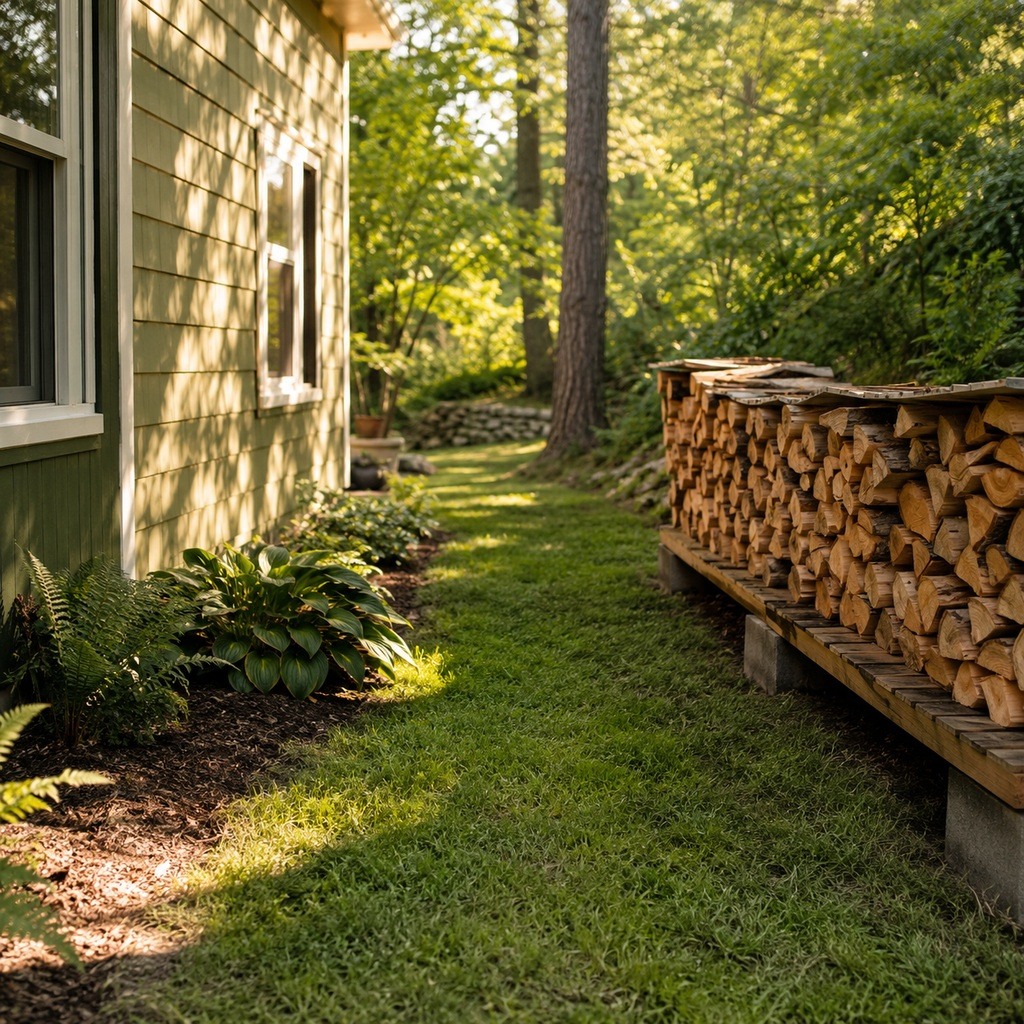
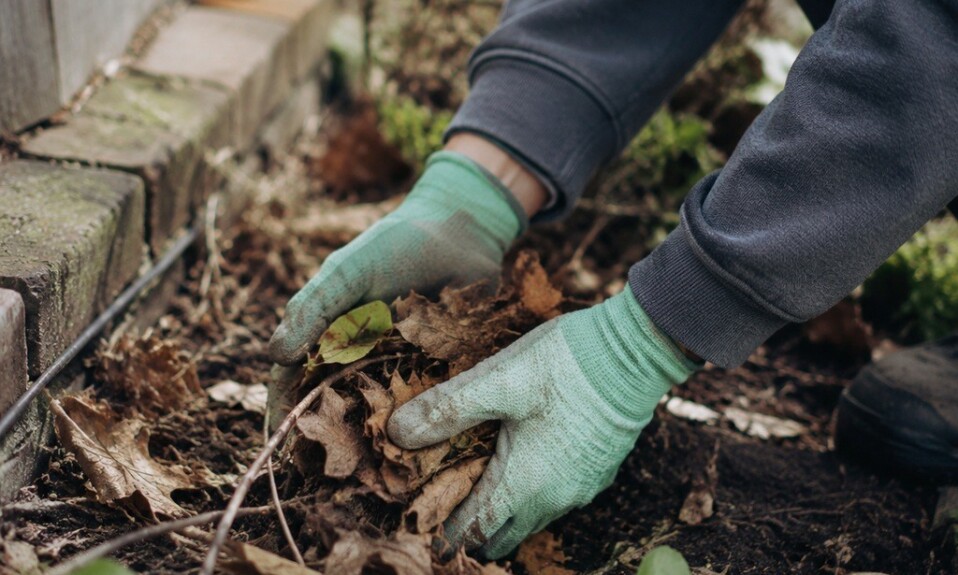
Start near the house, patio, garage, and walkways. Trim back dense growth. Lift pots off the ground if they create hiding spots. Move woodpiles away from doors. Clear leaves that collect against walls. Keep grass shorter where people walk.
These changes are not glamorous, but they work because they remove mystery. A visible edge gives you confidence before you step, reach, weed, or open a gate.
Water can matter too. Leaky spigots, damp clutter, low spots, and messy pond edges can draw the insects and small animals that draw larger visitors. Yard problems often travel as a food chain.
If you feed birds, look below the feeder, not only above it. Spilled seed can invite rodents. Rodents can invite snakes. A tidy feeder area is not only about appearance; it changes what the yard is offering.
Storage areas deserve special honesty. The stack of unused pots, the tarp, the bricks, the kids' old toys, the bags of soil, the broken chair behind the shed. These things become little hotels for creatures that prefer not to be seen.
You do not have to clear everything in one heroic afternoon. Choose one zone. Work with gloves. Use a rake before reaching. Lift objects away from your body. The first rule is not bravery. It is visibility.
Some gardeners feel guilty making a yard less wild. But reducing snake-friendly hiding places near the house does not mean you hate nature. It means you are deciding where wildness belongs.
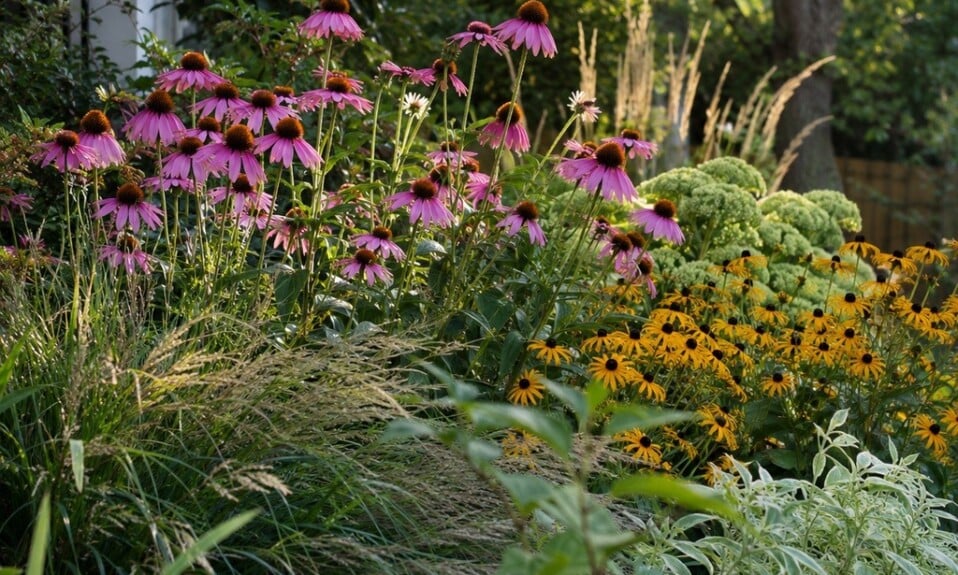
You can keep habitat farther from the home if that fits your property: brush at the back, pollinator plants in clear beds, mulch that is maintained rather than piled thick against the foundation. A yard can support life without making the back door feel tense.
Be careful with online miracle fixes. Strong smells, random powders, and gadgets often promise more than they deliver. Maintenance beats magic. Food, cover, and access matter more than most shortcuts.
If venomous snakes are common in your area, learn the local species and have a real plan. Know who to call. Teach children not to reach into hidden places. Keep pets away from brushy edges. Calm preparation is better than panic.
The emotional payoff is simple. You want to walk outside and feel your shoulders drop. You want to water plants without scanning every shadow. You want the yard to feel like yours again.
The fear is often worse when you cannot see clearly. A neat open path feels different from a path where plants spill over your ankles. A tidy shed edge feels different from one hidden by boards and weeds.
That is why visibility is emotional as well as practical. When you can see the ground, your body relaxes before your mind has to argue with it.
Work from the places you use most. Back door, trash bins, hose area, patio, garage, children's play space, pet paths. The far wild corner can wait if the daily path still feels tense.
Use tools before hands. Rake first. Tap before lifting. Wear gloves. Move slowly. Caution is not fearfulness; it is respect for hidden spaces.
Also remember that snakes are part of many ecosystems. The goal is not panic or hatred. The goal is distance, clarity, and fewer invitations close to where people live.
A calmer yard often comes from ordinary maintenance repeated: shorter grass, fewer piles, cleaner edges, less spilled seed, and storage that does not create secret rooms.
You may feel a little foolish for being nervous, especially if someone else in the house is not bothered. But comfort outdoors is personal. A yard that makes one person curious can make another person tense.
Your comfort counts too. You are allowed to design the yard for peace, not just appearance.
That may mean lower planting near paths, fewer hiding places by doors, and moving the wilder textures farther from where bare ankles, pets, children, and daily chores pass through.
The result can still be beautiful. Clear does not have to mean barren. It can mean intentional, breathable, and easier to trust.
May your garden stay lively but less secretive. May the edges become clearer, the clutter lighter, and the pathways easier to trust. And may you remember that peace in a yard often begins with what you can finally see.