Most Americans spend thousands of dollars chasing a Caribbean vacation that doesn’t deliver what the brochure promised. You book the dream island, get there, and spend half your trip fighting crowds, overpriced cocktails, and resorts that look nothing like the photos. The island sitting at #1 on this list is one most travel agents will never mention because they don’t get commission for sending you there. Don’t book a flight until you’ve read to the end.
25. Nassau, Bahamas
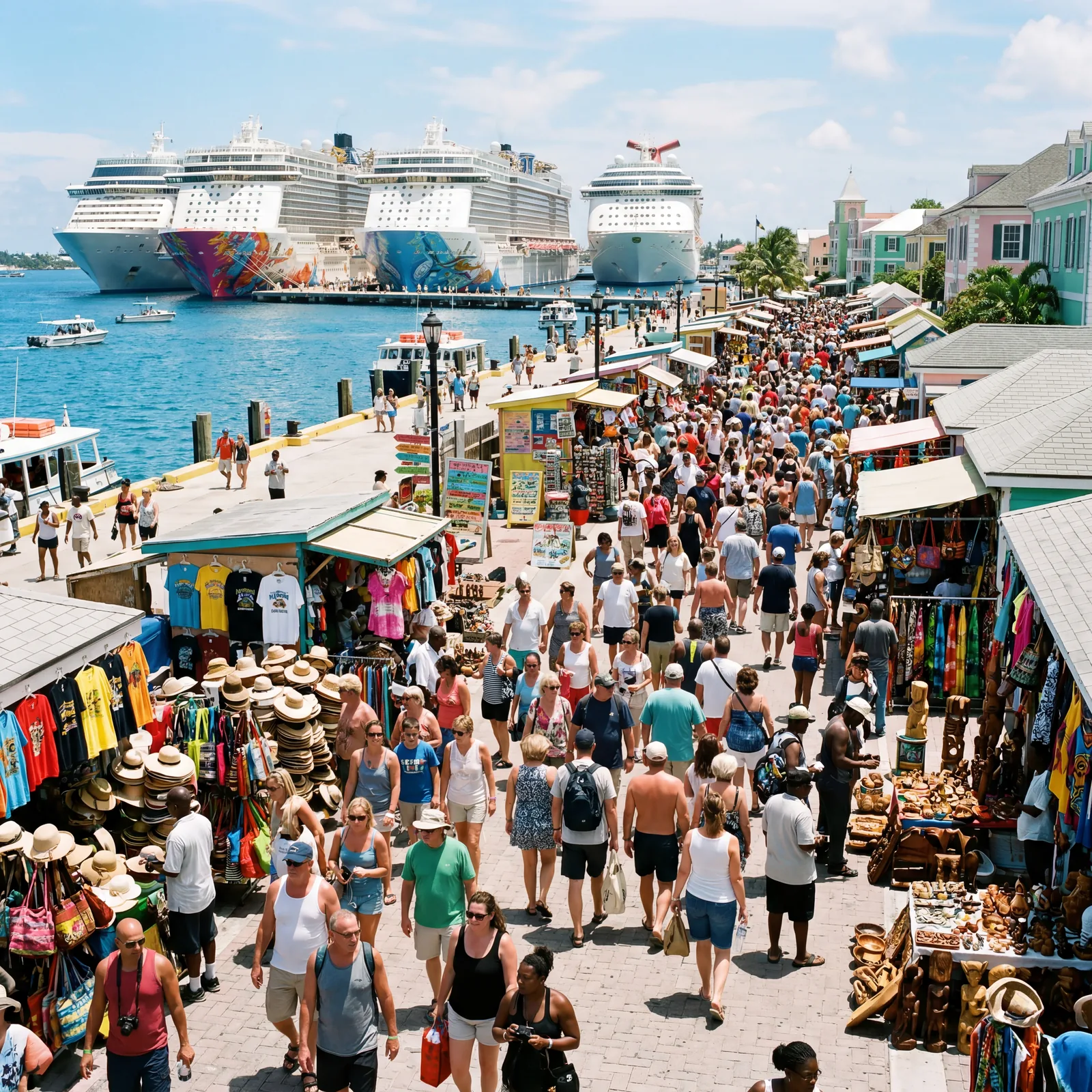
Nassau is the entry point for the Bahamas for most Americans, and it’s a trap. The moment your cruise ship docks, you’re funneled into a corridor of overpriced stalls selling the same conch shell magnets. The beaches near the port, like Junkanoo Beach, are packed with cruise passengers every single day. A decent meal here runs $40 a plate and the “local” seafood often comes frozen. One retired couple from Georgia told me they spent $2,200 for three days and barely left the tourist strip. Skip it.
24. Cancun (Caribbean Side)
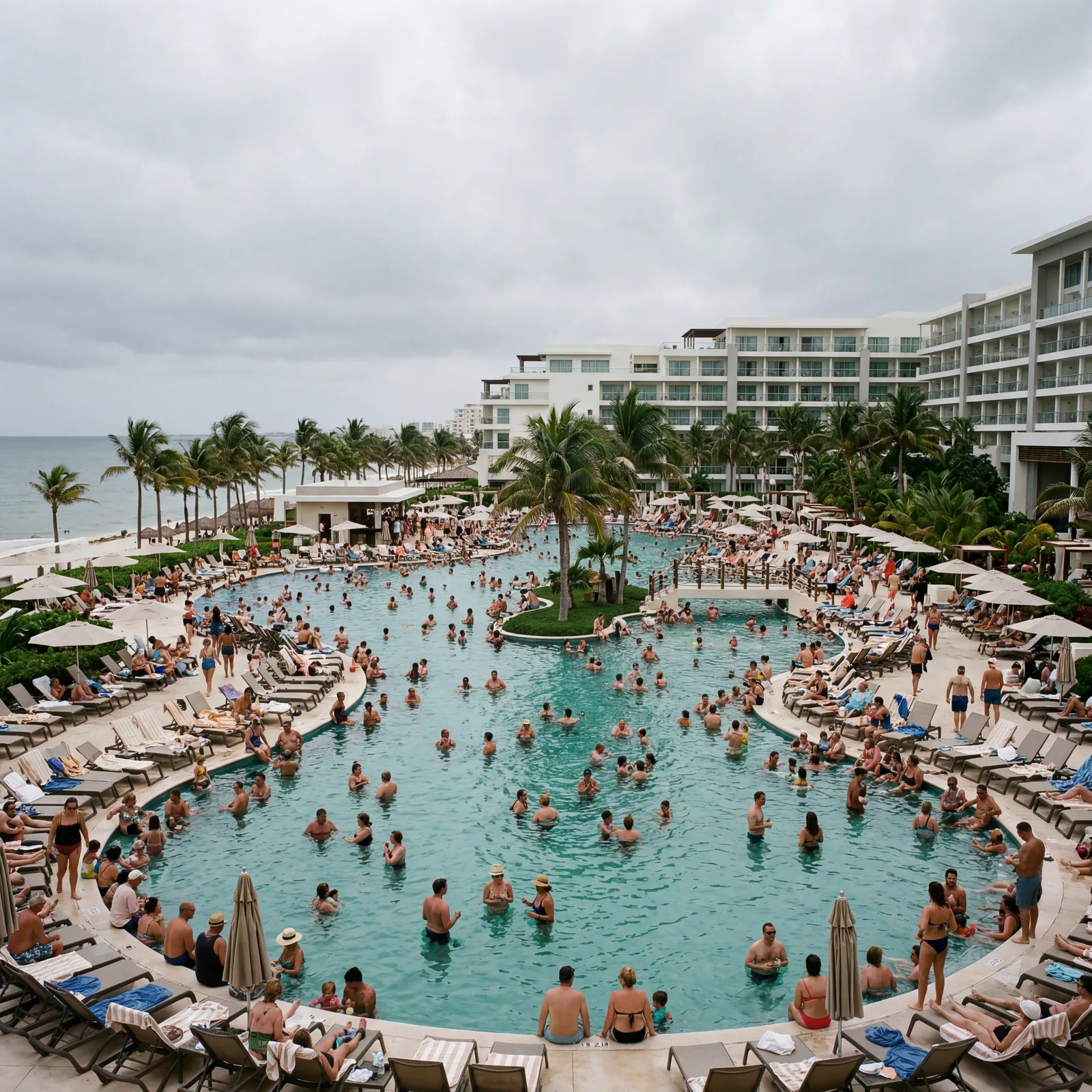
Technically on the Caribbean coast, Cancun makes this list because so many Americans treat it as their Caribbean fix. The hotel zone is a strip mall with a beach. The sand is genuinely beautiful, but you’ll share it with 50,000 other tourists during peak season. All-inclusive packages sound like a deal until you realize you’re eating mediocre buffet food three times a day and drinking watered-down margaritas. Prices have jumped 35% since 2022 as post-pandemic demand flooded in. There’s a real Mexico about 20 minutes away from the hotel zone, and most visitors never see it.
23. St. Thomas, US Virgin Islands
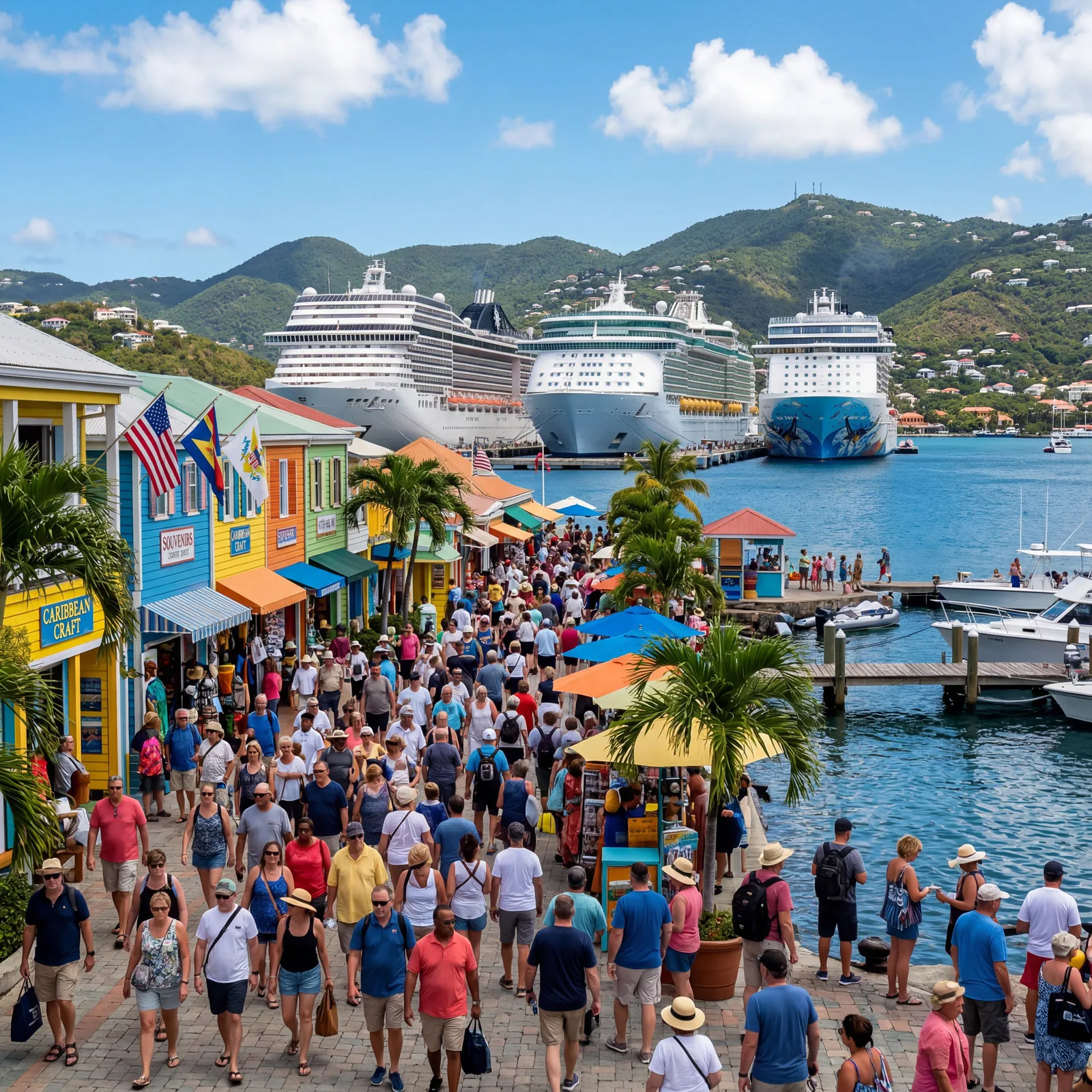
St. Thomas has two things going for it: duty-free shopping and the fact that you don’t need a passport. That’s about it. Charlotte Amalie is a beautiful harbor that’s been turned into a cruise-ship retail strip. The beaches on the south side are crowded. Magens Bay is lovely but costs $5 per person to enter and gets mobbed. Restaurants are priced at New York City levels. Everything on a US territory comes with a US price tag. If duty-free jewelry isn’t your reason for going, there are better options closer in price and further in experience.
22. Jamaica (Montego Bay)
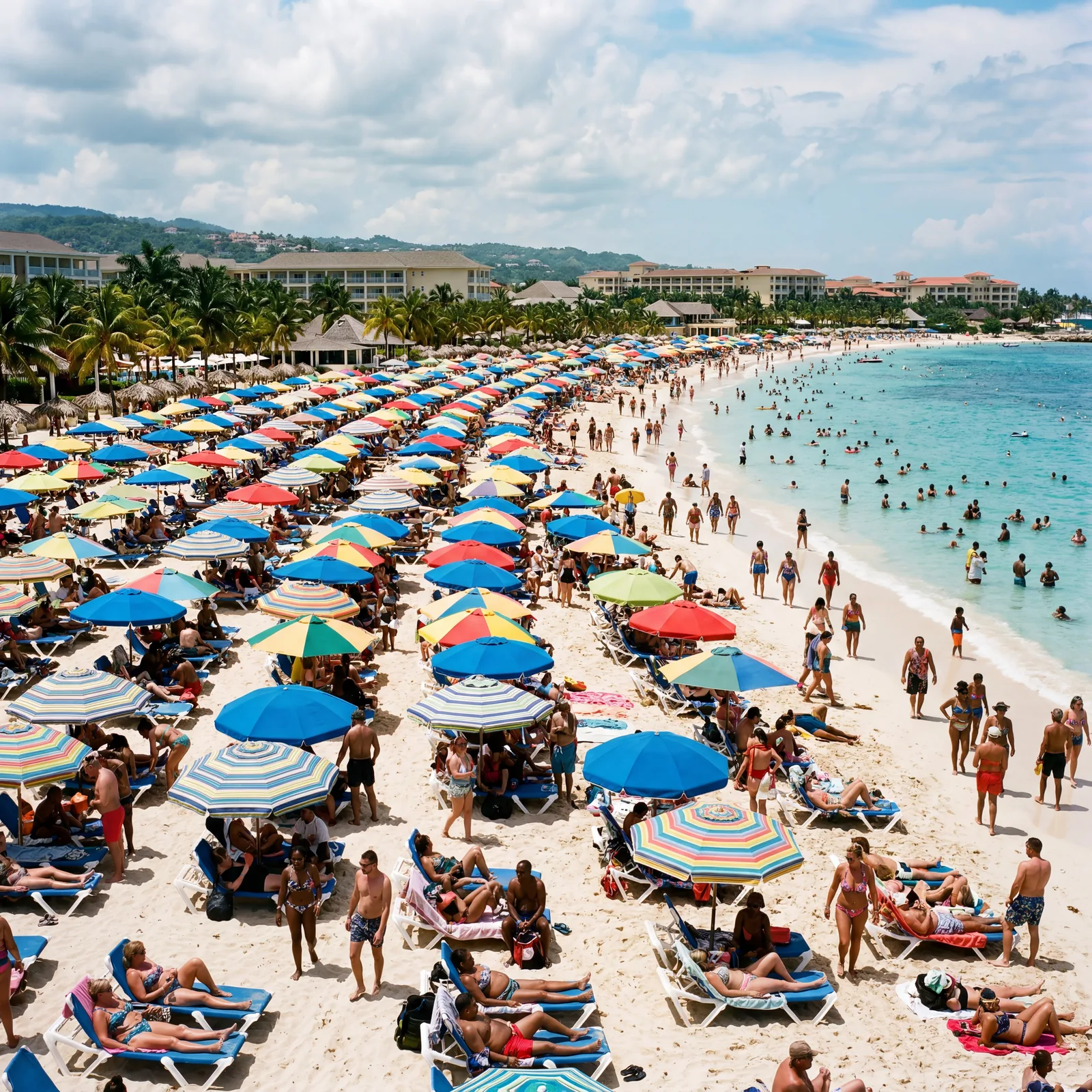
Jamaica the island is genuinely special. Montego Bay the resort strip is not. MoBay exists to funnel tourists from the airport into all-inclusives without ever engaging with the actual country. You’ll get great jerk chicken at the resort. You’ll pay $18 for a Red Stripe at the swim-up bar. The “Hip Strip” of tourist bars and souvenir shops is exactly what it sounds like. The parts of Jamaica worth seeing are in the mountains, along the coast toward Negril, and anywhere local people actually go. If you’re flying into Montego Bay and staying within walking distance of the airport, you’re getting the worst version of a country that has a genuinely good version.
21. Punta Cana, Dominican Republic
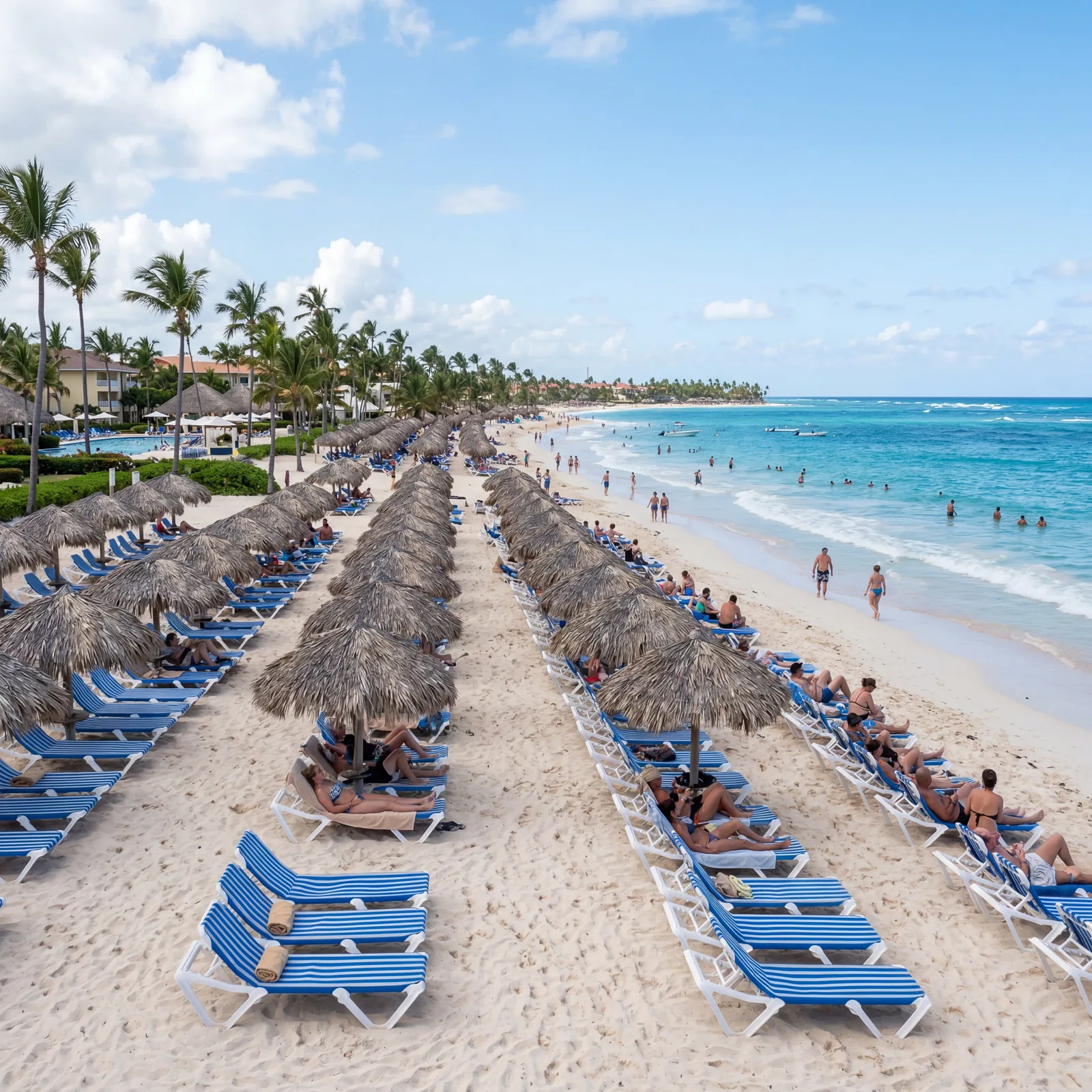
Punta Cana is the budget Caribbean option, and it delivers exactly what that implies. The beaches are postcard-perfect. The resorts are enormous, cheap, and soulless. You’ll spend your whole trip on resort grounds because the surrounding area has limited appeal for most travelers. This works fine if you want to unplug for a week without thinking too hard. But if you want to actually experience the Dominican Republic, a country with incredible mountains, rivers, and local food culture, Punta Cana is actively in your way. It’s built to keep you contained.
20. Aruba
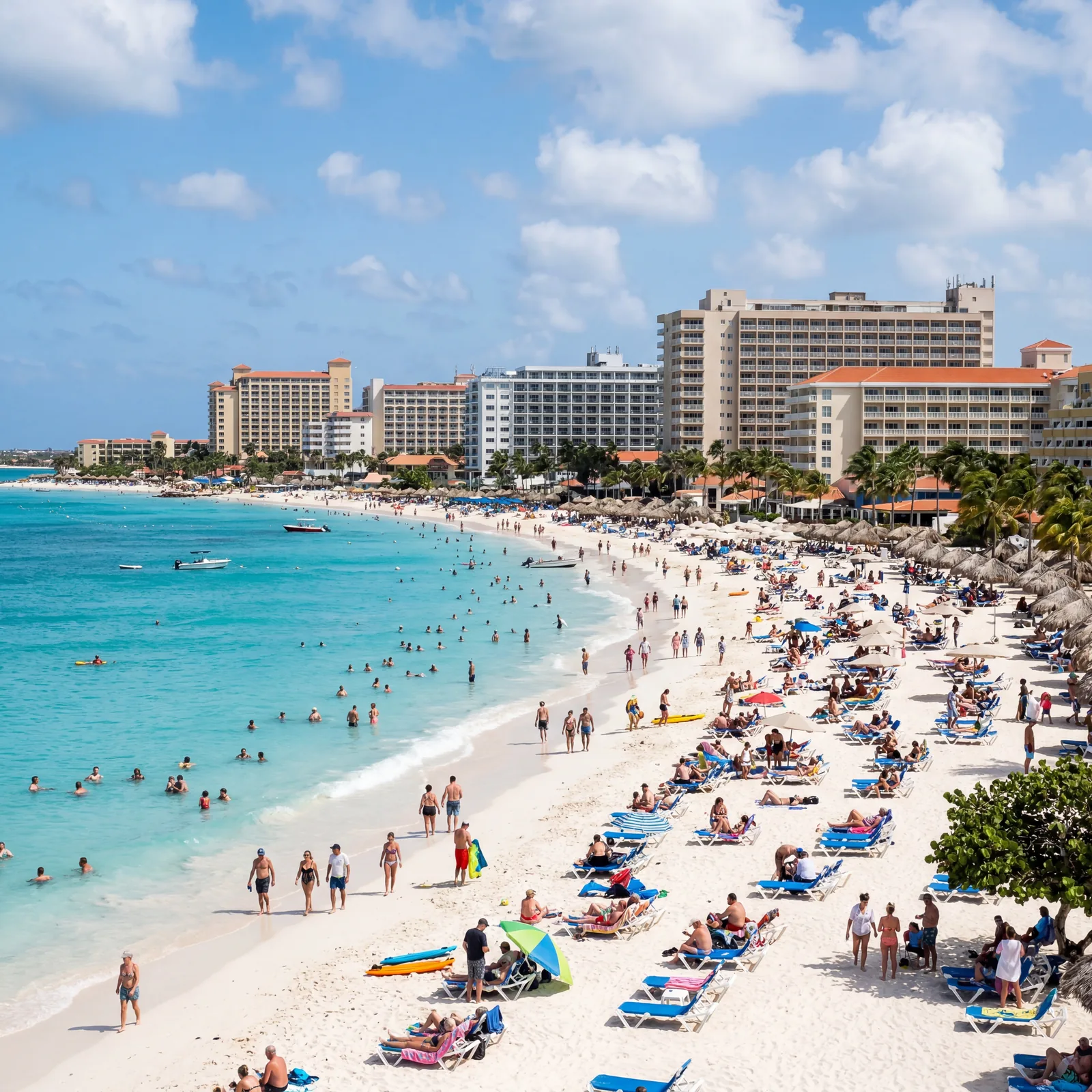
Aruba markets itself as the “One Happy Island,” and the weather genuinely backs that up. It sits outside the hurricane belt and gets consistent sunshine. That’s real. What’s also real is that everything here costs a premium. Dinner for two at a mid-range restaurant runs $120 before drinks. The island is small, flat, and dry, which makes it feel more like the American Southwest than the lush Caribbean most people picture. Eagle Beach is stunning and less crowded than Palm Beach. But Aruba is increasingly a cruise destination first and a real destination second, and the pricing reflects it.
19. Grand Cayman
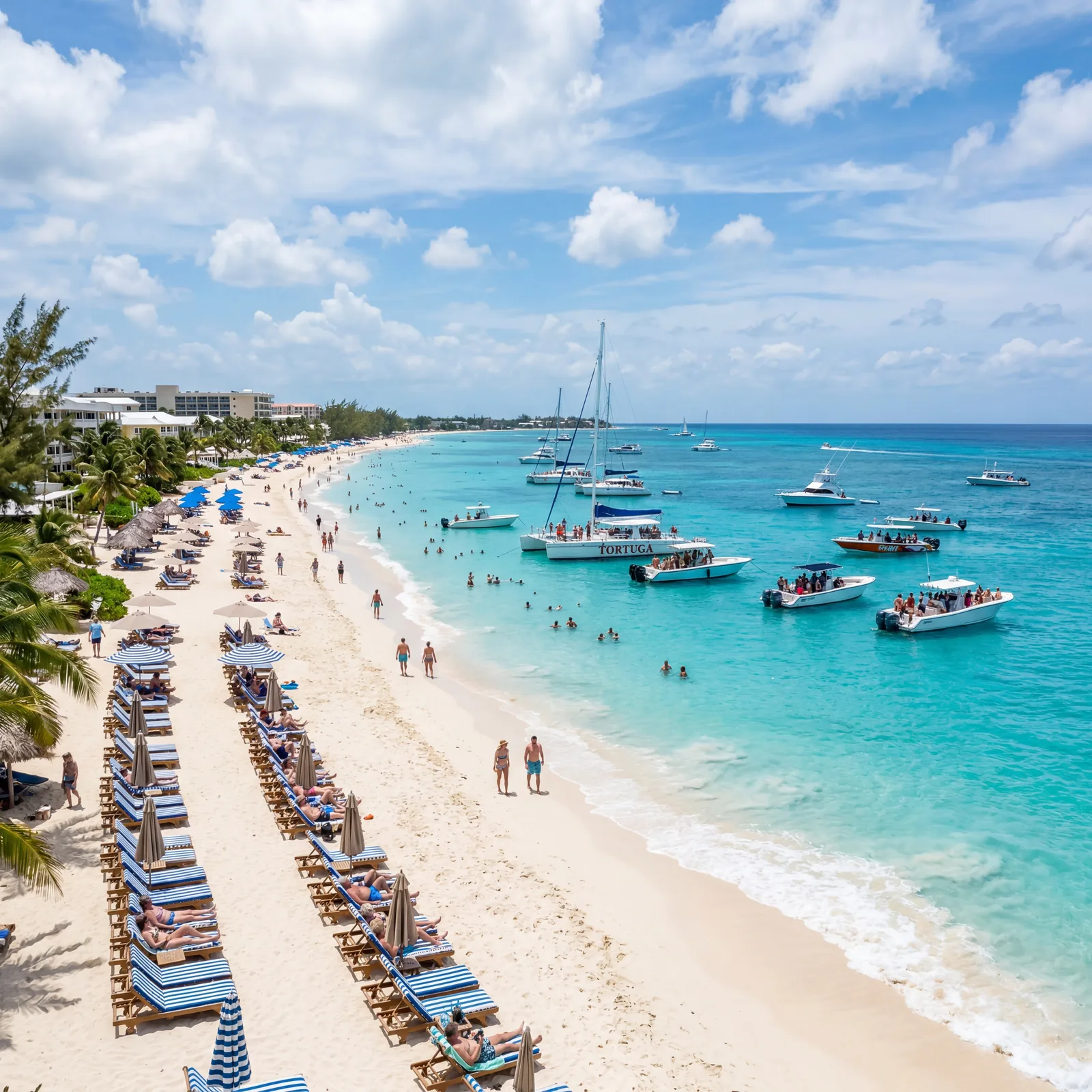
Seven Mile Beach is one of the most consistently beautiful stretches of sand in the Caribbean. Grand Cayman earns its reputation there. The rest of the island is a financial services hub that happens to have good snorkeling. Prices are among the highest in the Caribbean: $300+ per night for a mid-range hotel, $25 cocktails at the beach bars. Stingray City, the famous sandbar where you can touch stingrays, is worth doing once. But the Cayman Islands are more popular with offshore banking clients than with families on a budget. Go if you can afford it without flinching. Otherwise, your money goes further almost anywhere else on this list.
18. Barbados
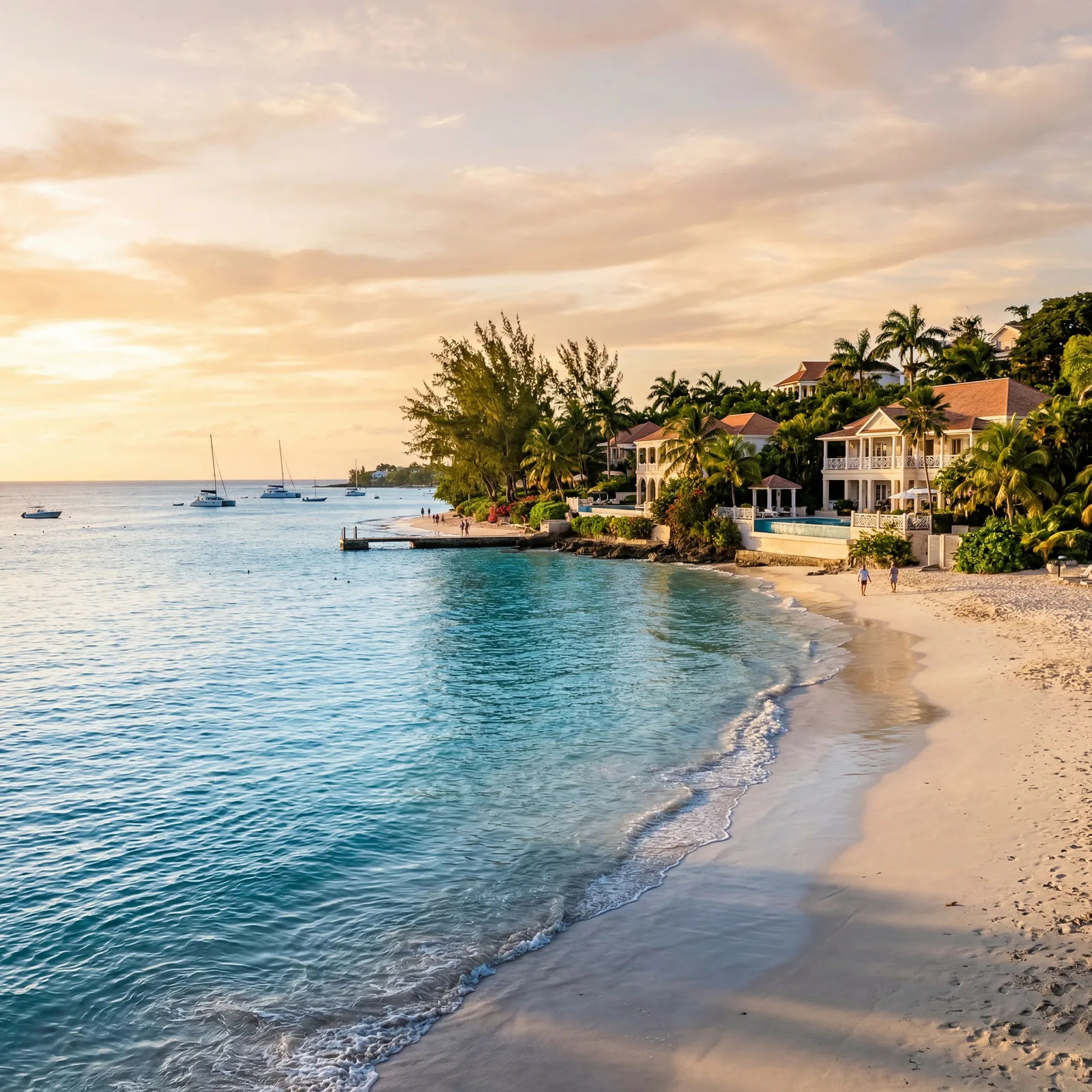
Barbados has two completely different personalities. The west coast (Platinum Coast) is all luxury villas and quiet money. The south coast is more accessible: beach bars, local rum shops, and the famous Oistins Fish Fry on Friday nights where you’ll eat better for $15 than you would anywhere else on the island. The problem is getting to and from things. Barbados is not built for walkability, taxis are expensive, and renting a car to navigate the left-hand-drive roads requires confidence. It’s worth it for the right traveler. Not for everyone.
17. Puerto Rico
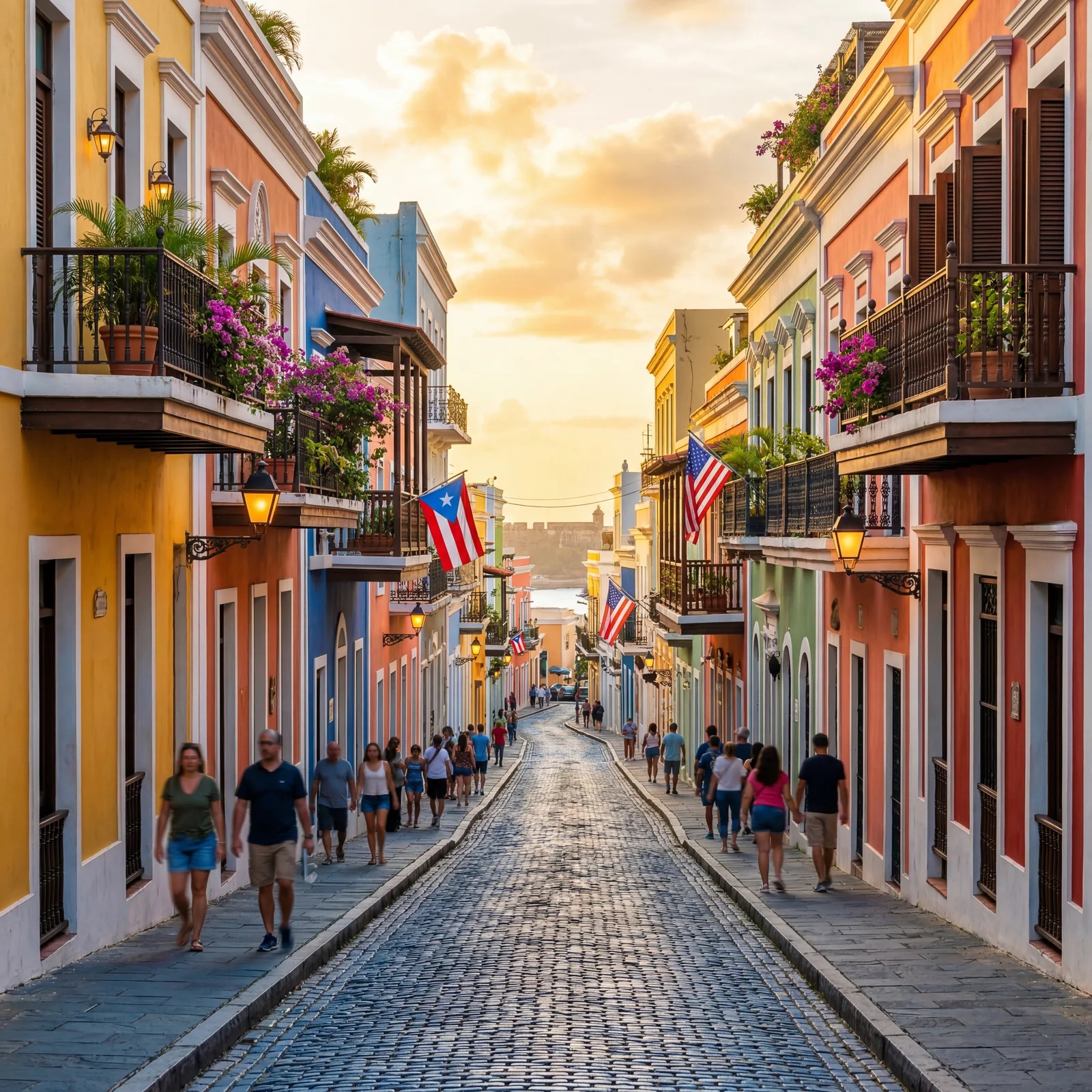
Puerto Rico is the best deal in the Caribbean for Americans who want no passport hassle, familiar food safety standards, and real depth of culture. Old San Juan’s cobblestone streets and painted buildings are genuinely beautiful, not manufactured. El Yunque rainforest, Bioluminescent Bay in Vieques, and the food scene in Santurce are all excellent. The catch: San Juan’s tourist areas have gotten expensive since 2017 recovery money poured in. Hotels in Condado now charge Miami Beach prices. You need to get outside the tourist bubble to get real value. When you do, Puerto Rico rewards the effort.
16. Turks and Caicos
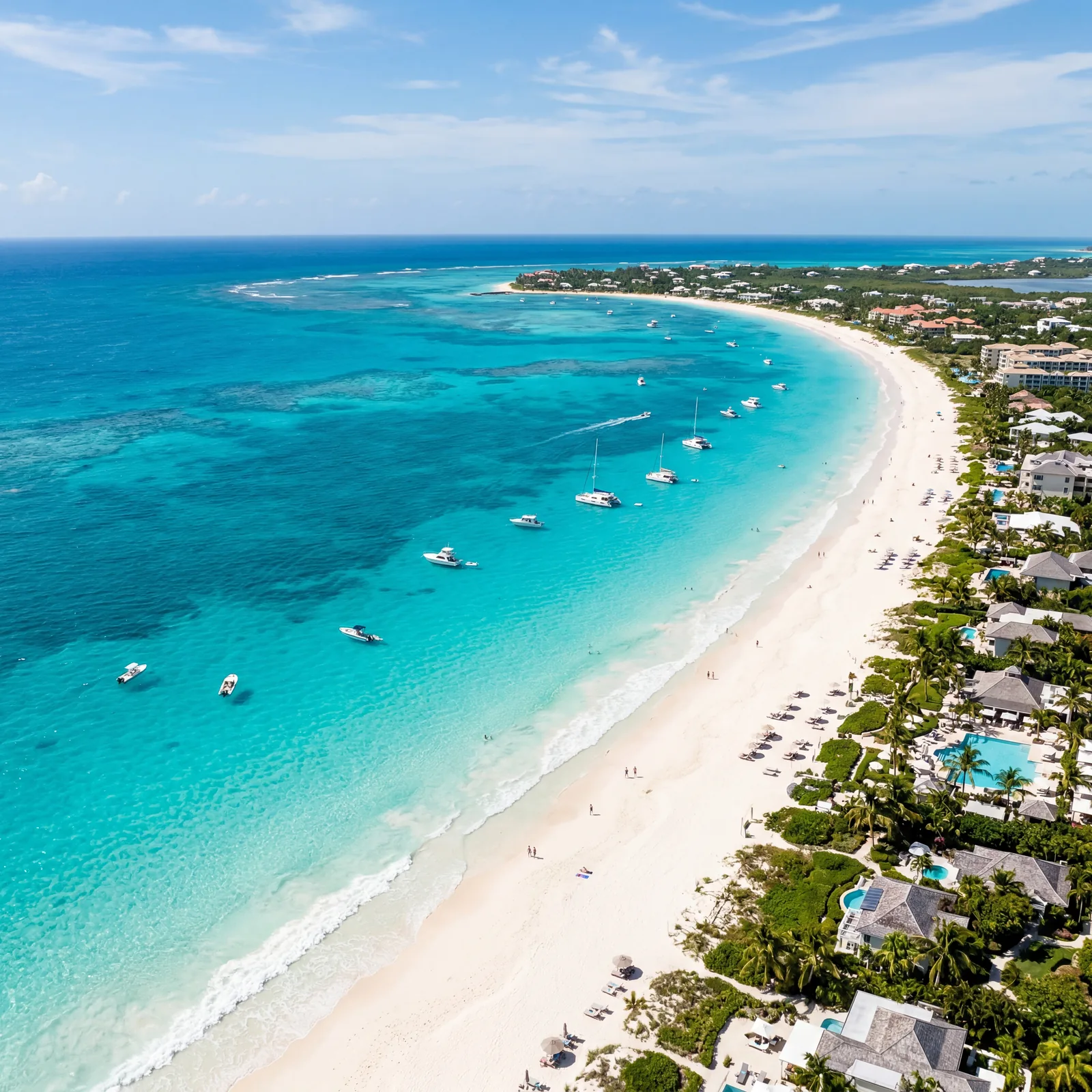
Grace Bay is legitimately one of the most beautiful beaches on earth. The water color there is not edited. It’s real. Turks and Caicos is also one of the most expensive destinations in the entire Caribbean, full stop. Budget travelers have no business being here. A week at a mid-range resort runs $5,000 or more before activities. There is almost nothing to do beyond the beach and water sports. The island has one main road, a handful of restaurants in town, and a very limited local culture footprint because it’s a British Overseas Territory still figuring out its identity. It earns its spot here because the beach is real. The price is also very real.
15. Negril, Jamaica
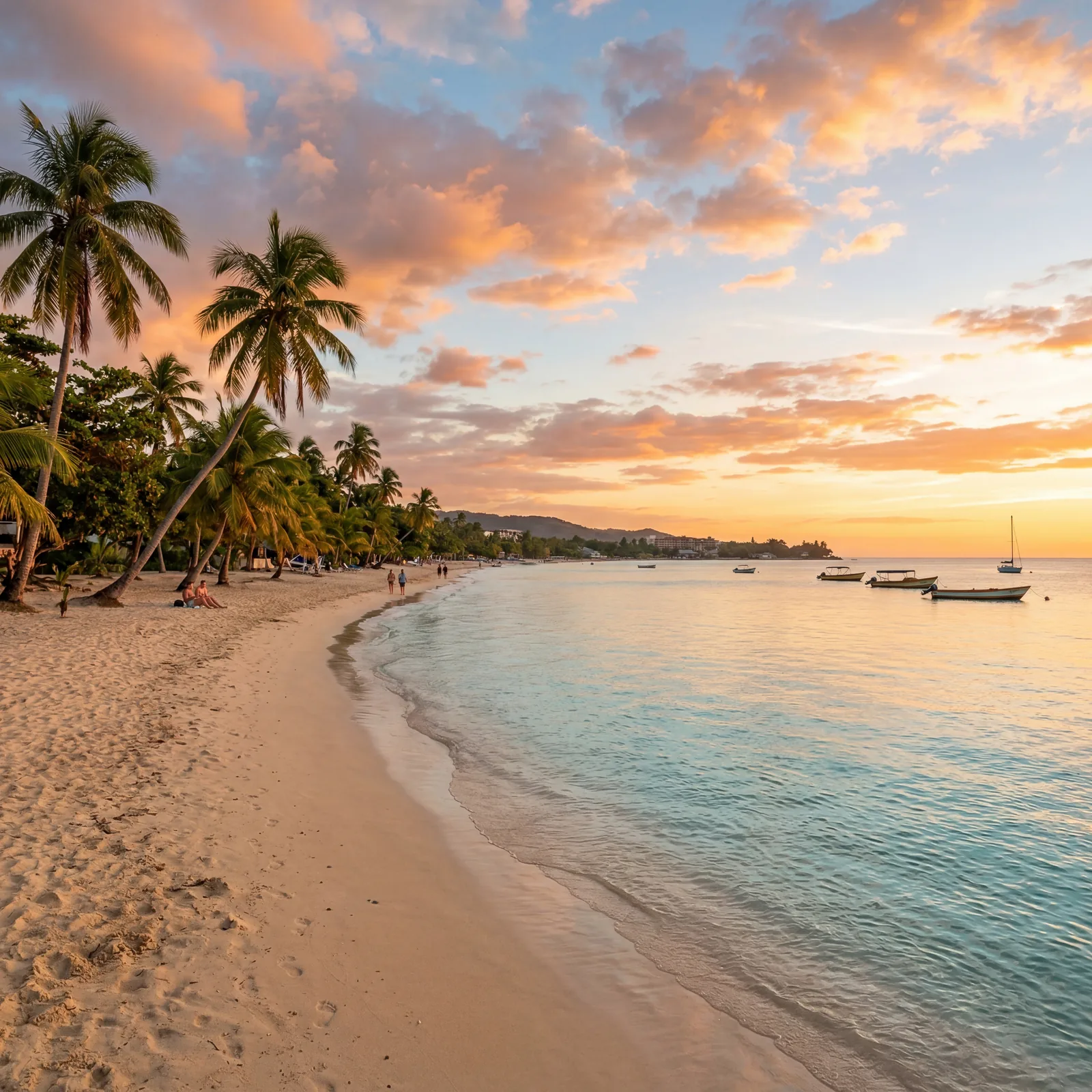
This is the Jamaica most people mean when they imagine the place. Negril’s Seven Mile Beach is calm, swimmable, and far less chaotic than anything around Montego Bay. The cliffs at Rick’s Cafe are a genuine spectacle at sunset. Local restaurants here serve better food at a fraction of resort prices. You can eat jerk chicken with rice and peas for under $10 USD. The town has a laid-back vibe that feels nothing like the all-inclusive bubble a few hours up the road. Getting here requires either a long drive from MoBay or a charter, which puts some people off. Worth it.
Read More: The 19 Most Underrated Caribbean Beaches Americans Keep Missing
14. Curaçao
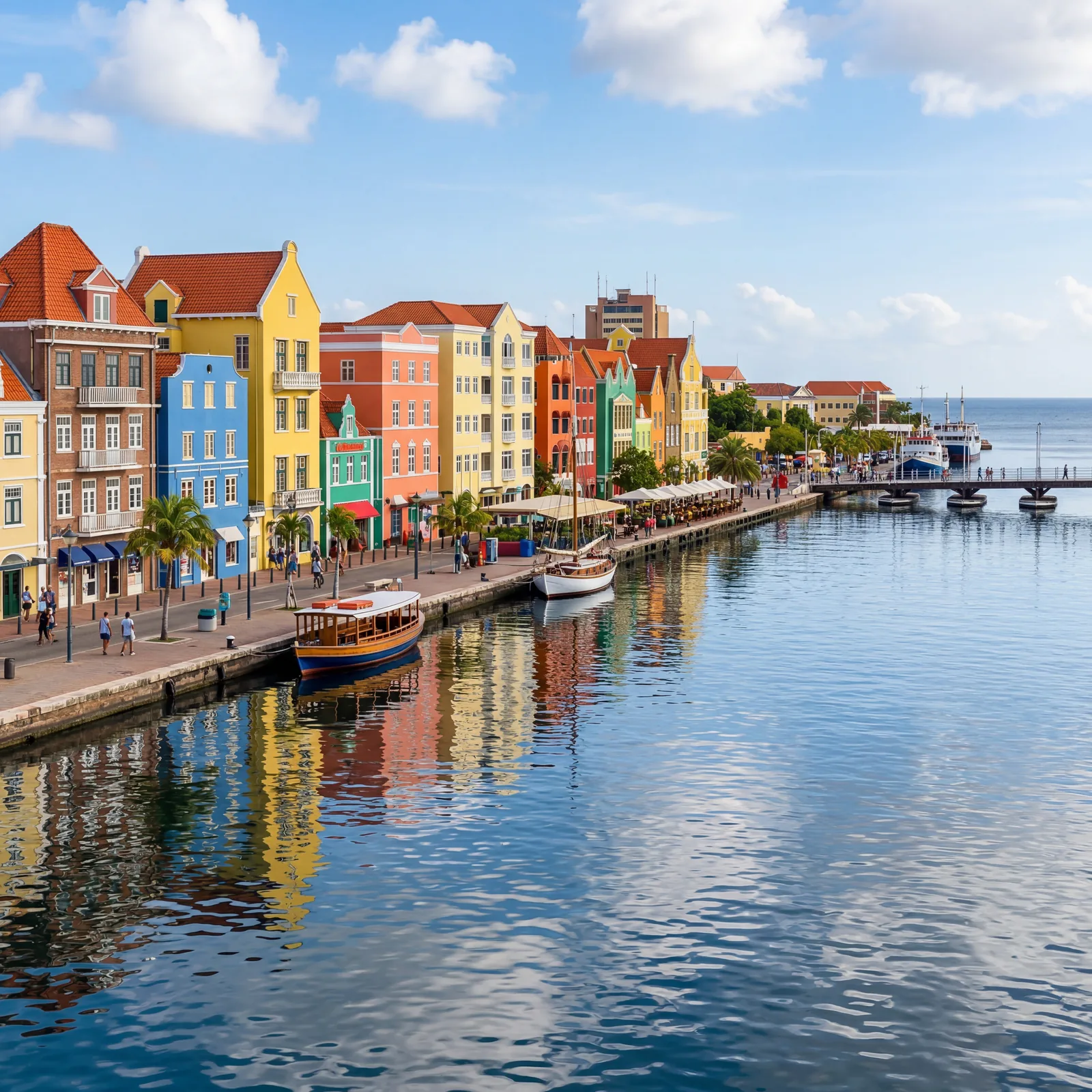
Curaçao is the surprise package on this list. Willemstad, the capital, has some of the most photogenic architecture in the entire Caribbean: Dutch colonial buildings painted in every color, a floating pontoon bridge, and a waterfront that looks like Amsterdam dropped into the tropics. The island sits below the hurricane belt. The diving here is some of the best in the region, with wall dives dropping hundreds of feet off the coast. Hotels are meaningfully cheaper than Aruba or Bonaire despite similar geography. It’s harder to get to from the US, which is exactly why it’s less crowded and considerably more interesting.
13. Martinique
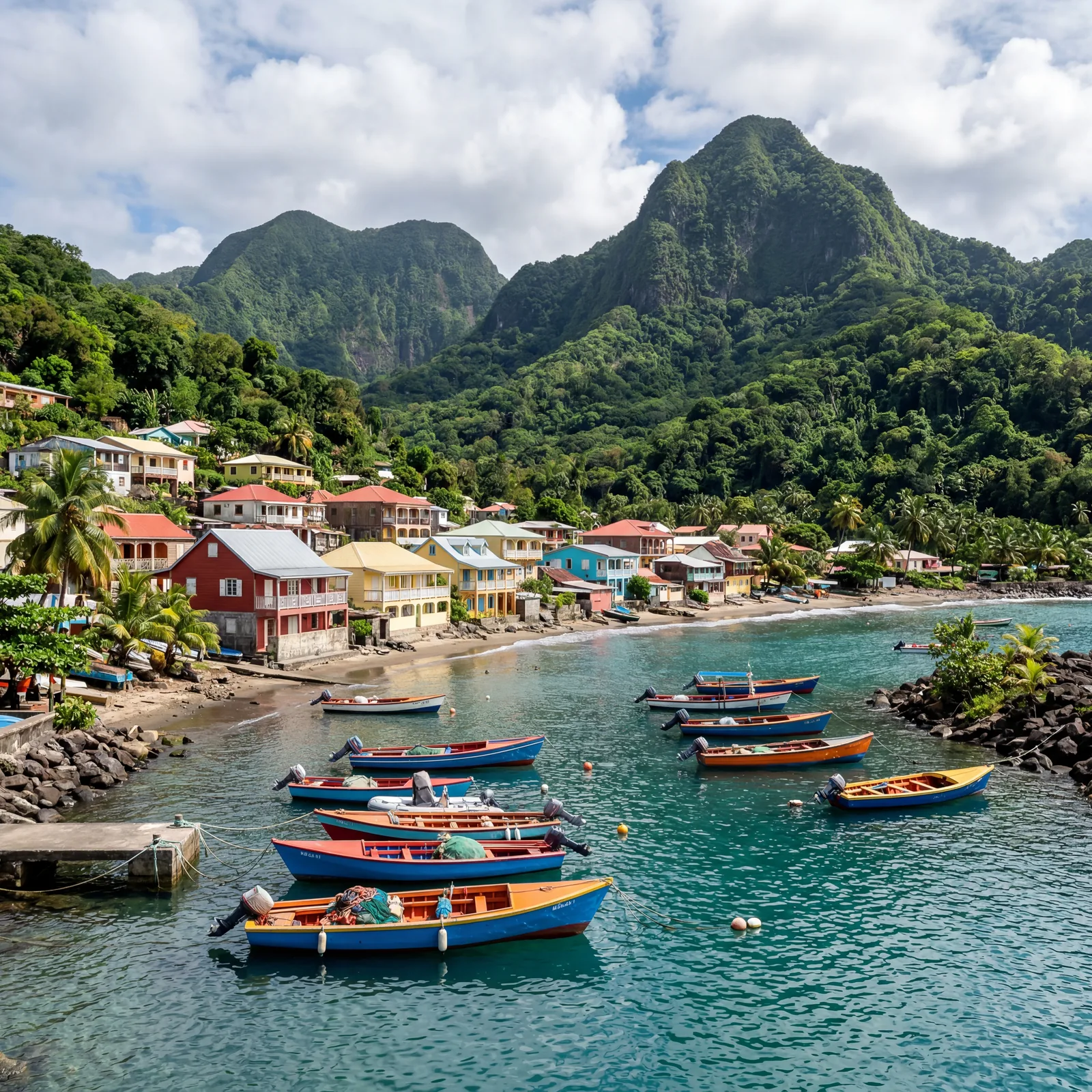
Martinique is a French overseas department, which means the food, the wine, and the overall vibe are genuinely French Caribbean in a way no other island pulls off. The boulangeries are real. The rum here (Rhum Agricole) is arguably the best in the Caribbean, distilled from fresh sugarcane juice rather than molasses. You’ll need some French, or at minimum patience, to navigate beyond the tourist areas. Prices run higher than some neighbors because you’re dealing with French living standards. But the payoff is an island that feels nothing like the American resort machine grinding through the northern Caribbean.
12. St. Kitts and Nevis
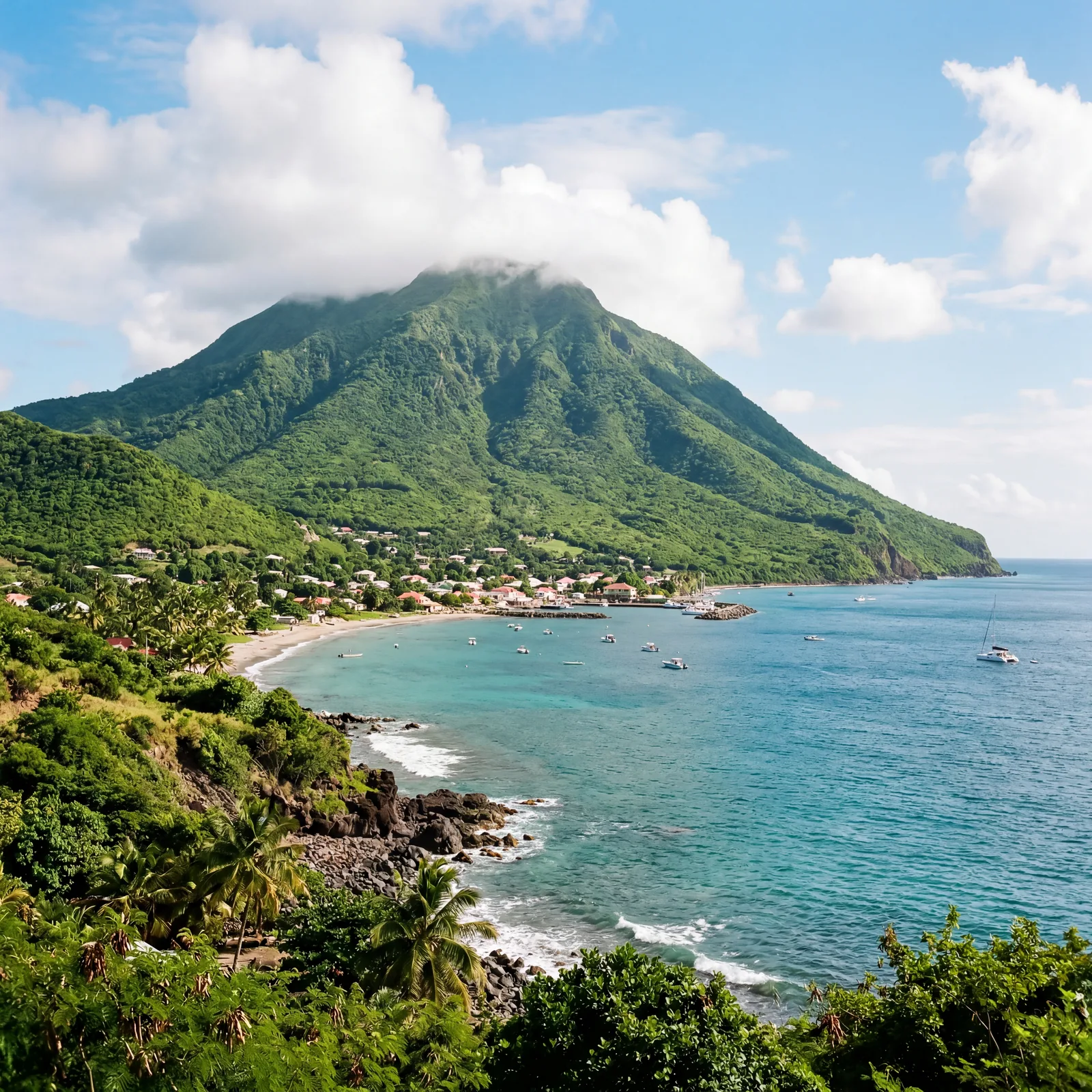
St. Kitts is still ahead of the tourist curve. The old sugar train route is now a tourist attraction but a genuinely fun one. Brimstone Hill Fortress gives you UNESCO World Heritage history that most Caribbean islands can’t touch. The smaller island of Nevis sits just two miles away across a narrow channel and is even quieter, with a Four Seasons resort that’s consistently ranked among the best in the Caribbean. Development is happening here, which means prices are rising and the window for getting ahead of the crowds is narrowing. Go in the next two to three years if you want to see it before it tips.
The next one is where most people are completely caught off guard.
11. Dominica
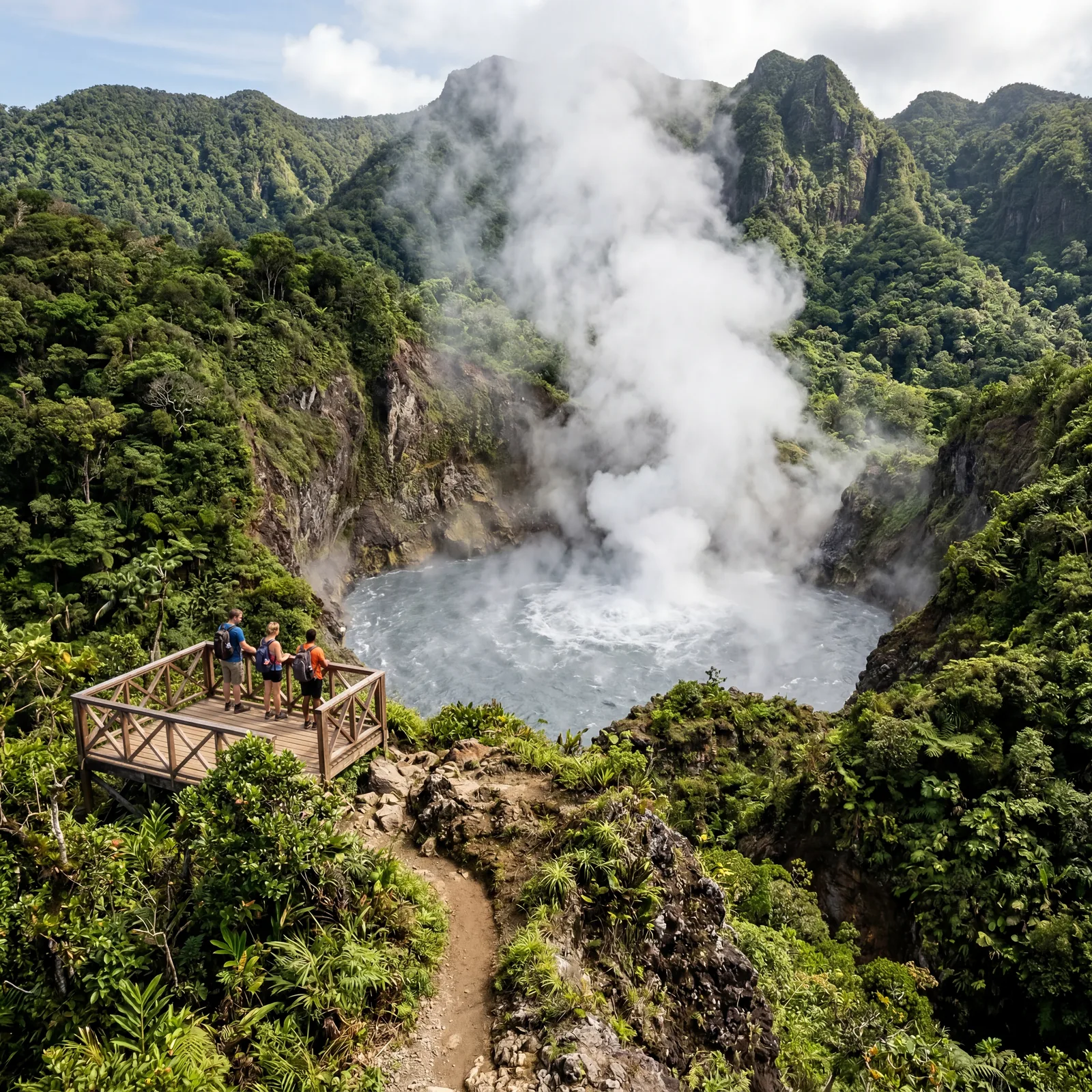
Dominica is not a beach island. That’s the point. If you come looking for white sand, you’ll be disappointed. If you come for the most dramatic volcanic landscape in the entire Caribbean, the world’s second largest boiling lake, hot springs you can actually sit in, and a rainforest with waterfalls around every corner, it delivers completely. The island has almost no mass tourism. Most resorts have fewer than 30 rooms. It’s genuinely difficult to get to, which is a feature, not a bug. The Kalinago Territory here is the last remaining indigenous Caribbean community open to visitors. Nothing else in the region compares.
10. Guadaloupe
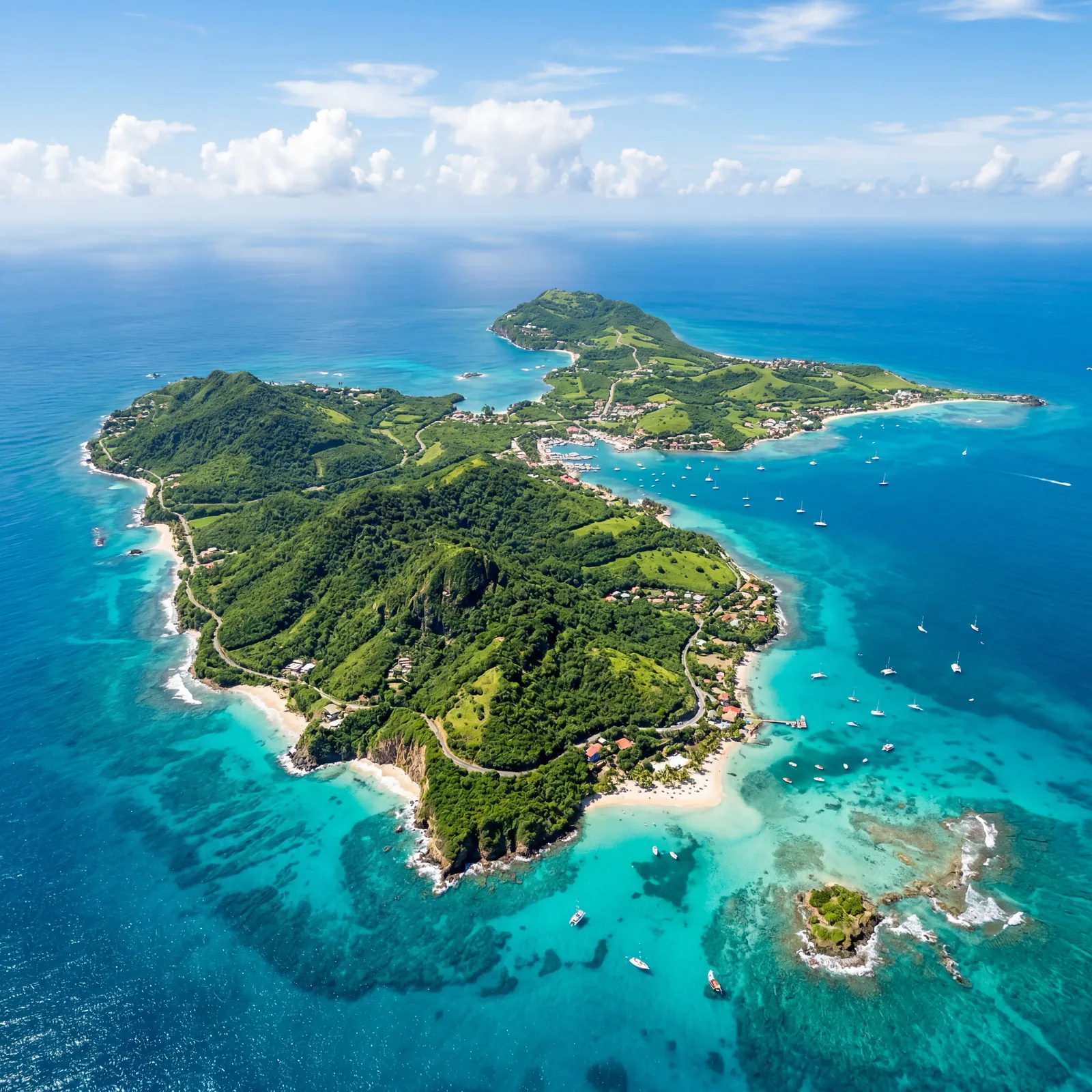
Guadeloupe is two islands fused together into a butterfly shape, and the two halves are completely different experiences. Grande-Terre has the flat, resort-style beaches. Basse-Terre has La Soufrière, an active volcano you can hike, and waterfalls that rival anything in the Pacific. French-Caribbean cuisine here is excellent. The small islets of Les Saintes, a short boat ride off Basse-Terre, are some of the most charming villages in the Caribbean and almost never appear in American travel guides. This is a French territory like Martinique, with the same food standards and the same requirement to try a little French.
Read More: 17 French Caribbean Islands Ranked by Value (What Travel Agents Don’t Tell You)
9. Grenada
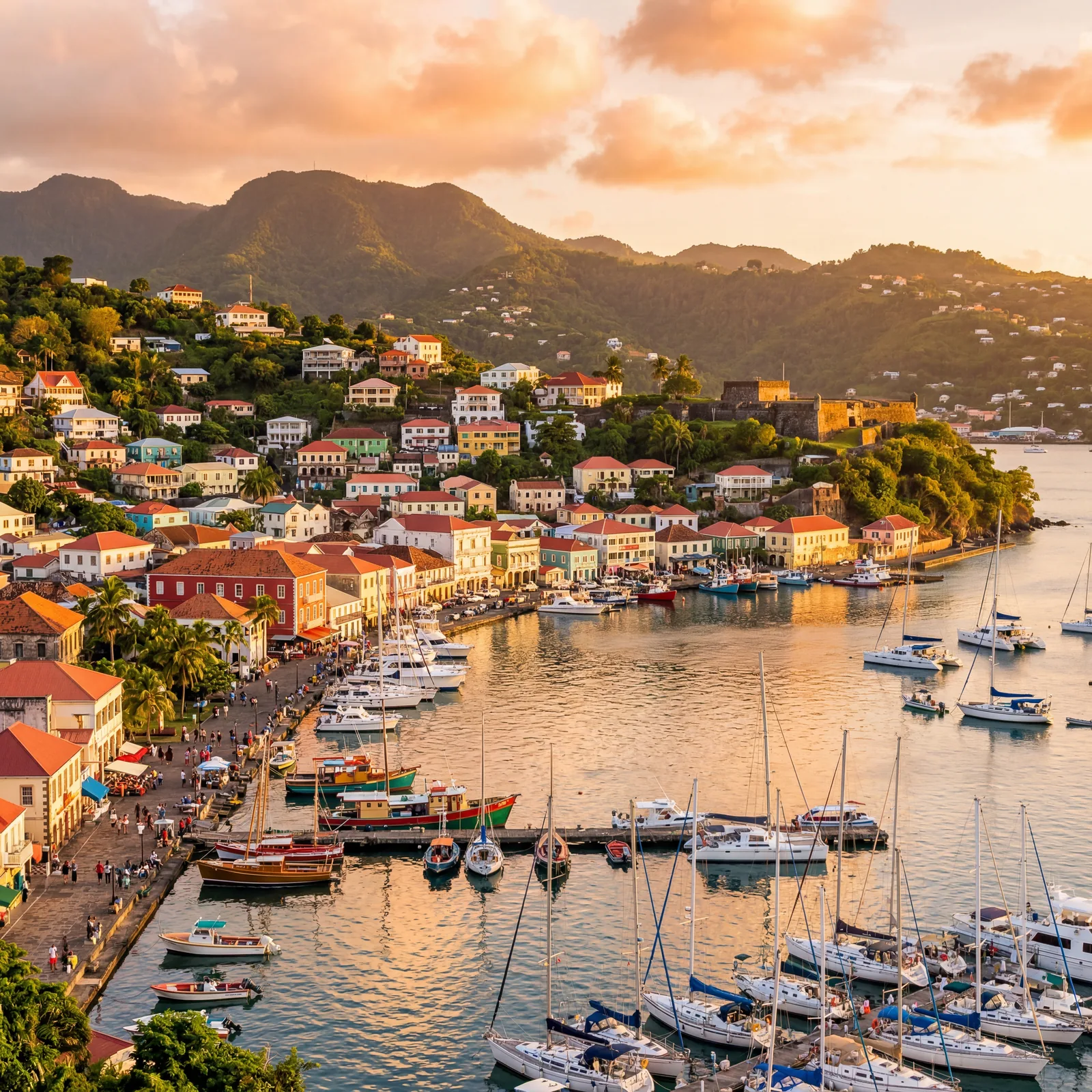
Grenada calls itself the Spice Island, and the nutmeg, cinnamon, and cocoa plantations are real and worth visiting. St. George’s harbor is one of the most photographed in the Caribbean for good reason: it’s a horseshoe of red-roofed buildings spilling down to the water. Grand Anse Beach is consistently ranked in the top 10 in the Caribbean and rarely gets the attention it deserves. The underwater sculpture park off the coast is genuinely surreal. Grenada doesn’t have direct flights from most US cities, so it stays well below the radar. That’s your advantage. Use it.
8. St. Vincent and the Grenadines
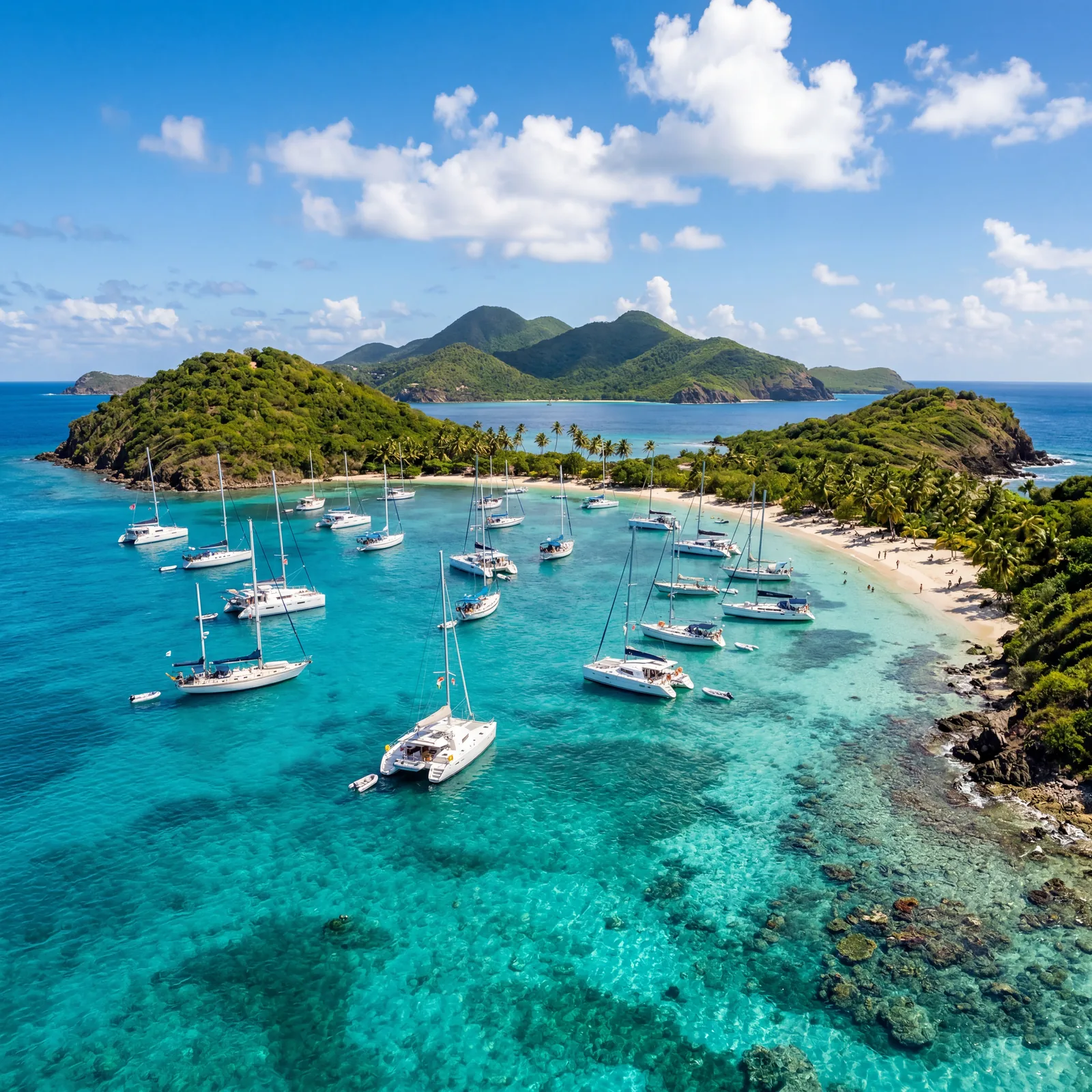
The Grenadines are where Caribbean sailing dreams actually live. Tobago Cays is a marine park protected from development where the turtles outnumber the boats. Mustique is where rock stars and royals go when they want to disappear. Bequia is a small, walkable island with a weekly fish fry that locals and sailors share without pretense. Getting around requires either chartering a sailing boat or piecing together ferry schedules, which filters out the casual tourist entirely. Accommodation is mostly small guesthouses and boutique resorts. If you want the Caribbean before it became an industry, the Grenadines is the closest thing still operating.
7. Anguilla
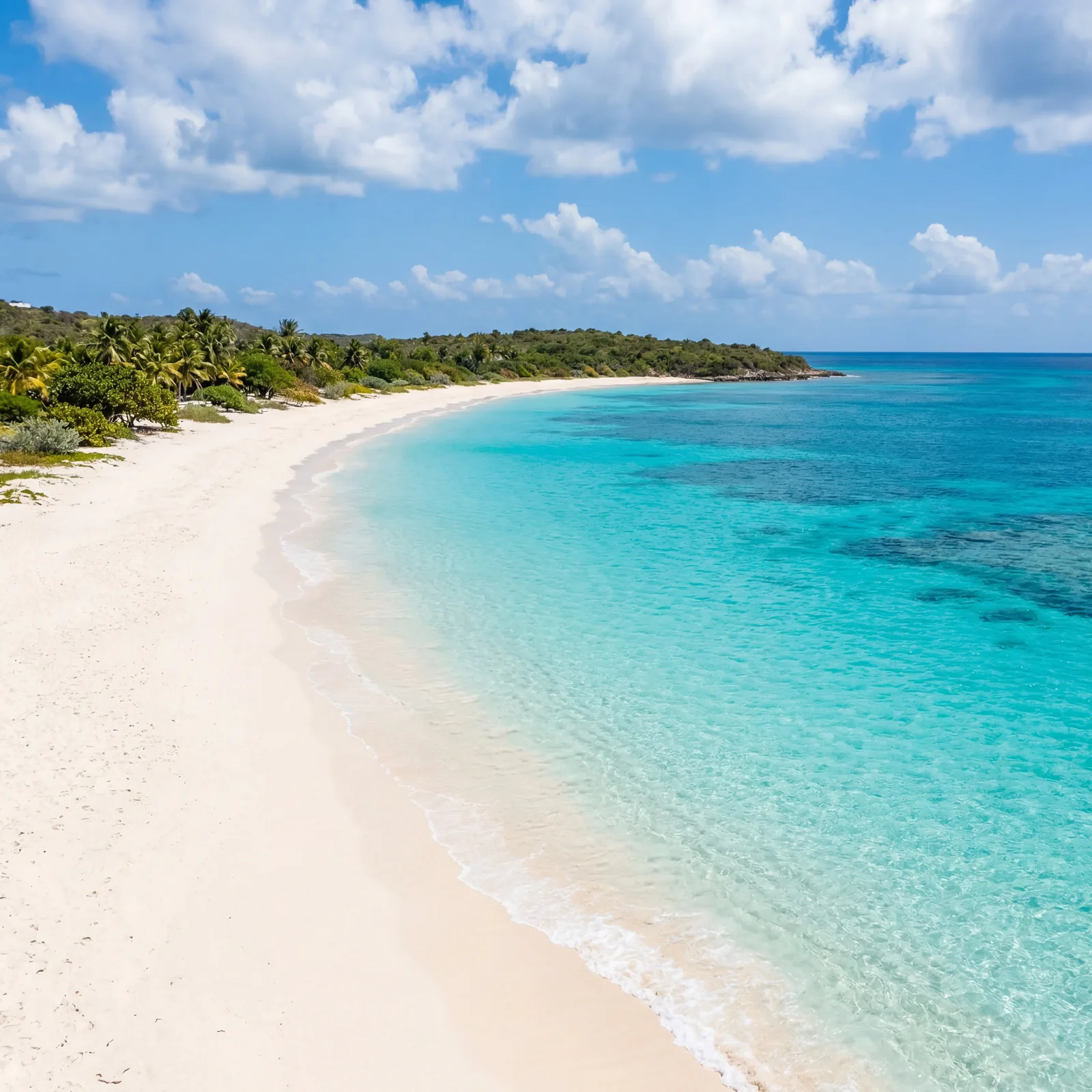
Anguilla has 17 miles of white sand beaches and a population of 18,000 people. The math works in your favor. Shoal Bay East is one of the most consistently ranked beaches in all of the Caribbean and is never as packed as equivalent beaches in Turks and Caicos or Barbados. The catch is that Anguilla skews expensive. The island has no mass-market tourism by design: no cruise ship port, limited resort capacity, and a deliberate decision to stay boutique. Restaurants here, particularly the fish shacks on Sandy Ground, punch above their category. A British Overseas Territory, Anguilla is uncomplicated for American visitors and worth every dollar if the budget allows.
6. Saba
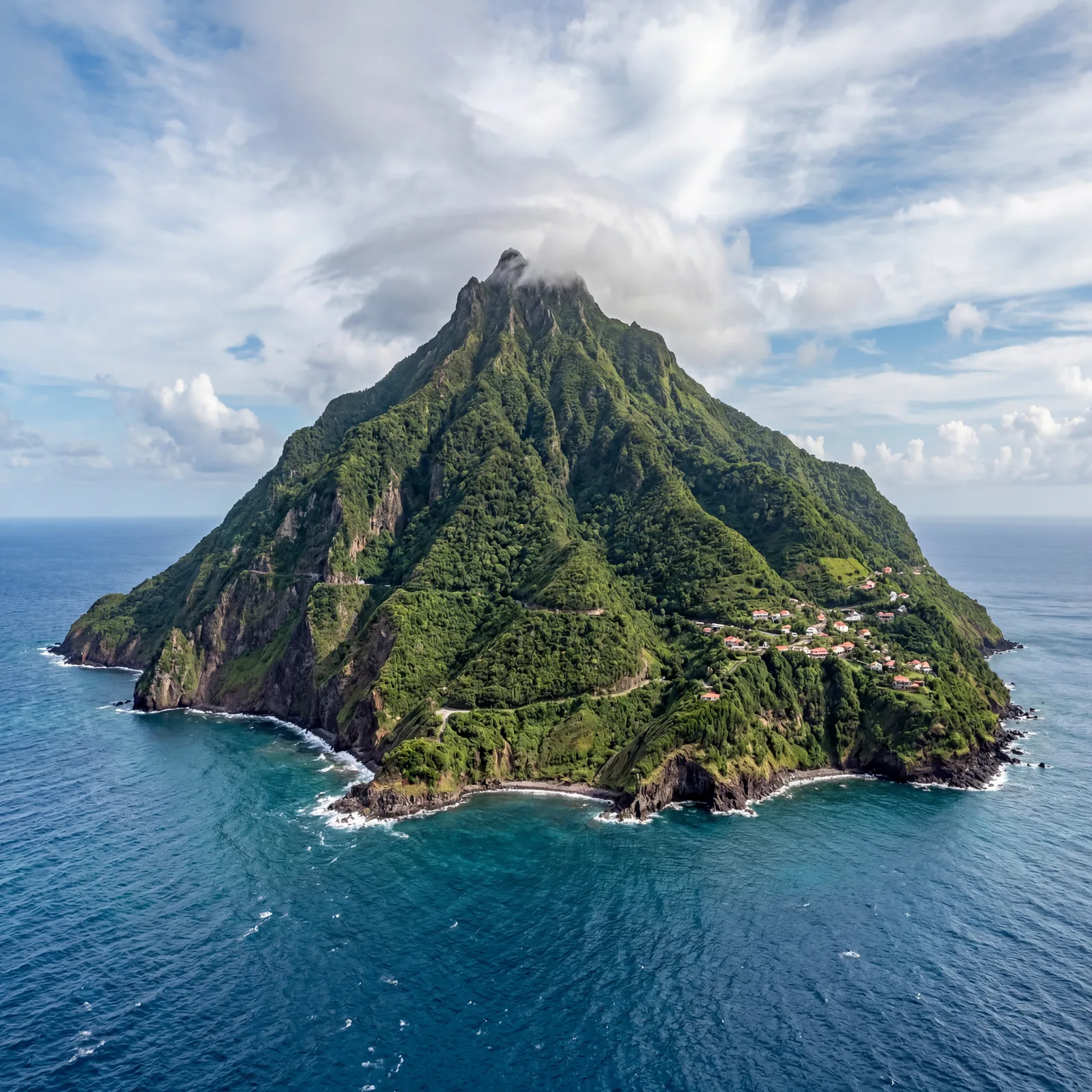
Saba is five square miles of volcanic rock rising 3,000 feet out of the Caribbean. It has no beach. Its airport runway is the shortest commercial runway in the world. And it is one of the most extraordinary places in the entire Caribbean. The Bottom and Windwardside are two small villages connected by a road that Dutch engineers said couldn’t be built. Saba’s diving is regularly ranked among the top five in the world: volcanic seamounts, giant barrel sponges, and visibility so clear you can see 100 feet in every direction. Almost no one comes here. That’s the entire point. A Dutch island with Caribbean food and European standards, it’s the kind of place that ruins everywhere else.
5. Bequia
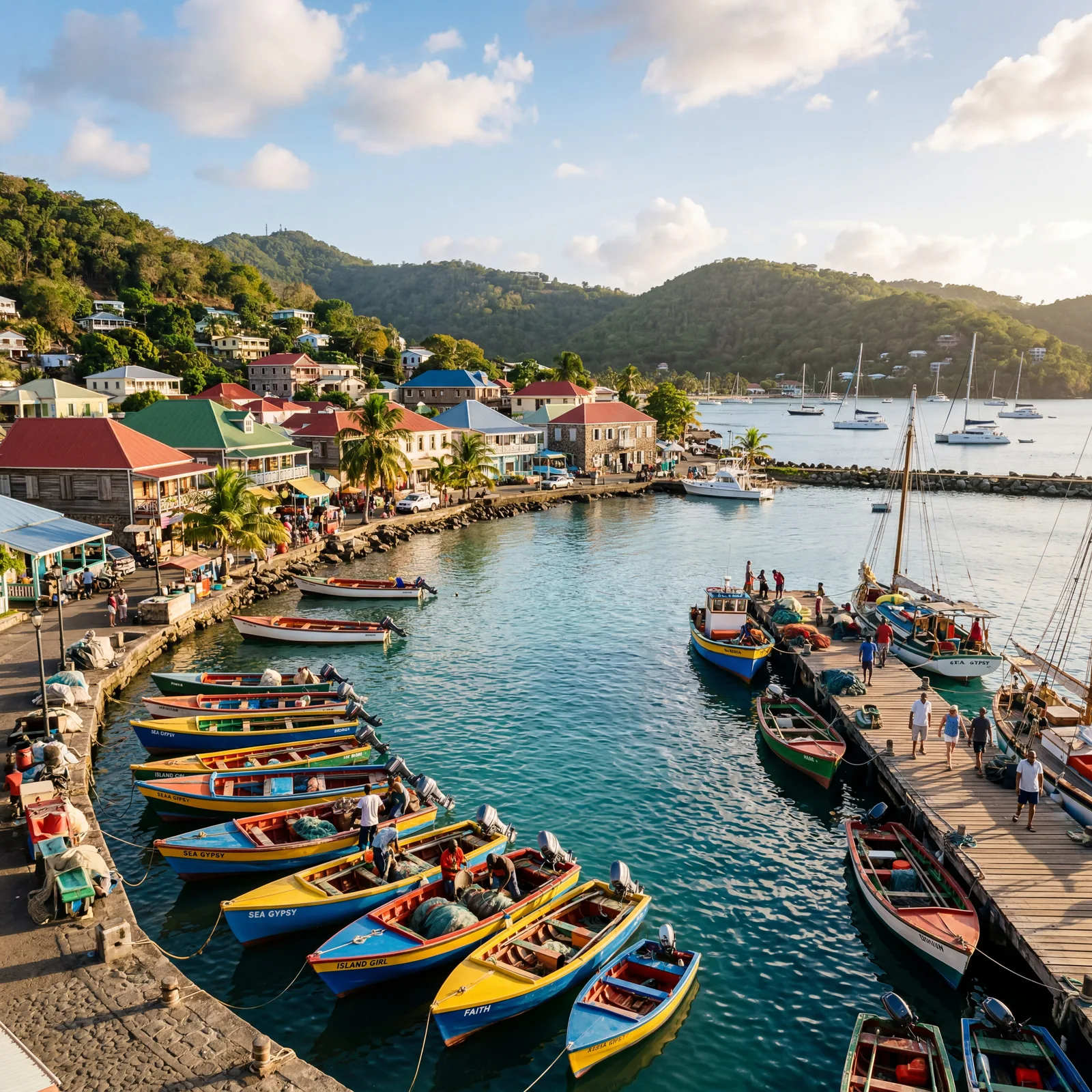
Bequia (pronounced Beck-way) is nine square miles of genuine Caribbean life that somehow hasn’t been packaged and sold yet. Port Elizabeth has no chain restaurants, no duty-free corridors, and no all-inclusive resorts. There’s a small weekly whaling tradition here that’s controversial but gives you an idea of how isolated and self-sustaining the island has remained. Princess Margaret Beach and Lower Bay Beach are both stunning and both empty by Caribbean standards. Local boatbuilders still make wooden fishing vessels by hand. The ferry from St. Vincent takes an hour. Most tourists who know about Bequia treat it as a secret worth keeping.
4. Montserrat
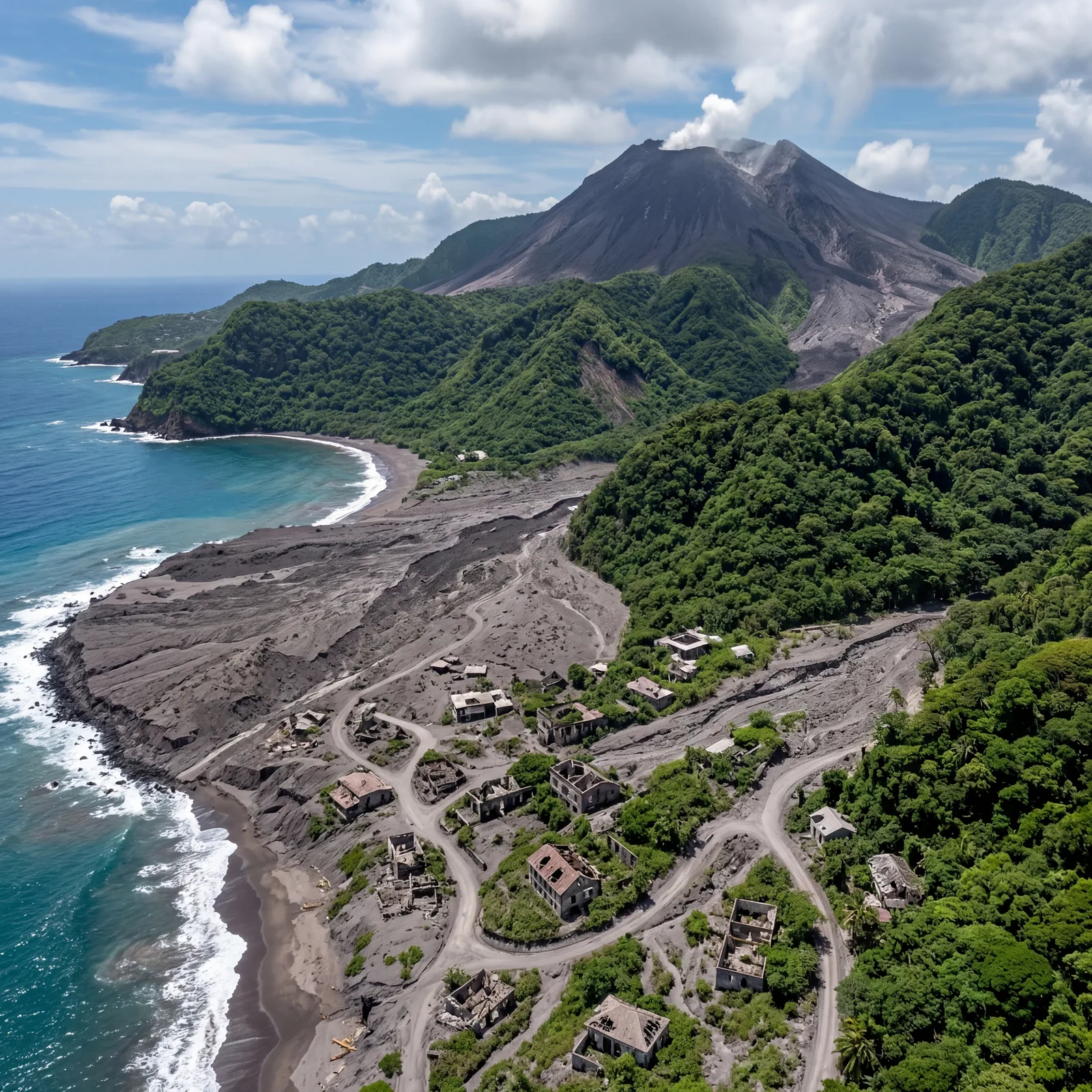
Montserrat had its entire southern half buried in volcanic ash in 1997 when the Soufrière Hills Volcano erupted. Plymouth, the former capital, is still there under layers of grey ash, visible on guided tours through the exclusion zone. It looks like Pompeii with palm trees. The northern half of the island is lush, green, and home to some of the friendliest people in the Caribbean. The Montserrat Volcano Observatory lets you watch an active stratovolcano from a safe distance. The island has fewer than 5,000 residents and almost no tourism infrastructure, which means you’ll have most of it to yourself. You won’t find this on any package holiday list. That’s why it’s here.
3. Marie-Galante
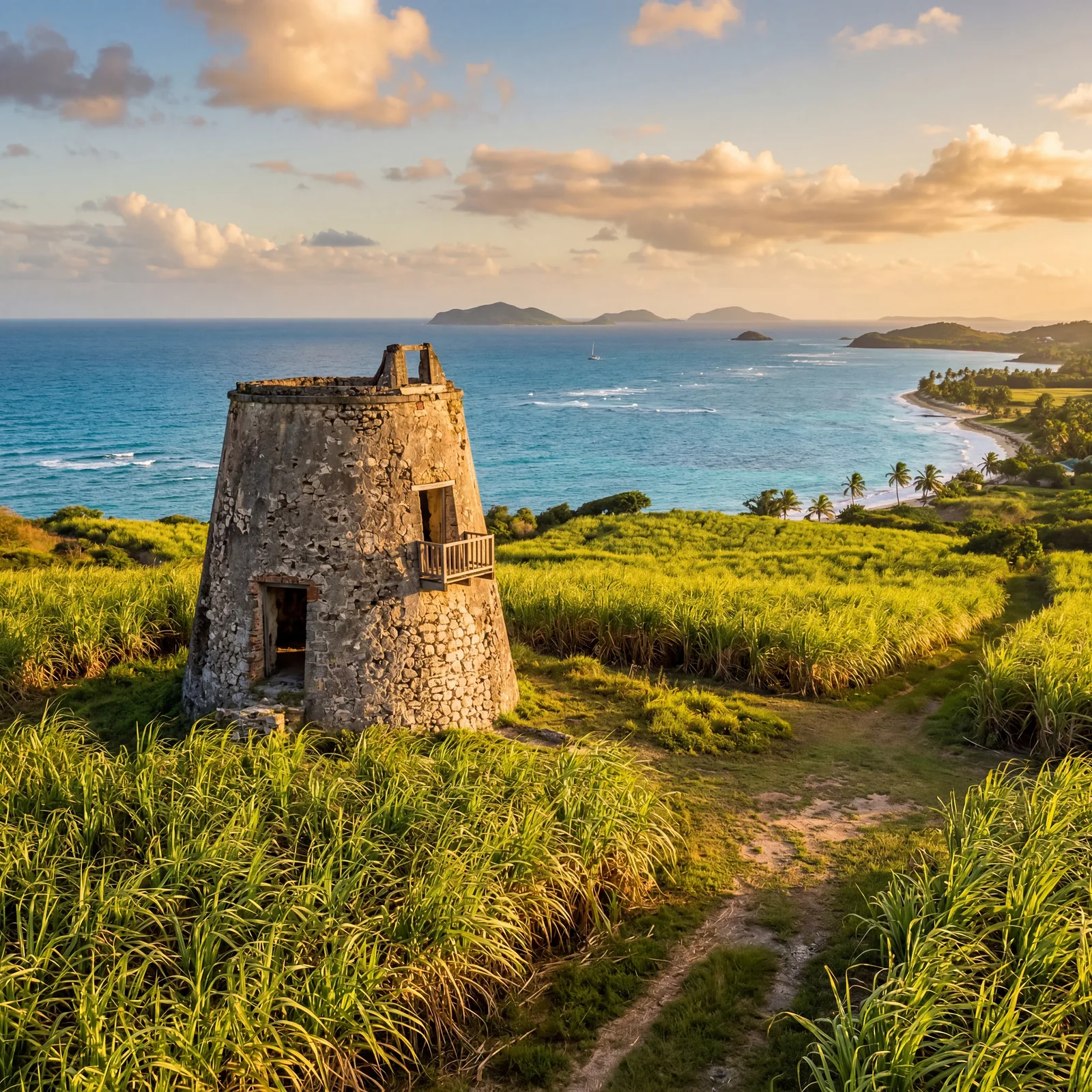
Marie-Galante is a small, flat island off the southern coast of Guadeloupe that most Americans have never heard of, and that is entirely the point. The island is thick with sugarcane fields and old windmill ruins that have been left standing since the colonial sugar era. There are three functioning artisanal rum distilleries you can walk into unannounced and taste from the barrel. The beaches on the southern coast, particularly Capesterre, are long, calm, and almost empty even in high season. The ferry from Guadeloupe takes 45 minutes. There are a handful of small family-run guesthouses and exactly zero resort chains. A retired teacher from Illinois told me she paid $65 a night for a sea-view room with breakfast included and shared the beach with about 12 other people for a week. French Caribbean at its most real, and most forgotten.
It’s bad. But nothing compared to what’s waiting at #1.
2. The Saintes (Les Saintes), Guadeloupe
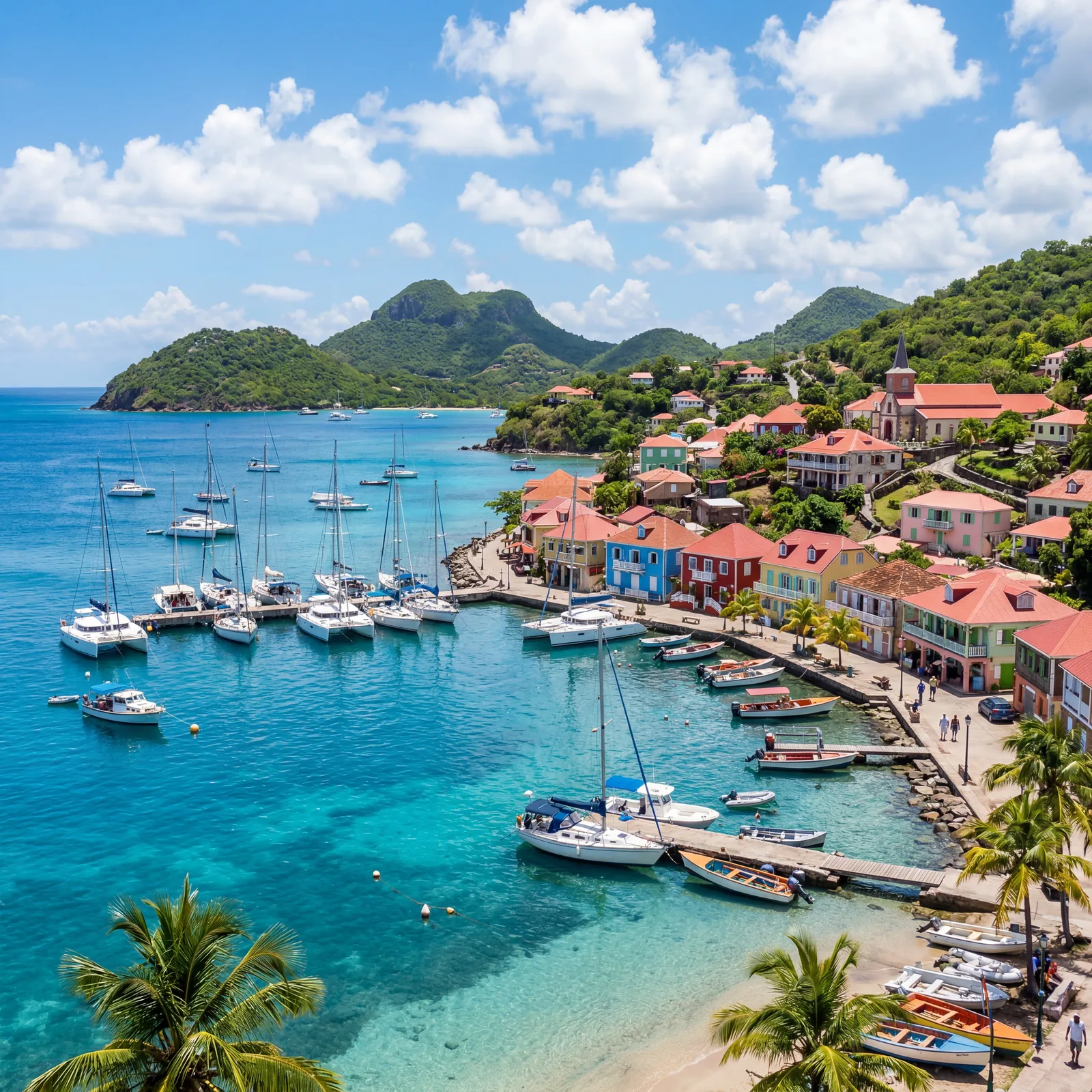
Les Saintes is a cluster of eight small islands about 10 miles south of Guadeloupe. Only two are inhabited. Terre-de-Haut, the main one, has no cars (golf carts and scooters only), one main street lined with French bakeries and rum shops, and a harbor that Cousteau himself called one of the most beautiful bays in the world. The beach at Pompierre is consistently ranked among the top 10 in the entire Caribbean by people who’ve actually been. Because it’s only accessible by ferry from Guadeloupe (45 minutes) or Martinique (a bit longer), day-trippers thin out by 4pm and leave the island to those staying overnight. The guesthouses are small and simple. The food is French. The water is improbably clear. It’s the kind of place that produces the best Caribbean photo you’ve ever taken, and you’ll look around and realize you’re almost alone in the frame.
It’s bad. But nothing compared to what’s waiting at #1.
1. Bonaire
The Undisputed Hidden Gem of the Caribbean
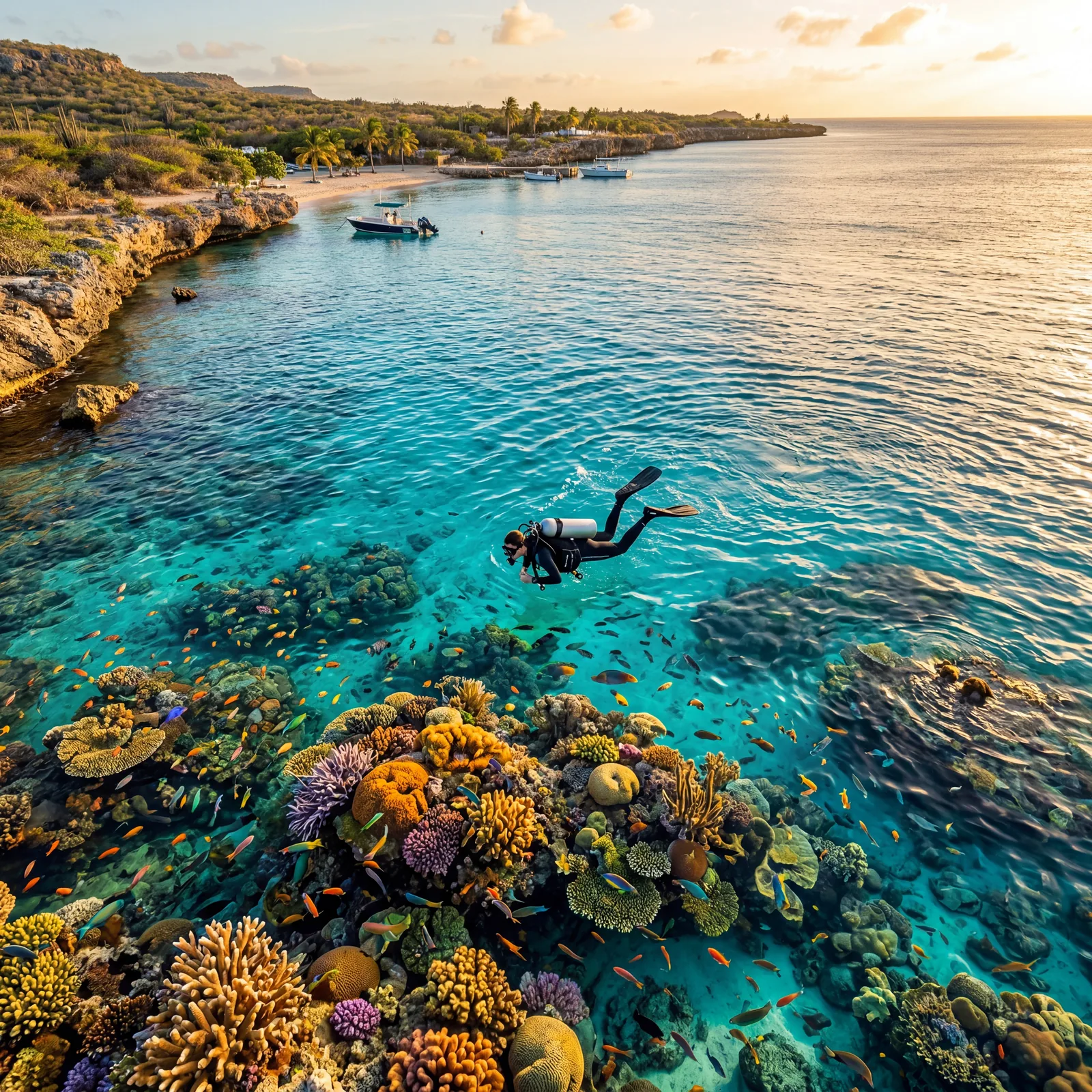
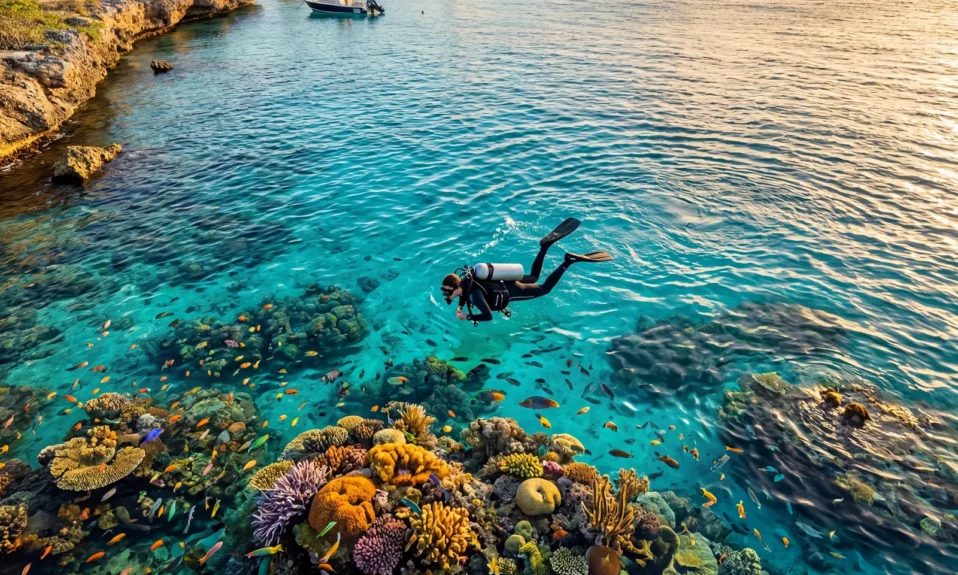
Bonaire is the Caribbean’s best-kept secret, and it’s not close. The island sits just off the coast of Venezuela, outside the hurricane belt, with year-round diving conditions that no other island in the region can match. The coral reef here isn’t behind a boat or a tour operator. You drive your rental truck to the shore, step off the back of the tailgate into chest-deep water, and you’re on a UNESCO-protected reef within 30 seconds of your feet leaving the asphalt. The entire coastline of Bonaire is a marine park. The reef is healthy, alive, and so close to shore that it almost feels like a trick.
The flamingo population outnumbers the human one. Washington Slagbaai National Park in the north is a 14,000-hectare preserve where you’ll see wild donkeys, iguanas, and flamingos in salt flats, all without another tourist in sight. Accommodation runs $80-$150 a night for simple dive lodges right on the water, with unlimited tank fills included at many resorts. A retired marine biologist from San Diego told me: “I’ve dived in 40 countries. Bonaire’s shore diving is the most accessible world-class reef on earth. The fact that it’s not overrun is a miracle I don’t take for granted.”
The food is Dutch-Caribbean, which means fresh fish, good beer, and Indonesian rice dishes alongside local snapper. Getting here requires a connection through Miami or Newark. That one stop filters out the casual tourist. The island has made a deliberate choice to stay small and stay protected, and the reef is the proof that the policy works.
Now you know why we saved this one for last.
The Caribbean Still Has Secrets. You Just Have To Look Past the Obvious Ones.
Most people go where the algorithm sends them: Nassau, Punta Cana, Cancun. The algorithm is optimized for resorts that pay commissions, not for places worth going. The islands at the top of this list don’t advertise on American travel sites because they don’t have the marketing budgets. They have the actual beaches, the actual reefs, and the actual food. Which one surprised you most? Drop it in the comments, especially if you’ve been to one of the top five and think it deserves to move higher.