You’ve probably been planning a Caribbean trip based on which islands show up first in Google searches. The problem is, the most-searched islands are almost never the best ones. The island sitting at #1 on this list is somewhere most Americans have never seriously considered, and it costs a fraction of what you’d spend on a Nassau resort.
25. Nassau, Bahamas
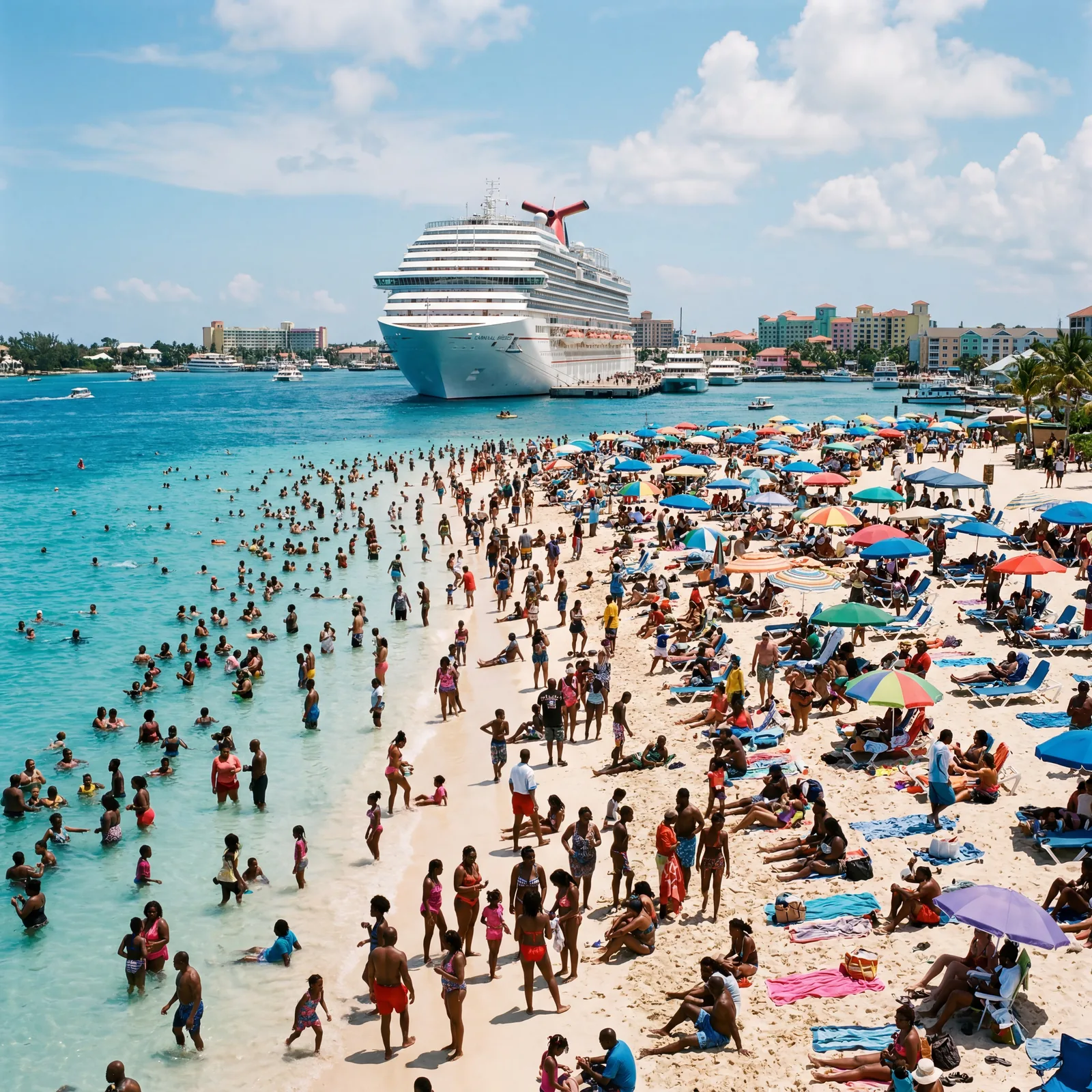
Nassau is the most overrated island in the Caribbean, and it’s not even close. You’re essentially paying resort prices to share a beach with 4,000 cruise passengers who docked that morning.
The famous Cable Beach looks great in photos. In person, you’ll find vendors every ten feet and a sun lounger that costs $35 just to rent.
One retired nurse from Georgia told me she spent $2,800 for five nights and felt like she was at a theme park, not a beach. You can do better.
24. Cancun, Mexico (Caribbean coast)
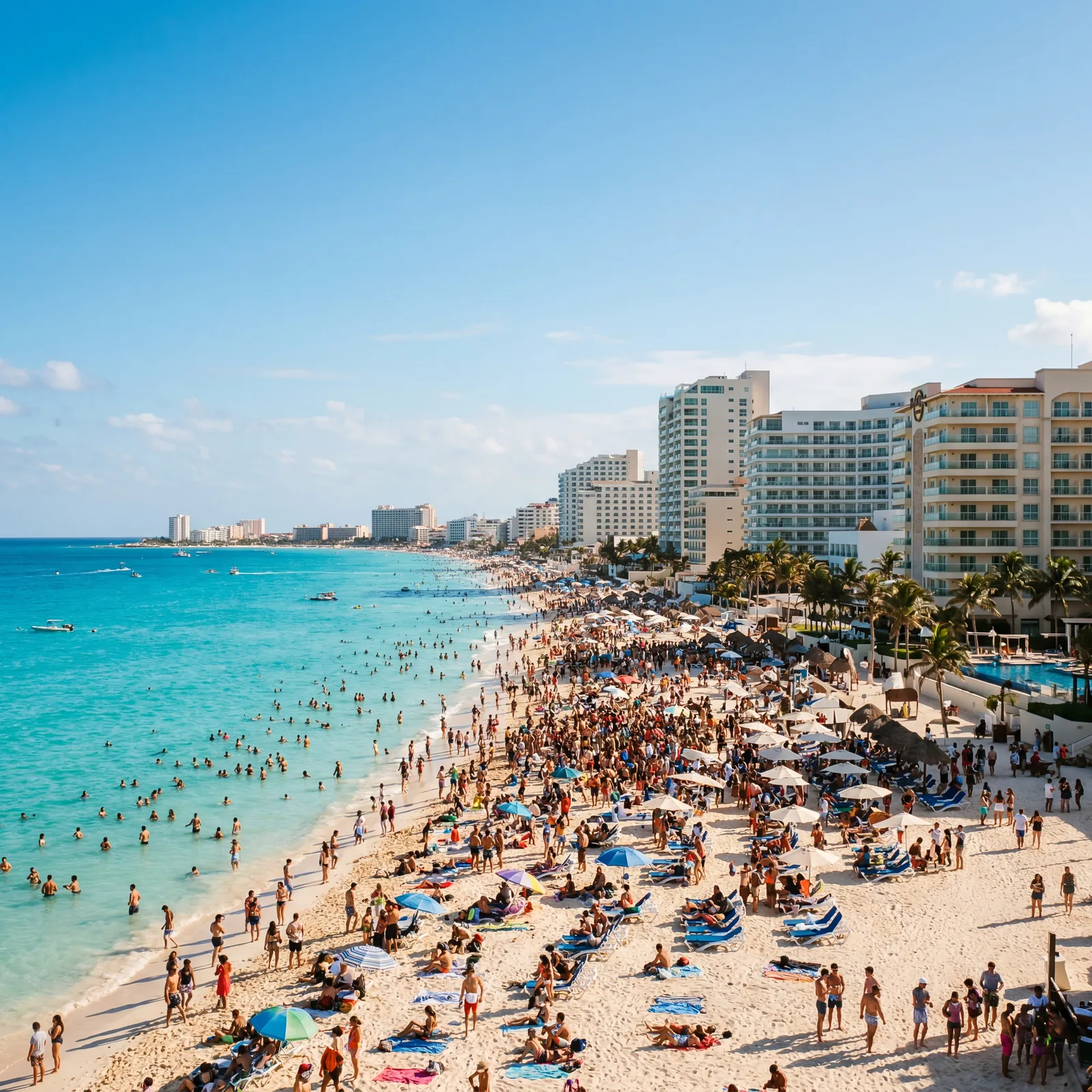
Cancun is technically on the Caribbean coast, and it earns its spot near the bottom of this list. The water is genuinely turquoise. Everything else is a corporate strip designed to separate you from your money as efficiently as possible.
A mid-range hotel on the strip runs $280–$400 per night in peak season. You’re not getting Caribbean culture here. You’re getting a Marriott with better weather.
The food in the hotel zone is overpriced and mediocre. Venture 20 minutes downtown and the experience improves dramatically, but then you’re not really in “Cancun” anymore.
23. St. Thomas, USVI
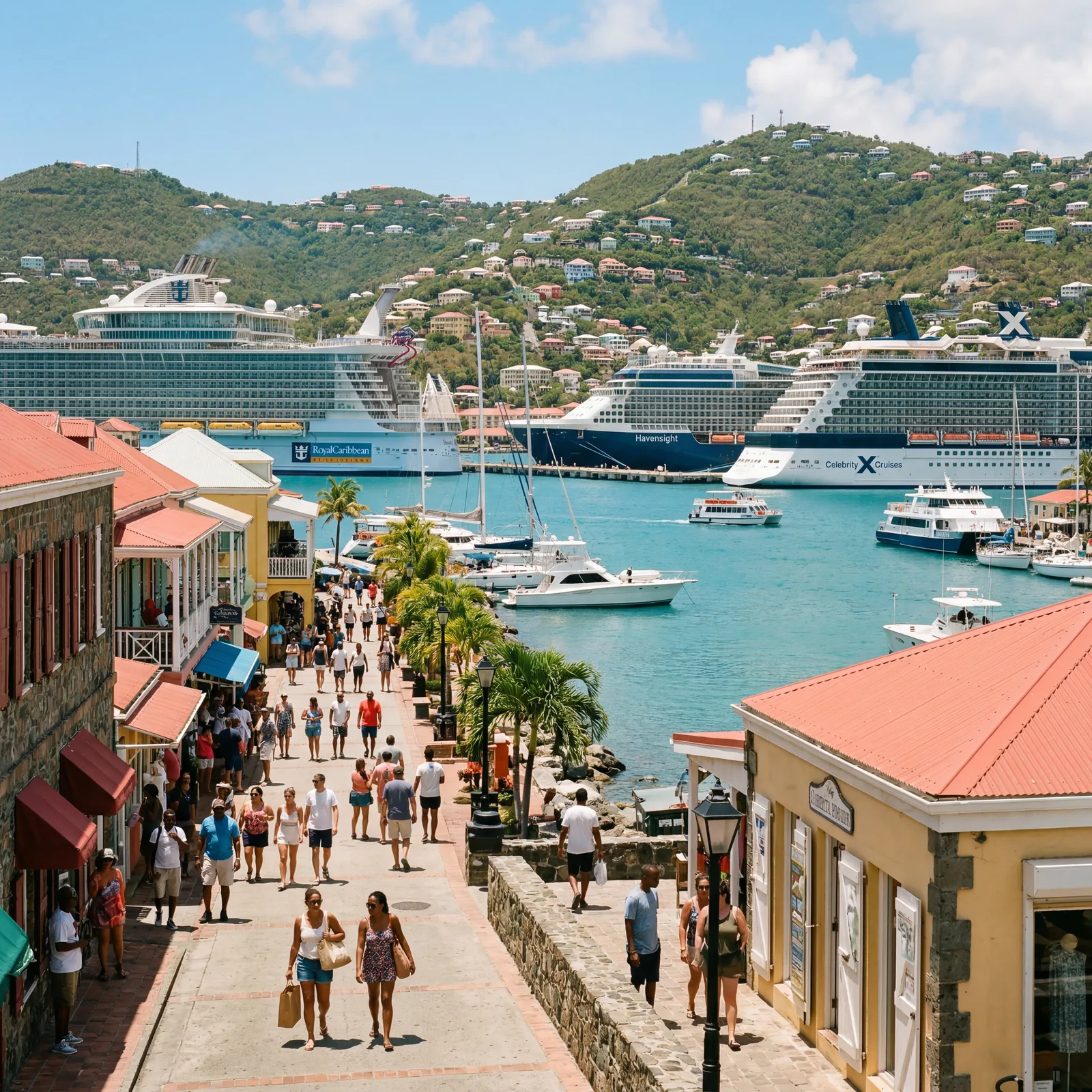
St. Thomas gets marketed as the gateway to the Caribbean because it’s a US territory and Americans don’t need a passport. That convenience comes at a serious cost. Prices here rival Miami, and the main town of Charlotte Amalie is essentially a duty-free mall with a nice harbor view.
The beaches on the eastern end, like Sapphire Beach, are legitimately beautiful. But you’ll share them with whoever just got off three different cruise ships.
If you want the Virgin Islands experience without the crowds, St. John is right there. More on that later.
22. Cozumel, Mexico
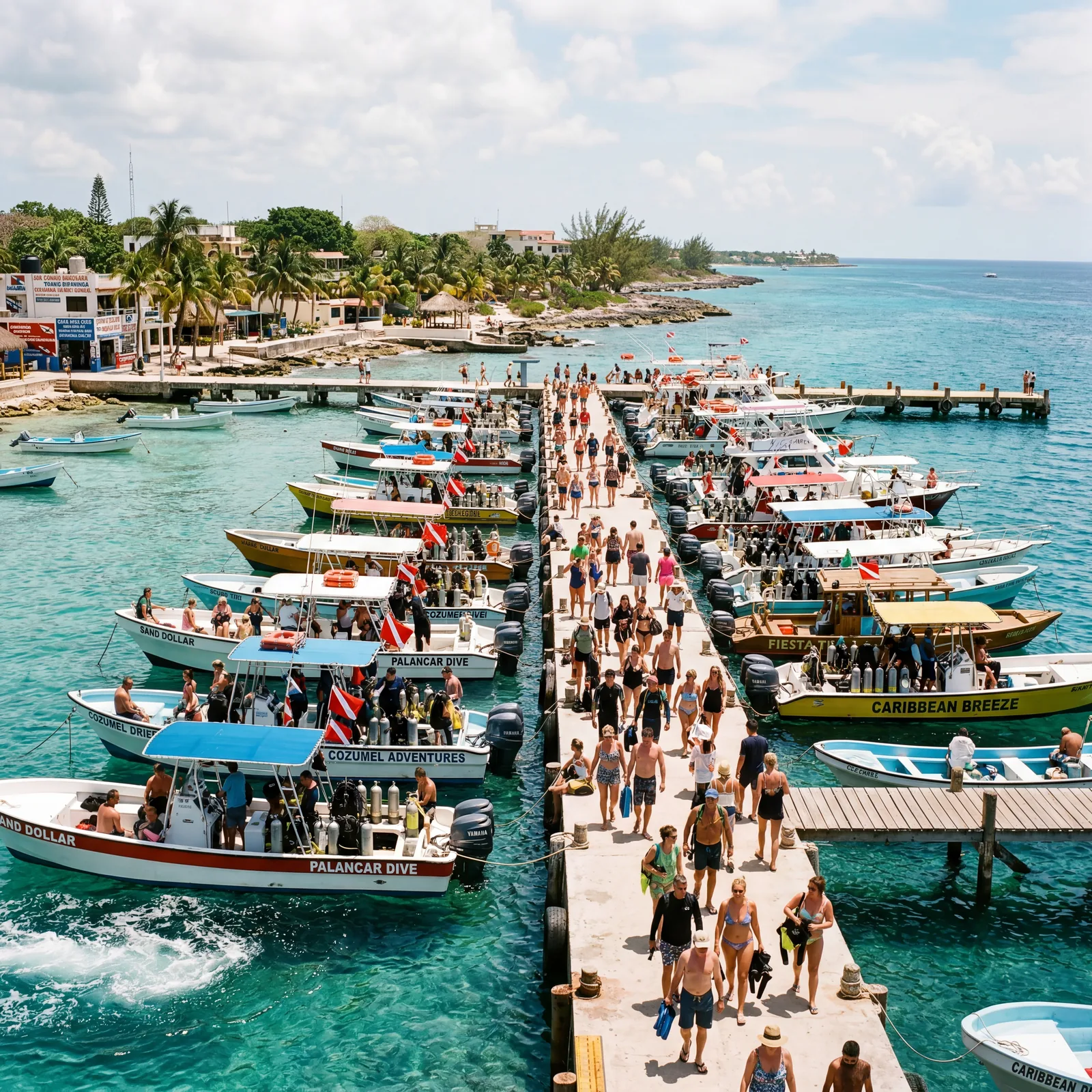
Cozumel has world-class coral reefs. It also has hundreds of thousands of cruise passengers cycling through its main pier every single week.
If you’re a serious diver, you’ll still find magic here in the early morning before the boats arrive. If you’re not, Cozumel in high season is a gift shop with an ocean attached.
A day trip from Playa del Carmen is the right move. Spending a week here is not.
21. Punta Cana, Dominican Republic
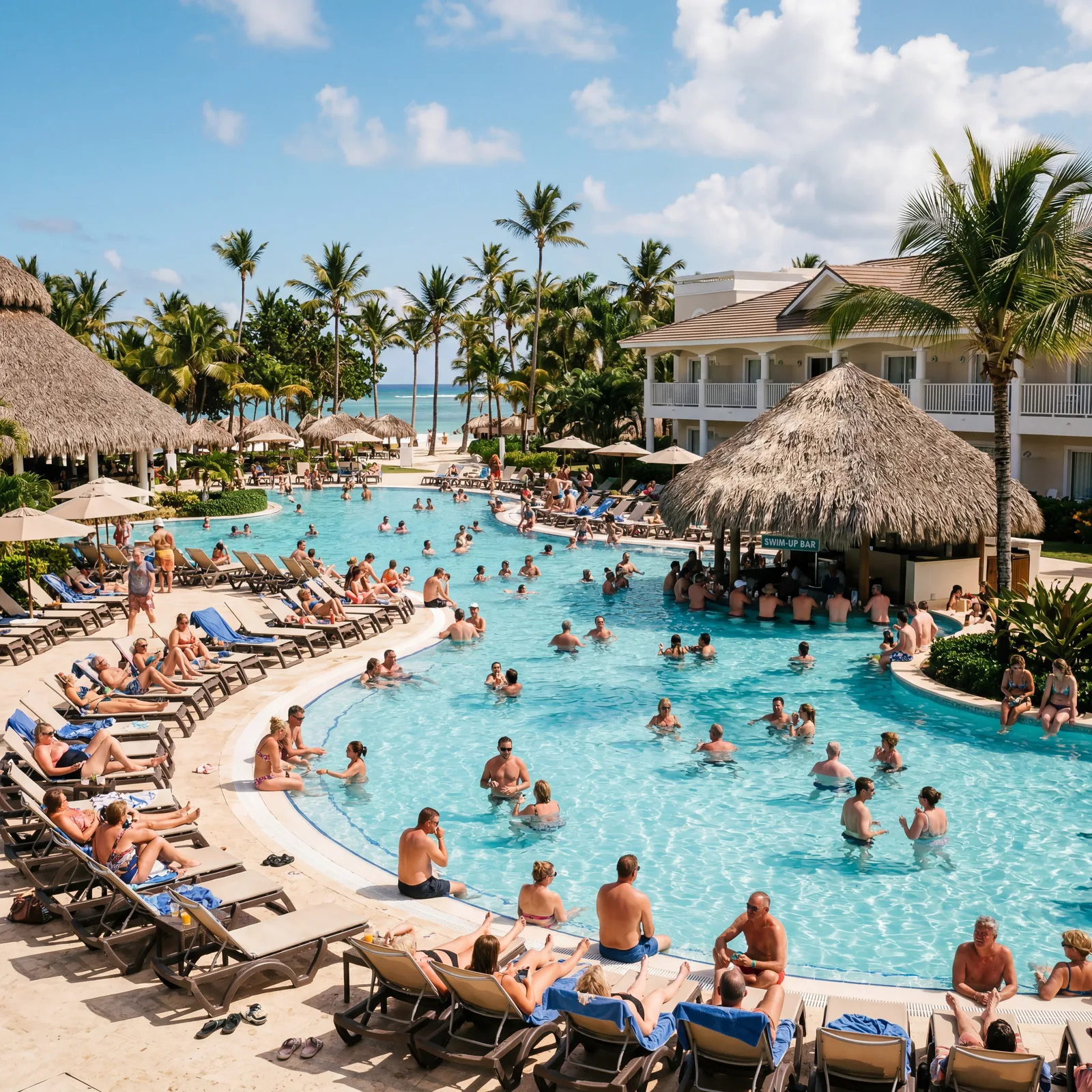
Punta Cana is an all-inclusive factory. Your resort is beautiful, the food is fine, and you will see almost nothing of the actual Dominican Republic.
Most guests never leave the resort compound. The beach is good but artificially maintained, and the seaweed problem from June through October is severe enough that some resorts import sand to cover it.
You can book a seven-night all-inclusive here for $1,800 per person. That sounds like value until you realize you’ve seen nothing but a pool and a buffet.
The next one will feel familiar — but the crowds are getting worse every year.
20. Aruba
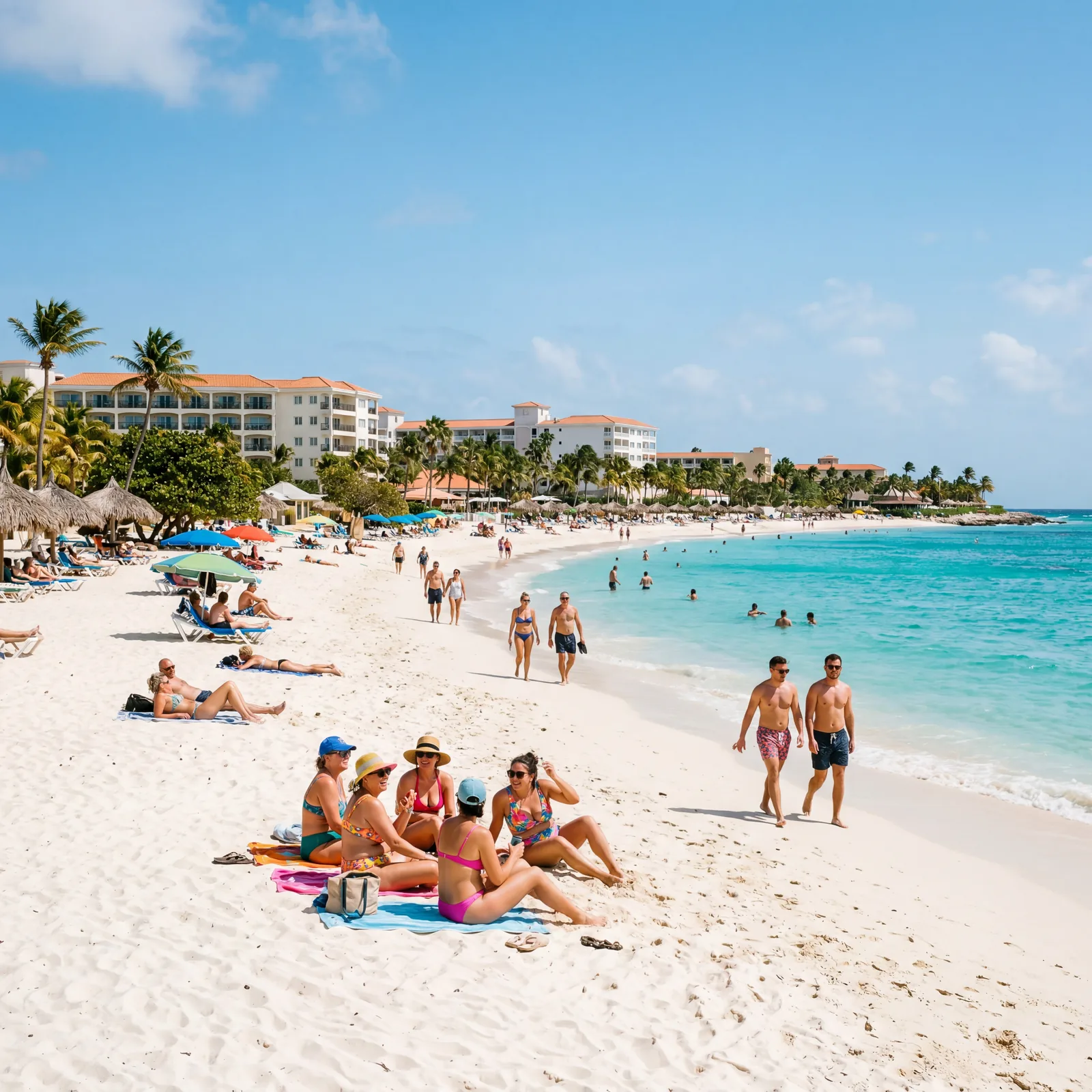
Aruba is technically outside the hurricane belt, which is why it’s popular with American retirees. The problem is that everyone else figured this out too.
Eagle Beach is stunning, genuinely one of the prettiest stretches of sand in the Caribbean. It’s also a 30-minute wait for a parking spot in January and February.
A standard hotel room near the beach runs $350–$500 per night in peak season. The island is small, the infrastructure is strained, and the prices don’t reflect a hidden gem anymore.
19. St. Maarten / St. Martin
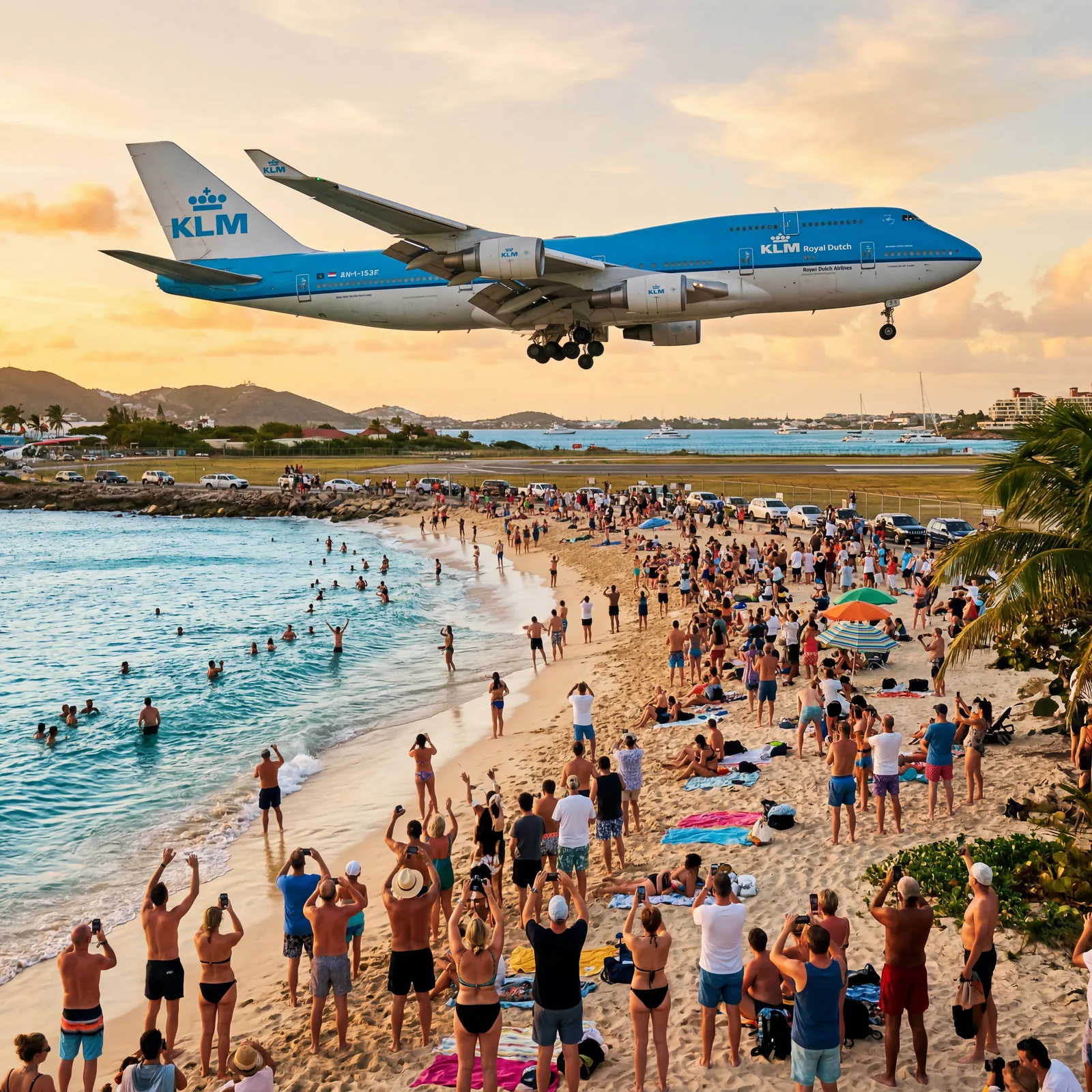
The plane landing footage at Maho Beach is real and it’s genuinely impressive. You’ve probably seen the videos. In person, you will spend most of your time at Maho Beach waiting for a plane to land, standing shoulder-to-shoulder with 200 other people who watched the same video.
The island has two sides: Dutch (St. Maarten) and French (St. Martin). The French side is significantly more charming and less touristy. The French side is worth a few days. The Dutch side is strip malls and casinos.
18. Barbados
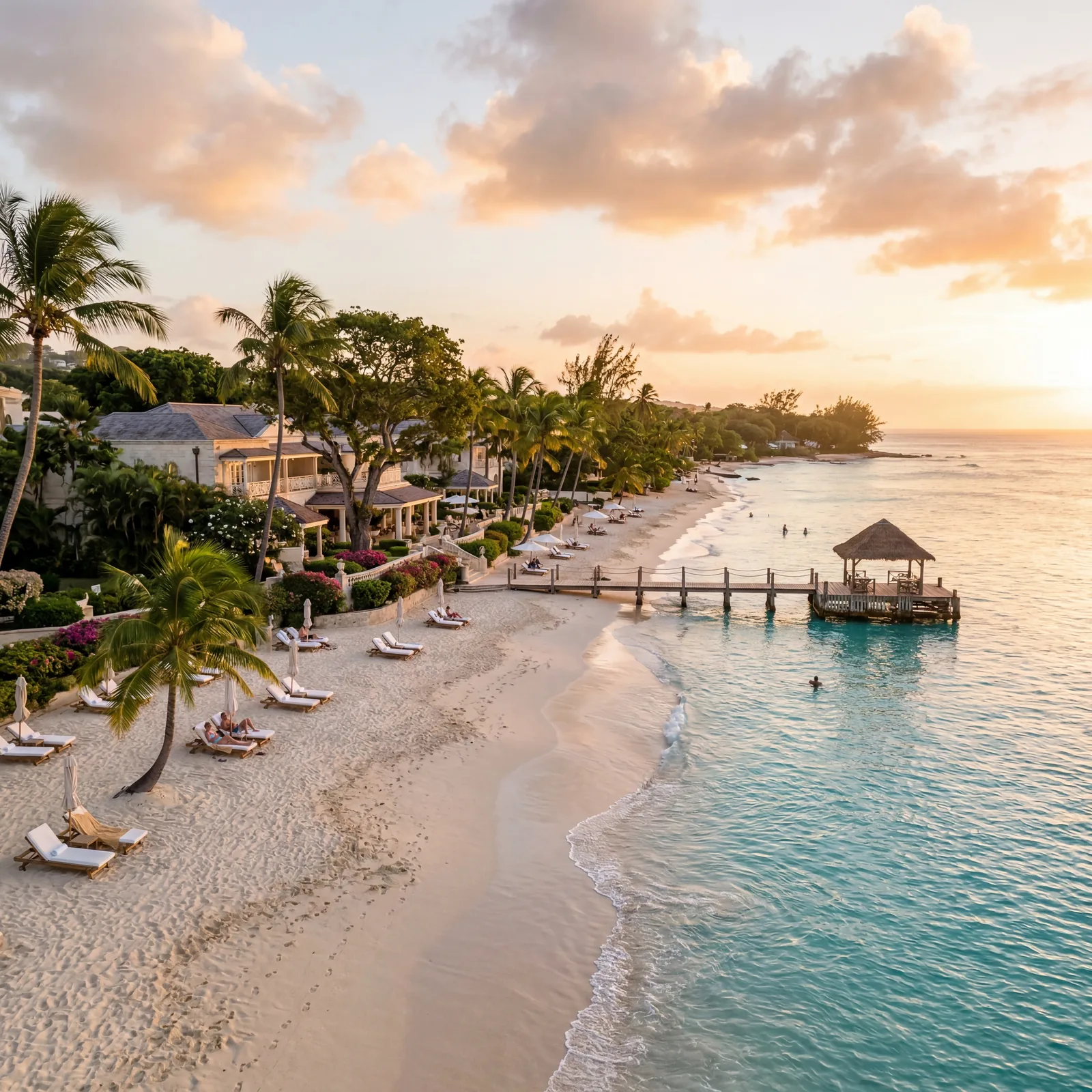
Barbados is polished, safe, and genuinely lovely. It’s also one of the most expensive islands in the Caribbean, which most people don’t realize until they see the bill.
A beer at a beach bar costs $8–12 USD. A rental car runs $80–100 per day. Dinner for two at a mid-range restaurant will set you back $120 before drinks.
If you want British-influenced Caribbean culture with good infrastructure, Barbados delivers. If you’re watching your budget, you’ll get much more elsewhere on this list.
17. Turks and Caicos
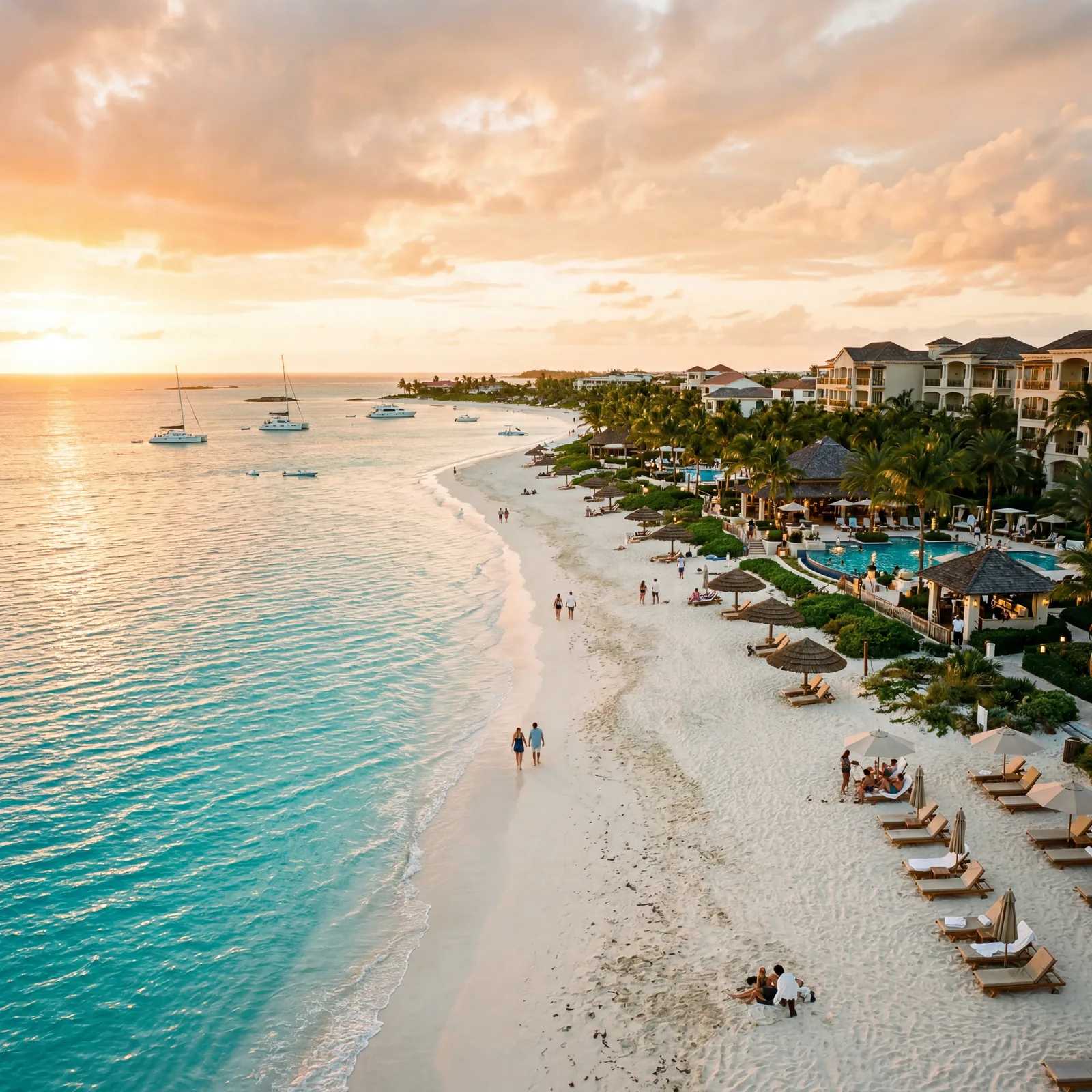
Grace Bay Beach is legitimately one of the most beautiful beaches on earth. That is not an exaggeration. You will stand there and genuinely not believe the color of the water.
The problem is that you pay dearly for it. Turks and Caicos has no income tax, which means the government funds itself on import duties, and everything is imported, so everything is expensive.
Budget $600–$900 per night for a decent resort. A week here for a couple will comfortably exceed $10,000. The beach is extraordinary. The price tag is not.
16. St. Lucia
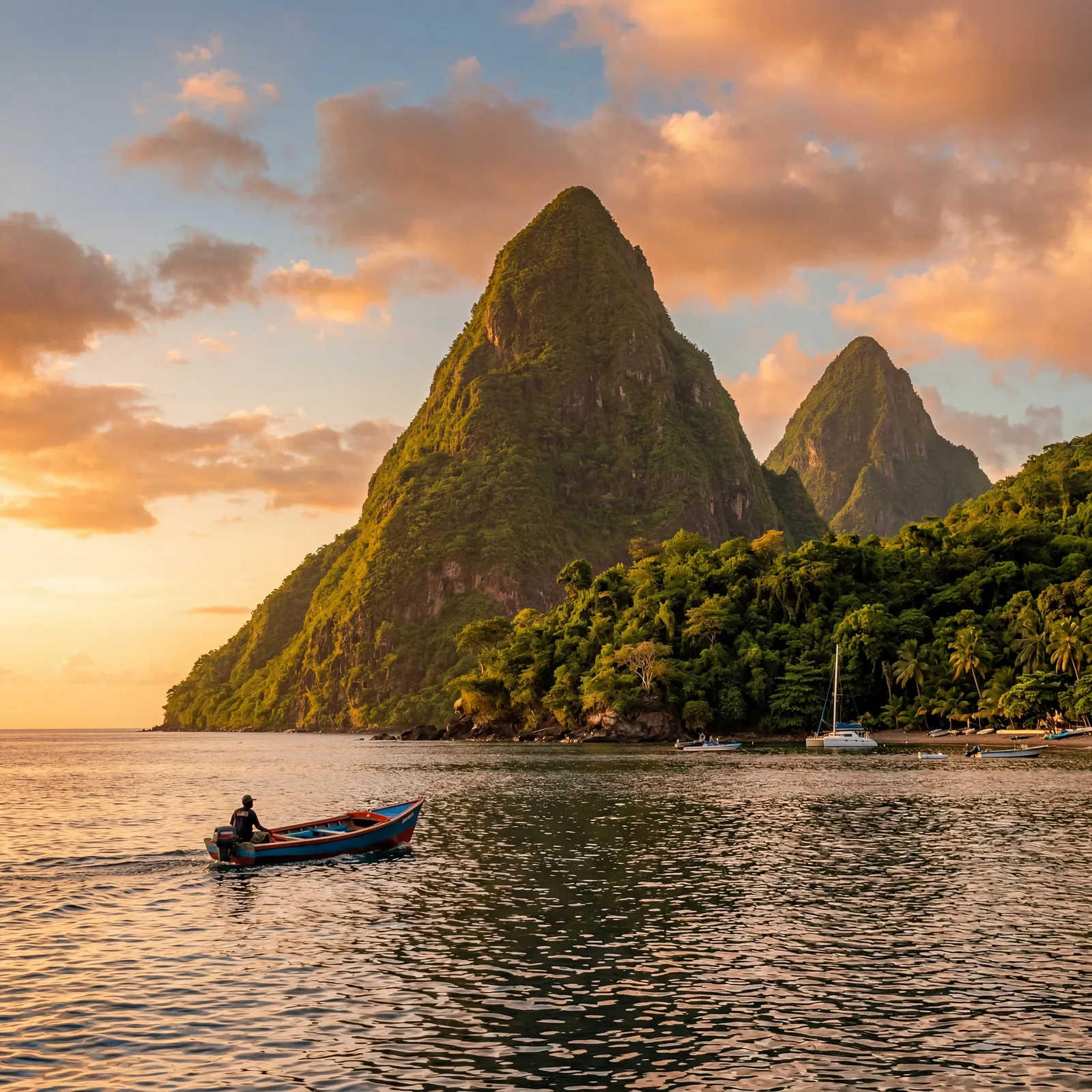
St. Lucia is the most scenic island in the Eastern Caribbean and probably the most photogenic of the lot. The Pitons are genuinely dramatic. The rainforest interior is real, not decorative.
It slides down the ranking because the west coast beaches are mostly grey volcanic sand and the best white sand beaches are small and crowded. The geography that makes it beautiful also makes it logistically complicated.
Stay on the southwest coast near Soufriere for the scenery. The north near Rodney Bay has better beaches but less character.
Things start improving meaningfully from here.
15. Jamaica
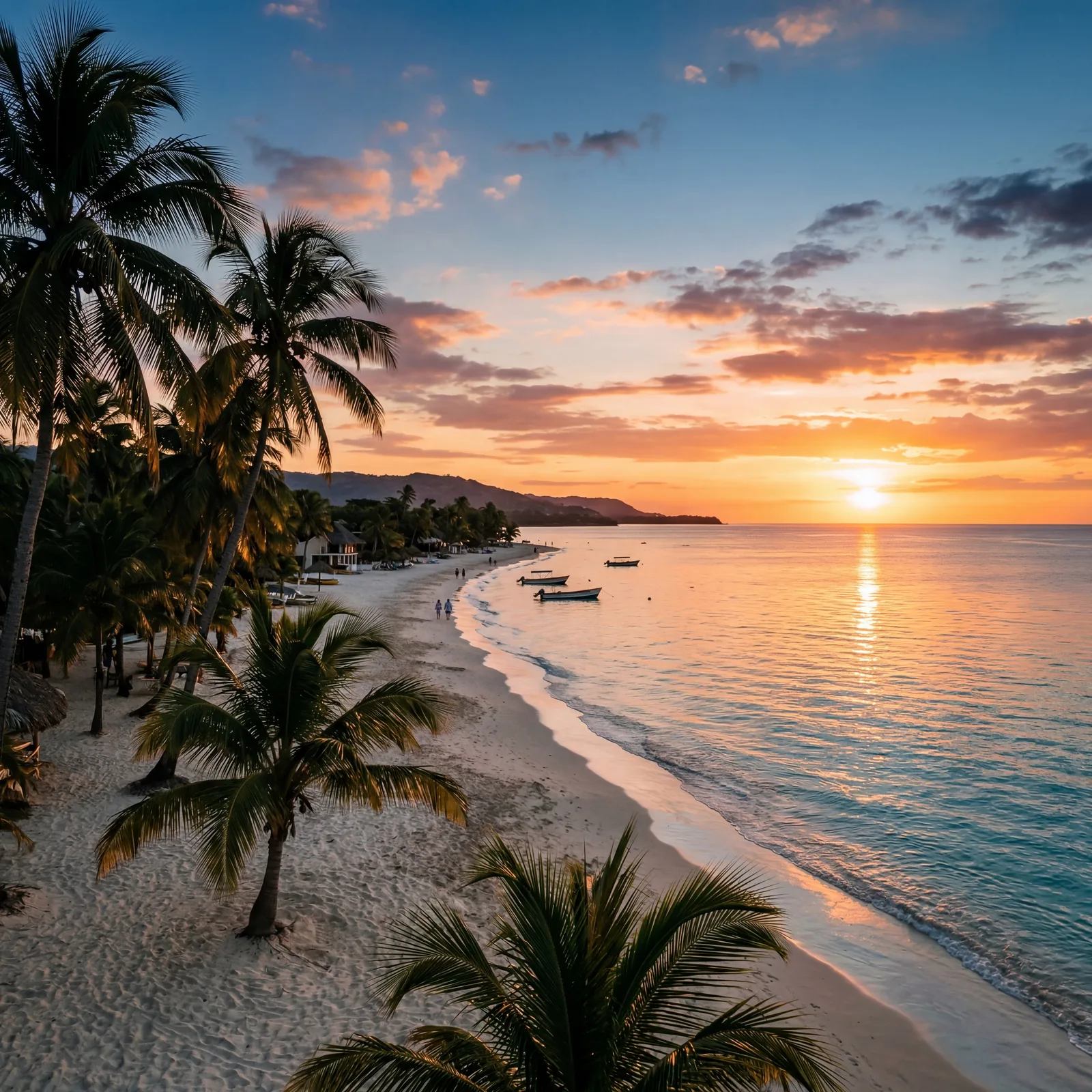
Jamaica is a mixed bag that deserves a more nuanced look than it usually gets. Montego Bay and Ocho Rios are heavily touristed, hustler-heavy, and exhausting. Negril’s Seven Mile Beach is genuinely beautiful and significantly more relaxed.
The culture here is real. The food is exceptional. The music is everywhere and it costs nothing. A jerk chicken meal from a roadside spot costs $5–8 USD.
Don’t stay in an all-inclusive and assume you’ve seen Jamaica. You haven’t. Rent a car for a day and drive into the Blue Mountains.
Read More: 19 Caribbean Destinations That Are Cheaper Than You Think in 2026
14. Antigua
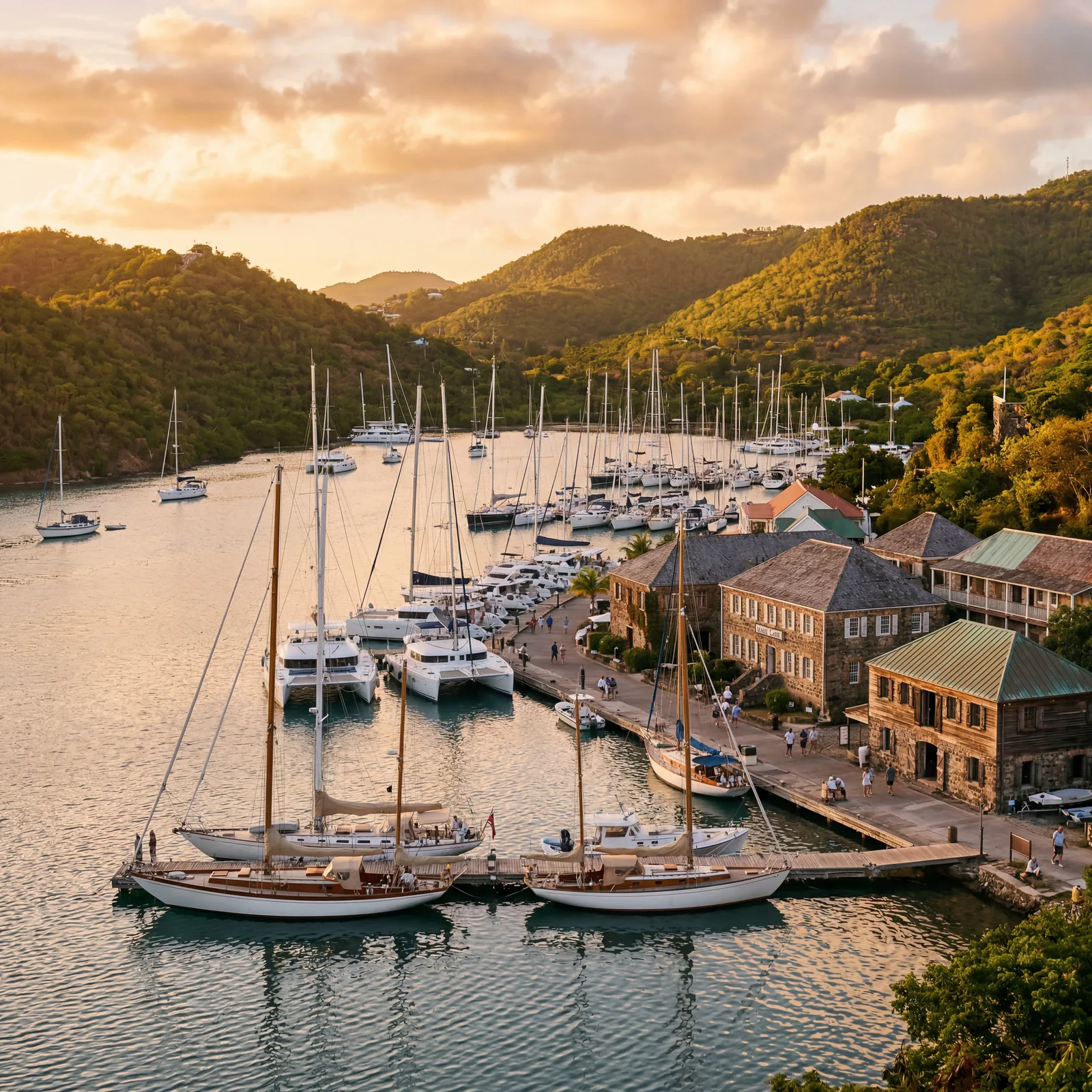
Antigua claims 365 beaches, one for every day of the year. Most of them are accessible only by boat or a serious hike, but the claim is technically true.
The real draw is English Harbour and Nelson’s Dockyard, which is one of the best-preserved colonial harbors in the Caribbean. Sailors love this island. Everyone else finds it a bit quiet.
Mid-range accommodation runs $180–$280 per night. The food scene is improving. It’s not flashy, which is exactly why it’s starting to earn its spot on this list.
13. St. Kitts
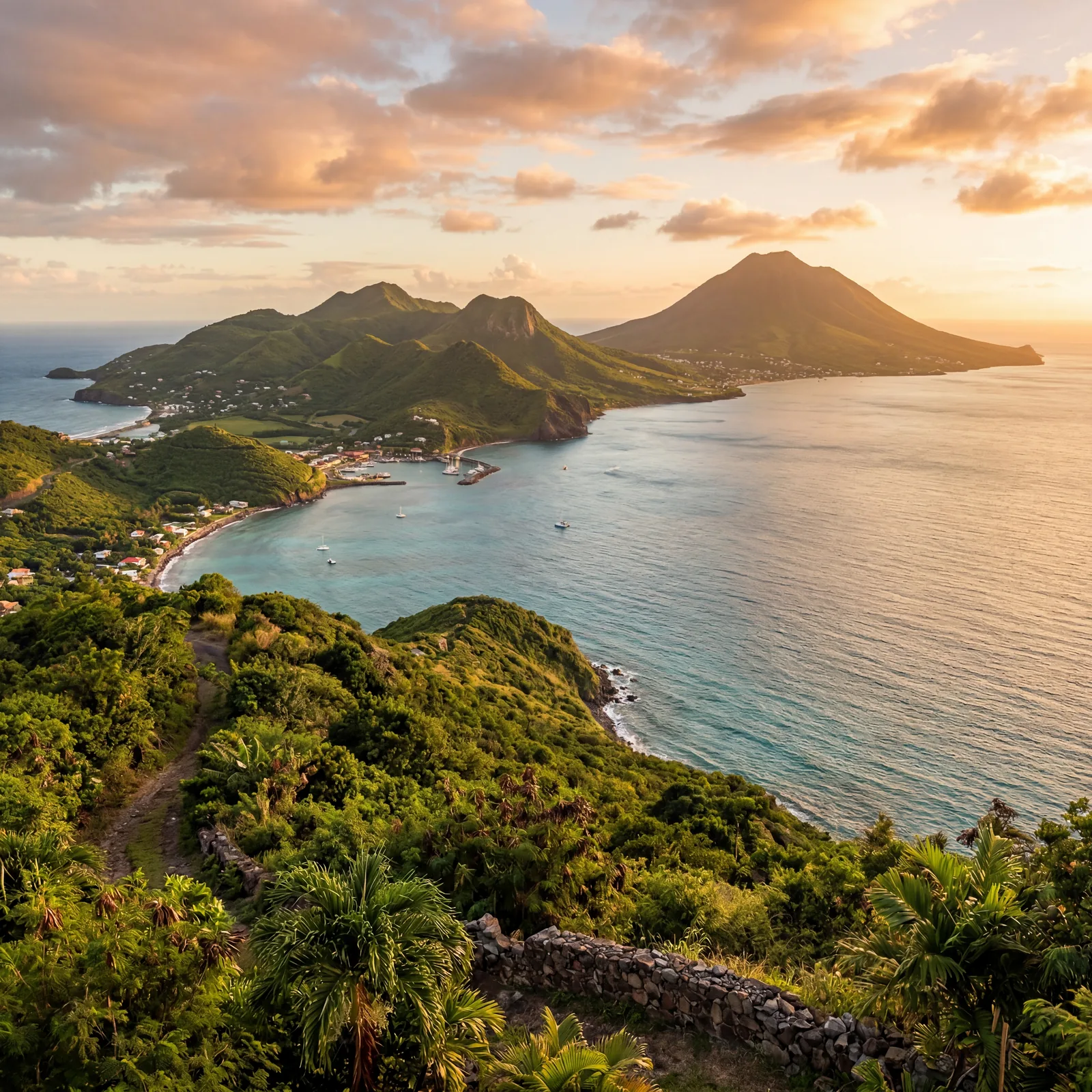
St. Kitts is one of the most overlooked islands in the Eastern Caribbean. The old sugar plantation ruins that cover the hillsides are genuinely atmospheric. The Brimstone Hill Fortress is a UNESCO World Heritage site that most visitors to the Caribbean have never heard of.
The island gets a fraction of the tourists that Barbados or St. Lucia receives. A nice guesthouse costs $120–$180 per night. The beaches on the southern peninsula are excellent.
Its neighbor Nevis, a 45-minute ferry ride away, adds another layer. Both islands together make a genuinely special trip.
12. Martinique
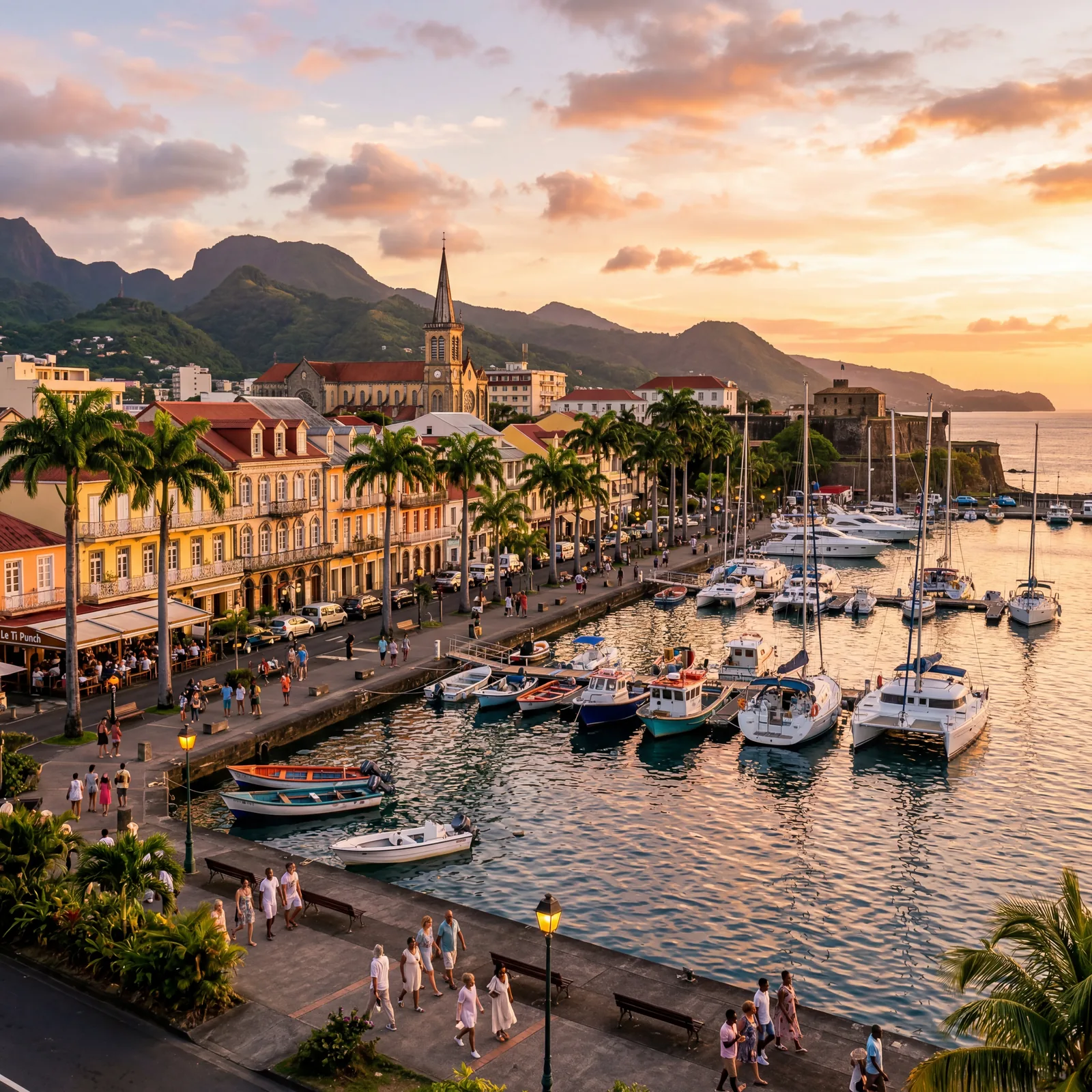
Martinique is an overseas department of France, which means you can use your EU driver’s license, the food is serious, and the baguettes are fresh every morning. Most Americans have never been here.
The beaches on the southern peninsula are excellent. The north has rainforest and waterfalls that feel genuinely wild. Fort-de-France has proper French restaurants where a full dinner costs $35–55 per person.
If you speak zero French, navigation gets tricky. If you manage even ten words of the language, the locals warm up immediately.
11. Guadeloupe
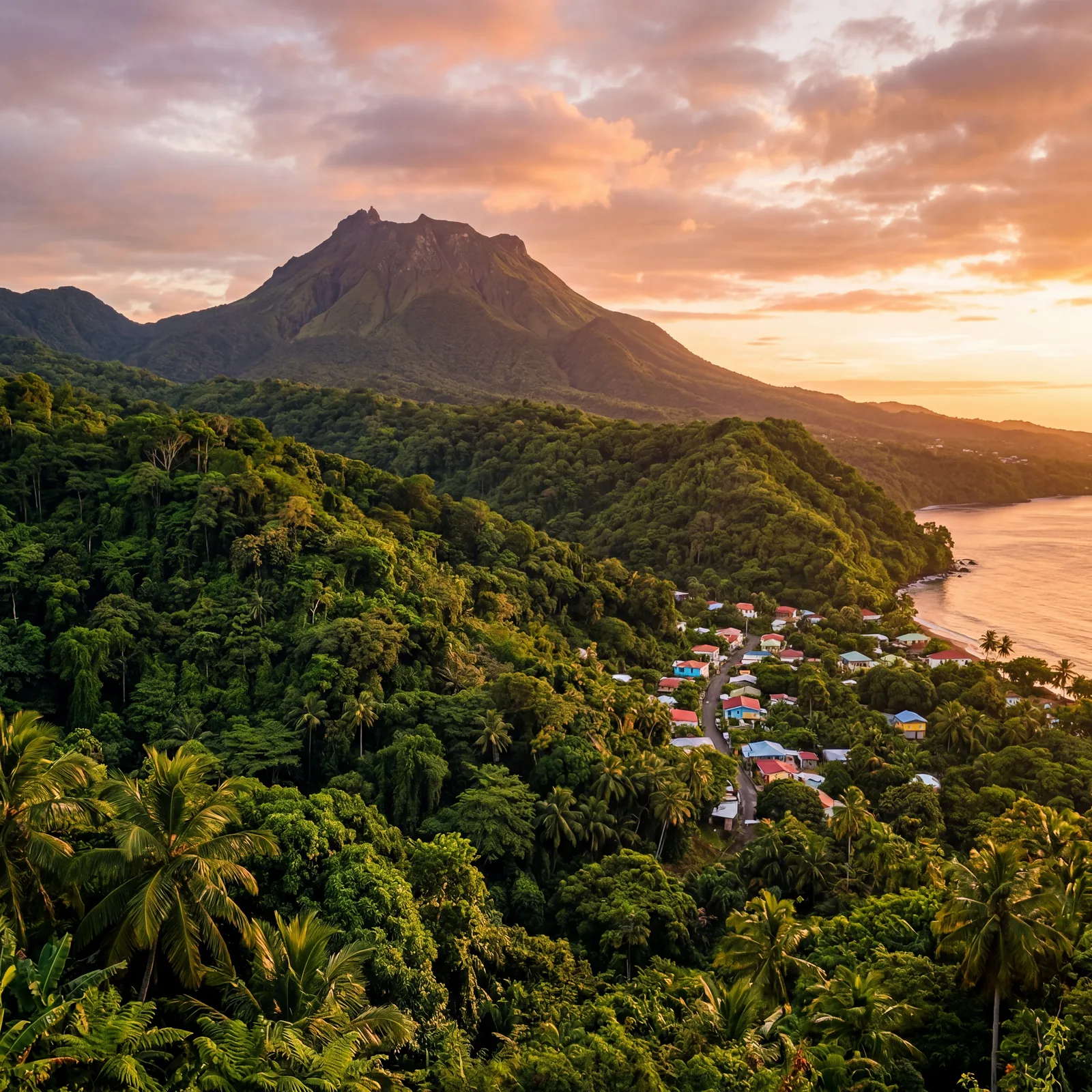
Guadeloupe is shaped like a butterfly and runs on two completely different personalities. Grande-Terre has flat terrain and good beaches. Basse-Terre has a live volcano, waterfalls, and jungle that feels like a different planet.
Almost no American tourists come here. Accommodation averages $90–$140 per night for a solid guesthouse. The food combines French technique with Creole spice in a way that genuinely surprises first-time visitors.
The downside: minimal English is spoken. The upside: you’ll feel like a traveler instead of a tourist.
10. Grenada
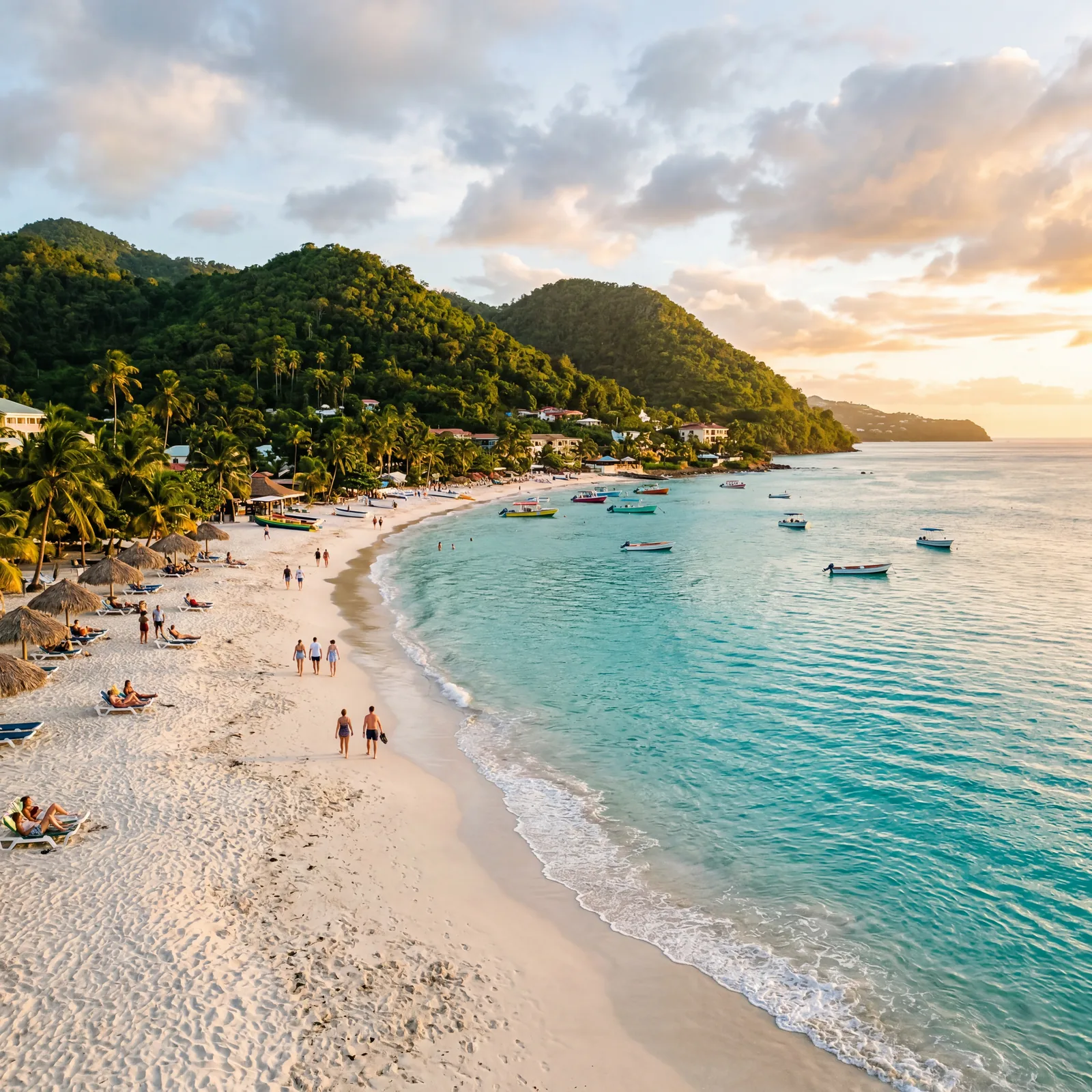
Grenada is the Spice Isle. Nutmeg, cinnamon, and cocoa grow on hillsides above beaches that receive almost no crowds. Grand Anse Beach is two miles of white sand and you’ll share it with maybe 50 other people.
The island received very few tourists until recently. A nice mid-range hotel runs $150–$220 per night. The underwater sculpture park just offshore is one of the most unique dive sites in the world.
A retired couple from Michigan told me they spent 10 days here and didn’t see another American after the first two days. That’s exactly the point.
Read More: 17 Underrated Caribbean Islands Worth Visiting Before Everyone Else Does
It gets significantly better from here. The next few will genuinely surprise you.
9. Tobago
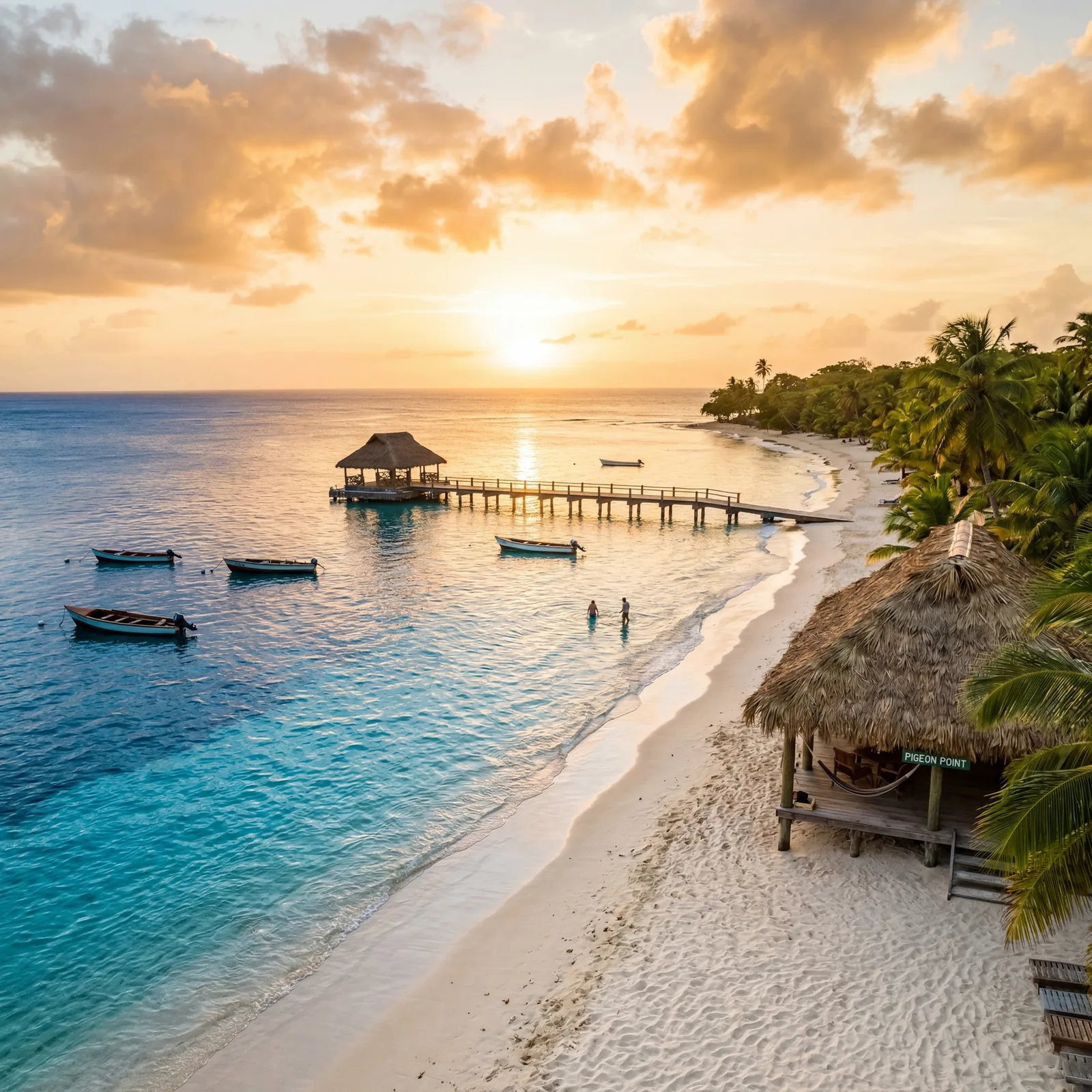
Tobago is attached to Trinidad politically but exists in a completely different world. Pigeon Point Beach is one of the most photographed in the Caribbean and it never gets the traffic that justifies the fame.
The diving is world-class. Speyside on the northeastern coast has manta rays, brain corals the size of cars, and visibility so clear it’s almost unsettling. Accommodation runs $80–$150 per night.
It takes two flights to get here from most US cities. That friction is a feature, not a bug. It’s why Tobago still feels real.
8. St. Vincent and the Grenadines
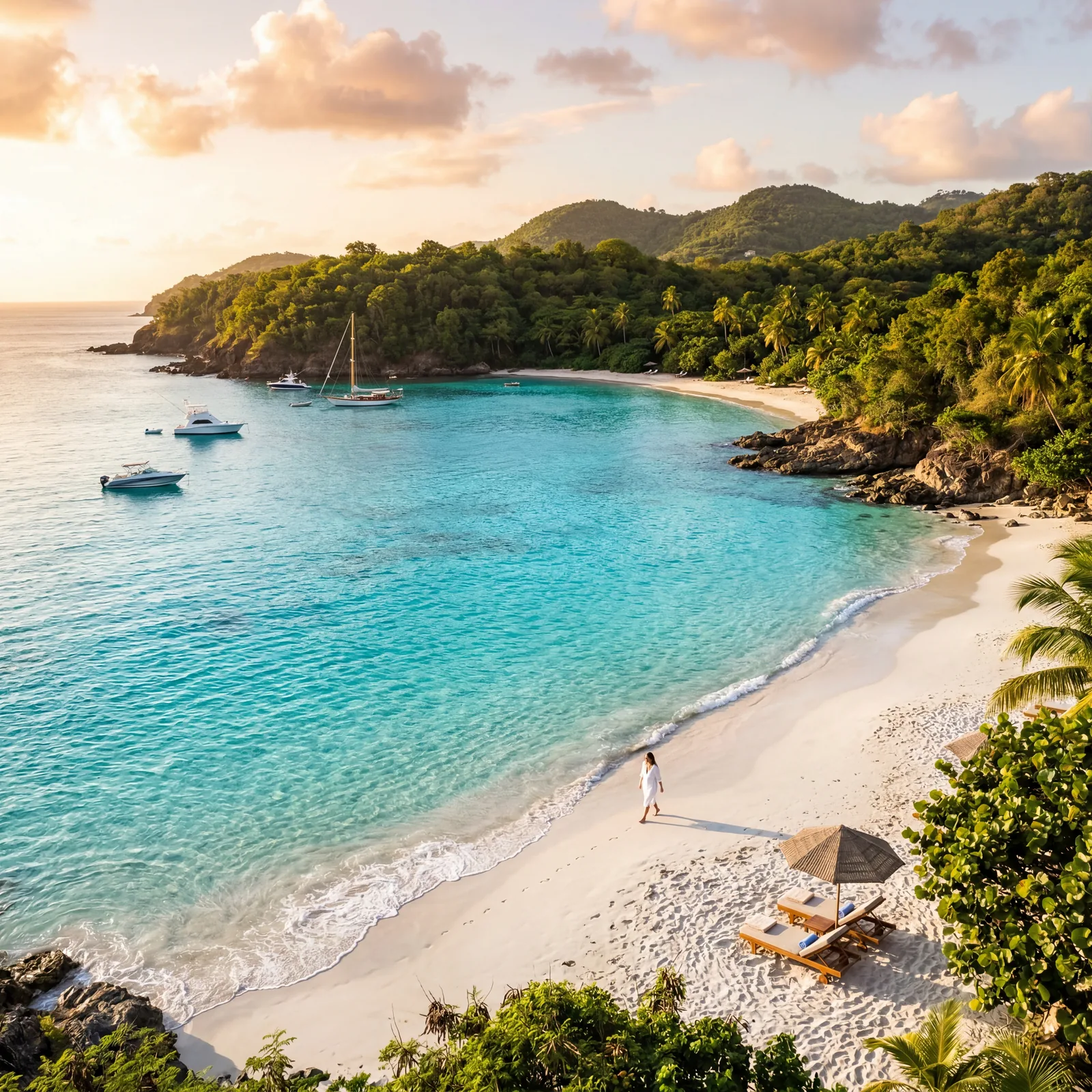
The Grenadines are a chain of small islands stretching between St. Vincent and Grenada. Most of them are accessible only by boat. Bequia is the main island and it’s the most charming town in the Eastern Caribbean.
You can rent a cottage in Bequia for $95–$140 per night and have a beach cove essentially to yourself. The water is the clearest shade of blue you’ve seen outside of a screen saver.
Mustique is here too, which is where the ultra-wealthy go. Skip it. Bequia is better and doesn’t cost a year’s salary.
7. Anguilla
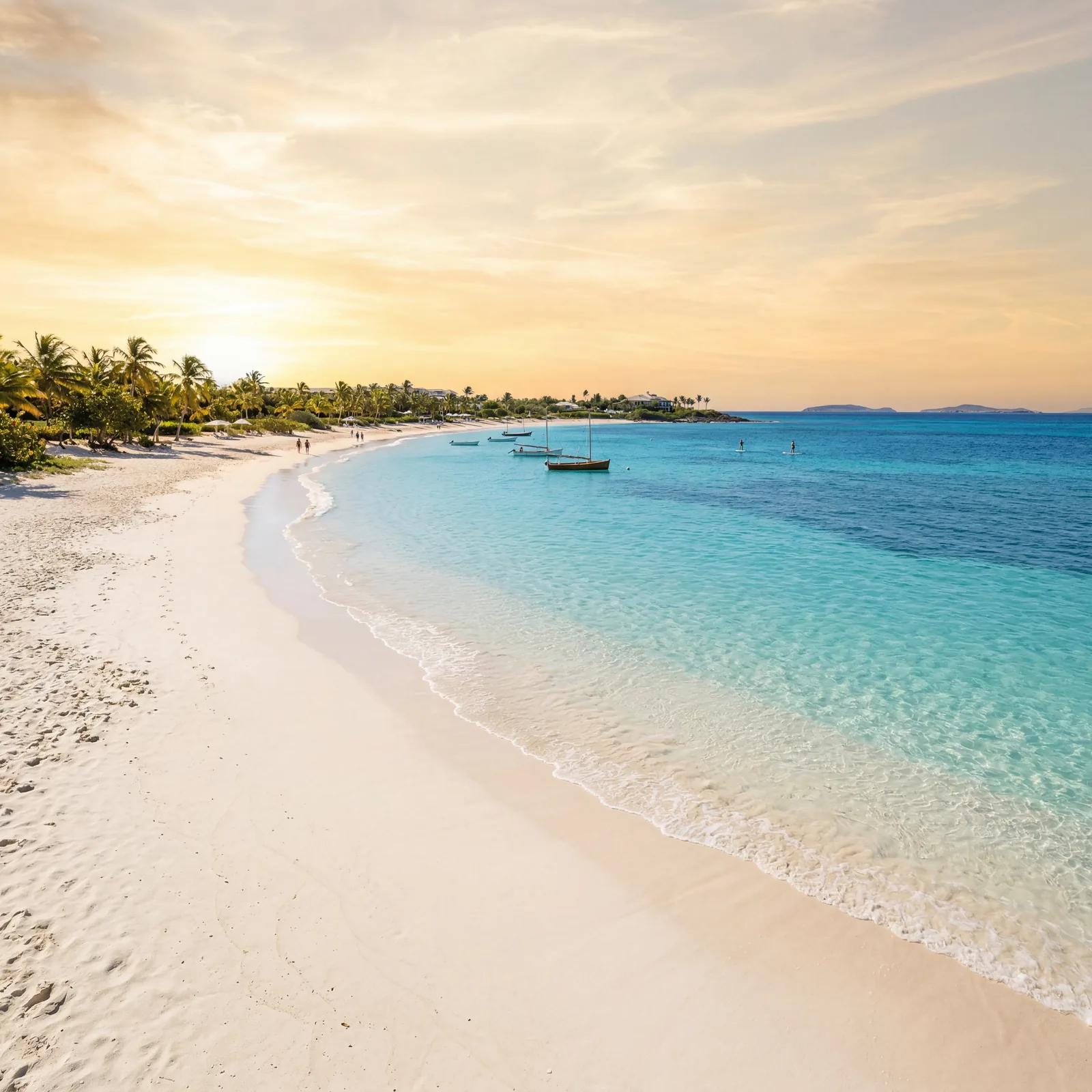
Anguilla is a flat, dry island that most people overlook because it lacks the dramatic scenery of St. Lucia or the reputation of Barbados. That’s the whole point. Shoal Bay East is consistently ranked one of the top beaches in the world, and on a random Tuesday in April you can have a hundred meters of it to yourself.
The island is technically expensive, but not because it’s been over-commercialized. It’s because it’s deliberately small-scale and low-key. Mid-range stays run $200–$350 per night.
It’s only 20 minutes by ferry from St. Maarten. Most people crossing that ferry are on a day trip, which means they leave by 4pm. That’s when the island becomes yours.
6. Dominica
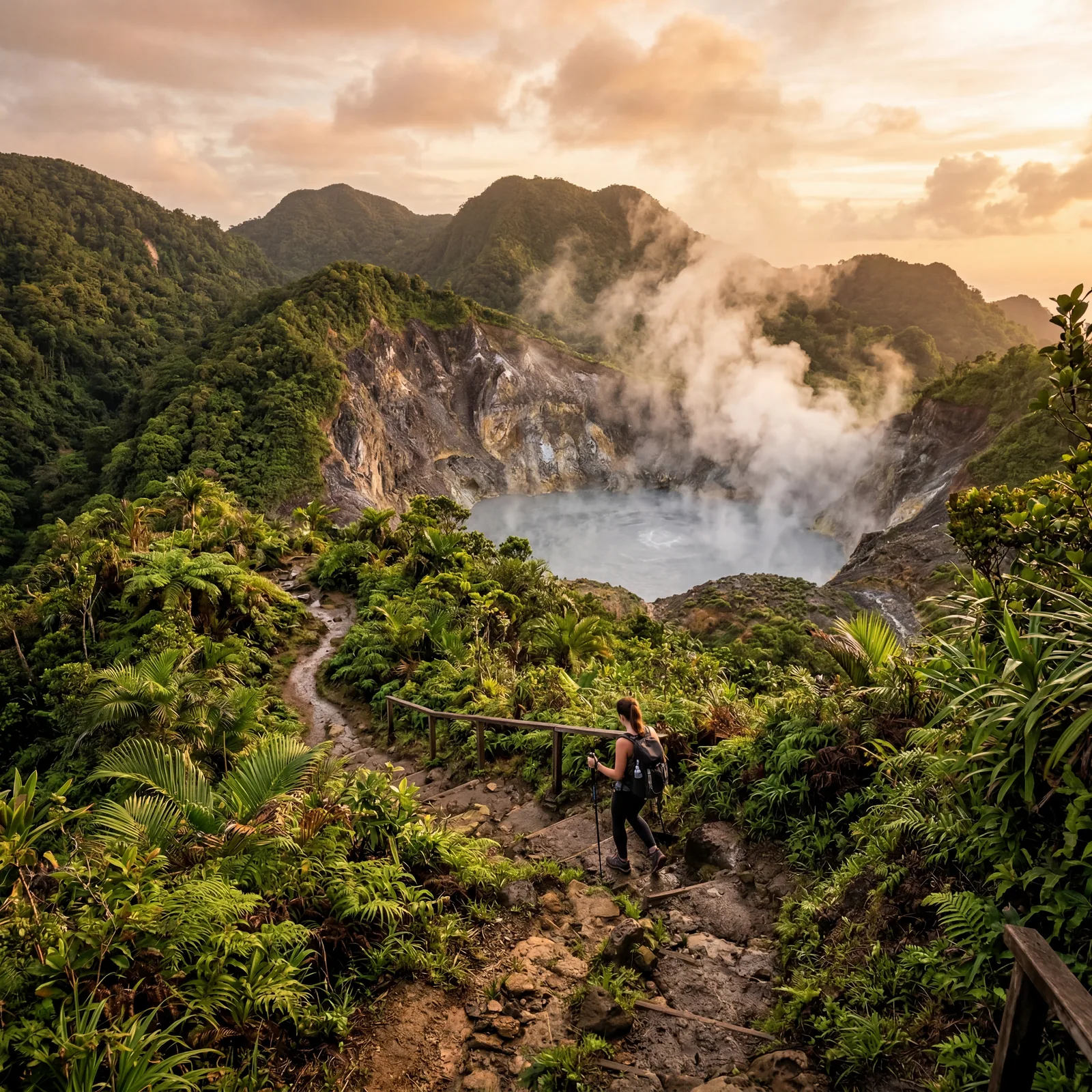
Dominica is the Nature Isle and it means it literally. There are no white sand beaches here. What there is instead: a boiling volcanic lake accessible only by a 3-hour jungle hike, sulfur springs you can bathe in, whale watching that’s among the best on earth, and rainforest so dense it blocks out the sky.
Accommodation runs $70–$130 per night. Tourism infrastructure is basic by design. This is not a place for poolside cocktails. This is a place for people who want to feel genuinely small in a wild landscape.
Almost nobody from the US goes here. That is precisely the recommendation.
5. Montserrat
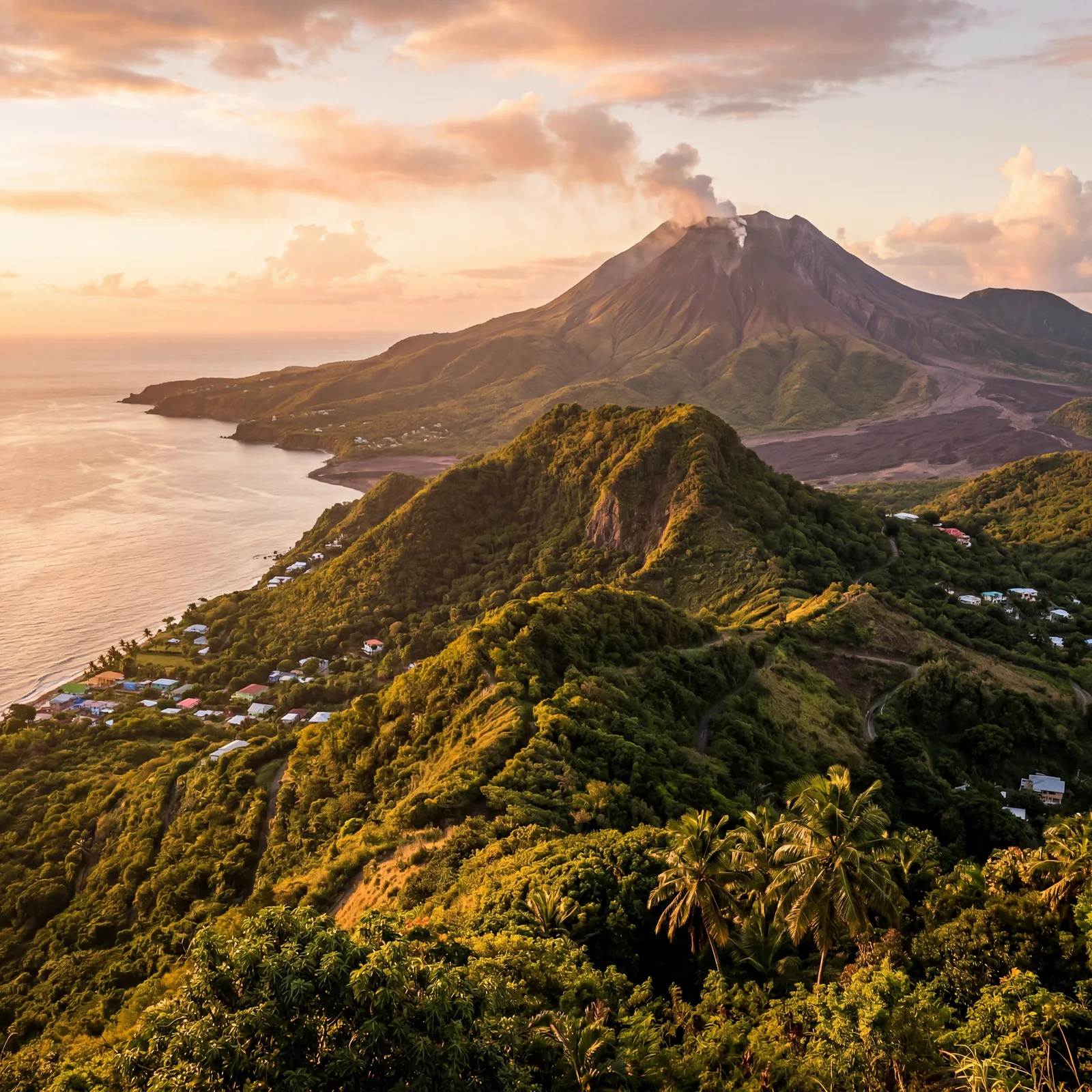
Montserrat is the most unusual island in the Caribbean. The Soufriere Hills volcano erupted in 1995 and buried the capital city of Plymouth under 40 feet of ash. You can take a guided tour to the exclusion zone and see the clock tower of a government building poking out of the grey surface like a tombstone.
The northern part of the island is lush, safe, and almost entirely tourist-free. Guesthouses run $80–$120 per night. There are about 5,000 people living here and they are genuinely glad to see you.
One local guide told me: “People come here not knowing what to expect. They leave and say it’s the most interesting place they’ve ever been.” He wasn’t wrong.
4. Bonaire
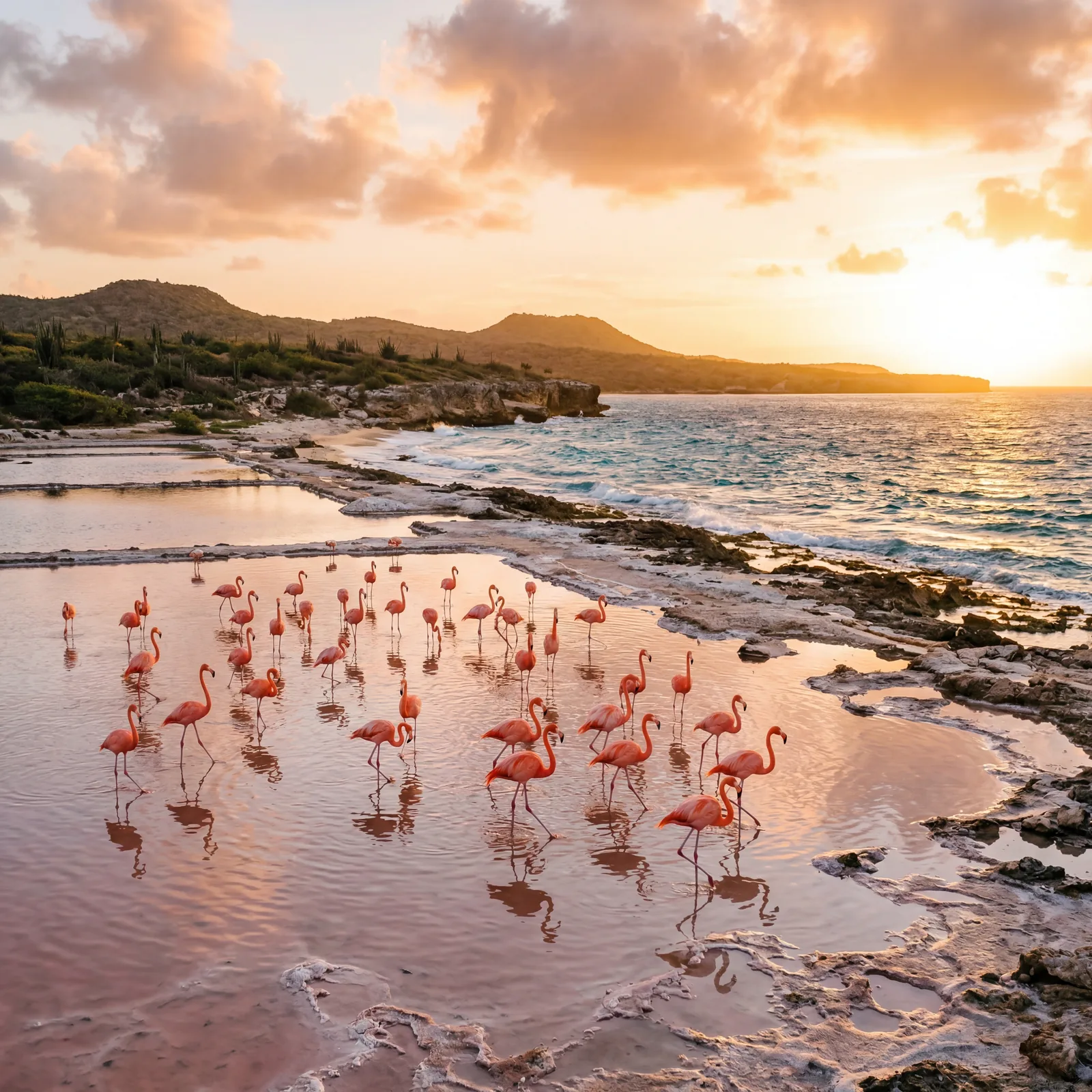
Bonaire is a Dutch island with the best shore diving on earth. You don’t need a boat here. You walk off the beach with your tank, descend into visibility that stretches over 100 feet, and spend an hour with parrotfish and sea turtles that are completely unbothered by your presence.
The island is dry, flat, and largely undeveloped. Accommodation runs $130–$220 per night. Flamingos wade through the southern salt flats in the afternoon. The island has a donkey sanctuary. It takes itself seriously about conservation.
Non-divers sometimes find it underwhelming. Divers say it’s the best week they’ve ever had in the water.
3. Saba
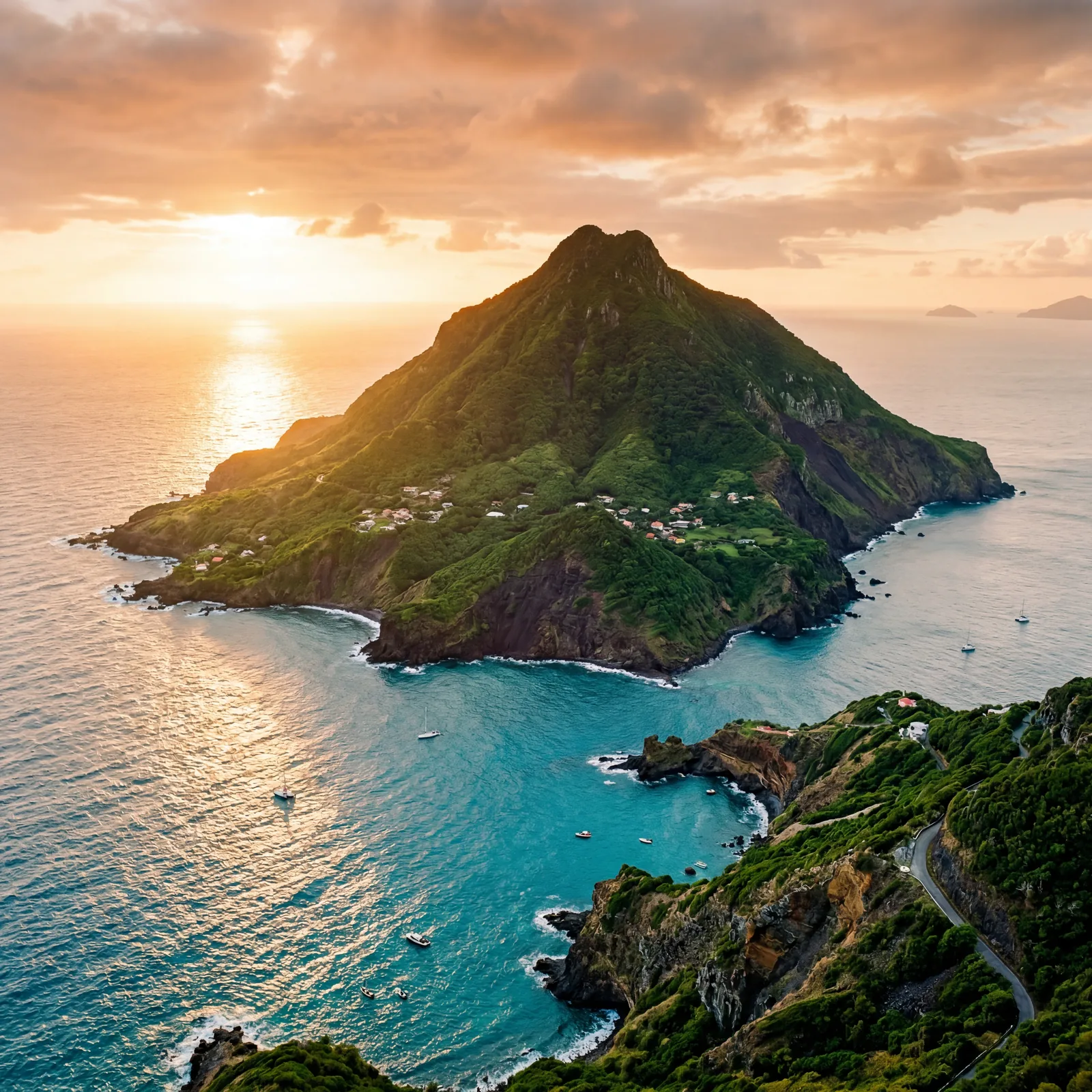
Saba is a five-square-mile volcanic cone that rises almost vertically out of the sea. There are no beaches at all. What there is: The Road, which is a single lane carved into the cliff face that was declared impossible to build by Dutch engineers and then built anyway by the Sabans themselves in the 1940s.
The dive sites here are considered among the top ten in the world. Pinnacles rise from 90-foot depths covered in black coral. The water temperature in January sits around 79 degrees.
There are about 1,900 people living on Saba. The island gets fewer than 15,000 visitors a year. A guesthouse runs $100–$160 per night. It takes a 12-minute prop plane from St. Maarten to get here.
It’s bad. But nothing compared to what’s waiting at #1.
2. Carriacou, Grenada
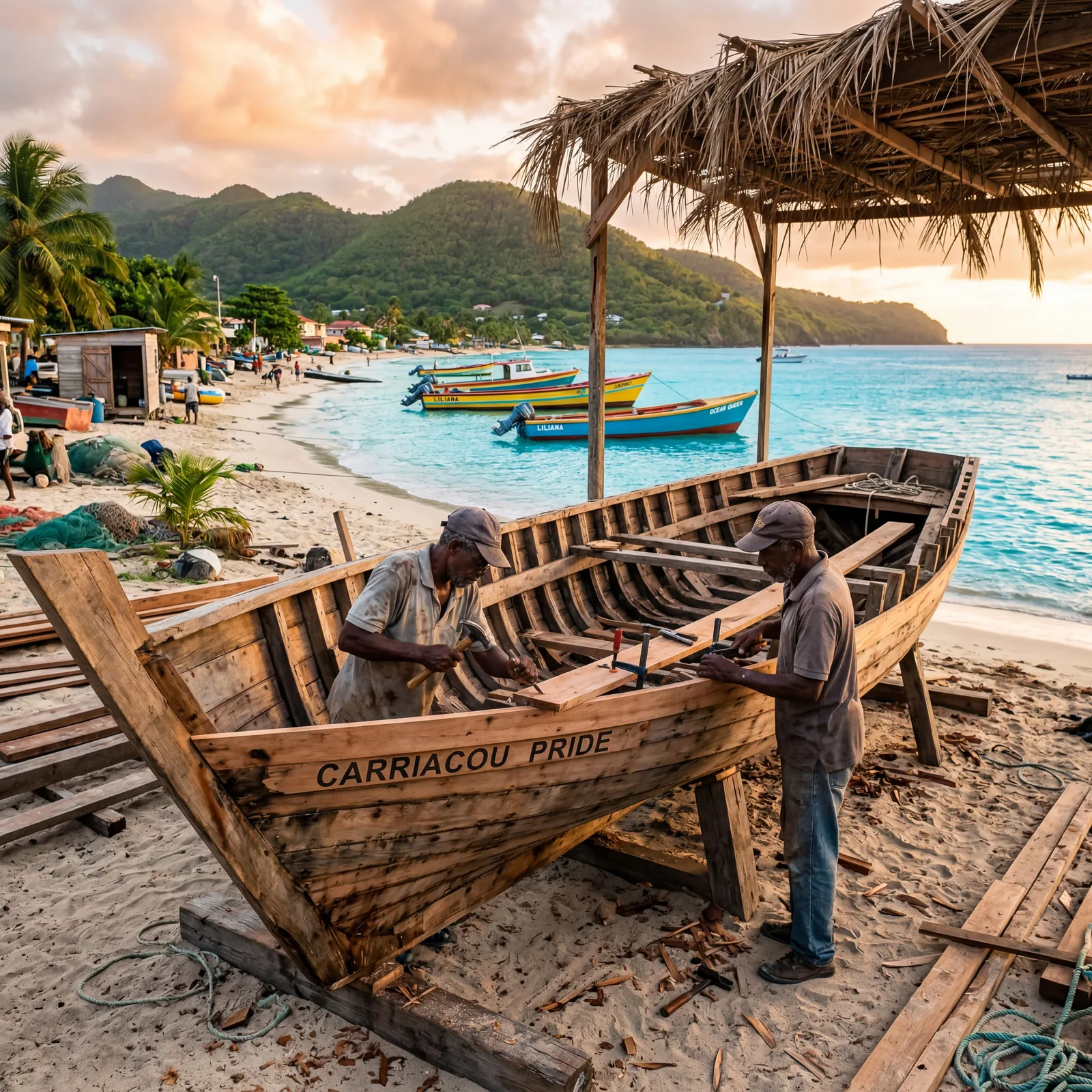
Carriacou is a dependency of Grenada that most people have never heard of. You reach it by a 90-minute ferry from Grenada’s main island or a short prop flight. Sandy Island, a ten-minute water taxi from Carriacou, is a sandbar with three palm trees and water so clear it looks fake in every photo.
The island still builds traditional wooden sailing boats by hand. There is one road. Guesthouses cost $70–$110 per night. The local rum distillery, Jack Iron, produces a 69% overproof rum that has been sold here for generations.
Nobody is competing for sun loungers here. Nobody is trying to sell you anything. That feeling, of being genuinely off the map, is almost extinct in the Caribbean. Carriacou still has it.
It’s bad. But nothing compared to what’s waiting at #1.
1. Culebra, Puerto Rico
The Most Underrated Island in the Entire Caribbean
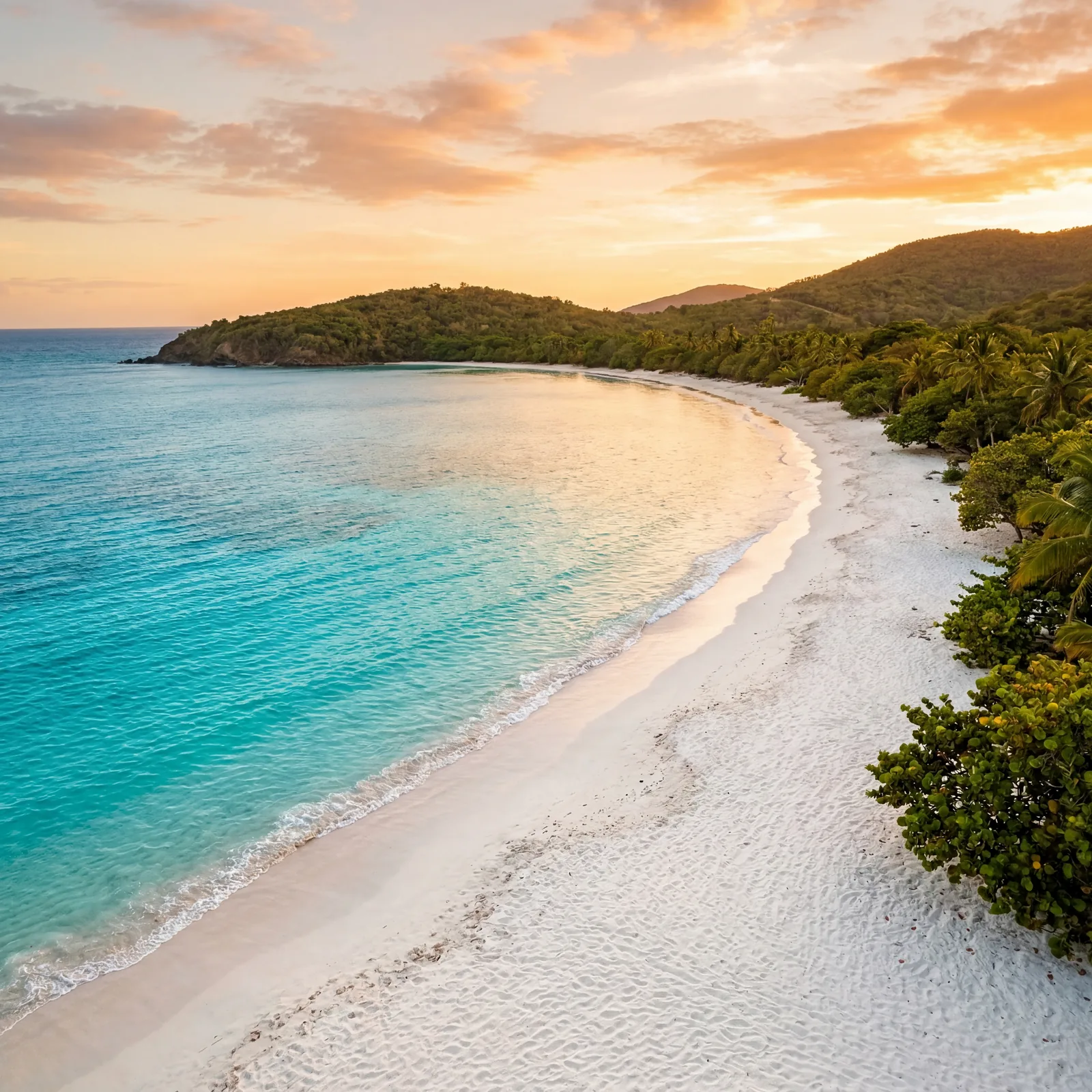
Culebra sits 17 miles east of Puerto Rico’s main island. It takes a 90-minute ferry from Ceiba or a 10-minute prop plane. Flamenco Beach is consistently ranked one of the top five beaches in the world, a horseshoe of white sand and turquoise water that sits inside a protected bay with almost no development and no resort hotels on the waterfront.
You land on US soil. You spend US dollars. Your phone works normally. There’s no passport required. And you’re sharing a world-class beach with a fraction of the crowds you’d find at Nassau or Cancun.
Accommodation runs $90–$180 per night for guesthouses and small inns in the village. There are no chain hotels. There’s one traffic light. The snorkeling at Tamarindo Beach, a short drive away, puts most dedicated snorkel resorts to shame.
A retired teacher from Florida told me she came for four days and rebooked for another week on day two. She said: “I’ve been to 14 Caribbean islands. I don’t understand why nobody talks about this one.”
The answer is that the people who find Culebra tend to keep it to themselves. It’s American, it’s accessible, it’s affordable, and Flamenco Beach will stop you cold the moment you see it.
Now you know why we saved this one for last.
The Caribbean Still Has Places Worth Your Money
Most of the islands that dominate Instagram and travel agencies are popular because they’re easy to book, not because they’re the best. You don’t have to follow the crowd to get to the Caribbean. The islands at the top of this list prove that the best experiences are usually one extra flight, one ferry ride, or one unpopular choice away.
Which one surprised you most? Drop it in the comments, especially if you’ve been to one of the hidden gems and think we ranked it wrong.