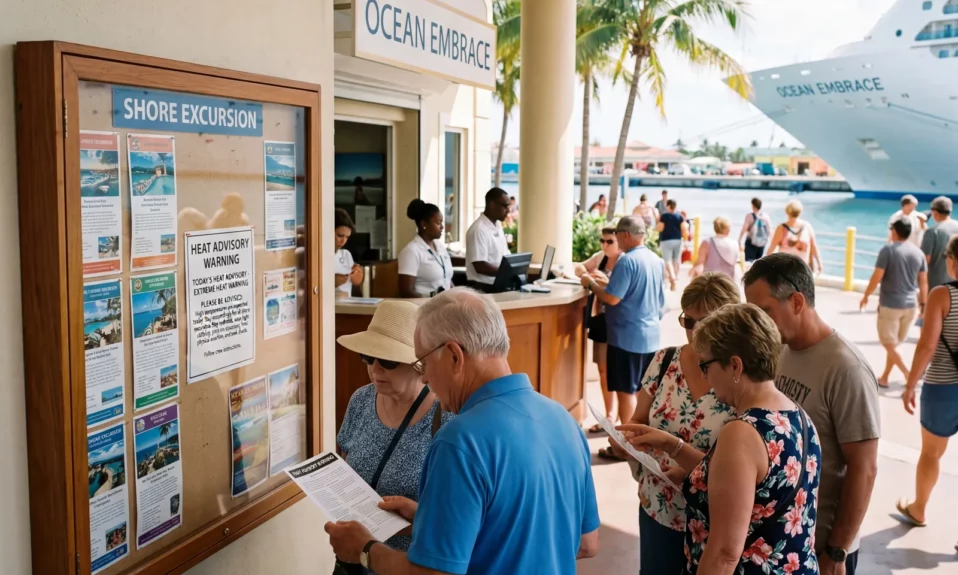
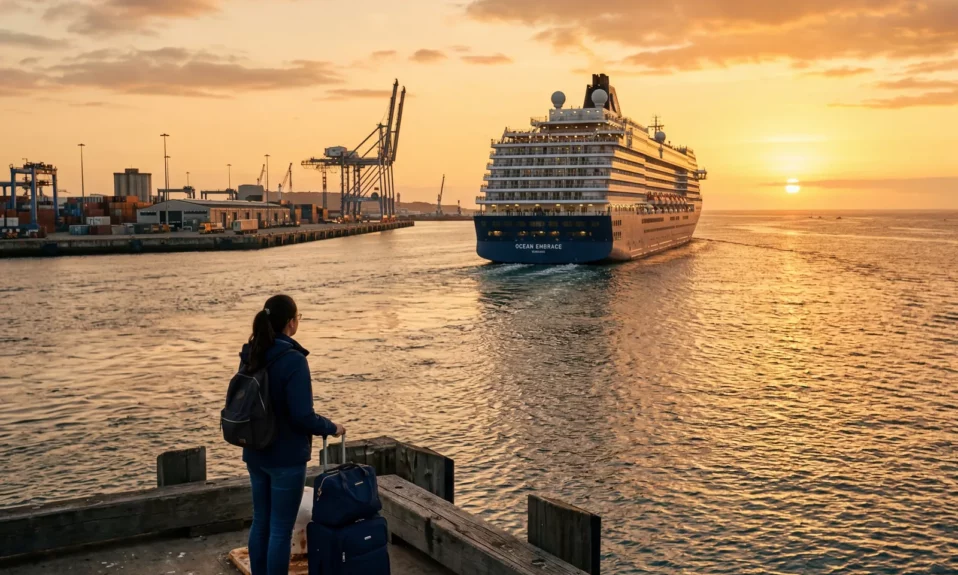
You’ve booked your first cruise and you’re convinced you’ve thought of everything. But there’s one mistake so common that cruise staff spot it from the gangway, and it’ll cost you before the ship even leaves port. Don’t book a single excursion, cabin upgrade, or dinner reservation until you’ve read every single one of these.
25. Bringing a Hard-Shell Suitcase
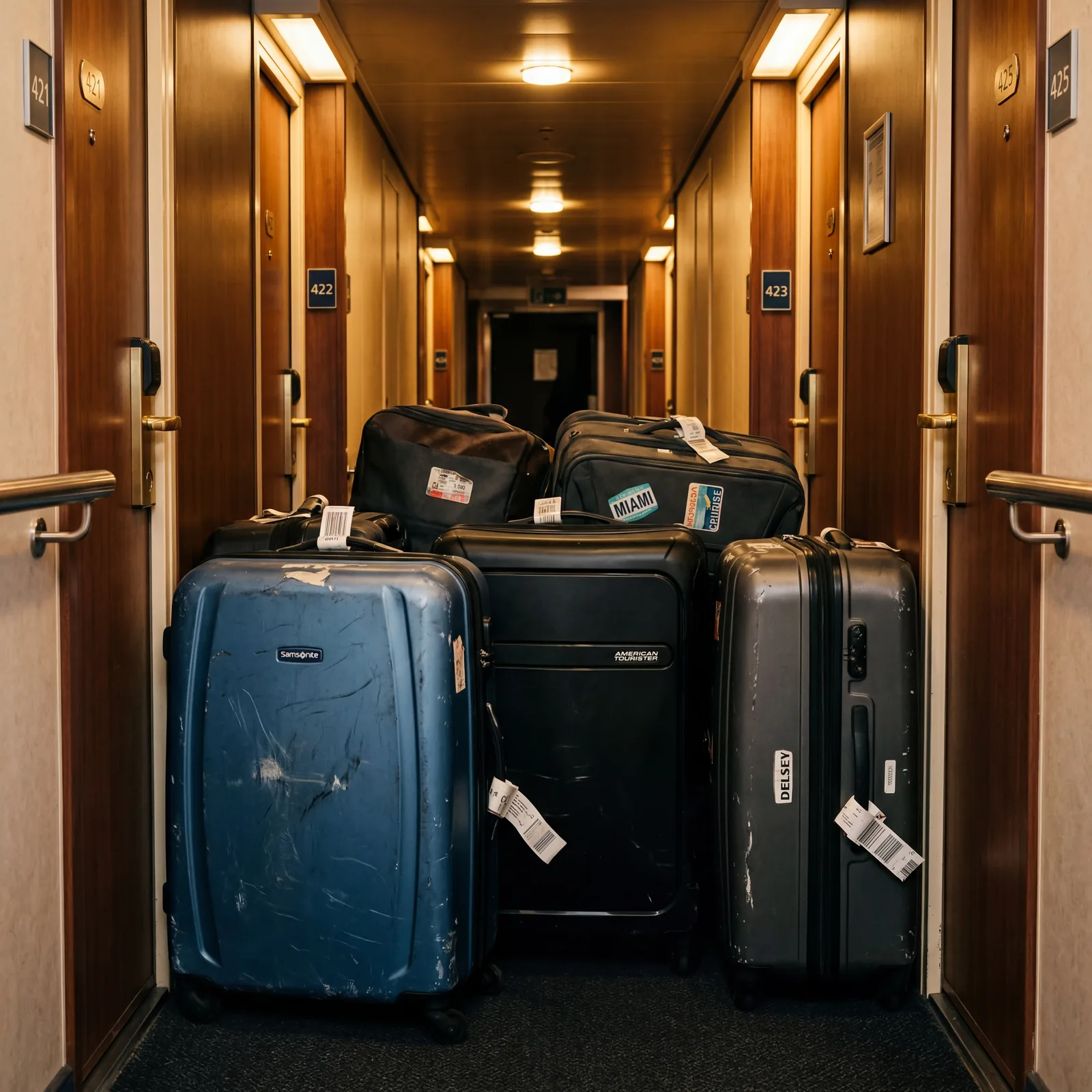
You wheel your gorgeous hard-shell Samsonite onto the ship, feeling prepared. Then you see your cabin for the first time.
Cruise cabins are not hotel rooms. Storage is a puzzle of awkward angles, low beds, and drawers measured in inches. A rigid suitcase can’t be flattened, can’t slide under the bed, and will spend your entire vacation blocking the bathroom door.
Soft-sided bags or packing cubes that compress flat are what experienced cruisers actually use. First-timers find this out on day one, three decks away from any solution.
24. Ignoring the Muster Drill
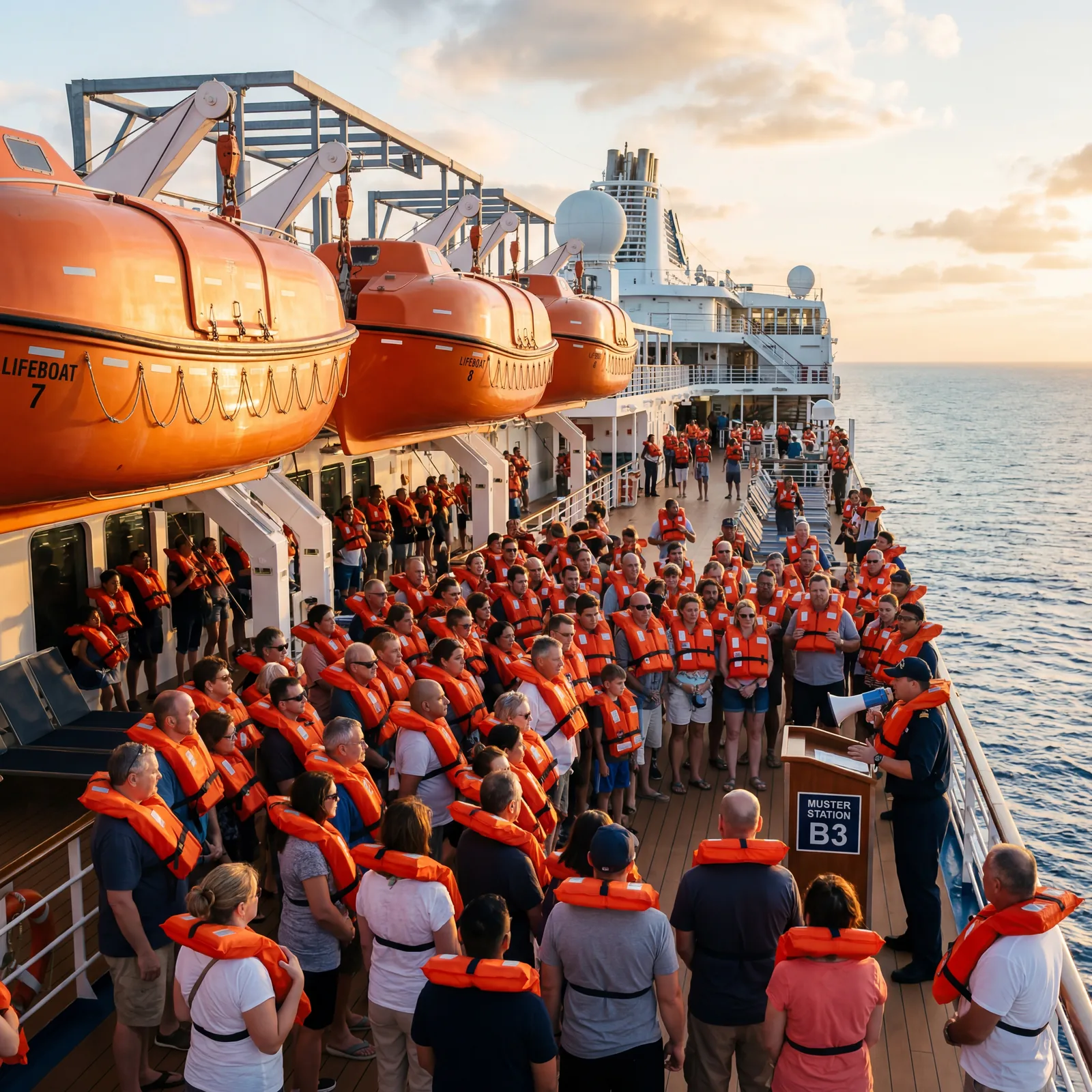
Everyone treats the muster drill like an inconvenience they can half-attend. You stand there, phone out, barely listening.
This isn’t a formality. Cruise ships have real emergencies, and if you don’t know where your muster station is or how your life jacket actually works, that’s a you problem. Since 2020, most lines run digital musters through the app, but skipping the final check-in gets you flagged by crew and personally tracked down.
It takes 20 minutes. Do it properly.
23. Not Registering in the App Before You Board
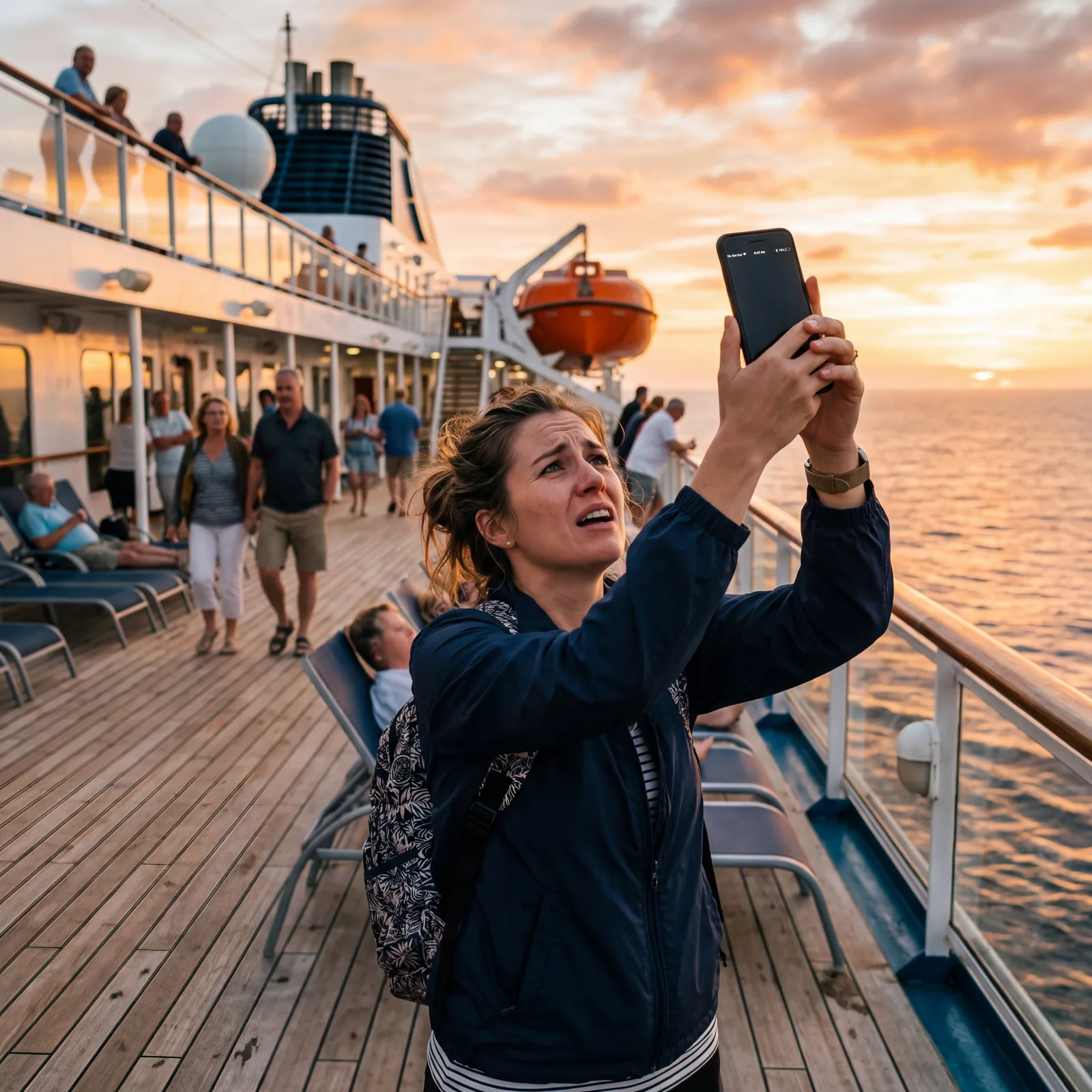
You figure you’ll sort the app stuff out once you’re on the ship. Then you’re standing in a check-in line that stretches onto the dock.
Carnival, Royal Caribbean, NCL, and most major lines now require pre-registration through their apps before you arrive. Upload your passport photo, credit card, and health forms from home. Boarding can go from two hours to twenty minutes if you’ve done it.
If you haven’t, you join the long line of people learning this lesson the hard way.
22. Packing Too Much Formal Wear
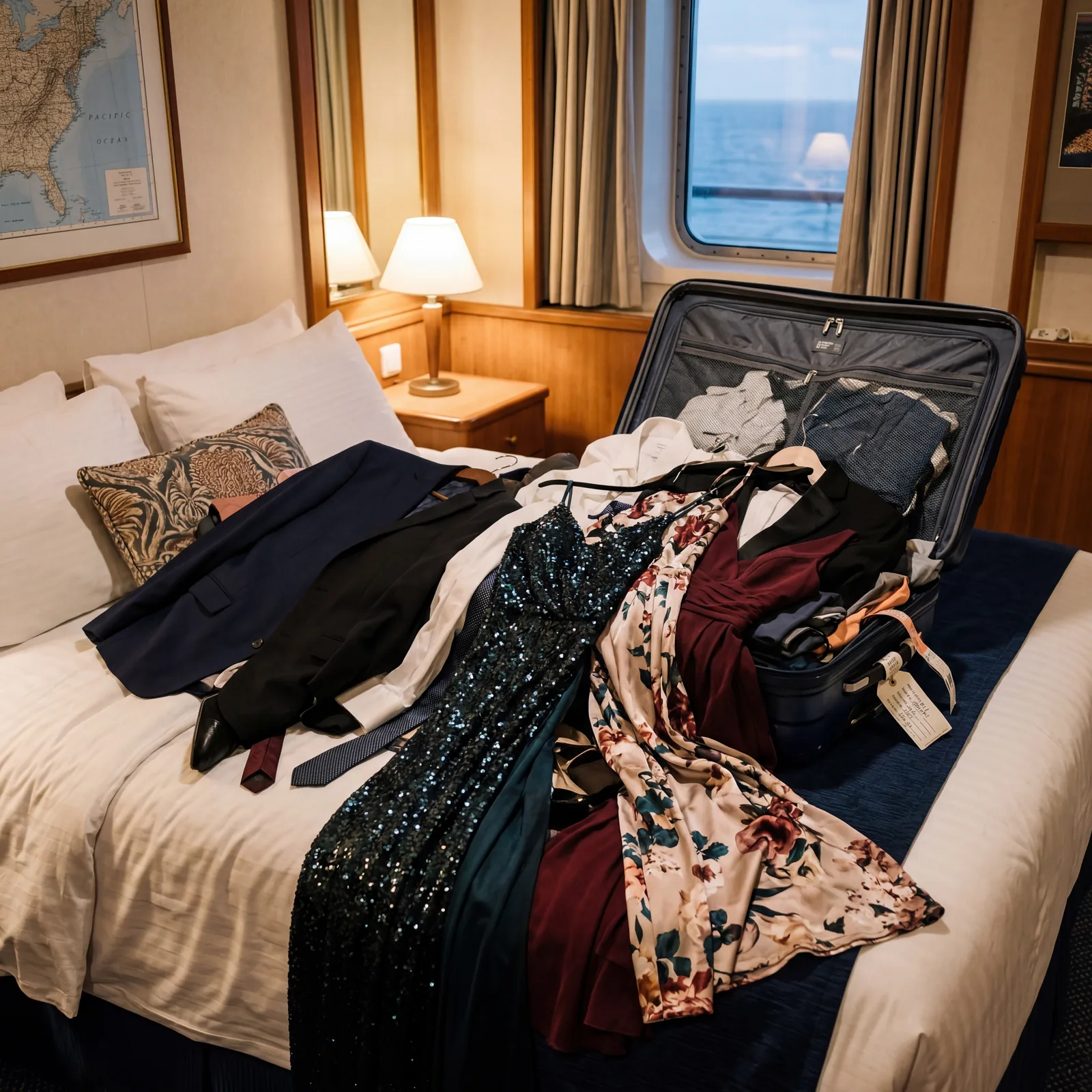
You read that cruise ships have formal nights and you panic-packed three blazers, two cocktail dresses, and dress shoes that hurt your feet.
Most modern cruise lines have relaxed their dress codes significantly. On many mainstream lines, “formal night” means smart casual. On the short Caribbean 7-night trips most first-timers book, there’s often one formal night, maybe none.
Check your actual ship’s policy. That extra blazer weighs two pounds and takes up the space where your soft-sided bag should go.
21. Showing Up to the Wrong Port
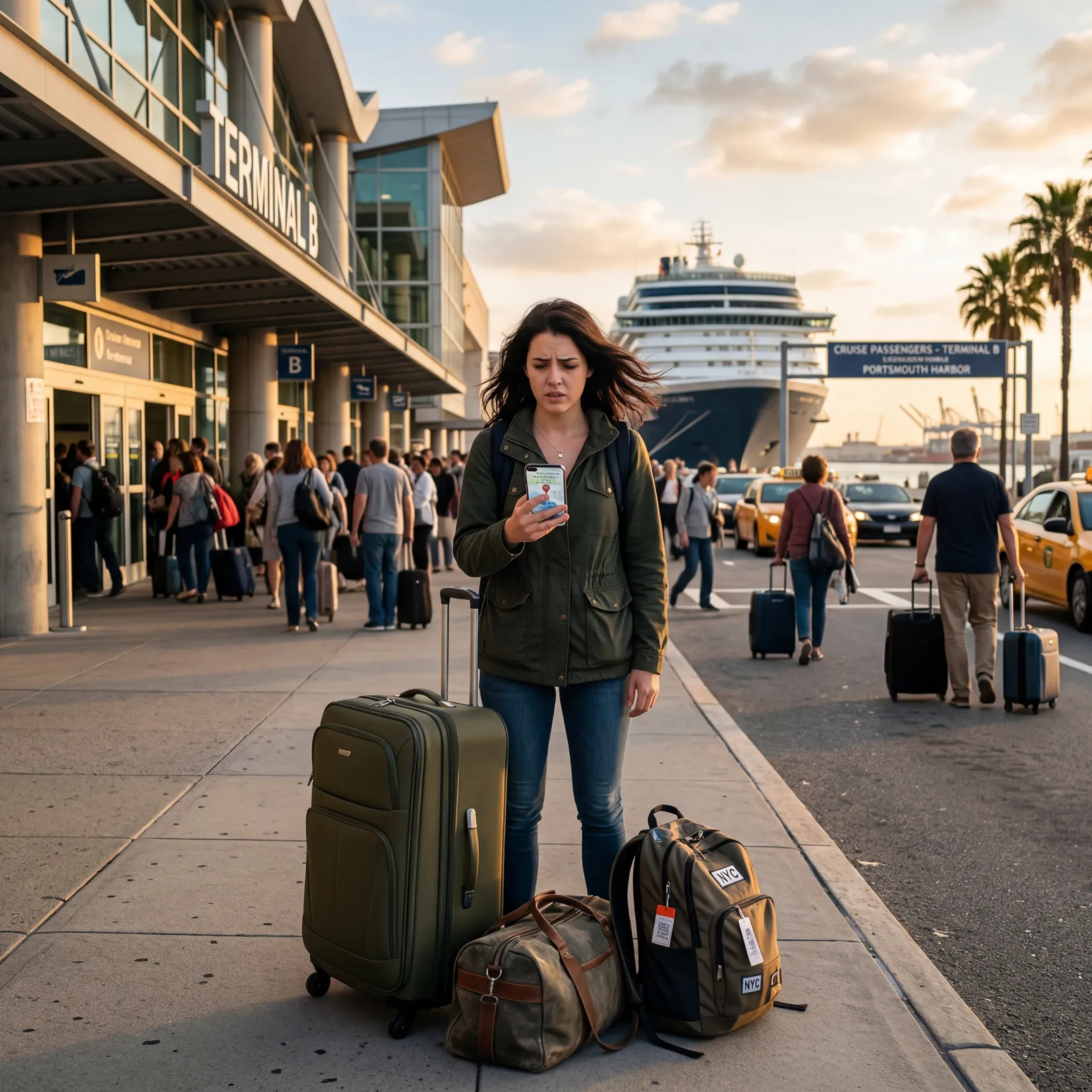
This sounds impossible. It happens every single sailing.
Major cruise hubs like Miami, Port Canaveral, and Barcelona have multiple terminals spread across several miles. Your ticket says “Miami” but your ship is at Terminal J, not Terminal B, and those are a $40 Uber apart. First-timers follow Google Maps to the nearest cruise sign and end up at someone else’s ship.
Download your specific terminal number from your cruise line before you travel. Check it the night before.
20. Not Budgeting for Onboard Expenses
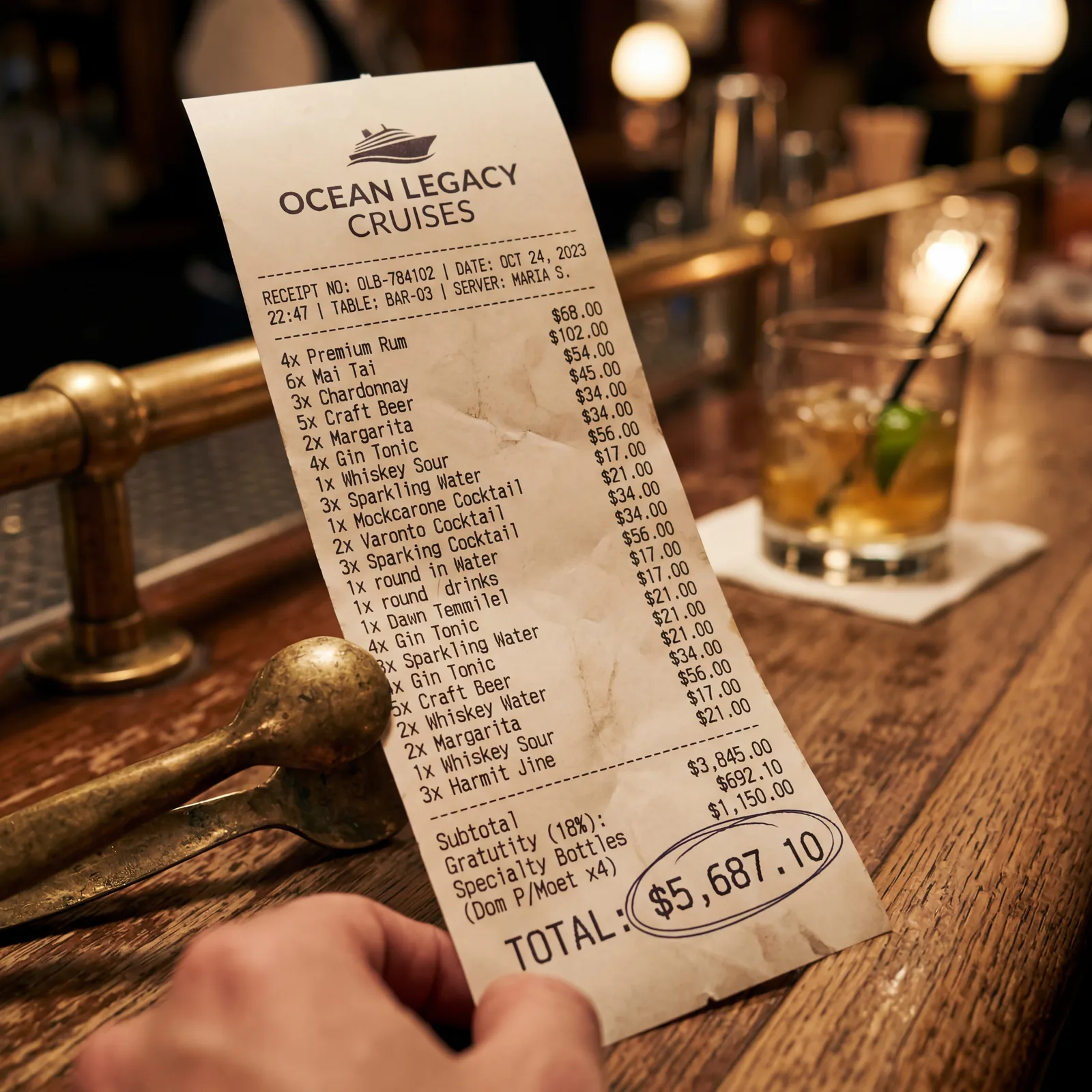
You paid for your cruise. You think the hard part is over.
The average cruiser spends $100-200 USD per day per person beyond their fare. That’s drinks, specialty dining, shore excursions, spa, casino, gratuities, Wi-Fi, and the souvenir photo you’ll definitely buy. The ship is designed to extract every dollar in ways that feel small in the moment.
First-timers arrive with no plan and hit a $1,500 surprise bill at checkout. Build an onboard budget before you sail.
The next few mistakes are where most first-timers are completely caught off guard. Keep reading.
19. Skipping Travel Insurance
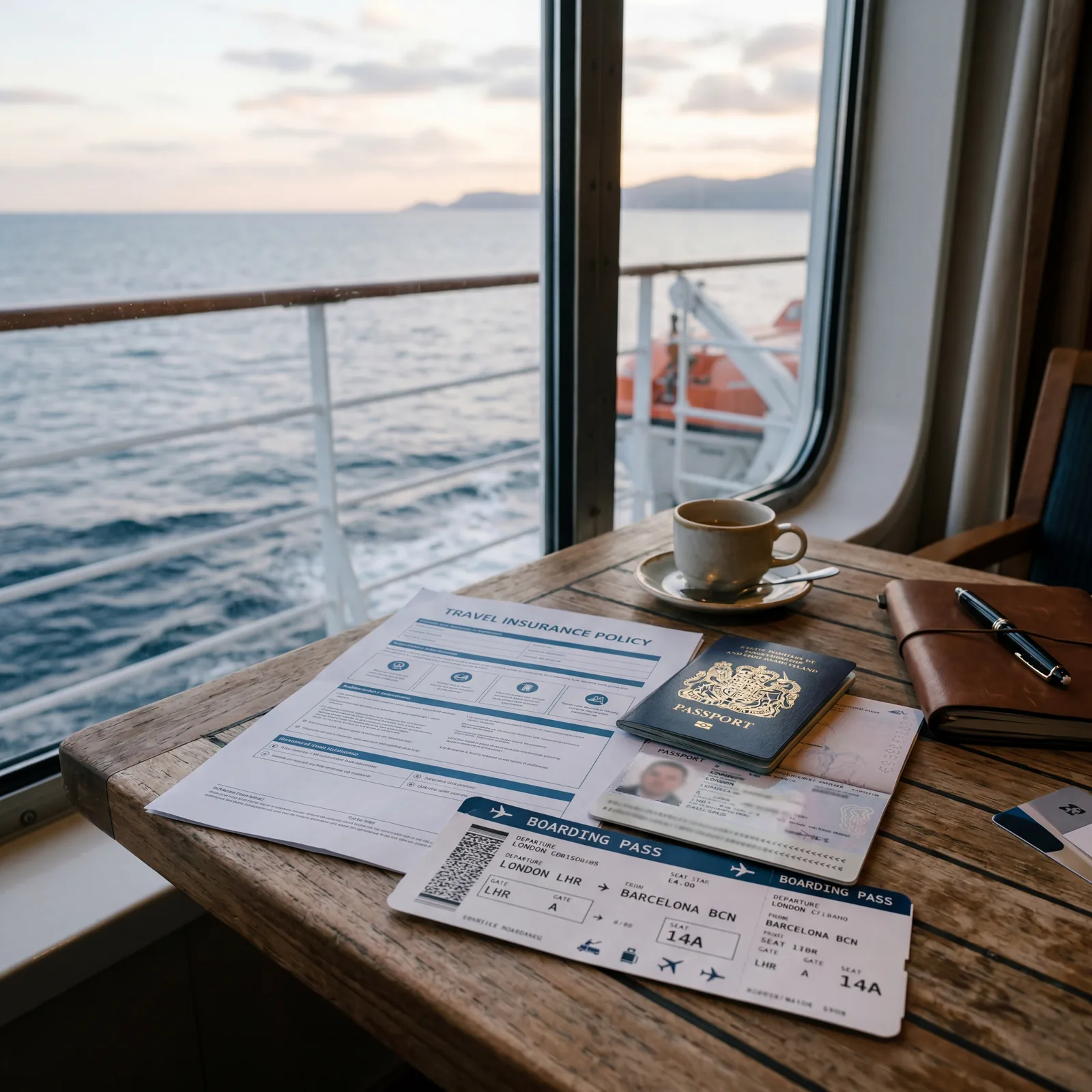
You’ve already spent thousands on the cruise. Insurance feels like throwing money at nothing.
A single medical evacuation at sea costs $50,000-100,000 USD. That’s not an exaggeration. Cruise ship medical centers charge hospital rates, and standard health insurance from home often doesn’t cover international waters. If you break your ankle on an excursion, someone’s paying for a helicopter.
A solid travel insurance policy for a 7-night cruise runs $100-200 per person. That math is embarrassingly clear.
18. Drinking Too Much on Embarkation Day

Embarkation day feels like a party. The ship is new, the pool is open, the bar is right there.
The problem: your cabin likely isn’t ready until 1-2pm, your luggage won’t arrive for hours, and you haven’t eaten a real meal since the airport. Drink on an empty stomach in the sun on a moving ship and day one becomes the worst day of your vacation.
Save the real celebrating for when you’ve got sea legs and dinner booked.
17. Bringing Prohibited Items That Get Confiscated
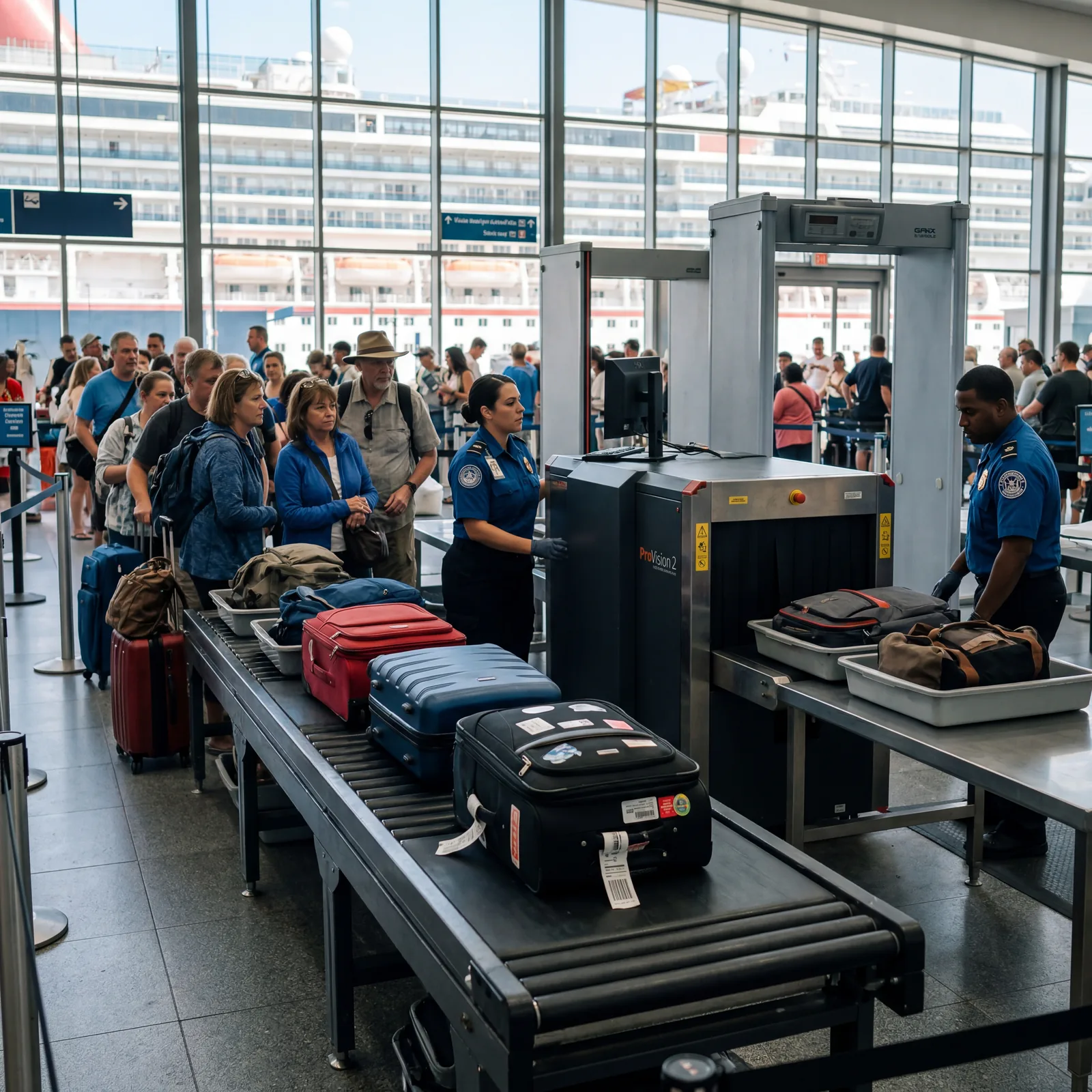
You pack a bottle of wine, a travel iron, a power strip with a surge protector, and a handful of other sensible items. The scanner sees all of it.
Cruise lines have strict prohibited items lists that most first-timers never read. Irons are fire hazards and confiscated on the spot. Surge protectors are banned due to electrical load. Outside alcohol beyond the one-bottle policy is poured out or held until disembarkation.
Read the prohibited items list on your cruise line’s website before you pack a single thing.
16. Not Checking Your Cabin Location
You snagged a great rate on an interior cabin and didn’t pay much attention to the deck number or position.
Cabin location is everything on a cruise ship. A cabin directly below the pool deck means chairs scraping at 7am. Near the nightclub means bass through the walls until 2am. Directly below the buffet means kitchen noise from 5am. On low decks near the bow, you feel every wave.
Look up your specific cabin number on cruisedeckplans.com before you accept the booking.
15. Ignoring the Drink Package Math
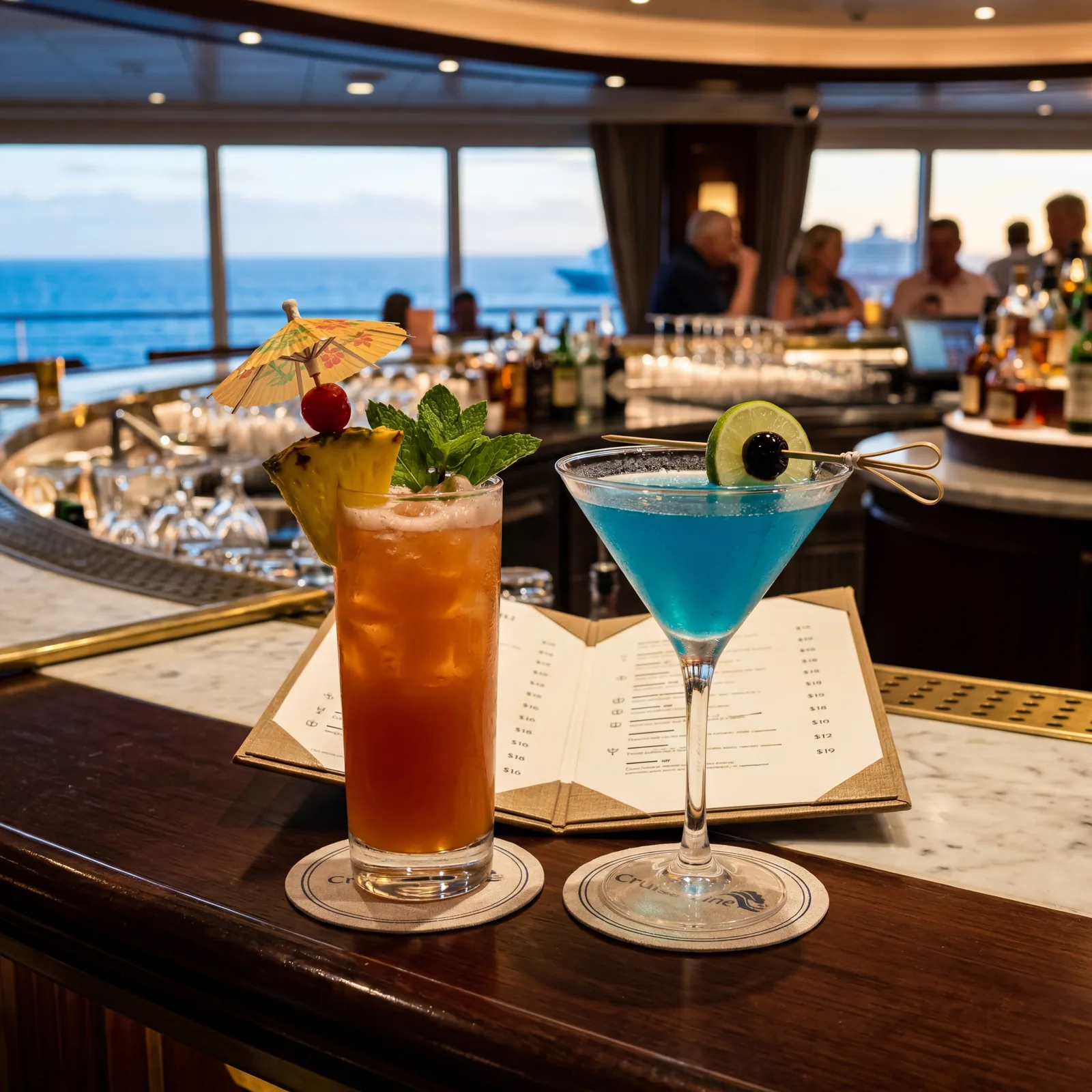
The drink package is pitched as a great deal. You assume it is and either skip it or buy it without checking.
Cocktails on major cruise lines run $14-18 USD each. A drink package often costs $80-100 per person per day. That means you need 5-6 drinks a day just to break even. For some people that’s easy. For others, it’s money wasted.
Do the actual math against your realistic drinking habits. Don’t let the “unlimited” framing skip your brain.
Read More: 25 Cruise Ship Food Facts That Most Passengers Never Know
14. Not Bringing Seasickness Medication
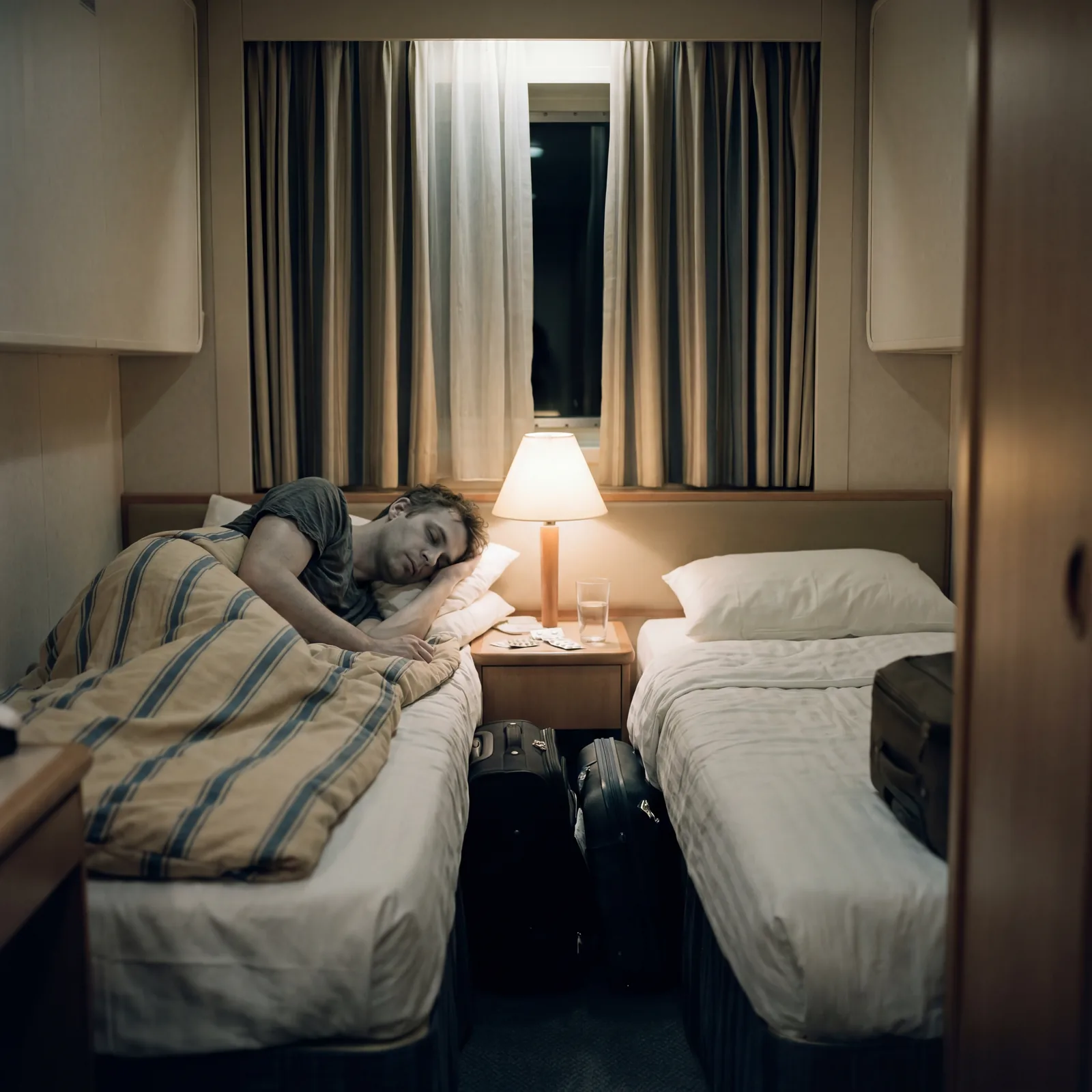
You’ve never been seasick before. You figure you’ll be fine.
Open-water crossings and rough seas hit differently than a bumpy flight. The North Atlantic, the South Pacific, and even the Caribbean in storm season can turn a ship into a washing machine. First-timers who don’t bring medication spend day two horizontal, watching their vacation evaporate.
Scopolamine patches, Dramamine, or prescription meds are worth every penny. Don’t buy them at the ship’s medical center where they charge $15 a pill.
13. Not Pre-Booking Specialty Dining
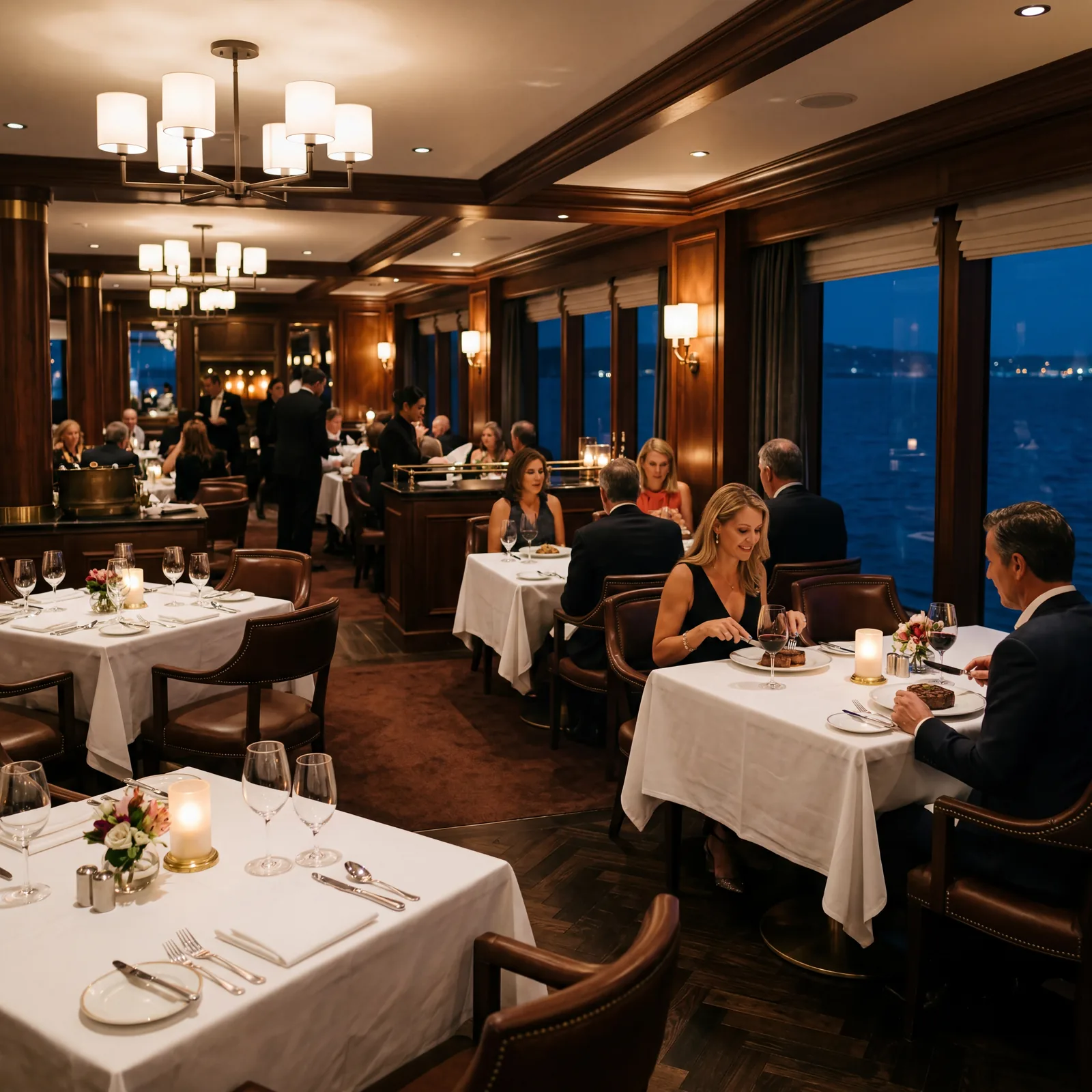
You assume you can just walk into any restaurant on the ship when you feel like it.
Specialty dining on major cruise ships books out within days of sailing. The steakhouse, the sushi bar, the chef’s table: these have limited capacity and experienced cruisers reserve them the moment online booking opens, often 90 days out. First-timers show up and discover every night is full.
Book through the cruise line app or website the second reservations open. Check your booking confirmation for the date.
12. Not Pre-Reserving Shore Excursions

Same issue, different department. You assume shore excursions are first-come, first-served once you’re on board.
The best excursions, including the ones with limited capacity like cave snorkeling, cooking classes, and small-group tours, sell out weeks before departure. The ship’s excursion desk on day one has leftovers.
Pre-book through the cruise line (more expensive but protected if the ship is late) or through vetted third parties like Viator or local operators. Either way, book before you board.
11. Always Booking Ship Excursions Over Independent Options

On the flip side: some first-timers book every single excursion through the ship because it feels safer.
Ship excursions cost 40-60% more than identical tours booked directly with local operators. A $120 ship-sold snorkel trip is often the exact same boat as the $65 version sold at the dock. The only real advantage is the ship’s guarantee to wait if the tour runs late.
For short half-day activities where you’re back by 3pm, independent operators give you the same experience at half the price.
10. Missing the Ship Due to an Independent Excursion
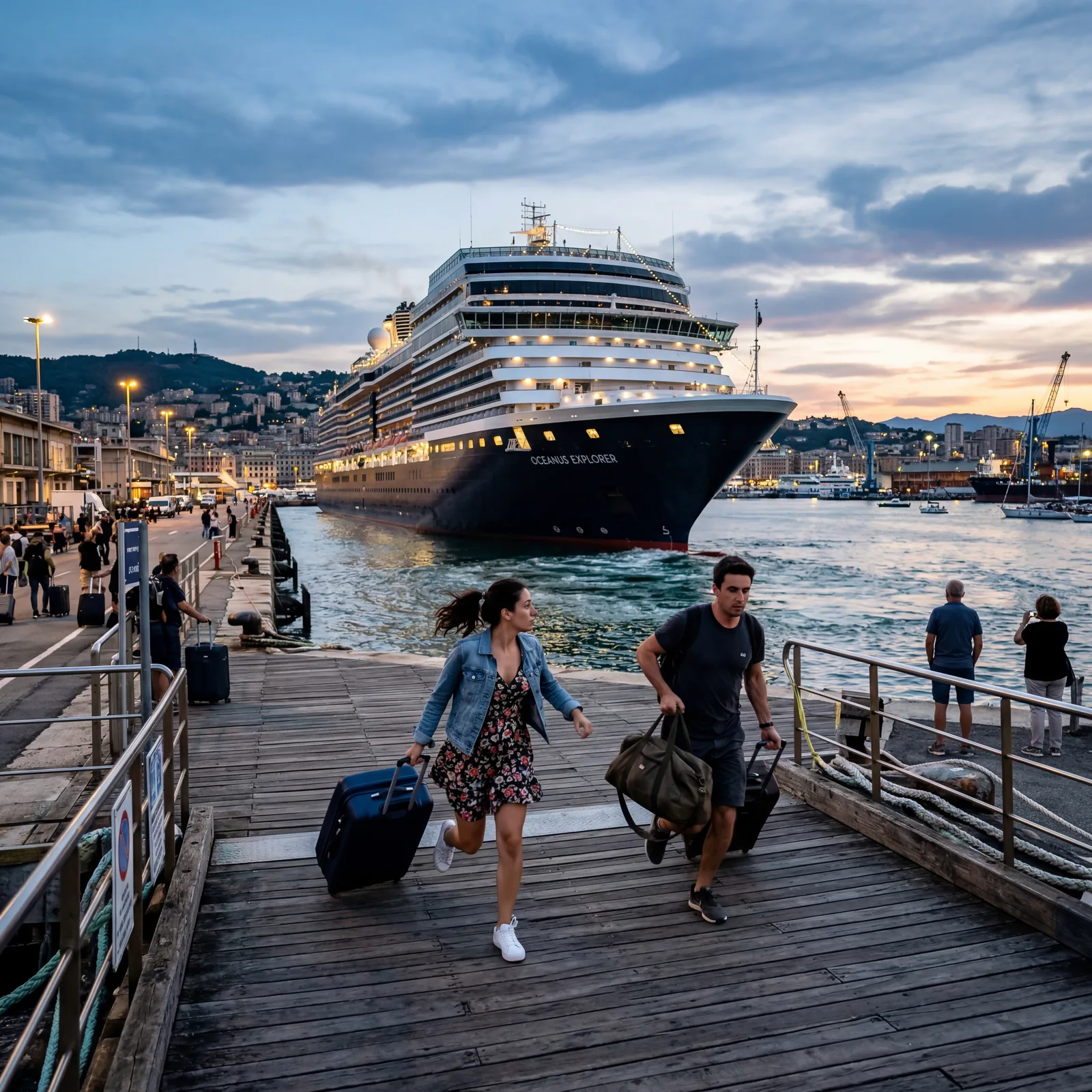
And here’s the knife’s edge of the last item. Go independent, fine, but one rule does not bend.
The ship leaves at the posted time. Full stop. It does not wait for independent excursion passengers. If your local tour runs long, if there’s traffic back to port, if your taxi doesn’t show, you watch your ship sail away without you. You then pay for a flight to the next port yourself.
This happens on nearly every sailing. Know your ship’s all-aboard time and build in a 90-minute buffer from your excursion end.
Read More: 25 Cruise Ship Food Facts That Most Passengers Never Know
9. Not Buying a Power Strip (Non-Surge)
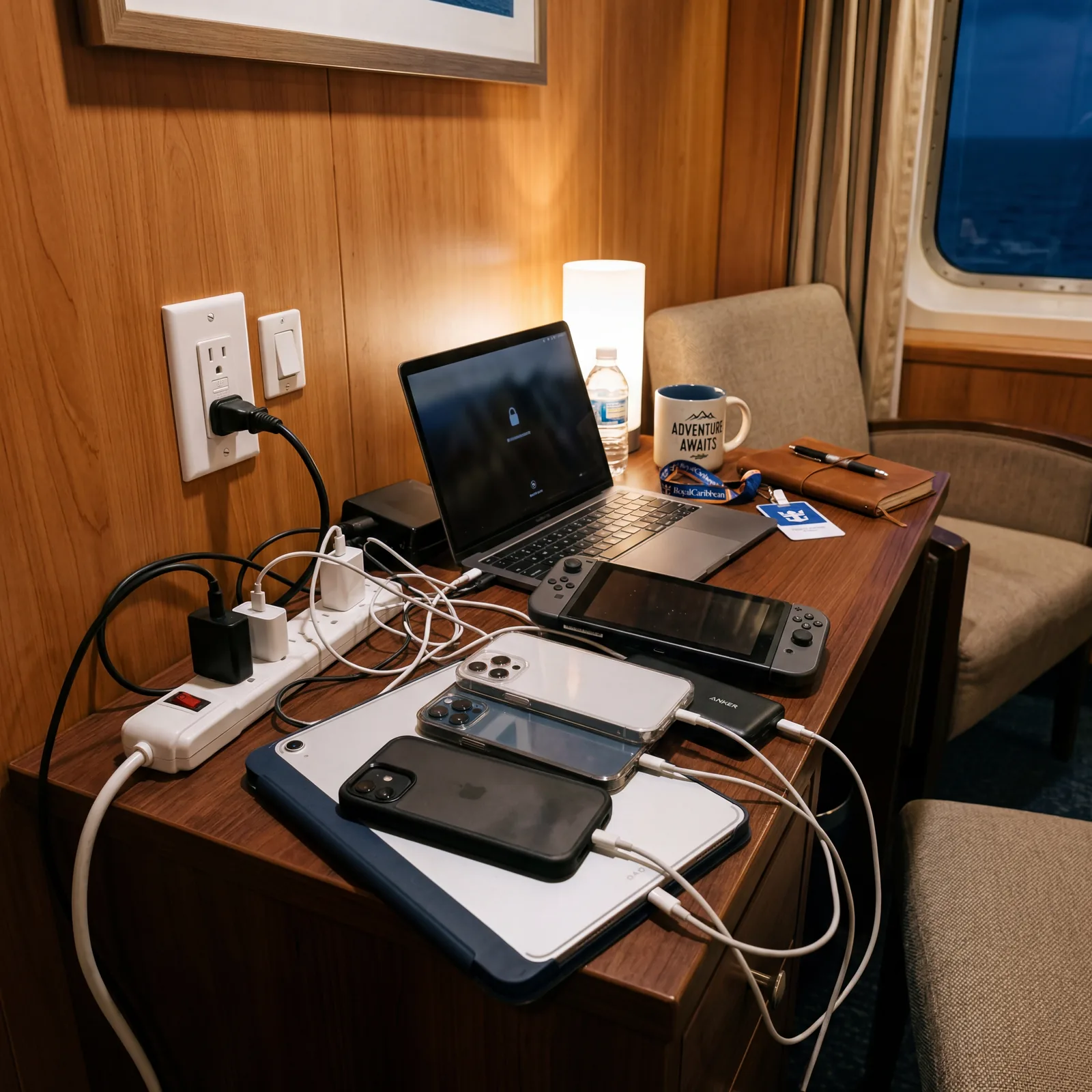
You get to your cabin and find one North American outlet and one European outlet. You have a phone, a tablet, a camera, a CPAP machine, and your partner has the same.
Cruise ships deliberately limit power outlets in cabins. A standard non-surge power strip (no surge protection, which is the banned kind) solves this entirely and is perfectly allowed. Bring one rated for international voltage.
Do not bring the surge-protector version. That one gets confiscated. Ask experienced cruisers how they know this.
8. Skipping the Pre-Cruise Hotel Night
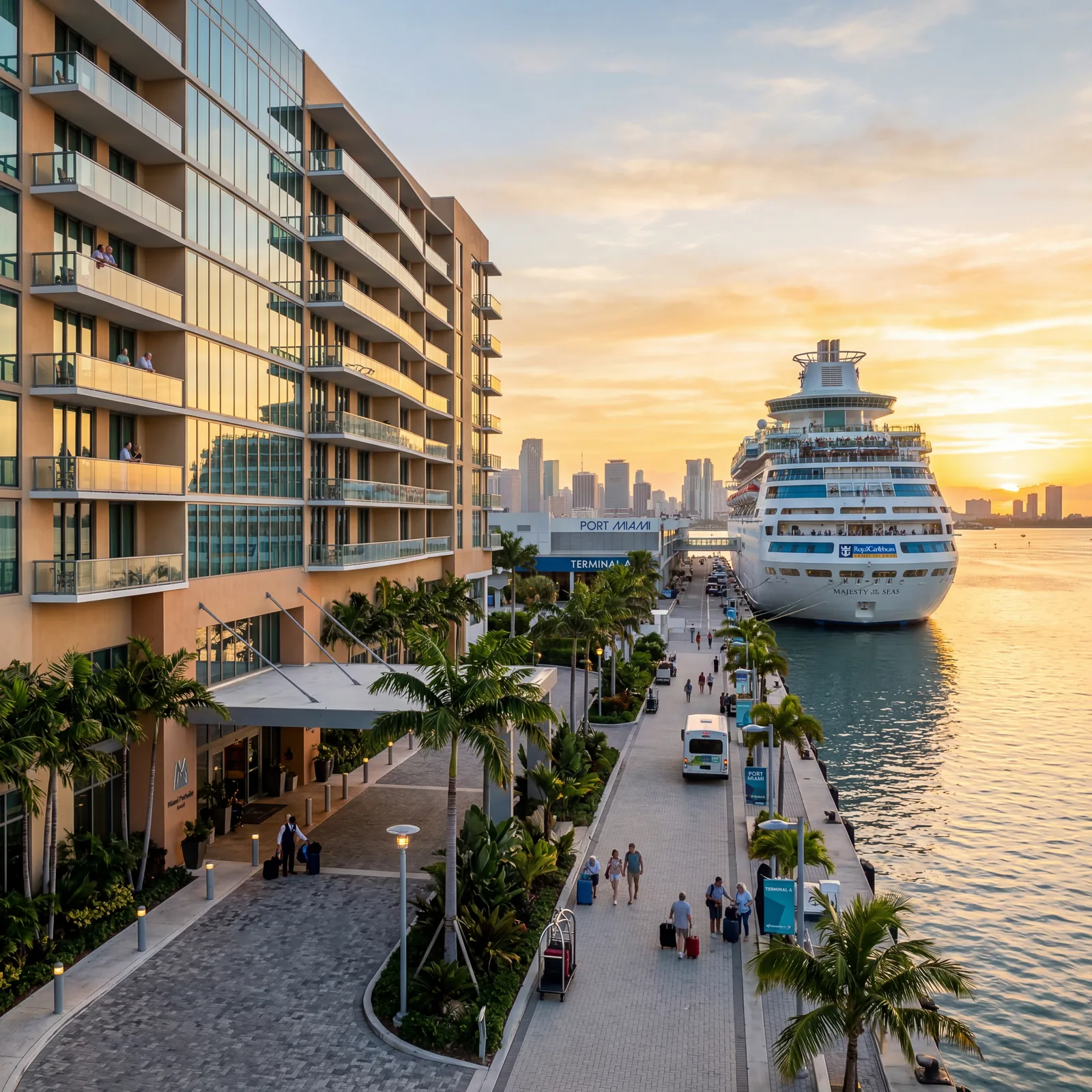
You have a 7am embarkation and figure you’ll catch an early morning flight to the port city. It saves a hotel night. Smart, right?
Flights get delayed. Bags get lost. Connections get missed. If your flight is delayed by three hours, you miss embarkation and your cruise leaves without you. Cruise lines are not responsible for travel delays that aren’t their fault.
Staying near the port the night before costs $100-200 USD. That’s cheap insurance against watching your ship disappear while you’re stuck in an airport.
7. Not Knowing Gratuity Is Added Automatically
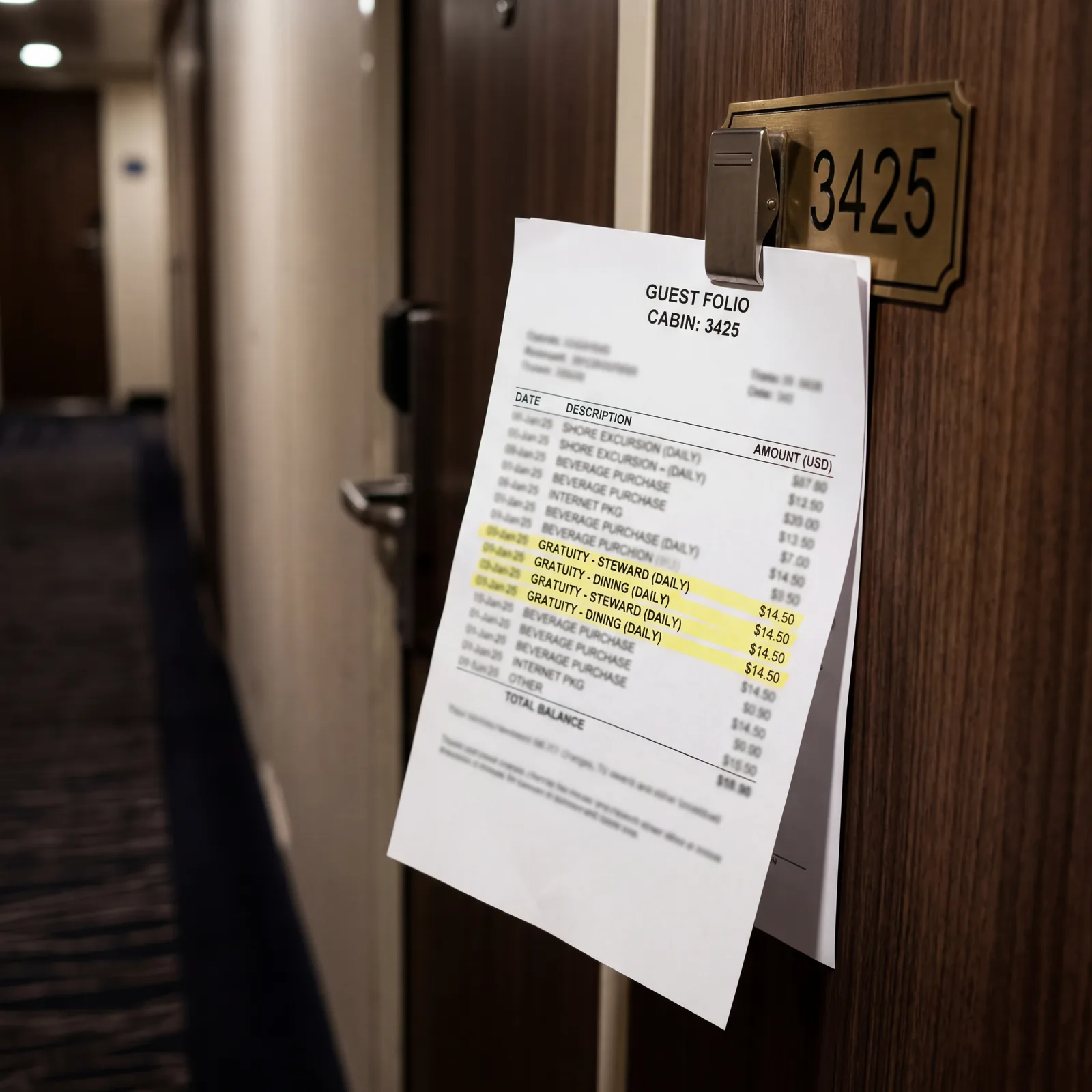
You have a great trip. You were generous with the bartenders and your cabin steward. Then you see the final bill.
Major cruise lines auto-charge $18-25 USD per person per day in gratuities, added to your onboard account. If you also tipped in cash throughout the trip, you’ve tipped twice. First-timers often don’t realize this charge exists until checkout.
It’s not hidden, but it’s not shouted about either. Factor it into your budget from day one. On a 7-night cruise for two, that’s $250-350 USD on top of everything else.
6. Getting Sunburned on Day 1
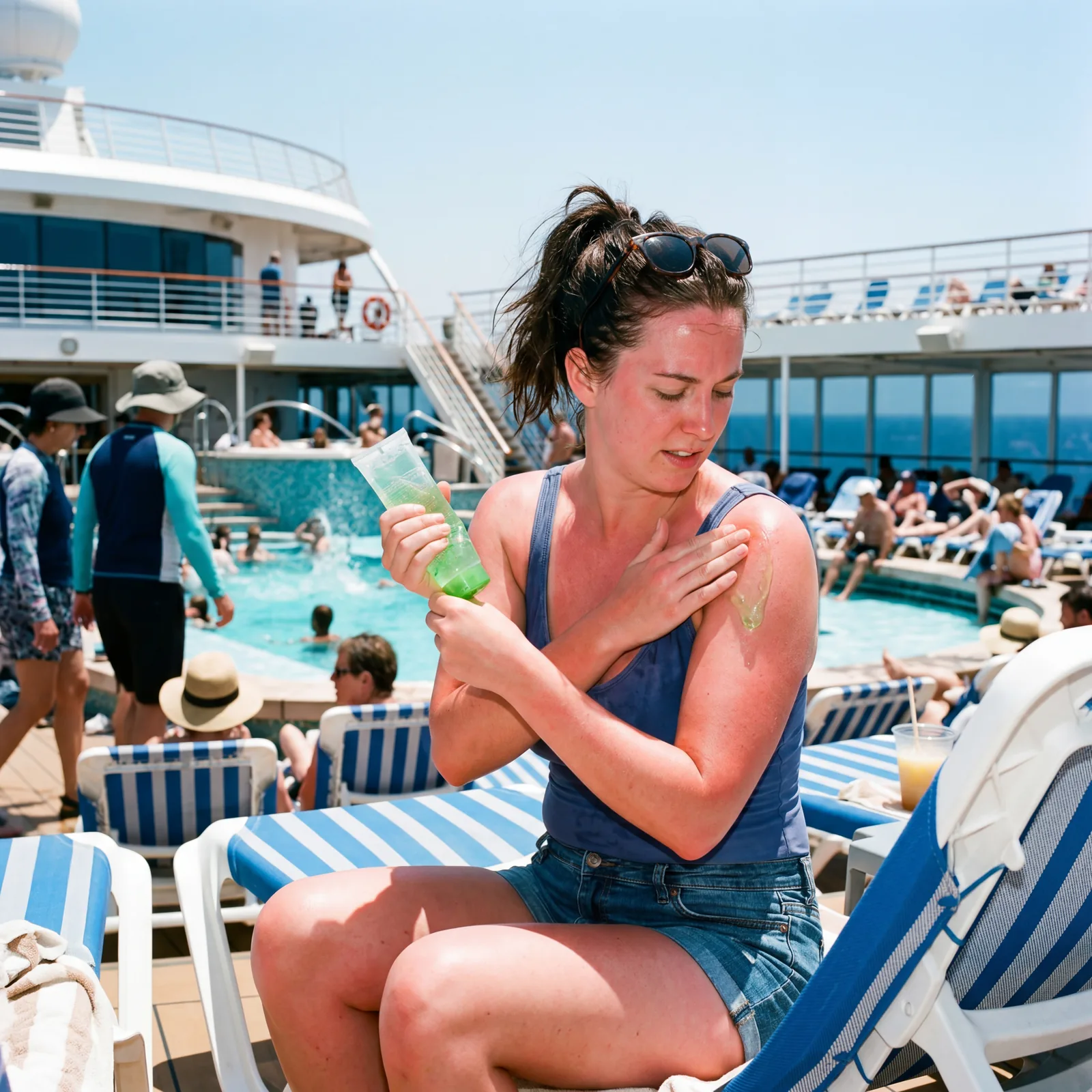
You’re at sea, it’s beautiful, and you spend five hours on the top deck on the first afternoon because you’re on vacation.
The combination of reflected sun off water, tropical UV index, and being at sea with no shade retreat is completely different from being at a land resort. First-timers go from pale to lobster-red in under three hours. You then spend days two through five in your cabin, curtains drawn, completely unable to enjoy the thing you paid thousands to do.
SPF 50, reapplied every 90 minutes, from the first moment you’re on deck. Non-negotiable.
5. Not Checking Port Re-Entry Rules
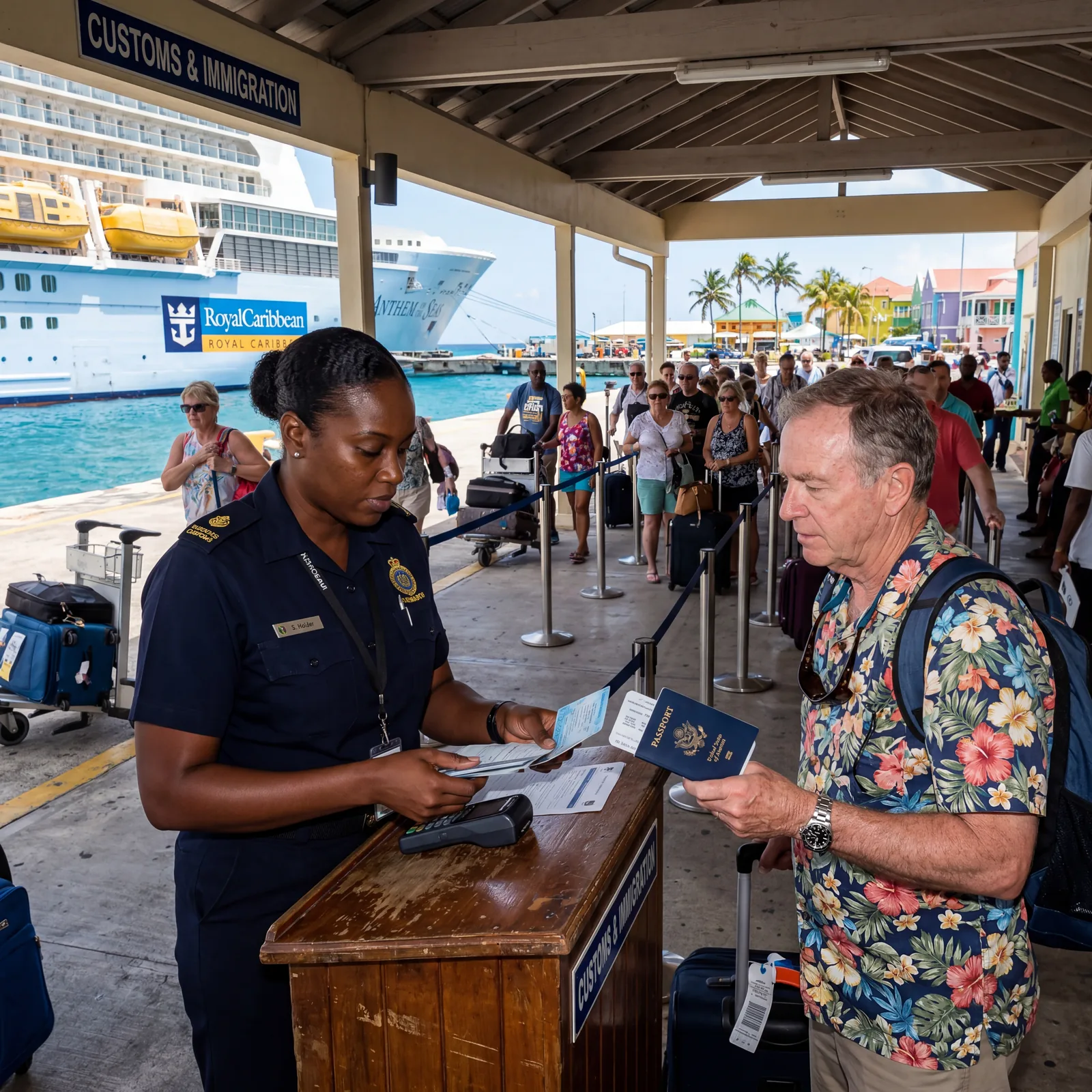
You book a Caribbean cruise, assume your US passport covers everything, and hop off at every port without a thought.
Some ports require specific documents beyond your US passport. Closed-loop cruises (starting and ending in the same US port) technically allow US citizens to cruise with a birth certificate and ID, but some ports of call have additional entry requirements. If your passport is expired or your documents don’t match port requirements, you don’t get off the ship.
Check the entry requirements for every single port on your itinerary, not just the embarkation port.
4. Draining Your Phone Battery Before Boarding
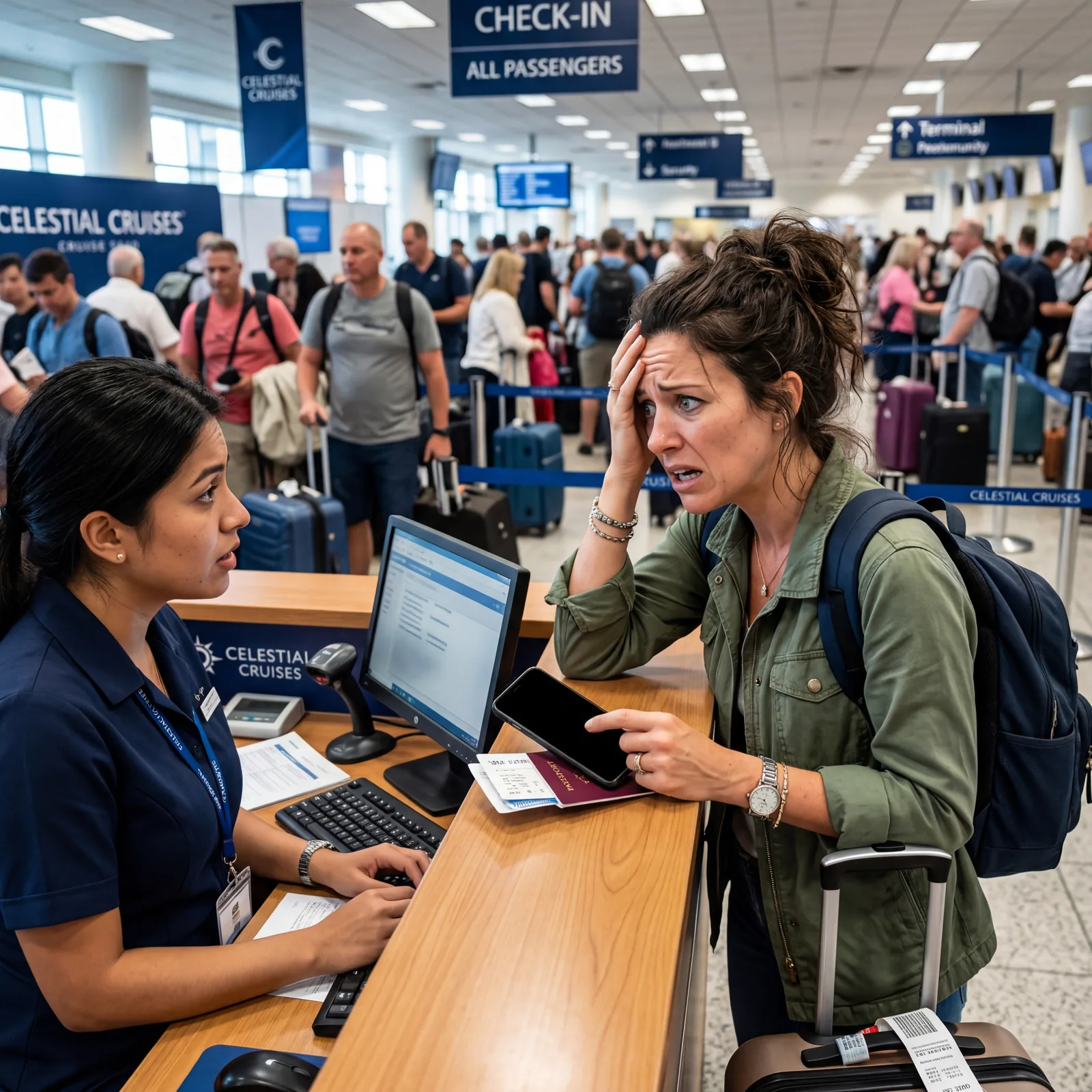
Your boarding pass, your cruise line app, your port parking confirmation, your travel insurance documents, your hotel booking from the night before: all of it is on your phone.
Cruise terminals don’t have unlimited charging stations. If your phone dies in the check-in queue, you’re holding up the line, hunting for a power source, and starting your vacation with a minor crisis. First-timers burn battery on Instagram from the airport lounge and show up with 8%.
Carry a fully charged power bank. Keep your phone above 80% from the moment you leave for the port.
3. Ignoring the Dining Schedule
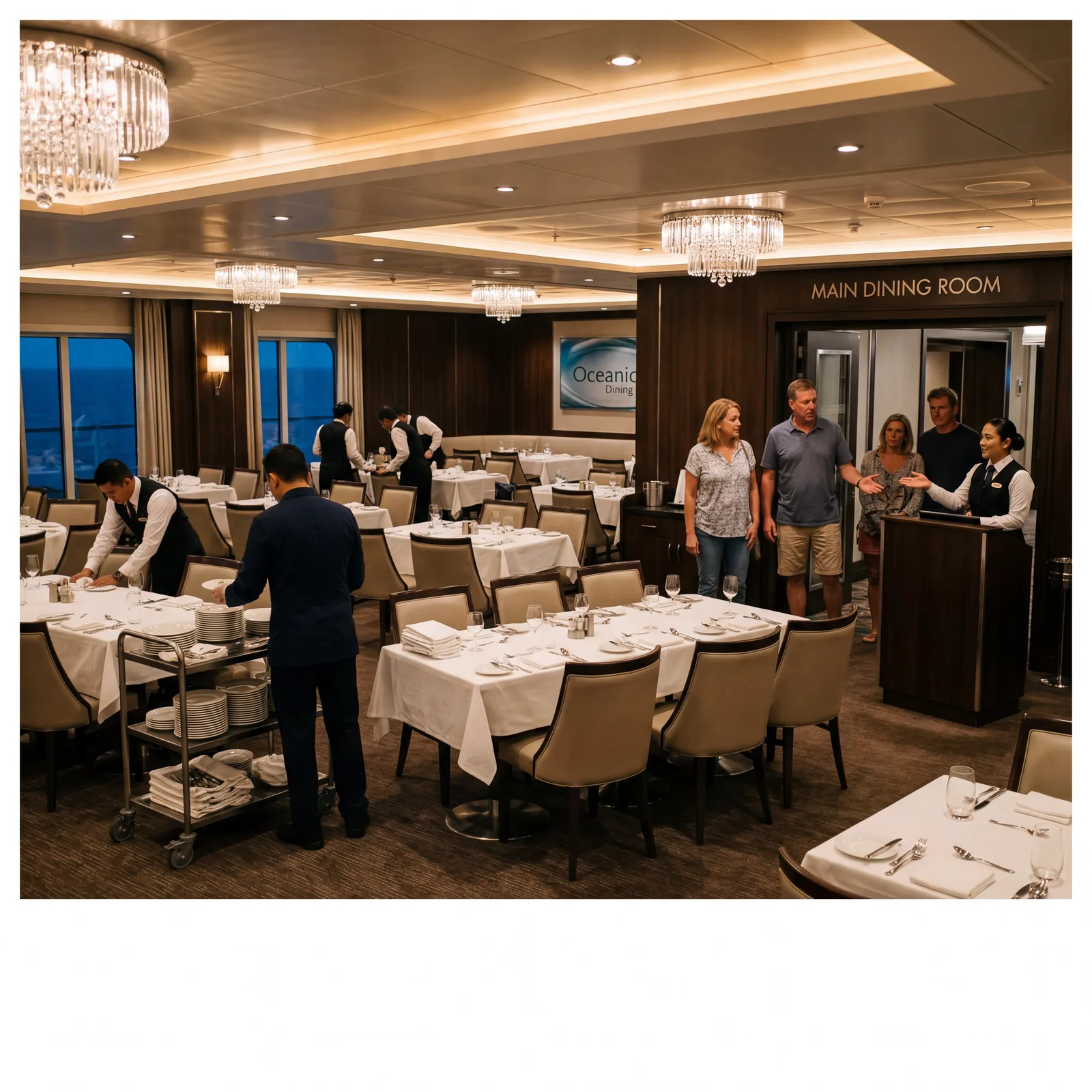
You booked the main dining room, figured it’s like a restaurant, and you can show up when you’re hungry.
Traditional dining on cruise ships is scheduled seating. Early seating is typically 5:30-6pm. Late seating is 7:30-8pm. Show up at 7pm for early seating and your table has been turned. Miss late seating and you’re at the buffet.
Even on lines with flexible “anytime dining,” peak hours from 7-8:30pm mean a 45-minute wait without a reservation. Experienced cruisers book their anytime dining slots in the app each morning. First-timers figure it out on night three, already frustrated.
Know your dining assignment before you board. If you have anytime dining, make reservations daily. The main dining room is one of the best included experiences on any cruise, and first-timers regularly miss it by accident.
2. Booking an Obstructed-View Cabin Without Realizing It
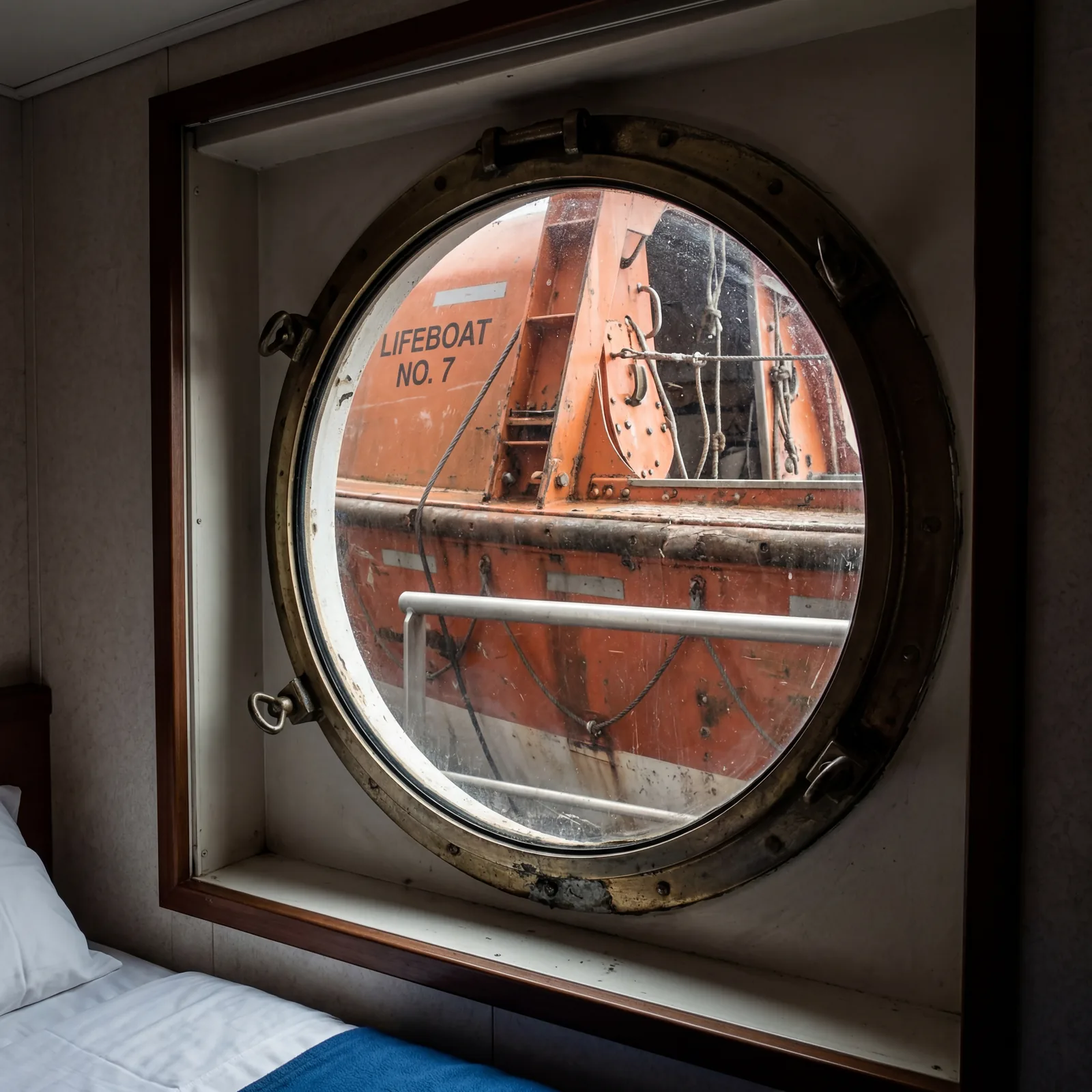
You see “ocean view cabin” in the booking, feel like you’re getting an upgrade over an interior cabin, and picture yourself waking up to the sea.
Obstructed view cabins exist across almost every cruise line, and they’re priced lower for a reason. Your porthole looks directly into a lifeboat, a lifeboat davit, a structural support, or in some cases another deck. You paid for an ocean view and you have a view of a metal wall two feet away.
These cabins are labelled, but quietly. The booking confirmation uses terms like “obstructed” or “limited view” in small print, and first-timers don’t know what to look for. Look up your actual cabin number on cruisedeckplans.com or shipdeckplans.com before you confirm. Check what’s physically positioned outside your window.
The difference in price between an obstructed and unobstructed ocean view cabin is often $50-100 USD total. That upgrade is one of the best per-dollar decisions you’ll make.
It’s bad. But nothing compared to what’s waiting at #1.
1. Missing Your Ship’s Departure Time
The #1 Mistake That Ruins Everything Before You Even Set Sail
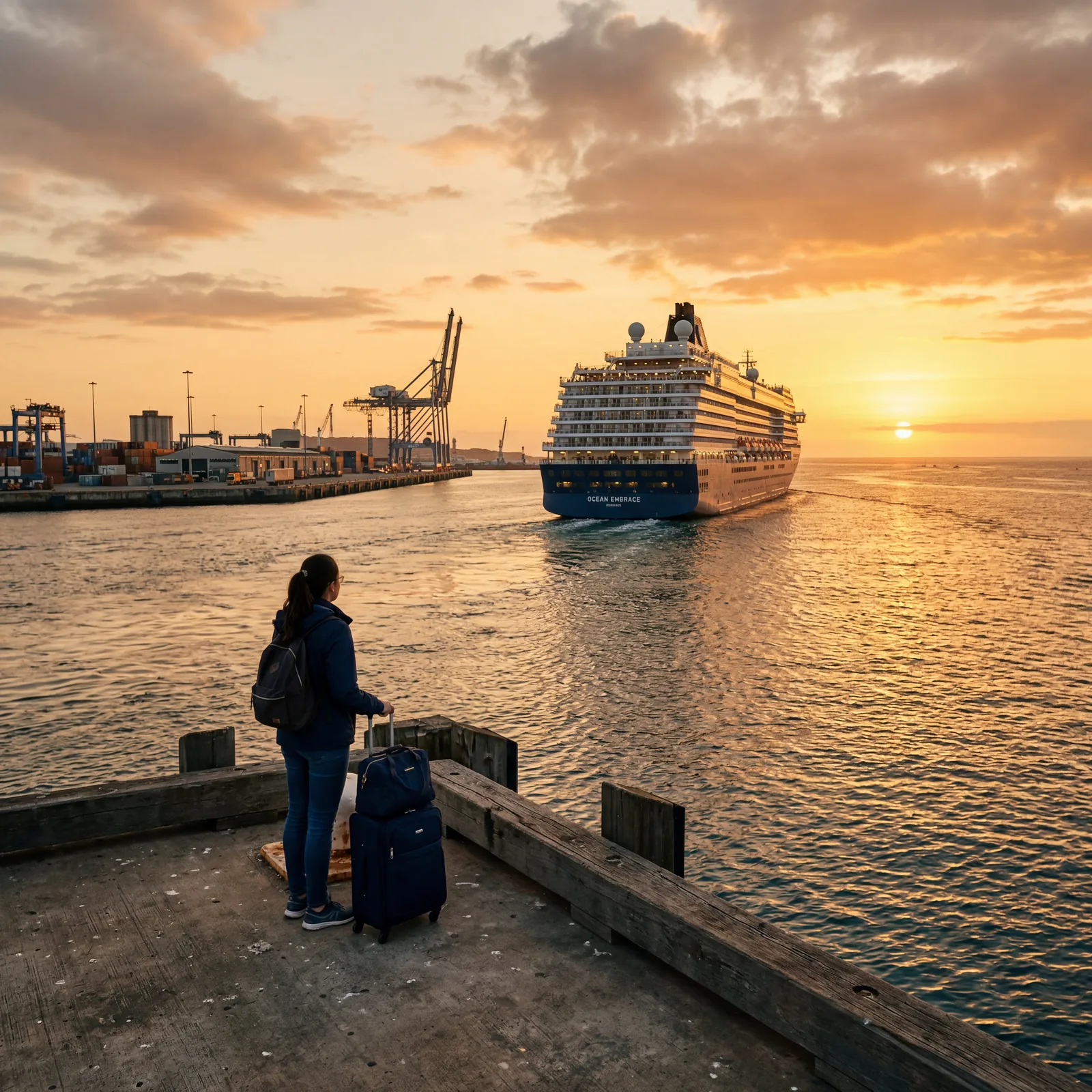
You know your cruise departs at 5pm. You know you need to be onboard by then. You think “all aboard by 5pm” means you can rock up to the gangway at 4:55pm.
It does not.
The all-aboard time printed on your documents is the final boarding cutoff, not a suggestion. It is typically 90 minutes to two hours before the ship’s actual departure. Many ships close the gangway at 3:30pm for a 5:00pm sailing. Port authorities require the ship to complete security, customs, and manifest verification before it can leave the dock.
Here’s what actually happens when you miss it: the ship leaves. Your luggage is already on board. Your pre-paid dining reservations, your shore excursion bookings, your onboard credit, all of it sails away. You are now in a foreign port with no accommodation, no plan, and a problem that costs $500-2,000 USD to fix depending on how far you have to travel to catch the ship at the next port. Some passengers never catch up.
This isn’t a rare edge case. Cruise staff report that almost every sailing leaves someone behind, and the most common reason isn’t traffic or airport delays. It’s first-timers who misread their own boarding pass. They arrived at the terminal at 4pm, took photos on the dock, and didn’t realize the ship was already pulling away.
The rule is simple: be on the ship, not on the dock, by 90 minutes before departure. For a 5pm sailing, that means gangway by 3:30pm at the very latest. Treat it like a flight gate, not a restaurant reservation.
Don’t let this be the way you find out.
The Smarter Way to Cruise
These 25 mistakes separate the first-timers from the people having the best trip of their lives. The fixes aren’t complicated. Read your documents, book early, check your cabin, build in buffer time, and pack sunscreen. Which mistake on this list would have caught you off guard? Drop it in the comments.