People who fly internationally 10 or more times a year carry things you’d never think to pack on your own. The item at #1 on this list is something almost nobody knows about until they’re stranded somewhere and desperately wishing they had it. Don’t book your next international flight until you’ve read through to the end.
25. A Pen (Not a Phone)
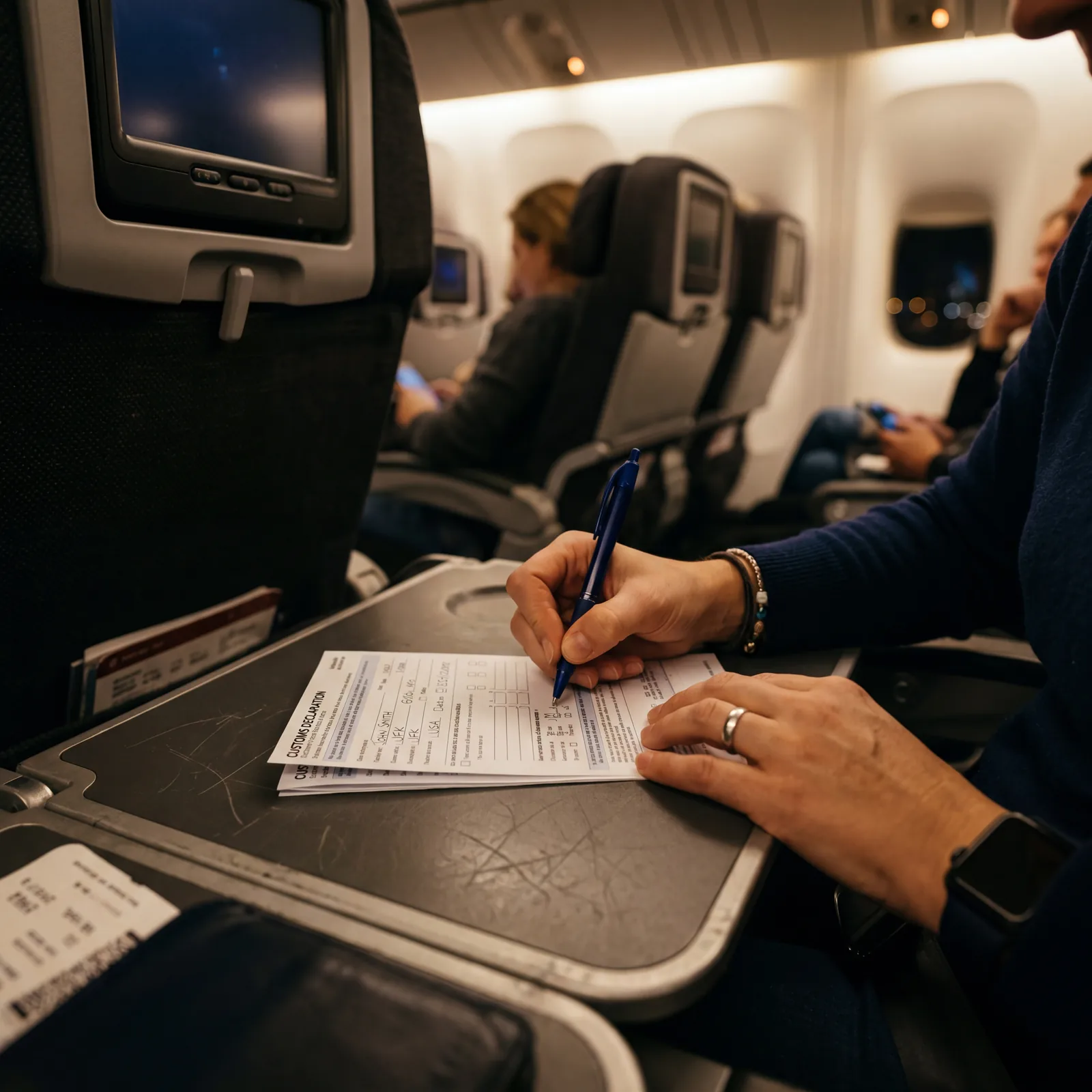
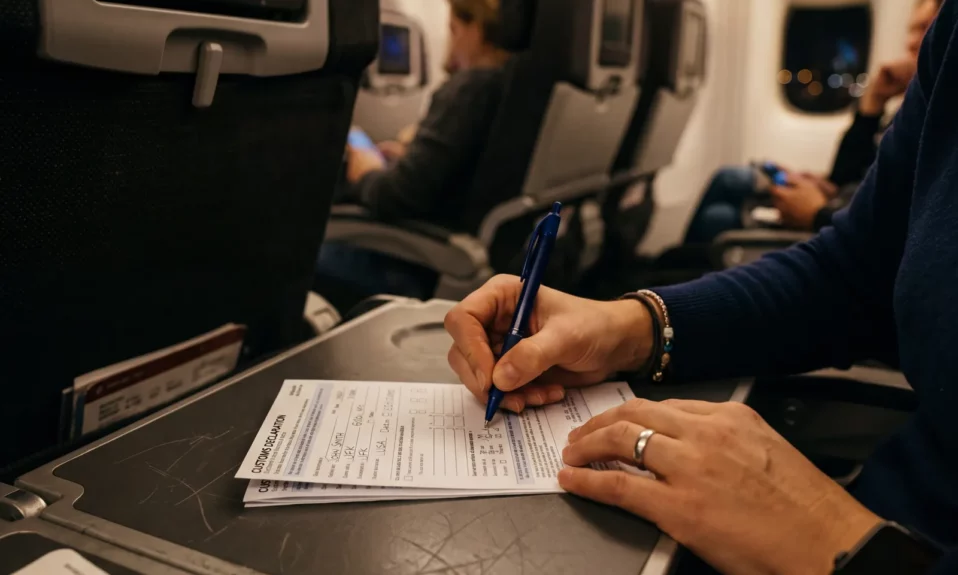
You’ll laugh at this. Then you’ll land in Tokyo or Mexico City and realize paper customs forms are still a thing. Every seasoned international traveler keeps a cheap ballpoint pen in their carry-on front pocket. The flight attendant asks if anyone has a pen and exactly one person raises their hand. That person has done this before. Now you will too.
24. A Physical Backup of Your Hotel Address
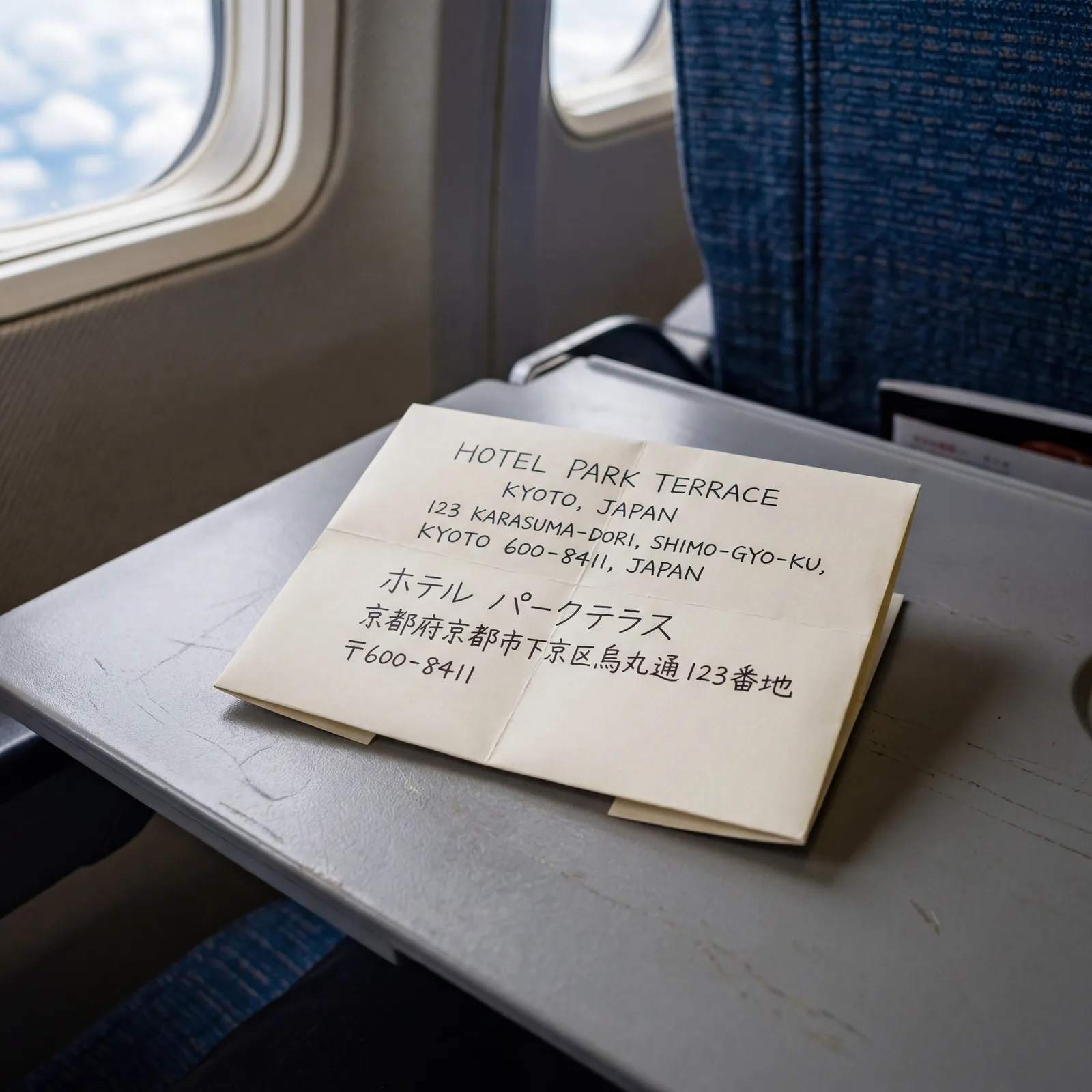
Your phone dies. Or it gets lost at baggage claim. Or the foreign SIM doesn’t connect until you’re outside the airport. Frequent flyers carry a printed card with the hotel name, address, and phone number in the local language. Show it to any cab driver anywhere in the world. No translation app required. Simple. Works every time.
23. A Stainless Steel Water Bottle With a Filter
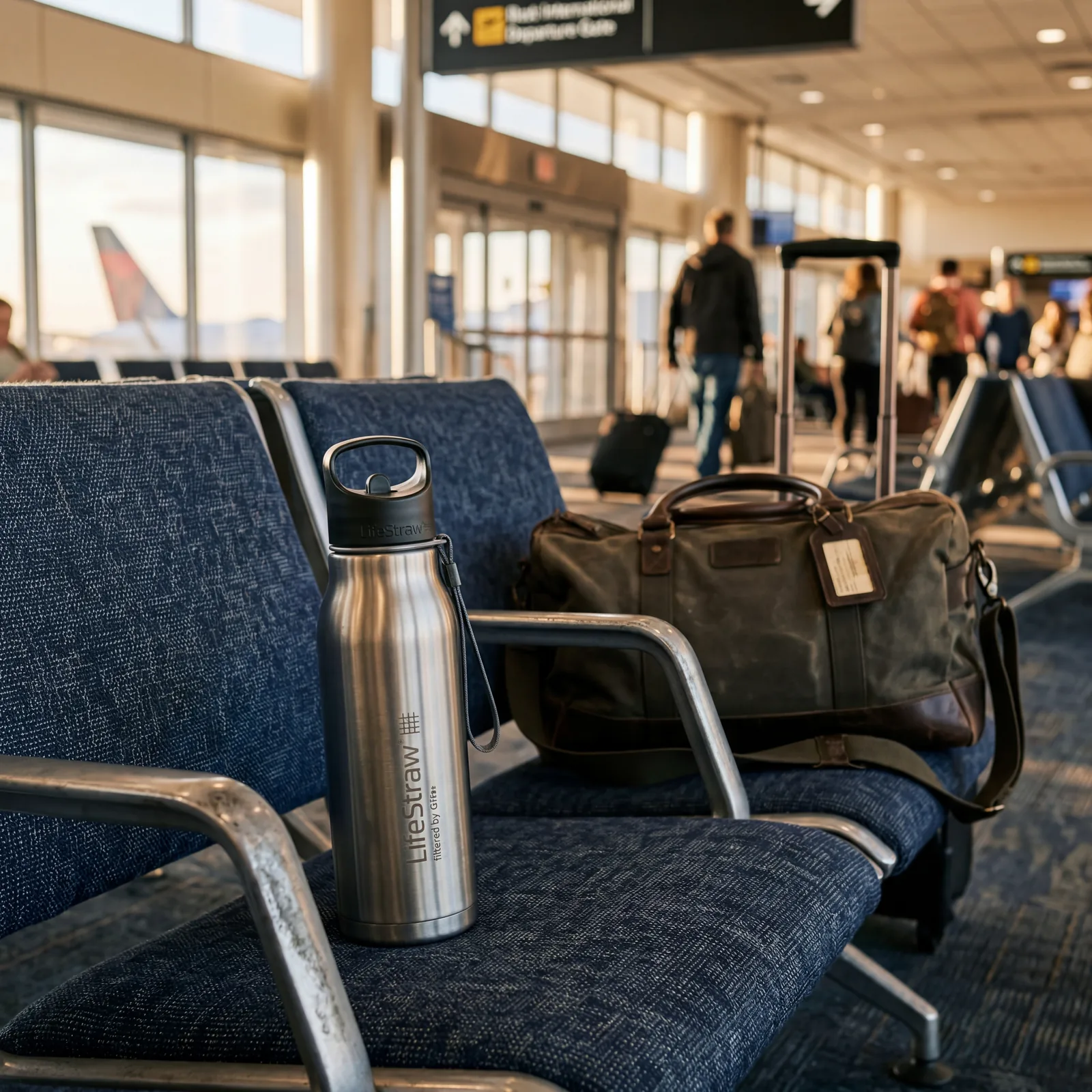
Tap water in a lot of countries will wreck your first two days. Experienced flyers don’t risk it. They carry a filter water bottle that makes questionable water drinkable everywhere from Ho Chi Minh City to rural Greece. Fill it after security at any airport fountain. You stop paying $6 for a plastic bottle every few hours. You never get caught without water on a long connection again.
22. Melatonin in a Clearly Labeled Container
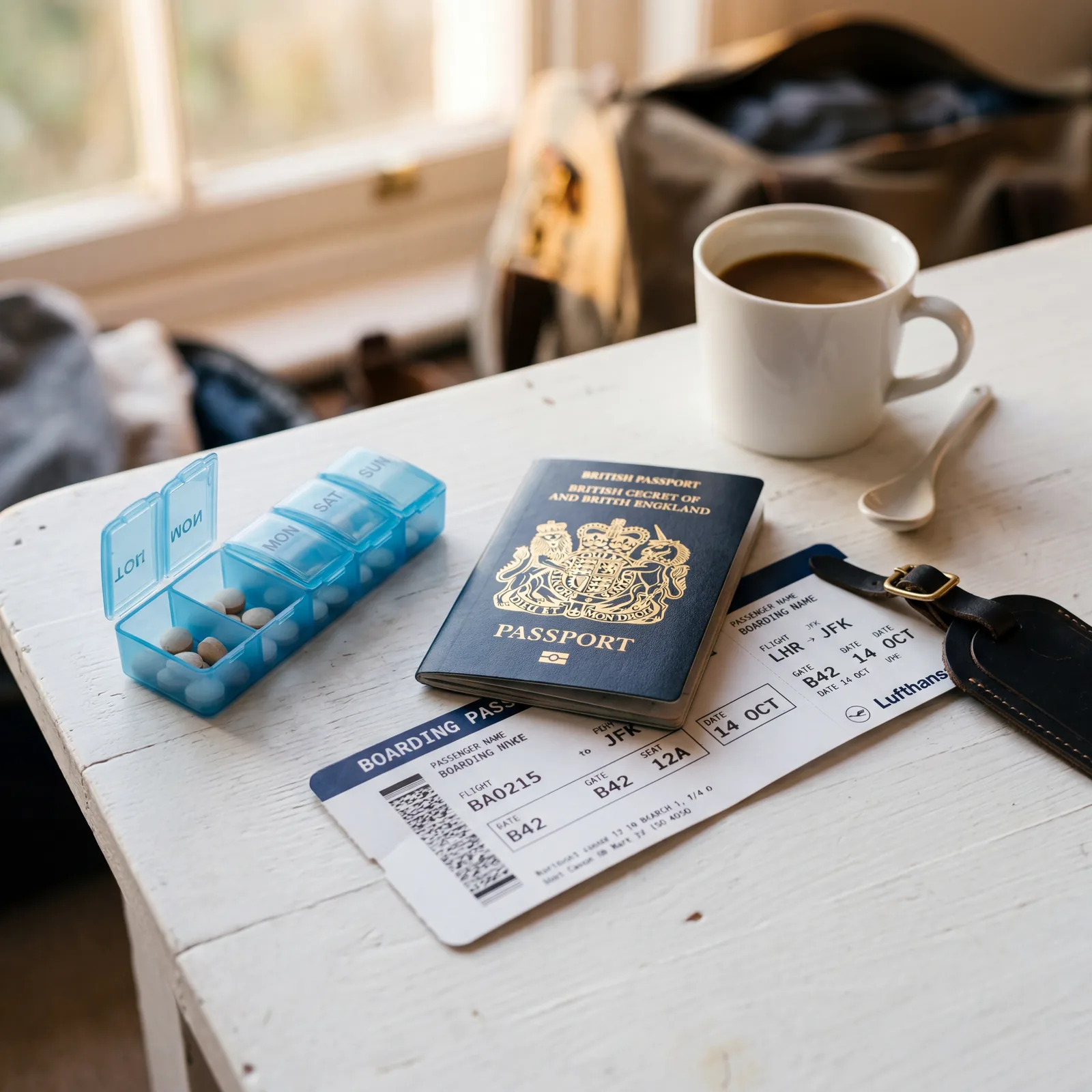
Jet lag on a long-haul trip can cost you two full days. People who fly internationally constantly don’t let it. They pack melatonin in the original labeled bottle to avoid customs questions, and they take it at the local destination bedtime the first night. It’s a small thing that makes a large difference. You’ll be functional while everyone else in your tour group is falling asleep at lunch.
21. A Micro Luggage Scale
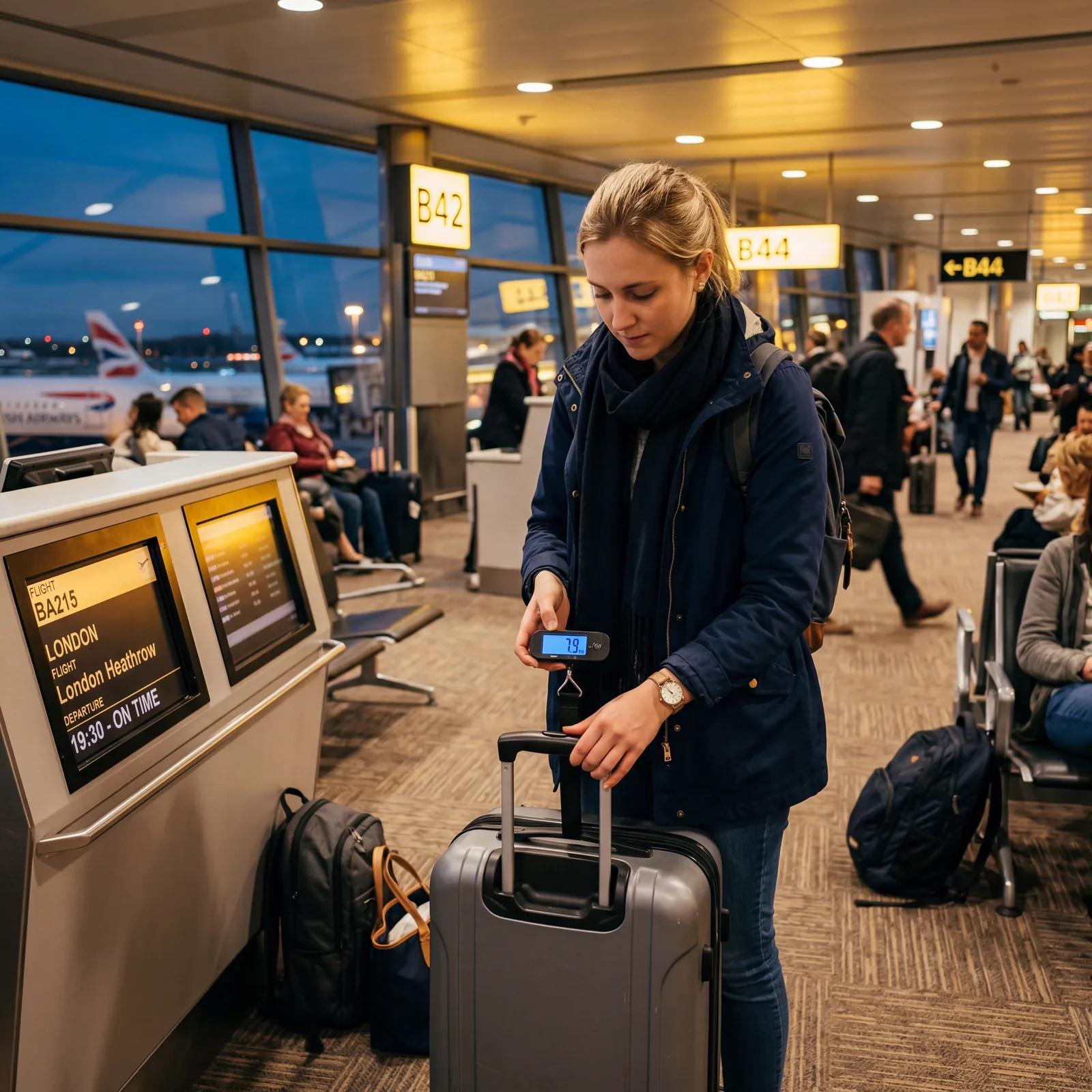
International airlines have strict carry-on weight limits. Many are 7kg. Not 10. Not 15. Seven. Frequent flyers carry a pocket digital luggage scale that weighs under 50 grams itself. They weigh the bag before leaving the hotel room. No surprises at the gate. No repacking in the check-in line. No paying $80 in overweight fees on a budget carrier abroad.
20. A Portable Doorstop Alarm
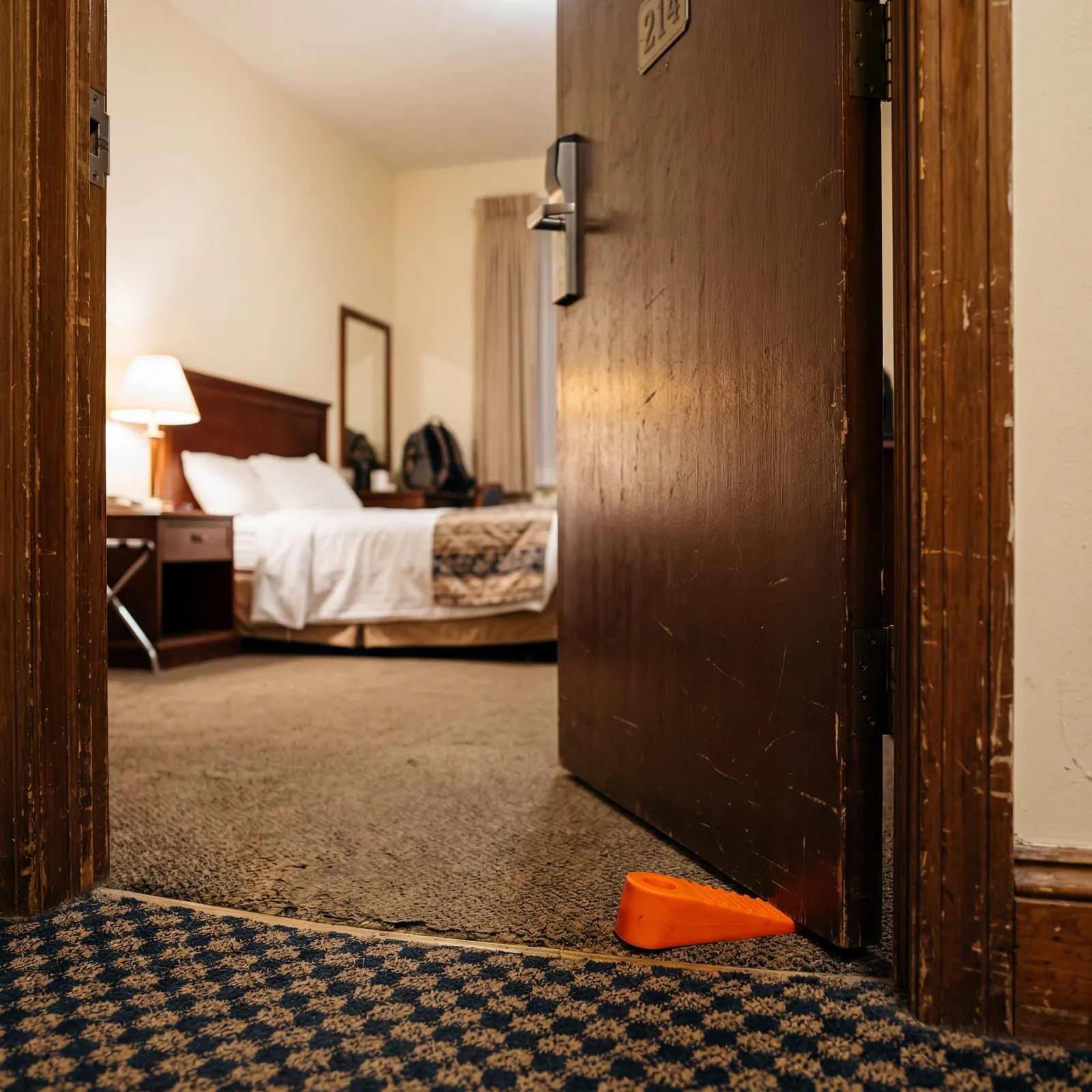
Most people have never heard of this. People who spend 60+ nights a year in foreign hotel rooms have. It’s a small rubber wedge with a built-in alarm that goes under your hotel door. If someone pushes the door open, it screams. You sleep better. Budget hotels in Southeast Asia, Eastern Europe, and South America have notoriously flimsy door locks. This item costs less than $15 and it’s been on every experienced international traveler’s packing list for years.
19. Compression Socks (Real Ones, Not Drug Store Ones)
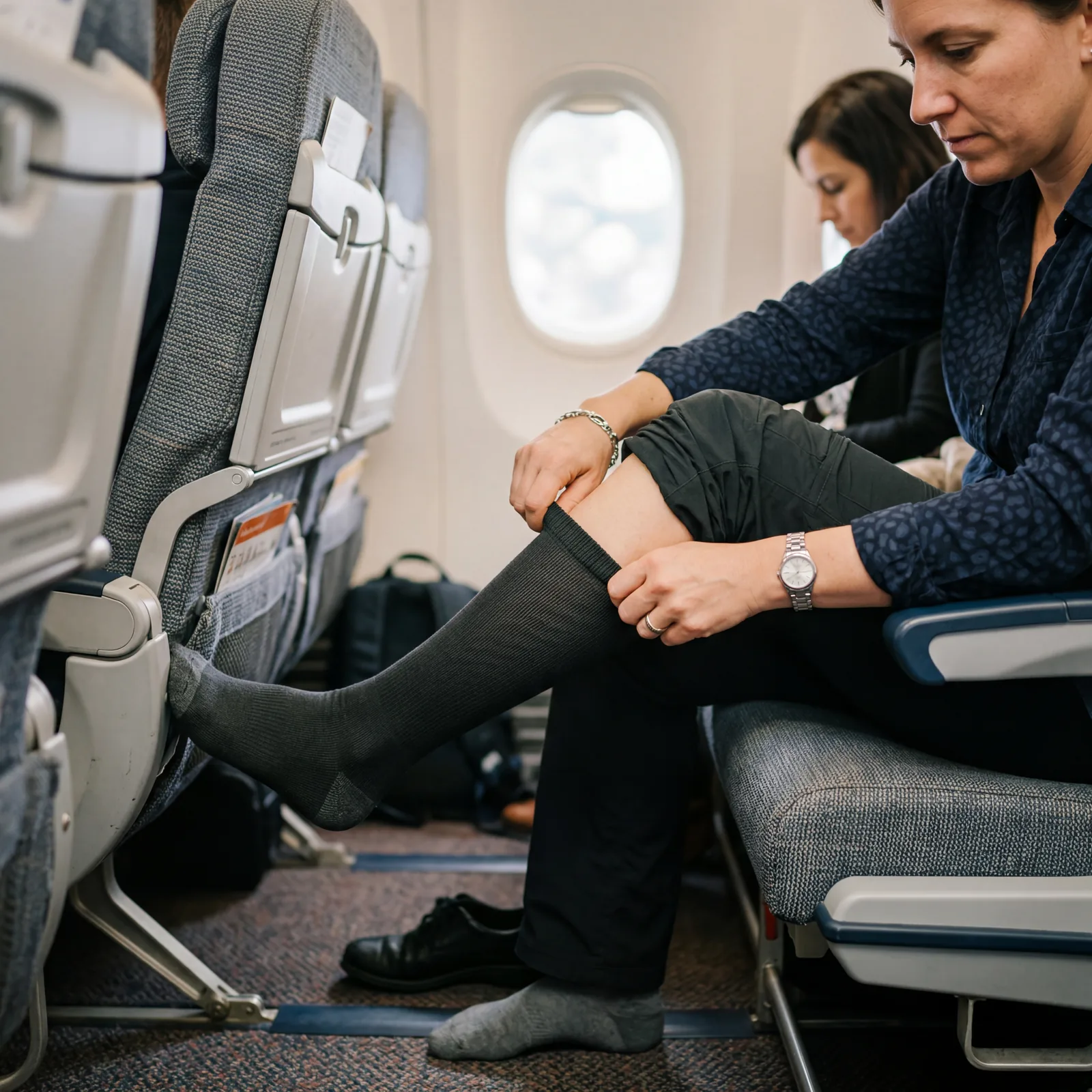
A 14-hour flight from LA to Sydney does real damage to your legs if you don’t manage circulation. Frequent flyers wear medical-grade compression socks rated 15–20 mmHg, not the flimsy drugstore versions. Your ankles don’t swell. You don’t shuffle off the plane looking like you’ve aged 10 years. Land feeling like a person. It’s the single cheapest thing you can do for your body on a long-haul route.
18. A Reusable Silicone Bag for Liquids
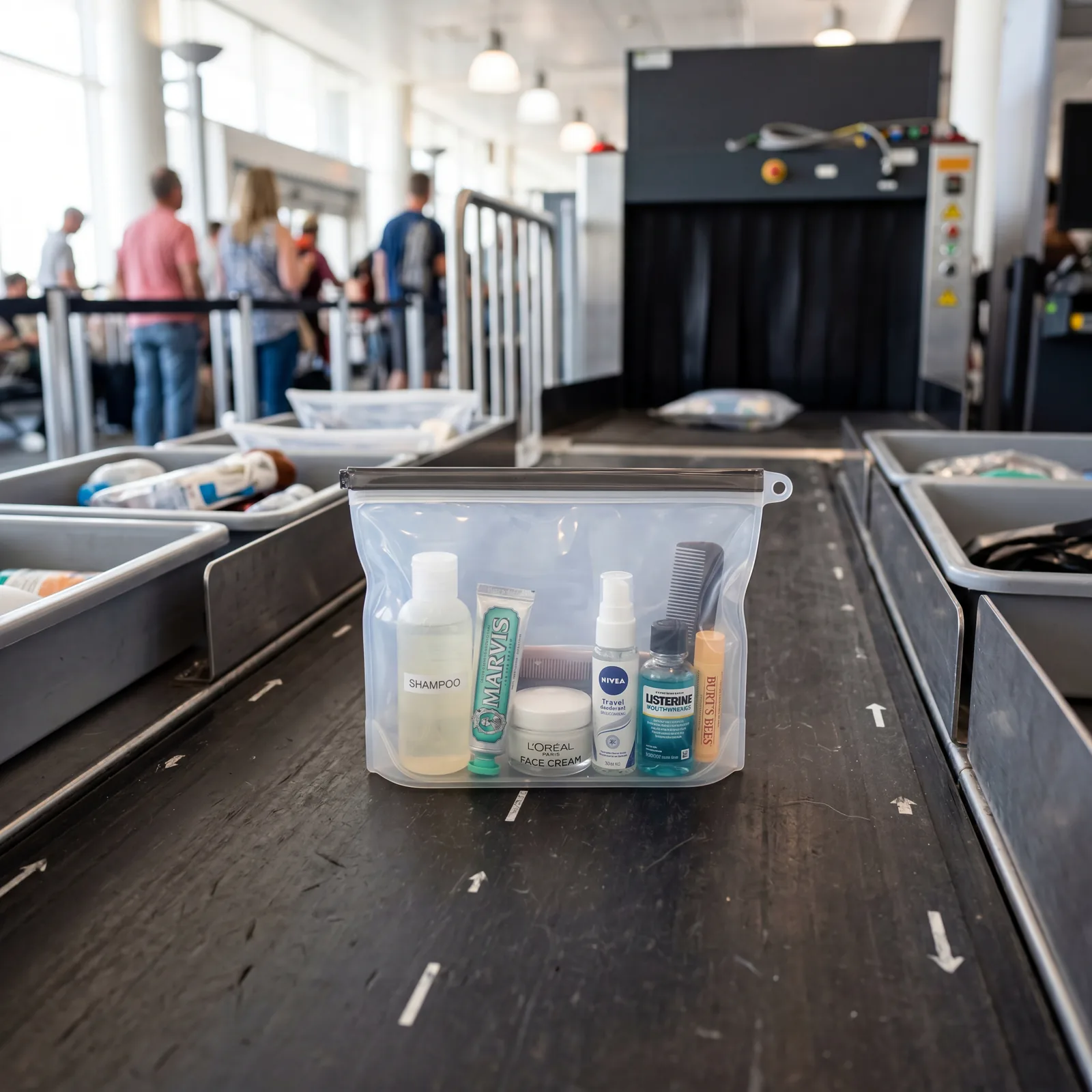
The TSA-approved plastic zip bag from the drugstore splits in about three trips. People who pass through international security twice a month carry a heavy-duty reusable silicone quart bag. It doesn’t leak. It survives years of travel. It stands up on its own. You stop pulling a sad, crinkled plastic bag out of your carry-on at every security checkpoint in the world.
17. An Offline Maps Download for Every Destination
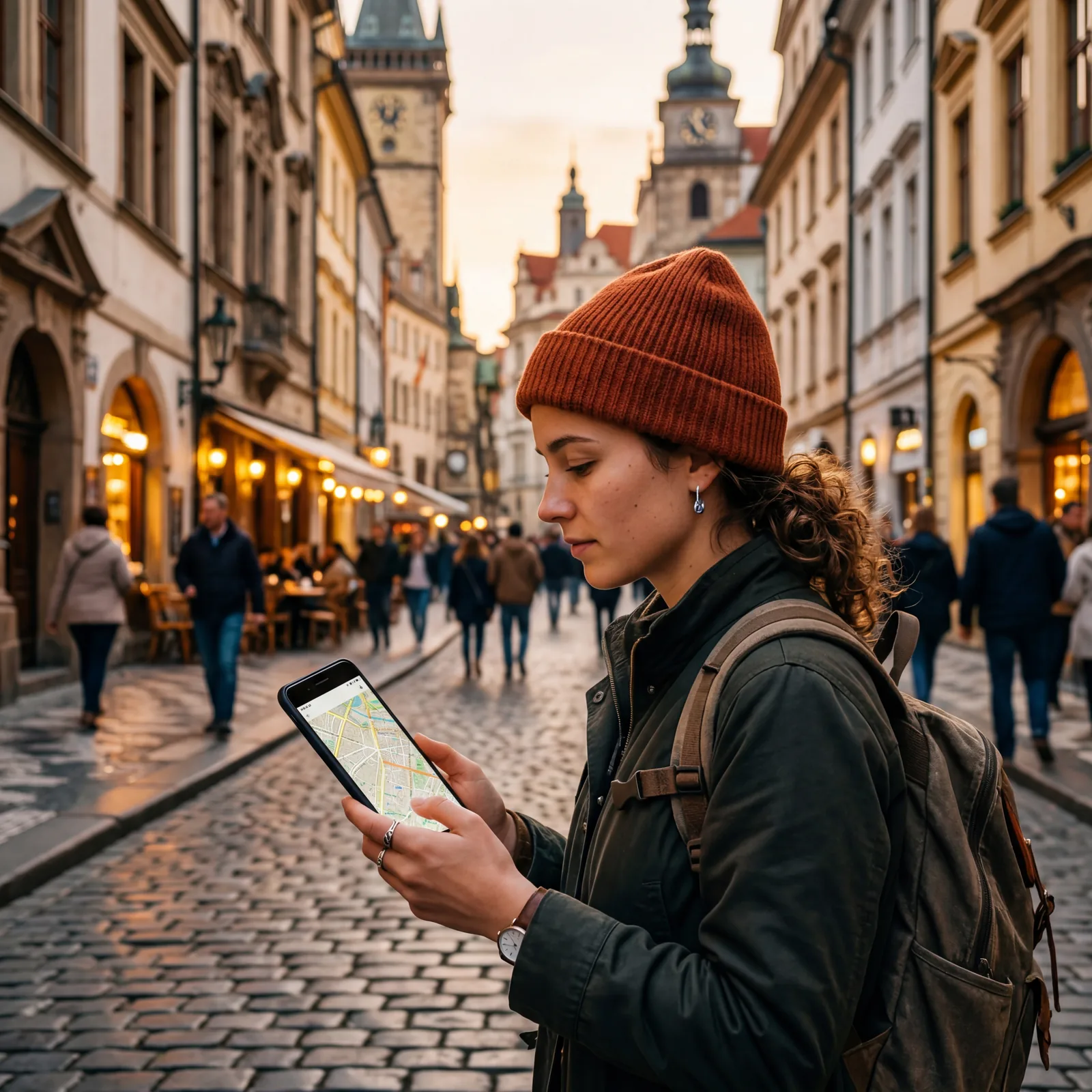
You cannot count on mobile data abroad. International data plans fail. SIM cards don’t activate. Airport WiFi doesn’t reach the cab rank. Frequent international travelers download Google Maps offline for every city before they land. The maps work with no connection at all. You can navigate from the airport to your hotel without a single bar of signal. This is not optional if you’re traveling alone.
16. A Spare Set of Clothes in Your Carry-On
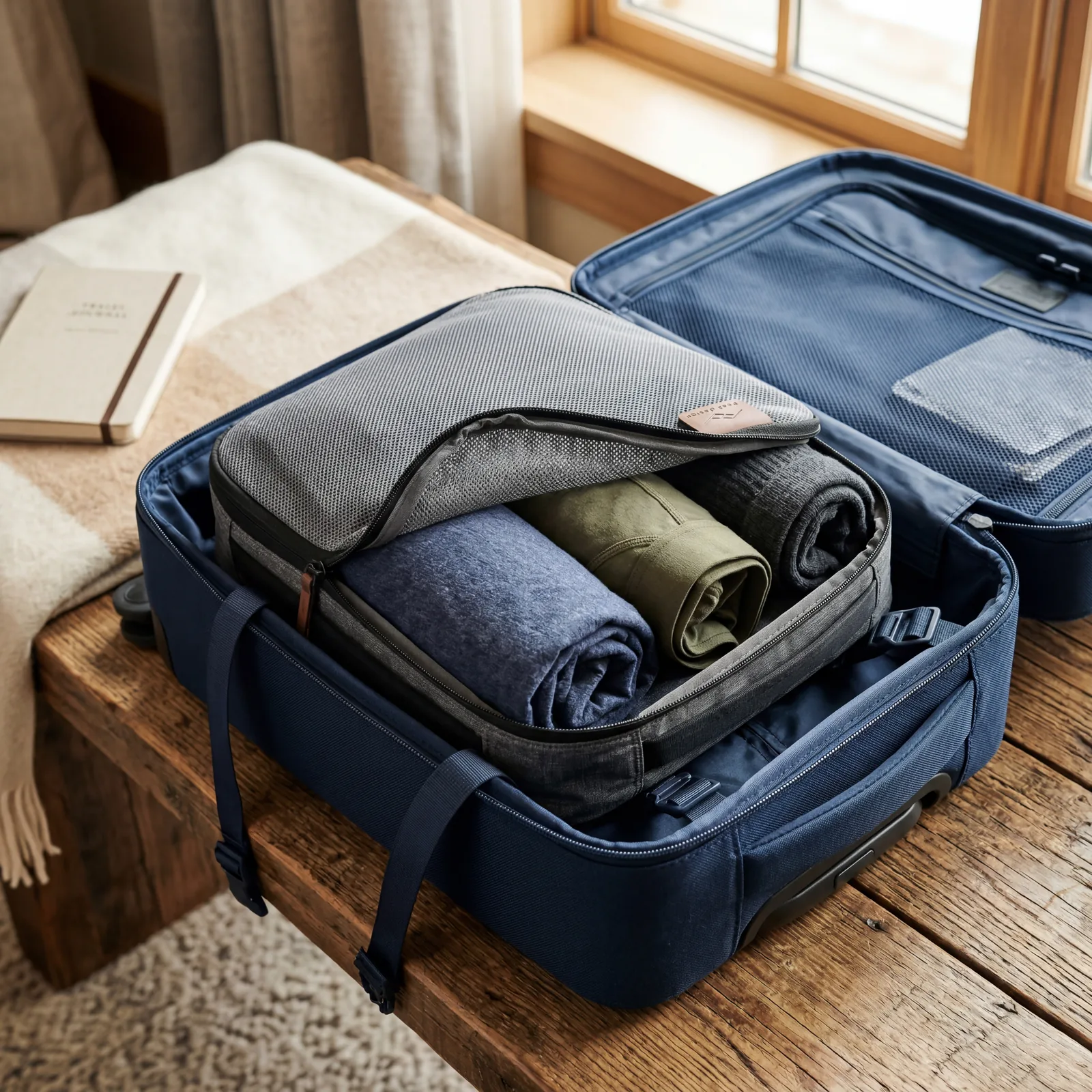
Airlines lose checked luggage. It happens on international routes more than domestic ones. Every experienced traveler who has ever stood at a baggage carousel watching it spin empty now packs one full change of clothes in their carry-on bag. Clean shirt. Underwear. Socks. If the bag shows up three days late, you’re not wearing the same outfit to your first meeting in a foreign city.
15. A Multi-Plug International Travel Adapter (Not a Voltage Converter)
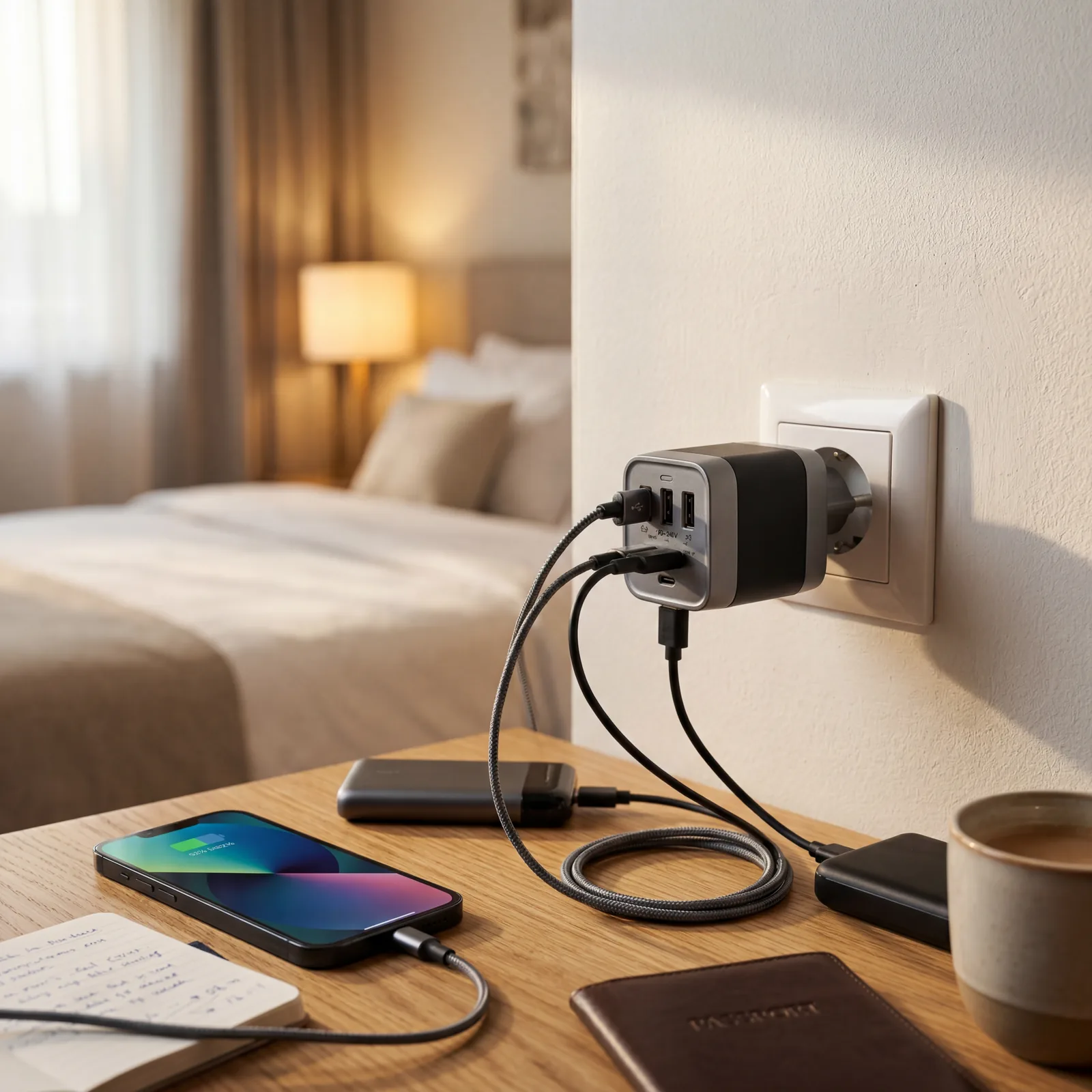
Single-country adapters are useless if you fly more than one region per year. Frequent flyers carry a universal adapter that covers 150+ countries and has at least two USB-A ports plus one USB-C. The difference between an adapter and a voltage converter matters if you’re using anything with a motor, like a hair dryer. Most modern electronics handle dual voltage automatically. Check the label before you plug in.
Read More: 19 Things Americans Get Wrong Before Their First International Flight
14. Noise-Canceling Earbuds (Not Headphones)
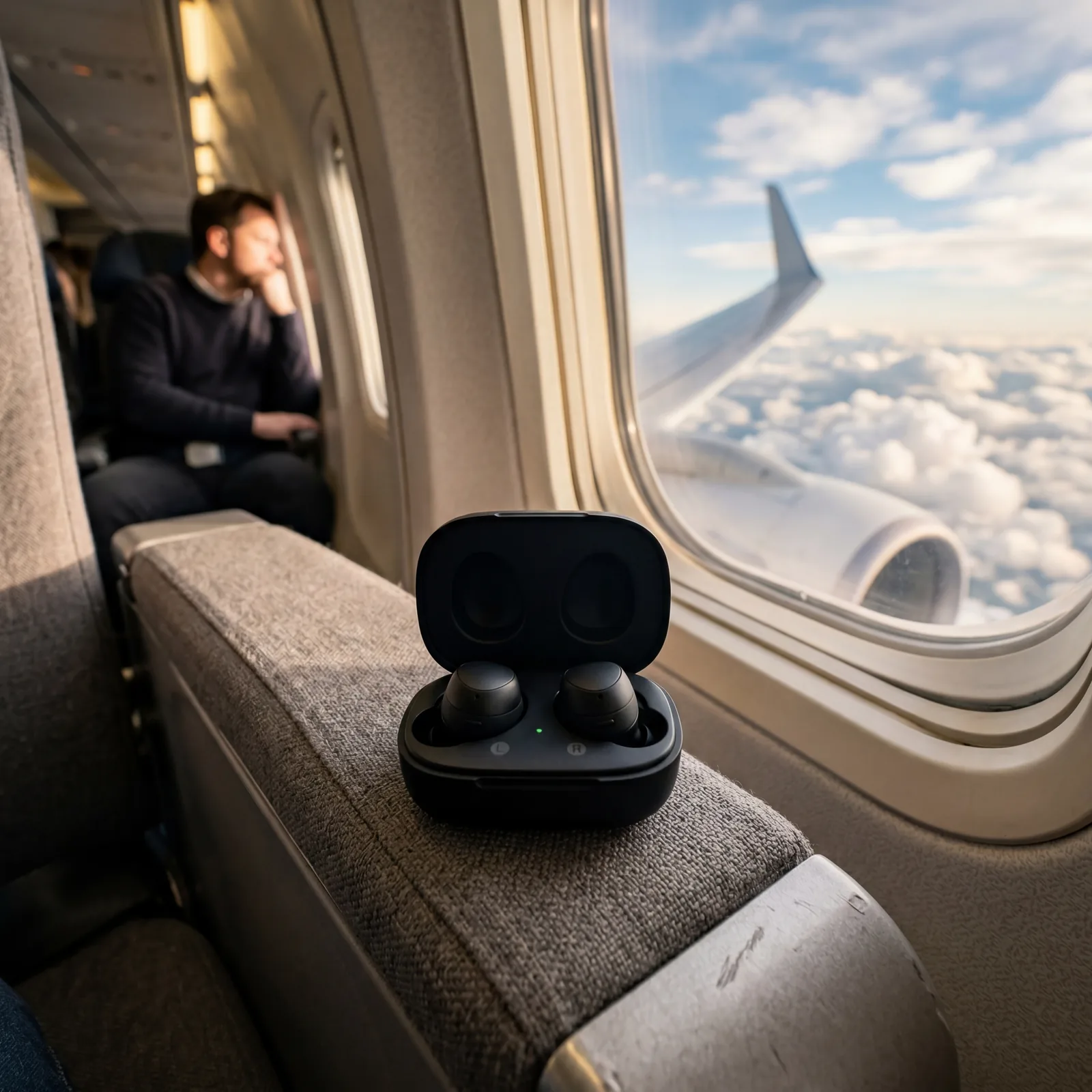
Over-ear noise-canceling headphones are bulky. They don’t fit in a jacket pocket. They mark you as a tourist before you’ve left the gate. People who fly constantly switched to compact noise-canceling earbuds years ago. They block 90% of engine noise. They fit in your pocket. They work for calls when you land. You stop arriving at destinations with a tension headache from 14 hours of engine noise.
13. A Packable Rain Jacket (Not an Umbrella)
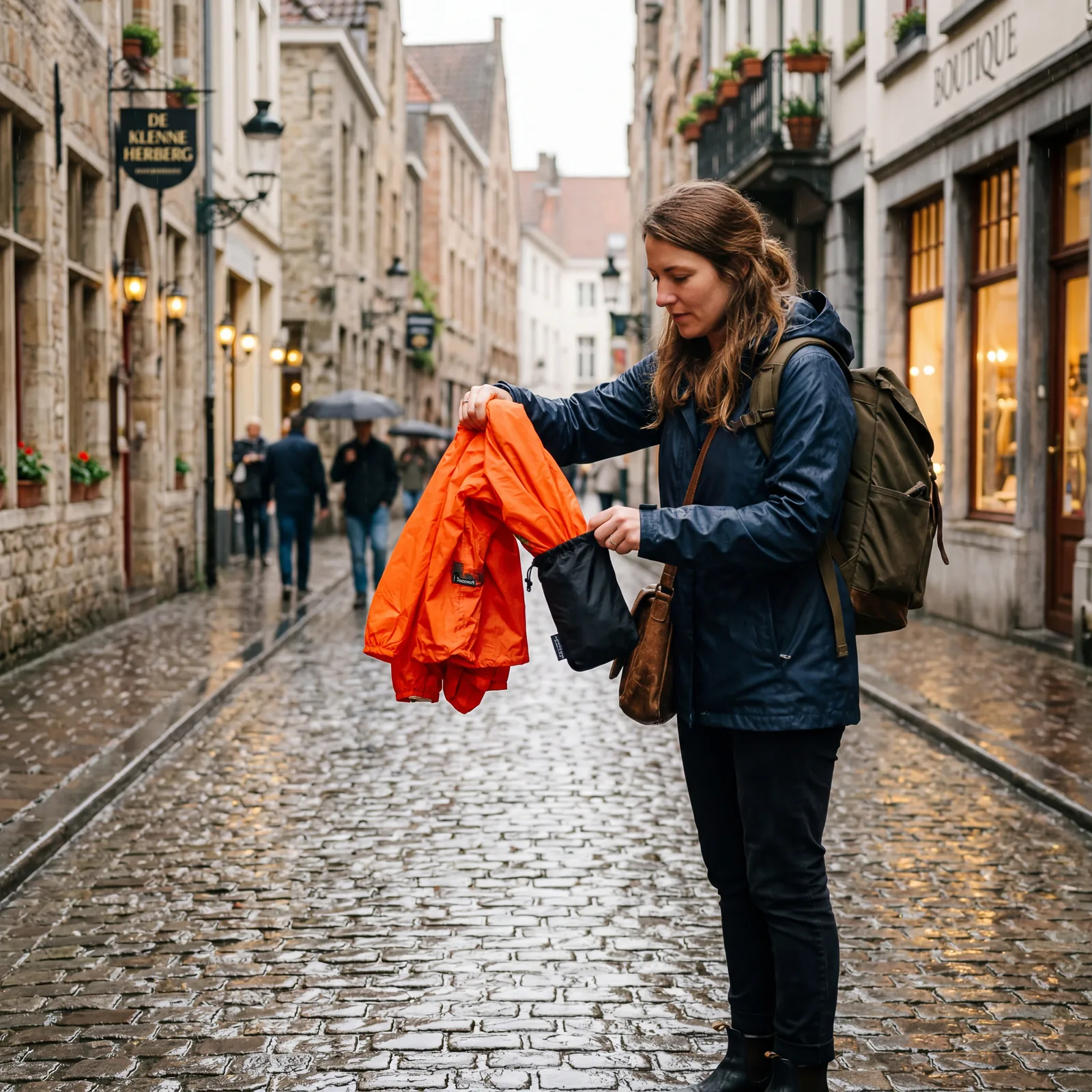
Umbrellas break in wind. They don’t work in heavy rain. They take both hands. You cannot run with one. Frequent international travelers carry a lightweight packable rain jacket that compresses to the size of a grapefruit. It fits in the top of any carry-on bag. You’re dry at the baggage carousel, dry at the taxi queue, dry on your first day in a city where it’s raining and you weren’t expecting it.
12. A Small First Aid Kit With Prescription Meds Labeled
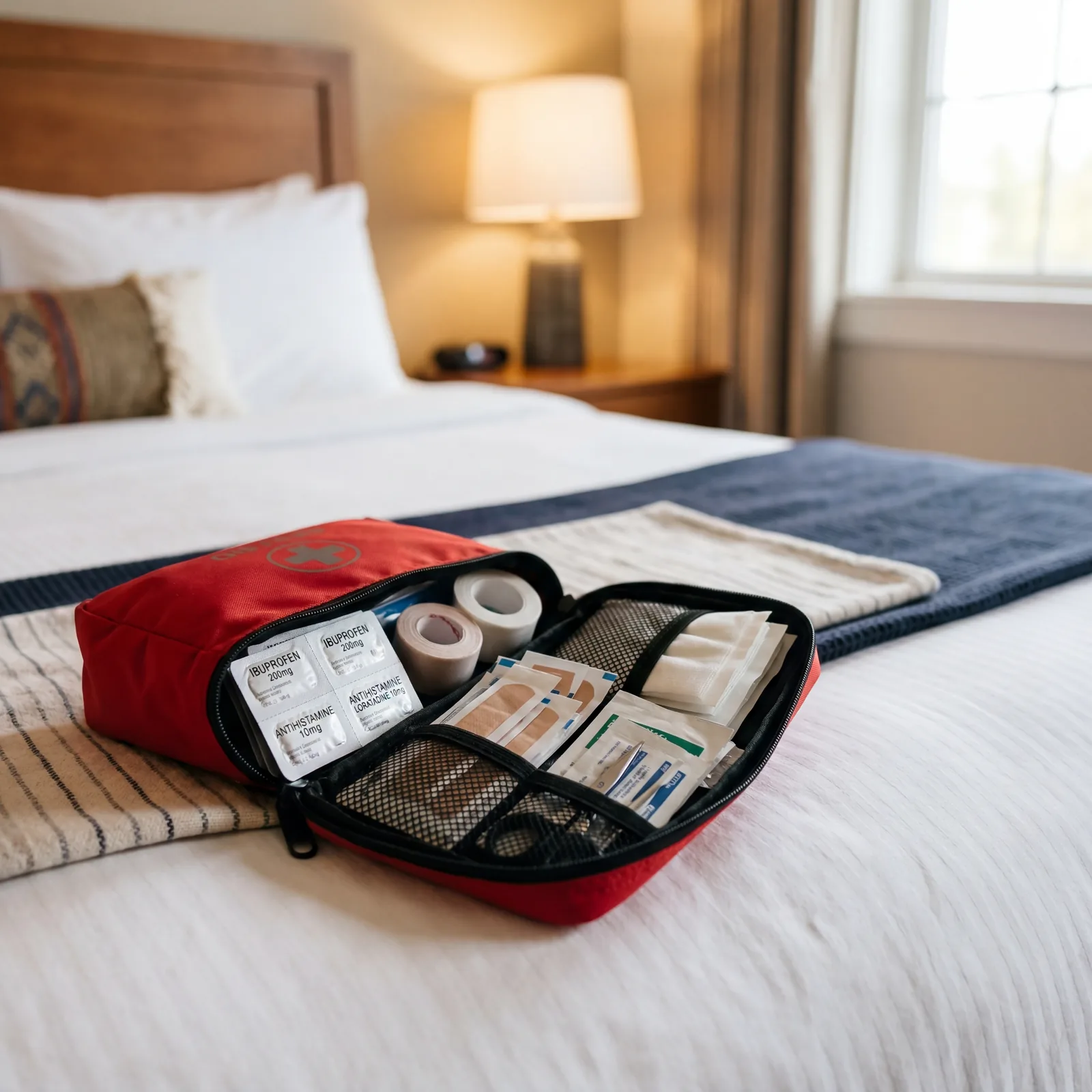
Getting sick abroad is expensive. Getting sick in a country where you don’t speak the language and can’t find a pharmacy at 2am is terrifying. Seasoned international travelers carry a labeled kit with ibuprofen, antihistamine, Imodium, rehydration sachets, and any prescription medication they need. Everything is in original packaging with their name on it. No customs agent has ever given them trouble. No midnight pharmacy run has ever ruined a trip.
11. A Slim RFID-Blocking Card Wallet
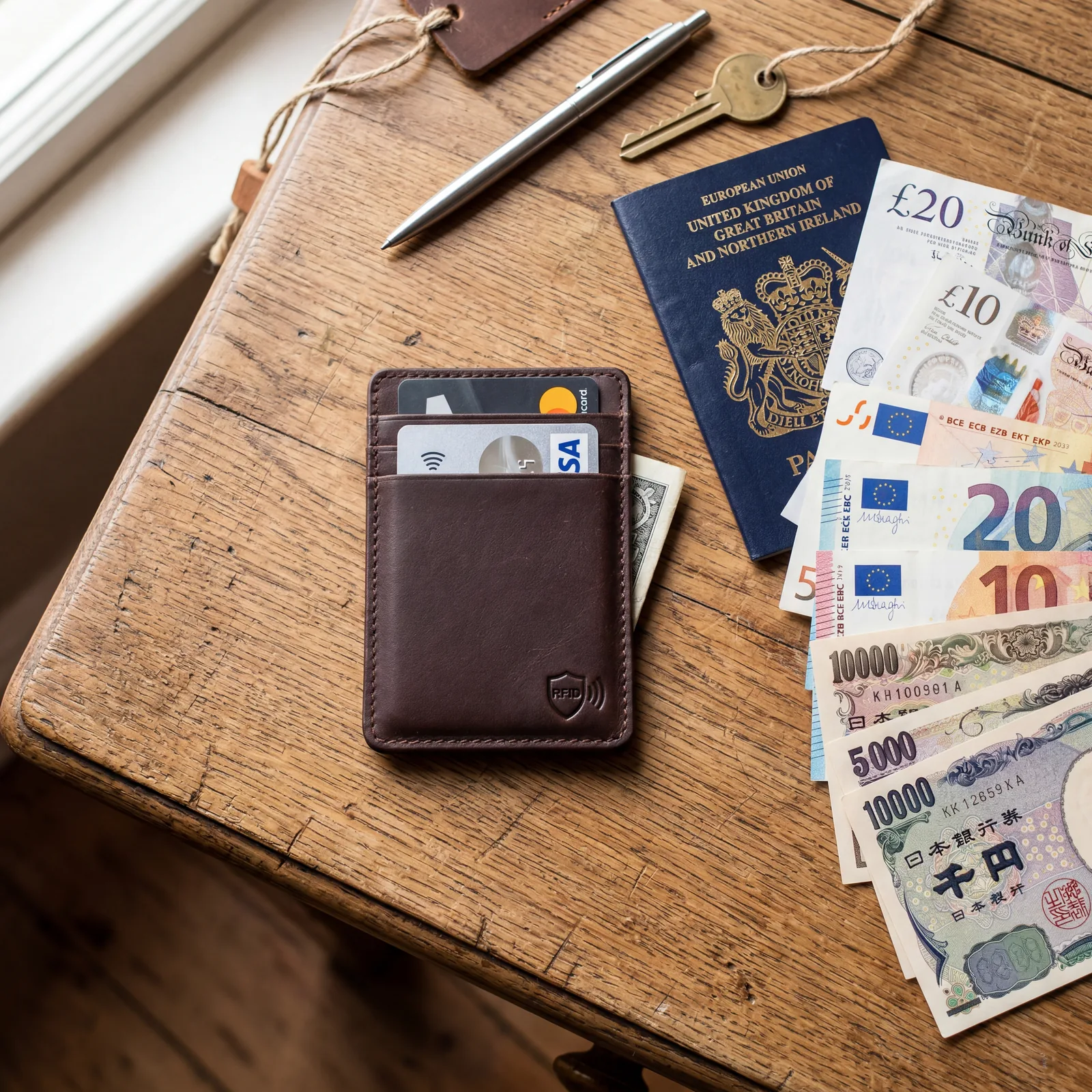
Electronic pickpocketing is real in tourist-dense international cities. Contactless card skimmers exist in crowded markets, transport hubs, and busy restaurants across Europe and Asia. Frequent travelers carry their foreign currency cards in an RFID-blocking card holder and keep it in a front pocket, not a back pocket. Your card never gets skimmed on a bus in Barcelona or a market in Marrakech. Simple physics. It works.
10. A Battery-Powered Portable Safe (Cable Lock + Lockbox)
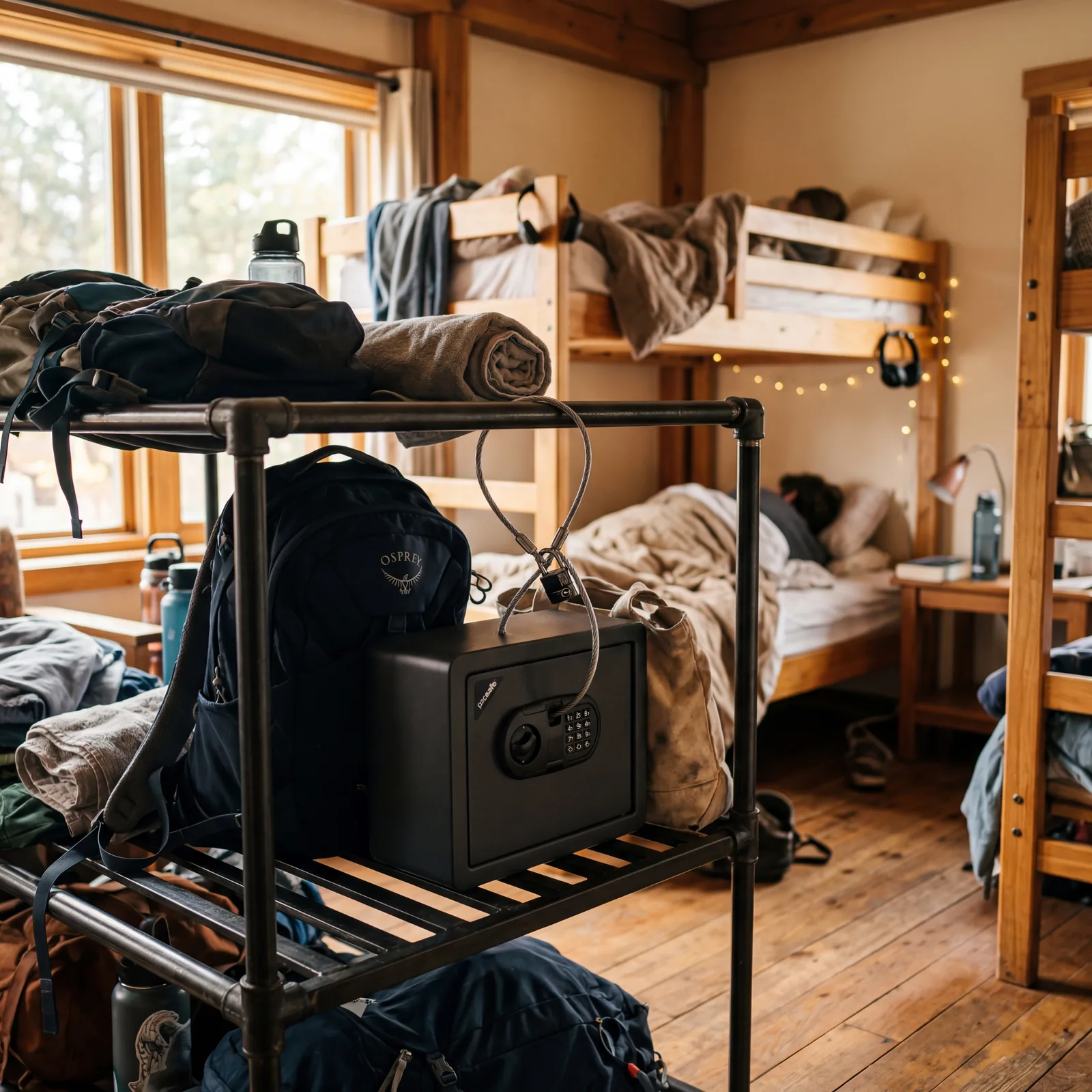
Most hotel safes aren’t actually safe. The codes are often factory default. Many can be opened with a reset button. People who’ve been robbed while traveling internationally know this. The ones who haven’t learned from someone who has. They carry a lightweight portable travel safe with a steel cable lock that attaches to fixed furniture. Your passport, backup cash, and cards go in it. It weighs 400 grams and has saved thousands of dollars in losses for people who use it.
Read More: 23 Ways Your Hotel Room Is Less Secure Than You Think
9. A Decoy Wallet
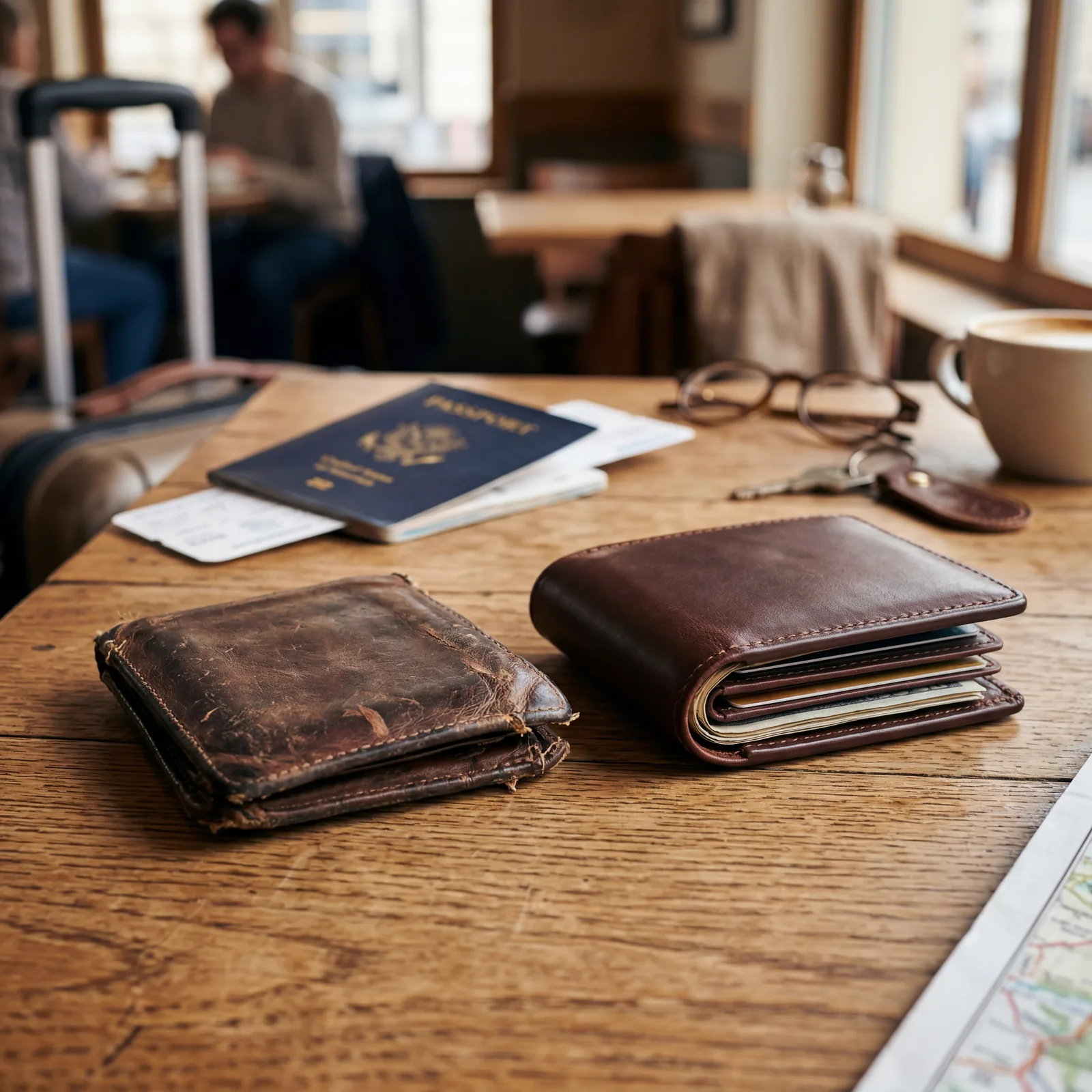
People who’ve been robbed at knifepoint or by distraction thieves while traveling internationally know exactly what a decoy wallet is. You keep your real cards and cash in a money belt or hidden pouch. You carry a beat-up spare wallet with $20 in local currency, an expired card, and a fake loyalty card in your back pocket or front bag pocket. If someone grabs it, you hand it over and lose nothing real. Experienced travelers consider this standard equipment. It costs nothing.
8. A Silk Sleep Sack
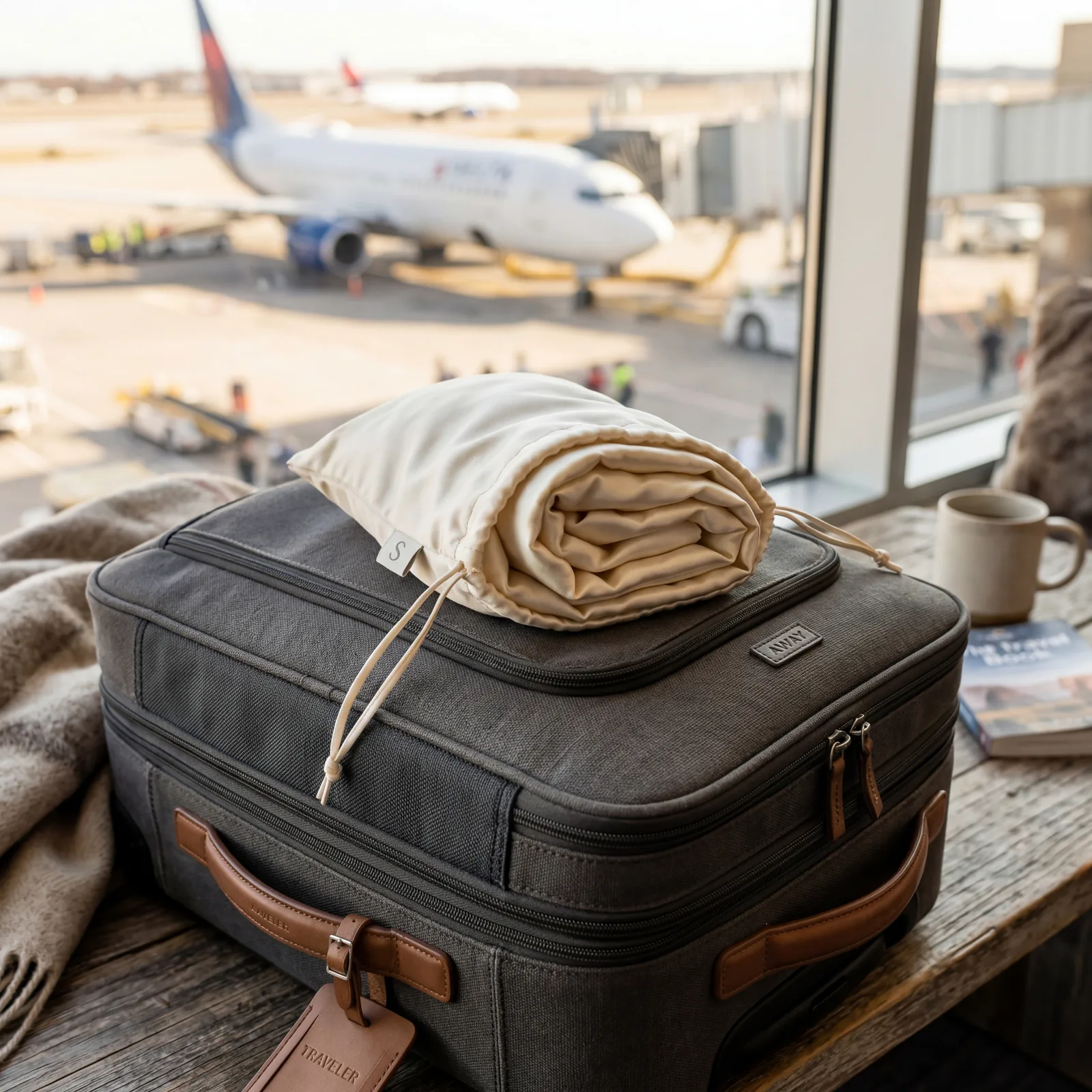
Budget accommodation sheets in hostels, guesthouses, and low-rated hotels across Asia and Eastern Europe are not always clean. You don’t know when they were last washed. A silk travel sleep sack solves this without needing to check. It packs flat, weighs under 200 grams, and makes any bed feel more sanitary. Travelers who use them say they sleep better knowing they have a clean barrier between themselves and whatever was there before. You’ll pack one for every trip after the first time you use it.
7. A Portable Bidet Bottle
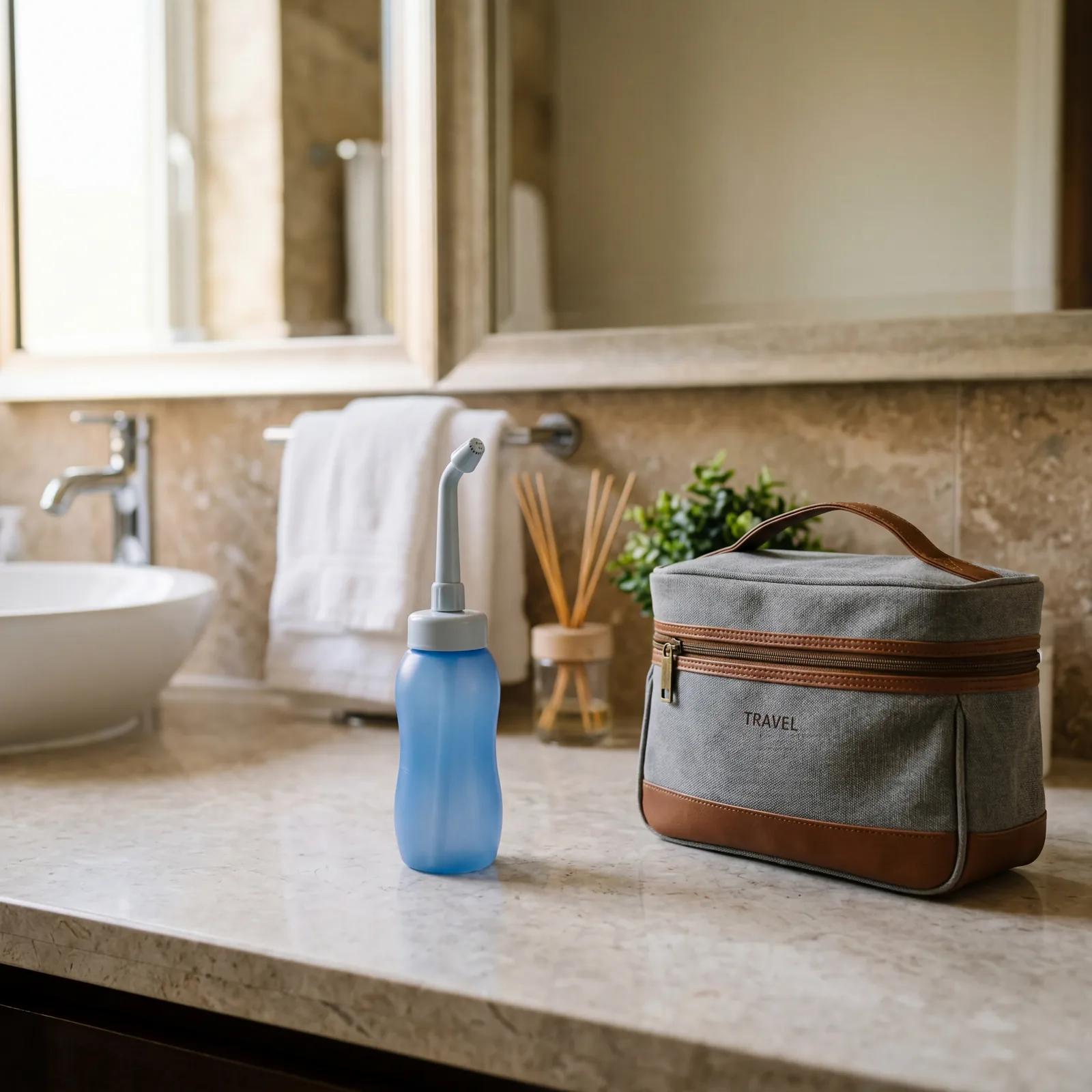
This sounds odd until you’ve spent two weeks in a country where toilet paper is scarce, unreliable, or non-existent. In much of Asia, the Middle East, and parts of Southern Europe, bidets are standard and toilet paper is an afterthought. Experienced international travelers carry a compact travel bidet bottle that fits in any toiletry bag. You fill it from any tap. You never worry about what’s or isn’t available in a foreign bathroom again. It’s one of those items that people who know about it never travel without.
6. A Faraday Bag for Your Passport
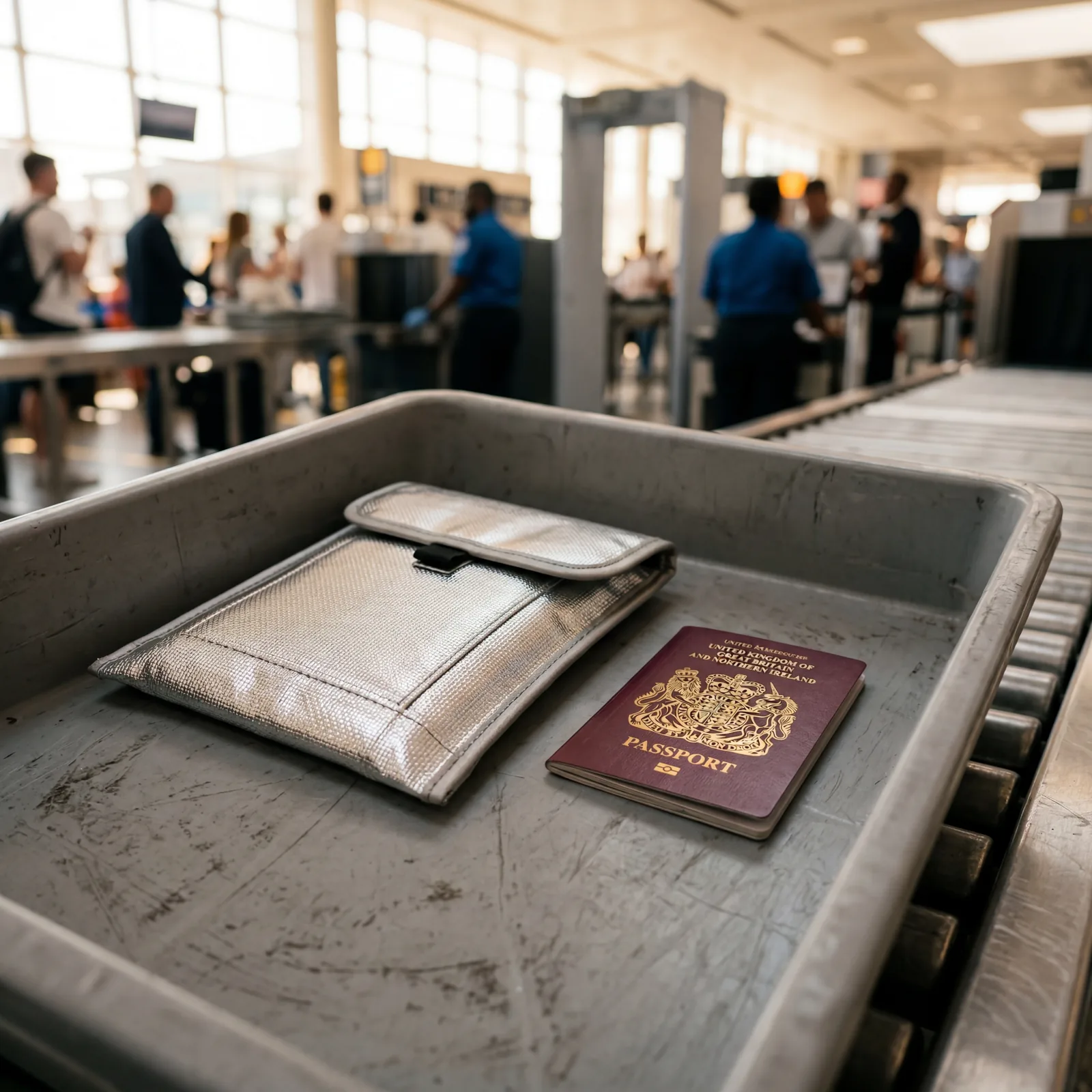
Your biometric passport transmits data wirelessly. Anyone with the right equipment, in the right location, can read it without touching you. This isn’t science fiction. It’s been demonstrated in airports and border crossings multiple times. Frequent international travelers carry their passport in a Faraday-lined travel pouch that blocks all RFID and NFC signals. Your passport data goes nowhere unless you physically open the pouch and hand it to someone. The pouch costs under $20. The peace of mind is worth considerably more.
5. A Personal Water Purification Tablet Pack
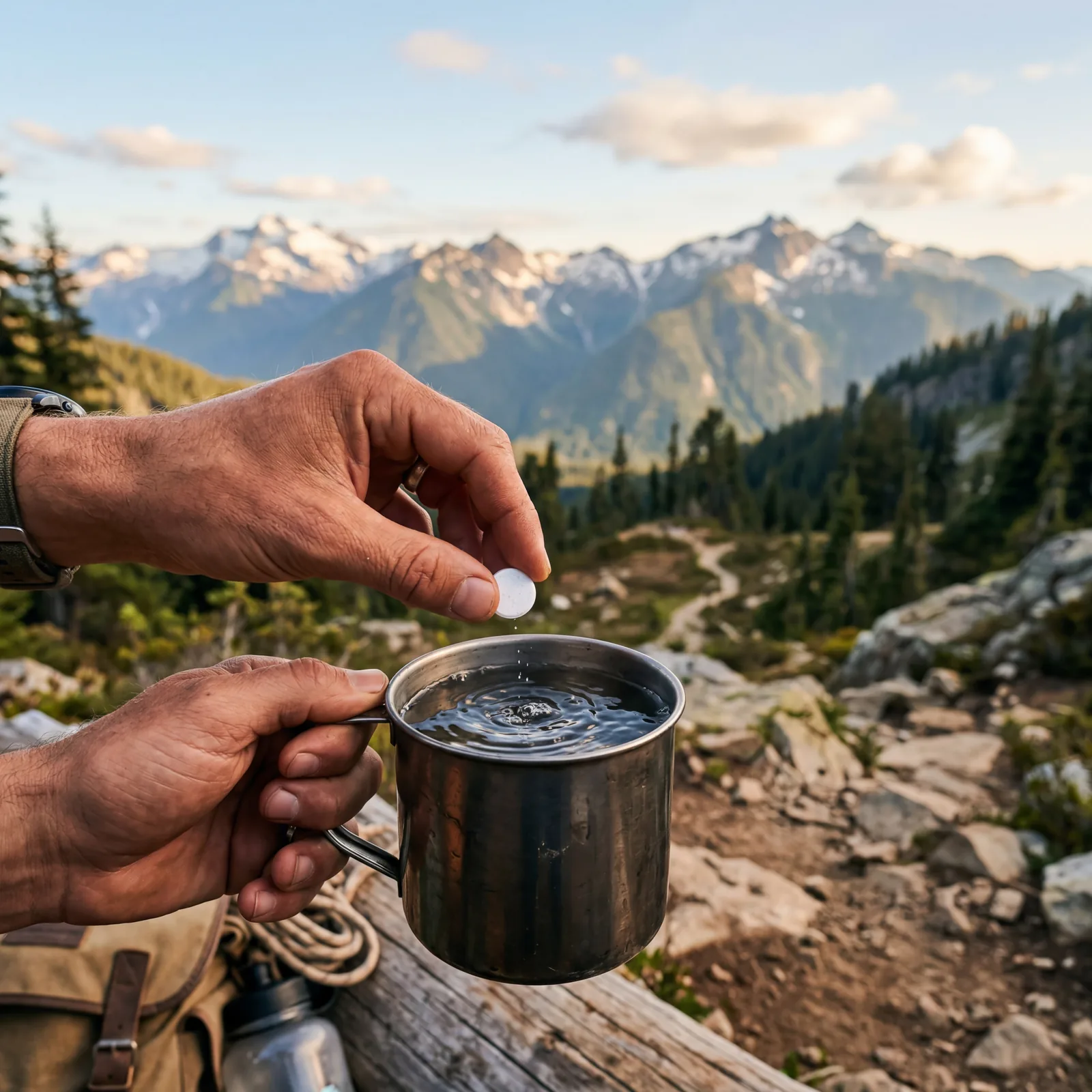
Your filter bottle handles most situations. These tablets handle the rest. If you’re in a country with particularly unsafe water infrastructure, staying somewhere rural, or your filter gets damaged or lost, iodine or chlorine dioxide water purification tablets are the backup plan. They weigh almost nothing. A pack of 50 treats 50 liters of water. A retired nurse from Seattle told me she’s traveled to 44 countries and never spent a single night sick from water because she never goes without them. You won’t think you need them until the exact moment you do.
4. A Global eSIM Loaded Before Departure
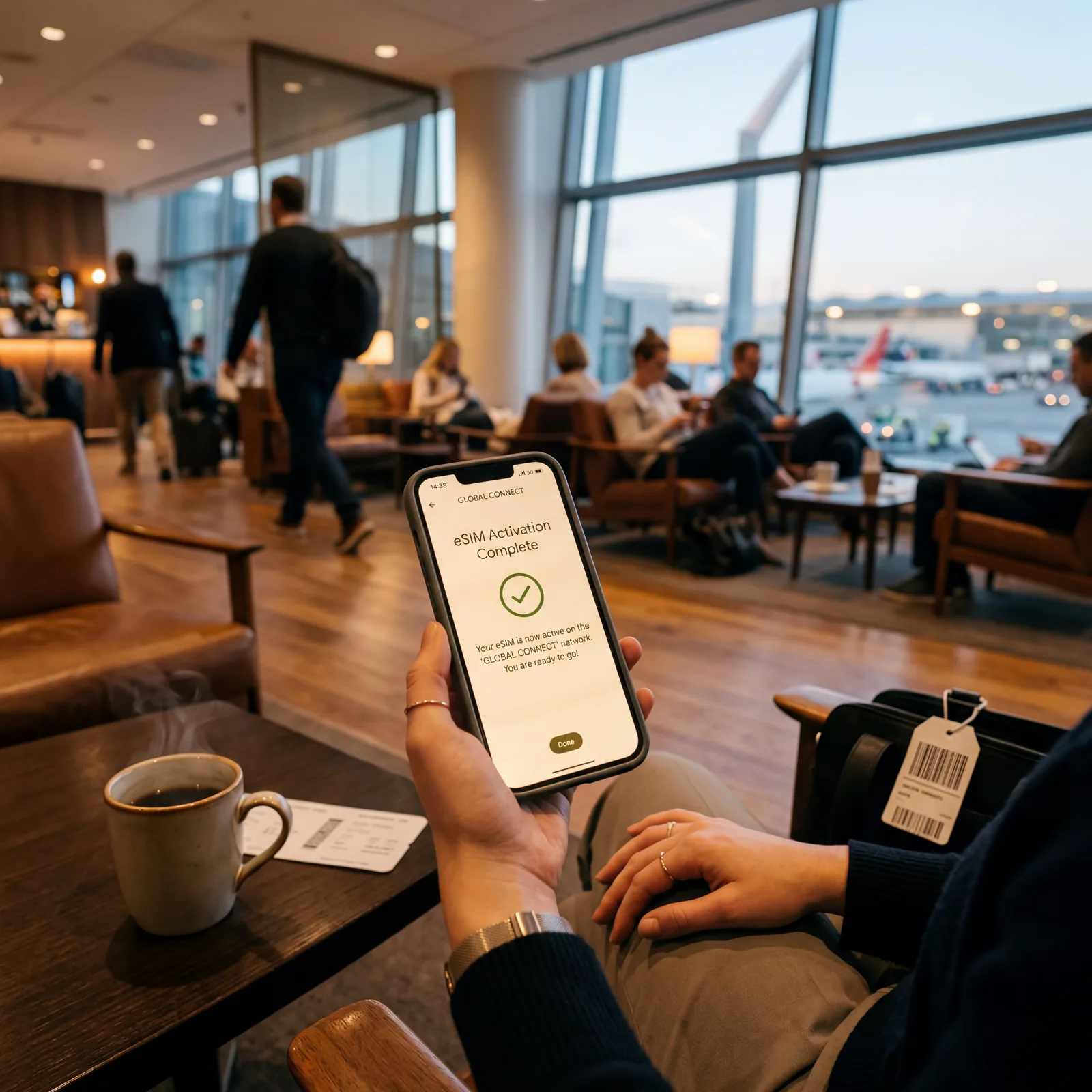
People who’ve landed in a foreign country with no working phone number know the specific panic that comes with it. Your carrier’s international plan fails. The local SIM kiosk has a two-hour line. You can’t call the hotel. You can’t get an Uber. You can’t reach anyone. Experienced international travelers activate a global eSIM before they leave home, through providers like Airalo or Holafly, covering 150+ countries at flat per-day rates. It works the moment you land. No kiosk. No queue. No panic. The connection is already live before your bags hit the carousel.
3. A Hidden Money Belt (Worn Under Clothing)
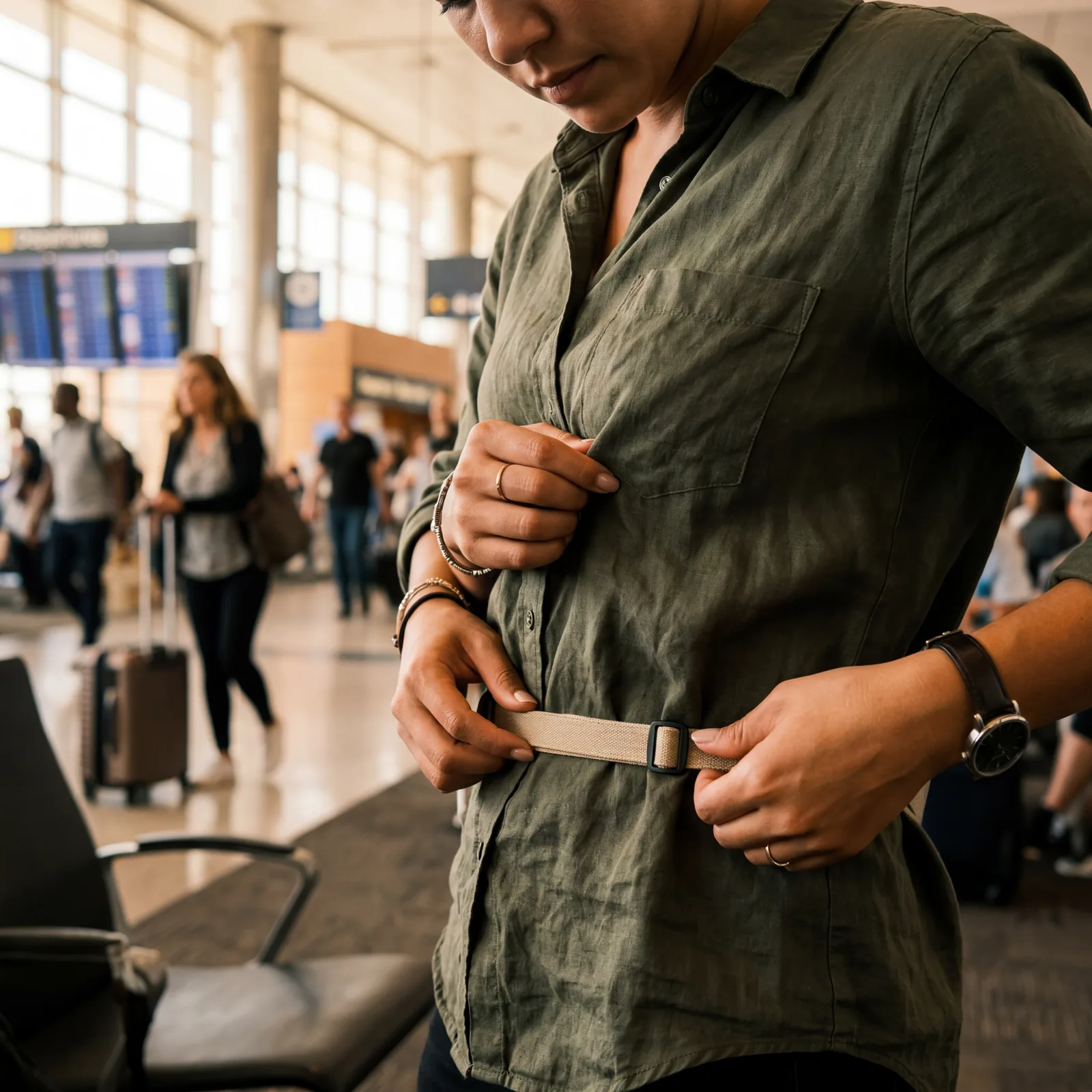
Every travel blog mentions money belts. Almost nobody actually wears one. People who’ve had their wallet taken in Rome, their bag slashed in Barcelona, or their pocket picked clean on the Paris Metro now wear one every single day abroad. A slim neck pouch or waist money belt worn under the shirt holds your real passport, your main bank card, and emergency cash. The decoy wallet handles everything else. Nobody takes what they can’t see. It’s uncomfortable for about 30 minutes. Then you forget it’s there. The people who don’t wear one remember the trip for the wrong reasons.
2. A Doorstop Wedge + Portable Motion Sensor Combo
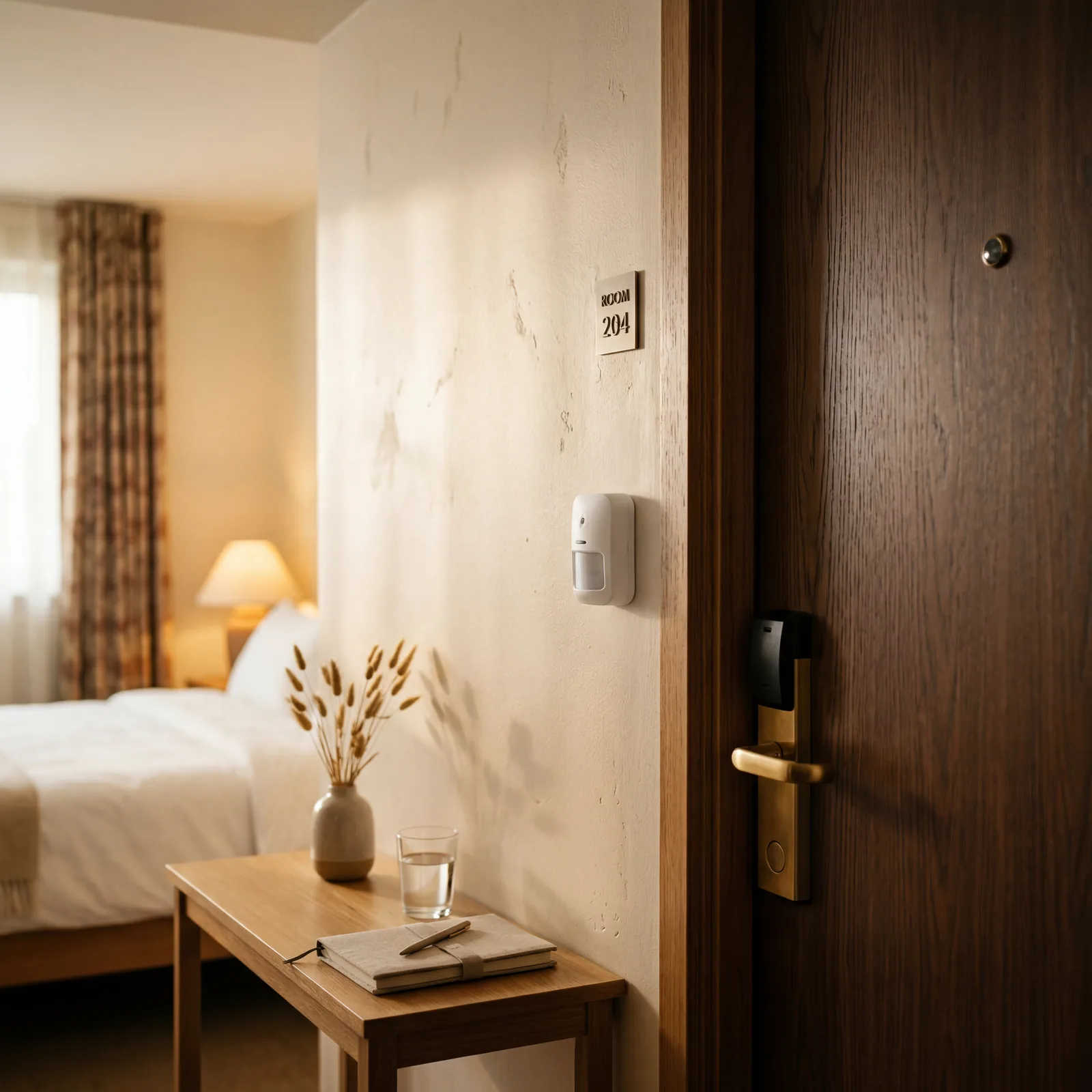
The doorstop from item #20 is good. Combining it with a clip-on battery-powered motion alarm that triggers if anyone crosses the doorway is better. Frequent international solo travelers run both. One physical barrier. One audio alert. You set it up in under 60 seconds. The alarm sounds at 130 decibels if anything moves through the entry. You sleep in a foreign budget hotel the way you sleep in your own bed. Anyone who’s ever woken to the sound of their door handle moving in the middle of the night in a foreign country will tell you this is not paranoia. It’s preparation.
It’s serious. But nothing compared to what’s waiting at #1.
1. A Pre-Loaded Emergency Contact Card in the Local Language
The Most Important 10 Grams You’ll Ever Pack
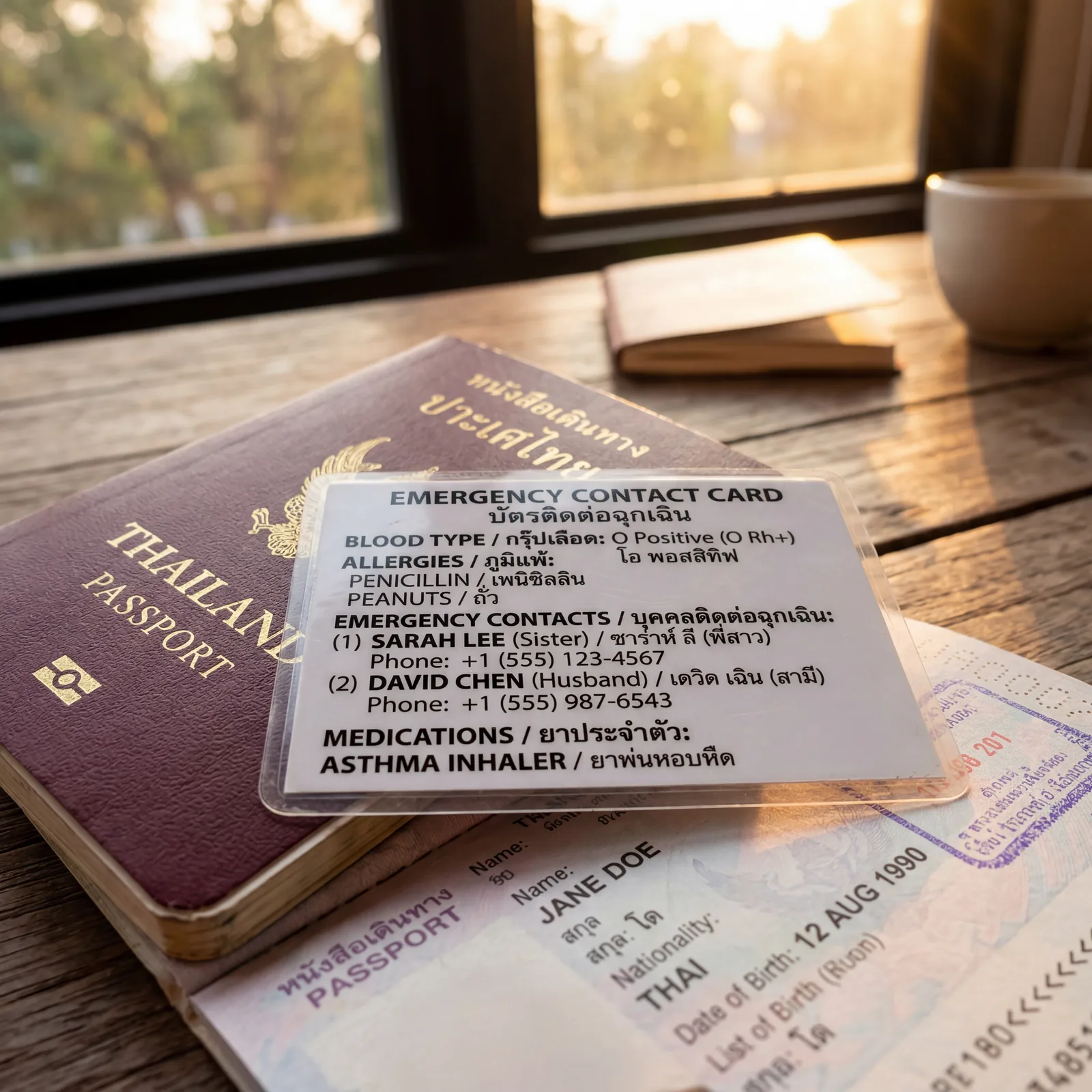
You carry your health. You carry your allergies. You carry your medical history. And absolutely nobody in a foreign emergency room can access any of it when you’re unconscious, disoriented, or in shock from a traffic accident in a country where no one speaks your language. People who fly internationally more than a dozen times a year carry a laminated card, smaller than a credit card, printed in both English and the local language of their destination. On it: blood type, allergies, any medications, emergency contacts, travel insurance number, and the phrase “I need an interpreter” in the local language.
A retired flight attendant from Denver who logged over 3 million air miles told me this: “I’ve seen passengers who couldn’t tell doctors they were allergic to penicillin. I’ve seen people who couldn’t explain their blood pressure condition. The ones with this card on them got treatment faster and safer than everyone else.” You can create this card in 20 minutes before any international trip using a free template and a local language translation tool. Laminate it. Put it in your passport holder. Put a digital copy in your phone’s photos. Give the same information to one person at home who knows your itinerary.
It weighs almost nothing. It takes up no space. And in the worst moment of your life in a foreign country, it may be the only thing that gets you the right help in time.
Now you know why we saved this one for last.
Pack Like Someone Who’s Done This 50 Times
You don’t need more gear. You need the right gear, chosen by people who’ve learned what matters the hard way. If even three of these make it into your bag before your next international flight, you’re already traveling smarter than 90% of the people at the gate. Forward this to anyone you know who’s planning their first international trip. Their travel agent won’t mention half of it.