Hotel staff form their first impression of you before you reach the front desk. By the time you’ve said hello, they’ve already made several quiet decisions about your stay.
The thing at #1 on this list is the one that most affects your room assignment, your upgrade likelihood, and how staff treat you for the rest of your trip. Most guests have no idea it’s happening.
Don’t check in at your next hotel without reading this first.
25. Your Posture the Moment You Walk In
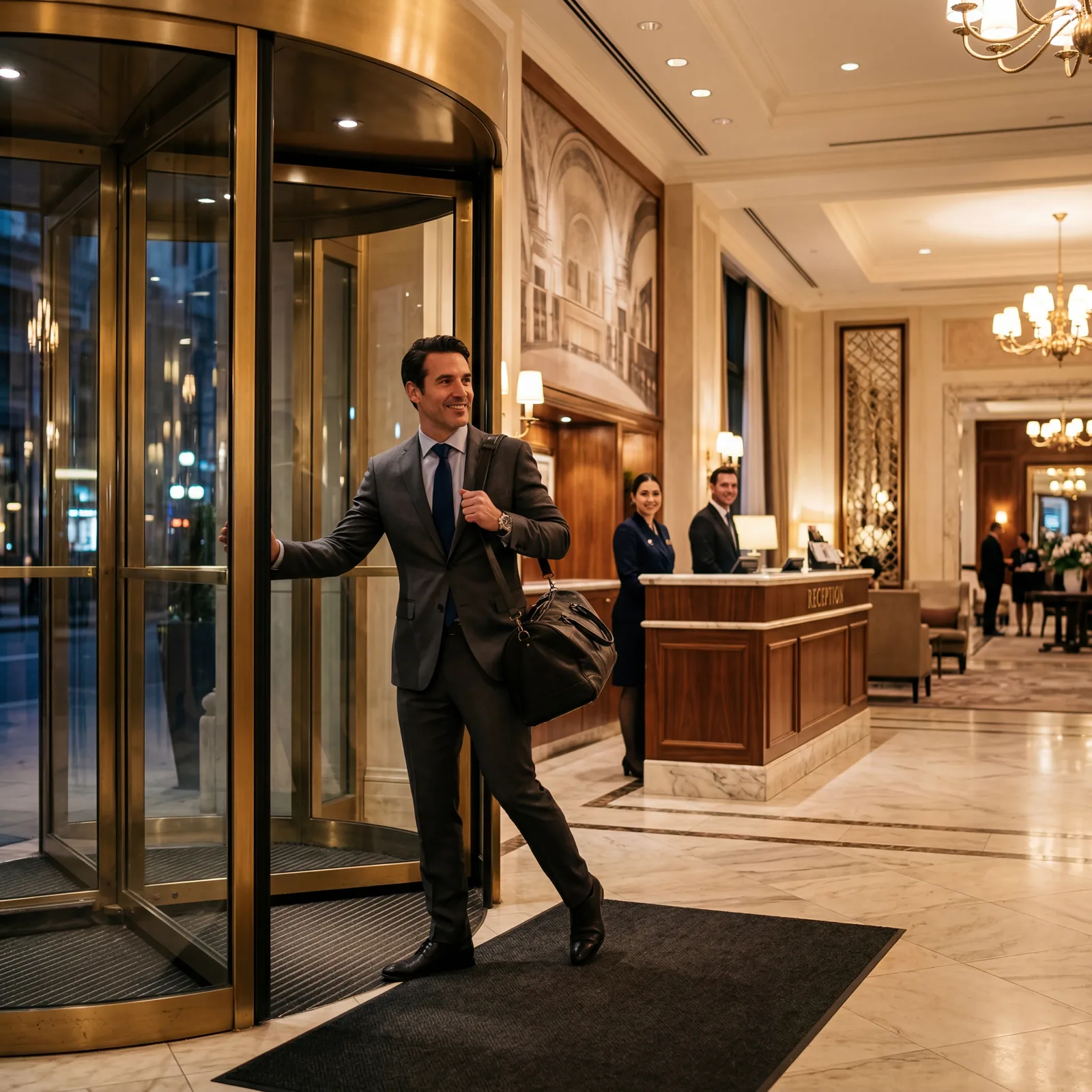
She was watching the door from behind the front desk when you walked in.
You didn’t look up right away. Your shoulders were forward. Your eyes were on your phone.
In that three-second window, she’d already formed an opinion. Guests who walk in with their chin up and shoulders back are perceived as confident and self-sufficient — and staff subconsciously allocate less hand-holding time to them.
It’s not fair. It’s just how it works.
24. Whether You Acknowledge the Valet or Doorman
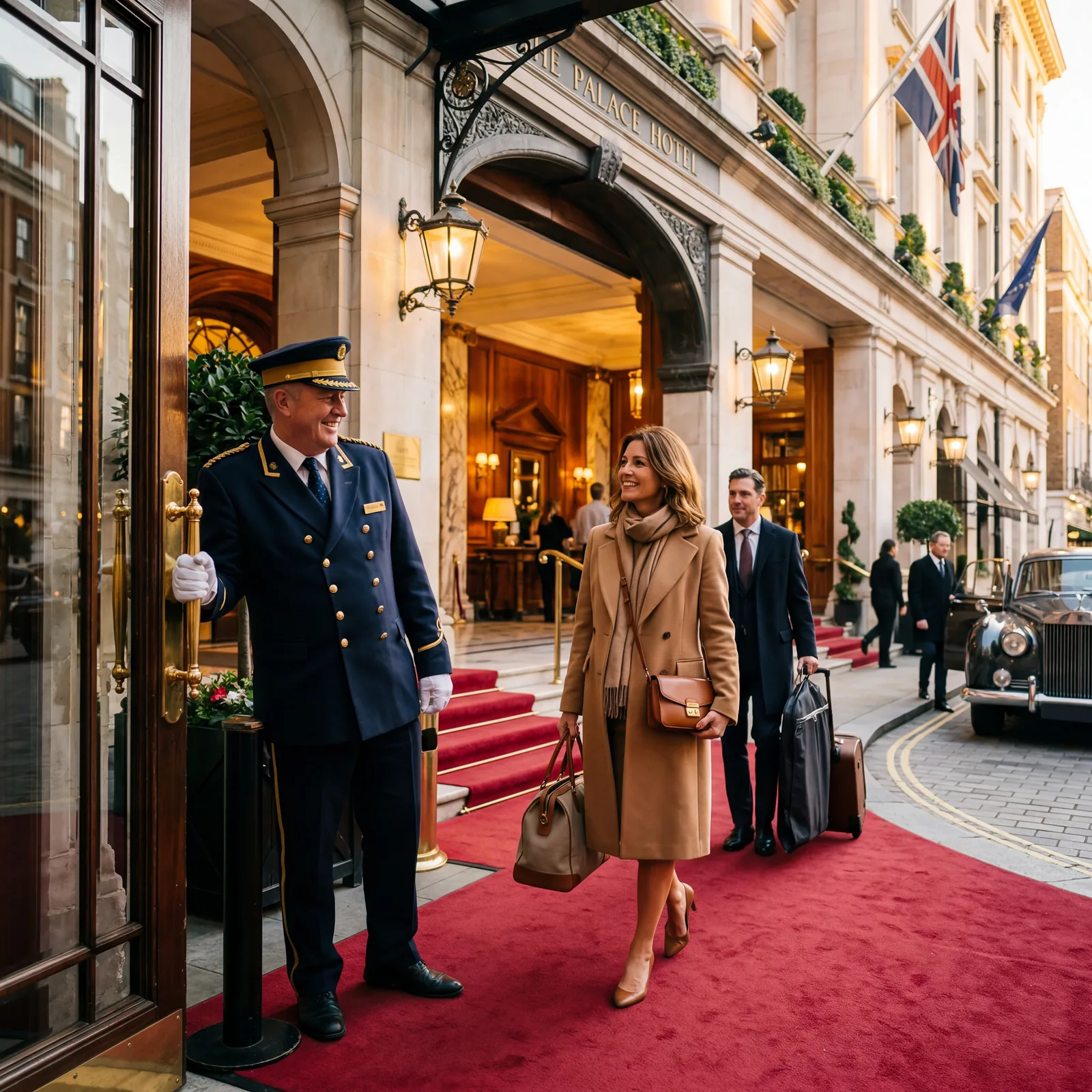
The doorman saw everything. He always does.
He noticed whether you handed him your keys with a nod or dropped them without looking up.
That information travels. Doormen and bellmen talk to front desk staff constantly, and a guest who treats the “invisible” staff with respect gets a reputation fast — a good one.
The guests who treat everyone the same get treated better than everyone.
23. What You’re Wearing
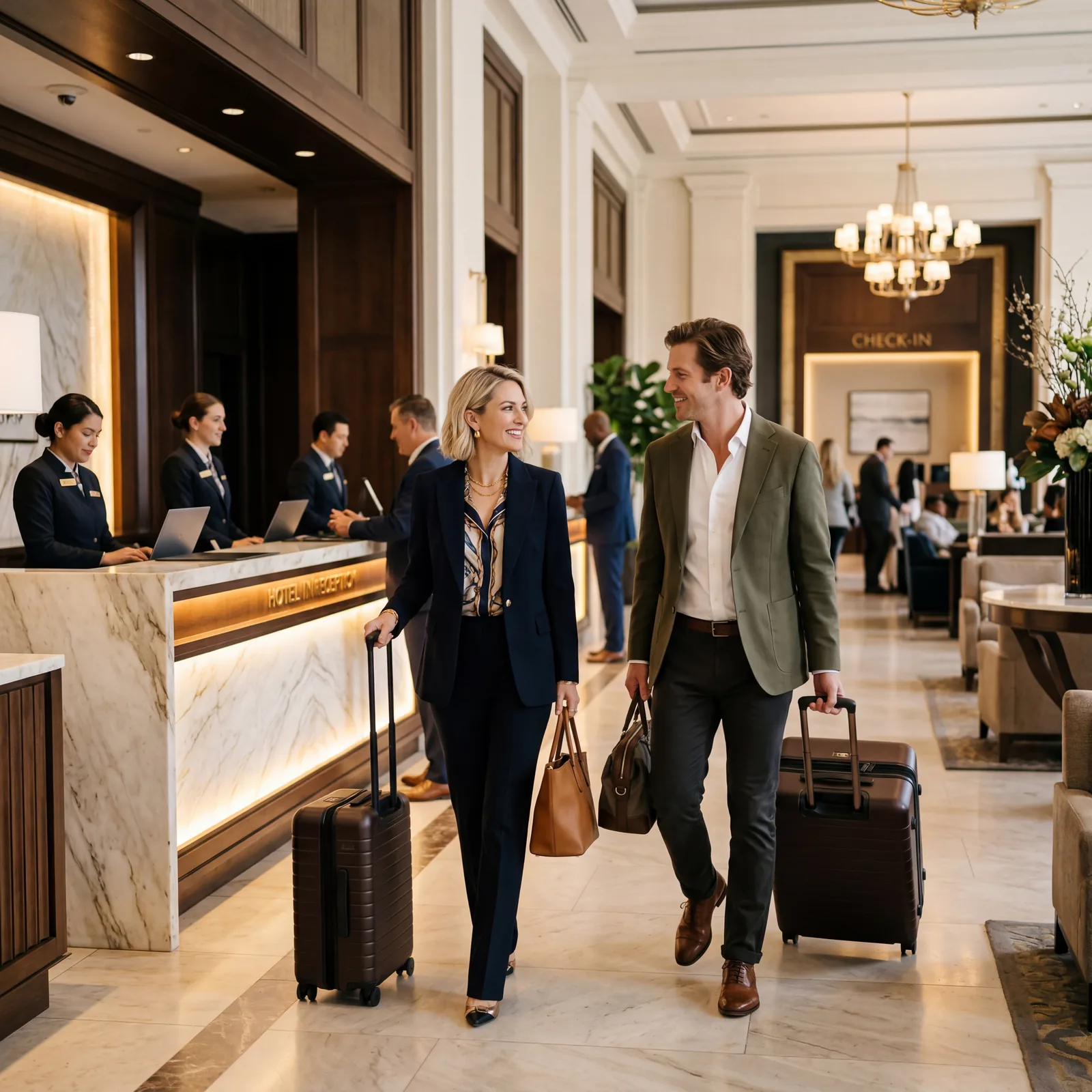
She clocked your outfit in under two seconds. She wasn’t judging your fashion sense.
She was reading your situation: business traveler, vacationer, weekend wedding guest, or someone passing through on a budget.
Your clothing helps staff calibrate your expectations. A guest in a blazer gets a different set of assumptions than a guest in flip-flops — and those assumptions shape what room you’re offered before you’ve said a word.
22. Whether You’re on Your Phone When You Approach
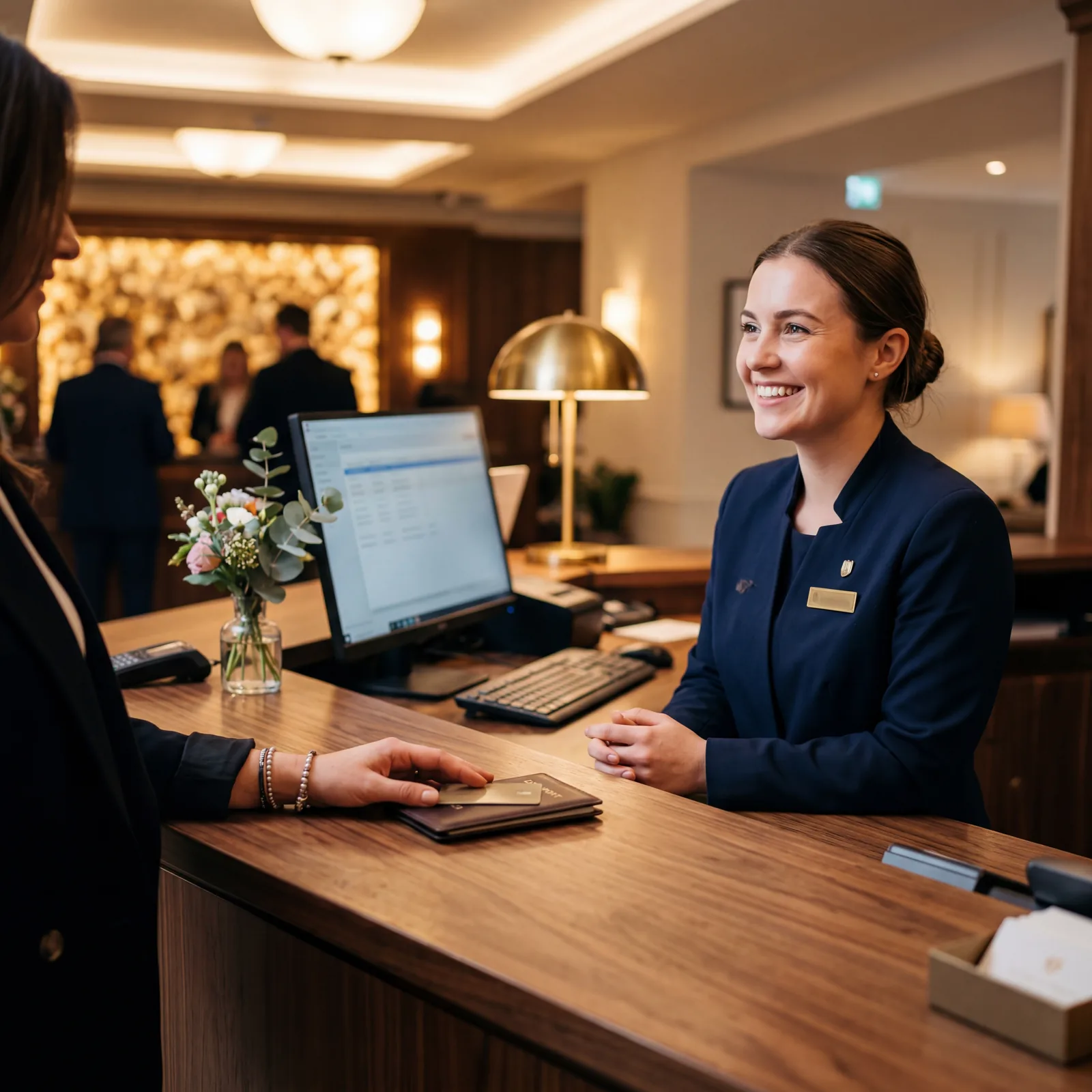
You walked up to the desk still looking at your screen. She waited.
Guests who approach with their phone down and make eye contact are immediately read as easier to work with — and staff are more likely to go the extra mile for someone who seems present.
It sounds minor. The extra mile isn’t minor.
21. How You Treat the Bellman with Your Luggage
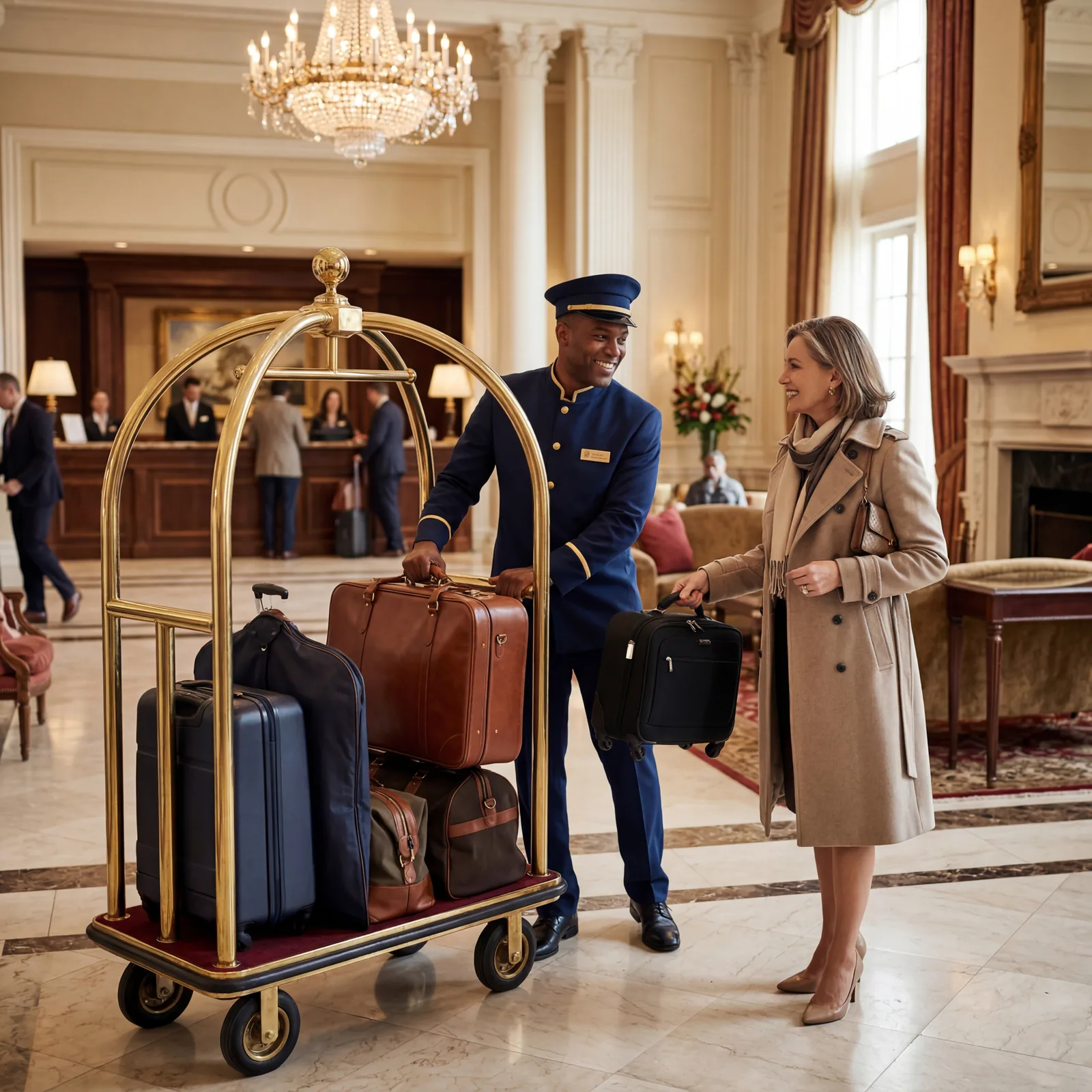
The bellman had your bags in his hands before you’d finished checking in.
He noticed whether you watched him load them carefully or walked away without a second glance.
He’s also the one who brings you your bags — and how quickly that happens, and how carefully, is something he controls entirely. The guests who treat him like a person tend to have their bags waiting the moment they reach the room.
20. Your Tone of Voice at the Door
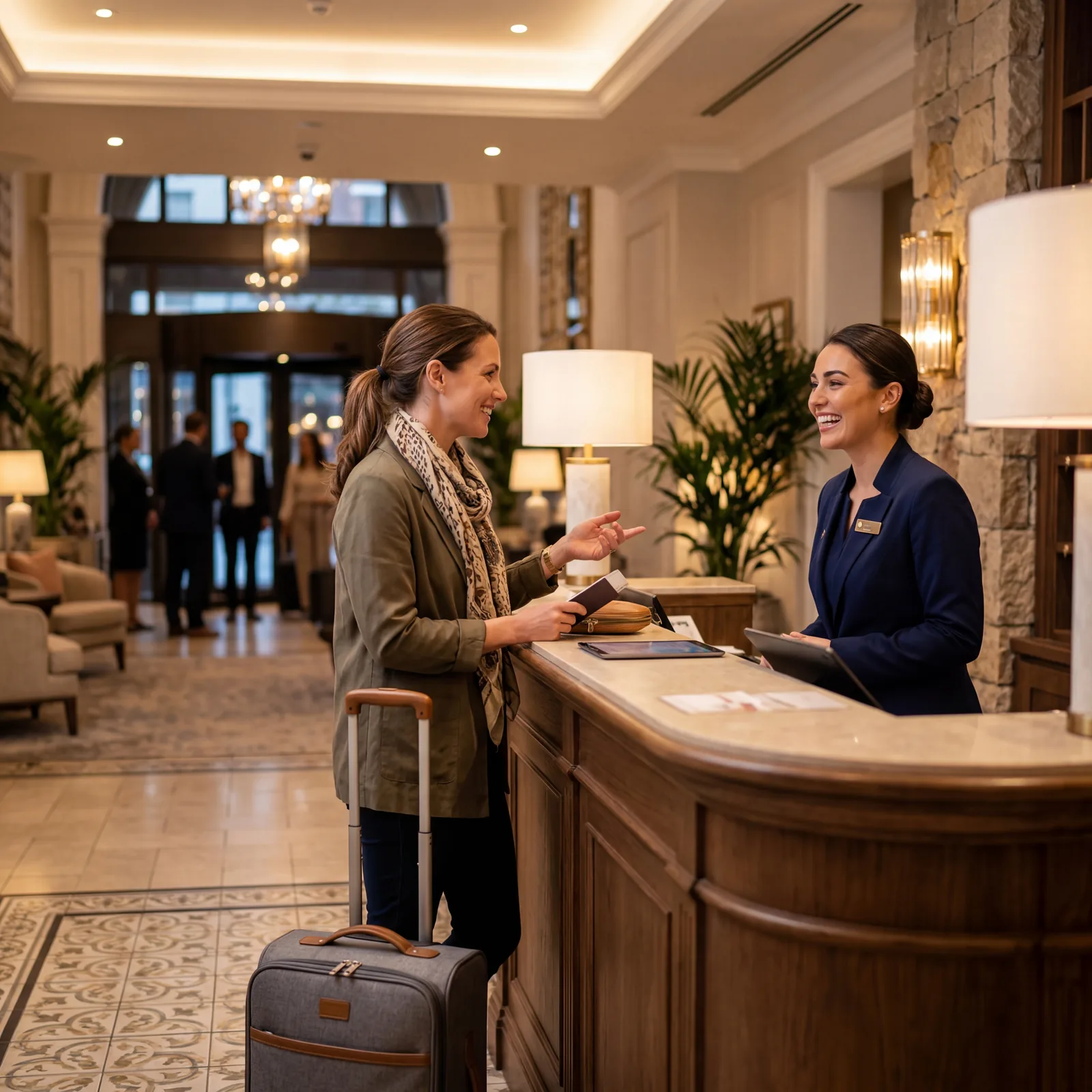
She heard you before she saw your face.
Your tone in the first sentence tells her more than anything else. Rushed and clipped means a transactional check-in. Warm and unhurried means she’ll take more time with you.
19. Whether You Have Your Confirmation Number Ready
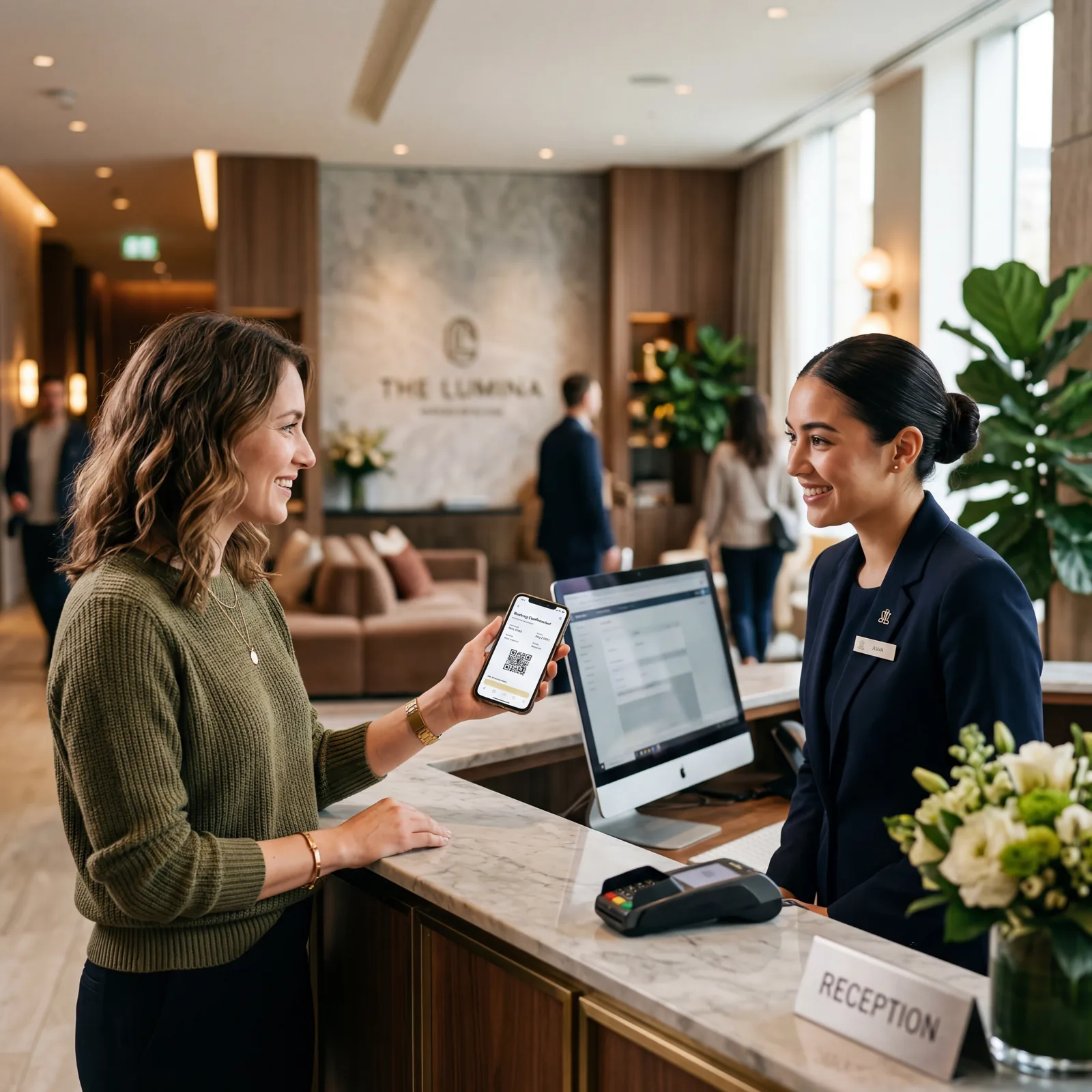
He asked for your reservation details.
You patted your pockets, opened three apps, and apologized twice. He smiled. He’s done this ten thousand times.
But guests who have their confirmation number and ID ready are processed faster — and that efficiency ripples forward. The staff member who just saved three minutes on your check-in has three minutes to find you a better room.
18. How You Carry Yourself When You Think Nobody’s Watching
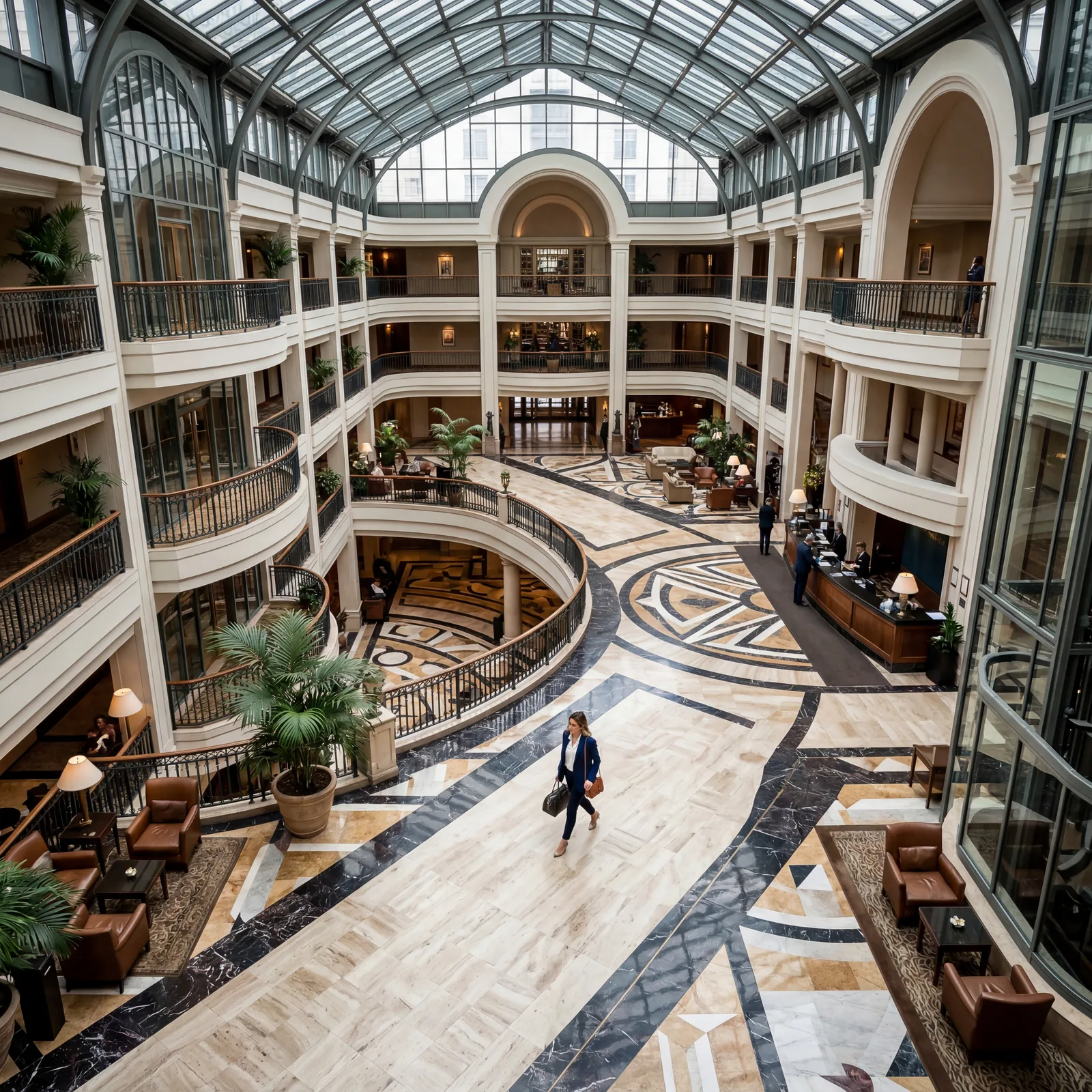
The lobby has eyes you don’t see. Cameras. Staff at the concierge desk. The bellman folding a luggage cart near the elevator.
The guest who walks through a public space the same way they’d walk through a private one is the guest who reads as trustworthy. Confidence without performance is surprisingly rare. Staff notice it immediately.
17. Your Reaction to the Room Rate at Check-In
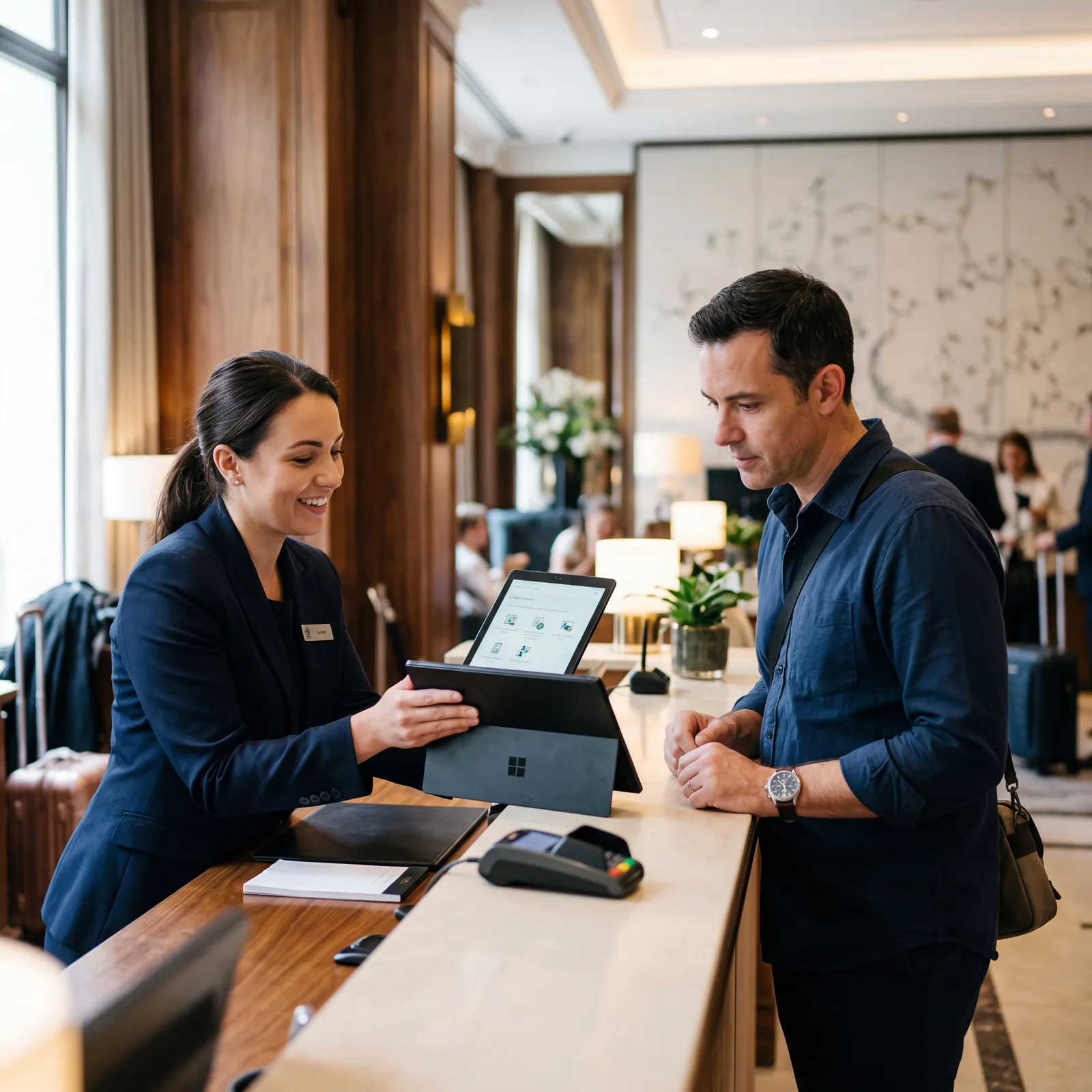
She confirmed your rate out loud. It’s policy.
The way you react to hearing the number tells her immediately whether you booked through a third-party site and are now surprised, or whether you booked direct and know exactly what you agreed to.
Guests who booked direct and know their rate are flagged mentally as direct-channel guests — and that matters when upgrade inventory opens up.
16. Whether You Complain Before You’ve Even Checked In
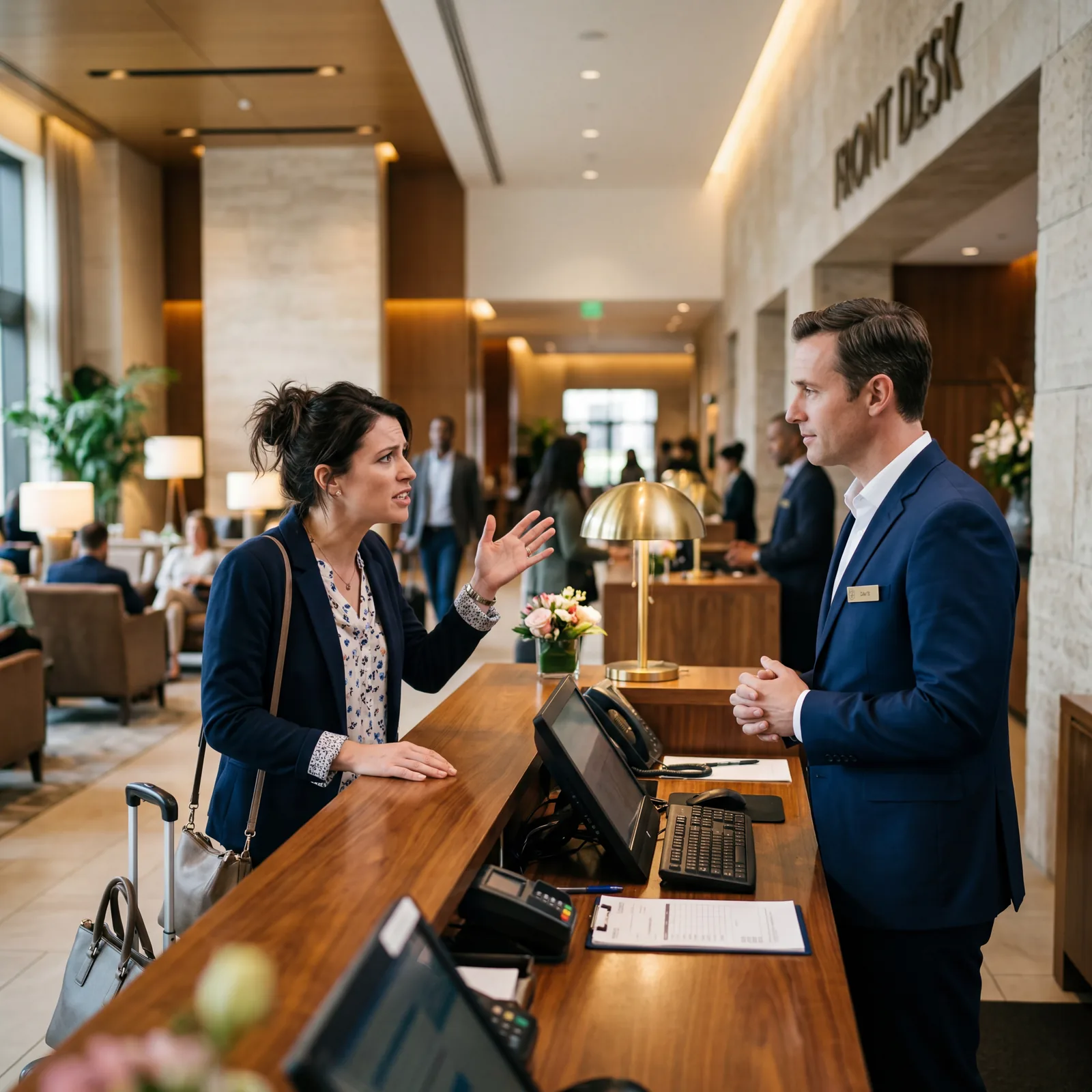
You mentioned the parking before she’d pulled up your reservation.
That was a choice. She noted it, not on paper, but somewhere quieter.
Guests who lead with complaints before they’ve seen their room are placed in a category that’s hard to escape. It’s not that your complaint was invalid. It’s that you led with it.
15. Your Payment Method
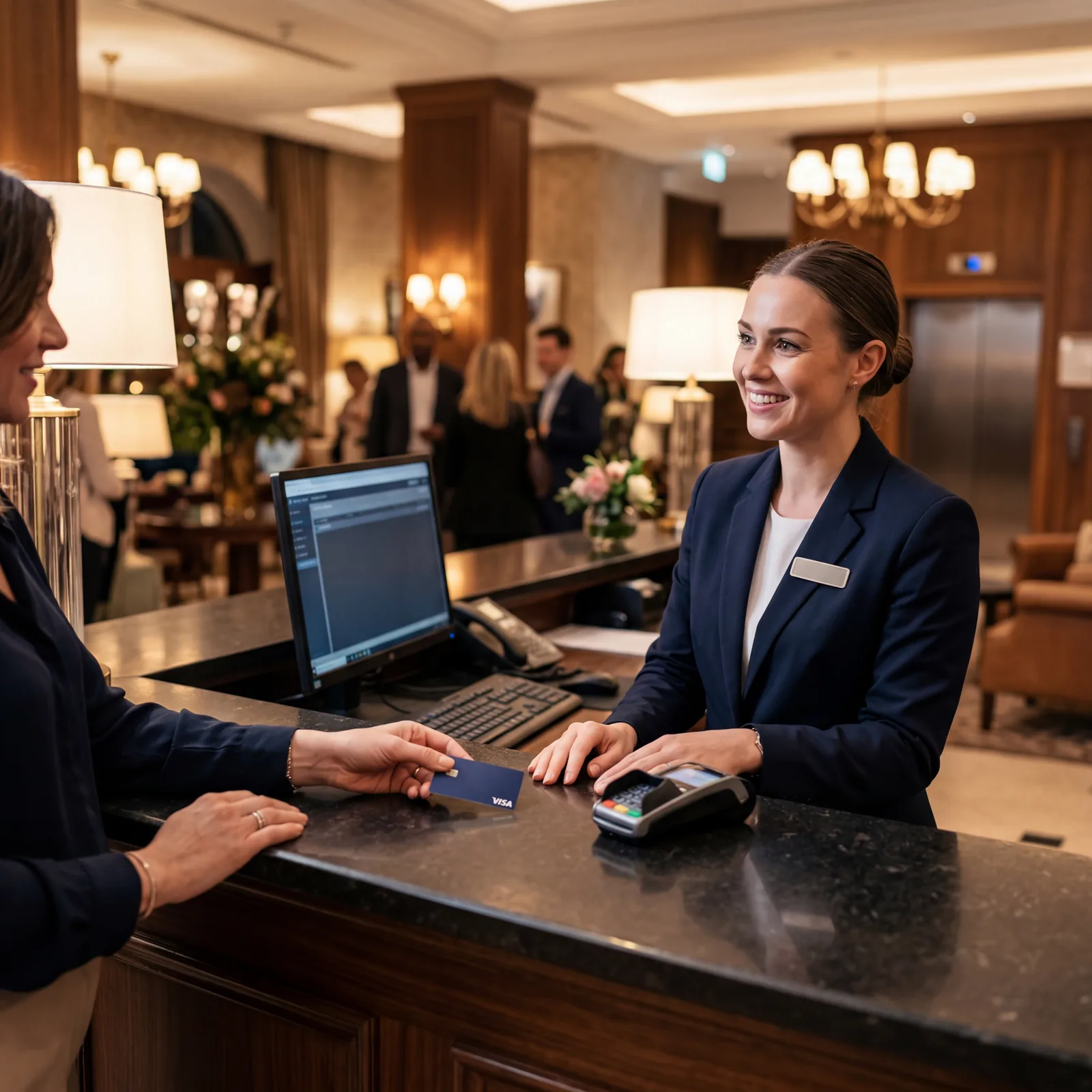
She took your card and ran the pre-authorization.
Credit card versus debit card is more significant than most guests realize. Hotels can place a hold of $100 to $500 per night on a debit card — and that money is unavailable in your account immediately. Credit cards process differently.
Read More: 19 Hotel Mistakes American Tourists Keep Making Abroad
Front desk staff know this. Guests who pay with credit cards draw a different set of assumptions about flexibility and financial comfort. That affects how discretionary decisions get made about their stay.
14. Whether You Know the Hotel’s Name
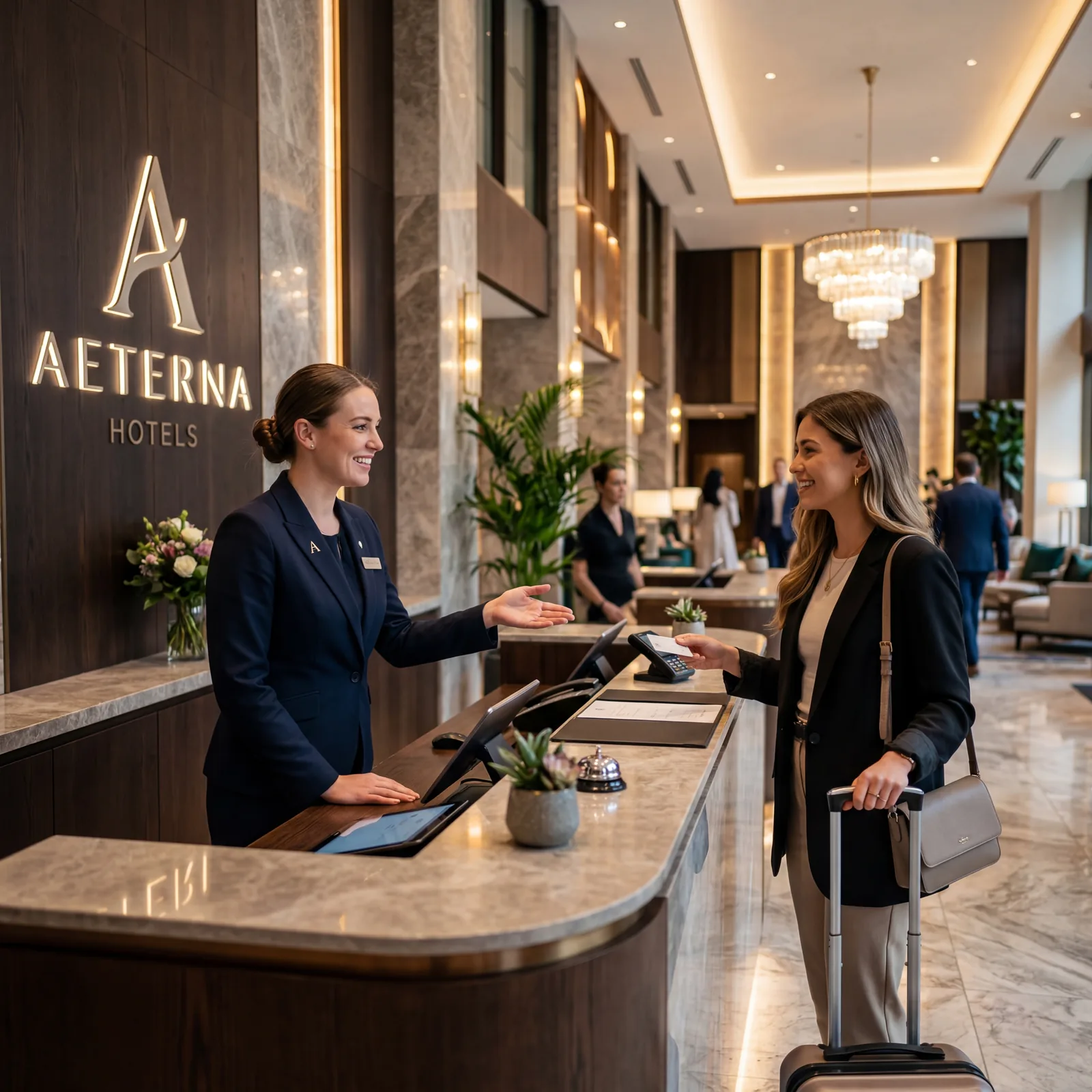
It sounds like a strange thing to notice. It isn’t.
Guests who booked a room on a deal aggregator and genuinely can’t remember which hotel they’re at — it happens more than you’d think — signal a certain kind of stay: price-driven, low-engagement, unlikely to use the spa or restaurant.
That profile affects how much effort staff invest in the welcome.
13. How You Interact with the Lobby Environment
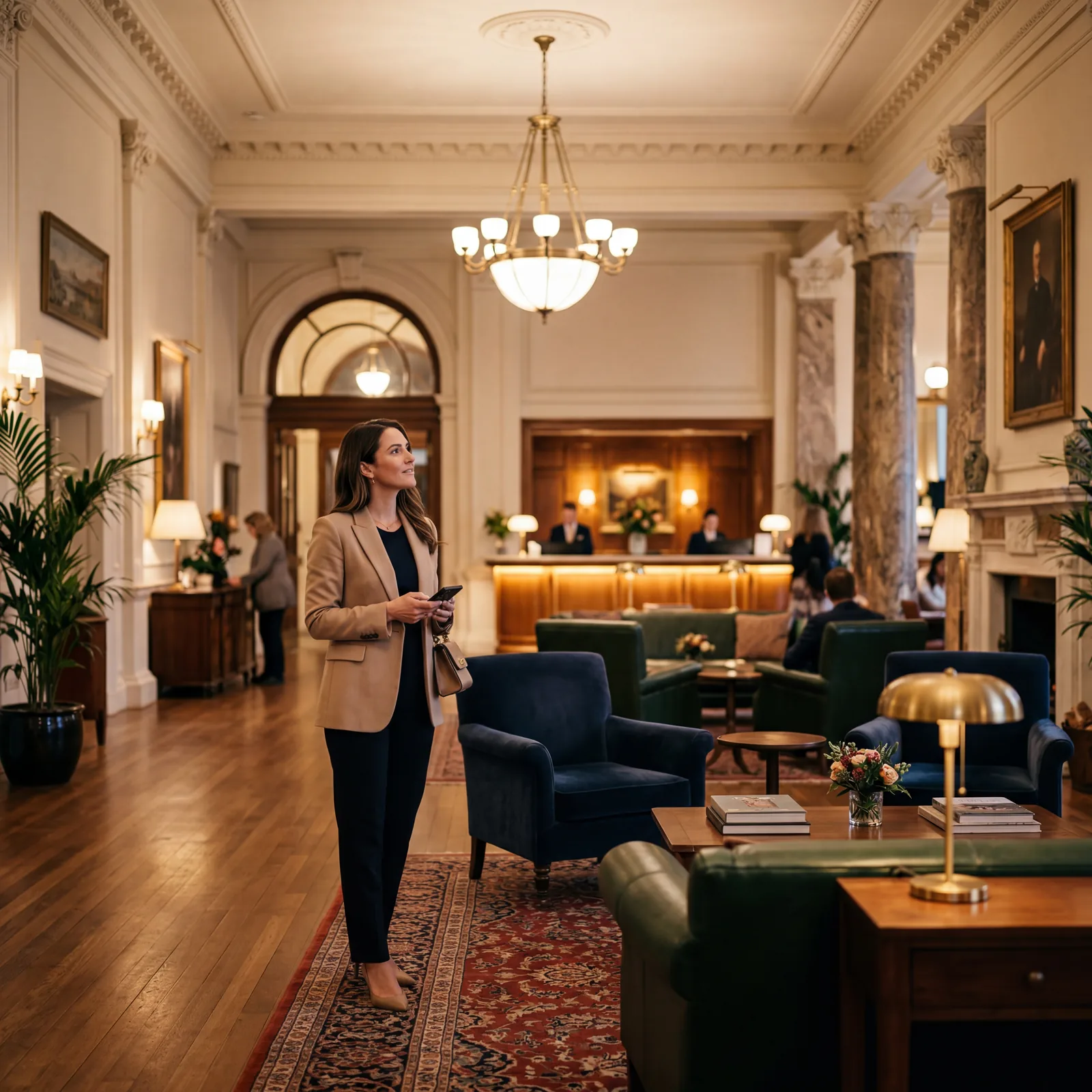
The concierge saw you pause in the lobby and look up at the ceiling.
That’s a guest who notices things. Guests who engage with the physical space — who look around, who slow down, who seem curious — are remembered differently than the ones who walk straight to the elevator staring at their phone.
They tend to leave better reviews. Staff sense this early.
12. Whether You Make Eye Contact
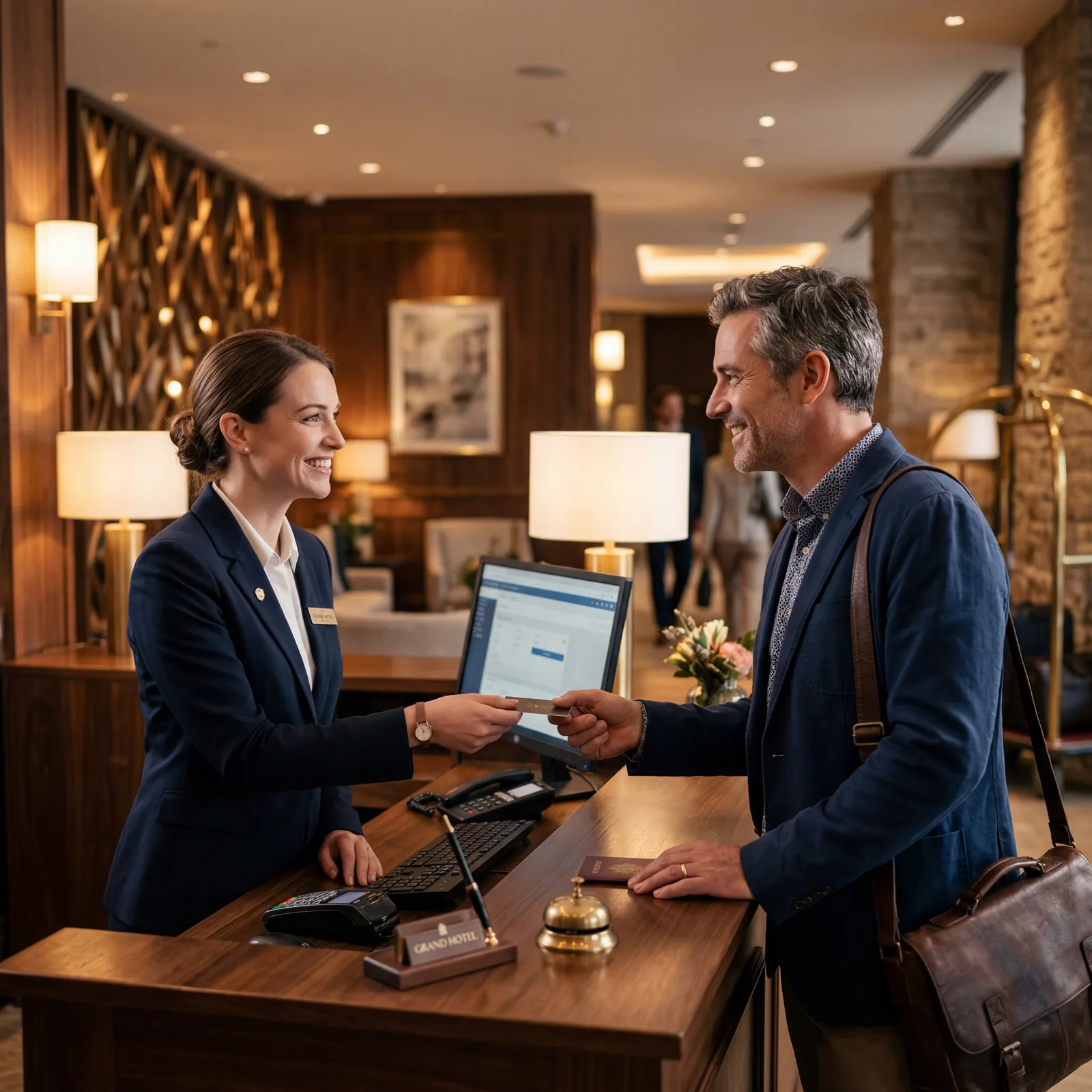
She looked up when you approached. You met her eyes.
Eye contact at check-in is rarer than you think — most guests are distracted or just uncomfortable with strangers. When it happens, it signals presence and confidence.
Staff give more latitude to guests who feel present. It’s a small thing with non-small consequences.
11. Whether You Use the Hotel’s Name in Conversation
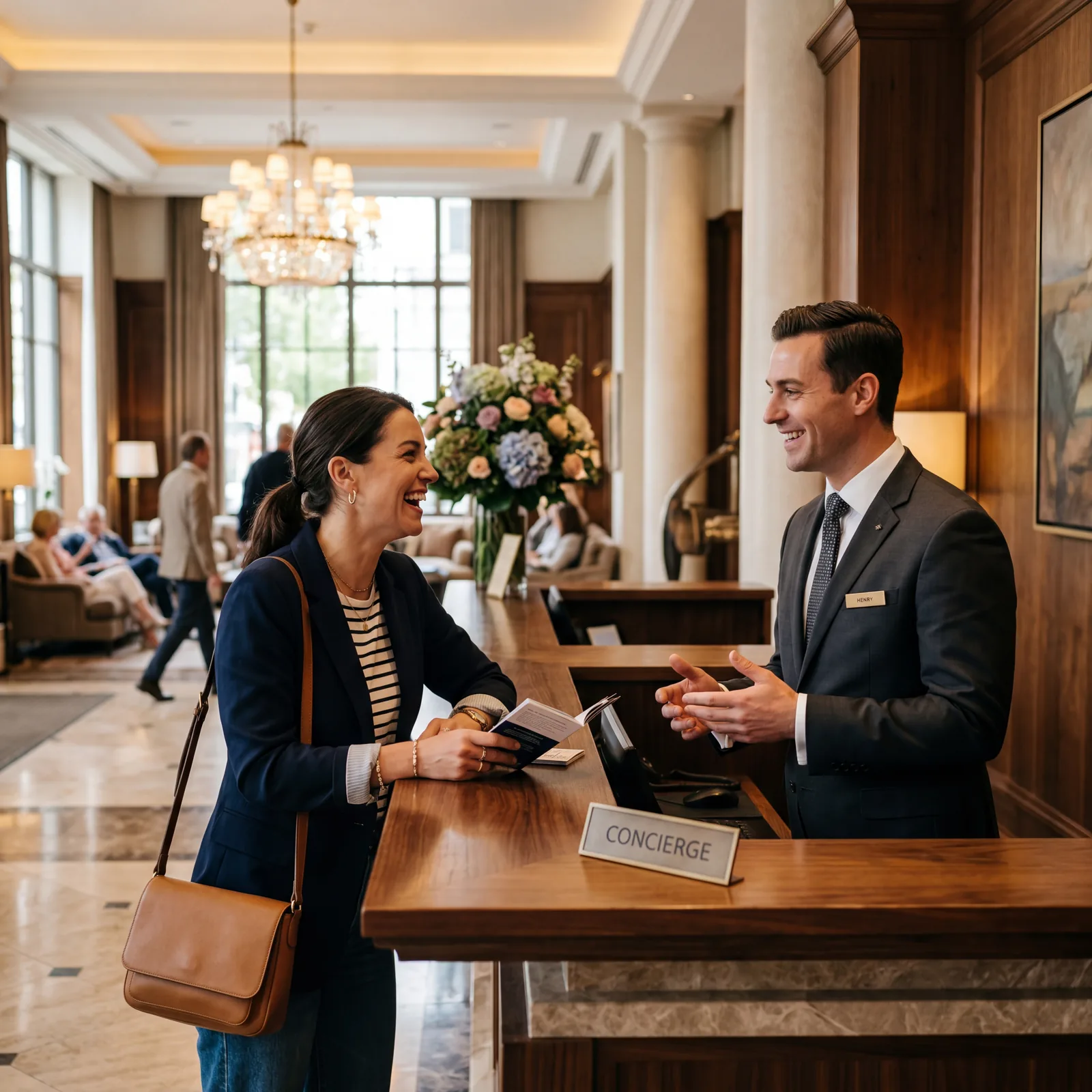
“Do you have a restaurant here at the Rosewood?” Versus “Is there food here?”
Both get the same answer. The experience that follows is not the same.
Guests who use the hotel’s name signal familiarity and intent. They’ve done their homework. They’re planning to engage with the property. Staff treat that differently, because engaged guests are the ones who create the kind of stay worth working for.
10. Your Group Dynamic
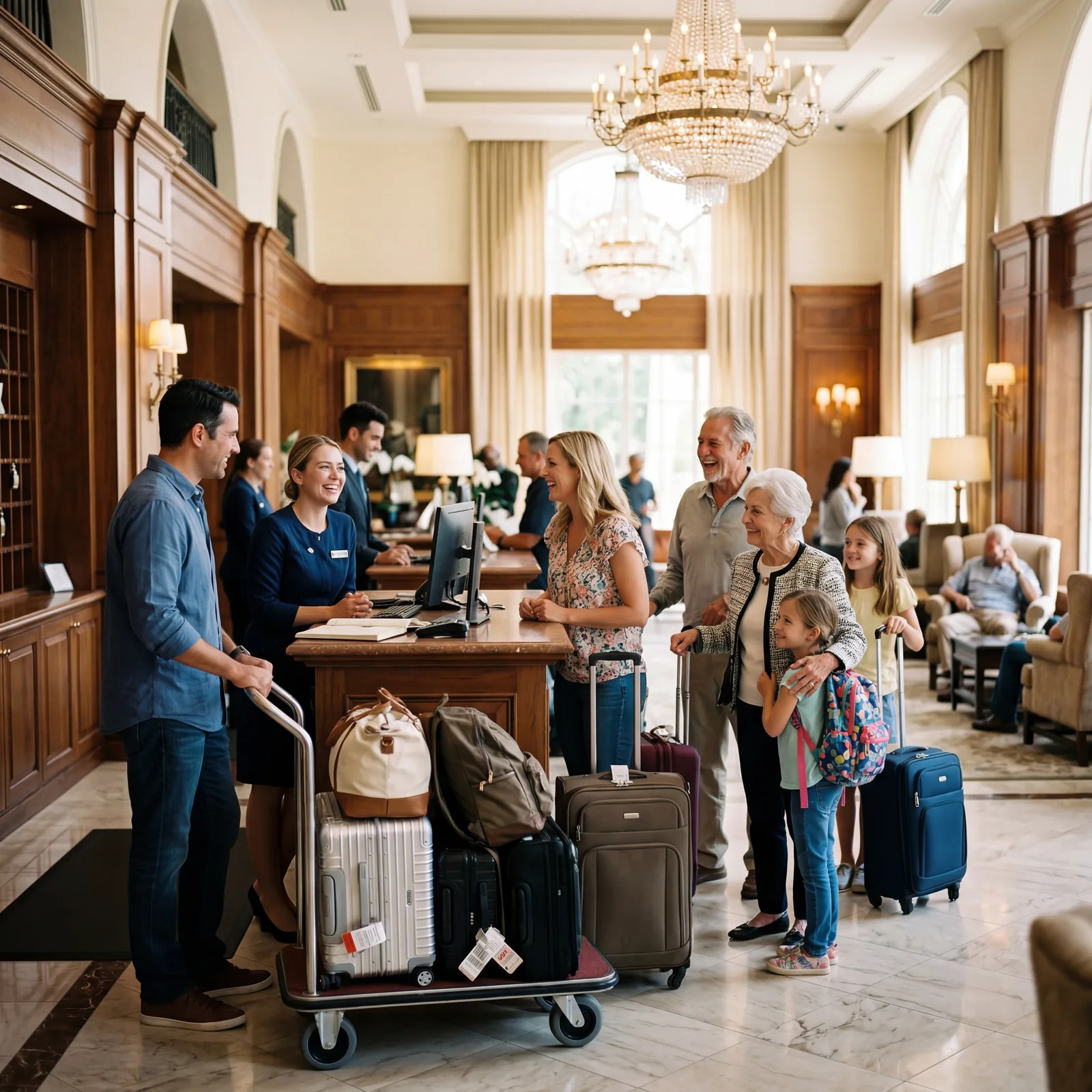
She watched your group come through the door.
Who led? Who hung back? Who was on their phone? The social dynamic of your group tells staff a great deal about what kind of guests you’ll be — how many calls they’ll get, who the decision-maker is, and whether separate rooms are going to become a coordination problem.
Read More: 27 Things Travel Agents Won’t Tell You Before You Book
The person who walks in first and heads directly to the desk is the one they’ll remember.
9. Whether You Smile First
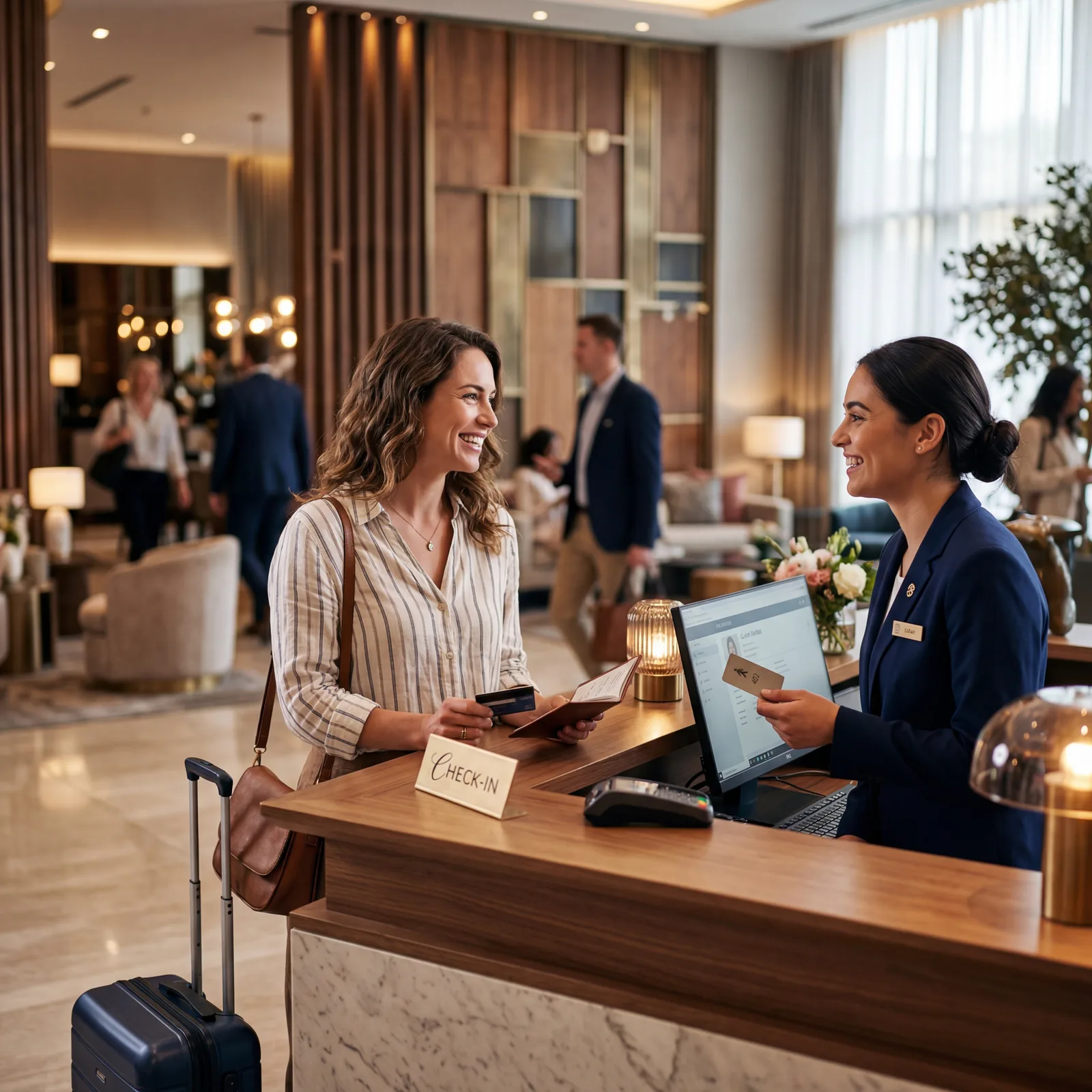
She was having a difficult shift. You didn’t know that.
You smiled when you approached. She smiled back, and for a moment the shift was easier.
The guest who smiles first — not a performance, just a human acknowledgment — is the guest she’ll think of when upgrade availability opens up later that evening. She won’t tell you that’s why. But it’s why.
8. Whether You’ve Stayed Before
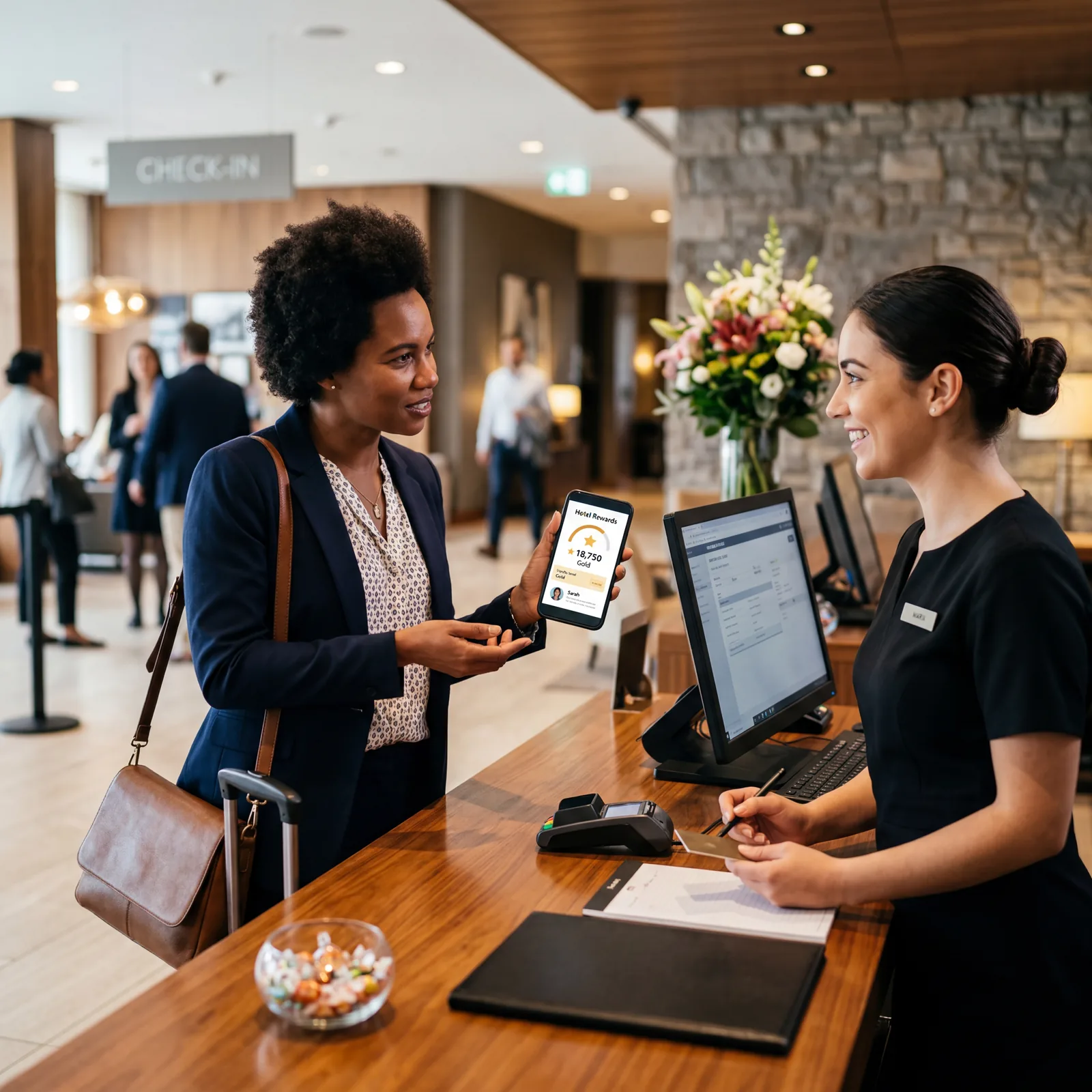
Your loyalty number was already in the system when she pulled up your profile.
It showed your last four stays. The note from a previous visit. Returning guests are treated categorically differently from first-timers — not always visibly, but in the margins where the good decisions get made.
A return guest is proof that the hotel did something right. Staff take that personally, in the best way.
7. Your Loyalty Status Display
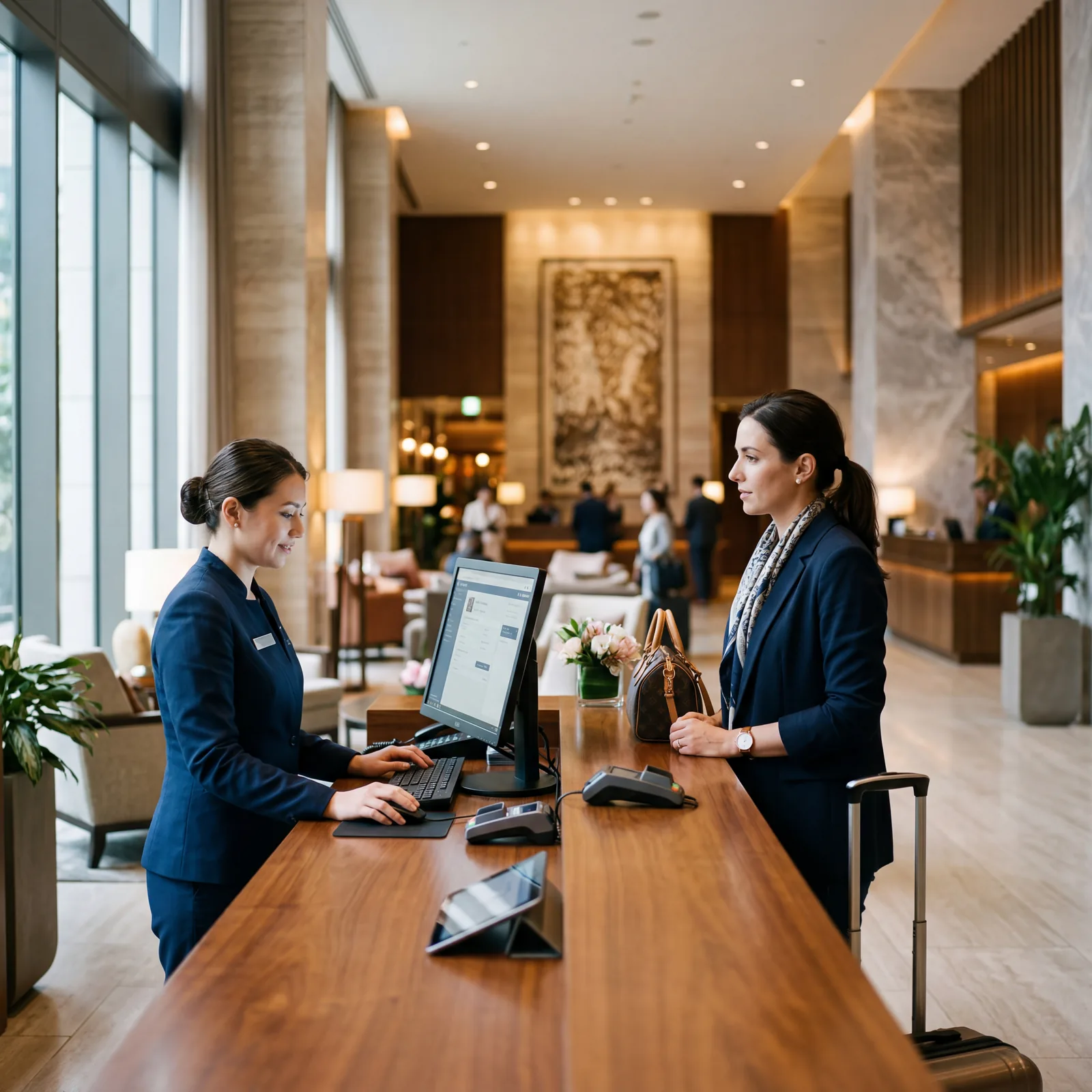
Gold. Platinum. Diamond. It’s all visible the moment she pulls up your profile.
Loyalty tier affects room assignment before you’ve asked a single question. The system flags high-status guests, and the best available room in their booked category is typically held for them as a baseline.
But here’s what most guests miss: status without warmth gets you the room. Status with warmth gets you the room and the upgrade. The staff member still has discretion. How you treat her determines how she uses it.
6. How You Handle Unexpected News
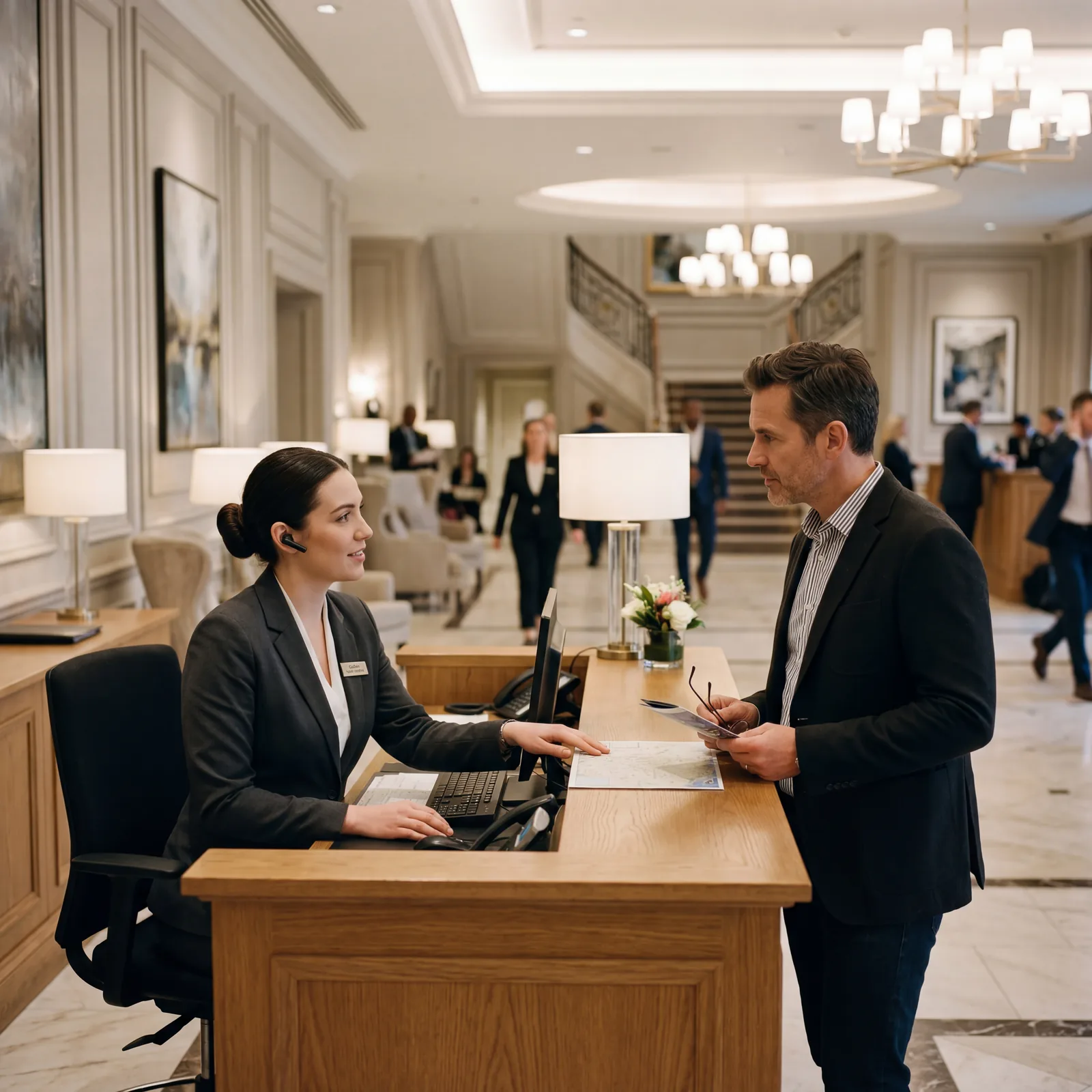
Your room wasn’t ready yet. She told you.
The way a guest receives unexpected news is one of the clearest signals of what kind of stay this will be. Some guests shrug and ask for the bar. Some guests escalate immediately.
The ones who take it calmly, who give her space to solve the problem — they get the better solution. That’s not a reward. It’s just how problem-solving works when someone’s trying to help you.
5. Your First Question After Check-In
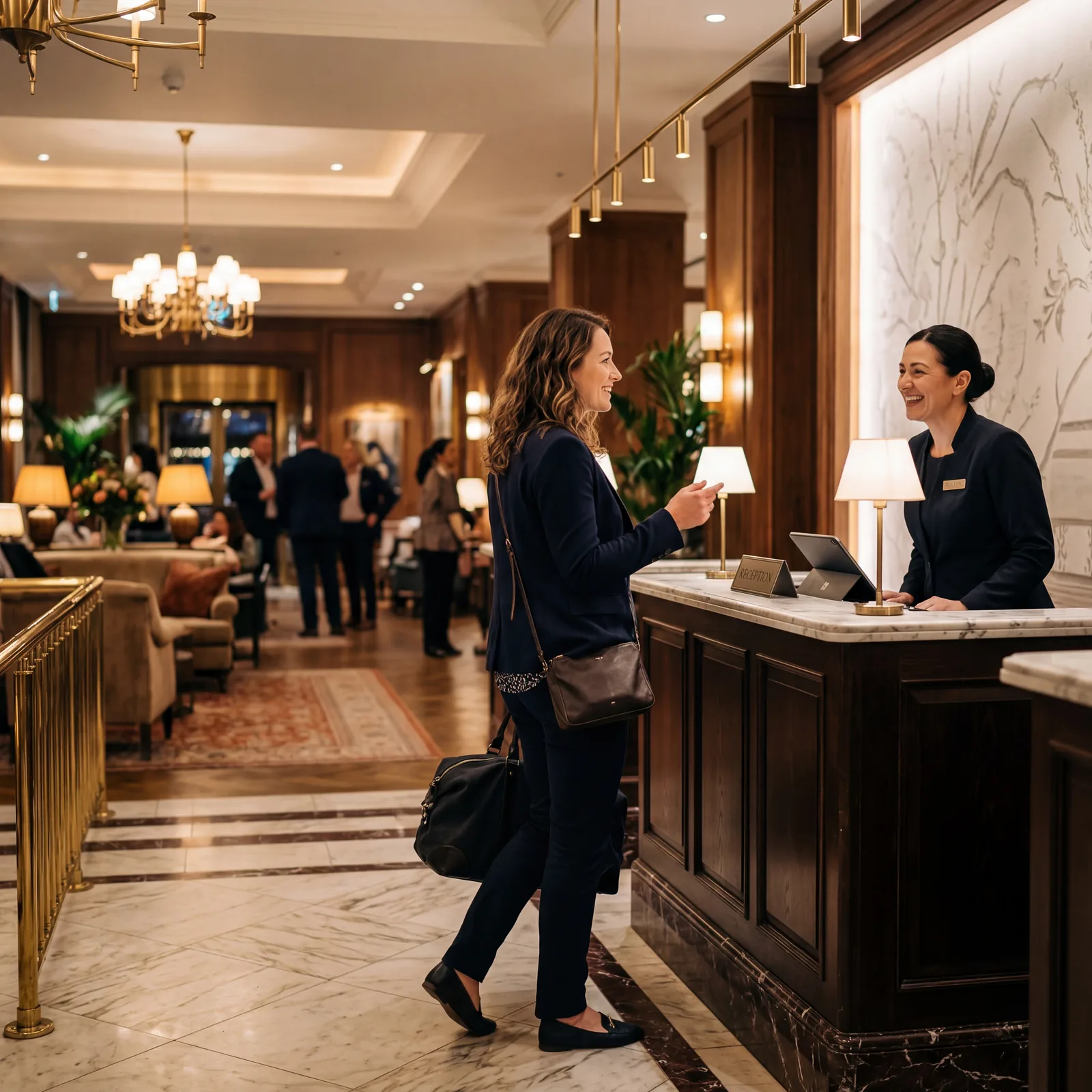
She handed you your key card. You asked one more thing before you walked away.
If you asked about check-out time, she noted: transactional guest, staying short, already thinking about leaving.
If you asked about the best table at the restaurant or where locals eat nearby, she noted something different entirely. You’re a guest who wants an experience, not just a bed.
Those two types of guests do not receive the same quality of local knowledge. She’ll tell both of you something. But only one of you will get the real answer.
4. Whether You Greet Staff in the Corridor
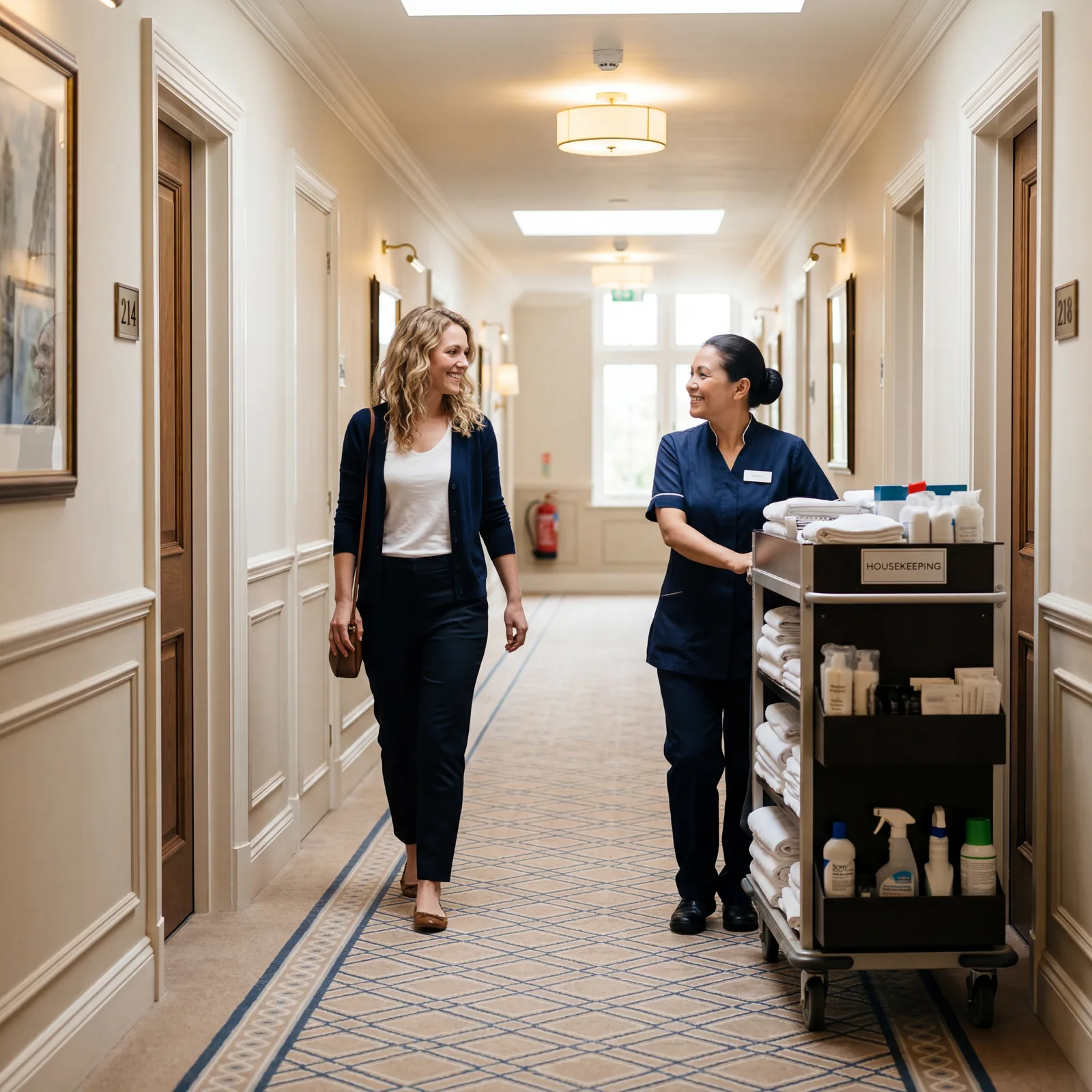
You passed three housekeeping staff in the hallway before you reached your room.
Whether you acknowledged them — a nod, a quick smile, a “good morning” — is information that circulates. Housekeeping has enormous influence over your stay: room priority, turndown timing, extra amenities, how quickly a maintenance issue gets resolved.
The guests who greet the housekeepers by the end of day one often find small unexpected touches in their rooms. It’s not magic. It’s cause and effect.
3. Whether Your Arrival Energy Matches the Hotel’s Vibe
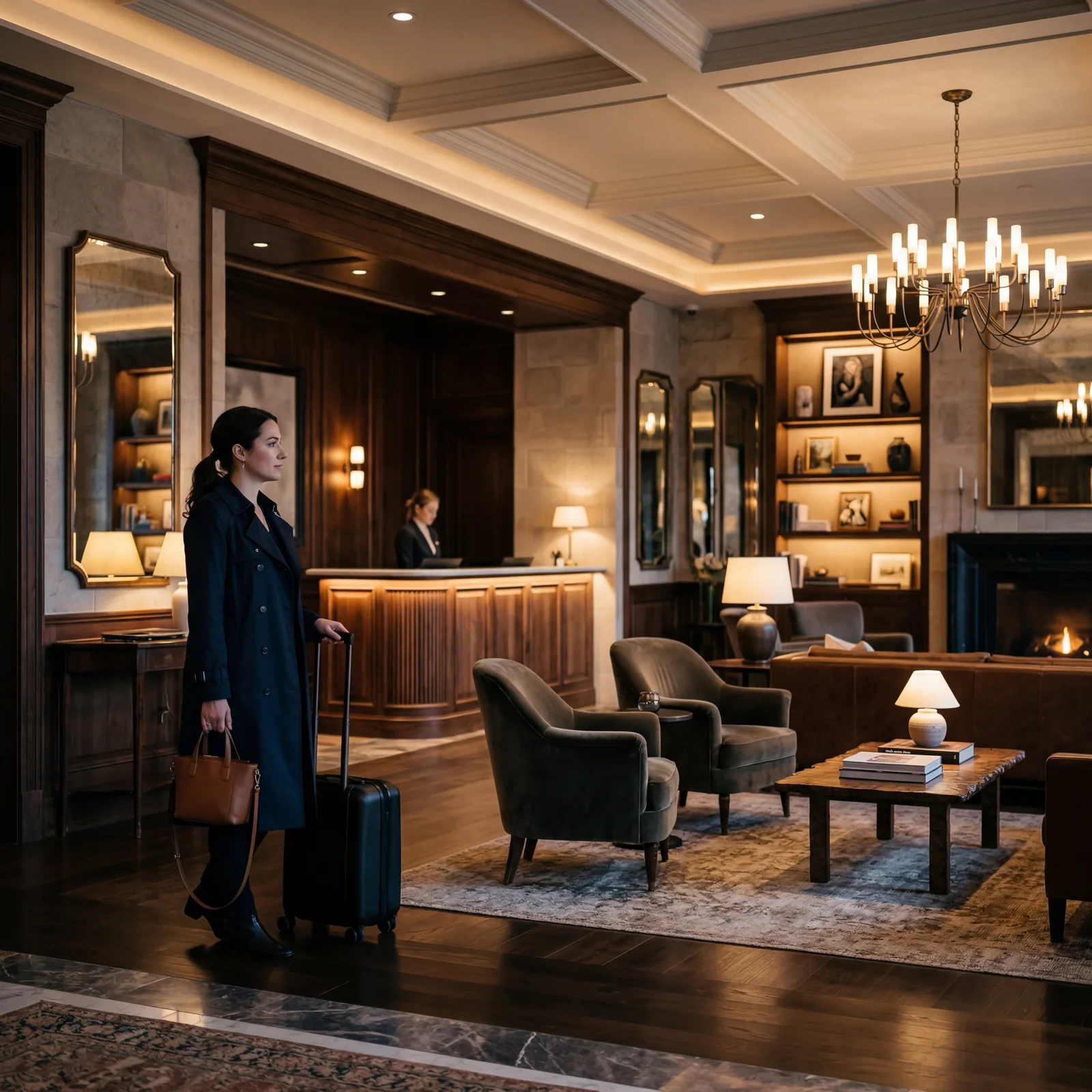
Every hotel has an energy. A boutique property in a quiet neighborhood has a different pulse than a city-center business hotel.
Guests who arrive and immediately match that energy — who slow down in a slow hotel, who stay efficient in a fast one — are the ones staff find easiest to work with. It’s a form of social intelligence, and it reads immediately.
A retired teacher from Georgia told me she always pauses for five seconds inside the lobby before she does anything else. “I just get a feel for the place,” she said. “Then I go to the desk.” She’s never waited longer than two minutes to check in and has been upgraded six times in four years.
Whether that’s luck or strategy, she doesn’t seem too worried about finding out.
2. What You Say to the Front Desk Staff, and How
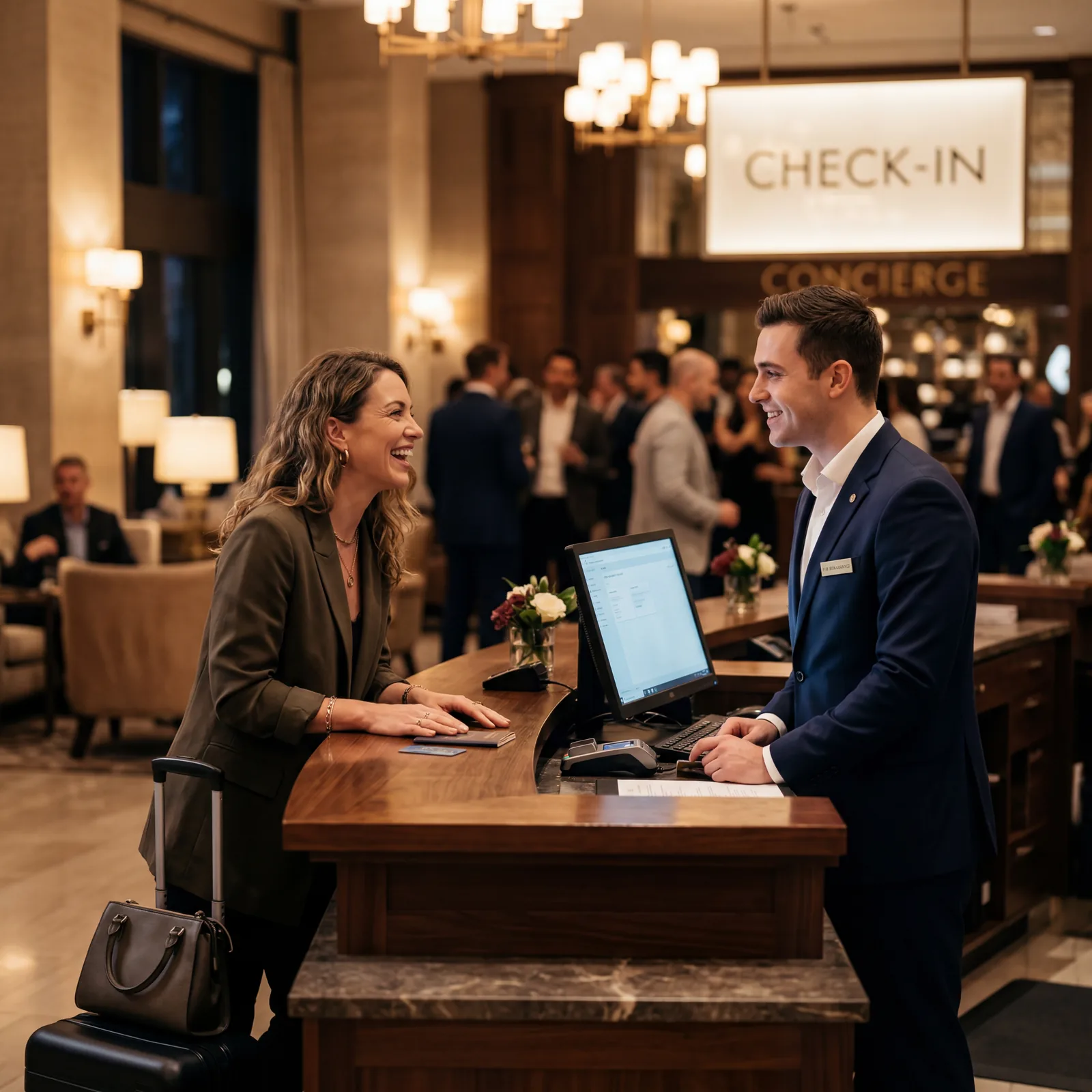
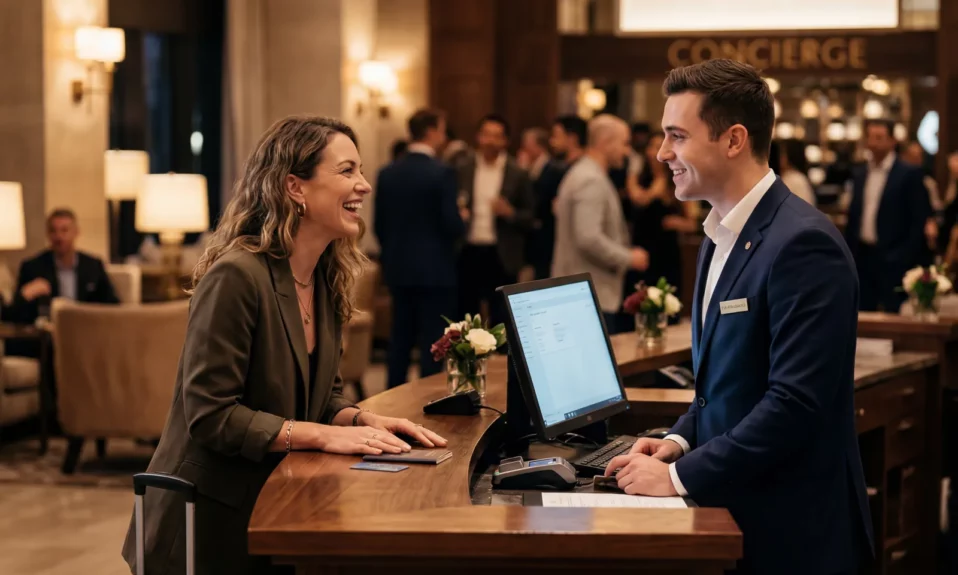
She hears hundreds of check-ins a week. Most of them blur together.
Yours doesn’t have to.
The guests who are remembered are the ones who ask one genuine question — not about the hotel, but about her. “Is it always this busy in April?” “How long have you worked here?” It takes four seconds and it changes the entire dynamic of the interaction.
She’s not looking to be your friend. But she is a person, and people remember people who notice them.
The room she has discretion over — the quieter floor, the better view, the corner suite that hasn’t been assigned yet — goes to the guest she remembers. That guest is almost never the one who treated her like a check-in machine.
It’s bad. But nothing compared to what’s waiting at #1.
1. How You Tip, When, and Whether You Do It at All
The Single Most Noticed Thing in the Building
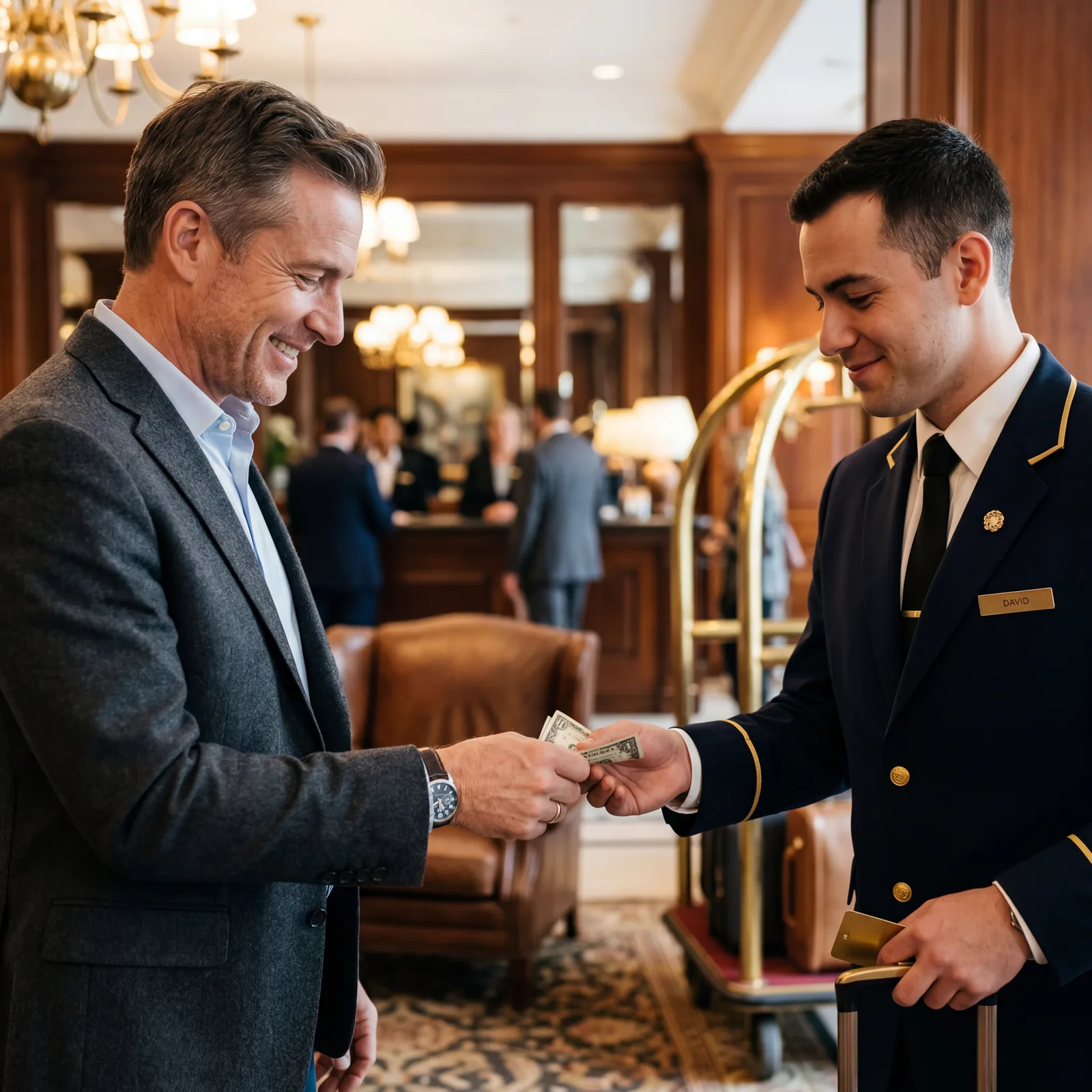
The bellman carried your bags to the room. He set them down carefully, pointed out the view, explained the safe, and told you about the rooftop before you asked.
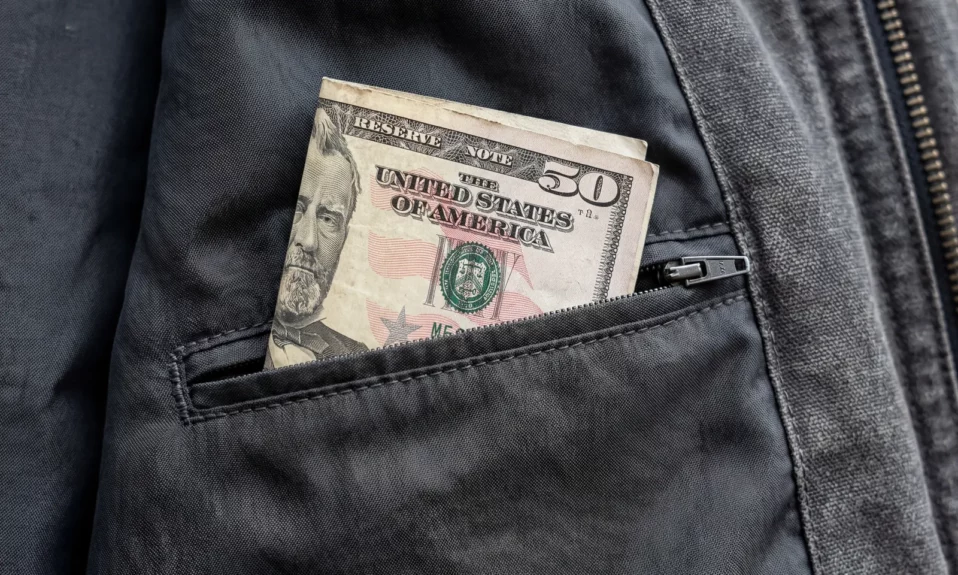
You handed him something as he left. Or you didn’t.
That information — who tips and who doesn’t — circulates through every department of a hotel faster than any other piece of guest data. It’s not discussed loudly. But housekeeping knows. The concierge knows. The front desk knows.
A tipped guest gets a different quality of service — not better in obvious ways, but better in the margins where it matters: faster room attention, warmer recommendations, a quiet word from the concierge about a table that just opened up.
A bartender at a mid-range hotel in Miami told me once: “We all talk. We always know within an hour.” He wasn’t being cynical. He was just explaining how hotels actually work.
The guests who get the best stays aren’t always the wealthiest. They’re not always the highest status. They’re the ones who understand that every person in the building has a role in how your stay goes — and they treat each one accordingly.
Tip early. Tip the bellman on the way in, not the way out. That sets the tone for everything that follows.
Now you know why we saved this one for last.
What the Best Hotel Guests Know That You Don’t
Most of what determines the quality of your stay happens in the first ten minutes. It’s not your room category or your loyalty tier.
It’s how you walk in, how you treat the people around you, and whether you understand that every interaction is a signal. Forward this to anyone you know who’s checking into a hotel soon — especially if they’ve ever wondered why some people always seem to get the better room.