Hotel staff make assessments in seconds. Not because they’re judging you, but because their job depends on reading guests fast. Whether you realize it or not, the moment you step through those lobby doors, a quiet scan has already begun.
The thing at #1 on this list surprises nearly every guest who hears it. Some people have changed the way they travel entirely after learning it.
Here are 25 things hotel staff notice about you before a single word is exchanged.
25. Whether You Hold the Door for the Person Behind You
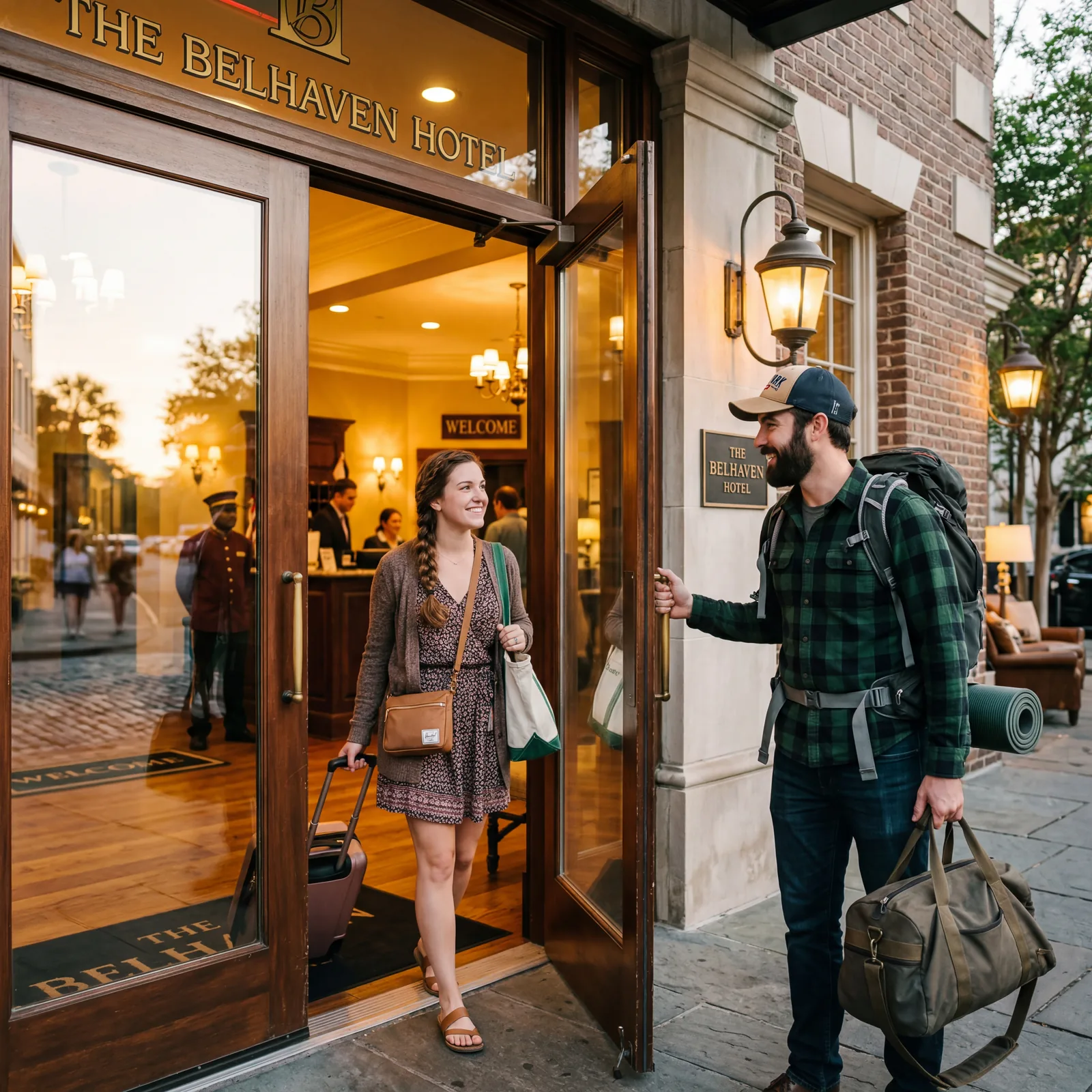
It sounds minor. It isn’t. Front desk staff often have a sightline to the entrance, and the moment you walk in, they’re already getting a read on you. Guests who hold the door are tagged as considerate almost immediately. That label follows you through check-in. It’s not a formal system. It’s human nature. The staff are people too.
24. Whether You Say Hello to the Bellhop or Walk Past Them
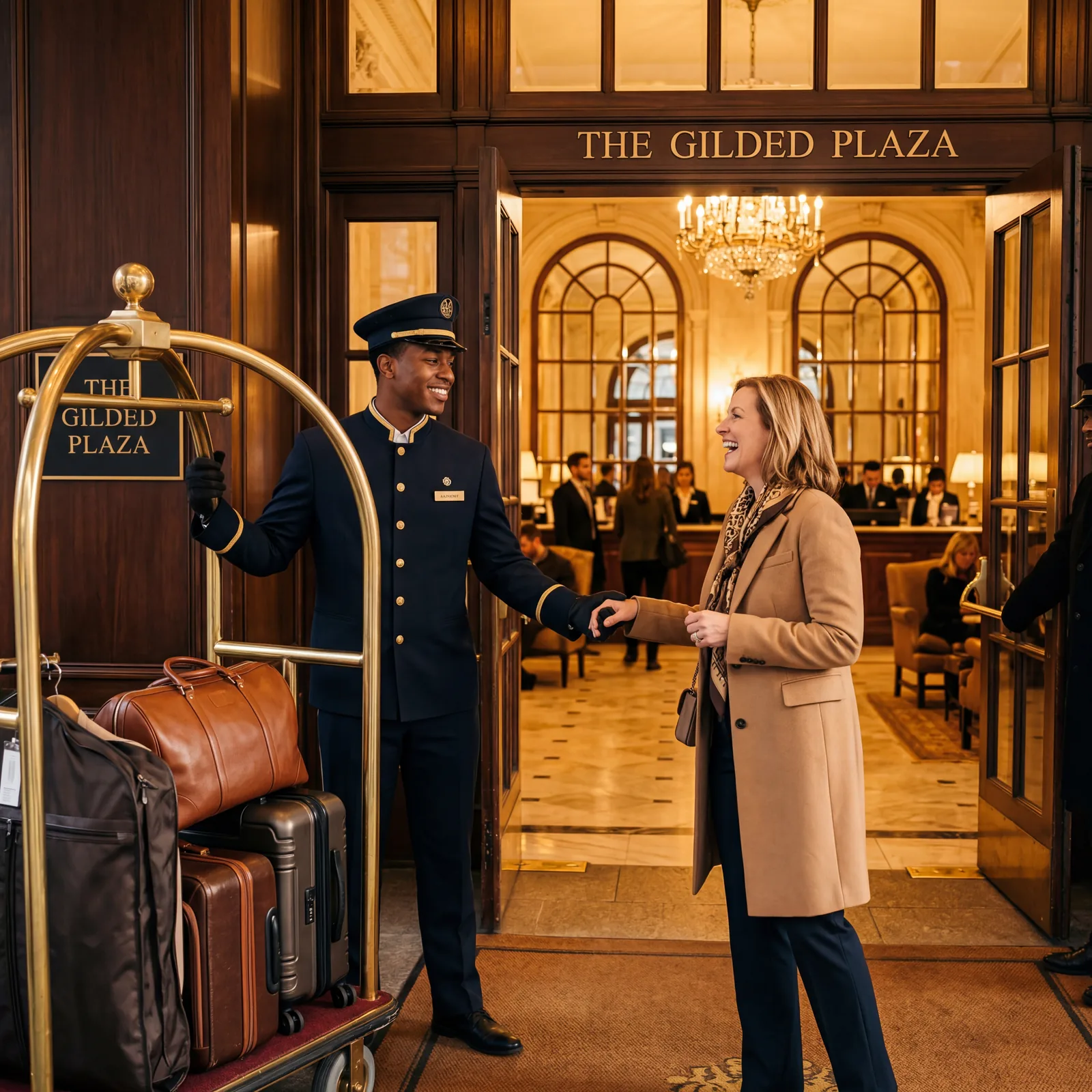
Bellhops are the first hotel employee most guests physically pass. How you treat them is noticed by everyone, including the front desk staff. A simple “hey, how’s it going” costs nothing. Guests who ignore bellhops entirely tend to receive exactly the same energy at check-in. The ones who make eye contact and nod often get the slightly better room view without asking.
23. Whether You’re on Your Phone When You Reach the Desk
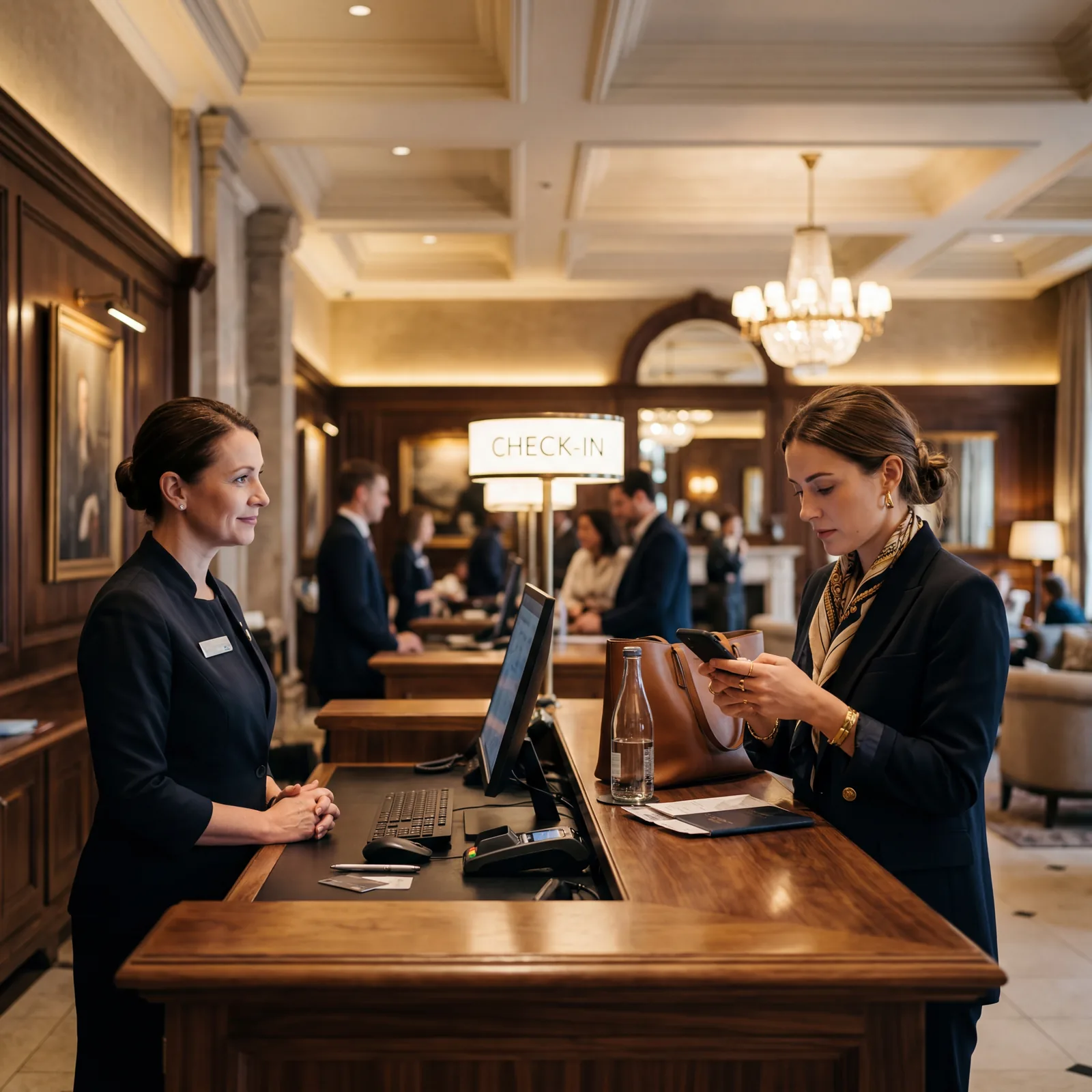
Being on your phone at the moment of check-in is the single fastest way to signal that your time matters more than theirs. It’s not just rude. It also slows everything down. Staff notice who’s present and who isn’t. Guests who put their phone away, make eye contact, and engage directly are consistently served faster and remembered more warmly.
22. How You’re Carrying Your Bags
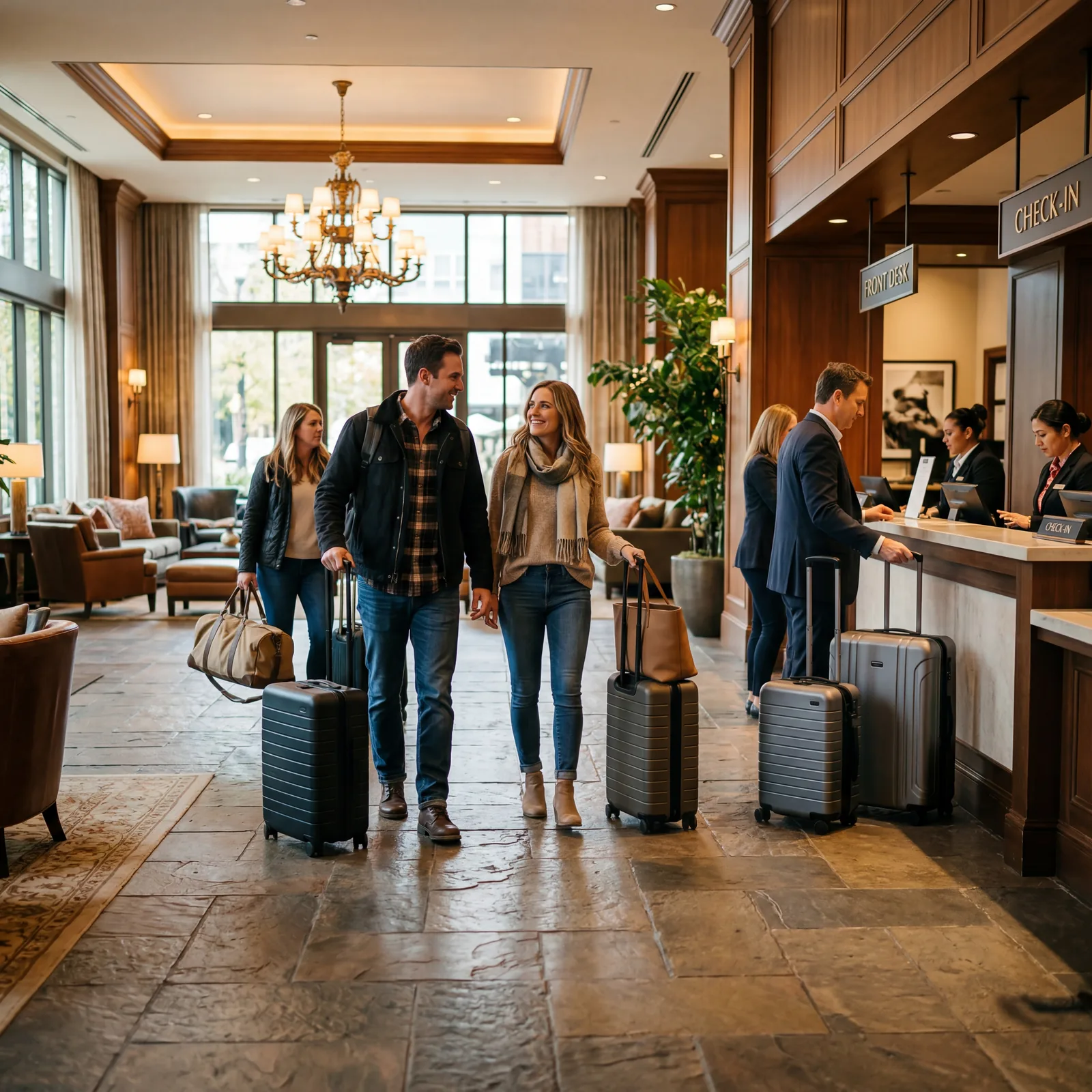
Not the brand. The manner. A guest hauling bags like they’ve been through four connecting flights reads differently than someone composed and unhurried. It tells staff whether you’re running on empty or arriving refreshed. Neither is bad, but the travel-worn guest often gets routed to a room faster and may be quietly offered an early check-in if one’s available. Staff respond to what they see.
21. The Condition of Your Luggage
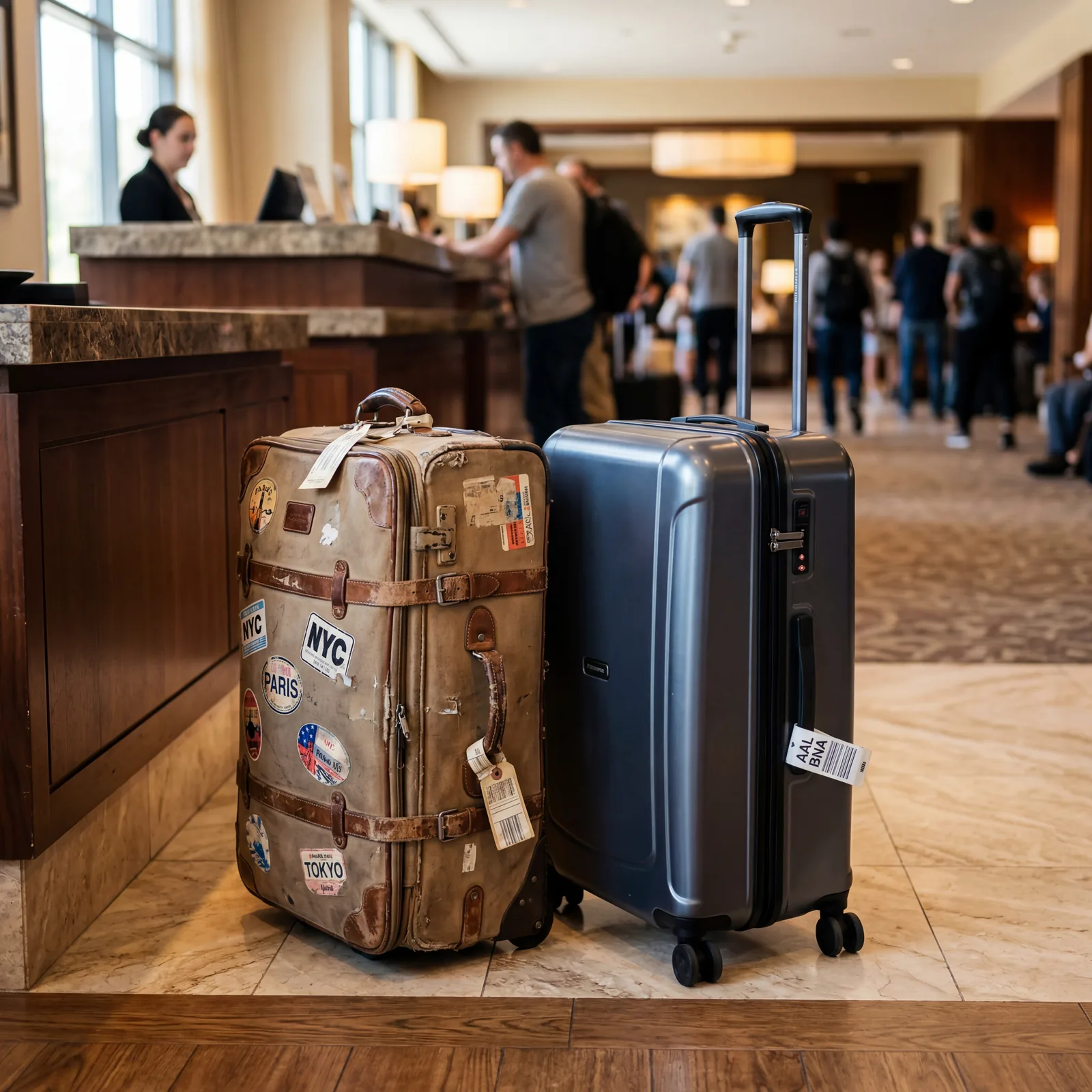
Beat-up luggage covered in airline tags signals a seasoned traveler. Brand-new gear signals a first-timer. Neither one is a problem, but staff tailor their approach accordingly. Experienced-looking travelers often skip the orientation spiel. First-timers get the full rundown. If you want to be treated like a regular even on your first stay, move like you’ve done this before.
20. Whether You Have Your Reservation Ready
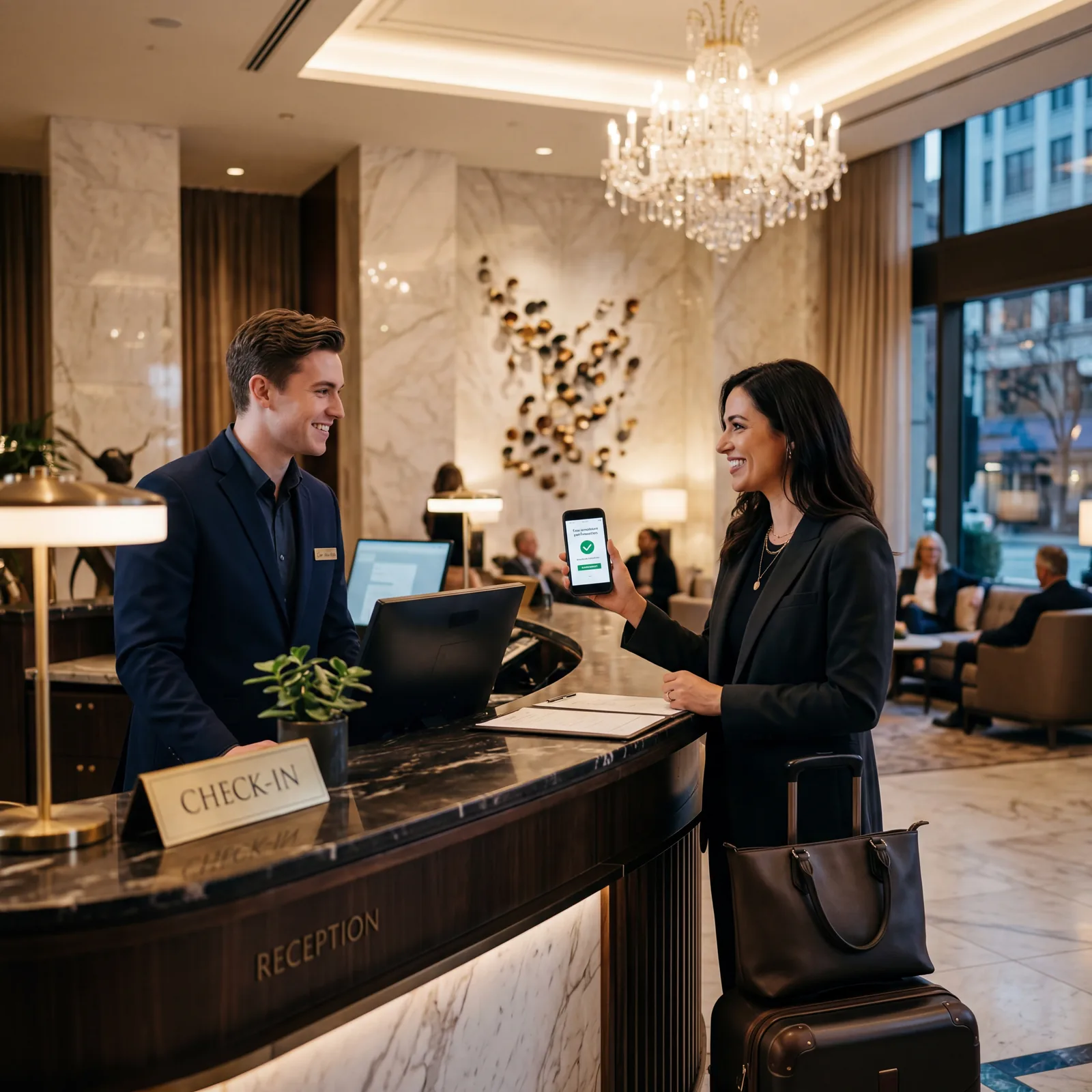
Nothing signals competence like having your confirmation number ready before being asked. Guests who fumble through their email for two minutes while the line grows behind them are noticed. Not harshly. But they’re remembered as guests who’ll need more hand-holding throughout the stay. The guest who slides the phone across with the confirmation already pulled up gets through check-in in half the time.
19. How You Greet the Front Desk Staff
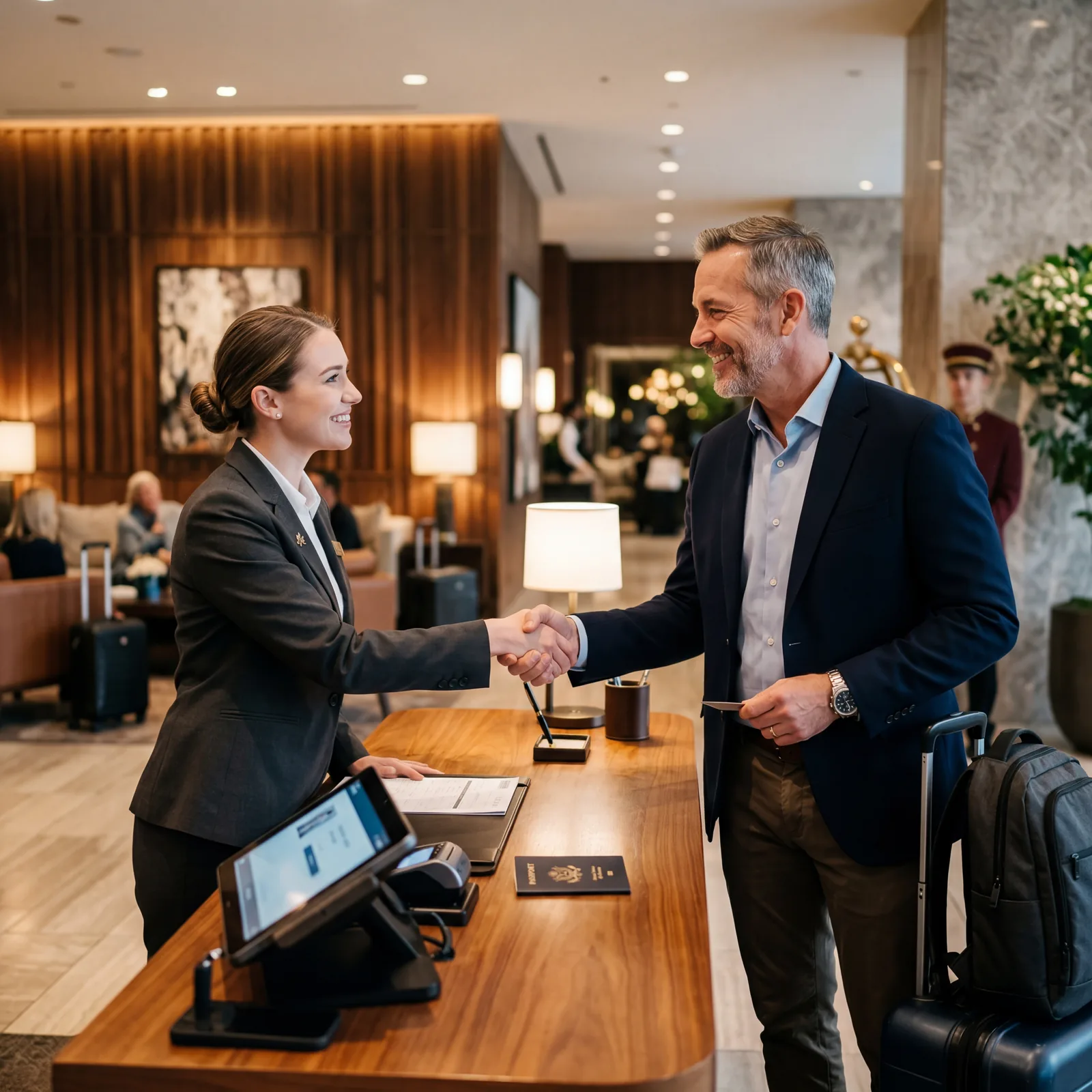
“Hi, I have a reservation” lands differently than “I need to check in.” A greeting before the transaction sets a tone. Guests who open with warmth consistently get warmer service throughout the stay. Staff spend eight to twelve hours dealing with demanding guests. The person who opens with a genuine smile is genuinely memorable. You don’t need to be best friends. You just need to be human first.
18. Whether You Know the Staff Member’s Name
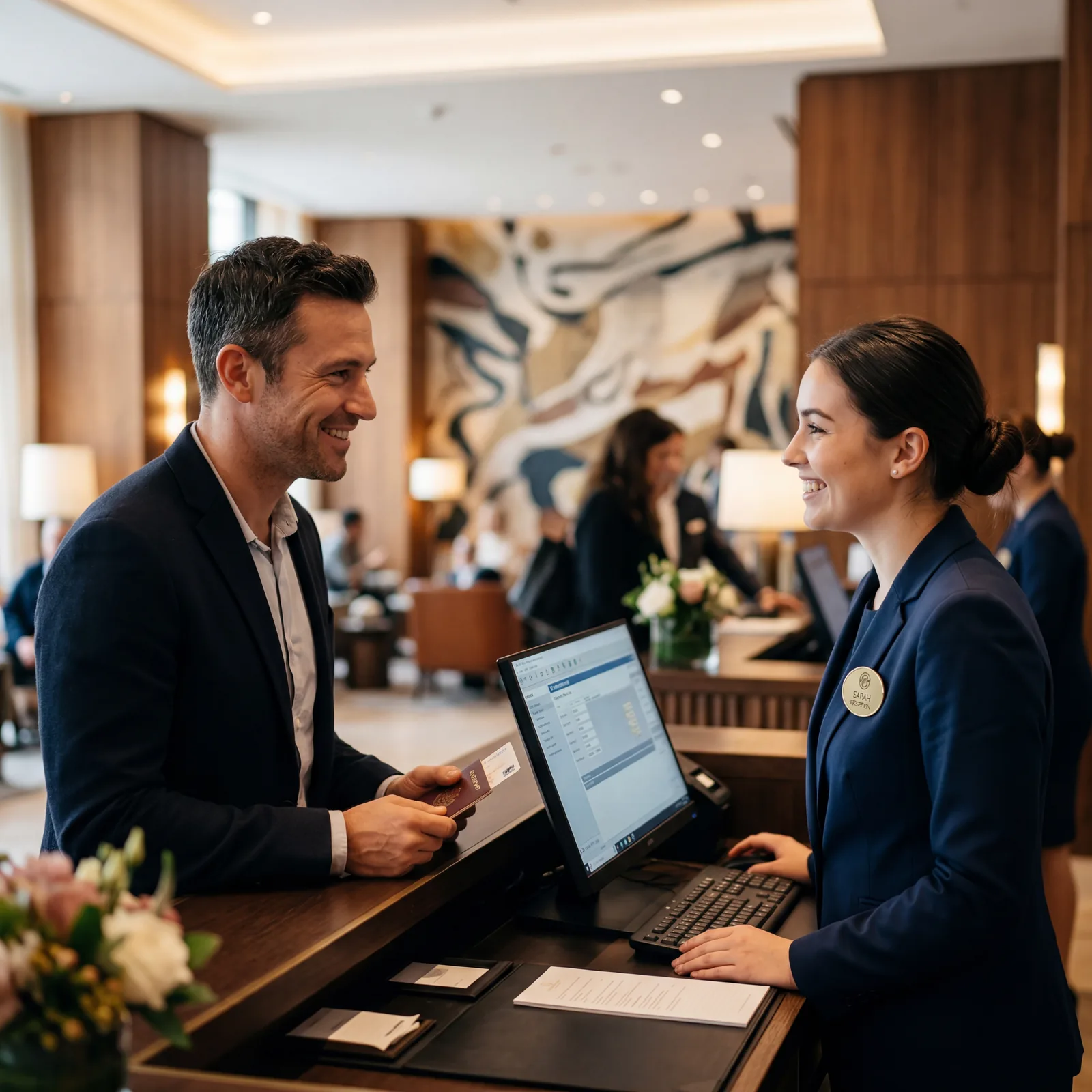
Most guests never glance at a name badge. Guests who use a staff member’s name even once during check-in receive measurably warmer service for the rest of their stay. It’s not magic. It’s basic psychology. When you treat someone like a person instead of a service function, they remember you. “Thanks, Marcus” goes further than a tip in some hotels. Try it once and see what happens.
17. Your Shoes
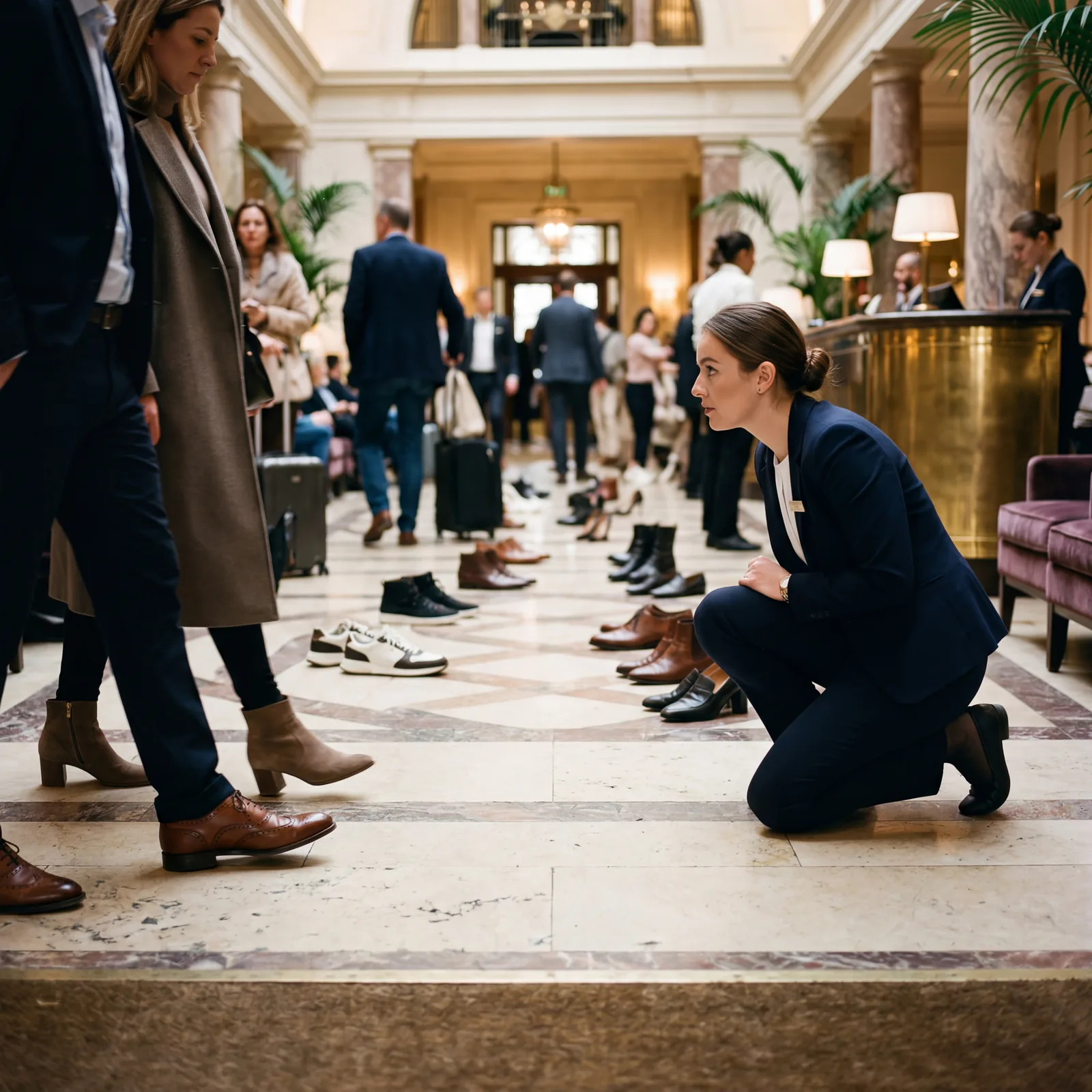
Shoes are read constantly in hospitality. Not as a class signal, but as a grooming and care signal. Well-maintained shoes, even casual ones, suggest someone who pays attention to details. Beat-up shoes tell a different story. One front desk veteran told me that shoes are one of the first things they look at when deciding whether a guest is likely to be low-maintenance or high-drama. You may not think anyone’s looking. They are.
16. Whether You’re Traveling Alone or with a Partner
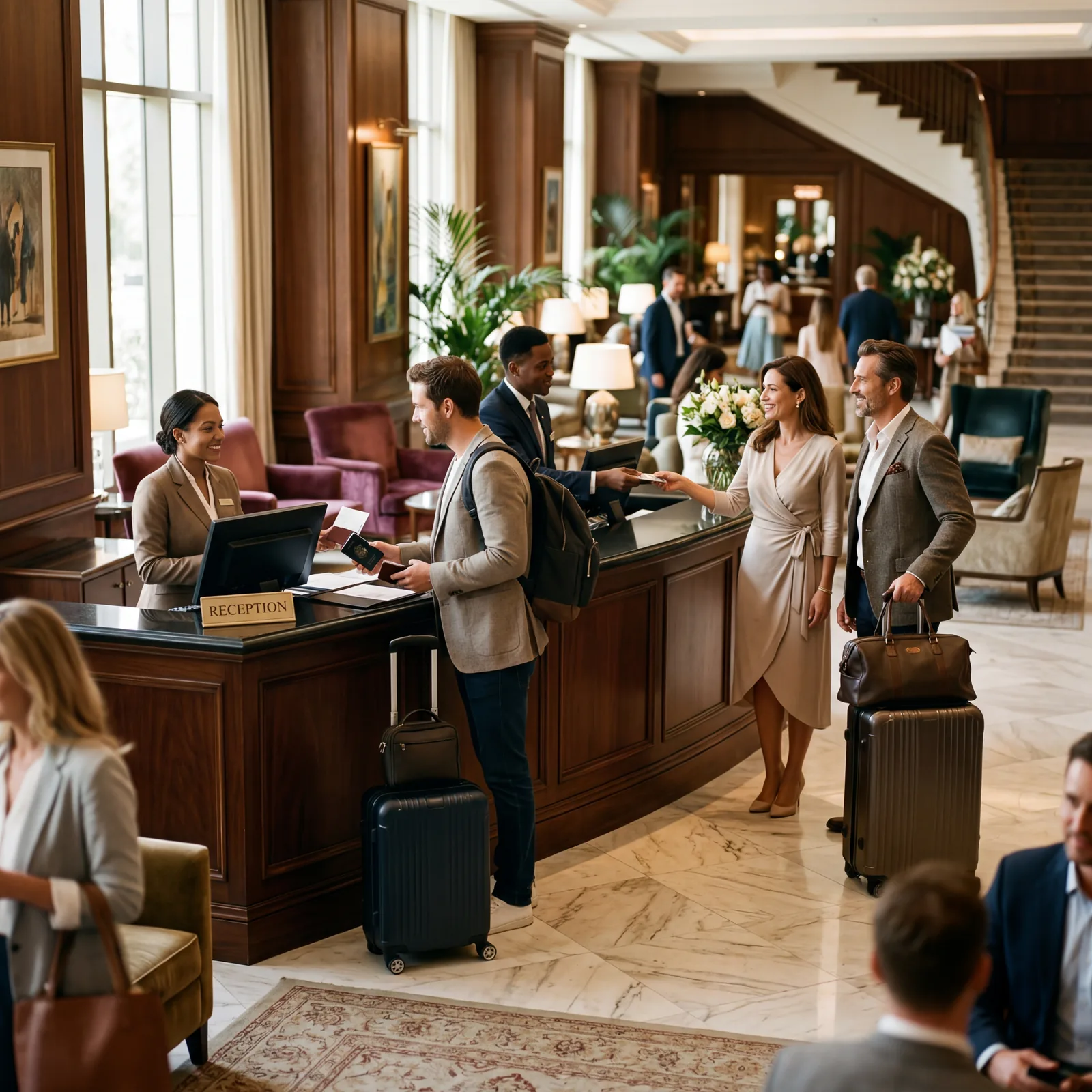
Room assignments shift based on who walks in. Solo travelers are often placed in rooms closer to elevators for convenience. Couples get rooms further from the ice machine and street noise. Families get ground floor or suite-adjacent when possible. None of this is advertised. Staff read the group dynamic instantly and slot you into the available inventory accordingly. Knowing this means you can ask directly for what you actually want.
The next one surprises nearly every guest who hears it.
15. Whether You Look Tired or Stressed
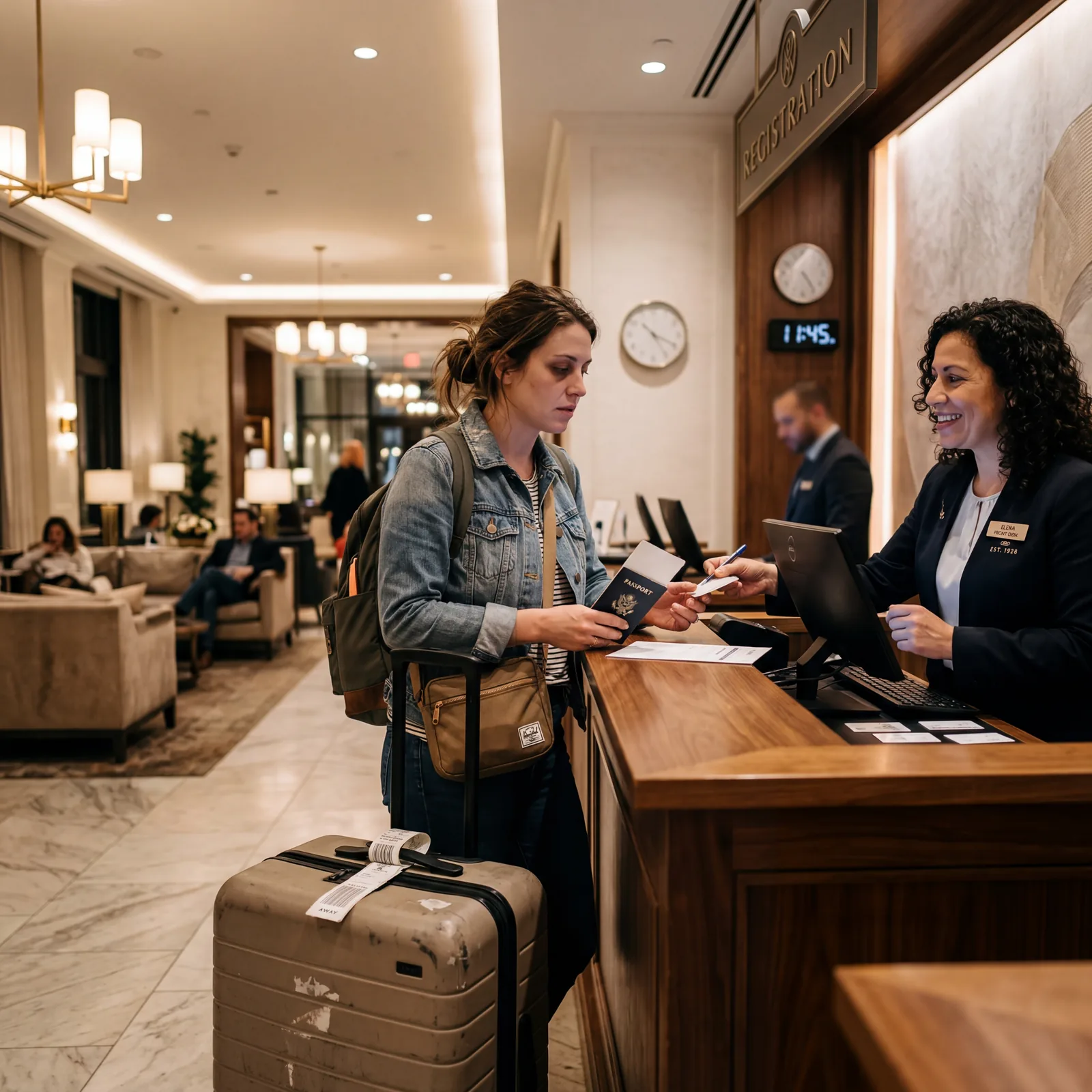
A visibly exhausted or stressed guest often gets a room upgrade to a quieter floor without asking. Not always, not at every hotel. But seasoned staff recognize when someone’s had a brutal travel day and have discretion to smooth it over. The trick is not to weaponize this. Guests who perform stress to fish for upgrades are spotted immediately. Genuine exhaustion reads differently. Staff respond to it with quiet kindness.
Read More: 19 Things Your Flight Attendant Notices About You Before You Find Your Seat
14. The Type of Credit Card You Hand Over
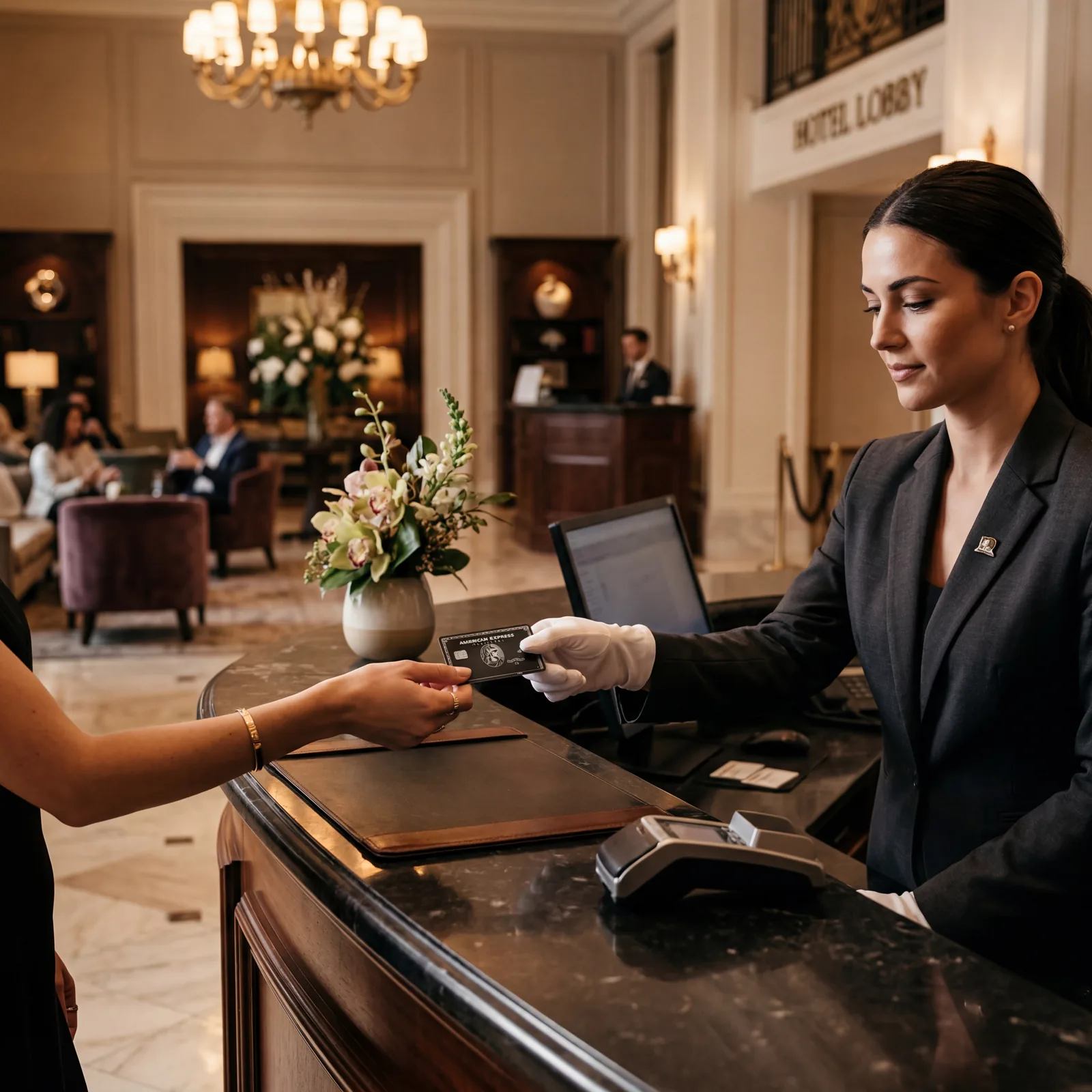
This one is more common than you’d think. Premium metal cards, particularly Amex Platinum or Chase Sapphire Reserve, are recognized by front desk staff and often trigger a different tier of service. Not because hotels are classist, but because card type signals whether a guest is likely to be a points-obsessed frequent traveler with high expectations. Hotels want those guests happy. If you have a premium card, use it. It’s not accidental that it works.
13. Whether You’re a Returning Guest
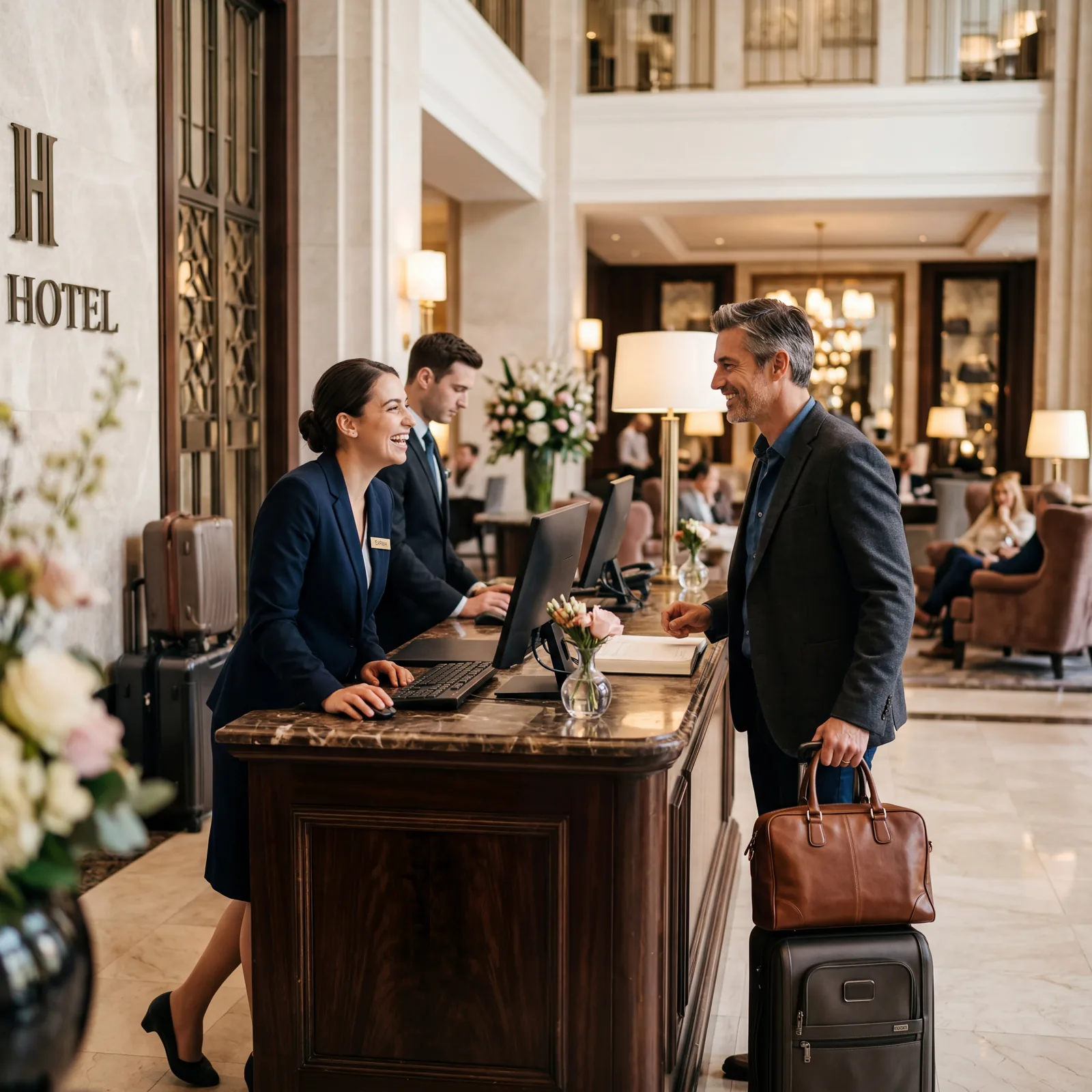
The reservation system flags return guests before you even reach the desk. Returning guests at most hotel chains are quietly prioritized for room selection. The staff know before you say a word. What they’re watching for is whether you remember them too. Guests who say “I stayed here last March, loved it” trigger a genuine warmth that carries through the entire stay. It’s not manipulation. It’s just being the kind of guest people are glad to see again.
12. How You React If Something Goes Wrong at Check-In
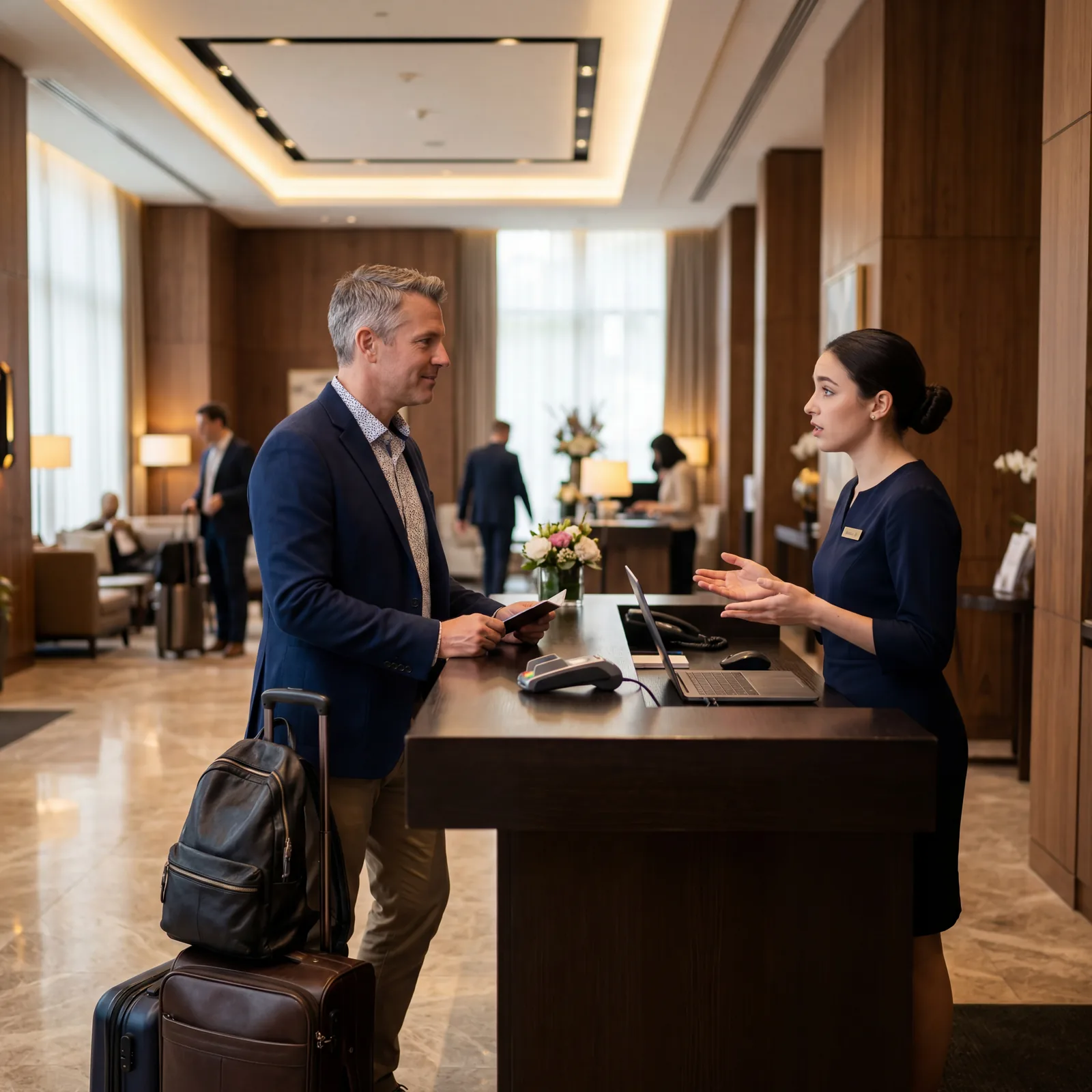
Every hotel has a list of guests who’ve been flagged for past behavior. Guests who handle inconveniences calmly are remembered as easy. Guests who escalate immediately get handled by the book, nothing more. If your room isn’t ready, the guest who sighs and asks for the Wi-Fi password gets the manager’s personal attention twenty minutes later. The guest who threatens a bad review gets exactly what the policy allows.
11. Whether You Make Eye Contact
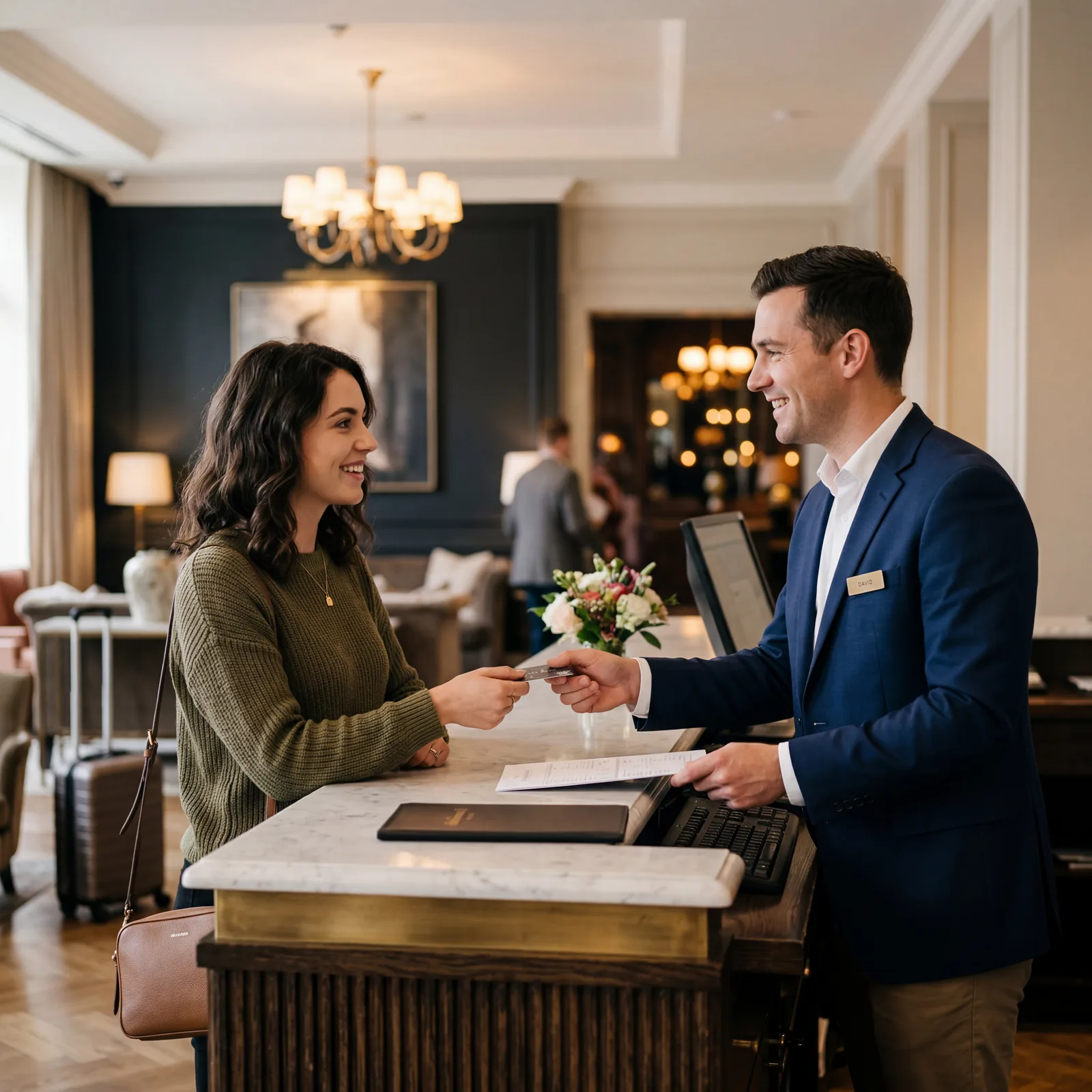
Eye contact isn’t about being charming. It’s about presence. Guests who look at staff during check-in are perceived as more trustworthy and less likely to cause problems. It’s unconscious. Staff deal with evasive guests all day. Someone who looks them in the eye is immediately read as a normal, decent human being. That reading travels. The housekeeping team, the concierge, the bar staff: they all pick it up from the tone set at check-in.
10. How You Dress When You Arrive
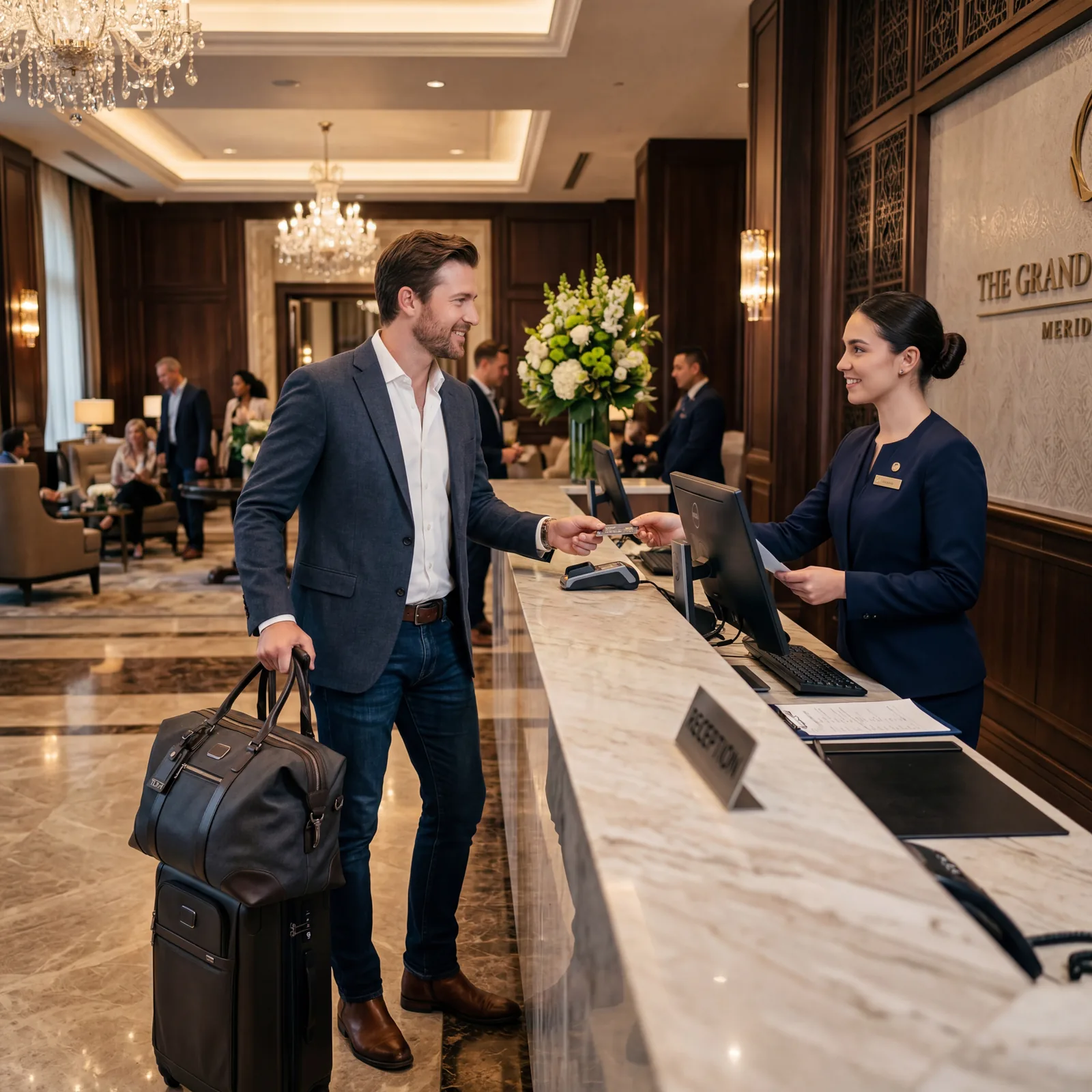
You don’t need to dress up for a hotel. But guests who arrive in wrinkled gym clothes and slides are treated differently than guests who arrive in smart-casual. It’s not a judgment on wealth. It’s a signal about how much you care about the experience you’re about to pay for. Staff mirror it. Arrive looking like you expect a good stay, and the interaction reflects that expectation back at you.
Read More: 17 Hotel Mistakes Americans Make Abroad That Locals Spot Immediately
9. Whether You’ve Read the Hotel’s Policies in Advance
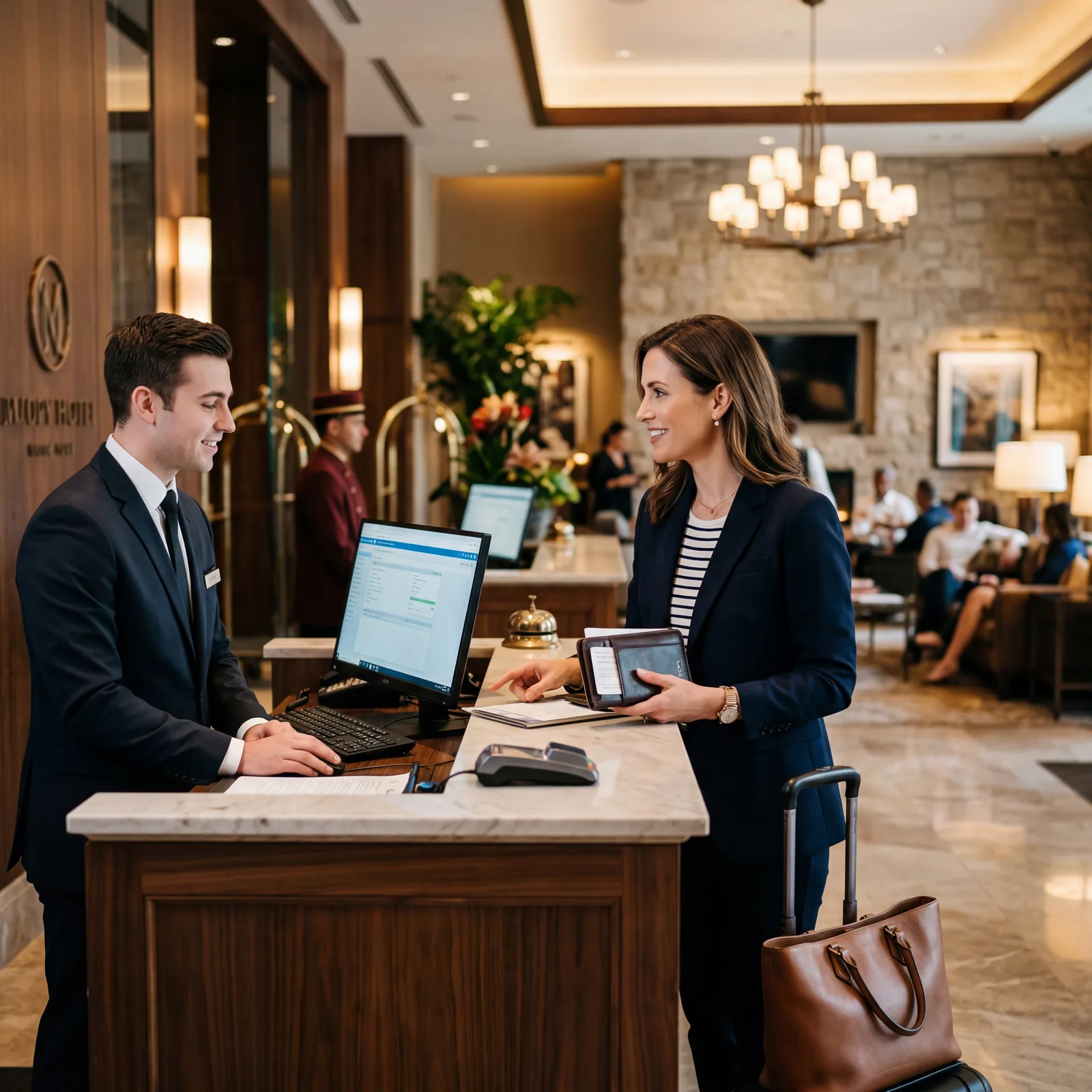
Guests who ask about early check-in, late checkout, or specific amenities before the staff has a chance to explain them are instantly clocked as experienced travelers. Knowledgeable guests get treated like regulars. You don’t have to know everything. But asking the right questions early, “Is there a fee for the minibar restock?” or “Is the fitness center open before 6am?” tells staff you’ve done your homework. That shifts how they handle every request that follows.
8. Whether You Tip the Person Who Carries Your Bags
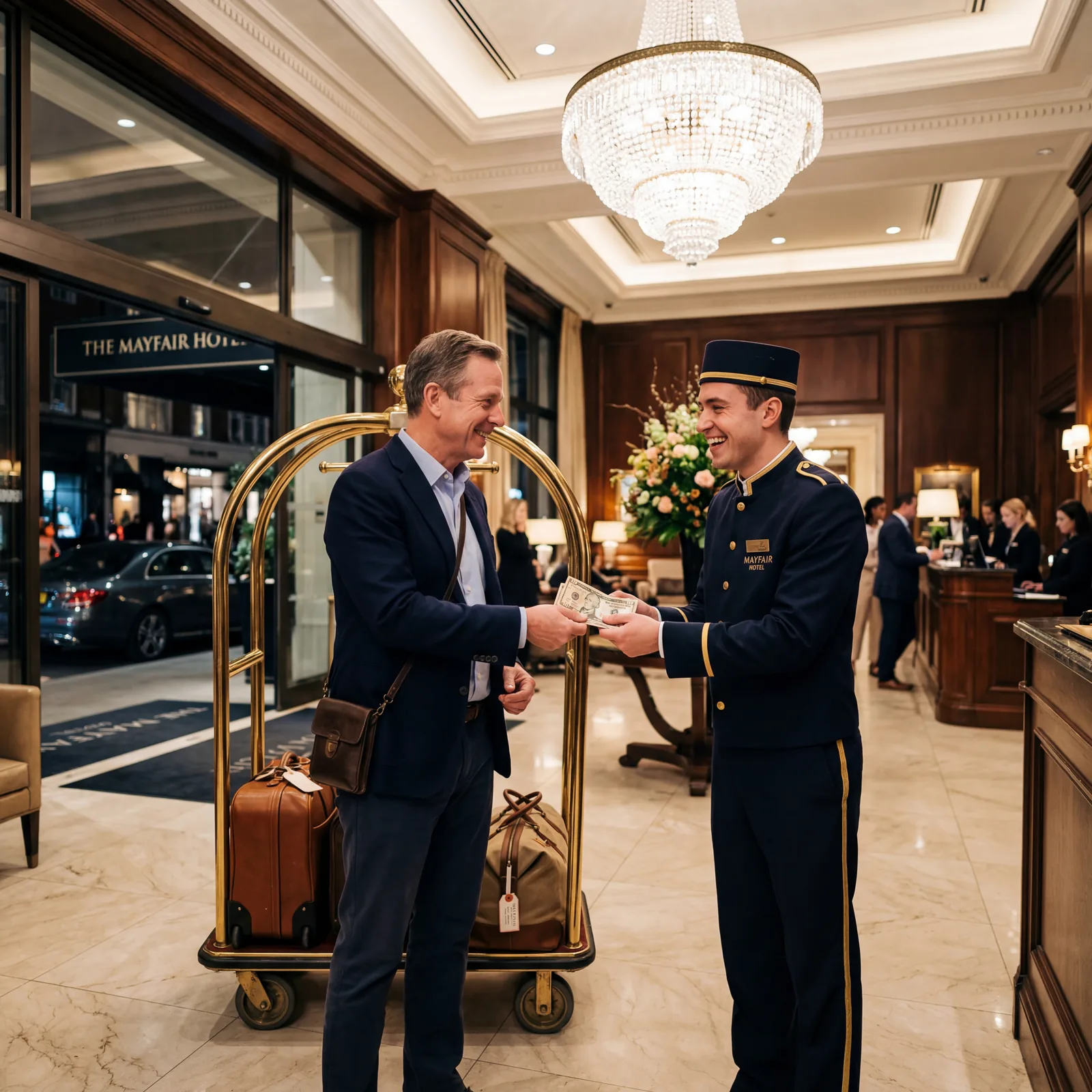
In the US, not tipping the bellhop is noticed. Not by the front desk, but by the bellhop, who talks to everyone. Hotel staff communicate. The guest who tips fairly gets flagged as good people in the informal network that keeps hotels running. Housekeeping, room service, the concierge, they all get a sense of who’s generous and who isn’t. A $3–5 tip per bag is standard. It’s one of the highest-ROI things you can do on arrival day.
7. How You Handle the Check-In Line
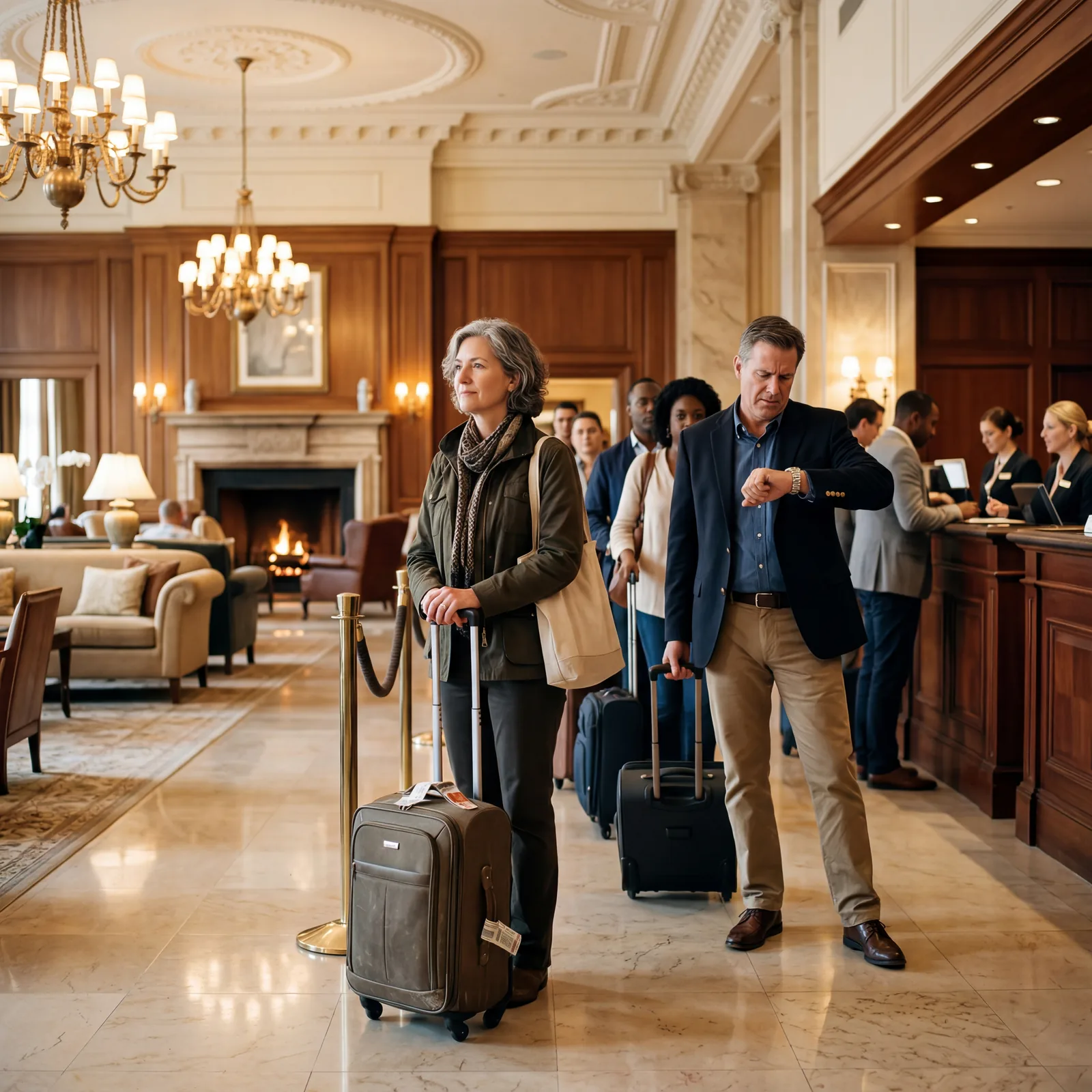
If there’s a wait, how you wait matters. Guests who sigh loudly, check their watches, or make comments about the line are remembered. Staff hear everything. The person who waits patiently, maybe pulls out their phone quietly, and greets the staff warmly when they finally reach the desk gets an apology for the wait and often a small gesture of goodwill. The impatient guest gets processed efficiently and nothing more.
6. Whether You Acknowledge the Cleaning Staff
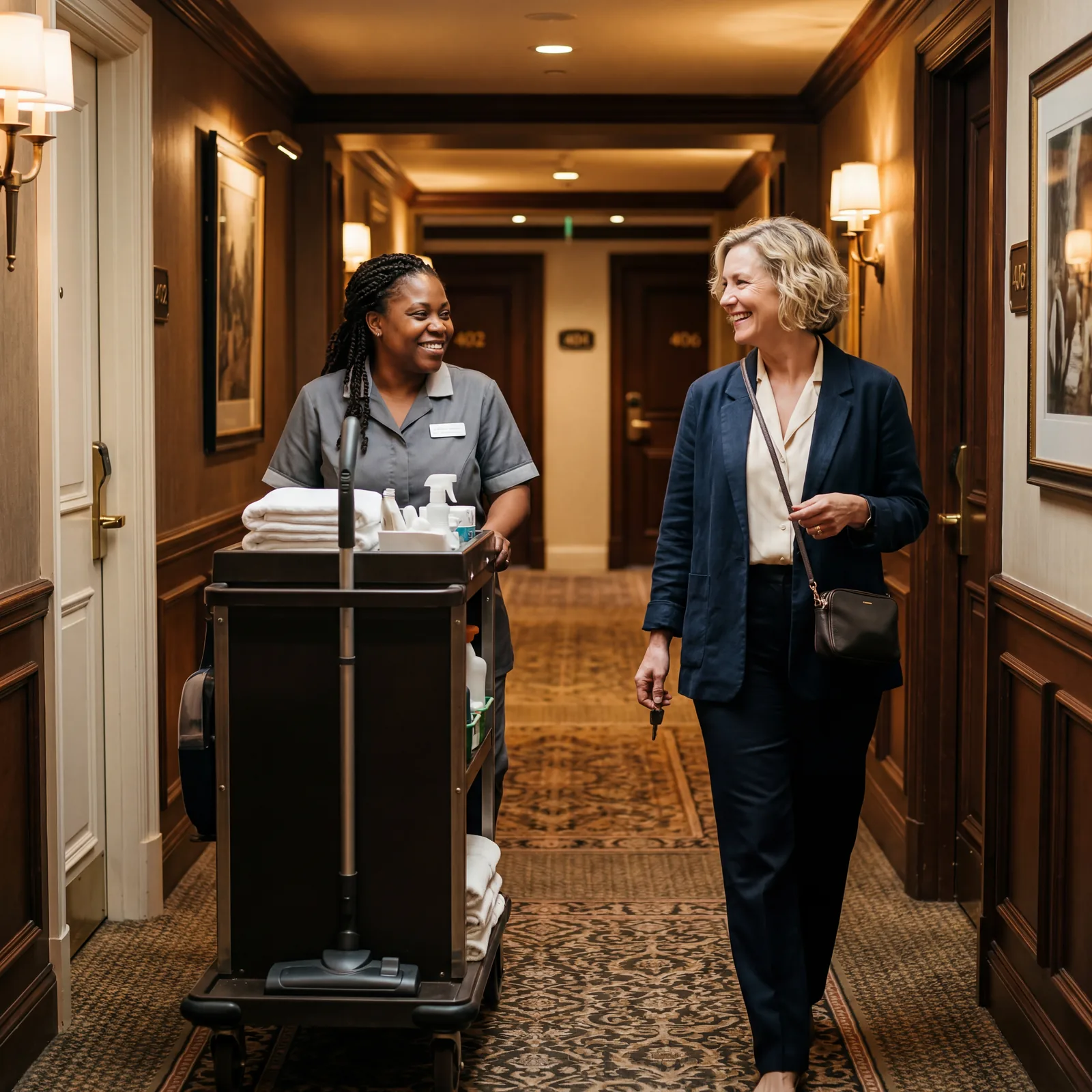
This one doesn’t happen at check-in. It happens in the hallway on the way to your room. How you treat the housekeeping staff is one of the most accurate predictors of what kind of guest you’ll be. Staff compare notes. A guest who walks past housekeeping without acknowledgment will find that their room is serviced last. A guest who says good morning gets rooms that smell just a little fresher. It sounds small. It adds up over a multi-night stay.
5. Whether You Ask About Upgrades Directly
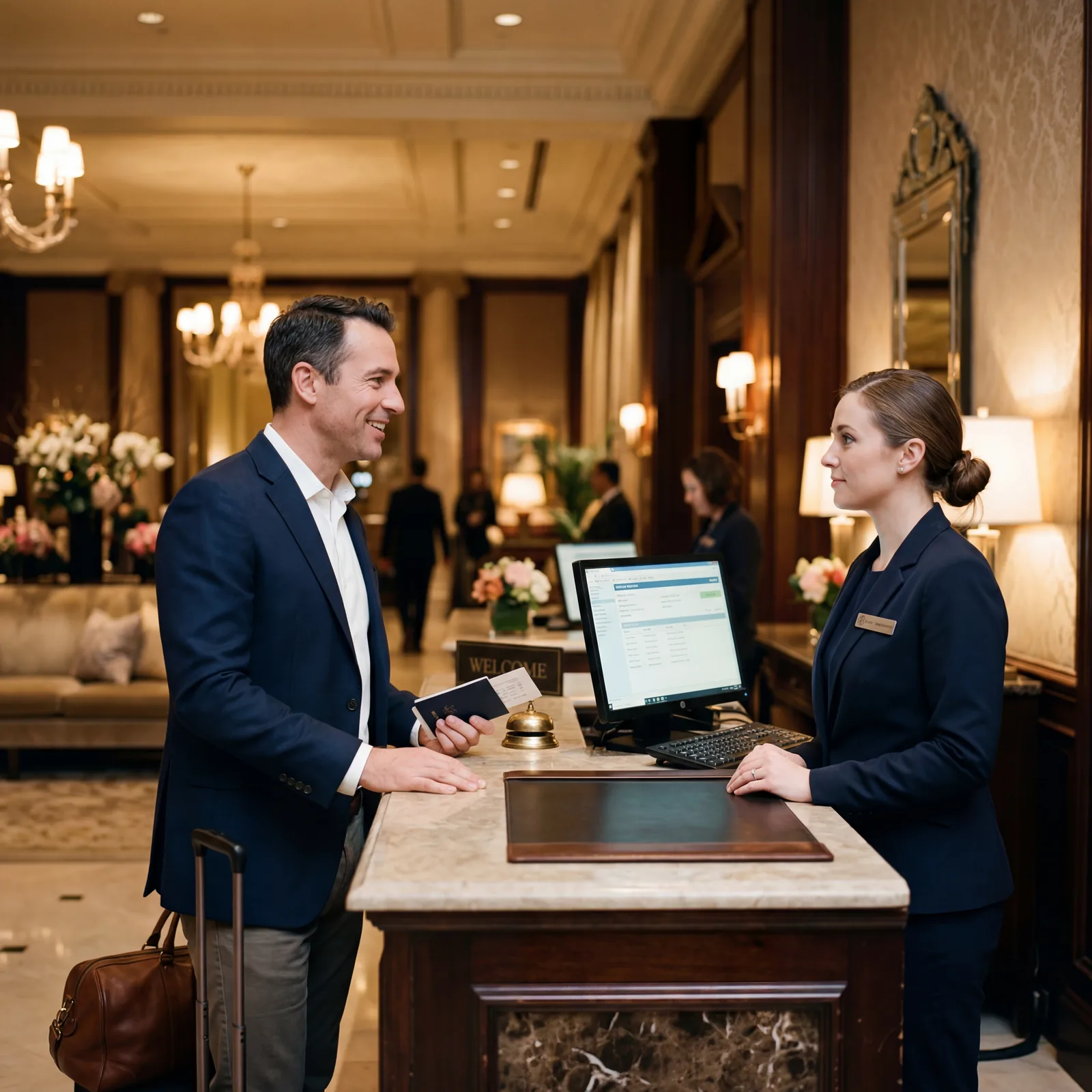
Guests who ask directly, politely, and early about upgrades get them more often than guests who drop hints. “Is there any flexibility on the room type today?” works. It gives the desk agent a chance to be the hero. They have discretion at most properties, and they use it. What doesn’t work is demanding an upgrade, implying you deserve one, or making it seem like you’re owed something. Polite directness gets results. Entitlement gets a firm smile and the exact room you booked.
4. Whether You Smile
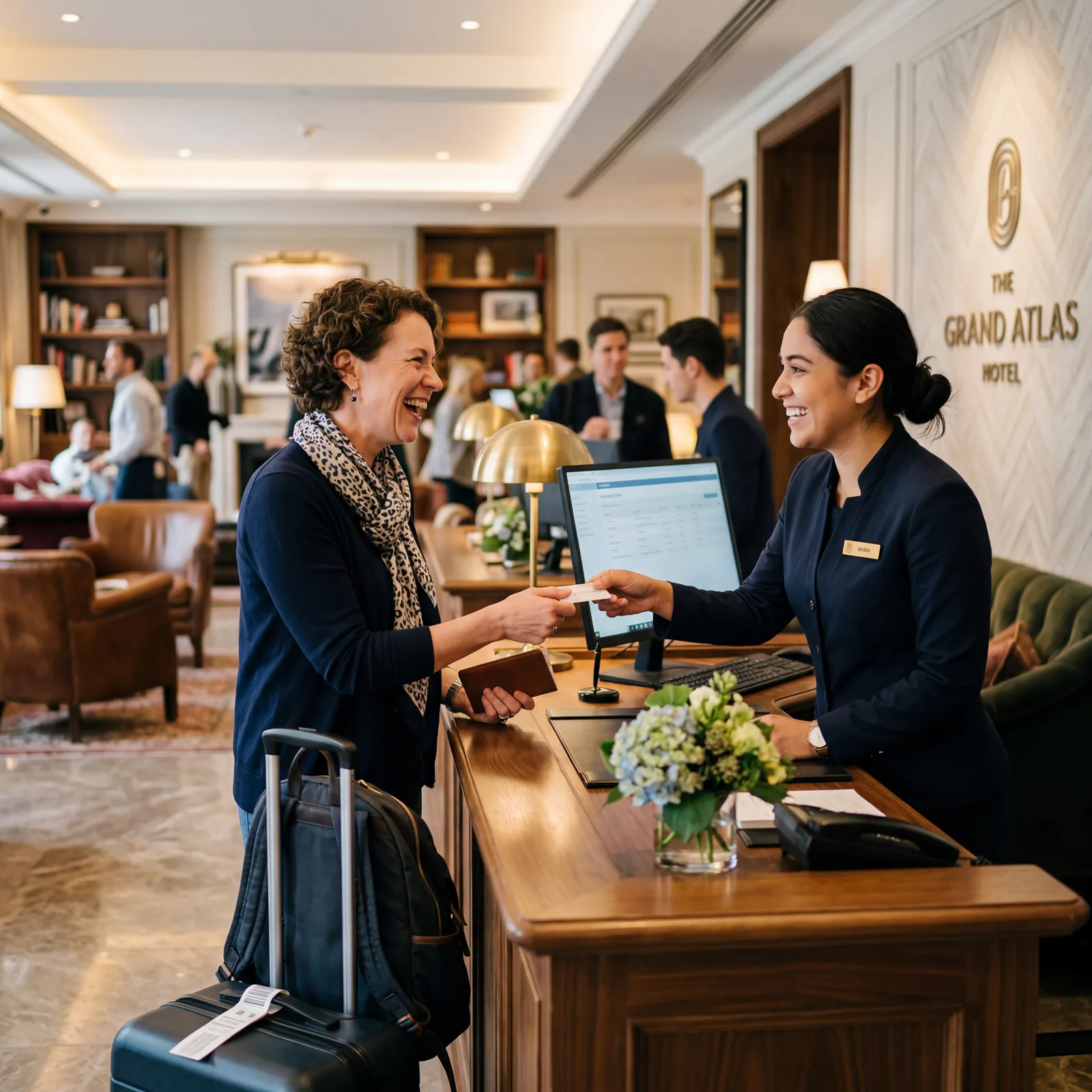
It’s almost too simple to include. Guests who smile during check-in consistently rate their hotel stays higher because they create a warmer interaction to begin with. It’s a self-fulfilling loop. Staff return warmth to warm guests. A genuine smile at check-in sets a tone that reverberates through every interaction for the rest of your stay. One front desk manager told me she can predict a guest’s review score within the first thirty seconds of meeting them. The smile is the biggest variable.
3. Whether You Look Around the Lobby or Stare at Your Phone

Guests who take in the lobby, who look around and notice the design or the art or the flowers, are seen as guests who appreciate where they are. Staff take pride in the properties they work in. When a guest visibly notices the effort, it registers. You don’t have to say anything. Just looking up from your phone when you walk in signals that you’re present, curious, and interested in the experience you’re about to have. That signal travels.
One concierge at a hotel in Nashville told me that guests who look around the lobby are three times more likely to ask interesting questions and five times more likely to take a recommendation. “They’re here,” she said. “The phone people aren’t really here.”
2. How You React When You Find Out Your Room Isn’t Ready
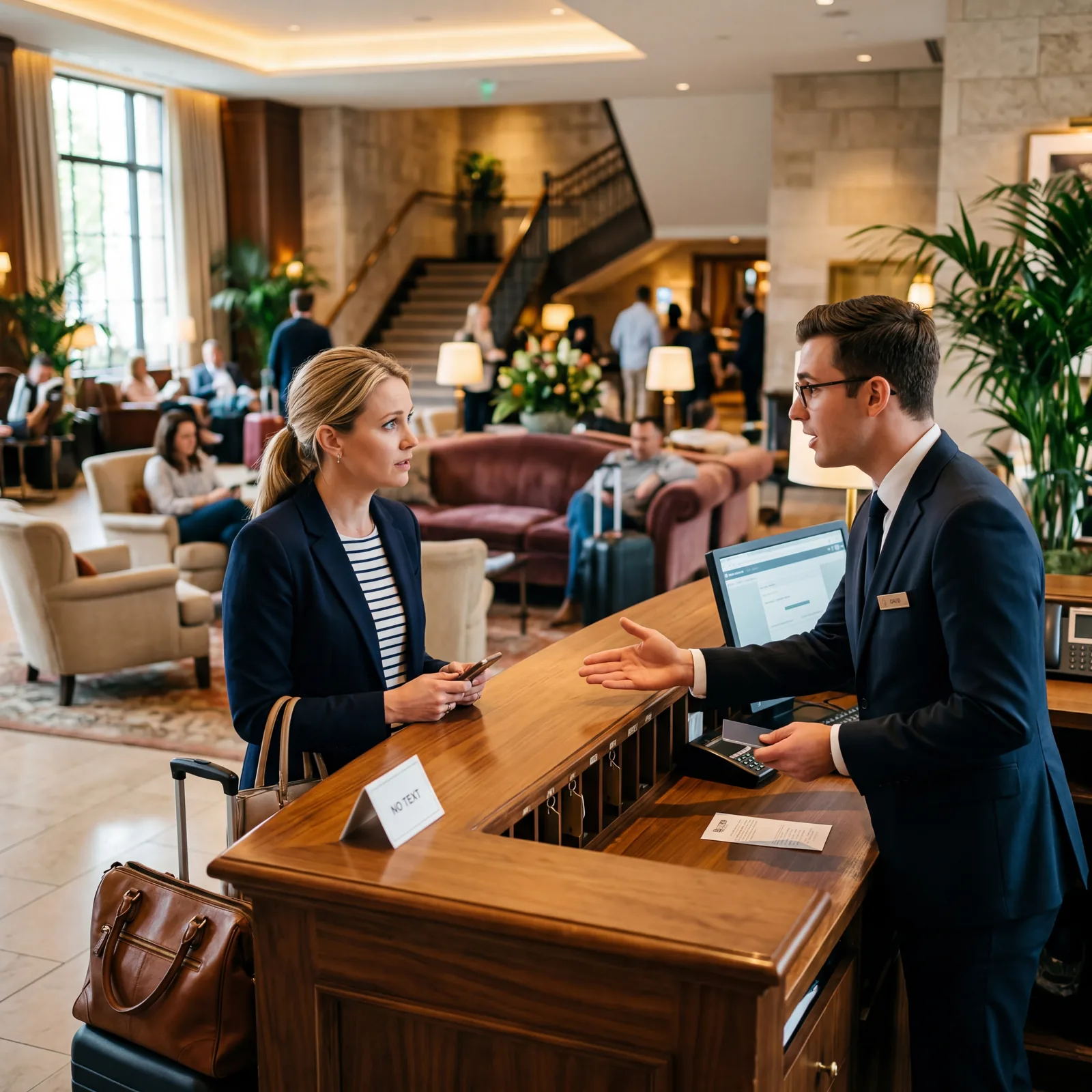
This is the single most revealing moment of any check-in. Your room isn’t ready. It happens constantly, especially for early arrivals. What happens next tells the staff everything. Guests who take a breath, ask when it might be ready, and head to the bar or the pool are mentally tagged as easy. They get a text the moment the room is available, often before the system sends the automated one.
Guests who escalate, argue about their loyalty status, or demand to speak to a manager get handled formally. The room isn’t ready any faster. But the goodwill is gone, and it doesn’t come back. A veteran front desk manager once said: “The way someone handles that five-minute wait tells me more about them than anything else. Every time.”
It’s a revealing moment. But nothing compared to what’s waiting at #1.
1. Whether You Treat Every Staff Member the Same Way You Treat the Manager
The One Thing That Changes Everything
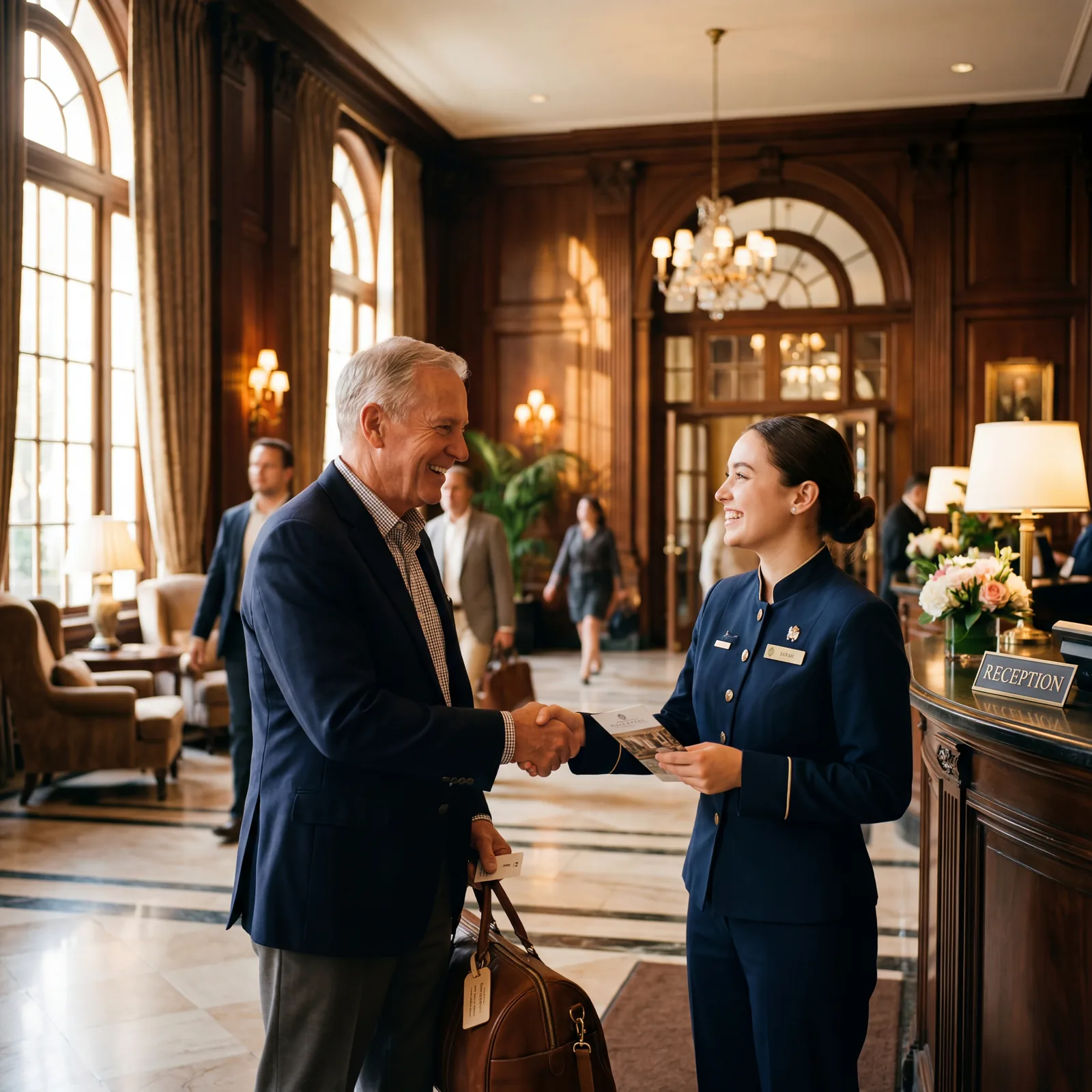
This is the thing that truly separates a good guest from an exceptional one. And hotel staff notice it every single time.
Most guests calibrate their behavior based on perceived status. They’re charming to the front desk manager. Cold to the housekeeper. Warm to the concierge. Dismissive to the parking attendant. They don’t realize they’re doing it. But every staff member in that hotel has a voice, and those voices talk to each other.
The guests who treat every employee, from the person refilling the coffee at breakfast to the valet who brings the car around, with the same basic decency and respect as they treat the general manager are remembered differently. Not just by the staff, but in the systems. Genuinely courteous guests get rooms taken care of first, mini-bar items quietly restocked, and the better table at breakfast without asking.
A veteran hotel GM once told me: “We can tell within twenty minutes of a guest arriving whether they’re going to treat my team well. The ones who do, I make sure they feel it for the rest of their stay. The ones who don’t, they get exactly what they paid for. Not a thing more.”
One retired teacher from Ohio who travels three months a year put it more simply: “I started treating hotel staff like I’d want my own kids treated at their jobs. The difference in how I get treated back is extraordinary. I haven’t had a bad hotel stay in years.”
Now you know why we saved this one for last.
The Way You Walk In Sets the Whole Stay
Everything on this list comes down to one thing: presence. The guests who have the best hotel experiences aren’t the ones spending the most money. They’re the ones who arrive like people rather than transactions.
Hotel staff want to give you a great stay. Make it easy for them to do that. If you spotted something on this list that made you pause, forward it to someone you know who travels. Their next hotel stay might go a lot better for it.
Which one surprised you most? Drop it in the comments.