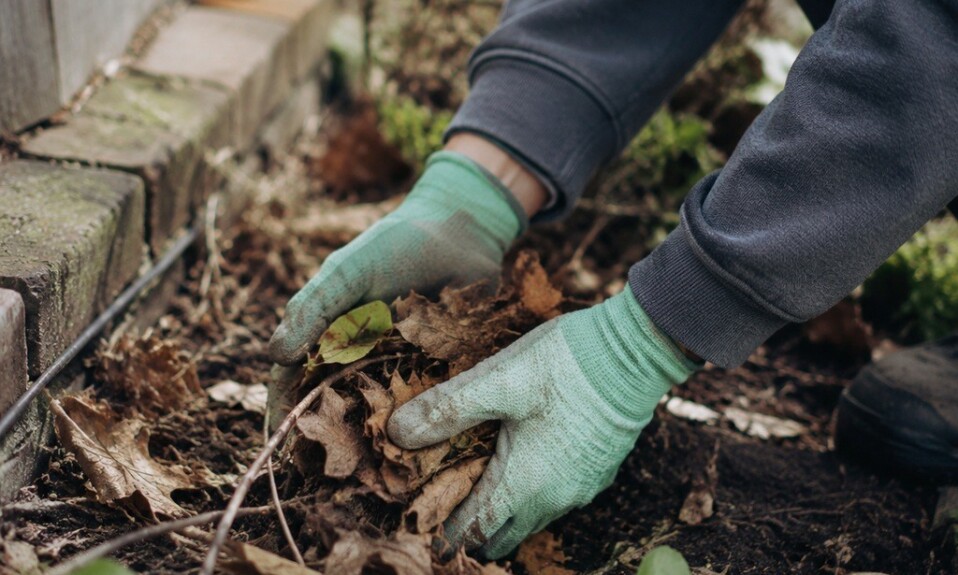
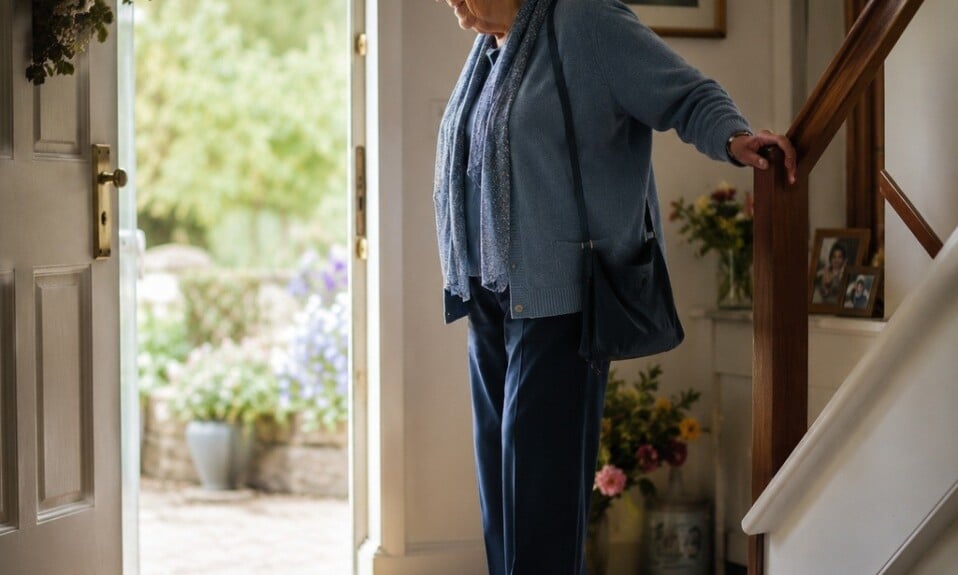
A practical but tender letter for the person who wants to keep aging at home without losing dignity, safety, or a sense of self.
Dear friend,
There is a reason the word home can make a person protective. Home is not only walls, furniture, and a mailing address. It is the place where your habits know where to stand. It is the cup you reach for without looking, the chair shaped by your evenings, the corner that remembers your life.
So when people begin talking about what needs to change so you can keep aging there, it may feel as if they are not only discussing grab bars, rugs, stairs, and lighting. It may feel like they are inspecting your independence.
That can make you defensive even when they are right. Safety conversations can feel like small threats to selfhood.
Maybe someone has mentioned the bathroom. The hallway. The steps. The clutter. The medication bottles. The chair that is too low. You may hear concern, but also loss: one more ordinary part of home being turned into evidence that you are changing.
Please be gentle with the part of you that resists. It is not foolish to grieve alterations to a place that has held your life. But it is also not defeat to let the house become kinder to the body you have now.
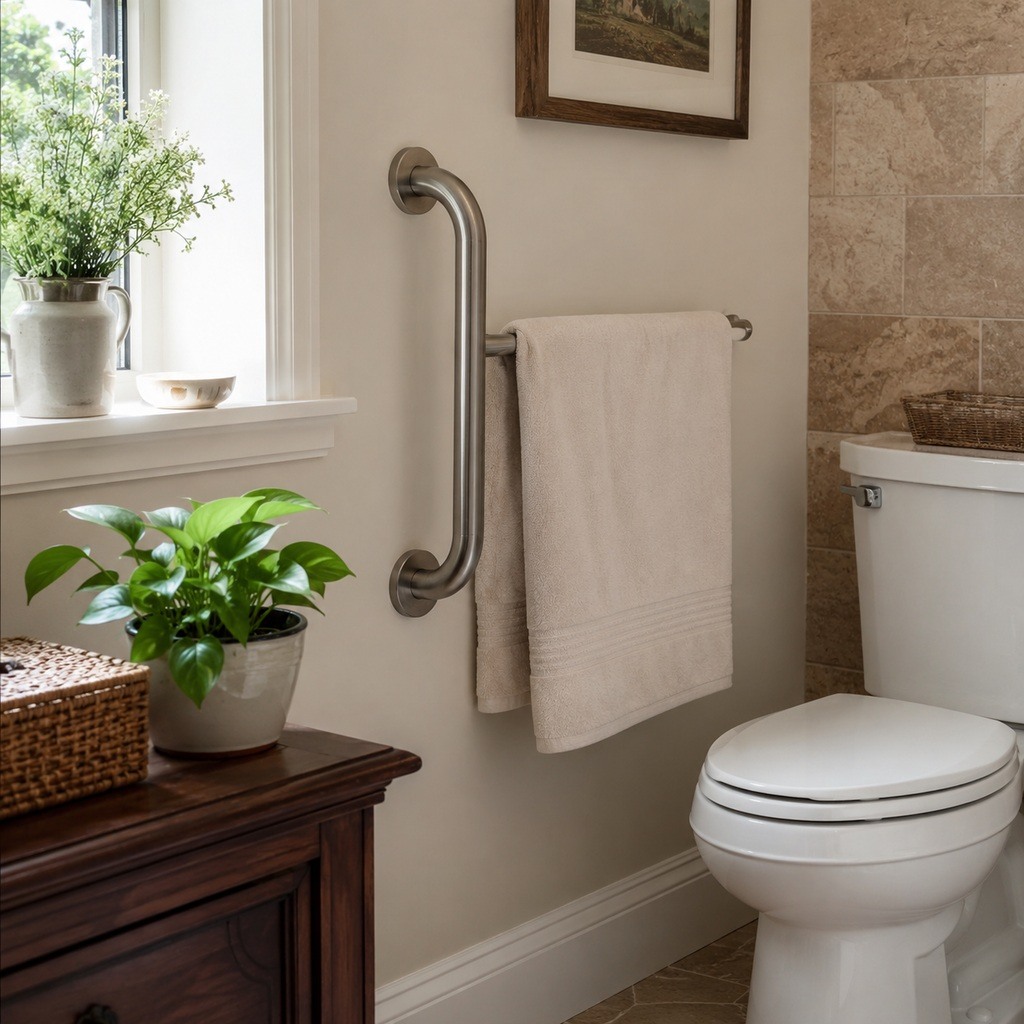
A home can be loyal and still need editing. The rug that once made the room warm may now make the floor uncertain. The beautiful dim lamp may now hide the edge of a step. The tub you managed for years may now ask for more balance than it deserves.
Changing those things does not mean the home wins and you lose. It means the home is being asked to love you back differently.
The goal is not to make your rooms look clinical. The goal is to make daily life less full of little risks that steal confidence. A brighter bulb. A clear path. A rail. A shower chair that lets bathing become less of a negotiation. These are not insults. They are tools of staying.
Still, the emotional part matters. If family comes in too fast, moving things, tossing things, deciding things, it can feel like being managed rather than helped. You are allowed to say, "I want to be part of every decision."
That sentence matters. Help should not erase the person being helped.
Choose one area at a time if you can. The bathroom this week. The bedroom path next. The kitchen after that. A whole-house safety project can make a person feel invaded. A single change can feel possible.
You may also need to release objects with a kindness no one else understands. A stack of magazines, a heavy pan, a chair in the wrong place, shoes near the door. Other people may see clutter. You may see history, usefulness, memories, proof that life happened.
Letting something go is easier when someone honors what it meant before asking where it should go next. Dignity lives in the pause before removal.
Aging at home may also mean accepting more visitors: cleaners, aides, nurses, repair people, family. That can be hard for a private person. Your home is intimate. Having others inside it can feel exposing.
You are allowed to set preferences. Where things go. Which door they use. What time works. What kind of help feels respectful. Boundaries do not disappear because you need assistance.
There may come a day when staying home requires more support than you imagined. That does not mean you failed at independence. Independence was never meant to mean doing everything alone. Sometimes it means having enough help to remain connected to the place that steadies you.
There may be one room that feels hardest to change because it holds so much identity. The kitchen where you fed people. The bedroom you shared. The porch where neighbors stopped. Practical updates can feel emotional because every room has a memory under the paint.
That is why aging at home is not only a safety project. It is a relationship with a place that has been part shelter, part witness, part proof of your independence.
If someone wants to help, ask them to begin with listening. What do you want to keep? What routines matter? Which chair feels right? Which objects are not clutter to you, even if they look that way to someone else?
A home adapted without listening can start to feel like someone else's idea of your life. Safety should make you feel more at home, not less.
It may help to choose changes that look like care instead of surrender: a beautiful lamp that is also brighter, a sturdy bench that suits the entry, a rail that matches the bathroom, storage that clears the floor without stripping the room of personality.
You are not trying to freeze the house in time. You are trying to let it keep holding you as honestly as it can.
There may be grief in letting other people see the workarounds you have been using privately. The chair you lean on. The wall you touch. The way you avoid one step. Exposure can feel like losing control of the story.
But private struggle is still struggle, even if you have hidden it well. Letting the home help you is not an admission that you were pretending. It is an act of honesty.
You might choose one beautiful upgrade for every purely practical one. A brighter lamp you love. A bench that looks like you chose it, not like someone prescribed it. A basket that clears a path while still belonging to the room.
The house does not need to become young again. It needs to become faithful to the person living in it now.
May your home become safer without becoming less yours. May the people helping you remember that every object sits inside a story. And may you feel, even with new rails and brighter lights, that this is still your life, your door, your morning, your place.