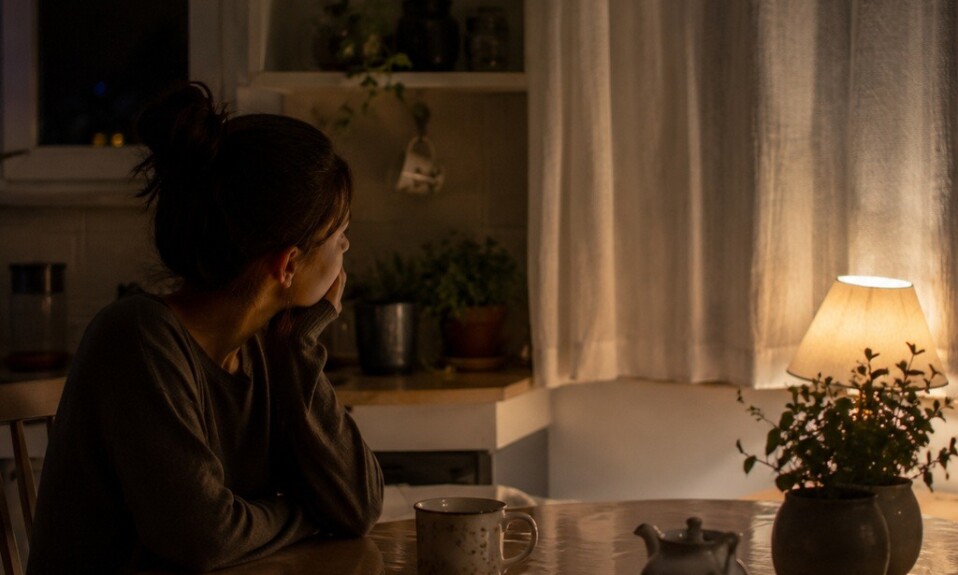

A warm letter for the person trying to make a quiet home feel livable, steady, and less lonely one ordinary day at a time.
Dear friend,
Living alone can sound peaceful to people who are tired of noise. They imagine quiet rooms, your own schedule, nobody moving your things. And sometimes that is true. There can be relief in choosing the meal, the show, the thermostat, the rhythm of the morning.
But there is another side people do not always name. A quiet home can become too aware of itself. The silence can grow large. The unused chair can feel like a witness. The end of the day can arrive with nobody asking how it went.
If you are learning to live alone after years of company, widowhood, divorce, children leaving, or life simply changing shape, please do not expect yourself to adjust without tenderness. A house does not become emotionally simple because only one person sleeps in it.
You may miss the ordinary evidence of another person. A cough in the next room. Keys on the counter. Someone asking if there is more coffee. Even interruptions can become things you miss once they are gone.
That missing does not mean you are ungrateful for independence. You can enjoy freedom and still ache for witness. Both can live in the same kitchen.
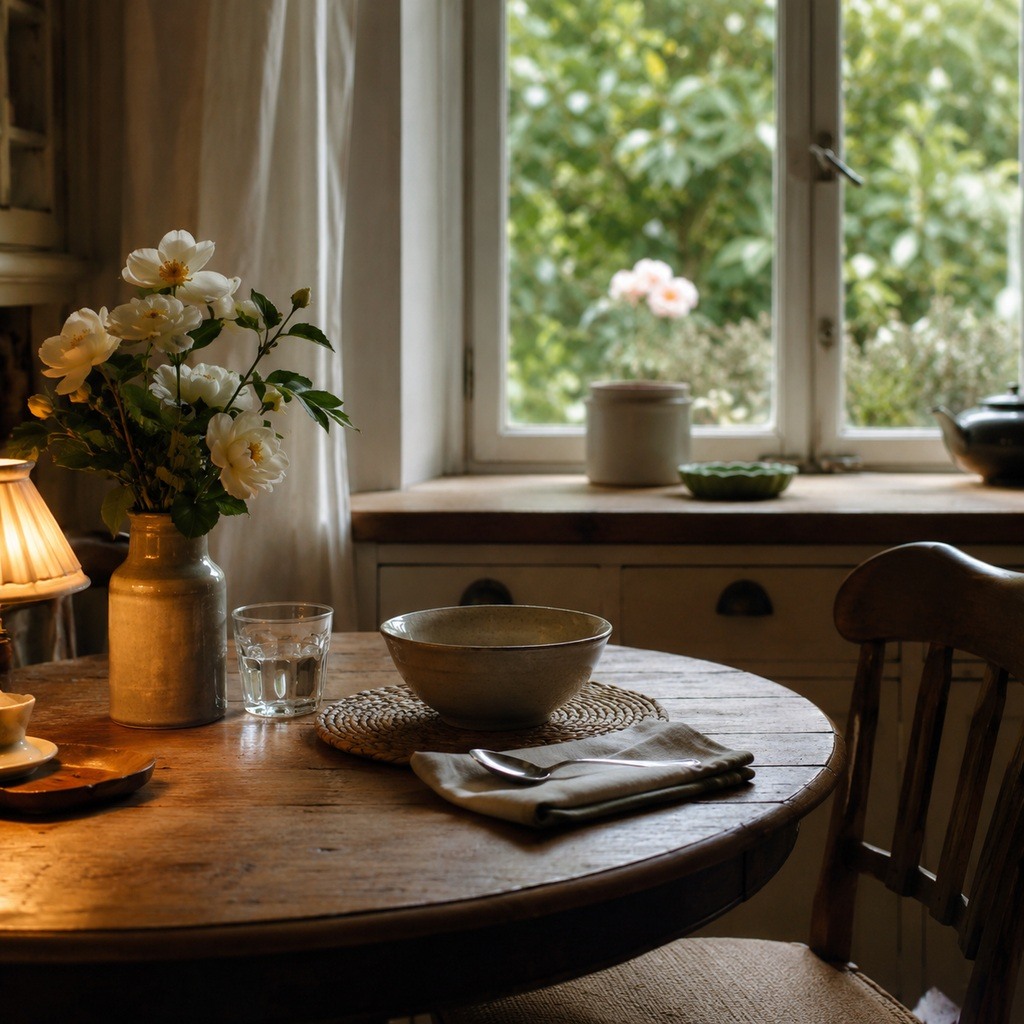
The hardest hours may have their own pattern. Morning before the first call. Late afternoon when light changes. Dinner when the table feels too practical for one plate. Night when the house settles and every sound belongs to you.
It can help to give those hours a ritual before loneliness writes one for you. Open curtains even if no one is coming. Put music on before the quiet thickens. Make the plate look cared for. Turn on a lamp before dusk.
These are small things, but small routines can tell the nervous system, "I am still being looked after." Sometimes the person doing the looking after has to be you.
Please do not punish yourself for talking aloud. To the room, the photograph, the plant, the television, the person you miss. Speech is one way a home stays human. Silence does not need to win every hour.
You may also need contact that is not dramatic. A daily text with someone kind. A neighbor wave. A class where nobody knows your whole story. A cafe where your face becomes familiar. Loneliness often softens through repeated small recognitions.
Try not to wait until you are desperate to reach out. Connection works better as a rhythm than a rescue. Put it on the calendar if you must. Pride is a poor companion on long evenings.
At the same time, living alone can reveal pieces of you that were buried under everyone else's needs. What do you like when nobody is voting? What do you cook when no one complains? What time does your own body want to move, rest, read, nap, or pray?
There can be grief in that discovery, but also dignity. You are not only the person left in the house. You are the person who still gets to make a life inside it.
If fear visits, be practical without letting it become the landlord. Check the locks. Keep the phone charged. Make the hallway clear. Share a spare key with someone trustworthy. Then let the room be a room again, not only a list of risks.
There may be days when you feel proud and lonely within the same hour. Let that be allowed. A new life does not have to feel clean to be real.
One day, you may notice a small shift. The silence that once accused you may begin to feel less hostile. The chair may become yours. The routine may stop feeling like proof of absence and start feeling like a shape you built.
Until then, go gently. Make the soup. Call the friend. Open the window. Let one lovely thing sit where you can see it. A life alone can still be a life with warmth.
There is also the loneliness of not being interrupted. That may sound strange, because interruptions can be irritating. But when they vanish, you may miss the evidence that another life was brushing against yours.
A quiet home can make you wonder, if no one sees this day, did it fully happen? That is why witness matters. Human beings were not built to be entirely self-contained.
Try to create little forms of witness. Send a photo of the soup. Text someone that the roses opened. Tell a neighbor you finally fixed the drawer. Let small facts leave the house and come back as recognition.
These gestures are not needy. They are how a solitary life stays connected to the wider world.
You may also discover that some people only visit when invited clearly. Do not assume absence always means lack of love. Some people are thoughtless, busy, shy, or afraid of intruding.
That does not mean you must do all the reaching. It only means one honest invitation may reveal warmth that silence was hiding.
Some days the hardest part is not sadness, but the absence of being expected. No one waiting for your story. No one noticing you came home late. No one asking why the light is still on.
That absence can make a person feel strangely weightless. Being expected is one of the quiet ways we feel real.
Build small forms of expectation where you can. A weekly call. A class. A neighbor who knows your walking time. A standing coffee. Not obligations that trap you, but rhythms that let the world notice you are here.
A solitary life needs anchors. Without them, even freedom can start to drift.
May your home become less like an echo and more like a companion. May you find voices that meet you, rituals that steady you, and mornings that remind you that alone does not have to mean abandoned.