
Every time you hear an announcement at an airport, someone nearby already knows exactly what it means. You don’t.
The code at #1 is used by staff to empty an entire terminal of passengers without triggering panic. It’s spoken plainly, calmly, over the PA, and the only people who react are the ones who work there.
Read every entry before your next flight.
27. “Last and Final Call”
You hear this and think it means the door is about to close. It doesn’t. “Last and Final Call” is a formal documentation trigger, not just a courtesy warning. Airlines are required in many jurisdictions to prove they gave adequate notice before offloading a checked passenger.
Once this phrase is announced, your name goes onto a timed log. If you don’t respond within roughly 3 minutes, your seat is legally reassigned and your checked bags are pulled from the hold. Bag removal on a loaded aircraft delays departure by 20 to 45 minutes, so gate agents mean it when they say it.
26. “Weight and Balance”
When a gate agent announces a delay due to “weight and balance,” most passengers assume there’s a mechanical problem. There isn’t. Weight and balance refers to the aircraft’s load distribution calculation, which every commercial flight must complete before pushback.
The issue is usually late cargo, a last-minute passenger change, or a recalculation after a seat reassignment. The fix can take 10 minutes or it can take 90 minutes, depending on whether cargo needs to be repositioned in the hold. You’ll rarely be told which.
25. “IRROP”

You won’t hear this one spoken to passengers directly, but you’ll see gate agents saying it to each other and into phones. IRROP stands for Irregular Operation, and it means your flight has been affected by something outside the normal schedule. Diversions, mechanical holds, crew duty-time violations, and ground stops all generate IROPs.
When an IRROP is declared, airline systems automatically begin rebooking passengers. The first passengers rebooked are typically elite-status frequent flyers. If you hear the word and you’re not status, start rebooking yourself before the agent’s queue fills.
24. “Positive Space” vs “Space Available”

These two phrases determine who actually boards when a flight is oversold. “Positive space” means a confirmed seat with a boarding priority code. “Space available” means you’re flying standby and your boarding depends entirely on no-shows.
The distinction matters because gate agents won’t always explain which category you’re in if you’ve been rebooked after a cancellation. Ask directly: “Am I confirmed positive space?” A non-answer means space available. Standby passengers on high-load routes can wait through 3 to 5 flights before getting a seat.
The next one looks like a routine procedure. It isn’t.
23. “NOREC”

NOREC is a status code that appears on your boarding file and on the gate agent’s screen. It stands for No Record, meaning the airline’s system has no valid booking for you despite the ticket in your hand. This happens more often than airlines admit, usually after system migrations, codeshare transfers, or agency booking errors.
A NOREC passenger is legally not on the flight until the error is resolved. Resolution takes 15 to 45 minutes and requires a supervisor with override access. If you’re checked in online and your QR code scans red at the jetway, ask for a supervisor immediately. Don’t let a gate agent tell you to rebook.
22. “Sterile Cockpit”
You’ll hear flight attendants say “we’re now in sterile cockpit phase” during taxi and initial climb. Most passengers think it means the pilots are concentrating. That’s technically true, but sterile cockpit is an FAA-mandated rule, not a courtesy request. Below 10,000 feet, all non-essential communication to the cockpit is prohibited by federal law.
Flight attendants cannot interrupt the flight deck for anything other than safety emergencies during this phase. Violations of sterile cockpit protocol have been cited as contributing factors in at least 18 fatal commercial accidents since the rule was introduced in 1981.
21. “Code Adam”

If you hear “Code Adam” at an airport, staff are responding to a missing or potentially abducted child. All exit points in the affected area are locked down immediately, and every staff member in the zone shifts to active search. The code originated in US retail in 1994 after a child went missing from a Walmart.
Most airports don’t announce Code Adam publicly on the PA. Instead, it goes through staff radios and internal channels. If you see exits being blocked by staff and no announcement made, a Code Adam is likely in progress. Don’t attempt to exit. Comply with staff instructions immediately.
20. “Gate Return” or “Air Return”
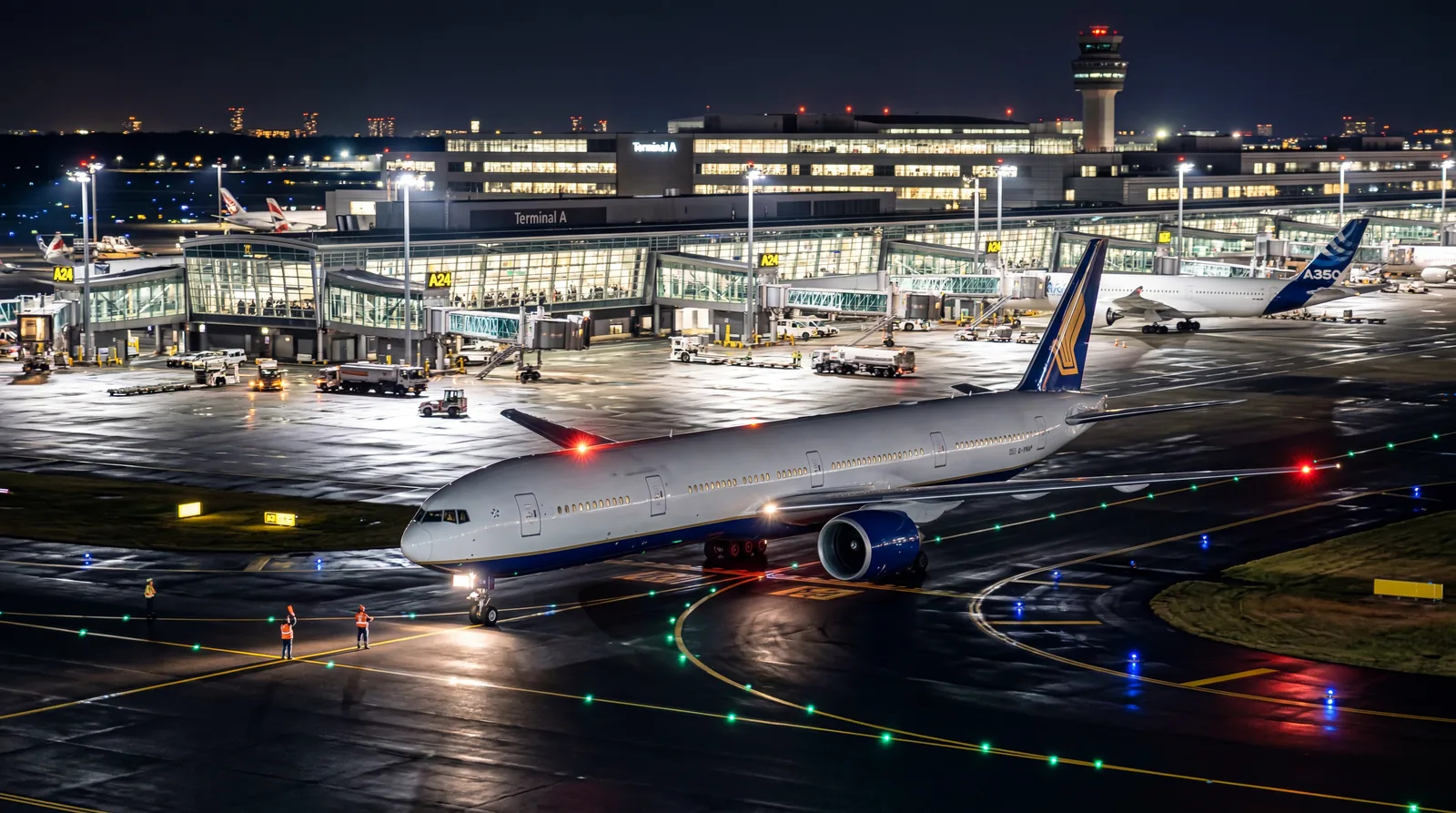
A gate return means an aircraft that had already pushed back is coming back to the terminal. An air return means it’s already airborne and coming back. Both phrases are used by staff with complete calm. Both represent situations that trigger federal reporting requirements and full safety reviews.
Air returns are typically caused by medical emergencies, uncontained odors, pressurization failures, or threats reported after departure. The average air return adds 2 to 6 hours to a passenger’s journey once security re-screening, refueling, and clearance procedures are completed.
From here the codes start meaning something you’d want to know before you board.
19. “Ground Stop”
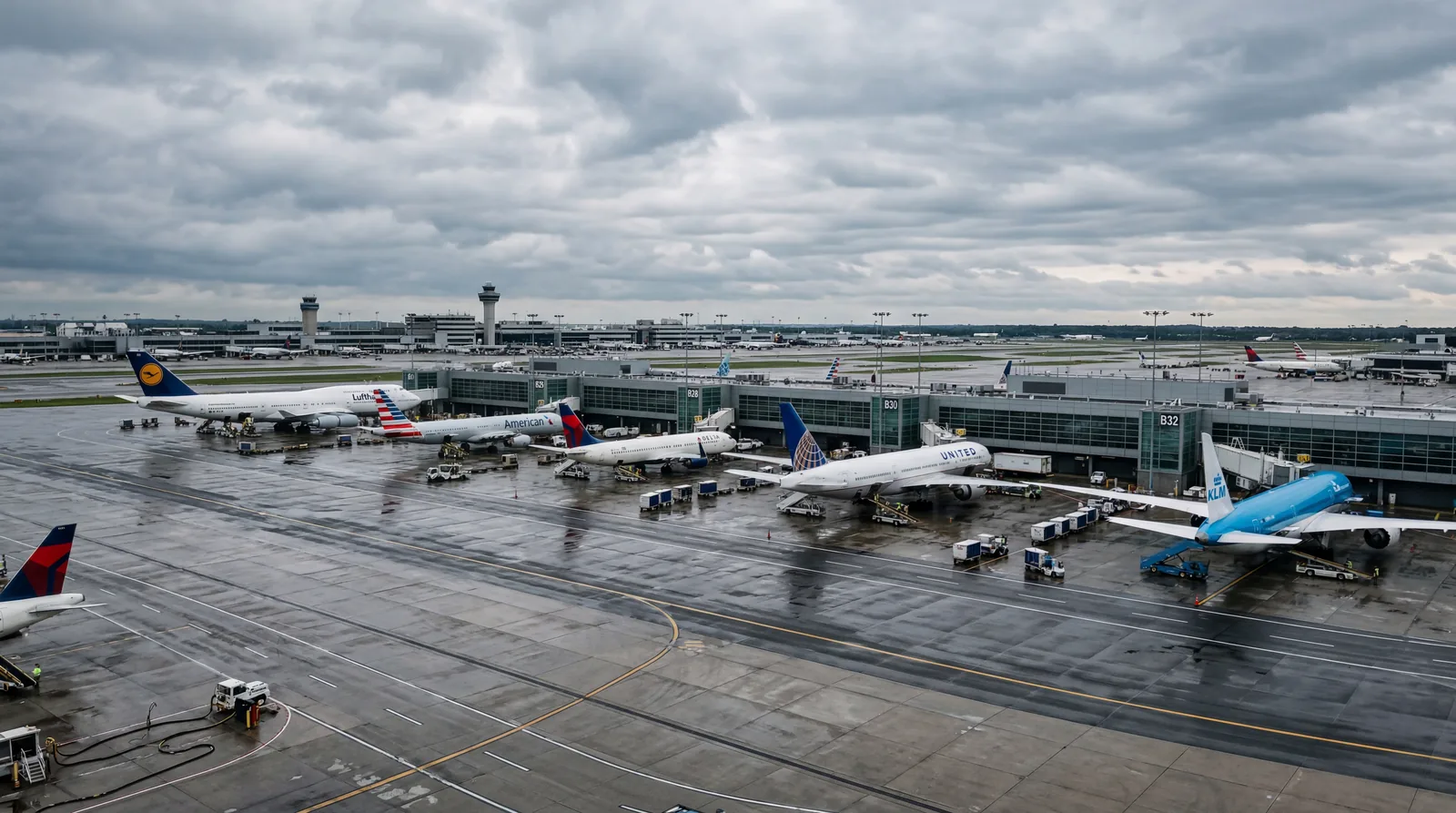
A ground stop is a directive from FAA Air Traffic Control that prevents departures to a specific destination or from a specific origin airport. Gate agents announce it to passengers as a delay with no specified duration. What they don’t say is that ground stops cascade. Once a destination airport is stopped, inbound aircraft back up, crews hit duty-time limits, and cancellations typically follow within 2 to 4 hours.
If you’re in a ground stop that’s been running for 90 minutes with no updates, start working the rebooking options. Airlines aren’t required to rebook you until a cancellation is official.
Read More: 27 Airline Fees That Are Technically Optional (But Nobody Tells You)
18. “Final Approach”
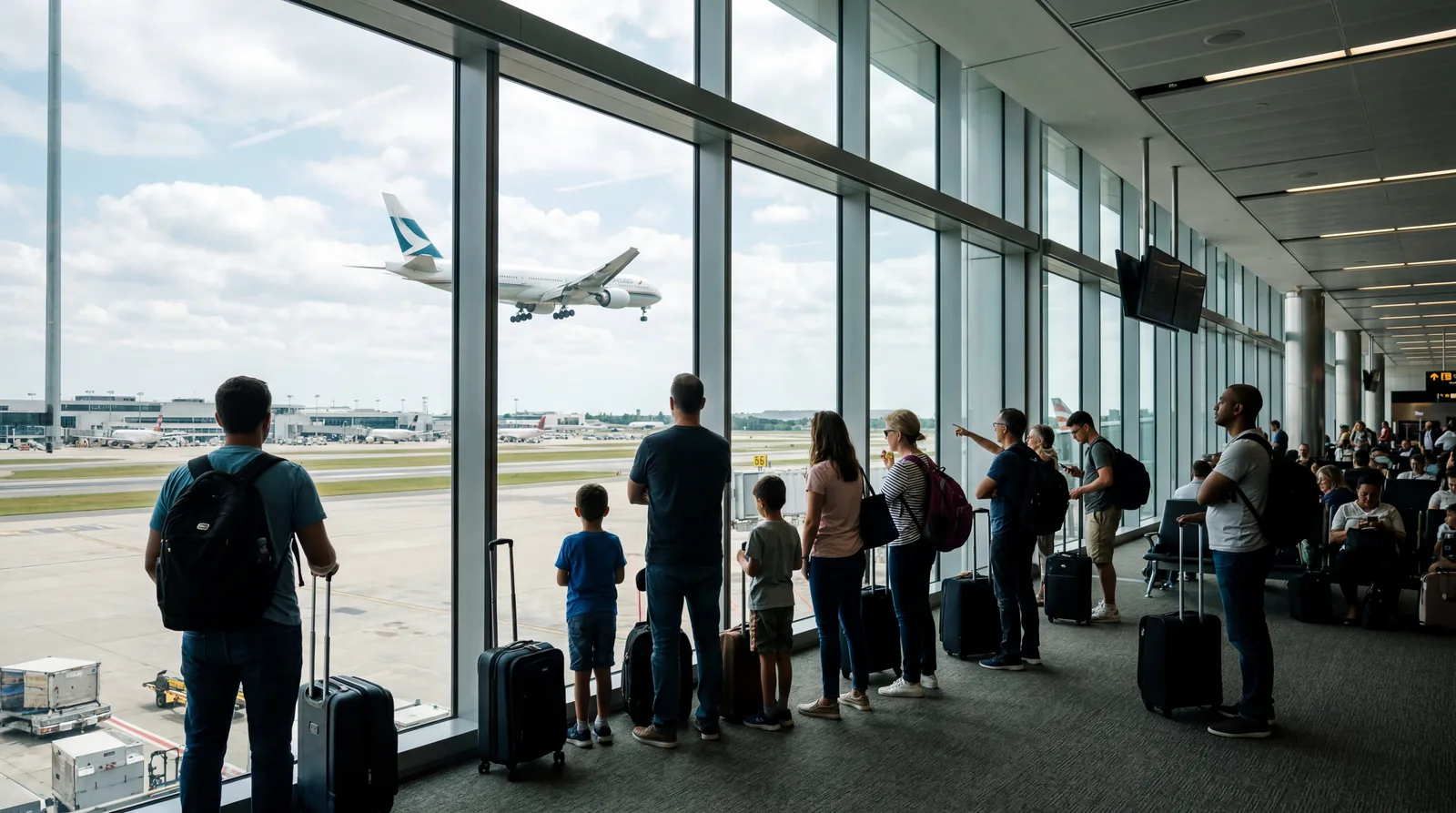
When gate agents say “the aircraft is on final approach,” they mean it’s under 10 miles from the runway and in the sterile cockpit phase. What passengers don’t realize is that “final approach” resets the boarding clock, not just the arrival clock. Boarding typically begins 10 to 15 minutes after the inbound aircraft clears the jetway, not 10 minutes after it lands.
If the gate agent says “final approach” and your boarding time is in 5 minutes, your boarding time is wrong. Actual boarding will be 20 to 30 minutes later than listed. Passengers who leave the gate for food during this window miss flights every single day.
17. “OFFLOAD”
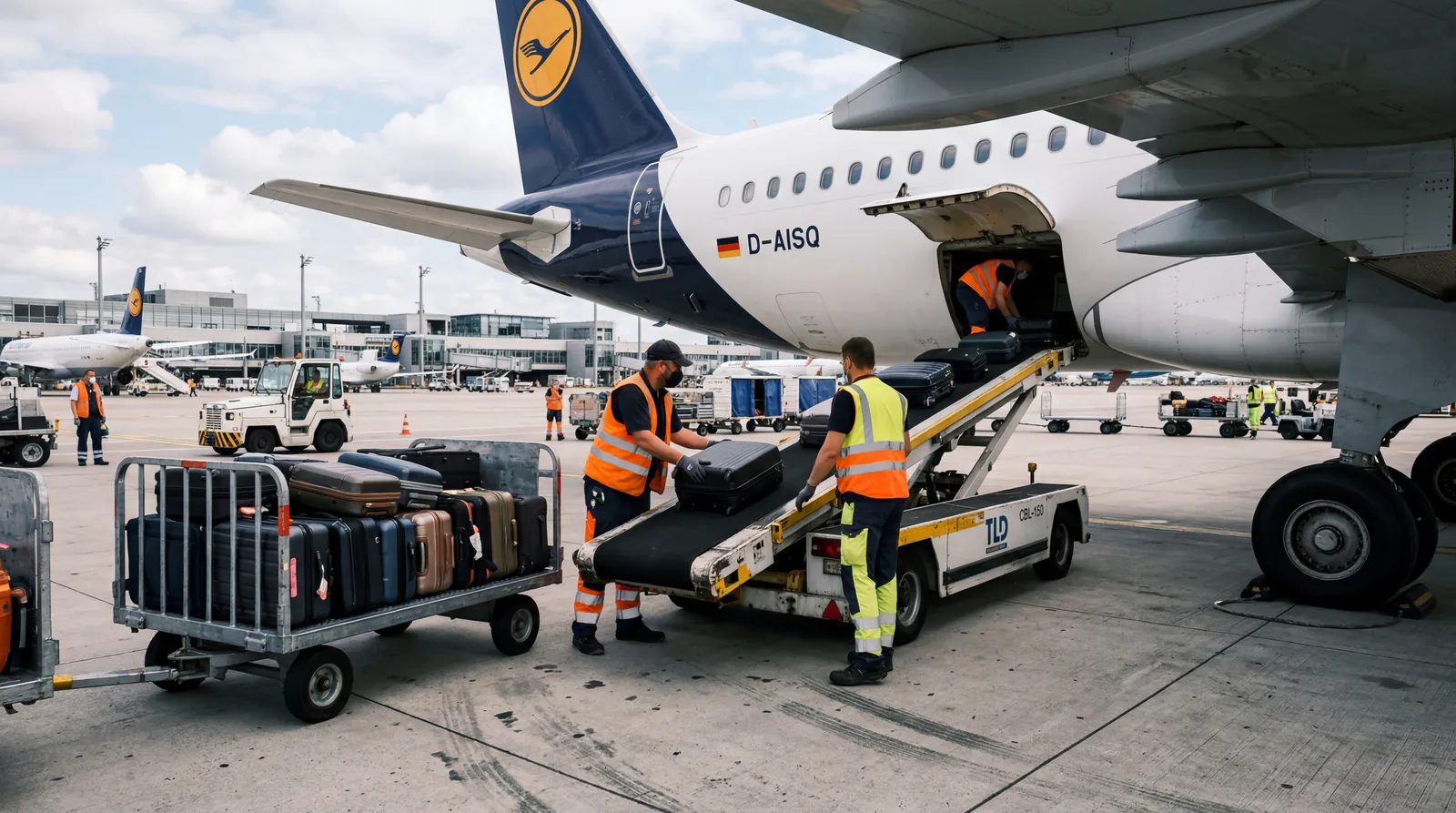
An offload isn’t something most passengers ever hear directly, but it determines whether you stay on your flight. To offload a passenger means to remove them from the aircraft manifest, either voluntarily or involuntarily. Airlines use this term for situations ranging from overbooking removals to security interventions.
An involuntary offload for overbooking entitles you to compensation under US DOT rules: up to $1,550 for domestic flights if the airline cannot get you to your destination within two hours of the original arrival time. Most agents don’t lead with that number. You have to ask.
16. “Intercom Tone Sequences”
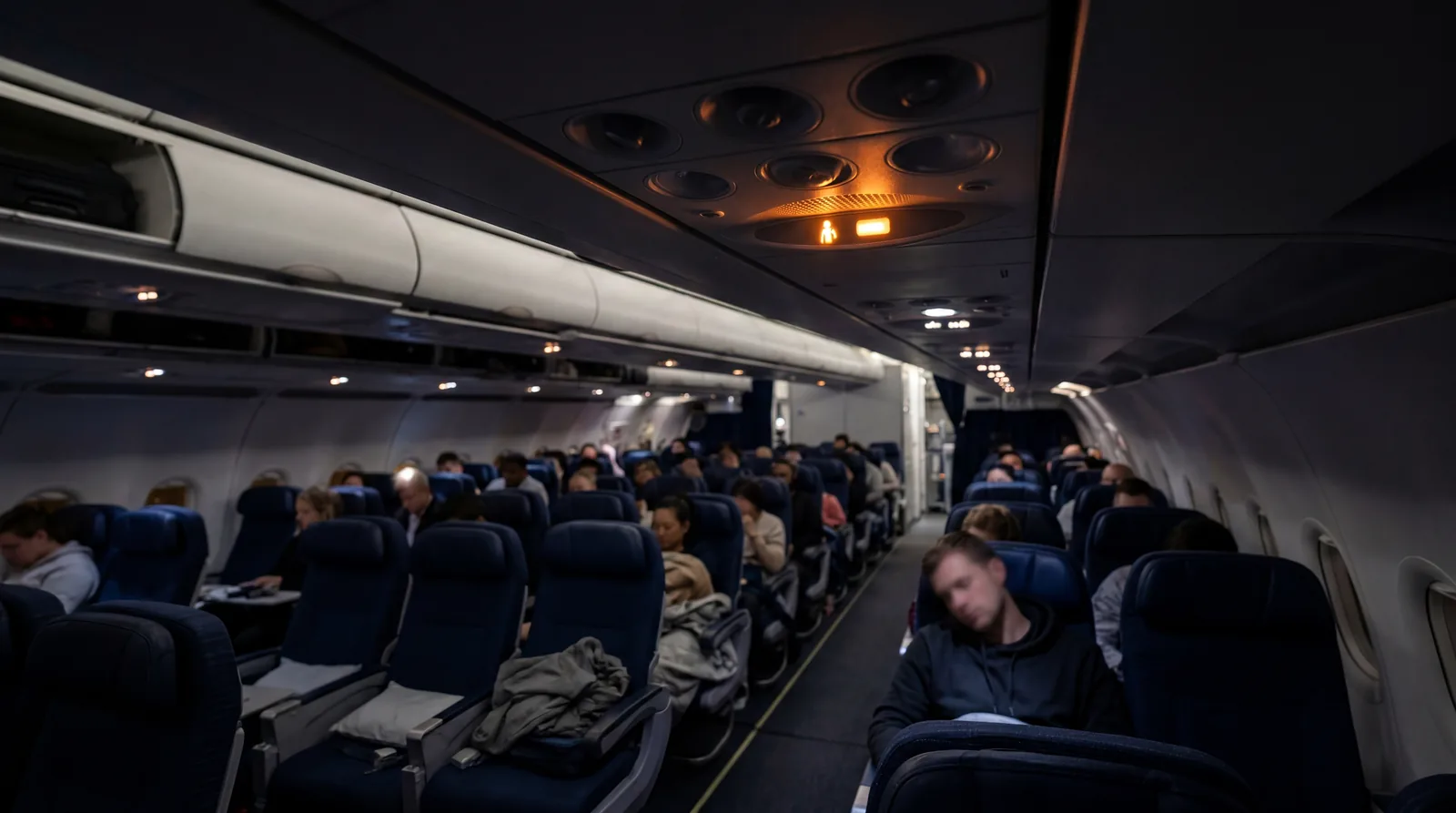
The ding patterns on commercial aircraft are a full communication system that passengers almost never decode. One ding typically means a passenger call. Two dings means a crew-to-crew call from one cabin zone to another. Three dings in most airline systems means a call from the cockpit to the cabin. Three consecutive dings is a non-emergency contact from the flight deck. That same curiosity is what makes 25 Things About Cruise Ship Food That Most Passengers Never Find Out in 2026 worth checking after this section.
A high-low chime (two different tones in sequence) during cruise typically signals a turbulence warning from the cockpit to the crew, giving them 60 to 90 seconds to secure the cabin before an announcement is made. Passengers who’ve learned to count the dings know what’s coming before the seatbelt sign illuminates.
15. “Squawk 7700”
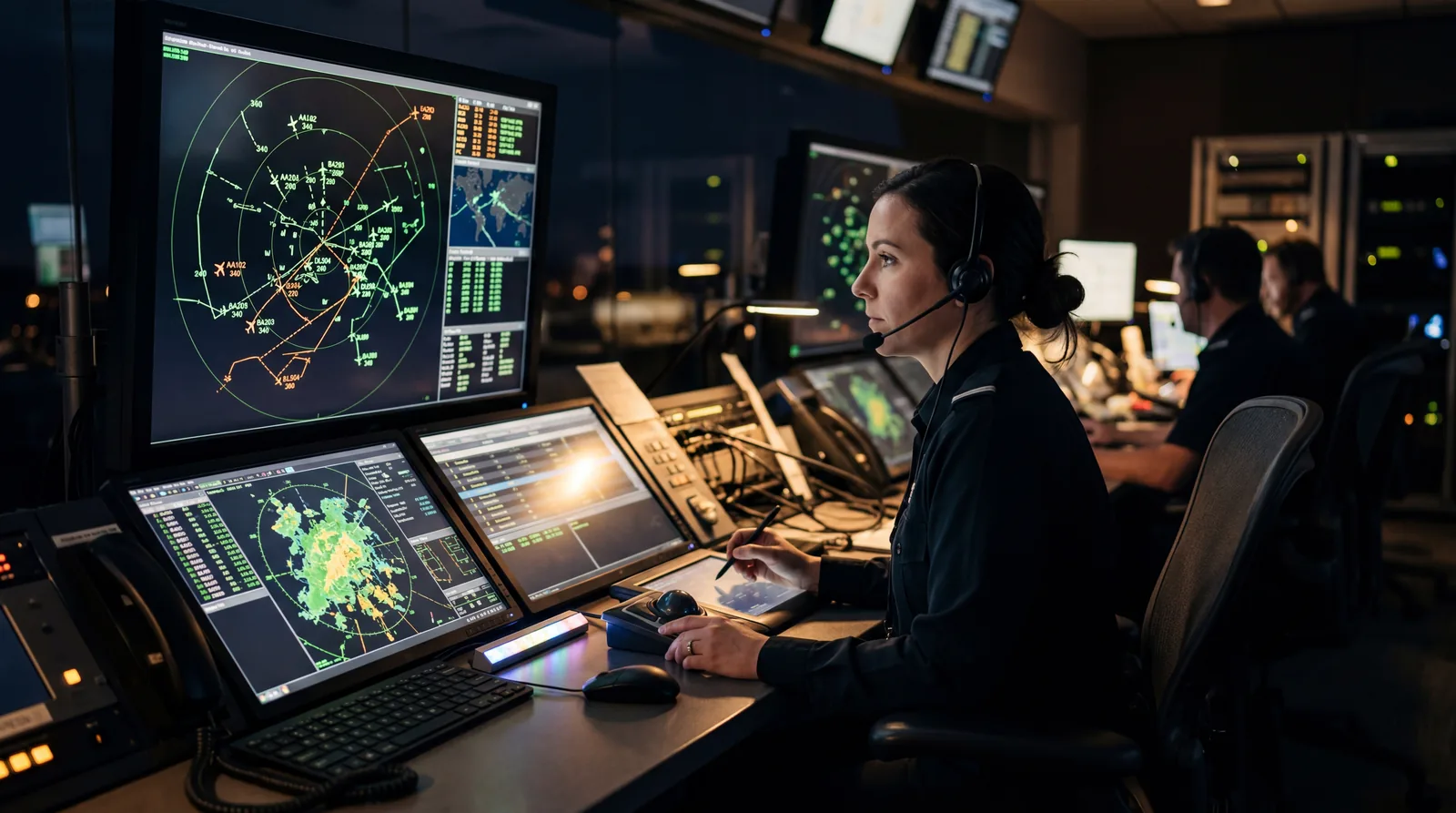
You won’t hear this on the terminal PA, but ground crews, ramp agents, and airline ops desks know immediately when it’s transmitted. Squawk 7700 is the general aviation emergency transponder code. When a pilot enters it, ATC radar identifies the aircraft instantly and clears surrounding airspace. All other flights in the vicinity receive priority sequencing.
A Squawk 7700 declaration triggers automatic notification to airport emergency services, ground crews, and airline operations. Aircraft squawking 7700 have priority over all other traffic, including medically declared aircraft. Passengers on nearby flights can find their landings suddenly accelerated or their gates redirected without explanation.
14. “Medical Response to Gate X”
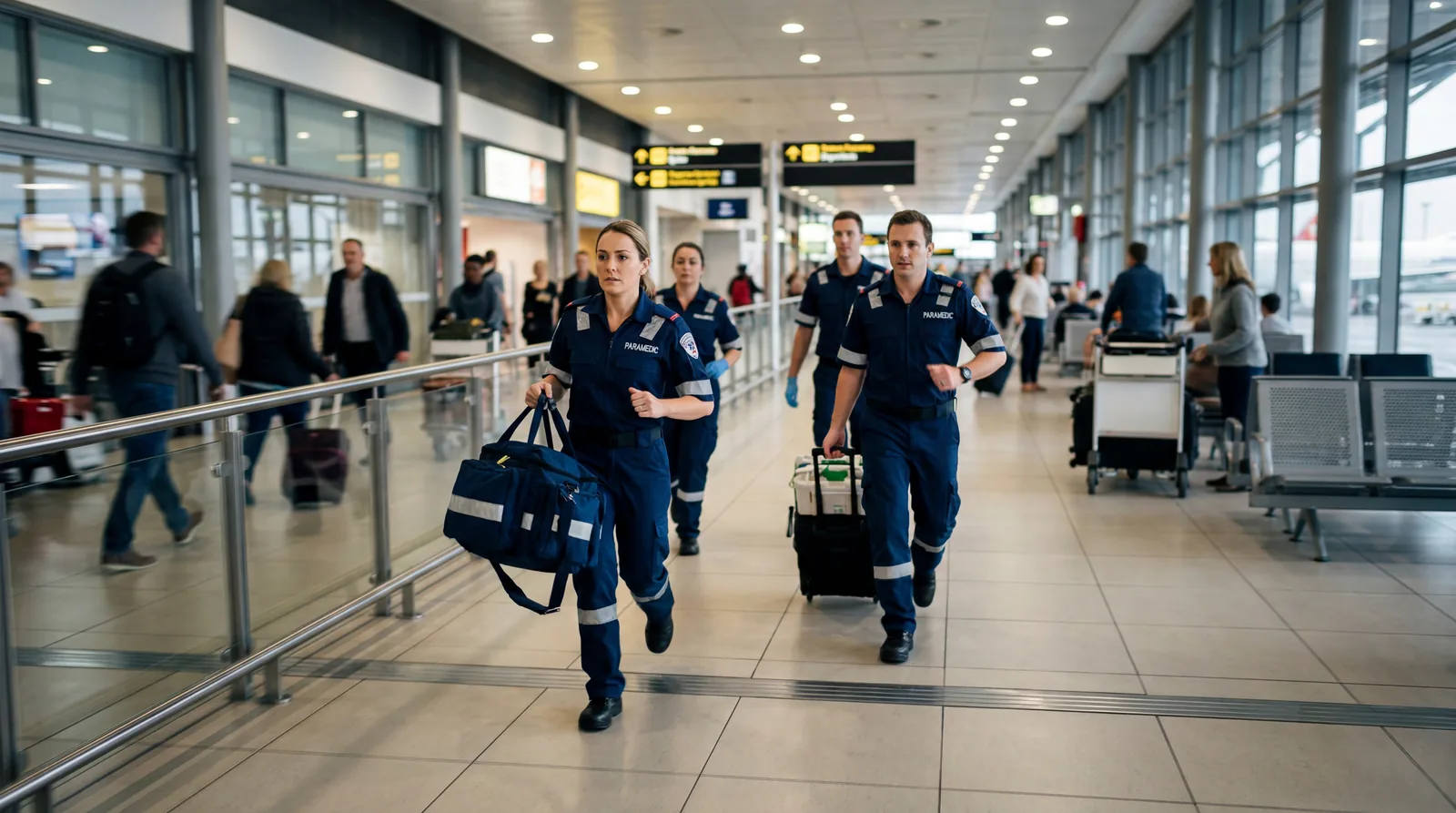
When you hear “medical response to gate X,” the actual clinical situation is almost always more serious than the phrasing suggests. Airlines and airports use deliberately neutral language to avoid causing panic in a crowded terminal. The response team rolling toward that gate includes a defibrillator, oxygen, and in large airports, an ALS-trained paramedic.
If the response is to an aircraft that’s already boarded, the flight will be delayed until the passenger is assessed, treated, or removed. Medical removals delay departure by an average of 35 minutes, plus the additional time for the manifest to be reconciled. You’ll be told there’s a “short delay” and not told why.
Read More: 23 Airline Policies That Changed After COVID (And Nobody Announced)
13. “Crew Rest Requirement”
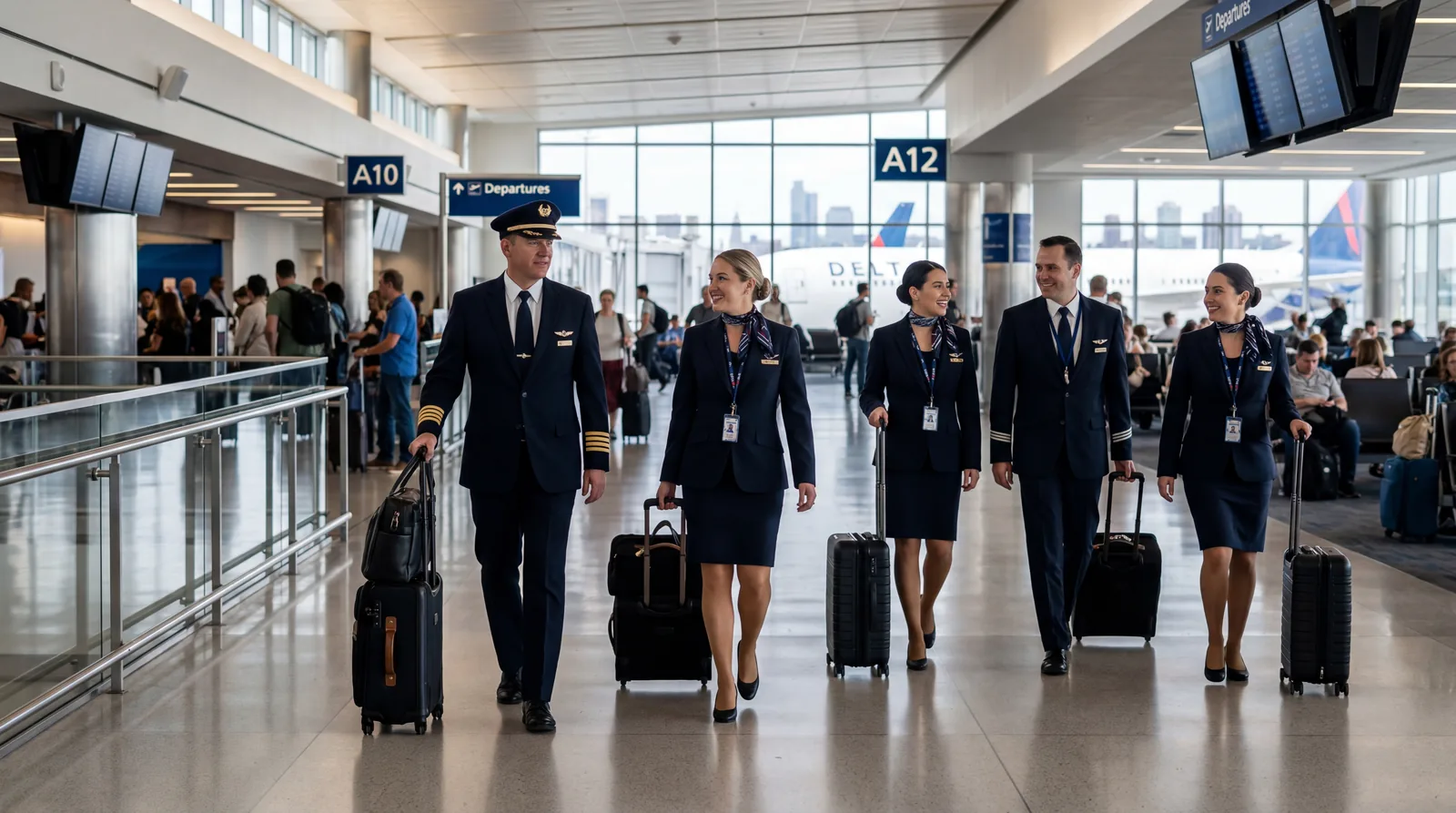
When a gate agent tells you a delay is due to “crew rest requirements,” they’re telling you a legal minimum rest period has not been met and the crew cannot legally fly. FAA regulations require domestic crews to have at least 10 hours of rest between duty periods, with at least 8 hours of sleep opportunity within that window.
Crew rest delays are almost always caused by cascading earlier delays, not by anything that started on your flight. The average crew rest delay runs 3 to 8 hours, and airlines are not required to provide hotel vouchers unless you ask, even if the delay is their operational fault.
12. “Technical Issue”
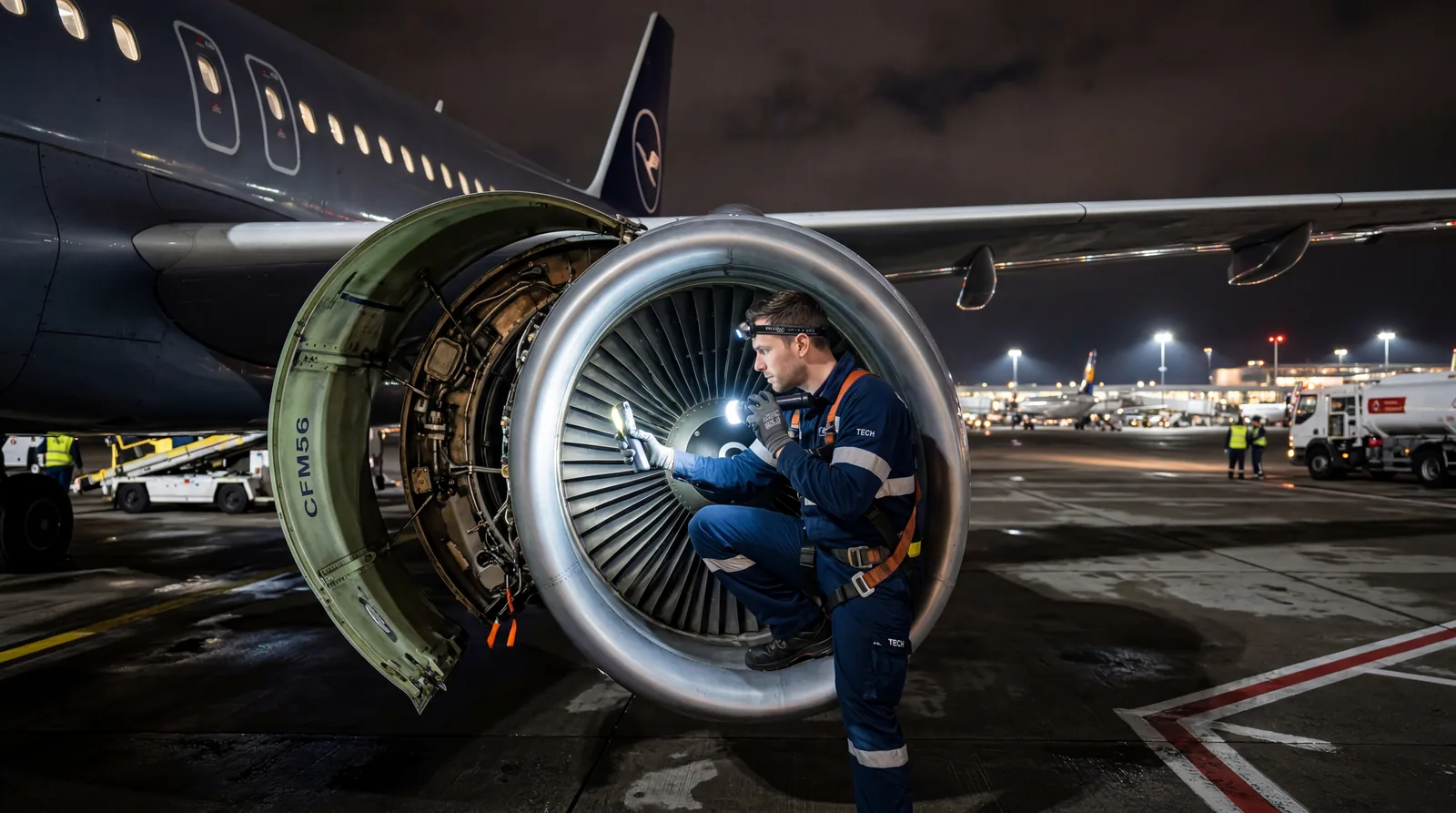
“Technical issue” is the most elastic phrase in commercial aviation. It covers everything from a burned-out reading light to a hydraulic system fault. Airlines use it specifically because it requires no detailed explanation and triggers no automatic passenger rights obligations. The actual severity is almost never disclosed. If this part caught your attention, 25 Cruise Ship Food Facts That Most Passengers Never Find Out in 2026 gives you another specific angle to compare.
When a technical issue runs longer than 90 minutes, the underlying problem is typically a component replacement that required a part to be flown in. Replacements that can’t be sourced locally result in cancellations, not repairs. If your “technical issue” delay crosses the 90-minute mark, start the rebooking process independently. The gate agent’s queue will be long when the cancellation drops.
The next few codes are ones most frequent flyers have heard but never fully understood. For a different but related slice of the same world, 25 Things Experienced International Travelers Always Pack That Most People Never is a good next stop.
11. “Inspector Sands”
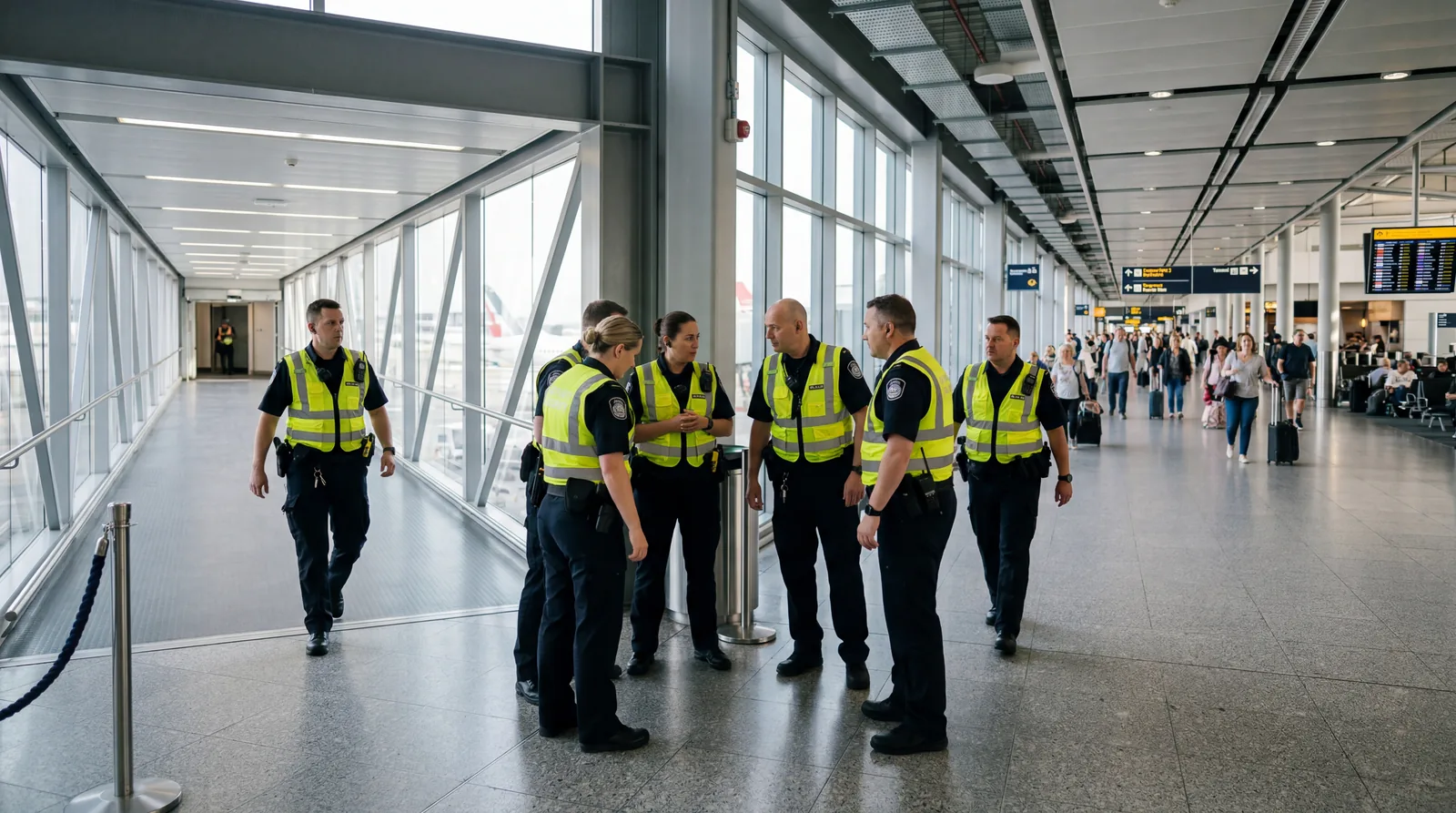
“Inspector Sands” is a code used in UK and Australian airports. When you hear it announced over the PA, it is a fire or bomb threat notification to staff. The name sounds like a person being paged. That’s the point. The announcement is designed to mobilize security and operations staff to a specific location without alerting passengers to the severity of the situation.
Airports that use this code include Heathrow, Gatwick, Sydney, and Melbourne. A real Inspector Sands call means staff are beginning a controlled evacuation protocol, checking the named location while the terminal continues to function normally around them. If the threat is confirmed, a full evacuation follows.
10. “PD” or “Priority Departure”
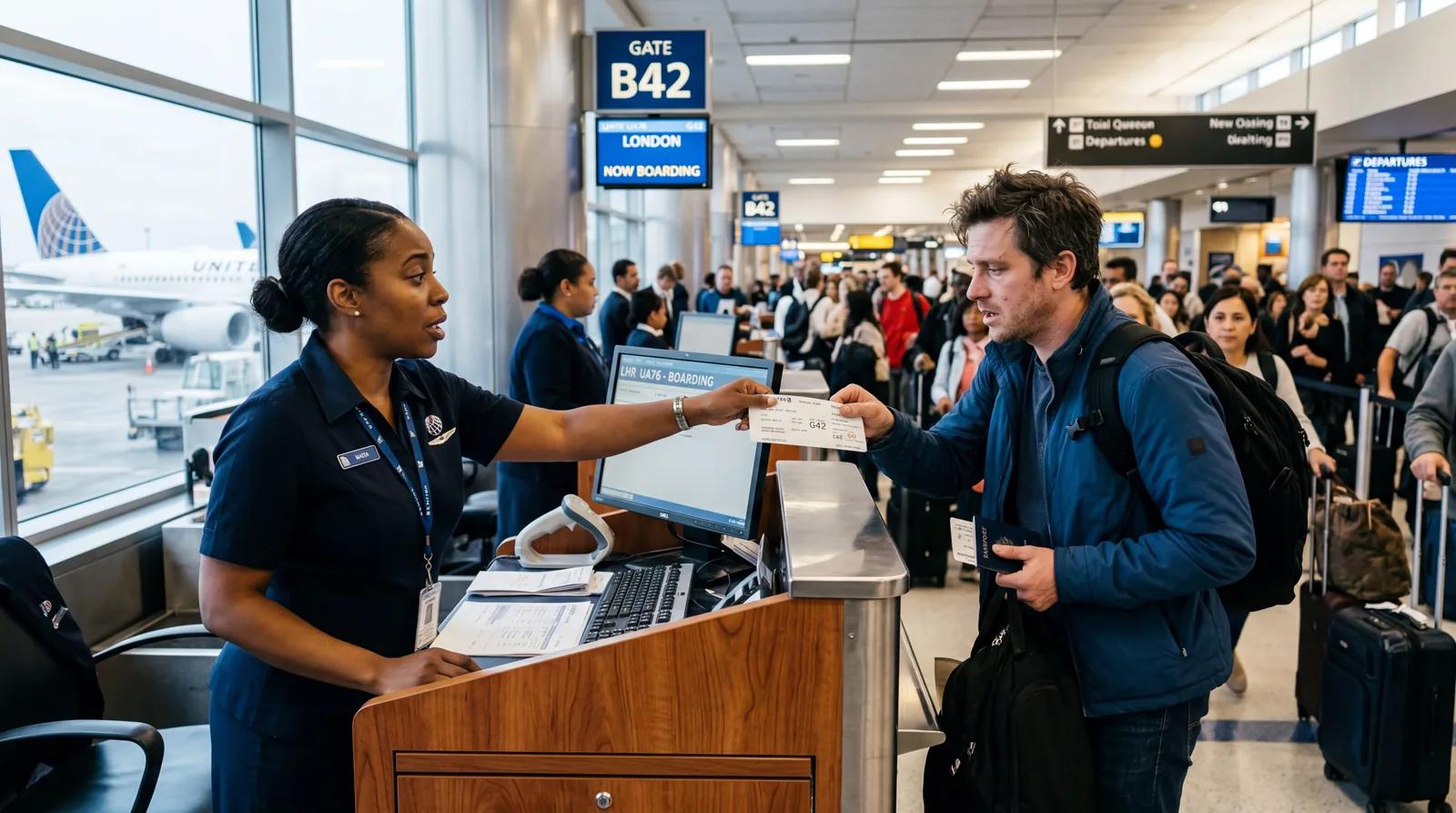
A Priority Departure is a directive from airline operations telling gate agents to board and push back the aircraft faster than scheduled. PD status is typically triggered when a flight is running behind and has downstream connections to protect, particularly hub-to-hub routes where a missed connection cascades into dozens of passenger rebookings.
When a PD is in effect, gate agents have authority to deny boarding to any passenger not present at the gate. Passengers who are five minutes away at a food court are routinely offloaded during PD events. The gate can legally close before the scheduled departure time if a PD has been issued.
9. “Squawk 7600”

Squawk 7600 is the transponder code for radio communications failure. When a pilot enters it, ATC immediately shifts to light gun signals for visual communication and clears the aircraft into a specific holding pattern. A 7600 aircraft cannot receive verbal instructions from ATC, which means it must follow a pre-established lost comms protocol.
The protocol requires the pilot to maintain last assigned altitude, fly the planned route, and land at the destination under a specific sequence. At the arrival airport, runways are cleared of all traffic and emergency vehicles are staged. Passengers on the aircraft know nothing unusual is happening. Passengers in the terminal see a sudden flurry of ground crew activity and no explanation.
Read More: 19 Things Flight Attendants Notice About You Before You Even Sit Down
8. “HAZMAT Notification”

When HAZMAT is announced on staff channels, it means dangerous goods have been identified in cargo or passenger baggage. Under IATA regulations, certain goods are prohibited from commercial aircraft entirely, including specific lithium battery configurations, self-heating substances, and magnetized materials. Not all of them are items passengers would expect to be an issue.
HAZMAT notifications on boarded aircraft require the goods to be located, identified, and removed before departure. This process takes a minimum of 45 minutes if the bag is in the hold, because the hold must be opened, the bag located by tag, and the item assessed before the aircraft can close again. You’ll be told there’s a “baggage issue.”
7. “Air India One” or VIP Routing Codes
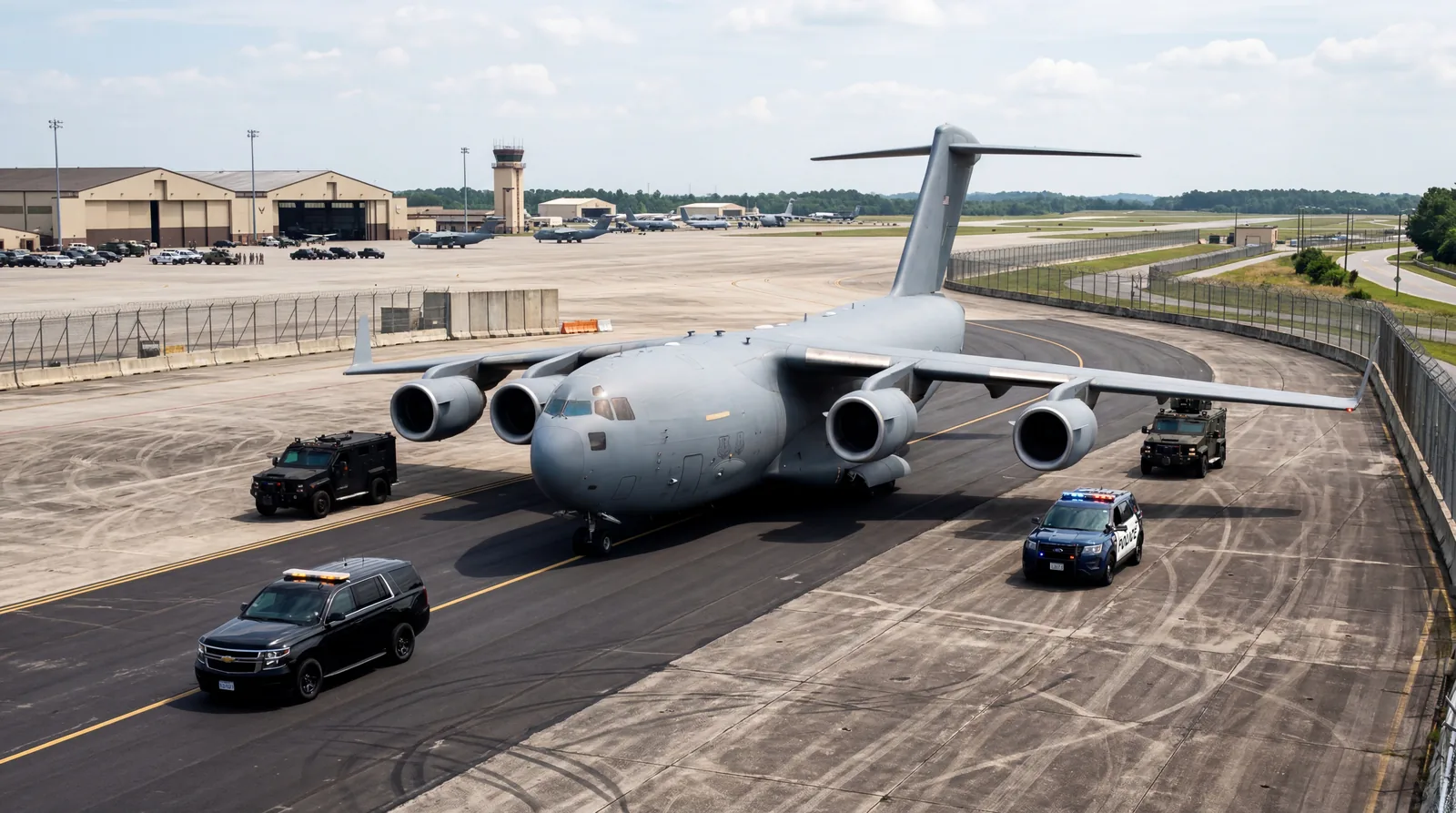
When a head of state or senior government official is traveling, airports receive advance notification coded as a VIP routing. In the US system, these are referenced as Air Force One protocols when the president is aboard, but equivalent codes apply to vice presidents, foreign heads of state, and senior military personnel. The term “Air India One” refers to any Indian government aircraft carrying the prime minister.
VIP routing codes trigger a cascade of operational changes you notice without knowing why. Entire concourses can be cleared of ground vehicles. Departure sequencing shifts. Aircraft already pushing back are held. Passengers on affected flights experience unexplained delays of 15 to 45 minutes. The reason is never given in the terminal.
The last few are the ones staff hope you never ask about.
6. “Code Bravo”
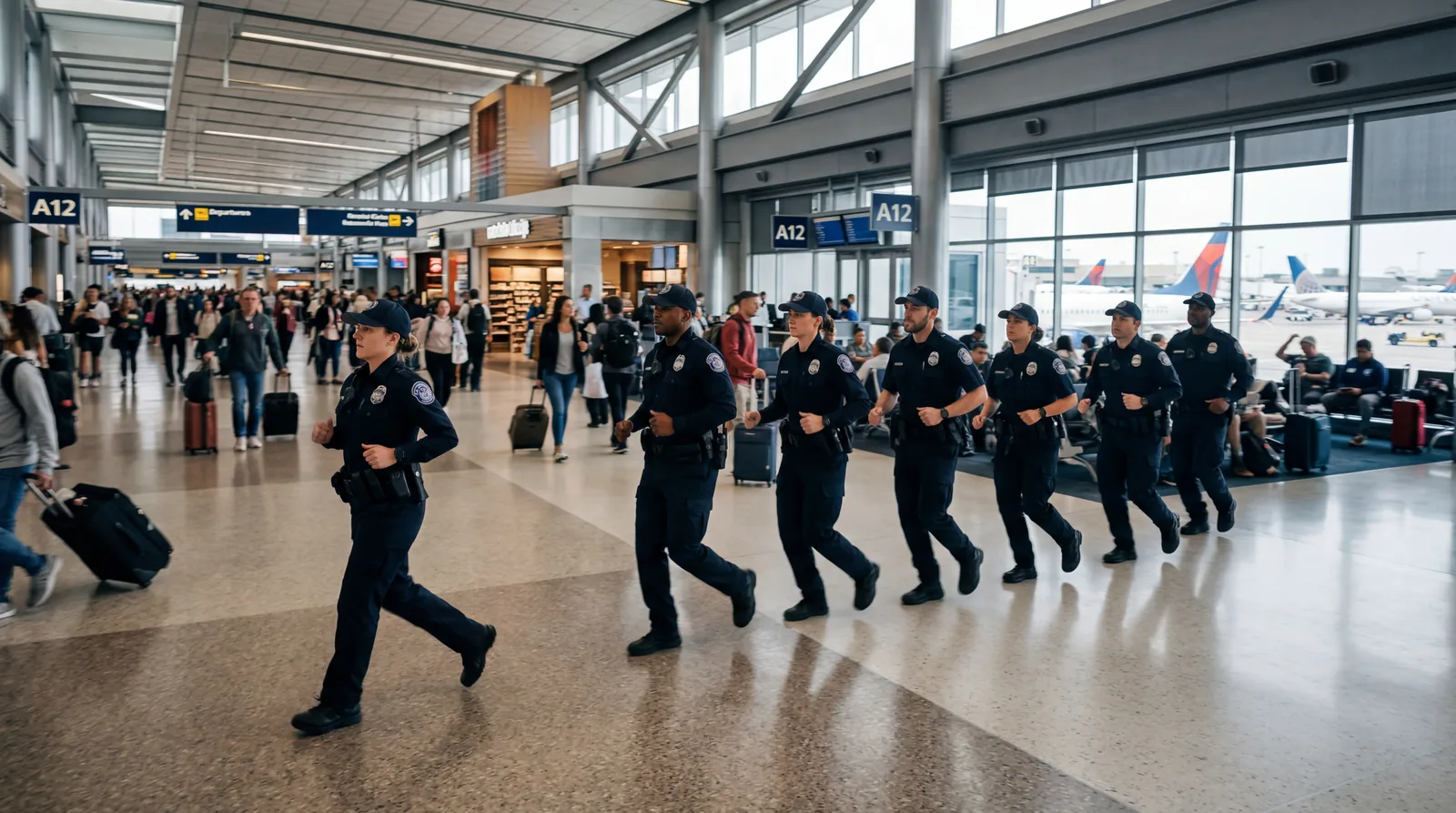
Code Bravo is a general security alert at US airports. When announced, every uniformed and plainclothes security officer in the terminal freezes in place and watches the crowd. The code is typically triggered by a door breach, an unscreened individual entering the secure area, or a credible threat report.
Passengers who panic, run, or move quickly toward exits during a Code Bravo become the immediate focus of every security officer in range. The correct behavior is to stop moving and stand still. If you’re near a door when Code Bravo is called and you walk through it, you will be stopped, identified, and re-screened. The process takes 30 to 90 minutes minimum. Readers who enjoy these kinds of details may also want 25 Things Hotel Staff Notice About You the Moment You Walk Through the Door in 2 for another quick detour.
5. “Aircraft on Ground” (AOG)

AOG is a maintenance designation that means an aircraft is grounded due to an airworthiness issue and cannot be released for service until the defect is signed off by a licensed engineer. It’s used internally by airline operations but you’ll sometimes hear it referenced by gate agents or see it appear on delay notifications.
An AOG event with no spare aircraft at the station results in a cancellation, not a delay. The closest replacement aircraft can be 2 to 6 hours away, depending on the carrier’s fleet positioning. What passengers experience is a gate delay that silently converts to a cancellation, often with little warning. If the delay notice stops updating, call the airline directly. Don’t wait at the gate.
4. “Emergency Services on Standby”
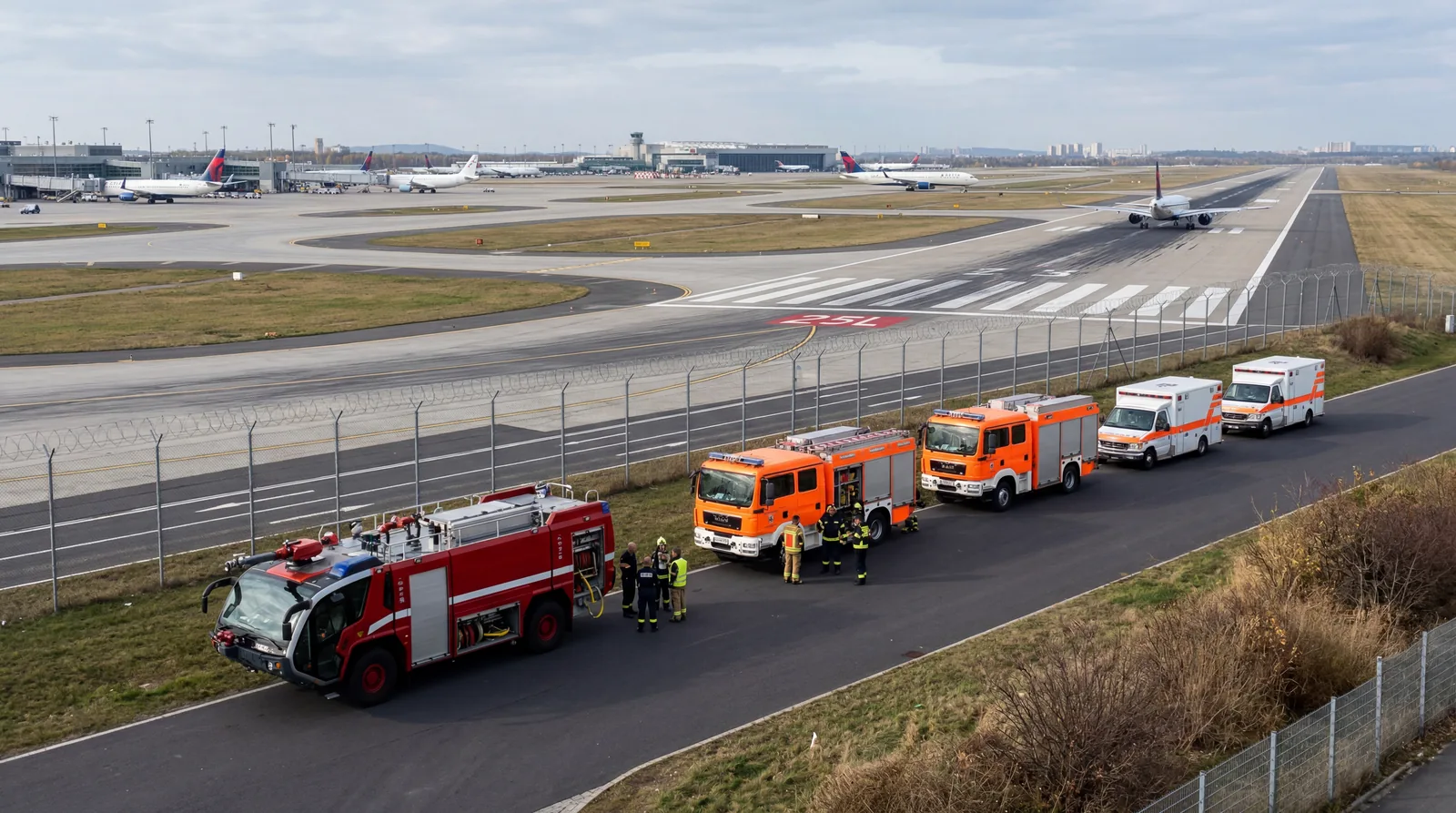
When gate agents or operations staff announce that emergency services are on standby for an arriving aircraft, the phrasing tells you nothing about severity. The same language is used for a passenger with a known medical condition, a landing gear indicator that may be faulty, and a full aviation emergency with fire trucks on the runway.
What you’ll see tells you more than what you’ll hear. If fire trucks are positioned at the runway threshold with lights on and foam cannons raised, the aircraft has a confirmed landing gear or fire-related emergency. At most airports, passengers in terminals near the affected runway have a direct sightline to this staging. Airlines will not announce what the trucks are there for.
3. “Go Around”
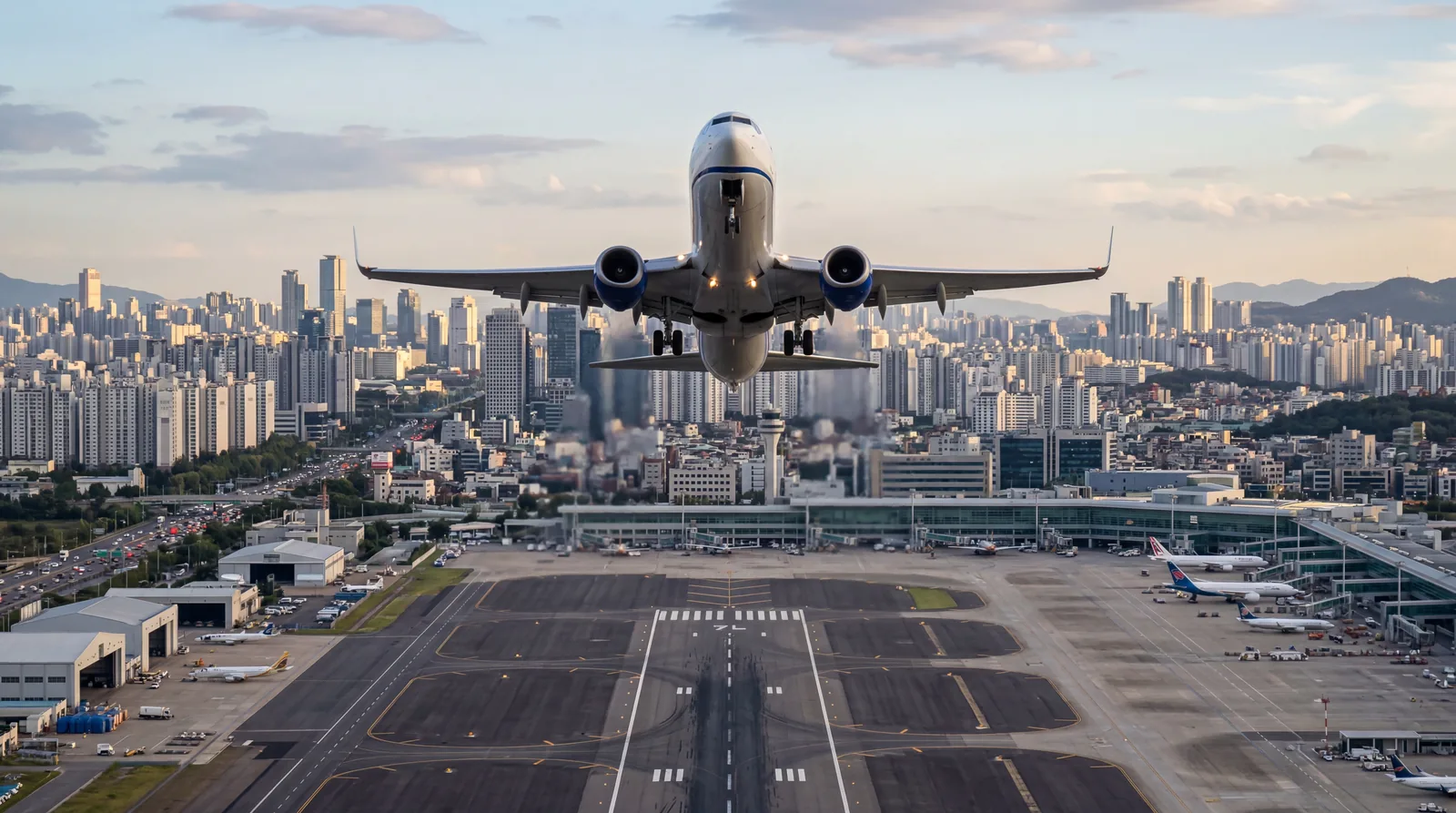
A go around means the landing was aborted. The pilot was on final approach, close enough to the runway that passengers could see the ground, and then climbed away again. Most go arounds are initiated by ATC, not the pilot, because an aircraft or vehicle failed to clear the runway in time.
What passengers experience is a sudden increase in engine noise, a steep climb, and no immediate explanation. Flight attendants are trained to stay calm and say nothing until instructed. Go arounds add between 15 and 40 minutes to arrival time as the aircraft re-enters the approach sequence. They’re not rare. On busy runways like LAX, Heathrow, or Chicago O’Hare, go arounds happen multiple times per day.
The silence in the cabin during a go around is intentional. The crew knows before you do. They’re waiting for the cockpit to update them, which sometimes takes 5 to 10 minutes after the maneuver is already complete. A retired gate agent from Atlanta told me she once worked four consecutive go-arounds on the same flight before the weather window opened. Passengers received no explanation until they were on the ground.
2. “Squawk 7500”

The Code That Grounds Every Plane on the Frequency
Squawk 7500 is the hijacking transponder code. When a pilot enters 7500, ATC radar immediately flags the aircraft and begins a silent response protocol. No voice confirmation is requested from the cockpit, because any audible confirmation could alert a hijacker. ATC simply watches the transponder and coordinates a response.
Every aircraft on the same frequency is silently rerouted. Ground crews at the destination are notified. Law enforcement and federal agencies are contacted within minutes. The aircraft continues on its normal route while a response builds around it. Passengers see nothing. The cabin is calm. The flight attendants may not have been told.
Squawk 7500 has been entered accidentally by pilots who misread 7600 or 7700. In every case, the full response is initiated until the code is reset and the crew verbally confirms there’s no threat. False 7500 squawks result in federal investigations, law enforcement escorts, and significant delays at the arrival airport regardless of cause.
Bad. But nothing compared to what’s waiting at #1.
1. “Inspector Sands to Gate X”
The Code That Clears an Entire Terminal
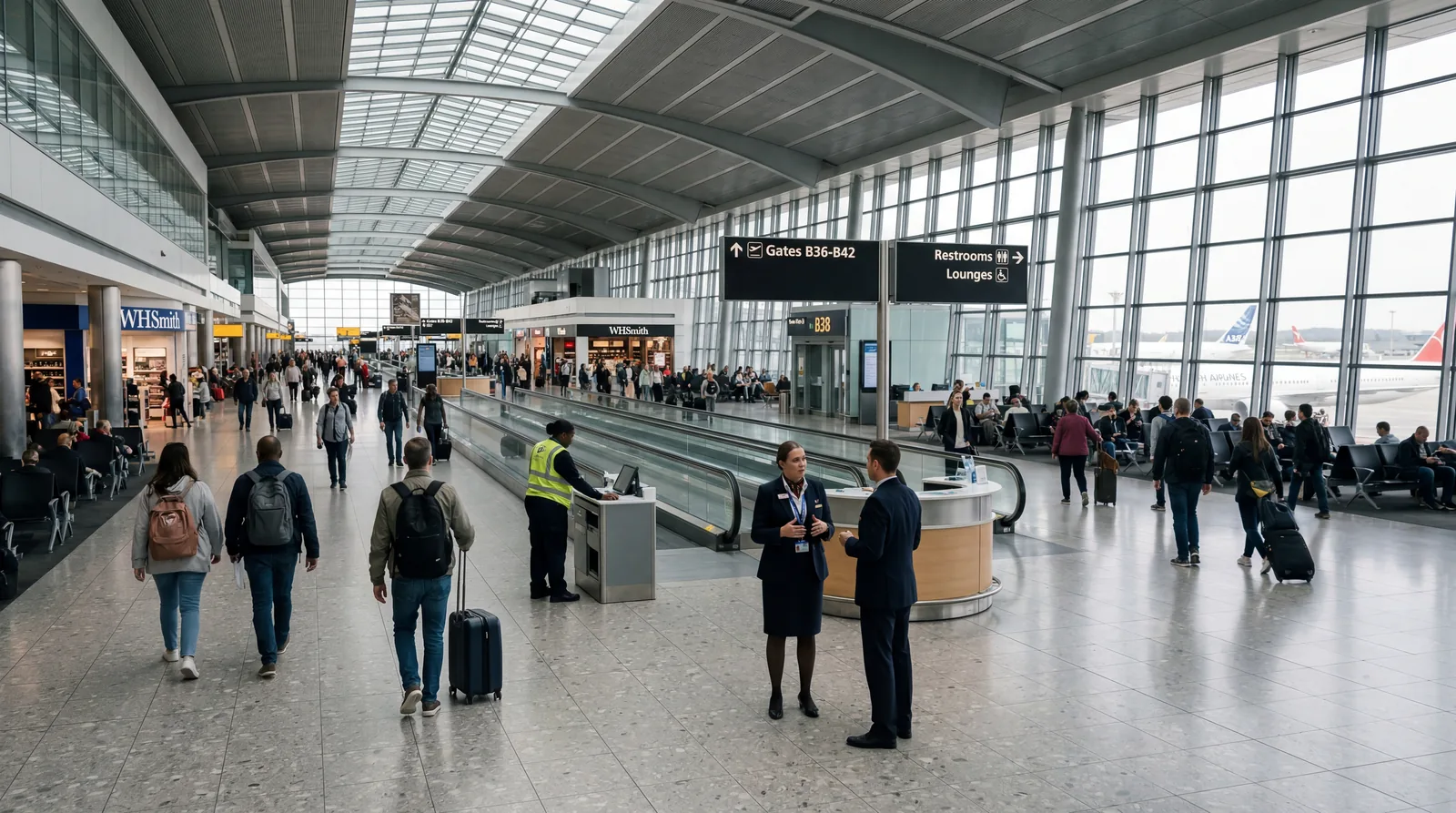
This is the escalated version of the Inspector Sands call used in UK and Australian airports. When a specific gate number is appended to the announcement, staff begin a directed evacuation of that zone. Passengers are moved back from the gate area using crowd management language. They’re told the gate has changed, that boarding will be delayed, or that there’s a brief technical issue.
None of those explanations are the real reason. The real reason is that a threat object, a suspicious package, or a confirmed security breach has been identified at that gate location. The terminal continues to function around the evacuation zone because a full public announcement would cause a crush injury risk in a crowded concourse.
A retired gate agent from a major UK hub told me she worked two Inspector Sands gate calls in four years. In both cases, the announcement was made twice before passengers at the gate realized staff were repositioning them away from the area. By the time the zone was cleared, bomb disposal teams were already on the concourse. The terminal stayed open. The rest of the airport never knew. If you like this kind of overlooked detail, 23 Codes Cruise Ship Staff Use That Passengers Are Never Supposed to Hear in 202 is another useful read to open next.
“The hardest part,” she said, “is answering the question ‘what’s the delay?’ and saying ‘technical issue’ to someone who’s looking at their phone and not at what’s happening behind you.”
Next time you’re at the gate and you hear something unusual over the PA, you’ll know exactly what’s happening.
What You’ve Been Hearing All Along
These codes are used every day at airports around the world. Some are about logistics. Some are about safety. The ones you never heard explained are the ones that matter most. Forward this to anyone you know who travels regularly. They’ve almost certainly heard several of these and had no idea what was actually being said. For another nearby rabbit hole, 19 Codes Hotel Staff Use That Guests Are Never Meant to Know in 2026 looks at a related piece of everyday culture.