

Every salesperson you’ve ever dealt with went through training that covered specific words and phrases designed to make you more likely to say yes and spend more than you planned. The phrase at #1 is used in virtually every high-ticket sale made in the United States every single day, and customers who hear it spend an average of $1,200 to $3,800 more than those who don’t. Read every entry before your next purchase.
19. “Investment”

The moment a salesperson stops saying “cost” or “price” and starts saying “investment,” your brain shifts. You’re no longer spending money. You’re building something. Studies on sales language show that framing a purchase as an investment increases average ticket size by 18 to 24 percent. A $2,400 mattress becomes a “wellness investment.” A $3,200 TV becomes a “home entertainment investment.” Same product. The word does the work. Ask them to tell you the price instead.
18. “Only”
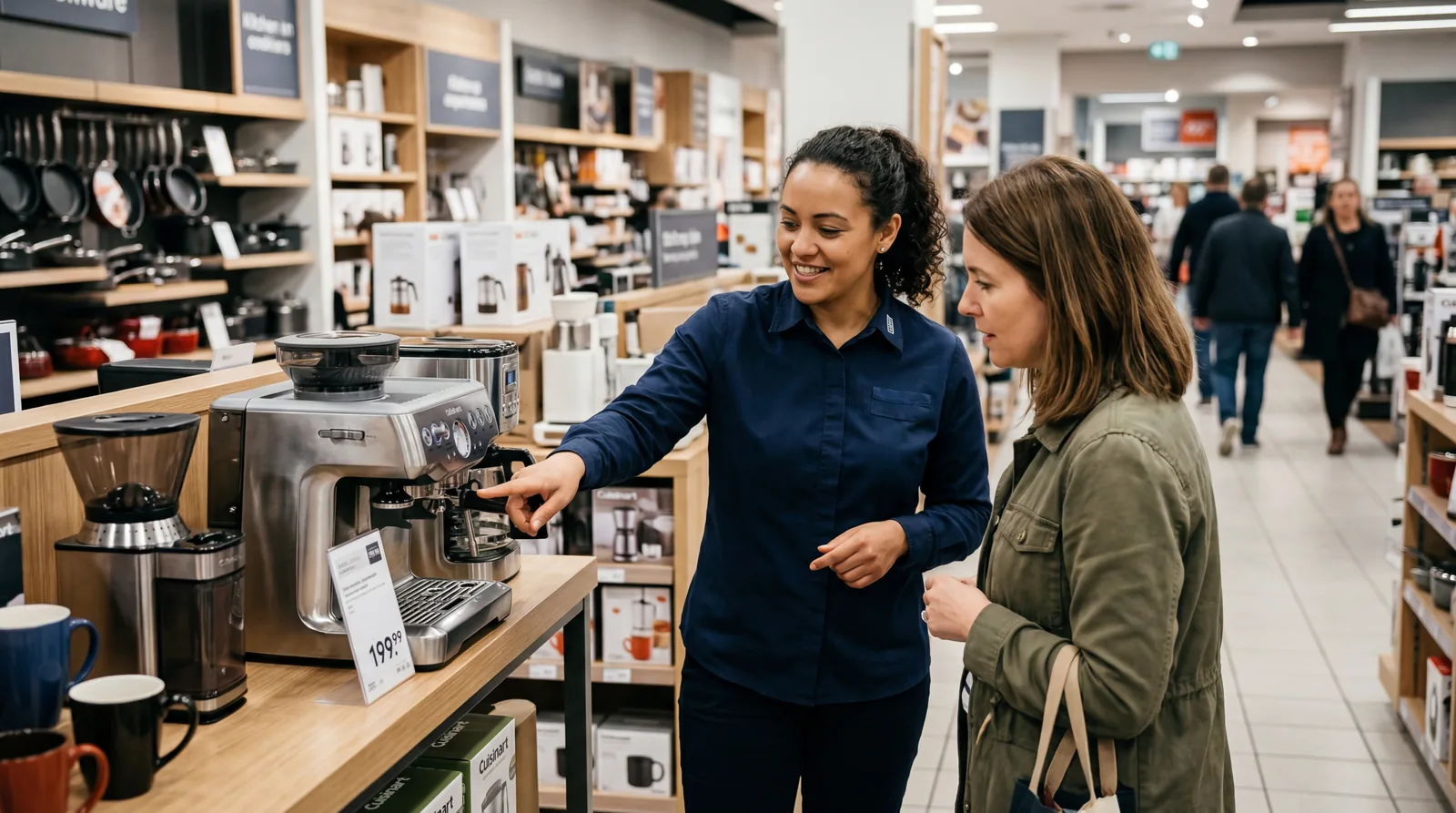
“It’s only $79 a month.” That sentence is doing a specific job. It’s shrinking the number by attaching the word “only” to it, and it works. Research on price framing shows that buyers are significantly less likely to negotiate when a price is presented with minimizing language. $79 a month is $948 a year. Over a three-year contract, that’s $2,844. The word “only” was designed to stop you from doing that math. Do the math anyway.
17. “Imagine”

“Imagine coming home to this every day.” That’s not a sales pitch. That’s a visualization exercise, and it’s one of the most effective tools in any sales script. When you picture yourself owning something, the psychological distance between you and the purchase collapses. Real estate agents who use “imagine” language in walkthroughs close at rates 31 percent higher than those who don’t, according to sales training data. You can’t un-imagine it once you’ve done it. That’s the point.
16. “Most People Choose…”

“Most people choose the premium package.” This is social proof, and it’s been in every sales training manual since the 1970s. You don’t want to be the person who chose less than everyone else. What’s usually left out is that “most people” often means a small sample, a cherry-picked data set, or just a phrase the salesperson was trained to say. The premium package this line is typically attached to costs $400 to $800 more than the standard option. Most people don’t ask for evidence. Ask.
It gets significantly more expensive from here.
15. “What’s Stopping You?”

This phrase is called an objection closer. When you’ve raised a hesitation and the salesperson says “what’s stopping you from moving forward today?”, they’re not asking a question. They’re putting the resistance back in your hands. Now you have to explain your reluctance, and explaining it out loud often makes it feel smaller. Sales training programs teach this phrase specifically to shrink hesitation. Customers who are asked this question are twice as likely to complete the purchase in that session versus those who are allowed to “think about it.”
14. “We Only Have One Left”
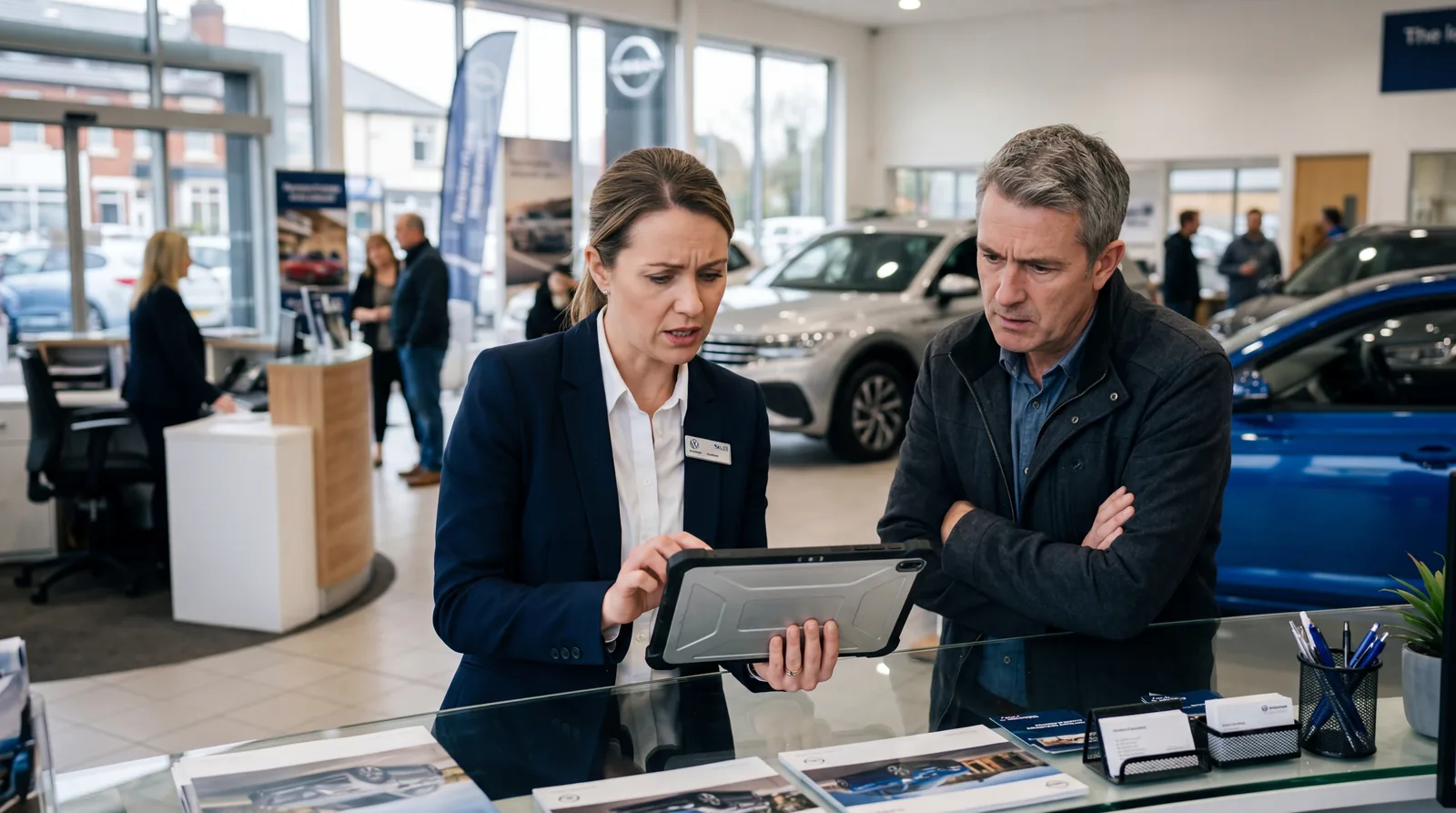
Artificial scarcity is one of the oldest sales tactics in use, and it works reliably. “We only have one left at this price” triggers loss aversion. You’re not thinking about whether you want the product. You’re thinking about losing it to someone else. Studies on scarcity messaging show price resistance drops by up to 40 percent when buyers believe availability is limited. In many cases the “one left” is not accurate. The product restocks regularly. The urgency was manufactured to make you stop comparing prices.
13. “What’s Your Budget?”

This question sounds like the salesperson is trying to help you stay within your means. It’s actually an anchoring tool. The moment you say “around $500,” the salesperson knows your ceiling. Everything they show you from that point will hover at or just above $500. You’ve handed them your negotiating position before the negotiation started. Experienced buyers never answer this question directly. Say you’re comparing options and ask them to show you the range. Let them set the anchor first.
Read More: 21 Bank Fee Terms Your Bank Hopes You Never Google
12. “Protect Yourself”
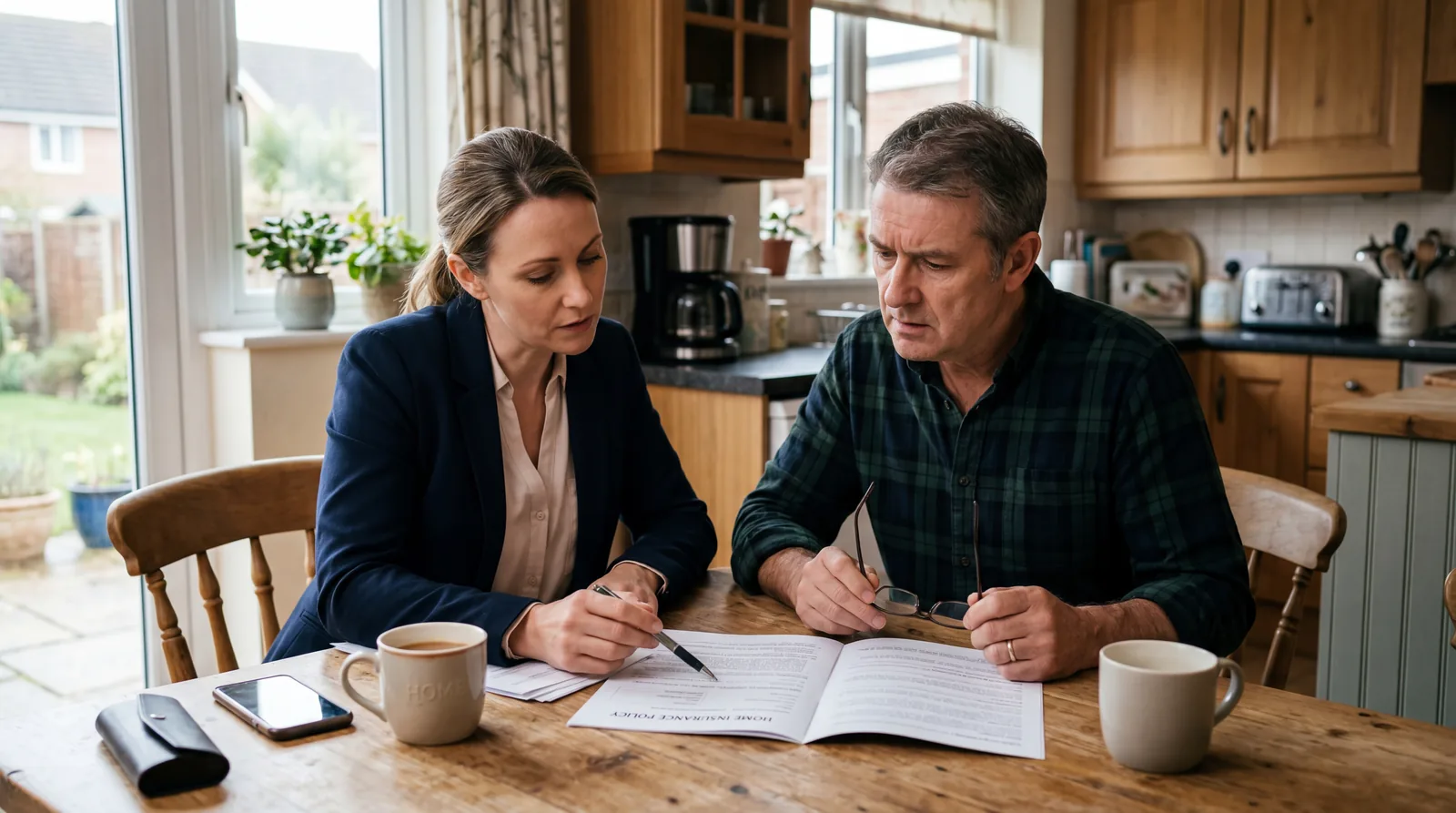
“Protect yourself and your family” is the hook attached to every upsell that leads with fear. Extended warranties, protection plans, gap insurance, service contracts. The fear mechanism works because the downside (something breaks, something happens) feels concrete while the upside (nothing happens and you wasted the money) feels abstract. The average protection plan upsell costs $200 to $600 and pays out less than 20 percent of the time based on warranty industry data. You’re paying $400 on average for a 1-in-5 chance you’ll need it.
We almost left this one out. Then we looked at how much it costs people per year.
11. “Take It Home Today”

Ownership language moves the sale from a decision into a done deal before you’ve agreed to anything. “Take it home today” makes you visualize the product already in your possession. The psychological shift is significant. In appliance and electronics sales, customers who hear “take it home today” language are 27 percent less likely to ask for a price reduction compared to customers whose purchase is framed as a future event. The product is already yours in the picture the salesperson has created. Negotiating feels like giving something back. If you like this kind of overlooked detail, Today’s NYT Connections Words Explained for May 28, 2026 is another useful read to open next.
10. “You Deserve It”
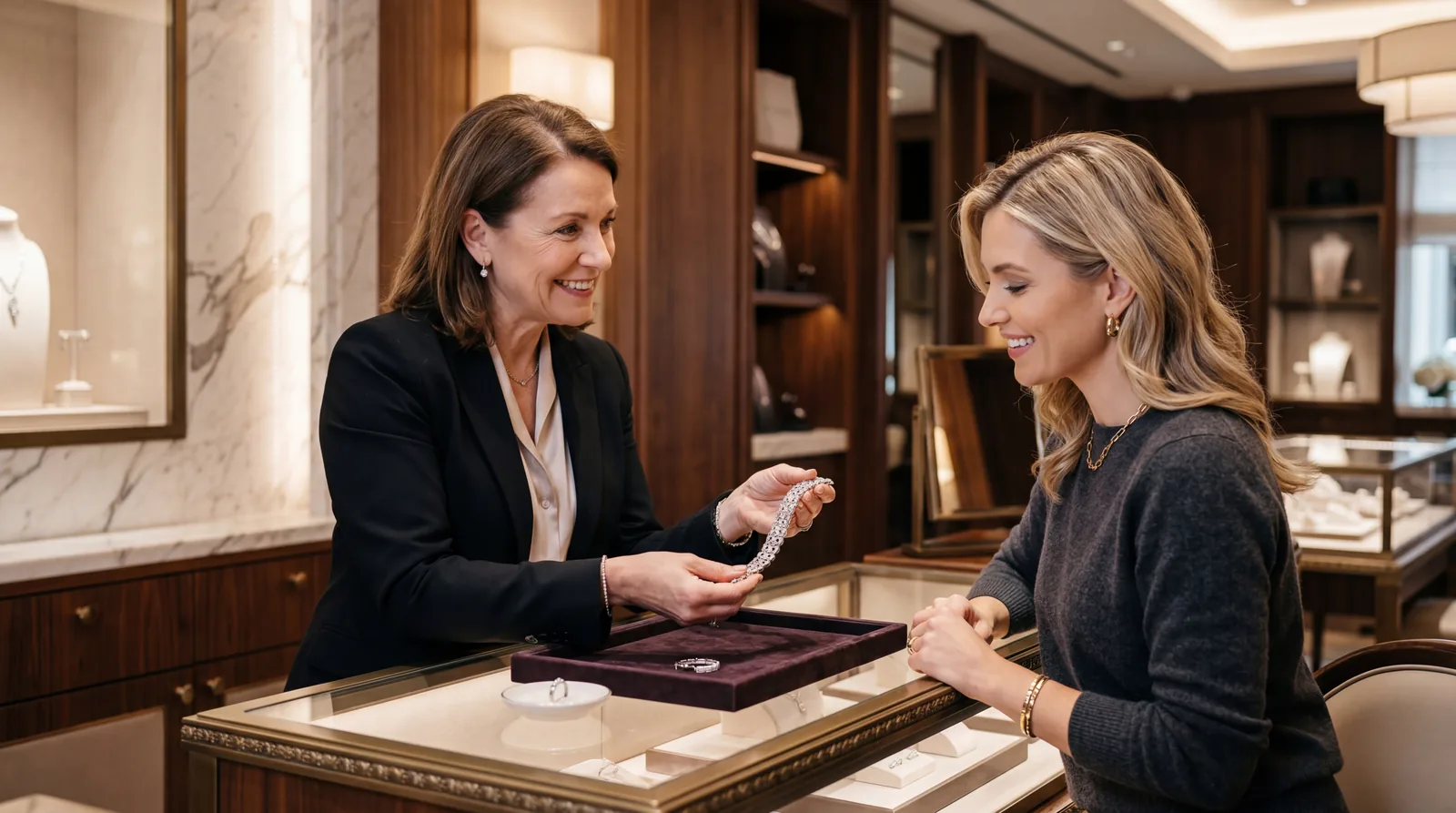
“You work hard. You deserve it.” This is permission-giving language. Its job is to lower the guilt associated with a large purchase. It’s used most often when the price is at or above the buyer’s stated budget, or when the salesperson senses hesitation connected to cost. Car dealerships, jewelry stores, and luxury goods retailers train staff specifically on this phrase. The average purchase where “you deserve it” is deployed is $600 to $1,400 above what the buyer originally said they wanted to spend. You do deserve good things. You also deserve to spend less for them.
Read More: 17 Car Dealership Tricks That Cost You Thousands on Your Next Trade-In
9. “The Real Question Is…”
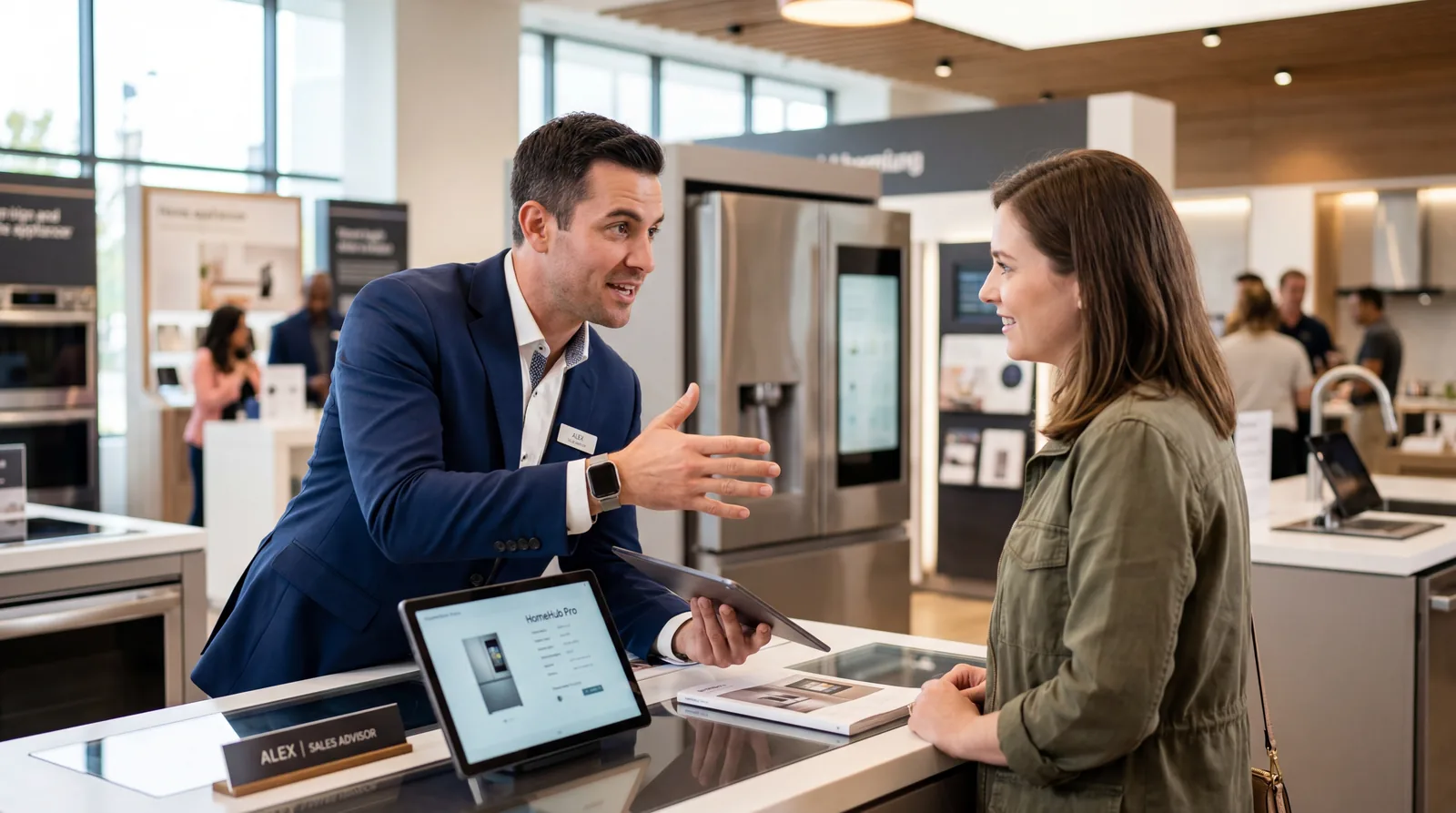
“The real question is whether you can afford not to.” This phrase is a reframe technique. Your objection gets acknowledged for a half-second, then discarded, and the conversation moves to a new question the salesperson has chosen. It’s designed to make your concern feel smaller and their framing feel bigger. Sales coaches call it “redirecting the frame.” Buyers who get reframed in the first objection are significantly less likely to raise a second one. The tactic works because it sounds logical. It isn’t. It’s deflection with confidence attached. Name it when you hear it: “I’d actually like to stay on the original question.”
8. “That’s Actually a Great Point”

When you raise an objection and the salesperson says “that’s actually a great point,” they’re not agreeing with you. This is a validation-before-rebuttal technique. The compliment lowers your guard. You feel heard. Then comes the pivot: “and what I’d say to that is…” Everything before the “and” was designed to make the “and” land easier. Sales training programs call this “cushioning.” It’s common in finance, insurance, and real estate sales. The moment you hear your concern called a “great point,” that’s your signal to hold your position tighter, not relax it. If this part caught your attention, Words Your Parents Used That Gen Z Has Never Heard gives you another specific angle to compare.
7. “What Would Make You Comfortable?”

This sounds like the salesperson is handing you control. They’re not. “What would make you comfortable?” is designed to get you to name your own closing condition. You say “if the price came down $200,” and now the salesperson has a path to close you. They may pretend to fight for the $200, come back with $150, and present it as a victory. The technique is called a false-choice close. You feel like you’ve won something. On a $3,000 purchase, shaving $150 off a price that had $400 of margin in it isn’t a win. It’s theater.
The next three are the ones sales trainers teach last because they’re the most effective.
6. “Let Me Check With My Manager”

This is a choreographed delay called the Columbo close setup. When the salesperson says “let me check with my manager,” they usually don’t need to. The pause is intentional. It makes you feel like something is being done for you, like approval is being sought on your behalf. The wait creates commitment. You’ve already invested time. The manager “approval” that comes back is almost always a marginally better offer that’s still above what the margin floor is. In car dealerships, the average buyer who goes through one manager check spends $480 more than buyers who don’t. The walk to the back office isn’t logistics. It’s theater. Readers who enjoy these kinds of details may also want 25 Things Hotel Staff Notice About You the Moment You Walk Through the Door in 2 for another quick detour.
Read More: 23 Phrases Insurance Agents Use That Cost You More on Every Policy
5. “Between You and Me…”

“Between you and me, this is the best deal we’ve offered all month.” False intimacy is a trust accelerator. When someone lowers their voice and signals that they’re sharing something private, your brain treats it like insider information. You feel like an insider. You’re not. This phrase appears in sales scripts across real estate, automobiles, furniture, and high-ticket retail. The “insider deal” is almost always the standard offer. A woman named Carol from Ohio told me she bought a kitchen appliance package for $2,200 after being told she was getting an “off-menu” deal that wasn’t in the catalog. The catalog had the same package listed at $2,100. The intimacy was the upsell.
4. “Would Tuesday or Thursday Work Better?”

This is an assumptive close. The salesperson hasn’t asked if you want to move forward. They’ve skipped to scheduling and given you two specific options. “Would Tuesday or Thursday work better for delivery?” The implied assumption is that the sale is done. You’re just picking a date. Buyers who are hit with an assumptive close are three times more likely to complete the purchase than buyers who are asked “so, do you want to go ahead?” The question structures your choice around when, not whether. If you’re not ready to decide, say that directly. “I haven’t decided yet” resets the frame.
3. “When You Own This…”

“When you own this, you’ll be able to…” The word “when” does something “if” doesn’t. “If you buy this” puts a condition on the future. “When you own this” removes it. You’re already in a future where you’ve bought. Pre-ownership language is one of the most effective closing tools in use across real estate, automotive, and luxury goods. Research from sales training organizations shows that buyers who are placed in a post-purchase mental state through language spend an average of $2,100 more on the same product category than buyers who hear “if” framing. One retired salesperson from Arizona told me he switched his team from “if” to “when” language and saw his unit’s monthly numbers jump 19 percent in 60 days. The word is doing heavy lifting. That same curiosity is what makes 23 Codes Cruise Ship Staff Use That Passengers Are Never Supposed to Hear in 202 worth checking after this section.
2. “Absolutely”
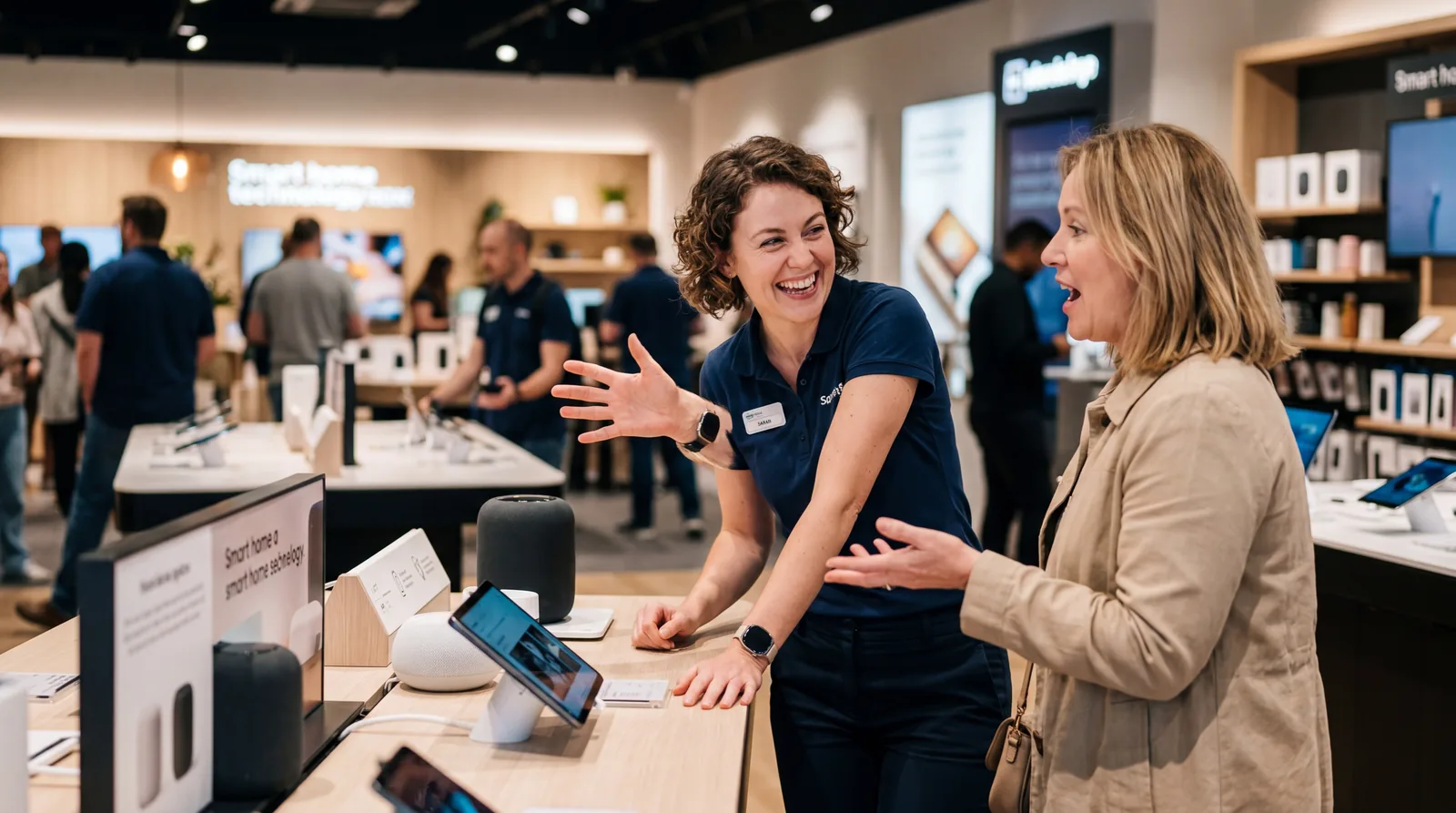
“Absolutely.” It’s one word. Salespeople are trained to use it as an agreement signal on almost every response. “Is the warranty included?” “Absolutely.” “Can I think about it overnight?” “Absolutely.” The word signals full agreement, full confidence, and full enthusiasm simultaneously. It’s designed to build a pattern of positive response so that when the salesperson asks you to commit, the “yes” momentum is already running. Sales psychologists call it the “yes ladder.” Each “absolutely” from the salesperson primes you to say yes yourself. The average buyer who sits through a 20-minute pitch where “absolutely” is used 8 or more times spends $340 more than buyers in conversations where it’s used fewer than 3 times. Small word. Enormous cumulative effect. For another nearby rabbit hole, 19 Codes Hotel Staff Use That Guests Are Never Meant to Know in 2026 looks at a related piece of everyday culture.
Bad. But nothing compared to what’s waiting at #1.
1. “That’s Completely Understandable”
The Word That Closes More Sales Than Any Other

“That’s completely understandable.” Four words. Used at the exact moment you push back, hesitate, or express doubt. Every high-ticket sales training program in the country teaches this phrase as the primary objection response for one reason: it works better than any other response tested.
Here’s the mechanism. When you raise a concern and someone validates it completely before responding, your nervous system registers safety. You’re not being fought. You’re being understood. The resistance drops. Then comes the pivot. “That’s completely understandable. A lot of people feel that way at first. What most of them tell me afterward is…” You never rejected the objection. You absorbed it. Then you redirected. For a different but related slice of the same world, 25 Things Experienced International Travelers Always Pack That Most People Never is a good next stop.
A retired car sales trainer from Texas named Dave told me his team was required to open every objection response with this phrase during training. “We tracked it. The close rate on objections went up 34 percent when we switched from defending the product to validating the customer first. People don’t want to be sold. They want to feel understood. Give them that for five seconds, and they’ll give you the sale.”
Buyers who hear “that’s completely understandable” in response to a price objection end up paying an average of $1,200 to $3,800 more than their stated budget on high-ticket items like vehicles, furniture, and home improvements. The phrase doesn’t just close the objection. It closes the conversation.
Next time you’re in a sales conversation and you hear this word, you’ll know exactly what’s coming next.
Now You Know What You’ve Been Saying Yes To
Forward this to anyone you know who’s about to buy a car, sign a service contract, or walk into any conversation with a commissioned salesperson. The information is free. Not knowing it isn’t.