
Your grandmother never called it a recipe.
She called it “making do.”
There was no cookbook open on the counter. No printed card tucked in a box. Just what was left in the cupboard and a family to feed before sundown.
You probably ate some of these as a kid and didn’t think twice. It was just dinner. It was just what Tuesday tasted like.
Now you’re older. And you realize those meals weren’t simple. They were solutions. Hard-won, Depression-era, penny-stretched solutions that kept real families alive through winters that didn’t forgive mistakes.
Some of these dishes haven’t appeared on an American table in fifty years. A few are starting to come back, dressed up in cast iron and sold at trendy diners for fifteen dollars a plate. But that’s not the same thing. It never is.
What’s here is the real version. The one made from leftover scraps and quiet pride. The one nobody photographed because nobody thought it was worth photographing.
It was worth it. You’ll see why.
We saved the most important one for last. And when you get there, you’ll understand why it had to be number one.
Keep reading. This one matters.
25. Crackling Bread
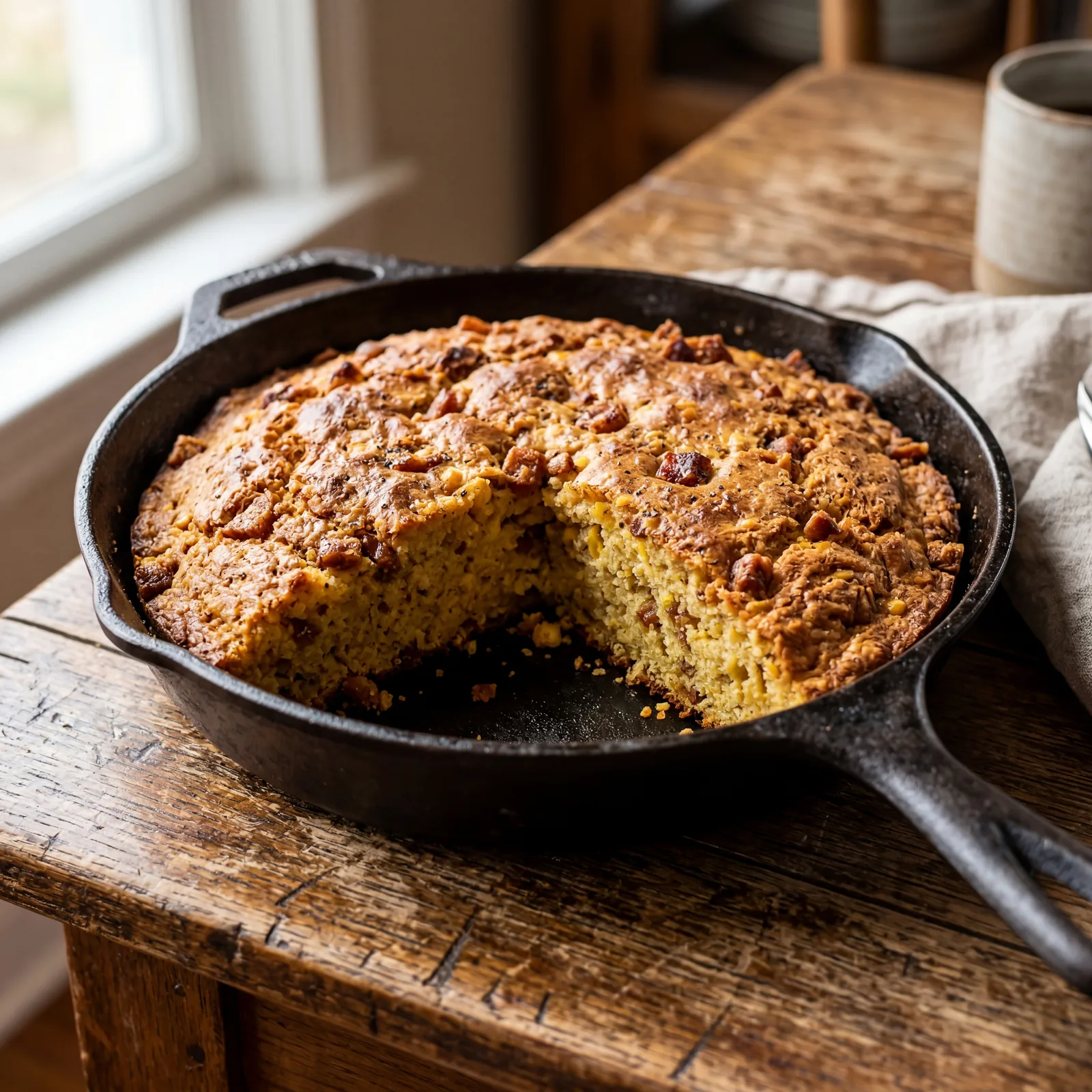
Nobody teaches you to make crackling bread anymore.
The batter smelled like smoke and iron the second it hit the hot skillet. Those little pork bits crisped right into the crust, giving you something to chew between the soft, dense crumbs.
Your great-grandmother made it when there was nothing left but cornmeal and the fat scraped from the bottom of the pork bucket.
Nothing from the animal went to waste. Not ever.
24. Dandelion Greens
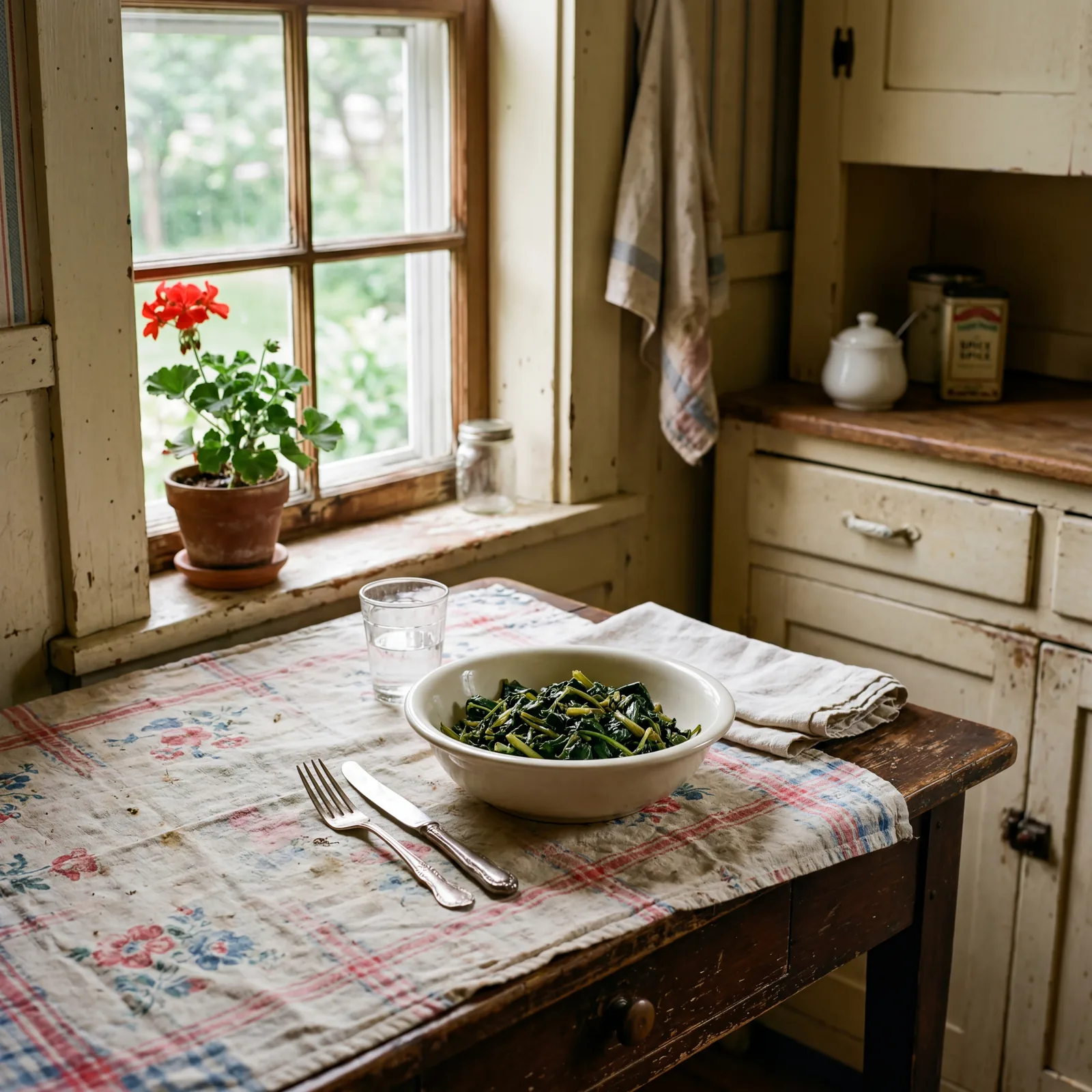
Your lawn used to be dinner.
Dandelion greens, wilted down in a pan with a scrap of bacon fat, went bitter and soft in a way that stuck to your ribs. You picked them before they flowered, when they were still tender and just barely sharp on the tongue.
Families in Appalachia and the rural South knew this plant the way you know your grocery aisle.
It cost nothing. It grew back every spring. That was the whole point.
23. Hominy Grits
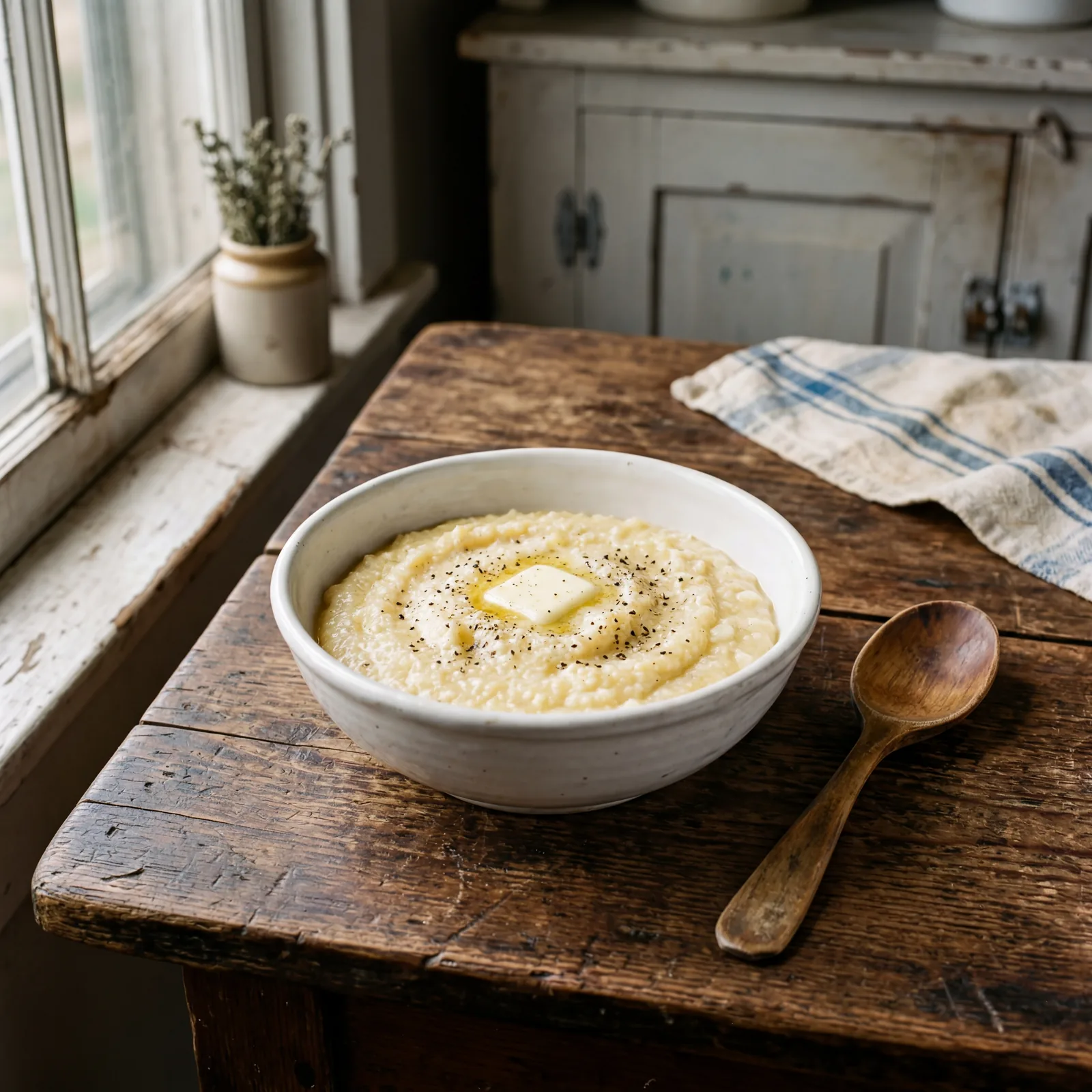
Grits weren’t a side dish. They were the meal.
A pot of hominy grits could stretch breakfast into lunch and lunch into tomorrow. Thick, warm, and filling in a way that instant oats never quite managed. Just water, salt, and time over a low flame.
A ten-cent bag of grits fed a family of five for three days during the worst years of the Depression.
Plain and unglamorous. And absolutely necessary.
22. Sugar Bread
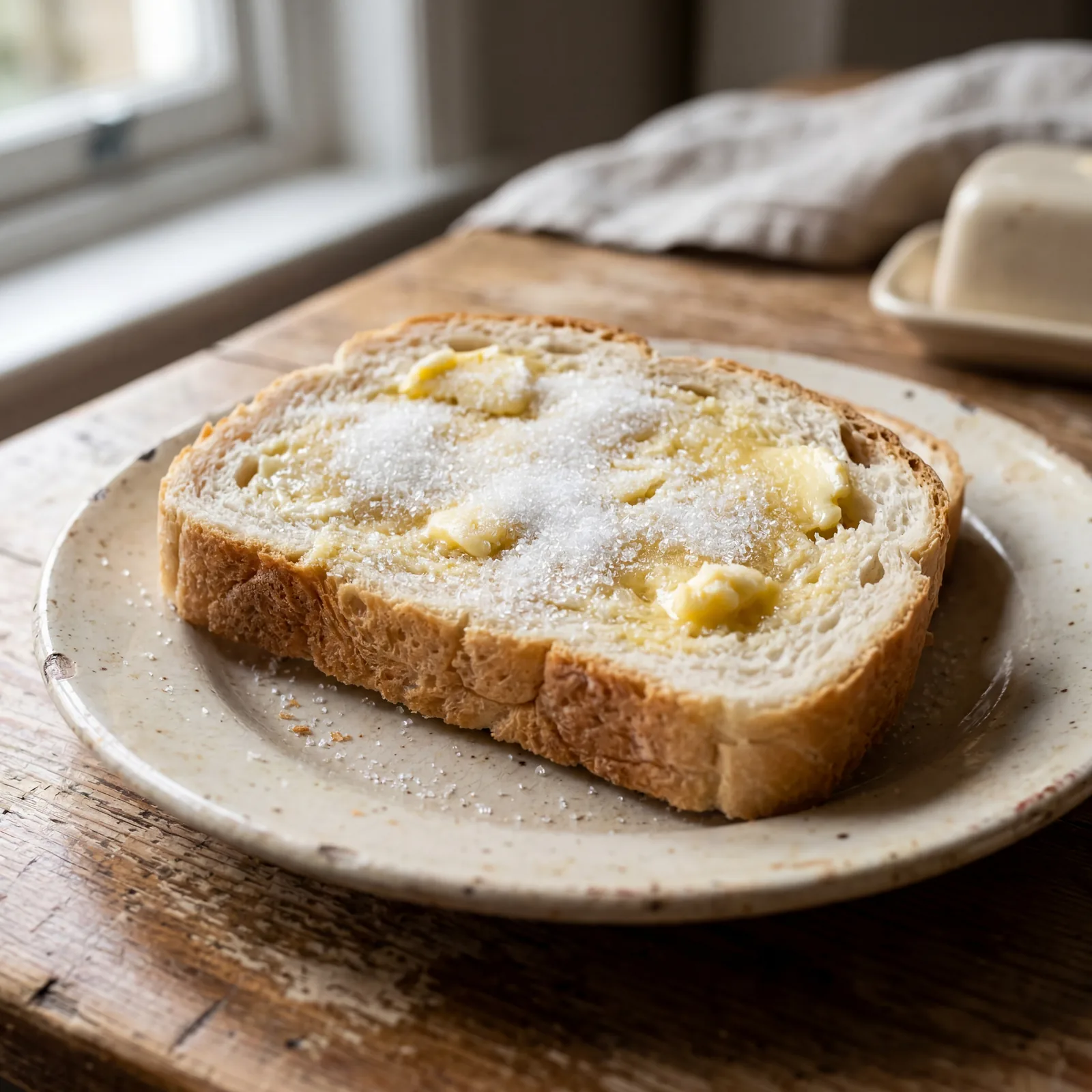
You probably had this as a kid and thought it was a treat.
Bread, a thin smear of butter, and a sprinkle of white sugar on top. That was it. Soft, sweet, and fast. Something a mother could put together in thirty seconds when dinner wasn’t ready and the kids were climbing the walls.
In poorer households, this was the only dessert anyone knew.
You didn’t call it poor. You called it good.
21. Milk Toast

Sick food. That’s what people called it. But it wasn’t only for sick days.
Torn white bread soaked in warm milk with a pinch of salt. Sometimes a little butter melted in. Soft enough for anyone with a sore throat, gentle enough for a baby, cheap enough for a family that had run out of options by Wednesday.
Mothers made it on cold mornings when the oatmeal was already gone.
Simple care. Simple food. The same thing, really.
“The next five were in every kitchen in America at some point. Now most people have never heard of them.”
20. Fried Salt Pork
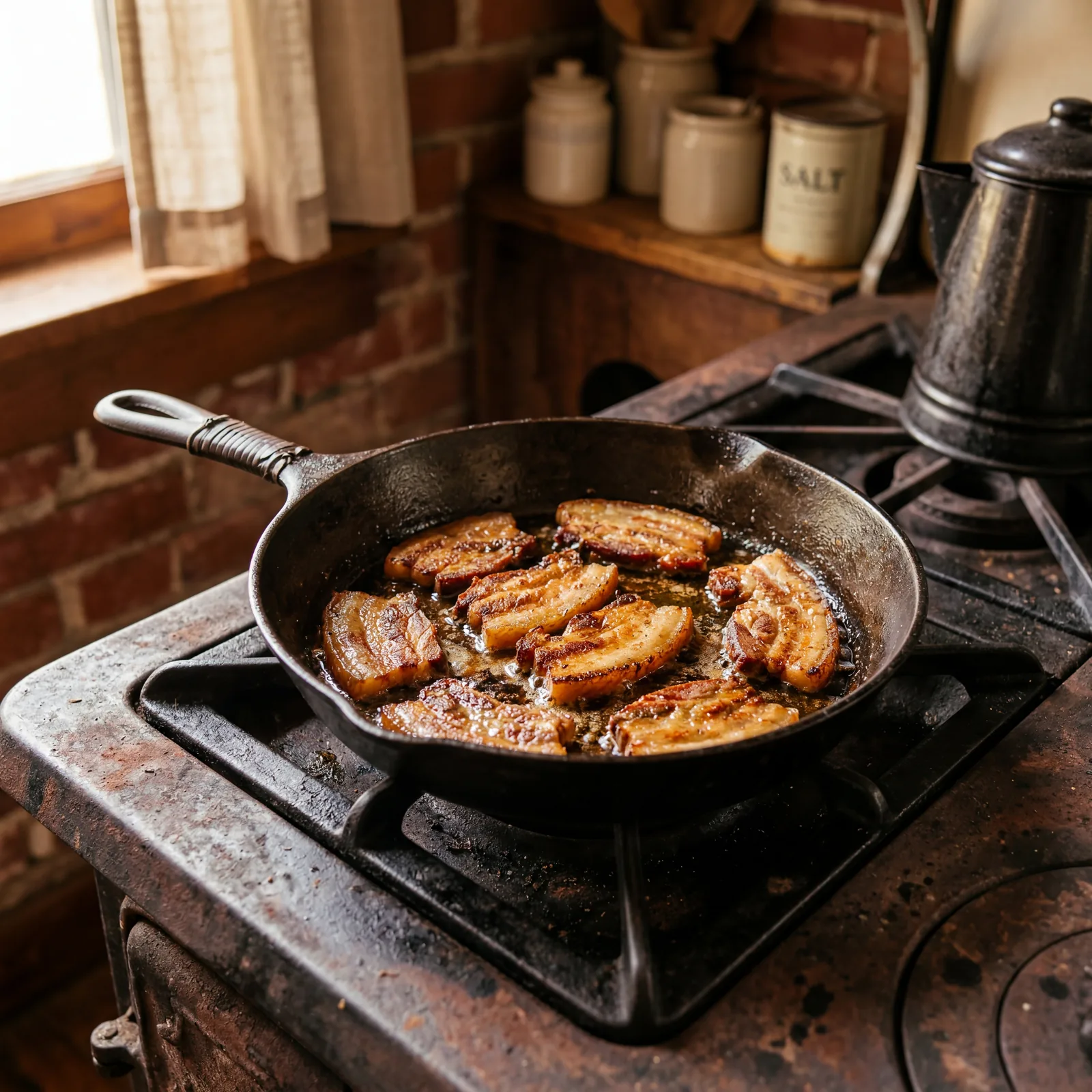
Salt pork wasn’t bacon. It was older and harder and saltier than anything you’d find in a modern grocery store.
You sliced it thin and fried it until the fat rendered out and the edges crisped up dark. Then you used the grease for everything else. The pork itself went alongside whatever starch was on the table that night.
A two-pound slab could season a week’s worth of meals.
Flavor came from necessity. It always did.
19. Cracker Barrel Soup

Crackers and milk. That’s the whole recipe.
You broke saltines into a bowl and poured warm milk over them until they went soft and thick, almost like a porridge. Sometimes pepper. Sometimes butter. Always eaten fast before the crackers dissolved into nothing.
Rural families kept a box of crackers in the cupboard specifically for nights when there was nothing else.
It sounds like nothing. It tasted like enough.
18. Oatmeal Mush
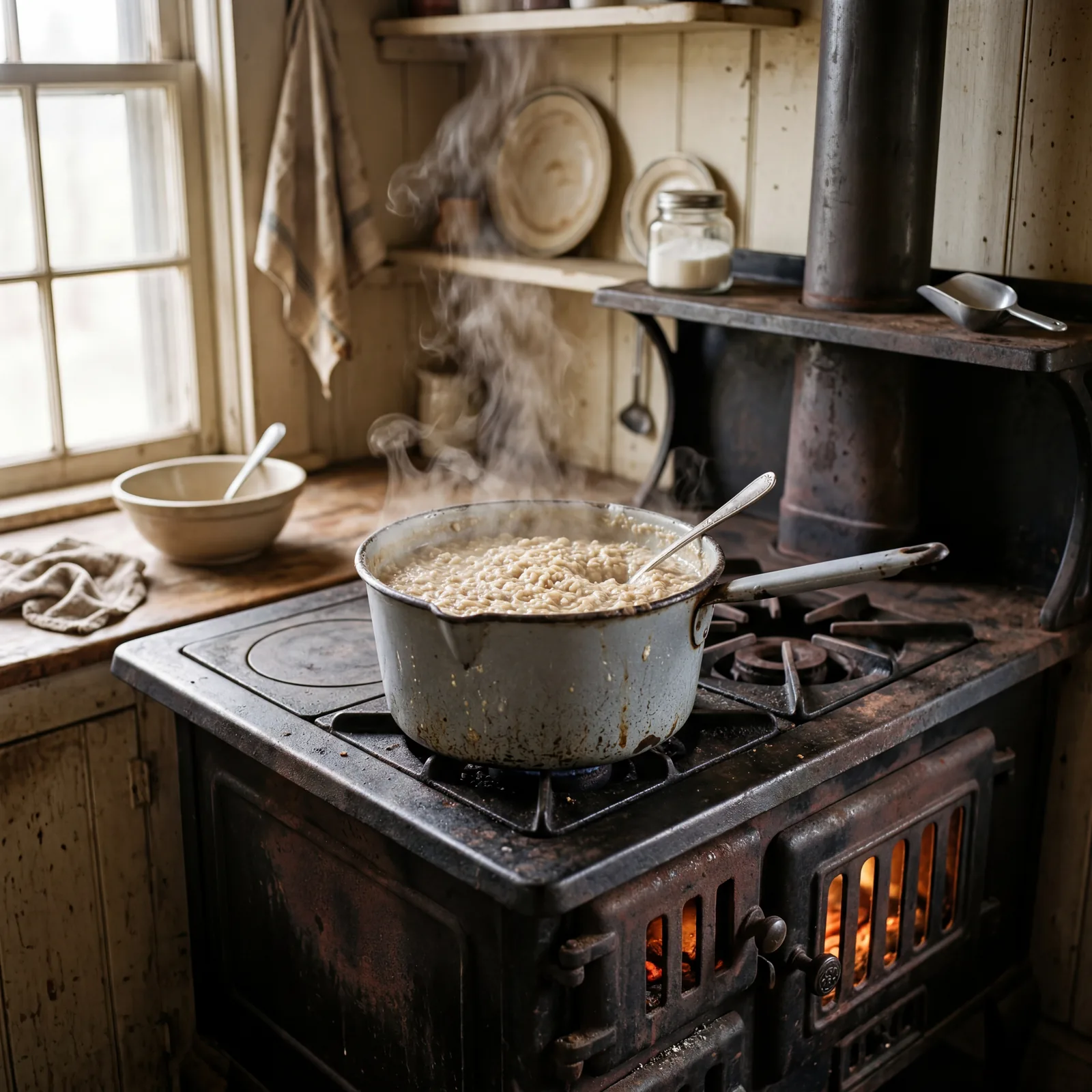
Not the packets. Not the instant kind. The real mush.
Rolled oats cooked low and slow until they turned into something thick enough to stand a spoon in. No sugar. No fruit. Just salt and heat and whatever patience you had left at six in the morning.
A bag of rolled oats cost a dime and lasted a family two weeks when rationed right.
It wasn’t breakfast. It was survival in a bowl.
17. Bread and Lard

You won’t find lard in most kitchens anymore. That’s a shame.
Spread thick on a slice of homemade bread, lard was rich and satisfying in a way that margarine never managed. A pinch of salt on top was optional. Most people added it anyway. If this part caught your attention, 25 Things Experienced International Travelers Always Pack That Most People Never gives you another specific angle to compare.
This was lunch for millions of American kids during the 1930s. Wrapped in paper, packed in a tin, carried to school without embarrassment.
It kept you going. That was the whole job.
16. Leftover Bread Pudding
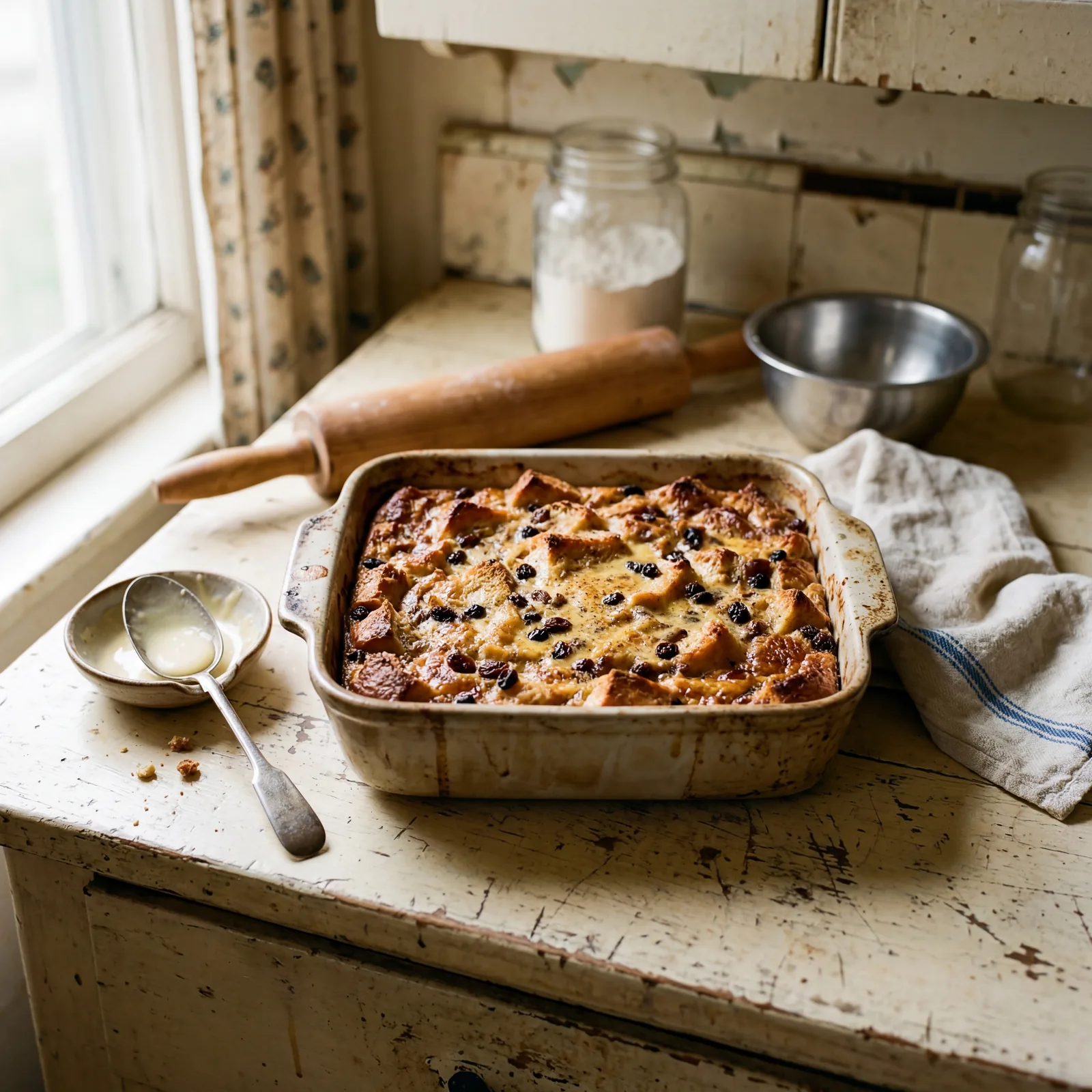
Nothing went stale in a Depression-era kitchen. Everything became something else.
Old bread, torn into chunks, soaked in a thin custard of eggs and milk and baked until it puffed and browned on top. Sometimes a little vanilla. Sometimes just nothing but egg and milk and heat.
Bread that would’ve been thrown away fed the family dessert for two nights.
Waste wasn’t allowed. Creativity wasn’t optional.
“This next one was a Sunday meal in a lot of homes. The version you remember was made with very little.”
15. Cabbage Soup
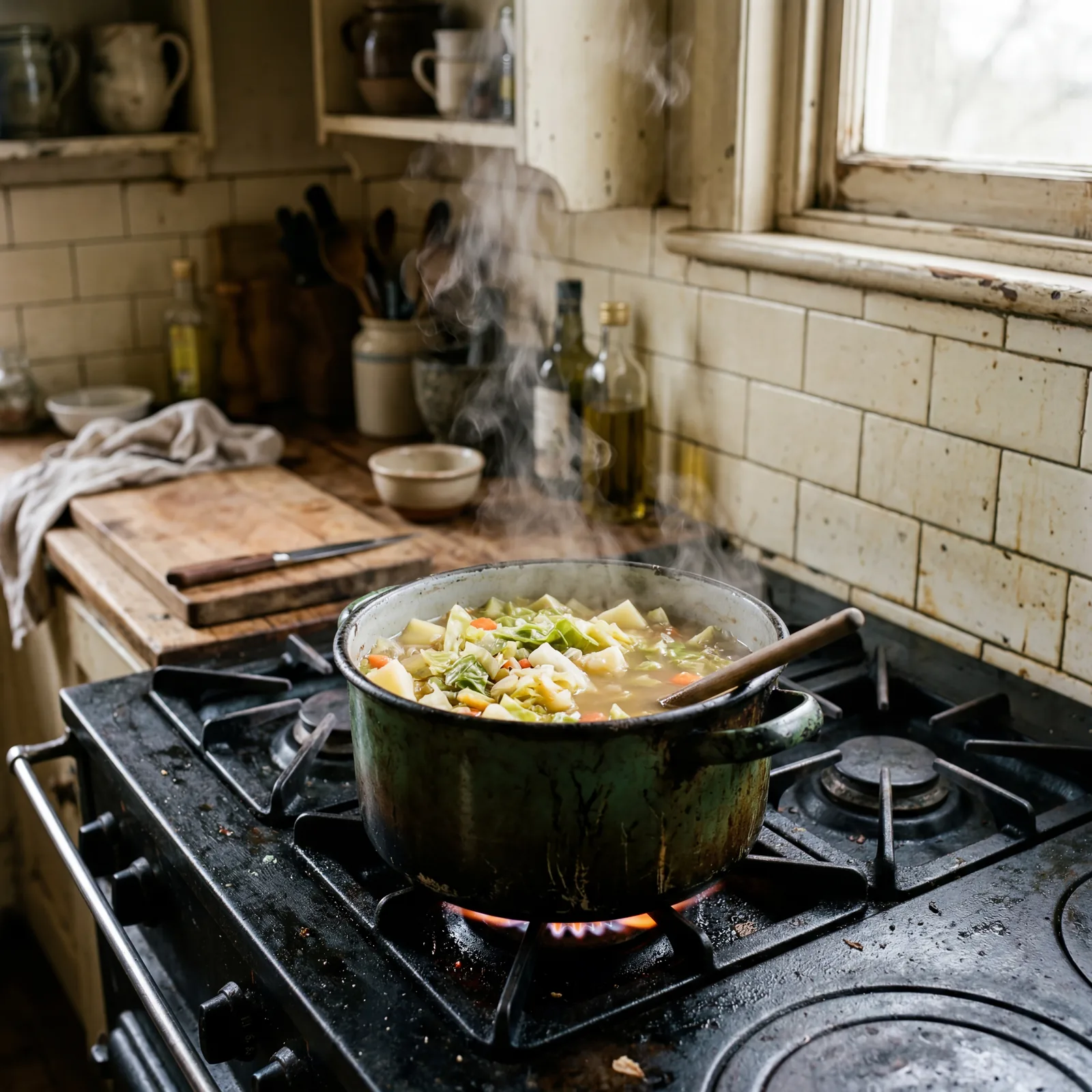
Cabbage was the cheapest vegetable you could buy. It still is.
Chopped rough and simmered in water with salt, a scrape of lard, and maybe a ham bone if you were lucky. The broth went cloudy and mild. The cabbage went sweet and soft. You ate it with bread and called it supper.
A whole head of cabbage cost less than a nickel in the 1930s and fed a family of six.
Cheap ingredients. Real nourishment. No apologies.
14. Macaroni and Tomatoes

This isn’t mac and cheese. It’s older and simpler and better.
Elbow macaroni cooked soft, then stirred into a pan of stewed tomatoes with salt and a little butter. The tomatoes broke down into the pasta and made a sauce that was thin and bright and completely satisfying.
A can of stewed tomatoes and a box of elbows cost about fifteen cents together in the 1940s.
It’s the kind of meal you’d still eat today if you let yourself.
13. Rice and Gravy
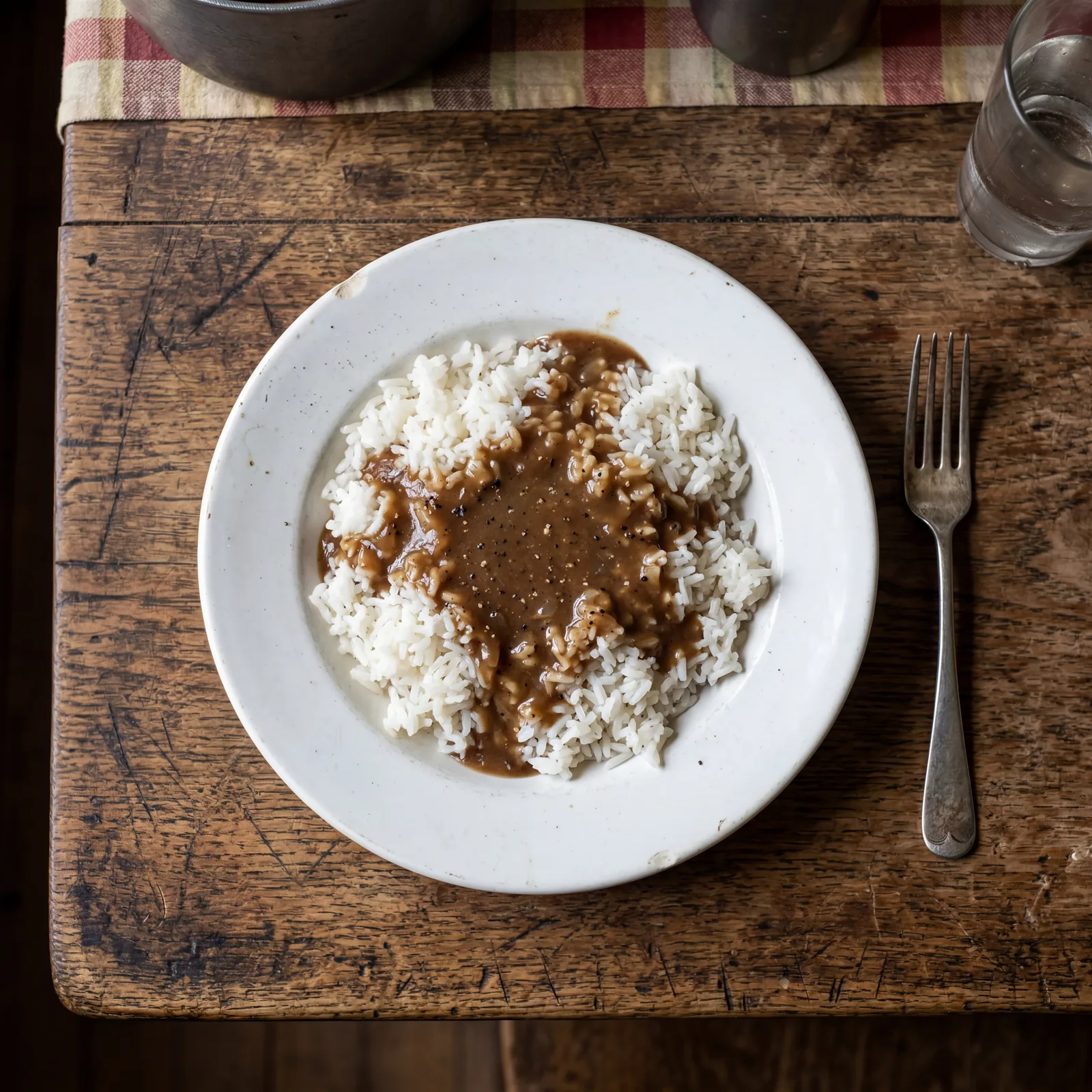
Gravy was never a topping. It was the whole point.
Pan drippings, a little flour, water or milk, salt and pepper. That gravy went over rice and turned a side dish into a full meal. In the South, this combination kept families fed through some of the hardest decades of the century.
You could make this meal for a family of four for under a dime.
Flour and fat. Patience and heat. That was cooking.
12. Fatback and Biscuits
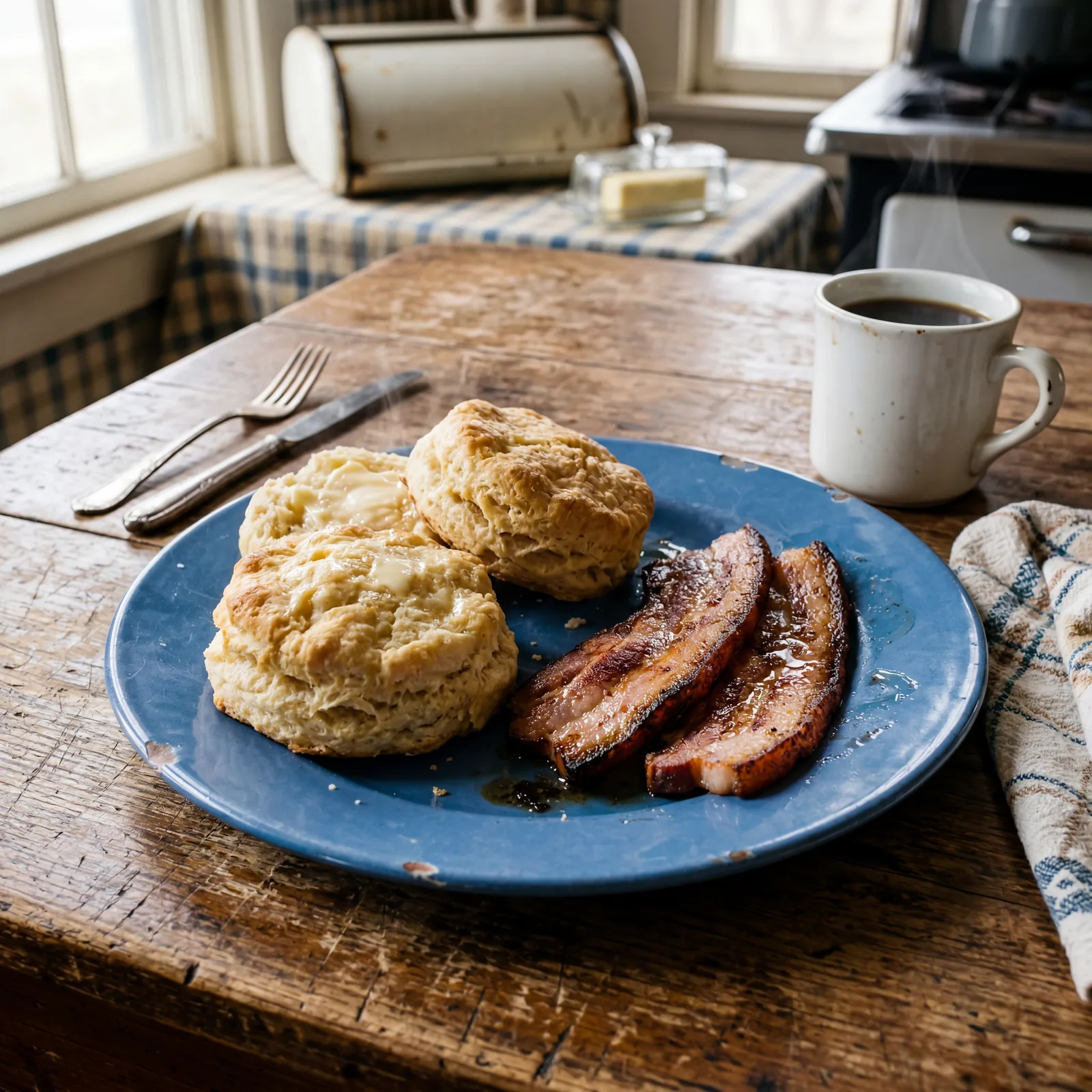
Fatback was the part of the pig that rich people didn’t want.
That made it available. And that made it dinner. Cooked down until the fat rendered and the outside crisped, fatback went alongside big, floury biscuits that soaked up every drop of the grease. It was heavy and salty and exactly what a body needed after a morning of hard work. If you like this kind of overlooked detail, The Slang That Defined Every Decade from the 1950s to Today is another useful read to open next.
Sharecropper families in the South ate this combination more mornings than they could count.
It wasn’t elegant. It was honest.
11. Vegetable Soup from Scraps
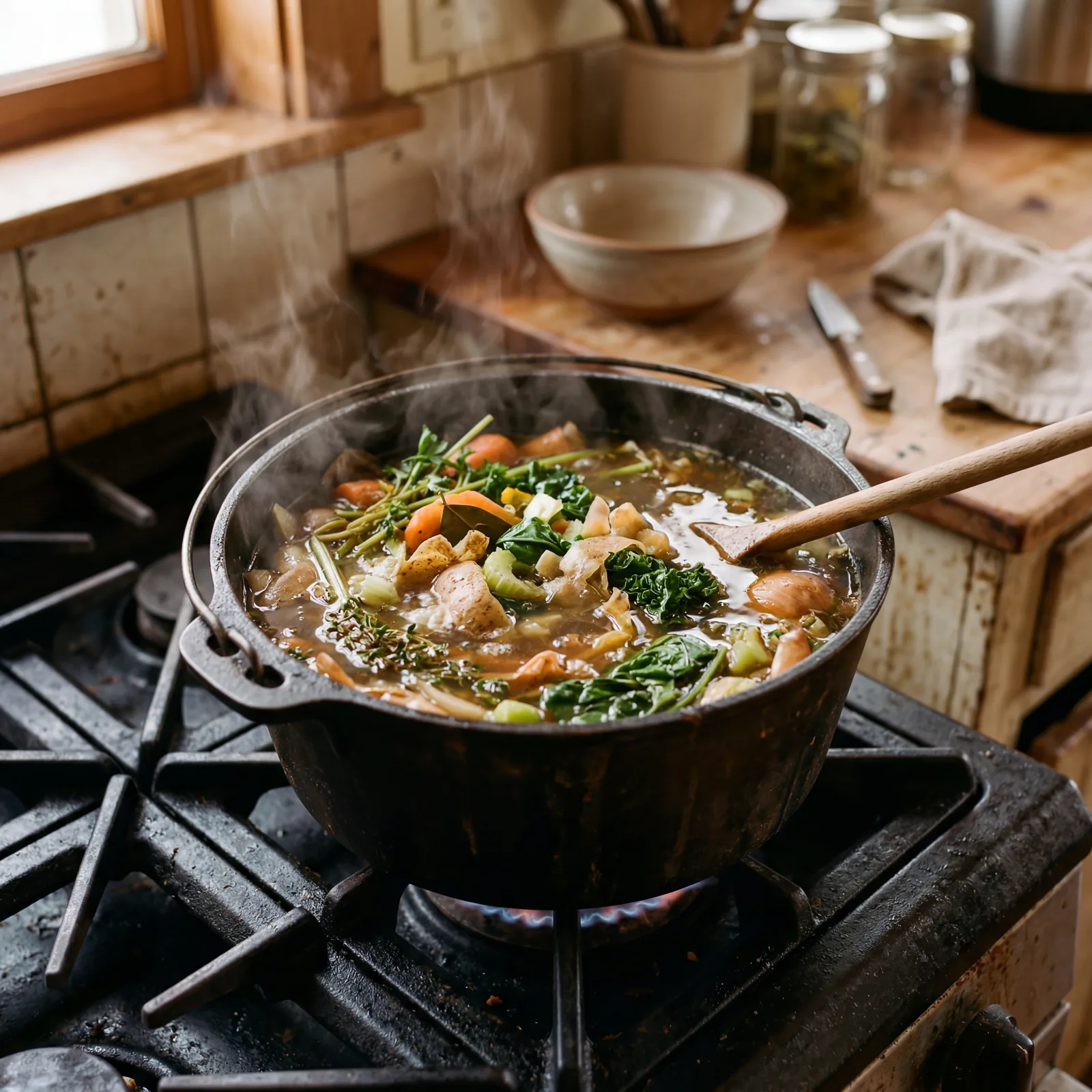
Nothing hit the trash. Everything hit the pot.
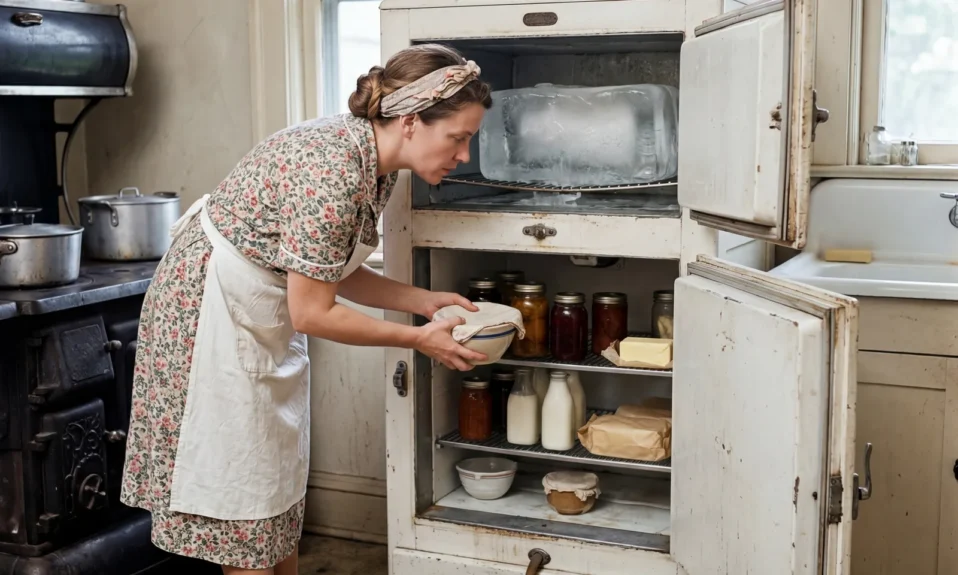
Carrot tops, potato peels, wilted celery, the heel of an onion. You saved everything in a jar in the icebox and made soup on Friday. The broth was thin but it was hot, and it tasted like a week’s worth of cooking all pressed into one bowl.
This was the original zero-waste meal, made out of necessity, not philosophy.
Your grandmother didn’t call it sustainable. She called it smart.
“The next few are the ones that people still remember. Ask anyone over seventy about any of them and watch their face change.”
10. Fried Cornmeal Mush
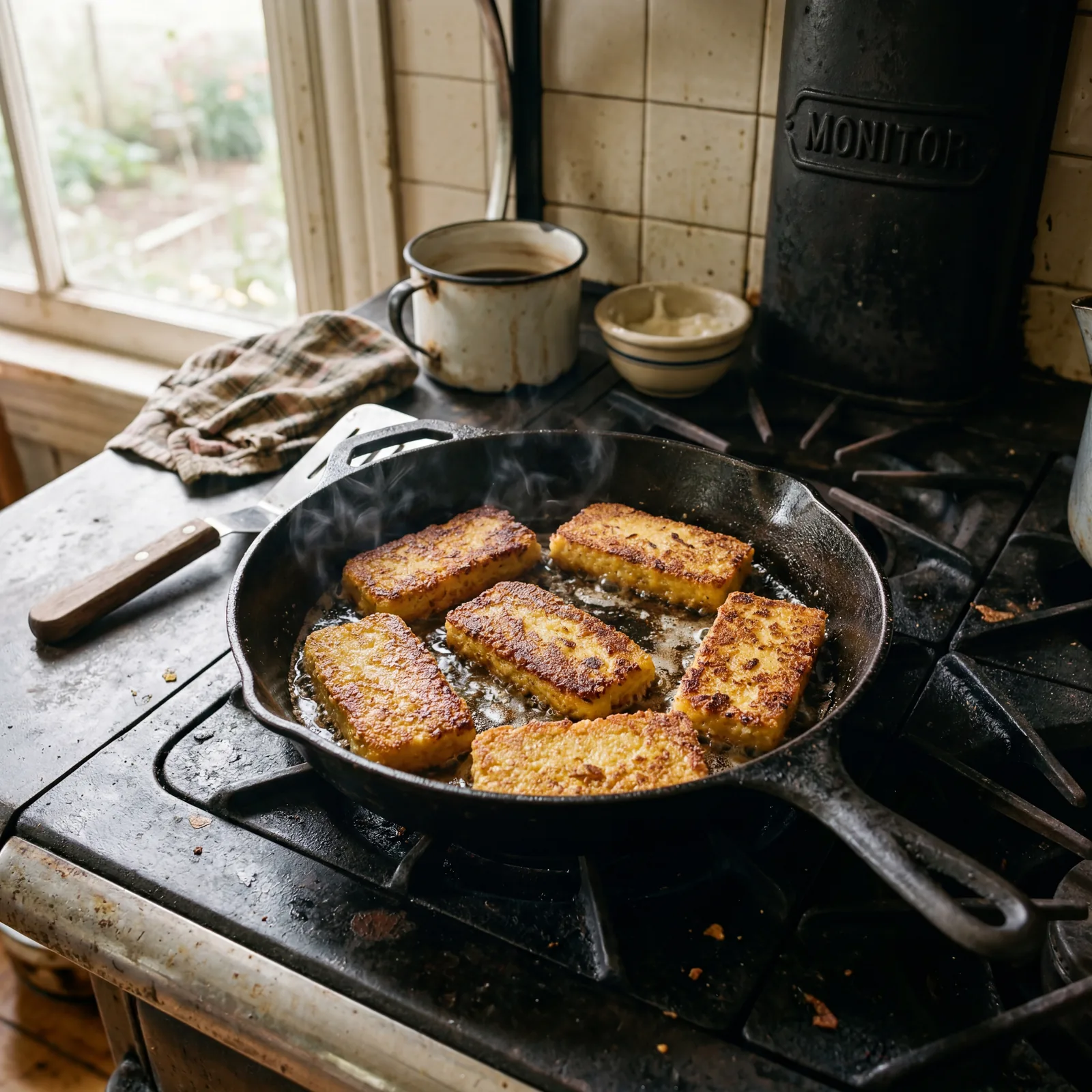
This was the meal that turned nothing into something twice.
You cooked cornmeal mush thick the night before and poured it into a loaf pan to set. In the morning, you sliced it cold and fried those slices in fat until the edges went golden and crisp while the inside stayed soft. A little syrup if you had it. Salt if you didn’t.
One pot of cornmeal made two meals. That math mattered.
It still tastes better than most things you’d make from a box today.
9. Navy Bean Soup

Every church kitchen in America smelled like this on cold days.
Dried navy beans soaked overnight, then simmered for hours with a ham bone until they went creamy and the broth turned thick and smoky. Salt, pepper, maybe an onion. Nothing fancy. Nothing needed.
A pound of dried beans cost a few cents and fed ten people when cooked right.
This soup has saved more families than any government program you can name.
8. Salt Pork and Greens

The pot likker was the real prize.
Turnip greens or collards, cooked low and long with chunks of salt pork until the greens went dark and silky and the broth at the bottom of the pot turned into something you sopped up with cornbread. That broth had more flavor than most sauces you’d find in a restaurant.
Southern families called it pot likker and saved every drop. Kids drank it straight from a cup.
You didn’t know you were poor. You knew you were full.
7. Pinto Beans and Ham Hock

This is the meal that kept Appalachia going.
Dried pinto beans and a smoked ham hock, cooked together until the beans were falling apart and the broth had gone thick with smoke and fat. You ladled it over cornbread or ate it straight from the bowl. Either way, it took the edge off a hard day completely.
A bag of pinto beans and a single ham hock fed a family all week when you ate them slow.
This isn’t nostalgia food. This is survival food that happened to taste magnificent.
6. Egg Gravy Over Biscuits
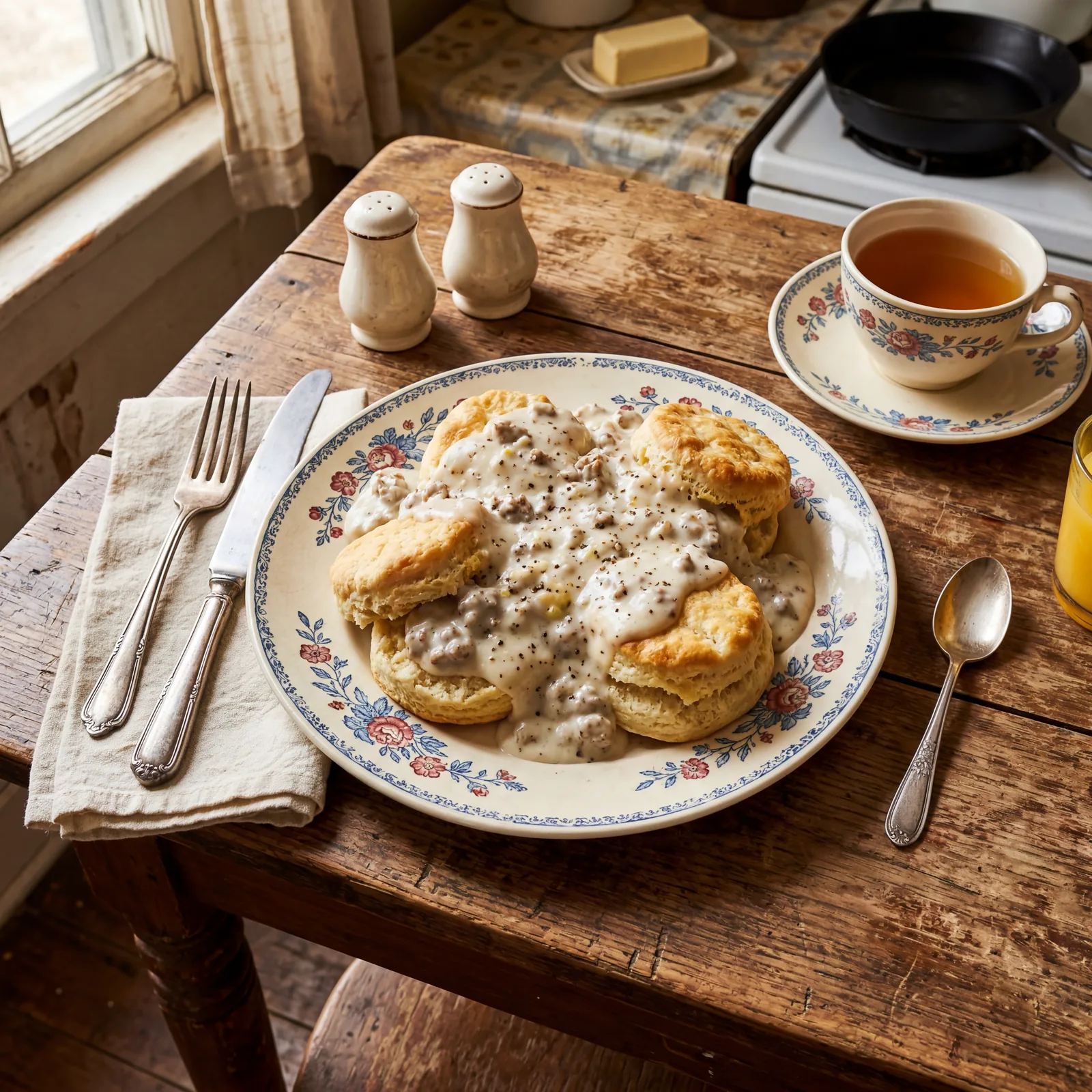
Eggs didn’t always come scrambled. Sometimes they became the gravy. Readers who enjoy these kinds of details may also want 25 Surprising Items You Should Always Pack for International Travel in 2026 for another quick detour.
You fried the eggs, set them aside, then built a cream gravy right in the same pan using the drippings, flour, and milk. Poured over split biscuits, the whole plate looked like a proper breakfast even when there was nothing else in the house.
Farm families in the Midwest made this when the egg count was low and the flour bin was full.
It stretched two eggs into a meal for four. That kind of math was everything.
“The top five. These are the ones that show up in the stories people tell right before they cry a little.”
5. Bean Soup
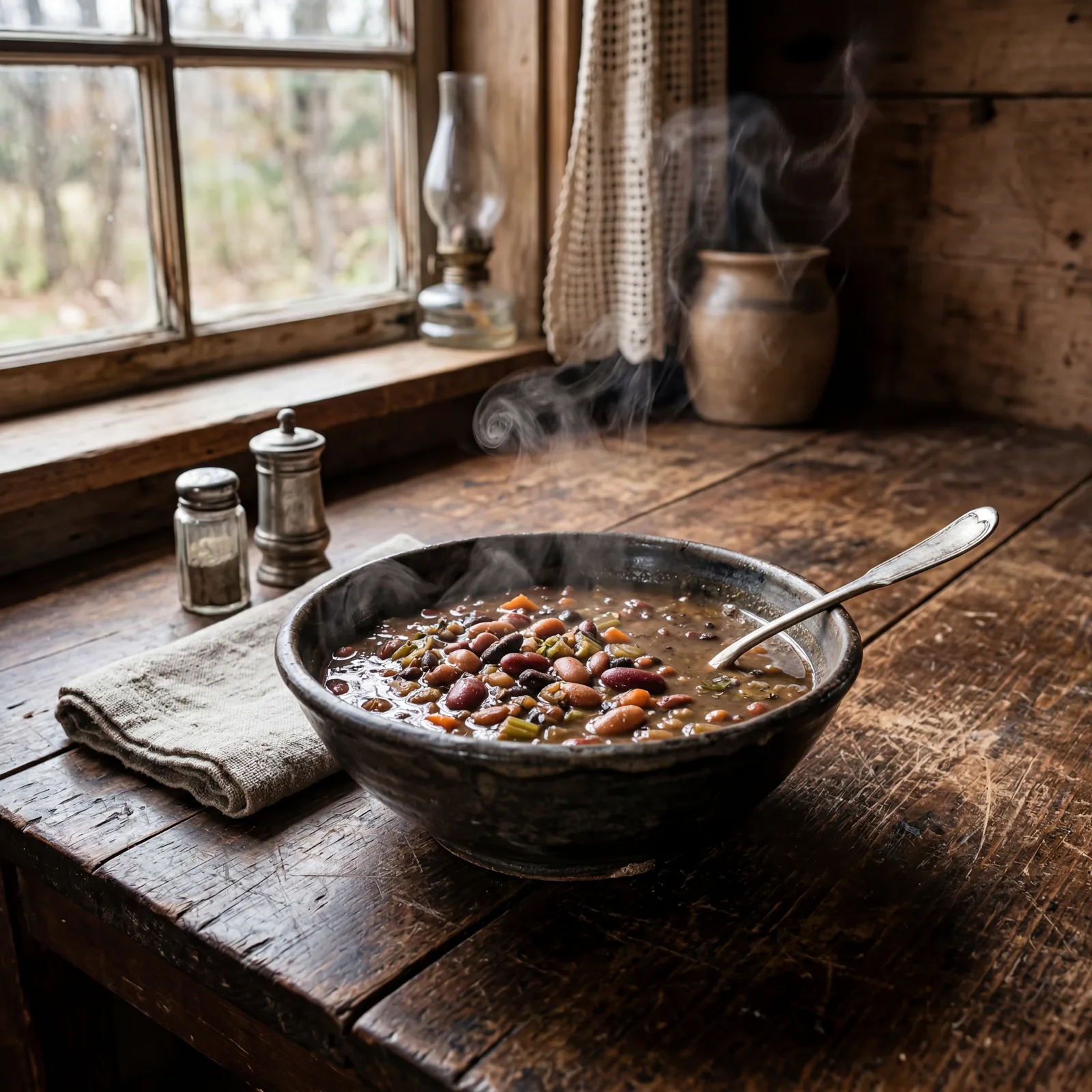
Every family had their version. They were all basically the same. And they were all exactly right. If you like this kind of overlooked detail, 35 Things Every 1930s Family Did That We’ve Completely Forgotten is another useful read to open next.
Whatever beans you had, soaked and boiled down until the broth went cloudy and thick. Onion if you had one. Lard for fat. Salt and pepper and whatever scrap of smoked meat could be spared. You ate it for two days straight and didn’t complain.
During the Depression, dried beans were one of the only proteins a family could afford to buy in bulk and store without fear of spoilage.
Bean soup didn’t have a recipe because it didn’t need one.
It needed beans, water, heat, and someone who knew how to wait.
4. Potato Soup

Potatoes were the one thing that was almost always there.
You cut them thin or rough, didn’t matter, and cooked them in water or milk with salt and butter until they softened and the starch thickened the broth into something that felt like it had cream in it even when it didn’t. A little onion if available. A pinch of pepper at the end.
During the worst winters of the 1930s, potato soup was the main meal in homes from Iowa to West Virginia.
It didn’t look like much in the bowl. It felt like warmth in every place that needed it.
The memories people carry about this soup aren’t about potatoes. They’re about who made it.
3. Cornbread and Milk
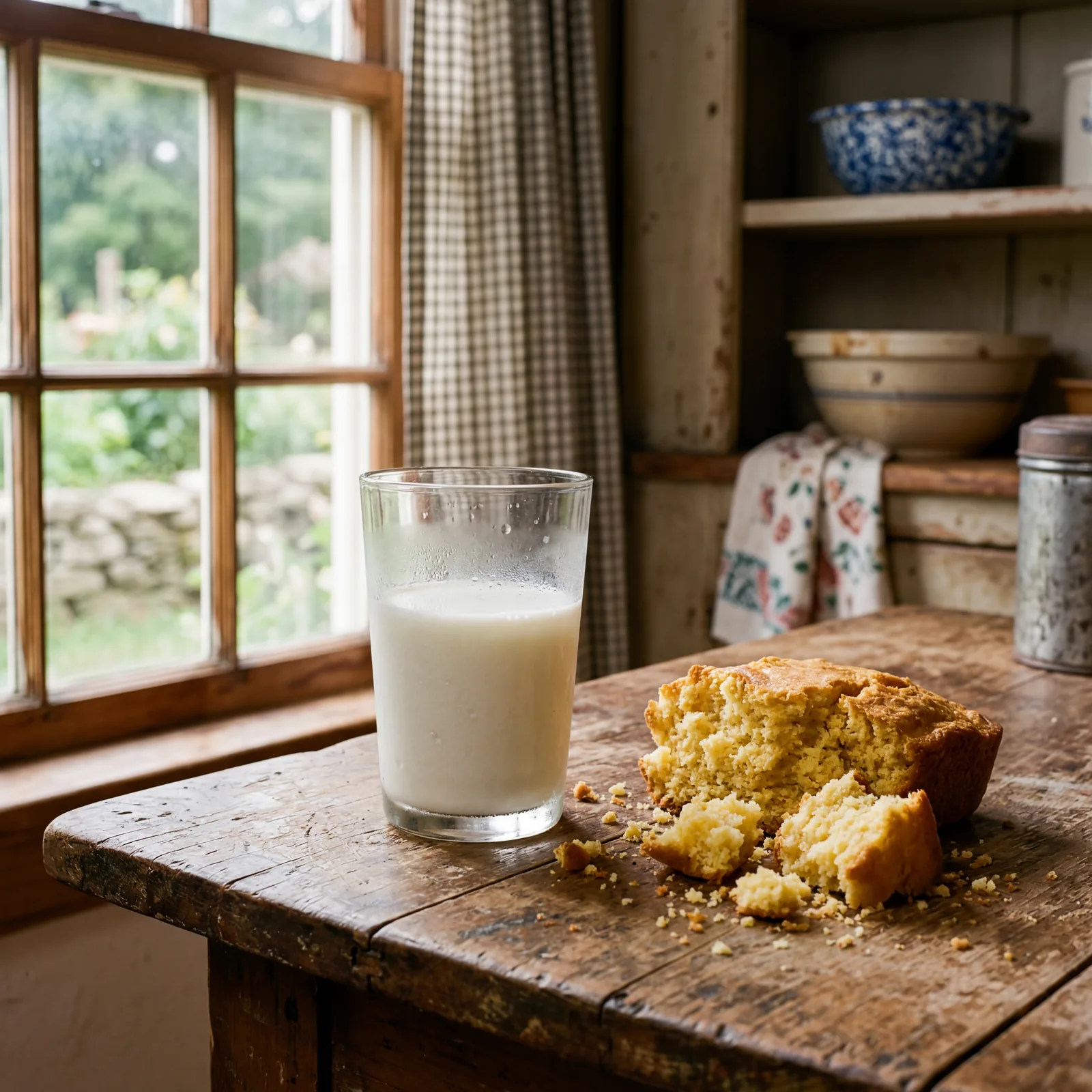
You crumbled it. You didn’t dip it. You crumbled it into the glass and ate it with a spoon.
Cold sweet milk poured over fresh cornbread until the crumbs went soft and the whole thing turned into something between a soup and a dessert. Some people ate it warm. Most people ate it at night, standing at the counter, when the stove was already cold.
Dairy farmers in the South and Midwest kept this combination in their houses year-round because the ingredients never ran out at the same time.
There was a rhythm to it. The same glass. The same spoon. The same corner of the kitchen.
Those small repetitions are what memory is made of, and you probably didn’t know you were building them at the time.
2. Tomato Soup with Crackers
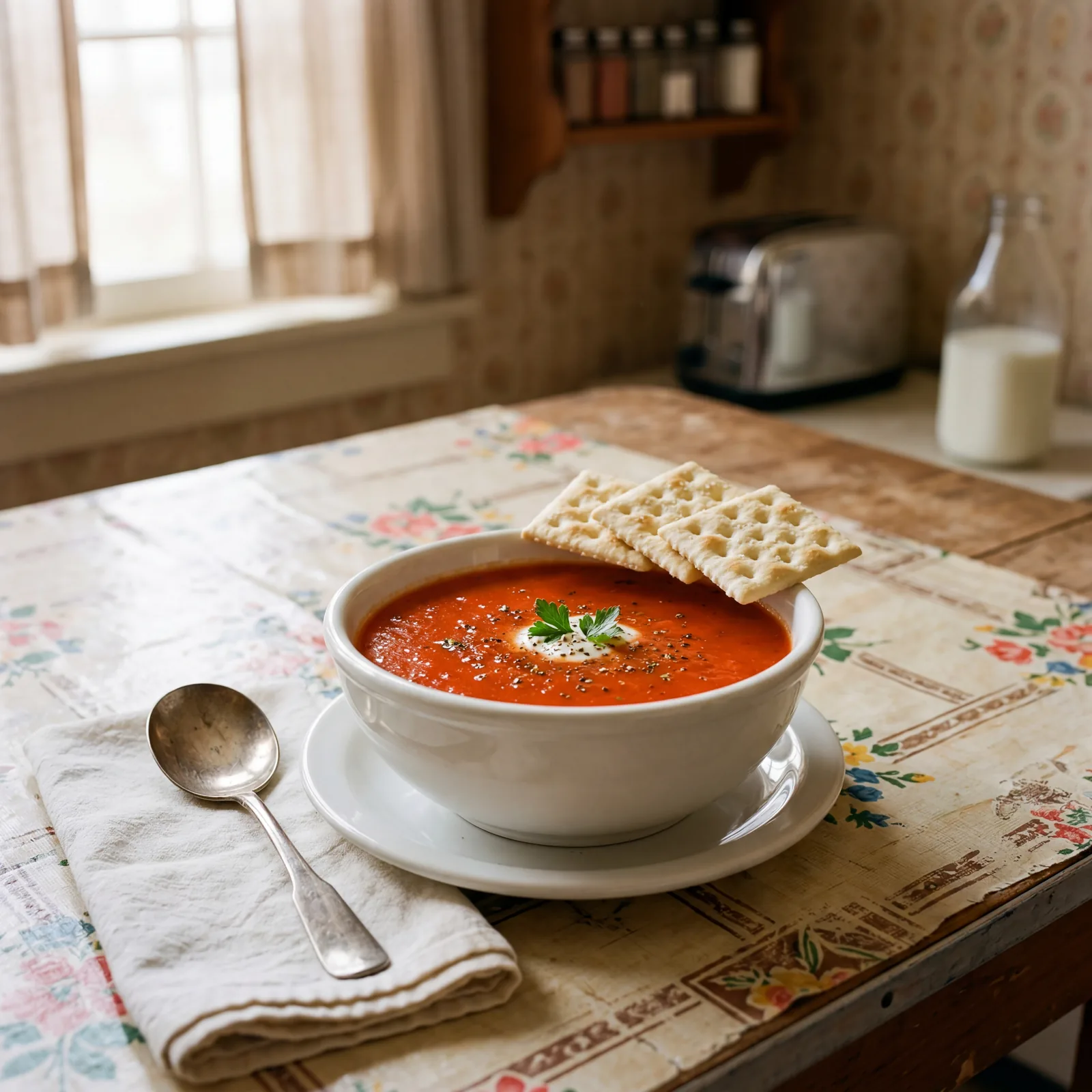
This one hit the table in more American homes than any other meal on this list, except one.
Canned tomatoes or a quick stovetop purée, thinned with water, seasoned with salt, butter stirred in at the end to give it body. Saltines on the side, either crumbled in or eaten between sips. The soup was bright and acidic and just sweet enough to feel like something special even when it wasn’t. For another nearby rabbit hole, Ski Words Explained: Lift, Lodge, Slope, and Jump looks at a related piece of everyday culture.
Families made it when the pantry was nearly empty because a can of tomatoes and a sleeve of crackers cost almost nothing and stretched across a whole meal.
School cafeterias served it. Mothers made it on snow days. Grandmothers made it on any day that needed a little comfort and didn’t have time for anything complicated.
You’ve tasted this. You remember exactly when and exactly where.
“It’s hard to forget once you’ve tasted it. But it doesn’t come close to what’s waiting at #1.”
1. Beans and Cornbread
The One That Kept the Most Families Fed
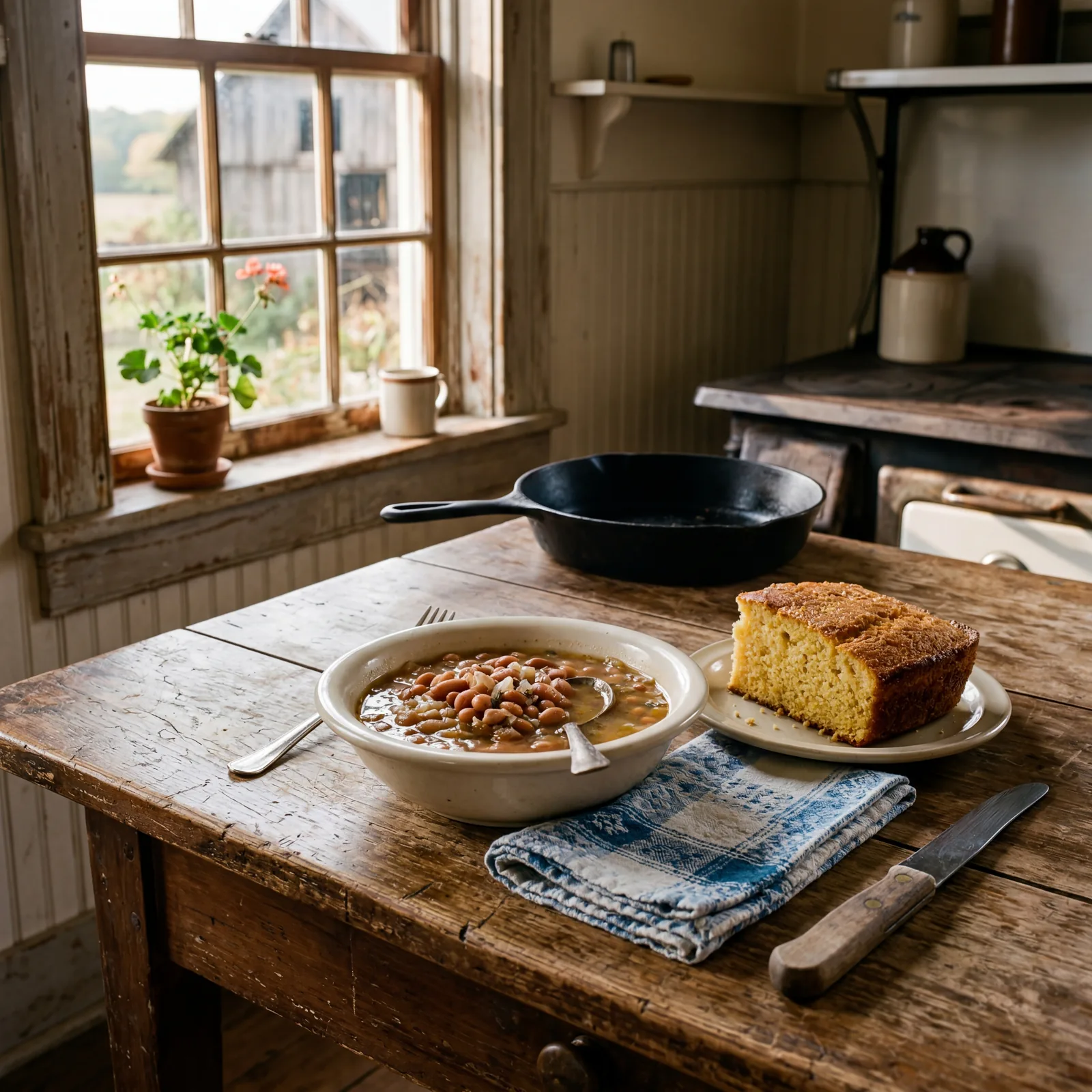
This isn’t just a meal. It’s the meal.
Dried beans, soaked overnight and cooked all day until they went soft and creamy in their own thick broth. Cornbread baked in a cast iron skillet, golden on the outside and dense in the middle, pulled hot from the oven and set right on the table with the pot.
You didn’t need plates. You broke the cornbread and used it to scoop the beans. The broth soaked into the bread and the whole thing turned into something that tasted like it had been slow-cooked with twice the effort it actually took. For another nearby rabbit hole, Words Your Parents Used That Gen Z Has Never Heard looks at a related piece of everyday culture.
A pound of dried beans and a cup of cornmeal cost less than fifteen cents in 1935 and fed a family of six for two full days.
No other meal on this list came close to that math. No other meal in American history fed more hungry families through more impossible winters. That same curiosity is what makes What Did ‘Groovy’ Actually Mean? The Real History worth checking after this section.
A retired schoolteacher from rural Tennessee told me: “We had beans and cornbread four nights a week for ten years. I didn’t think anything of it then. Now I’d give anything to sit down to that table one more time.”
That table is gone. But the meal isn’t.
“Now you know why we saved this one for last.”
The Meals That Made It Through
These weren’t recipes passed down in cookbooks. They were solutions passed down in kitchens, through watching and doing and making do. If any of these brought back a memory, drop it in the comments. The best stories are the ones nobody thought to write down at the time. For a different but related slice of the same world, 25 Things Hotel Staff Notice About You the Moment You Walk Through the Door in 2 is a good next stop.