
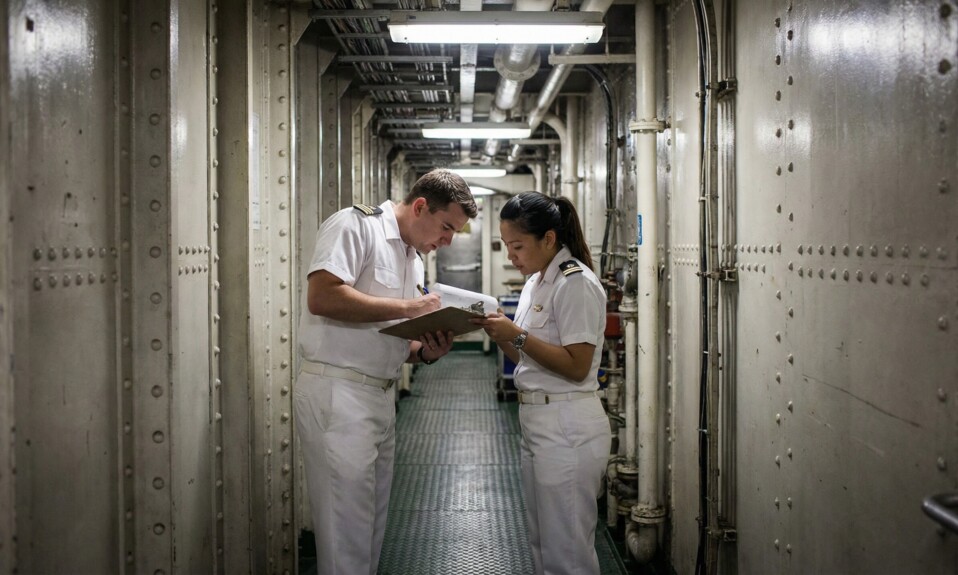
Every announcement on a cruise ship PA system sounds routine until you know what it actually means. The codes are deliberate. They’re designed to let crew manage emergencies without triggering panic in a floating city of 4,000 people. The code at #1 means the captain has ordered a full stop and diversion, and it costs the cruise line upward of $200,000 in fuel, port fees, and emergency coordination. Read every entry before you board.
23. Muster Drill vs. Real Emergency Tone

The muster drill you sat through on embarkation day used a specific sequence of short whistle blasts followed by a PA announcement. A real emergency uses the same signal. Most passengers don’t know the difference. The crew does, because they’ve been trained to respond to the cadence, not wait for a voice to tell them what to do. If you ever hear seven short blasts followed by one long blast in open water without a scheduled drill, that’s the General Alarm. It means something is actually wrong.
22. GMDSS Alert

GMDSS stands for Global Maritime Distress and Safety System. When a ship activates a GMDSS alert, it sends an automated distress signal to maritime rescue coordination centers with the ship’s identity, position, and type of emergency. Passengers never hear this announced. It goes out via satellite to coast guard and rescue services worldwide. When you’re on a ship that activates GMDSS, other vessels in the area are required by international maritime law to respond. It’s the maritime equivalent of calling 911, except it alerts every rescue authority within hundreds of miles simultaneously.
21. Pan-Pan
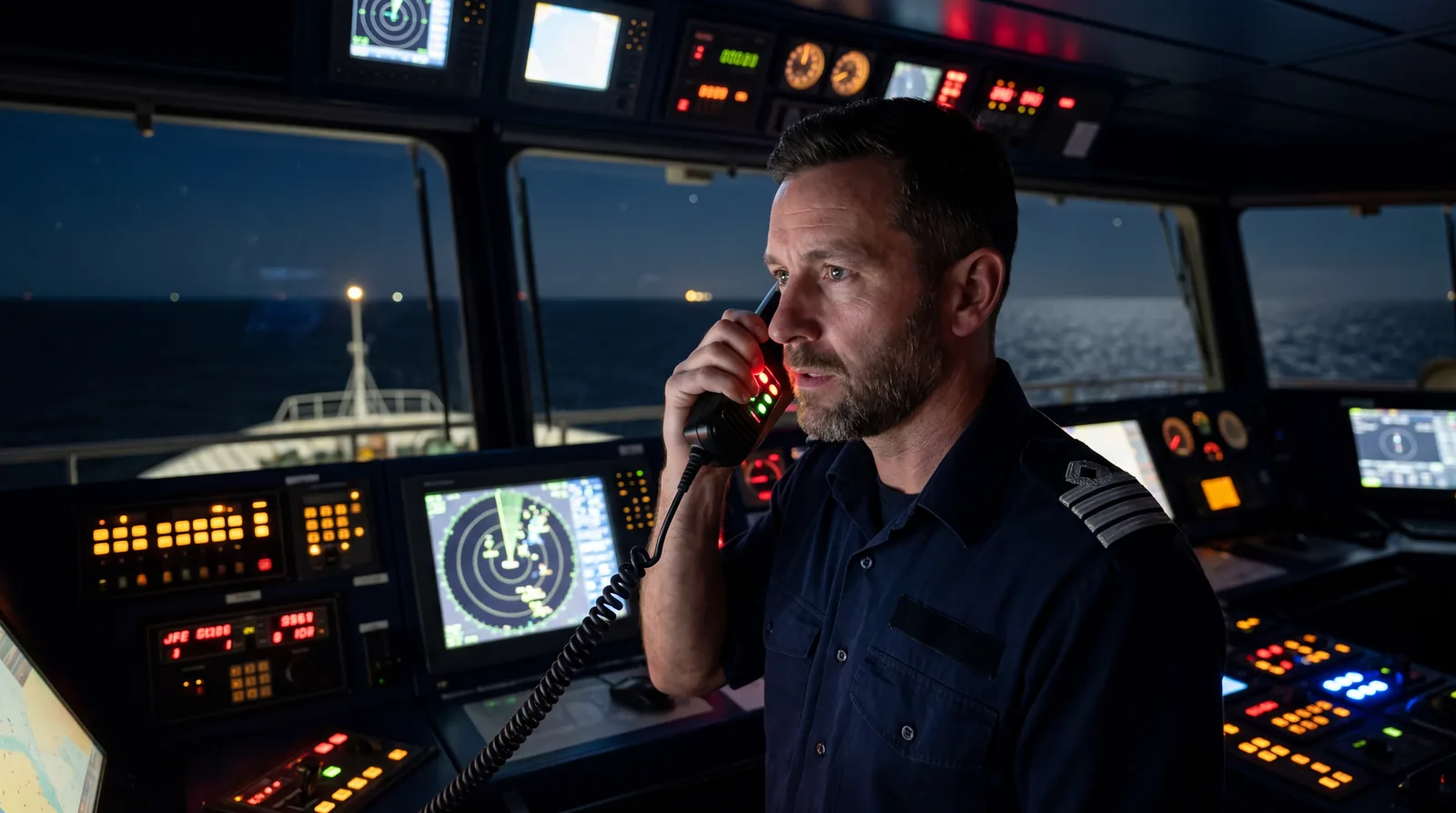
Pan-Pan (pronounced “pahn-pahn”) is the urgency call, one step below Mayday. It signals that a vessel or person is in a serious situation that requires assistance but isn’t in immediate life-threatening danger. You might hear crew use this over radio if a passenger has a serious medical condition that needs a coast guard response before the next port. It triggers nearby ships to maintain radio watch and standby for coordination. If a Pan-Pan escalates to Mayday, the situation has become life-threatening and all vessels in range are legally required to render assistance.
20. “Operation Bright Star”

Different cruise lines use different names for this, but Bright Star or Operation Bright Star signals a medical emergency requiring the ship’s full medical team response. On some lines it’s Priority Alpha or Code Alpha. Passengers in the corridor might see crew moving quickly toward a cabin or public area. What they won’t see is the ship’s doctor and nurses simultaneously being paged, the medical center being prepped, and the bridge being notified in case a medical evacuation becomes necessary. Air medical evacuations from a cruise ship at sea cost $50,000 to $150,000 and are almost never covered by standard travel insurance.
The next one escalates faster than most people realize.
19. Code Alpha

Code Alpha is the standard medical emergency call on most major lines including Royal Caribbean and Carnival. It goes out over the crew radio channel, not the passenger PA. You’ll hear crew moving at pace and a brief overhead announcement calling a team to a location. What it means operationally is that someone has collapsed, is unresponsive, or requires immediate advanced medical care. The ship’s doctor responds within minutes. If the patient can’t be stabilized, the ship’s captain decides within the next hour whether to divert to the nearest port. Diversion adds an average of six to eighteen hours to the voyage and costs the line hundreds of thousands of dollars.
18. Priority 1
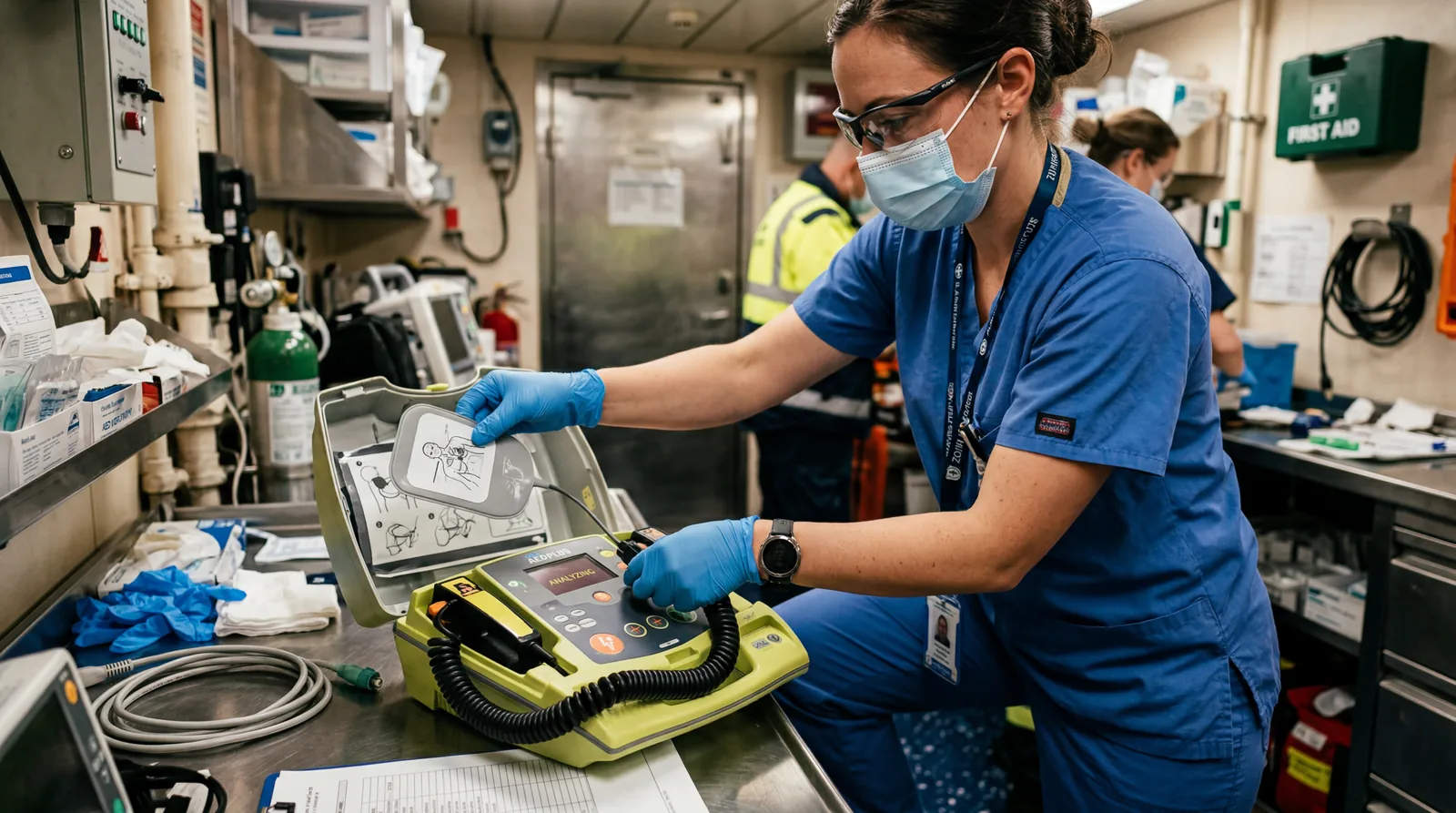
Priority 1 on a cruise ship means cardiac arrest. It’s the highest medical urgency level used internally. The announcement goes to crew only. When you see a team of four or five uniformed crew members jogging toward a deck with equipment, and passengers step aside without knowing why, this is often what’s happening. Ships carry defibrillators at every public area and train crew in CPR, but survival rates for cardiac arrest at sea are significantly lower than on land because response times are longer and advanced cardiac care isn’t available onboard. The median time to definitive cardiac care at sea is 45 to 90 minutes longer than on land.
17. “Bright Star” vs. “Code Blue”
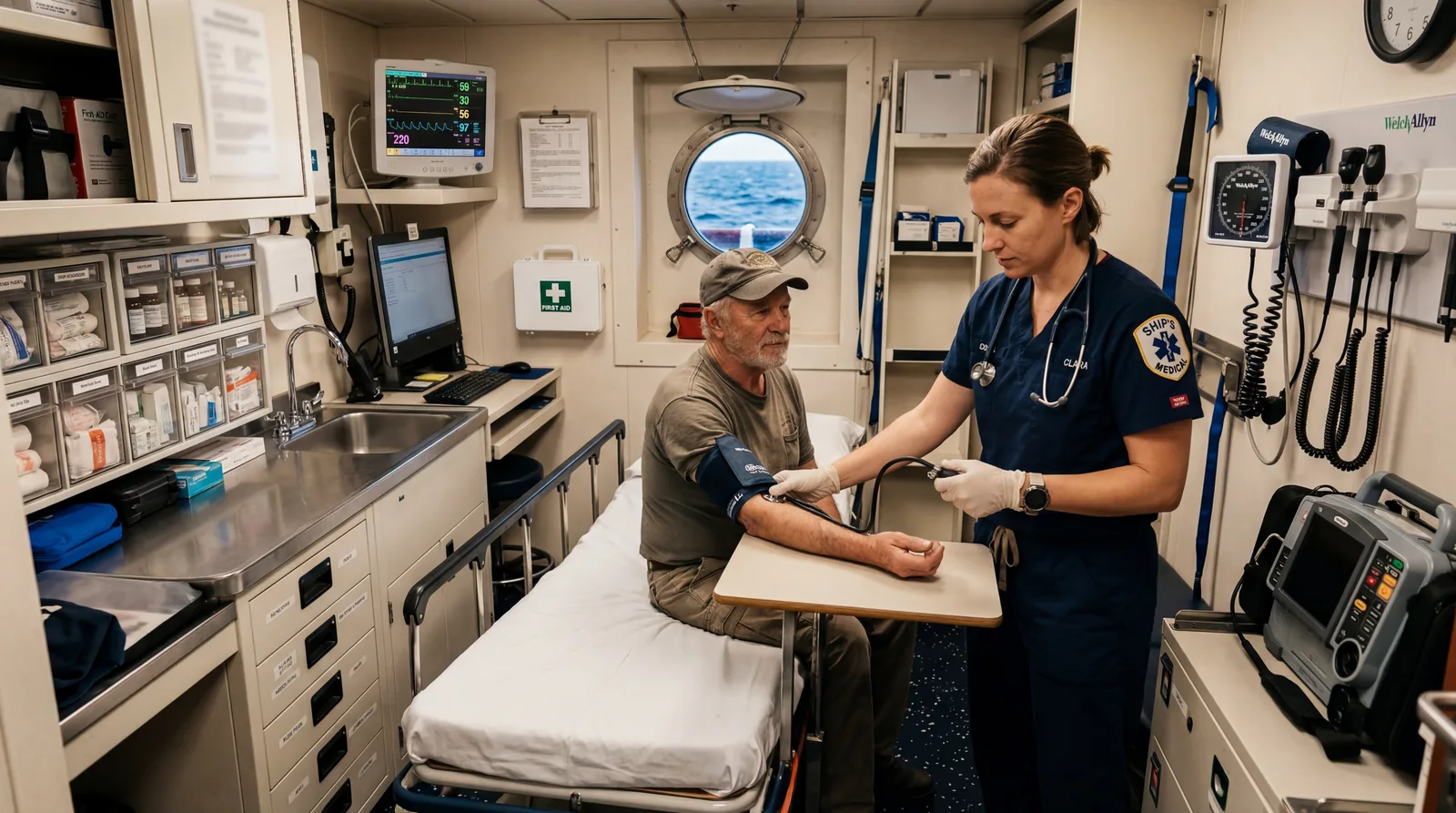
Cruise lines deliberately vary their internal codes so that passengers who’ve traveled on other lines can’t decode what’s happening. Norwegian Cruise Line uses Code Blue for medical emergencies. Celebrity uses Code Alpha. Princess Cruises uses Bright Star. Holland America uses Priority Alpha. The specific term doesn’t matter to you as a passenger. What matters is this: if you see crew moving with equipment at speed and hear a deck number announced, someone onboard is in a serious medical situation. The variation across lines is intentional. They don’t want you Googling the code mid-crisis.
16. “30-30” Security Code
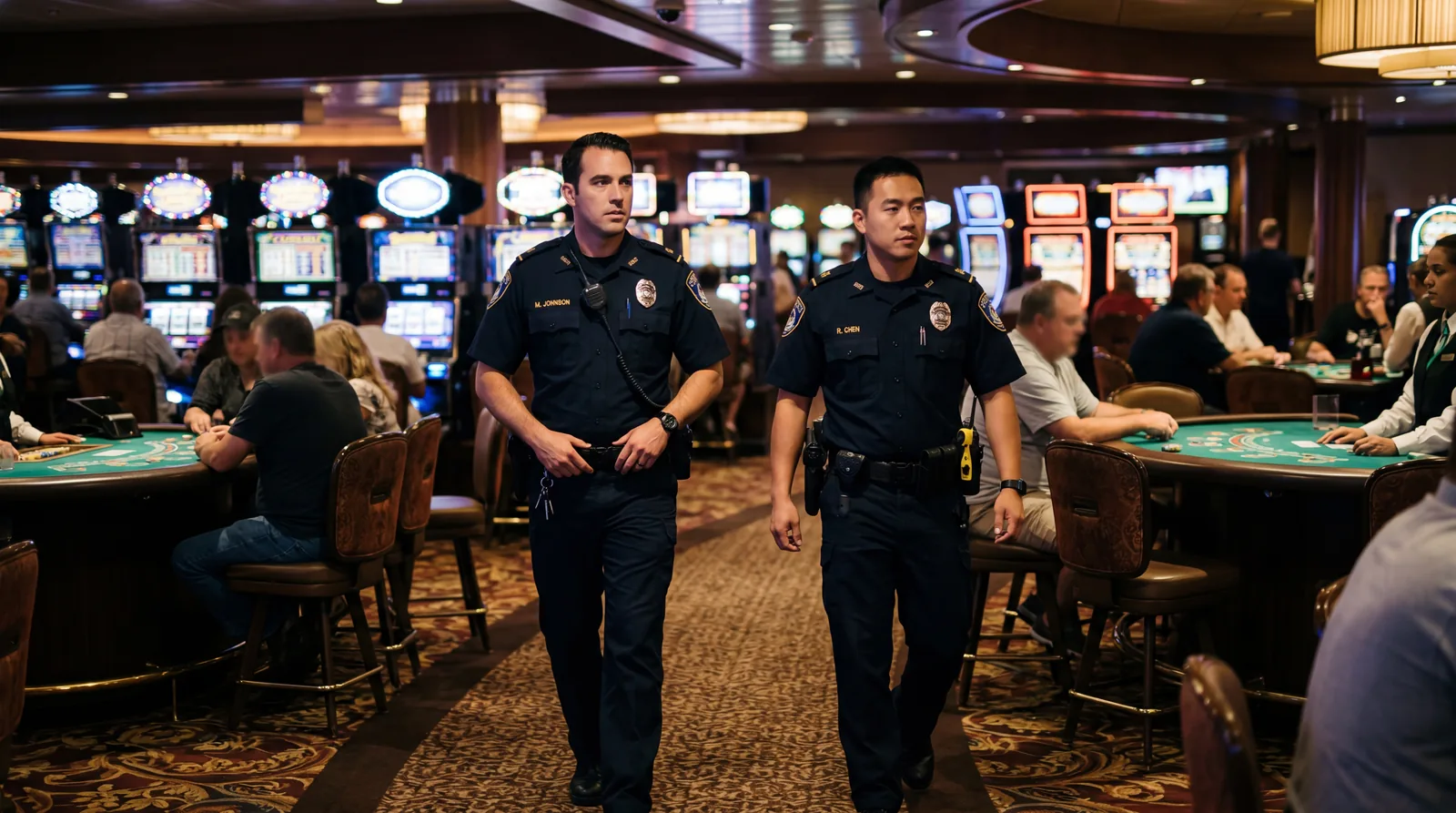
30-30 is used on some cruise lines as an internal security alert. It signals that a situation requires security presence but isn’t yet at the level of a full security lockdown. You might hear it referenced on crew radio if there’s a fight in a bar, a passenger behaving aggressively, or an incident in a cabin. Crew in the area will respond and other passengers will have no idea what’s being communicated. It’s the equivalent of a retail store’s “code 1 to aisle 7.” The terminology varies by line but the pattern is universal: short numeric codes for security situations that don’t warrant alarming the general public.
Read More: 19 Airline Codes and Announcements That Mean Something Completely Different
15. “Charlie Charlie Charlie”

Charlie Charlie Charlie is the security threat code used by multiple cruise lines. It signals that a security incident is in progress or a threat has been identified. Depending on the line, it covers bomb threats, weapons discoveries, credible threats against the ship or passengers, or intelligence received about a planned incident. When this code sounds over crew channels, armed security personnel deploy to pre-assigned positions, access to certain decks is restricted, and the captain is notified immediately. Passengers hear nothing. On ships with a history of sailing through higher-risk regions, this code is taken extremely seriously and can result in the ship altering course entirely.
14. Code Yellow

Code Yellow on most cruise lines signals a bomb threat or suspicious package. The ship’s security team responds immediately, access to the area is restricted under the cover of routine maintenance announcements, and a sweep is conducted by trained personnel. Passengers in the immediate area are redirected with a polite excuse. Coast guard and port authority are notified if the ship is within 12 nautical miles of land. This code is more common than most people realize. Cruise ships receive bomb threats several times per year across the industry, and the protocols are well-practiced. The vast majority are hoaxes, but every one gets a full response.
It gets more serious from here.
13. Code Adam
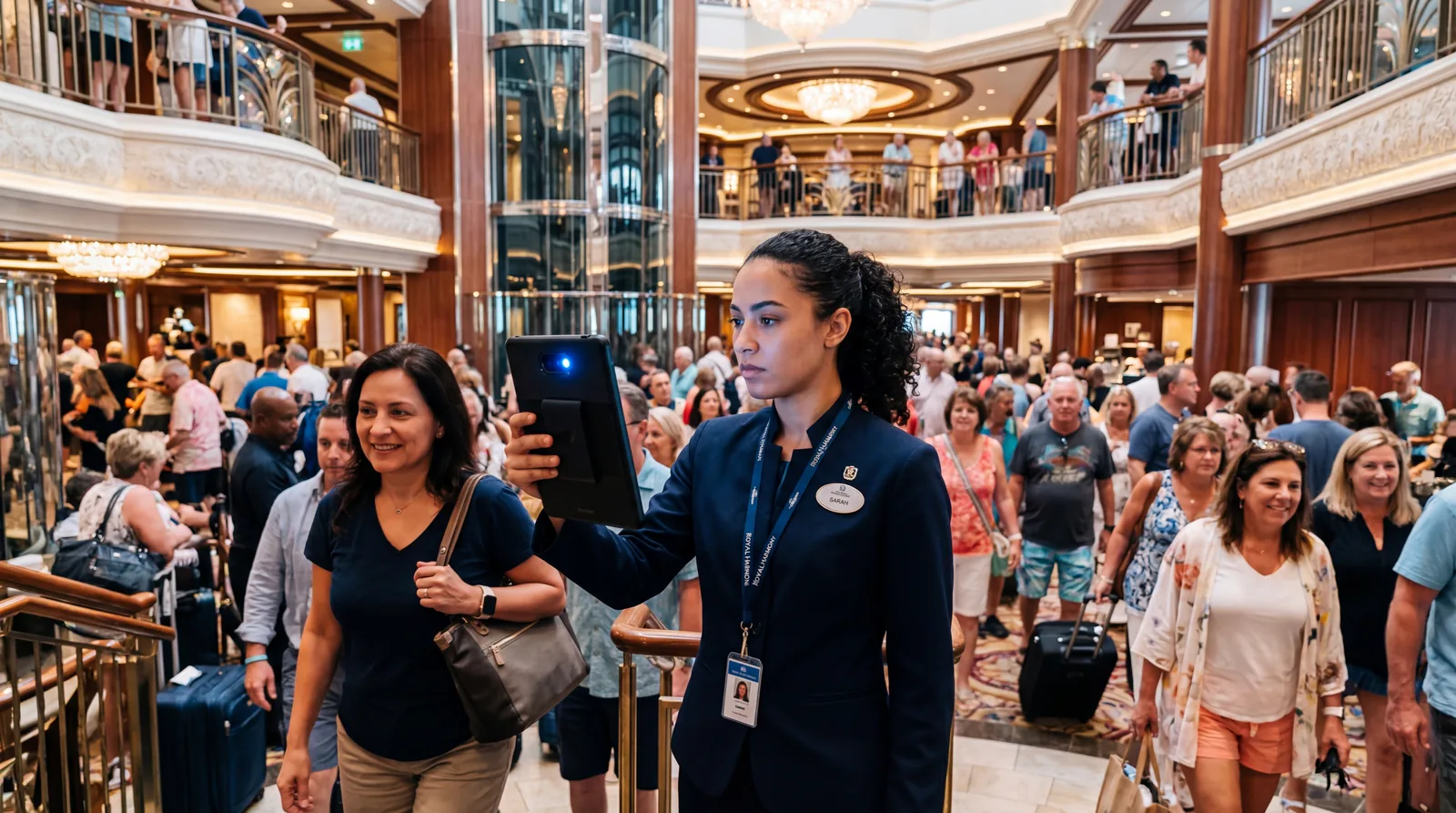
Code Adam is the missing child protocol, adapted from the retail version used in shopping centers. When a child is reported missing onboard, Code Adam is announced over crew channels and all available staff begin a sweep of the ship within minutes. Access points including gangways, tender boats, and crew areas are locked down immediately to prevent anyone from leaving the ship. Every crew member on the ship, regardless of department, drops their current task and participates in the search. In the worst-case scenario, a child overboard triggers a completely separate and far more severe protocol. The Code Adam response is documented and timed to the second.
Read More: 17 Things Flight Attendants Know About You Before You Sit Down
12. “Noro Protocol” Code

Ships don’t announce norovirus outbreaks over the PA. Instead, you’ll notice a sudden shift in service: crew handing out hand sanitizer at every food entrance, self-service food stations replaced by crew-served ones, and extra cleaning teams visible throughout the ship. Internally, this is a Code Green or Noro Protocol activation depending on the line. The CDC’s Vessel Sanitation Program requires ships to report outbreaks affecting more than 2% of passengers or crew. Cruise lines have been fined for failing to report. When you see the sanitizer stations multiply overnight, the outbreak has already been identified and the internal protocol has been active for at least 12 hours. That same curiosity is what makes 25 Cruise Ship Food Facts That Most Passengers Never Find Out in 2026 worth checking after this section.
11. “Quarantine Confirmed” Flag
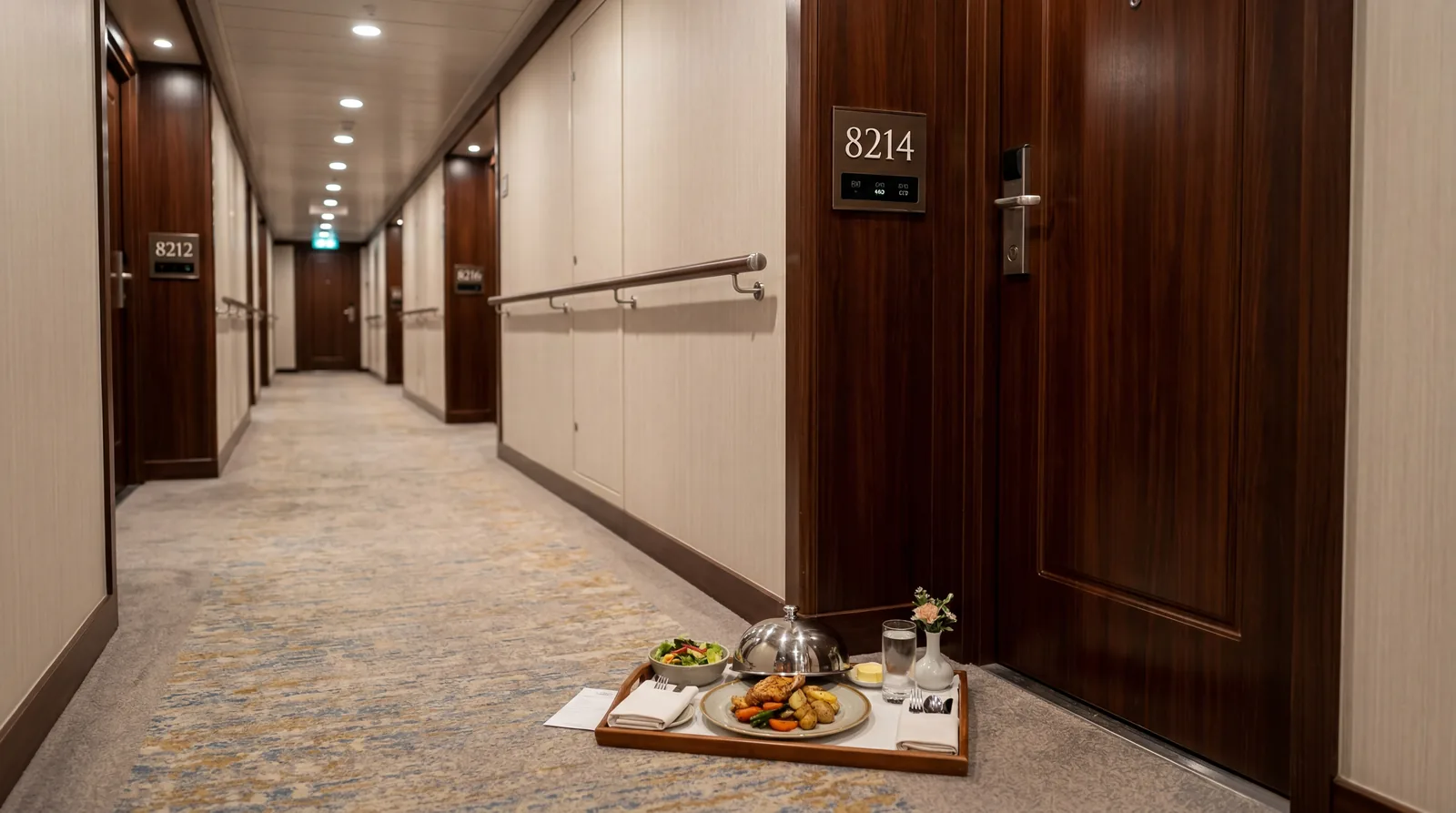
When a contagious illness is confirmed onboard, affected passengers receive a knock on the door from the ship’s medical officer, not a PA announcement. They’re placed under voluntary quarantine, which in practice functions more like mandatory quarantine because crew will deliver meals and monitor compliance. The ship’s manifest is flagged for the destination port’s health authority. This matters to you because a quarantine designation can result in the entire ship being held at port for inspection before passengers are allowed to disembark, adding 12 to 48 hours to your trip without any guarantee of compensation from the cruise line.
10. ISM Code Reference
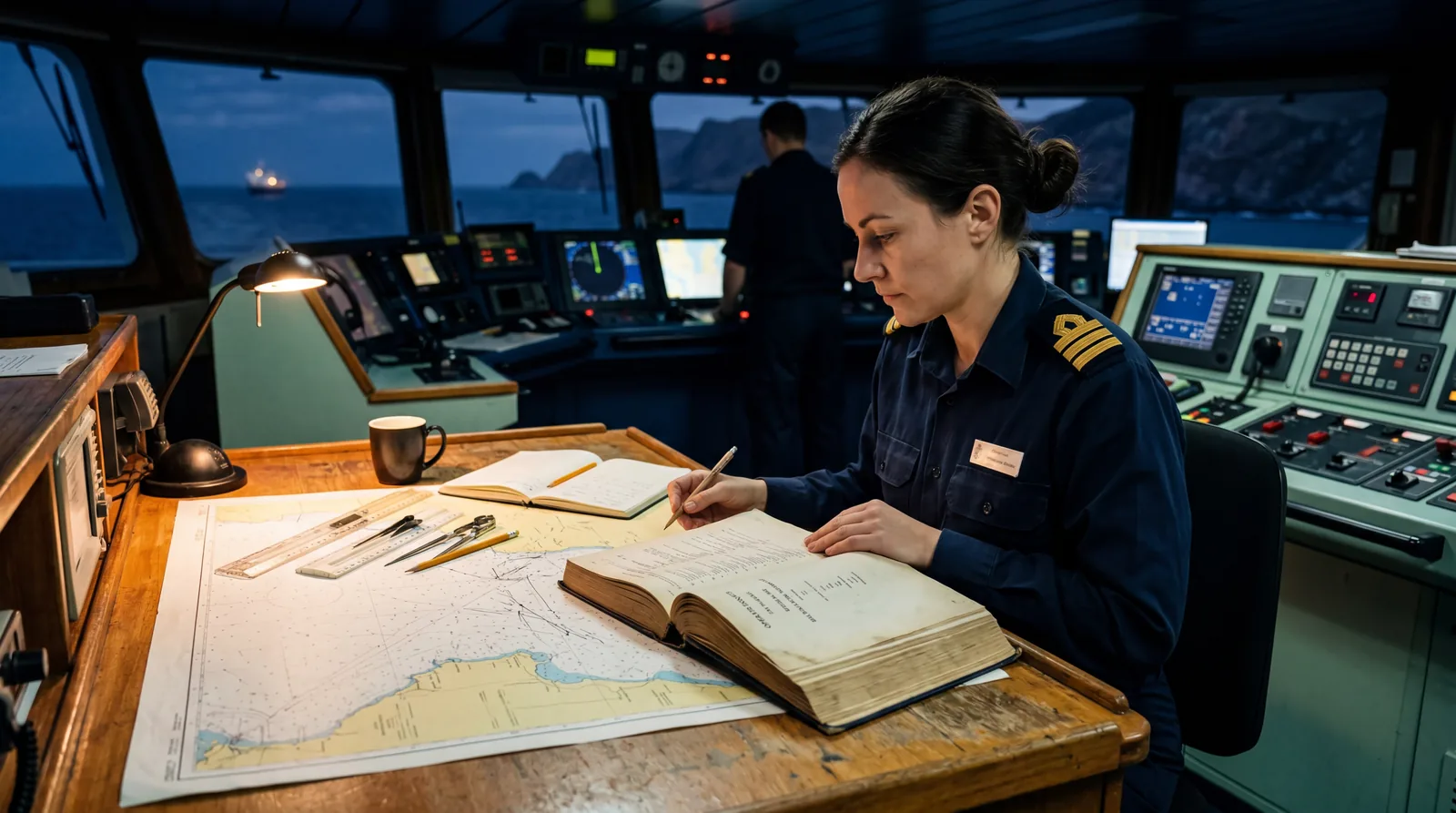
The ISM Code is the International Safety Management Code. Every commercial ship is required to operate under a certified Safety Management System that complies with ISM. When crew mention an “ISM non-conformity” or an “ISM audit finding,” it means a safety procedure wasn’t followed correctly. Passengers never hear this language. But ISM non-conformities are logged and reviewed by flag states and port state control inspectors. A ship with accumulating ISM non-conformities can be detained in port by port state control until deficiencies are corrected. That means you don’t leave when you were supposed to. No cruise line is required to compensate you for an ISM-related detention delay.
Read More: 21 Hotel Codes Staff Use That Guests Are Never Meant to Understand
This next one is announced in plain English. Most passengers still don’t understand what it means.
9. “Muster Station” Announcement
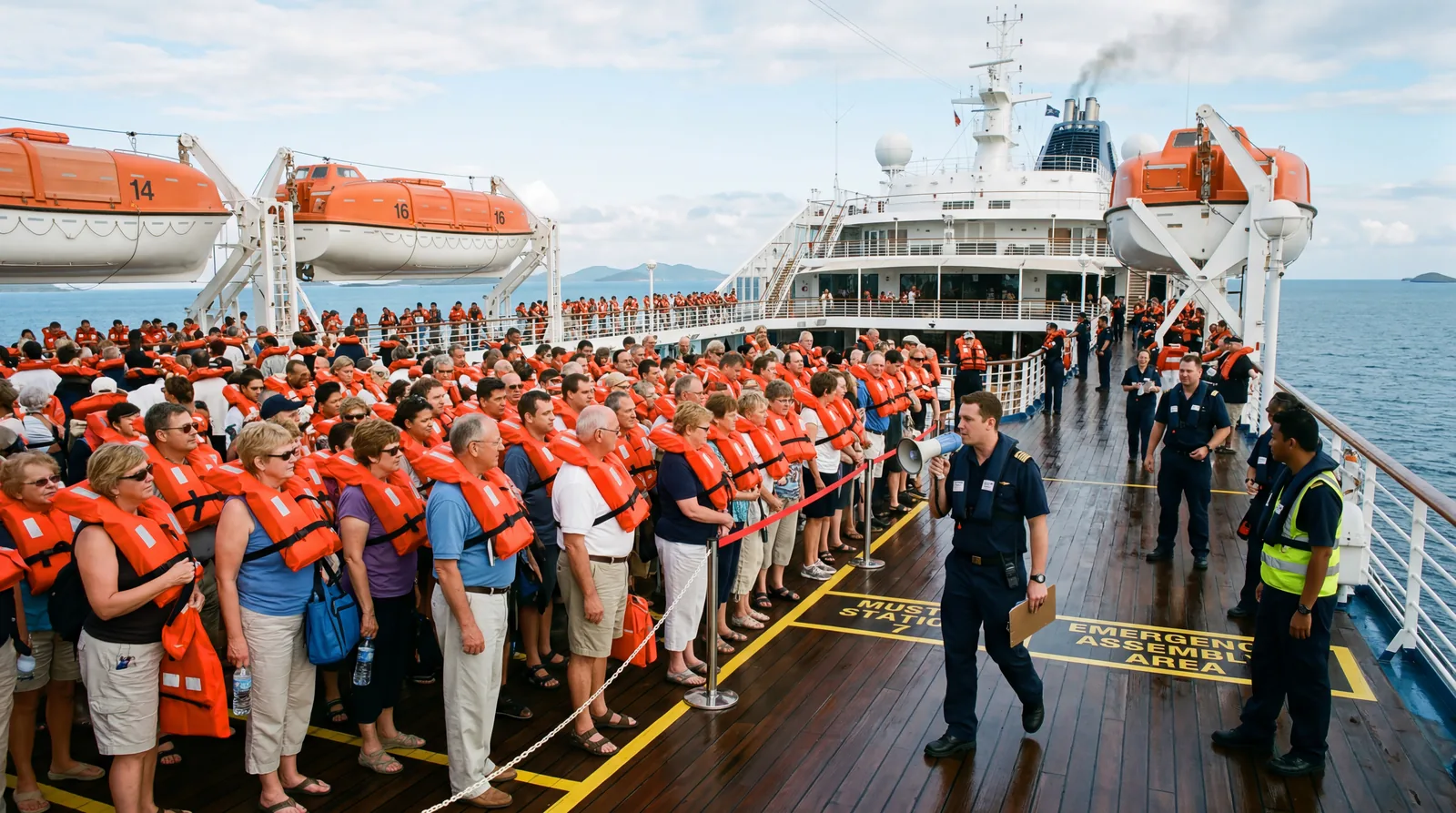
After the Costa Concordia disaster in 2012, every passenger is now required to complete a muster drill before the ship leaves port. What most passengers don’t know is that “proceed to your muster station” during an actual emergency means something very different from the drill. During a real muster, you’re being positioned for lifeboat boarding. The sequence, timing, and priority boarding rules are different from what was shown at the drill. Passengers in accessible cabins, traveling with children under 3, and in certain deck ranges board first. If you don’t know your muster station number off the top of your head right now, you’re less prepared than you think. It’s printed on your cabin door and your key card.
8. “Code Red” (Ship-Wide)
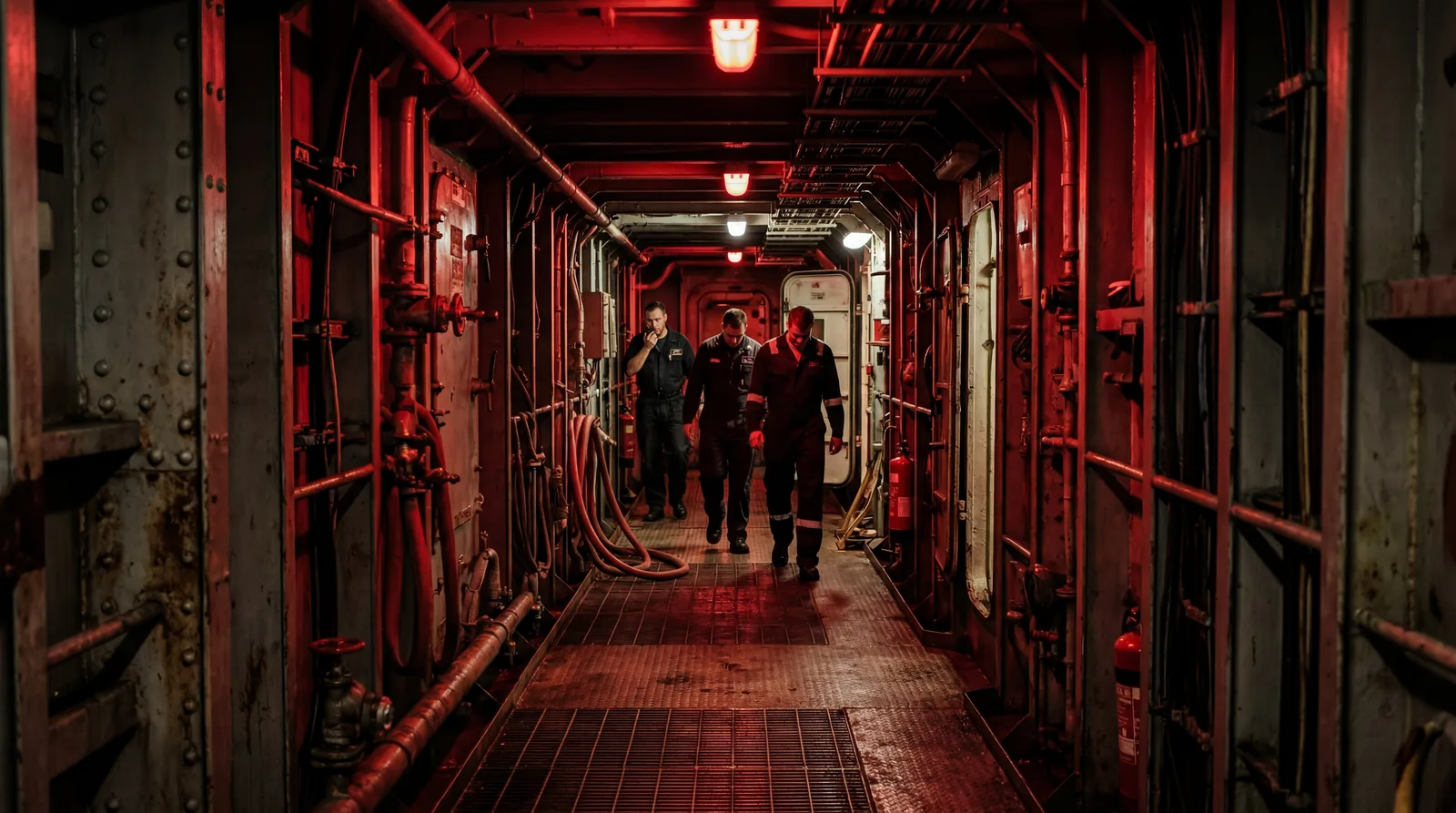
Code Red on a cruise ship doesn’t mean a minor problem. It signals a ship-wide emergency requiring all crew to respond to assigned emergency stations. This is separate from a fire code (which has its own designation) and can be triggered by a structural breach, loss of propulsion in dangerous conditions, or a rapidly escalating multi-system failure. When Code Red is called, crew stop what they’re doing entirely, passenger service ends, and the ship’s emergency command structure activates. The captain assumes full command authority. Passengers notice crew disappearing from restaurants and bars. They’re not told why. The average passenger on a Code Red ship has less than 90 seconds of warning before lifeboat boarding begins if it escalates to abandon ship.
7. “Code Bravo”
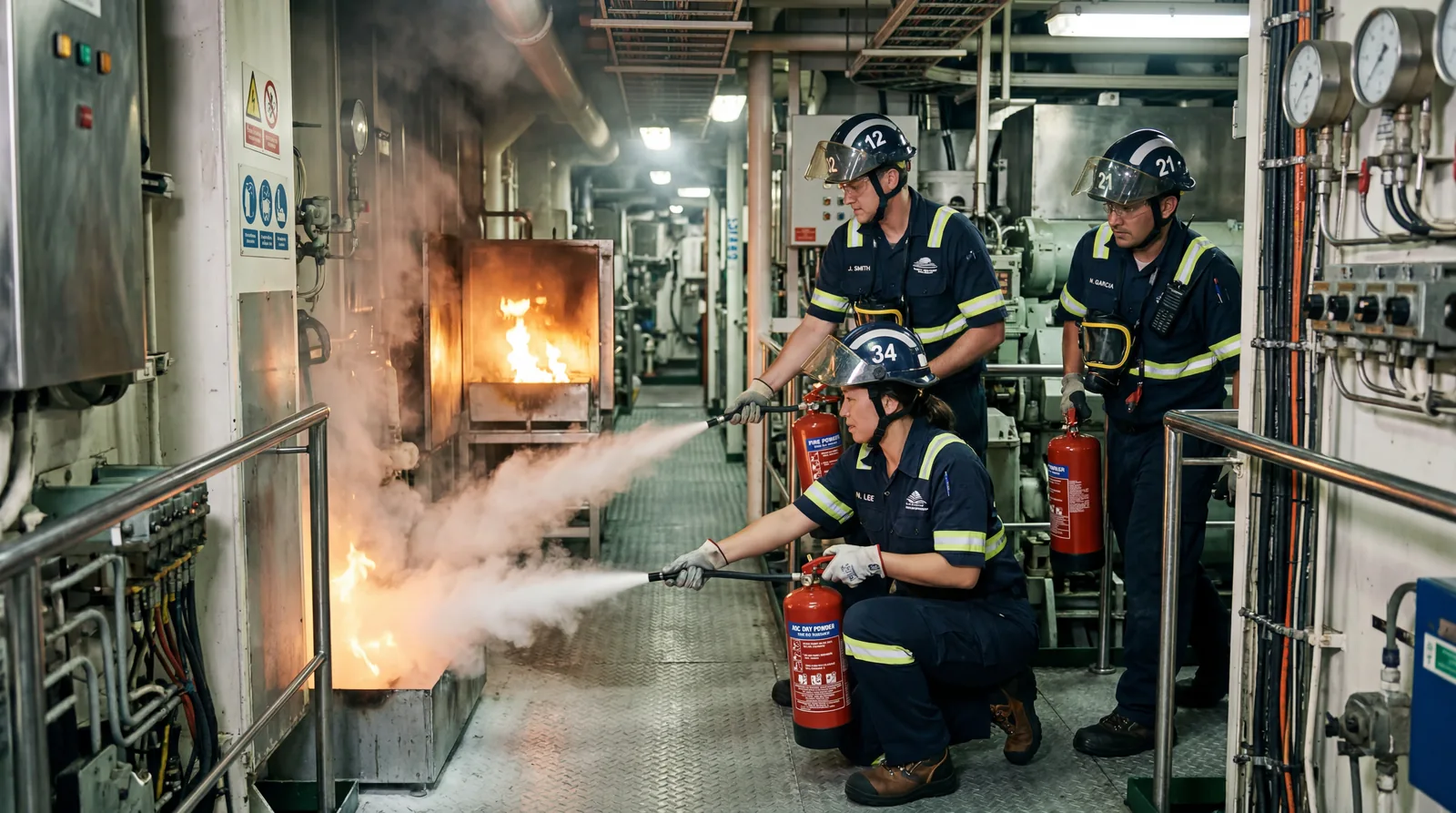
Code Bravo means fire onboard. It’s one of the few codes that sometimes makes it to the passenger PA because passengers in the affected area may need to move. What’s never announced is where the fire actually is. “We ask guests in the area to proceed calmly” translates to: fire suppression systems are active, a trained team is responding, and the specific location is being withheld to prevent a passenger stampede toward emergency exits. Ships have multiple fire suppression systems including CO2 flooding in engine rooms, which incapacitates anyone in the space. A Code Bravo in an engine room can also trigger loss of propulsion, making the ship a dead ship in open water within minutes. That escalates to Code Red. If you like this kind of overlooked detail, 19 Codes Hotel Staff Use That Guests Are Never Meant to Know in 2026 is another useful read to open next.
The next two are the ones most passengers have heard about but never understood.
6. “Code Green” (Overboard)
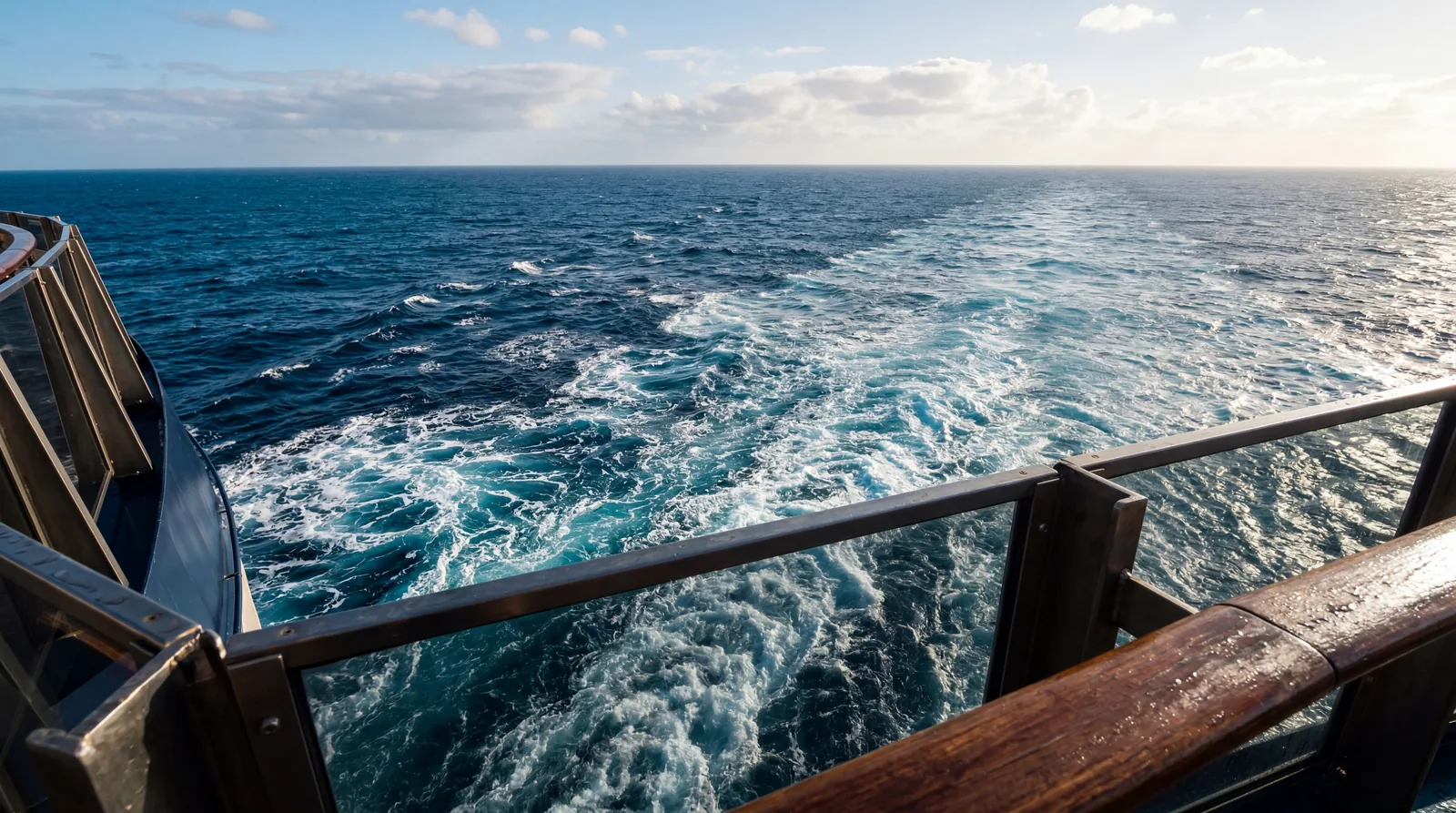
On some cruise lines, Code Green specifically signals a passenger overboard. On others it signals the norovirus protocol. The difference matters because the response to a Code Green overboard is one of the most dramatic things that happens on a civilian vessel. The ship executes a Williamson Turn, a precise maneuver that brings the ship back to the last known position of the person in the water. It takes roughly 4 to 6 minutes. The survival window in open ocean is determined by water temperature: in Mediterranean waters (22°C), you have about 90 minutes before hypothermia becomes life-threatening. In North Atlantic waters (10°C), that window drops to 30 minutes or less. The ship’s CCTV footage is reviewed to establish exactly when and where the person entered the water. For another nearby rabbit hole, 25 Things About Cruise Ship Food That Most Passengers Never Find Out in 2026 looks at a related piece of everyday culture.
5. “Oscar Oscar Oscar”
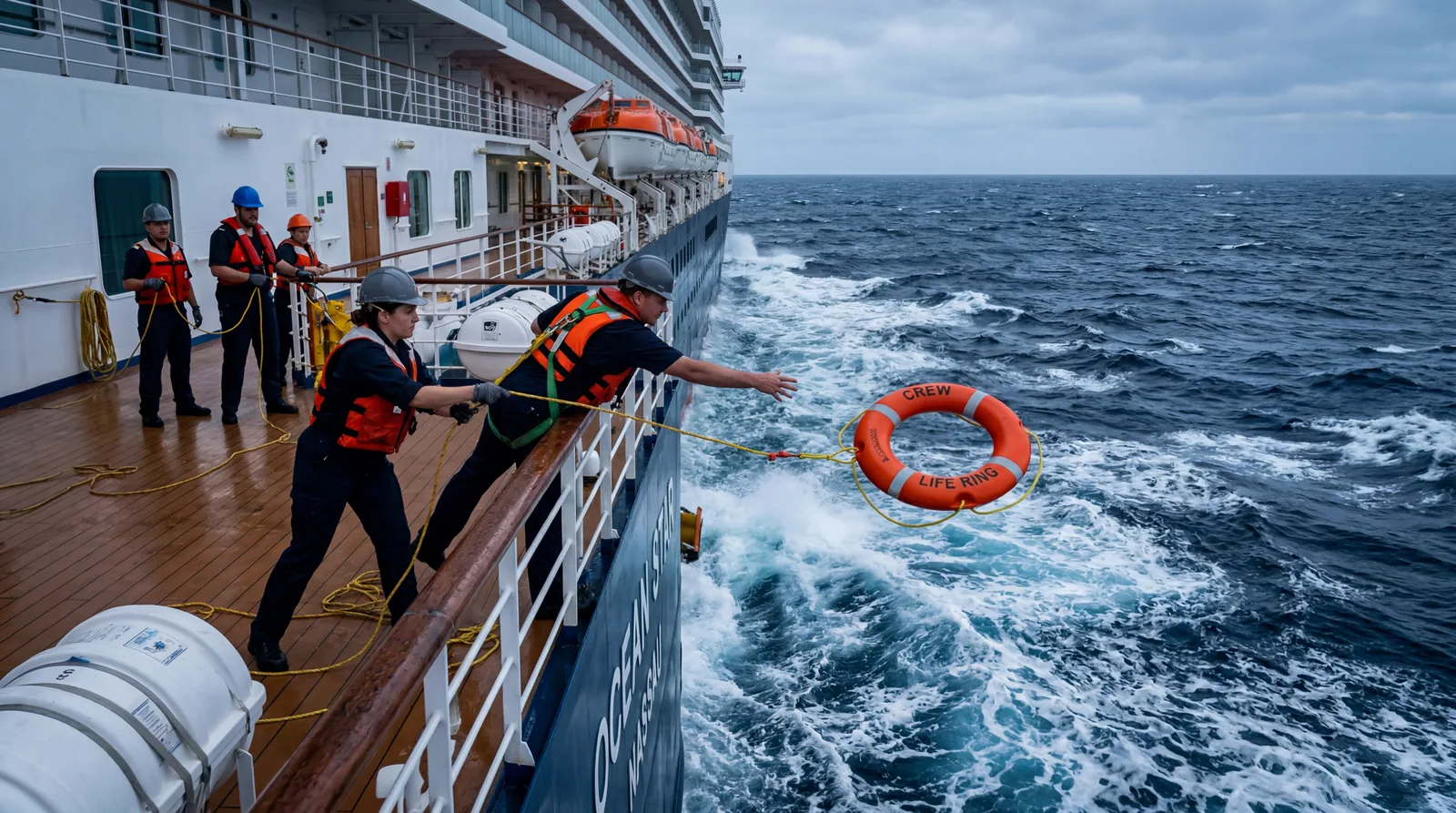
Oscar Oscar Oscar is the man overboard call used on most major cruise lines and in merchant marine operations. The triple repetition signals that a person is in the water and all crew should respond to their emergency stations. The bridge sounds the alarm, the Williamson Turn begins, a crew member keeps eyes on the person in the water from the stern, and a rescue boat is prepared for deployment. What passengers hear, if anything, is a calm announcement that the ship will be making a course change. The real announcement is happening on crew channels. The average overboard recovery operation, when the person survives, takes 2 to 4 hours from alert to recovery. The cruise line’s liability exposure in a wrongful death overboard case runs $1.5 million to $5 million.
4. “Mayday Relay”

A Mayday Relay is transmitted when your cruise ship receives a distress call from another vessel and relays it to maritime rescue coordination because the distressed vessel can’t reach shore directly. Your ship then becomes the primary rescue coordinator for another vessel’s emergency. Cruise lines are legally required under the International Convention for the Safety of Life at Sea (SOLAS) to respond to Mayday calls, even if it means diverting from their scheduled route. Passengers who wonder why the ship suddenly changed course and the captain made a brief vague announcement have often just become part of a maritime rescue operation without knowing it. The ship is not compensated for this diversion. You are not compensated for the delay.
3. “PVI” (Passenger Vessel Incident)

PVI is Passenger Vessel Incident. It’s not a PA code, it’s a regulatory classification that triggers mandatory reporting to the U.S. Coast Guard, the FBI, the FMC, and the flag state authority simultaneously. A PVI is declared when a death, serious injury, missing person, or crime against a passenger has occurred. The moment a PVI is declared, the ship’s log is preserved, crew statements are taken, and the ship may be directed to a specific port for investigation rather than its scheduled destination. Passengers onboard are not informed of the PVI classification. The FBI has jurisdiction over felonies committed on U.S.-flagged vessels and foreign-flagged vessels departing U.S. ports. Cruise lines are required by the Cruise Vessel Security and Safety Act to report certain crimes within four hours of learning of them. If this part caught your attention, 27 Secret Codes Airport Staff Announce Over the PA That Passengers Are Never Tol gives you another specific angle to compare.
A retired cruise ship guest services director, a woman named Marlene from Fort Lauderdale, put it plainly: “The moment PVI is declared, the cruise is over, even if the ship keeps sailing. Everything that happens after that is evidence management.”
Bad. But nothing compared to what’s waiting at #1.
2. “Code Red” (Medical Diversion)
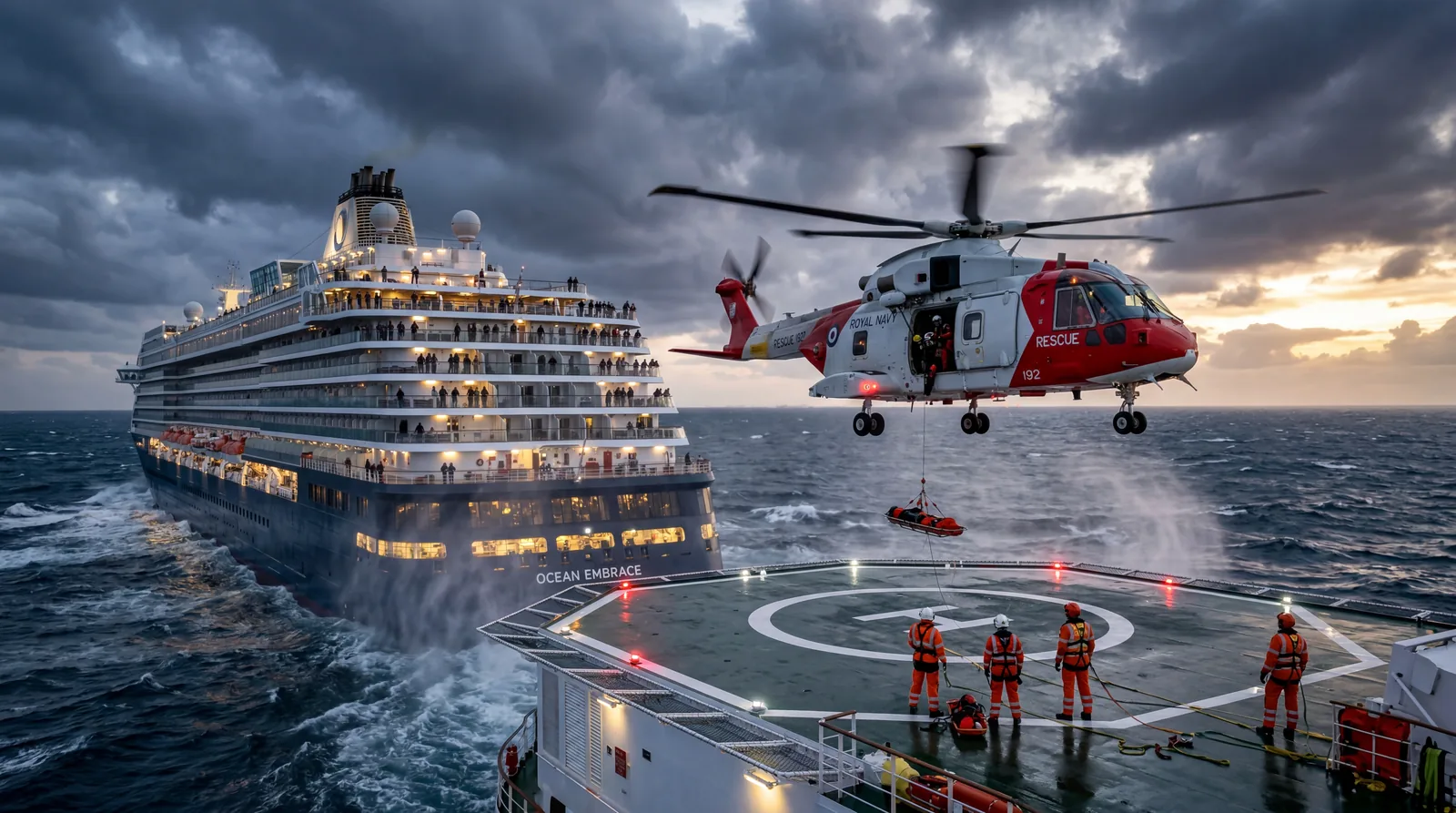
A medical diversion Code Red is when the captain orders the ship to change course to the nearest port for a medical emergency that cannot be managed onboard. This is different from a ship-wide Code Red. It happens when a passenger has a condition, a stroke, a major trauma, a cardiac event requiring surgery, that the ship’s medical team cannot treat. The ship’s doctor files a formal medical necessity request to the captain, who then informs the company, which authorizes the diversion. A single medical diversion costs the cruise line an estimated $200,000 to $400,000 in fuel, port fees, and schedule disruption. The passenger’s bill for the air medical evacuation and emergency treatment can exceed $100,000 if they don’t have adequate travel insurance. Roughly 40% of cruise passengers travel without any travel insurance at all.
Bad. But nothing compared to what’s waiting at #1.
1. “Hotel Hotel Hotel” or “Abandon Ship”
The Code That Means the Ship Is Stopping
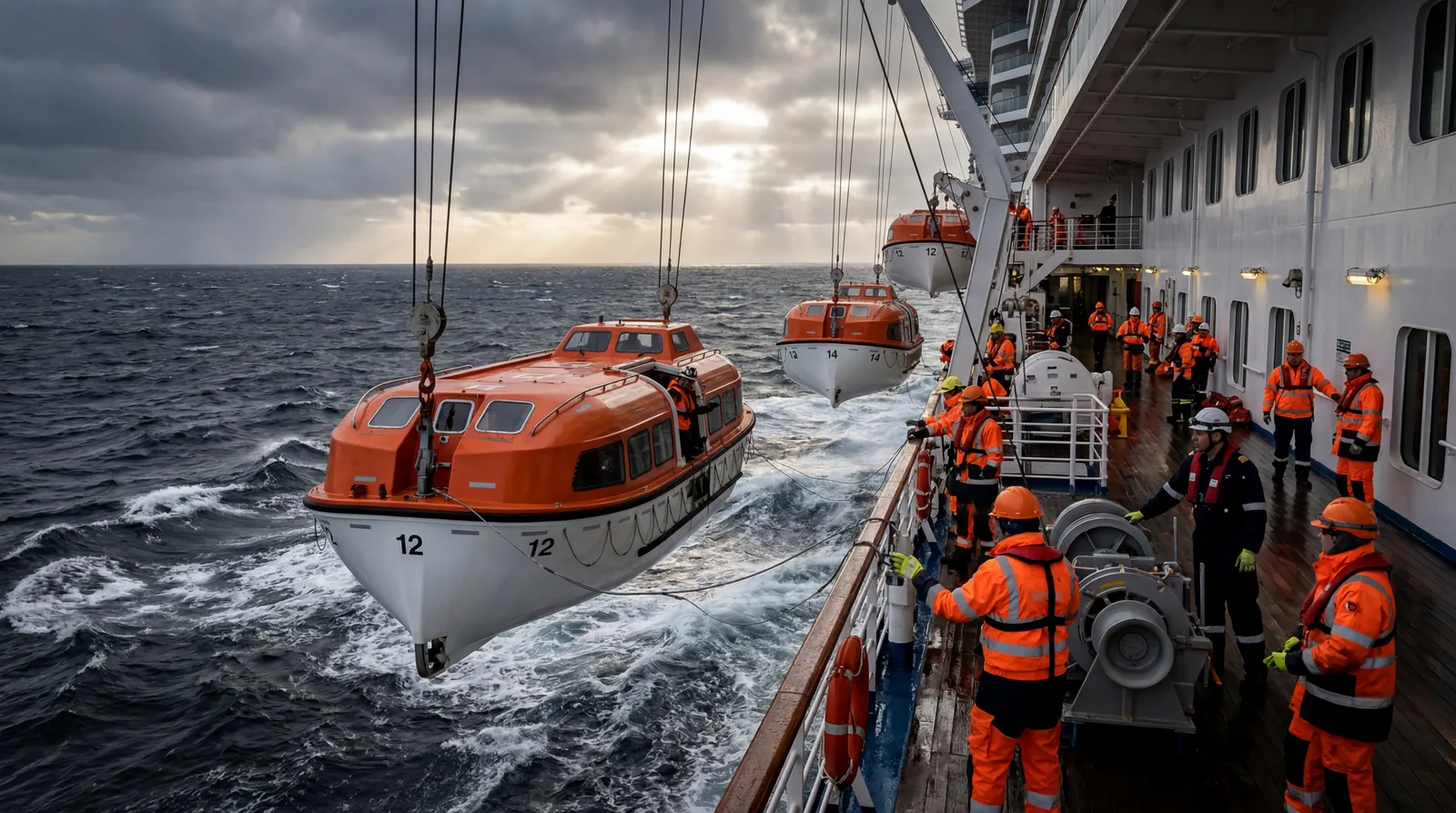
The order to abandon ship is among the rarest commands in civilian maritime operations. It is also the most final. On most cruise lines, the internal code is “Hotel Hotel Hotel” or a specific alarm pattern, followed by the captain’s voice directly on the PA. No code. No euphemism. The captain says it plainly. When the order is given, crew immediately begin lifeboat boarding by priority section. Passengers who don’t know their muster station, who’ve left their life jackets in the cabin, or who have mobility limitations and haven’t registered with the medical team face significant disadvantage. The Costa Concordia took 17 minutes from grounding to the first abandon ship order. 32 people died. Post-incident analysis found that dozens of passengers who survived did so by acting before the official order. Readers who enjoy these kinds of details may also want 25 Things Experienced International Travelers Always Pack That Most People Never for another quick detour.
What most passengers don’t realize is the economic reality behind why captains delay this decision. Declaring abandon ship triggers a chain of international regulatory consequences, insurance investigations, and company liability exposure that can permanently ground a vessel. Captains are trained to exhaust every alternative first. A retired cruise staff member who worked bridge operations for 22 years told this: “The captain knows what happens the moment he says those words. Every second before he says them, he’s looking for a way to not have to.” For a different but related slice of the same world, 25 Cruise Ship Rookie Mistakes That Scream “First Timer” (And How to Avoid Them is a good next stop.
The ship diverts. The schedule ends. The cost doesn’t matter anymore.
Next time you hear something unusual over the ship’s PA, you’ll know exactly what’s happening.
Now You Know What They’re Not Telling You
Forward this to anyone you know who’s about to board a cruise. The codes cost nothing to know. Traveling without adequate travel insurance, after reading this, does not have the same excuse.