
Costco can save real money when the purchase fits your life.
The trouble starts when the deal gets bigger than the need.
31. Assuming Bulk Is Automatically Cheaper
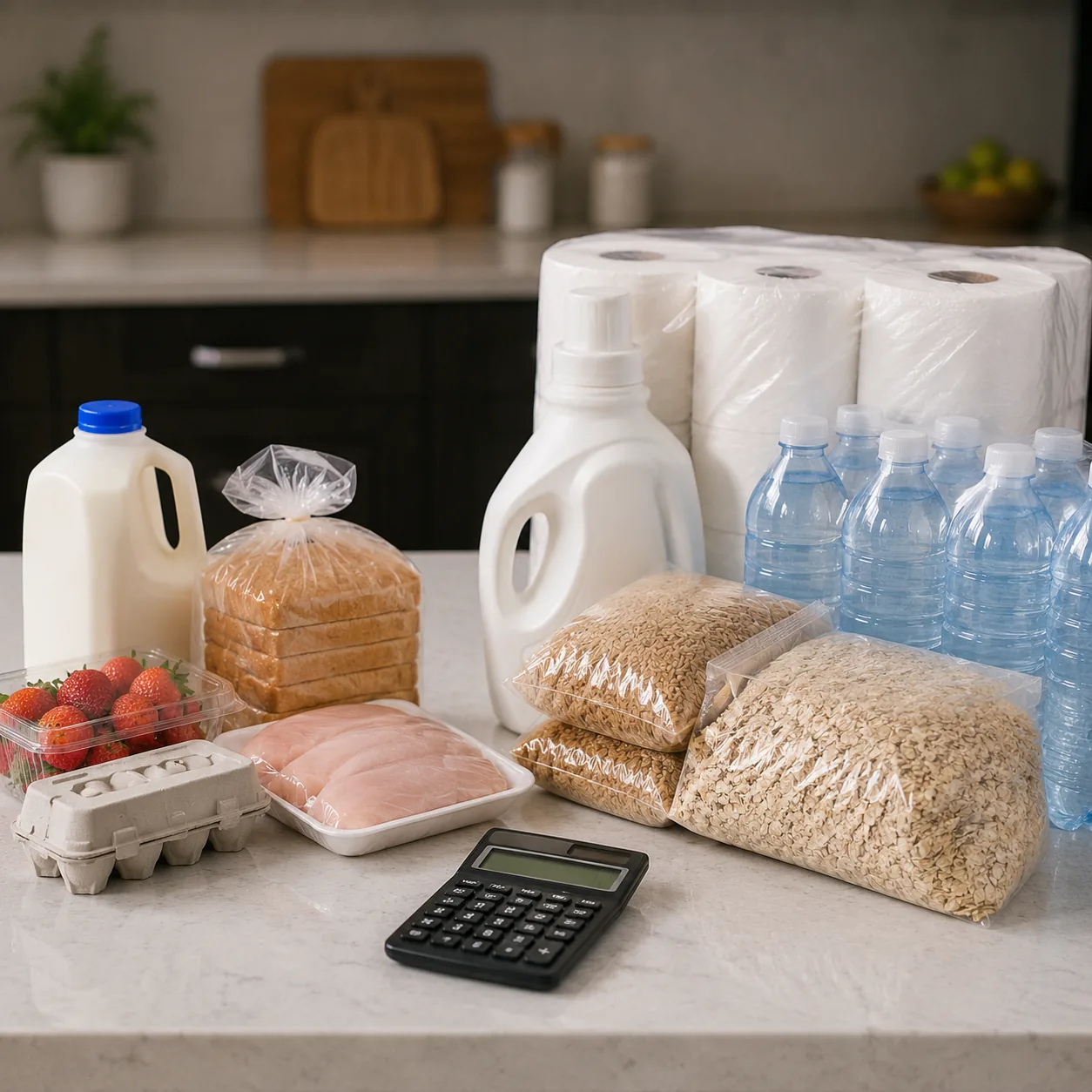
Check the math: the larger package is not always the lower-cost choice.
This helps shoppers comparing paper goods, snacks, meat, detergent, and pantry staples. It goes wrong when the warehouse size makes the purchase feel proven before you compare unit prices. If a smaller package is on sale elsewhere, or you will waste part of the bulk item, Costco may not win.
30. Ignoring Unit Price Differences
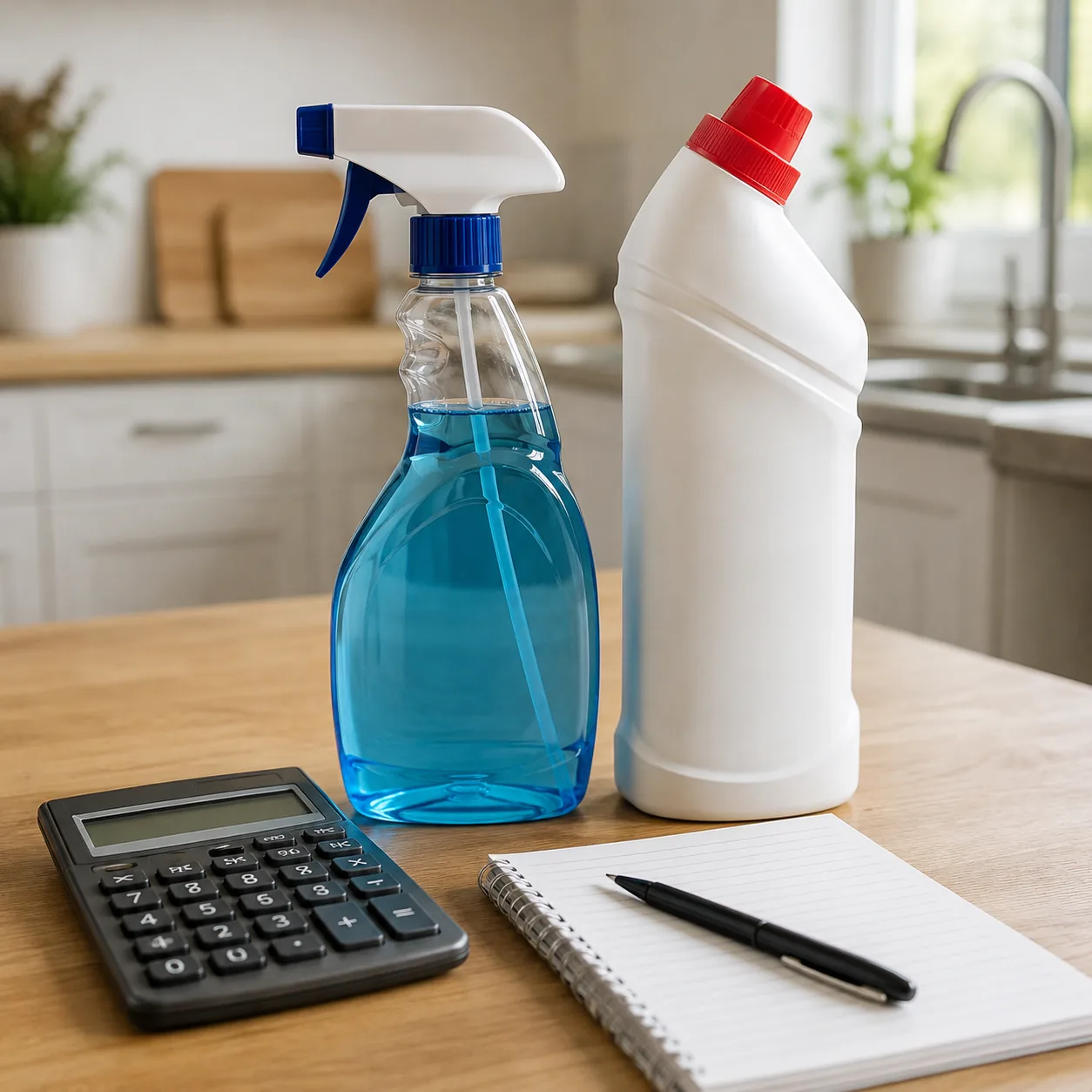
Break it down: compare per ounce, per count, per load, or per serving.
This helps families who buy the same items repeatedly. It can go wrong when packaging changes or a product looks similar but contains fewer usable servings. Watch paper towel sheet counts, detergent loads, coffee ounces, and snack bag weights before trusting the shelf impression.
29. Buying Perishables Without a Meal Plan
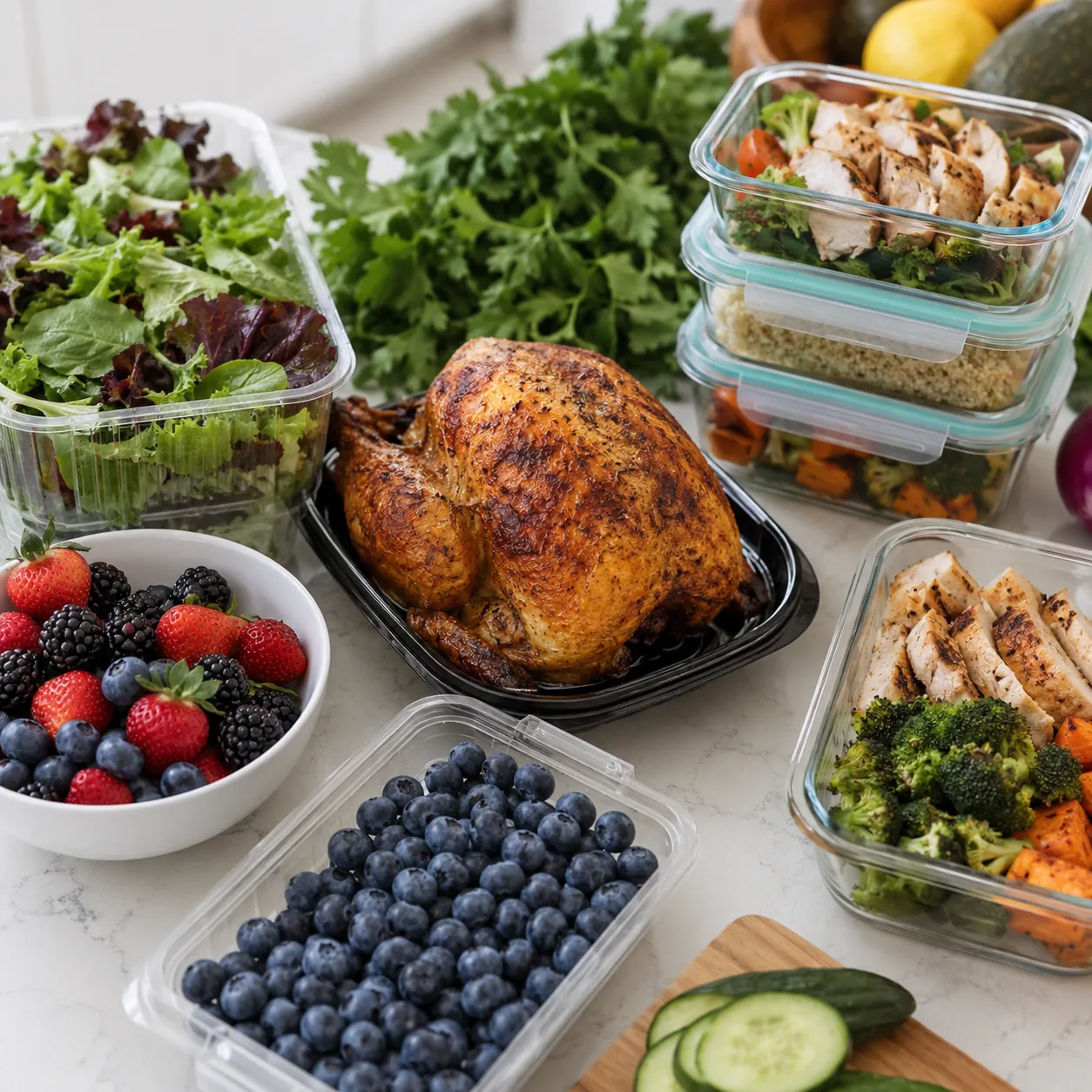
Check your next meals: fresh food savings expire fast.
This helps meal preppers, big families, and weekend hosts. It goes wrong when travel, takeout, late nights, or picky eaters interrupt the plan. A giant container of greens is a bargain only if it becomes lunches, dinners, or smoothies before it turns into compost.
28. Bringing Home a Bulk Snack Nobody Knows

Try before committing: a sample is not the same as a month of eating it.
This helps households with kids, dietary limits, or snack fatigue. It can go wrong when one person likes the product and everyone else ignores it. If you have not bought the item before, choose something with a long shelf life or a backup plan for sharing.
27. Forgetting Freezer Space
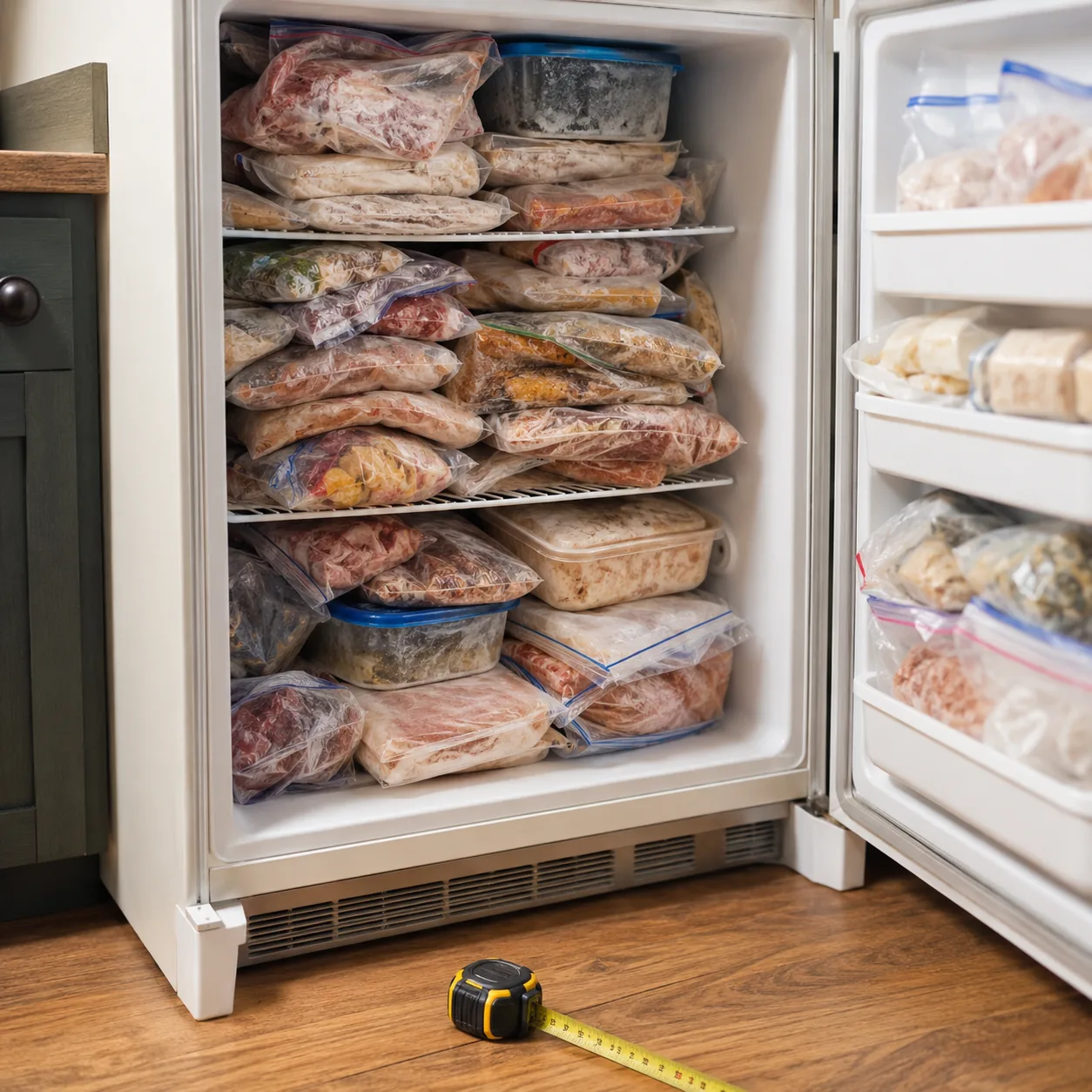
Open the freezer first: meat deals need a place to land.
This helps shoppers buying chicken, seafood, steaks, frozen meals, and bakery items. It goes wrong when the package is too large to divide or gets buried behind old food. If you cannot portion, label, and freeze it within a day, the deal may become expensive waste.
26. Letting the Coupon Book Decide the Cart

Start with need: instant savings are still spending.
This helps disciplined shoppers who already buy the discounted item. It can go wrong when a coupon nudges you into vitamins, snacks, gadgets, or cleaners you would not have purchased. A sale is useful when it pulls forward a real purchase, not when it creates one.
25. Upgrading Membership Without a Break-Even Check

Do the annual estimate: the higher tier needs enough qualifying spend.
This helps heavy Costco households, business buyers, and people booking larger purchases. It goes wrong when shoppers upgrade because it sounds smarter, then do not spend enough to justify it. If the reward will not cover the difference, the upgrade is just another fee.
24. Overvaluing Gas Savings
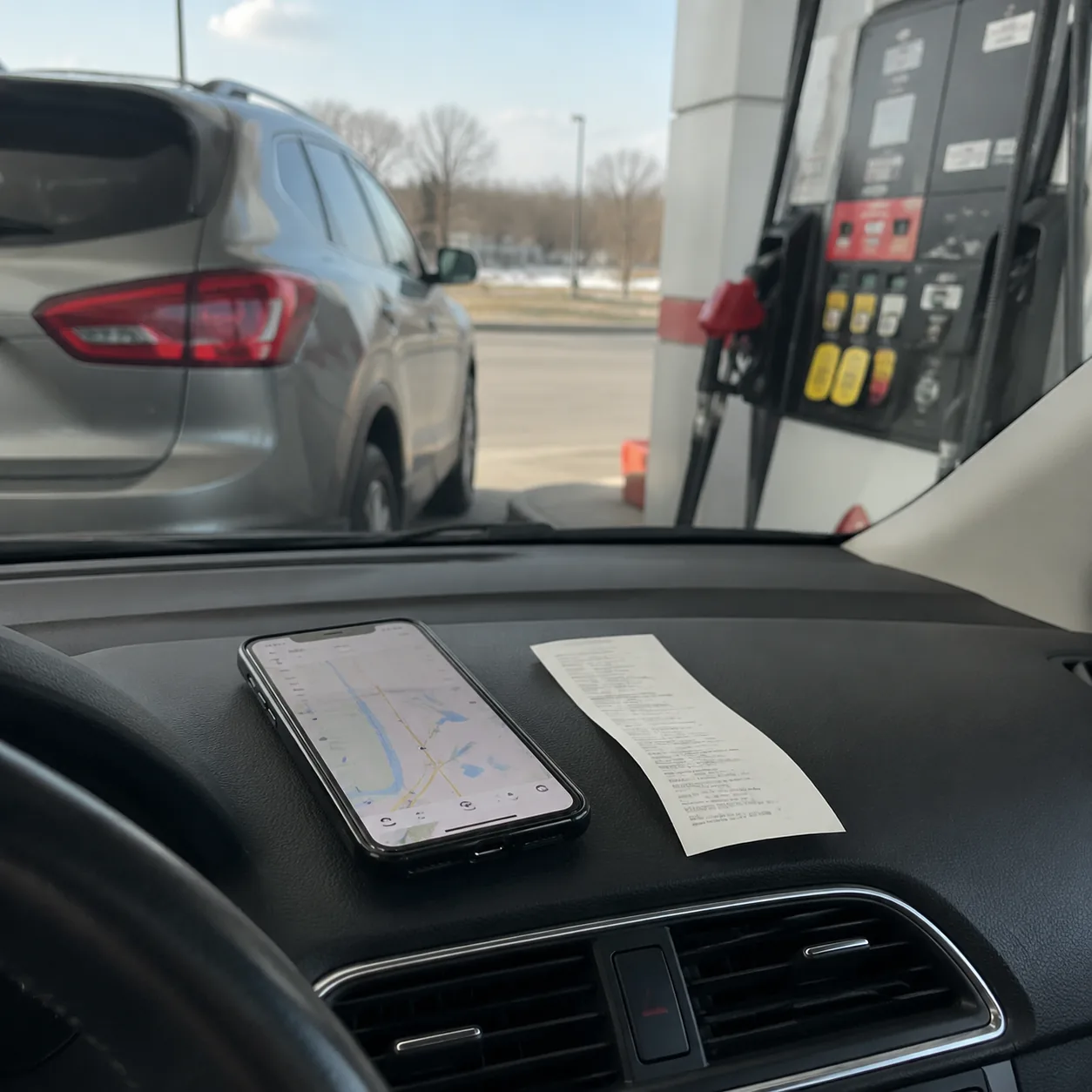
Count time and miles: the posted gas price is not the full equation.
This helps commuters and road-trippers near a warehouse. It goes wrong when the detour is long, the line is slow, or the tank is almost full. Cheap gas is best when it sits on your normal route, not when it becomes a special errand.
23. Treating the Food Court Like Free Money
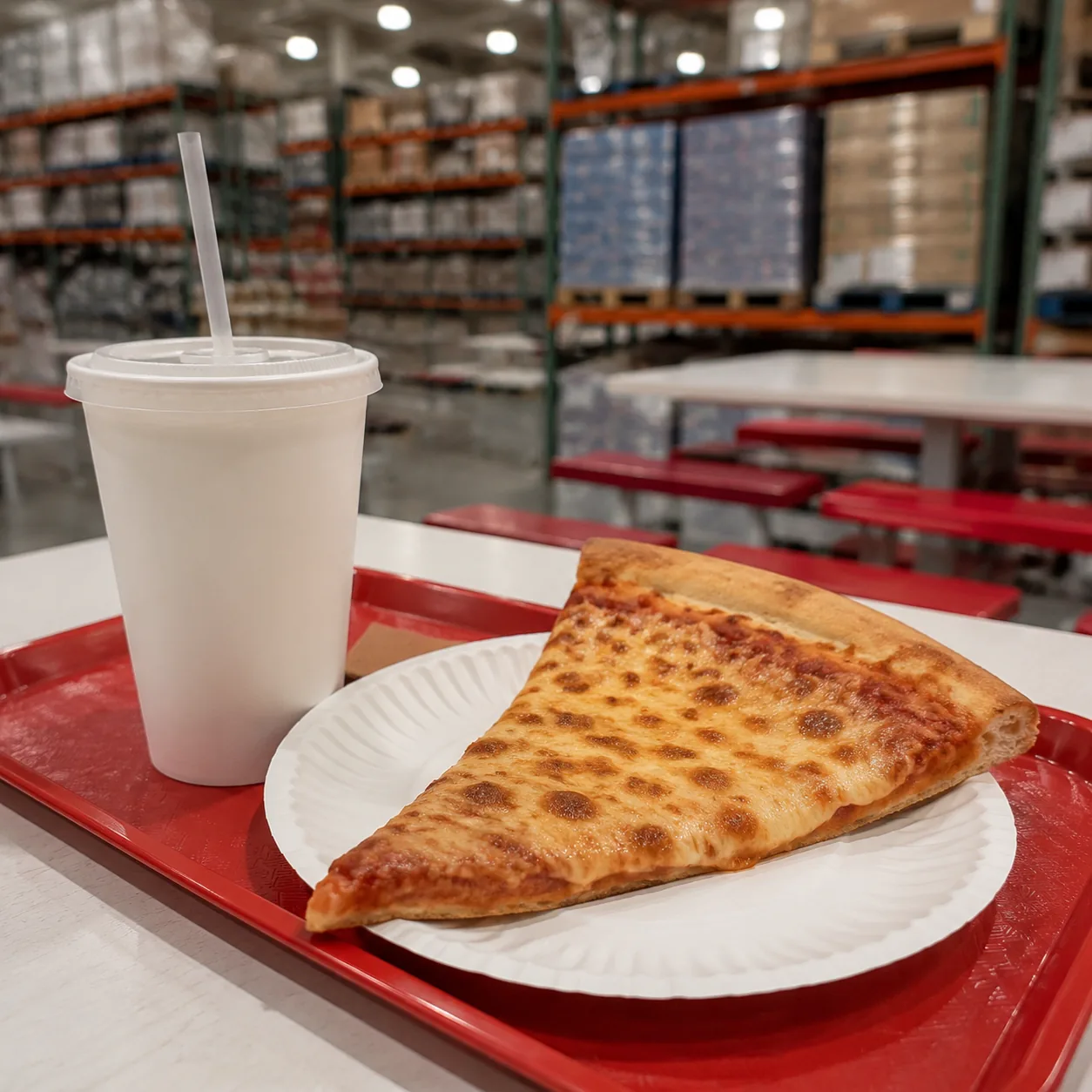
Watch the add-on: cheap food can still stretch the trip and the bill.
This helps families who use the food court to make errands easier. It goes wrong when every visit becomes snacks, drinks, desserts, and extra time. The food court can be a genuine value, but it should not turn a quick planned run into a longer spending loop.
22. Letting Samples Override the List
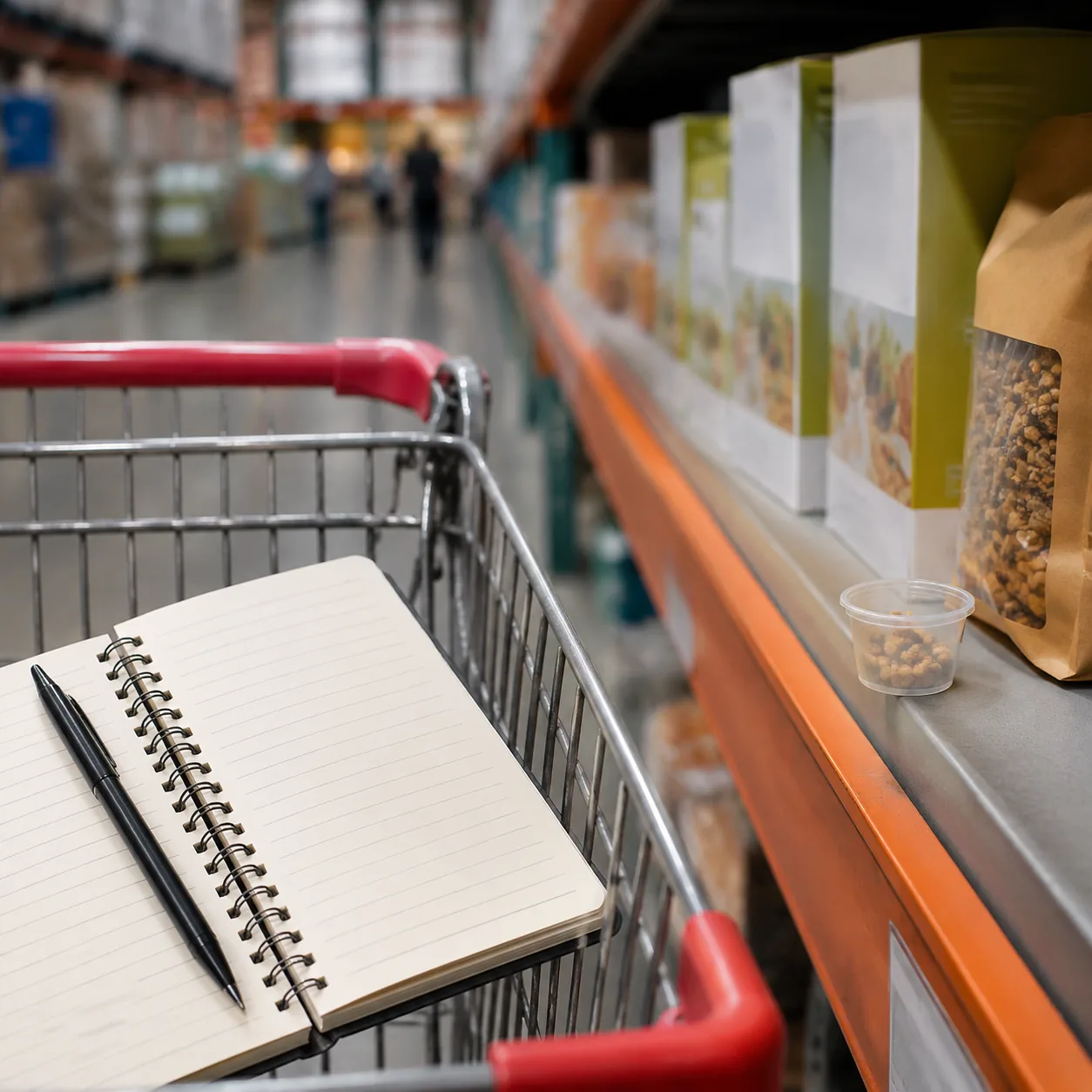
Pause after the taste: samples are designed to create immediate interest.
This helps anyone shopping hungry, rushed, or with kids. It goes wrong when a tasty bite turns into a huge package you never planned to buy. If warehouse deals tend to snowball, compare habits with 33 Things at Costco, Sam’s Club, and BJ’s That Are Cheaper Only If You Use Them Right.
21. Skipping the Online Price Check
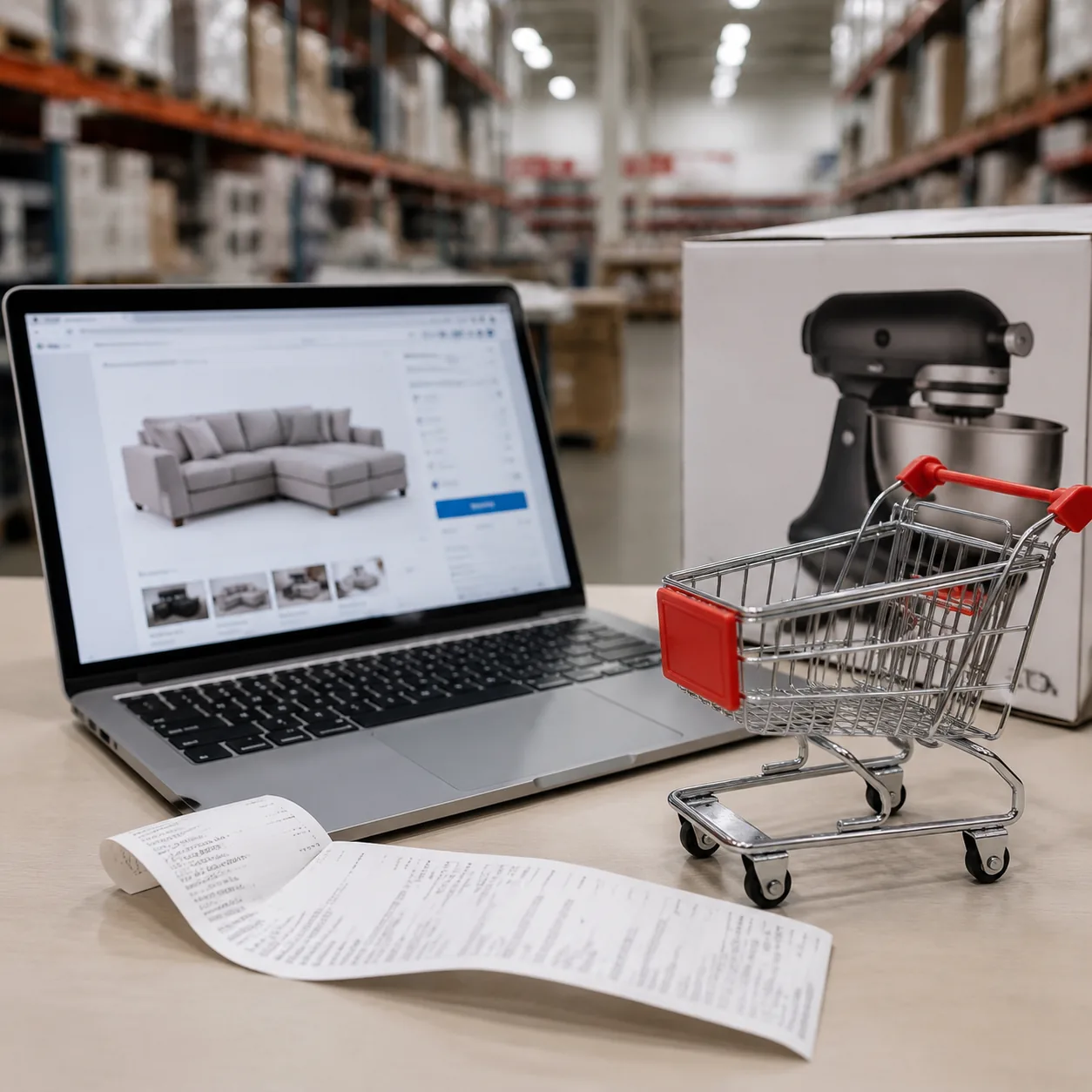
Compare channels: Costco.com and the warehouse can price differently.
This helps shoppers buying furniture, appliances, electronics, and seasonal items. It can go wrong when you assume the in-store tag is always lower or the online price always includes the better bundle. Check shipping, delivery, color options, warehouse availability, and return logistics before choosing.
20. Forgetting Same-Day Delivery Markups
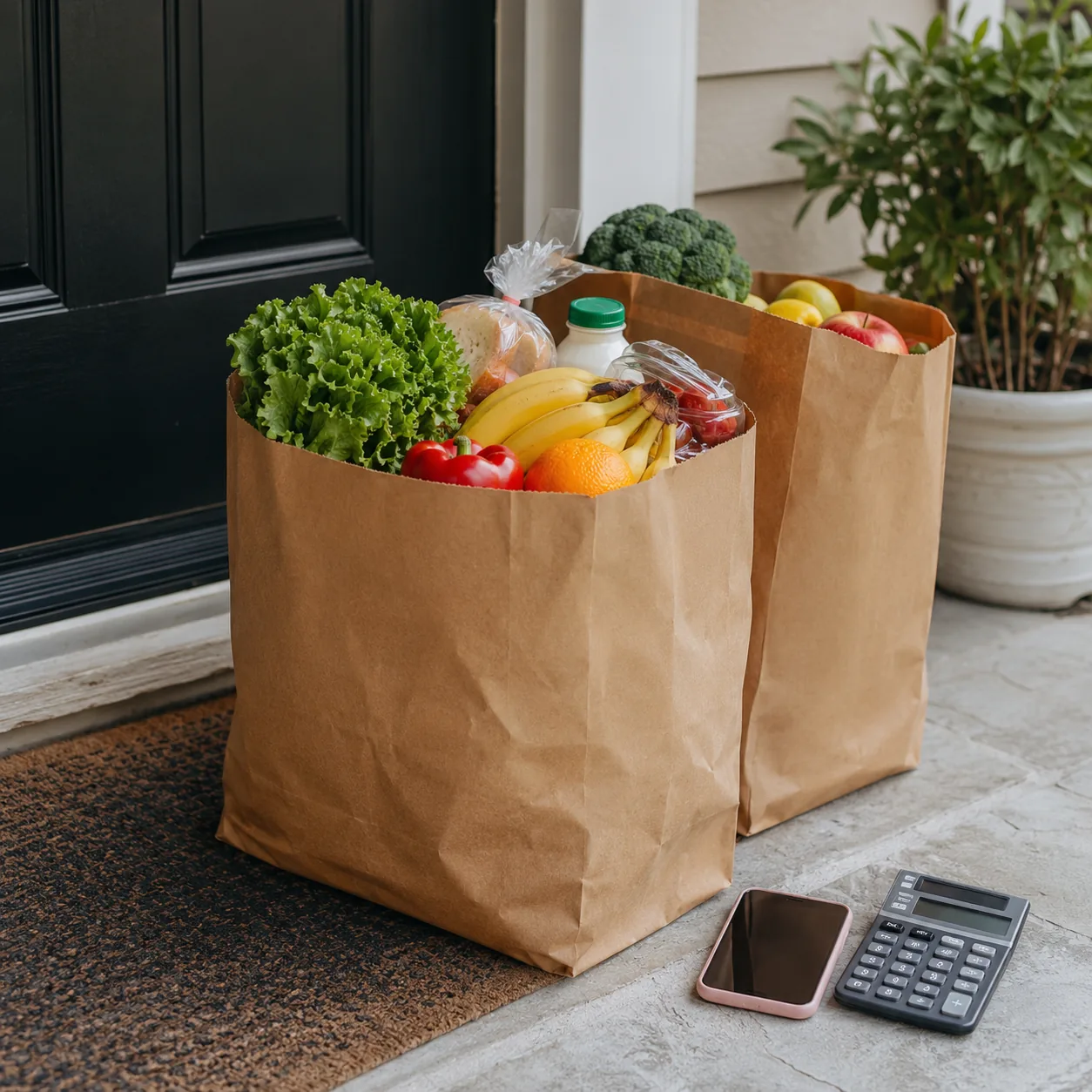
Build the same cart: convenience can hide higher item prices and fees.
This helps busy shoppers, caregivers, and people without easy transportation. It goes wrong when delivered groceries are compared to memory, not the in-warehouse total. Check service fees, tips, substitutions, minimums, and whether the time saved is worth the premium.
Read More: 31 Weirdly Useful Things to Check If You Pay for Costco
19. Buying Appliances Before Measuring

Measure the whole path: appliance size includes doors, stairs, and turns.
This helps homeowners replacing refrigerators, washers, dryers, or ranges. It goes wrong when the product fits the wall opening but not the hallway. Check hookups, shutoff valves, haul-away rules, installation limits, and flooring protection before you trust the product dimensions alone.
18. Waiting Too Long on Tire Appointments
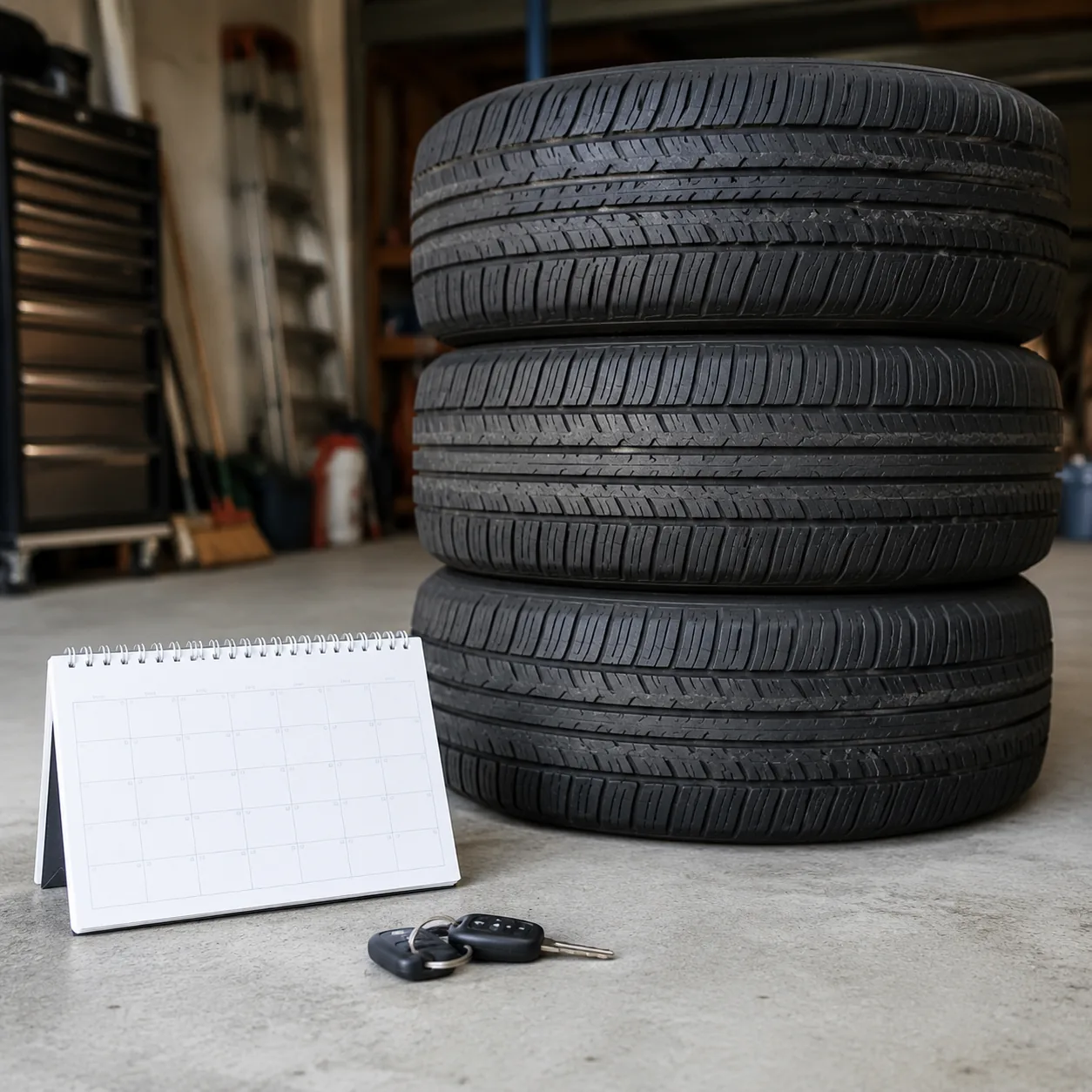
Book early: tire savings do not help if installation is weeks out.
This helps drivers planning seasonal tire changes or replacing a full set. It can go wrong before storms, holidays, and road trips. Compare total installed price, warranty, rotations, road hazard details, and appointment availability. The cheapest tire quote is not enough if timing fails.
17. Misreading Return Policy Exceptions

Check the category: friendly returns still have rules.
This helps electronics buyers, appliance shoppers, jewelry buyers, and anyone ordering third-party services. It can go wrong if you toss packaging, miss a category-specific deadline, or assume every purchase follows the same policy. For a wider checklist, use 31 Weirdly Useful Things to Check If You Pay for Costco.
16. Missing Price Adjustment Windows
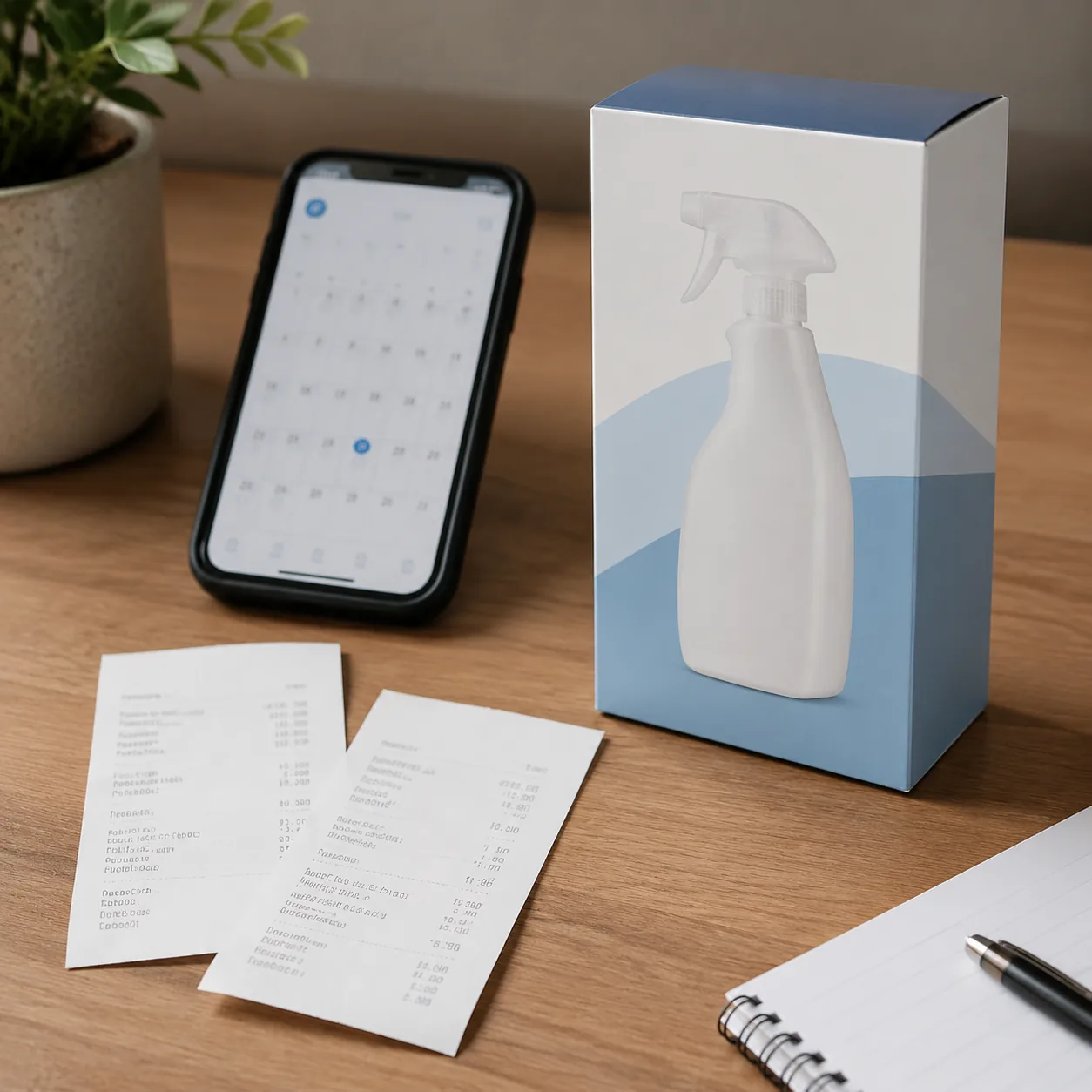
Save receipts briefly: a later sale can matter only if you act in time.
This helps shoppers buying appliances, furniture, electronics, and coupon-book items. It goes wrong when you notice the lower price after the allowed period or cannot prove the purchase. Keep receipts until the return and adjustment windows have passed.
15. Buying Clothes Without a Fit Plan

Check fit at home fast: clothing deals can pile up in drawers.
This helps families buying basics, jackets, socks, and seasonal clothing. It can go wrong when sizes vary, returns are delayed, or you buy multiples before testing one. Try items promptly, keep tags together, and avoid buying backup colors until you know the first one works.
Read More: 33 Weird Things You Can Actually Buy at Costco That Most Members Never See
14. Ignoring Alcohol and State Rules
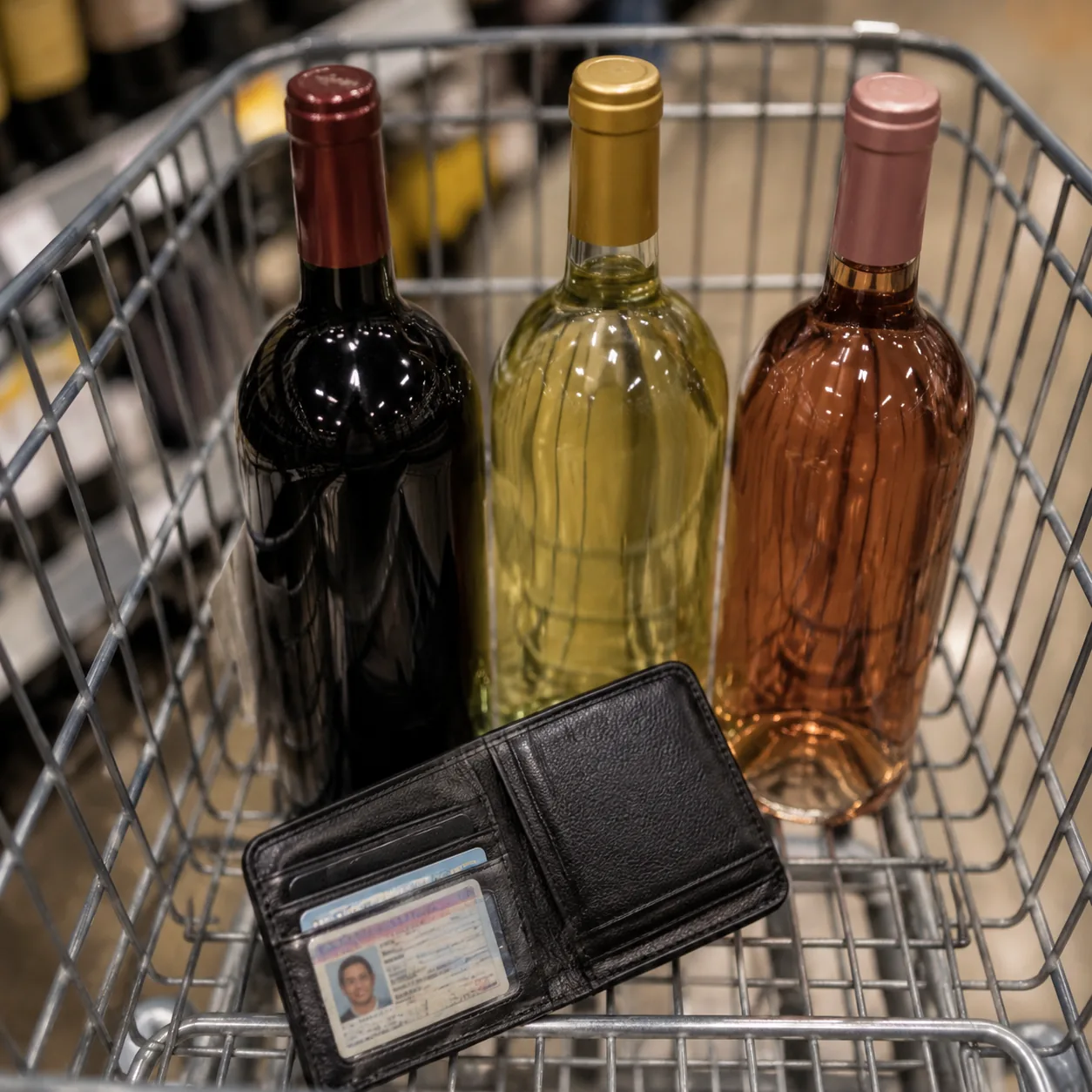
Check local rules: alcohol availability and membership requirements can vary.
This helps people comparing wine, beer, and spirits prices. It goes wrong when shoppers assume every warehouse carries the same selection or that delivery works the same way. Know your state rules, return limits, and whether a case discount is useful before stocking up.
13. Buying Gift Cards You Will Not Use Cleanly
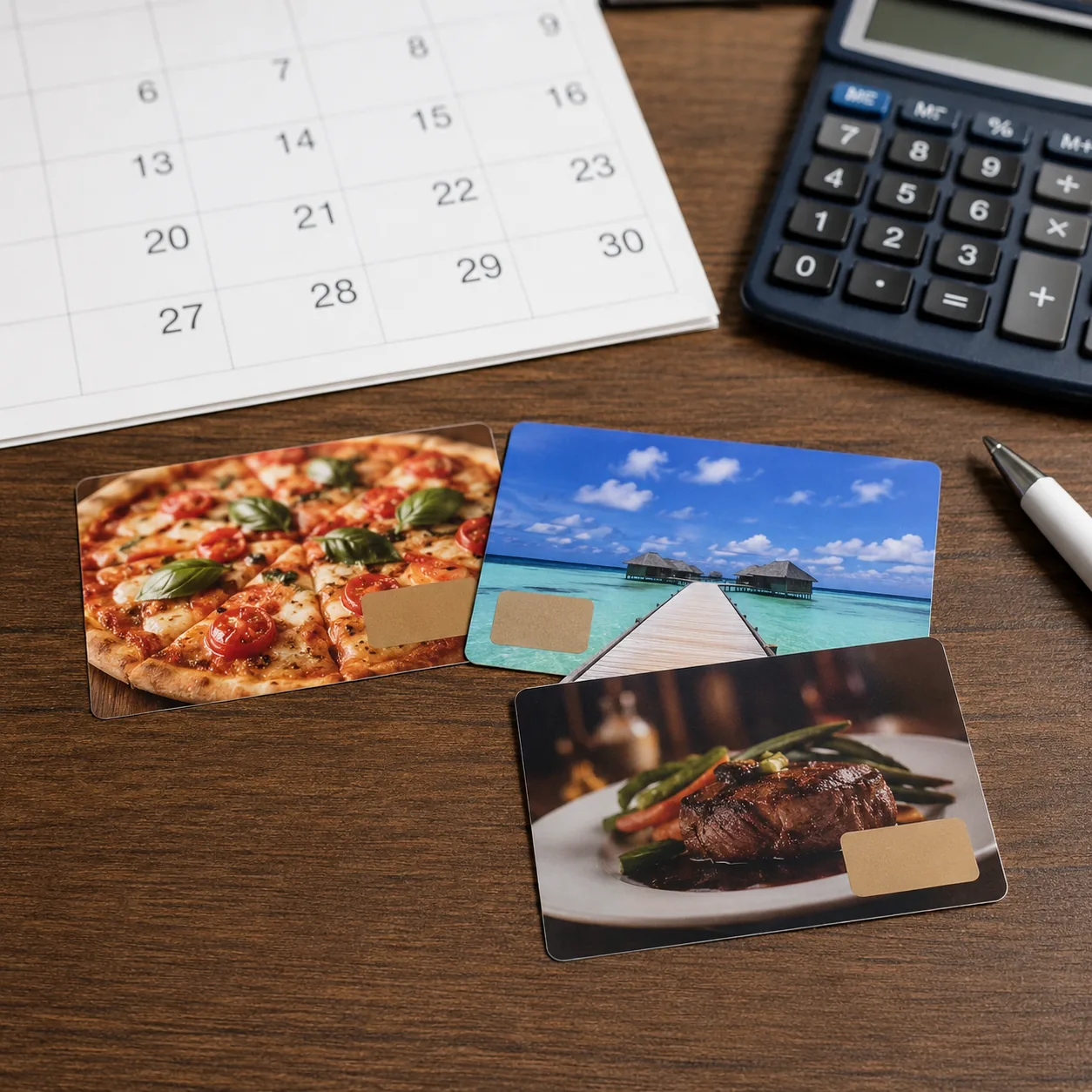
Check redemption habits: discounted cards can create forced spending.
This helps restaurant regulars, travelers, and families buying entertainment. It goes wrong if the card sits unused, excludes the location you visit, or makes you spend more to use the balance. Odd deals need the same restraint as 33 Weird Things You Can Actually Buy at Costco That Most Members Never See.
12. Overbuying Supplements

Check expiration and routine: a giant bottle helps only if you finish it.
This helps households that already take the same supplement consistently. It goes wrong when the purchase is aspirational, the pill size is annoying, or your doctor changes advice. Check dosage, interactions, expiration dates, and whether the product duplicates something you already have.
11. Buying Furniture Without Delivery Details
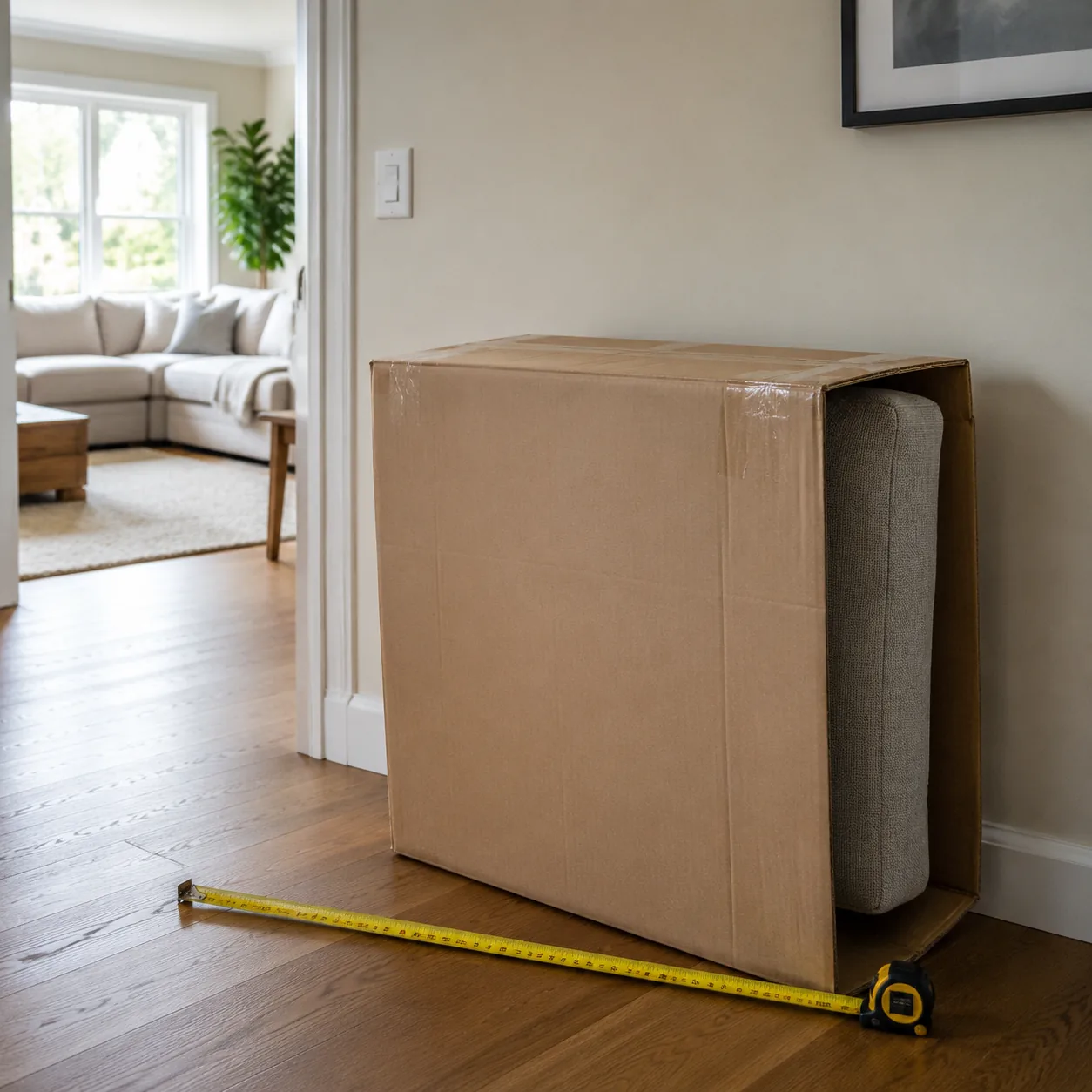
Check the last 20 feet: furniture delivery fails at doorways and stairs.
This helps people buying sectionals, patio sets, mattresses, and office chairs. It goes wrong if curbside delivery leaves a heavy box where you cannot move it. Confirm room-of-choice options, assembly needs, packaging removal, return pickup, and whether the item fits the room when assembled.
10. Treating Limited-Time Signs as Urgent

Slow the decision: scarcity can make a maybe feel like a must.
This helps shoppers who get pulled toward seasonal products, gadgets, and decor. It goes wrong when fear of missing out replaces comparison shopping. If the item is expensive, bulky, or unfamiliar, take a photo, measure at home, and return only if it still makes sense.
Read More: 31 Assisted Living Costs Families Don’t See Until the First Bill
9. Forgetting Pantry Expiration Dates
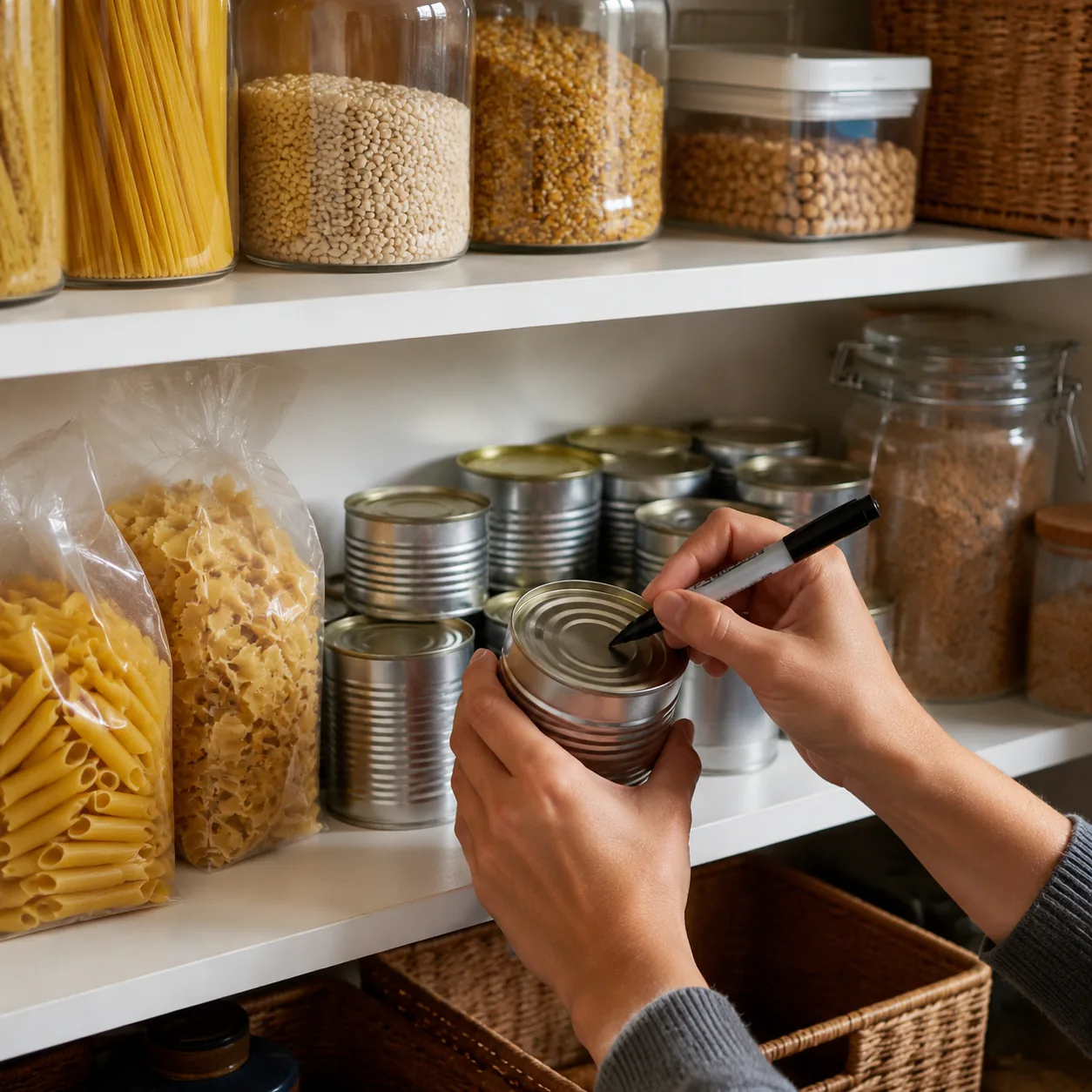
Rotate the stash: shelf-stable does not mean timeless.
This helps shoppers buying canned goods, sauces, snacks, cereal, and coffee. It goes wrong when the oldest boxes hide behind the newest haul. Put new items in the back, label bulk splits, and avoid buying another case until you can see what remains.
8. Shopping Hungry
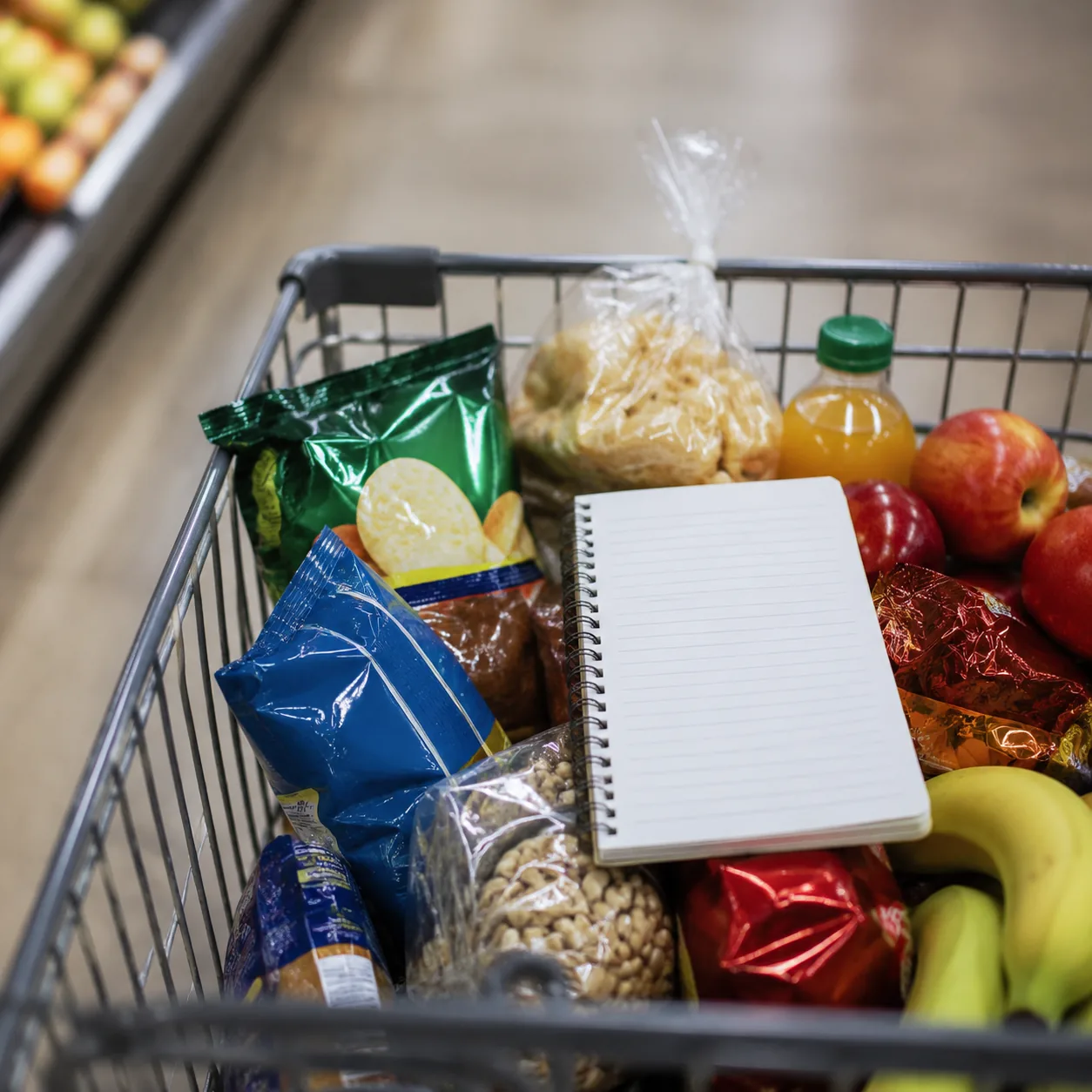
Eat first: hunger makes oversized food look practical.
This helps anyone who walks in for paper towels and leaves with bakery items, snacks, and frozen meals. It goes wrong because Costco portions are large by default. A hungry cart does not just cost more today; it can crowd the kitchen for weeks.
7. Using Business Center Sizes at Home
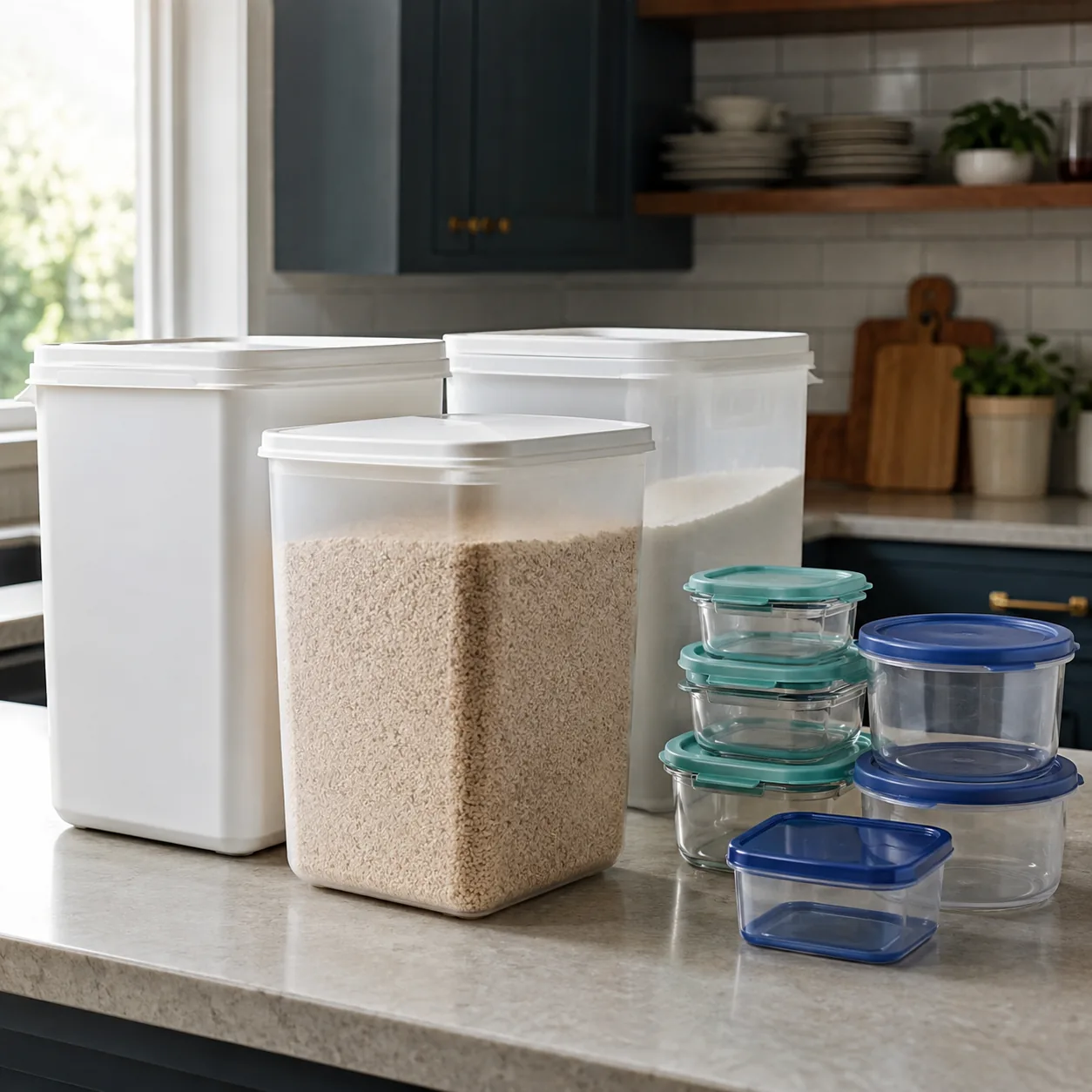
Respect the scale: Business Center finds are built for heavy users.
This helps offices, caterers, nonprofits, and big events. It goes wrong in a normal kitchen where huge spices, sauces, and disposables take up too much room. If you cannot name the event, client, or recurring use, the bigger package may be the wrong package.
6. Switching Pet Food Too Fast
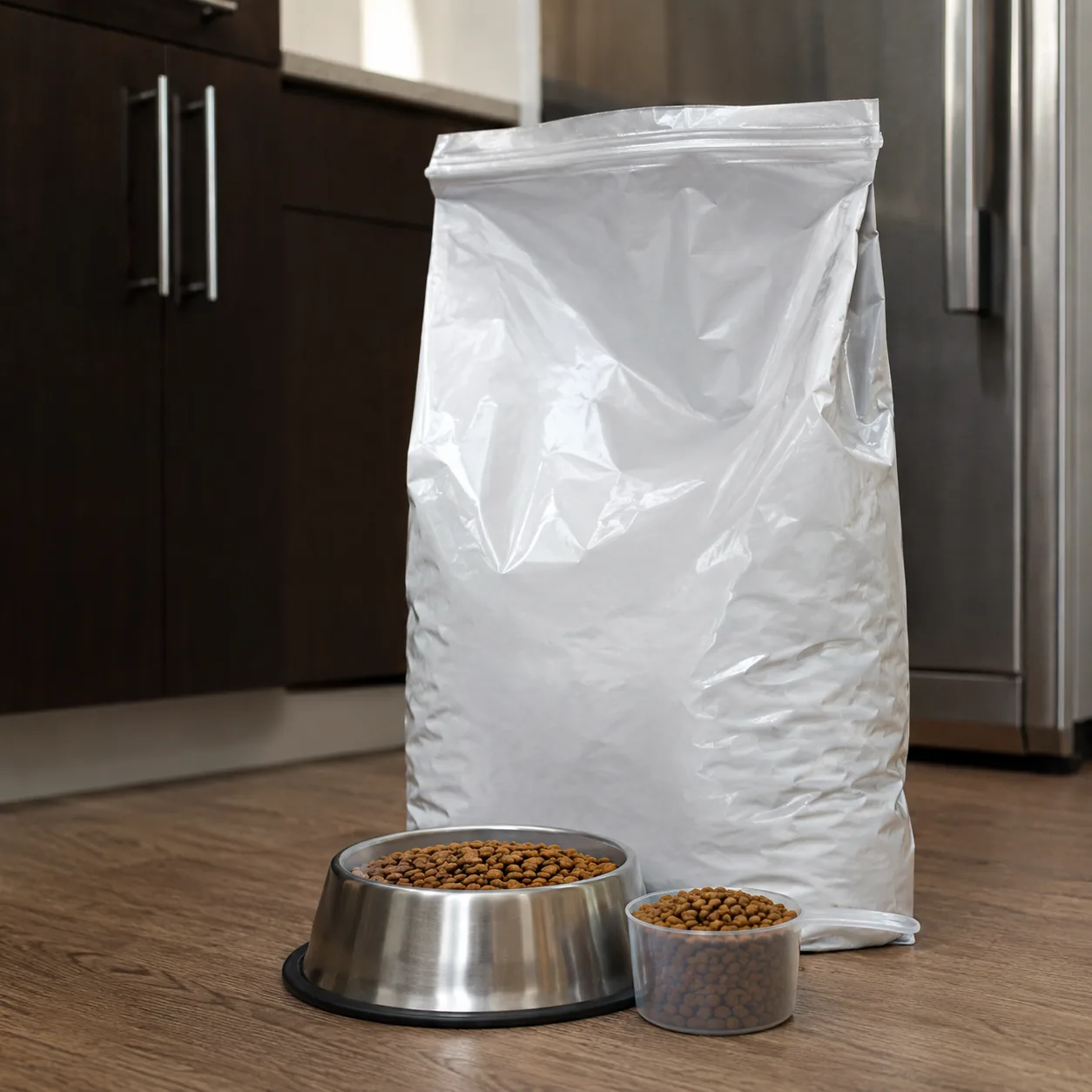
Test carefully: pets can make bulk savings disappear quickly.
This helps owners who buy food, treats, litter, and medications. It goes wrong if the animal refuses the food or reacts badly after you bought a huge bag. Transition gradually, check ingredient changes, and avoid stocking up until you know the product agrees with them.
5. Ignoring Storage Safety for Cleaners
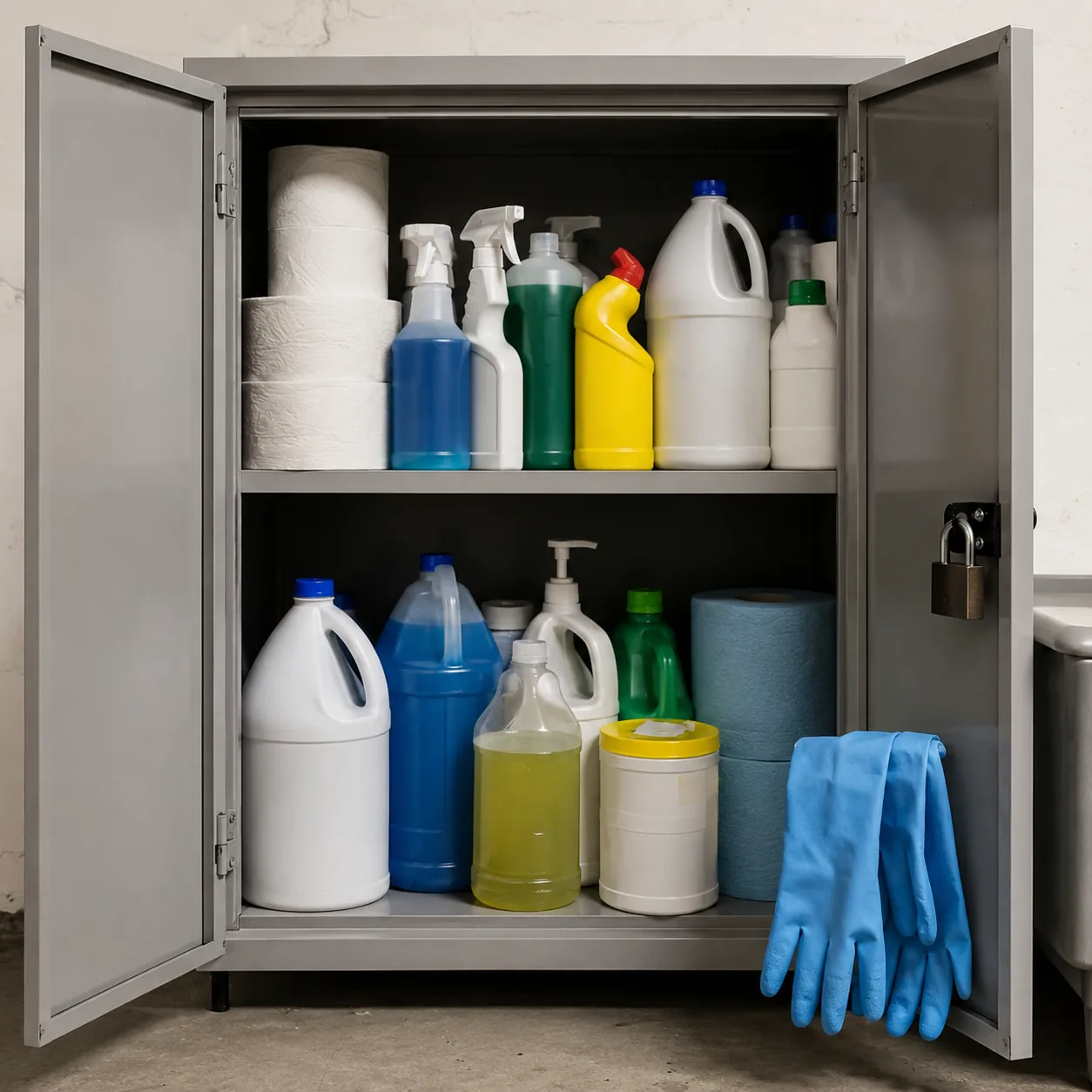
Check the storage spot: bulk cleaners need room and safety.
This helps households that use detergent, dish tabs, trash bags, and sprays often. It goes wrong around kids, pets, heat, leaks, and cramped closets. The bigger bottle may save pennies per ounce, but only if it can be stored upright and used safely.
Read More: 35 Things Downsizers Regret Getting Rid of After Moving to a Smaller Home
4. Not Setting Up the Household Card Correctly

Check who shops: the best membership is the one the errand-runner can use.
This helps couples, roommates, caregivers, and adult children helping parents. It goes wrong when the person at the warehouse is not the person attached to the account. Set up authorized household access before a big trip creates a checkout problem.
3. Letting Auto-Renew Hide the Annual Decision

Review before renewal: membership value changes when life changes.
This helps people who moved, downsized, changed jobs, or stopped commuting near a warehouse. It goes wrong when a membership renews out of habit while visits drop. Once a year, compare the fee against actual trips, gas savings, services used, and avoided grocery costs.
2. Counting Savings on Things You Would Not Buy Otherwise
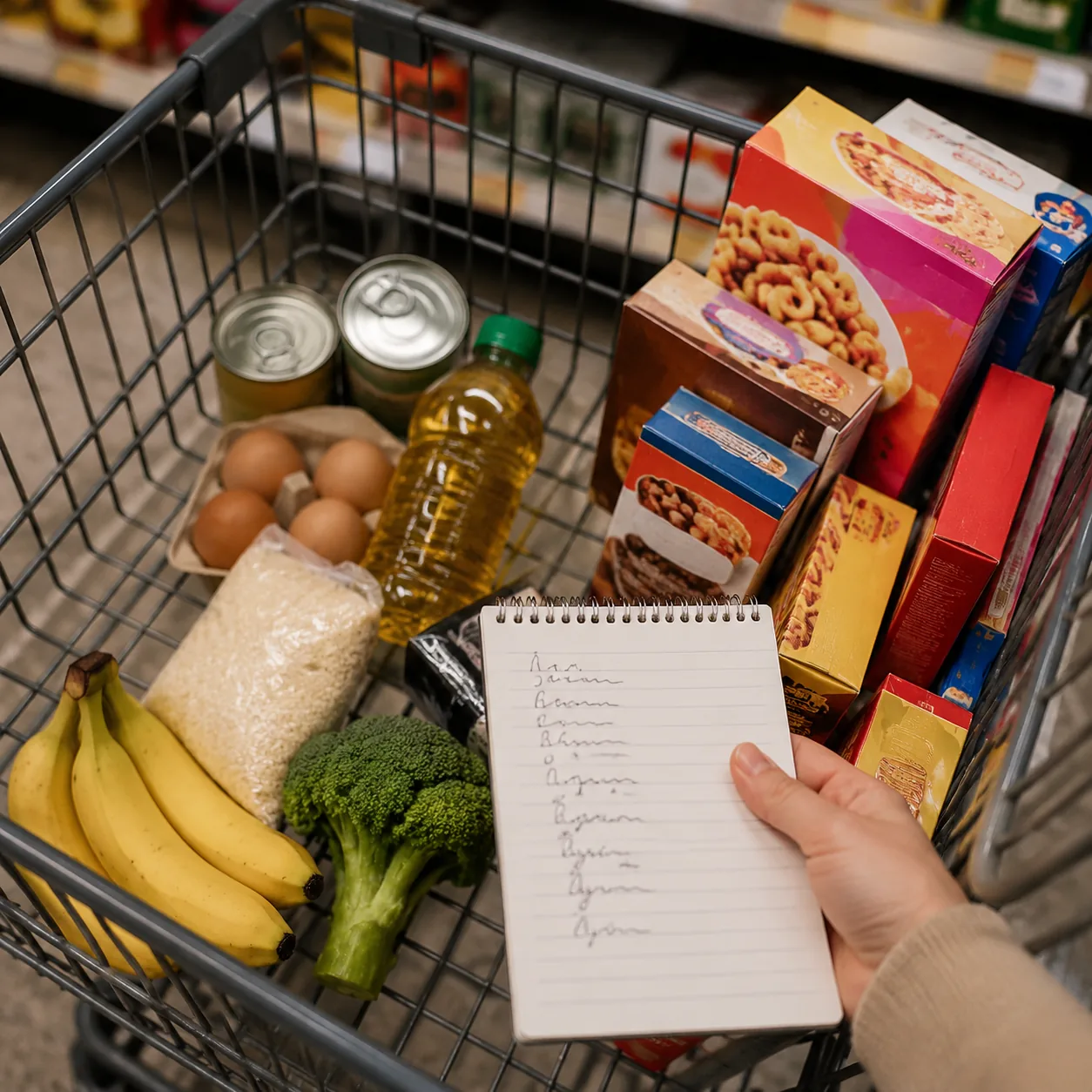
Separate needs from trophies: a discount on an unnecessary item is still a cost.
This helps deal-prone shoppers and anyone who enjoys the treasure-hunt feeling. It goes wrong when the membership becomes a reason to buy more. Track savings only on items you already needed, already used, or would have bought elsewhere.
1. Shopping to Justify the Membership

Use Costco as a tool: do not let the fee turn into a challenge.
This helps every member. The biggest mistake is buying extra just to feel like the membership paid for itself. A good Costco year might include fewer trips, tighter lists, and only the deals that fit your home, budget, and calendar.