

Downsizing feels freeing until the wrong things are gone.
Pause before donating items that are useful, personal, or hard to replace.
35. The Best Everyday Chair

A favorite chair can look too big on moving day and feel impossible to replace later.
Pause first: test where you actually read, watch television, recover, and talk on the phone.
The chair that supports your back may matter more than the sleeker piece that fits the floor plan. Comfort earns space in a smaller home.
34. Extra Dining Chairs
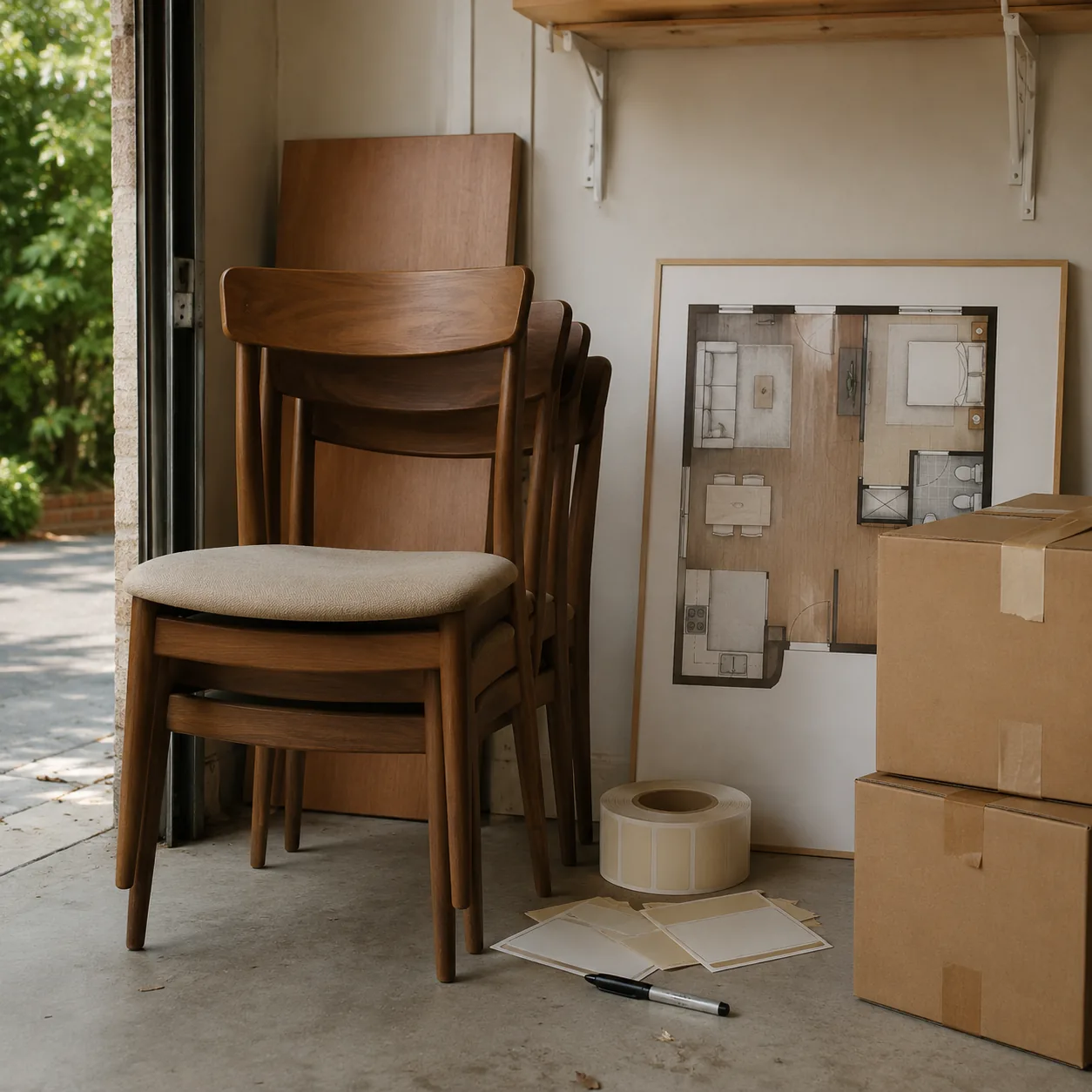
People often keep the table and donate the extra chairs, then regret it at the first family meal.
Pause first: count realistic holiday guests, card nights, neighbors, and adult children before reducing seating.
You may not need twelve chairs, but keeping a few folding or stackable ones can preserve hospitality without crowding daily life.
33. Serving Platters

Large platters seem unnecessary until you host one birthday, potluck, or holiday.
Pause first: keep the pieces that solve real serving problems, especially sturdy platters, shallow bowls, and oven-safe dishes.
The goal is not to store a banquet. It is to avoid buying disposable trays because every useful serving piece left in the donation pile.
32. Family Recipe Boxes
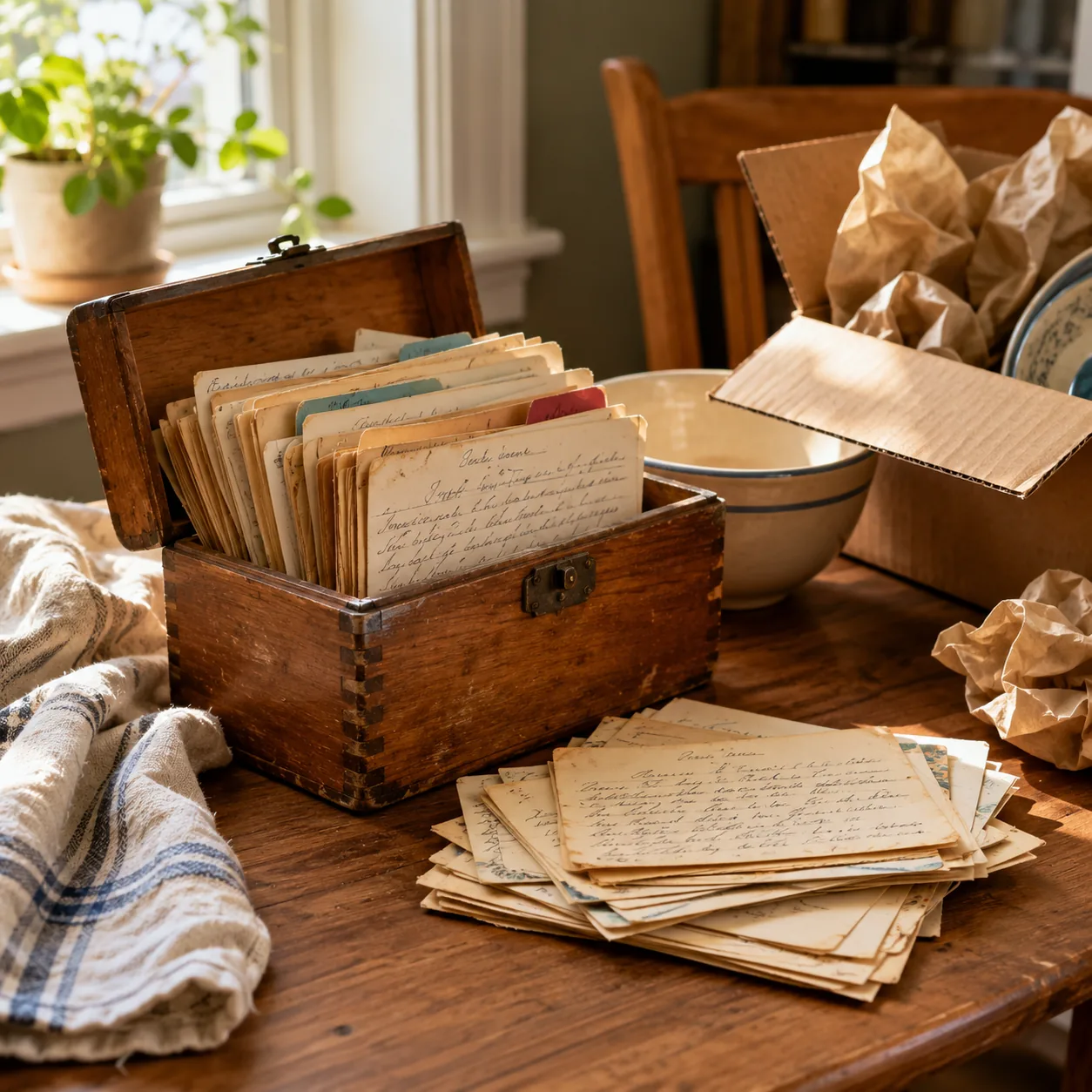
Recipe boxes can look like clutter because they are small, old, and easy to digitize in theory.
Pause first: scan favorites if you want, but keep original cards with handwriting, notes, stains, and names.
Those details often carry more family history than the recipe itself. A smaller kitchen still has room for a tiny box of memory.
31. Holiday Ornaments

Holiday bins are tempting targets because they take up space most of the year.
Pause first: keep the ornaments that mark people, places, children, trips, or handmade moments.
You can reduce bulk without stripping the holiday of personal history. A curated box often feels better than a blank slate bought later from a store.
30. Good Tools

Downsizers often donate tools because the new place promises less maintenance.
Pause first: keep a compact set for hanging pictures, tightening furniture, assembling shelves, changing batteries, and fixing small annoyances.
You may not need a full workshop. You will still need a screwdriver, tape measure, pliers, hammer, level, flashlight, and basic fasteners.
29. Step Stool

A step stool can seem like garage clutter until the new cabinets are taller than expected.
Pause first: keep the safest, sturdiest option with a handhold and non-slip feet.
Avoid balancing on dining chairs or counters just because you downsized the ladder. Smaller homes still have high shelves, smoke detectors, curtains, and storage bins.
28. Extension Cords
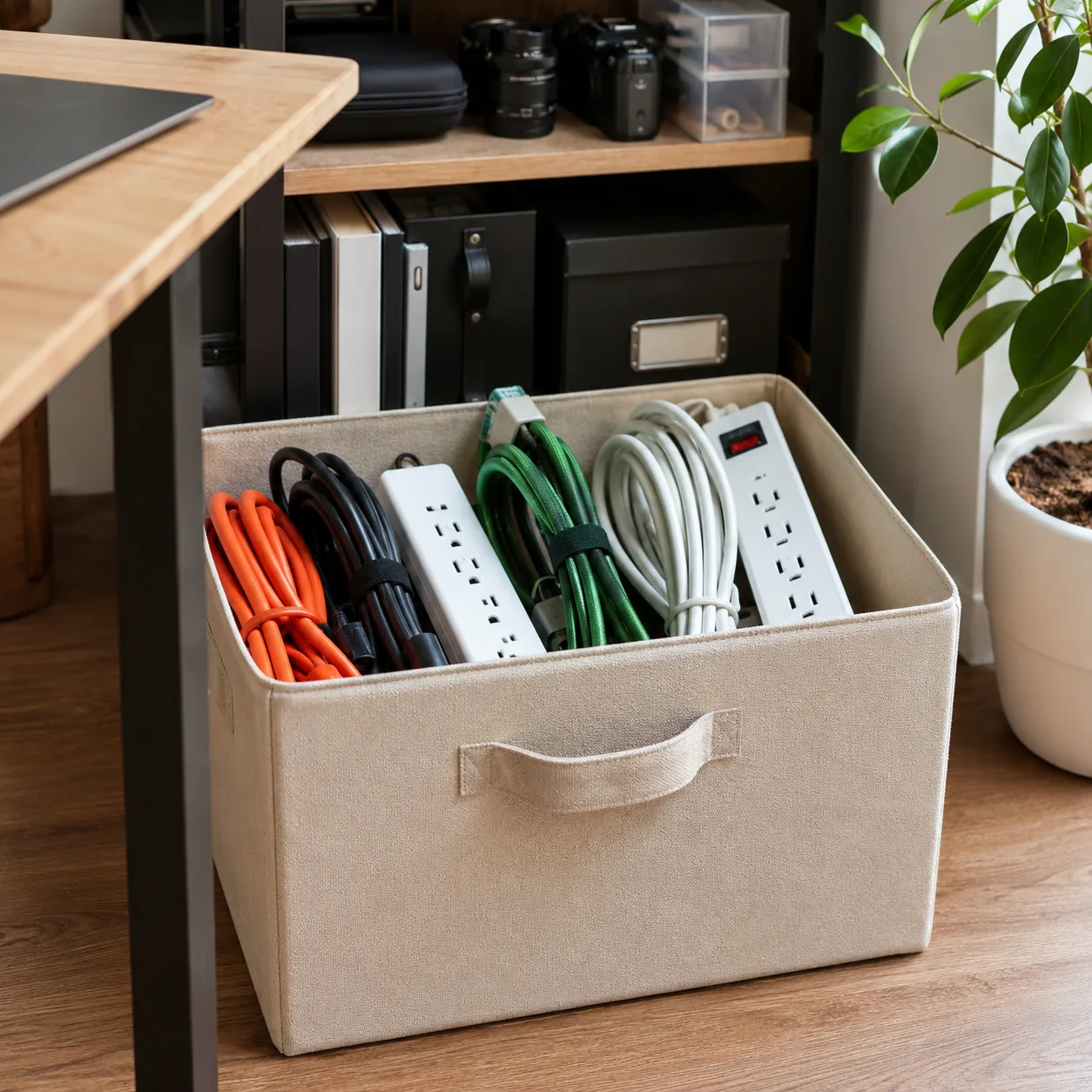
Cords look messy in a purge pile, but replacements are annoying to buy one at a time.
Pause first: keep a few safe, modern cords in useful lengths, plus a surge protector for electronics.
Discard damaged cords, but do not eliminate every spare. Smaller homes still have awkward outlets, holiday lights, lamps, and temporary setups.
27. File Box of Vital Papers

Paper feels outdated until someone needs an original document fast.
Pause first: keep deeds, titles, birth certificates, marriage records, military papers, insurance documents, medical directives, and tax records as appropriate.
Digitizing helps, but it does not always replace originals. A small, organized document box can prevent future panic without taking over the home.
26. Printed Photos
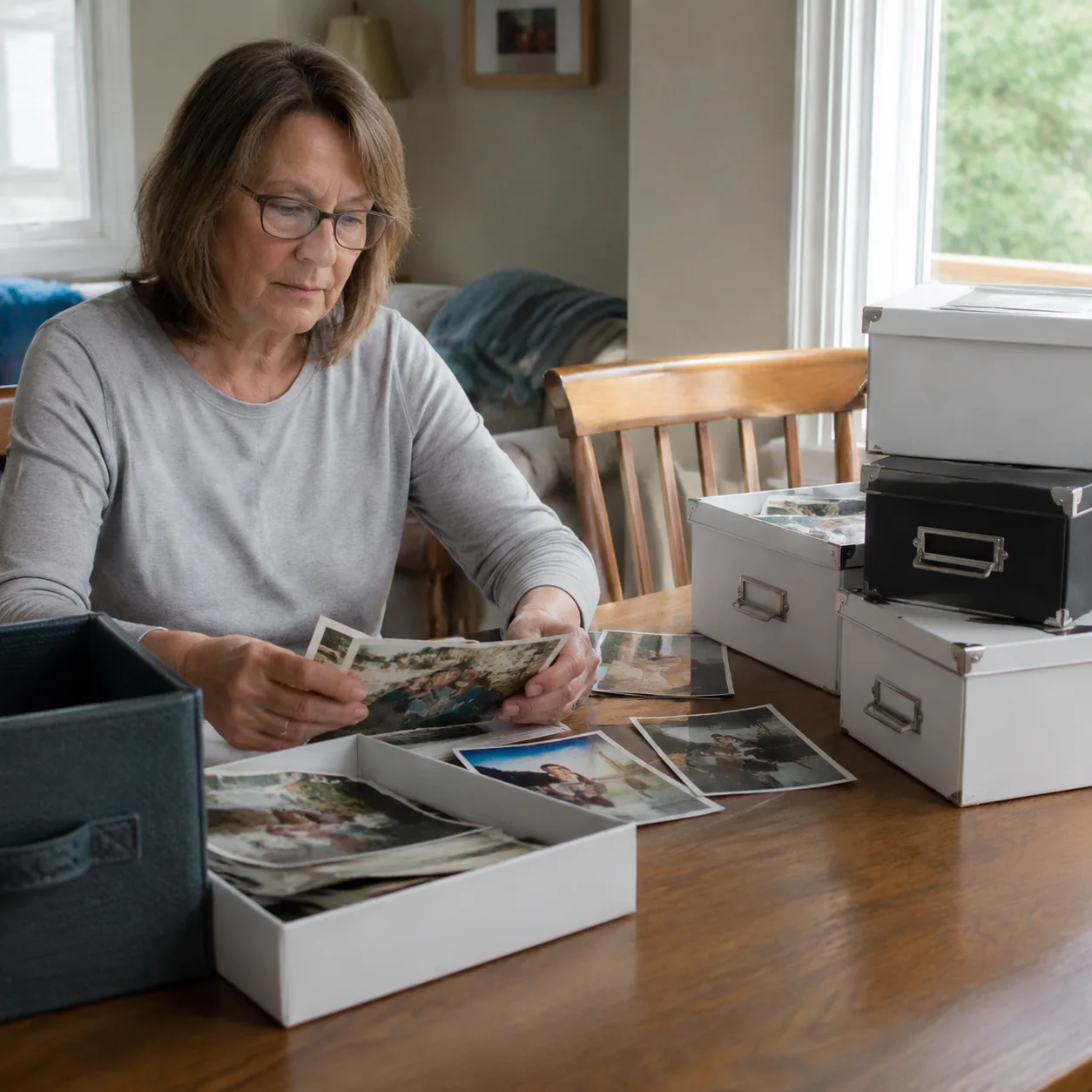
Photo boxes can feel overwhelming, so people make decisions too fast.
Pause first: remove duplicates and blurry shots, but keep the faces, homes, trips, and ordinary scenes nobody else has.
Printed photos are often one-of-a-kind family records. A few labeled archival boxes are easier to manage than regret over a rushed trash bag.
25. Old Address Books
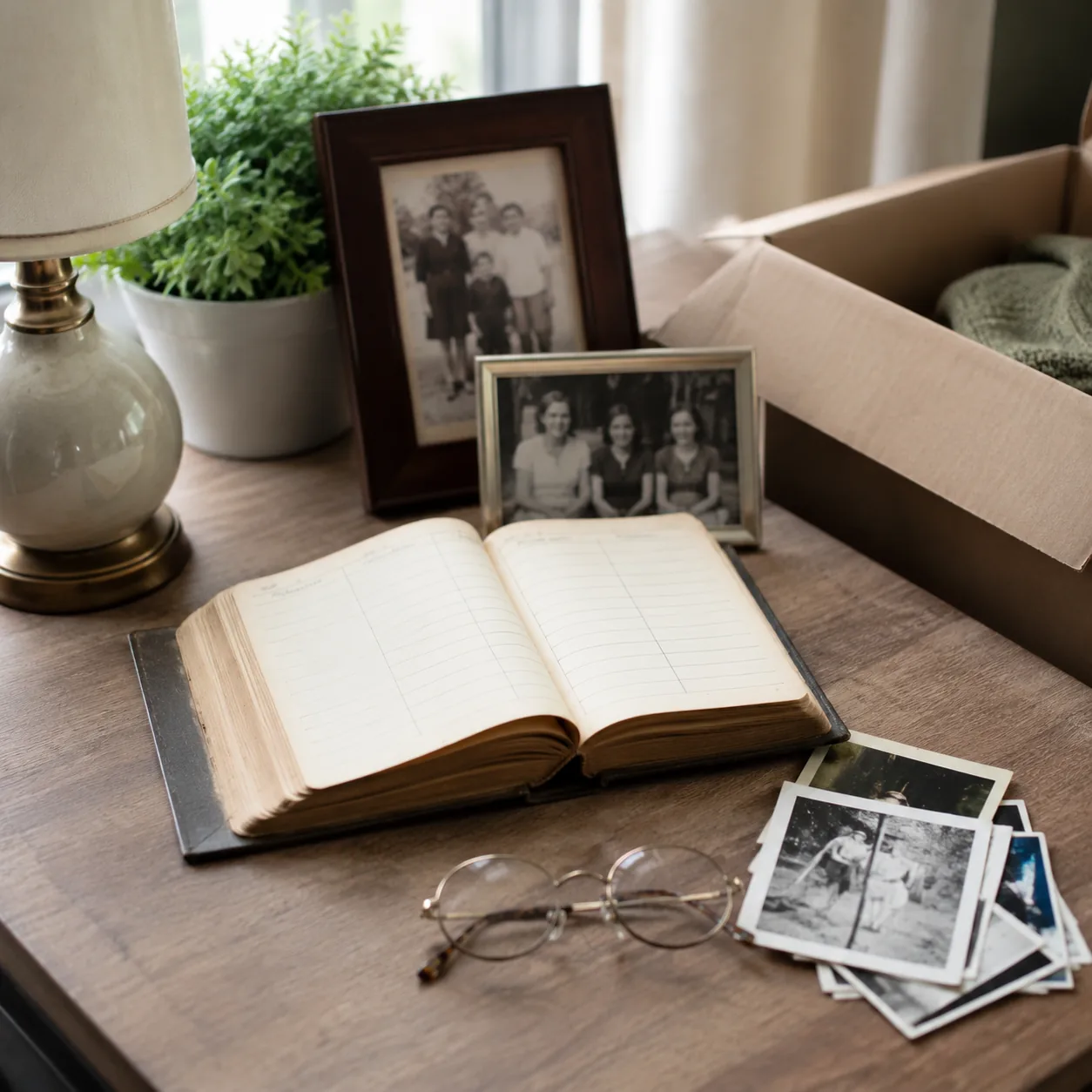
An old address book may look useless because many numbers have changed.
Pause first: check it for names, relationships, old neighborhoods, holiday card lists, and family contacts that never made it into a phone.
It can also help adult children piece together family history later. Small memory items deserve a slower decision than duplicate kitchen gadgets.
24. A Real Guest Blanket
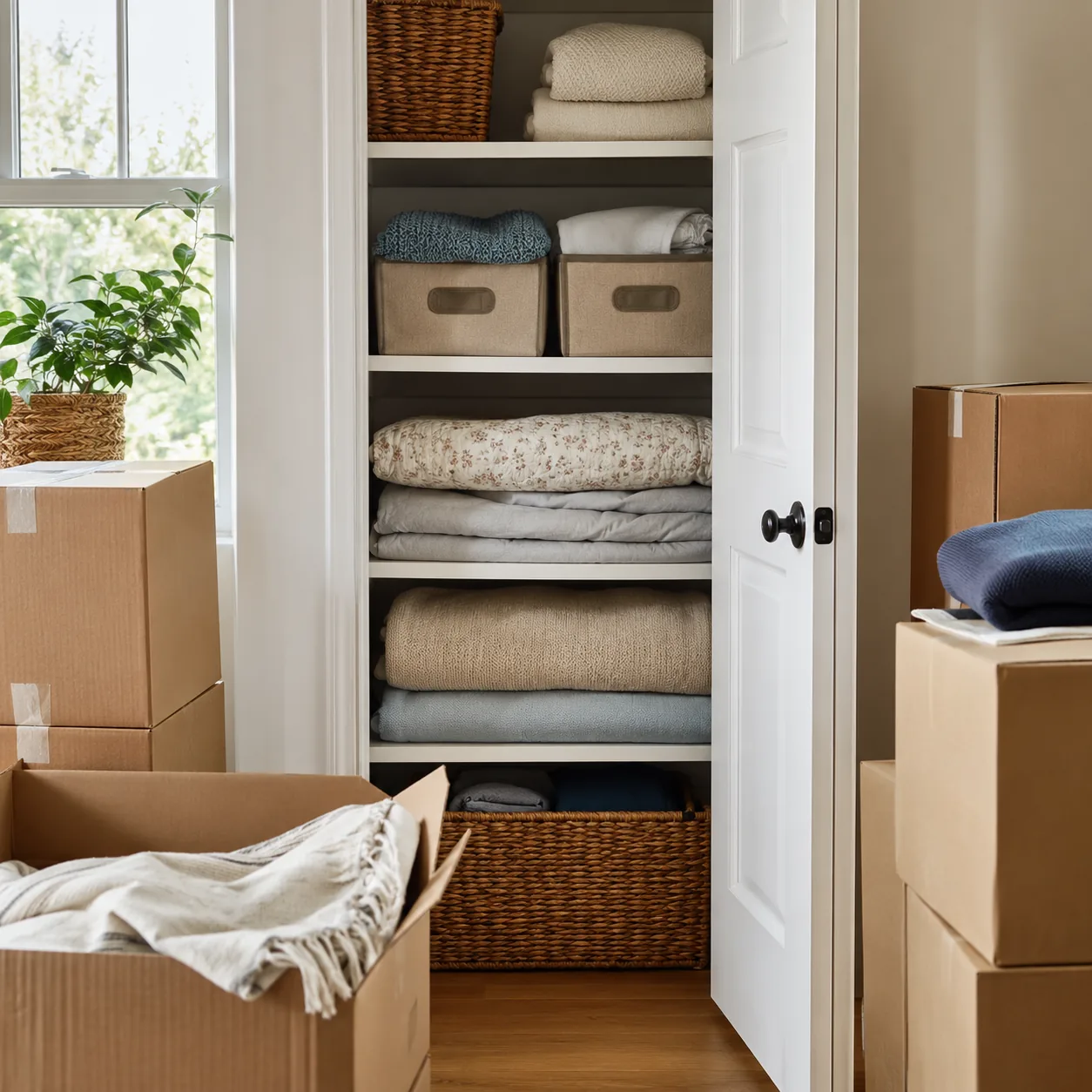
Extra blankets are bulky, which makes them easy to donate.
Pause first: keep at least one clean, warm guest blanket and one lighter throw for illness, naps, or overnight visitors.
The first cold night with family on the sofa will make cheap replacements feel silly. Keep quality and reduce duplicates.
23. Outdoor Chairs
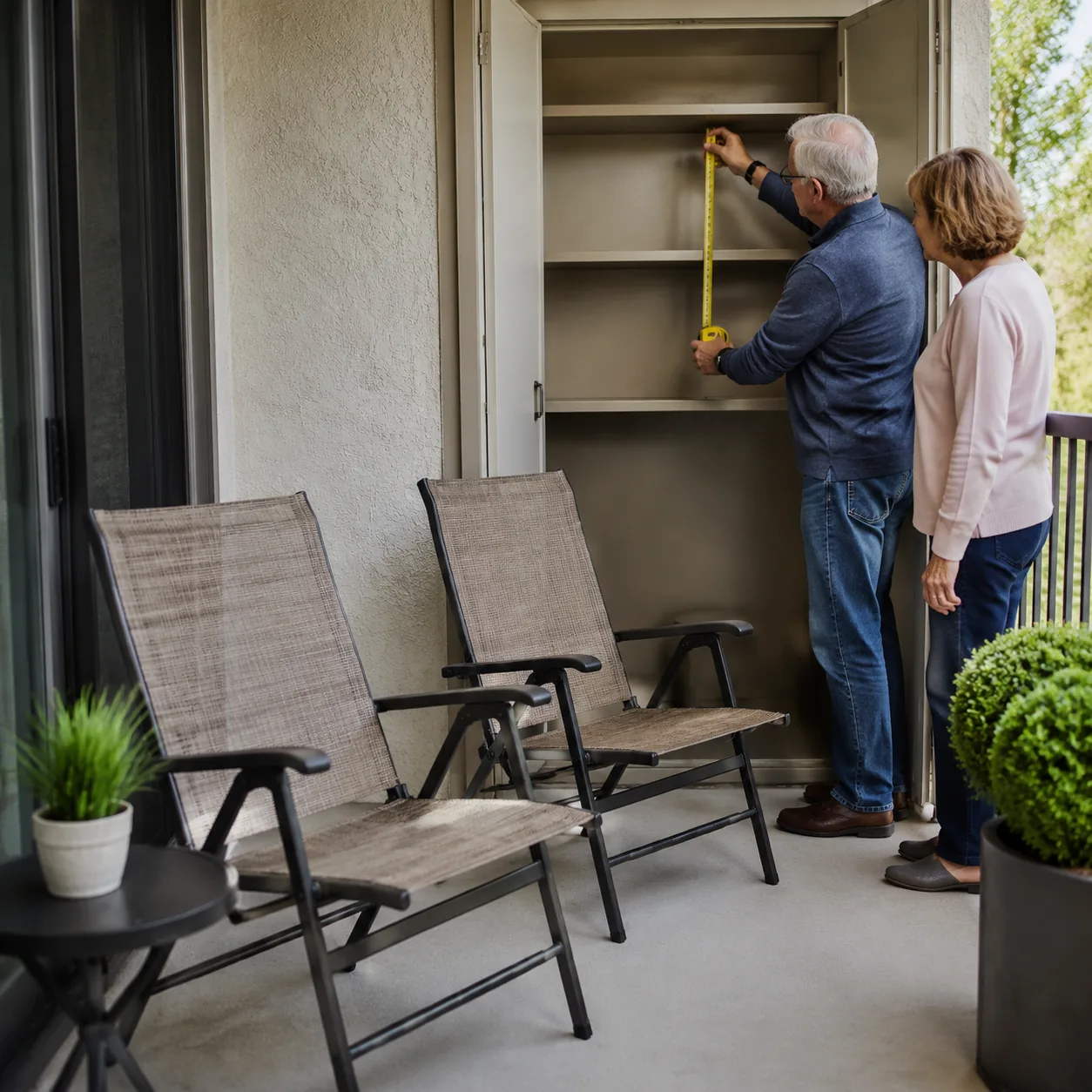
People sometimes give up outdoor chairs because the new patio or balcony looks tiny.
Pause first: keep compact chairs if you actually enjoy morning coffee, neighbors, sunsets, or fresh air.
If you are moving into an association, check 33 Condo Rules Downsizers Wish They Read Before Closing before choosing what can stay outside.
22. Quality Lamps
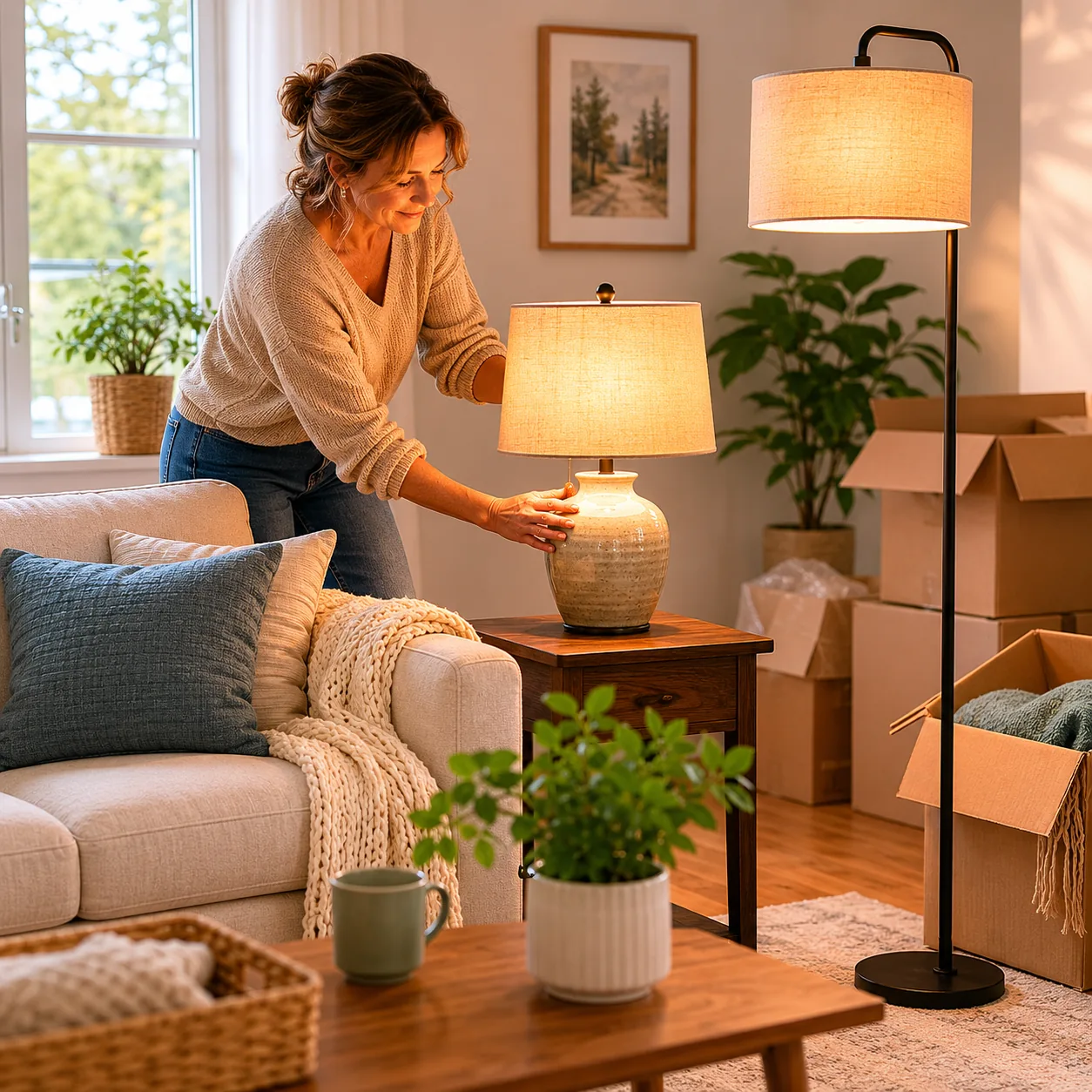
Built-in lighting rarely feels as warm or useful as people hope.
Pause first: keep lamps that provide reading light, reduce glare, fit beside a favorite chair, or make evenings feel comfortable.
Smaller homes often need better light, not fewer lamps. Donate duplicates, but keep the ones that make daily life easier.
21. Full-Length Mirror
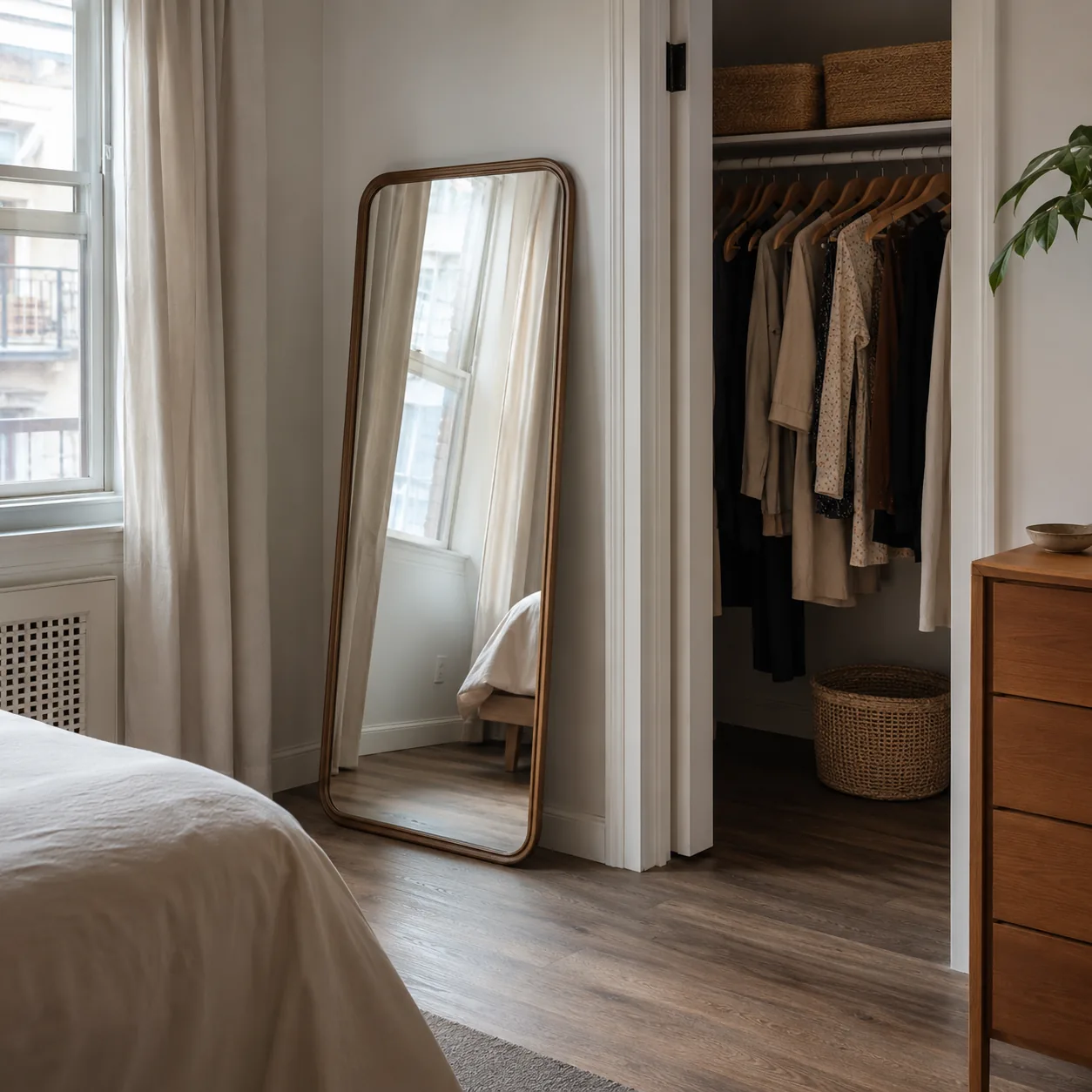
A full-length mirror looks optional until the new bedroom has none.
Pause first: keep a slim mirror if you dress for work, church, events, travel, or physical therapy exercises.
It can also brighten a small room when placed well. The replacement may cost more than the space you thought you saved.
20. Sewing Kit
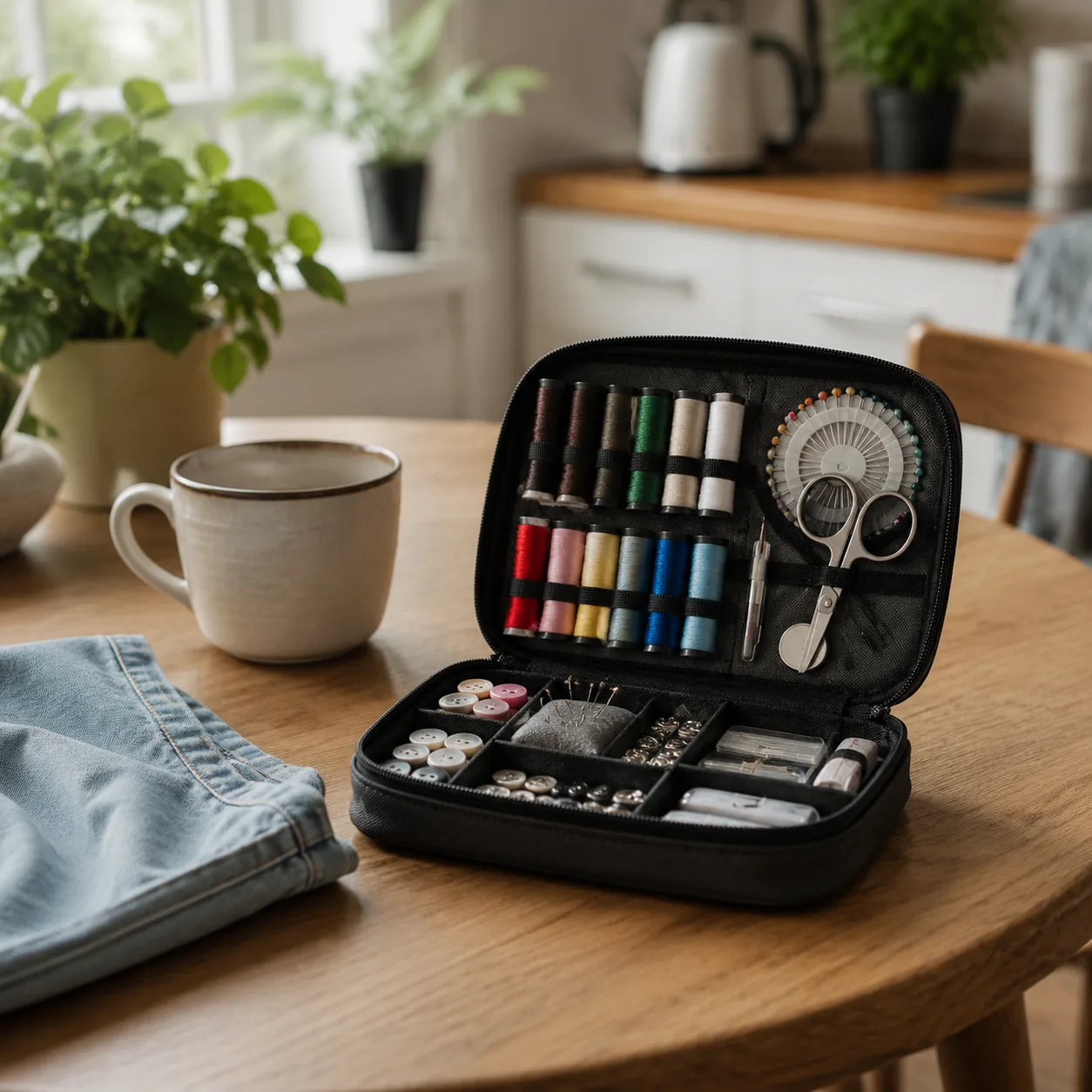
A sewing kit is easy to overlook because it is rarely used until it is suddenly needed.
Pause first: keep basic thread, needles, buttons, safety pins, small scissors, and a measuring tape.
It is not about becoming a tailor. It is about fixing a loose button before a dinner, trip, or appointment.
19. Backup Eyeglasses
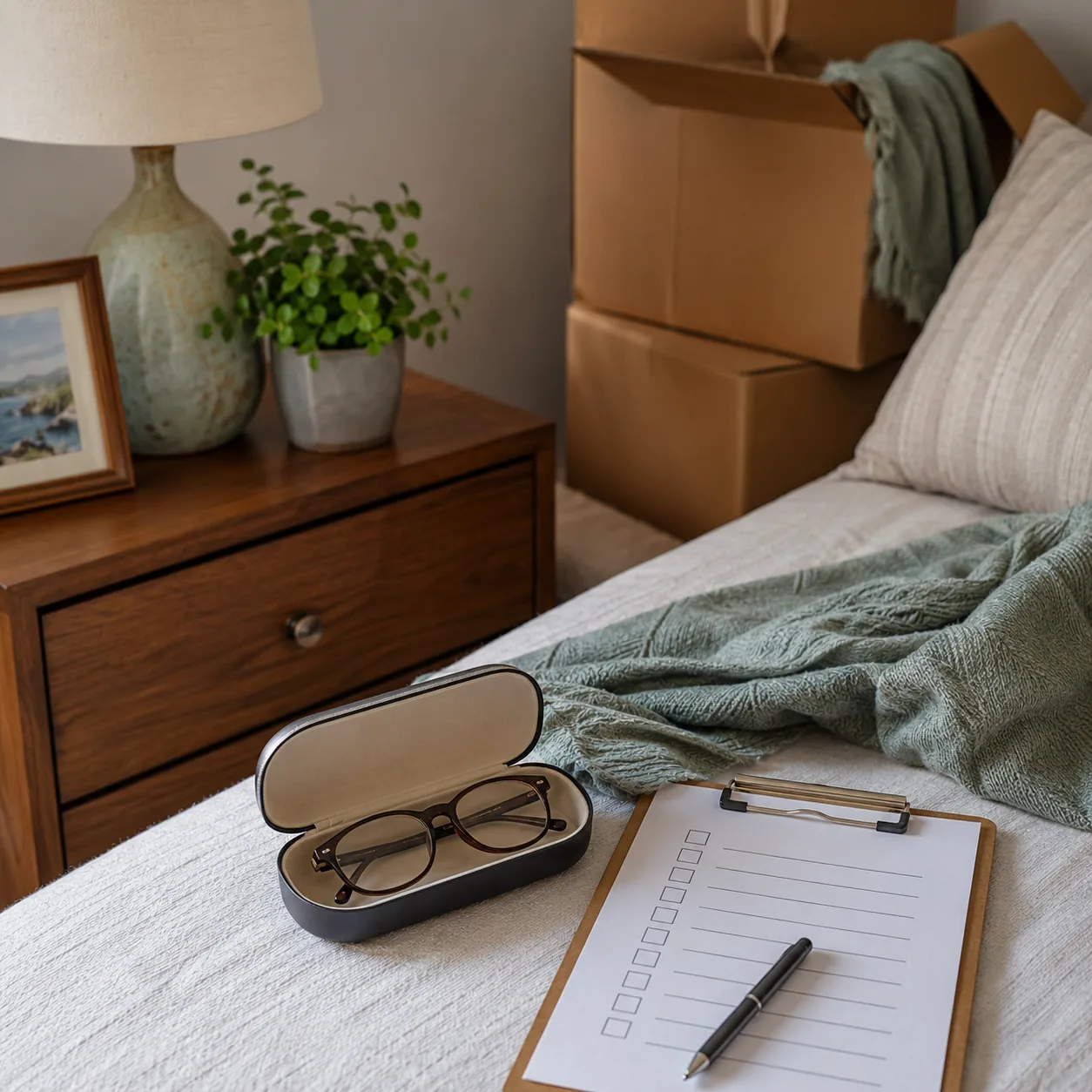
Old glasses may not be perfect, but they can rescue a bad week.
Pause first: keep a usable backup pair for reading, driving if appropriate, travel, or waiting on replacements.
The same goes for spare cases, cleaning cloths, and prescription sunglasses. These are small items with outsized value when something breaks.
18. Kitchen Knives That Actually Work
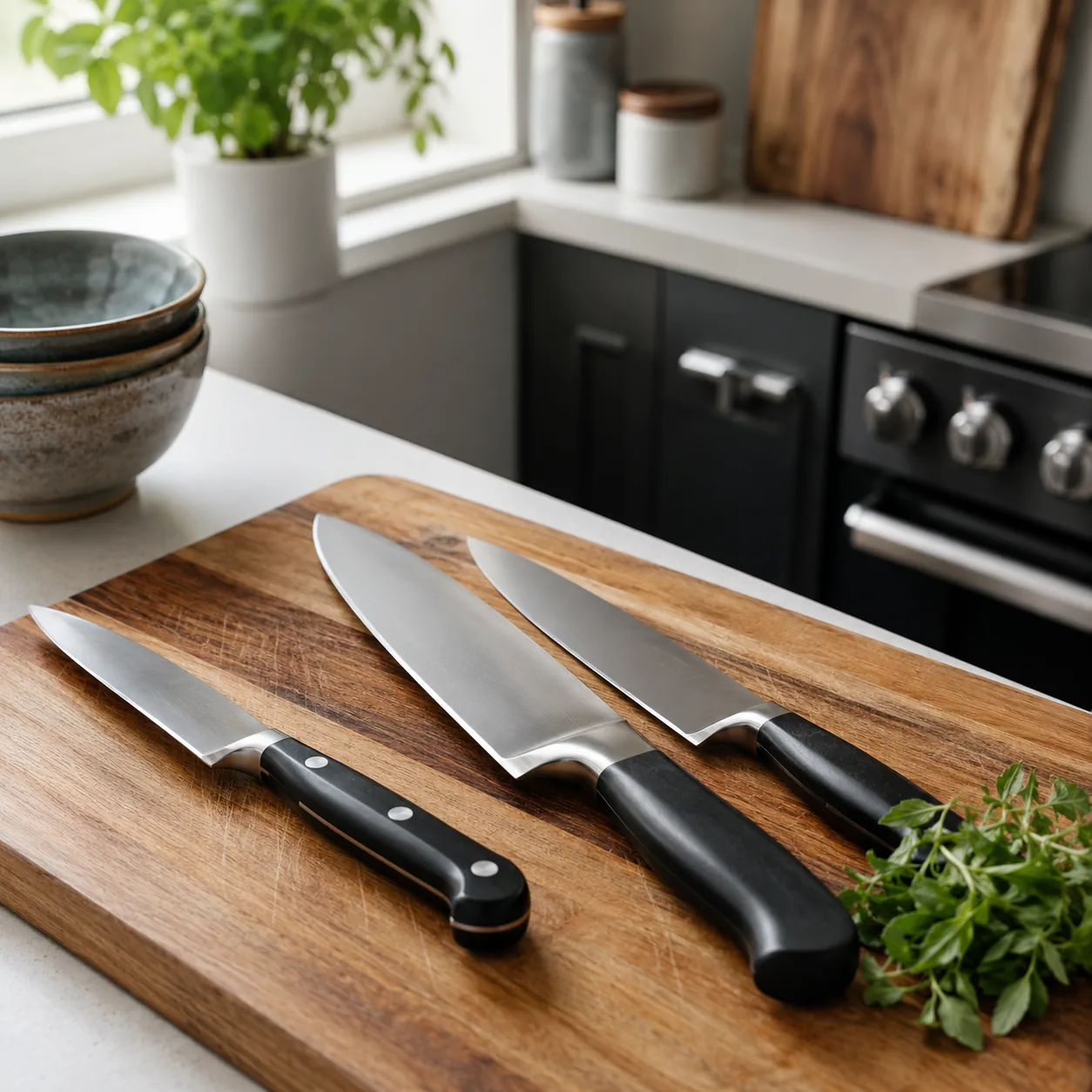
Knife blocks take space, but bad knives make cooking frustrating.
Pause first: keep the few knives you truly use, such as a chef’s knife, paring knife, bread knife, and sharpener.
Downsizing the kitchen should make cooking simpler, not worse. Donate the dull duplicates, not the tools that make meals easier.
17. The Big Pot

A large pot can feel ridiculous in a smaller kitchen until soup, pasta, corn, or family cooking returns.
Pause first: keep one versatile large pot if you cook for guests, freeze meals, or make holiday dishes.
For people weighing daily routines after a move, 35 Little Details That Make a 55+ Community Feel Different After the First Year is a helpful reminder that small conveniences matter.
16. Cooler
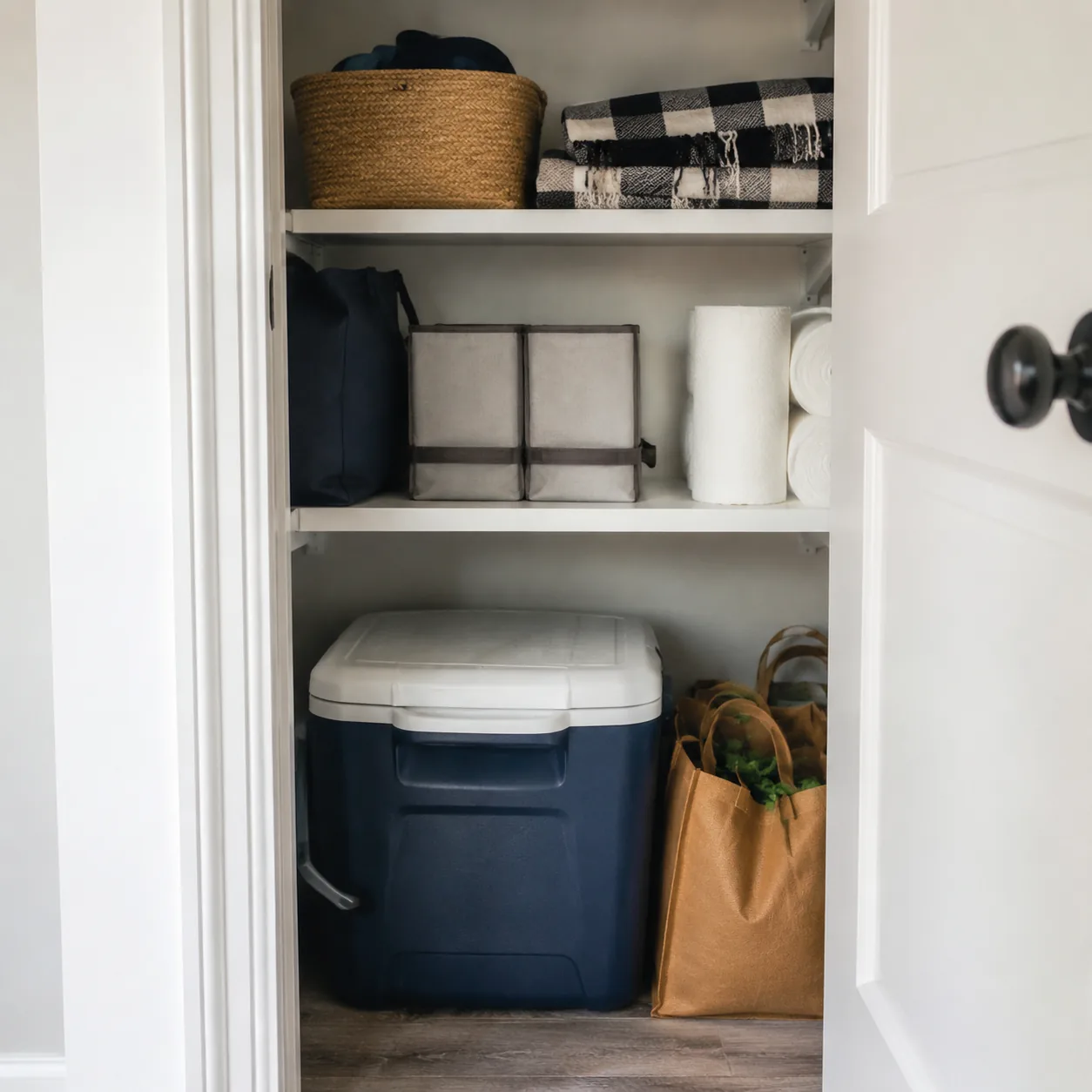
Coolers look bulky until there is a long drive, power outage, picnic, or medication pickup.
Pause first: keep one manageable cooler that fits your car and storage space.
You probably do not need every beach cooler from the old garage. One practical size can still be useful for groceries, family visits, and emergency planning.
15. Small Vacuum Attachments
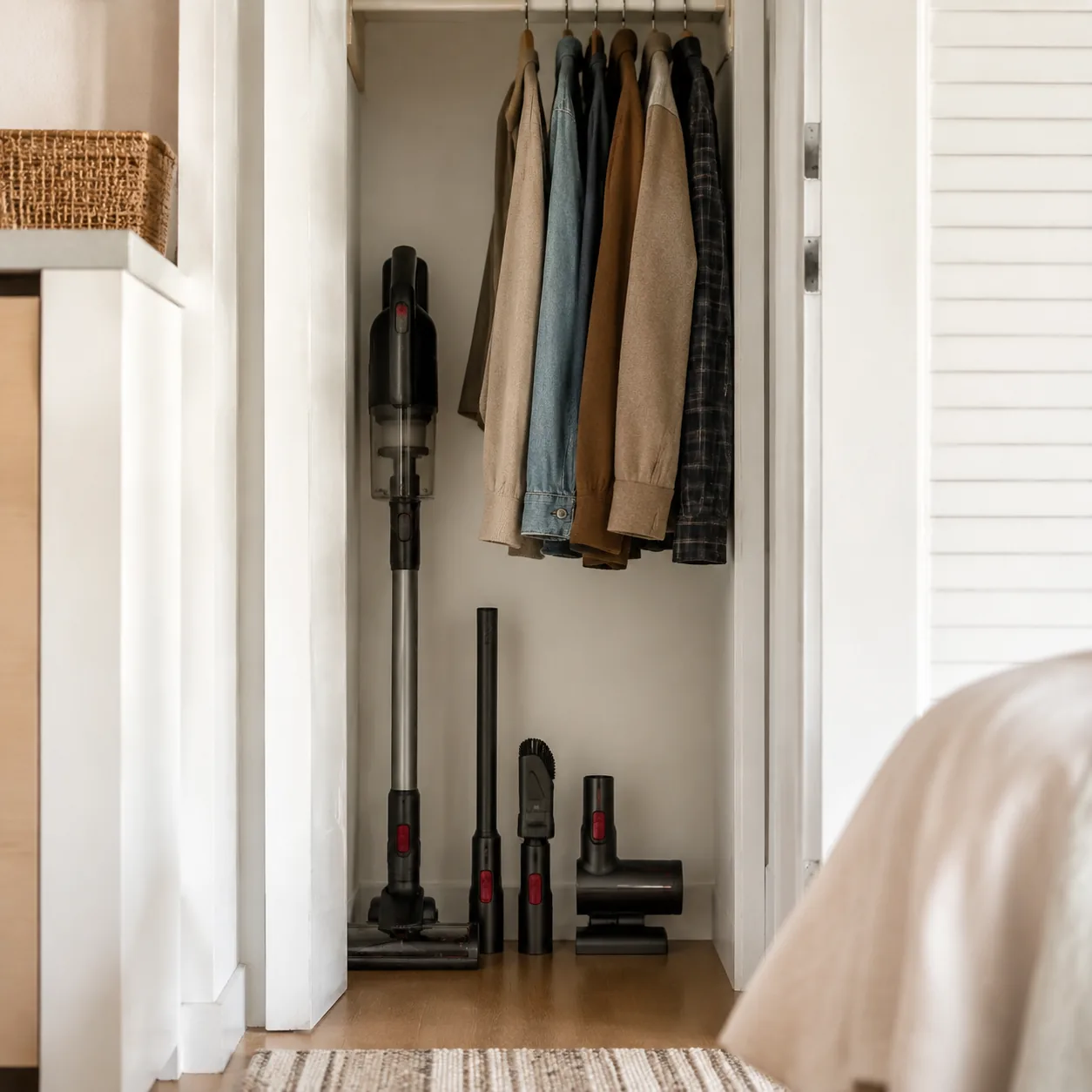
Attachments get separated during moves and are annoying to replace.
Pause first: keep the crevice tool, brush, upholstery tool, charger, filters, and manuals with the vacuum they match.
Smaller homes still collect dust along baseboards, vents, furniture, and car interiors. A compact vacuum is less useful when the helpful pieces are gone.
14. Folding Table

A folding table can feel like extra furniture until paperwork, puzzles, crafts, or family meals need a temporary surface.
Pause first: keep one lightweight table if it stores flat and serves multiple uses.
It can become a desk, buffet, puzzle table, folding station, or paperwork surface. Temporary space is valuable in a smaller home.
Read More: 37 Things Retirement Community Tours Make Look Better Than They Feel After Move-In
13. Suitcases That Roll Well
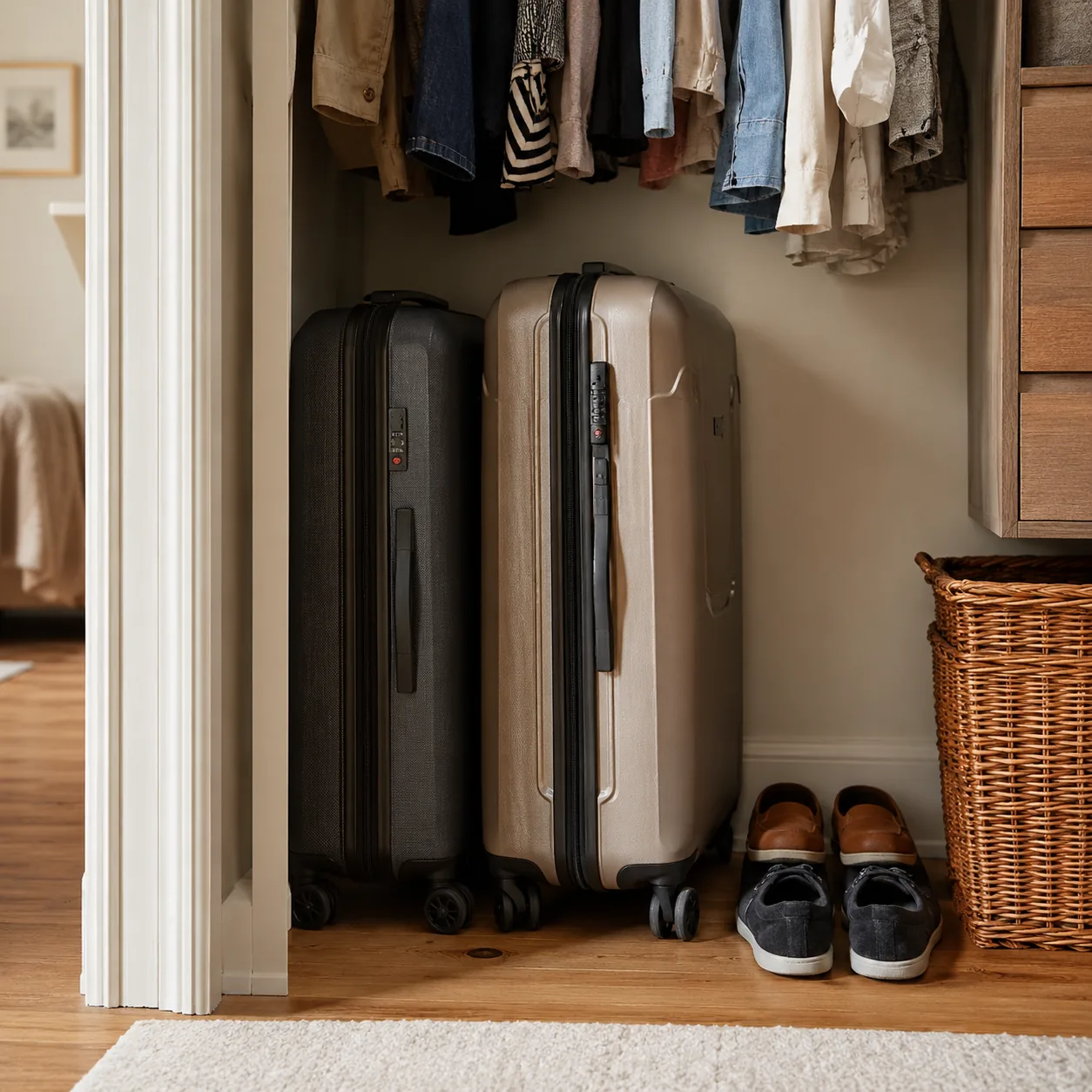
Suitcases take space, but good ones are expensive and useful beyond vacations.
Pause first: keep luggage that rolls smoothly, fits your lifting ability, and works for medical visits or family trips.
Donate broken or oversized bags first. A smaller home should still support travel, emergency overnights, and visits to people you love.
12. Hobby Supplies You Still Use
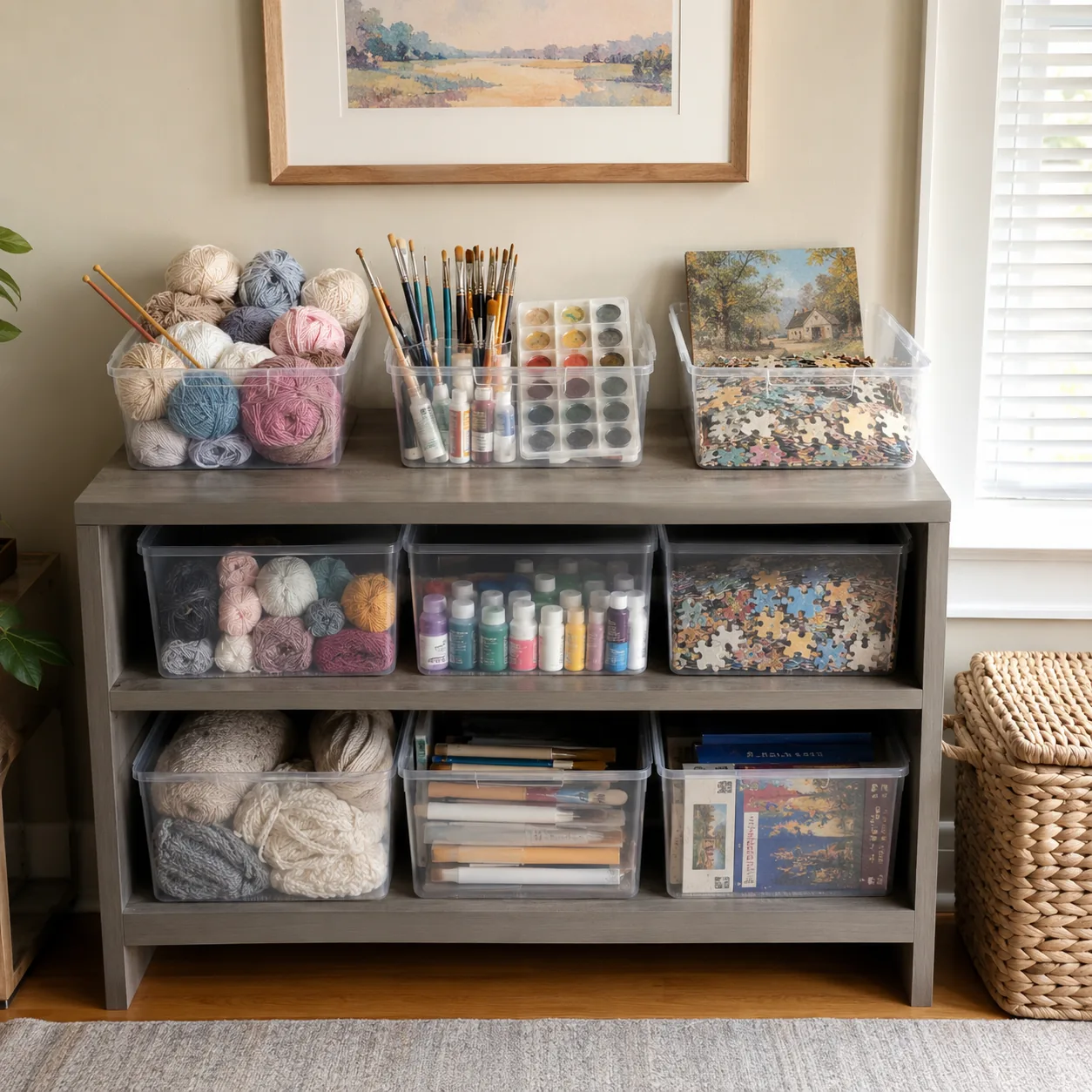
Hobby supplies can look like clutter to anyone who does not use them.
Pause first: keep the materials for hobbies you actively enjoy, not the fantasy projects you feel guilty about.
Retirement should not become storage for old intentions, but it also should not erase the activities that make a smaller home feel alive.
11. Musical Instruments

Instruments are often donated because they are awkward to move or have been quiet for years.
Pause first: ask whether the instrument has personal, family, or future social value before letting it go.
If you truly will not play, pass it intentionally. But avoid a rushed donation that removes a meaningful part of your identity.
10. Heirloom Furniture

Not every inherited piece deserves a spot, but some pieces carry a room emotionally.
Pause first: keep heirlooms that are useful, beautiful, or tied to stories you still tell.
If the move involves rules, stairs, elevators, or storage limits, compare the plan with 35 HOA Rules Retirees Regret Ignoring Before They Bought before assuming the piece will fit without issues.
9. Area Rugs That Fit

Rugs can be bulky to move, but they also define small rooms and soften hard floors.
Pause first: keep rugs that are clean, safe, flat, and likely to fit the new space.
Avoid trip hazards, but do not discard every rug before measuring. Replacing quality rugs can cost more than expected.
8. Bedside Tables

Bedside storage matters more as people age, not less.
Pause first: keep tables that hold glasses, water, books, medications, chargers, tissues, and a lamp at the right height.
The minimalist look can fail quickly if daily necessities end up on the floor. Function should beat a staged bedroom photo.
Measure the bed height before donating them. The right reach matters more than matching a new style.
7. Garage Shelving
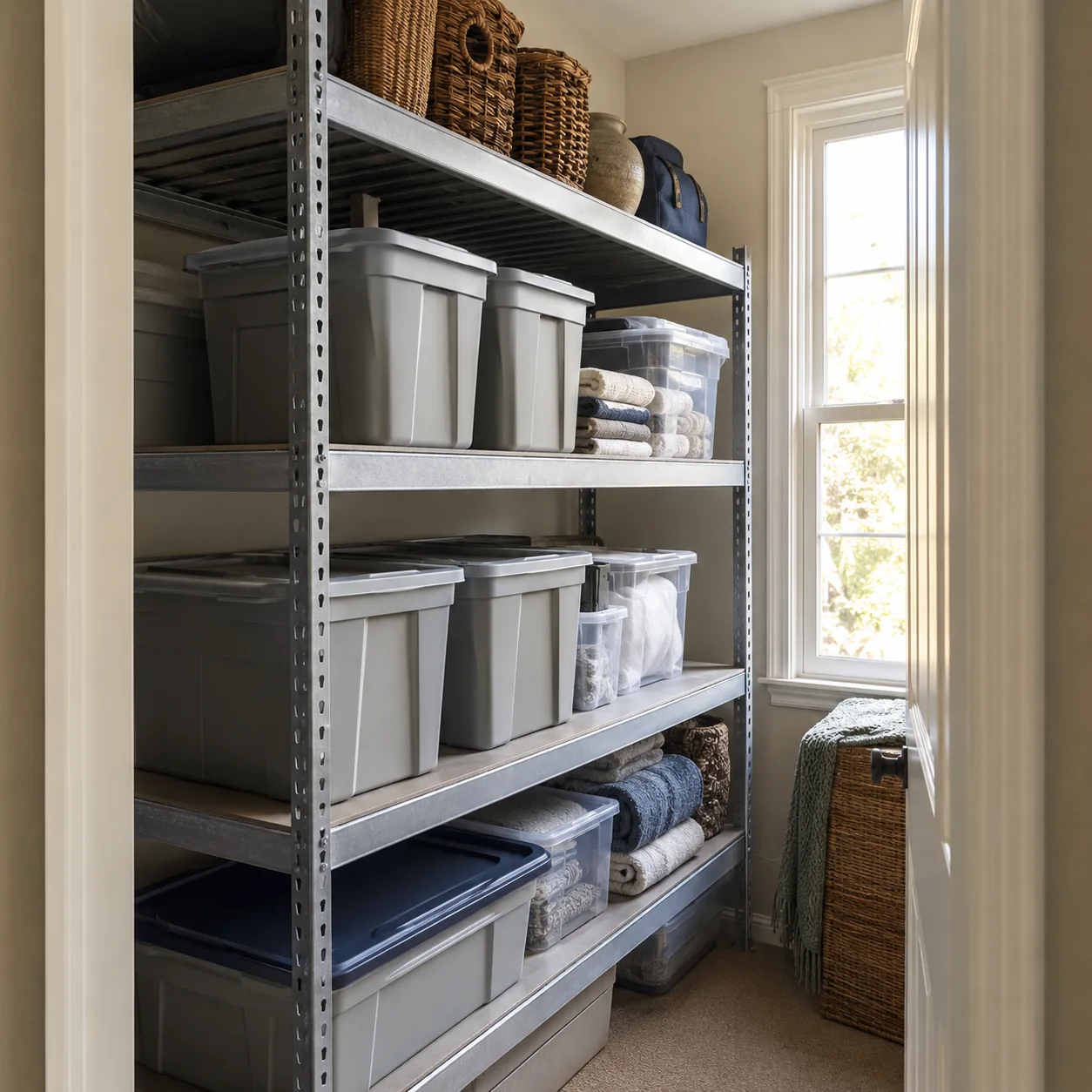
Shelving from the old garage may look industrial, but it can solve storage in a new closet, utility room, or basement cage.
Pause first: measure before donating sturdy shelves.
Downsizers often regret giving away the exact storage piece they need later. The trick is keeping adaptable shelving, not every random cabinet.
6. Gardening Basics
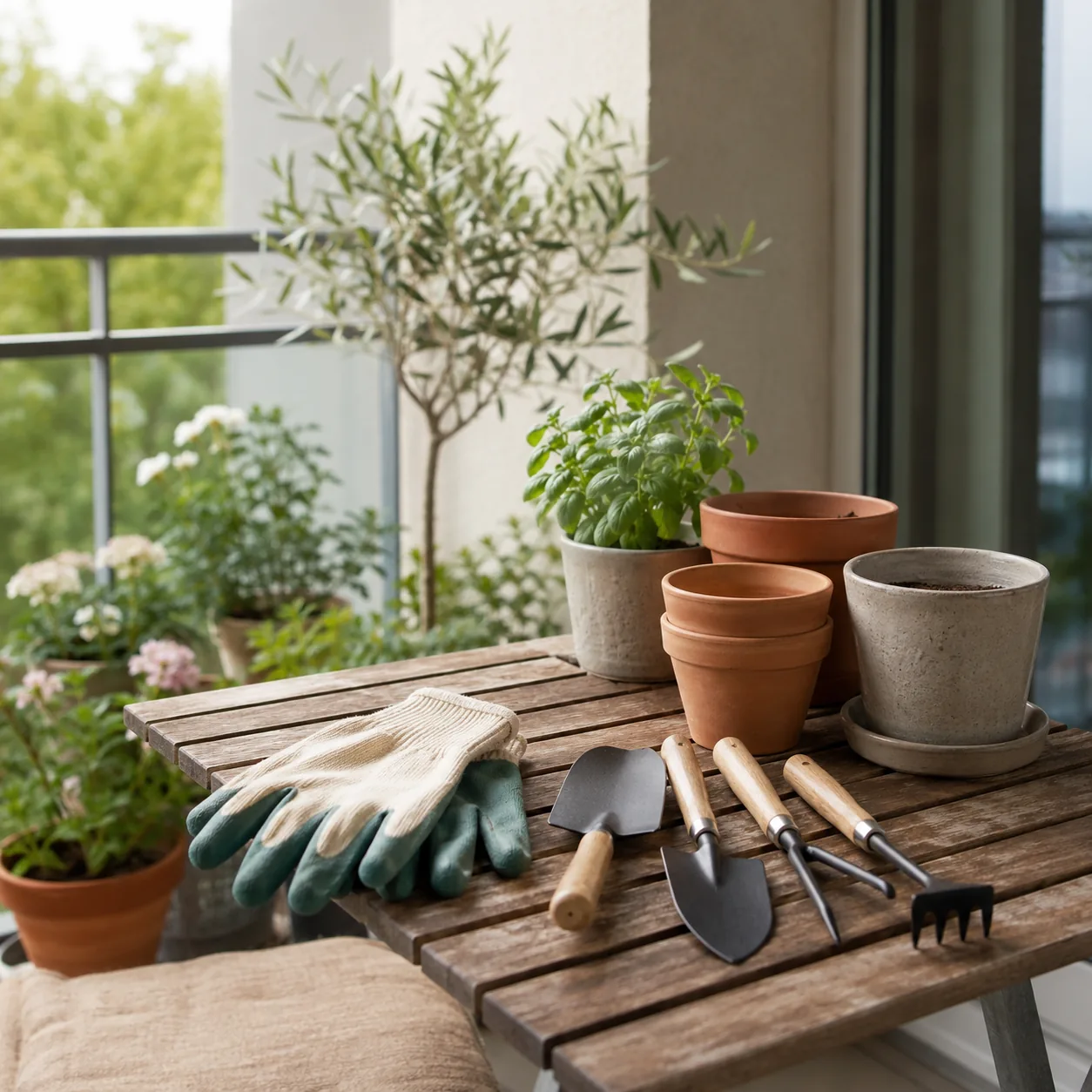
Moving to a smaller home does not always mean giving up plants.
Pause first: keep gloves, pruners, a trowel, a watering can, and a few planters if balconies or patios allow them.
Plants can be a daily pleasure after a big move. Just keep the compact tools, not the whole old shed.
Read More: 33 Red Flags to Spot Before Moving Into a Retirement Community
5. Medical Equipment Already Paid For
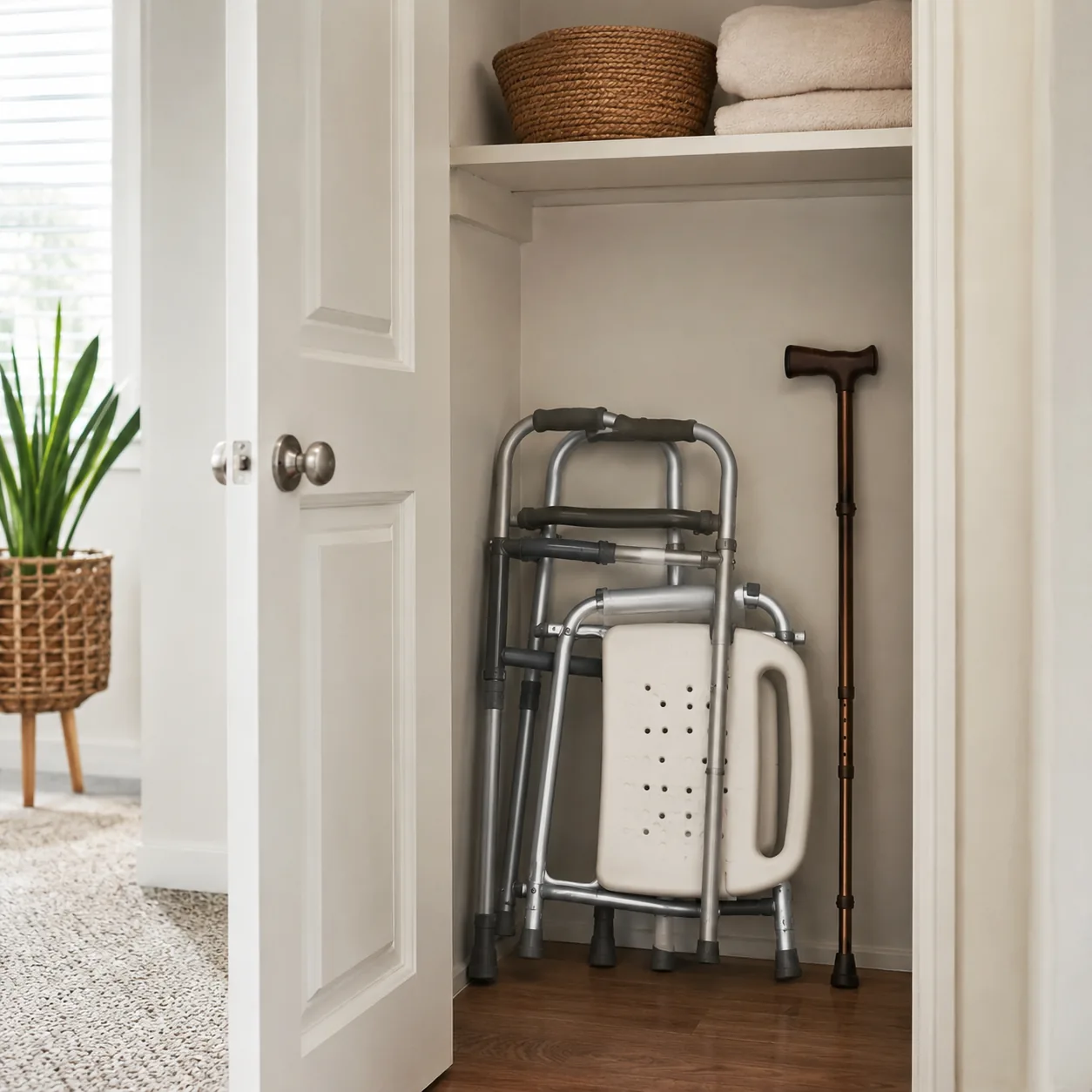
Canes, shower chairs, walkers, braces, and raised seats can feel unnecessary during a good season.
Pause first: keep safe, clean equipment that may be needed again, especially if replacing it would be expensive or urgent.
You do not need a closet full of unused supplies. But one well-chosen backup can prevent a scramble after surgery, illness, or a fall.
4. The Real Toolbox of Memories

The most regretted losses are often small, personal, and hard to explain to anyone else.
Pause first: keep letters, medals, travel tokens, children’s art, family jewelry, and objects tied to stories.
If space is tight, choose a defined keepsake box. A boundary helps you save meaning without saving every object.
3. Spare Keys and Hardware
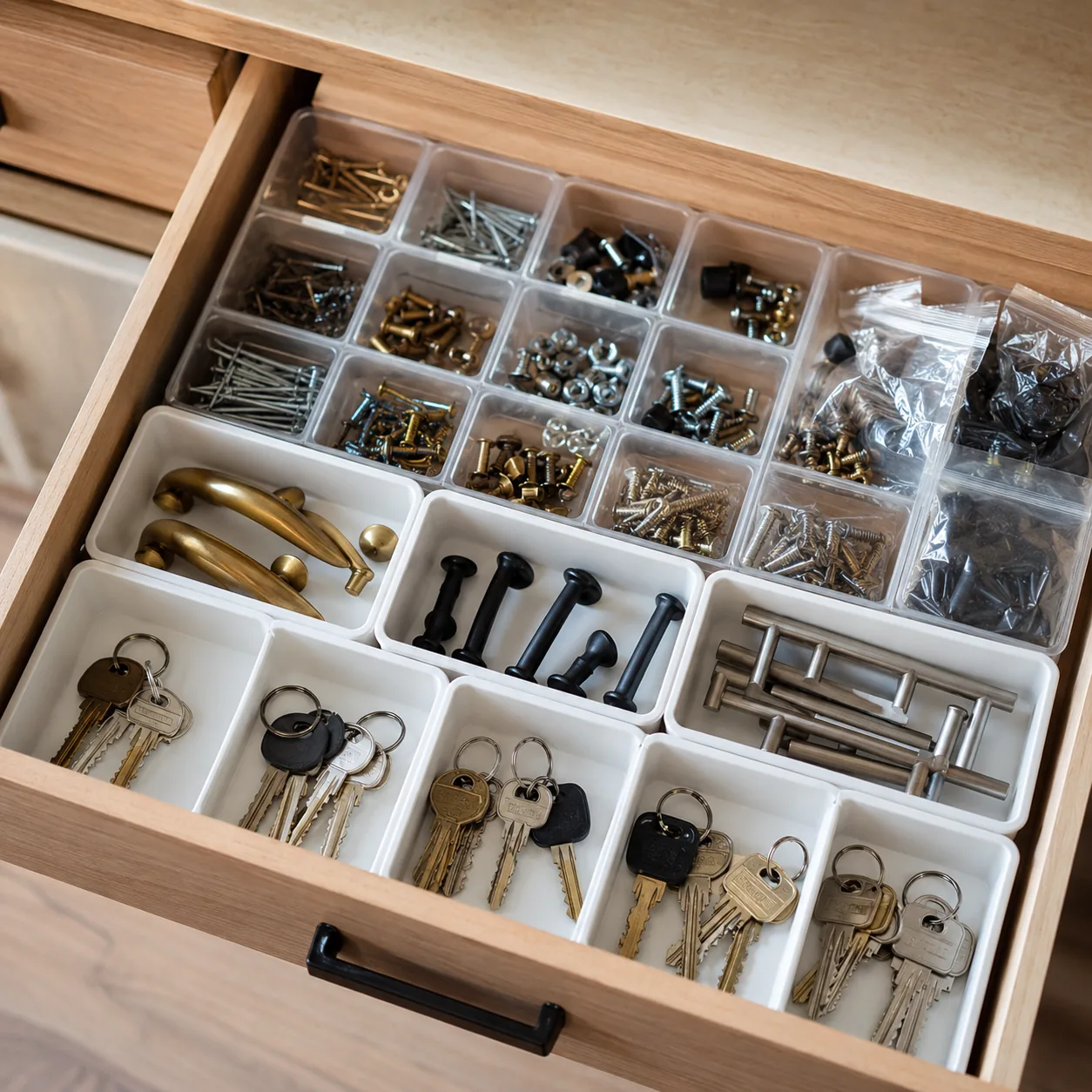
Keys, screws, shelf pins, remote controls, and furniture hardware look like junk until something needs them.
Pause first: label unknown pieces before tossing, and keep hardware taped to the item it belongs with.
People who move into associations should also review 31 Retirement Communities With Resale Problems Buyers Don’t Notice on Tour Day because missing parts and condition issues can matter later.
2. The Backup Set of Sheets
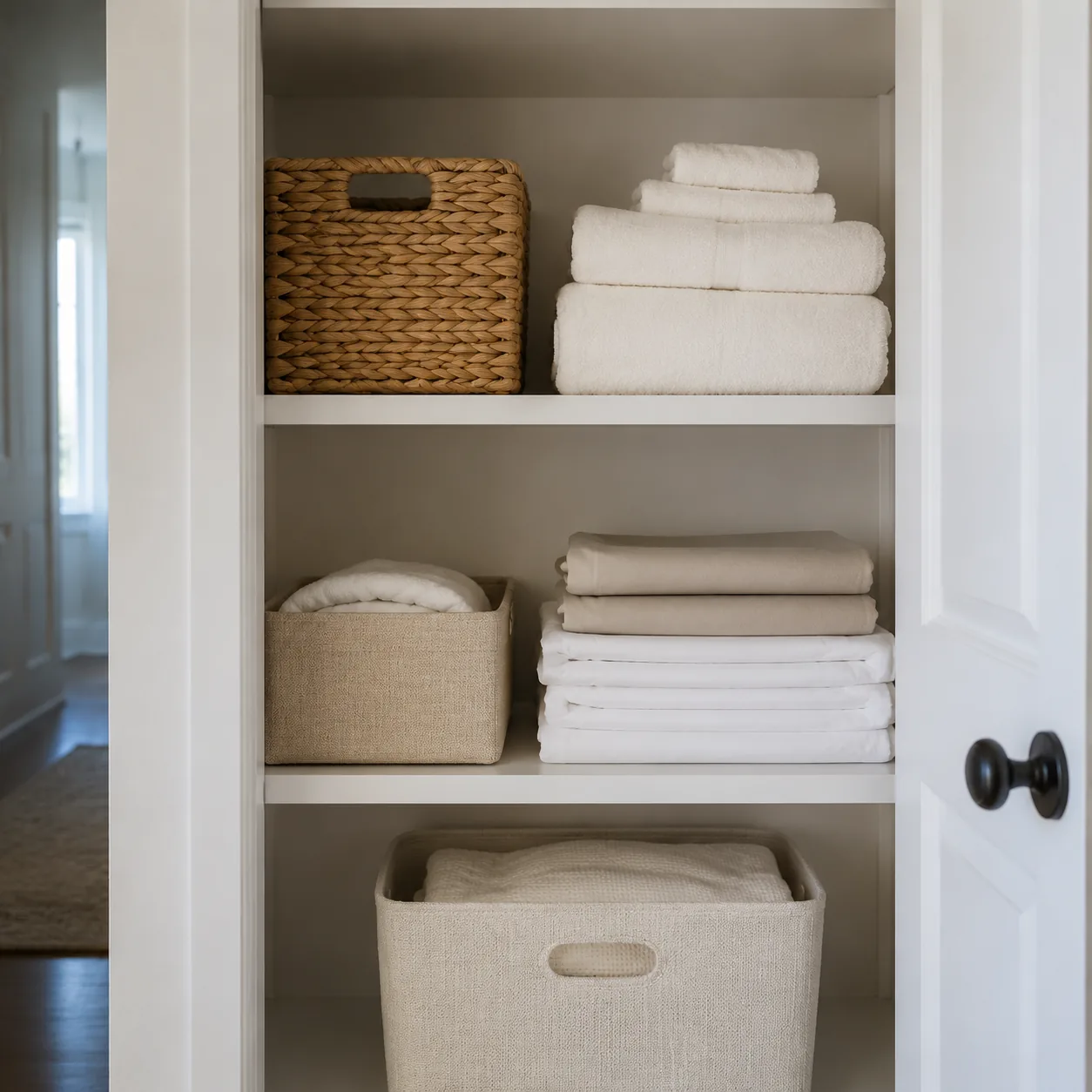
Linen closets get purged hard because sheets and towels take space.
Pause first: keep one backup set for each bed you actually use, plus guest towels if visitors stay overnight.
You can donate extras without leaving yourself short after spills, illness, laundry delays, or family visits. Practical redundancy is not clutter.
1. Anything You Are Rushing to Decide

The item most likely to cause regret is the one you decide under pressure.
Pause first: create a temporary “decide later” box for useful, sentimental, or expensive-to-replace items.
Give that box a review date after the move. Decisions made in the new space are often calmer and more accurate.
Read More: 31 Signs a Retirement Town Is Harder to Leave Than to Move Into