

The first year in a 55+ community turns brochure promises into routines.
Small details start to matter when they repeat every week.
35. Morning Gate Traffic

A gate feels like a comfort during the tour.
After a year, you know the school-run visitors, contractors, delivery vans, and appointment rush.
What to notice: whether gate delays affect errands, caregivers, guests, and service calls. A small wait can feel larger when it happens on every busy morning.
34. Trash Pickup Noise

Trash pickup is invisible until it sets the rhythm of the street.
Early trucks, rolling bins, and strict bin-return rules can become part of the week.
What to notice: pickup time, storage location, missed-bin policies, and whether travel makes compliance harder. The detail is small, but it repeats constantly.
33. Irrigation Schedules

Irrigation keeps the community looking polished.
It can also mean wet sidewalks, water spots, high bills, overspray, and morning timing that affects walks.
What to notice: who controls irrigation, who pays, and how leaks are reported. Landscaping feels different when the schedule collides with daily habits.
32. Mail and Package Pickup

Central mail stations look efficient before move-in.
After a year, distance, weather, package size, medication deliveries, and missed notifications matter.
What to notice: how secure the setup feels and whether packages sit outside. A small daily errand can become irritating if it is awkward in bad weather.
31. The Tone of HOA Emails

Official messages shape the mood of a community.
Some feel helpful and calm. Others feel scolding, vague, or constant.
What to notice: whether emails explain decisions, give enough notice, and treat residents like adults. Communication style affects how rules feel long after the welcome packet is gone.
30. Neighbor Routines

The people around you become part of the home’s atmosphere.
Dog walks, porch chats, early departures, hobbies, and visitors create patterns.
What to notice: whether those patterns feel friendly, intrusive, noisy, or comforting. The house is not separate from the routines around it.
29. Seasonal Population Swings

Some 55+ communities change personality by season.
Winter may feel lively while summer feels empty, or the reverse.
What to notice: how traffic, events, restaurant crowds, pool use, and volunteer energy shift. A community that felt perfect in one month may feel different in another.
28. Repair Queue Patience

Every community has repairs.
The first year teaches you how long they take and how clearly they are tracked.
What to notice: whether maintenance requests get updates, dates, and closure notes. Waiting is easier when the system communicates instead of leaving residents to chase answers.
27. Clubhouse Sign-Up Rules

The clubhouse feels open during a tour.
Actual use may depend on reservations, capacity limits, deposits, guest rules, and priority for clubs.
What to notice: whether spontaneous use is possible or everything requires planning. Shared spaces feel less generous when access is complicated.
26. Visitor Parking Habits
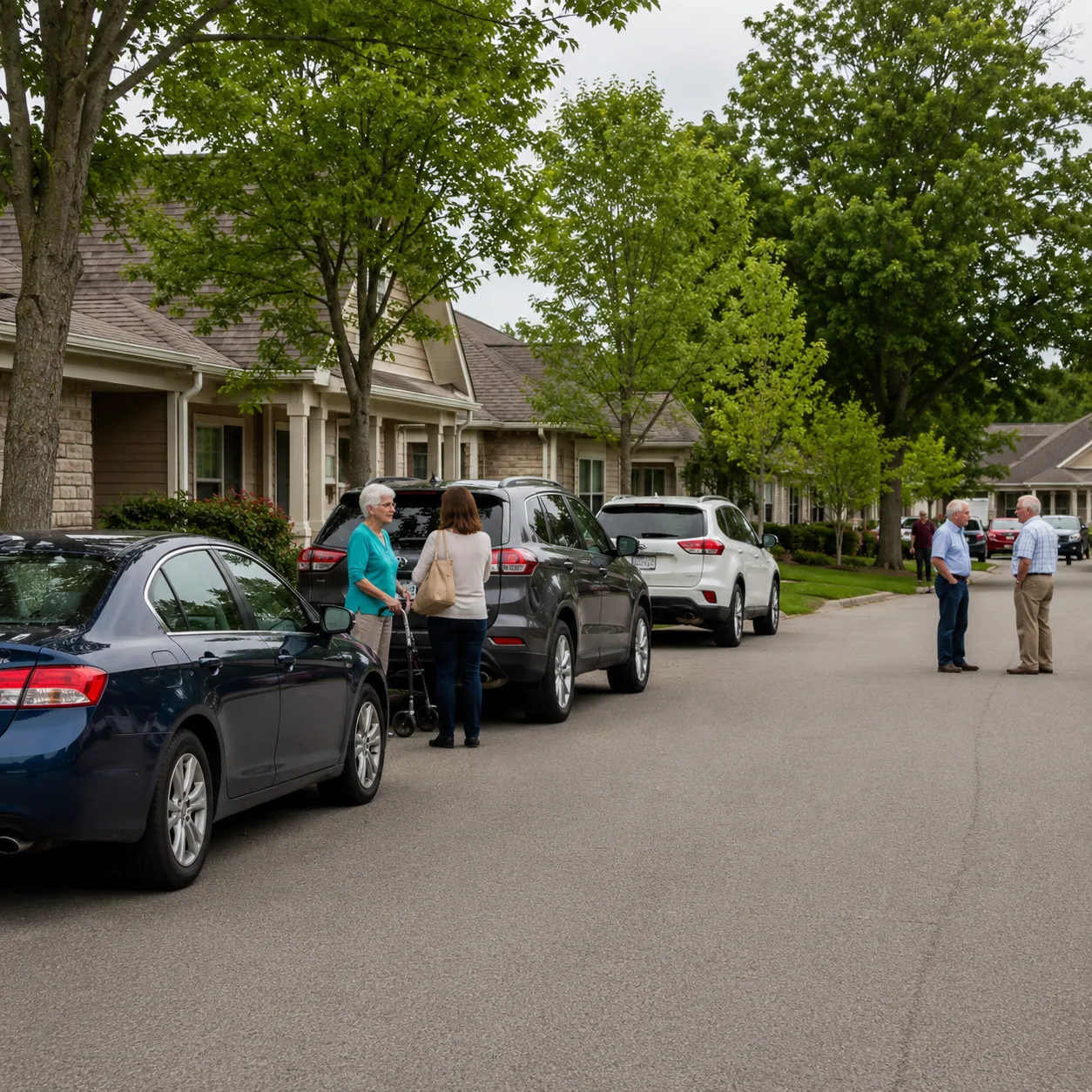
Rules tell one story.
Habits tell another.
What to notice: where guests actually park during evenings, holidays, and events. If visitors crowd driveways or ignore rules, daily life may feel less orderly than the documents suggest.
25. Pet Walking Routes

Pet life settles into routes, greetings, and friction points.
Dog stations, shade, leash rules, barking complaints, and cleanup habits become visible over time.
What to notice: whether pet owners have practical places to walk without annoying neighbors. For related day-one questions, see 35 HOA Rules Retirees Regret Ignoring Before They Bought.
24. Lawn Crew Timing

Landscaping keeps the community attractive.
It can also bring noise, blocked driveways, dust, wet grass, and early schedules.
What to notice: which days crews arrive and how predictable the work is. Included maintenance feels better when it fits the way residents use their homes.
23. Utility Bills

The purchase price is only one part of comfort.
Heating, cooling, water, irrigation, trash, internet, and sewer costs reveal themselves month by month.
What to notice: seasonal spikes and which utilities are bundled into dues. A home that tours affordably may feel different when actual bills arrive.
22. Storage Shortage
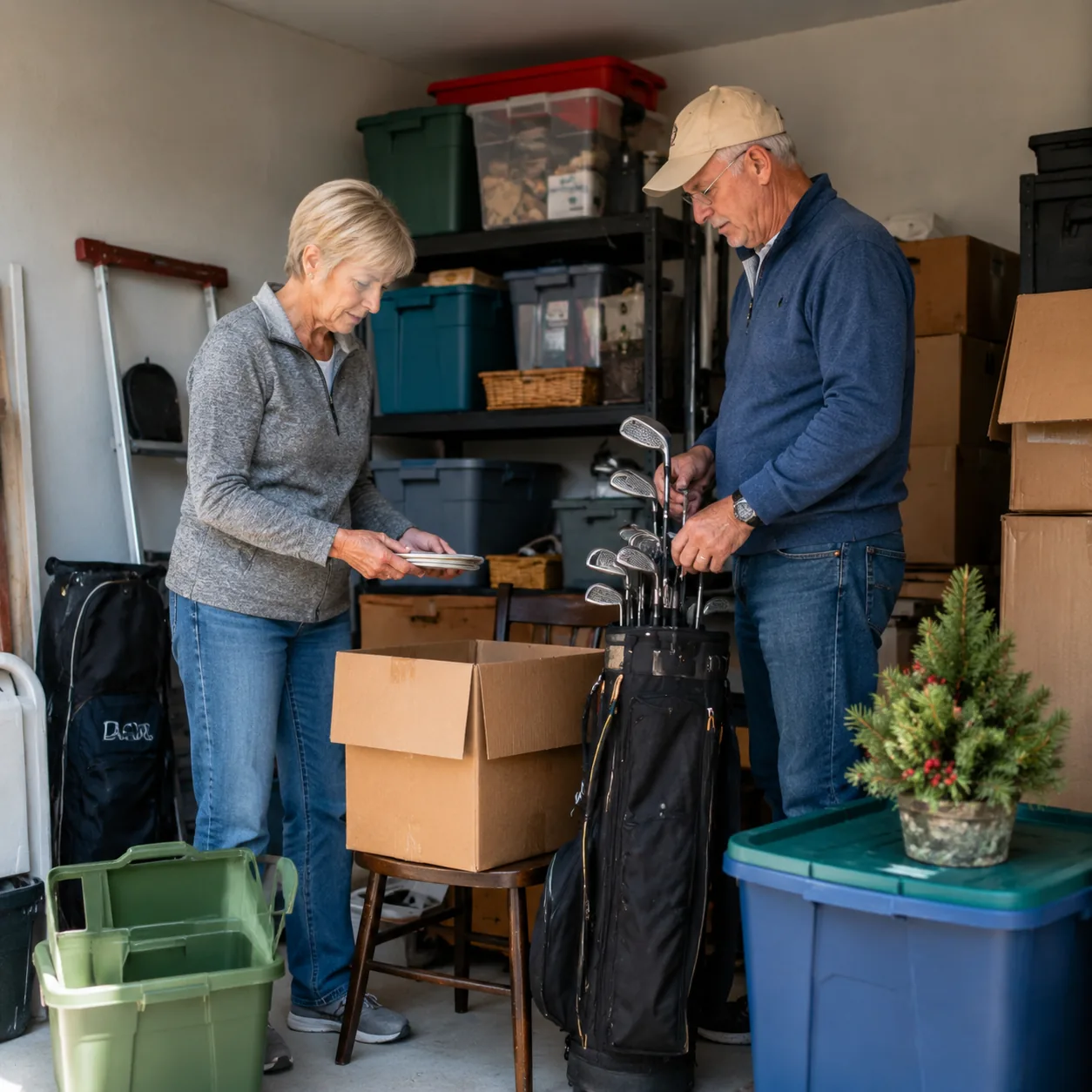
Storage problems rarely appear on move-in day.
They appear when holidays, hobbies, paperwork, tools, luggage, and medical equipment all need space.
What to notice: whether the garage still fits a car after real life arrives. Downsizing feels calmer when storage was planned honestly.
21. Shared Wall Sound
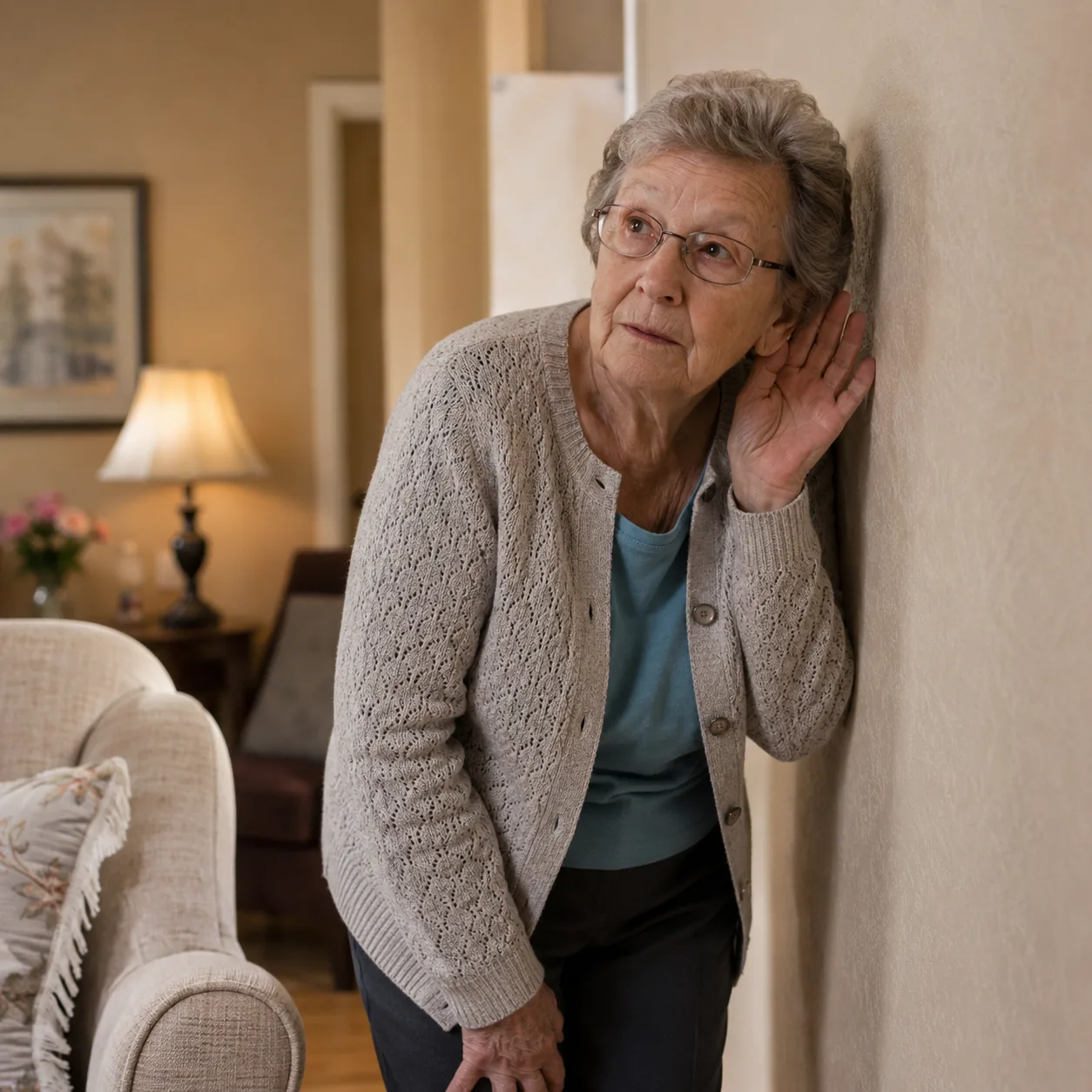
Attached homes can feel quiet during a showing.
After a year, you know televisions, footsteps, garage doors, pets, plumbing, and visiting family patterns.
What to notice: whether sound is occasional or constant. Noise tolerance is personal, so the best answer is the one your own ears give you.
20. Board Meeting Culture

Board meetings show how the community handles disagreement.
Some feel organized and respectful. Others feel tense or dominated by a few voices.
What to notice: whether residents can ask questions, whether decisions are explained, and whether follow-up happens. Governance becomes part of daily trust.
19. Volunteer Pressure

Volunteer energy can make a community wonderful.
It can also become pressure if the same people are always asked to run events, committees, and clubs.
What to notice: whether helping feels invited or expected. A healthy community lets residents contribute without turning retirement into unpaid administration.
18. Distance to Everyday Errands

The location may feel peaceful at first.
After a year, grocery runs, pharmacies, restaurants, banks, gyms, and doctors define convenience.
What to notice: how often you say, “I wish that were closer.” For a broader exit-and-location lens, read 31 Signs a Retirement Town Is Harder to Leave Than to Move Into.
17. Family Visit Logistics

Family visits are emotional, but the logistics are practical.
Parking, guest passes, pool rules, sleeping space, pet rules, and visit length all shape the experience.
What to notice: whether hosting feels easy or managed. If the move also changed what you kept for guests, compare it with 35 Things Downsizers Regret Getting Rid of After Moving to a Smaller Home.
16. Appointment Access

Medical and personal appointments become part of the location test.
Traffic, parking, rideshare access, shuttle schedules, and weather all matter.
What to notice: whether appointments feel simple or like a half-day project. Convenience becomes more important when appointments become more frequent.
15. Pool Etiquette

The pool has a culture.
Some residents lap swim, some socialize, some bring guests, and some guard their favorite chairs.
What to notice: whether the unwritten rules feel welcoming. Amenities are shared spaces, so etiquette can matter as much as written policy.
14. Fitness Class Capacity

Fitness classes can look like a strong perk.
After a year, you know whether you can actually get a spot.
What to notice: class size, sign-up timing, instructor consistency, and whether levels fit different bodies. A full class is popular, but it may not be accessible.
Read More: 37 Things Retirement Community Tours Make Look Better Than They Feel After Move-In
13. Holiday Decoration Politics

Holiday decorations can reveal community culture.
Rules, taste, timing, and neighbor expectations may all collide.
What to notice: whether residents treat differences lightly or turn them into complaints. Seasonal details should add warmth, not months of tension.
12. Internet and Cell Reliability

Service that works during a tour may still frustrate you later.
Dead zones, outages, limited provider choices, and slow support become familiar after enough calls.
What to notice: whether connectivity supports telehealth, family calls, security devices, and streaming. Digital reliability is now part of home comfort.
11. Insurance and Fee Notices

Notices set the emotional temperature of ownership.
Premium changes, reserve updates, dues increases, and assessment discussions can make the community feel less predictable.
What to notice: whether notices explain the why, not just the amount. Clear communication makes unwelcome costs easier to understand.
10. Home Modification Needs
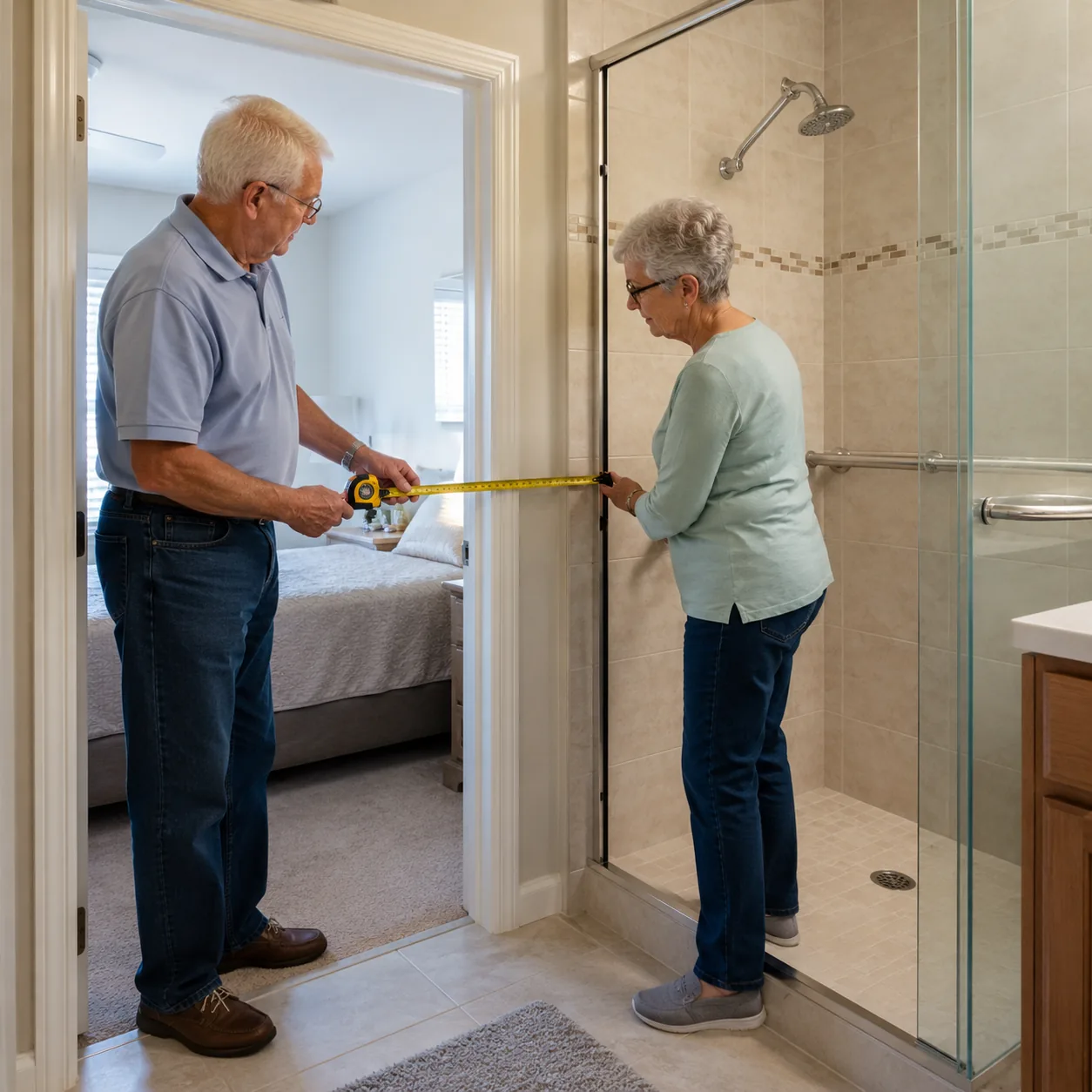
The home that fits at move-in may need small changes later.
Grab bars, lighting, ramps, door hardware, storage, and shower access become more noticeable over time.
What to notice: how easy approvals and contractors are for practical updates. Aging-friendly living depends on the ability to adapt.
Read More: 33 Red Flags to Spot Before Moving Into a Retirement Community
9. Shade and Walkability

Walkability is more than sidewalks.
Shade, benches, crossings, slope, lighting, traffic speed, and restroom access shape whether people keep walking.
What to notice: how the route feels in heat, rain, and dusk. A walkable community should support real daily movement, not just a pretty map.
8. Pest and Drainage Patterns

Some details only appear after weather changes.
Mosquitoes, ants, drainage, standing water, mulch movement, and soggy paths can become seasonal routines.
What to notice: where water sits after storms and how quickly problems are addressed. Landscaping that looks lush can still create maintenance headaches.
7. Security Gate Reality

The gate becomes less symbolic after the first year.
You learn how it handles deliveries, guests, repairs, emergencies, and power outages.
What to notice: whether the system is reliable and easy for the people who need access. Security should not make ordinary help harder.
6. Newcomers and Long-Timers

Every established community has history.
New residents may feel welcomed, ignored, or gently tested by long-standing social circles.
What to notice: whether newcomers have clear ways to join in. A community can be friendly on the surface but still hard to enter socially.
Read More: 31 Retirement Communities With Resale Problems Buyers Don’t Notice on Tour Day
5. Emergency Contact Habits
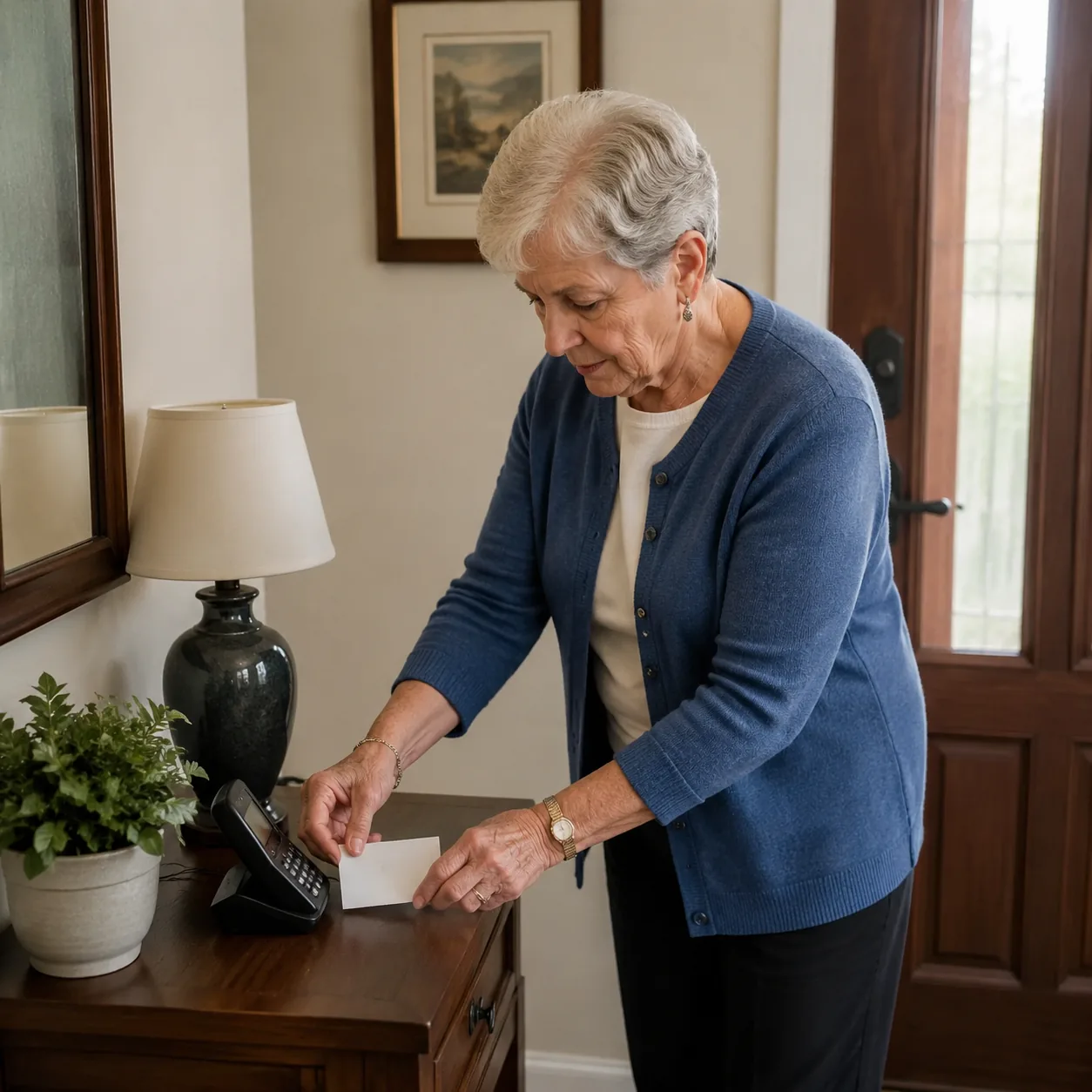
Neighbors often become part of the safety net.
That works best when expectations are clear and respectful.
What to notice: whether residents exchange contacts, check on each other, and know who to call after hours. Informal support is valuable, but it should not replace clear systems.
4. Resale Stories You Hear

After a year, you hear how homes actually sell.
Residents talk about price cuts, fast sales, repairs, buyer objections, and which streets move slowly.
What to notice: whether the stories match what you were told before buying. Resale confidence feels different when it comes from lived examples.
3. Management Response Pace

The first year reveals how management handles ordinary problems.
Emails, calls, billing questions, rule clarifications, and work orders create the real relationship.
What to notice: whether responses are timely, documented, and consistent. A good community does not prevent every issue; it handles them predictably.
2. How Rules Are Enforced

The rulebook matters less than the lived enforcement.
Consistent reminders can feel fair. Selective enforcement can feel personal.
What to notice: whether neighbors trust the process and whether small issues get handled proportionately. Rules should make life clearer, not more anxious.
1. Whether the Home Still Fits
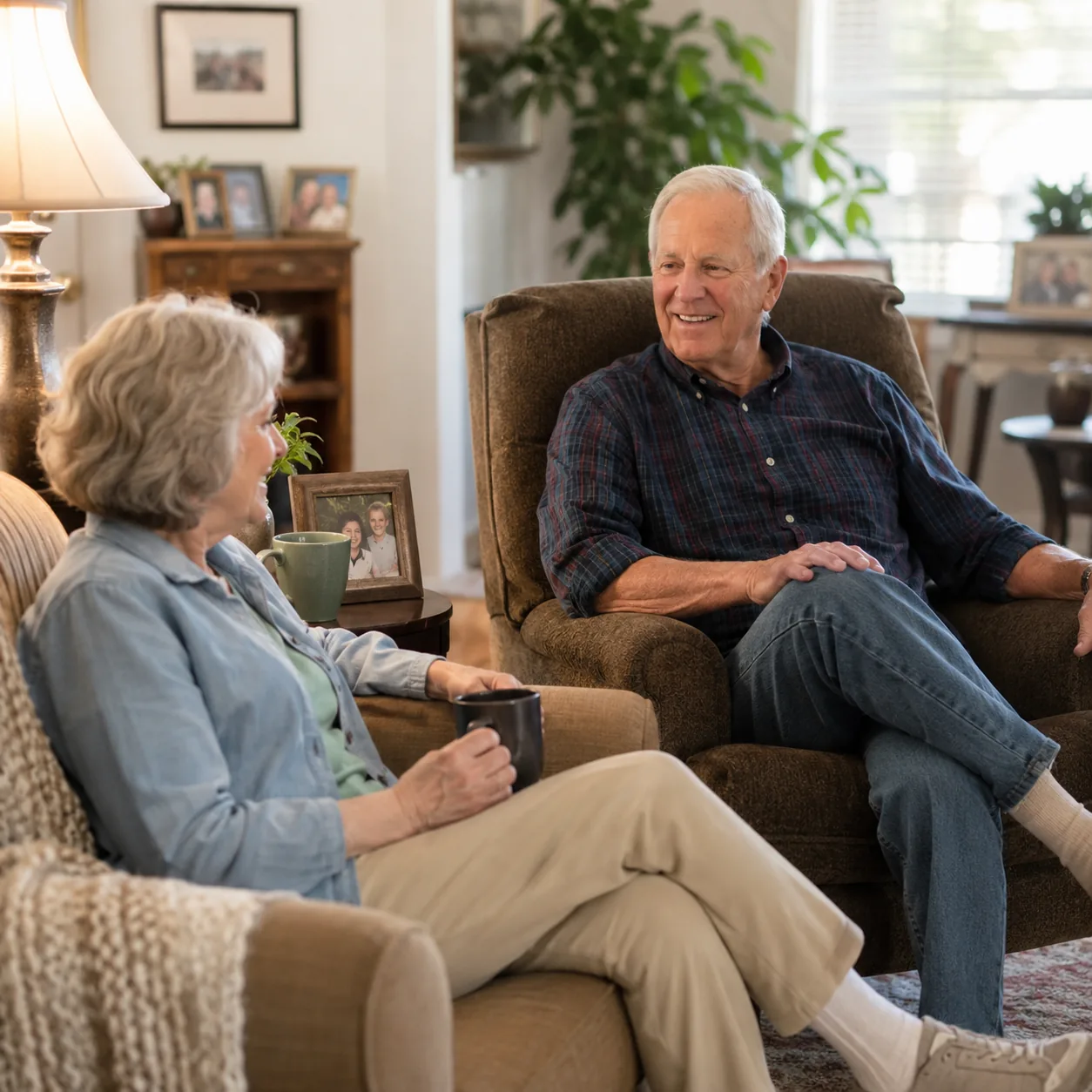
The first year answers the question the tour cannot.
Does the home still fit after the novelty settles?
What to notice: how you feel on ordinary days. If the routines, costs, neighbors, rules, and location still support your life, the community is doing its quiet work.