

A retirement community can feel reassuring when every stop on the tour is polished.
The better test is what still looks unclear after you ask ordinary questions.
33. The Sales Timeline Feels Rushed

Pressure can make a complicated decision feel falsely simple.
Limited lots, expiring incentives, and “last chance” language deserve a pause.
What to check: ask for time to review documents, revisit at a different hour, and compare total monthly costs. A healthy community should still make sense when nobody is rushing you.
32. The Monthly Cost Sheet Keeps Changing

One vague monthly number is not enough.
Buyers need to know which costs are fixed, optional, seasonal, usage-based, or likely to rise.
What to check: request a line-by-line estimate for dues, utilities, insurance, club costs, maintenance, taxes, and any required memberships. If answers shift every time you ask, slow down.
31. Nobody Produces a Recent Reserve Study

Reserves are not exciting on a tour.
They become very exciting when roofs, roads, pools, and clubhouses need money.
What to check: ask when the last reserve study was completed and whether the association is funding it. If staff dodge the question, buyers may be looking at future fee jumps.
30. Meeting Minutes Sound Tense

Meeting minutes can reveal the mood behind the landscaping.
Repeated complaints about fees, repairs, enforcement, noise, or management delays are worth noticing.
What to check: read several months, not just the latest one. A single disagreement is normal. A pattern of unresolved tension can make daily life feel heavier than the tour suggests.
29. The Rules Are Hard to Get

Clear rules should not feel like secret documents.
If the community hesitates to provide them, buyers cannot know what life will actually feel like.
What to check: request covenants, bylaws, architectural rules, fee schedules, fine policies, and resale procedures early. If you are told to wait until later, that timing itself is a warning.
28. Amenities Look Better Online Than in Person

Photos can preserve a community at its best moment.
A tour should confirm that the pool, courts, fitness room, paths, and clubhouse still match the promise.
What to check: look at surfaces, hours, repair signs, usage, cleanliness, and accessibility. Amenities that appear underused or neglected may be expensive decorations.
27. Back Streets Feel Different From the Entrance

Tour routes often start with the prettiest approach.
The rest of the neighborhood tells you how consistently the place is maintained.
What to check: drive every loop, especially older phases, service roads, mailbox areas, and drainage spots. If the entrance shines but the edges sag, maintenance priorities may be uneven.
26. Residents Give Careful Answers

Residents do not need to complain for you to learn something.
Long pauses, guarded comments, or “it depends who you ask” can reveal friction.
What to check: ask open, ordinary questions about dues, repairs, events, management, and noise. People who live there often give the most useful clues in what they emphasize.
25. Too Many Homes Are for Sale

Inventory is not automatically a problem.
But a cluster of listings can signal fee pressure, aging homes, seasonal demand, or dissatisfaction.
What to check: compare active listings, days on market, price reductions, and recent sales. Ask why people are leaving. The answer matters more than the raw number.
24. “Temporary” Repairs Look Permanent

Temporary fixes are normal after storms or repairs.
They become a red flag when cones, patches, closed rooms, and workarounds look settled in.
What to check: ask when repairs started, who is paying, and what completion date is realistic. A vague answer can point to funding or management problems.
23. The Resale Story Is Too Smooth

Every community wants to sound easy to sell.
The useful question is how actual resales perform when incentives, fees, and buyer limits are included.
What to check: review sold prices, concessions, time on market, and competing new builds. For deeper clues, compare this with 31 Retirement Communities With Resale Problems Buyers Don’t Notice on Tour Day.
22. The HOA Fine Policy Feels Vague

Rules matter, but enforcement matters more.
Vague fine policies can make small issues feel unpredictable.
What to check: ask how warnings, fines, hearings, appeals, and repeat violations work. If enforcement depends on personalities instead of a clear process, daily life can feel tense.
21. Mandatory Fees Are Framed as Perks

A dining room, club, shuttle, or social program may sound included.
Sometimes the cost is required whether you use it or not.
What to check: separate true amenities from mandatory charges. Ask about dining minimums, activity fees, locker fees, guest fees, and annual increases before deciding the lifestyle fits.
20. The Parking Rules Do Not Match Your Life

Parking feels boring until family visits, caregivers arrive, or you keep a second vehicle.
Then it becomes daily friction.
What to check: read rules for overnight guests, driveways, garages, RVs, trailers, pickups, golf carts, and service vehicles. A home can be lovely and still fit your household poorly.
19. Guest Policies Feel Unfriendly

Many buyers choose retirement communities expecting family to visit.
Strict guest limits can change that expectation quickly.
What to check: ask about grandchildren, adult children, overnight stays, pool access, guest passes, and maximum visit length. The policy should fit the way you actually host people.
18. The Community Avoids HOA Rule Questions

Friendly answers are not the same as complete answers.
If rule questions keep getting softened or postponed, keep asking.
What to check: focus on exterior changes, pets, visitors, rentals, vehicles, landscaping, and fines. This overlaps with 35 HOA Rules Retirees Regret Ignoring Before They Bought for a reason: rules shape everyday freedom.
17. Insurance Is Mentioned in Passing

Insurance should not be a footnote.
Rising premiums, high deductibles, and limited carriers can change affordability after closing.
What to check: ask about master policies, owner policies, flood zones, wind exposure, claim history, and recent increases. The total cost of living there includes risk costs too.
16. The Ownership Structure Takes Too Long to Explain

Some structures are perfectly legitimate but more complicated.
The red flag is when nobody can explain them clearly.
What to check: confirm whether you own the land, a condo interest, a co-op share, or a leasehold right. If the structure starts sounding like condo paperwork, compare it with 33 Condo Rules Downsizers Wish They Read Before Closing.
15. Internet and Cell Service Are Weak

Connectivity is part of modern aging in place.
Telehealth, security cameras, streaming, family calls, and part-time work all depend on it.
What to check: test your phone inside the home, in the clubhouse, and outdoors. Ask which providers serve the address and whether residents complain about outages.
14. Emergency Services Are Farther Than Expected

A peaceful location can hide long response routes.
Distance feels different when the need is urgent or appointments become frequent.
What to check: map hospitals, urgent care, pharmacies, fire stations, and main roads at different times of day. Pretty surroundings should not make basic access harder than expected.
Read More: 37 Things Retirement Community Tours Make Look Better Than They Feel After Move-In
13. Homes Are Not Easy to Adapt
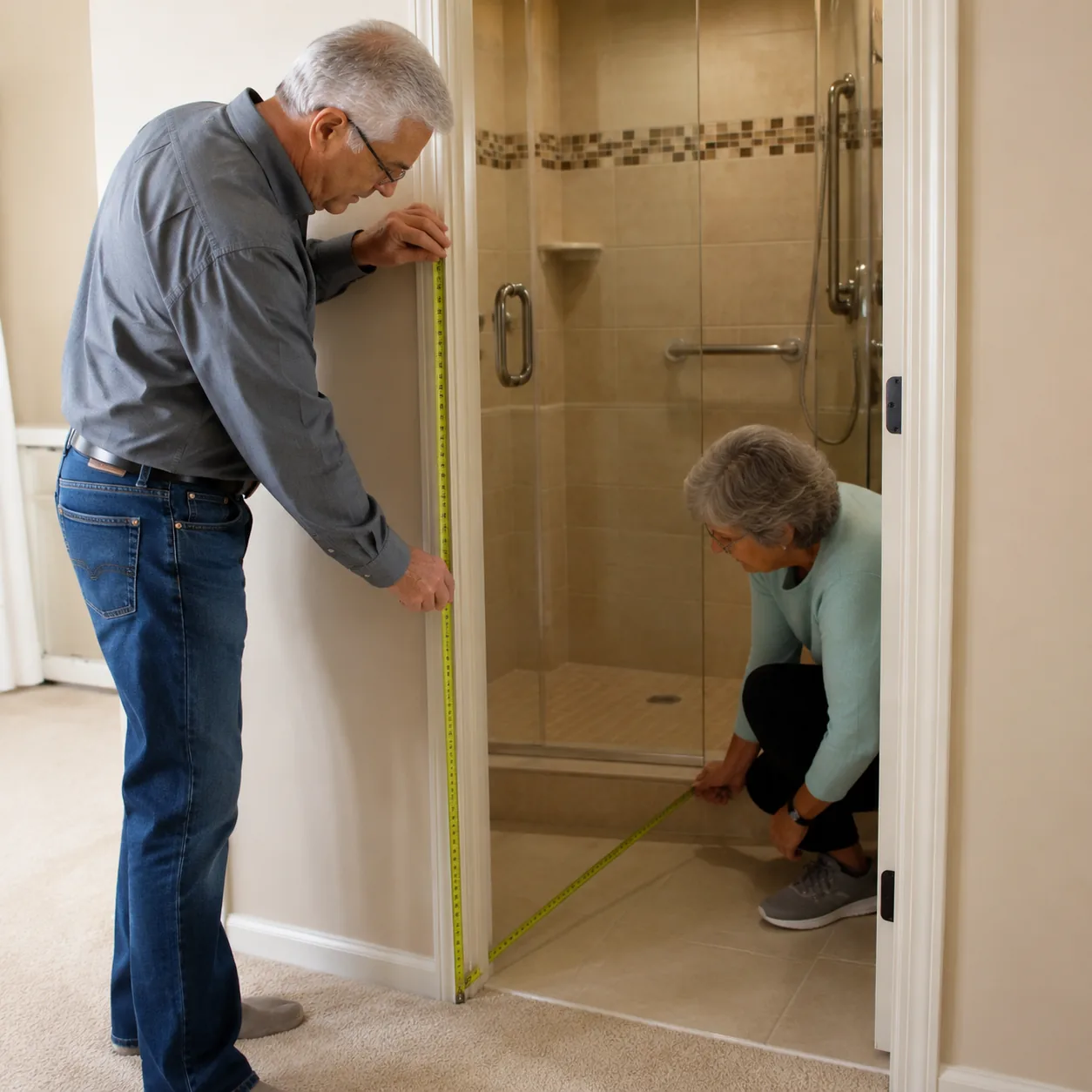
Many buyers assume a 55+ home is automatically aging-friendly.
That is not always true.
What to check: look at entry steps, shower thresholds, hall width, bathroom space, lighting, laundry placement, and garage access. A house that works today may feel limiting after one health change.
12. Drainage Looks Questionable

Drainage issues are easiest to miss on a sunny tour.
They can affect foundations, sidewalks, landscaping, pests, and insurance concerns.
What to check: visit after rain if possible. Look for standing water, stained walls, washed mulch, uneven pavers, and soggy lawns. Ask residents which areas flood first.
11. The Social Calendar Looks Full but Thin

A long calendar can still feel lonely.
Some activities repeat because the same small group keeps them alive.
What to check: ask how many people attend, which clubs are active, and whether newcomers feel welcome. A community’s social life should be more than a printed schedule.
10. Future Construction Is Brushed Off
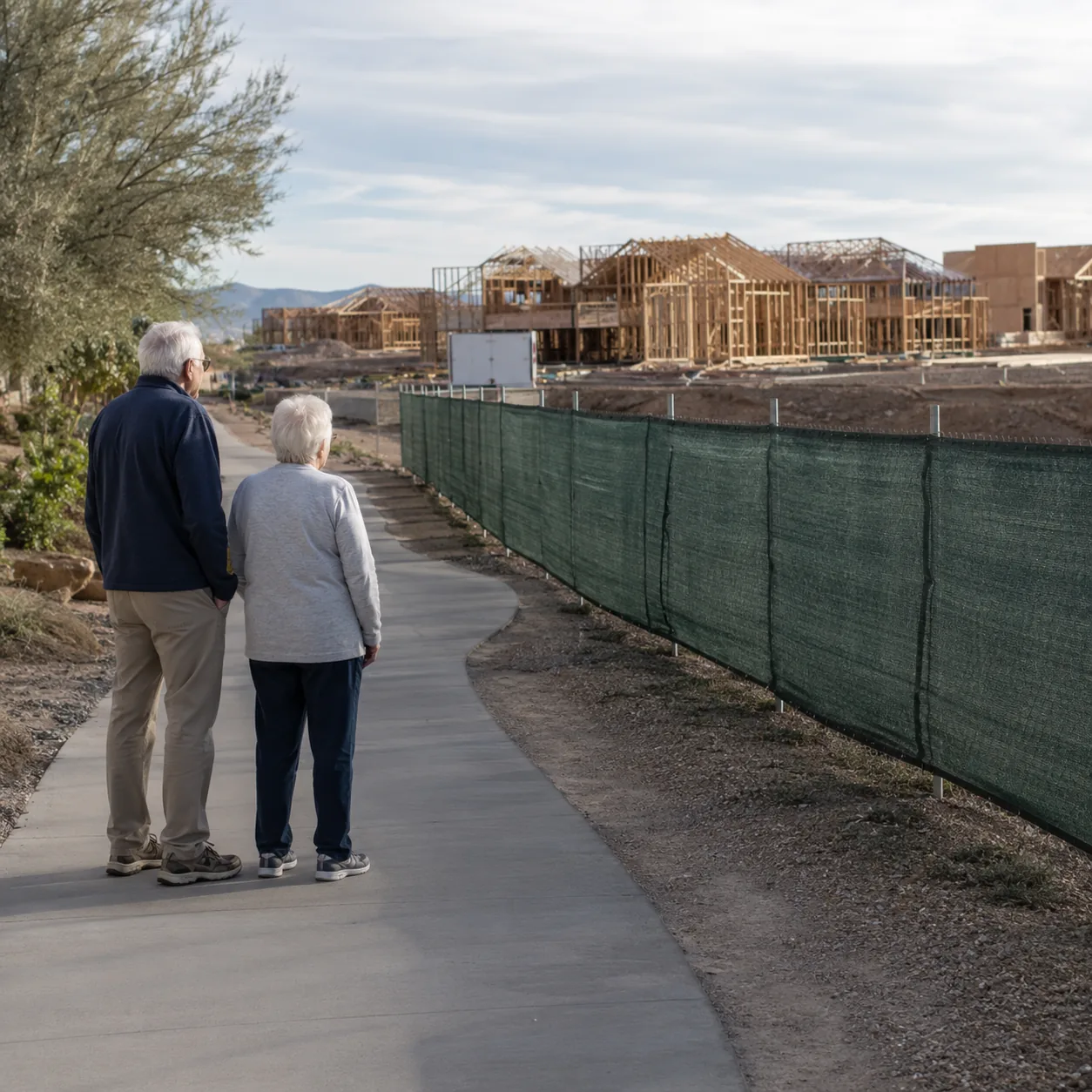
Future phases can bring noise, dust, traffic, and competition.
They can also change views and amenity crowding.
What to check: ask what is approved, what is only proposed, and how long construction may last. A quiet tour route may not stay quiet.
9. Management Responds Slowly Before You Buy

Pre-sale service is usually the community’s best behavior.
Slow replies now can be a preview of maintenance and rule questions later.
What to check: notice how quickly staff answer document requests, clarify fees, schedule follow-ups, and put promises in writing. Responsiveness is part of the product.
Read More: 35 Little Details That Make a 55+ Community Feel Different After the First Year
8. Caregiver Rules Are Unclear

People often plan for independence and forget temporary help.
Rules around caregivers, overnight support, access badges, and parking can matter later.
What to check: ask how the community handles family caregivers, hired aides, medical deliveries, and extended stays. The answer should be practical, not awkward.
7. Staff Turnover Feels Noticeable

People make the place run.
Frequent turnover can affect maintenance, communication, events, and resident trust.
What to check: ask residents how long managers, maintenance staff, activity coordinators, and security personnel usually stay. A stable team is not everything, but it helps problems get solved.
6. The Community Feels Quiet for the Wrong Reason

Quiet can be peaceful.
It can also signal low participation, seasonal emptiness, or residents who keep to themselves.
What to check: visit at different times and days. If the clubhouse, trails, and pool are always empty, ask whether that matches the lifestyle you want.
5. Move-In Rules Are More Complicated Than Expected

Move-in rules can affect timing, cost, and stress.
They matter more if you are coordinating movers, family help, or a long-distance sale.
What to check: ask about move-in hours, elevator reservations, truck parking, deposits, damage fees, gate access, and delivery limits. Small logistics can become a rough first week.
4. Everyone Says “Most People Don’t Mind”

That phrase can hide a real mismatch.
Maybe it is a train line, a fee, a rule, a smell, a hill, or a busy road.
What to check: translate “most people don’t mind” into “some people do.” Then decide which group you are in before the issue becomes yours.
Read More: 31 Assisted Living Costs Families Don’t See Until the First Bill
3. The Documents Arrive Too Late

Late documents create rushed decisions.
Rushed decisions create regrets.
What to check: ask for key papers early enough to read them calmly. If the community only shares important documents after commitment, the process is working against careful buyers.
2. Your Everyday Routine Does Not Fit

A community can be beautiful and still not match your week.
Errands, visitors, hobbies, pets, driving, storage, cooking, and quiet time all matter.
What to check: walk through an ordinary Tuesday, not a vacation version of retirement. If the routine feels forced, the glow may fade quickly.
1. The Tour Makes You Ignore Your Questions

The biggest red flag is not always visible.
It is the feeling that the presentation is moving faster than your doubts.
What to check: write down every unanswered question before you leave. A good fit should survive honest questions about money, rules, maintenance, health changes, and daily life.