

Retirement community tours are designed to show the easiest version of daily life.
Move-in is when the schedule, rules, noise, fees, and routines become real.
37. The Clubhouse Energy
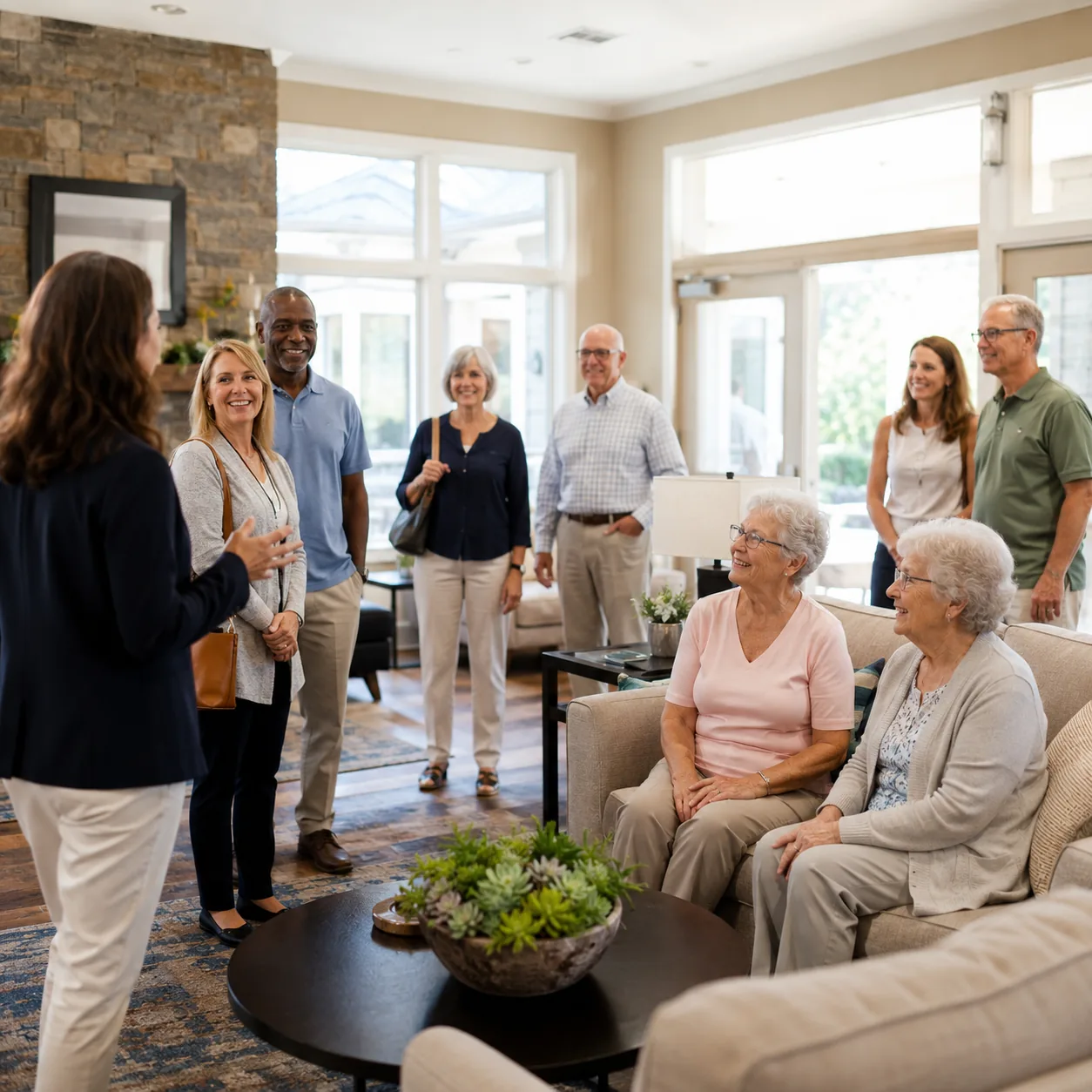
On tour day, the clubhouse often feels like the center of everything.
After move-in, it may depend on time of day, season, and whether your interests match the active groups.
What to check: visit during normal weekday hours and ask which events consistently fill the room. A beautiful clubhouse is only valuable if you actually use it.
36. The Resort-Style Pool

The pool always looks better when it is quiet, clean, and sunlit.
Living there means learning hours, guest limits, lap lanes, maintenance closures, and crowd patterns.
What to check: ask about peak times, shade, restroom access, winter heating, grandchildren rules, and closure history. The pool should fit your routine, not just the brochure.
35. The Model Home Storage

Model homes are edited to breathe.
Real life brings medical supplies, holiday bins, tools, hobby gear, paperwork, and guest bedding.
What to check: open every closet and measure the garage. If the model only works because almost nothing is inside it, downsizing may feel sharper after move-in.
34. The Quiet Streets

Tours often happen during the calmest hours.
Traffic, lawn crews, delivery trucks, pickleball noise, gate backups, and evening visitors may tell a different story.
What to check: visit early morning, late afternoon, and weekend hours. A quiet street should be quiet when you actually plan to live there.
33. The Maintenance-Free Promise

“Maintenance-free” sounds simple when someone else is trimming the entrance.
The details usually depend on roofs, patios, windows, irrigation, pest control, and private outdoor spaces.
What to check: ask for the maintenance responsibility chart. The promise feels different when you learn which repairs are still yours.
32. The Gated Entrance
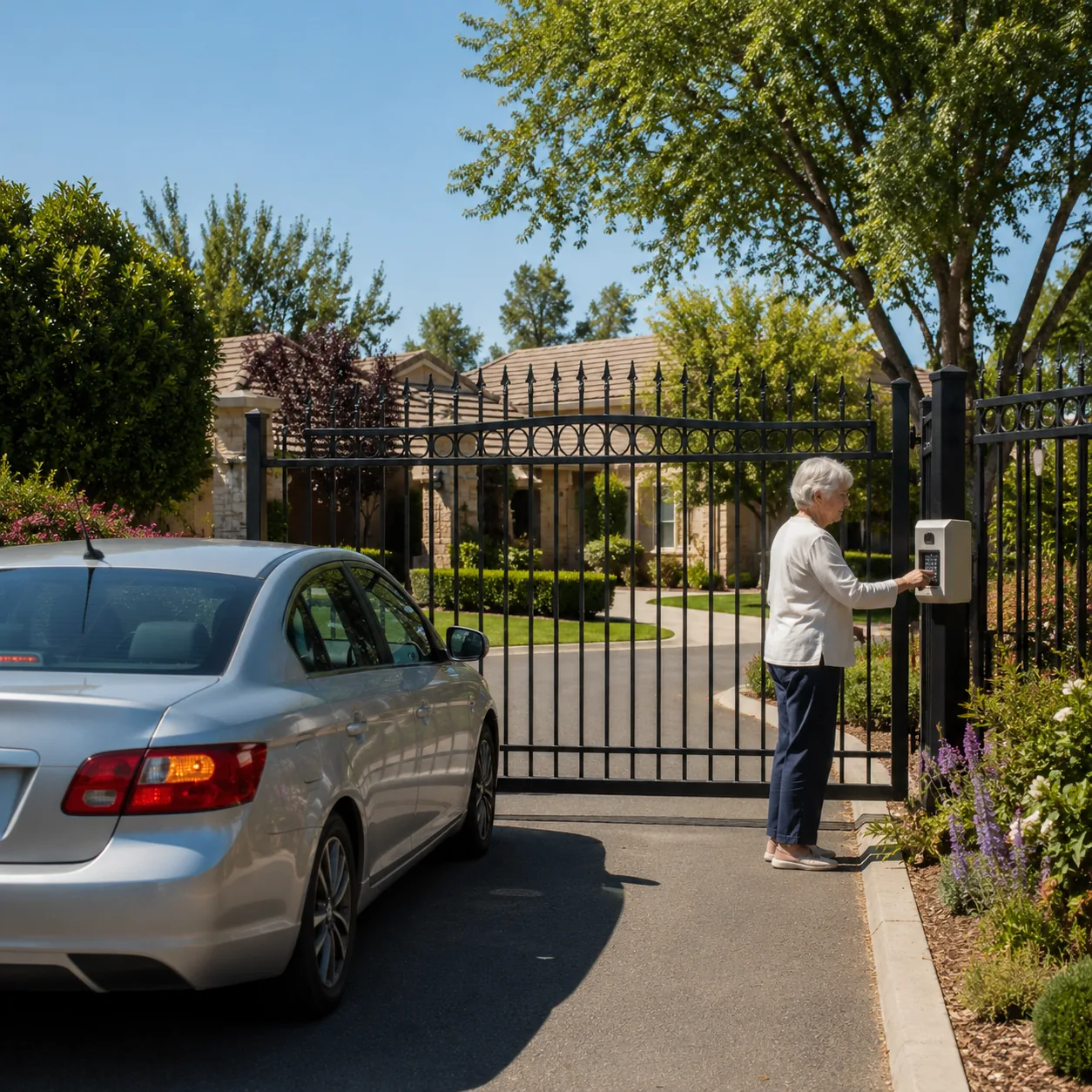
A gate can make a community feel orderly and secure.
After move-in, it can also mean visitor hassles, delivery confusion, repair delays, or backups.
What to check: ask how guests, caregivers, emergency services, rideshares, and contractors get in. A gate should solve more problems than it creates.
31. The Friendly Sales Welcome

Sales teams are often warm, organized, and quick to respond.
That does not always predict management after closing.
What to check: meet the people who handle maintenance, billing, rule questions, activities, and owner complaints. The daily team matters more than the tour team.
30. The Dining Room Sample

A sample meal can make community dining feel effortless.
Living there means dealing with menus, prices, minimums, reservations, hours, and crowding.
What to check: ask for typical menus, required spending, guest policies, and resident feedback. Dining should feel useful on ordinary nights, not only during a scheduled tour.
29. The Fitness Center

A fitness room can look impressive in a quick walkthrough.
The real test is equipment age, maintenance, class capacity, ventilation, and whether it suits your body.
What to check: ask about trainers, classes, busy hours, repair timelines, and accessibility. A room full of machines is not the same as a usable wellness routine.
28. The Shuttle or Transportation Pitch

Transportation sounds reassuring when someone mentions it casually.
After move-in, schedules, destinations, reservations, fees, and cancellation rules matter.
What to check: ask where the shuttle actually goes, how often, and whether medical appointments are supported. Transportation is only helpful if it matches your real errands.
27. The Activities Calendar
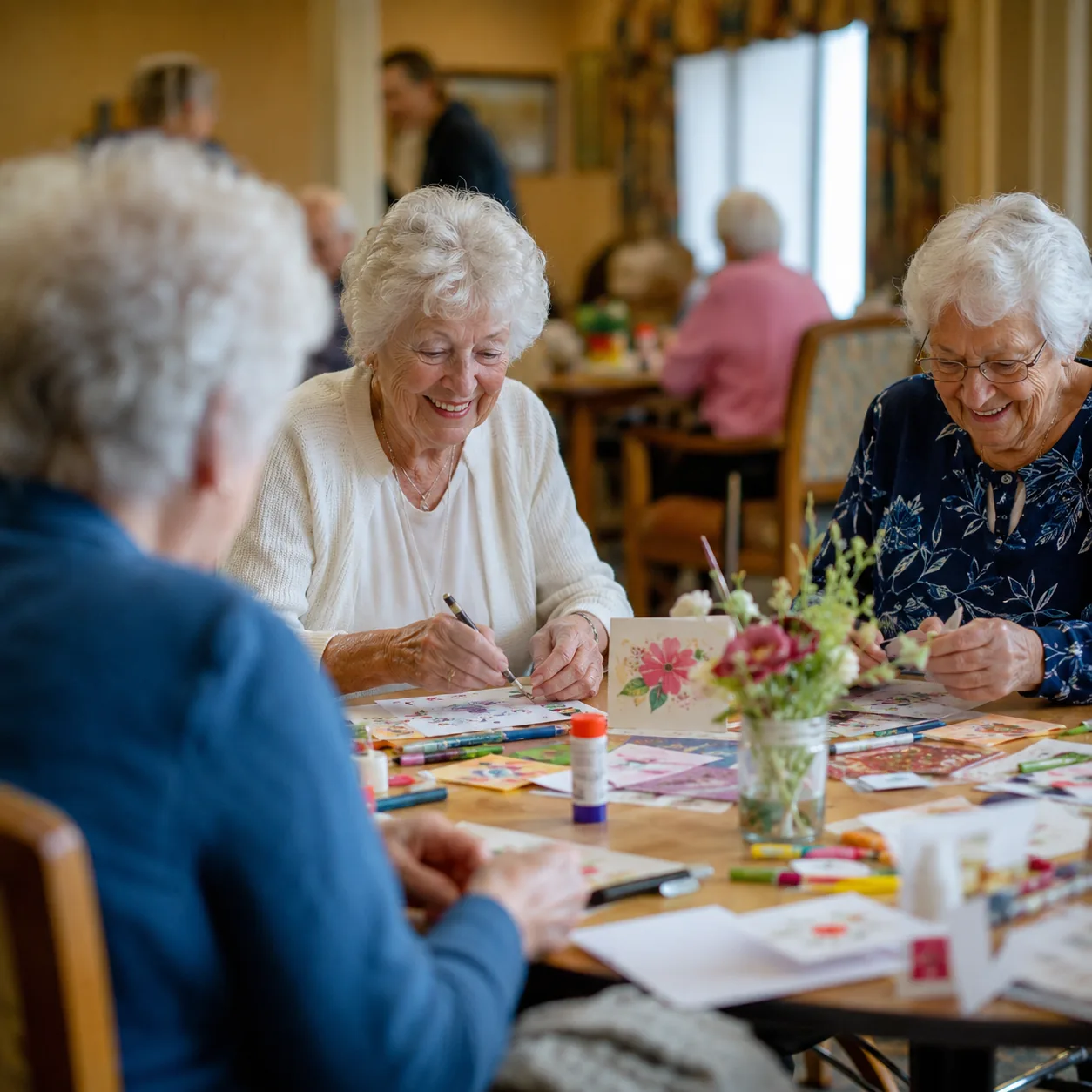
A packed calendar can look like guaranteed friendship.
Some events may be lightly attended, seasonal, repetitive, or run by the same few volunteers.
What to check: ask which clubs are active now, not just listed. Attend one event if possible before deciding the social life fits.
26. The Walking Trails

Walking paths look wonderful when the weather cooperates.
Daily use depends on shade, drainage, lighting, benches, pavement condition, traffic crossings, and pet rules.
What to check: walk the loop yourself. For more everyday details that appear after the first year, compare this with 35 Little Details That Make a 55+ Community Feel Different After the First Year.
25. The Golf Course View

A golf view can feel peaceful and premium.
After move-in, it may include maintenance noise, cart traffic, stray balls, irrigation, and membership expectations.
What to check: visit when play is active and ask about fees tied to the course. A view should be worth its carrying costs.
24. The Low Monthly Dues Pitch

Low dues sound great until you see what they exclude.
Some communities keep the headline number low by shifting costs to owners or delaying reserves.
What to check: ask what is not included and how dues changed over time. Low dues can feel less impressive when assessments or private maintenance appear.
23. The Guest Suite
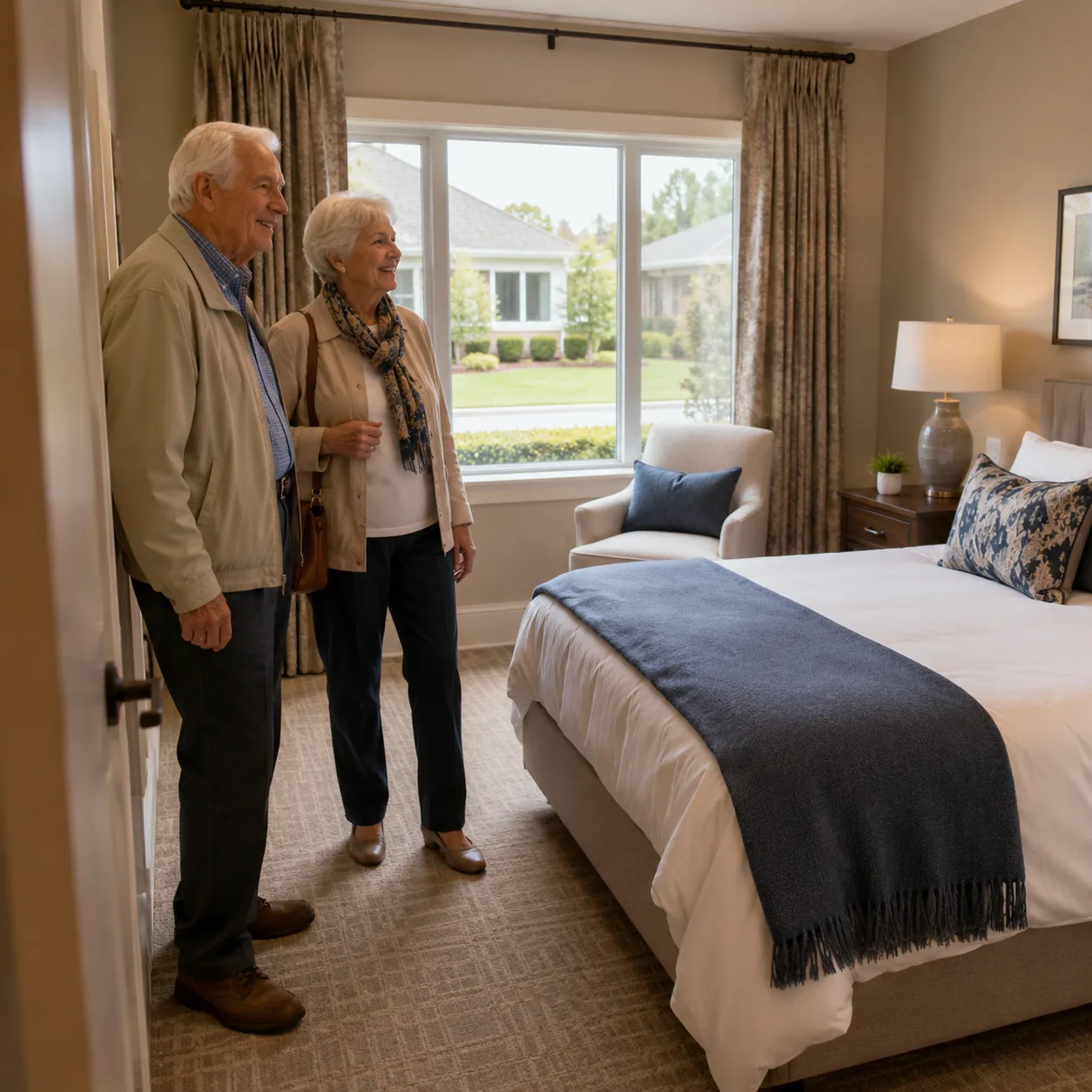
A guest suite can make family visits feel easy.
The catch may be availability, fees, length limits, blackout dates, or reservation priority.
What to check: ask how often suites are booked and how far ahead residents reserve them. A guest suite is not a spare bedroom if you cannot count on it.
22. The Furnished Bedrooms

Staged bedrooms use small furniture and almost no clutter.
Your actual bed, dresser, walker, nightstands, luggage, and linens may change the feel.
What to check: measure room dimensions and door swings. If the model bedroom only works with delicate furniture, your daily setup may feel tighter.
21. The Easy Parking Lot
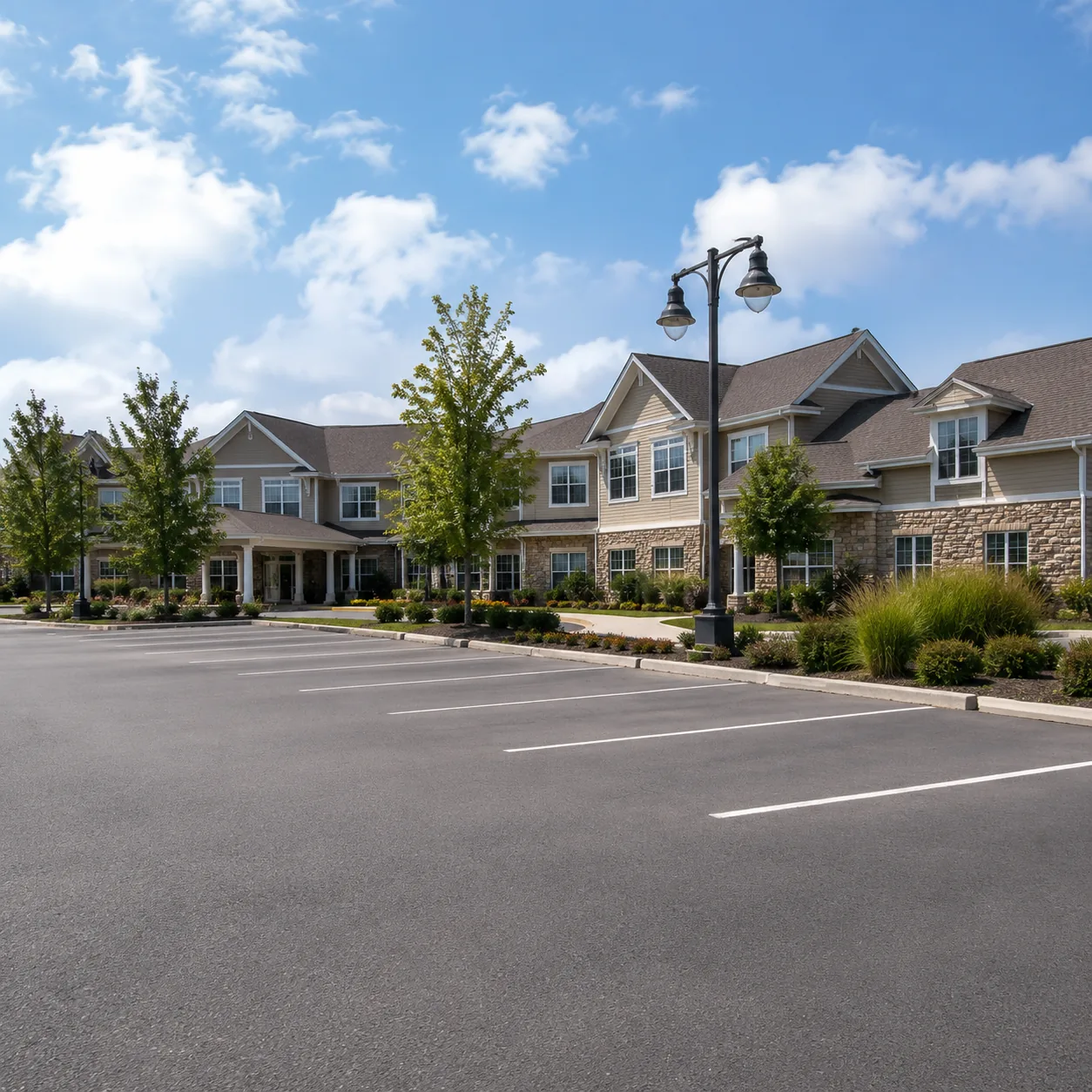
Parking looks easy when the lot is half empty.
Events, holidays, caregivers, deliveries, and evening visitors can change the picture.
What to check: visit during busy times and ask about guest passes, overnight rules, and overflow areas. Parking is a lifestyle issue disguised as a logistics detail.
20. The Dog Park

A dog park can be a selling point for pet owners.
After move-in, size, shade, drainage, cleaning, rules, and resident pet behavior matter more.
What to check: ask how complaints are handled and whether the area stays usable after rain. Pet amenities should make life easier, not create neighbor tension.
19. The Security Patrol
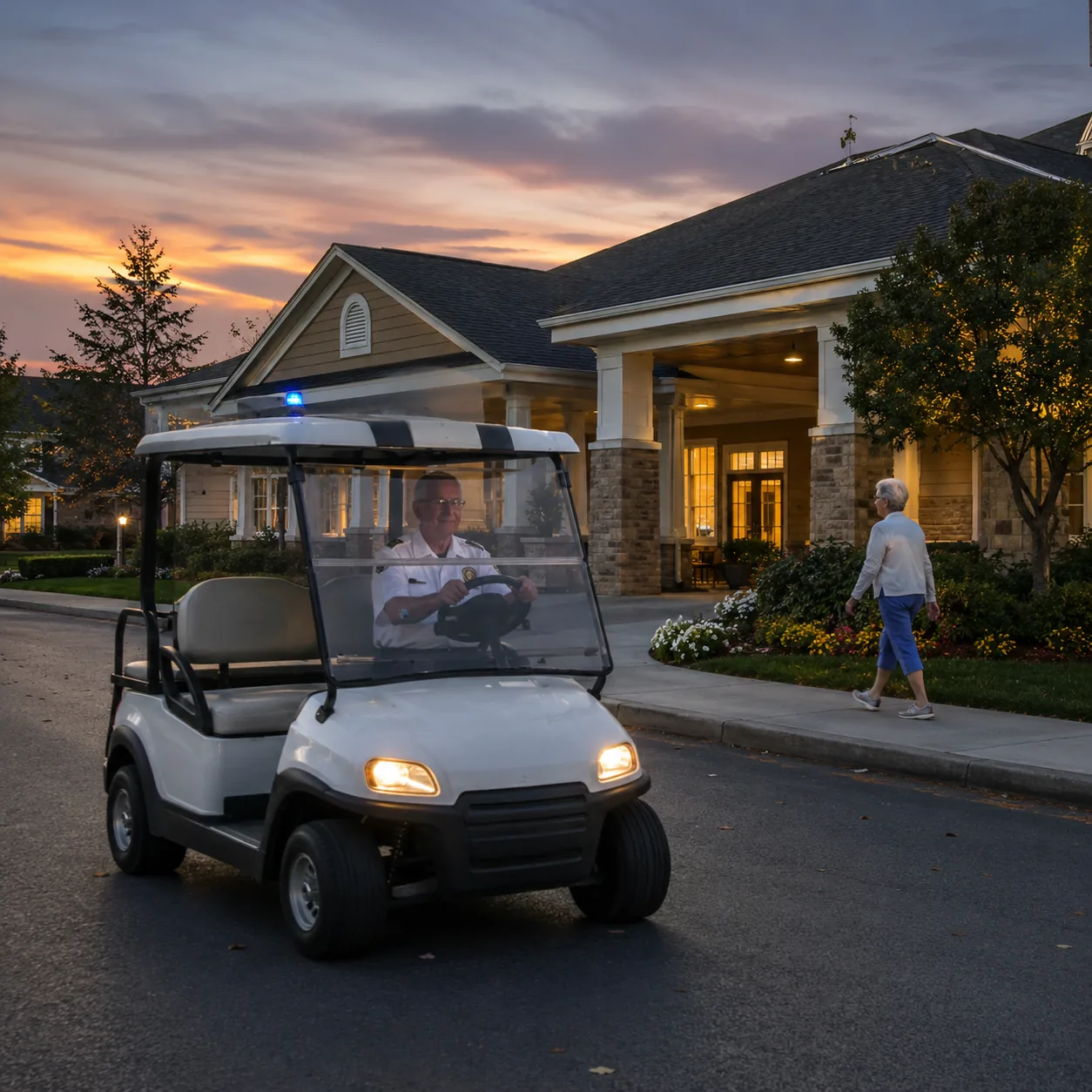
Security language can sound reassuring.
The details may be limited to patrol routes, gate monitoring, or after-hours calls.
What to check: ask what security actually does, when it operates, and how incidents are reported. A patrol is not the same as a personal safety guarantee.
18. The Medical Proximity Claim

“Close to healthcare” can mean different things.
The nearest clinic may not be your doctor, hospital, specialist, or pharmacy.
What to check: drive the routes you would actually use. For future care planning, this pairs naturally with 31 Assisted Living Costs Families Don’t See Until the First Bill.
17. The Instant Neighborliness

Friendly greetings during a tour can be sincere.
They still do not tell you how newcomers are included after the welcome period.
What to check: ask residents how long it took to feel settled and which groups helped. Real neighborliness shows up after move-in, not just during a visit.
16. The Upgraded Model Kitchen
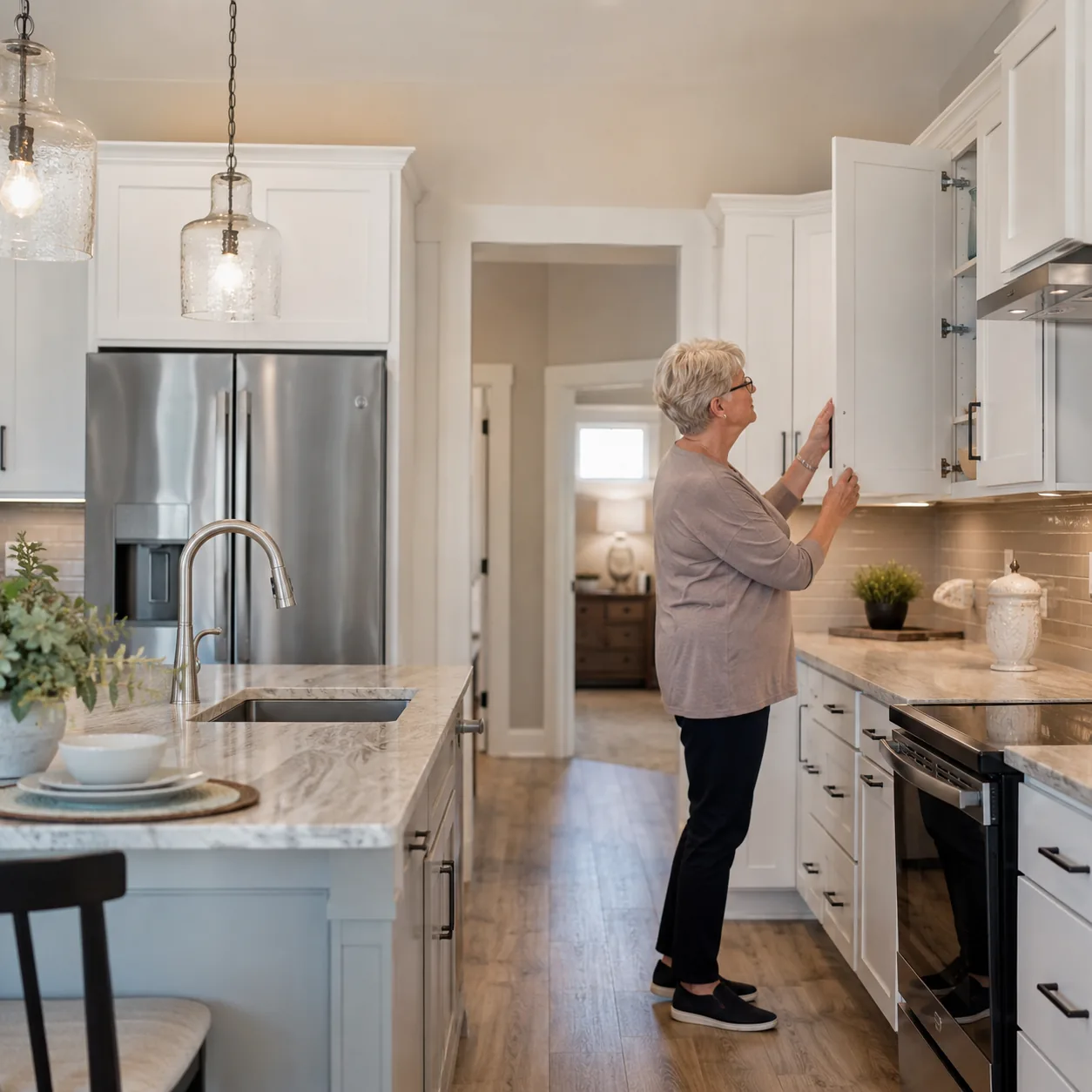
Model kitchens often carry upgrades, perfect lighting, and no daily mess.
Your resale or base model may feel different.
What to check: compare cabinet height, pantry size, appliance age, outlets, lighting, and walkway clearance. A beautiful kitchen should also work for groceries, cooking, and cleanup.
15. The Sound Level

Tours rarely reveal the real sound profile.
Shared walls, thin windows, nearby roads, club courts, lawn crews, and mechanical systems can appear later.
What to check: stand quietly inside bedrooms, patios, and living rooms. Visit when neighbors are home. Sound is easier to judge before furniture and hope soften it.
Read More: 33 Red Flags to Spot Before Moving Into a Retirement Community
14. The Sunlight and Heat
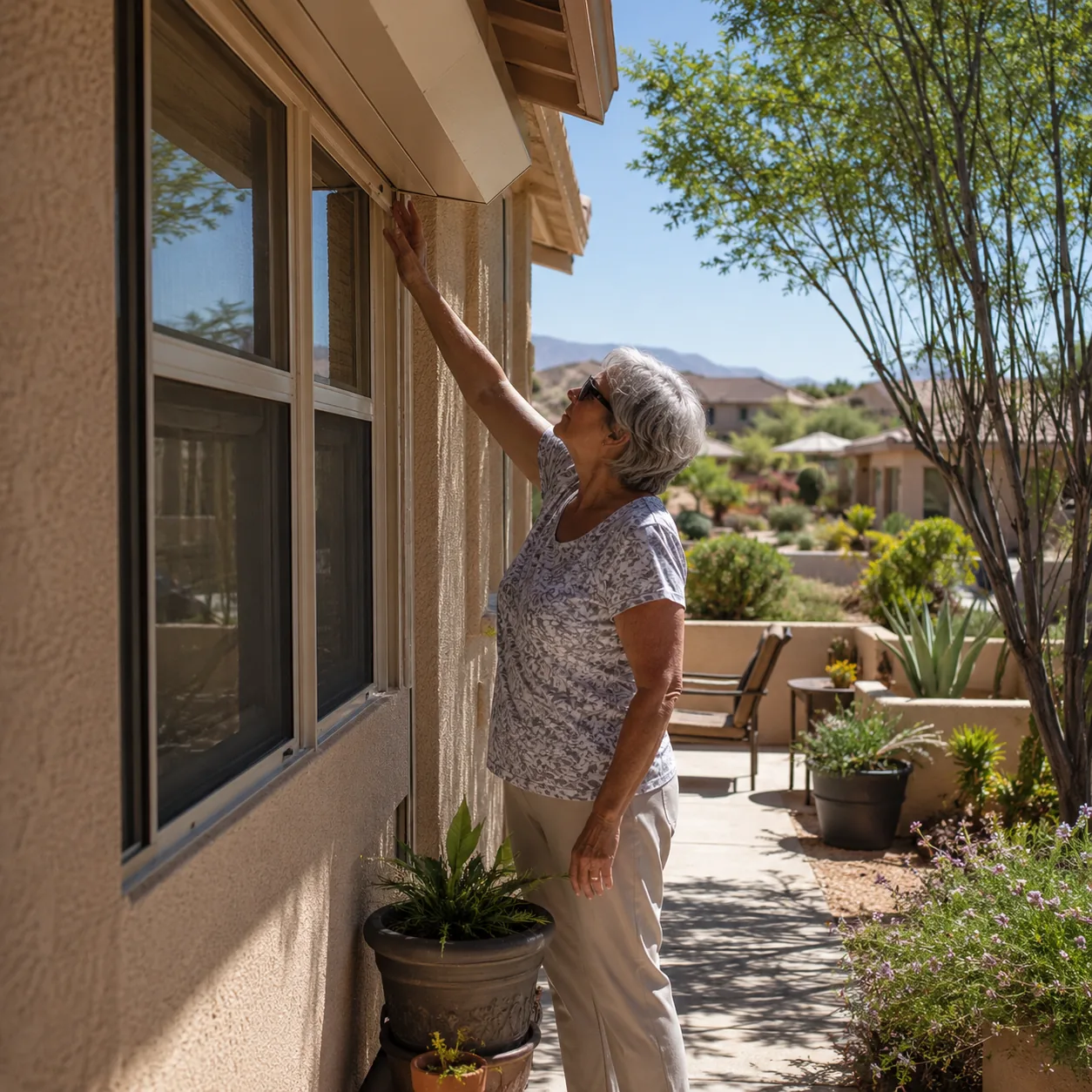
Light can make a home sparkle during a showing.
After move-in, the same exposure may bring glare, heat, fading furniture, or uncomfortable patios.
What to check: ask about afternoon sun, window coverings, cooling costs, and shade rules. Pretty natural light should not make rooms hard to use.
13. The Simple Rule Summary

Tour summaries usually make rules sound reasonable.
The full documents decide how flexible daily life actually is.
What to check: read the long version before relying on the short version. This is where 35 HOA Rules Retirees Regret Ignoring Before They Bought can help frame the questions.
12. The Board’s Responsiveness

A tour may make management feel accessible.
Owners learn the truth through maintenance requests, rule questions, billing issues, and meeting follow-ups.
What to check: ask residents how long requests take and whether answers are documented. Responsiveness after closing matters more than hospitality before signing.
11. The Outdoor Seating Areas

Patios, fire pits, and benches look inviting in mild weather.
Daily use depends on shade, insects, wind, distance, lighting, and whether people actually gather there.
What to check: visit at different times and seasons if possible. Outdoor amenities should be comfortable, not just photogenic.
10. The Social Clubs

Club names can sound like a built-in social life.
Participation, leadership, and newcomer friendliness decide whether they feel welcoming.
What to check: ask how many members attend, whether clubs are accepting new people, and who organizes them. A list of clubs is not the same as belonging.
Read More: 31 Retirement Communities With Resale Problems Buyers Don’t Notice on Tour Day
9. The Landscaping Privacy
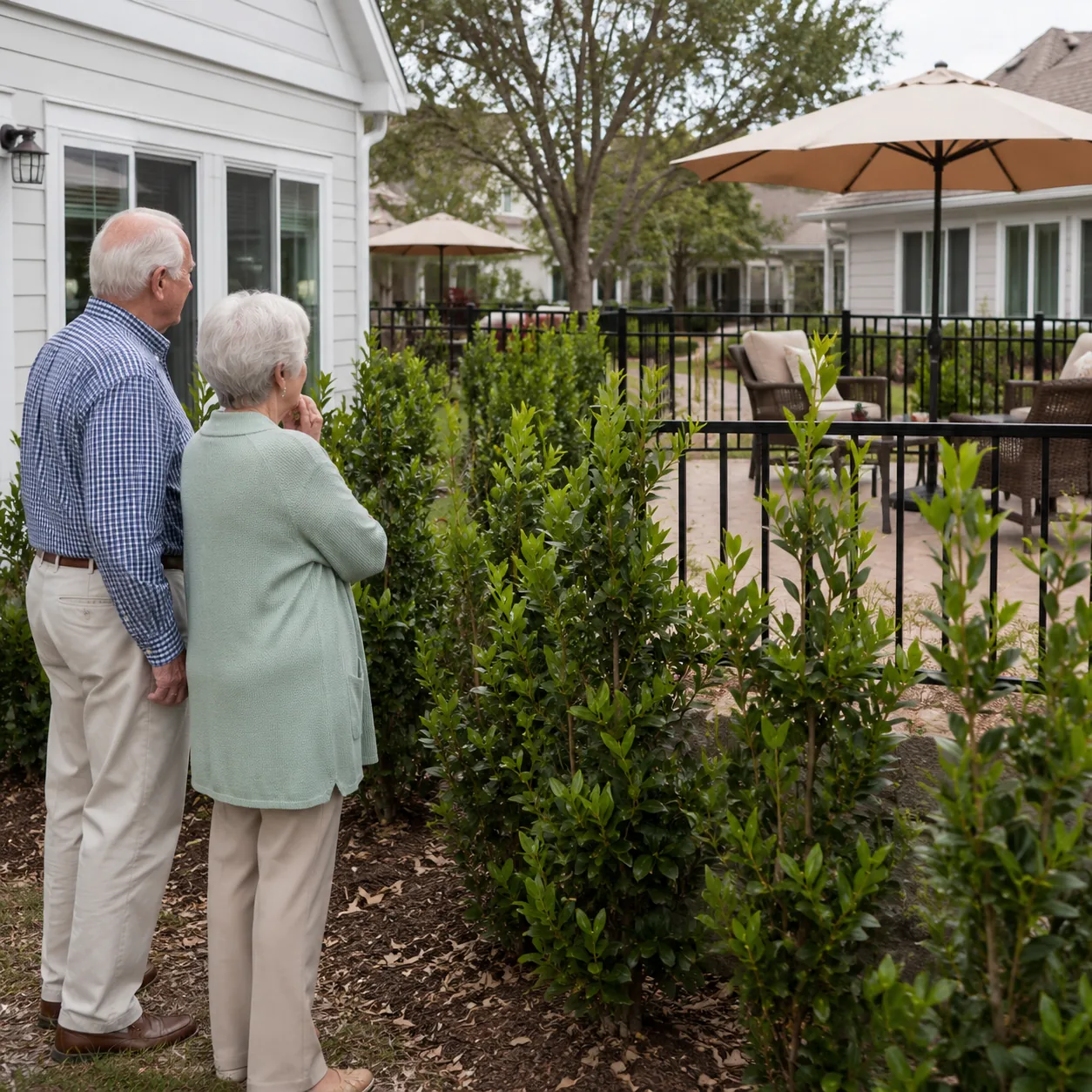
Fresh landscaping can suggest privacy that is not fully grown.
Rules may also limit screens, hedges, fences, or trellises.
What to check: sit on the patio and look toward neighbors, paths, and roads. If privacy depends on future growth or approval, treat it as uncertain.
8. The Construction Timeline
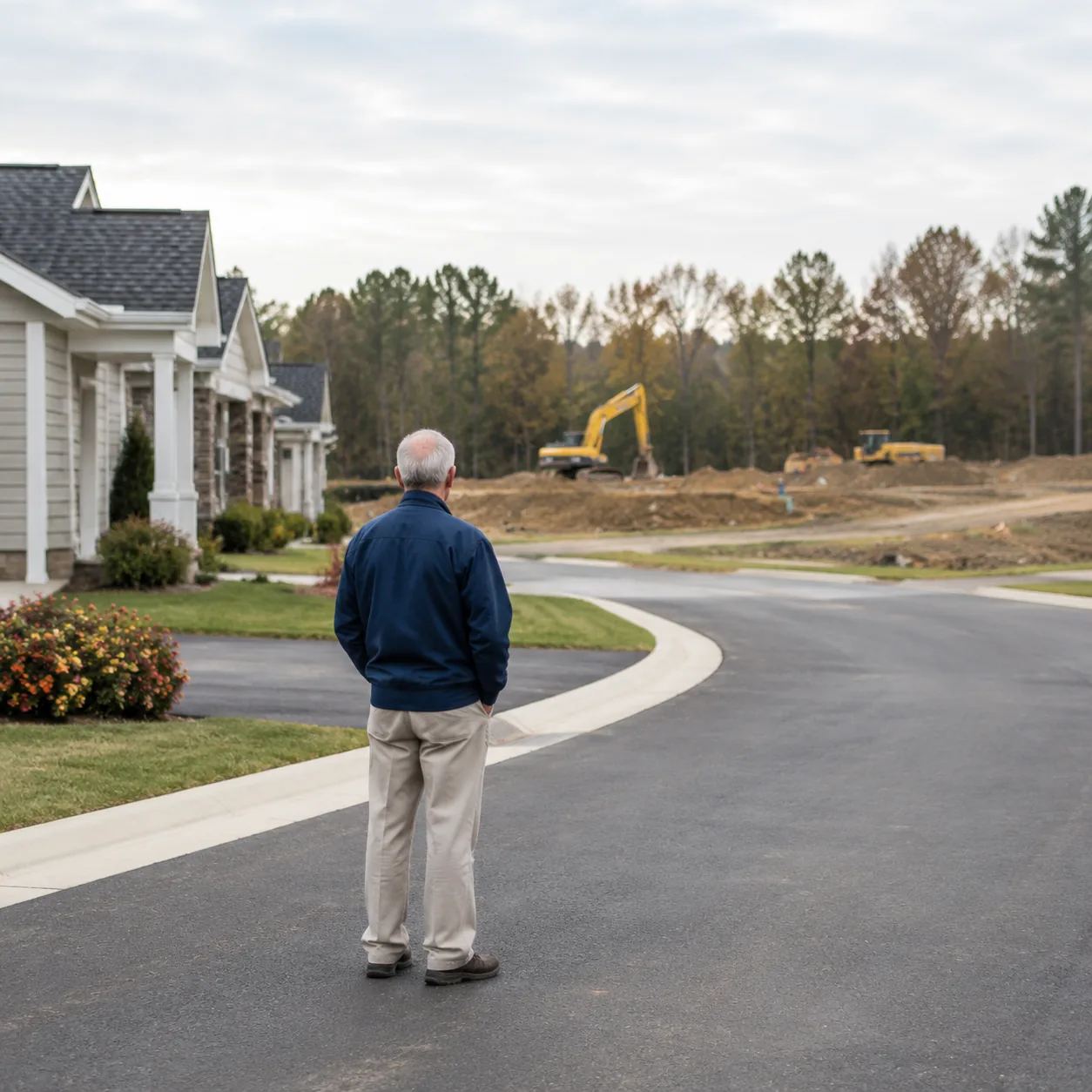
New phases can make a community feel active and fresh.
They can also bring dust, trucks, noise, changing views, and competing new inventory.
What to check: ask for the buildout timeline and what amenities depend on future phases. A growing community is not the same as a finished one.
7. The Community Events
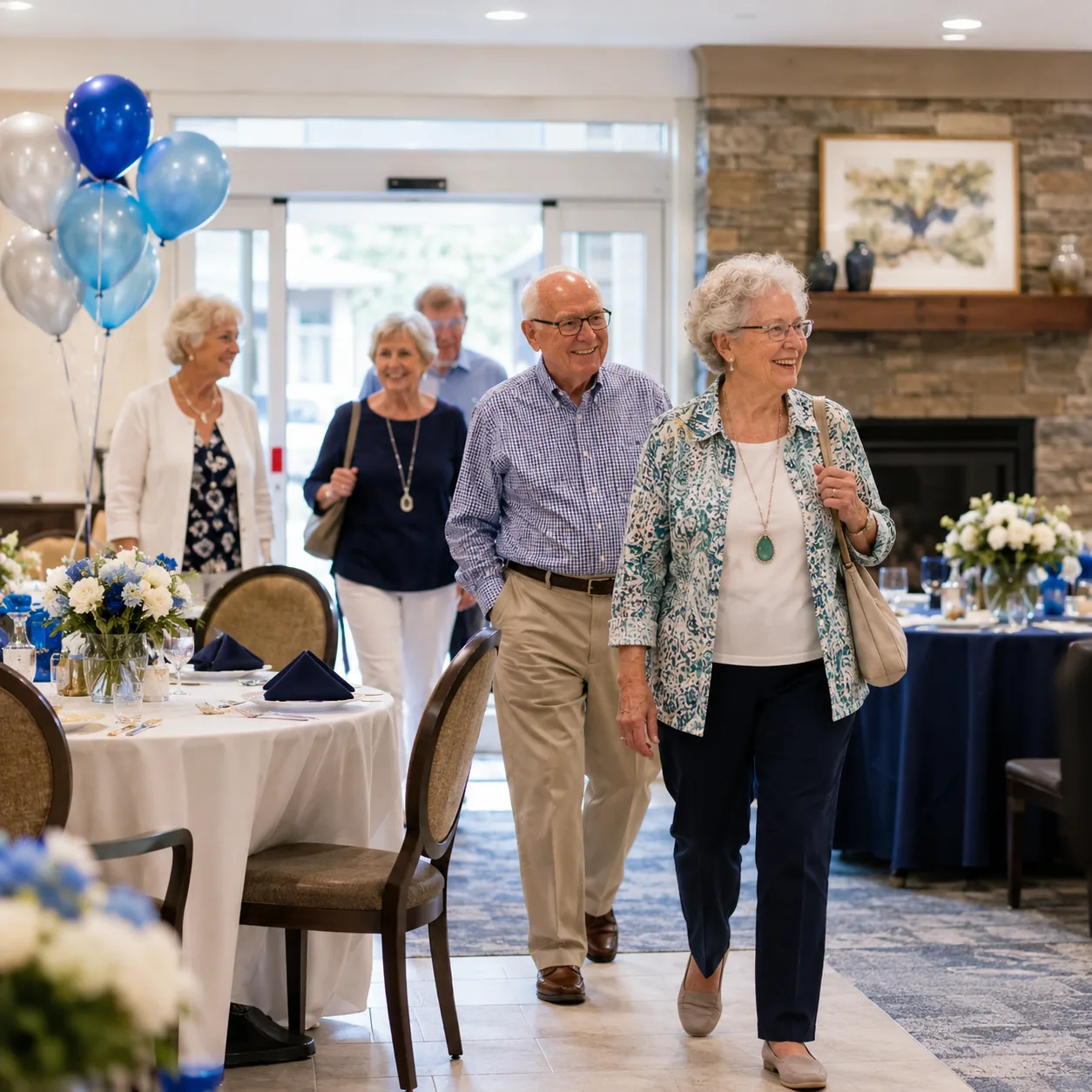
Special events create a strong tour impression.
The question is whether ordinary weeks feel connected too.
What to check: ask what happens between big events and whether residents attend without being recruited. A few polished gatherings cannot carry the whole lifestyle.
6. The Maintenance Request System

Maintenance sounds easy when someone says “just submit a request.”
The lived experience depends on tracking, response times, responsibility boundaries, and follow-through.
What to check: ask residents about recent repairs. If people describe repeated calls or unclear ownership, the system may feel different after move-in.
5. The Package and Mail Setup

Mail stations and package rooms look efficient during a tour.
They can become annoying if they are far away, crowded, unsecured, or hard to access.
What to check: ask how packages, medication deliveries, meal kits, and oversized items are handled. The detail matters more as online ordering becomes routine.
Read More: 31 Signs a Retirement Town Is Harder to Leave Than to Move Into
4. The Resale Office Optimism
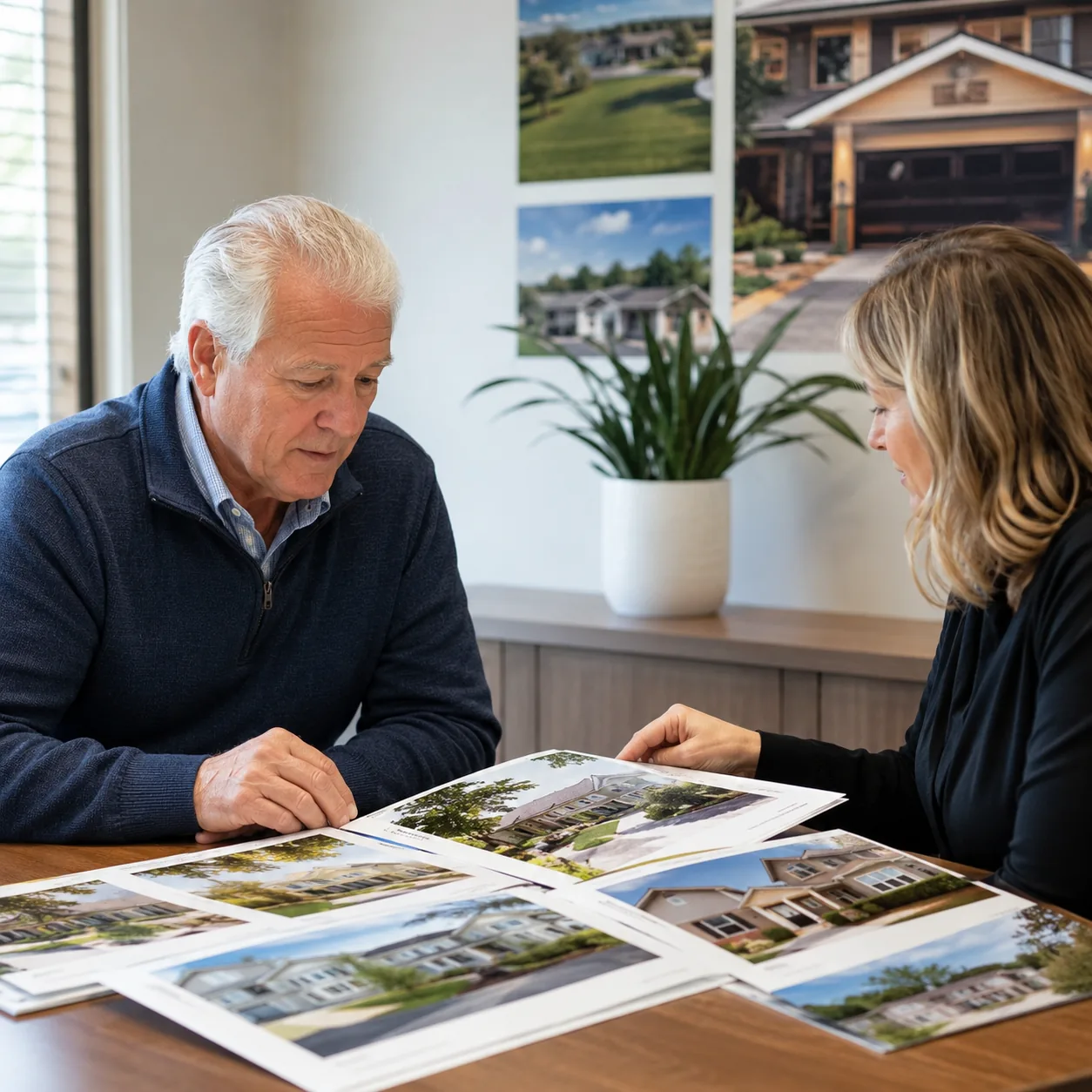
Resale conversations can sound easy when the community is selling confidence.
Real market data may be more mixed.
What to check: compare days on market, price reductions, buyer concessions, and active competition. A tour can sell the lifestyle, but buyers later judge the numbers.
3. The Rule Enforcement Tone

Rules may sound simple until you see how they are enforced.
Some communities are gentle and consistent. Others feel picky or uneven.
What to check: ask residents what happens after a violation notice. The tone of enforcement shapes whether rules feel protective or exhausting.
2. The First-Year Learning Curve

Tours compress everything into a clean story.
The first year spreads it into bills, forms, introductions, repairs, routines, and small surprises.
What to check: ask what residents wish they had known before move-in. Their answers often reveal the difference between a good tour and a good fit.
1. Your Actual Tuesday

The tour shows the highlight reel.
Your life happens on ordinary Tuesdays.
What to check: imagine errands, meals, visitors, hobbies, quiet time, chores, medical appointments, and evenings at home. A community is right only if the normal day feels livable after the polish fades.