

Some retirement towns make arrival feel effortless.
The real test is whether leaving later would still be practical.
31. Homes Sit Longer Than Listings Admit

A town can look desirable online while certain homes quietly linger.
Exit check: compare sold dates, price cuts, withdrawn listings, and days on market, not just active photos.
If many homes need repeated reductions, leaving may require patience or a lower price than expected. The easy move-in incentive may hide a slower move-out market.
30. Most Buyers Come From One Demographic

Resale gets harder when the future buyer pool is narrow.
Exit check: ask who typically buys there, how old they are, whether families can buy, and whether investors are limited.
Age-restricted communities can be wonderful, but they naturally reduce the audience. A smaller audience is not a dealbreaker; it is a risk to price into the move.
29. HOA Fees Rise Faster Than Local Wages

Monthly fees can become a resale problem when buyers cannot predict where they are going.
Exit check: review five years of fee history, upcoming projects, insurance changes, and reserve funding.
If increases are frequent and explanations are vague, future buyers may hesitate. The fee that feels manageable today can make your home harder to sell later.
28. Insurance Quotes Are Getting Harder

Insurance trouble can trap owners even when they want to sell.
Exit check: get current quotes before buying and ask local agents about availability, deductibles, roofs, flood zones, wildfire risk, and carrier pullbacks.
If buyers struggle to insure the property, your resale pool shrinks. The monthly payment is only real if insurance remains obtainable.
27. Healthcare Requires Long Drives

A pretty town feels different when specialist care is an hour away.
Exit check: map hospitals, primary care, specialists, rehab, pharmacies, urgent care, and winter driving routes.
Healthcare access affects both daily life and resale. Future buyers may love the scenery but hesitate if routine appointments require a car, stamina, and backup plans.
26. The Town Depends on One Industry

Retirement towns can lean heavily on tourism, one employer, seasonal visitors, or one large development.
Exit check: ask what supports the local economy when tourists leave or construction slows.
If restaurants, services, and home values depend on one engine, leaving later may be harder during a downturn. A charming town still needs durable demand.
25. Public Transit Is Almost Nonexistent

Driving may feel fine at 65 and feel different at 80.
Exit check: look for bus routes, senior shuttles, paratransit, rideshare availability, sidewalks, and safe crossings.
A town built entirely around cars can become hard to leave because daily independence fades gradually. Buyers should test life without driving before assuming it will work.
24. Family Visits Require Complicated Travel

Family distance is not just miles; it is connections, costs, and travel energy.
Exit check: price flights, rental cars, holiday fares, driving time, and winter delays from the people most likely to visit or help.
If visits are hard, support may thin out. Leaving later can also mean selling, packing, and relocating without nearby family backup.
23. Local Contractors Are Booked for Months

A small town can have too few tradespeople for all the retirees who need repairs.
Exit check: call plumbers, electricians, roofers, HVAC companies, and handymen before buying.
If basic work has a long wait, aging in place becomes harder. Selling later may also require repairs you cannot schedule quickly.
Ask neighbors who they use and how long they usually wait. Local capacity matters more than a national search result.
22. The Best Amenities Require Memberships

Amenities can make a town look active while hiding the real cost of belonging.
Exit check: ask which pools, clubs, golf courses, fitness rooms, and social events require extra dues.
If the lifestyle depends on paid access, compare it with 35 Little Details That Make a 55+ Community Feel Different After the First Year before assuming the brochure version is the everyday version.
21. Rental Rules Limit Flexibility

Some owners plan to rent temporarily if they need to relocate, test another city, or help family.
Exit check: read minimum lease lengths, rental caps, waiting lists, tenant approvals, and short-term rental bans.
Strict rules can protect a neighborhood, but they also reduce options if you need time before selling. Flexibility matters most when plans change.
20. Resale Fees Surprise Buyers

Transfer fees, document fees, capital contributions, and resale packages can spook buyers late in the process.
Exit check: ask for the full resale fee schedule before buying, including what the next buyer must pay.
If fees are high, ask whether sellers commonly offer credits or price reductions to offset them. That cost can come back at negotiation time.
Read More: 31 Retirement Communities With Resale Problems Buyers Don’t Notice on Tour Day
19. The Town Has Seasonal Swings

Some places feel peaceful in May and crowded in February, or lively in summer and empty in winter.
Exit check: visit during peak season, off-season, bad weather, and ordinary weekdays.
Seasonality affects traffic, restaurants, medical appointments, and buyer demand. You want to know which version of the town you are actually buying.
18. Internet and Cell Service Are Weak

Connectivity is not a luxury when telehealth, banking, family calls, and emergency alerts depend on it.
Exit check: test cell service inside the home, ask neighbors about outages, and confirm internet options beyond the sales listing.
Do the test at busy times, not only during a quiet tour. Weak service becomes more serious when family, doctors, and banking are online.
Read More: 33 Red Flags to Spot Before Moving Into a Retirement Community
17. Taxes Are Hard to Predict

Low taxes today do not always mean low taxes later.
Exit check: ask about reassessment after purchase, exemptions, school bonds, special districts, and local budget pressure.
If the tax bill jumps for new owners, resale can be harder. Buyers may discount the home once they learn their bill will not match the seller’s old one.
16. The Housing Stock Is Too Similar

When every home looks alike, buyers compare mainly on price, updates, and fees.
Exit check: look at how many similar floor plans are for sale and how much discounts move them.
A common floor plan is not bad, but it means you may compete directly with neighbors when selling. Small condition issues become more obvious.
15. Medical Transport Is Limited

Ambulance service is not the same as routine medical transportation.
Exit check: ask about non-emergency medical rides, wheelchair vans, dialysis transport, rehab trips, and weekend availability.
If support is limited, the town may work only while both partners drive. That can make leaving harder after health changes, when moving is already more complicated.
14. Social Life Runs Through Cliques

A packed calendar does not guarantee an easy social landing.
Exit check: visit events without a salesperson, ask newer residents about belonging, and notice whether groups feel welcoming.
If social life is closed off, people may stay because moving again feels embarrassing or exhausting. Community fit should be tested like any other feature.
13. Rules Make Updates Expensive

The right rules can protect values, but strict update rules can make selling slower.
Exit check: review approved materials, contractor requirements, exterior schedules, landscaping rules, and architectural review timelines.
Retirees should compare these limits with 35 HOA Rules Retirees Regret Ignoring Before They Bought before assuming every upgrade will be simple.
12. The Nearest Airport Is a Chore

Airport access matters for family visits, medical trips, and moving again.
Exit check: time the drive at rush hour, check parking, count direct flights, and price holiday travel.
A beautiful remote town can become isolating when every trip begins with a long drive. Leaving later may require more logistics than expected.
11. Downsizing Options Are Scarce

Some towns have plenty of single-family homes but few next-step options.
Exit check: look for apartments, condos, assisted living, continuing care, and smaller rentals before you need them.
If the next move is out of town by default, leaving becomes more disruptive. A good retirement town should offer more than one version of later life.
10. Climate Risk Is Normalized

Locals may talk about heat, hurricanes, smoke, floods, or fires as routine.
Exit check: ask insurers, emergency managers, and longtime residents about evacuation, repairs, roof rules, and utility outages.
The issue is not whether a place has risk. It is whether you can handle the preparation, disruption, and recovery as you age.
Read More: 33 Condo Rules Downsizers Wish They Read Before Closing
9. Everyday Services Close Early

Quiet can be lovely until the pharmacy, urgent care, or repair desk closes when you need it.
Exit check: check evening, weekend, and holiday hours for services you rely on.
This matters more with age. A town that works only during banker hours may be harder to manage after a health change or loss of driving confidence.
8. The Community Has Deferred Maintenance
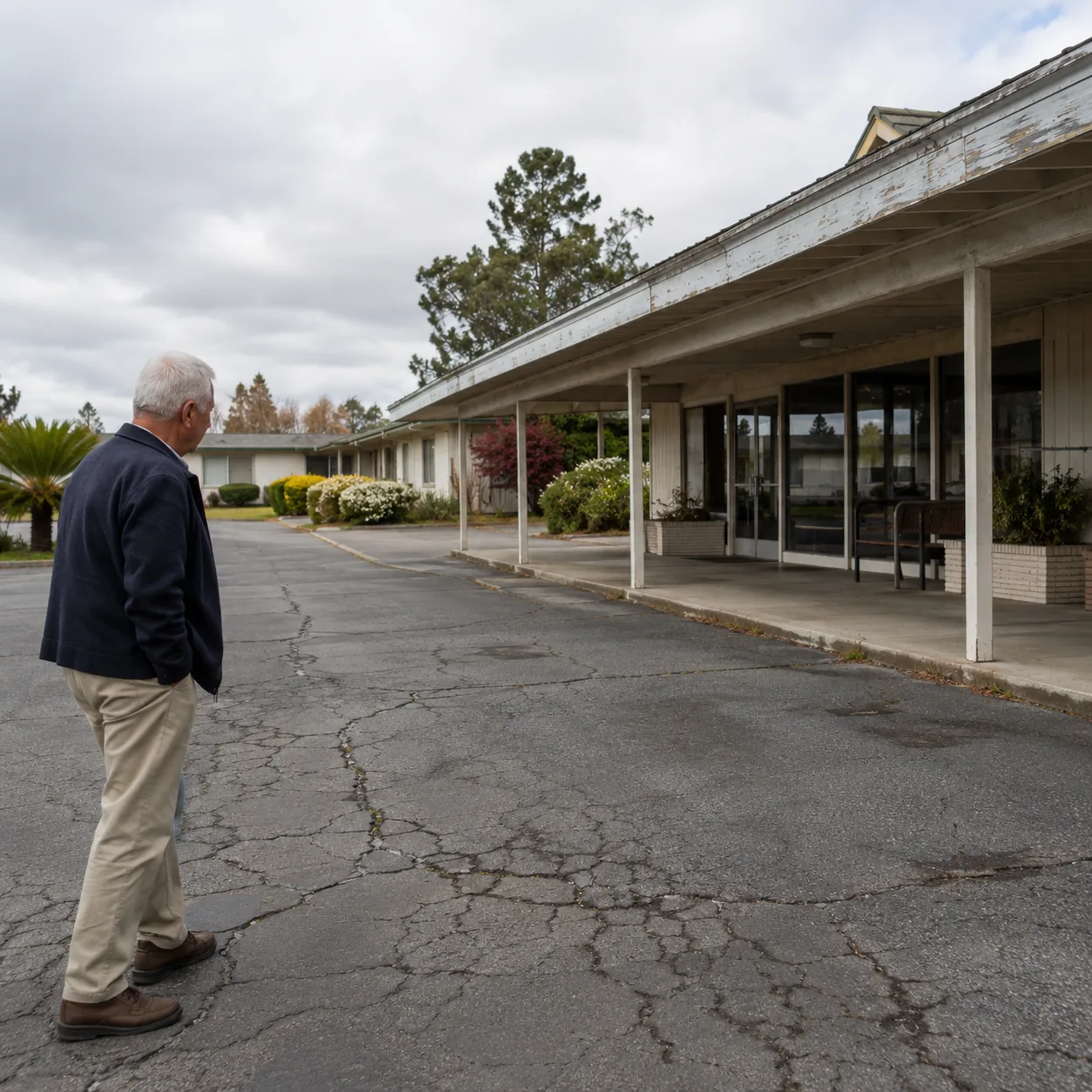
Fresh landscaping can distract from aging roofs, roads, pools, elevators, and drainage.
Exit check: read reserve studies, meeting minutes, inspection notes, and capital project plans.
If maintenance has been postponed, owners may face assessments or reduced buyer confidence later. The prettiest entrance sign does not pay for the next big repair.
7. Local Prices Depend on New Arrivals

Some towns feel strong because new retirees keep arriving with home-sale money from expensive states.
Exit check: ask what happens when migration slows, interest rates rise, or new construction undercuts older homes.
When a market depends on constant arrivals, sellers can feel stuck if the flow slows. Demand should be durable, not just trendy.
6. Moving Help Is Hard to Find

Leaving later requires movers, estate help, cleaners, repair people, and sometimes senior move managers.
Exit check: call those services before buying and ask about wait times, minimums, and travel fees.
People often plan the first move carefully and assume the next one will work itself out. It rarely does.
Having two realistic mover names in your notes is better than hoping availability appears later.
5. Adult Children Are Too Far to Help

Distance feels manageable when everyone is healthy.
Exit check: ask who could come within 24 hours, who could help pack, and who could stay during a medical issue.
Family distance is personal, but logistics are practical. If help would require flights and time off work, leaving later may be much harder.
4. Local Buyers Prefer Newer Homes
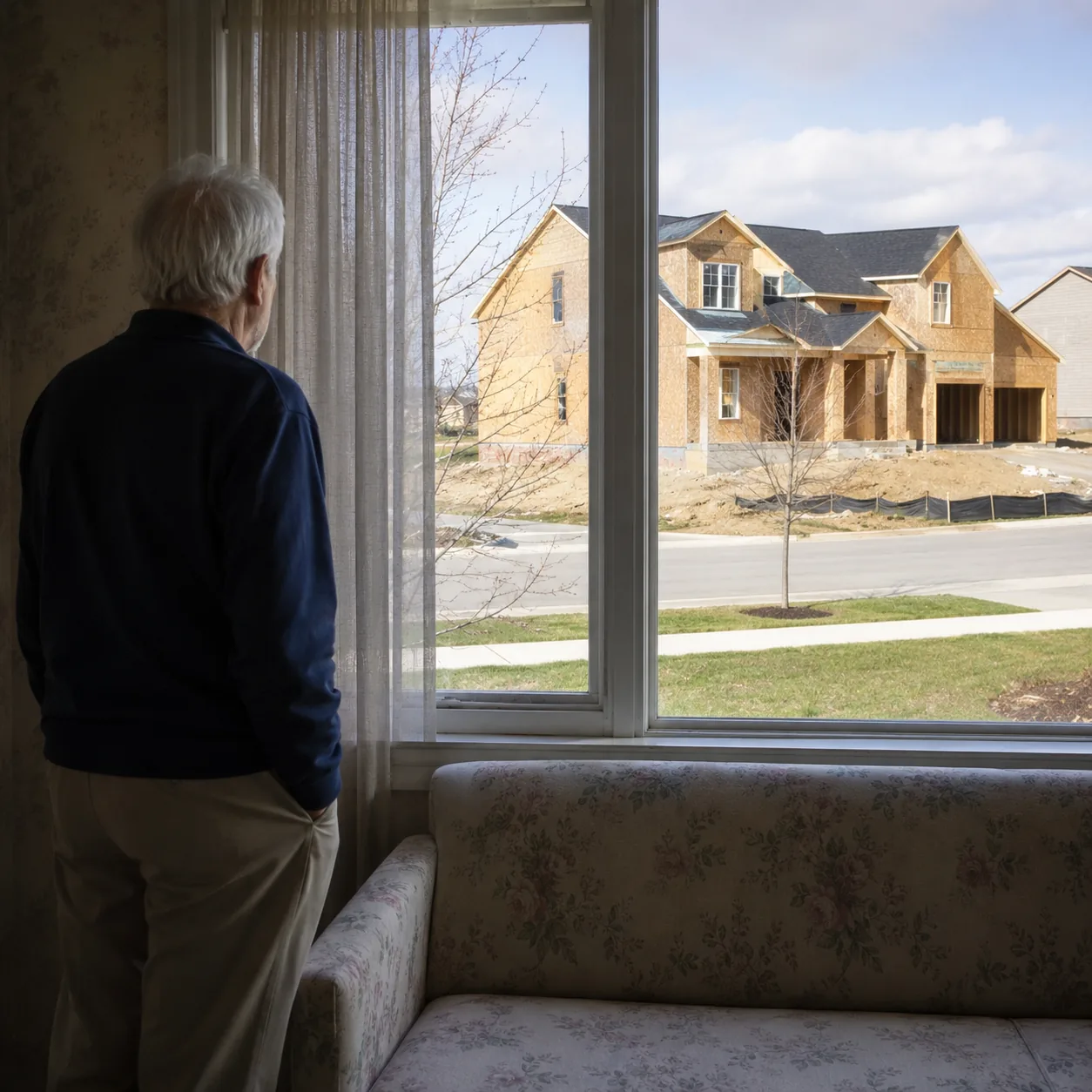
New construction can compete directly with older retirement homes.
Exit check: compare builder incentives, floor plans, warranties, insurance requirements, and HOA fees with existing homes.
If buyers can get a new roof, new systems, and closing incentives nearby, your resale strategy needs to be realistic from the beginning.
That may mean updating sooner, pricing sharper, or choosing a home with a feature newer models lack.
3. The First Move Used Up the Cushion

Moving costs more than most people expect, especially after selling a longtime home.
Exit check: keep a relocation cushion for repairs, travel, deposits, movers, and temporary housing.
People planning a later-life move should read 35 Things Downsizers Regret Getting Rid of After Moving to a Smaller Home before spending the cushion on replacing things they gave away too quickly.
2. Everyone Says Nobody Leaves

When residents proudly say people never leave, ask one more question.
Exit check: find out whether they stay because they love it, because selling is hard, or because the next step is unclear.
Loyalty can be a good sign. It can also hide limited options. The difference matters before you commit.
1. You Cannot Explain the Exit Plan

The clearest warning sign is not having a realistic answer for how you would leave.
Exit check: name the buyer pool, likely price range, next housing option, mover plan, family support, and timing.
If that exercise feels impossible, slow down before buying. A good retirement move should include a graceful way to change course.
Read More: 37 Things Retirement Community Tours Make Look Better Than They Feel After Move-In