

The hardest condo surprises usually hide in ordinary rule packets.
Read the dull parts before they become your daily routine.
33. Pet Weight Limits

A condo may advertise itself as pet friendly while still limiting size, breed, number, or elevator use.
Rule to read: look for adult weight limits, visiting pet rules, dog run hours, vaccination paperwork, and fines for complaints.
A buyer with an older dog should also ask how the rule is enforced if the pet gains weight or needs mobility help later.
32. Guest Parking Caps

Downsizers often picture family dropping by without thinking about where everyone will park.
Rule to read: check the number of guest nights, permit requirements, towing rules, holiday limits, and whether overnight visitors need approval.
If adult children visit often, a tight parking policy can make the new home feel less welcoming than the model unit looked.
31. Storage Unit Restrictions

That basement cage or hallway closet may not hold everything from a full-size house.
Rule to read: look for bans on paint, propane, holiday bins, bicycles, furniture, tools, and anything placed outside the marked area.
Ask whether the unit is deeded, assigned, rented, or first come first served. Storage is less useful when it can disappear later.
30. Balcony Furniture Rules

A balcony looks like private outdoor space until the association starts defining what can sit there.
Rule to read: check furniture height, grills, planters, umbrellas, rugs, lights, bird feeders, storage boxes, and seasonal decorations.
The rule may also ban anything attached to railings. That matters if you wanted shade, privacy, plants, or a little more personality.
29. Renovation Approval Steps

The condo may be yours, but the work schedule may belong to the board.
Rule to read: check approvals for flooring, plumbing, electrical work, cabinets, bathroom updates, contractor insurance, elevator reservations, and work hours.
Downsizers who plan to modernize before moving in should build the approval timeline into the closing plan. A quick refresh can turn into weeks of waiting.
28. Flooring Sound Rules

Hard flooring can become a problem when the building worries about noise below.
Rule to read: ask for the required sound rating, underlayment specs, contractor documentation, and whether existing floors were properly approved.
This matters before closing because an unapproved floor can become your problem after closing. The pretty wood look may hide an expensive compliance issue.
27. Window Treatment Limits

Some buildings control the outside appearance of every window, even from inside the unit.
Rule to read: check approved colors, blackout liners, shutters, tinting, visible backing, drapery hardware, and replacement windows.
If you need light control, privacy, or sleep-friendly shades, confirm your preferred option is allowed. A simple curtain choice can become a violation notice.
26. Washer and Dryer Rules

Laundry rules are easy to miss because the appliances already look installed.
Rule to read: check ventless requirements, water sensors, hose replacement schedules, maintenance proof, installation approval, and quiet hours.
Ask who pays if a leak damages another unit. Downsizers coming from a house may not realize one laundry mistake can affect neighbors above, below, and beside them.
25. Elevator Move Reservations

Moving day can get expensive if the building treats elevators like bookable equipment.
Rule to read: check deposits, padded elevator fees, approved time windows, weekend bans, certificate of insurance requirements, and penalties for running late.
If your mover cannot meet the building’s rules, you may have to reschedule the move or pay for extra labor while everyone waits.
24. Holiday Decoration Windows

Seasonal decorations feel harmless until hallway, door, balcony, or window rules get specific.
Rule to read: check allowed dates, flame rules, wreath hooks, exterior lights, religious displays, storage of decorations, and removal fines.
This is less about losing a holiday and more about knowing whether the building’s style matches yours. The new place should not feel policed every December.
23. Quiet Hour Enforcement

Quiet hours sound reasonable until you learn how complaints are handled.
Rule to read: look for construction hours, musical instruments, television volume, fitness equipment, dogs, grandchildren, and repeat-complaint fines.
Ask whether complaints require documentation or whether a neighbor’s report is enough. A thin-wall building can make ordinary living feel like a performance review.
22. Rental Restrictions

Even if you never plan to rent, rental rules can affect resale and family flexibility.
Rule to read: check minimum lease length, rental caps, waiting lists, hardship exceptions, tenant screening, and short-term rental bans.
If you are comparing retirement housing, pair this with 31 Retirement Communities With Resale Problems Buyers Don’t Notice on Tour Day before assuming an easy exit.
21. Smoking and Odor Policies
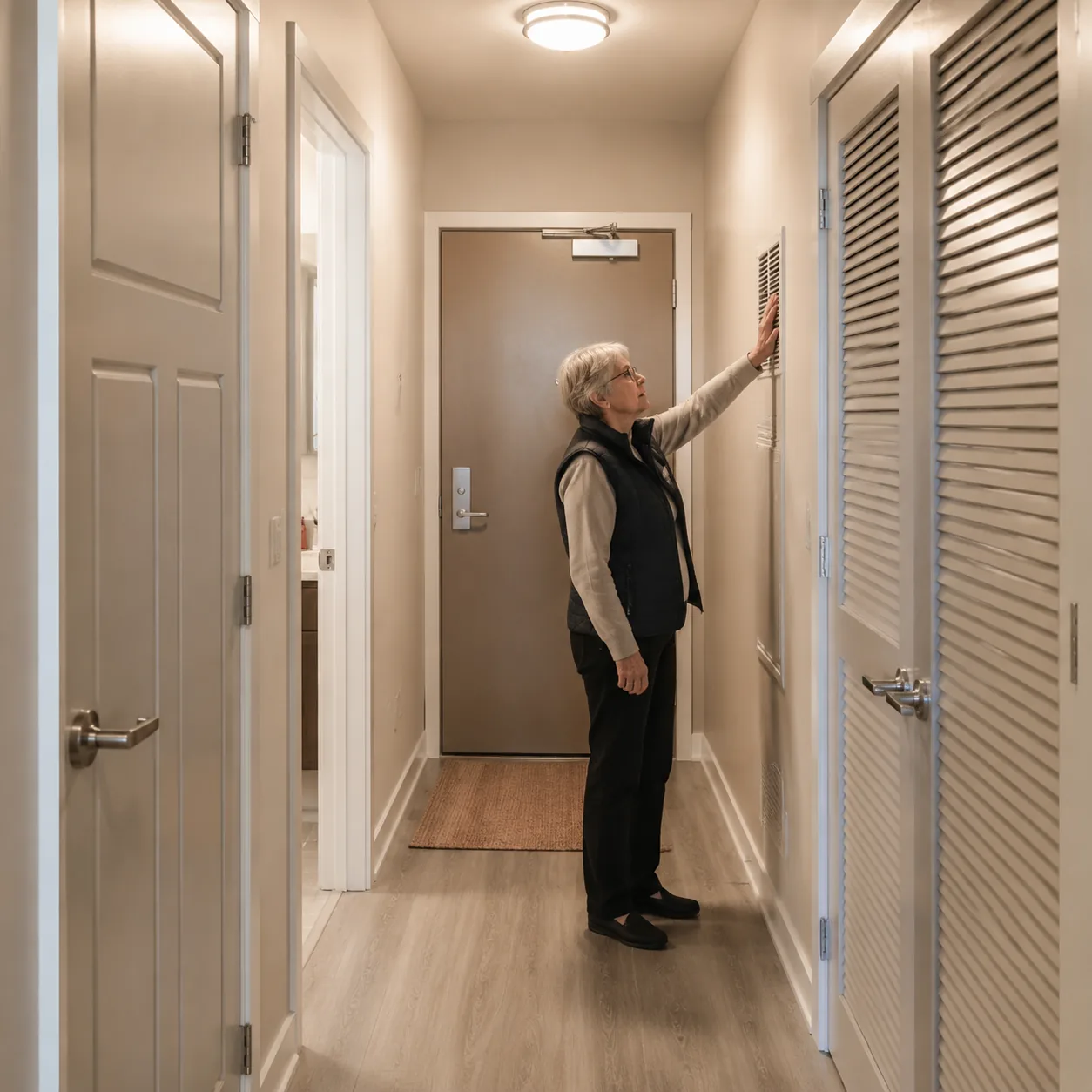
Odor rules matter in shared buildings because air moves in ways buyers cannot see on tour day.
Rule to read: check smoking bans, balcony use, hallway odors, cooking smells, candles, incense, cannabis rules, and complaint procedures.
The practical question is enforcement. A strong policy helps only if management documents problems and has a clear way to fix repeat issues.
20. Grilling Limits

Many downsizers are surprised that the old backyard grill cannot simply move to the balcony.
Rule to read: check gas, charcoal, electric grills, propane storage, fire code restrictions, common-area grills, and balcony cooking hours.
Ask whether the rule comes from the association, the insurer, or local fire code. That tells you how flexible it really is.
Read More: 35 HOA Rules Retirees Regret Ignoring Before They Bought
19. Package Room Policies

Online shopping becomes less simple when every box moves through a shared system.
Rule to read: check package room hours, oversized deliveries, refrigerated items, medication shipments, lost package procedures, and storage limits.
If you travel often, ask how long packages can sit before fees begin. Convenience can turn messy when the building receives more boxes than it can manage.
18. Common Room Booking Fees

The party room in the brochure may not be as casual as it looks.
Rule to read: check deposits, cleaning fees, alcohol rules, guest limits, insurance, noise cutoffs, and cancellation policies.
For families who host birthdays or holiday meals, common room rules can decide whether the condo still works as a family gathering place.
17. Amenity Guest Limits

A pool, gym, or clubhouse feels different when guests are limited.
Rule to read: check guest passes, daily caps, age rules, holiday restrictions, visitor fees, and whether owners must accompany guests.
Many buyers tour amenities as if they are extensions of the home. The rule packet may treat them more like controlled shared facilities.
16. Assessment Payment Rules

Special assessments can strain a downsizing budget because they arrive outside the normal monthly fee.
Rule to read: ask how assessments are approved, whether payment plans exist, how reserves are funded, and what major projects are expected.
The strongest condo buyers read meeting minutes, not just glossy listings. That is where future roof, elevator, and facade costs often show up first.
15. Insurance Deductible Sharing

Insurance can be confusing because the association policy and your personal policy meet in the middle.
Rule to read: check master policy deductibles, owner responsibility after leaks, loss assessment coverage, and whether upgrades need separate protection.
If the building has a large deductible, one incident can push costs to owners. Ask your insurance agent how the condo documents change your coverage needs.
14. Board Approval for Buyers

Some buildings require applications, interviews, fees, or orientation before a purchase can close.
Rule to read: check board approval timelines, financial documents, background checks, transfer fees, move-in orientations, and rejection procedures.
A delayed approval can affect movers, rate locks, and closing dates. Ask your agent how this building usually handles applications.
Read More: 33 Red Flags to Spot Before Moving Into a Retirement Community
13. Contractor Access Rules

The best contractor in town may still be unusable if the building’s access rules are strict.
Rule to read: check insurance limits, elevator use, parking, service entrance access, work hours, debris removal, and deposits.
This matters for small jobs too. A faucet, closet system, or flooring repair can become complicated when every outside worker needs approval first.
12. Heat and Air Conditioning Control

Some condo buildings control when heat or cooling changes over for the season.
Rule to read: ask whether HVAC is individual, shared, seasonal, or limited by building systems.
If you run warm, sleep cold, or have health needs, this is not a small detail. Comfort can feel very personal when the system is shared.
11. Plumbing Shutoff Notices

Shared plumbing means your repair may need your neighbors’ schedule too.
Rule to read: check water shutoff notice periods, emergency access, plumber approval, stack responsibility, and fees for missed windows.
If you expect to update bathrooms or kitchens, ask how many days a shutoff requires. A simple fixture swap can become a building coordination project.
10. Door and Hardware Standards

Exterior-facing doors can be part of the building’s uniform appearance, even when they open into your home.
Rule to read: check locks, smart doorbells, peepholes, wreath hooks, paint colors, mats, knockers, and storm doors.
If accessibility upgrades matter, confirm lever handles, keypads, or camera devices are allowed before you count on them.
9. Age-in-Place Modifications

Downsizing often comes with a hope that the new home will work longer.
Rule to read: check grab bars, ramps, wider doors, bathroom changes, chair lifts, hallway storage, and medical equipment rules.
Buyers thinking about long-term fit should also read 35 Little Details That Make a 55+ Community Feel Different After the First Year because convenience can change after the novelty fades.
8. Trash Chute Rules

Trash sounds too basic to matter until the building has chute jams, smells, and fines.
Rule to read: check bag size, recycling rules, large-item pickup, moving box disposal, composting, and hours.
If you are coming from a garage or curbside bins, ask where bulky trash actually goes. A smaller home should not create a bigger disposal headache.
7. Short-Term Family Stays

Family visits are not the same as rentals, but rule packets sometimes still limit extended stays.
Rule to read: check maximum guest duration, registration, parking, pool access, keys, and whether owners must be present.
This matters for adult children helping after surgery, grandchildren visiting in summer, or relatives staying between moves. The family plan should fit the building policy.
6. Reserve Study Access

A healthy reserve fund can matter as much as the view from the unit.
Rule to read: ask for the reserve study, budget, recent meeting minutes, insurance updates, and current project list.
You are not trying to predict every repair. You are checking whether the building plans ahead or waits for owners to fund surprises.
Read More: 37 Things Retirement Community Tours Make Look Better Than They Feel After Move-In
5. Right of Entry Rules

Associations may need access for emergencies, inspections, leaks, pest control, or building repairs.
Rule to read: check notice requirements, key policies, emergency entry, missed access fees, and how residents are informed.
This is not automatically bad, but it should be clear. Privacy feels different when a building has legitimate reasons to enter individual units.
4. Vehicle Type Limits

Parking rules can limit more than the number of cars.
Rule to read: check pickup trucks, vans, motorcycles, scooters, RVs, roof racks, commercial markings, and storage of mobility devices.
If you plan to keep a hobby vehicle, help an adult child park, or store a mobility scooter, confirm the rule in writing before closing.
3. Open House and Resale Rules

The rules that affect selling later are easy to ignore when you are excited to buy.
Rule to read: check open house hours, sign rules, buyer approvals, transfer fees, rental caps, move-out deposits, and resale document charges.
When downsizing is part of a bigger life reset, 35 Things Downsizers Regret Getting Rid of After Moving to a Smaller Home can help you avoid decisions that are hard to unwind.
2. Fine Schedules

Every rule matters more when the fine schedule is aggressive.
Rule to read: check warning periods, hearing rights, repeat fines, collection fees, interest, attorney fees, and appeal steps.
The goal is not to assume conflict. It is to know whether the building handles issues like neighbors or like a collections department.
1. The Rule Change Process

The most important rule is the one that explains how all the other rules can change.
Rule to read: check voting thresholds, board authority, owner notice, emergency powers, amendment procedures, and grandfathering.
A pleasant board today does not guarantee the same rules later. Know how owners get a voice before a small change becomes daily life.
Read More: 31 Signs a Retirement Town Is Harder to Leave Than to Move Into