
Grandpa did not see broken as finished.
He saw one more chance to make something useful again.
33. Lawnmower Pull Cords
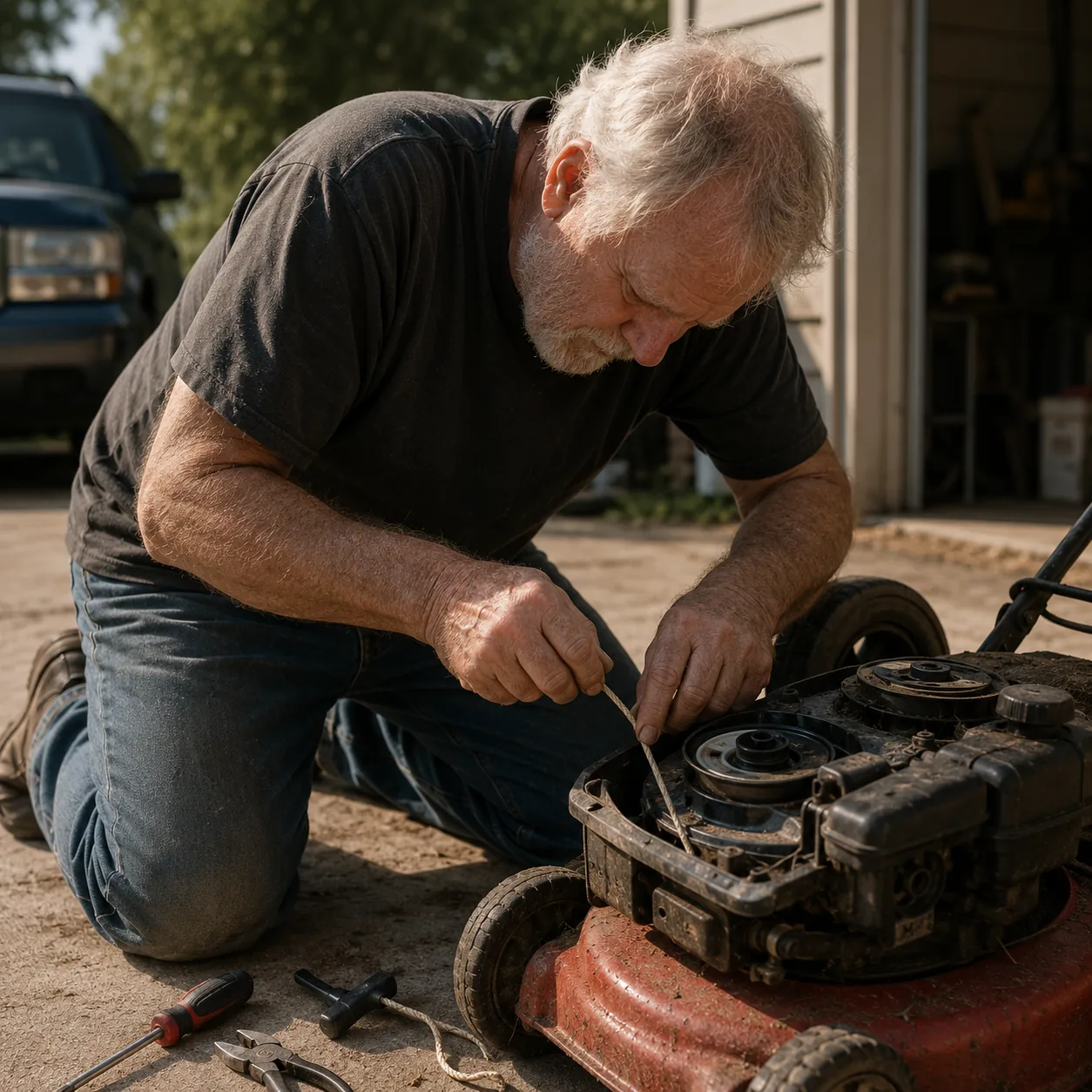
He started with the simple failure. A mower that would not start often needed a cord, spring, spark plug, or clean fuel line.
Instead of hauling it to the curb, Grandpa opened the housing and checked what actually failed. That habit taught everyone to diagnose before buying.
He also kept the manual or remembered the model, because the right small part beat a whole new machine.
32. Wobbly Kitchen Chairs
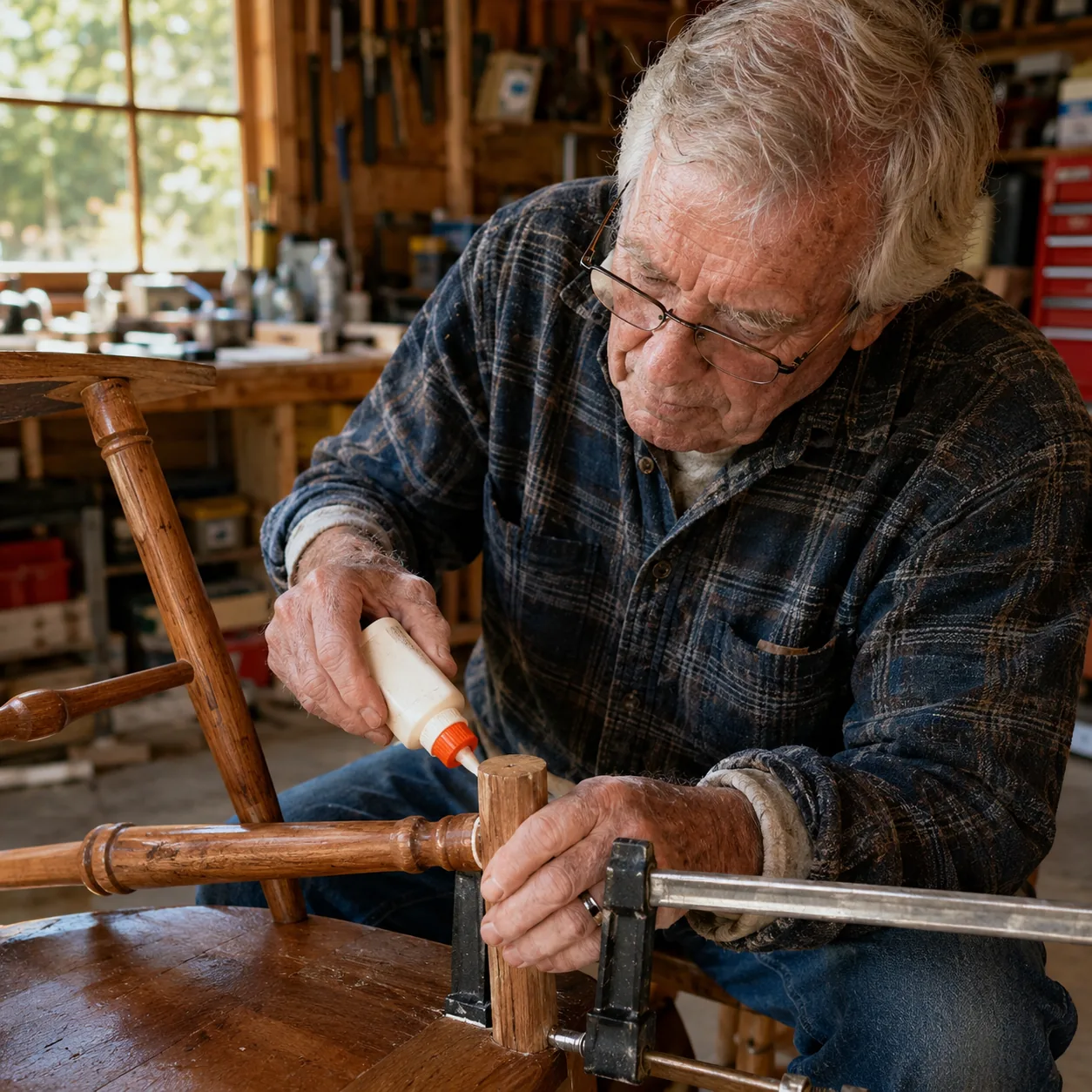
Loose chairs were not trash. They were a glue-and-clamp job waiting for a patient afternoon.
Grandpa checked the joints, cleaned out old glue, tightened screws, and let the repair cure overnight. A chair that felt dangerous on Monday could be back at the table by Wednesday.
He knew glue needed pressure and time, two things rushed repairs almost never get.
31. Leaky Garden Hoses
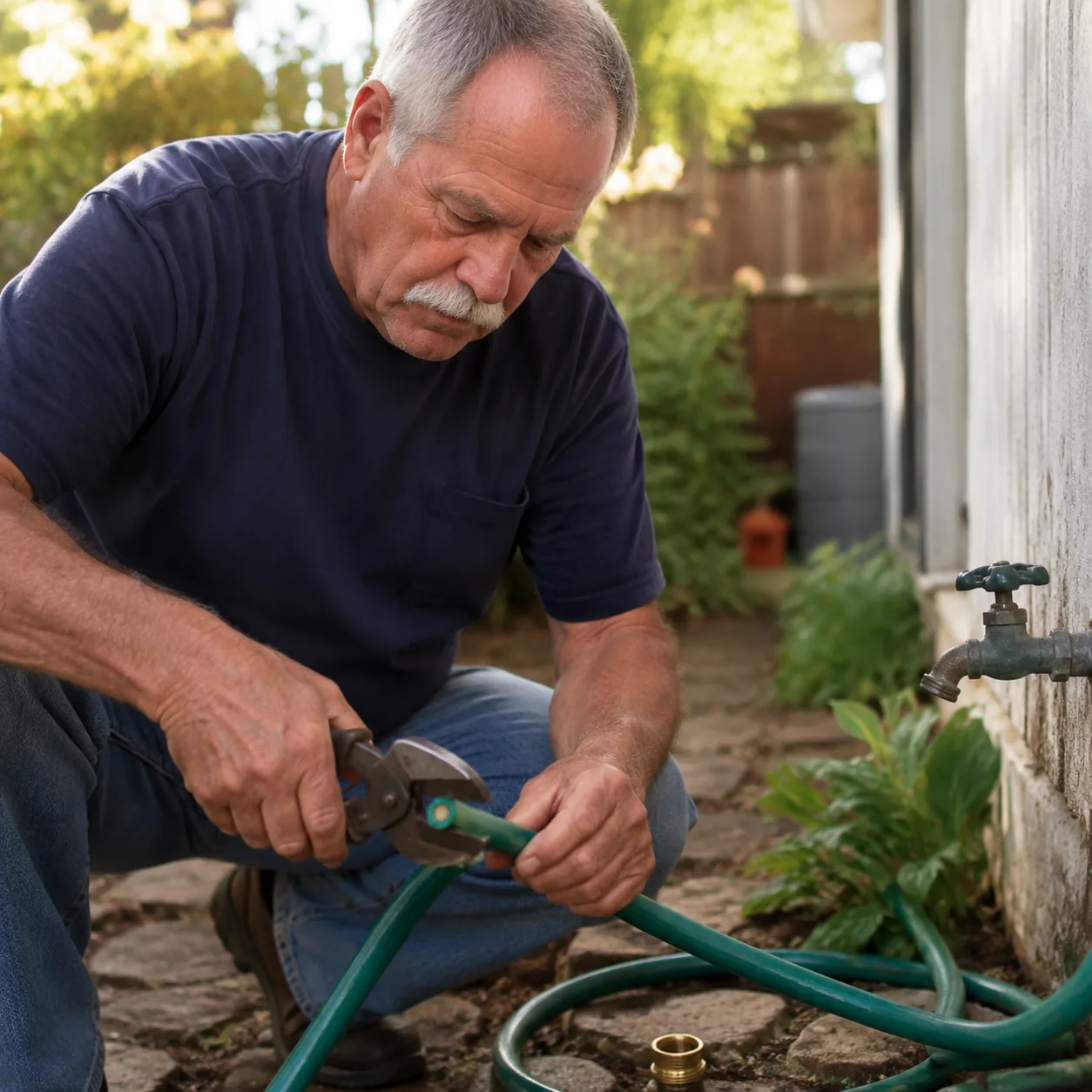
He cut out the bad section. A split hose did not mean buying a new one.
With a pocketknife, hose mender, and two clamps, Grandpa could save most of the length. The lesson was simple: isolate the damaged part instead of condemning the whole thing.
That same thinking worked on plenty of household problems: find the break, save what still works, and move carefully.
30. Rusty Bicycles
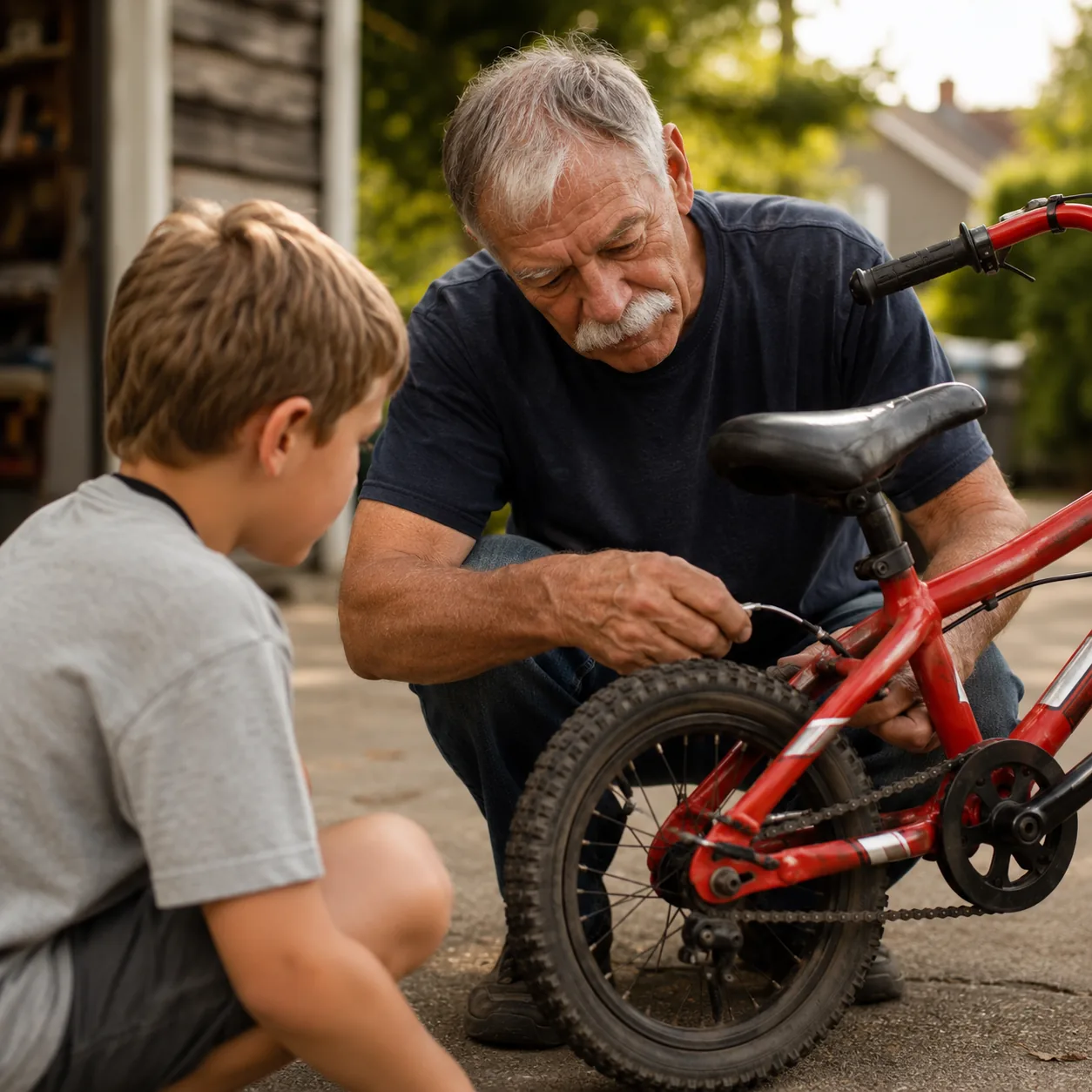
A rusty bike still had miles left. He oiled the chain, tightened the brakes, patched the tire, and raised the seat for the next kid.
That repair stretched childhood itself. One bike could serve cousins, siblings, and neighbors if somebody kept the bearings moving and the tires full.
He usually adjusted the seat before anyone asked, because growing kids turned yesterday’s bike into today’s bad fit.
29. Torn Window Screens

Screens were weekend work. Grandpa pulled out the brittle spline, laid fresh mesh, and rolled the edge tight.
It looked fiddly, but it saved the summer. A repaired screen meant open windows, fewer mosquitoes, and a cooler house before air conditioning ran all day.
The neat corners mattered too, because a loose screen invited the same problem back in a week.
28. Dripping Faucets

He heard wasted money in every drip. Before replacing a faucet, he checked the washer, cartridge, or packing nut.
The repair was often cheap and small. The patience was the hard part: shut off the water, keep parts in order, and test before calling the job done.
Grandpa usually laid pieces on a towel so nothing rolled away under the sink.
27. Broken Lamp Switches
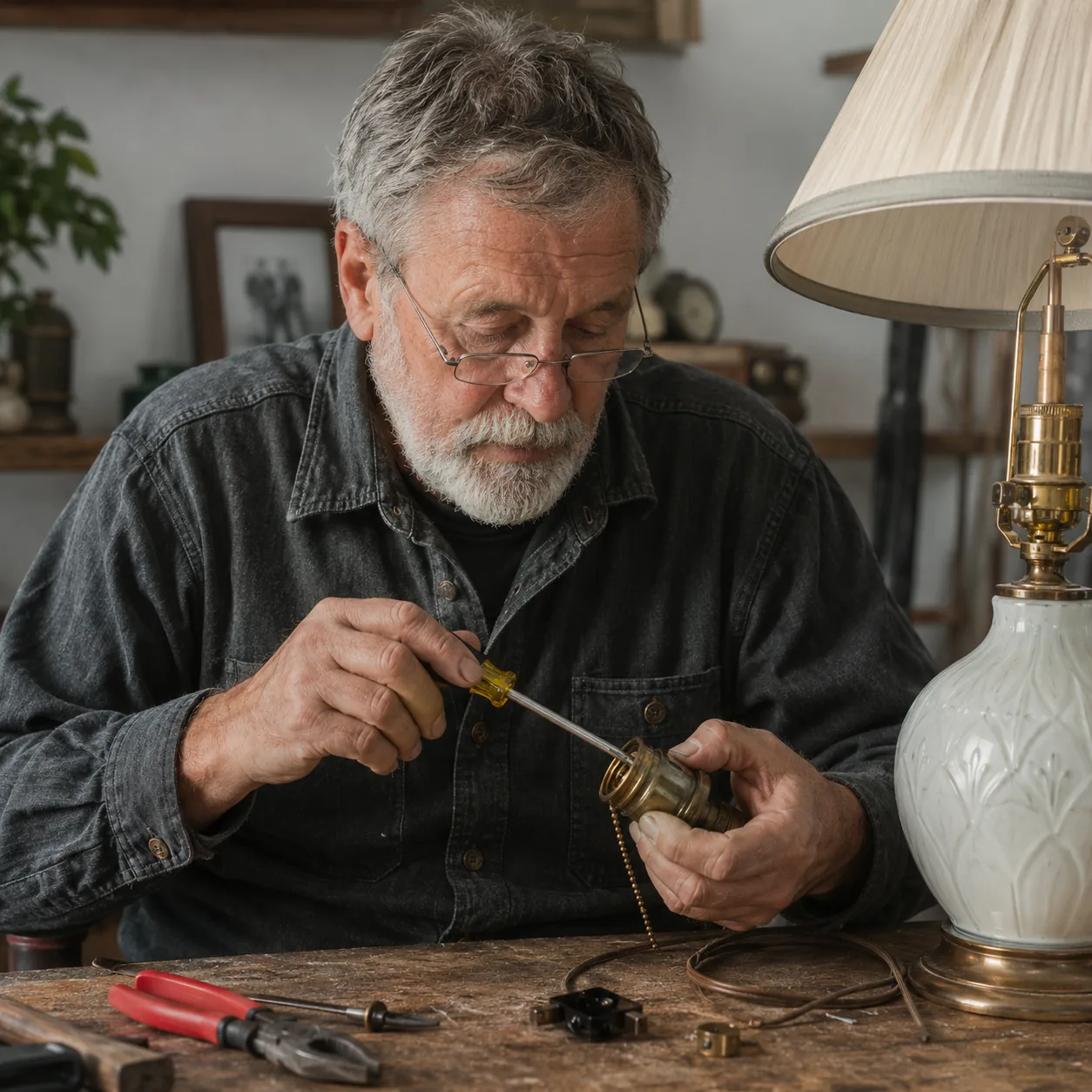
He respected electricity. Grandpa unplugged the lamp first, then checked the cord, socket, and switch.
A new socket could save a perfectly good lamp, especially one with a heavy base or family history. The quiet rule was safety first, sentiment second, and replacement last.
If a cord looked brittle or hot, he knew the sentimental choice was to stop using it.
26. Sticking Doors
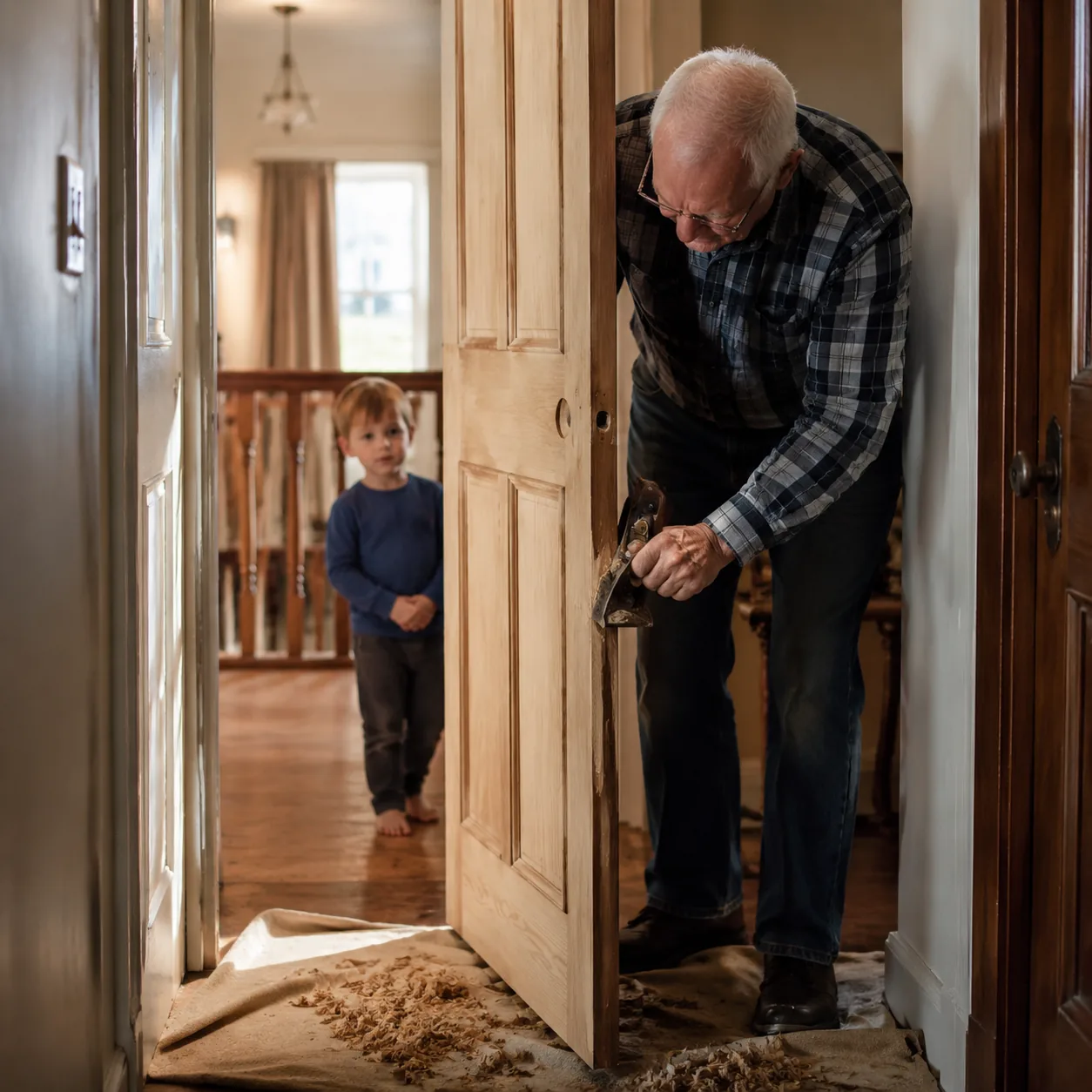
He looked for rub marks. A sticking door usually told you exactly where the problem was.
Grandpa tightened hinge screws, checked humidity swelling, and shaved only what needed shaving. He knew a heavy hand could create a drafty gap that bothered everyone later.
That restraint was part of the skill: remove the smallest amount and test the door again.
25. Cracked Tool Handles

Good metal deserved a new handle. A cracked hammer, rake, or shovel handle did not make the whole tool useless.
He pulled the wedge, fitted new wood, and sanded it smooth. That repair kept dependable tools working for decades instead of turning them into landfill.
It also made the tool safer, because a loose head can turn one swing into real trouble.
24. Squeaky Floorboards
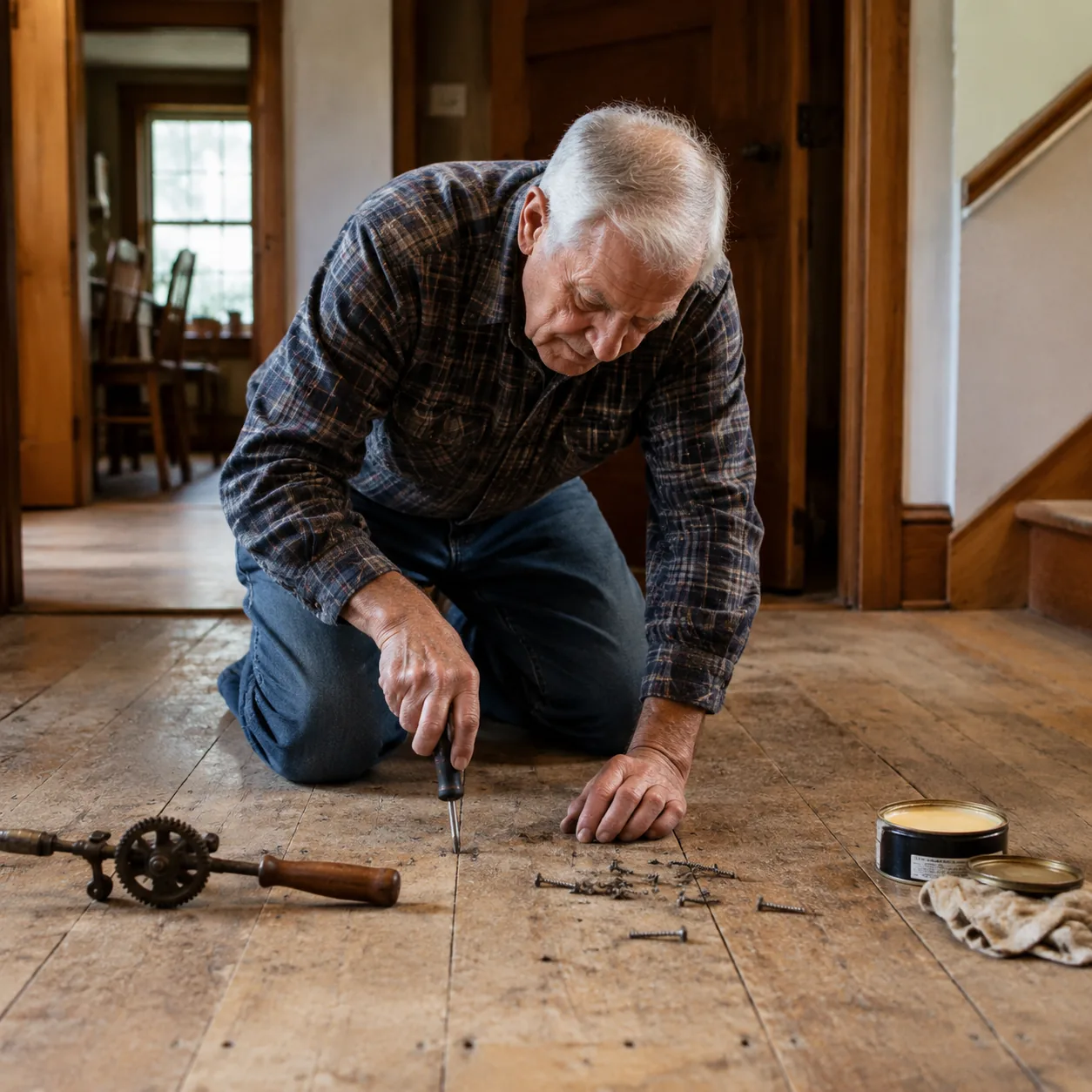
He fixed the annoyance at its source. Grandpa listened, stepped slowly, and found the board that moved.
Sometimes the fix was a screw into a joist. Sometimes it was a little wax between boards. He knew small household noises could wear people down if ignored.
The best part was how proud he looked when everyone stepped there and heard nothing.
23. Frayed Extension Cords

He knew when not to gamble. Some cords could be repaired with a proper replacement plug, but exposed conductors near damage meant the cord was done.
That was part of the old-school skill too. Fixing things did not mean being reckless. It meant knowing the difference between repairable and unsafe.
Grandpa’s thrift had limits, and electricity was one place where those limits mattered.
22. Family Stories Nobody Else Remembered
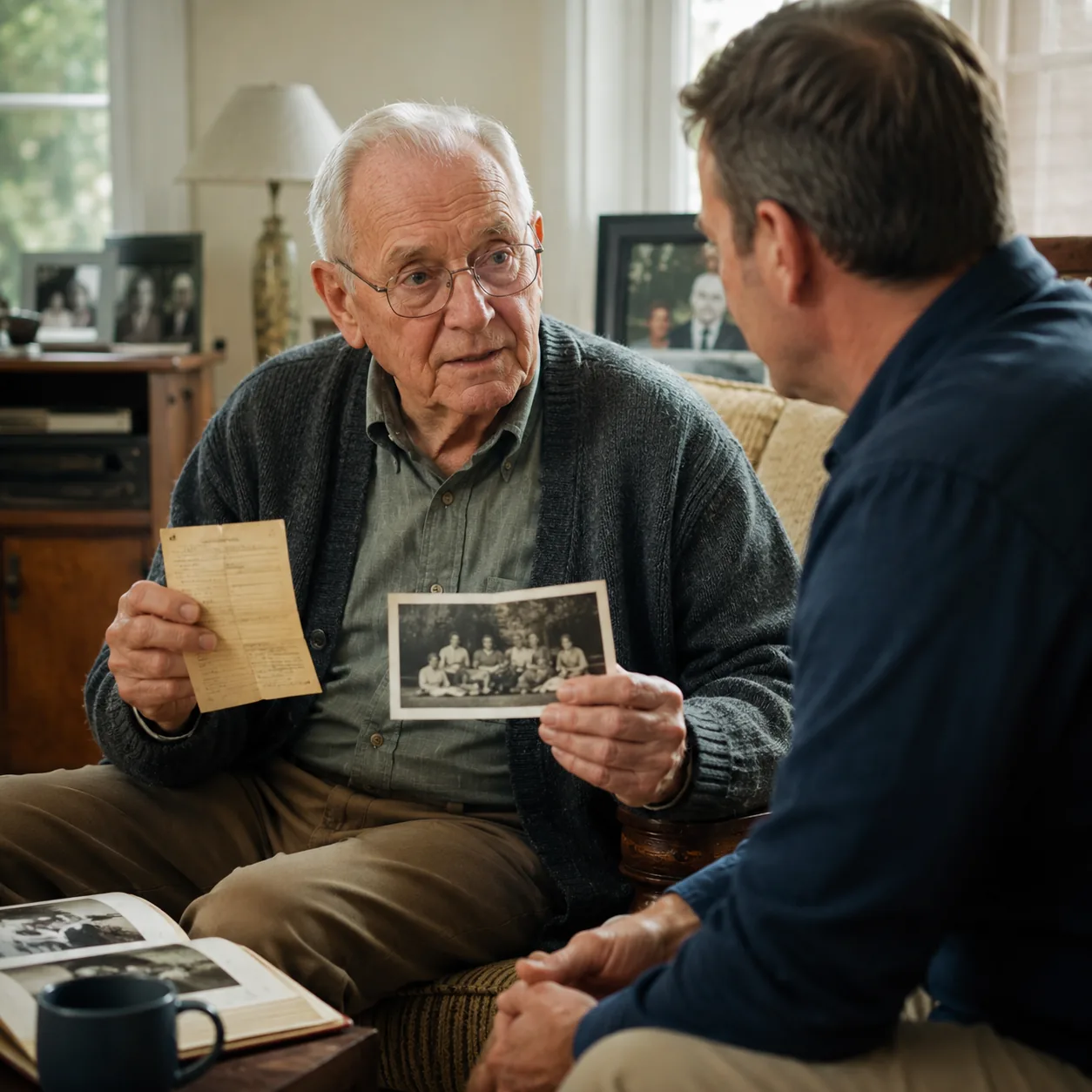
Not every repair used tools. Grandpa also fixed gaps in memory by explaining where things came from and who owned them first.
If those stories are still available, it is worth asking now. Start with 31 Questions People Wish They Asked Their Grandparents Before It Was Too Late.
The story behind a tool can be as valuable as the tool, especially when nobody else remembers who bought it.
21. Loose Cabinet Hinges
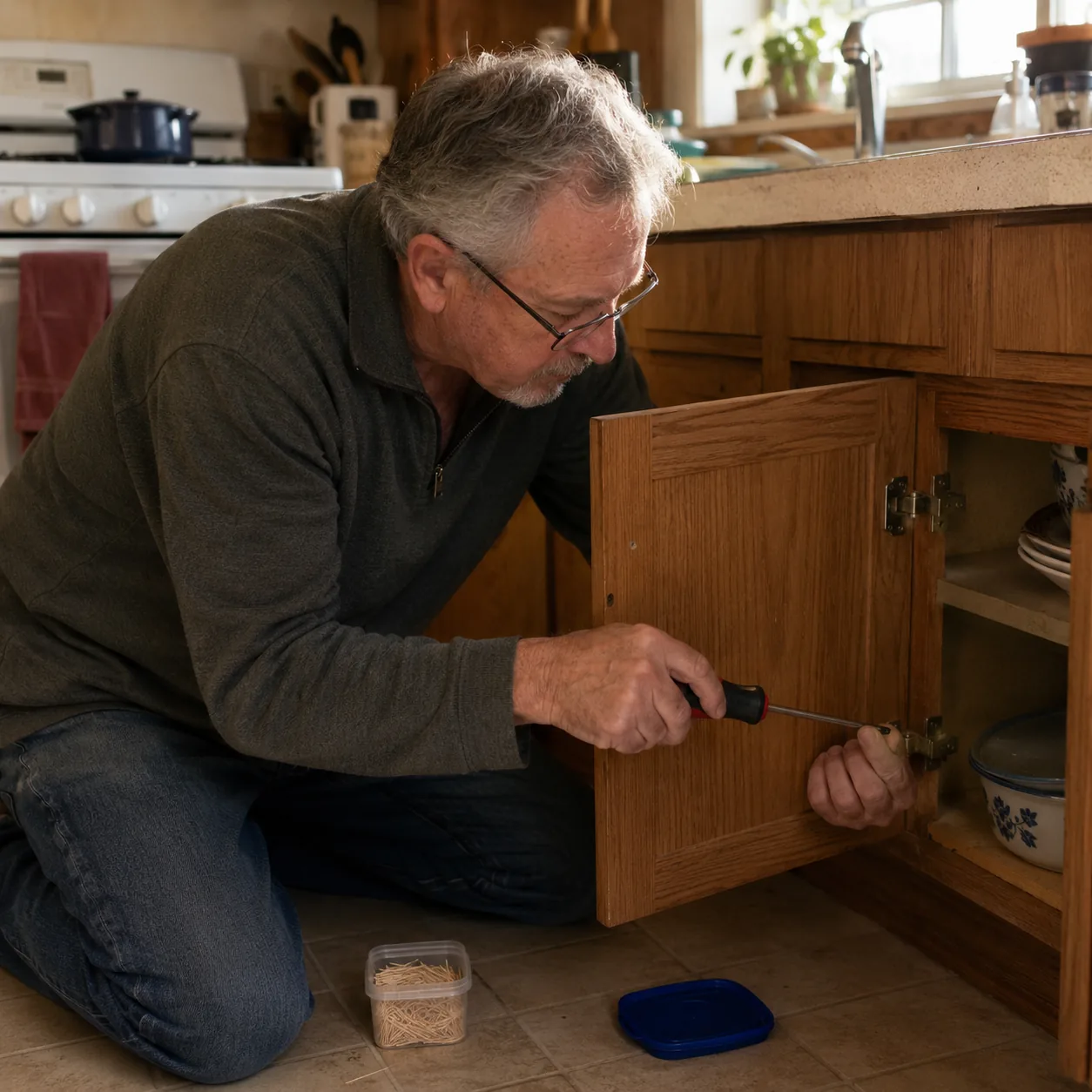
He made worn holes grip again. A loose hinge often needed toothpicks, wood glue, and the same screw returned carefully.
That little trick saved cabinet doors from sagging for years. It also showed how a cheap fix can work beautifully when you understand the material.
He did not need fancy hardware for every repair; he needed a snug fit and patience.
20. Old Radios

He treated sound as worth saving. Grandpa cleaned knobs, checked tubes or wiring, and tried to bring the old radio back before giving up.
Even when it never played perfectly again, the effort mattered. A familiar crackle from the kitchen counter could feel like another person in the room.
Old radios were often repaired because they carried habits: ballgames, weather reports, music, and morning company.
19. Screen Doors That Slammed
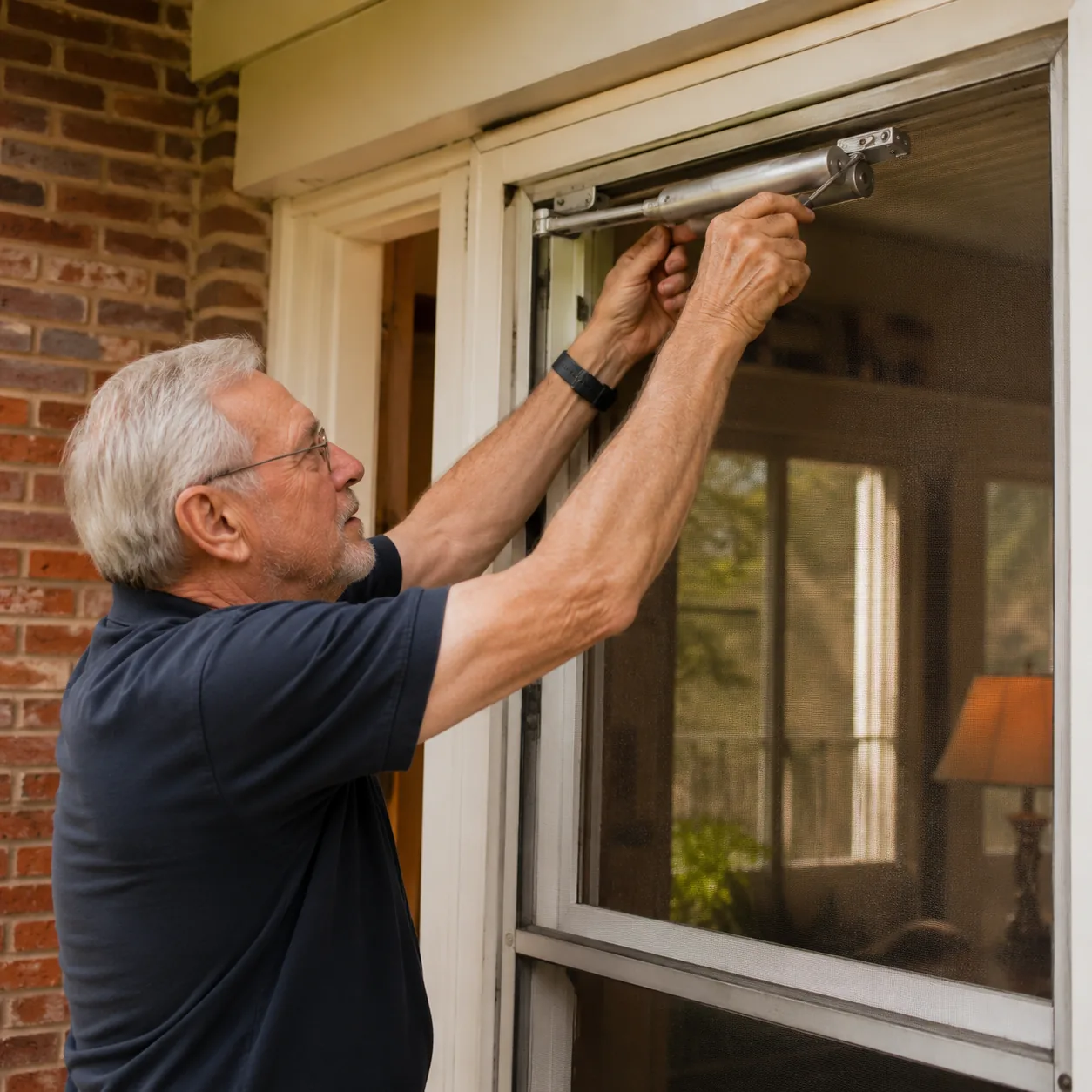
He adjusted the closer. A door that slammed was not a character flaw in the house.
Grandpa checked the bracket, tension screw, latch, and hinges. The fix made the whole entry feel calmer, especially in homes where kids ran in and out all afternoon.
He understood that some repairs were really about making a noisy house less tense.
18. Worn Work Boots
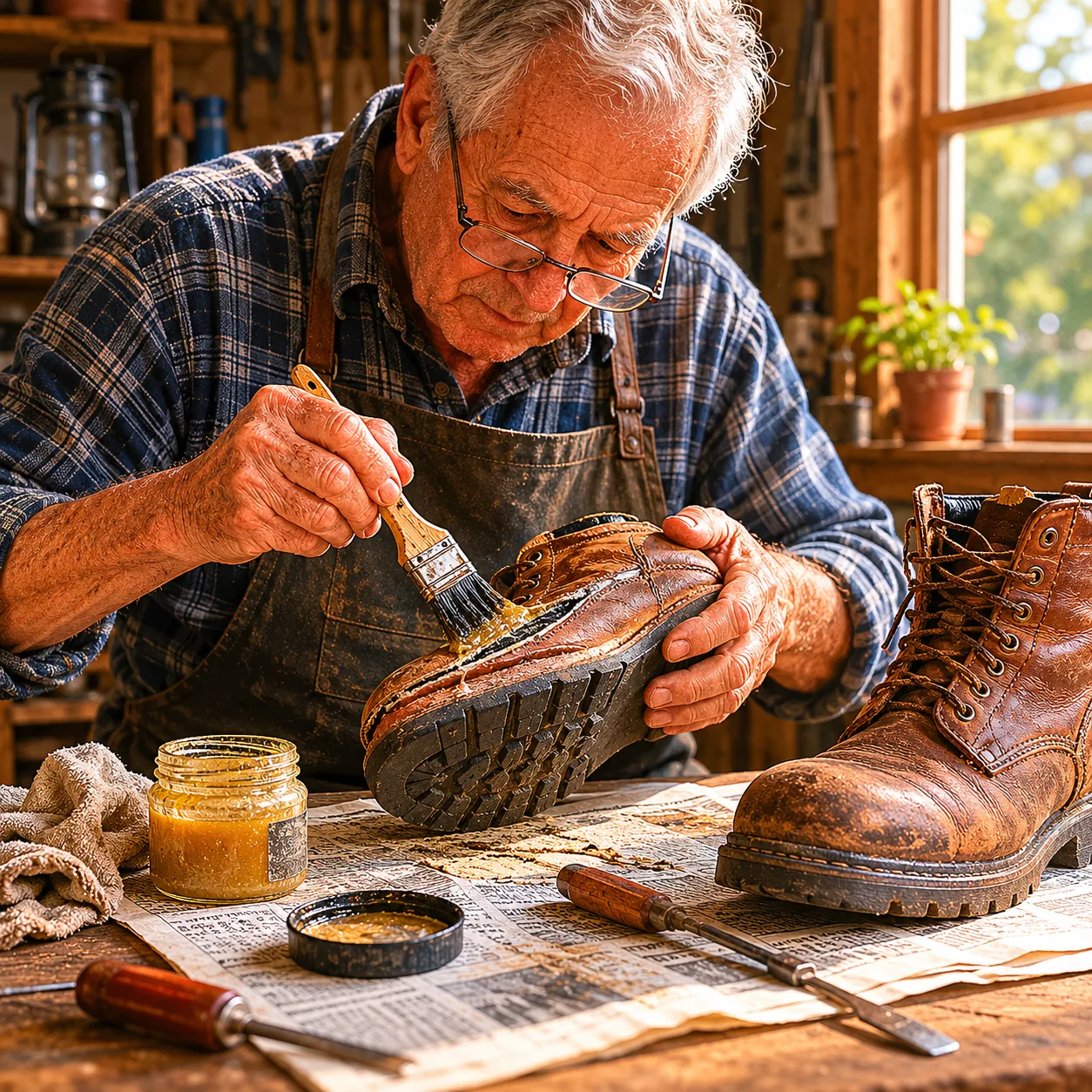
He made leather last. Boots got cleaned, dried, conditioned, laced, and sometimes resoled before anyone talked about replacing them.
That care came from knowing what good boots cost. Read More: 33 Old-School Family Rules That Actually Made Kids More Independent
He also dried boots slowly, because too much heat could ruin leather faster than honest work.
That patience made the repair last.
17. Dull Kitchen Knives

Sharp was safer than dull. Grandpa knew a dull knife slipped, crushed, and made every kitchen job harder.
He sharpened slowly, wiped the blade, and tested it with care. The lesson was bigger than knives: maintenance prevents frustration from turning into accidents.
He taught that sharp tools deserve respect, storage, and a clear counter with no distractions.
Safety was part of the lesson.
16. Split Fence Pickets
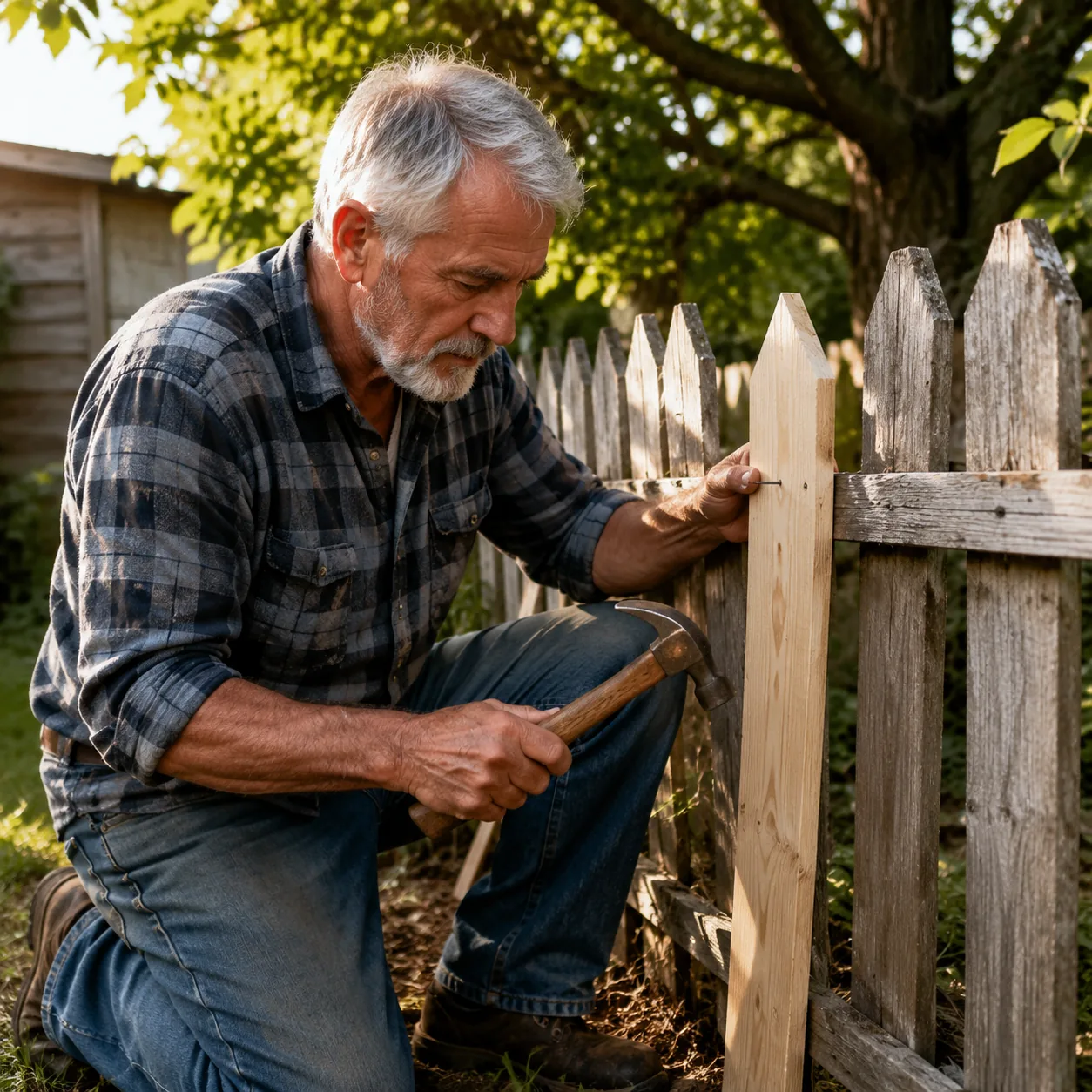
He replaced one board. A damaged fence did not automatically require a contractor or a full section.
Grandpa matched the picket, pulled the bad nails, and kept the line straight. From the street, nobody could tell which board had been new.
That kind of repair protected the whole yard from looking neglected because of one bad piece.
One board could change the view.
15. Vacuum Belts

He flipped the machine over first. A vacuum that smelled hot or stopped spinning often needed a belt, not a replacement.
Grandpa removed hair from the brush roll, checked the belt path, and snapped in a cheap part. The carpet looked better by supper.
He checked for clogs too, because a new belt cannot help a machine that cannot breathe.
14. Pantry Shelves That Sagged
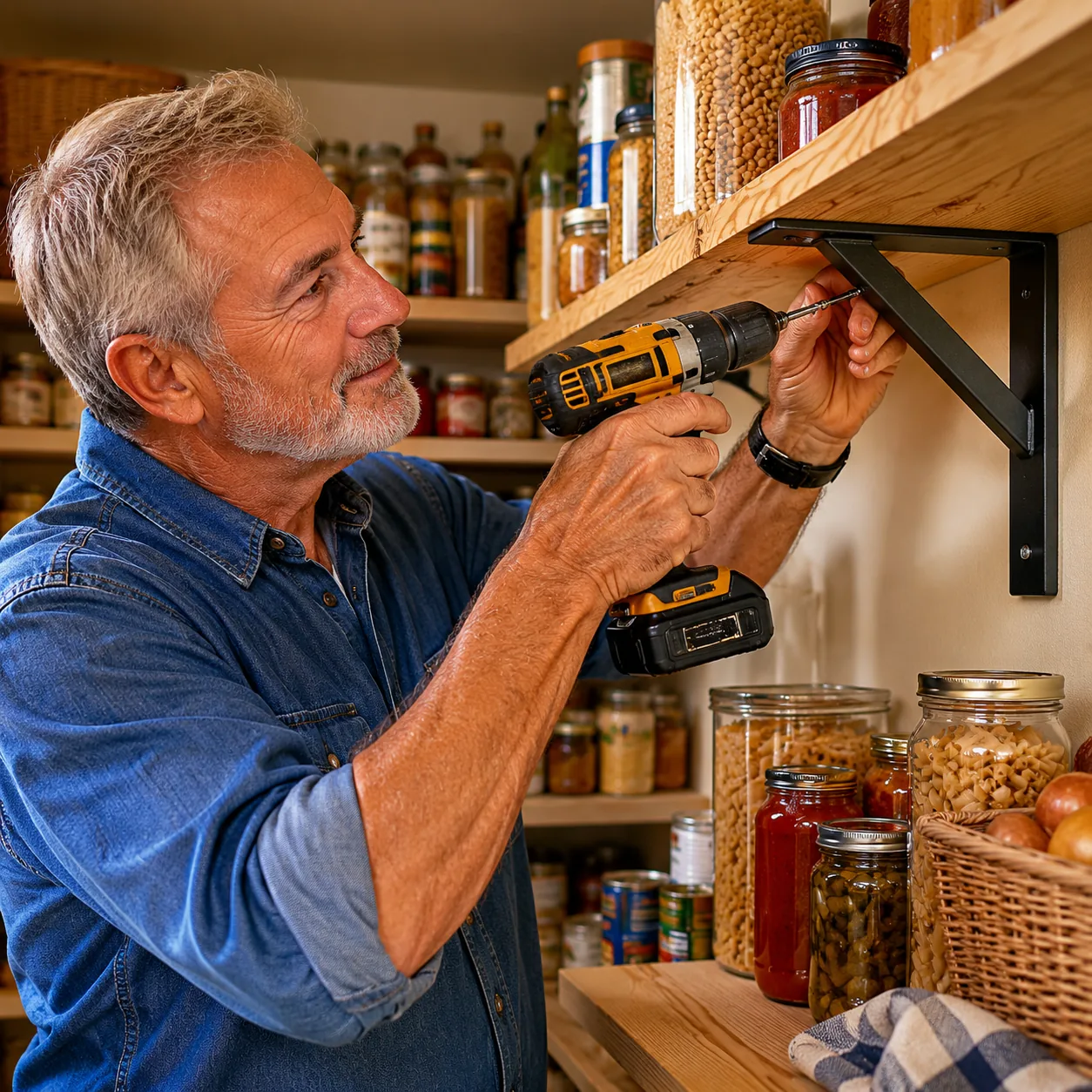
He reinforced before collapse. Heavy cans, flour bags, and jars asked a lot from thin shelves.
The same households that stretched groceries also protected storage. For the food side of that thrift, see 37 Things Grandma Did to Stretch Groceries Before Budgeting Had a Name.
He added support before the shelf failed, because prevention was cheaper than cleaning up broken jars.
13. Loose Eyeglass Screws
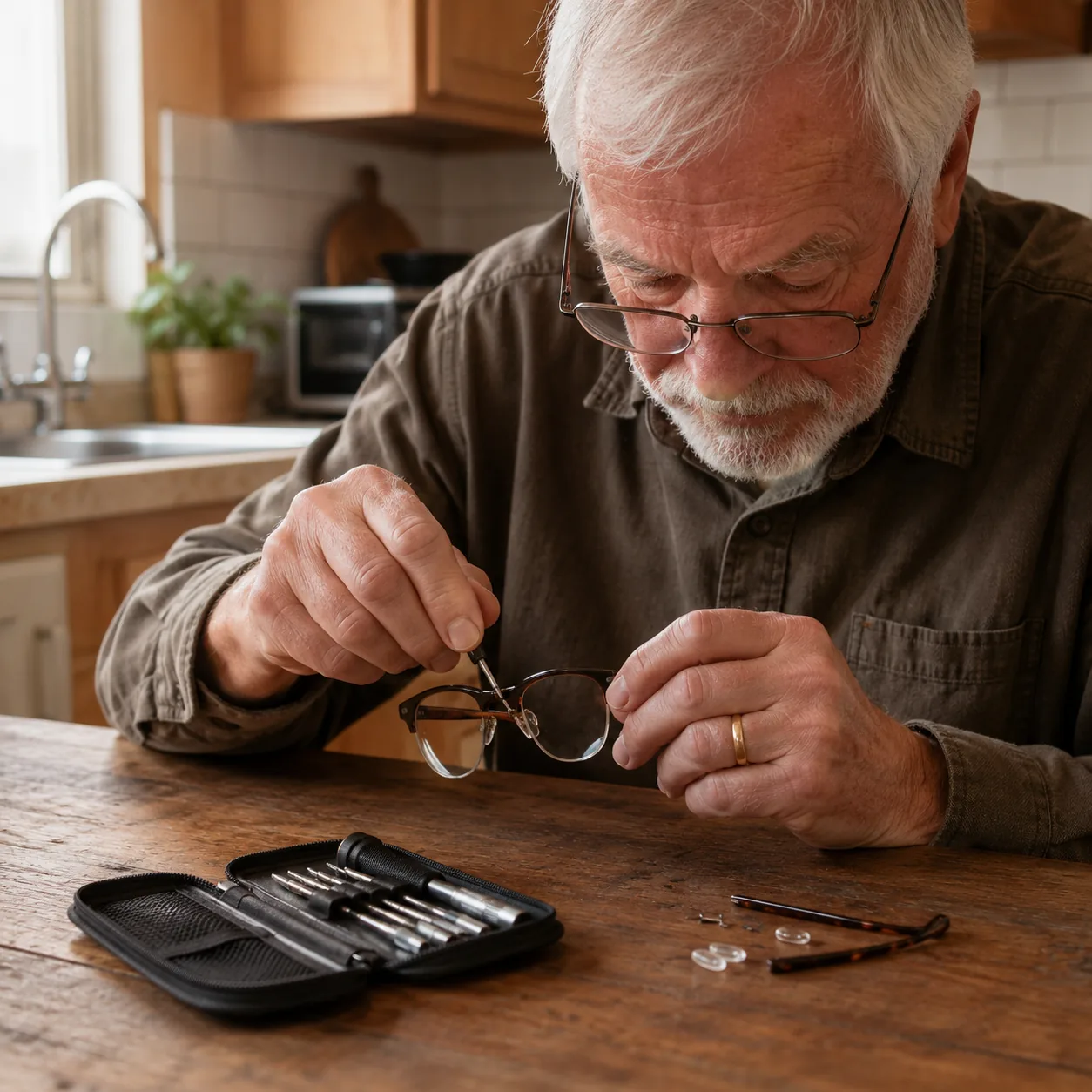
He kept tiny tools. Grandpa had a little screwdriver, spare screw, or odd repair kit tucked away for eyeglasses.
It was a small save, but an important one. A person who can see properly can drive, read, cook, work, and avoid the expensive panic of a broken pair.
He usually worked over a towel so the tiny screw did not vanish forever.
12. Loose Doorknobs
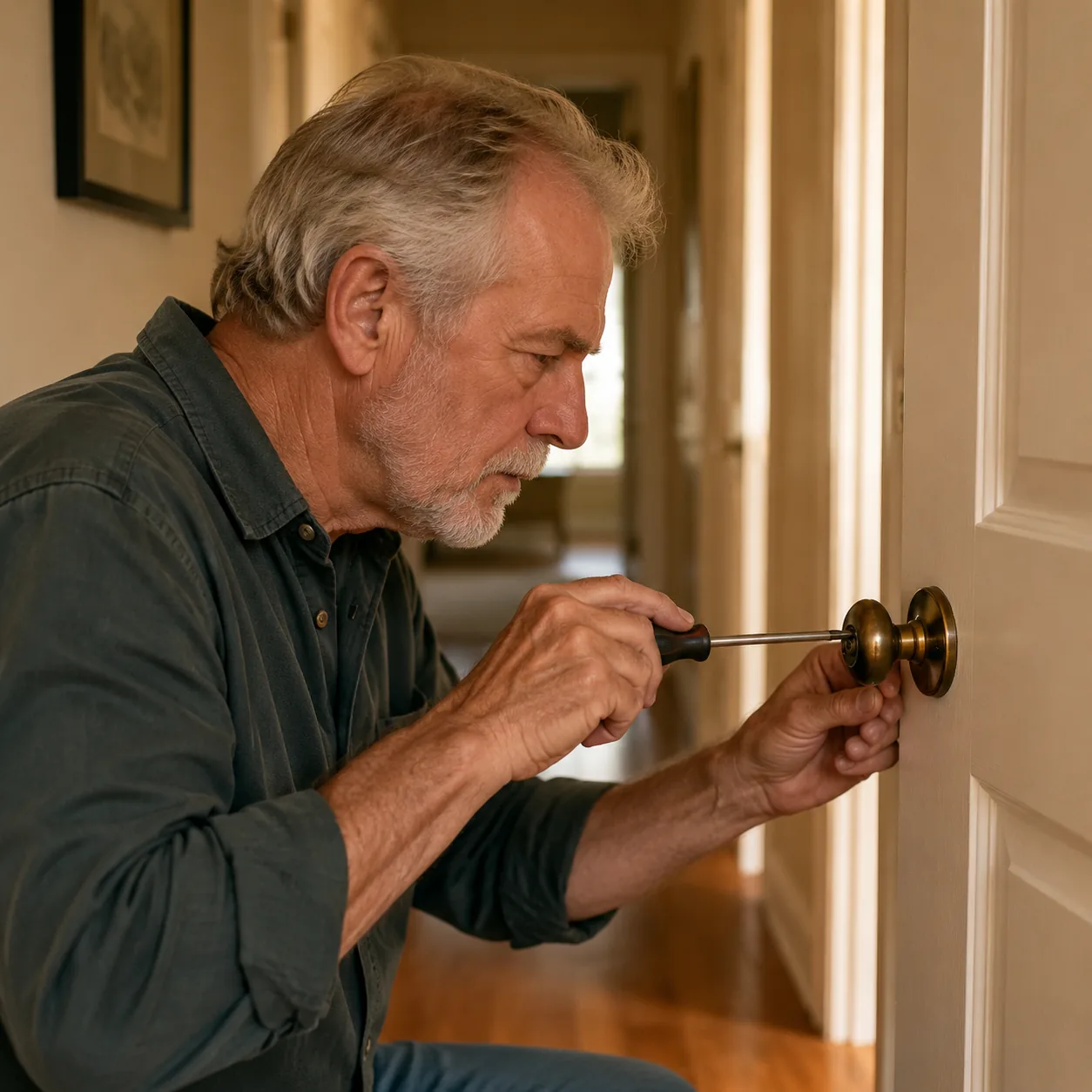
He fixed the daily touchpoints. A wobbly doorknob made the whole house feel neglected.
Grandpa found the set screw, tightened the plate, and checked the latch. Read More: 37 Things Every Grandma Kept in the Pantry That Modern Kitchens Forgot
He fixed it because everyone touches a doorknob, and daily annoyances quietly shape how a house feels.
The repair paid off every day.
11. Bent Metal Rakes
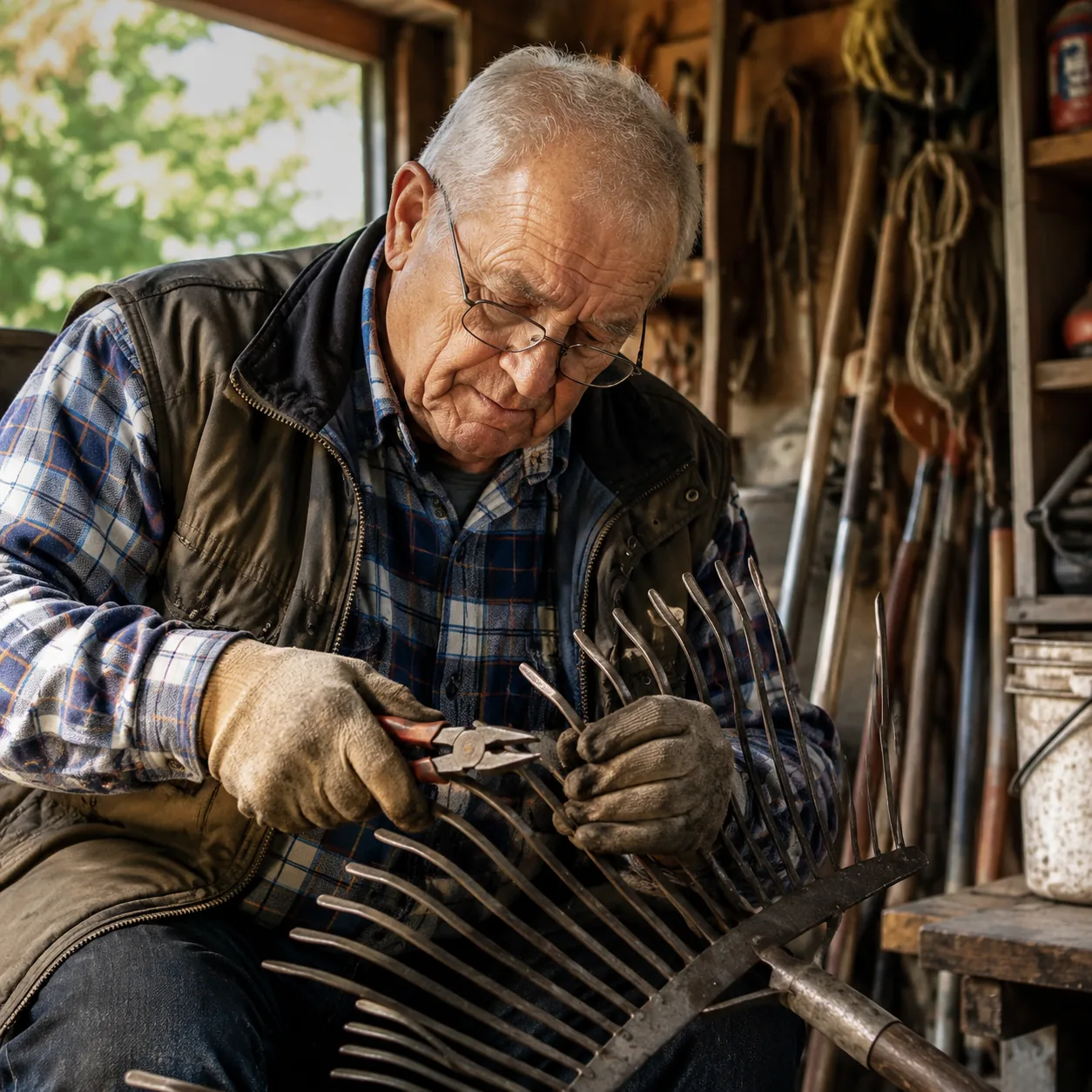
He straightened what still worked. A rake with bent tines could still clean a yard if someone took ten minutes with pliers.
Grandpa judged by function, not looks. If the handle held and the head was solid, a little imperfection did not bother him.
He cared more about whether the rake gathered leaves than whether it looked new in the shed.
10. Running Toilets
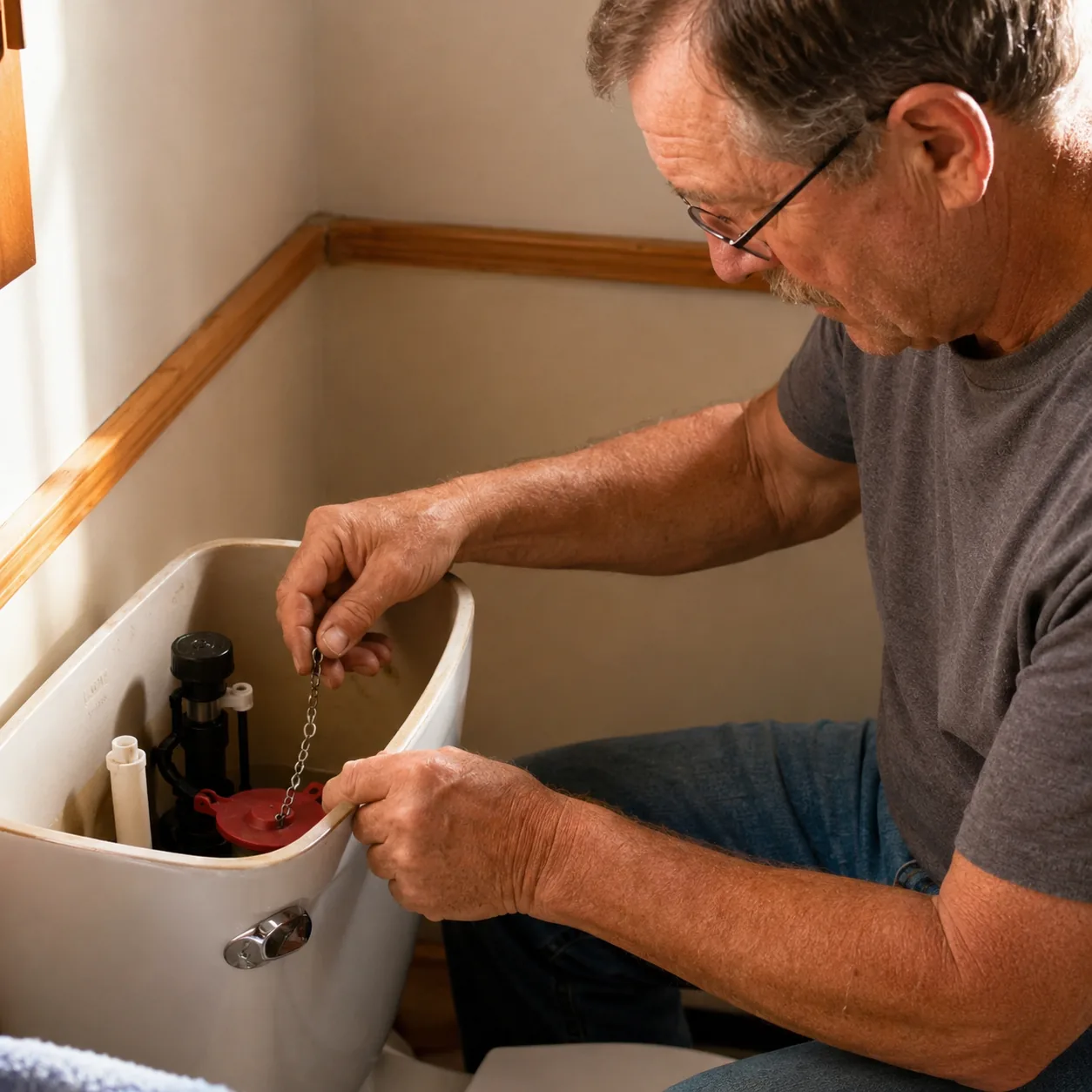
He checked the tank first. A running toilet usually needed a flapper, chain adjustment, or fill valve.
Grandpa knew that small sound meant water and money slipping away. He fixed it before the bill proved what everyone had been hearing.
He also showed kids the tank parts, making plumbing feel understandable instead of mysterious.
That confidence saved future service calls.
9. Cracked Flowerpots
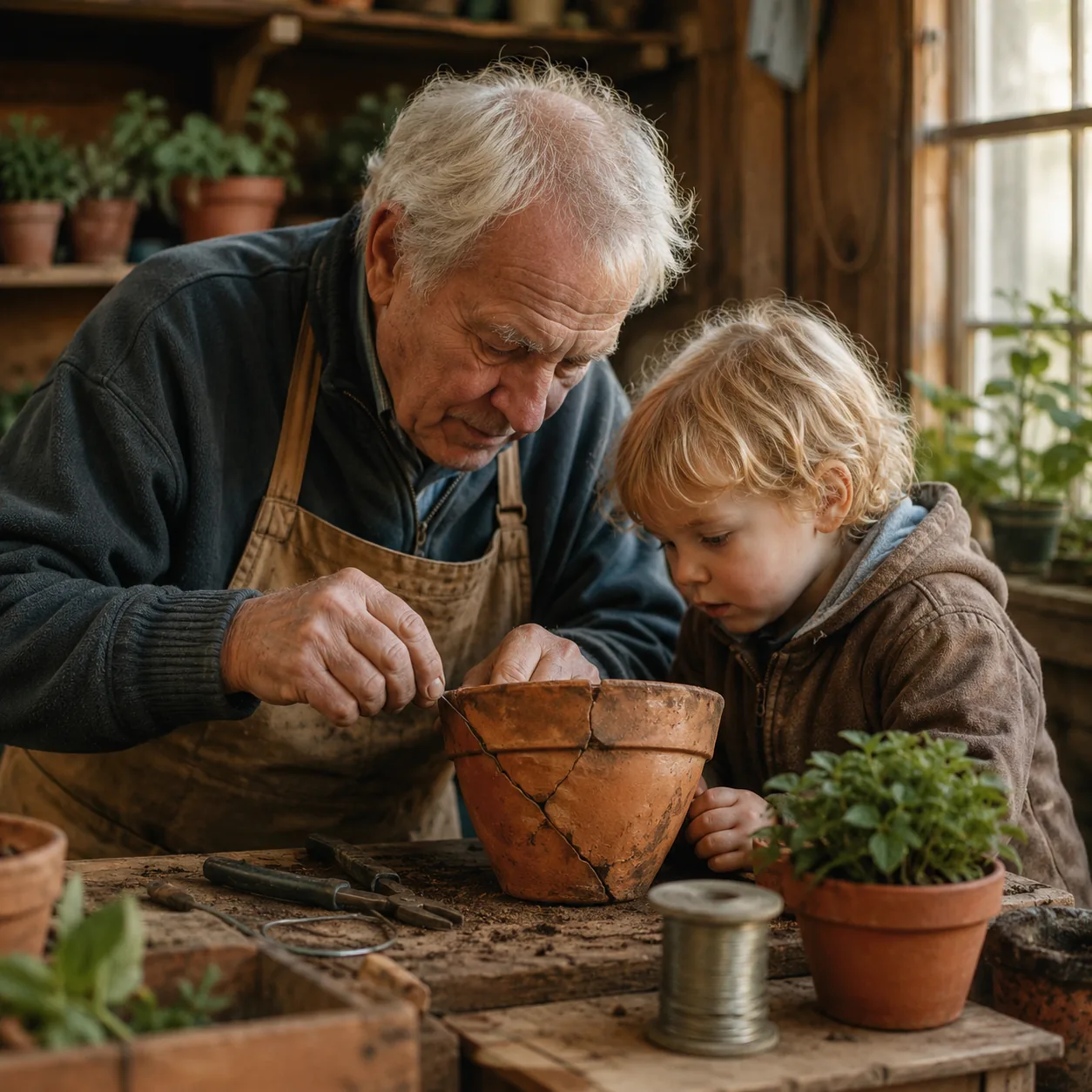
He saved containers with character. A cracked clay pot might get wire, epoxy, or a second life holding tools instead of plants.
That practical reuse kept useful things in circulation. It also made the yard and shed feel layered with memory instead of freshly bought.
A pot that could not hold water might still hold kindling, hand tools, or a hardy plant.
8. Broken Picture Frames
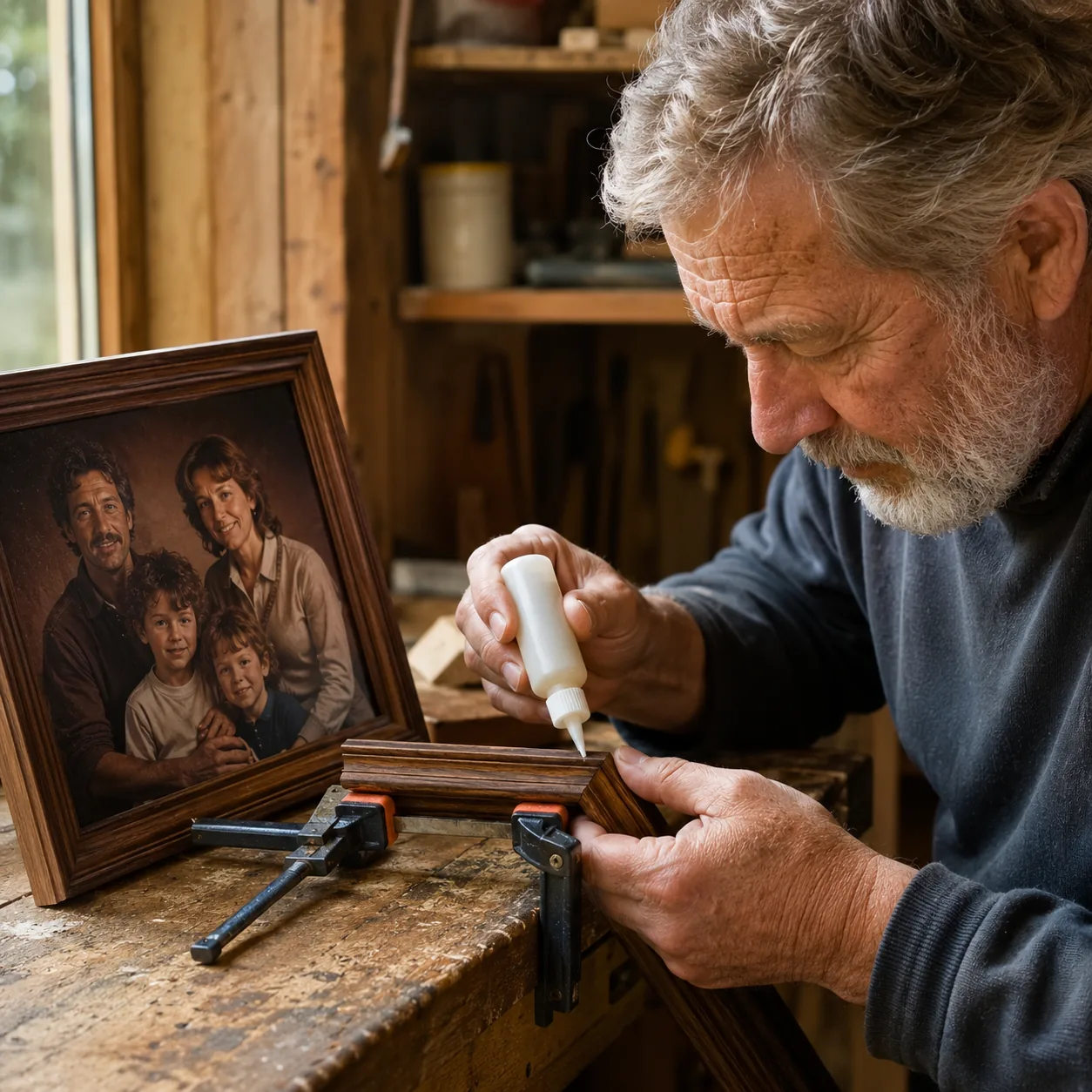
He protected the photo. A broken frame was not only a decor problem; it put family history at risk.
Grandpa glued corners, replaced glass carefully, and tightened the backing. For homes where those details mattered everywhere, read 35 Things That Made Grandma’s House Feel Like Home.
He knew a family picture deserved better than leaning broken in a closet.
7. Loose Drawer Pulls
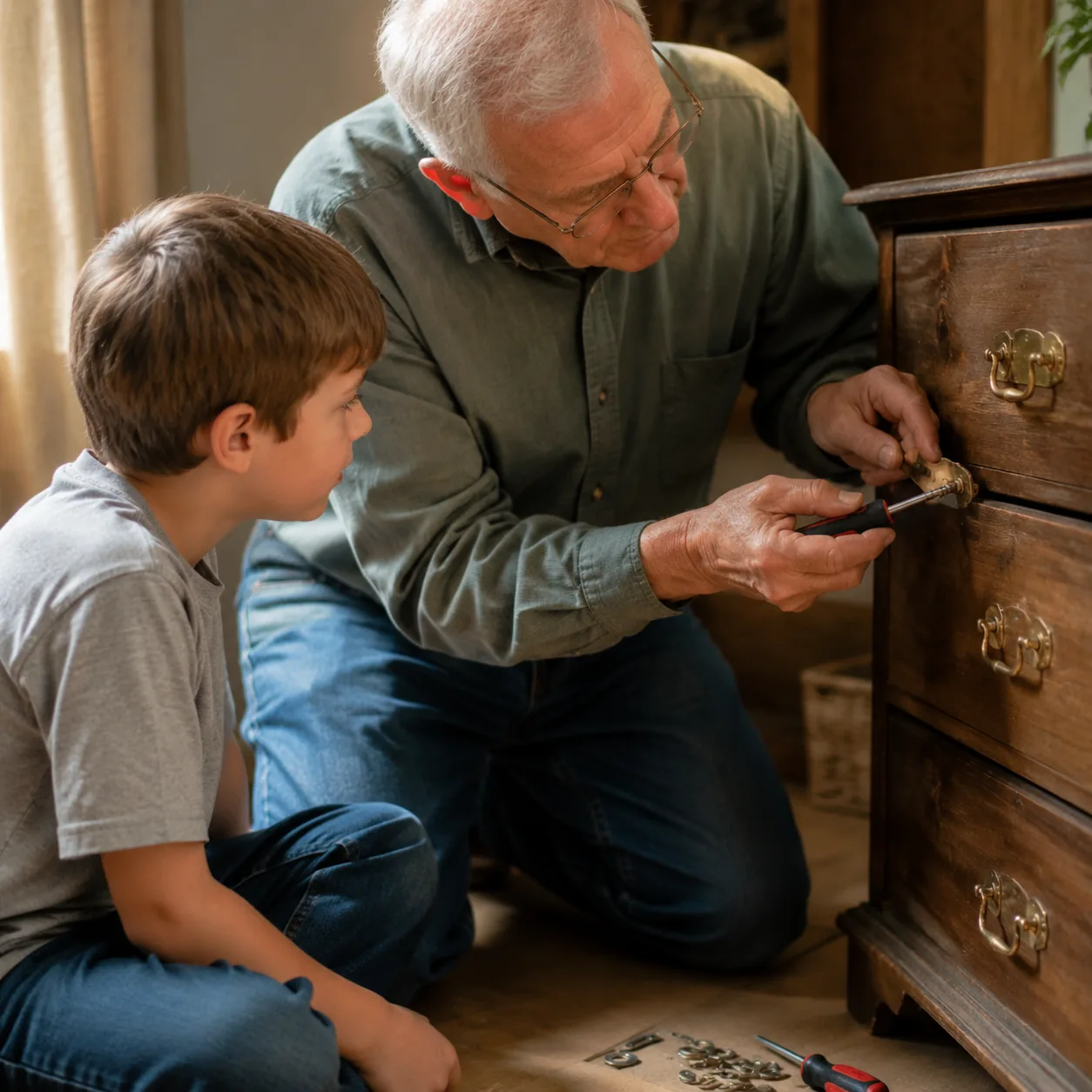
He kept furniture usable. A drawer pull that spun or fell off made every morning annoying.
Grandpa added a washer, shortened a screw, or replaced stripped hardware. He understood that a dresser could last generations if the small parts kept doing their jobs.
That repair also made children treat drawers better, because they had watched the work involved.
6. Broken Toys
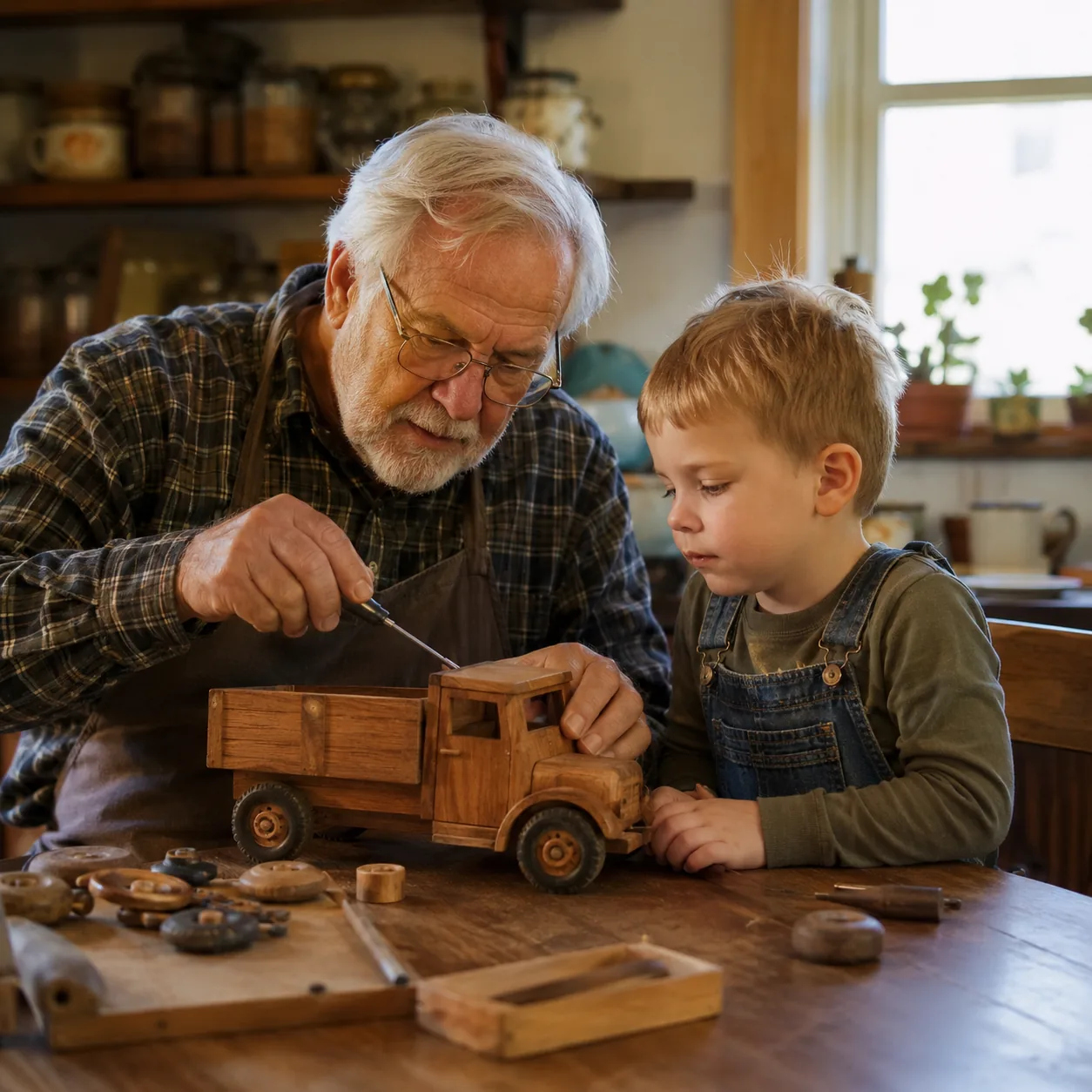
He repaired childhood when he could. Wheels, doll arms, loose seams, and missing screws all got a chance.
The toy did not need to look new. It needed to be loved again. That repair taught children that care can matter more than perfection.
Sometimes the mended toy became the favorite because it carried the story of being rescued.
5. Storm Windows
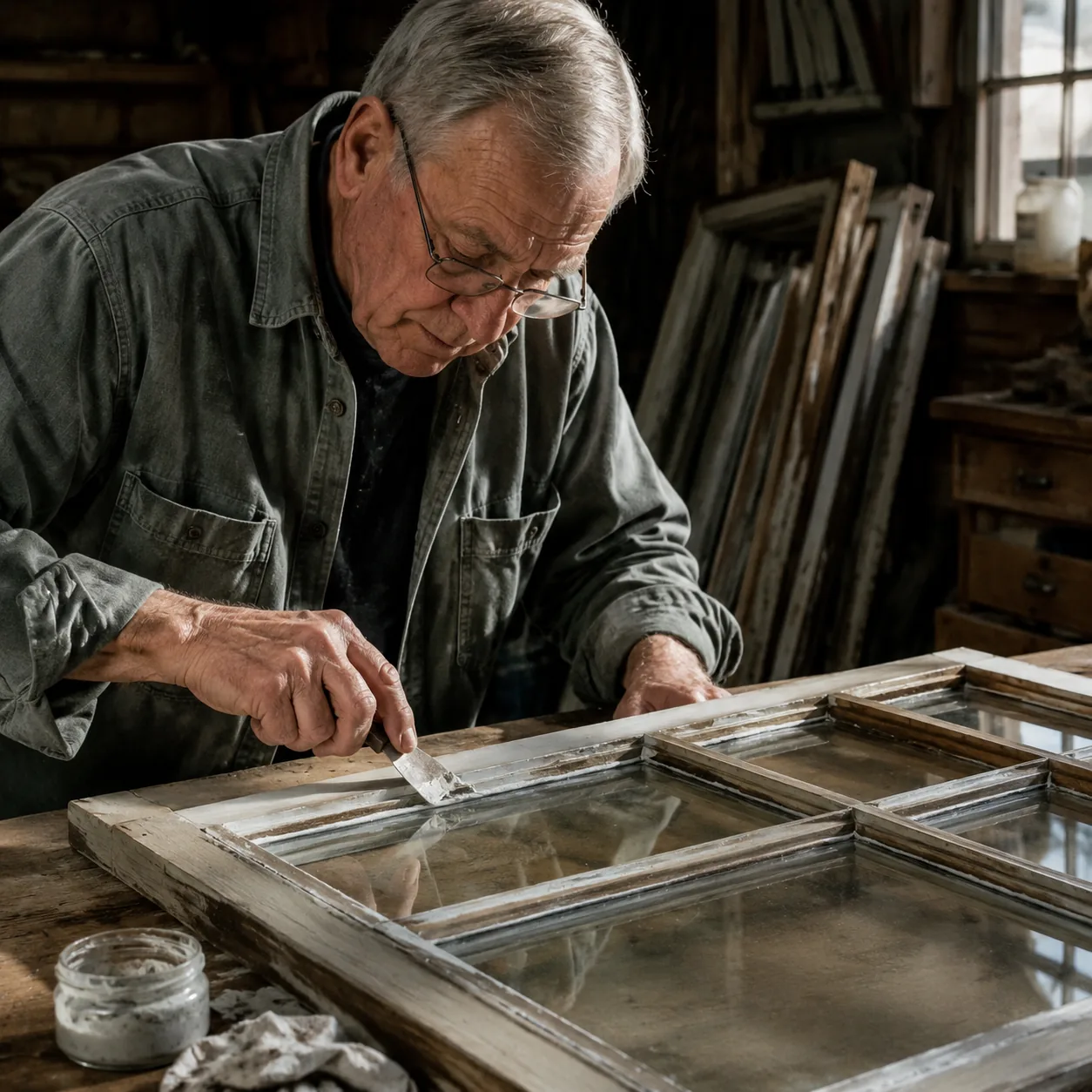
He fought drafts early. Grandpa checked glazing, putty, latches, and weatherstripping before cold air took over the house.
The fix was not glamorous, but it made winter cheaper and rooms more comfortable. Old homes stayed livable because somebody noticed the leaks.
Grandpa usually checked before the first cold snap, when there was still time to work calmly.
Winter rewarded people who prepared early.
4. Coffee Makers
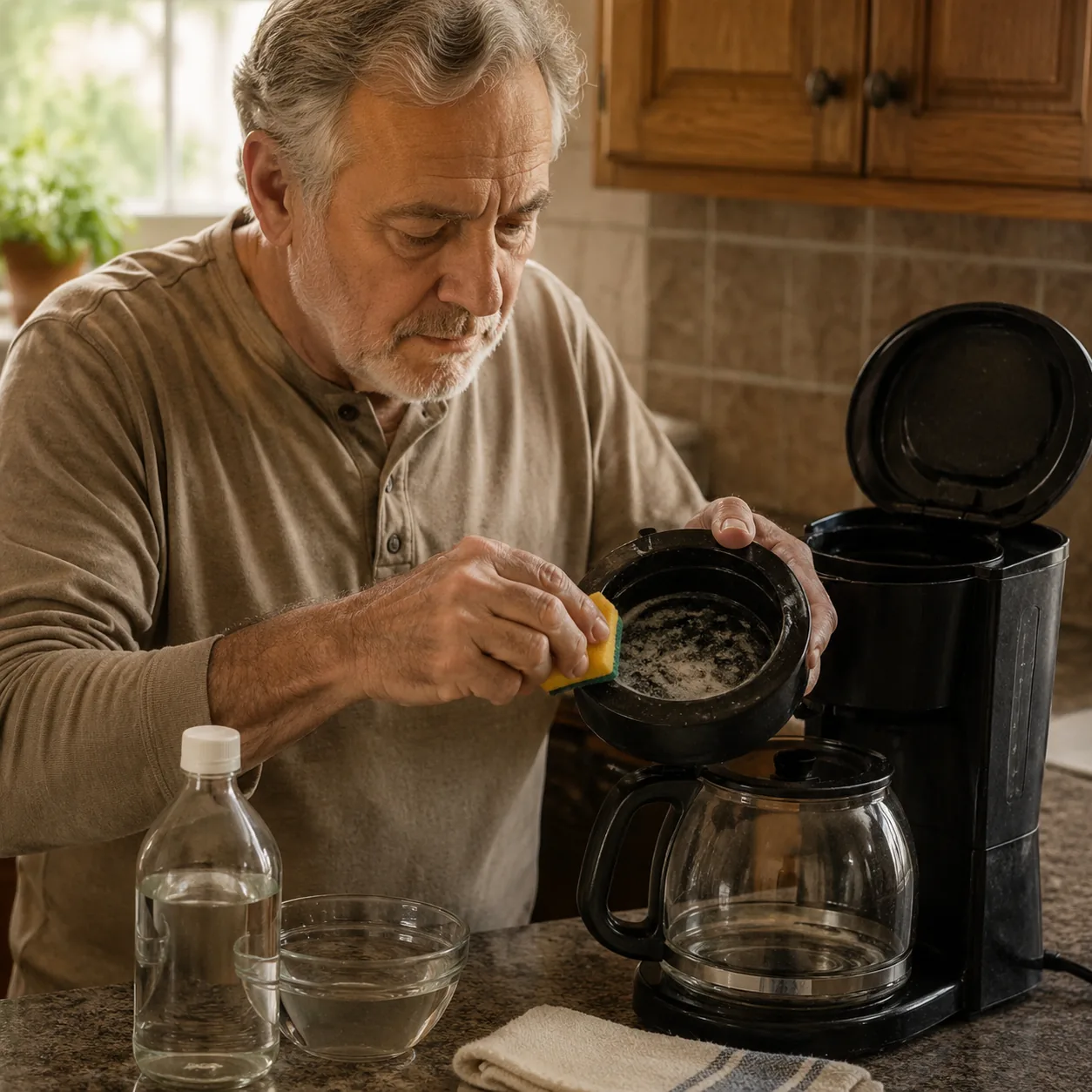
He cleaned before replacing. Slow coffee often meant scale, clogged holes, or a dirty filter basket.
Grandpa ran vinegar, scrubbed the parts, and listened for the machine to perk properly again. Read More: 37 Things Every Abuela Kept in Her House That Made It Feel Like Home
He cleaned it because replacing a habit costs more than replacing a gadget.
3. Loose Stair Railings
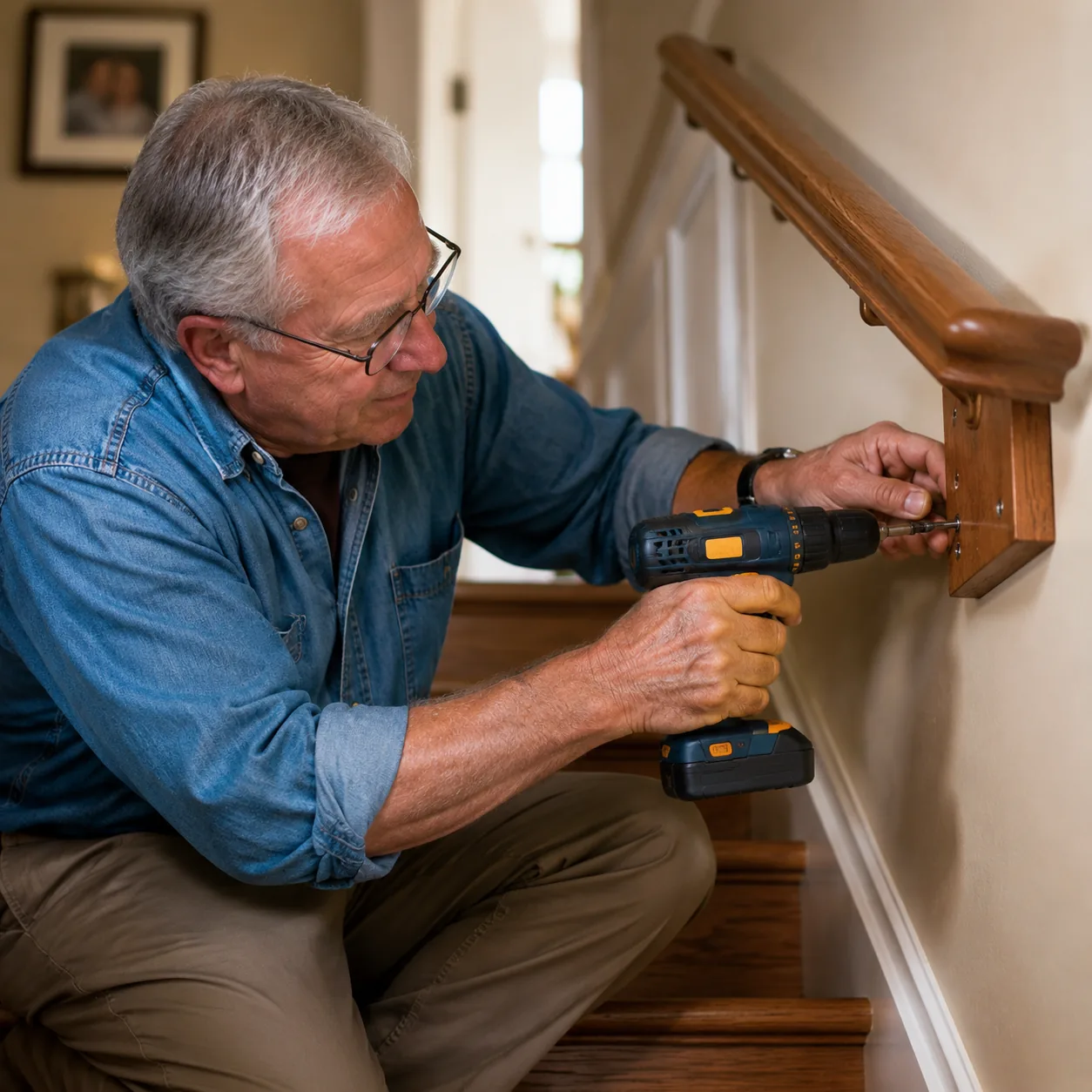
He fixed safety fast. A loose railing was not a someday job, especially with children or older relatives in the house.
Grandpa checked anchors, studs, brackets, and movement. He knew some repairs were about pride, but this one was about preventing a fall.
This was the kind of job he moved to the top of the list without debate.
2. Clocks That Lost Time

He listened to the tick. Clocks were cleaned, wound, leveled, and adjusted before anyone called them useless.
Keeping time mattered in a house with work shifts, school bells, church, meals, and medicine. The clock was part of the family’s rhythm.
When he adjusted it, he was really keeping the household’s routines steady.
The clock made order audible.
It anchored the day.
1. Anything With One Good Part Left

He saw future repairs in today’s scraps. A hinge, knob, screw, bracket, or bit of wire went into a jar for later.
That habit could look cluttered until the exact part saved the day. Grandpa’s real gift was teaching that usefulness does not always end when something breaks.
His jars of parts were a quiet archive of future solutions, waiting for the right problem.