Some old family rules were stricter than modern parents would choose.
Others quietly taught kids how to handle real life.
33. Make Your Bed Before Leaving The Room
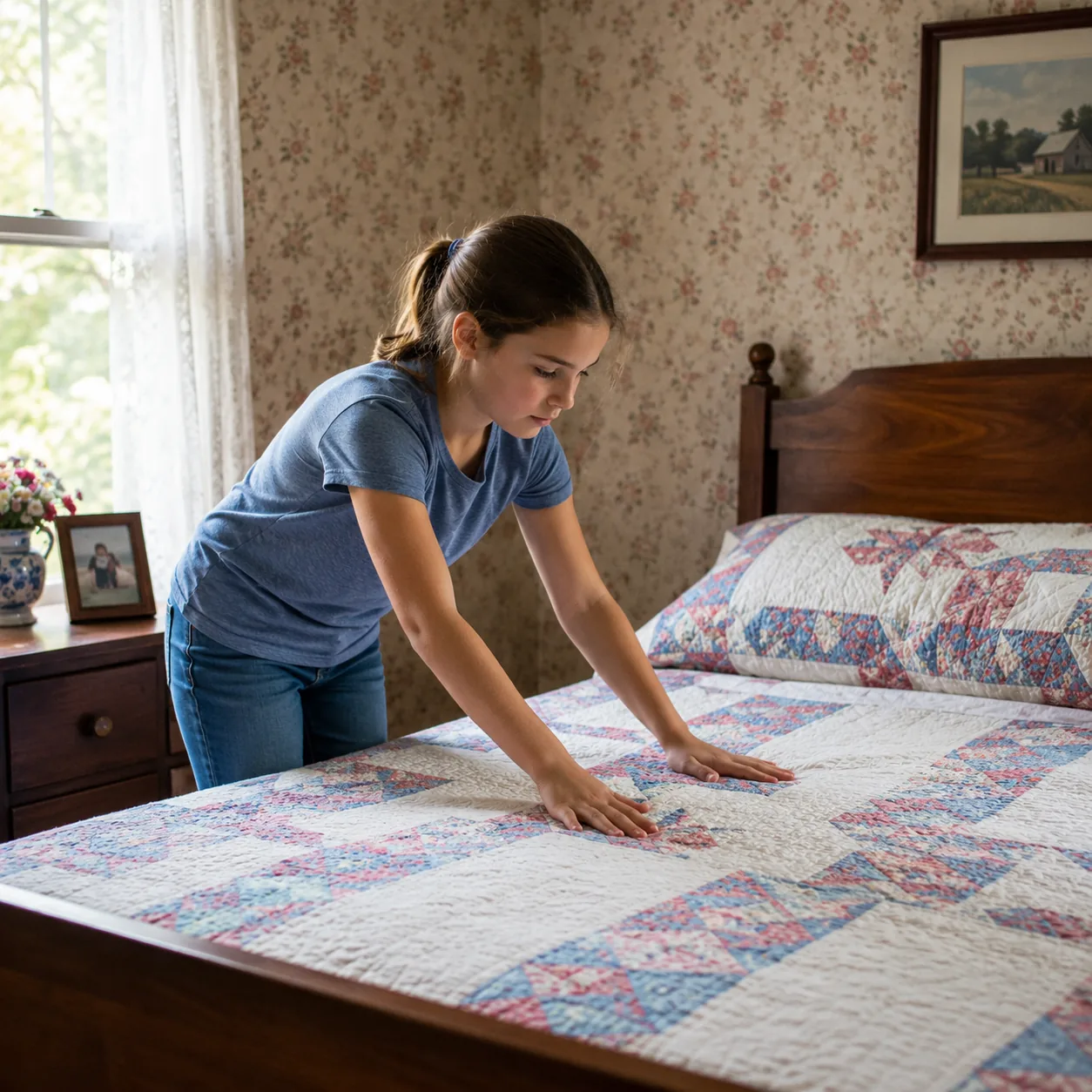
The day started with order. Making the bed gave kids one small responsibility they could finish before breakfast.
It was not about military precision. It taught that your space affects your mood, and that a simple completed task can set the tone for everything after it.
Kids also learned that nobody else should have to clean up the first thing they ignored.
32. Put Things Back Where You Found Them
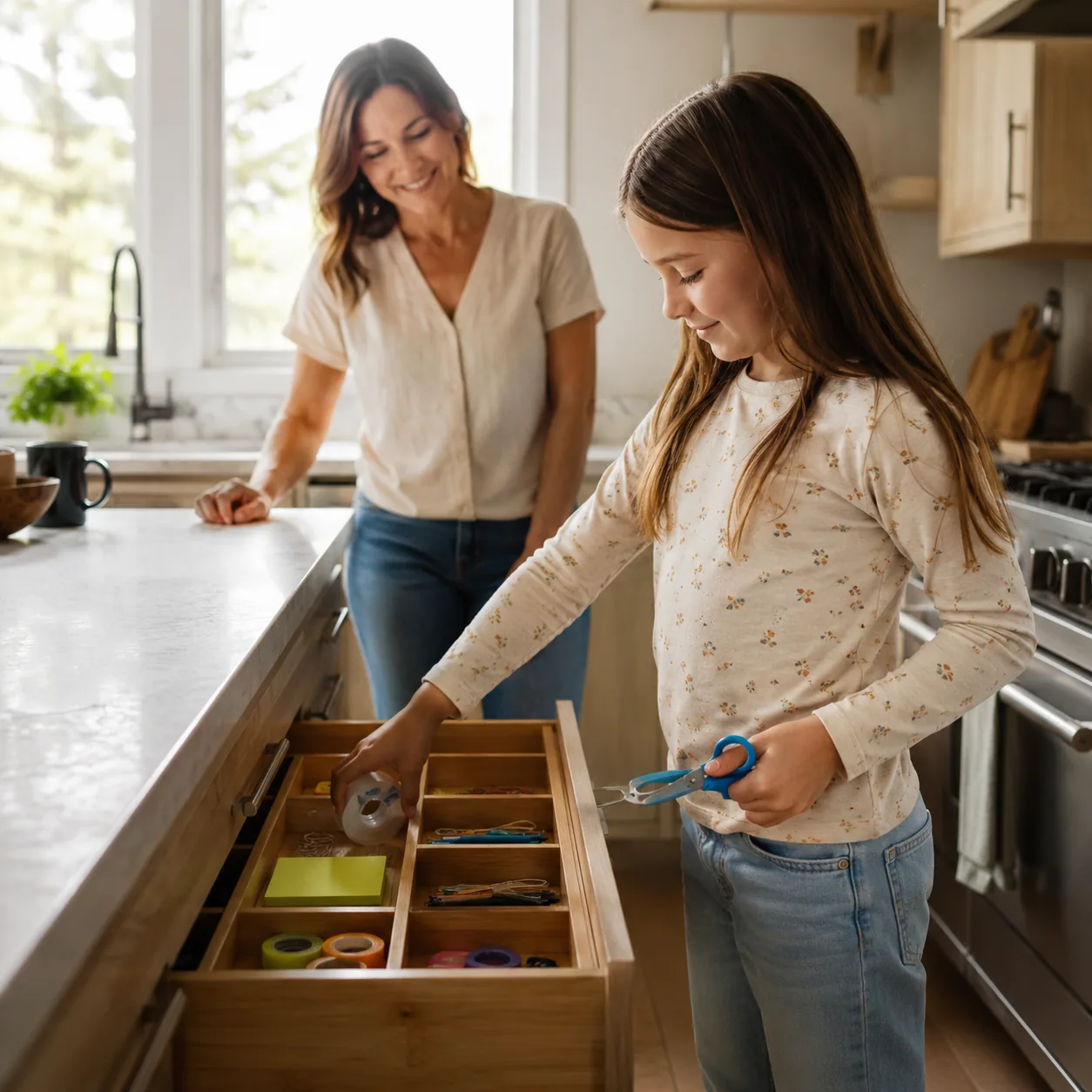
This rule protected the household. Everyone relied on shared tools, keys, scissors, tape, and school supplies.
Putting things back taught children that convenience is communal. If you leave the flashlight dead or the hammer missing, the next person’s problem is partly yours.
That is a small lesson, but it becomes adult reliability in offices, homes, and shared cars.
31. Finish Your Chores Before Playing

Work came before reward. Chores first made fun feel earned instead of automatic.
The point was not to drain childhood of joy. It taught sequencing: handle the necessary thing, then enjoy the optional thing without a guilty voice following you around.
Children who learned that rhythm had an easier time managing homework, bills, and work deadlines later.
Order became a habit, not a mood.
30. Walk Or Bike Yourself There If It Is Close

Distance became judgment practice. Kids learned routes, timing, weather, traffic, and how far “close” actually felt.
That kind of independence built confidence fast. A child who can get to a friend’s house, library, or corner store safely starts understanding the neighborhood as a real place.
The rule worked best when adults taught safe routes first instead of pretending risk did not exist.
29. Answer Adults Clearly

Manners doubled as practice speaking up. Kids were expected to say hello, answer questions, and use a clear voice.
That could feel stiff, but it helped shy children learn public confidence. Speaking respectfully to adults made later conversations with teachers, bosses, and clerks less intimidating.
It also taught children that politeness and confidence can exist in the same sentence.
28. Take Care Of Younger Siblings
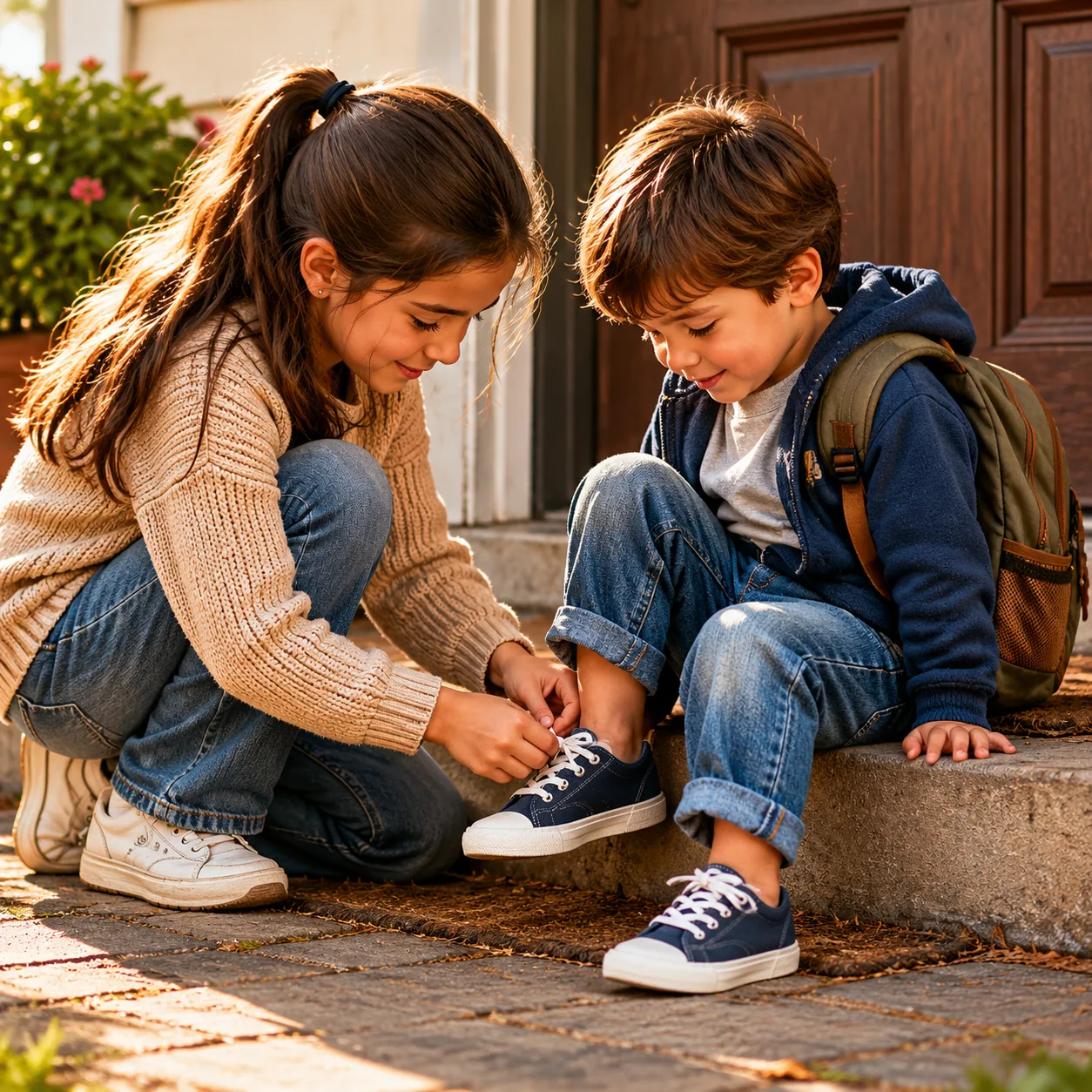
Responsibility arrived early. Older kids watched younger ones, helped with shoes, shared snacks, and made sure nobody got left behind.
It was too much in some families, but in healthy doses it taught patience, awareness, and leadership. Kids learned they were capable of being trusted.
The useful version included clear limits, so responsibility did not become a child’s whole identity.
27. Eat What Is Served Or Wait Until The Next Meal

Food rules taught flexibility. Children were expected to try dinner and not demand a separate menu every night.
The useful lesson was gratitude, not force. Kids learned that households run better when everyone adapts a little, especially when money, time, or groceries are limited.
It also helped children recognize the work behind dinner instead of treating meals like custom orders.
26. Save Part Of Any Money You Get

Money had a future. Birthday cash, allowance, lawn-mowing money, or babysitting pay did not all disappear at the store.
Saving taught delay, planning, and the strange satisfaction of watching a small amount become useful. It also made big purchases feel connected to effort.
Even a simple jar on a dresser could turn money from impulse into a visible plan.
25. Be Home When The Streetlights Come On
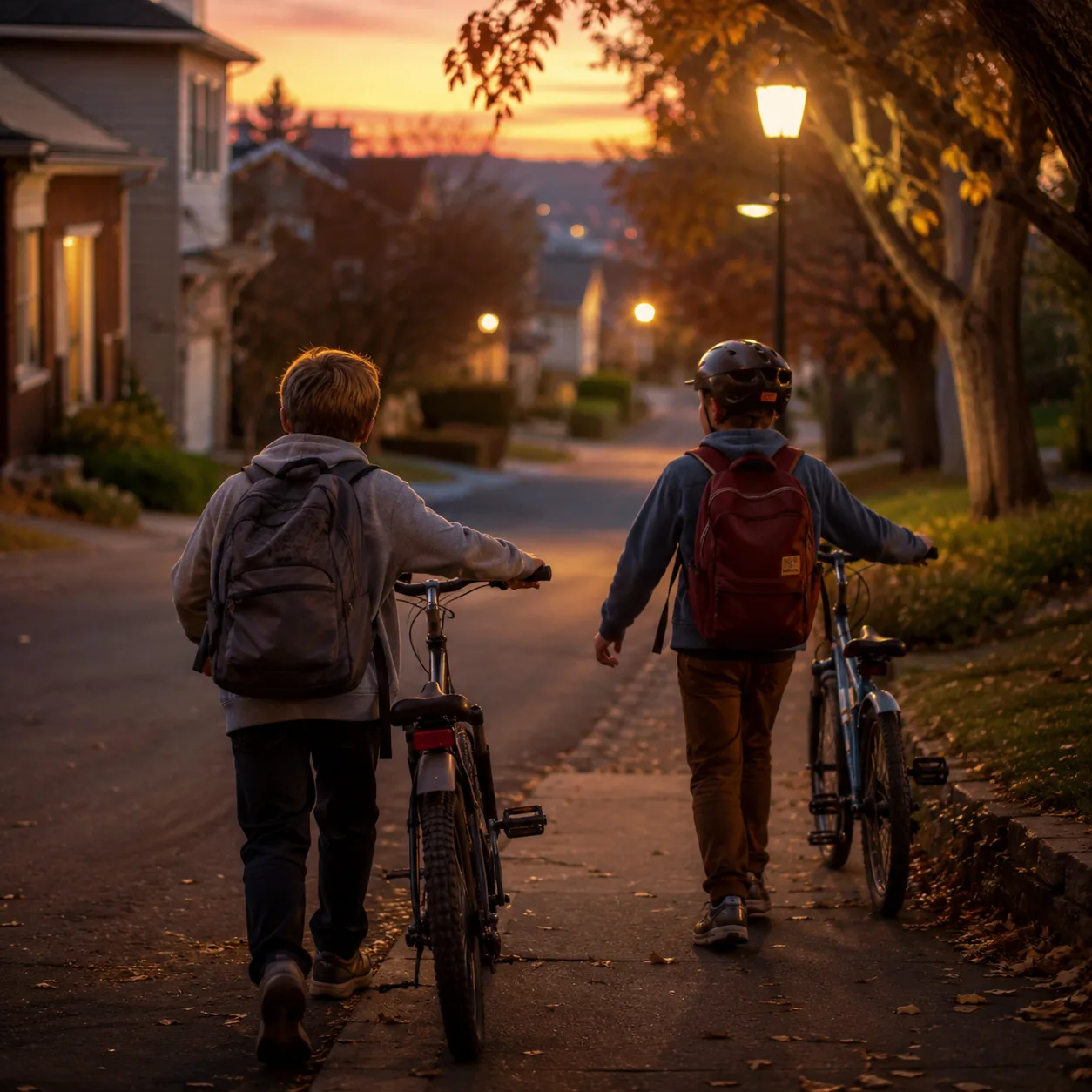
Curfew was tied to the world outside. Streetlights gave children a visible deadline before phones tracked every movement.
The rule taught time awareness. Kids had to notice the sky changing, wrap up play, and get themselves home without waiting for an adult to chase them.
It gave children freedom with a boundary they could actually see.
That made responsibility feel concrete.
24. Clean Up Your Own Mess
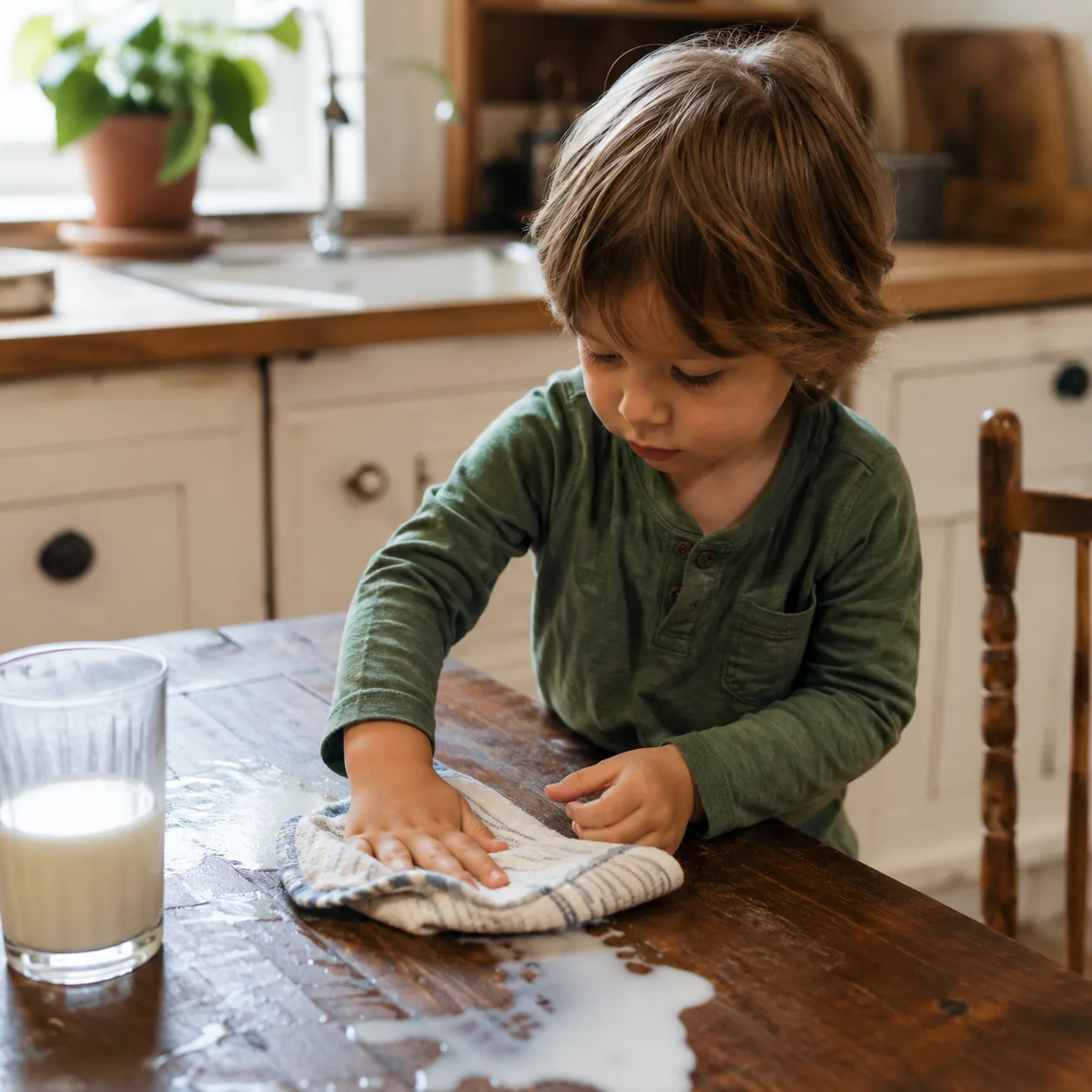
Mistakes came with repair. Spill something, pick it up. Break something, tell someone. Track dirt, sweep it.
This rule separated shame from responsibility. Children learned that messing up was not the end of the world, but leaving the mess for someone else was not acceptable.
That distinction matters, because confident kids need repair skills more than fear of mistakes.
23. Do Not Interrupt Unless It Is Important
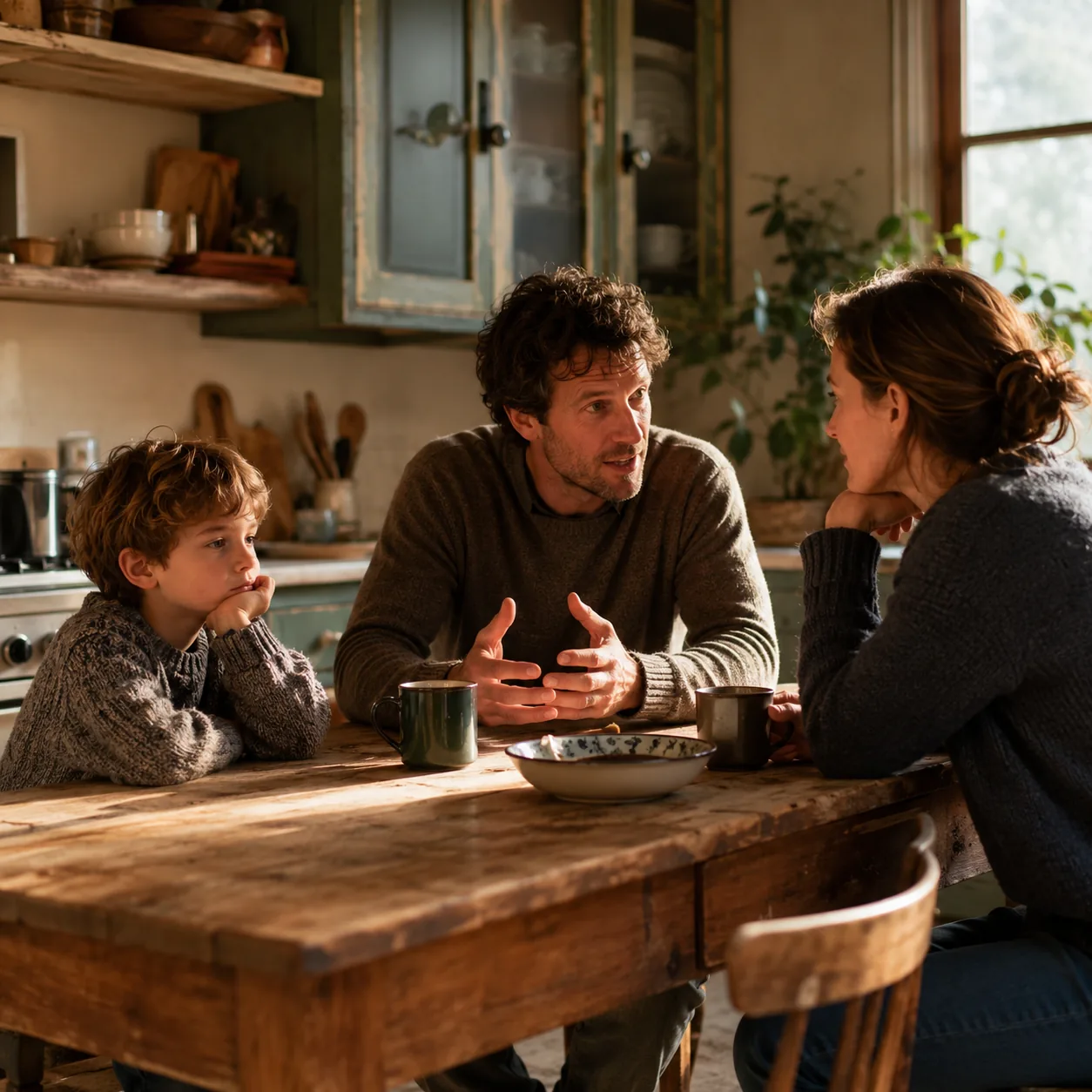
Waiting built self-control. Kids learned to judge whether a need was urgent or simply impatient.
The rule worked best when adults eventually listened. Done well, it taught timing, respect, and the useful skill of holding a thought without exploding into every conversation.
It also helped children learn the difference between an emergency and a preference.
That distinction still matters in adulthood.
22. Ask Older Relatives About Their Stories

Children were taught to listen upward. Asking grandparents about work, childhood, recipes, and hard times made family history feel alive.
That habit is still worth keeping, especially with 31 Questions People Wish They Asked Their Grandparents Before It Was Too Late.
It taught children that wisdom is not always online, new, or delivered by someone their own age.
21. Help Carry Groceries Without Being Asked

Initiative mattered. Kids were expected to notice the trunk was full and move before someone repeated their name three times.
This rule taught practical awareness. In adult life, seeing what needs doing is often more valuable than waiting for perfect instructions.
It also made children feel part of the household’s work, not spectators to adult labor.
Participation built belonging.
20. Learn To Fix Small Problems First
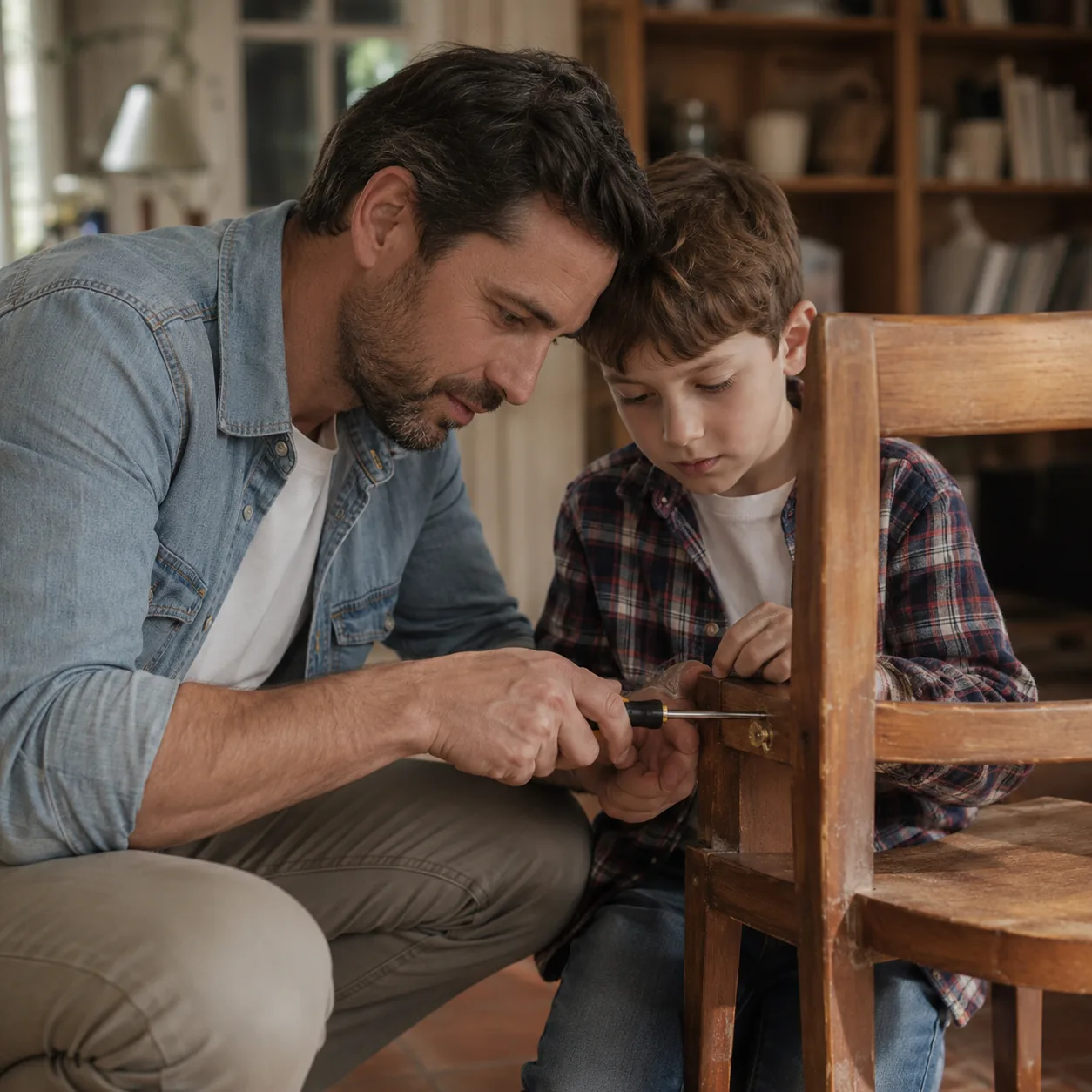
Small fixes built courage. A loose screw, low tire, missing button, or dead flashlight battery became a lesson.
Children learned that not every problem requires panic or purchase. First you look, test, ask, and try the obvious fix.
That habit made future repairs less intimidating, even when they eventually needed expert help.
Trying first built practical courage.
Even asking better questions became progress.
19. Use Things Until They Truly Wear Out
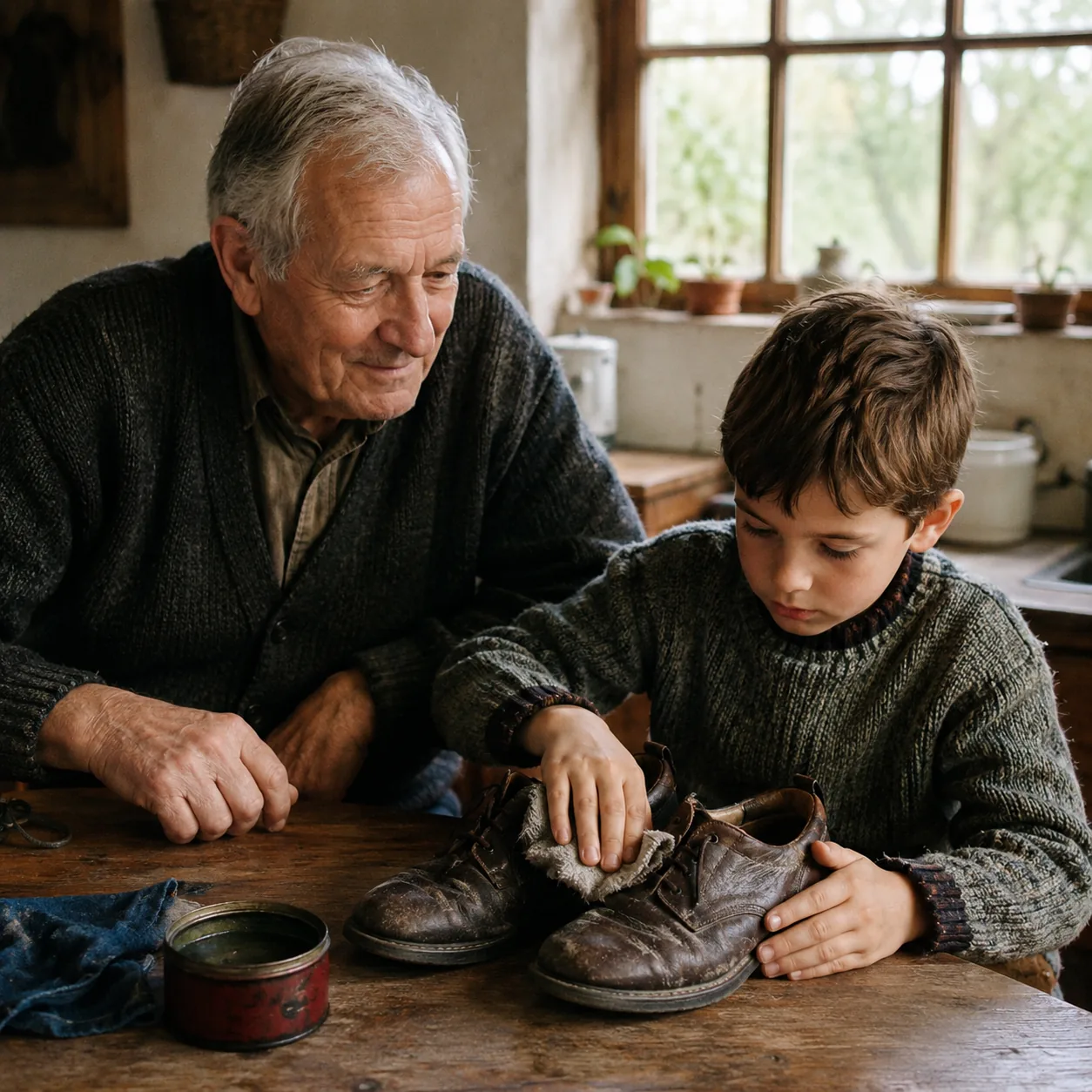
Replacement was not the first answer. Shoes were polished, bags were reused, toys were repaired, and furniture was tightened.
That mindset came from households where money had jobs already. Read More: 33 Things Grandpa Fixed Instead of Throwing Away
Children learned to ask whether something was finished or simply neglected.
That question prevented waste.
It also protected household money.
18. Write Thank-You Notes
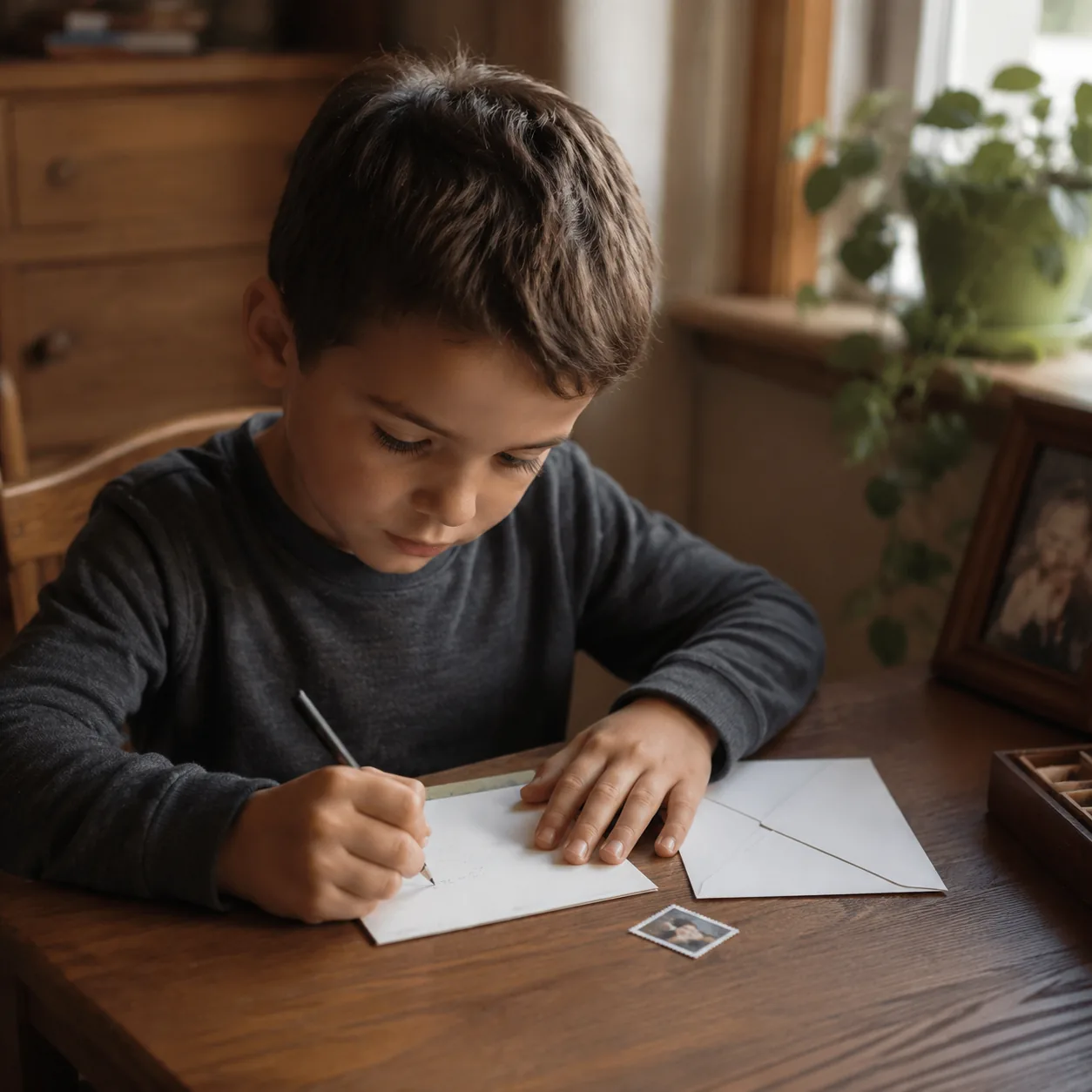
Gratitude had to leave your head. A gift required a note, phone call, or clear thank-you in person.
The rule taught children to recognize effort. Someone spent money, time, or attention on you, and acknowledging that made relationships stronger.
It also made gratitude specific, which is much harder than tossing out a casual thanks.
Specific thanks strengthens relationships.
17. Knock Before Entering A Closed Door
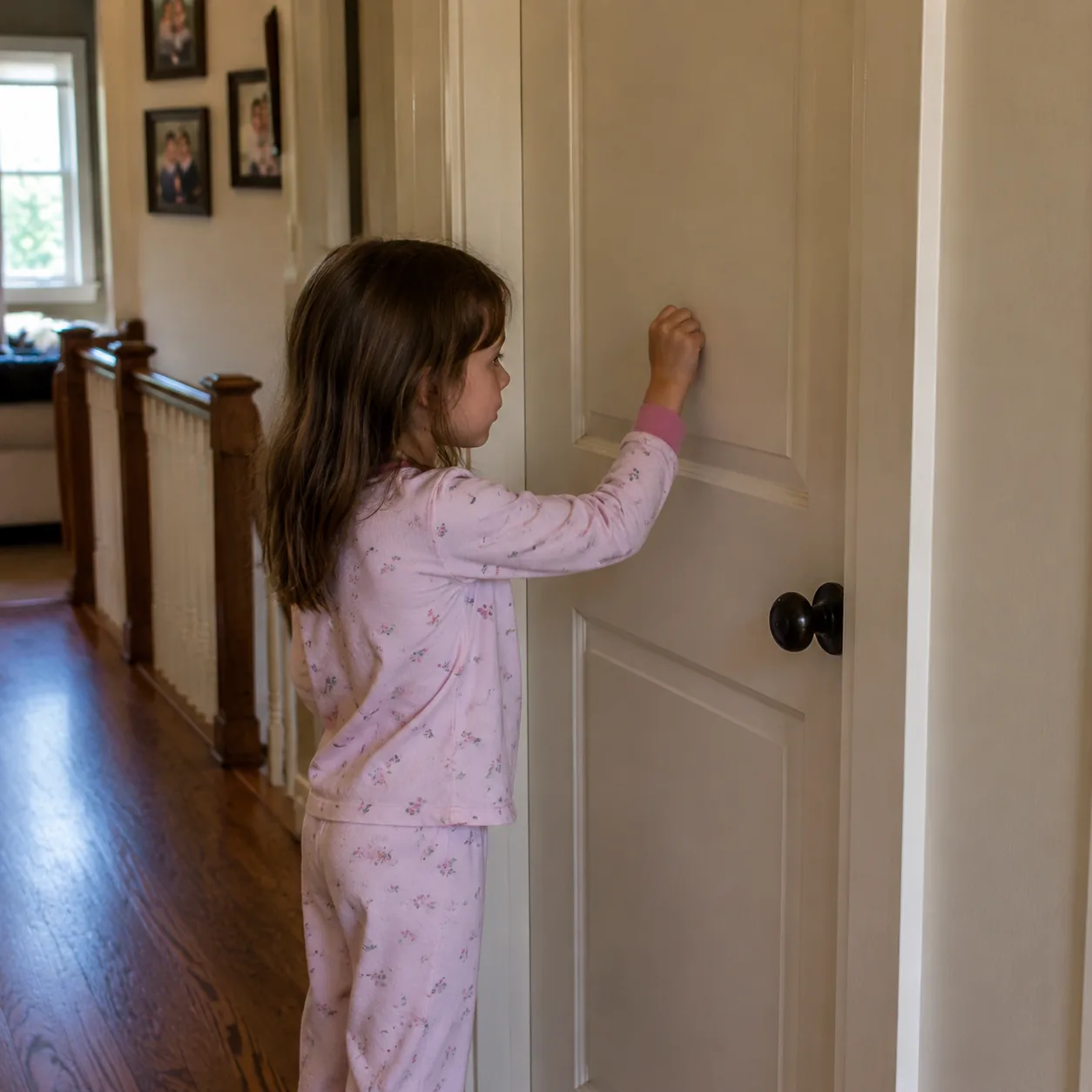
Privacy was practiced at home. A closed door meant pause before entering.
This taught boundaries before children had the language for boundaries. Respecting another person’s room, purse, mail, or phone helped kids understand that closeness does not erase privacy.
That lesson aged well, because every healthy relationship still needs a version of knocking first.
Privacy taught respect in action.
16. Help Make The House Feel Welcoming

Hospitality was a shared job. Kids set the table, swept the porch, carried chairs, or made room for guests.
That kind of participation is part of why older homes felt so warm, like the details in 35 Things That Made Grandma’s House Feel Like Home.
Children learned that welcome is something people build together before the doorbell rings.
15. Keep School Papers In One Place

Organization prevented morning chaos. Permission slips, homework, library books, and lunch money had a spot.
Kids learned that being prepared is not magic. It comes from putting things where tomorrow-you can find them when everyone is rushing.
This rule made mornings less dependent on parental rescue and more dependent on yesterday’s choices.
Prepared kids felt less frantic.
14. Speak Up If You Made A Mistake
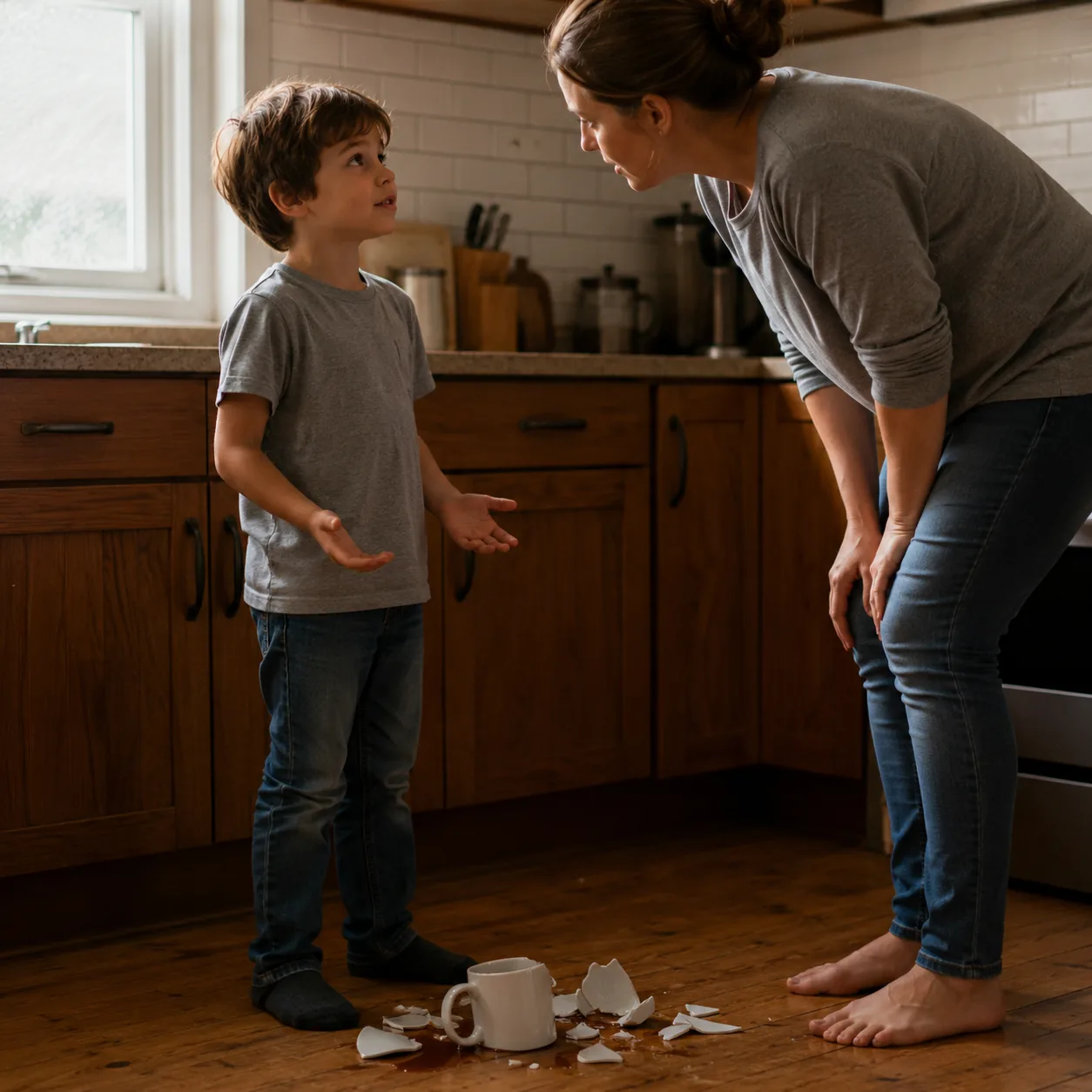
Honesty came before excuses. Old-school families often cared less about the accident than the hiding.
Admitting a mistake built trust. It also taught children the adult pattern they would need later: own it, repair what you can, and learn from it.
Families that handled confession calmly made honesty much easier to practice.
Calm consequences protected trust.
Trust made future honesty easier.
13. Do Not Waste Food

Food was treated with respect. Leftovers were saved, bread ends became crumbs, and fruit got eaten before it spoiled.
The rule made children aware of cost and labor. Somebody planned, shopped, cooked, and paid for that meal, so wasting it was not casual.
It also encouraged creativity, because leftovers became snacks, lunches, or another night’s side dish.
Waste less often meant think better.
12. Pack Your Own Bag
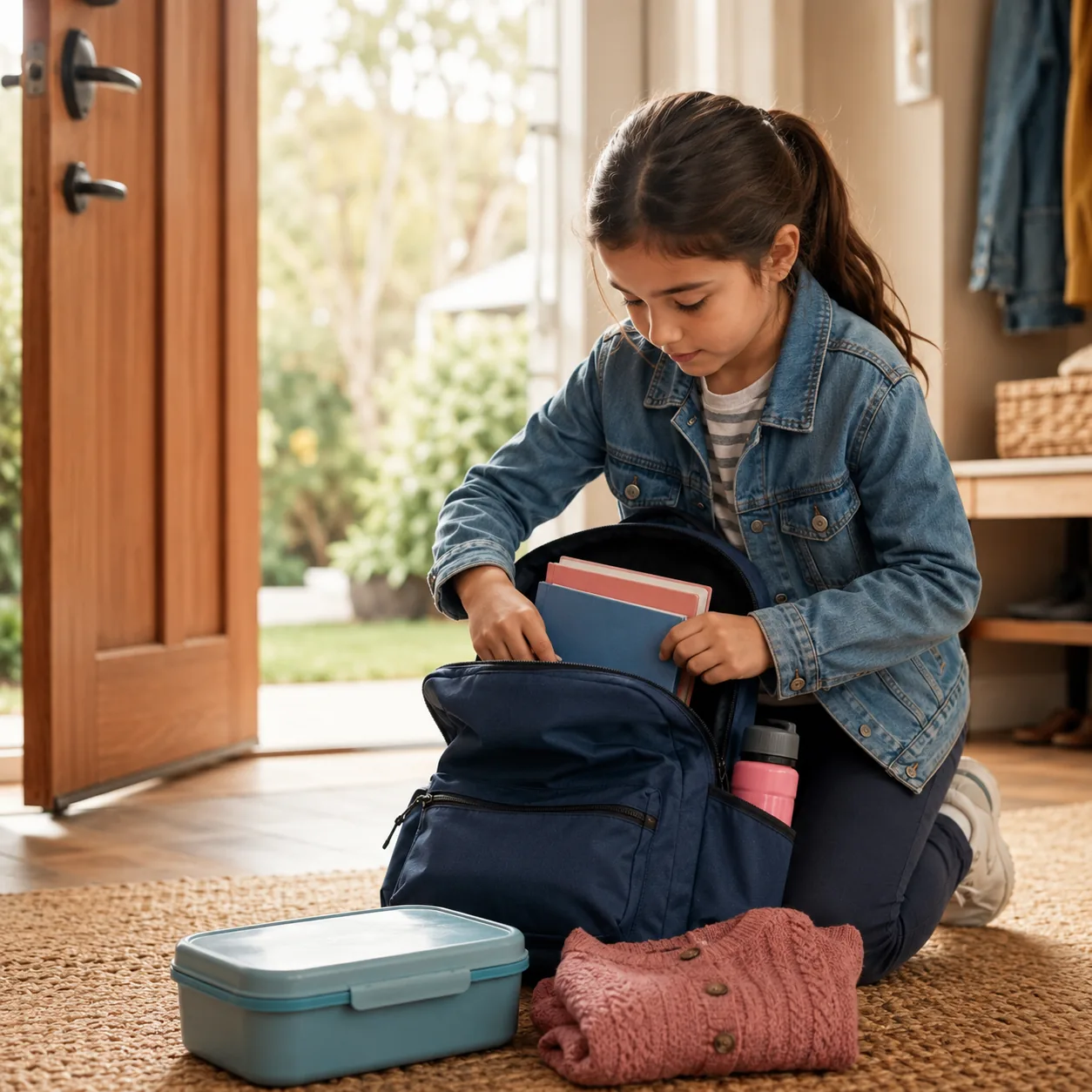
Preparation became the child’s job. School bags, church clothes, sports gear, and sleepover items had to be gathered ahead of time.
That same lunchbox independence shaped many childhood routines. Read More: 33 Childhood Snacks From the 60s, 70s, and 80s That Vanished From Lunchboxes
Forgetting something once often taught the lesson better than ten reminders.
Experience made the rule stick.
11. Learn The Family Phone Numbers
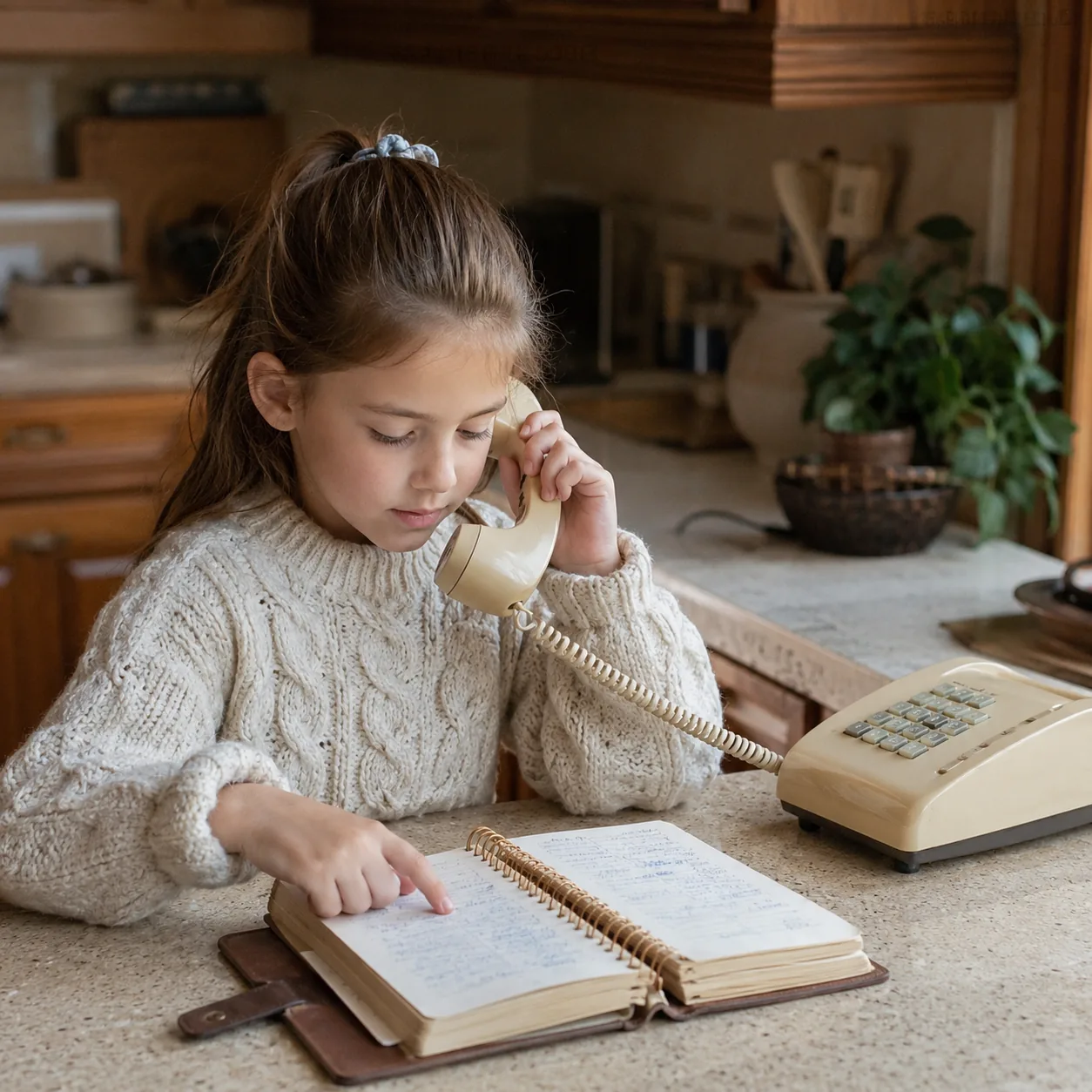
Memory was part of safety. Children learned home numbers, grandparents’ numbers, and sometimes a neighbor’s number.
Before every contact lived in a device, knowing numbers gave kids options. If something went wrong, they could reach a trusted adult.
It also made children understand that safety includes memory, not just supervision.
Knowing numbers gave them agency.
Agency matters in real emergencies.
10. Share A Bedroom Without Acting Like A Tyrant
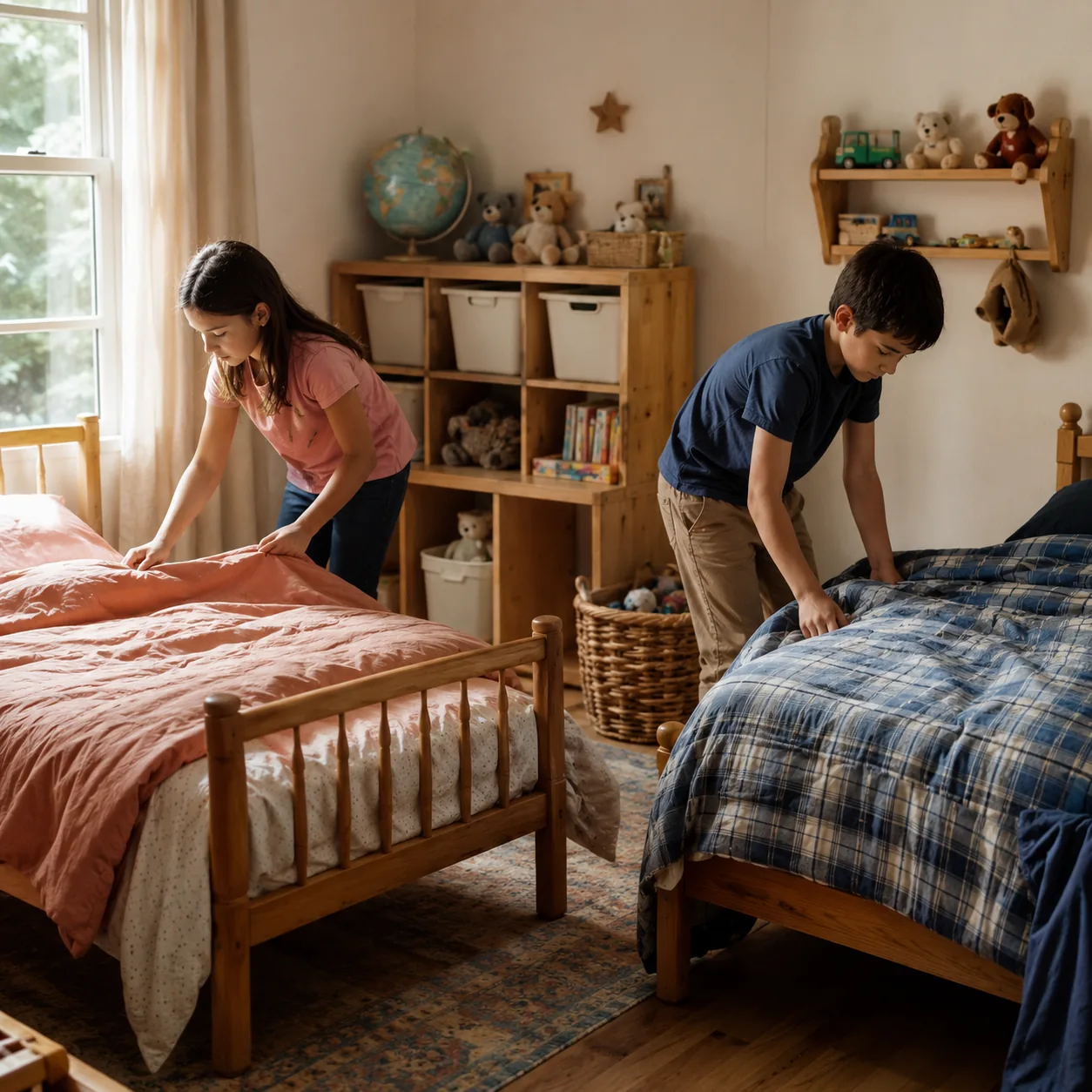
Shared space taught negotiation. Siblings learned lights out, drawer space, noise, privacy, and where not to step.
It was not always peaceful, but it was useful. Sharing a room made children practice compromise daily, long before roommates, spouses, or coworkers entered the picture.
They learned that comfort matters, but so does the other person’s comfort.
That is everyday compromise.
9. Dress Properly For The Occasion
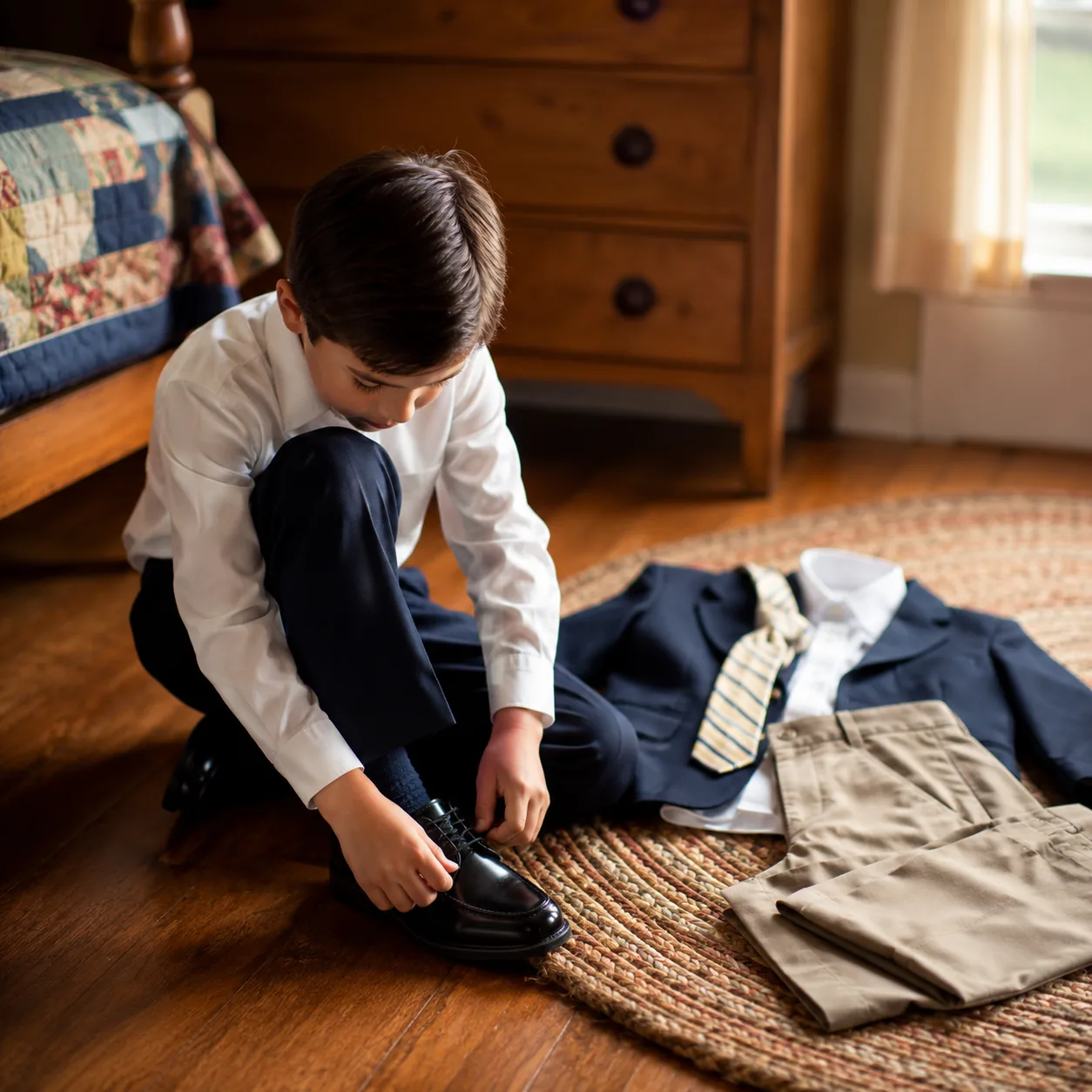
Clothes showed respect. Church, funerals, weddings, school programs, and family dinners sometimes required better shoes and a tucked shirt.
The rule taught situational awareness. Kids learned that how you show up can communicate care before you say a word.
It was less about fashion than learning to read the room.
Respect often starts before speaking.
Appearance was one early signal.
8. Respect The Traditions That Hold People Together
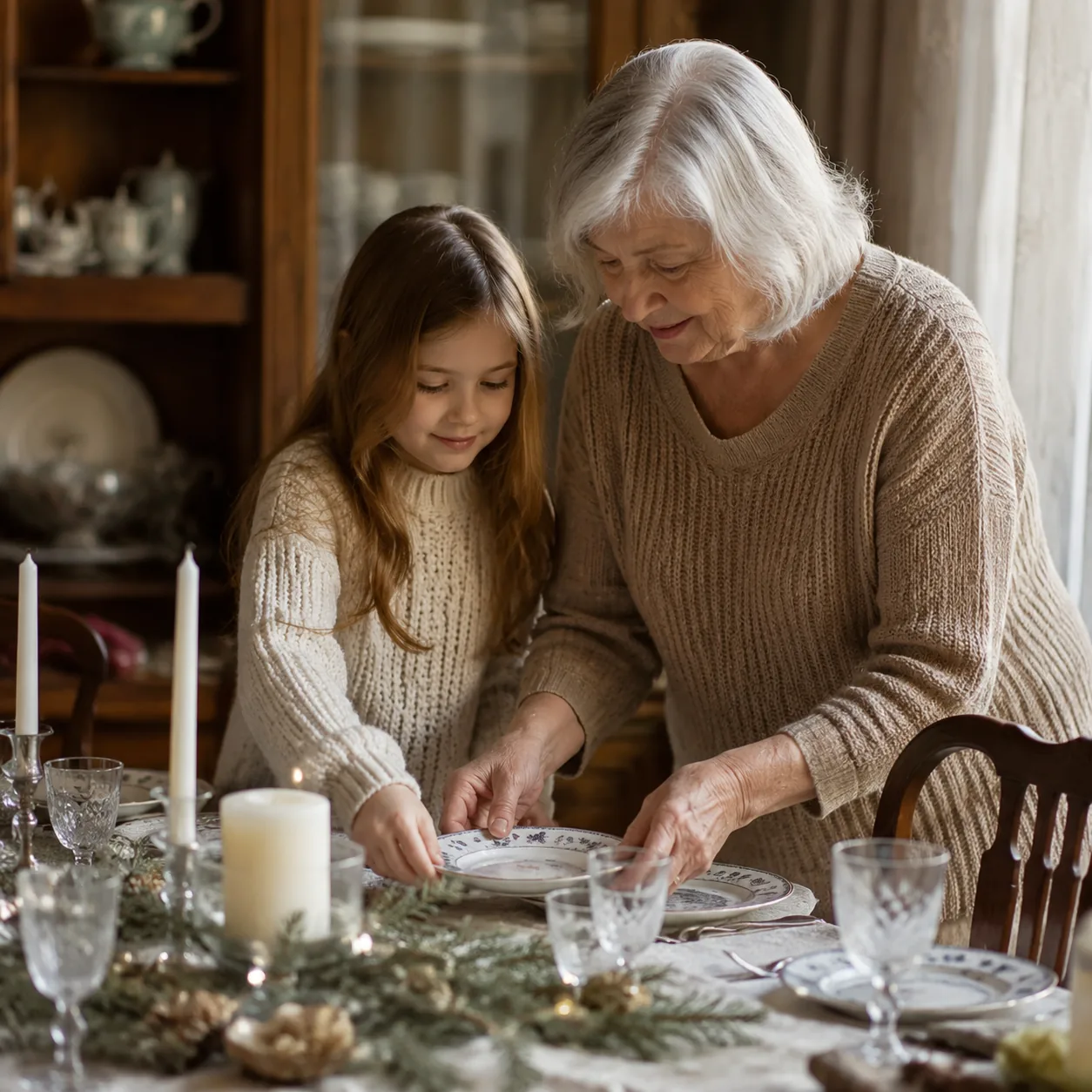
Tradition gave children roots. Prayers, recipes, music, sayings, and holiday routines helped kids understand where their family came from.
In many Latino homes, those details looked like the beloved objects in 37 Things Every Abuela Kept in Her House That Made It Feel Like Home.
Children who helped with traditions learned culture through motion, not just explanation.
Participation made heritage memorable.
7. Earn Trust Before Asking For More Freedom

Freedom followed proof. Kids who came home on time, told the truth, and handled chores usually got more room.
That rule taught cause and effect. Independence was not a speech you gave; it was a reputation you built one reliable choice at a time.
It made freedom feel earned, which often made kids protect it more carefully.
Trust became something to maintain.
6. Bring Something When You Visit
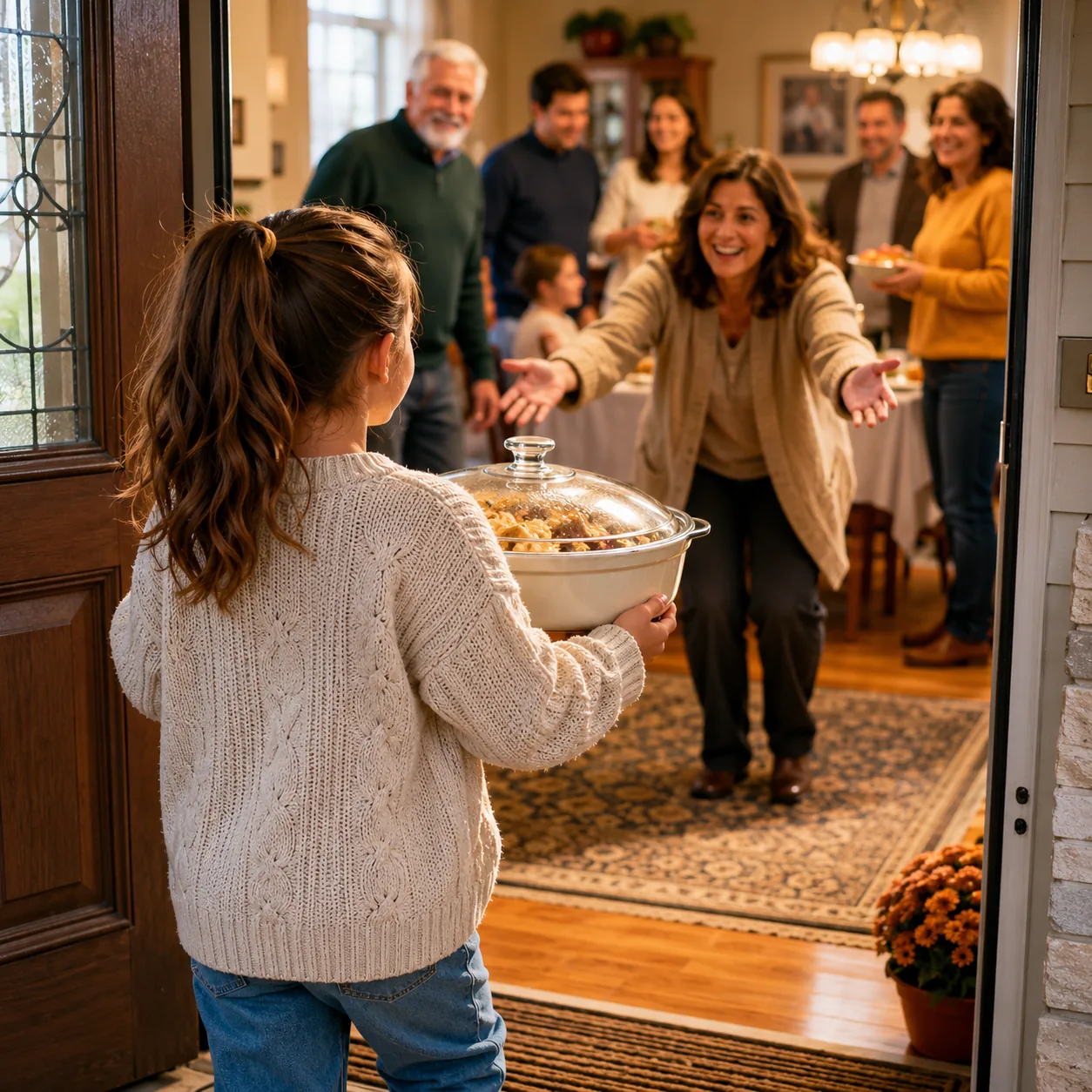
Guests contributed. A casserole, flowers, bread, dessert, or help carrying chairs showed you were not arriving empty in spirit.
Children learned that hospitality runs both ways. Being welcomed is lovely; making the host’s work lighter is even better.
That habit made them better guests before they were old enough to host.
Good guests notice effort.
Noticing effort makes kindness practical.
5. Keep Your Word
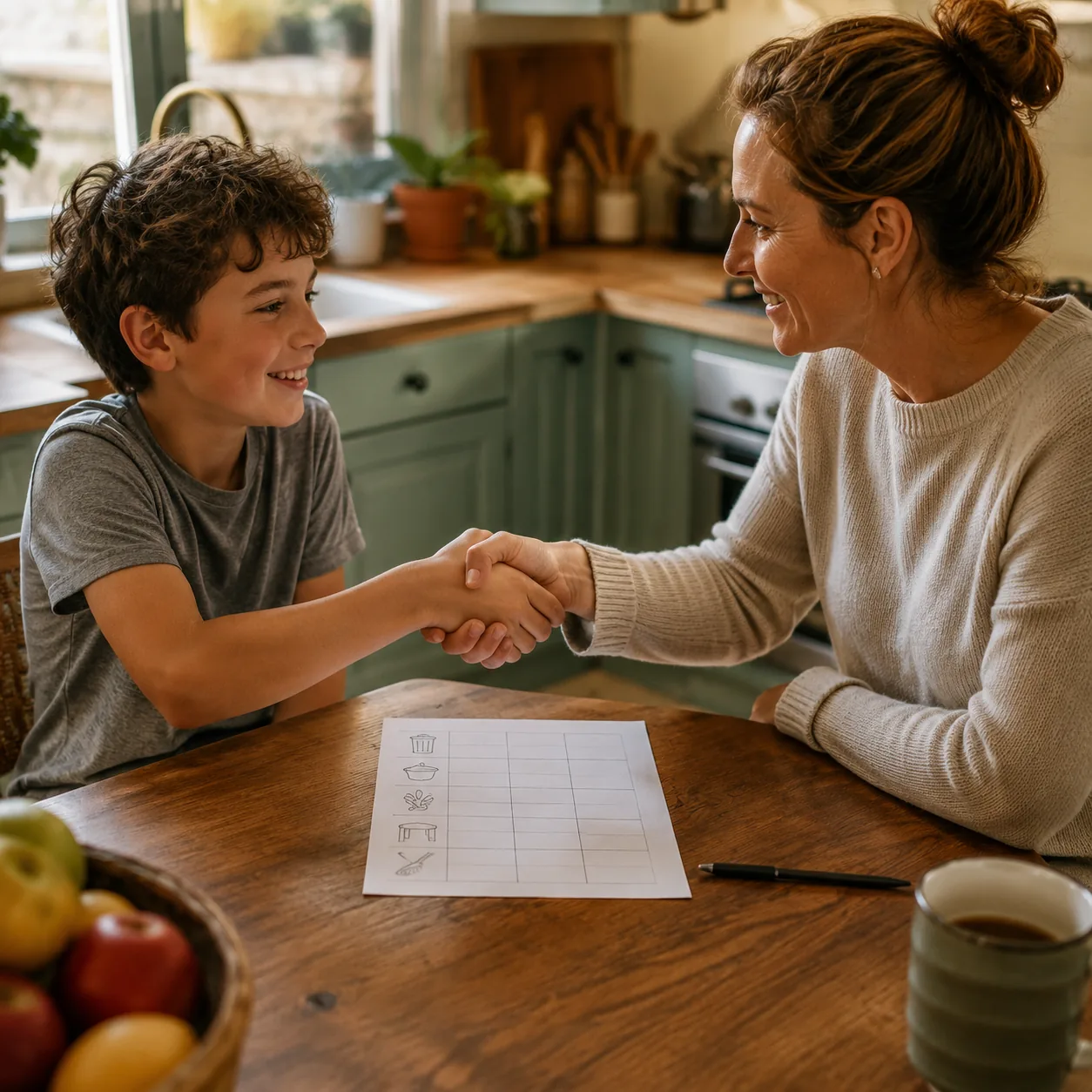
Promises were treated seriously. If you said you would mow, call, return, help, or pay someone back, the family expected follow-through.
That standard built credibility. A child who learns to keep small promises is less likely to treat big promises casually later.
It also taught that your word follows you into rooms where nobody knows your intentions.
4. Learn To Feed Yourself Something Simple

Basic cooking meant basic confidence. Kids learned toast, eggs, soup, sandwiches, rice, or reheated leftovers.
The goal was not gourmet skill. It was the comfort of knowing hunger did not require helplessness, takeout, or someone else dropping everything.
Even one dependable meal can make a young person feel more capable.
Capability can start with breakfast.
Small competence grows quickly.
3. Know What Is Always Kept In The Pantry
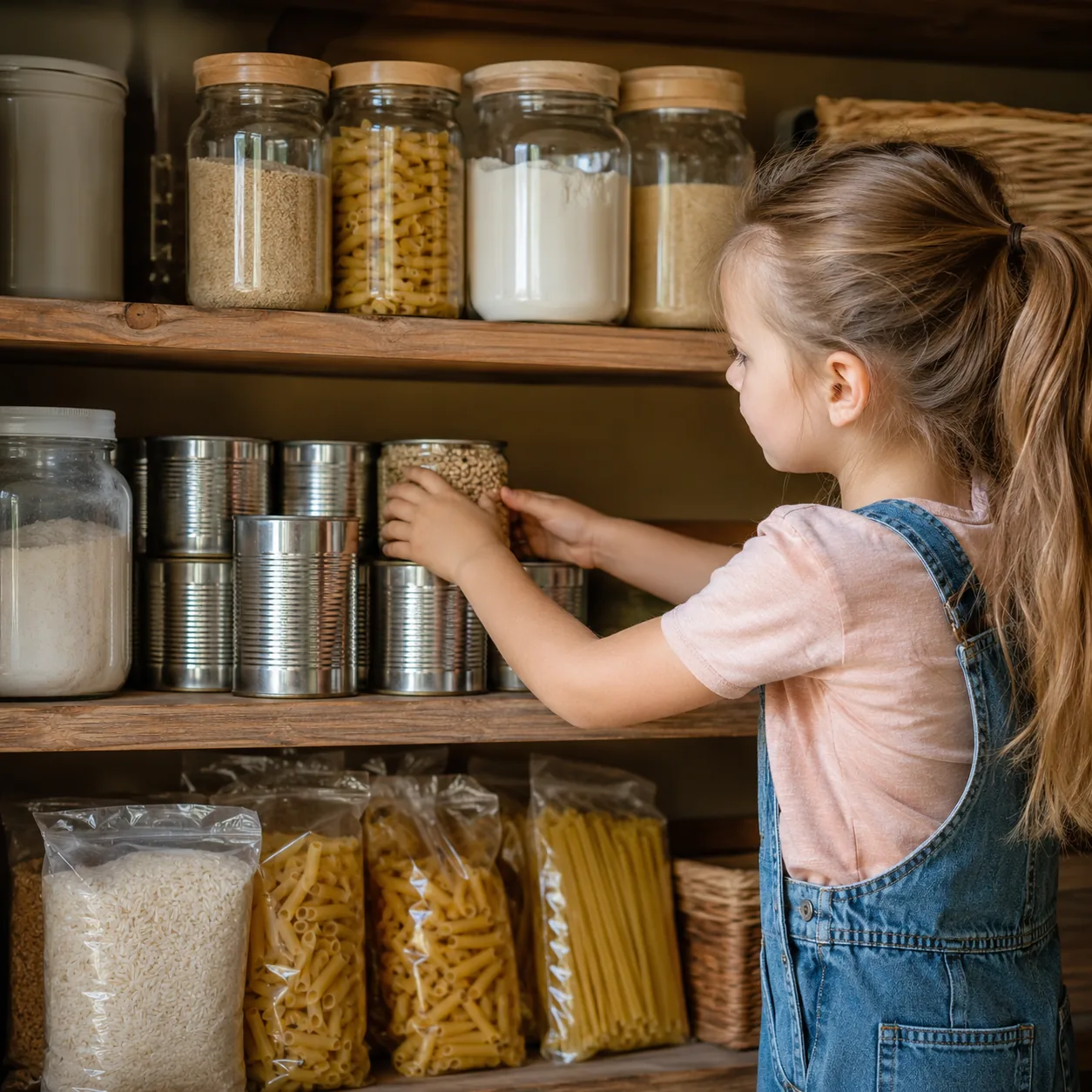
Households ran on staples. Kids learned which foods were for everyday meals, emergencies, guests, and tight weeks.
That pantry awareness built practical adulthood. Read More: 37 Things Every Grandma Kept in the Pantry That Modern Kitchens Forgot
It also helped kids understand why some foods were saved for company or emergencies.
Pantry rules revealed priorities.
Priorities made planning easier.
2. Leave A Place Better Than You Found It
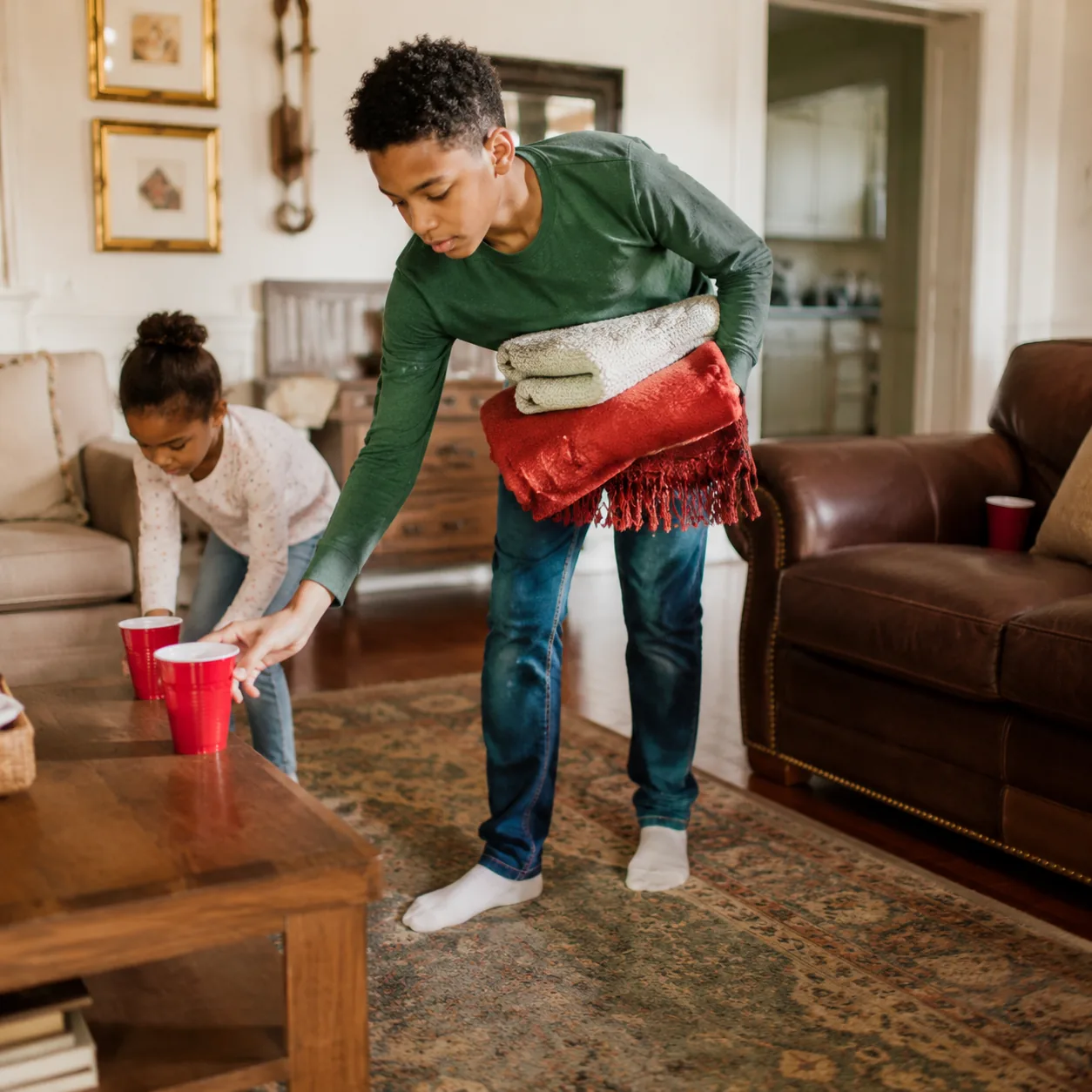
This rule traveled everywhere. At home, school, church, a park, or a relative’s house, kids were expected to help restore order.
It taught citizenship in miniature. You are not the only person using the space, so your convenience cannot be the final standard.
That mindset turns cleanup from punishment into respect for whoever comes next.
Respect became visible work.
1. Act Like Someone Is Counting On You
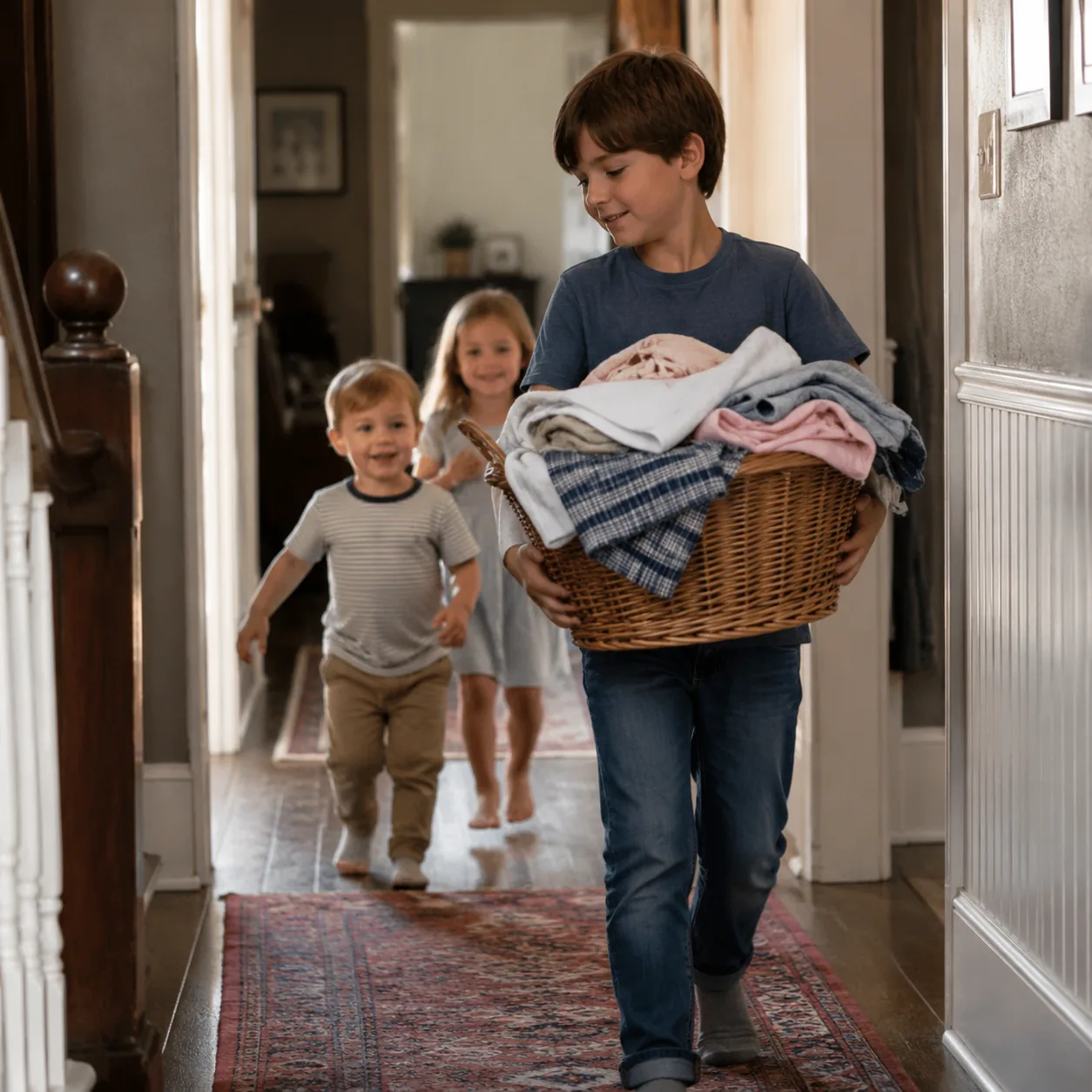
Independence was really reliability. Old-school rules worked best when they taught children they mattered to the household.
Being counted on can be heavy, but it can also be empowering. It tells a child, “You are capable, your choices matter, and this family works better when you help.”
The best old rules gave children responsibility with love, not pressure without support.