Kids once carried real weight in the household, sometimes literally.
Some chores built competence, some carried real risk, and modern caution has its reasons.
33. Carrying Firewood To The Stove
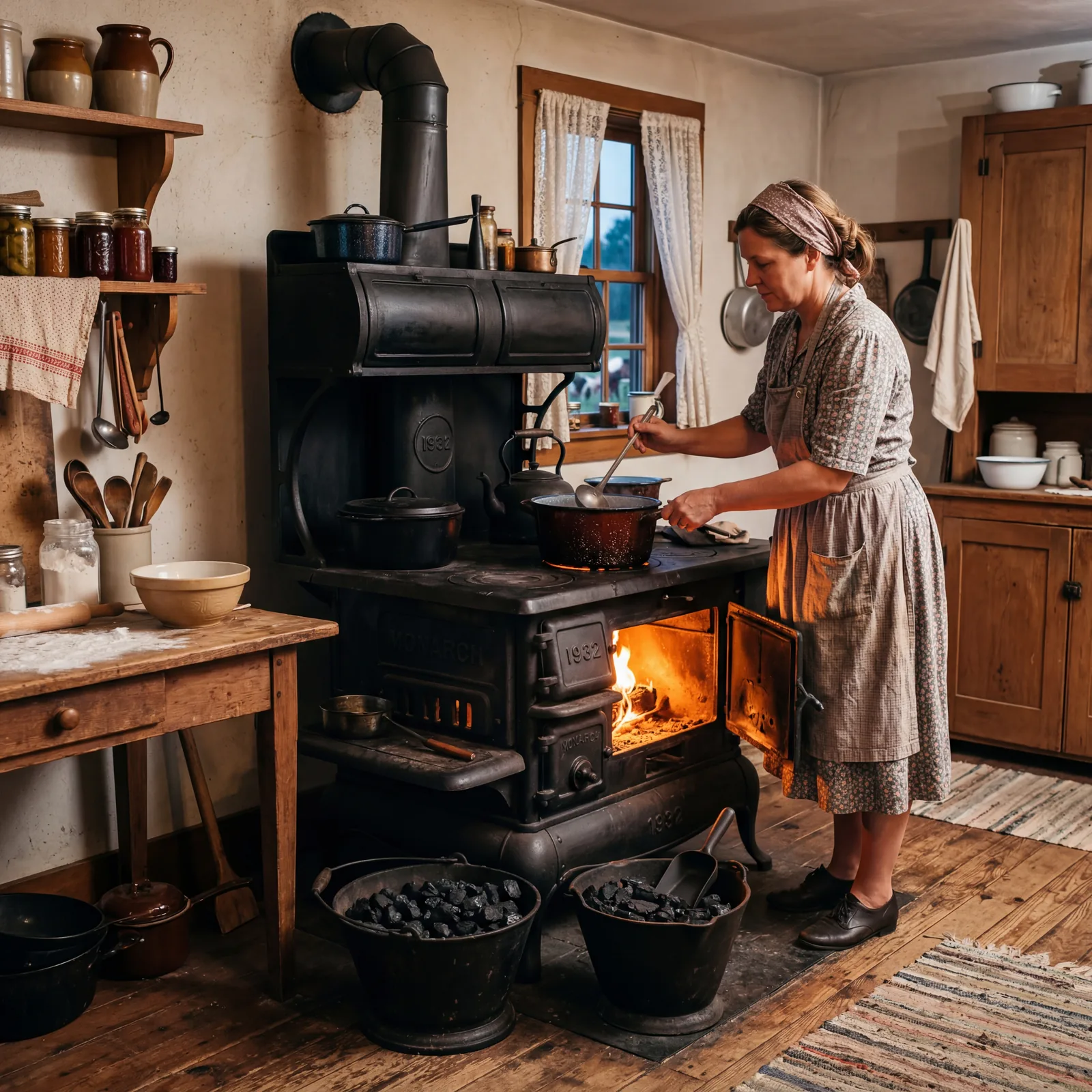
Firewood was not decorative. It was heat, hot water, breakfast, and one more night without the house going cold.
Kids learned quickly that a neat armload mattered. Too many pieces meant bark on the floor and bruised shins. Too few meant another trip through the mud or snow.
The chore built strength, but it also put children near splinters, smoke, and hot stove doors. The memory can be sturdy without pretending the risk was small.
32. Shoveling Snow Before School

On winter mornings, some kids shoveled before they ever touched a cereal bowl. The walkway, porch steps, and a strip behind the car had to be cleared before adults left for work.
The metal shovel scraped in the dark. Gloves got wet, socks slipped, and the first bus of the morning did not wait for anyone’s perfect attitude.
It taught usefulness fast. It also involved ice, cars, cold, and fatigue, which is why modern parents are not wrong to be more careful.
31. Mowing With A Heavy Push Mower
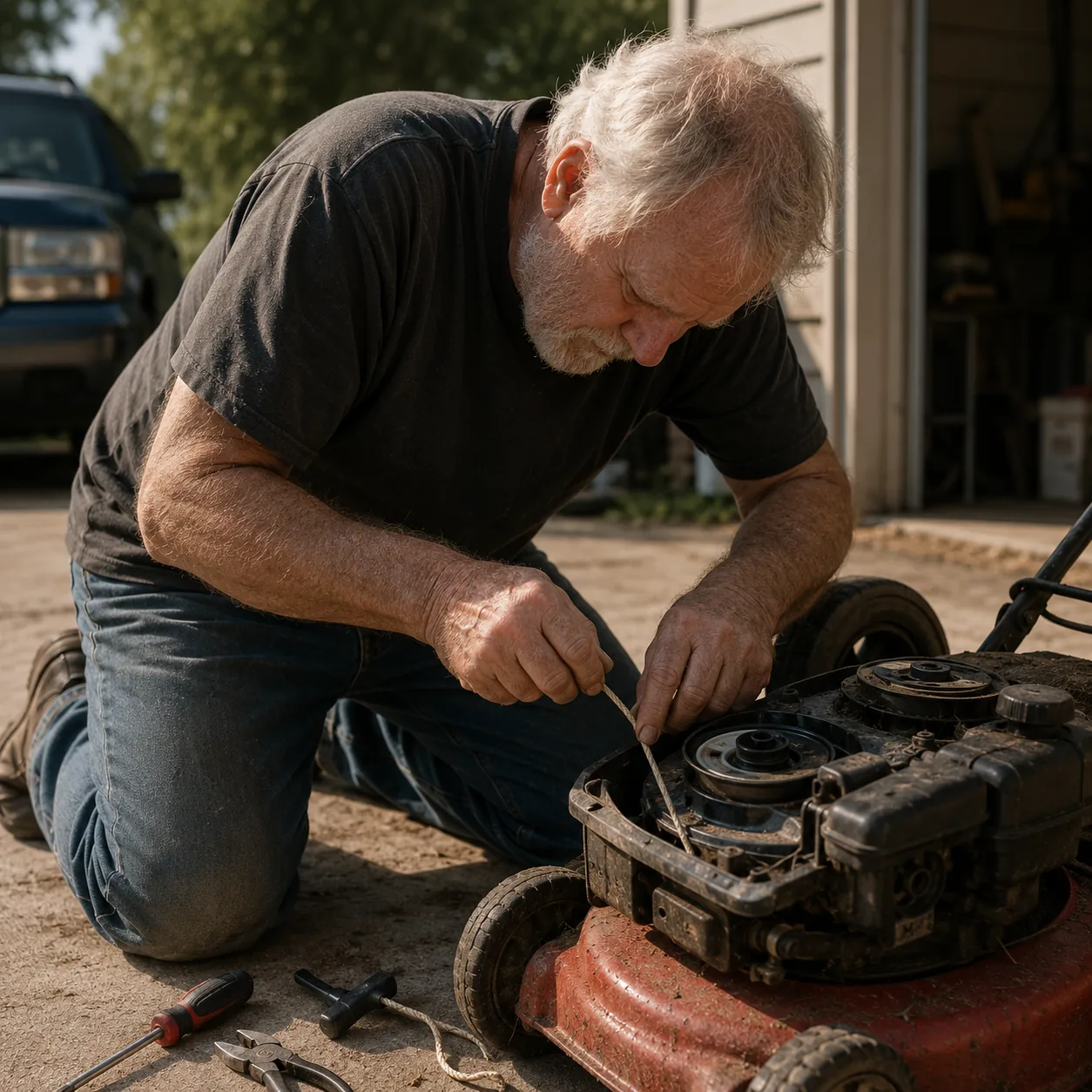
Before quiet battery mowers and professional lawn crews, a kid might be handed a stubborn reel mower and a yard that looked twice as big in July.
Every pass took muscle. Wet grass jammed the blades, dandelions popped back up, and the edge near the sidewalk had to look decent because neighbors noticed.
The lesson was pride in shared property. The caveat is obvious now: sharp blades and uneven ground deserved more supervision than many kids actually got.
30. Raking Leaves Until The Curb Was Full
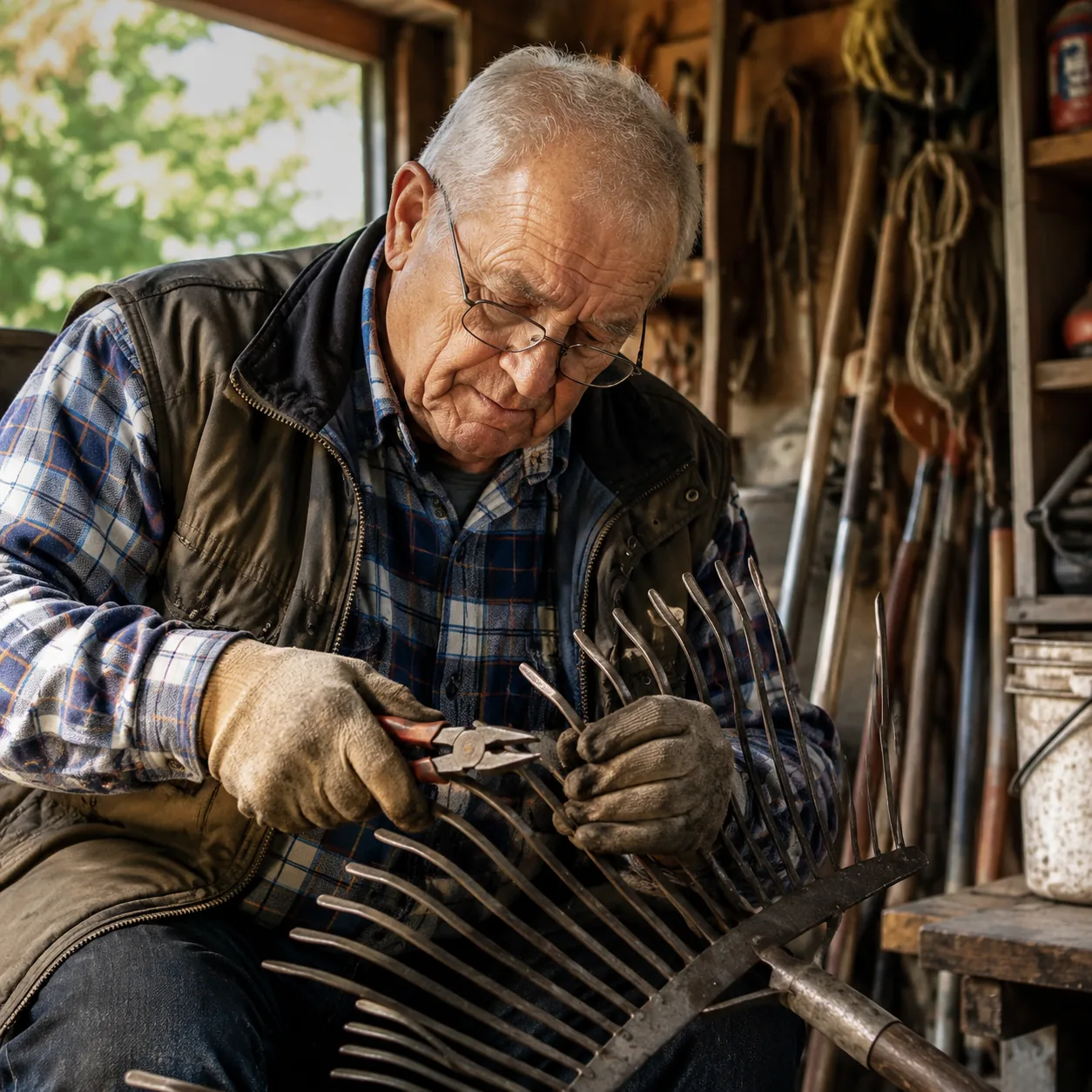
Leaf raking looked like play for the first ten minutes. Then the blisters, dust, and damp underlayer turned it into work.
Kids dragged tarps, filled bags, and learned that a clean yard could take a whole Saturday. The smell of crushed leaves and cold air made the chore feel like fall itself.
It was mostly harmless, but even this job had lessons: finish the corners, watch for traffic at the curb, and do not leave the heavy bags for someone else.
29. Taking Out Ashes After The Stove Cooled
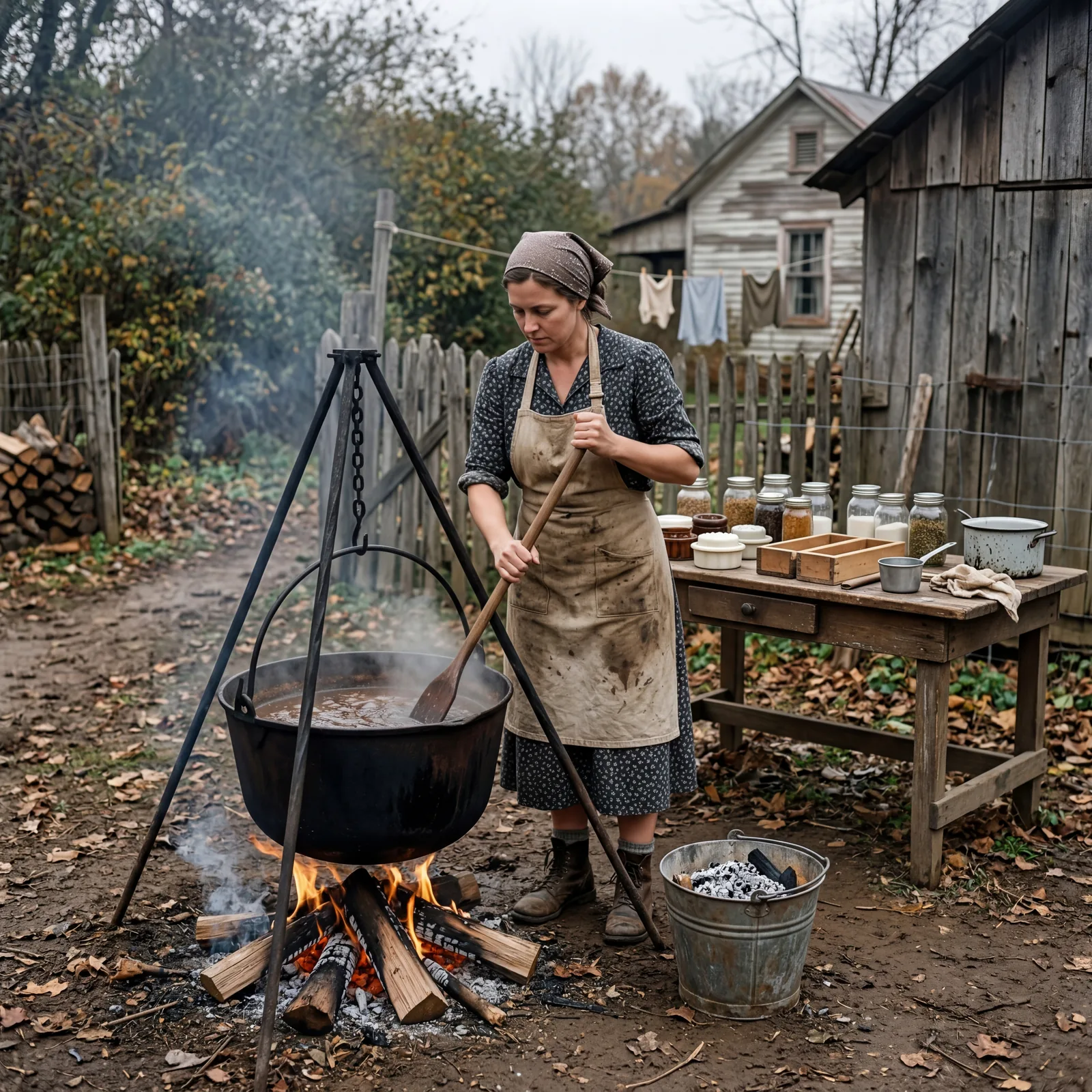
Ashes were not just dirt. They were what remained after the house had been kept warm.
The careful part was waiting until they were truly cold, then carrying the metal bucket without tipping gray dust across the floor. One careless ember could make a garage, porch, or trash pile dangerous.
This was the kind of chore that proved trust, but it also shows why modern safety rules exist. Fire does not care that a child is trying to help.
28. Feeding Chickens Before Breakfast
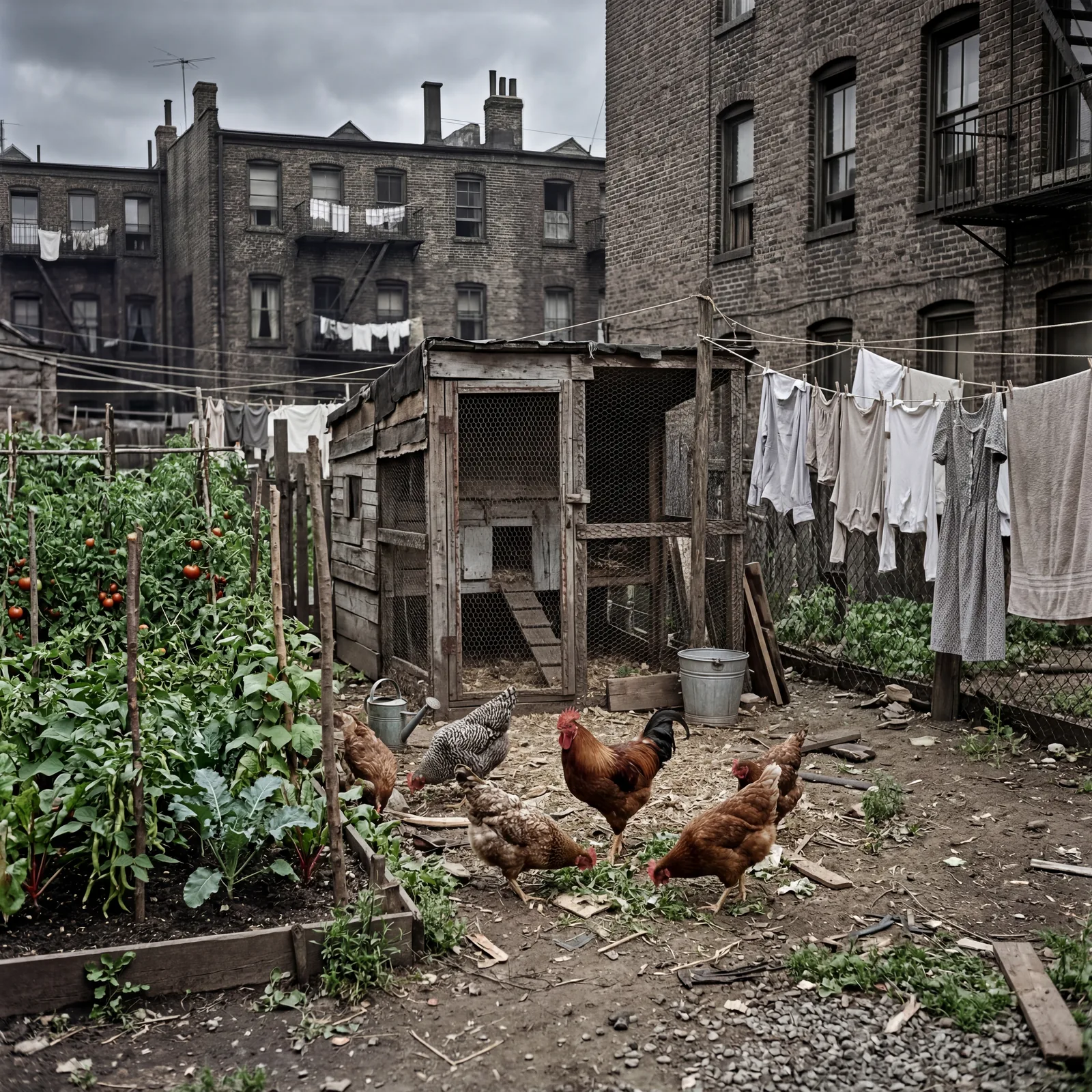
In homes with a backyard flock, the chickens ate before the children complained. Feed pails, water pans, straw, and scratch grain were part of the morning rhythm.
Kids learned that animals did not pause because it was raining or because school shoes were already clean. A hungry coop made noise until someone handled it.
The chore taught daily responsibility. It also came with pecking birds, slippery mud, and the plain fact that living things needed care every single day.
27. Collecting Eggs From A Dark Henhouse
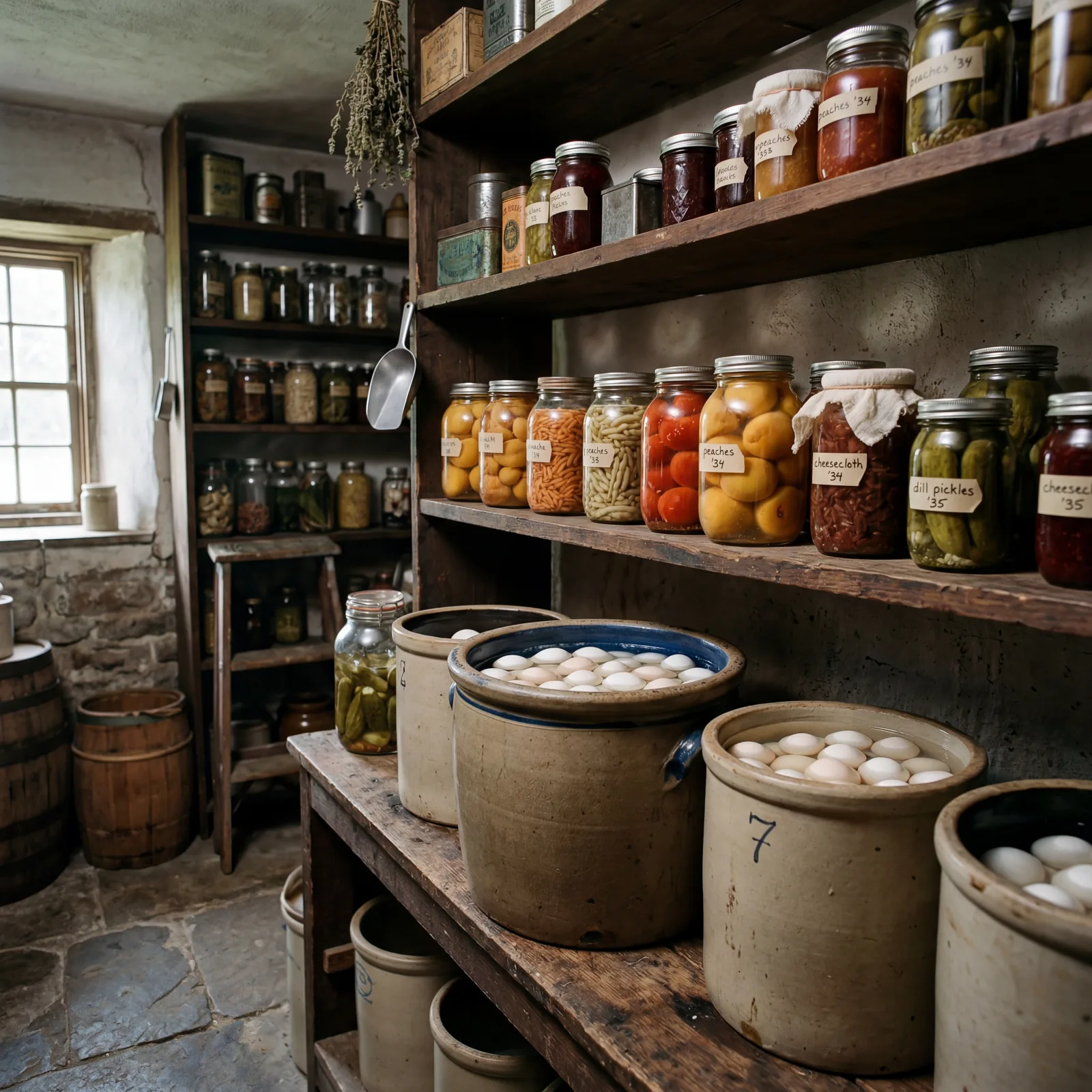
Egg collecting sounded gentle until a broody hen decided otherwise. A child’s hand went into straw, dust, feathers, and whatever mood the bird was in.
The reward was visible: warm eggs in a basket, breakfast on the table, cake batter possible, grocery money saved. That made the chore feel important in a way a sticker chart never could.
Still, there were bites, scratches, and cracked shells. Practical childhood often came with small hazards nobody made poetic at the time.
26. Milking Before School
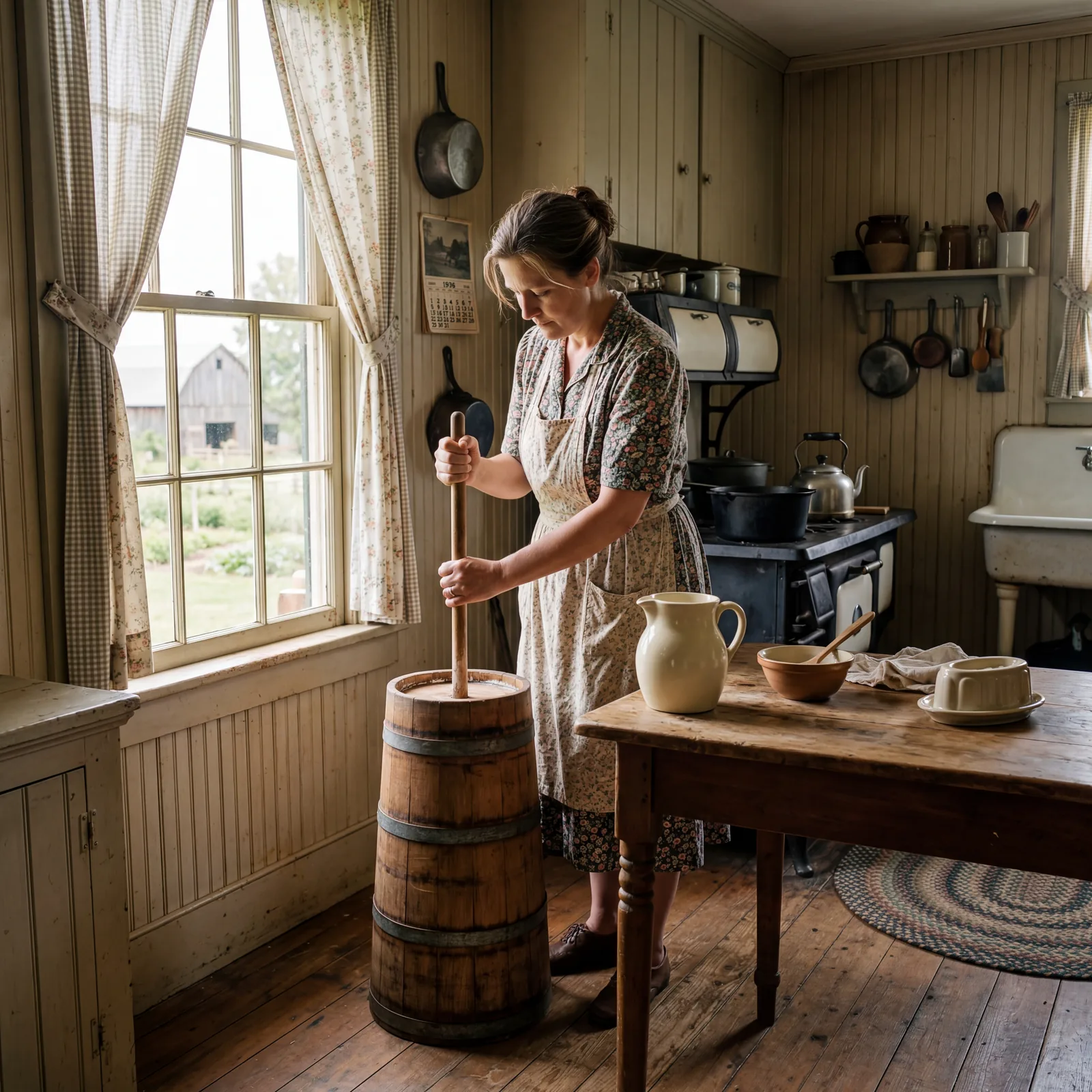
For farm kids, milk did not appear because a carton was in the fridge. It came from a cold barn, a patient animal, clean pails, and hands that knew what they were doing.
The schedule was strict. Cows did not care about sleeping in, school pictures, or a math test.
This chore taught patience and respect for animals, but it was not a toy version of farming. Hooves, buckets, sanitation, and tired mornings all mattered.
25. Hauling Water From The Pump
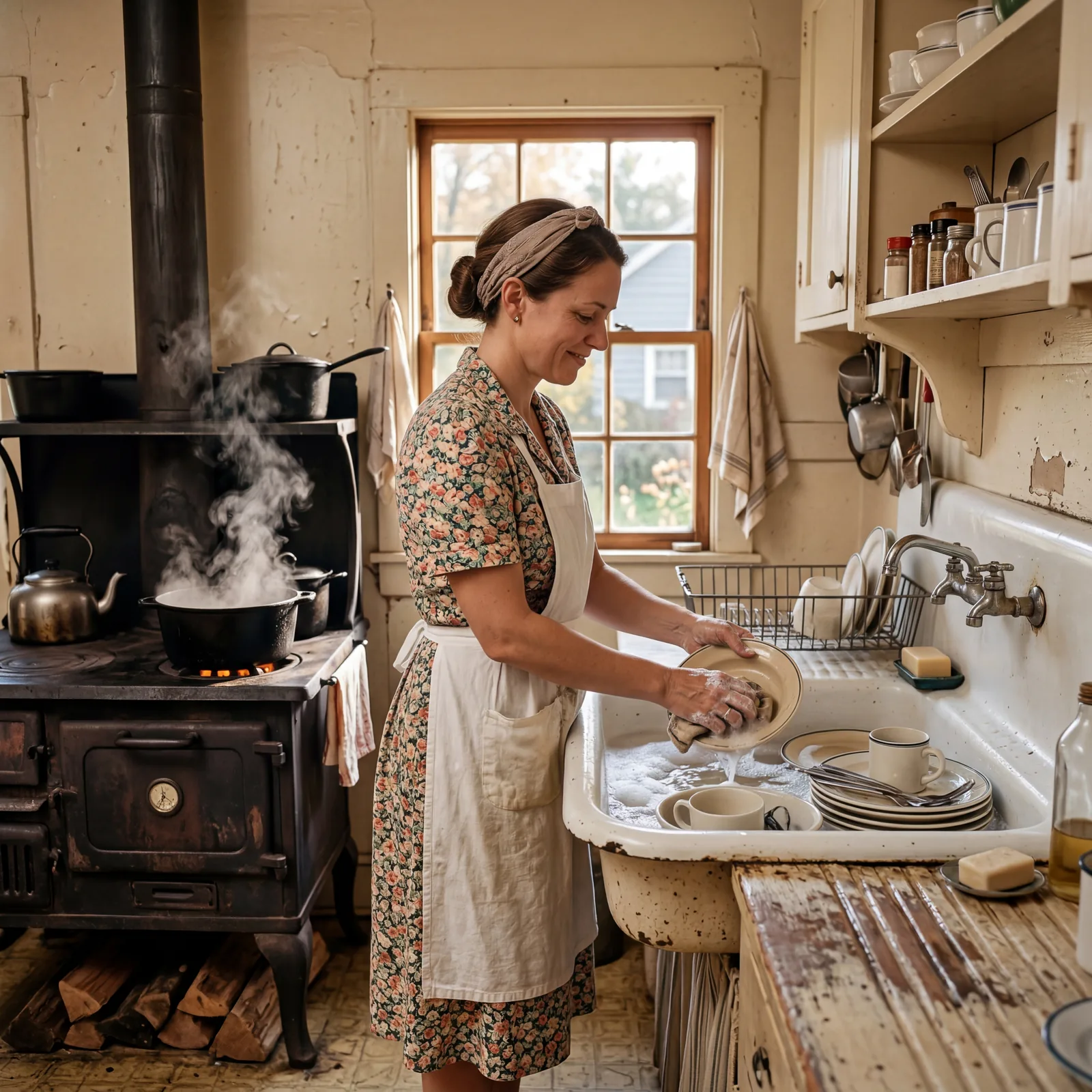
Running water changed childhood more than people admit. Before that, a child might carry pails from a pump, well house, or neighbor’s tap.
Water had weight. It sloshed onto shoes, numbed fingers in winter, and made every bath, pot of beans, and scrubbed floor feel connected to effort.
The chore taught conservation because waste was heavy. It also put children near wells, ice, and long walks, which is why nostalgia should leave room for common sense.
24. Hanging Laundry On The Line

Laundry lines gave children a chore that smelled clean and looked peaceful from a distance. Up close, it meant wet sheets slapping your face and clothespins biting cold fingers.
Kids learned order by hanging shirts, towels, diapers, and work pants where they would dry before the weather turned. Drop something in the dirt and you might be rinsing it again.
It was useful work with visible results. The whole yard announced whether the job had been done.
23. Scrubbing Clothes In A Washtub
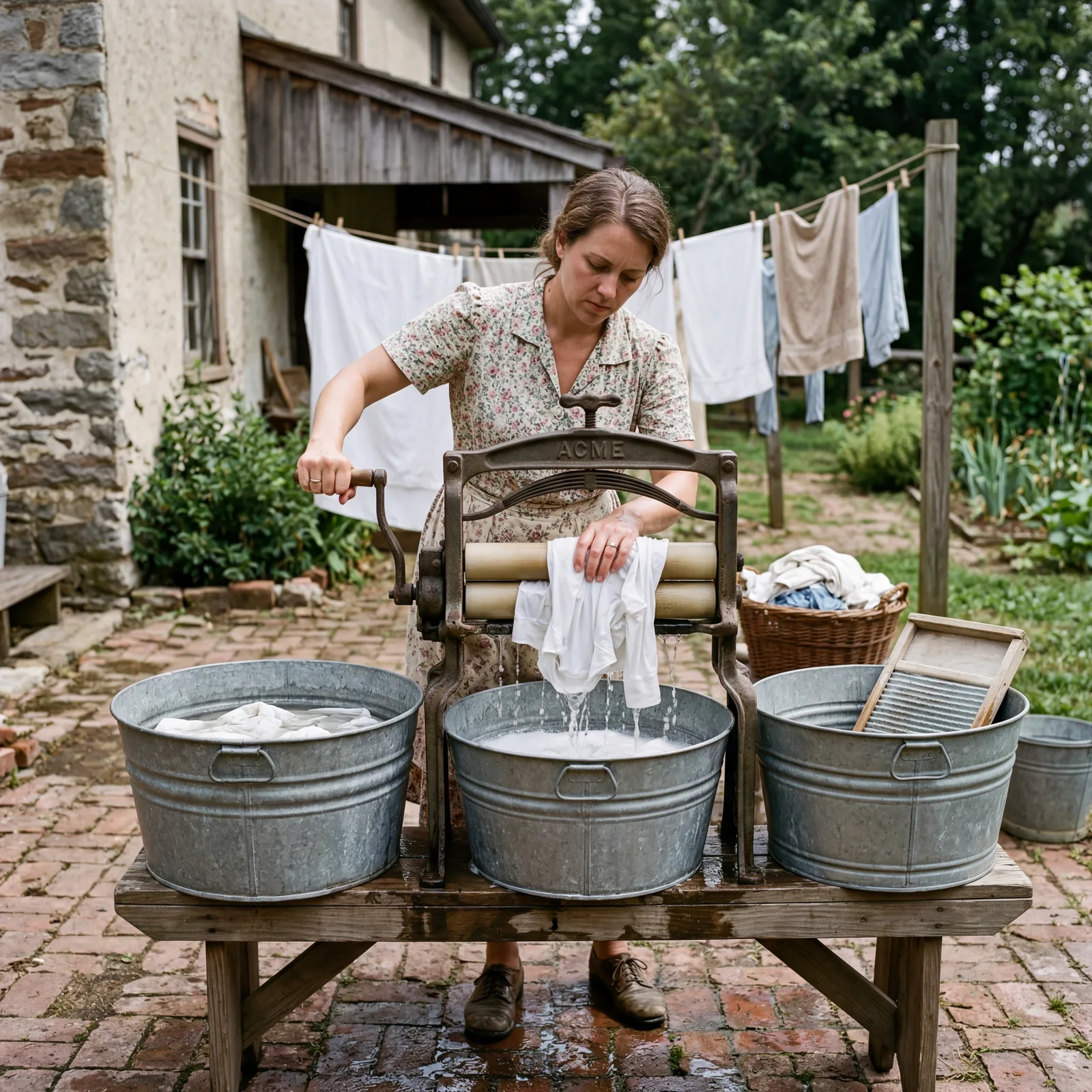
A washtub made laundry physical. Stains did not disappear because a button was pressed; they answered to soap, knuckles, a washboard, and time.
Children helped with socks, handkerchiefs, aprons, and play clothes. The water turned gray, the soap felt slick, and the wringing could tire out small arms fast.
The old chore made cleanliness feel earned. It also involved hot water, strong soap, and sometimes wringers that could hurt fingers, so the safer modern version is not something to mock.
22. Watching Younger Siblings After School
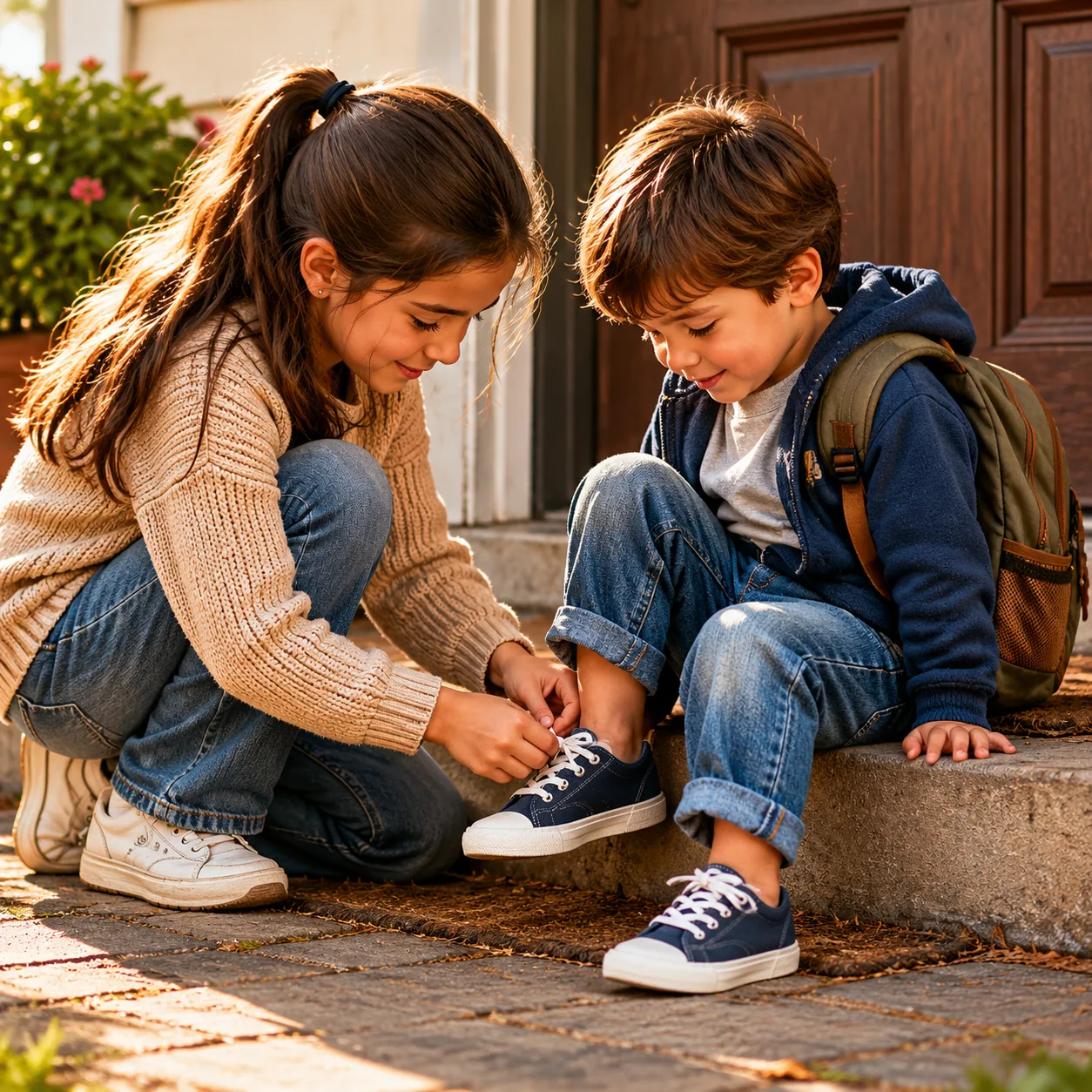
Plenty of older kids became the afternoon plan. They unlocked the door, poured milk, settled arguments, checked homework, and listened for the sound of a car in the driveway.
That trust could make a child feel capable, but it could also be too heavy. A ten-year-old watching toddlers is different from a teenager keeping an eye on grade-school siblings.
The best version looked like old-school rules that made kids independent: clear limits, real trust, and adults who still carried the final responsibility.
21. Walking Little Kids To School

Before car lines wrapped around every school, older kids often walked younger ones through the neighborhood. They knew which corner had the impatient driver and which dog barked behind a weak fence.
The chore taught route memory, timing, and public awareness. You had to keep the slow child moving without dragging them, and you had to arrive before the bell.
Modern caution around traffic is not hysteria. Roads changed, speeds changed, and supervision changed with them.
20. Cooking A Plain Supper Before Adults Got Home

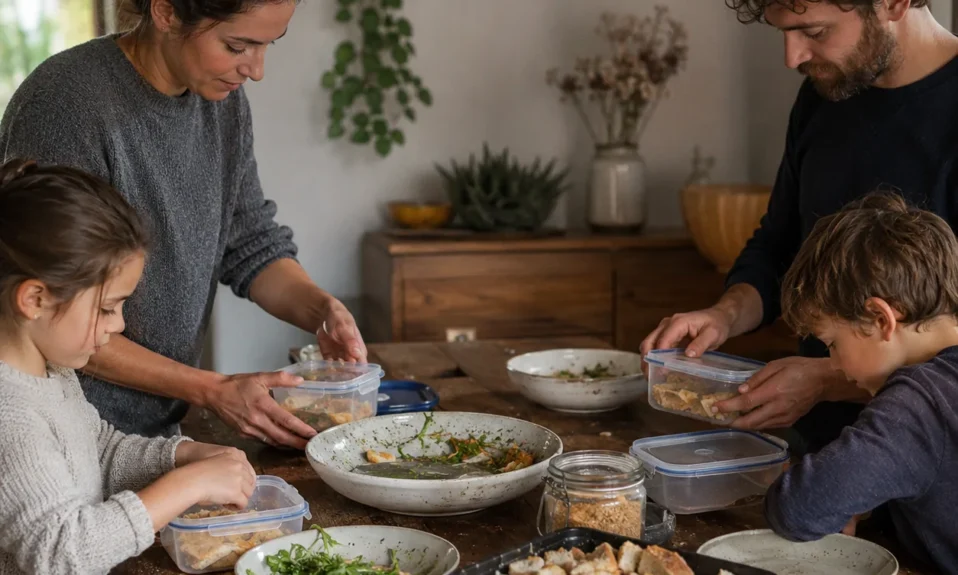
Some kids learned eggs, soup, potatoes, grilled cheese, beans, or a pan of hamburger before they were old enough to drive.
The food was plain because the goal was not performance. It was to get something hot on the table when adults were late, tired, or working a second shift.
That kind of help lived close to the grocery-stretching habits families relied on. It built skill, but hot burners and sharp knives deserved the respect old households did not always spell out.
19. Starting The Morning Fire
In some homes, morning started with kindling, newspaper, matches, and the hope that smoke would draw the right way up the flue.
Kids learned sequence: small wood first, draft open, hands back, patience. Rush it and the stove sulked, smoked, or went out just when the room needed heat.
It was a serious chore because fire made breakfast possible. It was also exactly the kind of responsibility modern families would supervise closely, and for good reason.
18. Running Errands To The Corner Store
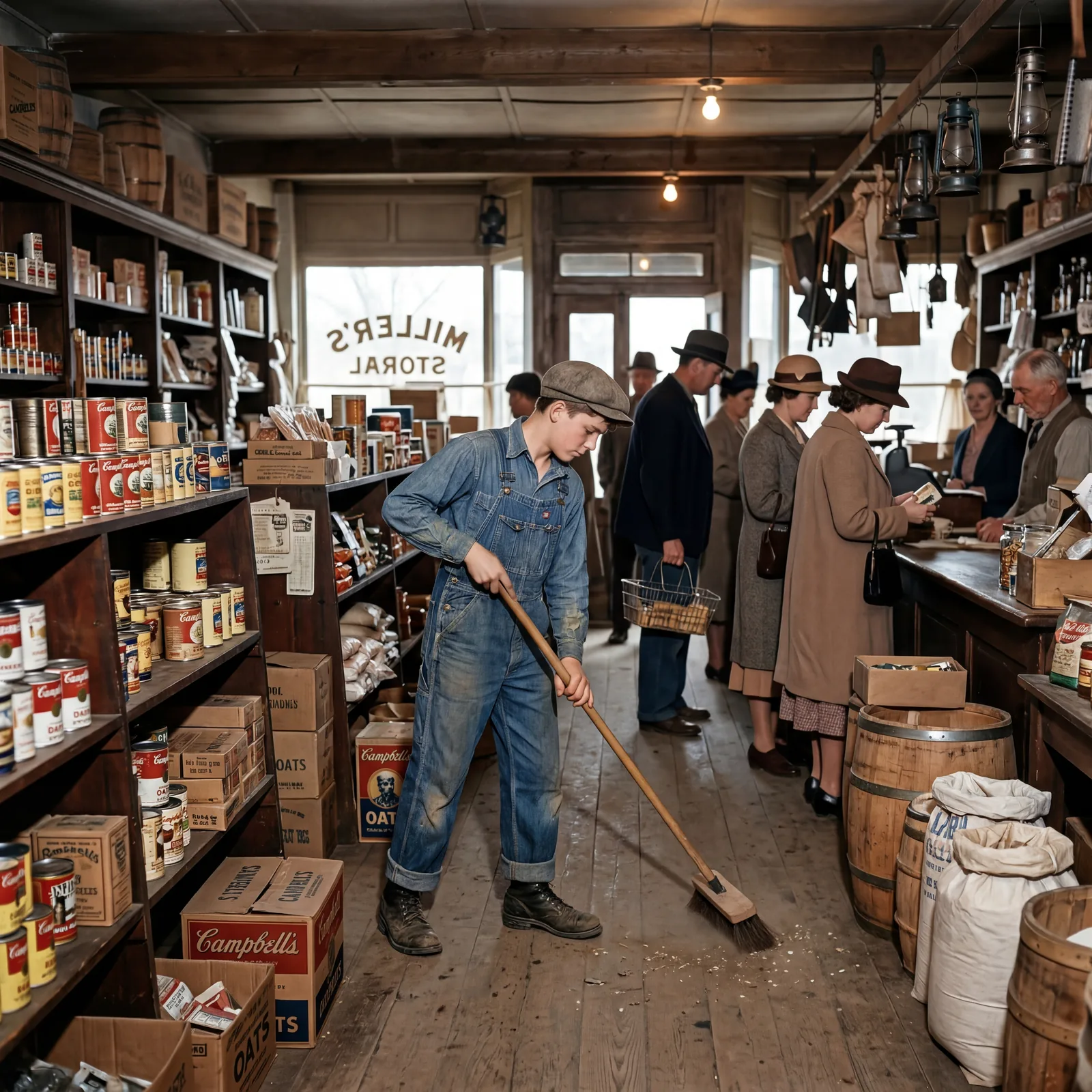
A child might be sent for milk, bread, yeast, a newspaper, or a single can that made dinner work. The list was short because coins were counted.
The errand taught money, manners, memory, and how to speak to adults without hiding behind a phone. Lose the change and everyone knew.
For families living like one paycheck had to carry the whole house, that small trip could protect supper. It also meant trusting a child with streets, strangers, and judgment.
17. Delivering Newspapers Before Dawn

Paper routes turned children into tiny business operators with cold hands. The papers had to land on porches before breakfast, rain or not.
Kids learned customers, timing, collections, complaints, and the math of earning a few dollars at a time. A wet paper or missed house could follow them all week.
It built independence, but it also put children outside early, sometimes alone. That is a fair place for nostalgia to stop and admit the old world asked a lot.
16. Holding The Flashlight During Repairs

Many kids learned repair language from the worst job in the house: hold the flashlight steady, do not breathe on the wrench, and somehow know which tool was being requested.
It was a chore because the adult needed a second set of hands. The child learned sockets, screws, oil smell, patience, and the family rule that broken did not always mean replaced.
That lesson fits right beside the things Grandpa fixed instead of throwing away. The risk depended on the repair, which is why supervision mattered.
15. Washing The Family Car In The Driveway
Car washing was a Saturday chore disguised as summer fun. The hose was fun until the chrome had to be dried, the windows streaked, and the hubcaps still looked dusty.
Kids learned that family property needed care before it looked neglected. A clean car also mattered when adults had church, work, or relatives to visit.
The hazards were smaller than some chores, but soap-slick driveways, moving cars, and hot metal still required more attention than the old jokes suggest.
14. Weeding The Vegetable Garden
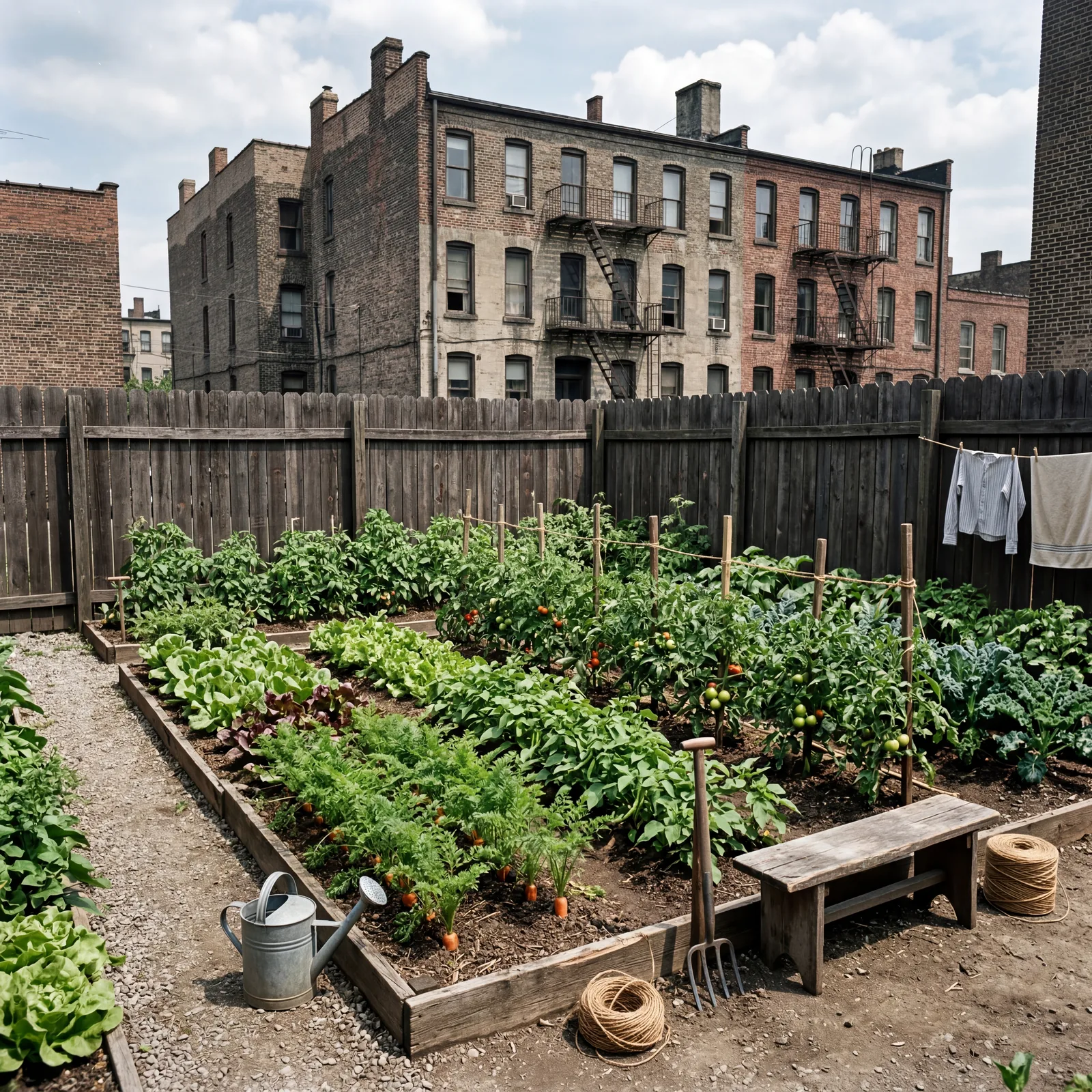
Garden weeding taught children the difference between food and competition. Pull the wrong sprout and you might remove dinner by mistake.
The work was slow, dirty, and strangely exact. Kids felt sun on the back of the neck, soil under fingernails, and the small satisfaction of a clean row.
That kind of yard made sense when families leaned on backyard staples before grocery runs became routine. The risk was not drama; it was wasted food, sore backs, and careless hands.
13. Picking Bugs Off Garden Plants
Some chores were gross because the household needed them to be done anyway. Tomato hornworms, potato beetles, cabbage worms, and chewed leaves were not abstract garden problems.
Kids learned to look closely. A plant could seem fine until you lifted a leaf and saw the whole little disaster underneath.
It was an old kind of responsibility: protect food before it failed. Nobody had to romanticize the bugs for the lesson to stick.
12. Snapping Beans And Washing Jars On Canning Day
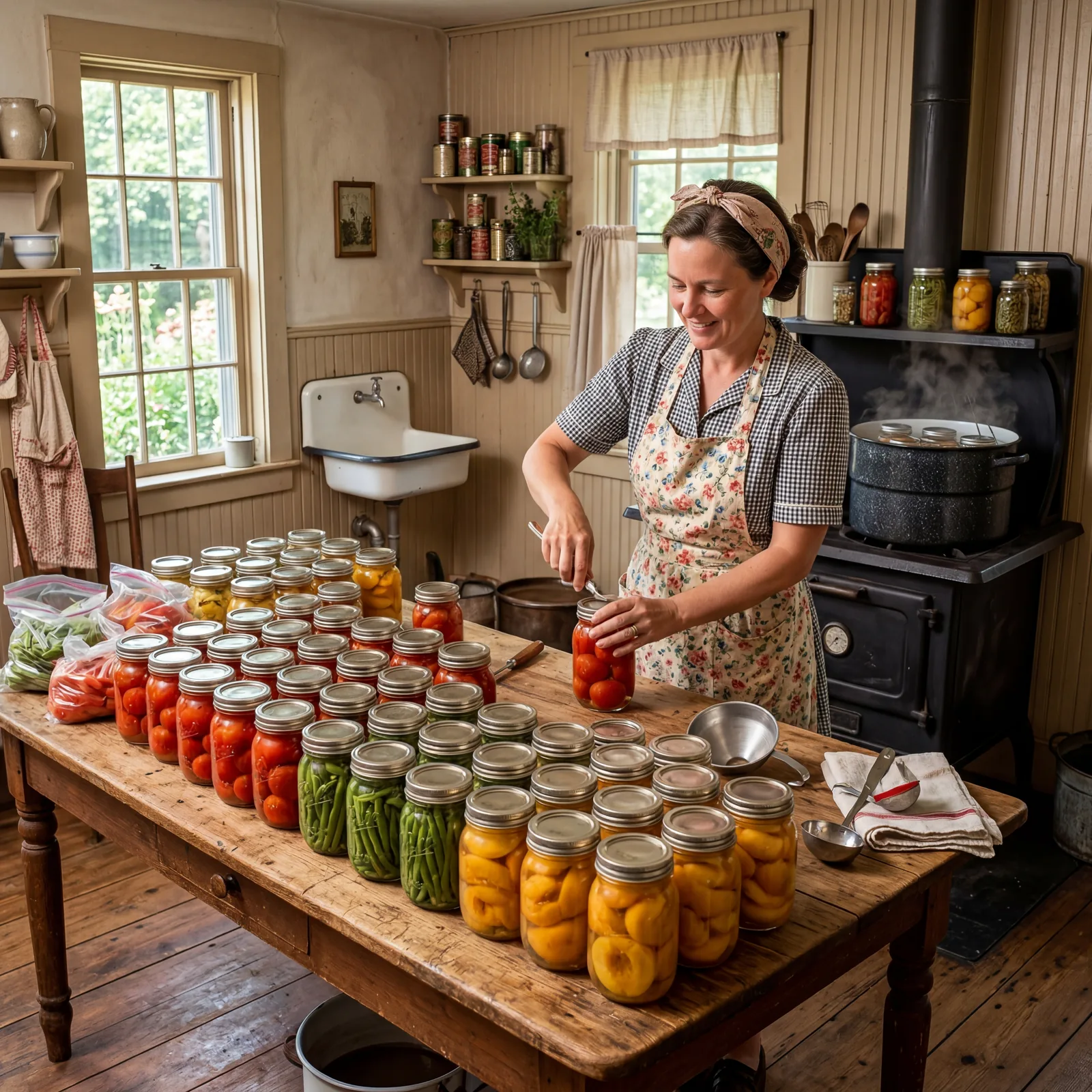
Canning day gave children the repetitive jobs: snap beans, pit cherries, wash jars, wipe rims, carry towels, stay out of the way when the hot water moved.
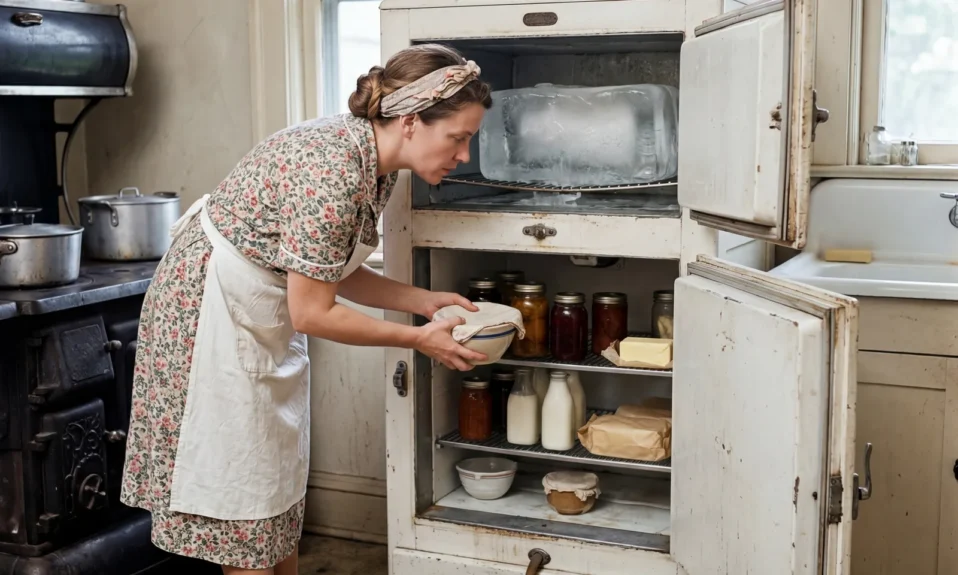
The kitchen smelled like vinegar, steam, sugar, tomato skins, and wet dishcloths. Every jar represented food that would not need buying later.
It belonged to the same household logic as the pantry items modern kitchens forgot. But boiling water, glass, and pressure canners were never harmless background scenery.
11. Cleaning Fish After A Saturday Catch

Fishing did not end when the bucket came home. Somebody had to scale, rinse, wrap, or help clean the mess before supper.
Children learned where food came from in a way that was cold, slippery, and unforgettable. The smell stayed on hands even after soap.
This chore taught respect for the meal, but knives and bones made it adult-guided work. The old lesson was useful because it was real, not because it was risk-free.
10. Burning Trash In A Barrel
Before weekly trash pickup reached every road, some families burned paper waste in a barrel out back. A kid might be told to carry the sacks, watch the wind, or stir ashes from a distance.
The smoke, sparks, and sharp smell made the chore feel bigger than ordinary cleanup. It was household disposal before disposal became invisible.
This habit sits among 1930s household habits that confuse modern families, but modern rules around smoke, fire, and toxins exist for very good reasons.
9. Scrubbing Floors With Strong-Smelling Cleaner

Floor scrubbing meant knees on linoleum, a bucket of hot water, and cleaner sharp enough to announce itself from the hallway.
Kids learned corners, baseboards, chair legs, and the unfair truth that crumbs return quickly. A clean kitchen floor was not glamour. It was household dignity.
The useful part was learning to finish a physical job. The risky part was ventilation, chemical mixing, wet floors, and little hands in products adults sometimes treated too casually.
8. Ironing Shirts With A Hot Iron
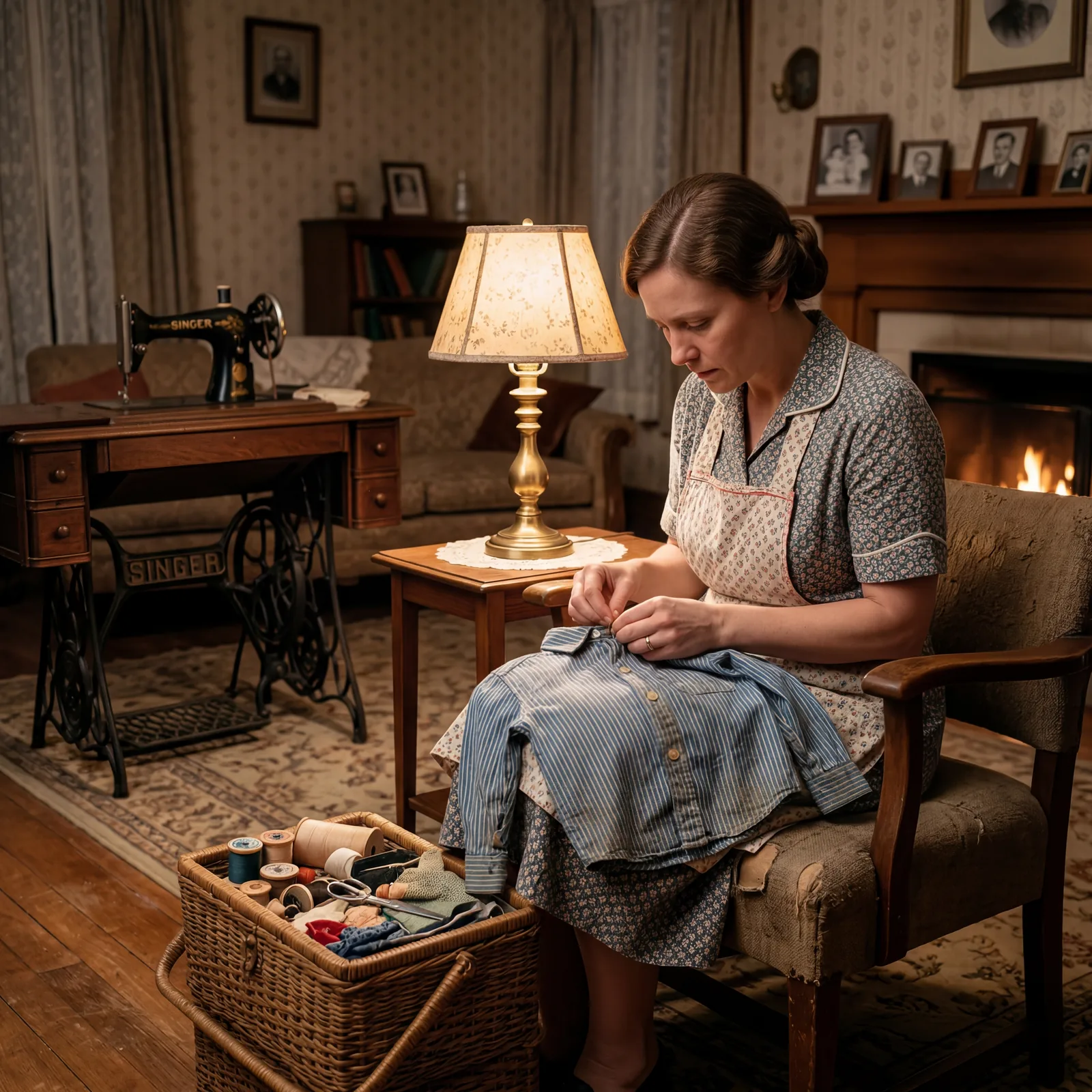
Ironing taught precision because mistakes announced themselves. A scorched collar, shiny patch, or crooked crease could ruin the one shirt meant for school, church, or work.
Kids learned heat settings, damp cloths, sleeves, hems, and the smell of hot cotton. The iron hissed like it had opinions.
Clean pressed laundry helped make Grandma’s house feel ready for everyone, but burns were real. Some old chores built care because care was necessary.
7. Carrying Groceries Home In Paper Bags

When the store was close enough, kids carried groceries home without a trunk, cart, or delivery app. Paper bags had corners that dug into forearms and bottoms that failed if milk sweated too long.
The chore taught packing logic. Cans went low, bread went high, eggs got their own kind of fear.
It also taught that food had value before it reached the table. Drop a bag and the whole family heard about the bruised peaches.
6. Washing Windows From A Ladder
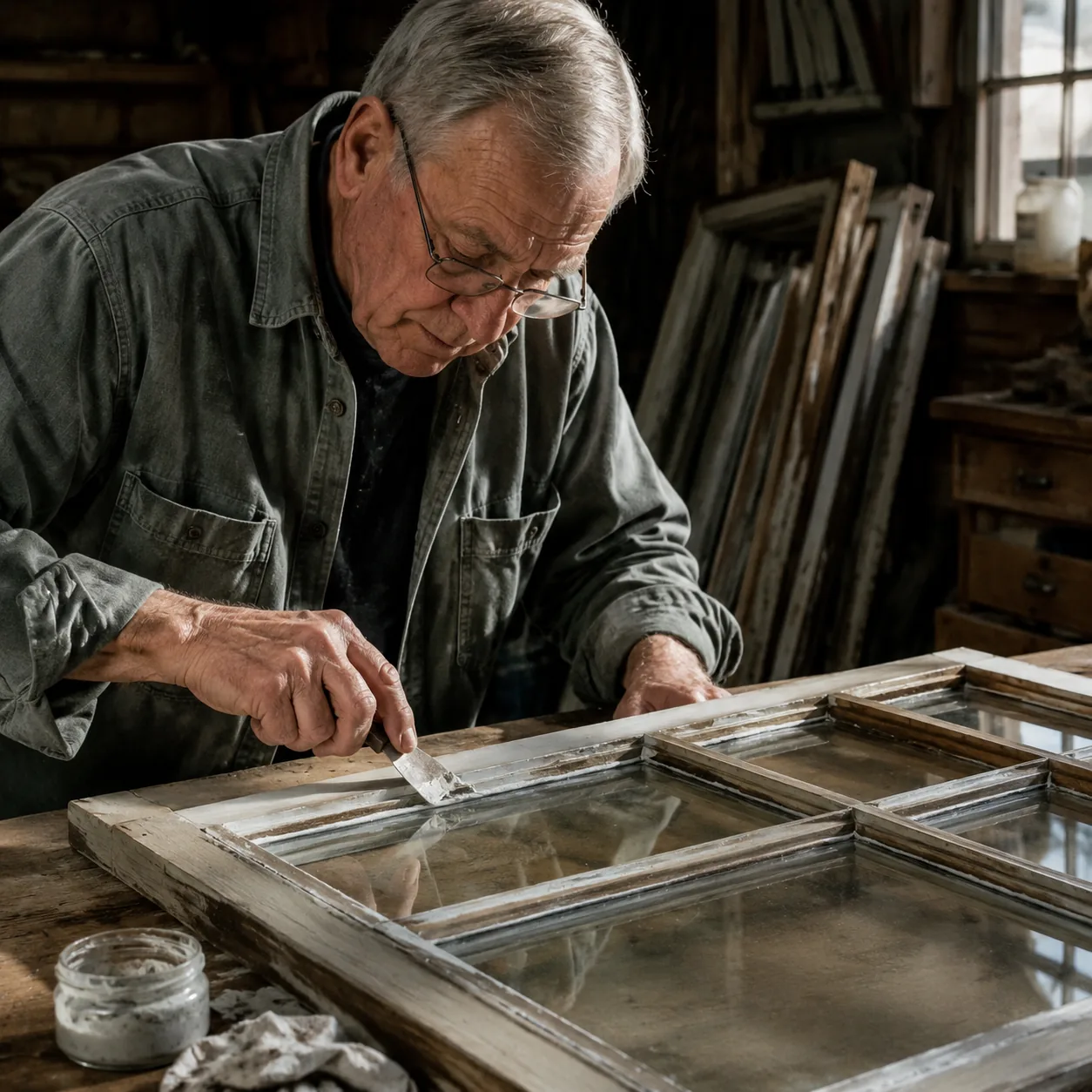
Window washing was where childhood chores could slide from useful into questionable very quickly. Low panes were one thing. Ladders were another.
Kids learned newspaper, vinegar, buckets, squeegees, and the impossible streak that appeared only after everything was put away. Clean windows made the whole house look cared for.
Still, this is where modern protection makes obvious sense. Older families did many home jobs before replacing or hiring out, but falls were never a character-building exercise.
5. Collecting Bottles For Deposit Money

Bottle collecting turned cleanup into pocket money. Kids checked garages, alleys, picnic spots, and back porches for returnable glass.
The sound of bottles clinking in a crate meant candy, baseball cards, movie money, or a little help with household cash. A few cents mattered more when prices were lower and allowances were not automatic.
The chore taught value hiding in plain sight. It also involved broken glass, dirty lots, and places children probably should not have wandered alone.
4. Taking Bills Or Mail Into Town
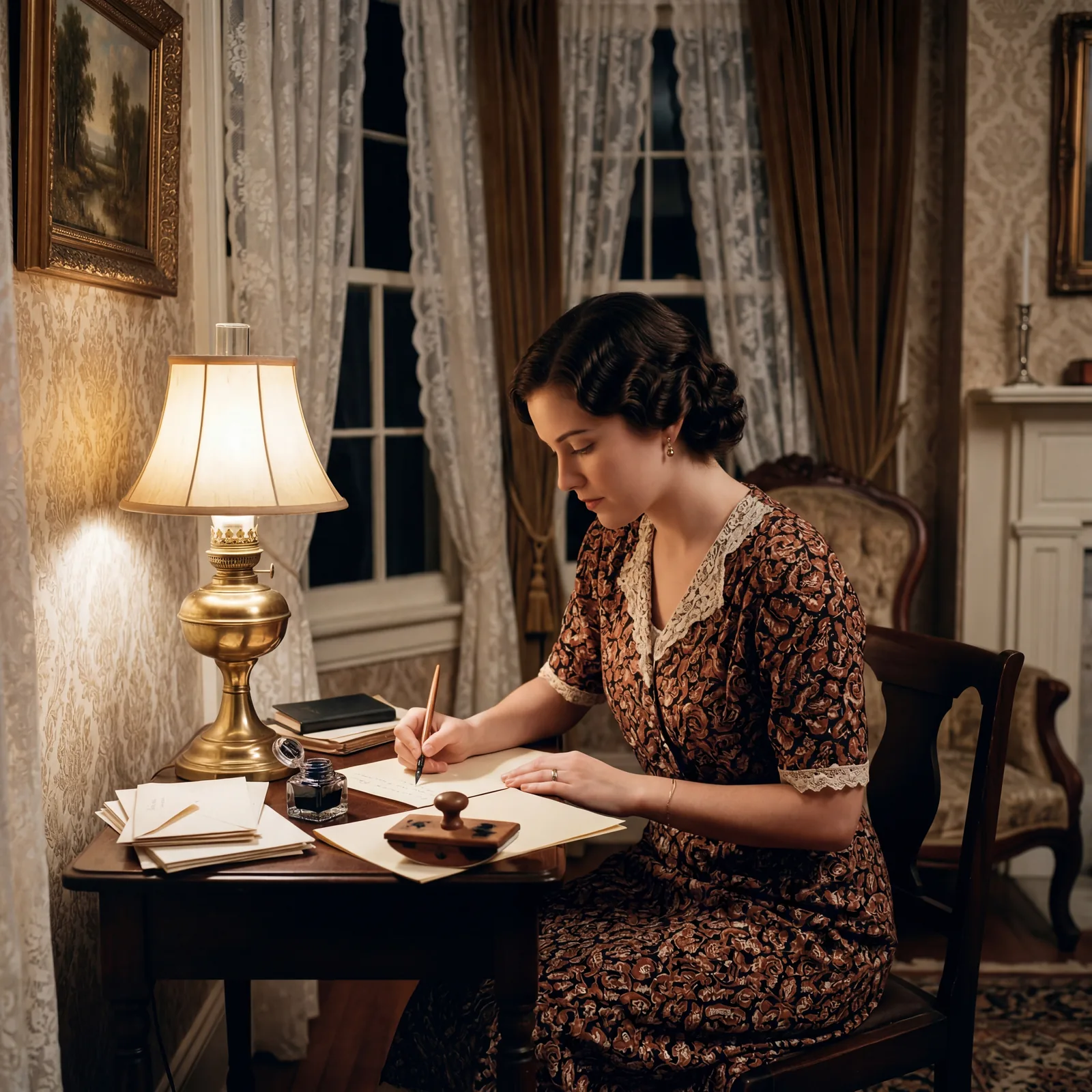
Kids were sometimes trusted with envelopes, money orders, library books, rent receipts, or a note for the clerk. The errand sounded small because the adults needed it to be small.
It taught seriousness. Do not lose the envelope. Do not spend the change. Come straight home.
Those errands belonged to households where one paycheck had to stretch across everything. Trust was practical, but a child carrying money through town also carried risk.
3. Splitting Kindling Into Stove-Ready Pieces

Kindling was the small wood that made the bigger wood useful. Some kids split it, some stacked it, and some were wisely kept to carrying the finished pieces.
The chore taught preparation. Tomorrow morning’s fire was easier if tonight’s kindling box was full and dry.
This is where nostalgia should be honest. A hatchet is not a symbol of better childhood; it is a sharp tool. The useful lesson was readiness, not pretending danger made kids tougher.
2. Letting Yourself In And Starting The Evening Chores
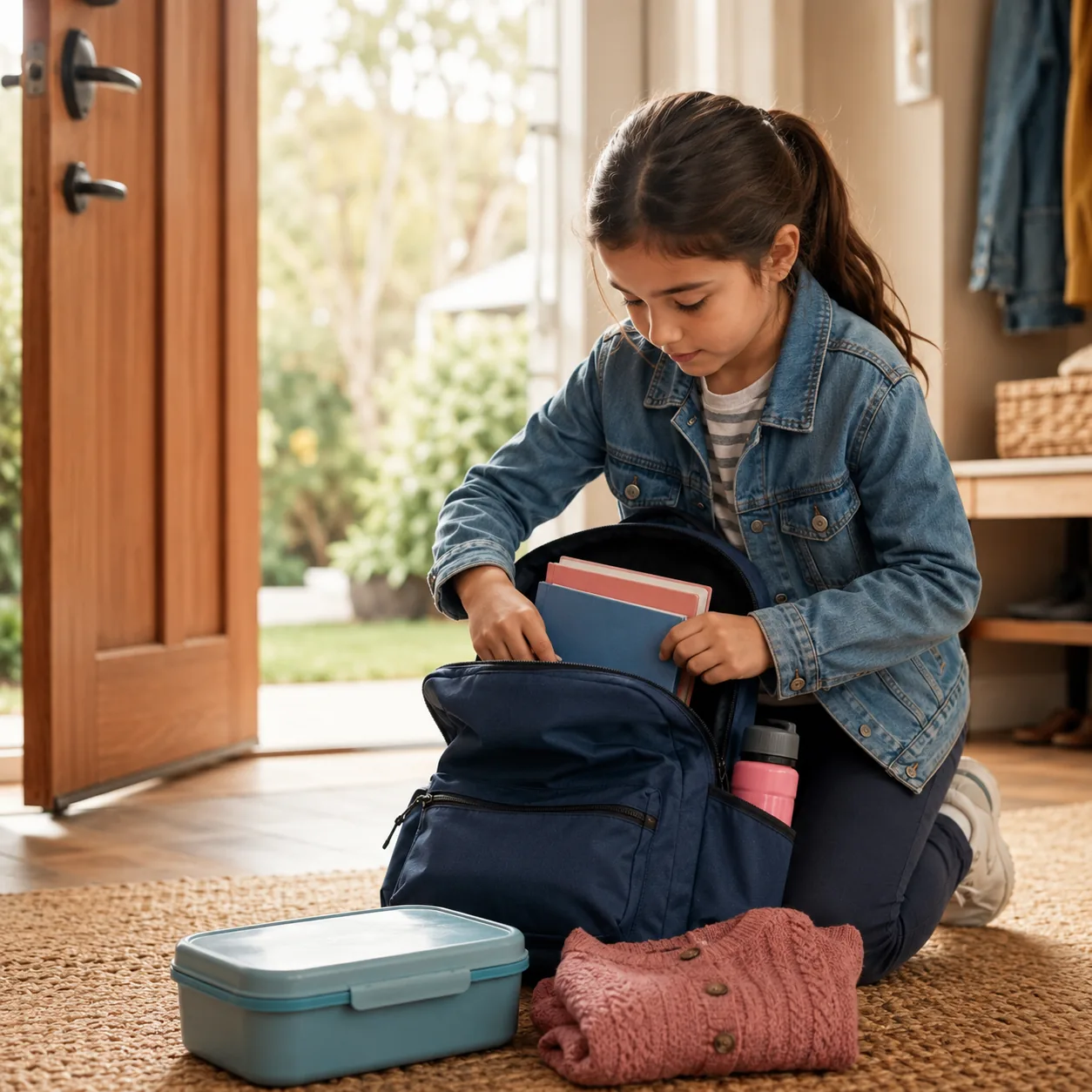
Latchkey kids did not always arrive to snacks and supervision. Some arrived to a key on a string, a list on the fridge, and an hour before adults came home.
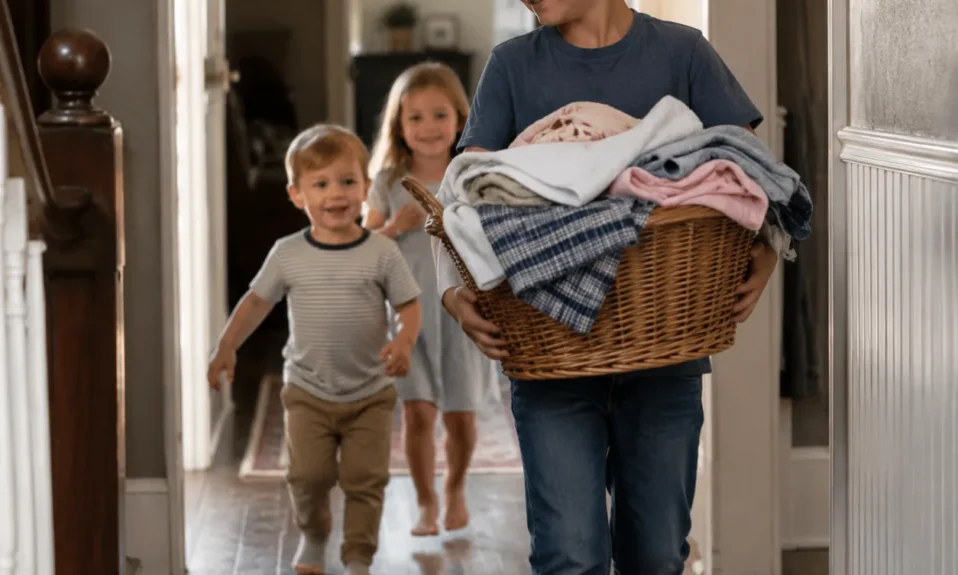
They swept, started potatoes, brought in laundry, fed pets, or kept younger siblings from turning boredom into disaster. The independence could feel exciting and lonely at the same time.
It is the kind of memory worth asking about in questions for grandparents before it is too late, because every family drew the line differently.
1. Noticing The Next Chore Before Being Asked
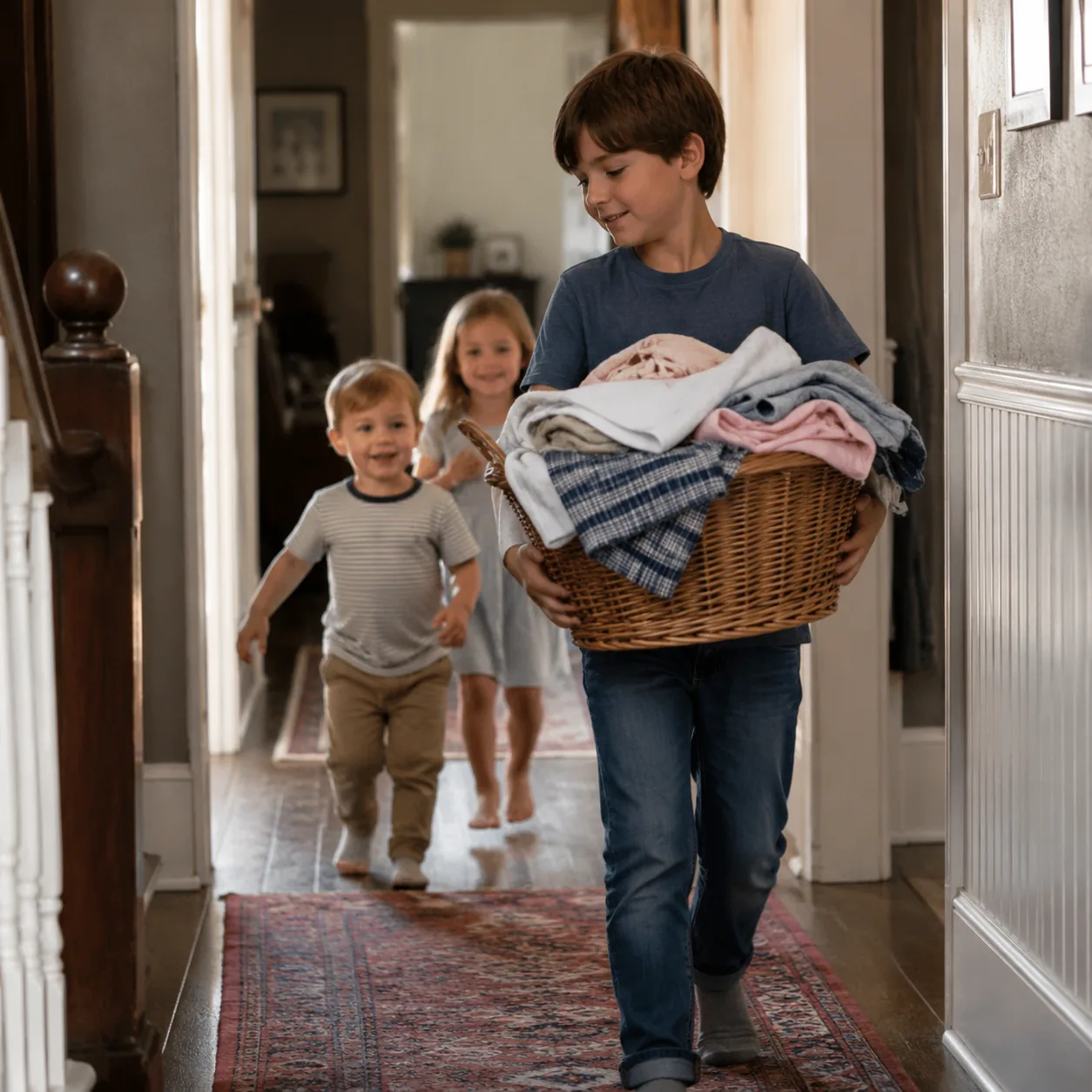
The deepest old chore was not always on a list. It was seeing the wood box empty, the baby fussing, the porch muddy, or the table uncleared and understanding that someone had to move.
That expectation could become too much when adults forgot children were still children. Modern protection matters because responsibility without support can turn into pressure.
But the best version left something valuable behind: the feeling that a child could help a family function. Not perfectly, not dangerously, but genuinely.