Grandma’s pantry was part grocery shelf, part emergency plan.
These forgotten staples made plain meals filling, flexible, and hard to waste.
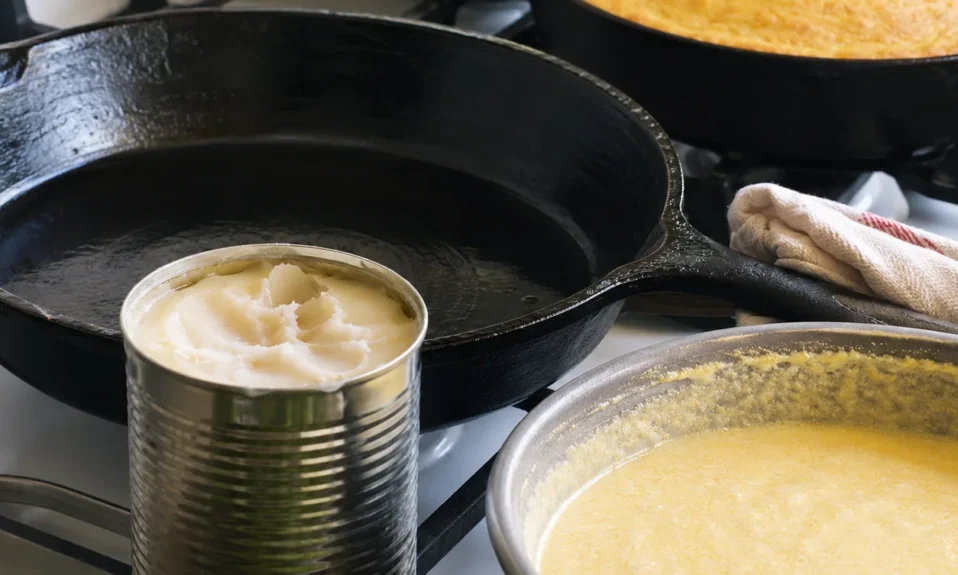
37. Evaporated Milk
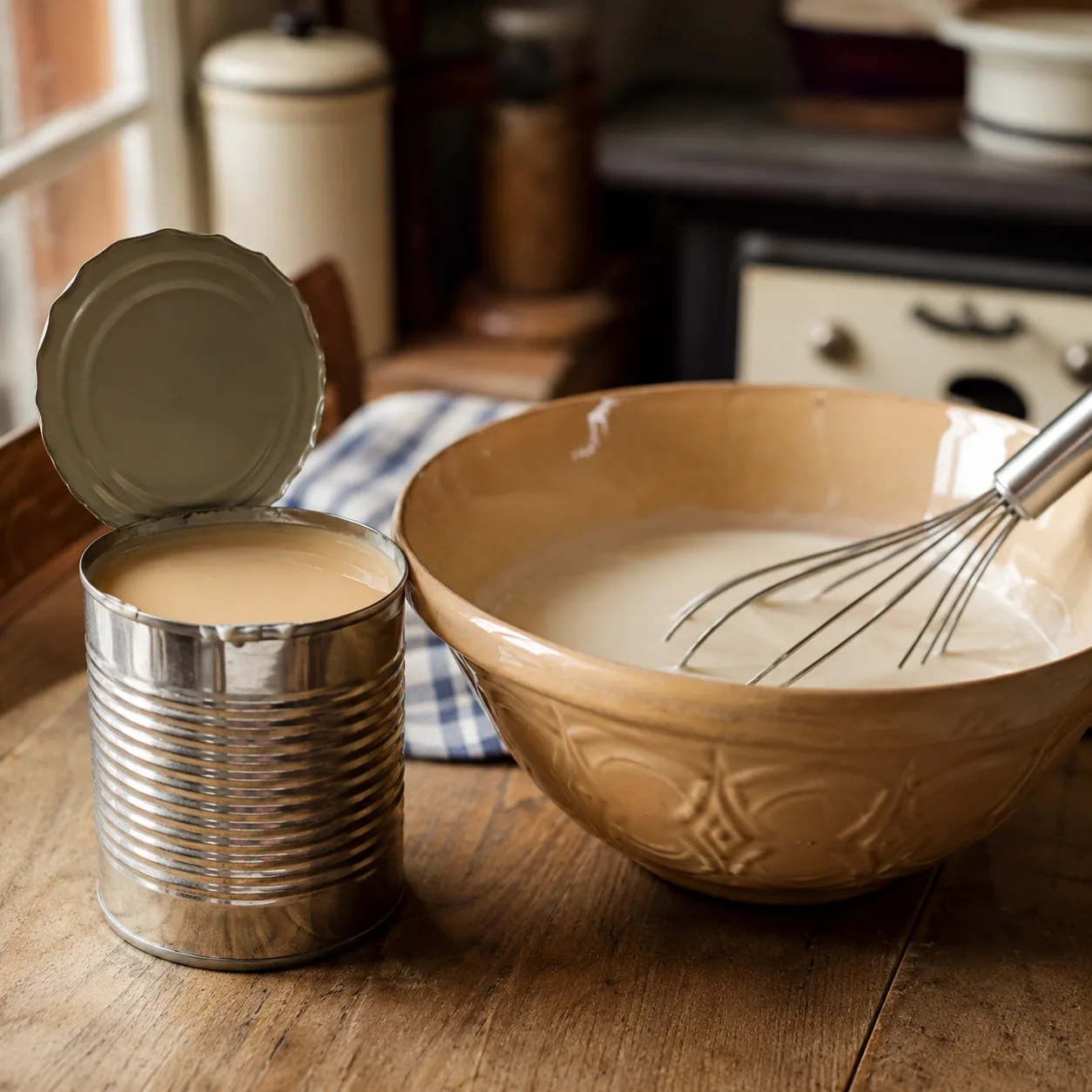
Why it mattered: Evaporated milk gave grandma a backup dairy supply before weekly store runs were guaranteed.
She used it in mashed potatoes, cream sauces, pies, cocoa, and casseroles when fresh milk ran short. Diluted with water, it could stand in for drinking milk in a pinch, though nobody pretended it tasted the same.
The real value was dependability. One can could rescue dinner without sending anyone back to town.
36. Powdered Milk
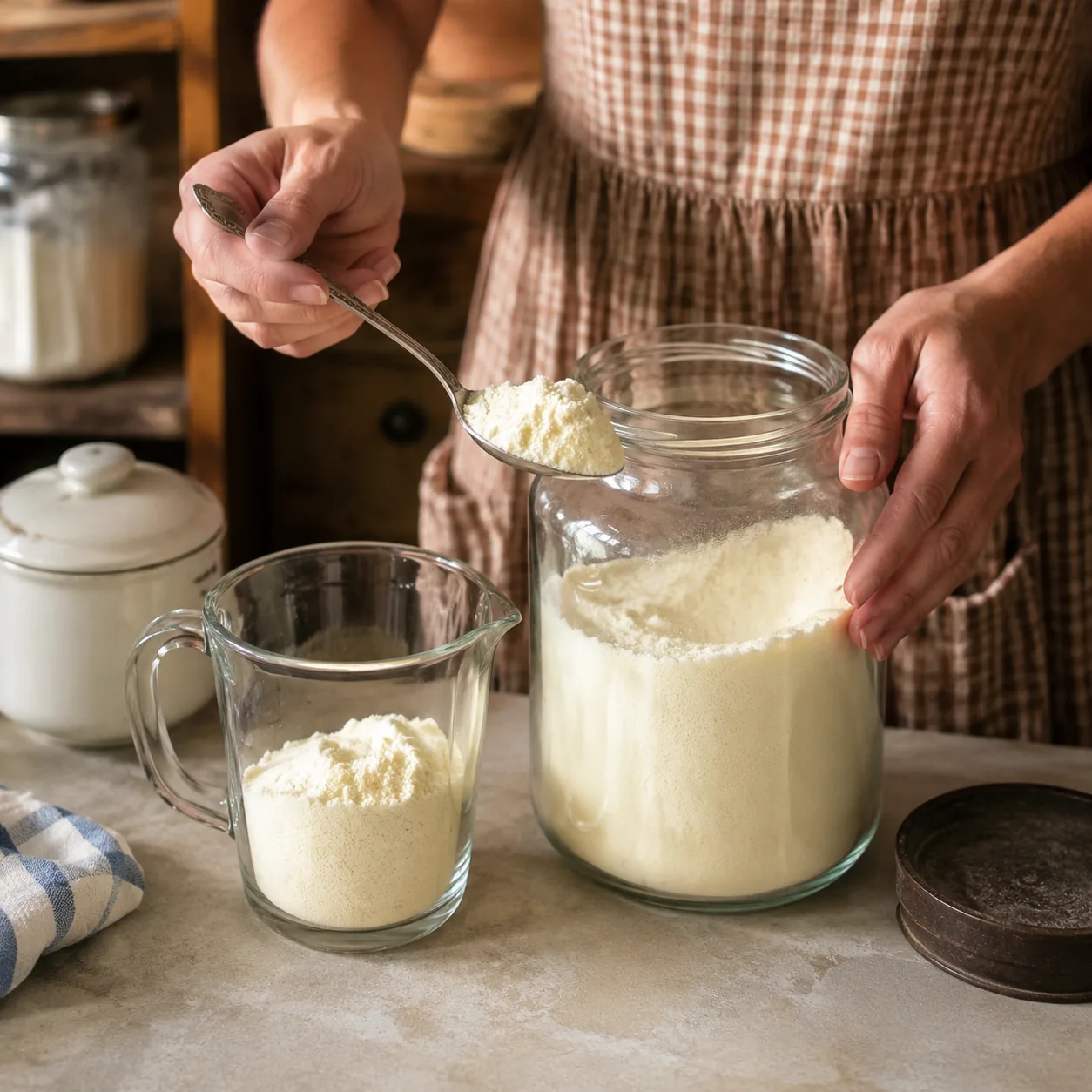
The backup plan: Powdered milk lived on the shelf for weeks and turned into usable milk with water and patience.
Grandma kept it for baking first, drinking second. It worked best in pancakes, biscuits, white gravy, bread dough, and pudding, where texture mattered more than fresh flavor.
Families who stretched paychecks understood the trick. Fresh milk was for cereal. Powdered milk quietly did the work inside recipes.
35. Lard
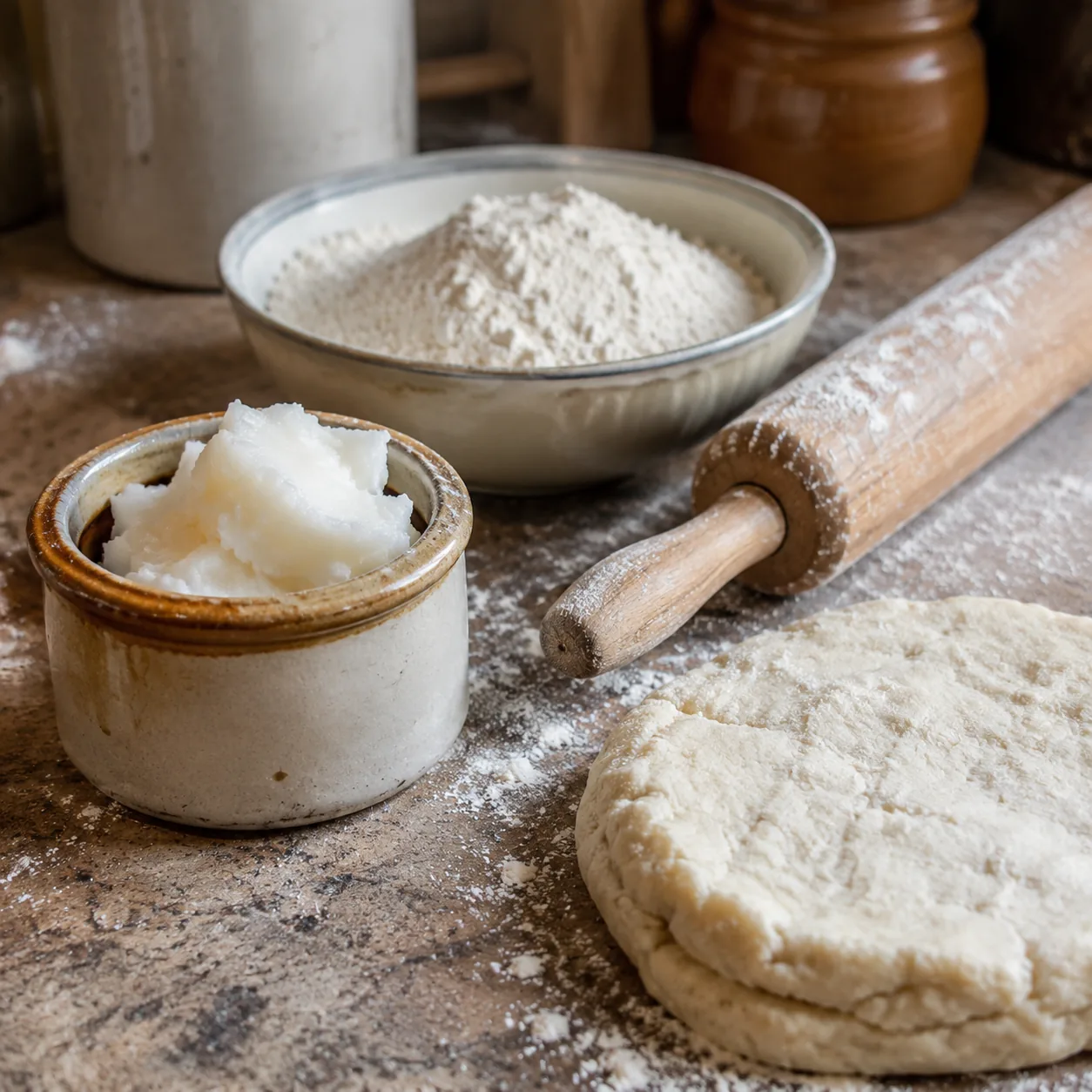
The old fat: Lard made pie crusts flakier, biscuits taller, and fried potatoes taste like supper instead of a snack.
It sat in a crock or tub and lasted far longer than butter. Grandma knew which spoonful was for frying and which was clean enough for pastry.
Modern kitchens often replaced it with oil, but lard had one advantage: a little went a long way, especially when every tablespoon had to earn its keep.
34. Salt Pork

Flavor insurance: Salt pork was not a centerpiece. It was what made beans, greens, and potatoes taste like somebody cared.
A small slab could season multiple pots because the fat rendered slowly and the salt carried through the dish. Grandma might fry a few strips, then use the drippings for cornbread or cabbage.
It was practical flavor. You bought meat once and let it echo through the week.
33. Cornmeal
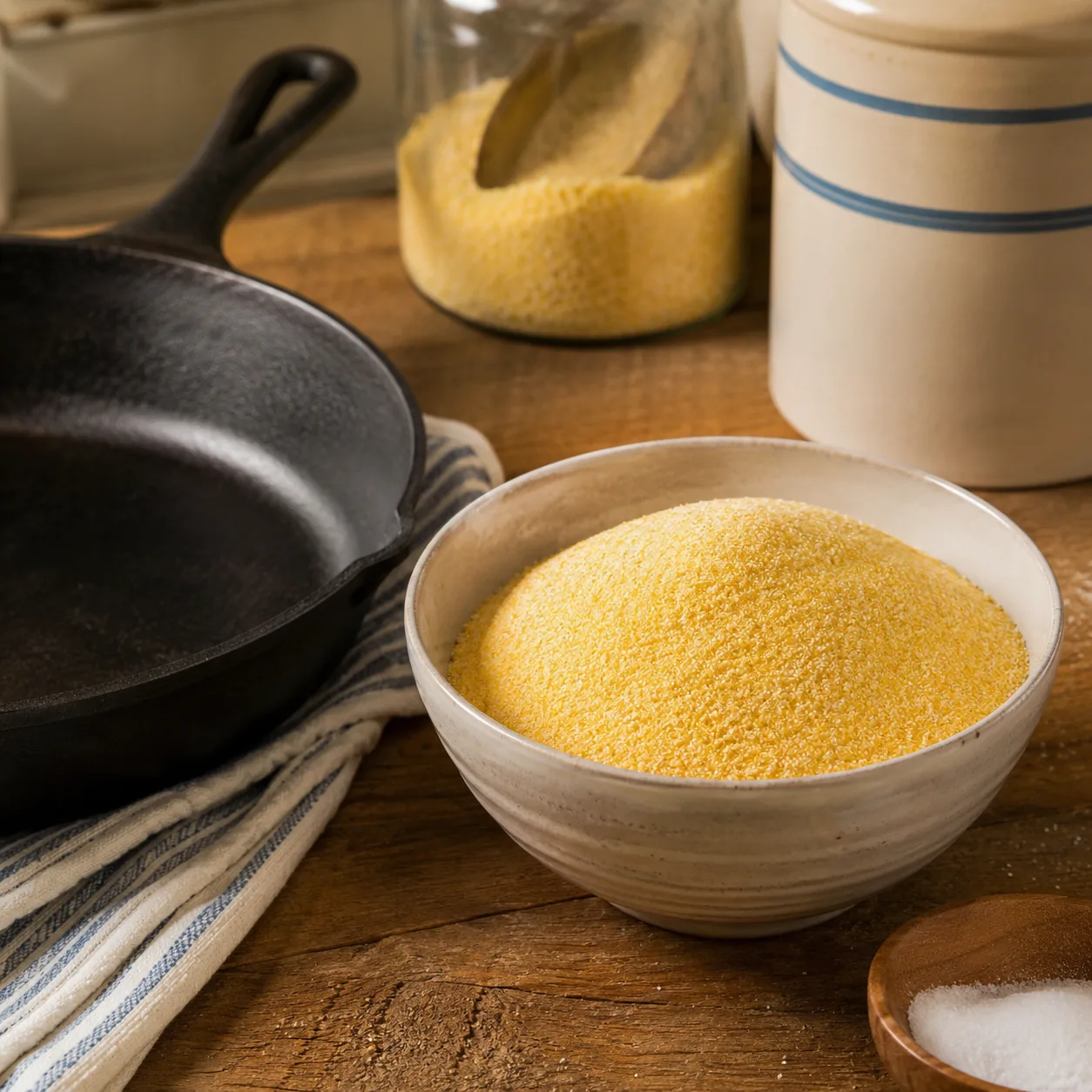
The stretcher: Cornmeal turned water, salt, and heat into something filling.
Grandma used it for cornbread, mush, johnnycakes, spoonbread, fried coatings, and emergency thickening. If the pantry looked thin, cornmeal could still make the table feel complete.
It also respected leftovers. A little bacon grease, onion, or sour milk could change the whole pan, which is exactly why it earned permanent shelf space.
32. Rolled Oats
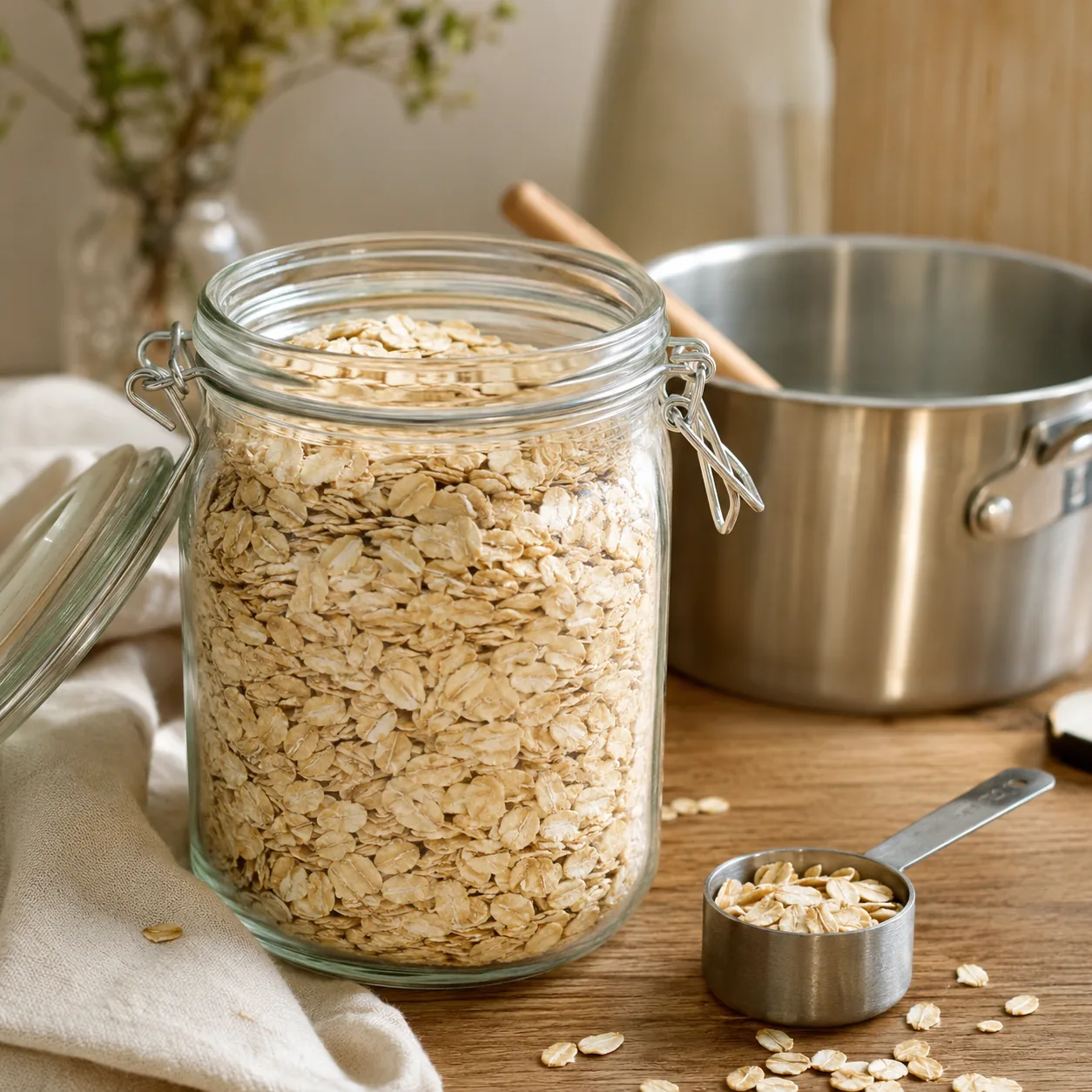
More than breakfast: Rolled oats were cheap, sturdy, and useful almost anywhere.
Grandma cooked them into porridge, stretched meatloaf with them, thickened soups, and baked them into cookies when the sugar jar allowed. They filled stomachs without needing much else.
The beauty was control. A handful made ground meat go farther, a cup made breakfast for several children, and nothing about it felt complicated.
31. Saltines
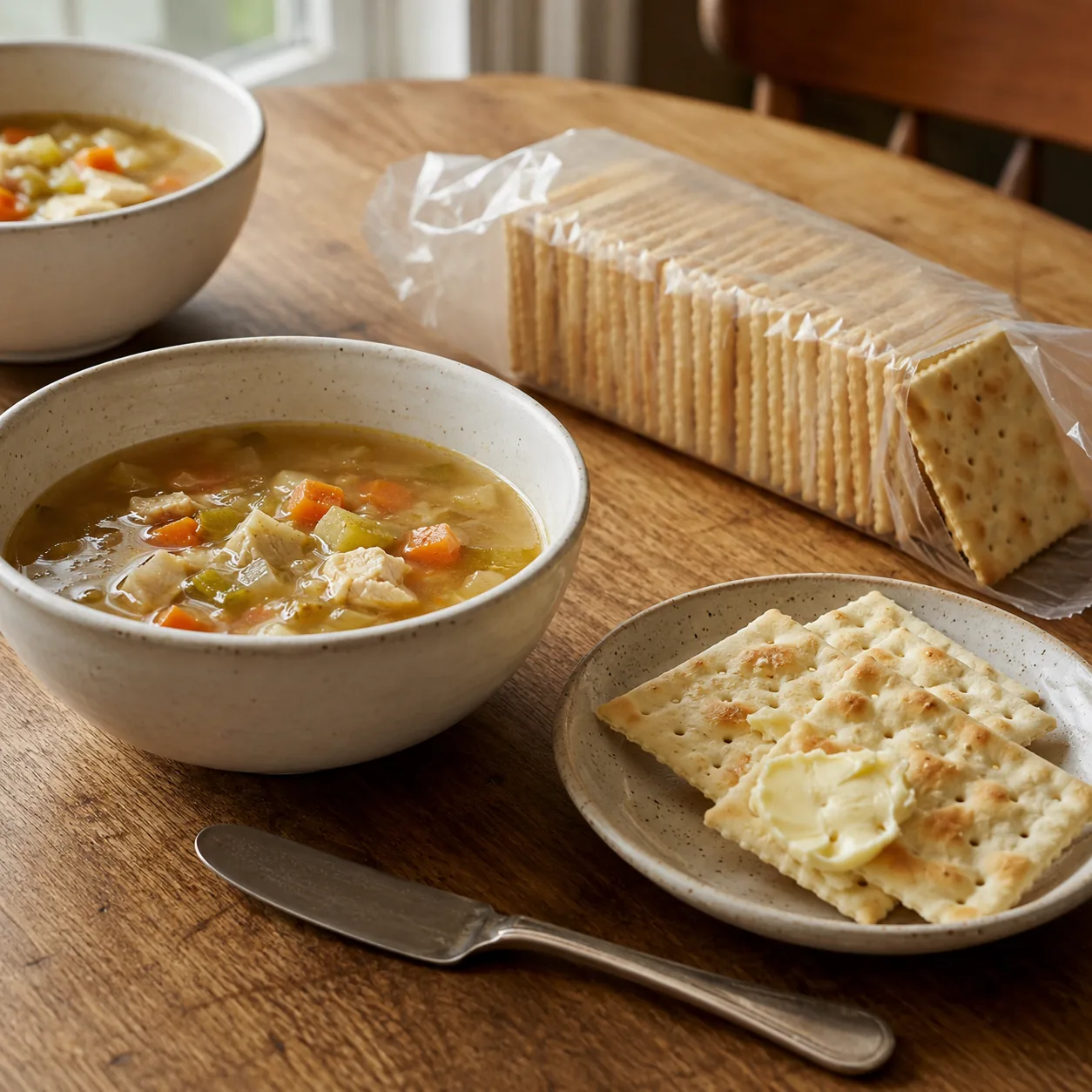
The quiet filler: Saltines could turn soup, chili, or a thin stew into a meal that lasted.
They were also a snack, a nausea remedy, a coating for chicken, and a crushed topping for casseroles. Grandma saved the broken ones because crumbs still had a job.
Modern snack aisles got louder, but saltines stayed useful because they did not demand attention. They simply made whatever was there feel like more.
30. Soda Crackers in a Tin
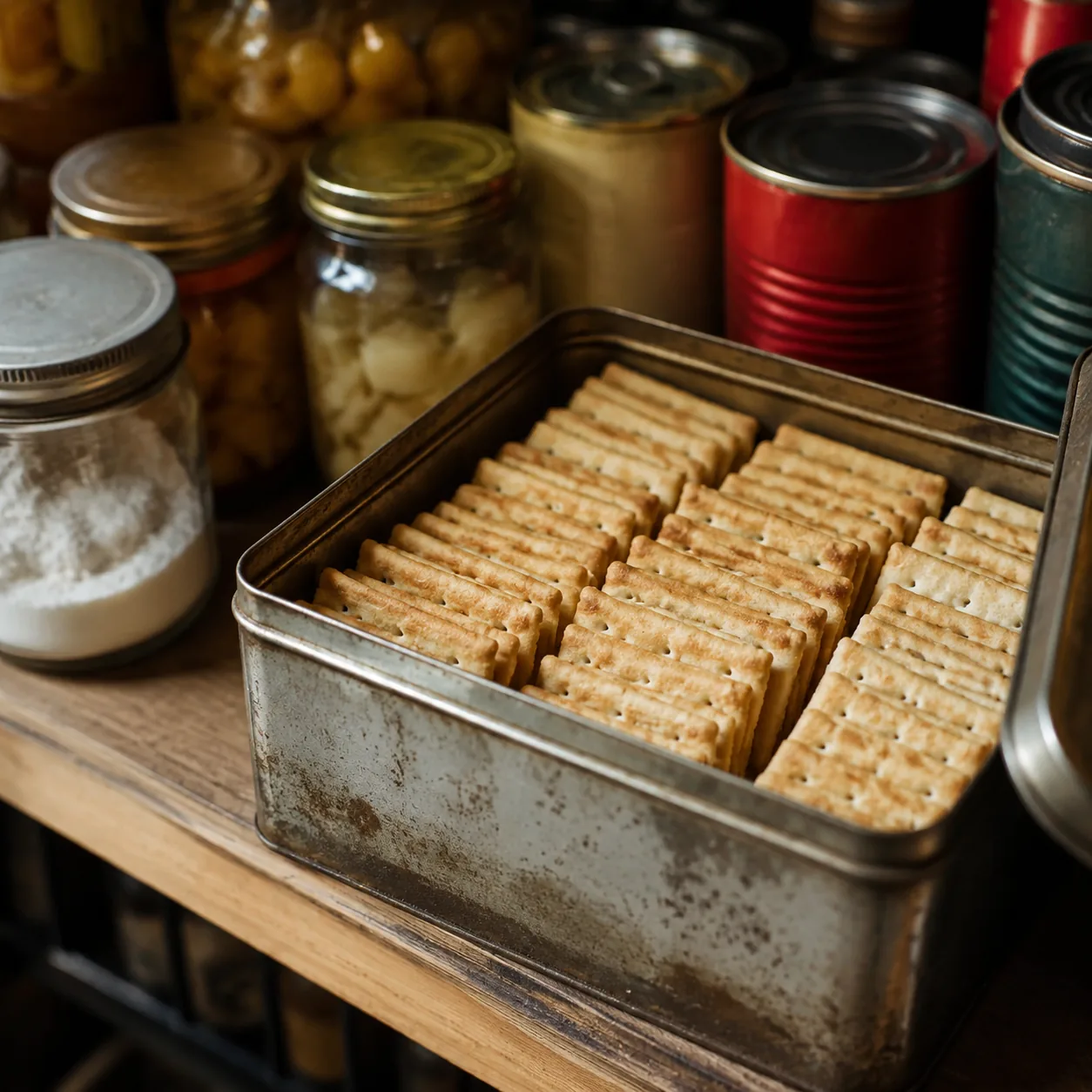
The pantry tin: Soda crackers stayed fresher in a tin, away from humidity and busy hands.
Grandma reached for them when company appeared, when soup needed body, or when a child needed something plain. The tin mattered because pantry food had to last, especially in damp kitchens.
It was a small habit with a real purpose. Keep the crackers crisp and they could solve half a dozen little household problems.
29. Canned Salmon
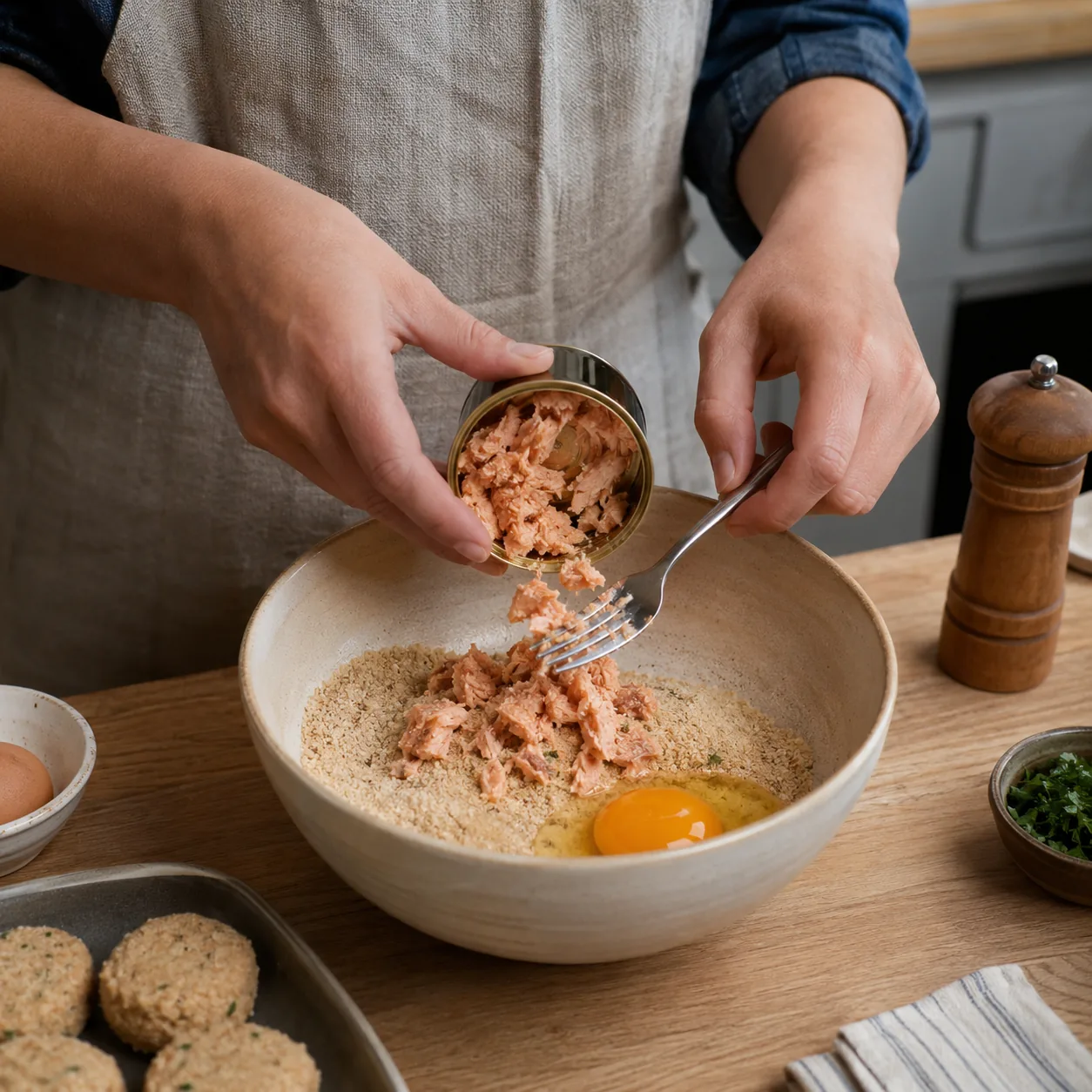
Shelf-stable protein: Canned salmon made patties, salad, sandwiches, and quick supper possible without fresh meat.
Grandma picked through the skin and bones, or mashed the soft bones in because they added calcium and disappeared into the mix. Onion, cracker crumbs, egg, and hot grease did the rest.
It was not fancy seafood. It was reliable protein that waited patiently until the meat drawer was empty.
28. Canned Sardines
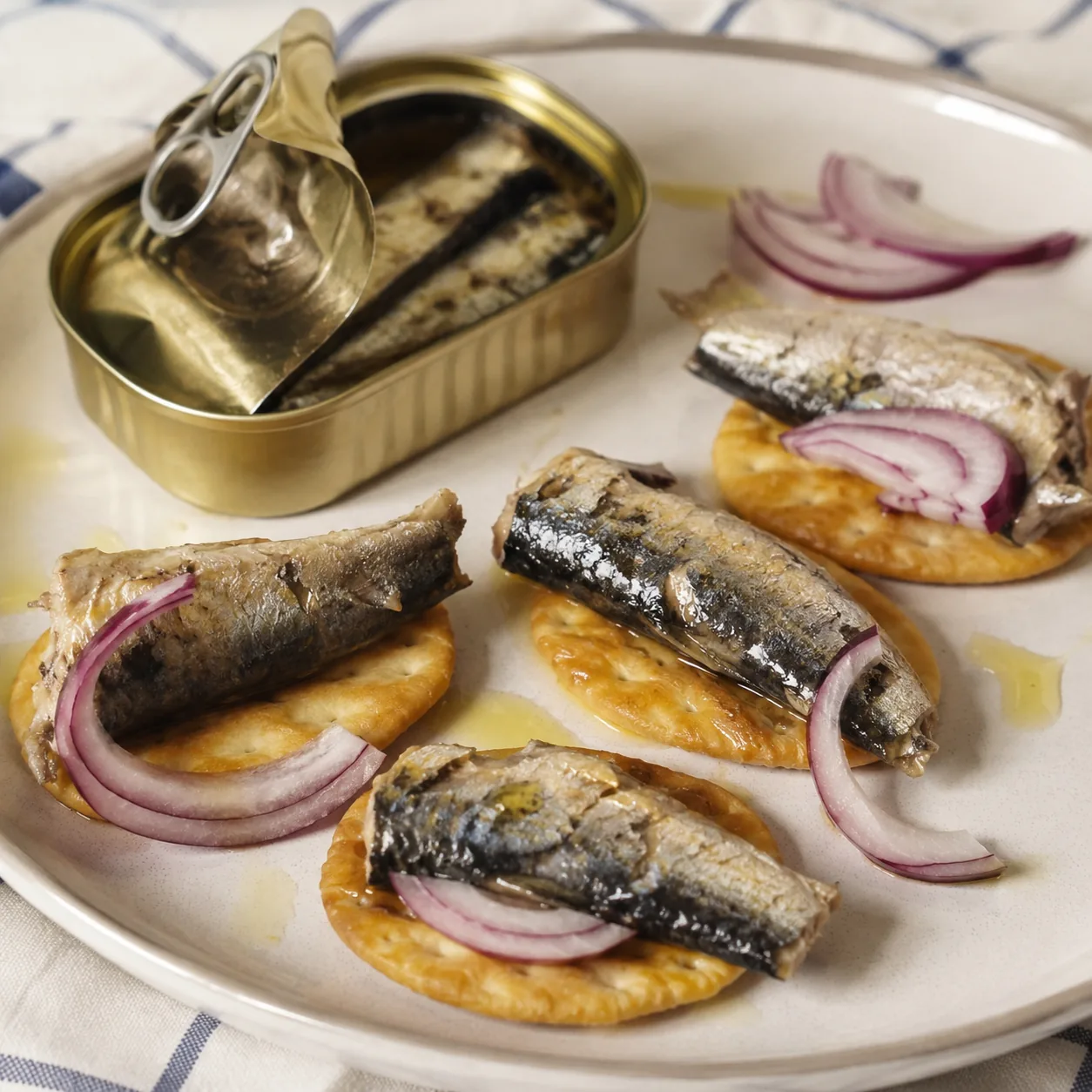
A grown-up lunch: Sardines were cheap, strong, and never trying to be polite.
Grandma might serve them on crackers with onion, mustard, or pickles, especially for adults who liked salty food that filled them fast. They were rich enough that one tin could feel substantial.
The smell kept some children away, which may have been part of the strategy. Not every pantry item was meant to vanish in one afternoon.
27. Dried Beans
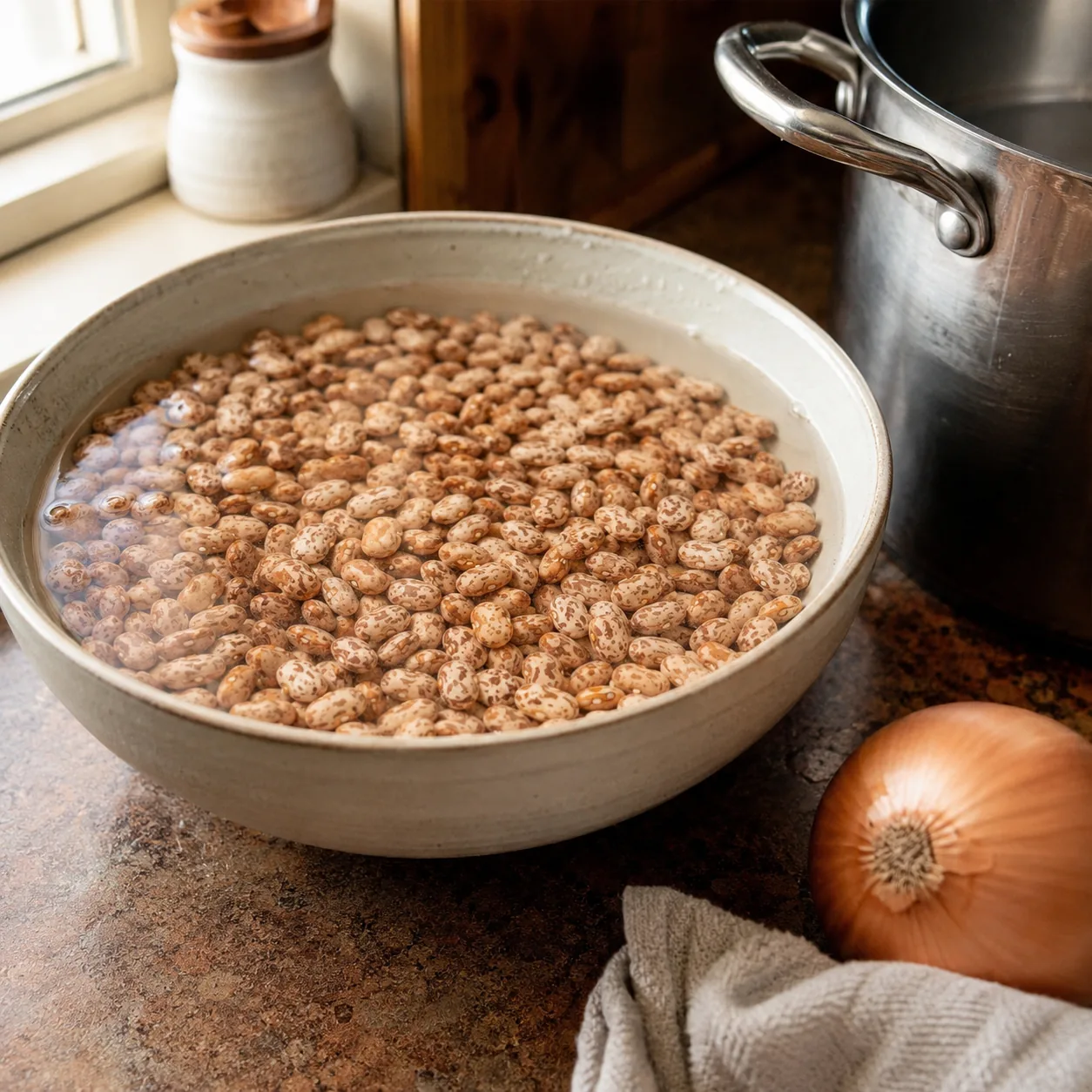
The dinner anchor: Dried beans were patient food. They waited on the shelf until the family needed something cheap and serious.
Grandma soaked them overnight, simmered them with salt pork or onion, and served them with cornbread, rice, or potatoes. The pot often tasted better the second day.
Beans made thrift feel less like deprivation because they offered volume, protein, and comfort from a bag that cost very little.
26. Split Peas
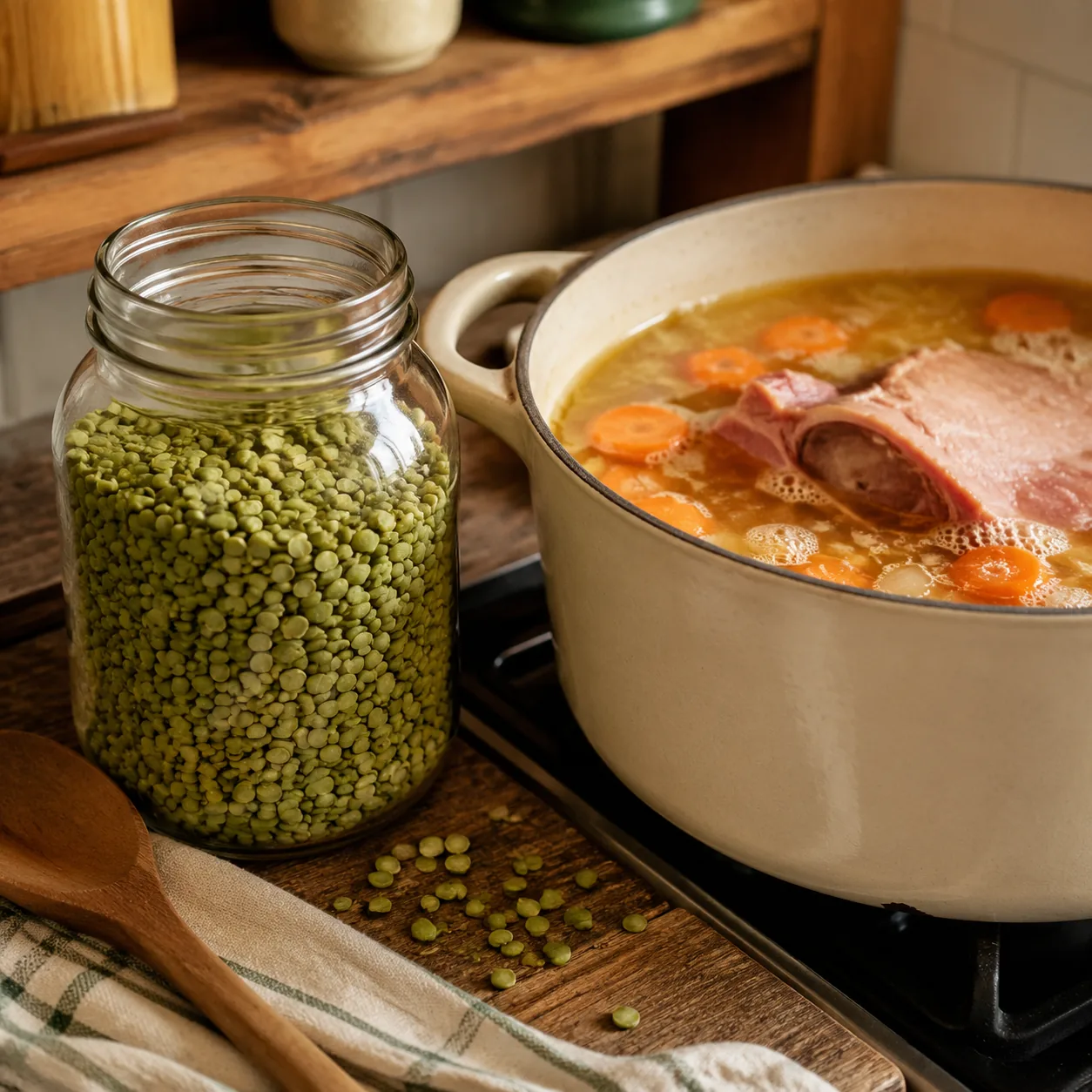
Soup waiting to happen: Split peas were easy to store and forgiving to cook.
A ham bone, onion, carrots, and time turned them into a thick soup that could feed everyone twice. Grandma liked foods that improved as they softened because nobody had to fuss over them.
The lesson was simple. If a pantry item could become dinner while you did laundry, watched children, and answered the phone, it earned its place.
25. Hominy
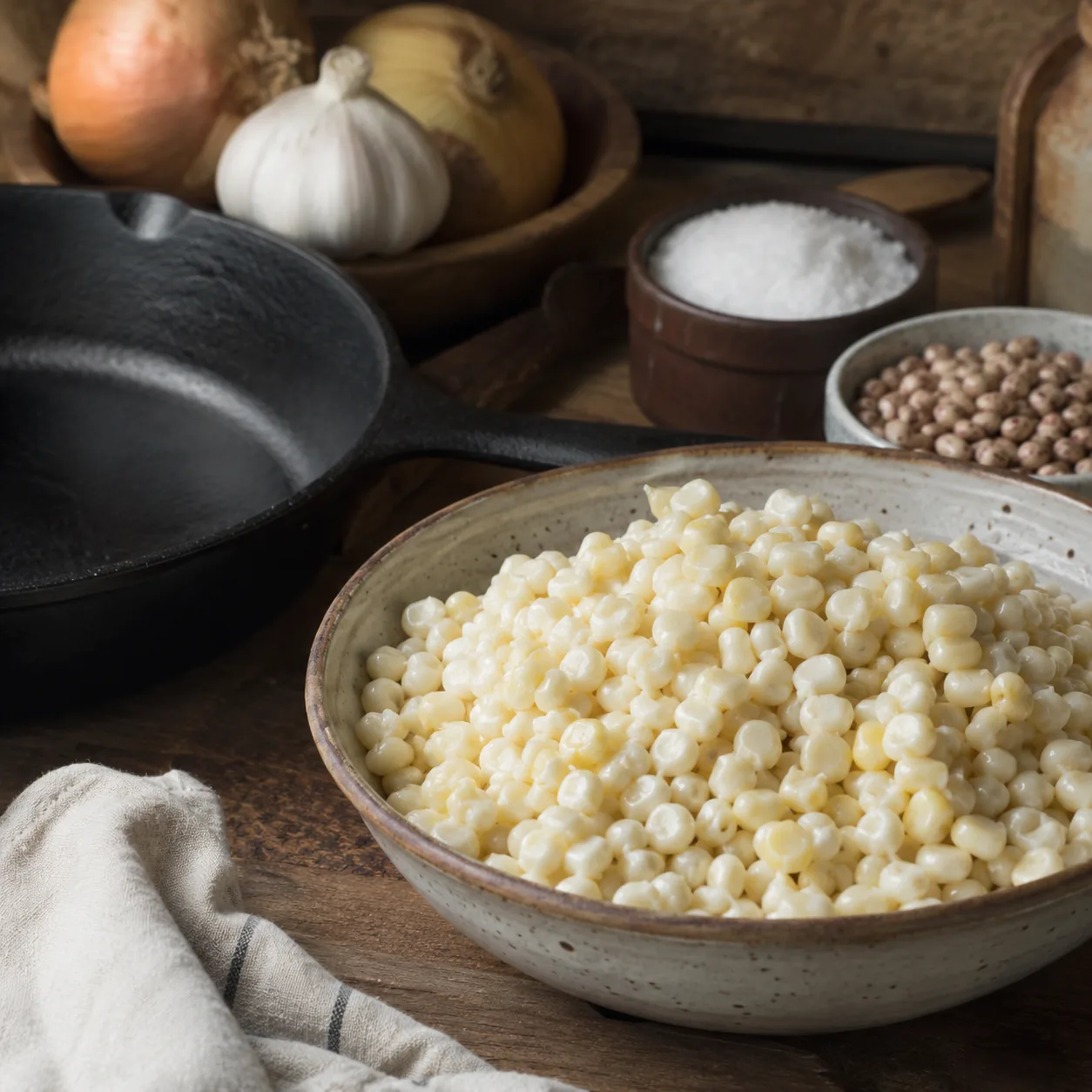
The old corn staple: Hominy gave soups, stews, and breakfast plates a chewy, filling base.
Grandma could fry it in bacon grease, simmer it with tomatoes, or serve it beside eggs when potatoes were gone. It carried seasoning well and made a small dish feel sturdier.
If this kind of pantry memory hits home, the same make-do spirit runs through 33 Poor Man Meals That Fed Whole Families When Money Was Tight.
24. Canned Tomatoes
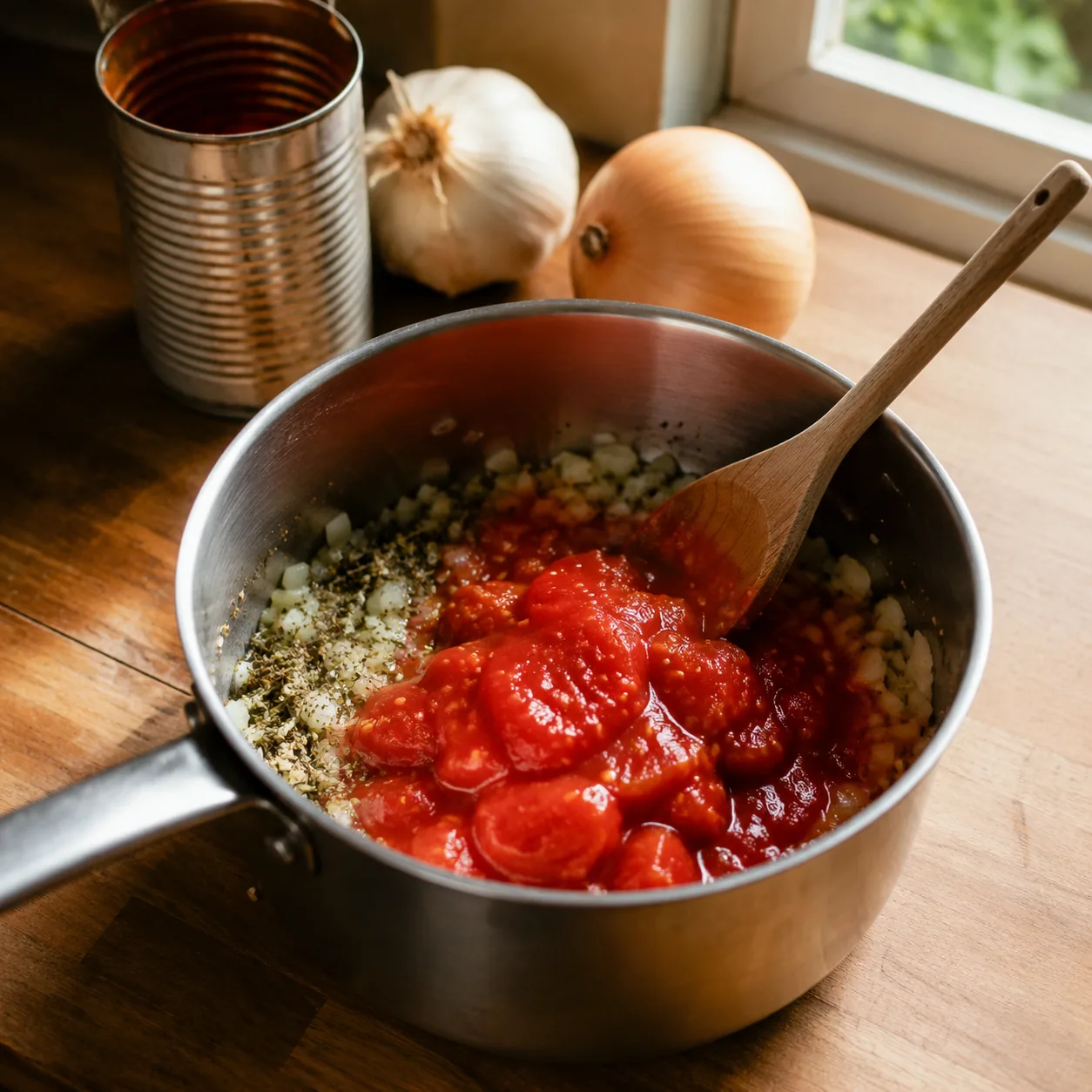
The sauce starter: Canned tomatoes made gravy, soup, chili, macaroni, and skillet dinners possible in any season.
Grandma treated them like a foundation, not a side dish. A can could moisten leftover rice, brighten beans, stretch ground beef, or become tomato soup with milk and a careful hand.
Modern kitchens often chase fresh everything. Grandma knew canned tomatoes were not a compromise when they kept dinner moving.
23. Tomato Paste
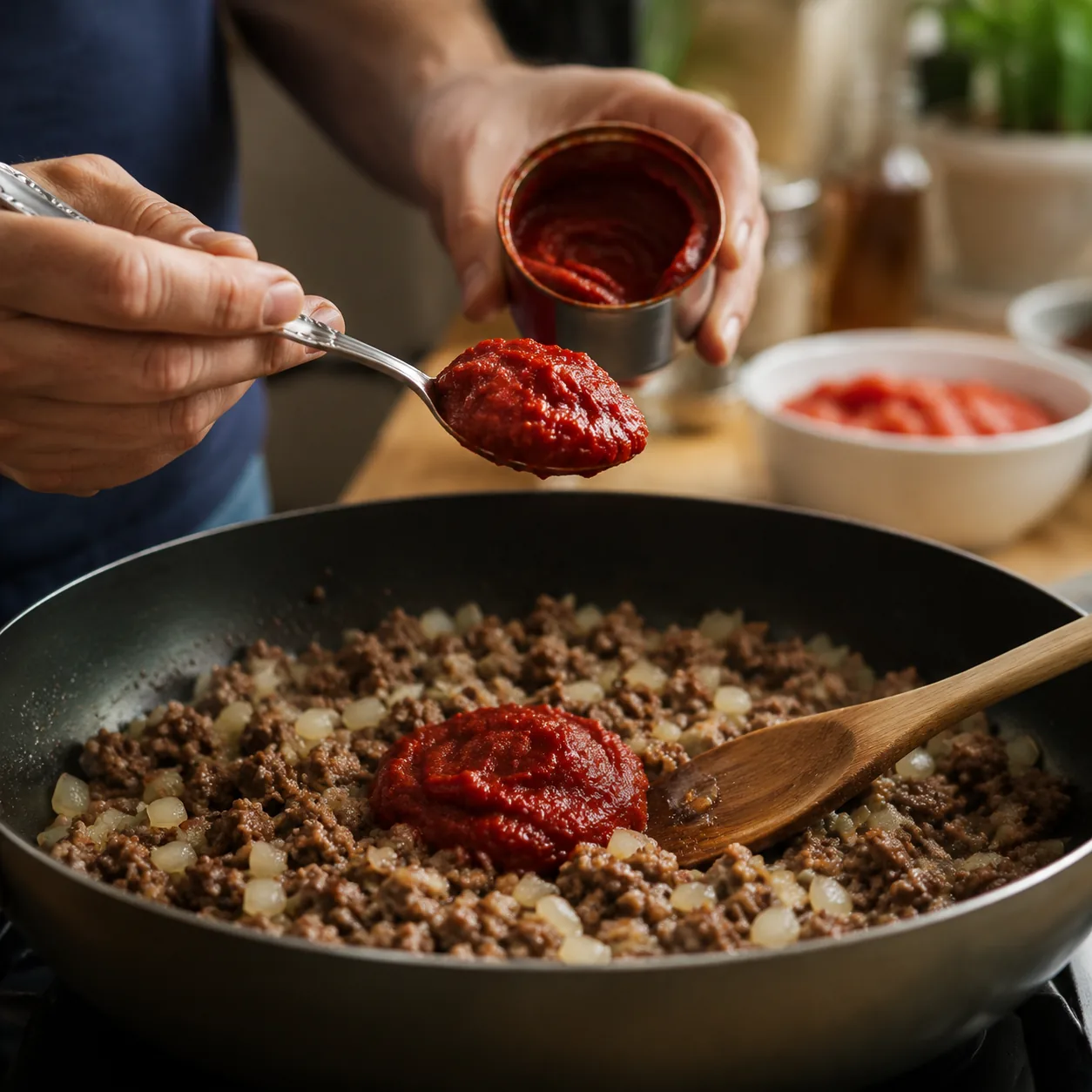
Concentrated help: Tomato paste made weak sauces taste cooked longer than they had.
Grandma browned it in fat before adding water, tomatoes, or broth because that deepened the flavor fast. A spoonful could rescue soup that tasted thin or turn leftovers into something that felt planned.
The can was small, but the impact was big. Pantry cooking often worked that way: tiny ingredients doing quiet, essential labor.
Read More: 35 Dinners From the 1970s That Disappeared From American Tables
22. Canned Corn
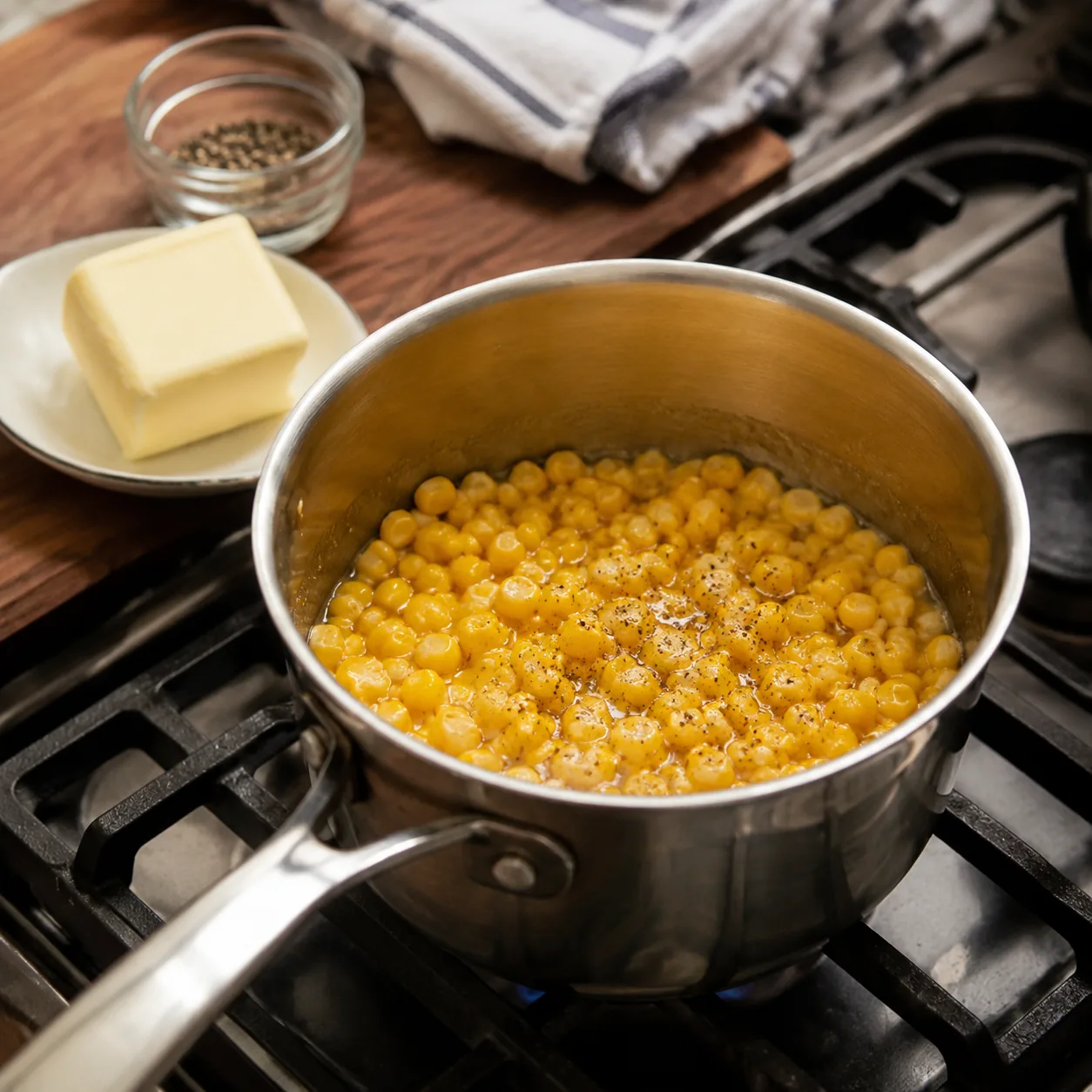
Fast vegetable insurance: Canned corn gave grandma a side dish even when the crisper drawer had nothing to offer.
She might drain it and fry it in butter, stir it into chowder, add it to cornbread, or mix it with beans for a quick skillet. It was sweet, familiar, and child-friendly.
The point was not culinary drama. It was getting something yellow and warm on the plate before everyone sat down.
21. Canned Peaches
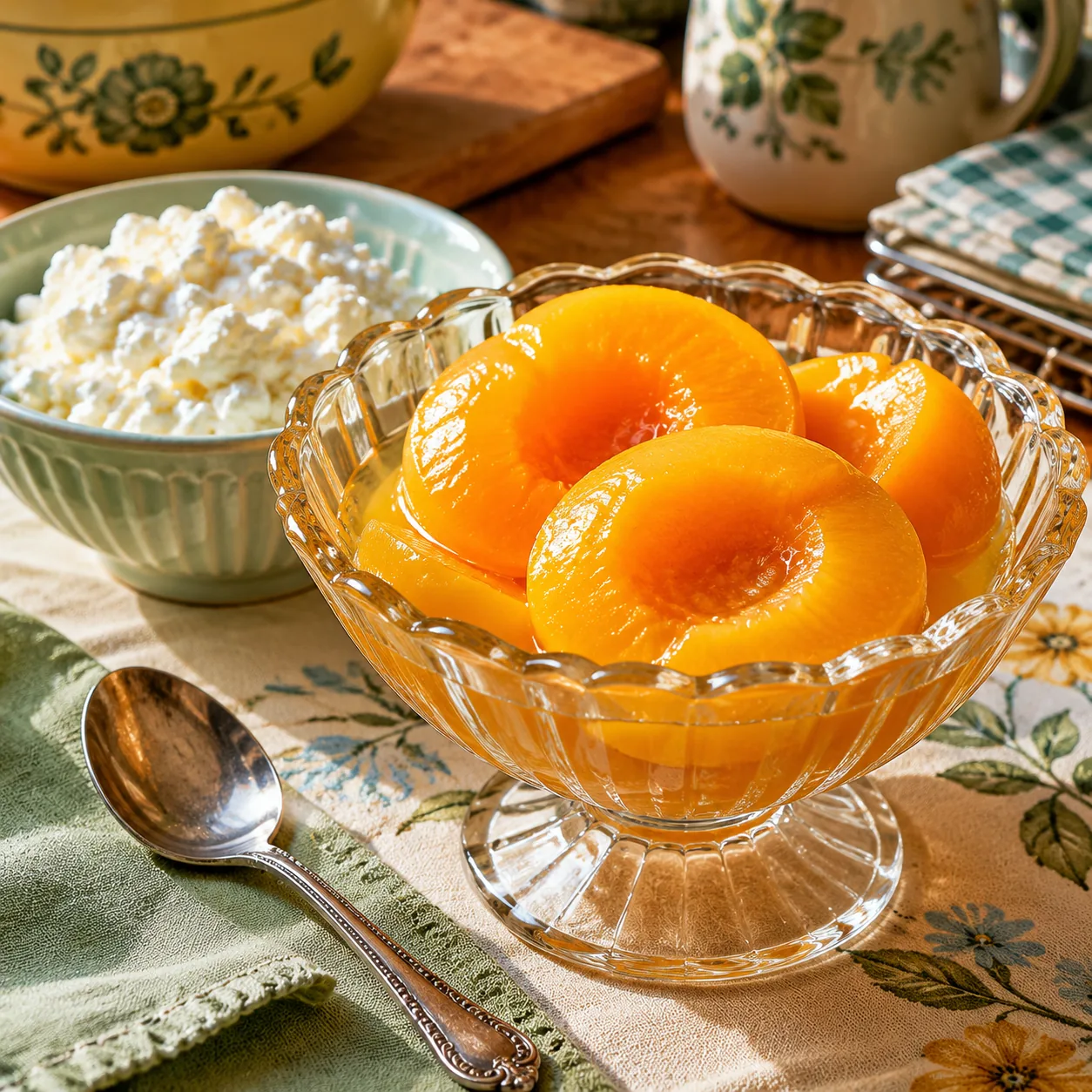
Dessert in reserve: Canned peaches made dessert possible without baking.
Grandma served them with cottage cheese, spooned them over pound cake, tucked them into cobbler, or chilled them straight from the can. The syrup was never wasted if it could sweeten tea, oatmeal, or a quick sauce.
A pantry dessert mattered. It meant company could be fed decently even when nobody had planned for company.
20. Canned Pineapple
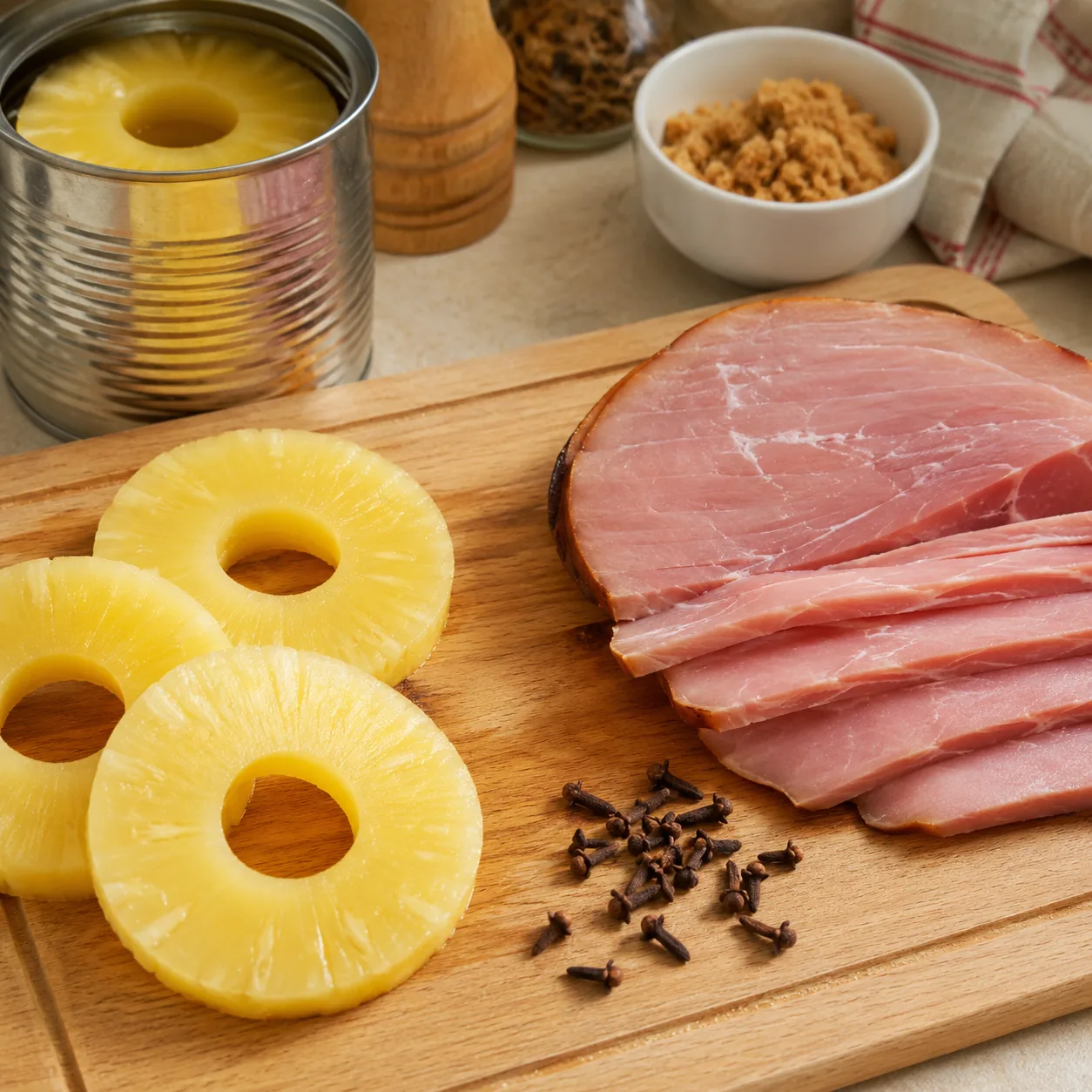
Sweet-and-savory helper: Canned pineapple belonged to ham, cottage cheese, gelatin salads, upside-down cake, and lunchbox treats.
Grandma liked it because it felt cheerful. A few rings could dress up leftovers or make a plain baked dish look like a Sunday effort.
The juice did extra work too. It sweetened sauces, moistened cake, and made fruit salad feel less like odds and ends from the pantry.
19. Gelatin Packets
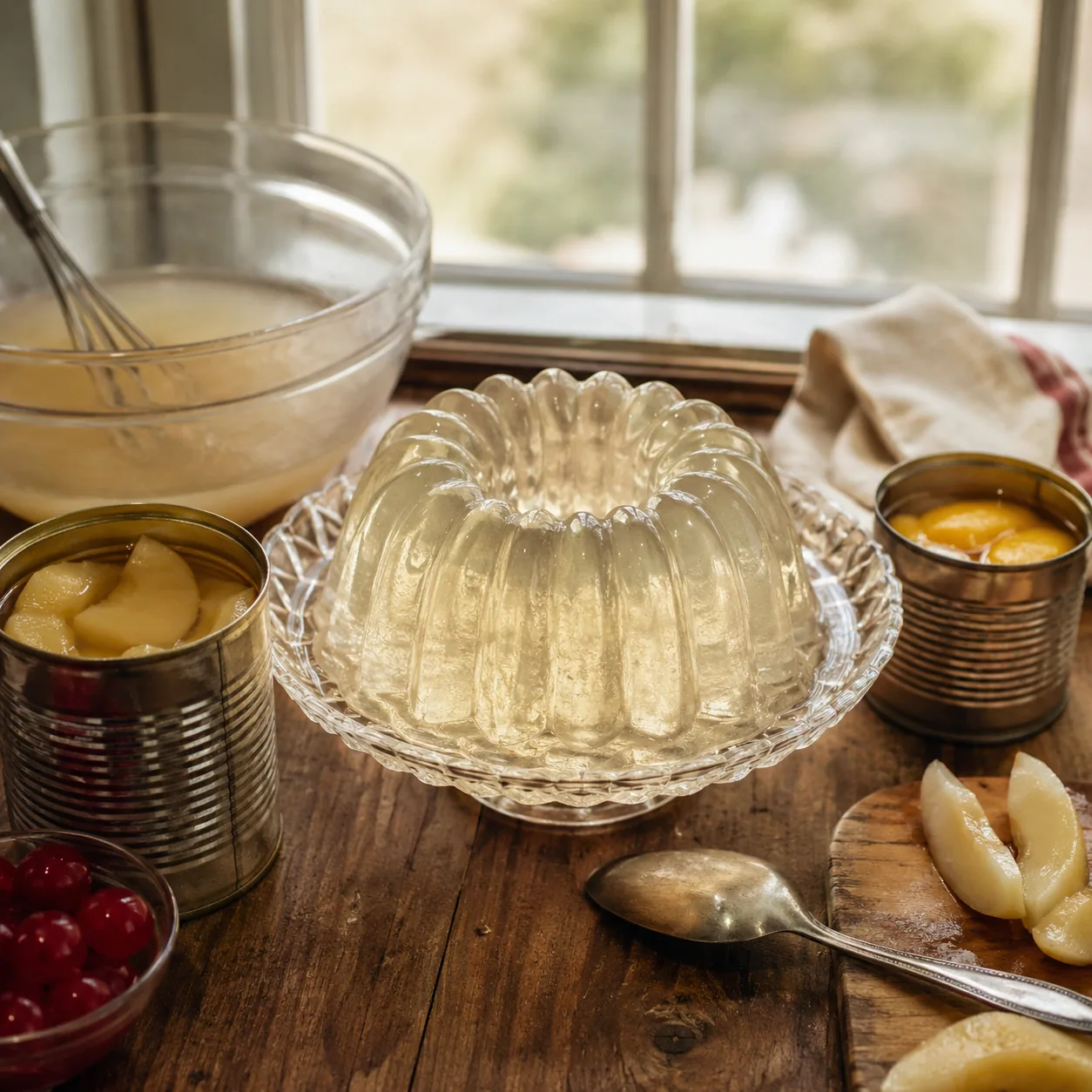
The shape-maker: Gelatin turned scraps of fruit, cottage cheese, vegetables, or whipped topping into something that looked intentional.
Grandma used it for desserts, salads, and refrigerator dishes that could be made ahead. It stretched expensive ingredients by suspending them in something bright and sliceable.
Some combinations aged better than others. Still, gelatin solved a real problem: it made small amounts look abundant on a crowded table.
Read More: 33 Childhood Snacks From the 60s, 70s, and 80s That Vanished From Lunchboxes
18. Tapioca
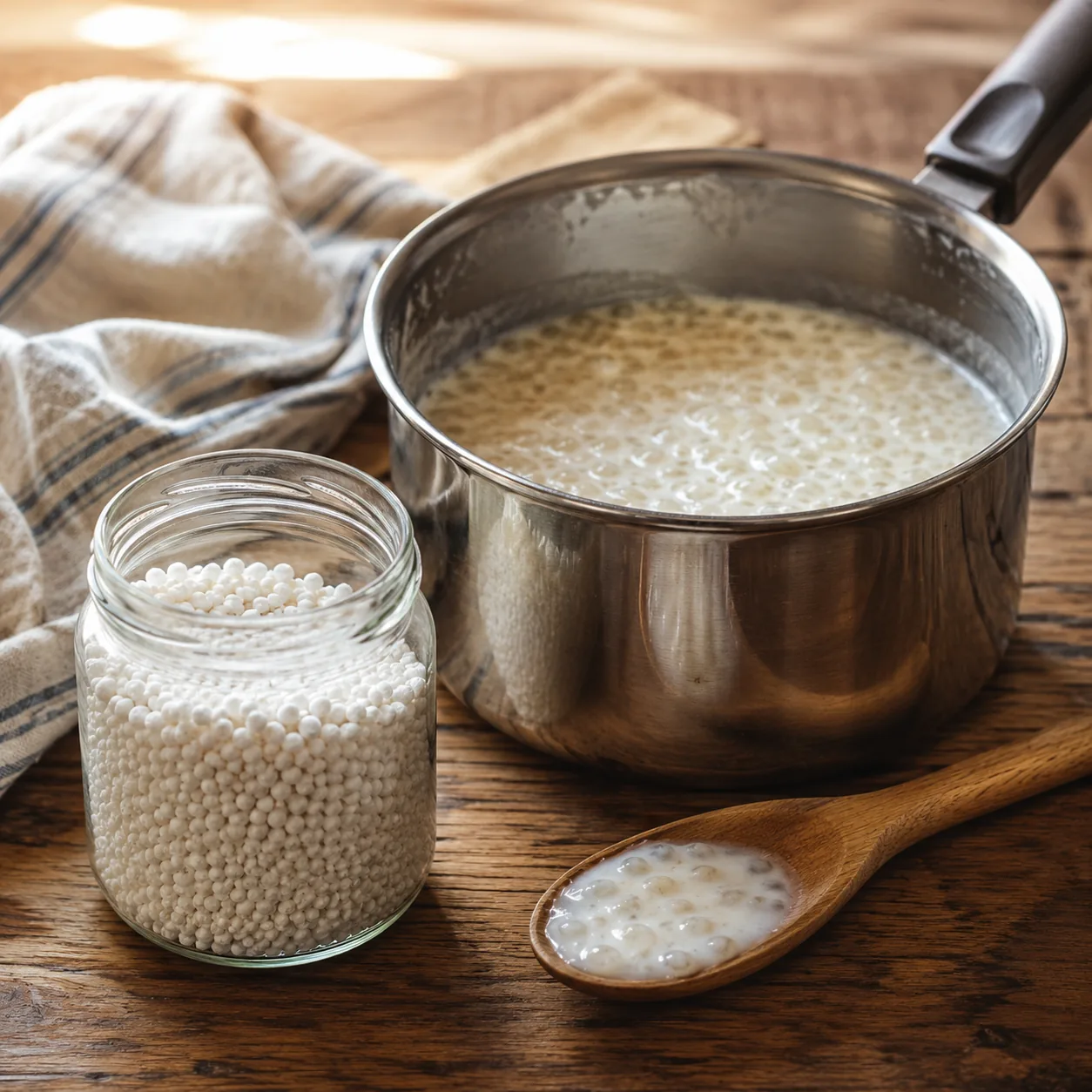
The pudding standby: Tapioca gave grandma a dessert that felt gentle, cheap, and homemade.
She cooked it slowly with milk, sugar, eggs, and vanilla until the pearls turned soft and glossy. It was especially useful because the ingredients were ordinary pantry and icebox staples.
Tapioca also taught patience. Rush it and the texture went wrong. Let it thicken properly and one small pot became a comfort food people remembered for decades.
17. Molasses
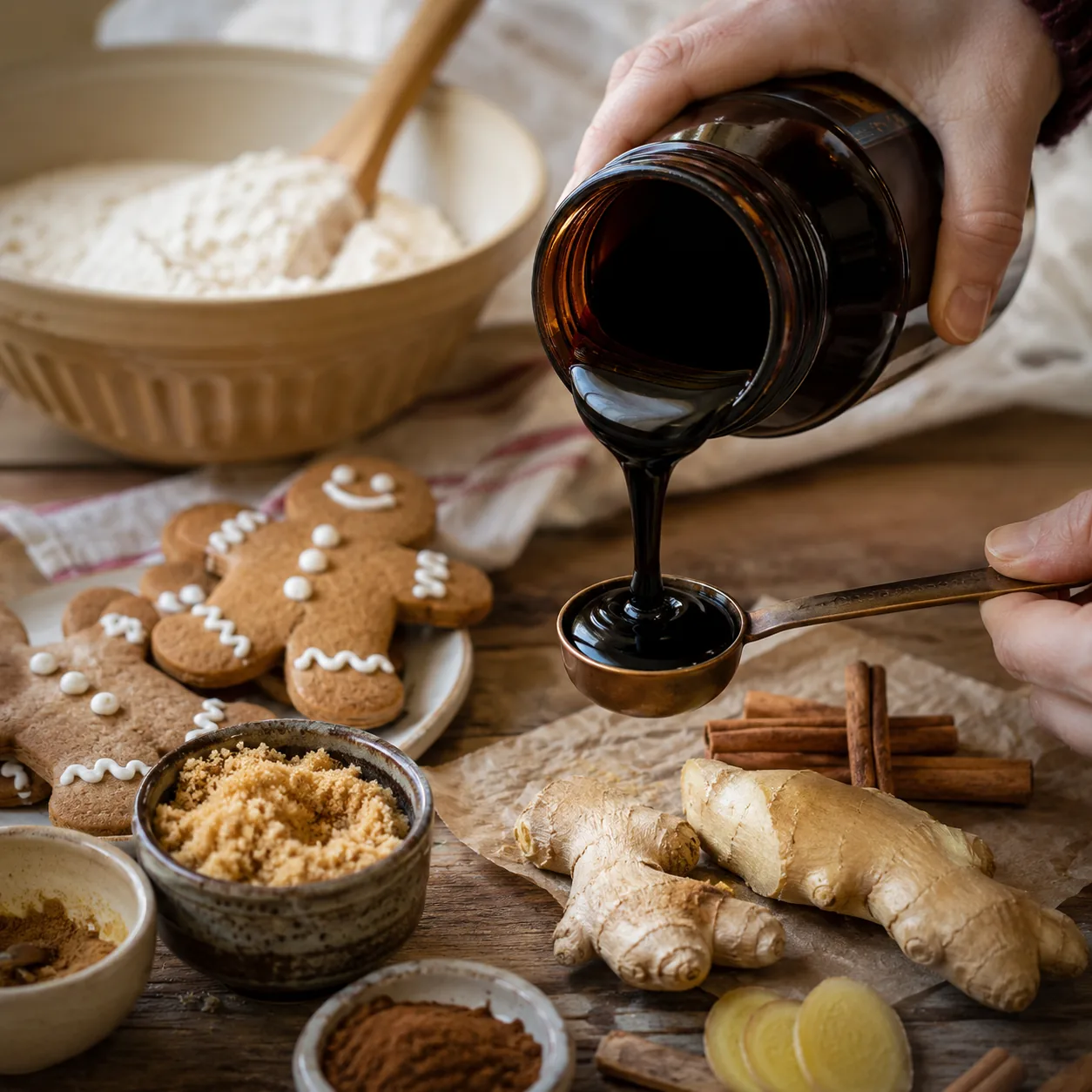
Deep sweetness: Molasses brought flavor that plain sugar could not.
Grandma used it in gingerbread, baked beans, brown bread, cookies, barbecue sauce, and oatmeal. A spoonful added color, minerals, and that bittersweet edge people either loved immediately or learned to love later.
It was sweetener with personality. When white sugar was too plain or too scarce, molasses made a recipe taste older, richer, and more deliberate.
16. Sorghum Syrup
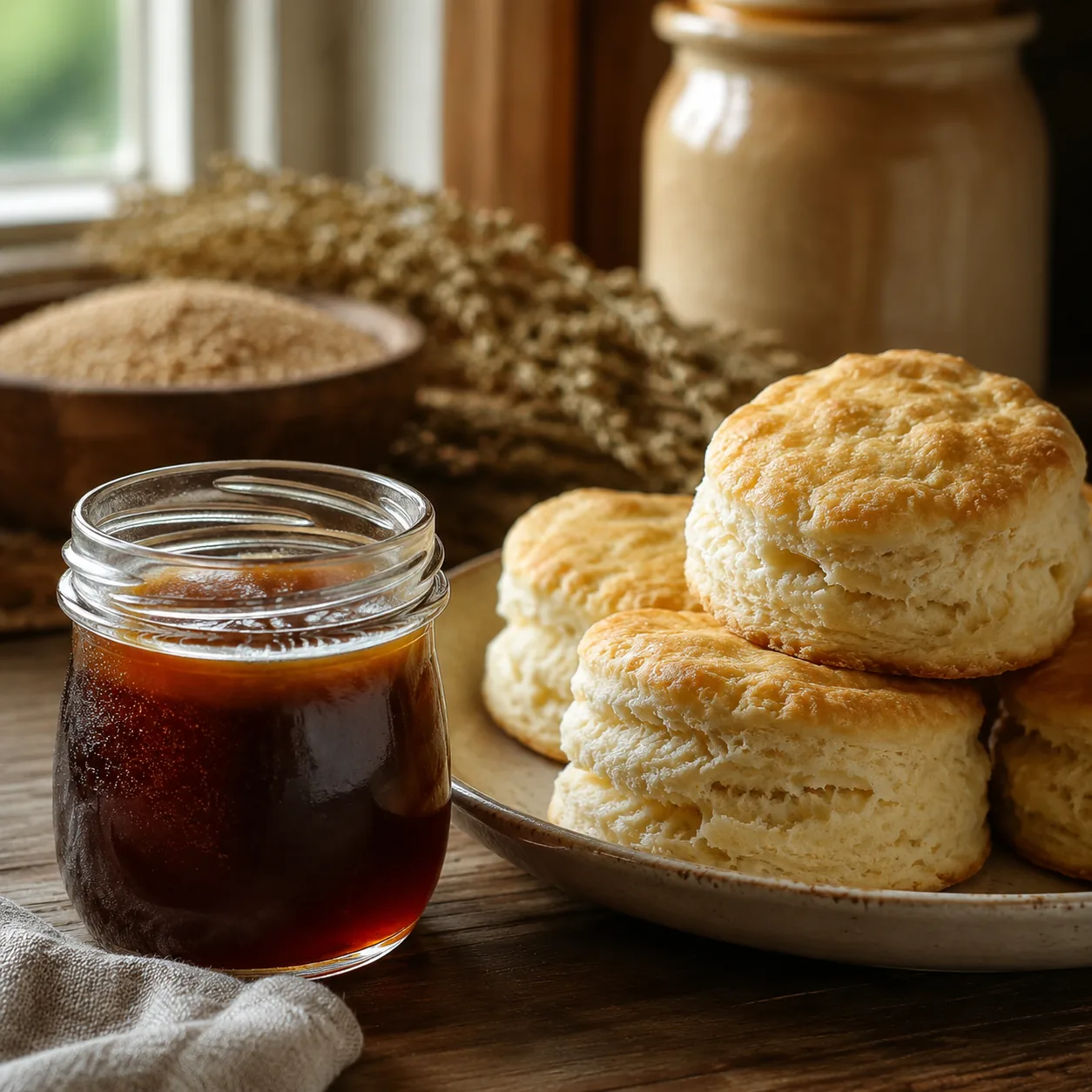
Biscuit gold: Sorghum syrup was the kind of pantry item that made plain bread feel like a treat.
Grandma poured it over biscuits, stirred it into beans, used it in cookies, or mixed it with butter for a spread. It had a grassy, earthy sweetness that tasted different from molasses or corn syrup.
Families kept it because it was local, sturdy, and useful. A little sweetness could soften a hard week.
15. Corn Syrup
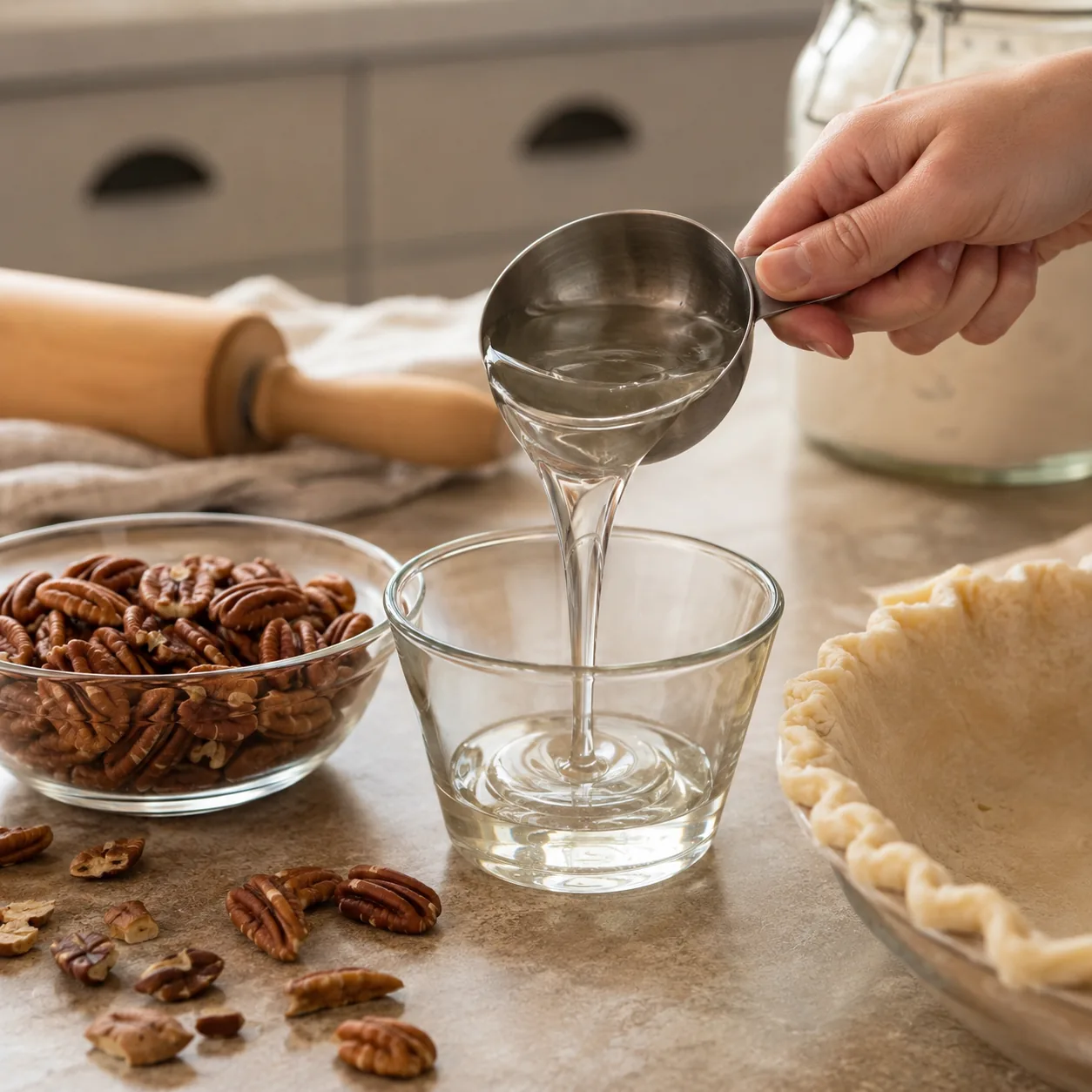
The pie helper: Corn syrup kept candies smooth and pecan pies glossy.
Grandma used it when sugar alone would crystallize or when a recipe needed shine, chew, and sweetness that stayed soft. It showed up in popcorn balls, caramels, frostings, and holiday baking.
This was not everyday food. It was the pantry tool that made special things turn out right, especially when wasted ingredients were not acceptable.
14. Shortening
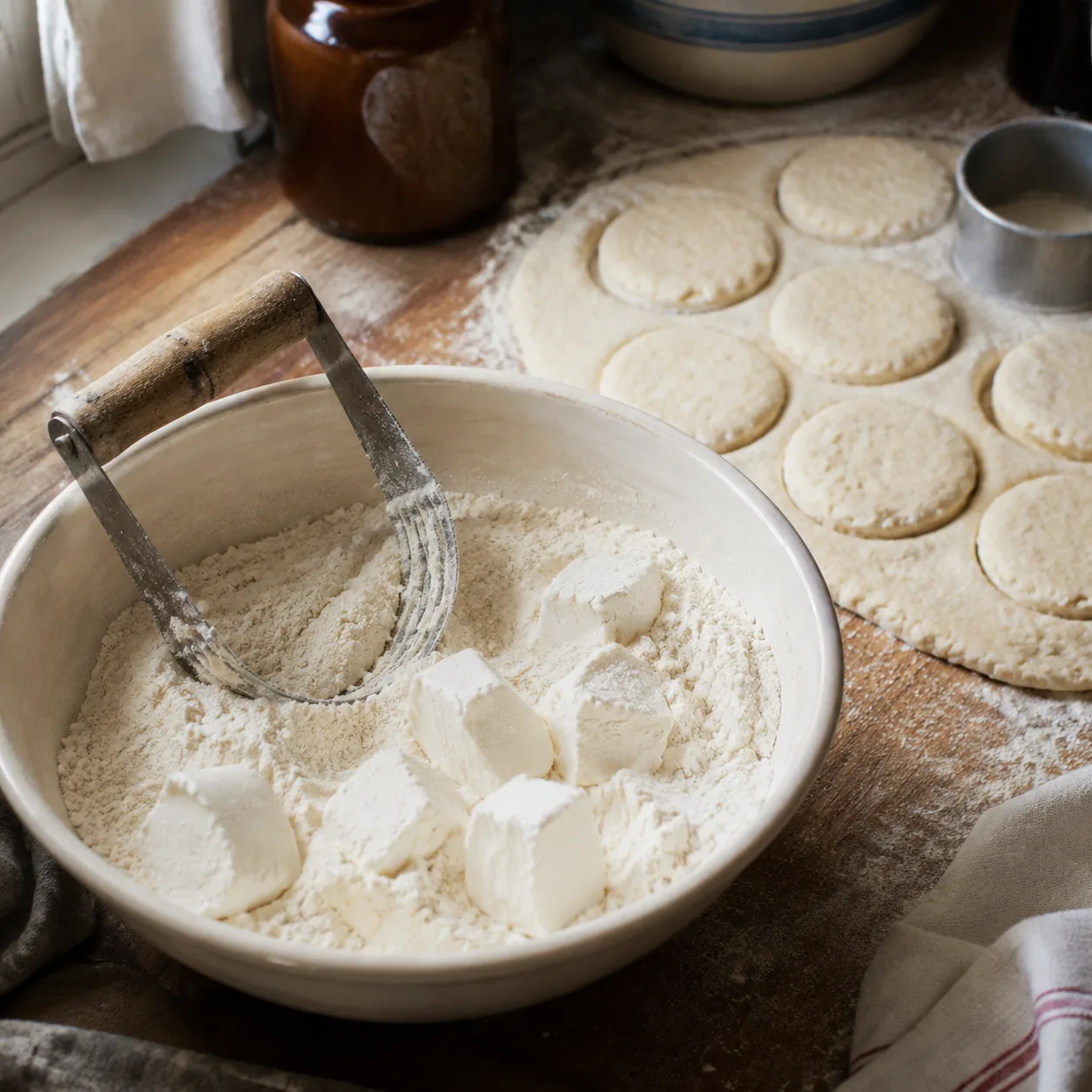
Reliable fat: Shortening was shelf-stable, neutral, and ready whenever biscuits or pie crust needed structure.
Grandma valued consistency. Butter could be too expensive, too cold, or already used up, but shortening sat quietly in the pantry and behaved the same way every time.
It made cookies tender and frying easier. Modern kitchens may prefer butter, but shortening helped busy home cooks get dependable results without fuss.
Read More: 37 Things Grandma Did to Stretch Groceries Before Budgeting Had a Name
13. Baking Powder
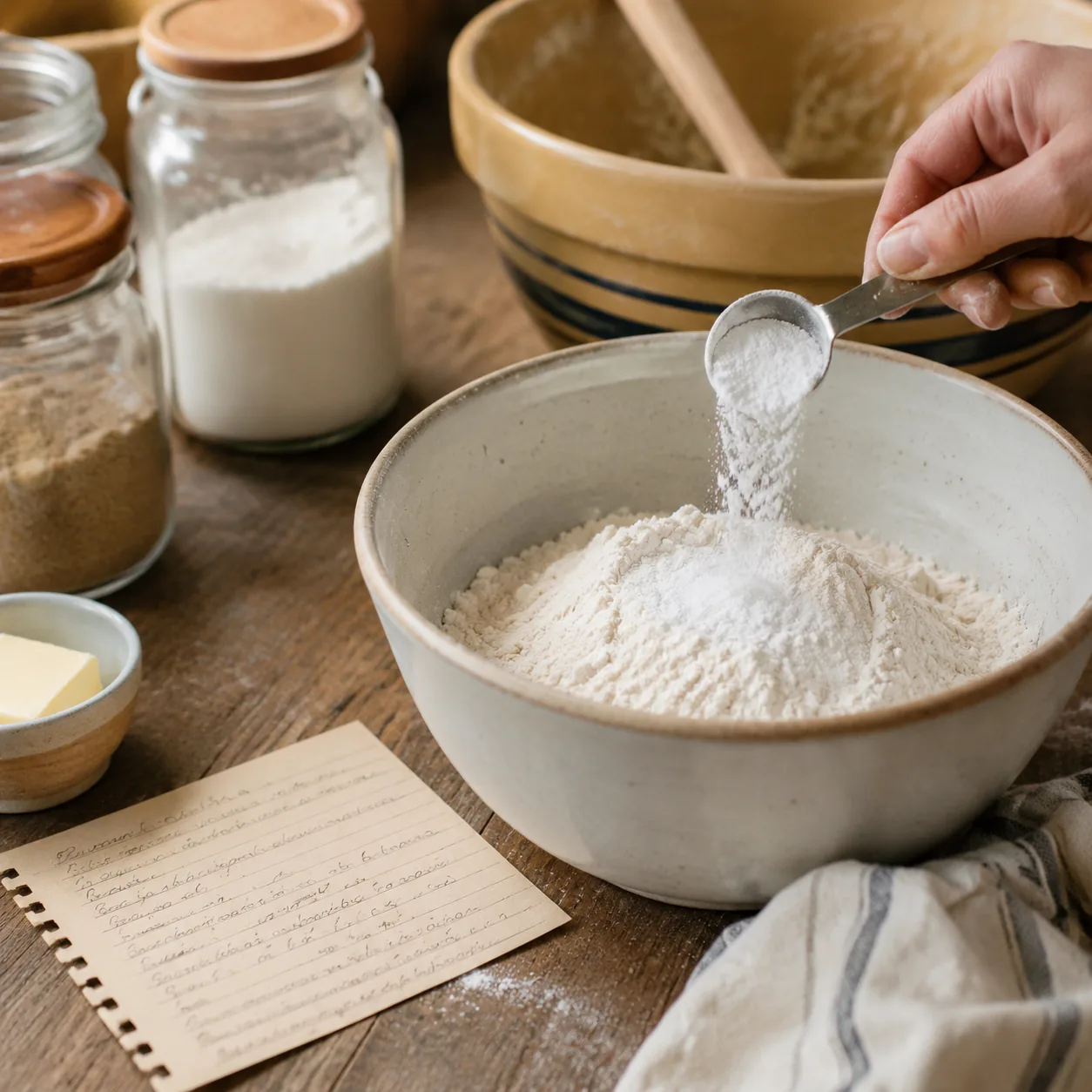
The lift: Baking powder meant biscuits, pancakes, cobblers, and quick breads could happen without yeast.
Grandma checked freshness by watching whether it fizzed in hot water. If it was weak, flat biscuits were nobody’s mystery. The can mattered because it made fast bread possible on ordinary mornings.
It was a small chemical miracle in a cupboard. Flour and milk became breakfast because that little spoonful did its job.
12. Baking Soda

The double-duty box: Baking soda leavened recipes and cleaned the kitchen after.
Grandma used it in biscuits, cookies, brown breads, and anything with sour milk or molasses. Then the same box might scrub a sink, deodorize the icebox, or settle an upset stomach if the family swore by it.
Pantry space was valuable. Anything that baked, cleaned, and solved little emergencies earned a permanent spot.
11. Cream of Tartar
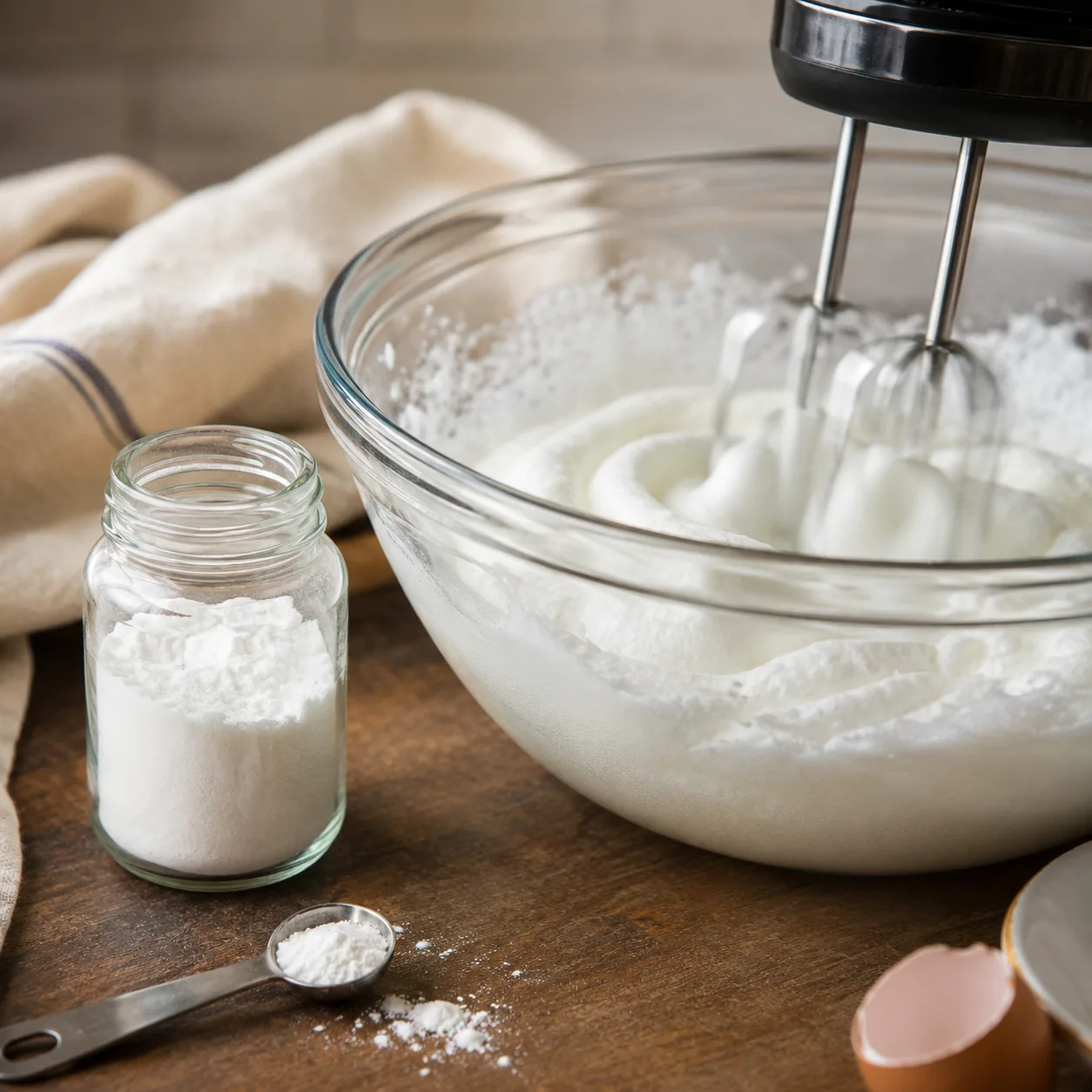
The egg-white trick: Cream of tartar helped meringues, angel food cakes, and candies behave.
Grandma added a pinch when egg whites needed to hold their peaks or sugar syrup needed protection from graininess. It looked mysterious, but its job was practical.
This is the kind of pantry item modern cooks skip until a recipe fails. Grandma kept it because she had already seen what happened without it.
10. Dry Mustard
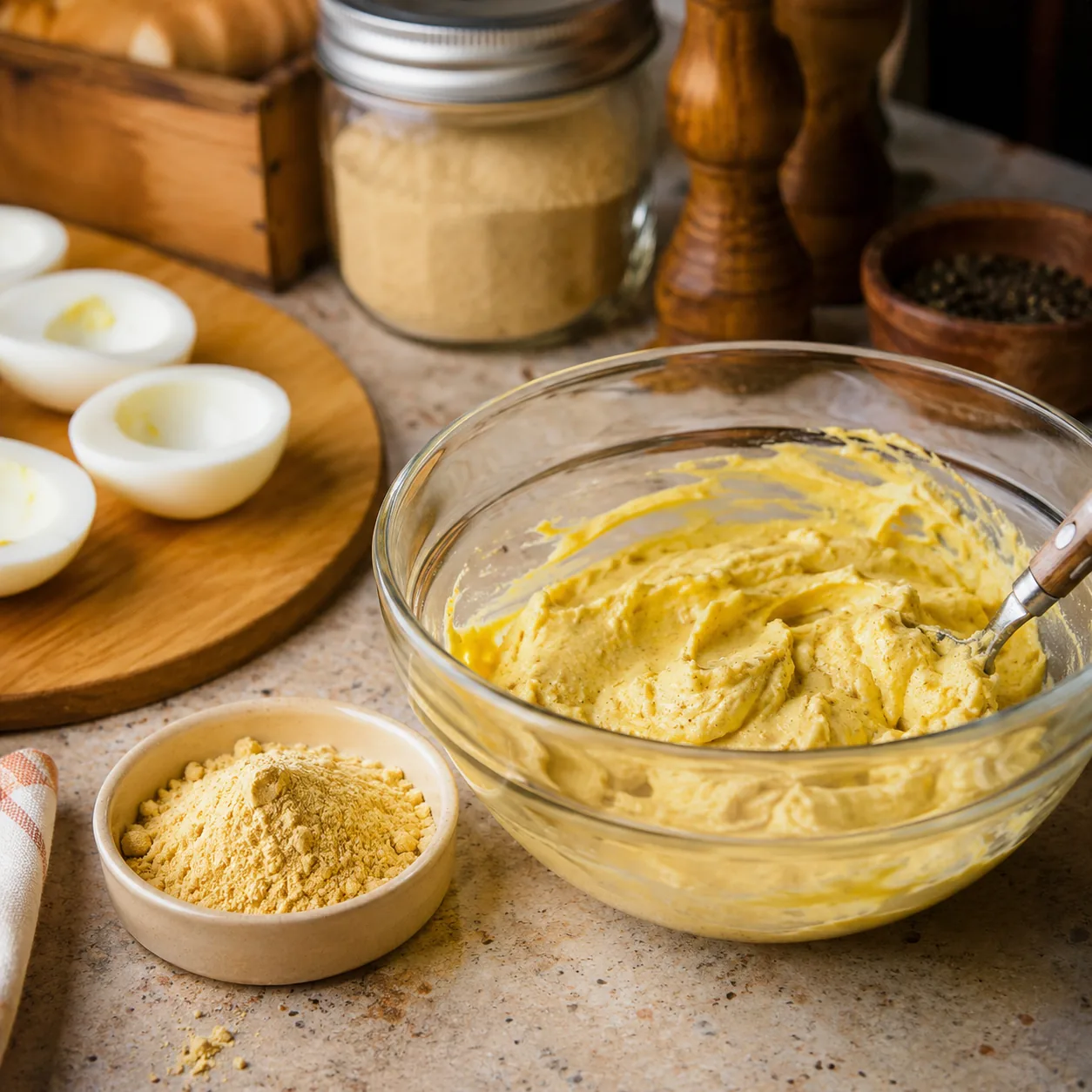
Quiet sharpness: Dry mustard gave casseroles, cheese sauce, deviled eggs, and pickles a sharper backbone.
Grandma used it when prepared mustard would add too much vinegar or liquid. A small pinch woke up macaroni and cheese, meatloaf glaze, or salad dressing without announcing itself.
Good pantry cooking often depends on small background flavors. Dry mustard was one of those little ingredients people noticed only when it was missing.
That habit of keeping small useful things ready fits the household logic in 33 Old-School Family Rules That Actually Made Kids More Independent.
9. Onion Flakes
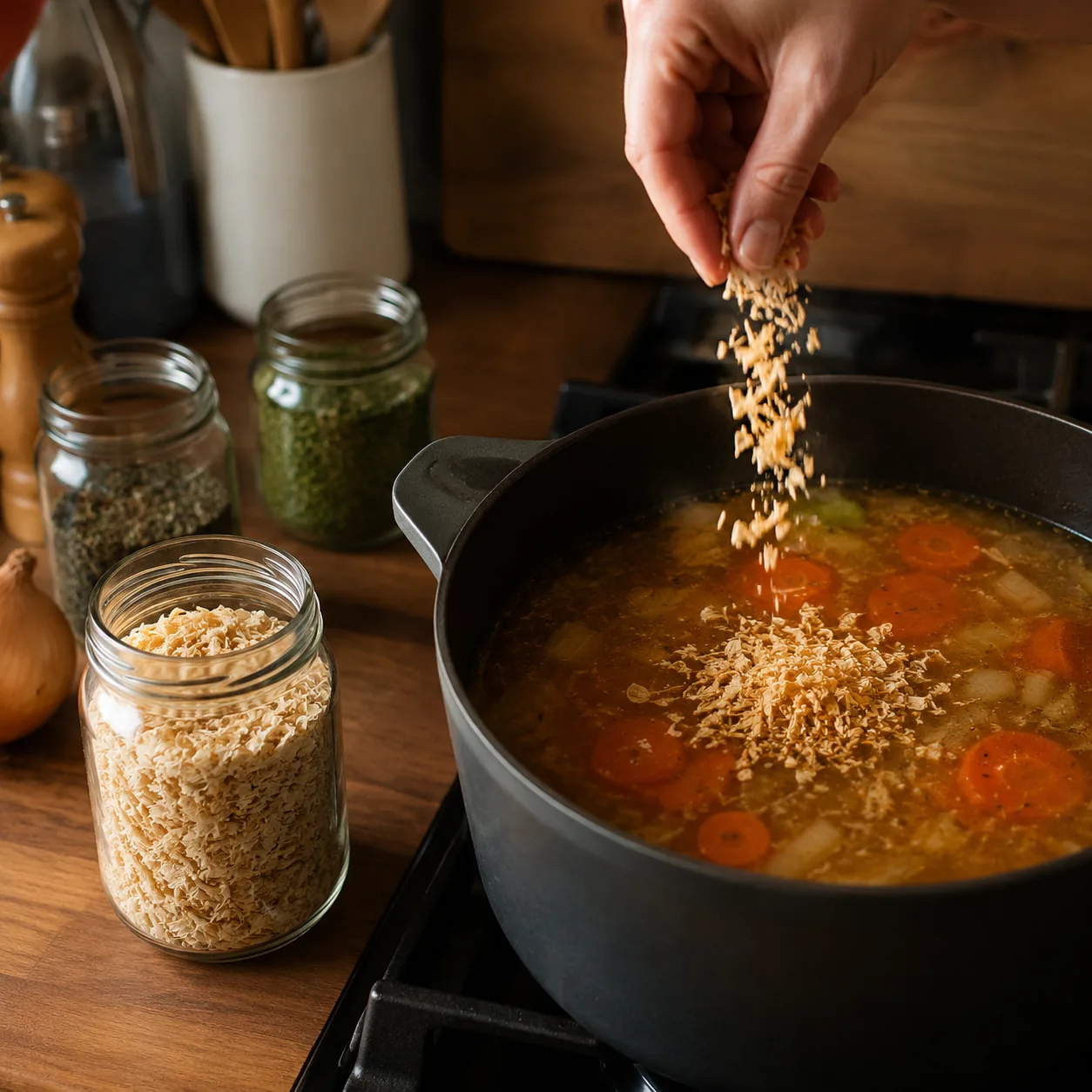
No-chopping flavor: Onion flakes saved dinner when there was no fresh onion left.
Grandma stirred them into meatloaf, soup, dip, rice, gravy, and casseroles. They softened as they cooked and gave food a cooked-all-afternoon smell without the cutting board.
They were not glamorous, but they were dependable. In a kitchen where waste mattered, dried onion meant flavor did not disappear just because the produce bin was empty.
8. Bouillon Cubes
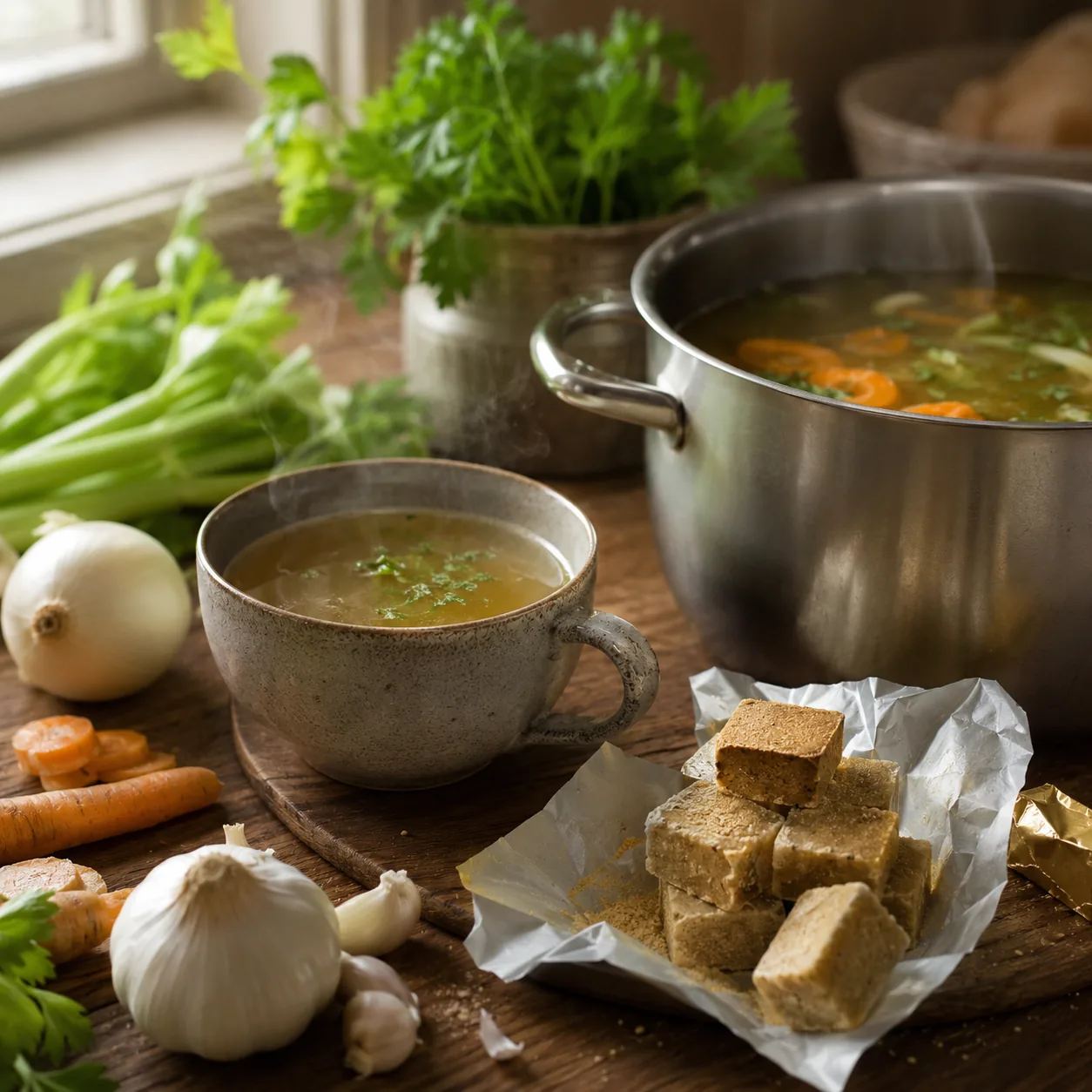
Instant broth: Bouillon cubes turned water into a base for soup, rice, gravy, and noodles.
Grandma used them carefully because they were salty, but that salt could be helpful when a dish tasted flat. One cube could make leftover vegetables feel like soup instead of scraps.
Real stock was wonderful. Bouillon was ready. Busy kitchens need both kinds of help, especially when supper starts late.
7. Vinegar
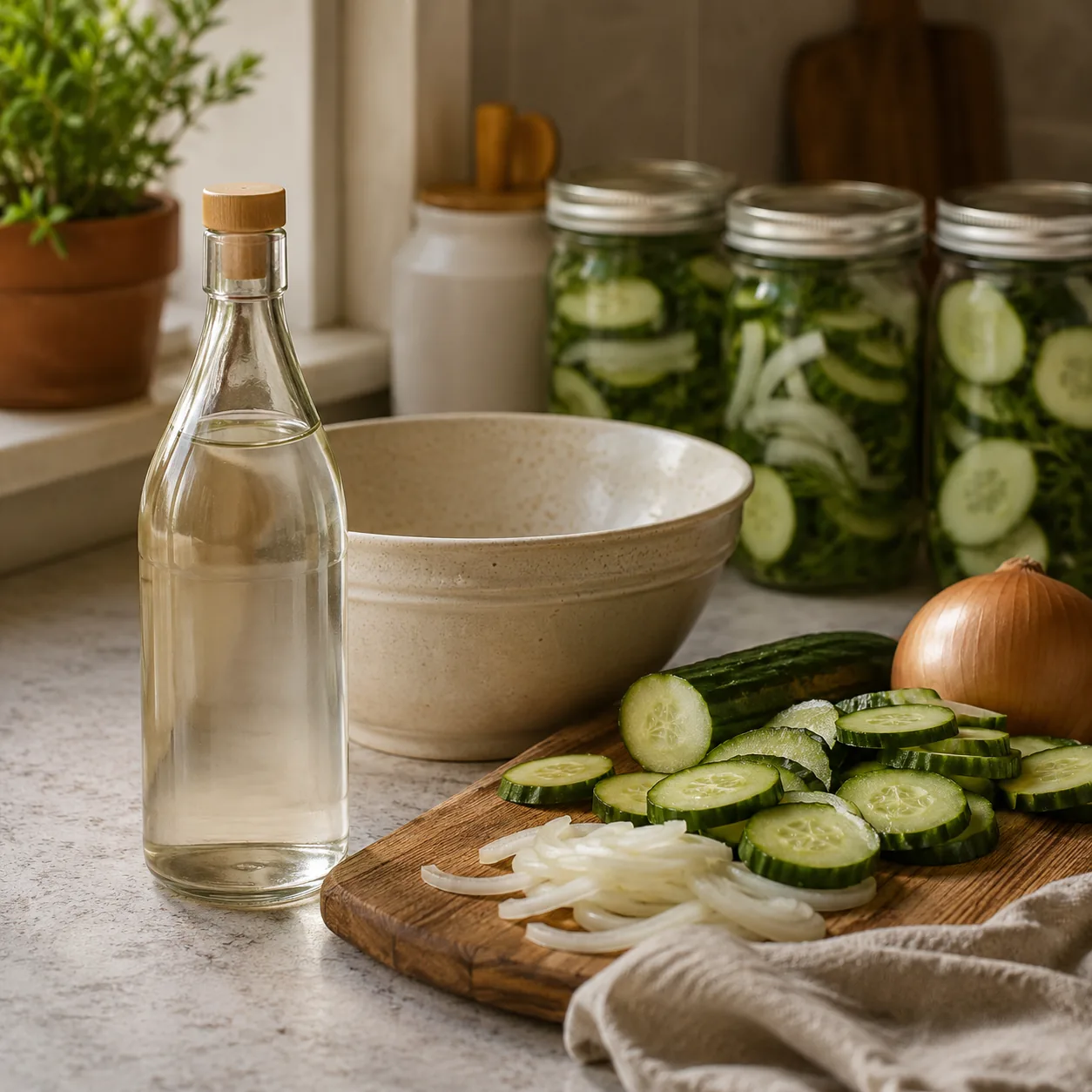
The brightener: Vinegar cleaned, pickled, tenderized, and sharpened food that tasted tired.
Grandma splashed it into beans, greens, cabbage, cucumbers, dressings, and pan sauces. It also helped preserve seasonal produce before everything went soft.
When money was tight, vinegar made cheap food feel less dull. Acid is still one of the fastest ways to improve a dish, even if the old bottle looked plain.
6. Pickling Salt

Preserving salt: Pickling salt dissolved cleanly and kept brines from turning cloudy.
Grandma used it for cucumbers, green beans, beets, cabbage, and anything else the garden produced faster than the family could eat. Regular table salt could work poorly because additives changed the brine.
The pantry was not separate from the garden. Pickling salt helped summer survive into winter, one jar at a time.
5. Powdered Gelatin for Savory Molds

Company food: Unflavored gelatin let grandma make aspic, molded salads, and chilled dishes that looked expensive.
The practical purpose was structure. Leftover chicken, vegetables, broth, or tomato juice could be set into a sliceable dish and served cold when the stove was busy.
Some versions now feel strange, but the logic was sound. Gelatin turned fragments into presentation, and presentation mattered when company sat down.
4. Raisins

Shelf-stable fruit: Raisins gave sweetness, chew, and fruit flavor without spoiling quickly.
Grandma put them in oatmeal, rice pudding, bread pudding, cookies, stuffing, and lunchboxes. If they dried out, she plumped them in hot water and kept going.
They also helped reduce waste. A handful of raisins could make yesterday’s rice or plain cereal feel like something new enough to serve without apology.
If you are tracing the family stories behind these pantry habits, 31 Questions People Wish They Asked Their Grandparents Before It Was Too Late is the natural next stop.
3. Prunes

Breakfast medicine: Prunes were food, dessert, and digestive insurance.
Grandma stewed them gently until they softened, then served them with breakfast or spooned them over simple cake. They were sweet enough to feel like a treat and practical enough to justify keeping around.
The pantry used to handle small health concerns before anyone made a special trip. Prunes were part of that quiet household system.
2. Bread Crumbs in a Jar
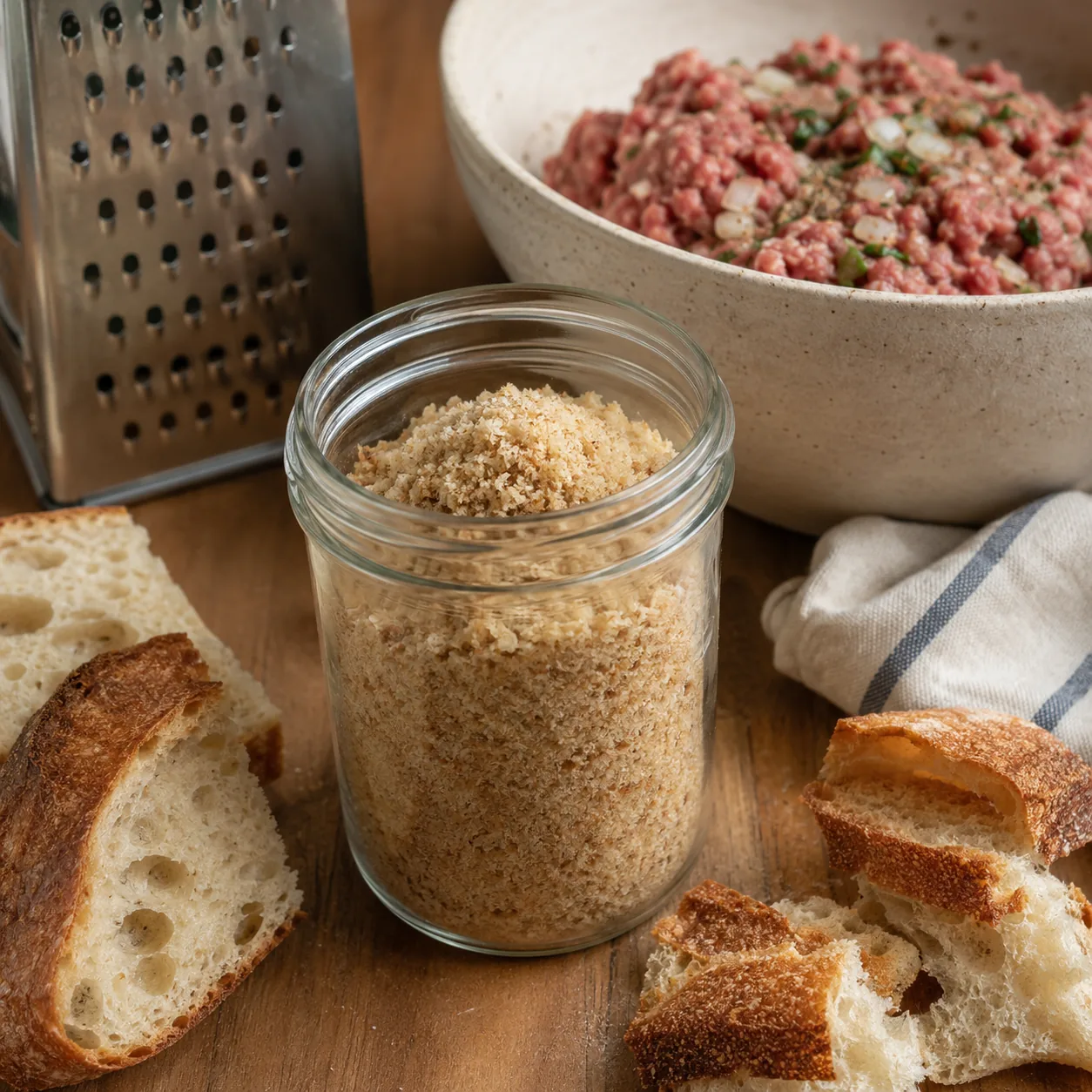
Nothing wasted: Bread crumbs were stale bread getting a second assignment.
Grandma dried heels and crusts, crushed them, and saved them for meatloaf, salmon patties, casserole toppings, stuffing, and fried coatings. Store-bought crumbs would have seemed unnecessary if yesterday’s bread was right there.
This was pantry discipline at its best. Waste less first, shop less second, and make the next meal taste intentional.
1. The Coffee Can of Bacon Grease
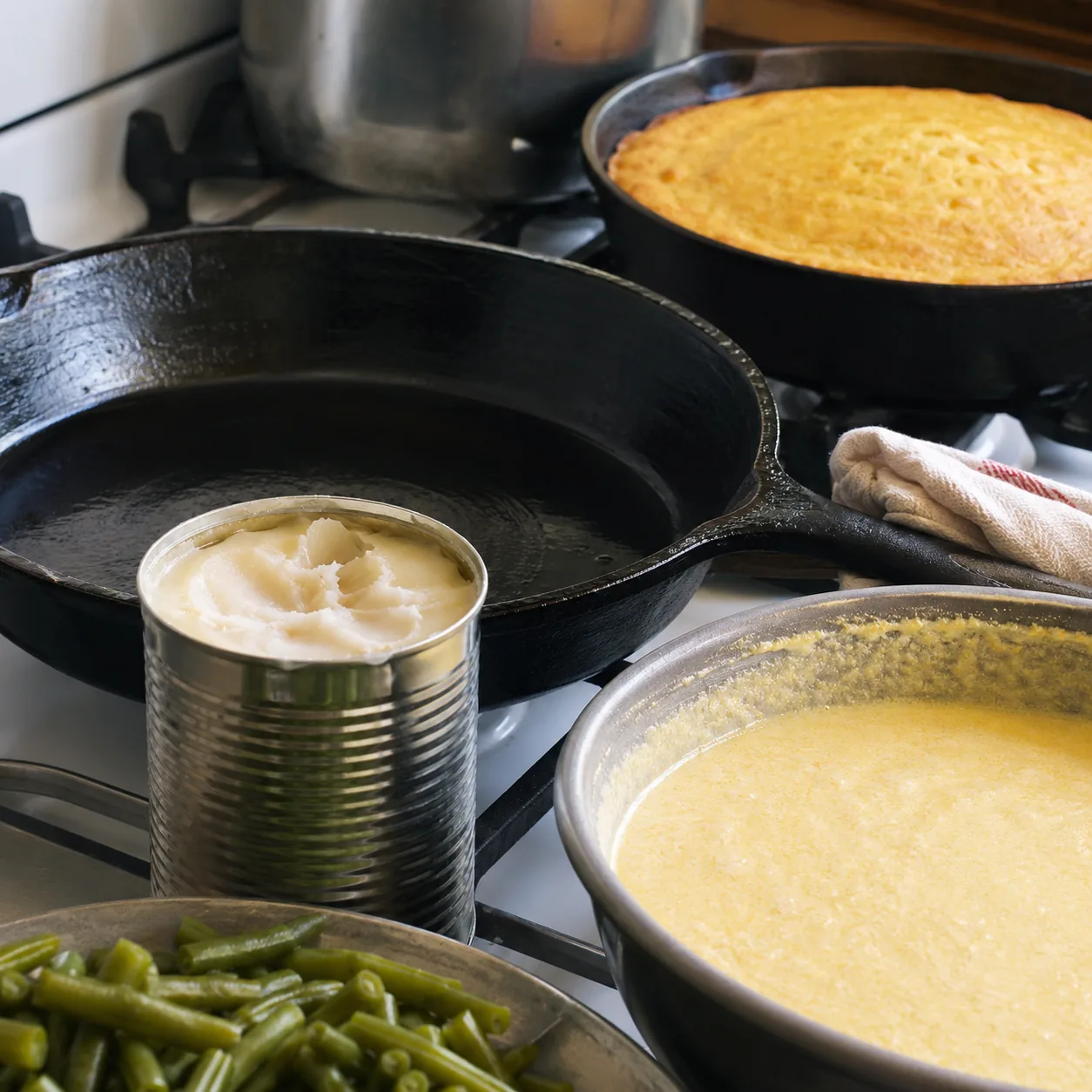
The secret weapon: Bacon grease seasoned half the kitchen.
Grandma used it for eggs, cornbread, beans, greens, fried potatoes, gravy, and skillet vegetables. The can sat near the stove because rendered fat was too useful to throw away.
Modern kitchens buy specialty oils for flavor. Grandma saved what breakfast already gave her. That tiny act explains the whole pantry: practical, thrifty, and better tasting than it had any right to be.