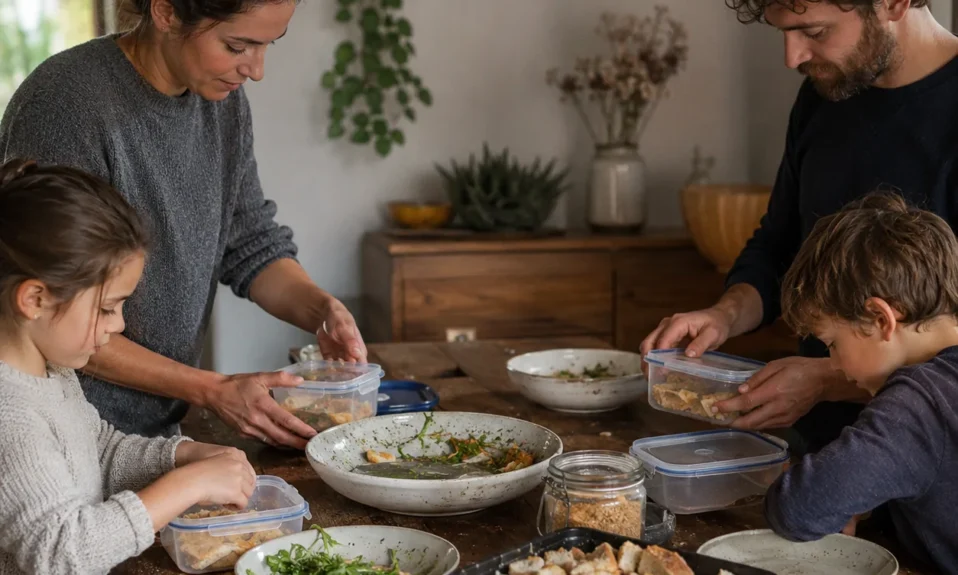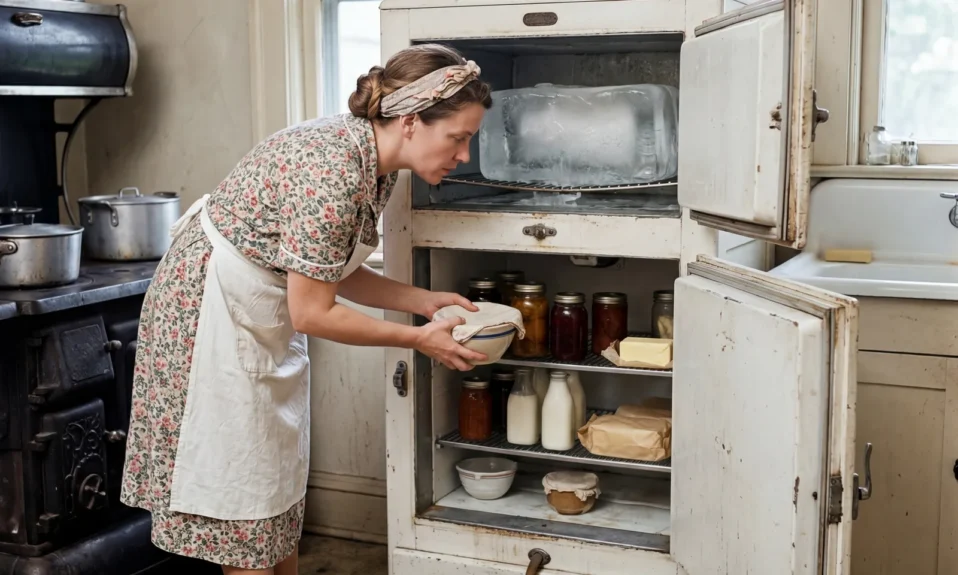

These meals came from kitchens where wasting food was not an option.
They were cheap, filling, and smarter than people give them credit for.
33. Beans and Cornbread
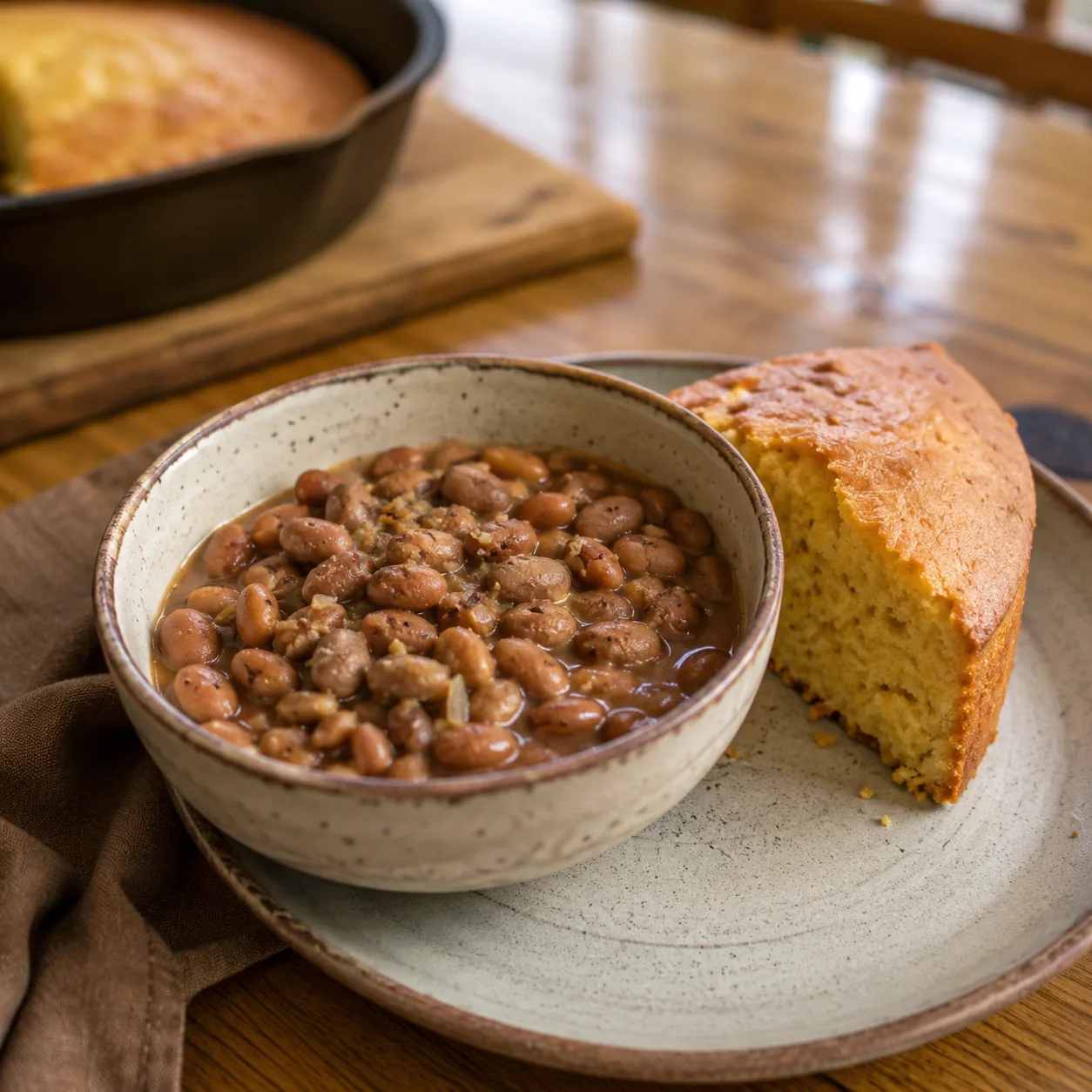
The anchor meal: Beans and cornbread could feed a family for pennies per serving.
The beans simmered with onion, salt pork, or a ham bone until they made their own broth. Cornbread filled the gaps and soaked up every spoonful.
This meal worked because it had protein, starch, warmth, and leftovers. The next day, the beans could become soup, refried beans, or a topping for rice.
32. Fried Potatoes and Onions
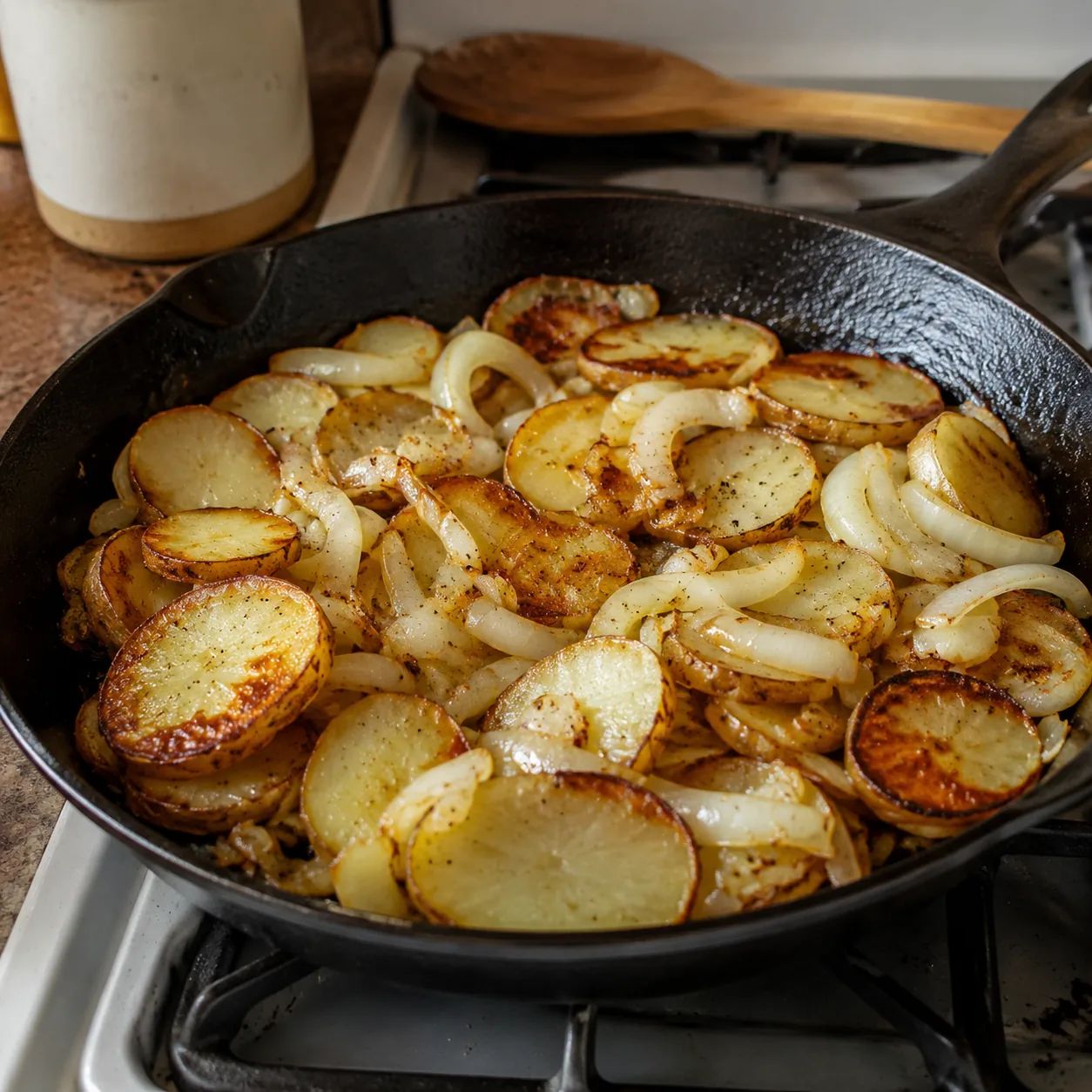
The skillet saver: Potatoes and onions turned almost nothing into a hot supper.
Grandma sliced the potatoes thin so they cooked fast, then let the edges brown in bacon grease or oil. Onion made the pan smell fuller than the budget looked.
Add an egg, leftover meat, or a spoonful of beans and the meal stretched further. Even plain, it filled hungry children before bedtime.
31. Rice and Gravy
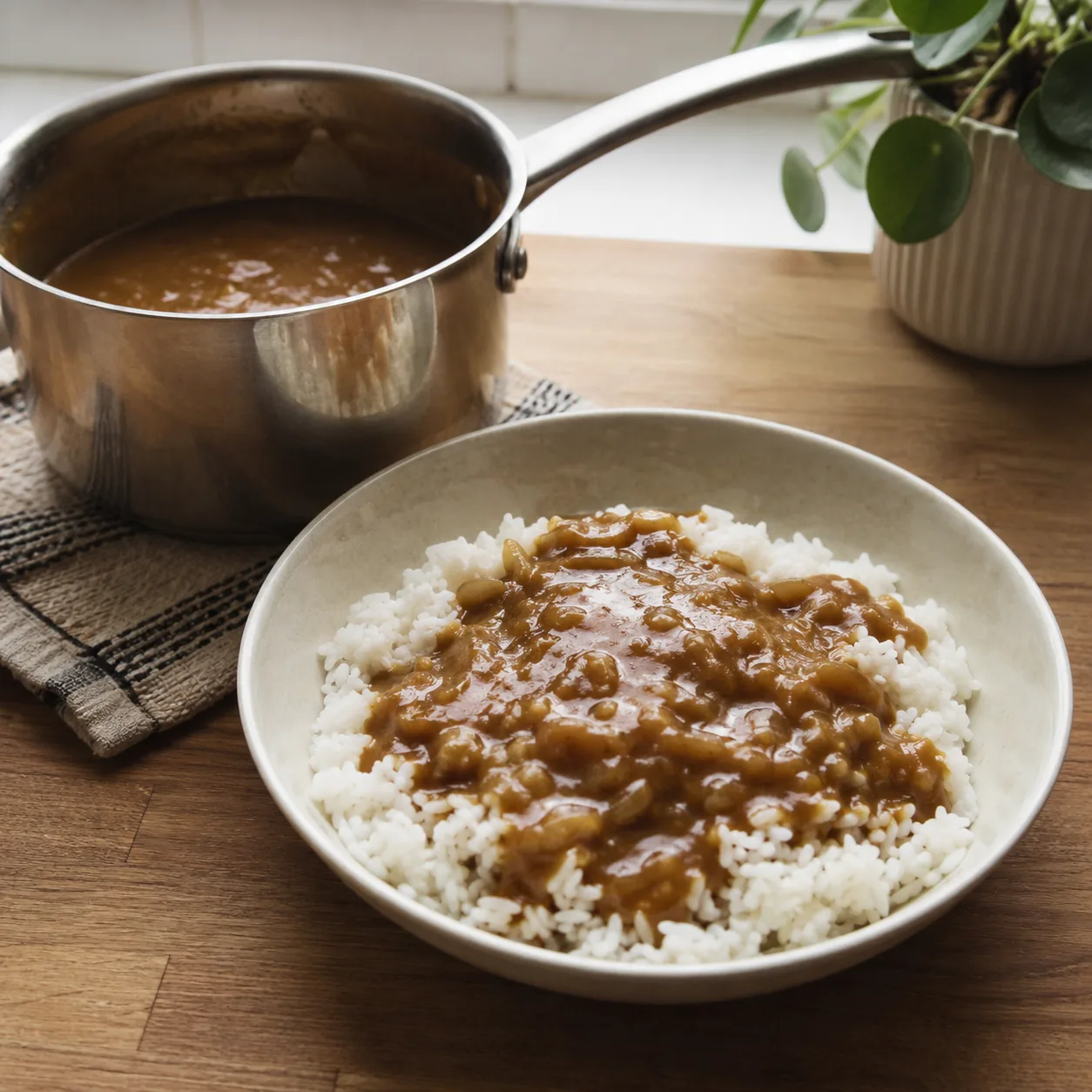
A little meat flavor: Rice and gravy made drippings do the work of a whole roast.
The gravy might start with pan grease, flour, water, and a bouillon cube. Poured over rice, it became a filling plate instead of a thin sauce.
This was the genius of poor man cooking. Flavor could come from what was left behind, not from buying more.
30. Macaroni and Tomatoes
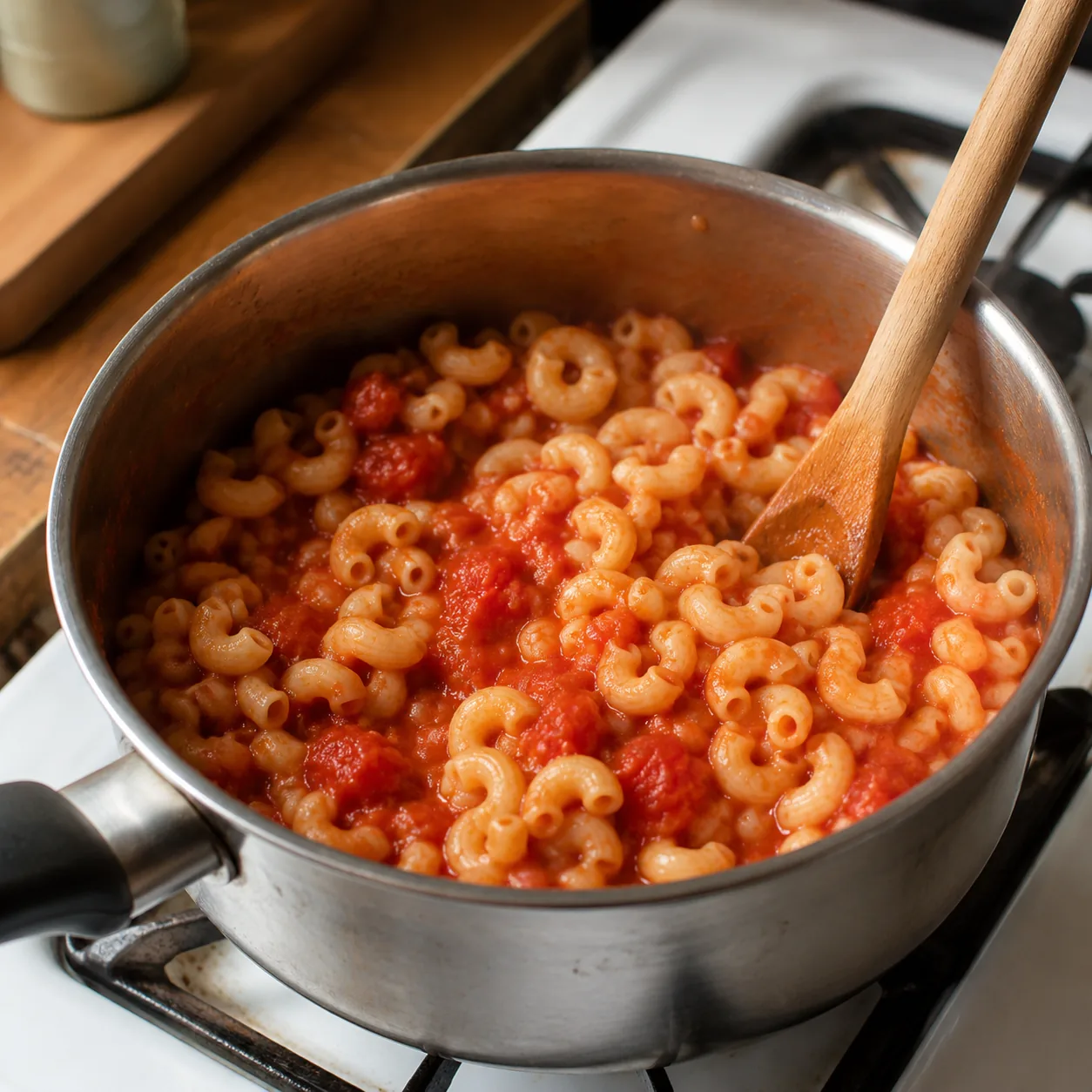
Pantry pasta: Macaroni and canned tomatoes made a meal from two shelf-stable staples.
Some families added bacon grease, onion, sugar, or pepper. Others kept it plain and let the tomato juice coat the noodles. Either way, it was hot, soft, and fast.
The value was flexibility. It could be lunch, supper, or the side dish that made a tiny piece of meat feel less lonely.
29. Milk Toast
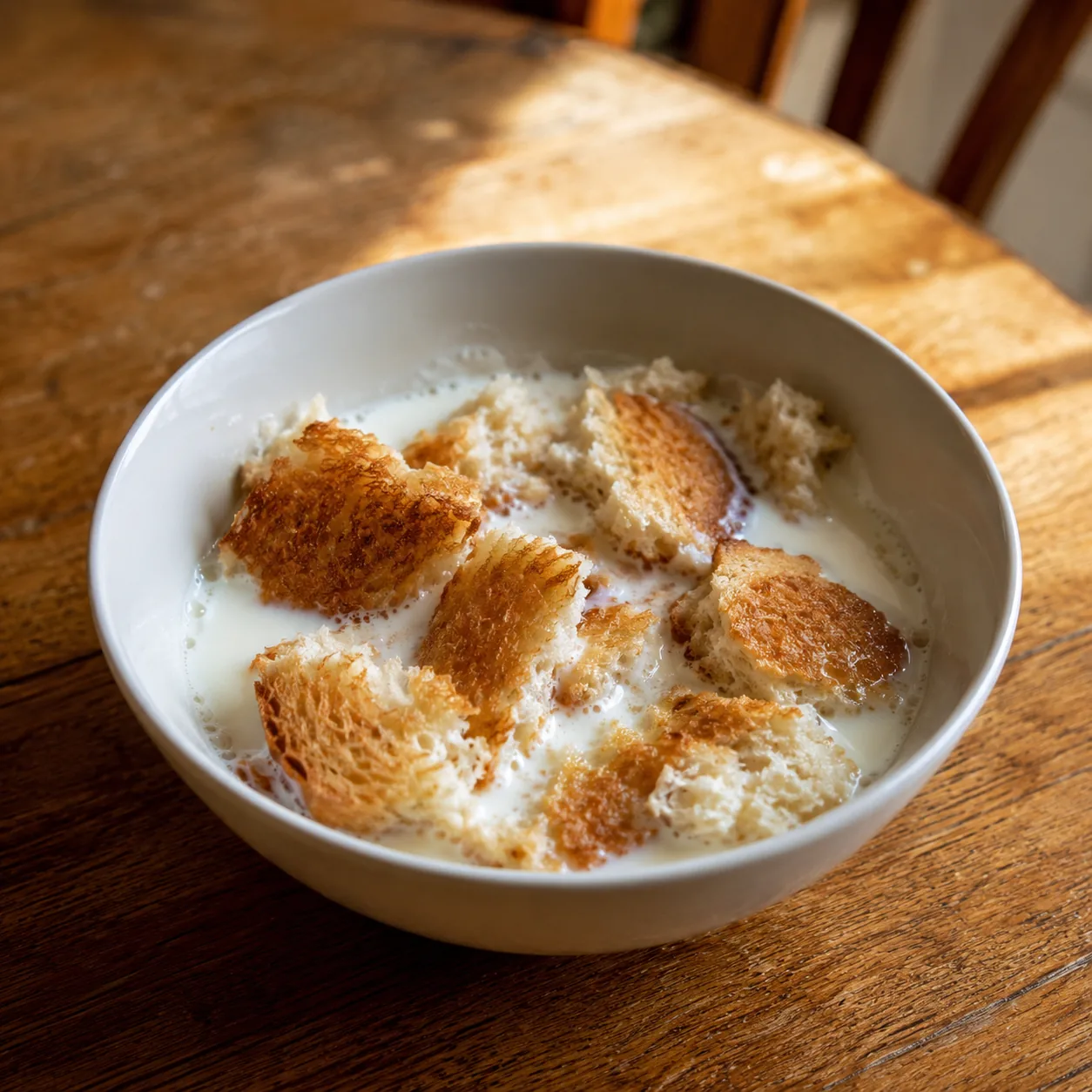
Soft food: Milk toast was gentle, cheap, and easy to make when someone felt poorly.
Toast was torn into a bowl, covered with warm milk, and finished with butter, salt, or sugar depending on the house. It used bread before it went stale and stretched milk into something spoonable.
It was not exciting food. It was care food, which mattered just as much in a tight household.
28. Potato Soup

The humble pot: Potato soup made a few potatoes feed more people than baked potatoes ever could.
Grandma cooked them with onion, water, milk, salt, and maybe a little butter. Mashing some potatoes into the broth thickened it without cream.
Leftover soup could be stretched again with noodles, corn, or yesterday’s ham bits. That was the point: one pot, several chances.
27. Bread and Gravy
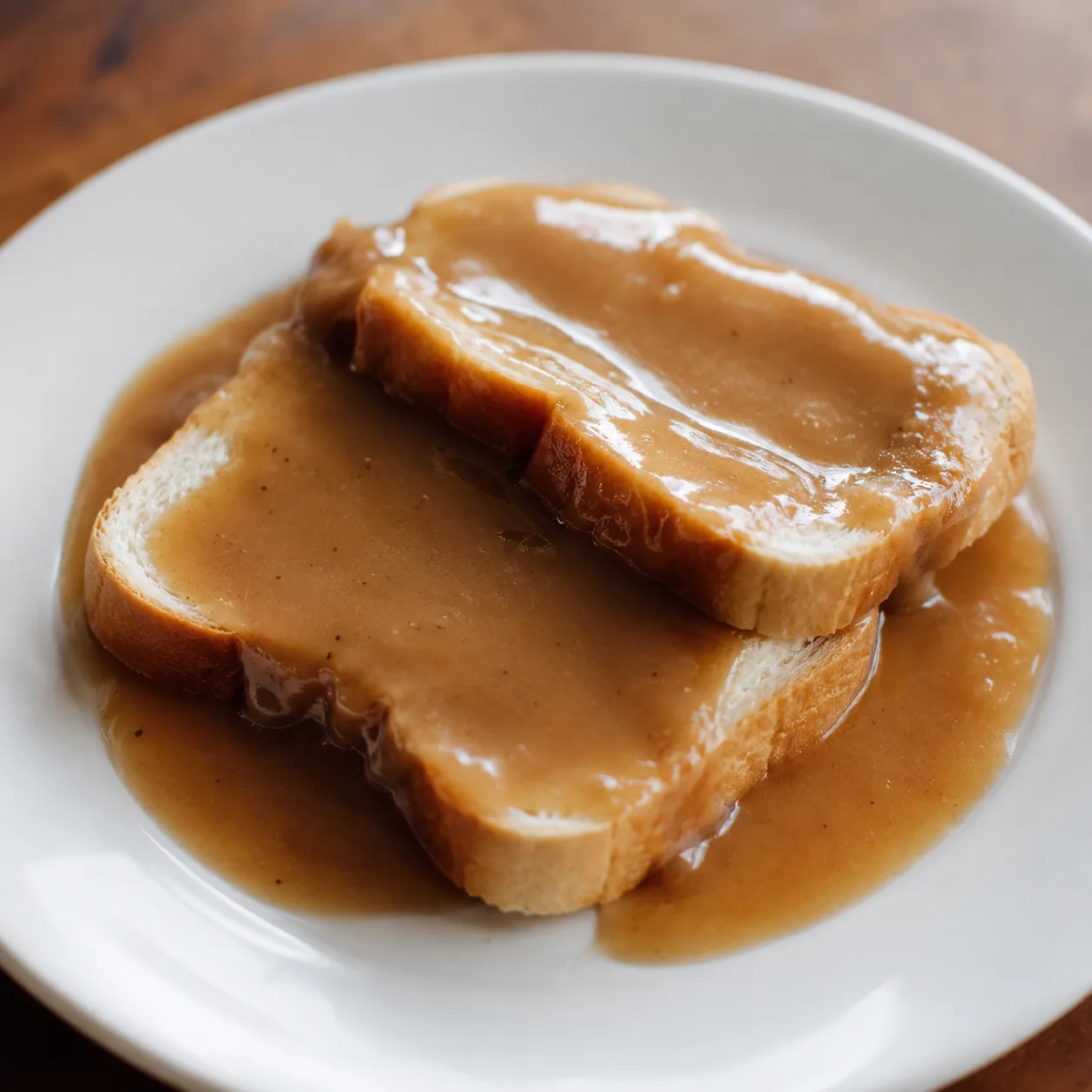
The open-faced filler: Bread and gravy used stale slices as a base for flavor.
The gravy might be meat drippings, sausage grease, or just flour browned in fat with water added slowly. Once it soaked into bread, nobody cared that there was no roast left.
This meal shows how texture mattered. Dry bread became soft, salty, warm, and filling with one pan of gravy.
26. Cornmeal Mush

Two meals from one pot: Cornmeal mush could be eaten soft at night and fried the next morning.
Grandma cooked cornmeal slowly with water and salt until thick. Leftovers were poured into a loaf pan, chilled, sliced, and browned in fat.
That second life made it valuable. A cheap supper became breakfast without starting over, which saved fuel, food, and effort.
25. Navy Bean Soup
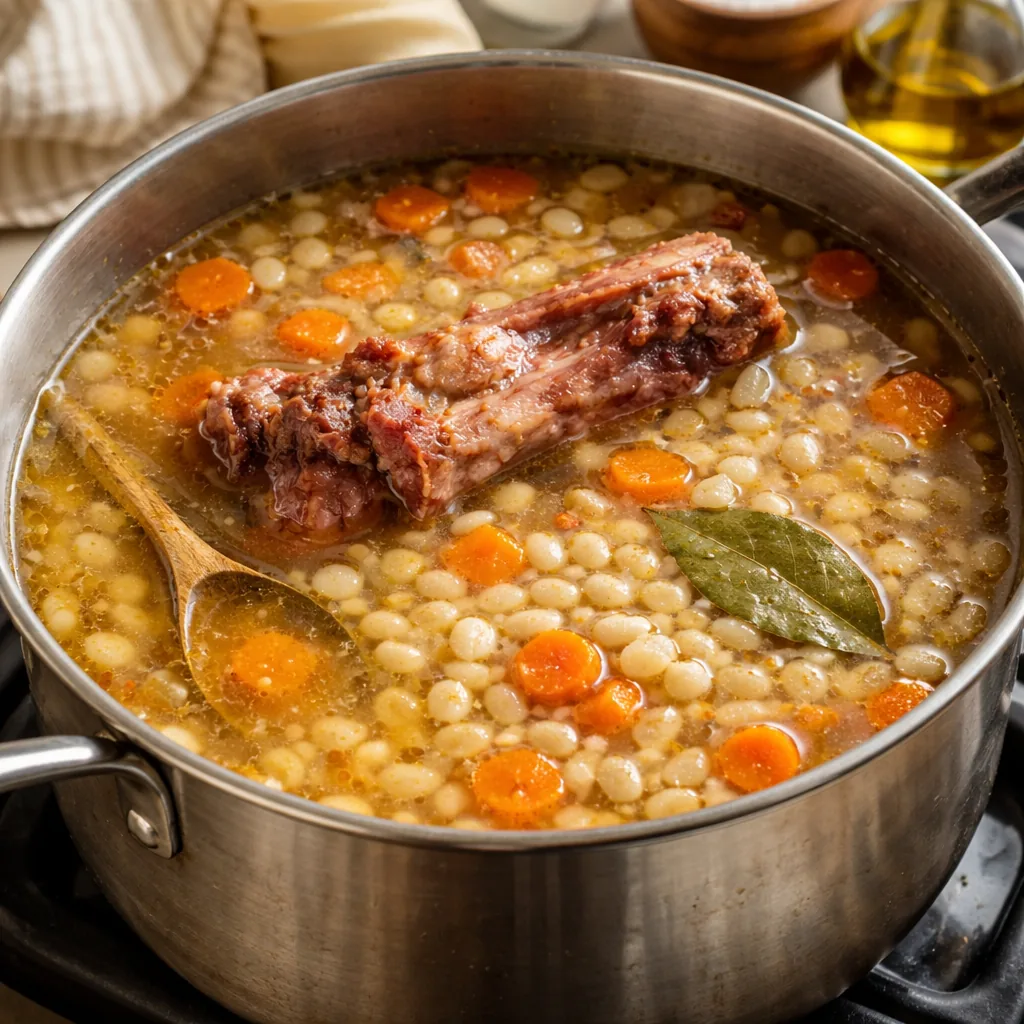
Ham bone magic: Navy bean soup turned leftovers into a full meal.
A ham bone gave flavor long after the slices were gone. Beans, onion, carrots, and water filled the pot around it. The longer it simmered, the better it tasted.
Poor man meals often came from the same thrift: use the shelf, use the scraps, then use them again.
24. Creamed Chipped Beef on Toast
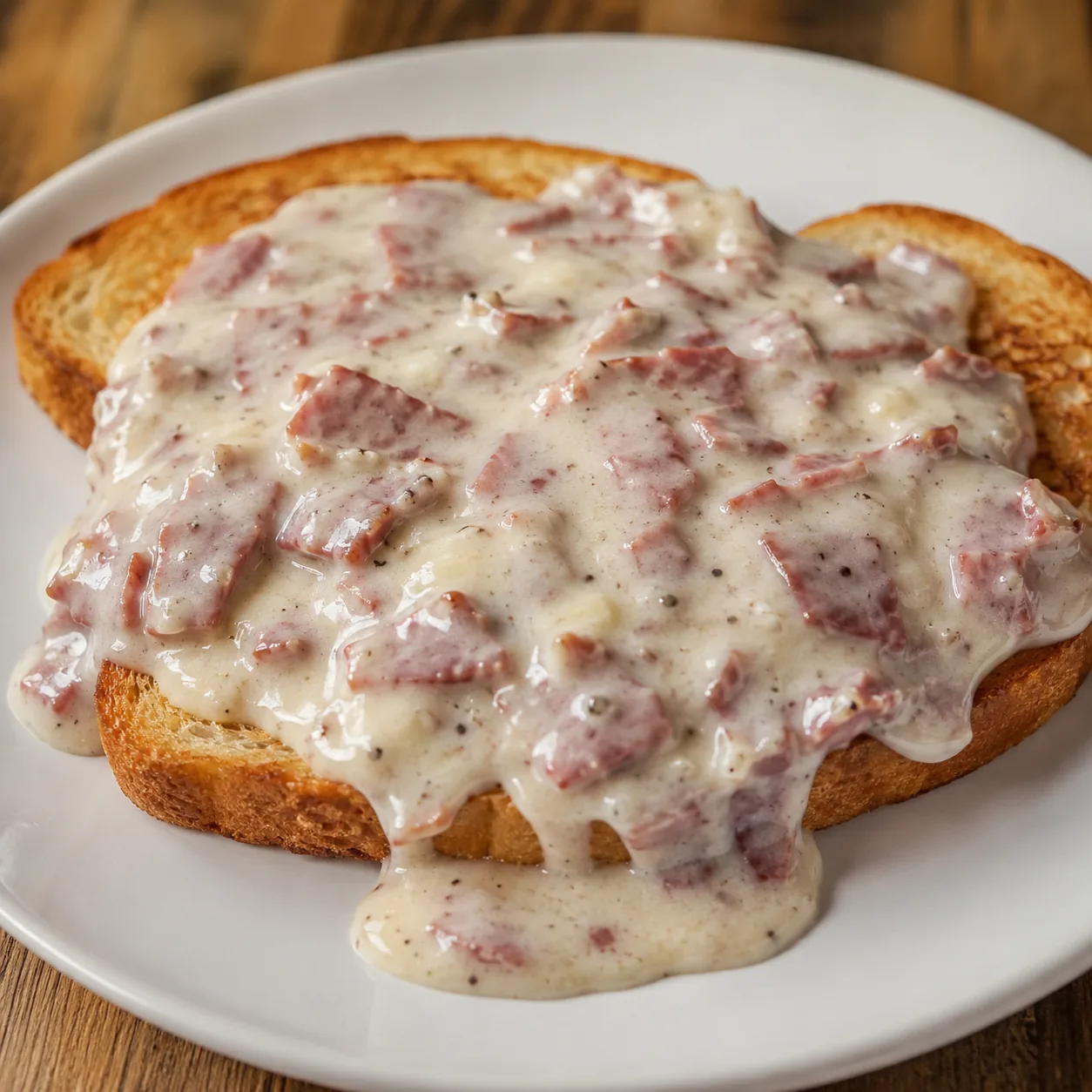
Salty and filling: Chipped beef in white sauce made a small amount of meat cover several slices of toast.
The sauce was flour, fat, and milk, cooked until thick enough to cling. The beef added salt and chew, so nobody needed much of it.
Families either loved it or joked about it. Both reactions make sense. It was cheap, strong-tasting, and effective.
23. Cabbage and Noodles
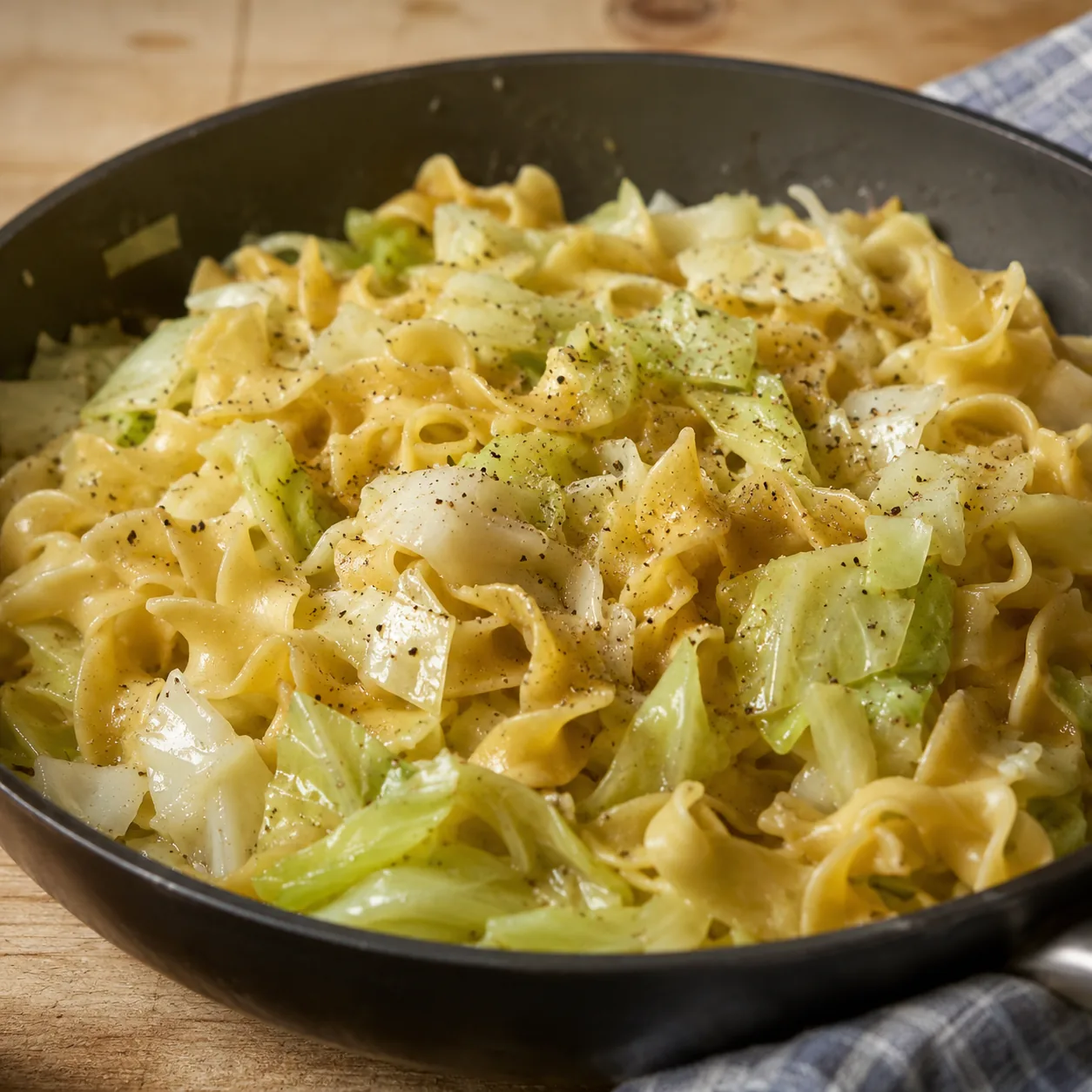
Cheap volume: Cabbage and noodles made a big skillet from low-cost ingredients.
The cabbage cooked down sweet, the noodles made it filling, and a little butter or bacon grease tied it together. Pepper mattered because simple food needs one sharp edge.
Read More: 37 Things Grandma Did to Stretch Groceries Before Budgeting Had a Name
22. Egg Gravy and Biscuits
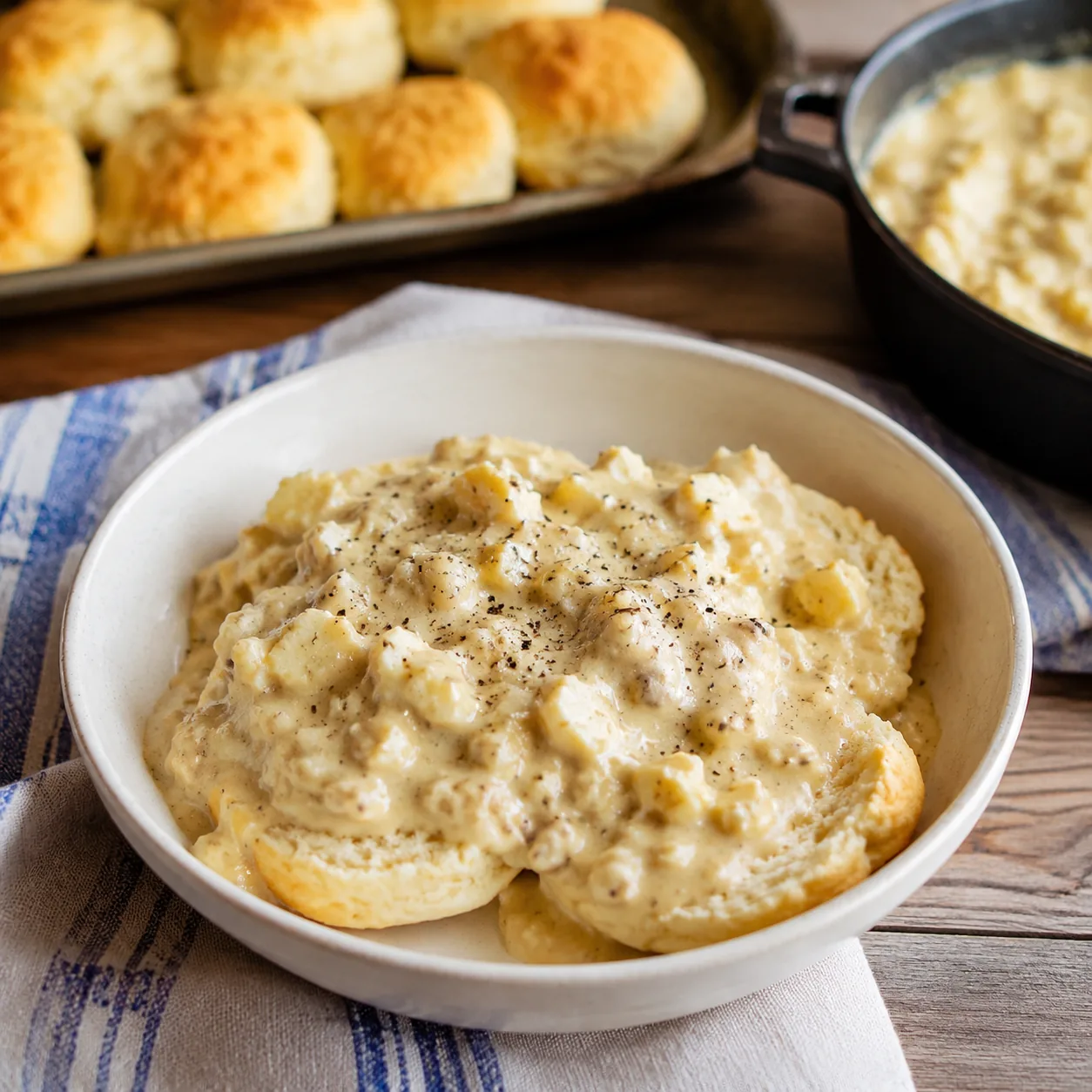
Breakfast for supper: Egg gravy used eggs to thicken a simple milk gravy.
Grandma made a roux, added milk, then stirred in beaten eggs until the sauce turned rich and soft. Poured over biscuits, it fed more people than fried eggs would.
The trick was stretching protein. A few eggs disappeared into the gravy but still made the whole pan feel nourishing.
21. Red Beans and Rice
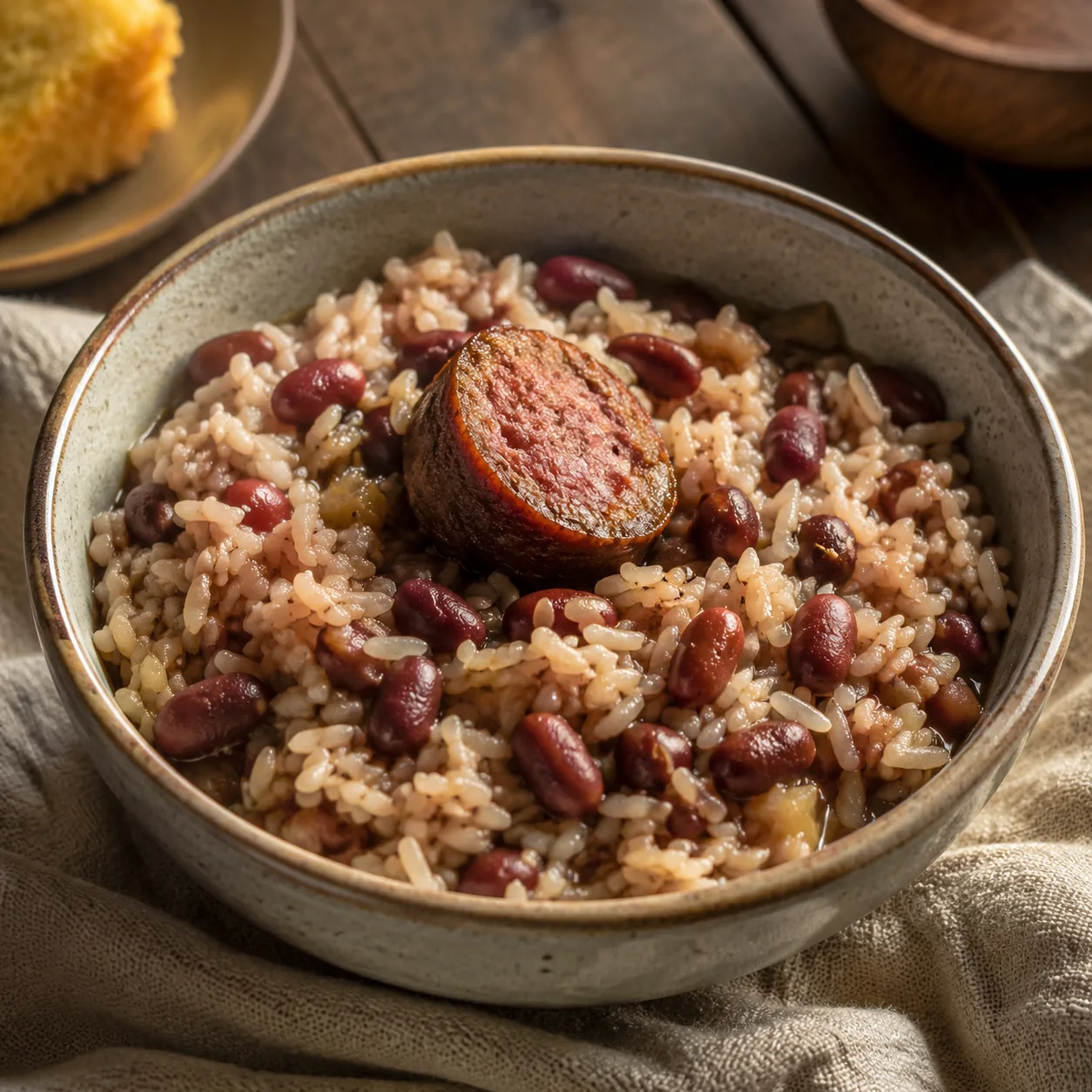
Monday logic: Red beans and rice made sense because the pot could simmer while laundry or chores happened.
A little sausage, ham, or smoked meat flavored a lot of beans. Rice made the serving generous. Hot sauce or vinegar brought life back at the table.
It was practical rhythm food. Start it early, let it soften, and feed everyone without hovering over the stove.
20. Fried Cornbread in Milk

Leftover rescue: Cornbread in milk was a way to turn yesterday’s bread into tonight’s bowl.
Some families ate it sweet, others salty. The milk softened the crumb while the fried edges kept enough texture to make it satisfying.
This was not a recipe so much as a habit. If cornbread was left, it became food again before anyone considered throwing it away.
19. Salmon Patties
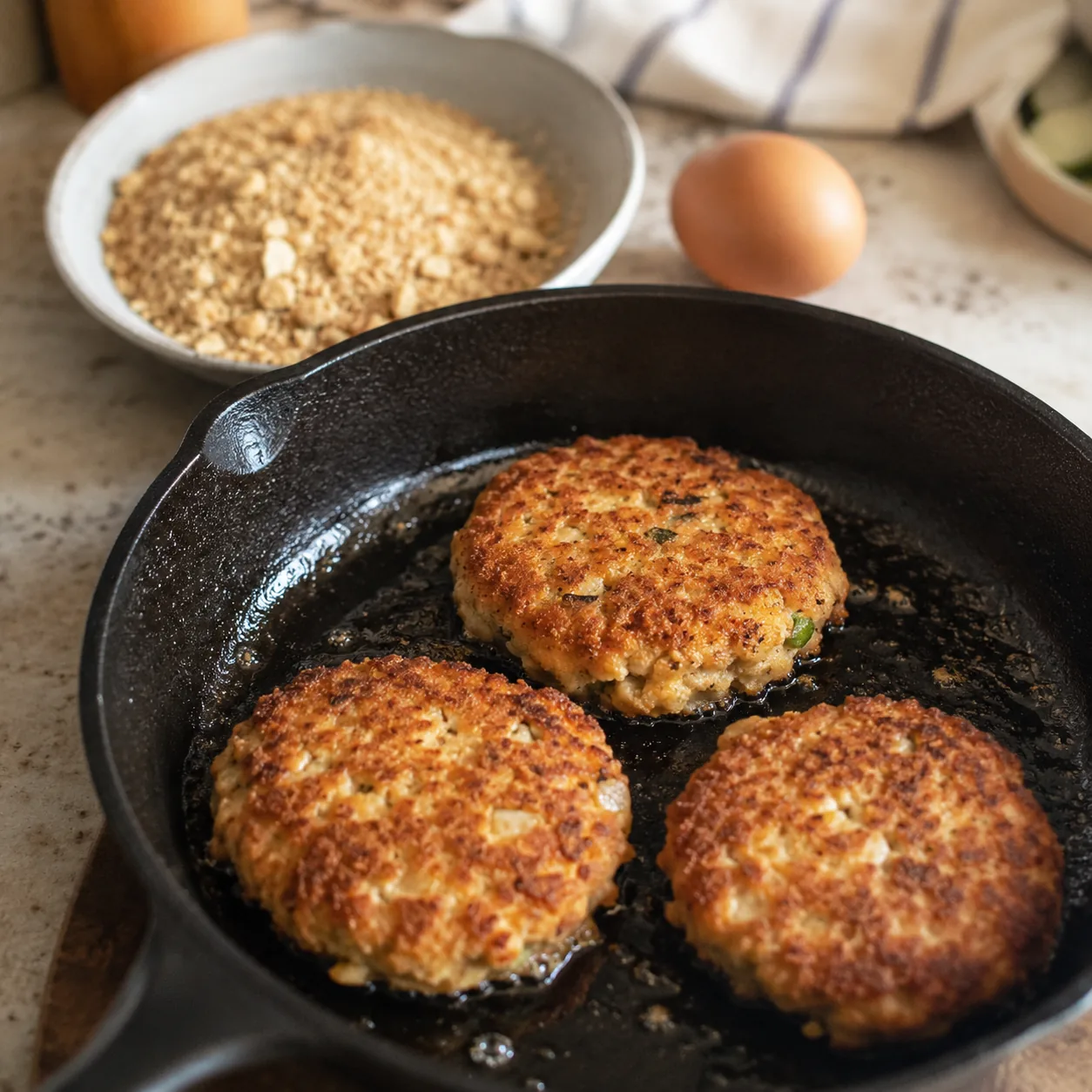
One can, many plates: Salmon patties made canned fish feel like a proper entree.
Grandma mixed salmon with egg, cracker crumbs, onion, and pepper, then fried small patties until the edges crisped. Smaller patties meant more servings and faster cooking.
The secret was the binder. Crumbs and egg stretched the fish without hiding it, which is why the plate still felt like dinner.
Read More: 35 Dinners From the 1970s That Disappeared From American Tables
18. Lentil Stew
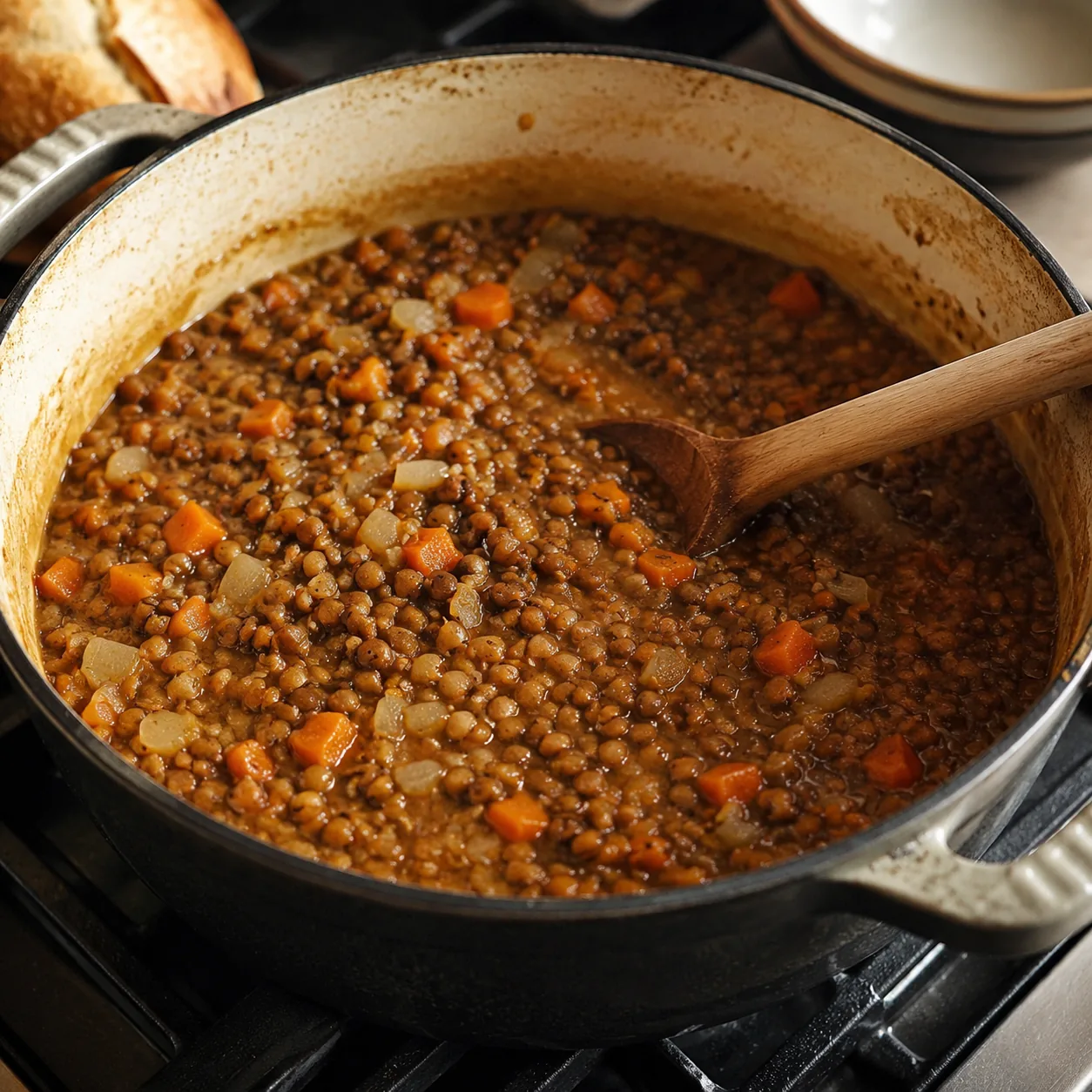
No soaking needed: Lentils cooked faster than dried beans and still gave a thick, filling stew.
Grandma added onion, carrot, celery, bay leaf, and whatever meat flavor was available. Even without meat, lentils made their own body as they softened.
That speed mattered. When supper had to happen quickly but money was tight, lentils could do in under an hour what beans needed all day to accomplish.
For the pantry staples behind meals like this, see 37 Things Every Grandma Kept in the Pantry That Modern Kitchens Forgot.
17. Rice Pudding for Supper

Sweet leftover strategy: Rice pudding used cooked rice before it dried into waste.
Milk, sugar, egg, cinnamon, and raisins turned leftovers into something children accepted happily. It could be dessert, breakfast, or a light supper when the day had already included heavier food.
Poor households blurred categories because they had to. If it filled stomachs and used what existed, it counted.
16. Bologna and Potato Hash
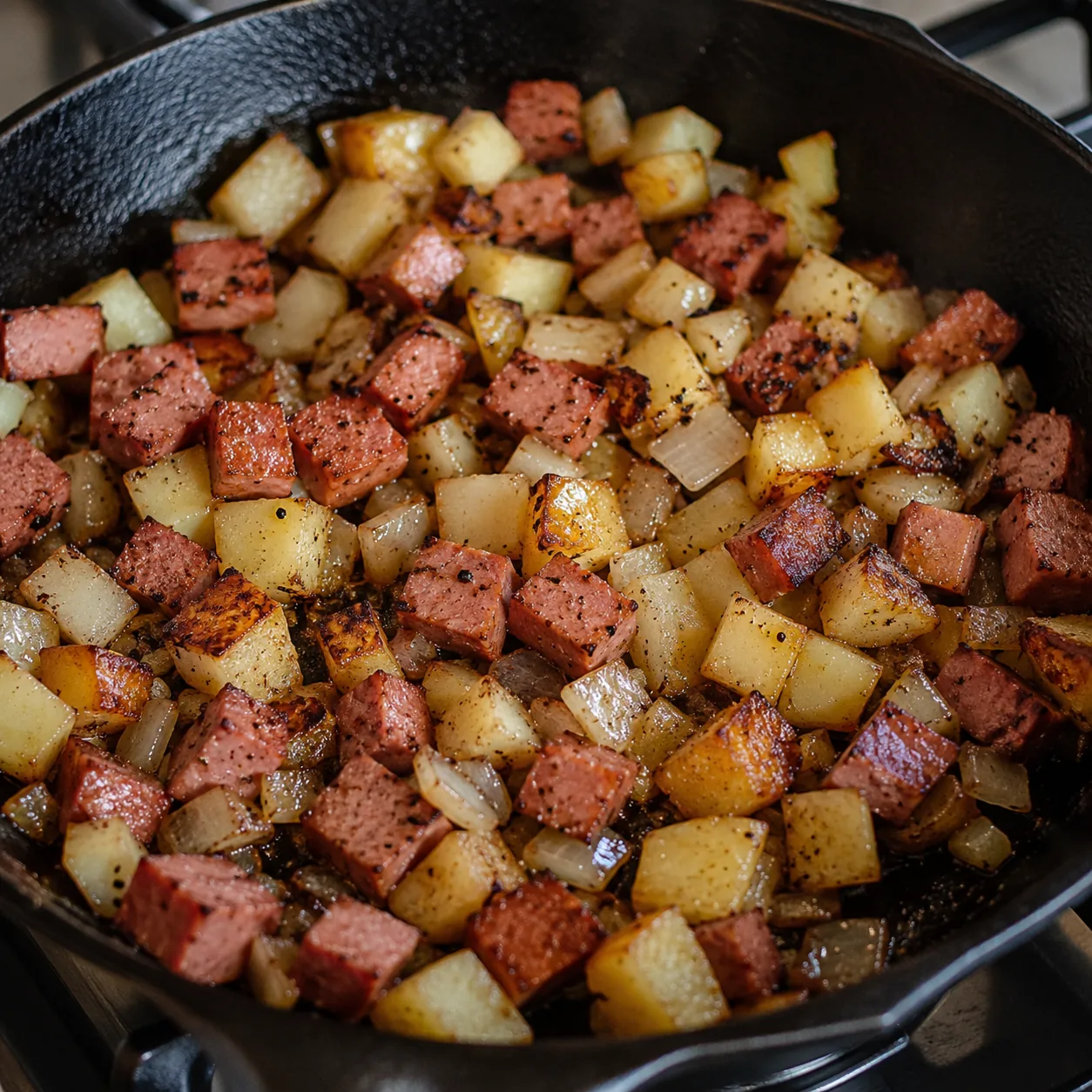
Lunch meat becomes dinner: Bologna fried with potatoes made a salty, crisp hash.
Grandma diced everything small so the edges browned and the meat spread through the pan. Onion helped, mustard on the side helped more.
This was a smart use of cheap processed meat. Sliced cold, it was lunch. Fried into potatoes, it fed a table.
15. Tuna Noodle Casserole
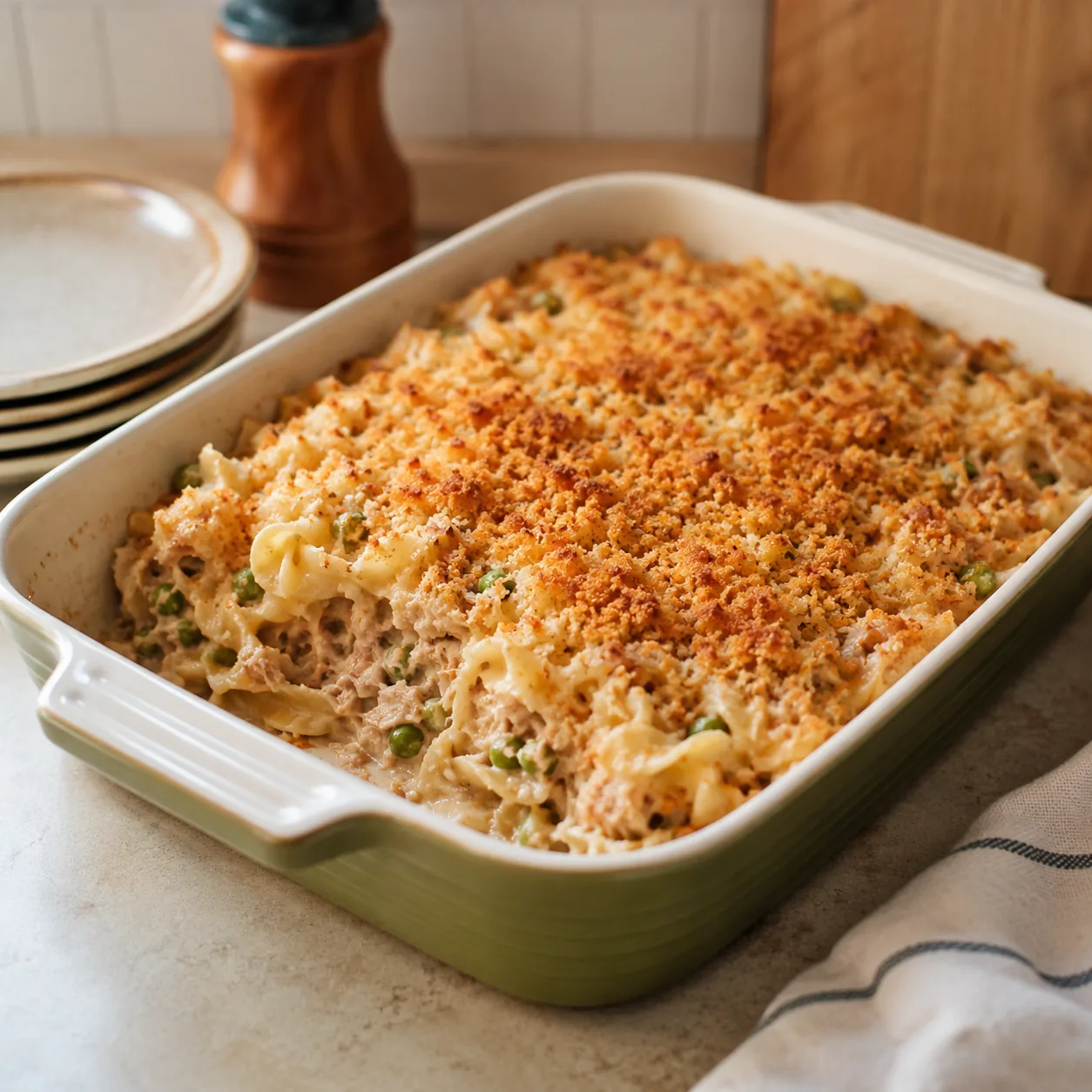
Pantry casserole: Tuna, noodles, canned soup, peas, and crumbs could become a whole dinner.
The casserole worked because every ingredient had a job. Noodles filled, tuna added protein, soup made sauce, peas gave color, and crumbs made the top feel finished.
It is easy to mock now, but the engineering was solid. Shelf-stable ingredients became a meal with almost no waste.
14. Scrapple and Eggs
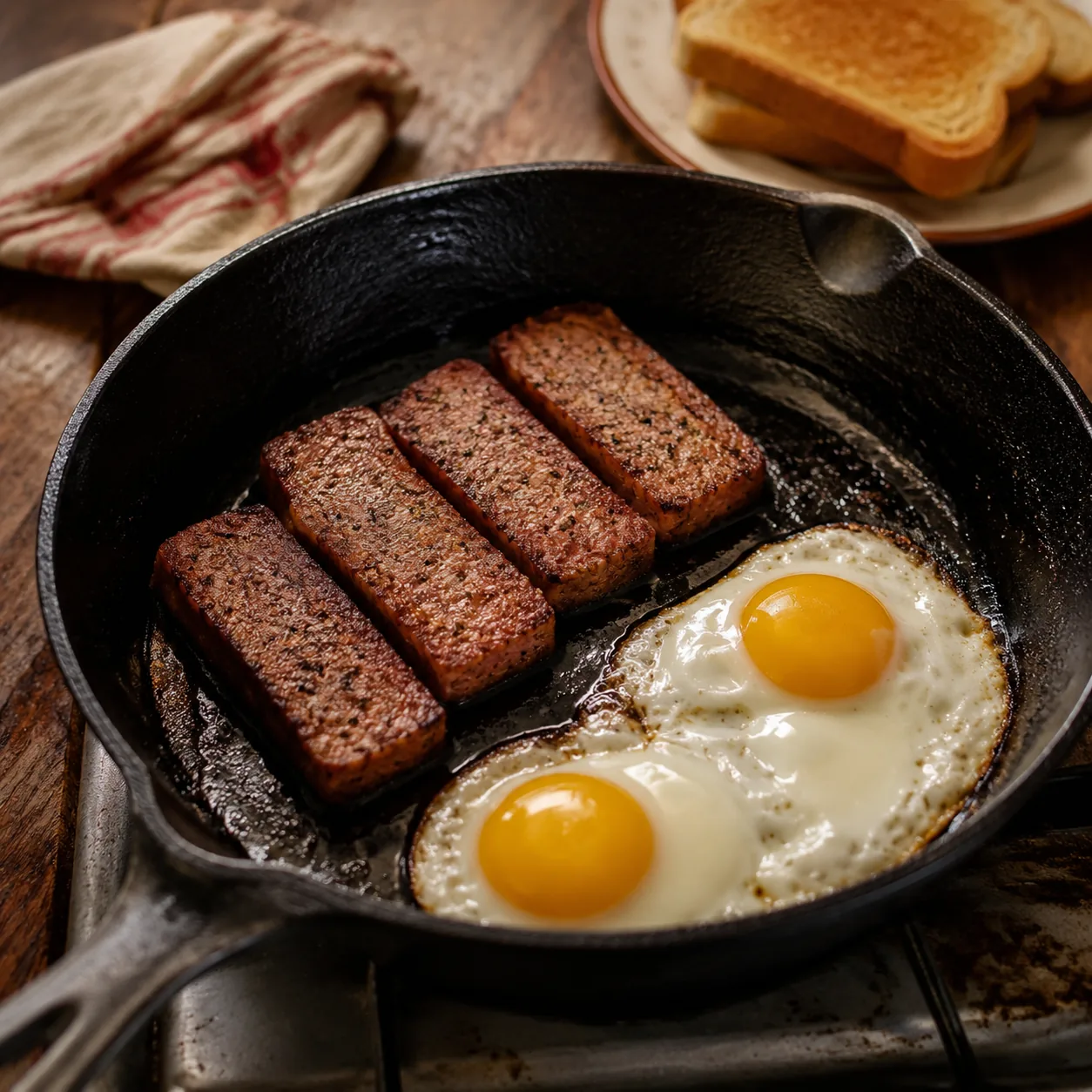
Use-it-all cooking: Scrapple stretched pork scraps with cornmeal into sliceable breakfast meat.
Families fried it crisp and served it with eggs, toast, or potatoes. A little went far because the cornmeal added bulk and the pork flavor carried through.
It came from a world that respected every usable part. Poor man meals were often less about poverty than about refusing waste.
Read More: 33 Childhood Snacks From the 60s, 70s, and 80s That Vanished From Lunchboxes
13. Peas and Dumplings

Soft and filling: Peas and dumplings made a gentle meal from pantry vegetables and flour.
The dumplings cooked right in the broth, thickening it while they puffed. Peas gave sweetness and color, especially when fresh vegetables were scarce.
This dish worked best when served immediately. Dumplings absorb liquid as they sit, so grandma knew to call everyone before the pot got too thick.
12. Hot Water Cornbread

No milk needed: Hot water cornbread used cornmeal, boiling water, salt, and fat.
That made it useful when milk and eggs were gone. The dough was shaped into small patties and fried until crisp outside and soft inside.
It went with beans, greens, soup, or anything with broth. The recipe was simple because it had to be, but the texture made it feel generous.
11. Goulash With Elbow Macaroni
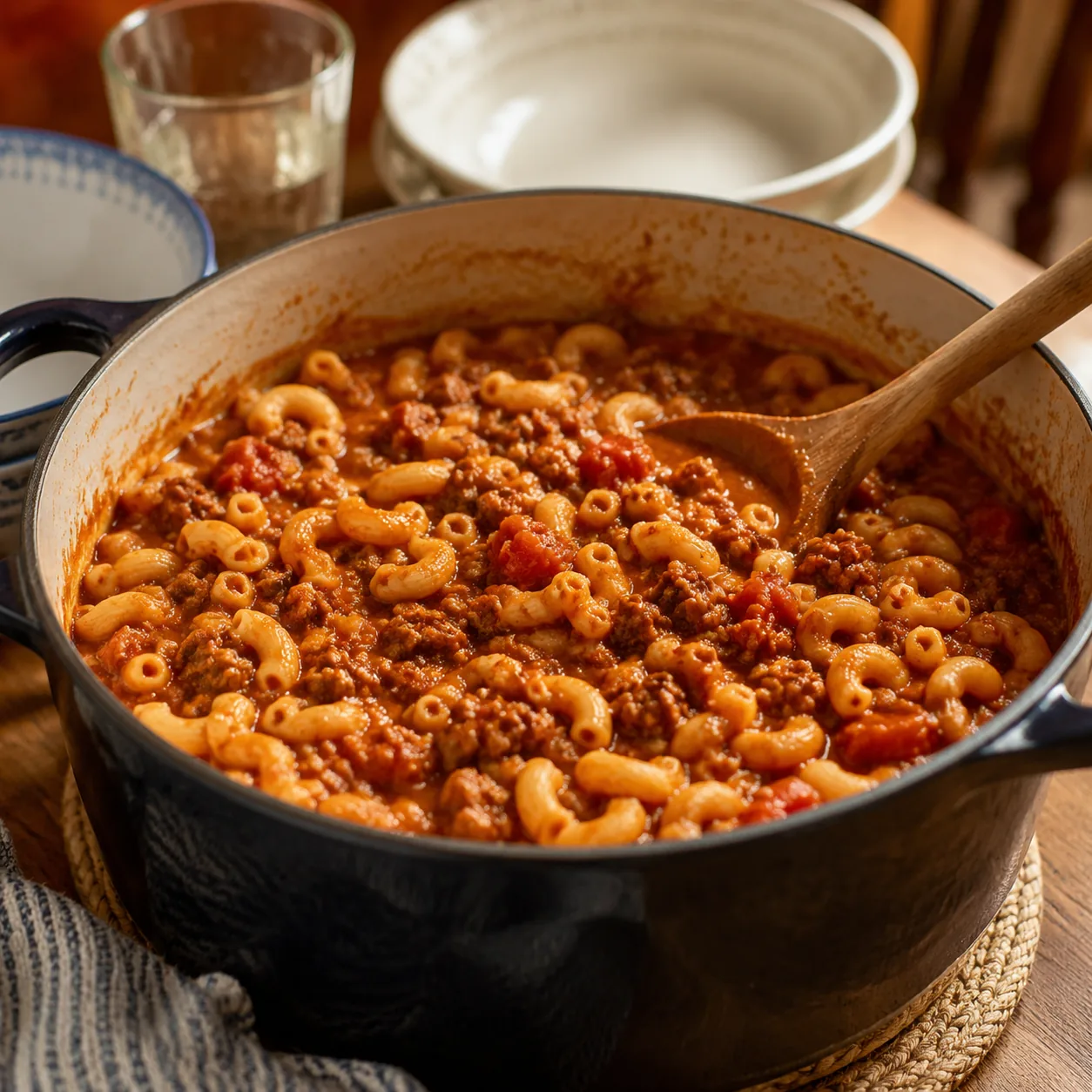
Meat stretched thin: American goulash made one pound of ground beef serve a crowd.
Macaroni, canned tomatoes, onion, and seasoning filled the pot around the meat. The noodles absorbed flavor, so nobody felt shortchanged by a modest amount of beef.
The best versions were not fancy. They were balanced: enough tomato to coat, enough beef to notice, enough pasta to feed everyone.
10. Bean Cakes

Leftover beans, new shape: Bean cakes turned a pot of beans into a second dinner.
Grandma mashed cooked beans with cornmeal, onion, egg if available, and seasoning. Fried in small patties, they developed crisp edges and a soft center.
Changing the shape mattered. Leftovers often met less resistance when they looked like a fresh meal instead of yesterday’s pot returning unchanged.
That same repair-and-reuse thinking shows up in 33 Things Grandpa Fixed Instead of Throwing Away, just on the household side instead of the dinner table.
9. Breaded Tomatoes
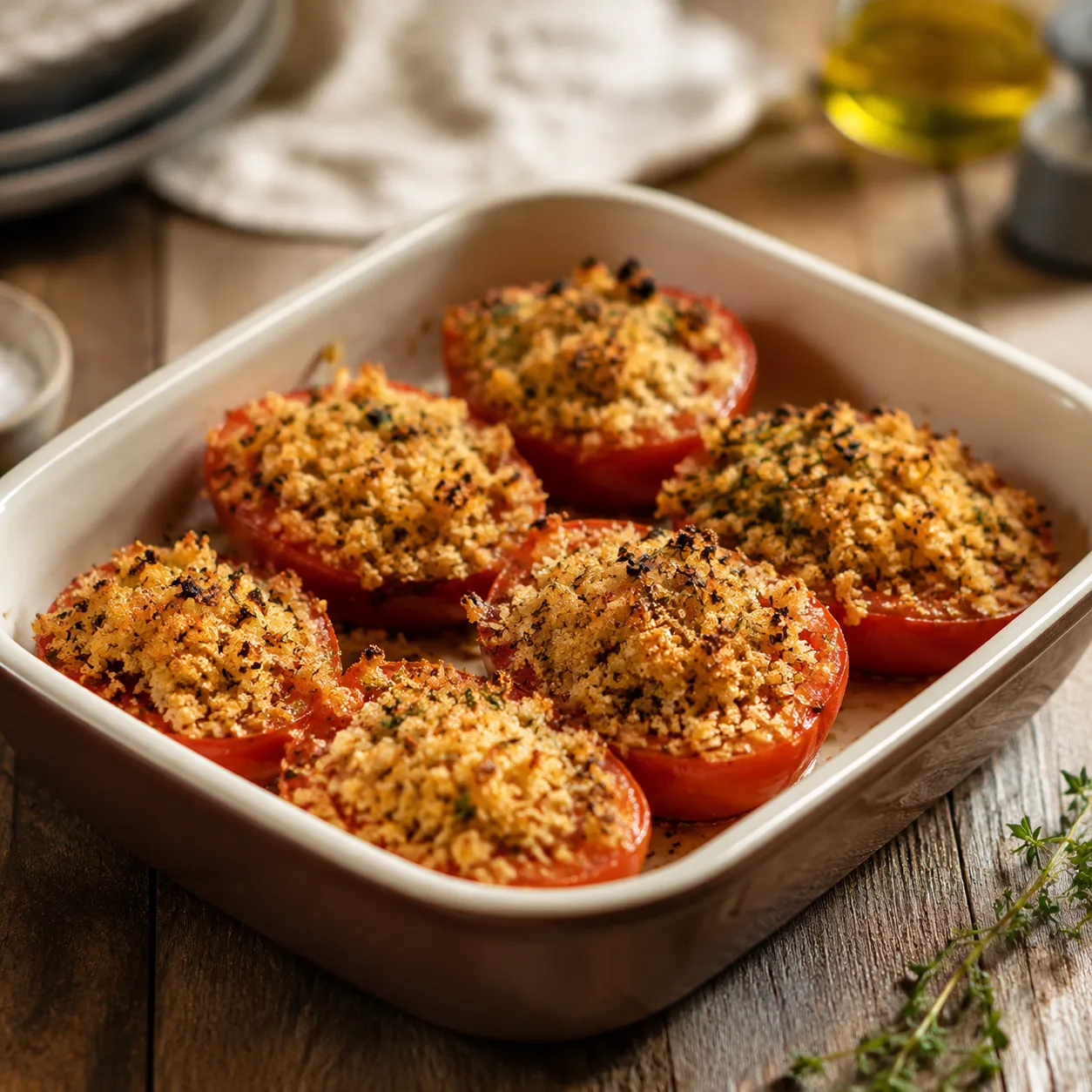
Tomatoes plus stale bread: Breaded tomatoes used canned tomatoes and old bread to create a sweet-savory side.
Sugar, butter, pepper, and crumbs thickened the tomato juice into something spoonable. It could sit beside pork, beans, eggs, or even stand alone with bread.
This is classic thrift cooking. The ingredient most people would discard became the ingredient that made the dish work.
8. Chicken and Dumplings Without Much Chicken
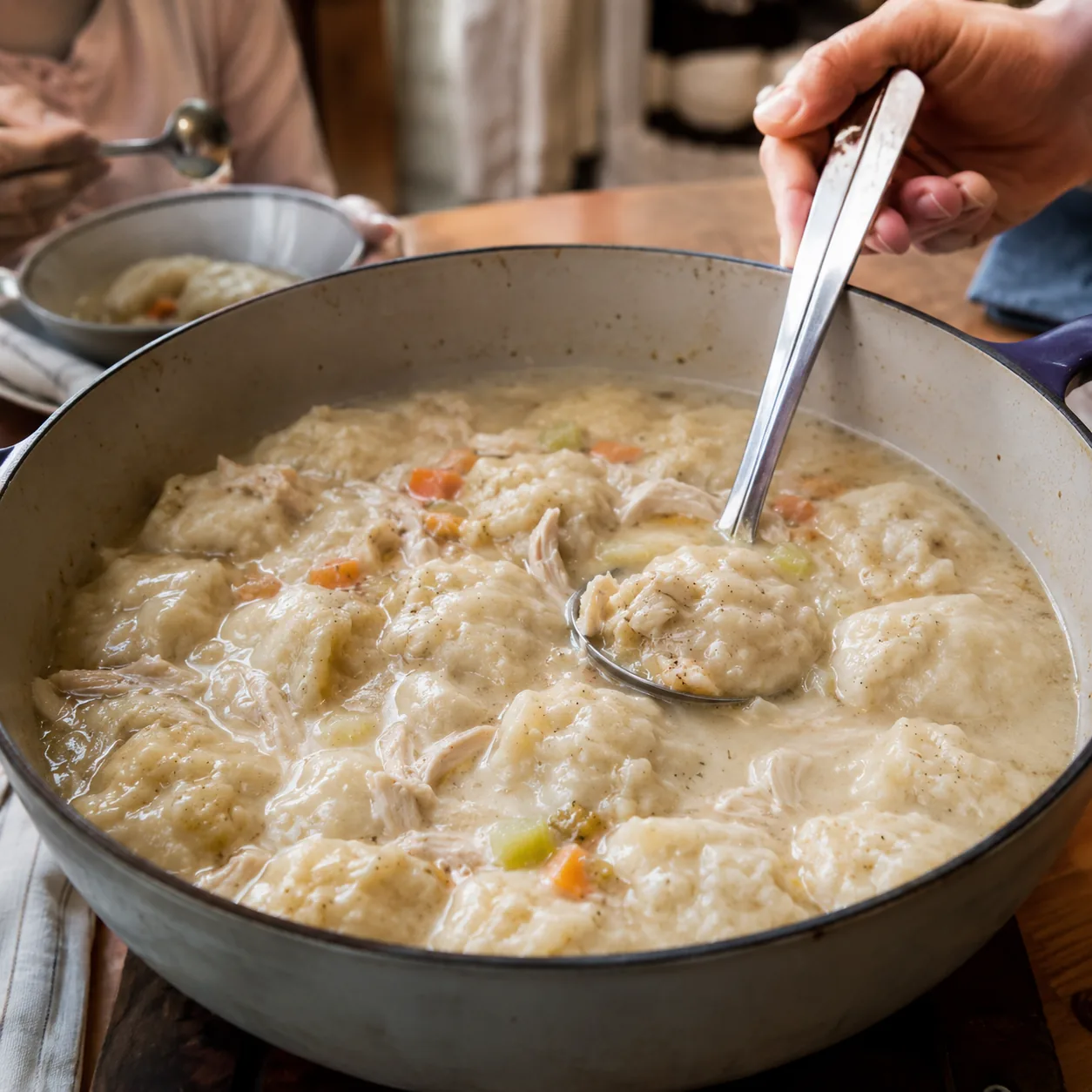
Broth did the heavy lifting: Chicken and dumplings could feed a family even when the chicken was mostly bones.
Grandma simmered the carcass for flavor, picked off every bit of meat, then filled the pot with dumplings. The broth made the meal taste richer than the meat supply looked.
It was comfort food built on economy. The dumplings were not filler. They were the plan.
7. Potato Pancakes

Grated thrift: Potato pancakes made a few potatoes feel crisp, hot, and special.
The mixture could be as simple as grated potato, onion, egg, flour, salt, and pepper. Frying turned cheap starch into something children reached for first.
They also used potatoes before sprouting got out of hand. Grandma’s kitchen had a clock running on everything, and pancakes were one way to beat it.
That kind of kitchen independence pairs naturally with 33 Old-School Family Rules That Actually Made Kids More Independent.
6. Cabbage Soup
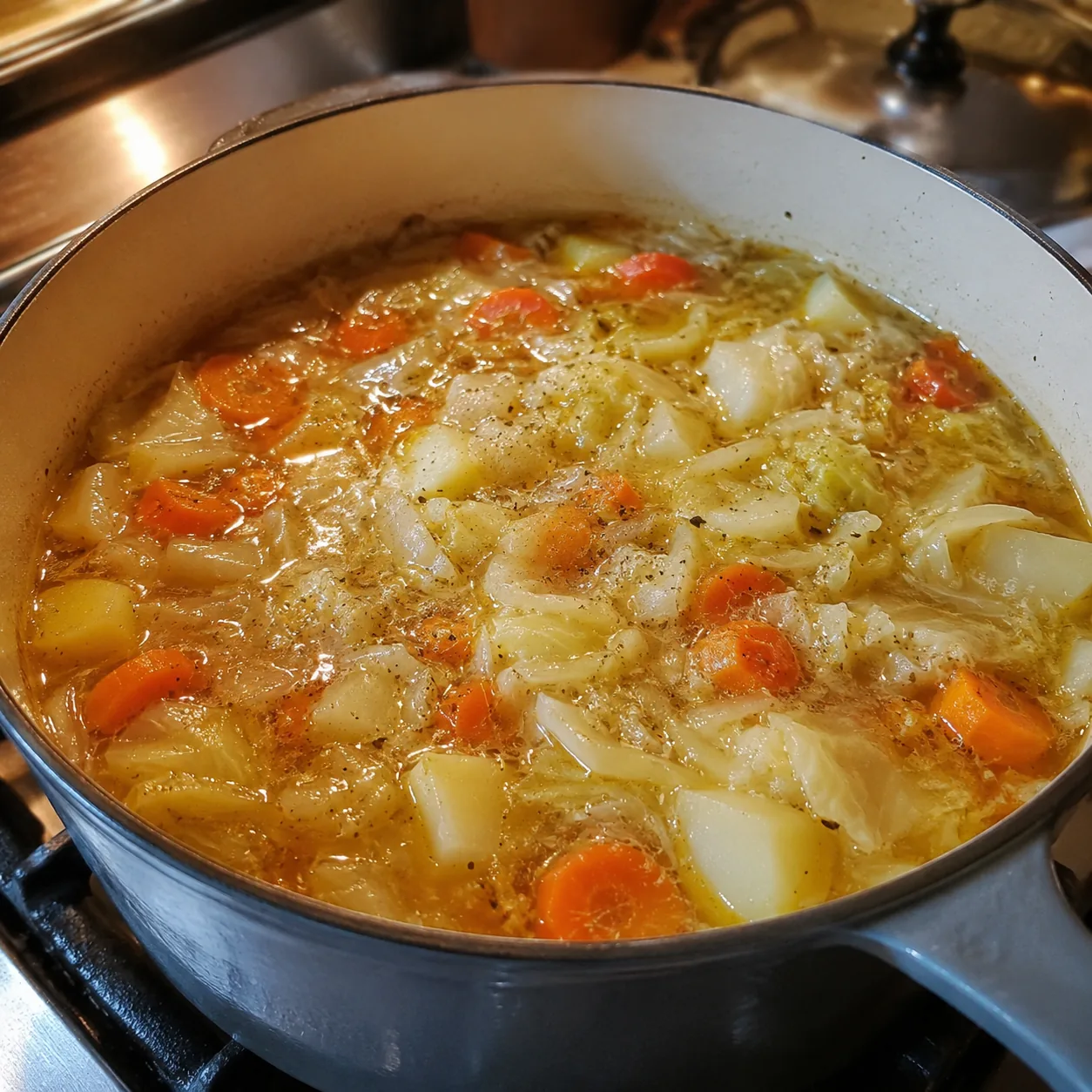
Big pot economics: Cabbage soup made one inexpensive head of cabbage stretch across days.
Potatoes, carrots, onion, tomatoes, rice, or sausage ends could all join the pot. Cabbage softened, sweetened, and gave the broth body.
The smell announced itself, but so did the savings. A large pot could handle supper, lunch, and a jar for someone who needed food sent home.
5. Johnnycakes
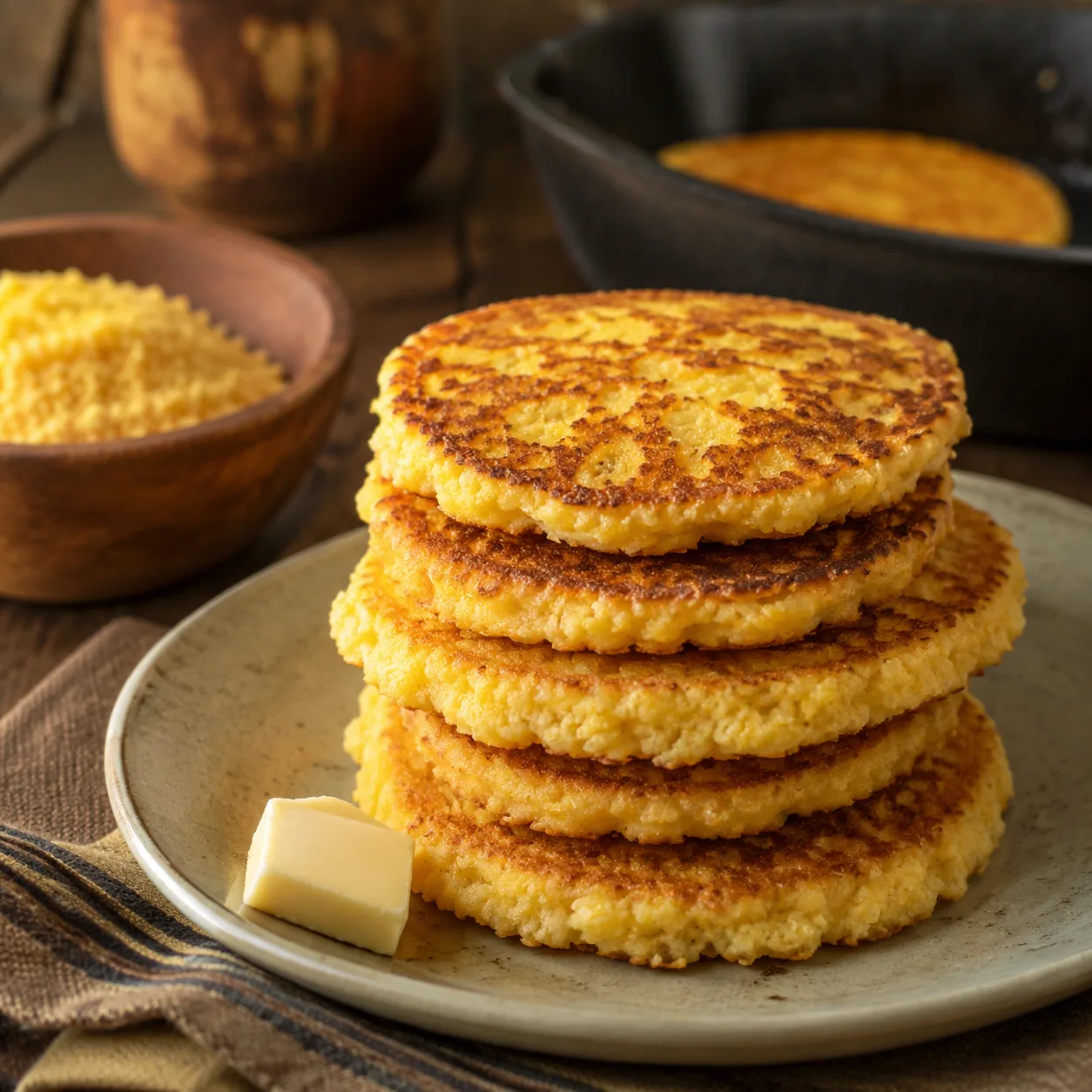
Cornmeal pancakes: Johnnycakes turned a pantry staple into breakfast, supper, or a bread substitute.
They could be made with cornmeal, water or milk, salt, and a little fat. Served with syrup, beans, stew, or gravy, they adapted to whatever else was on the table.
That flexibility explains their staying power. Poor man meals had to move between sweet and savory without complaining.
4. Leftover Meatloaf Sandwiches
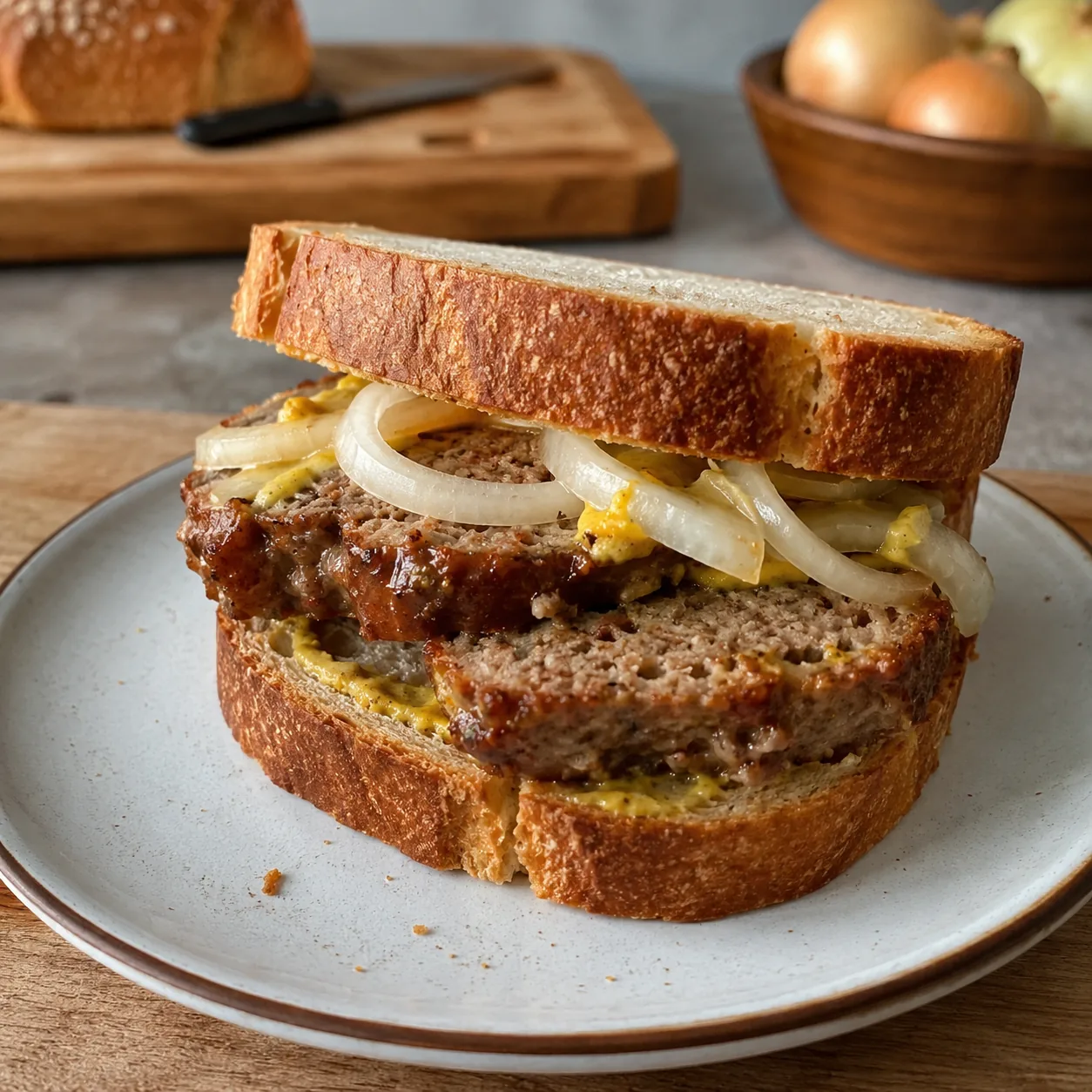
Dinner becomes lunch: Meatloaf sandwiches were planned leftovers, not an accident.
Grandma stretched the loaf with oats, crackers, or bread crumbs, then counted on cold slices the next day. Mustard, onion, or ketchup made the sandwich feel lively.
This was how one baking dish carried multiple meals. The first serving was hot dinner. The second was lunch nobody had to cook.
3. Beans Over Toast

Toast as a plate: Beans over toast made leftovers feel deliberate.
The toast soaked up broth, softened at the center, and stayed crisp at the edges if served quickly. A little onion, pepper, or hot sauce made it feel less plain.
It was especially useful for one or two people. You did not need to re-stage a whole dinner to eat well from the bean pot.
2. Depression-Era Spaghetti
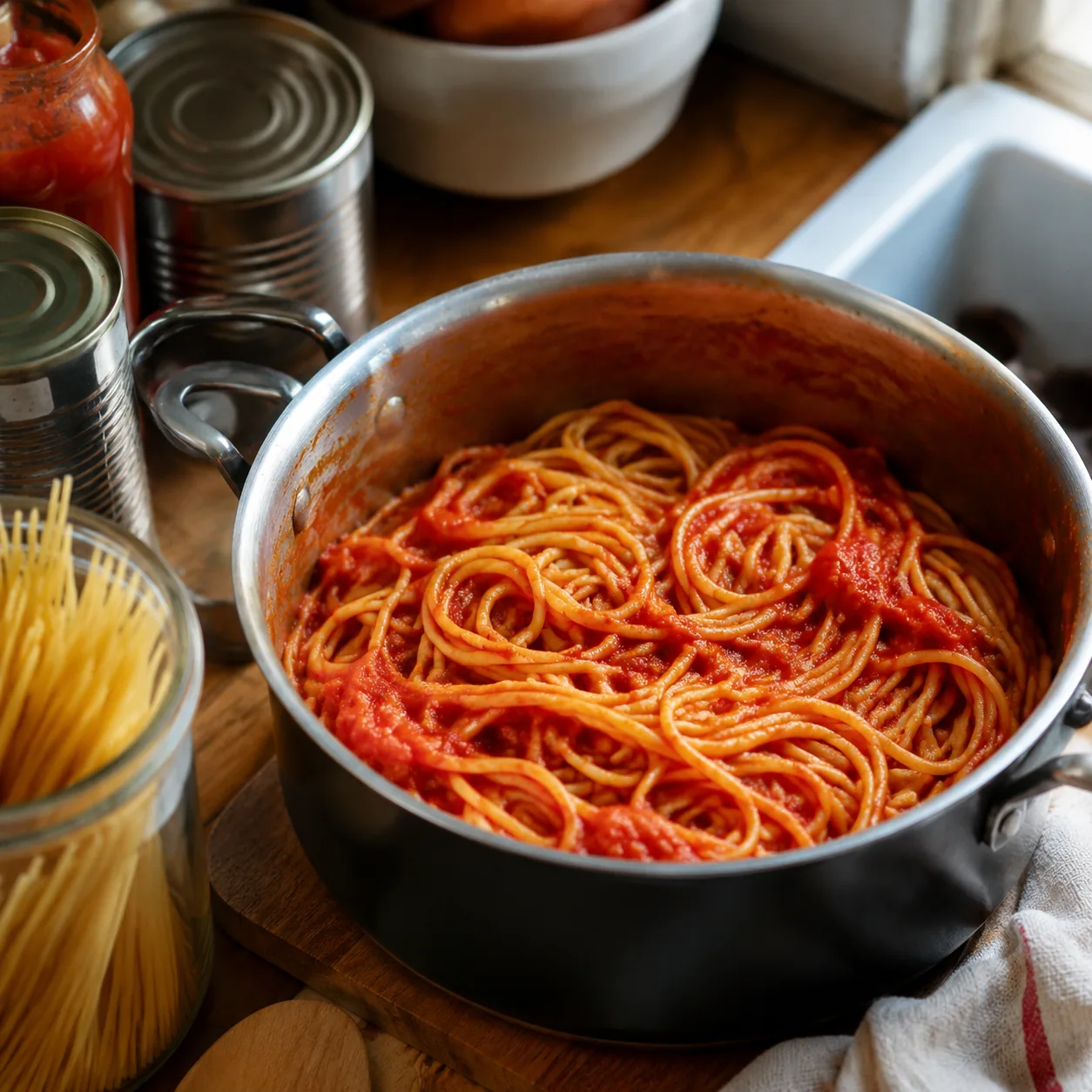
Sauce without abundance: Depression-era spaghetti often meant noodles, tomatoes, onion, and very little meat.
The sauce was thinner than modern versions, but it coated enough pasta to feed several people. Sometimes a spoonful of bacon grease or grated cheese rind added the missing richness.
The lesson was proportion. Meat flavored the dish if present, but starch carried the meal.
1. Potato and Egg Skillet
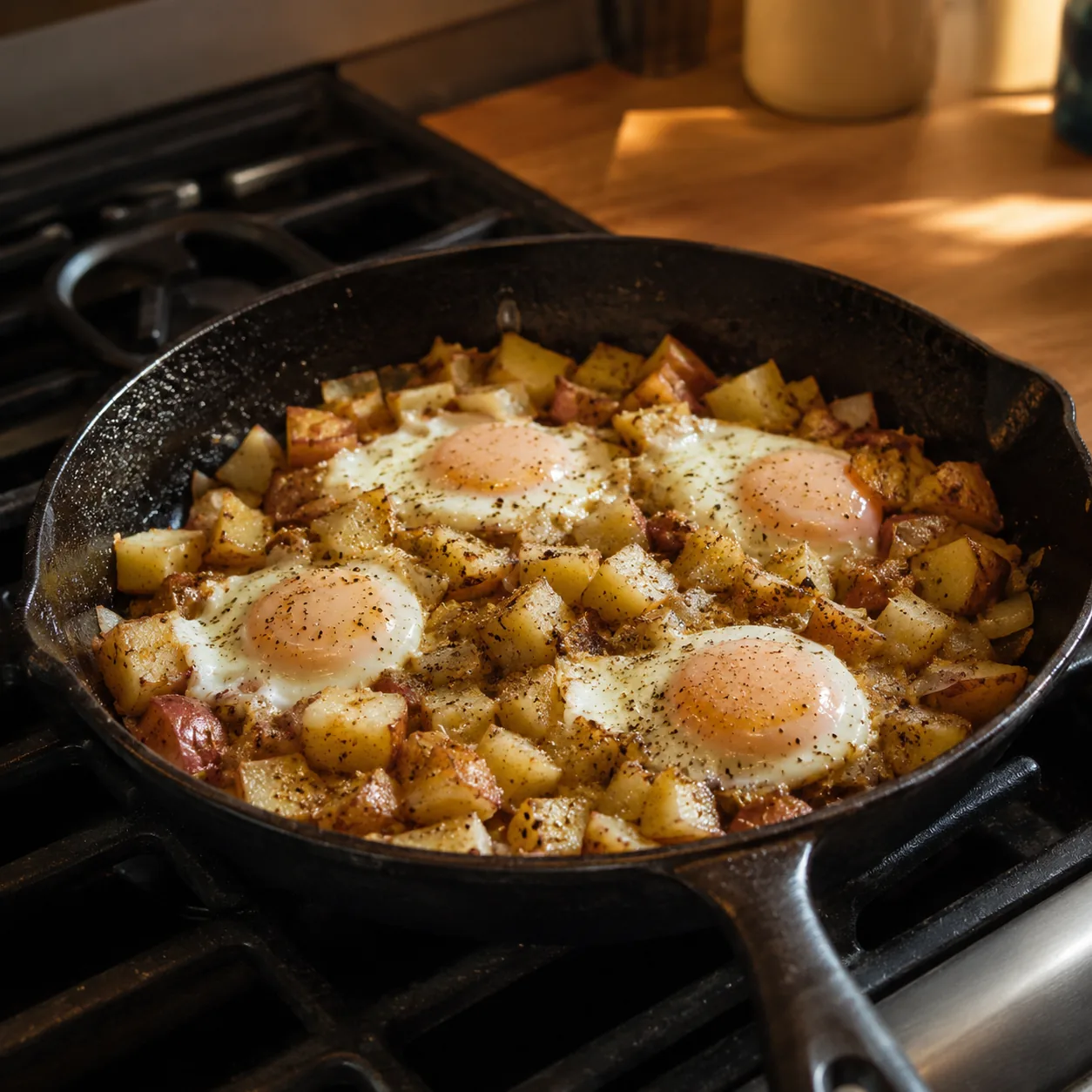
The last-minute saver: Potatoes and eggs could become supper when the pantry looked nearly defeated.
Grandma fried diced potatoes until browned, then cracked eggs into the pan or stirred them through like a scramble. Onion, peppers, or leftover ham made it better, but they were optional.
It worked because it was hot, filling, and fast. Some meals are remembered because they were fancy. This one survived because it answered the question every night: what can we feed everybody right now?