Grandma did not need an app to know where the grocery money went.
She stretched food with habits that were practical, quiet, and surprisingly hard to beat.
37. Saved Bacon Grease
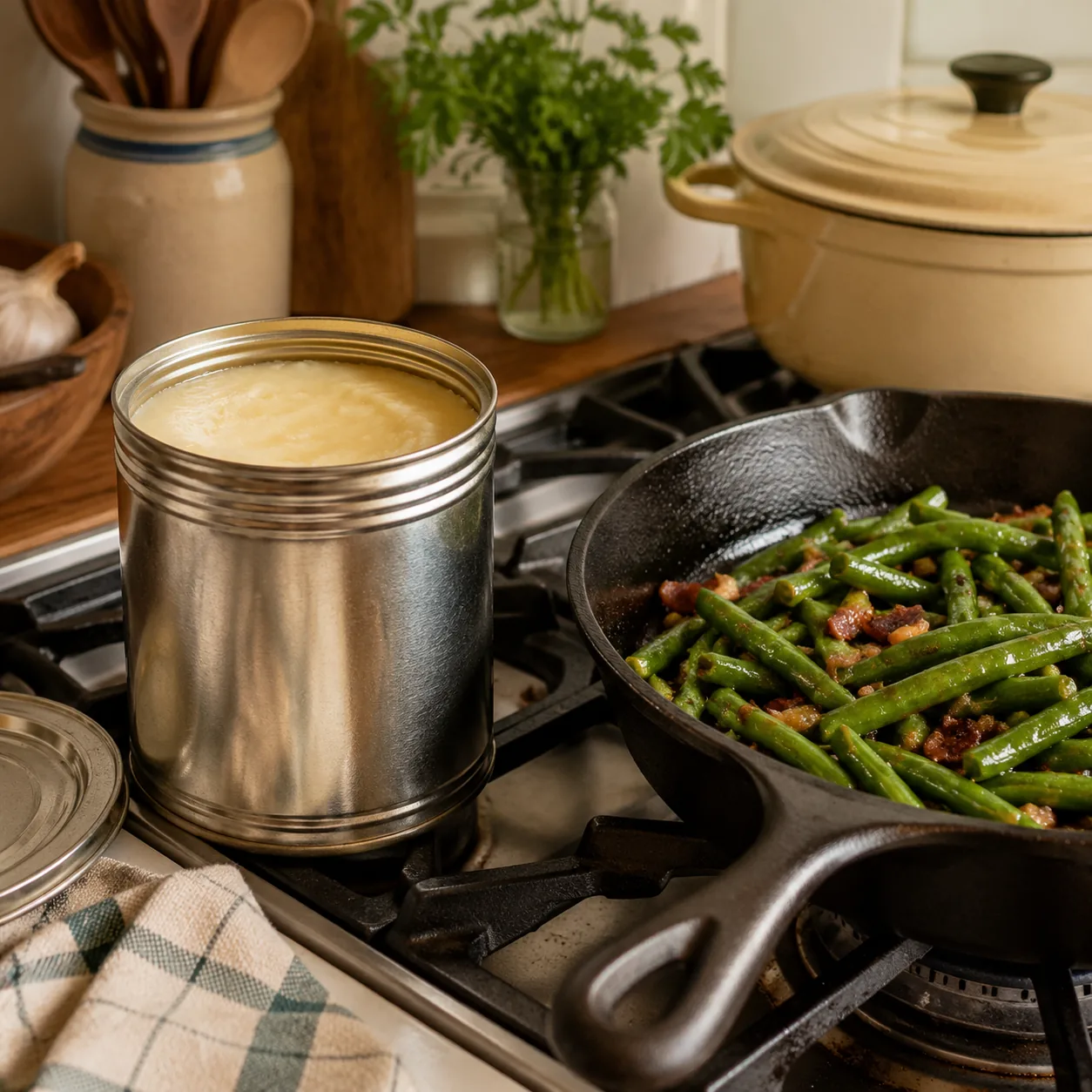
Flavor saved for later: Bacon grease turned one breakfast into seasoning for several meals.
Grandma strained or spooned it into a can, then used it for beans, greens, cornbread, eggs, potatoes, and gravy. A teaspoon could make cheap ingredients taste richer.
The point was not nostalgia. Rendered fat had value, so throwing it away meant buying flavor twice.
36. Turned Bones Into Stock

The second meal hidden in the bones: Stock made use of what modern kitchens often toss.
Chicken carcasses, ham bones, beef bones, celery tops, onion skins, and carrot ends could simmer into broth. That broth became soup, rice liquid, gravy, or dumpling base.
Grandma knew bones were not finished when the meat was gone. They still had flavor, gelatin, and one more job.
35. Stretched Ground Meat With Oats
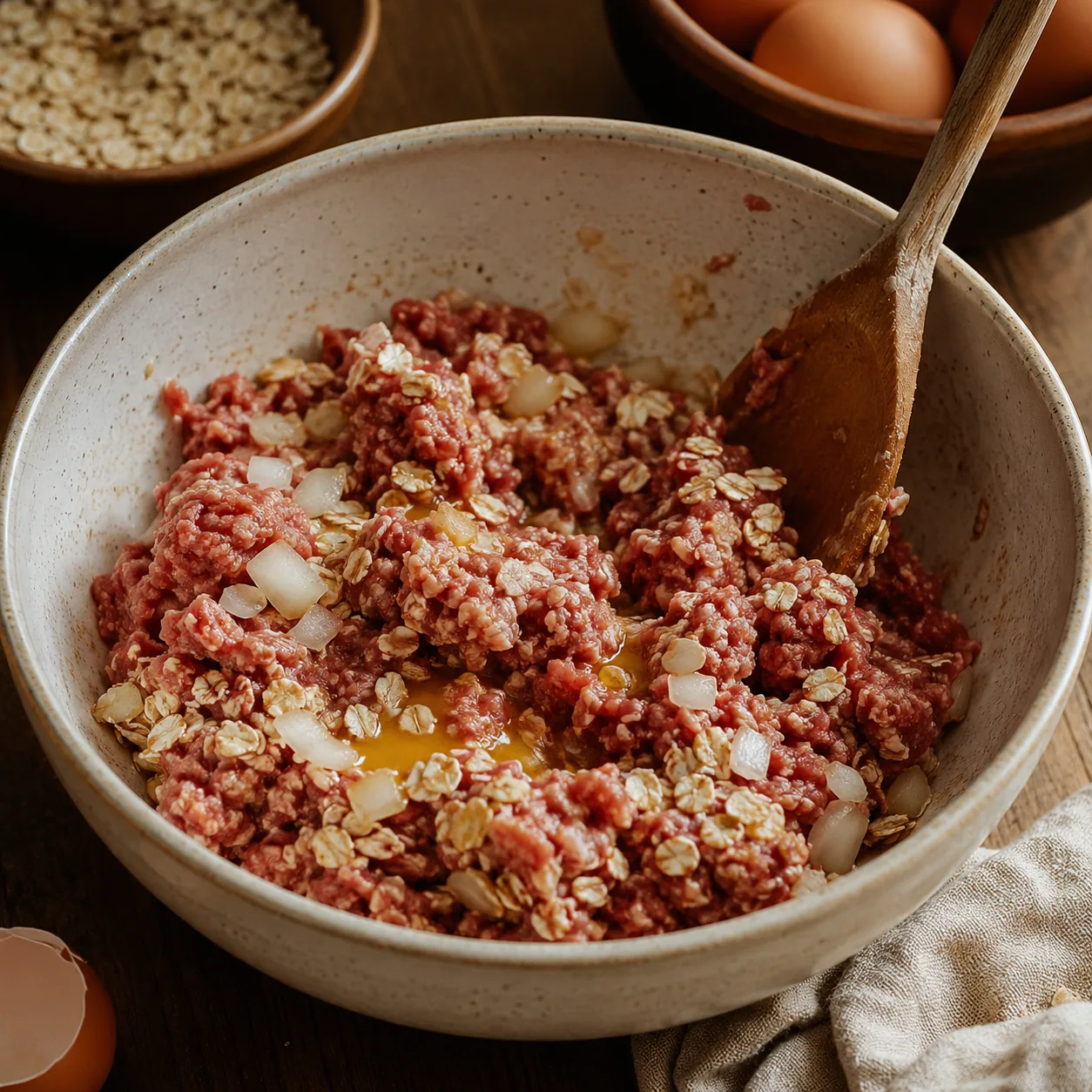
Invisible filler: Oats made meatloaf, meatballs, and patties feed more people.
They absorbed juices, softened texture, and carried seasoning without shouting. Bread crumbs and crushed crackers worked too, but oats were cheap and usually already in the pantry.
This was smart stretching because it improved the dish instead of merely diluting it. The meat stayed moist and the slices held together.
34. Used Stale Bread First

Bread got reassigned: Stale bread became crumbs, stuffing, bread pudding, toast, croutons, or casserole topping.
Grandma did not see dry bread as trash unless mold had beaten her to it. She dried it further, grated it, soaked it in custard, or toasted it back to usefulness.
The trick was acting early. Bread just past fresh is an ingredient. Bread ignored too long is waste.
33. Planned Meals Around Potatoes
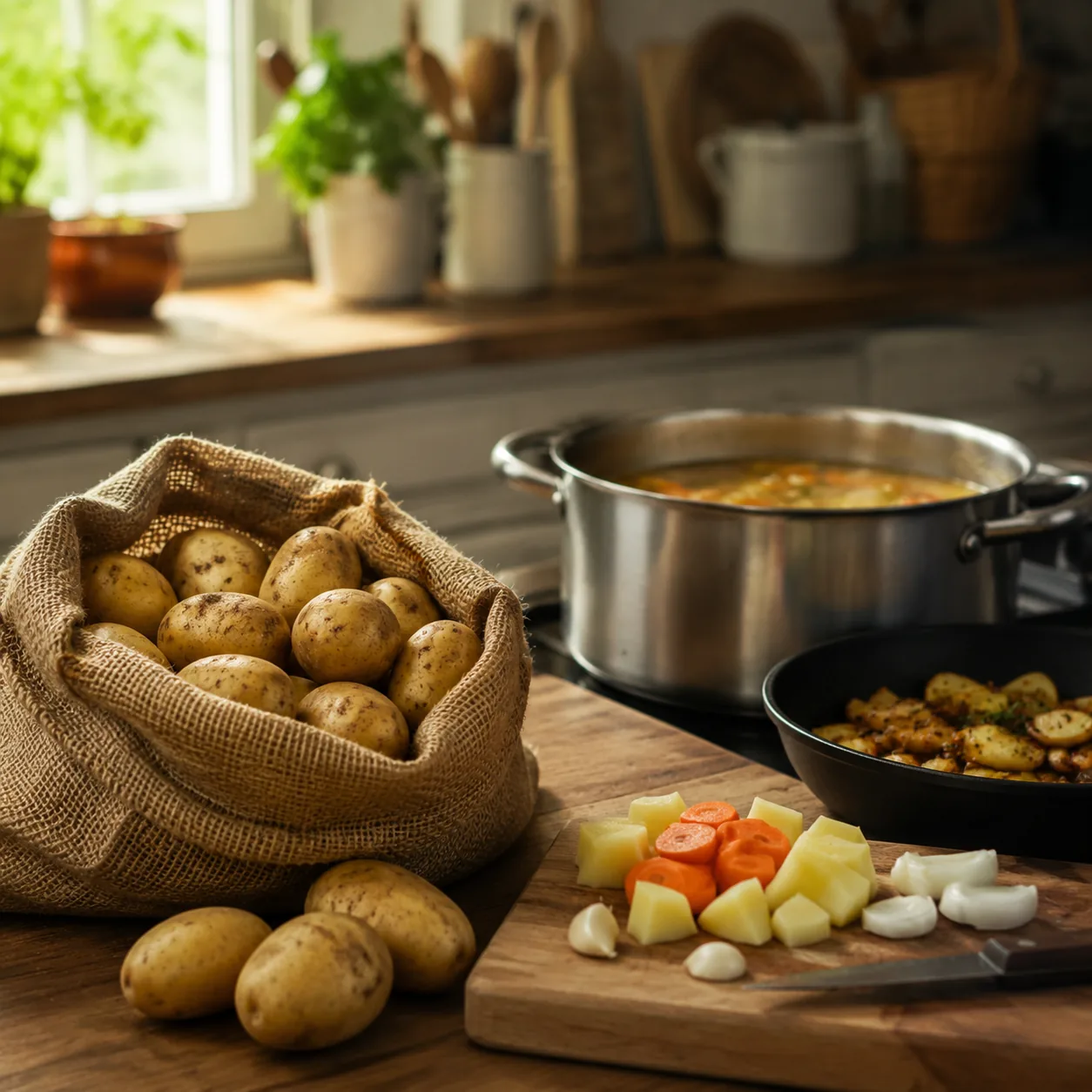
Cheap bulk: Potatoes made small amounts of meat, eggs, cheese, or vegetables feel like dinner.
They could be baked, fried, mashed, boiled, shredded, souped, or turned into pancakes. Grandma used them as the edible foundation under whatever needed stretching.
Potatoes worked because they were filling and familiar. Nobody felt tricked when the plate had potatoes on it.
32. Cooked Dried Beans Weekly
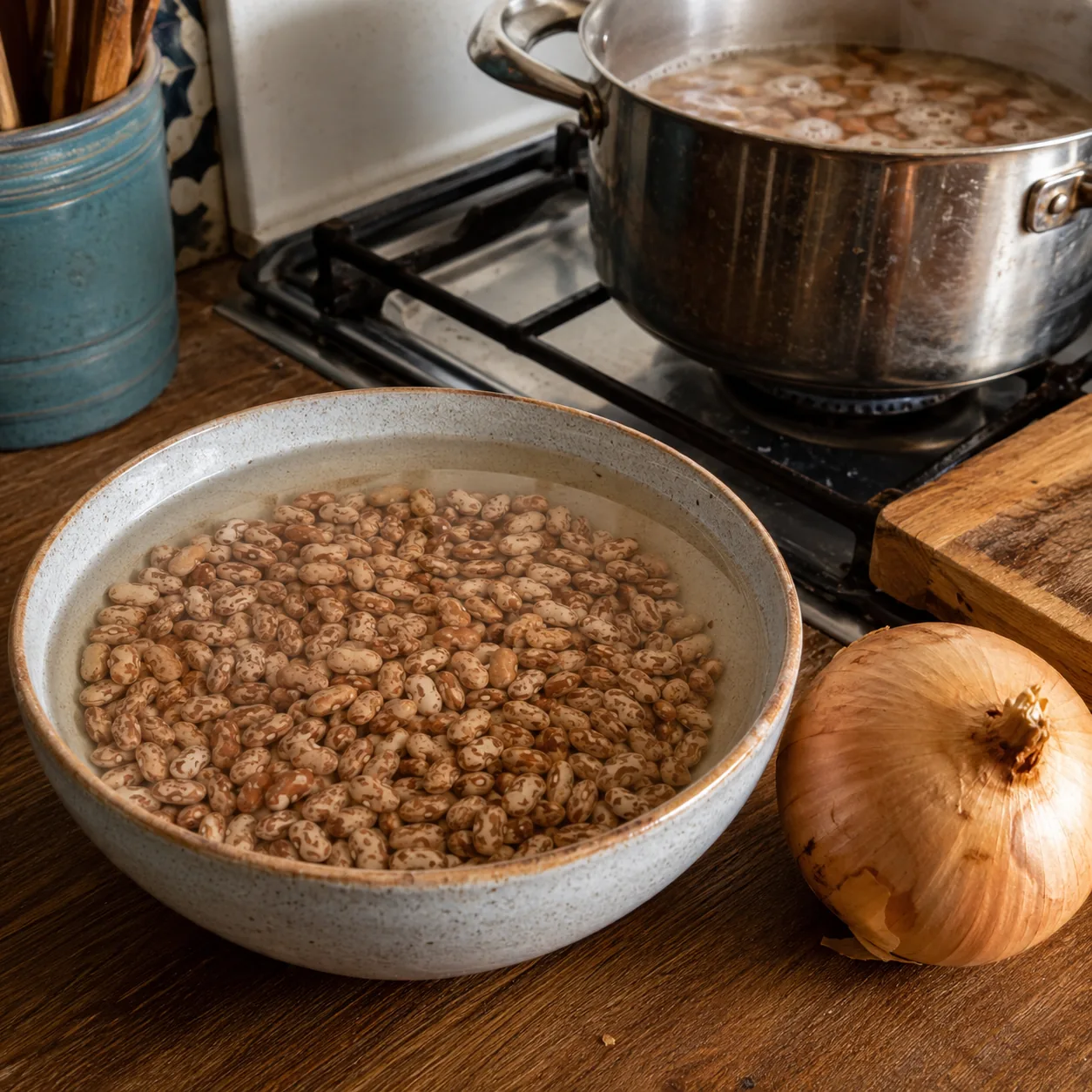
The standing pot: Dried beans gave the week a low-cost anchor.
Grandma soaked a bag, simmered it slowly, and served beans with cornbread, rice, potatoes, or greens. Leftovers became soup, bean cakes, refried beans, or lunch.
The savings came from repetition. One patient pot could handle multiple meals without feeling identical if the sides and seasonings changed.
31. Made Soup Before Shopping Again
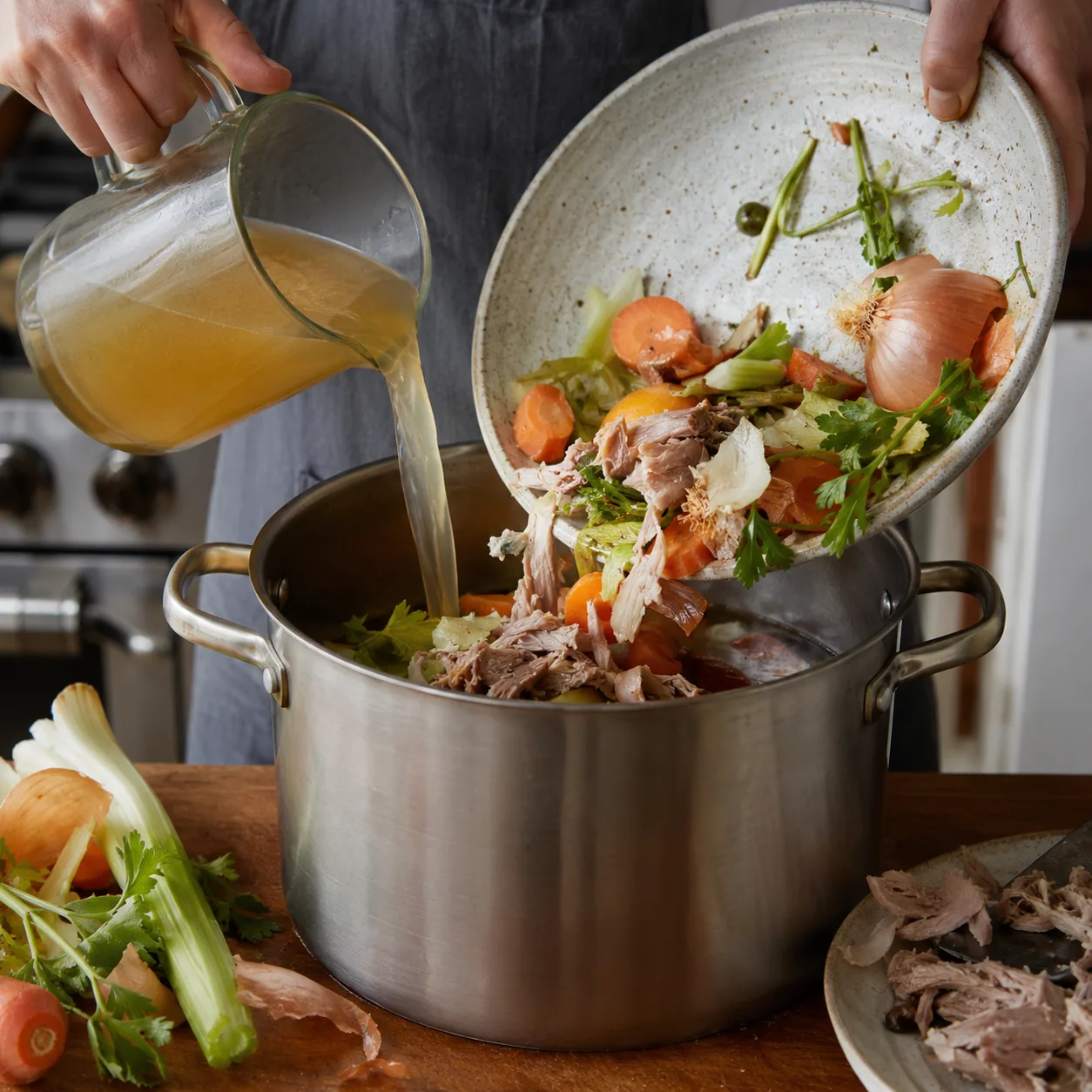
Clean-out cooking: Soup gathered vegetables, meat scraps, broth, rice, noodles, and beans before they spoiled.
Grandma made soup near the end of the grocery cycle because the refrigerator told her what needed using. A carrot, half an onion, and yesterday’s chicken could still become something warm.
This habit saved money twice: fewer groceries wasted, fewer new groceries needed that day.
30. Thinned Sauce Without Weakening It

Stretch with flavor: Grandma did not just add water and hope.
She stretched sauces with pasta water, broth, milk, tomato juice, bean liquid, or a little roux so the texture stayed right. Onion, garlic, pepper, or vinegar helped the flavor survive.
The lesson is useful now. Stretching food works best when the added liquid brings starch, seasoning, fat, or body.
29. Reused Pickle Juice
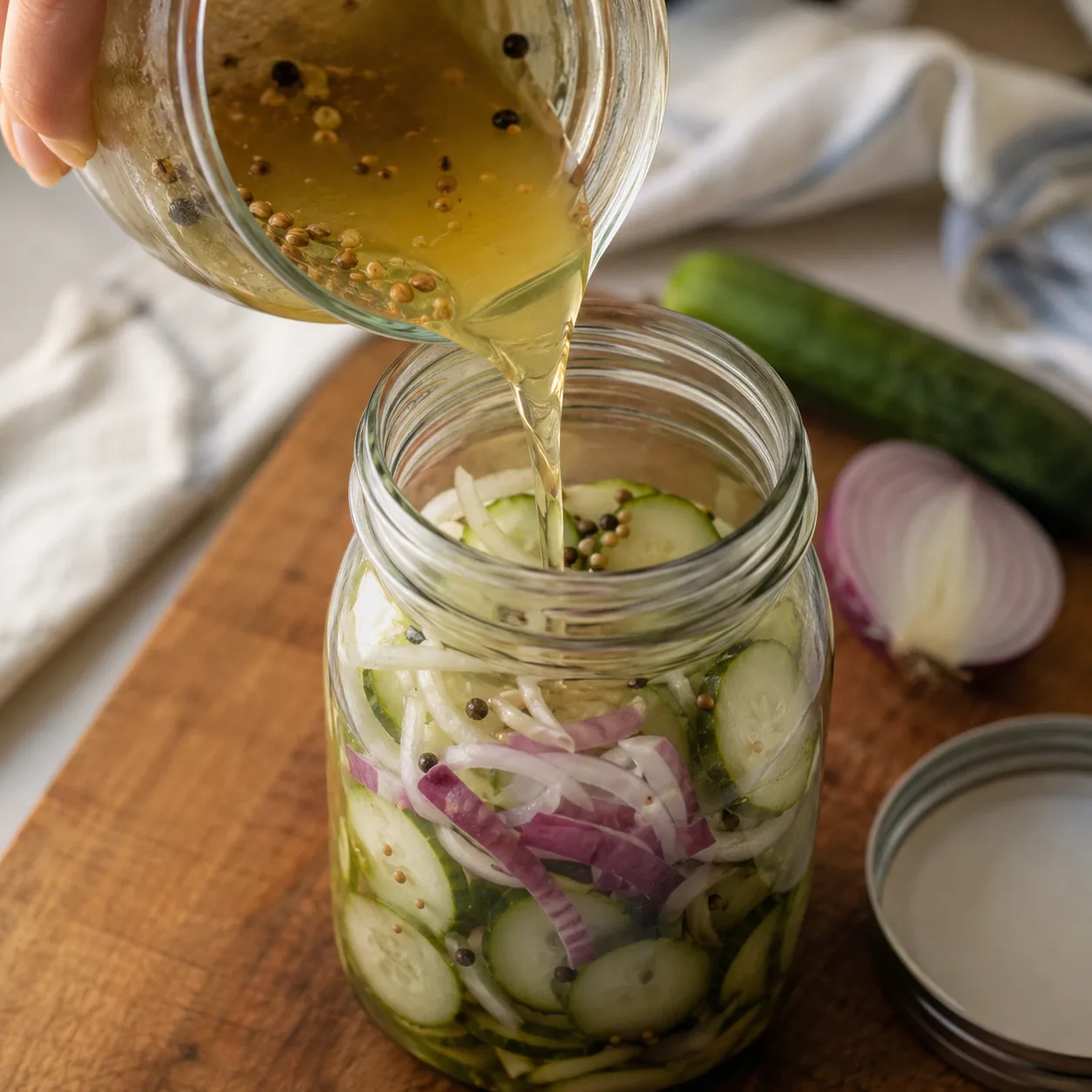
Brine had another round: Pickle juice seasoned more than pickles.
Grandma used it for quick onions, cucumbers, potato salad, deviled eggs, slaw, beans, and marinades. The acid woke up bland food and made leftovers taste less tired.
It was already paid for and already seasoned. That made it too useful to pour down the sink without thinking.
28. Rendered Chicken Fat

Another cooking fat: Chicken fat seasoned potatoes, noodles, vegetables, matzo balls, rice, and gravies.
Grandma skimmed it from broth or rendered trimmed skin slowly until the fat melted out. The crisp bits could season a small dish too.
Modern cooks often buy expensive flavored oils. Older kitchens made them accidentally by refusing to waste what the chicken already offered.
27. Served Bread With Every Meal
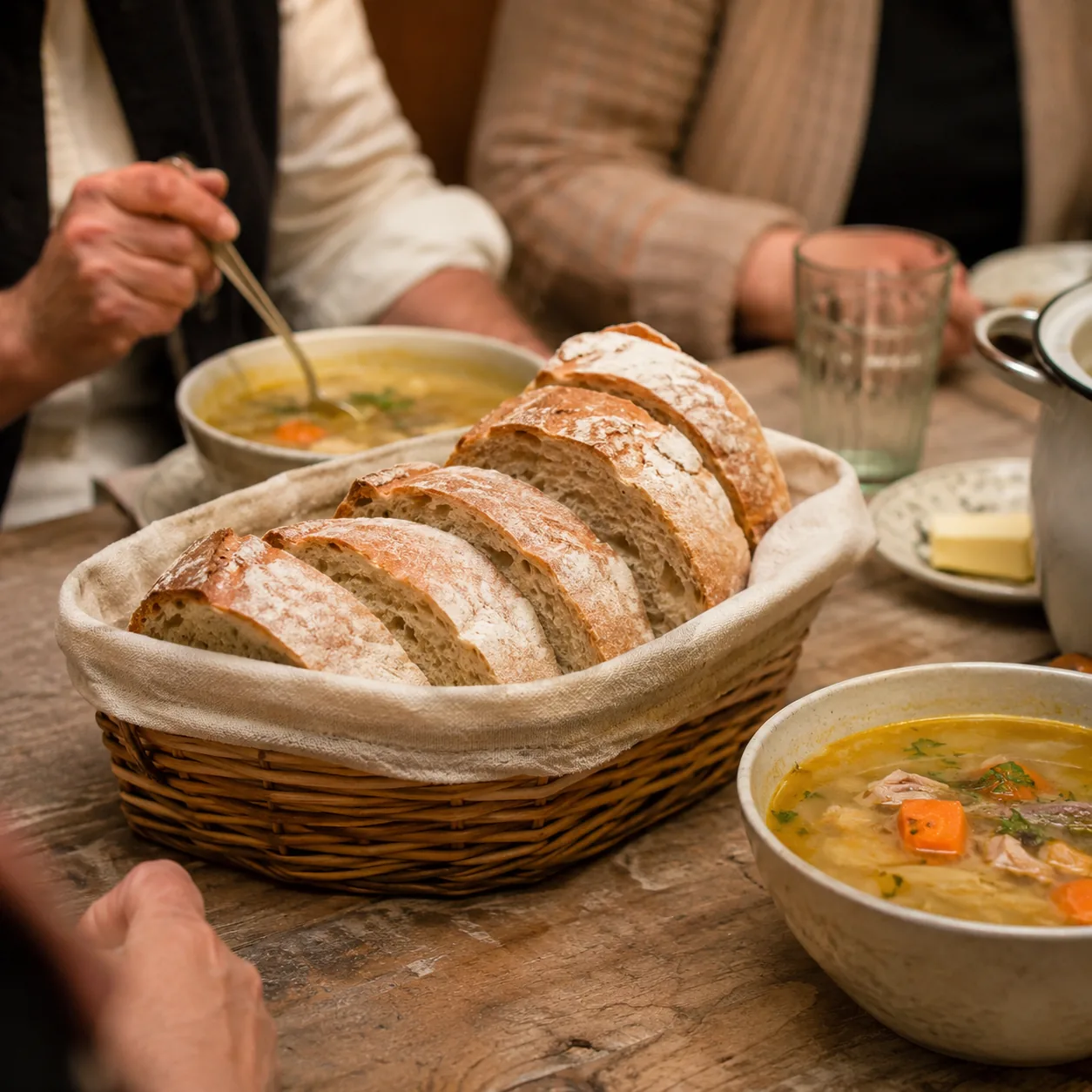
The plate filler: Bread helped soup, beans, stew, eggs, and gravy feed more people.
It was not just a side. Bread soaked up broth, slowed down hungry eaters, and made smaller portions feel complete. Cornbread, biscuits, rolls, and toast all did the same job.
Grandma understood appetite. A pot stretches further when there is something warm beside it.
26. Bought Whole Chickens

More uses per bird: A whole chicken gave pieces, scraps, skin, bones, and broth.
Grandma could roast it, pick leftover meat, boil the carcass, and turn small bits into salad, soup, dumplings, or casserole. Pre-cut pieces saved labor but lost flexibility.
The value was sequence. One bird became Sunday dinner, Monday lunch, Tuesday soup, and stock for later rice.
25. Made Gravy From Drippings

Flavor multiplied: Gravy let a little meat flavor cover potatoes, rice, bread, biscuits, or noodles.
Grandma browned flour in fat, added liquid slowly, and scraped every bit from the pan. Nothing stuck to the skillet without being asked to contribute.
That same practical mindset shows up in 33 Poor Man Meals That Fed Whole Families When Money Was Tight, where gravy often made the cheap part feel like the main part.
24. Turned Leftover Rice Into Breakfast

Rice came back sweet: Leftover rice could become breakfast pudding with milk, sugar, cinnamon, and raisins.
Grandma knew cold rice dries out fast, so she softened it with liquid before anyone complained. A little sweetness changed the category from leftover to treat.
This was one of her quietest skills: renaming food through texture, seasoning, and timing.
23. Added Noodles to Thin Soup
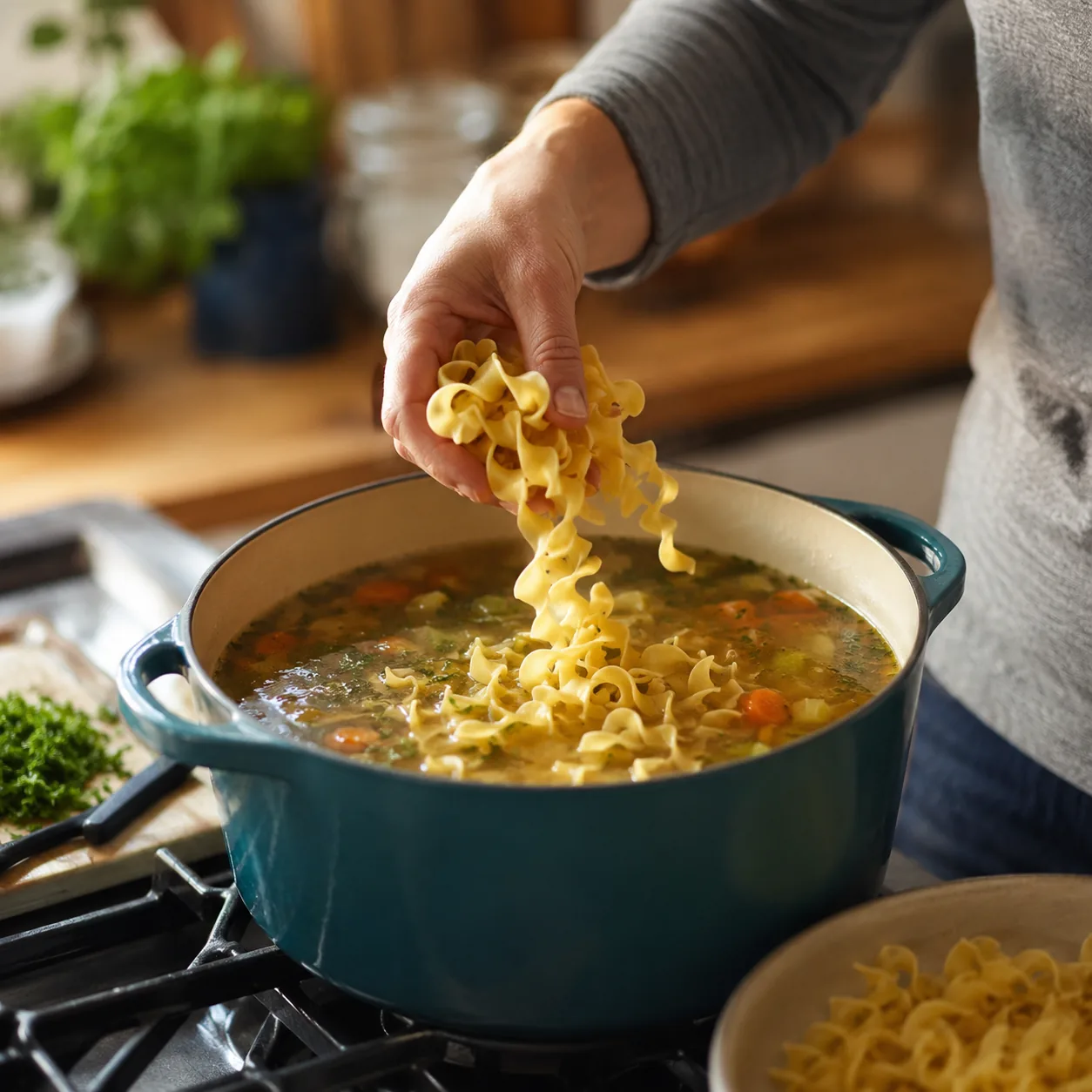
Starch saved the pot: Noodles turned broth into supper.
When soup looked too thin, grandma added egg noodles, macaroni, rice, barley, or dumplings. Starch thickened the liquid and gave everyone something to chew.
Read More: 37 Things Every Grandma Kept in the Pantry That Modern Kitchens Forgot
22. Kept a Scrap Bowl While Cooking
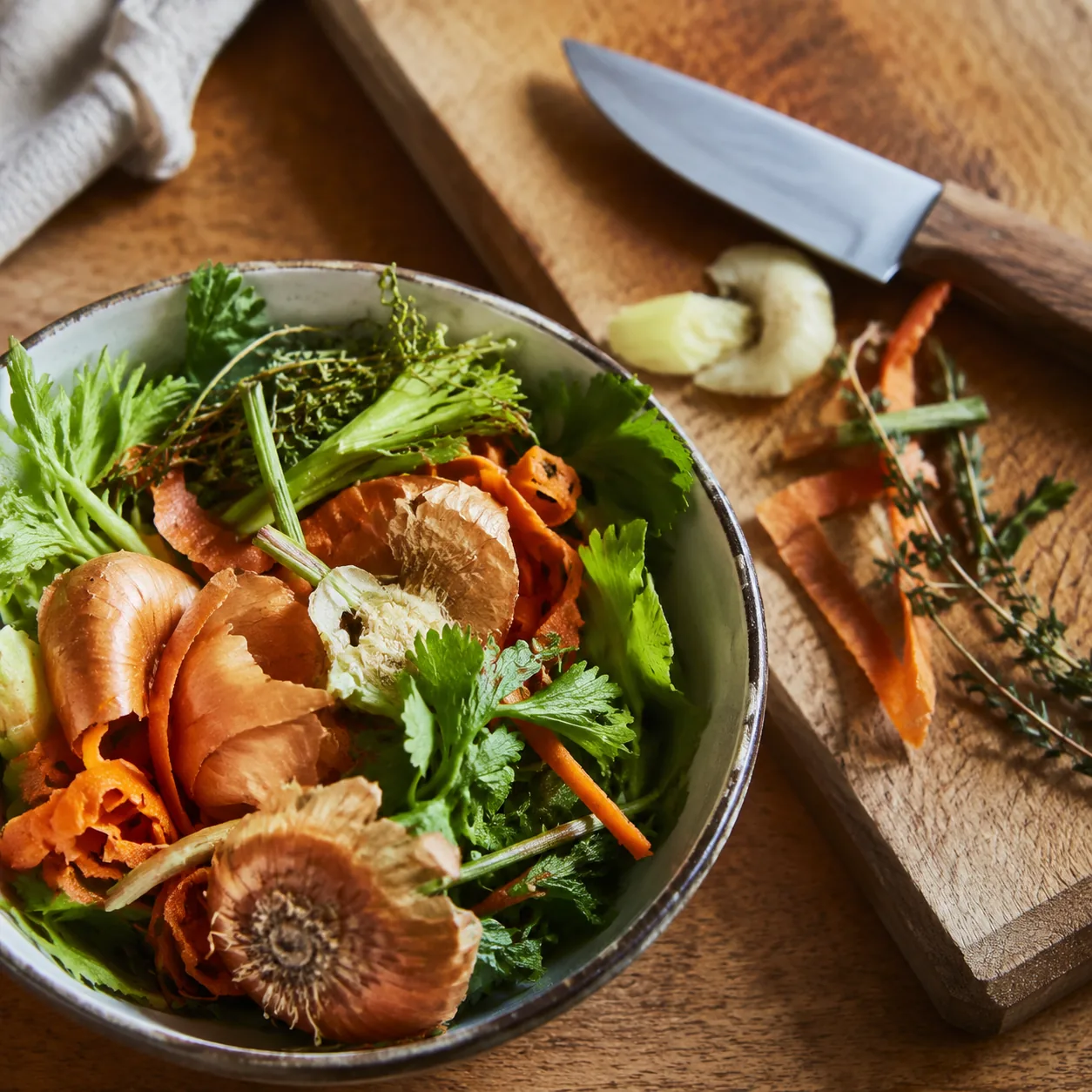
Scraps were sorted: Not every peel was trash, and grandma knew the difference.
Celery leaves, onion ends, carrot peels, parsley stems, and chicken trimmings could go into stock. Bad spots and true waste went elsewhere.
The important part was deciding while cooking, not later. Once scraps hit the garbage, the chance to use them was gone.
21. Bought Cheaper Cuts and Cooked Them Longer
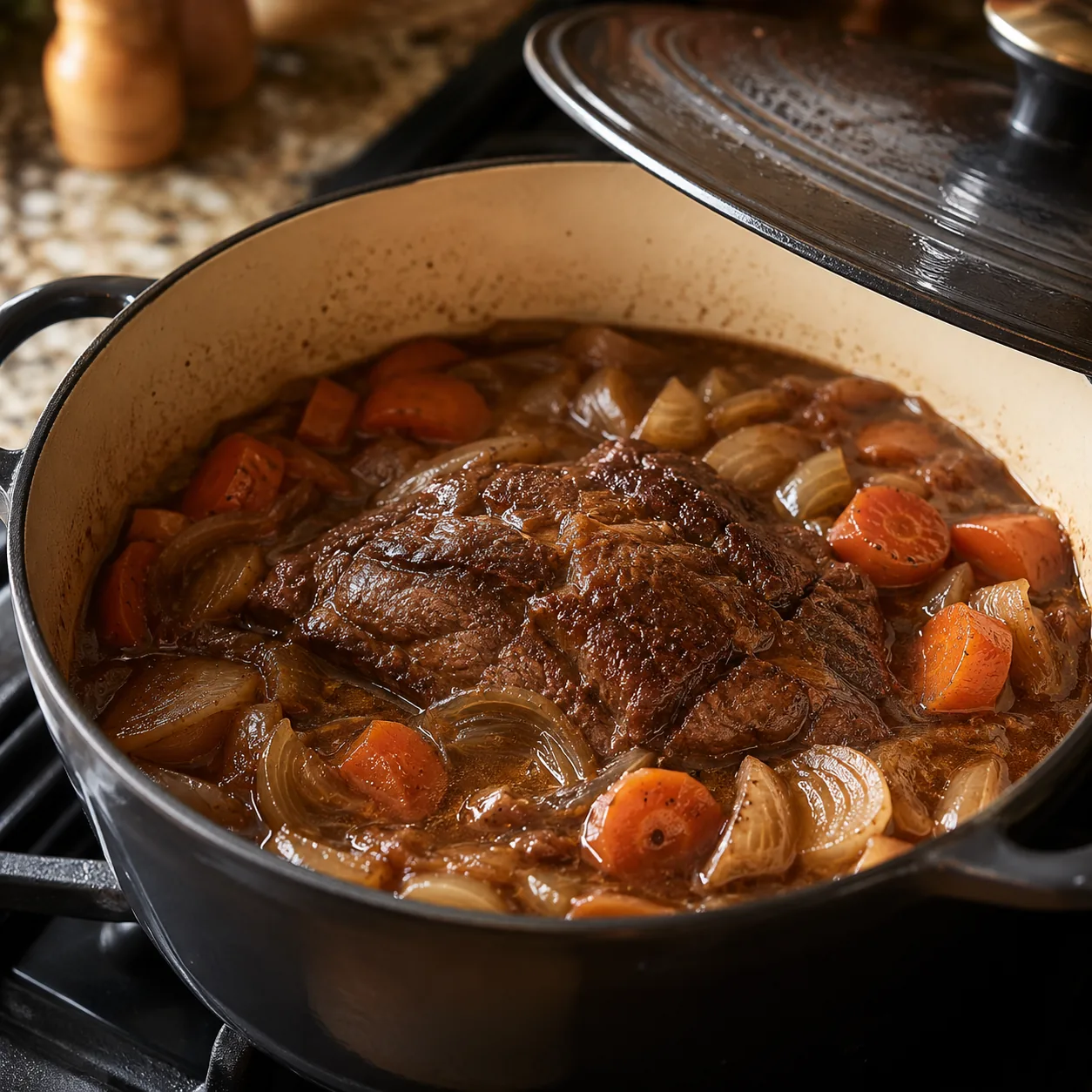
Time replaced money: Tough cuts became tender if cooked low, moist, and long enough.
Grandma used chuck, shank, neck bones, stew meat, ham hocks, and chicken backs because she knew what time could do. Fast cooking punished those cuts. Braising rewarded them.
This was budget knowledge, not sacrifice. The cheaper cut often made better gravy because connective tissue melted into the pot.
20. Served Smaller Meat Portions
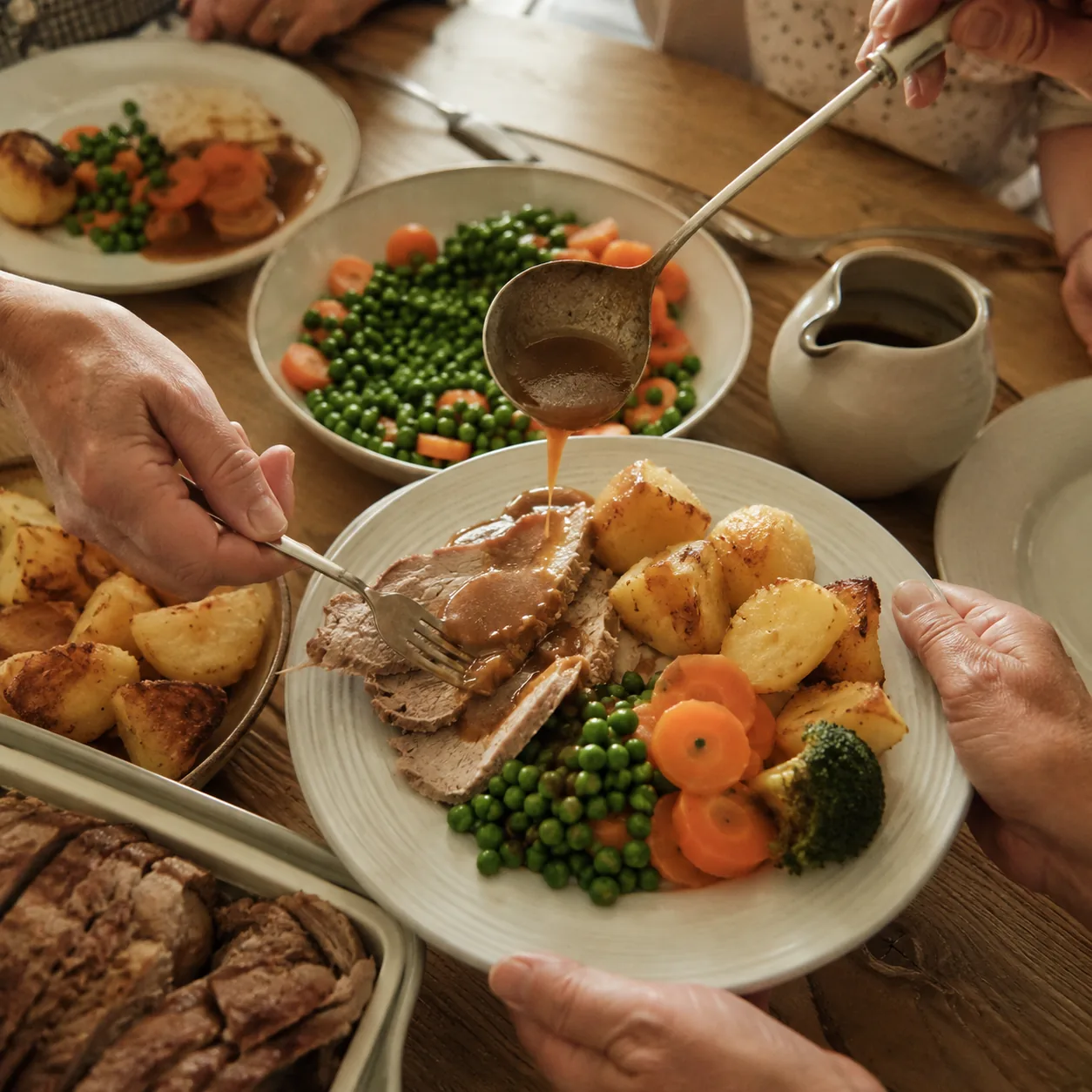
Meat was a feature: Grandma often treated meat as part of the meal, not the whole meal.
Slices were thinner, pieces were smaller, and sides did serious work. Beans, bread, potatoes, rice, cabbage, and gravy made the plate feel complete.
That shift changes the grocery bill quickly. You can still eat meat without letting it swallow the budget.
19. Saved Vegetable Cooking Water
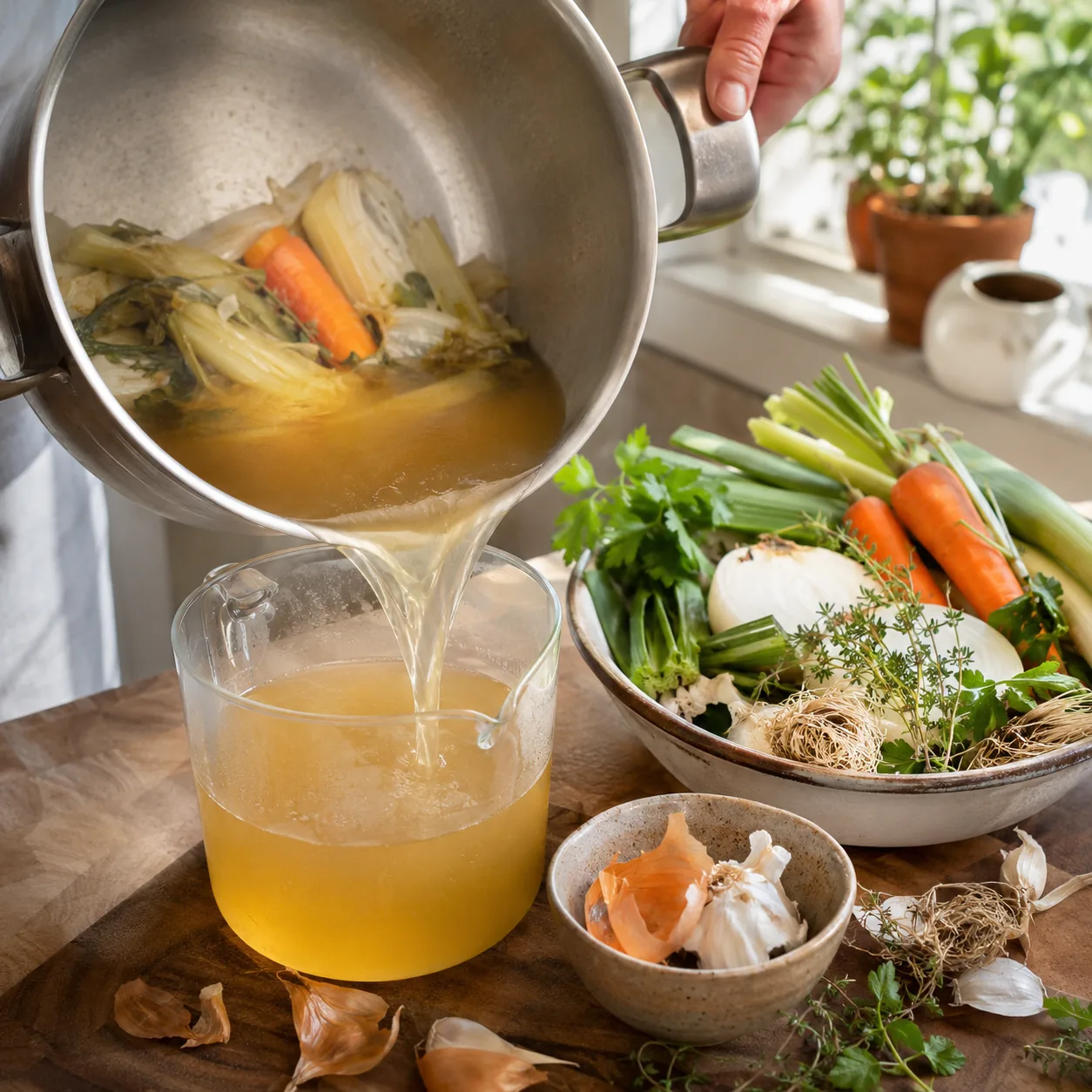
Seasoned liquid: Water from potatoes, peas, beans, or greens could help soups, gravies, and bread.
Grandma did not always pour it away, especially if it had salt, starch, or vegetable flavor. Potato water helped bread dough and gravy. Bean liquid thickened soup.
Read More: 35 Dinners From the 1970s That Disappeared From American Tables
18. Made Casseroles From Fragments

Everything got structure: Casseroles made fragments look planned.
Grandma combined a starch, a protein, vegetables, sauce, and a topping. That formula could absorb leftover chicken, rice, peas, noodles, crumbs, cheese ends, or soup.
The topping did psychological work. A crisp, browned surface told the table this was dinner, not leftovers hiding in a dish.
17. Used Eggs as an Extender

Protein spread around: Eggs helped leftovers become a meal without much meat.
Grandma stirred them into rice, tucked them into casseroles, made gravy richer, sliced boiled eggs into salad, or scrambled them with potatoes. A few eggs could touch every serving.
The key was distribution. One fried egg feeds one person. Three eggs stirred through a skillet can support the whole table.
16. Made Dumplings Instead of More Meat

Flour became fullness: Dumplings made broth-heavy meals feel generous.
Grandma dropped simple dough into chicken broth, beef stew, peas, or vegetable soup. The dumplings absorbed flavor while thickening the pot.
This was not cheating. It was balance. If the broth had good flavor, dumplings gave it a way to land on the plate and satisfy people.
15. Froze Ends Before Freezers Were Fancy
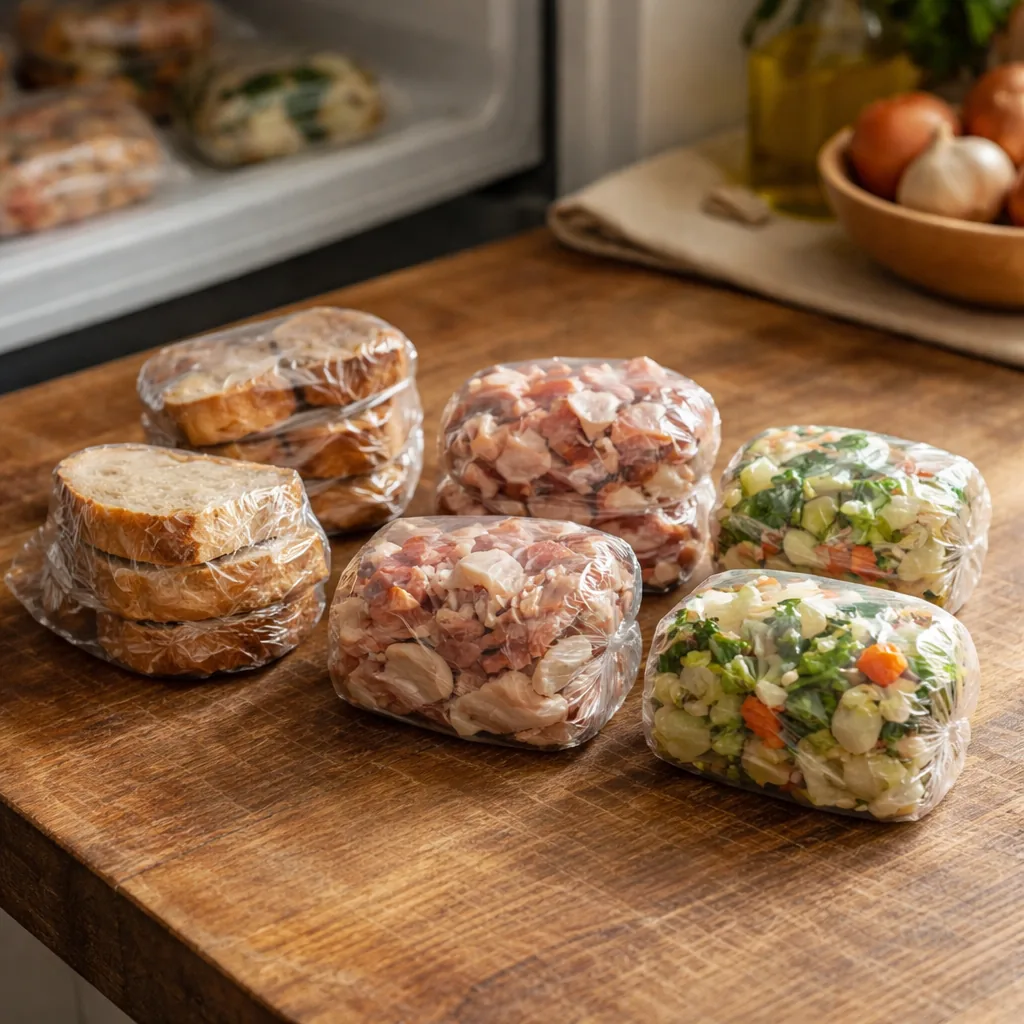
Tiny portions counted: Grandma saved small amounts because small amounts eventually became enough.
Bread ends, ham bits, grated cheese, broth, berries, and vegetable scraps could be frozen or chilled until a recipe needed them. The package might look silly alone, but together they mattered.
The same memory-first household habits appear in 35 Things That Made Grandma’s House Feel Like Home, where small things carried real value.
14. Reworked Leftovers Before Anyone Got Tired of Them

Change the form: Leftovers became hash, soup, sandwiches, casseroles, patties, or gravy before boredom set in.
Grandma knew the danger of serving the same plate twice. She changed texture, sauce, or shape so yesterday’s food felt newly useful.
That was the difference between thrift and punishment. Food stretched further when people still wanted to eat it.
Read More: 31 Questions People Wish They Asked Their Grandparents Before It Was Too Late
13. Shopped the Pantry Before the Store
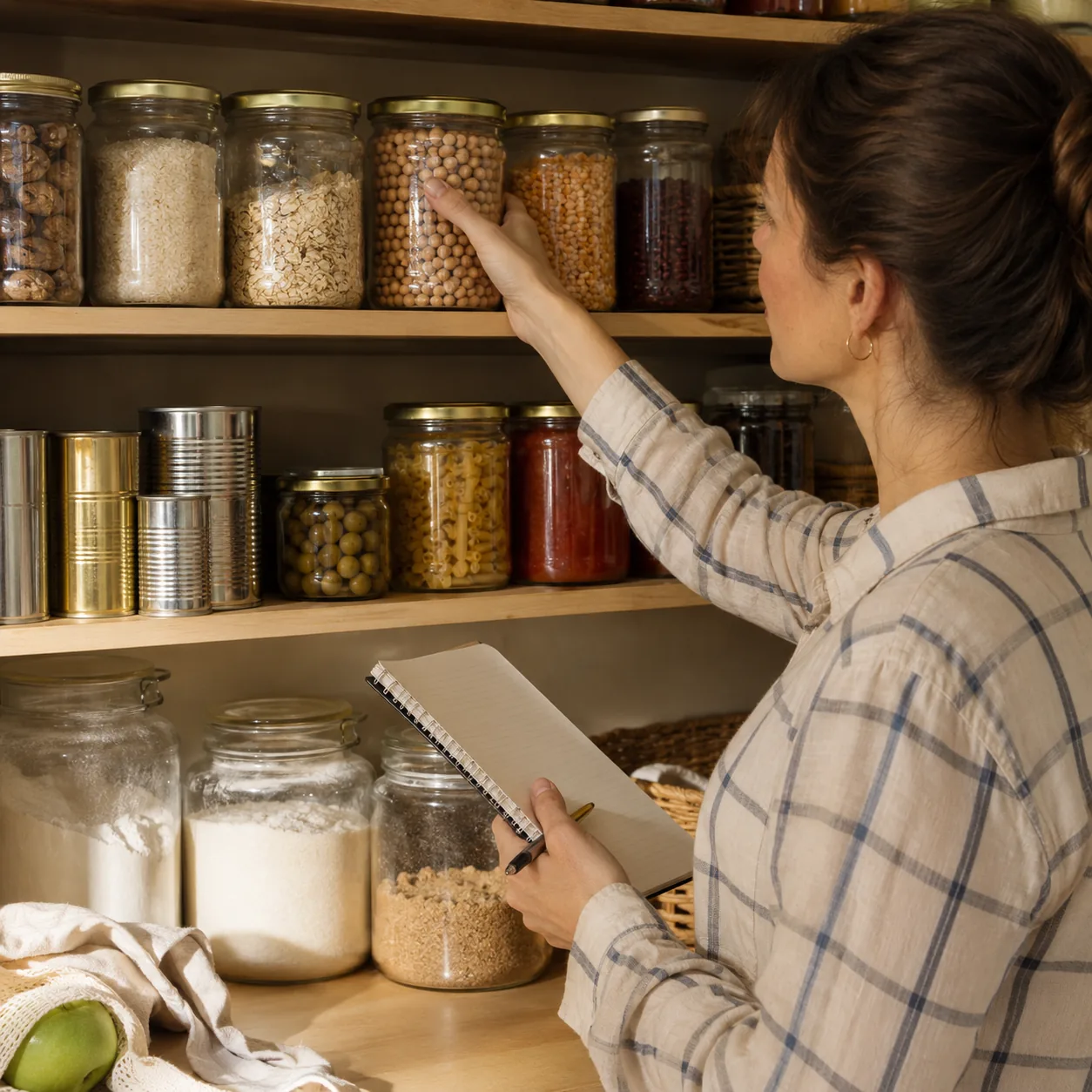
Inventory first: Grandma looked at flour, beans, rice, potatoes, canned tomatoes, and leftovers before deciding what to buy.
That stopped duplicate purchases and forced older food to the front of the plan. The pantry was not storage for forgotten good intentions. It was the first place dinner came from.
Modern budgeting apps try to recreate this habit. Grandma did it by opening the cupboard.
12. Cooked Once for Two Uses
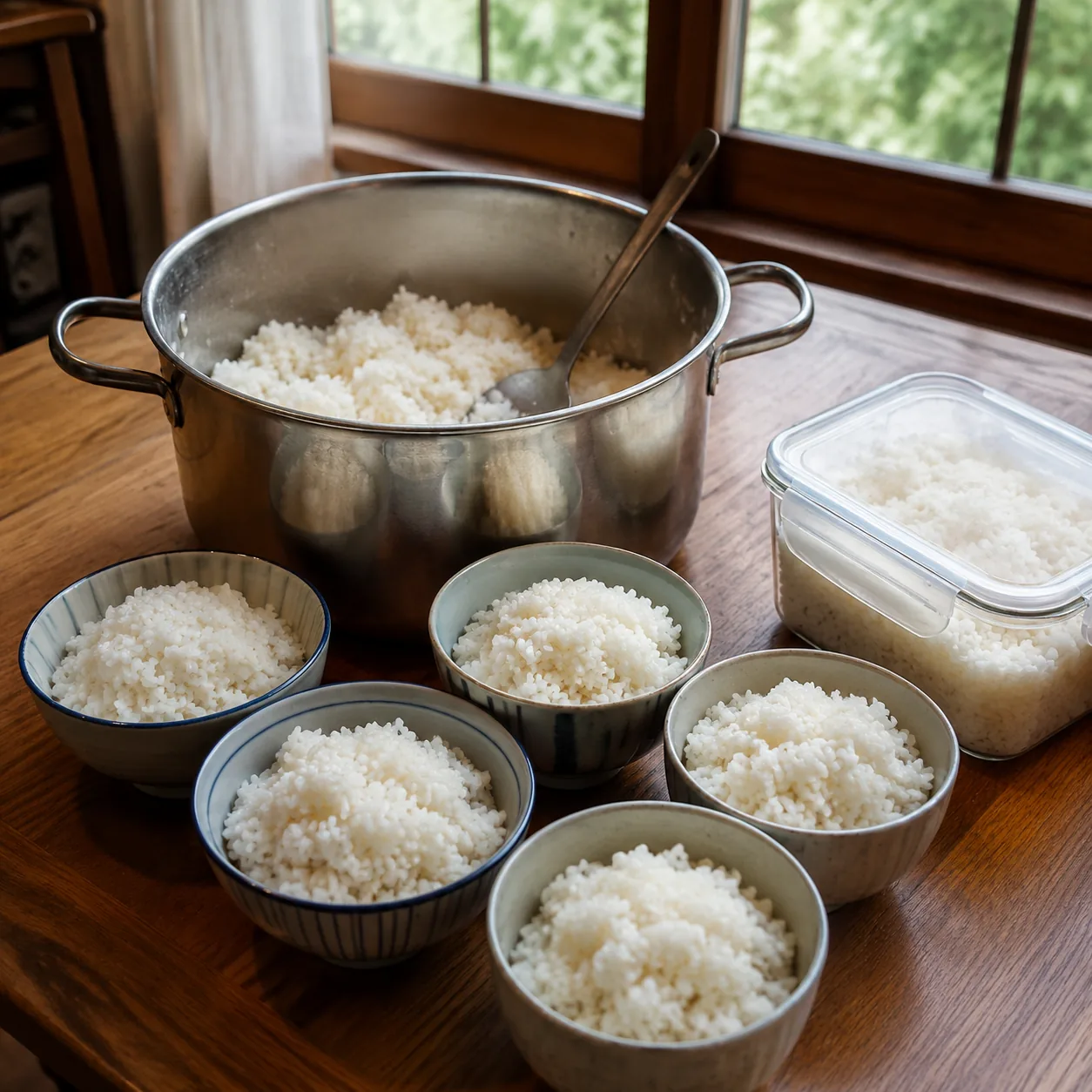
Planned overlap: Grandma cooked extra rice, beans, potatoes, or chicken with the next meal already in mind.
This was different from accidental leftovers. Plain rice could become pudding, fried rice, soup filler, or stuffed peppers. Boiled potatoes could become hash or potato cakes.
The savings came from direction. Food stretches better when its second use is planned before the first serving starts.
11. Used Cabbage as a Budget Vegetable
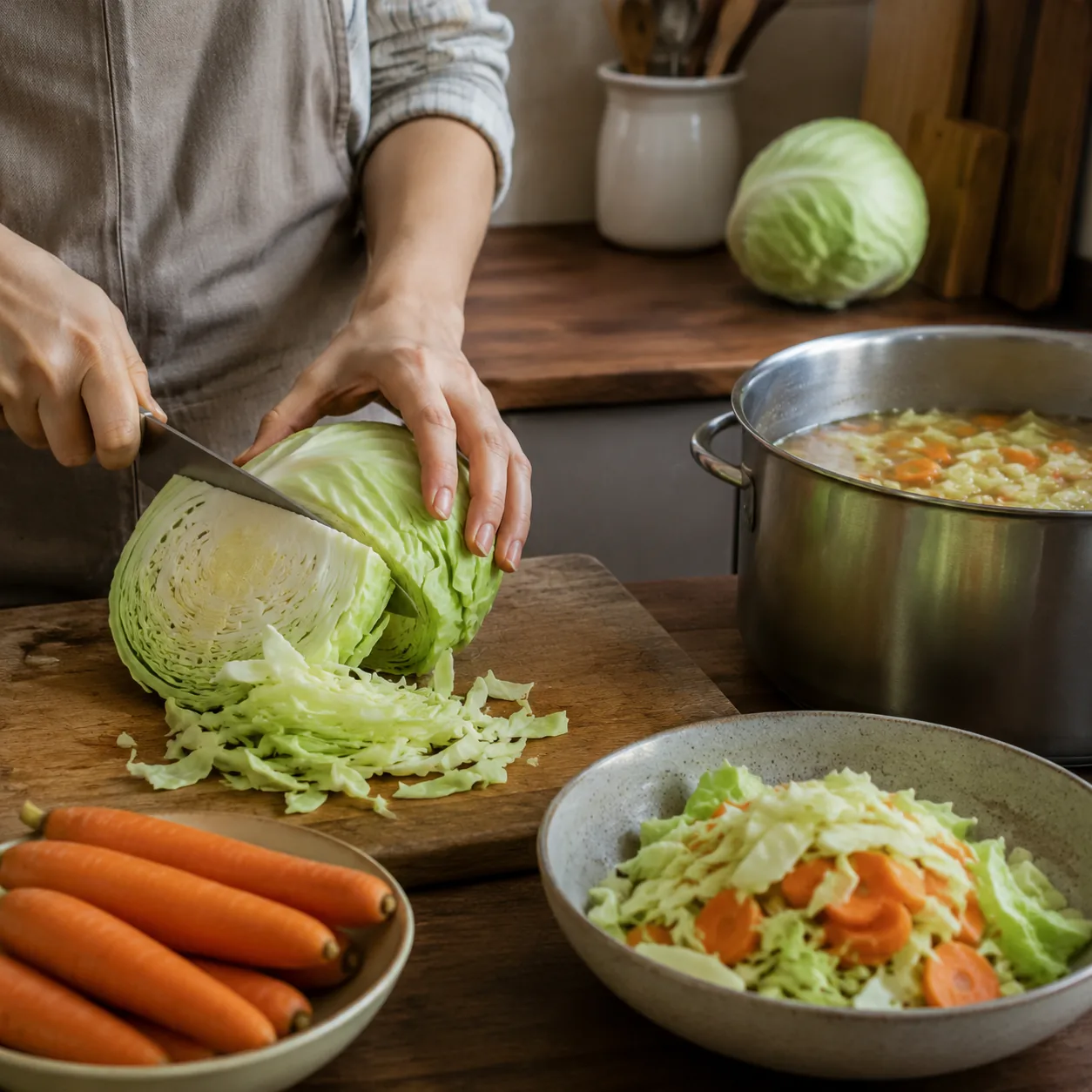
Cheap and durable: Cabbage lasted longer than delicate greens and fed more people.
Grandma fried it, boiled it, added it to soup, made slaw, stuffed the leaves, or cooked it with noodles. It could be fresh, soft, sharp, or sweet depending on preparation.
That range mattered. One affordable vegetable could behave like several different sides across the week.
10. Kept Dessert Simple
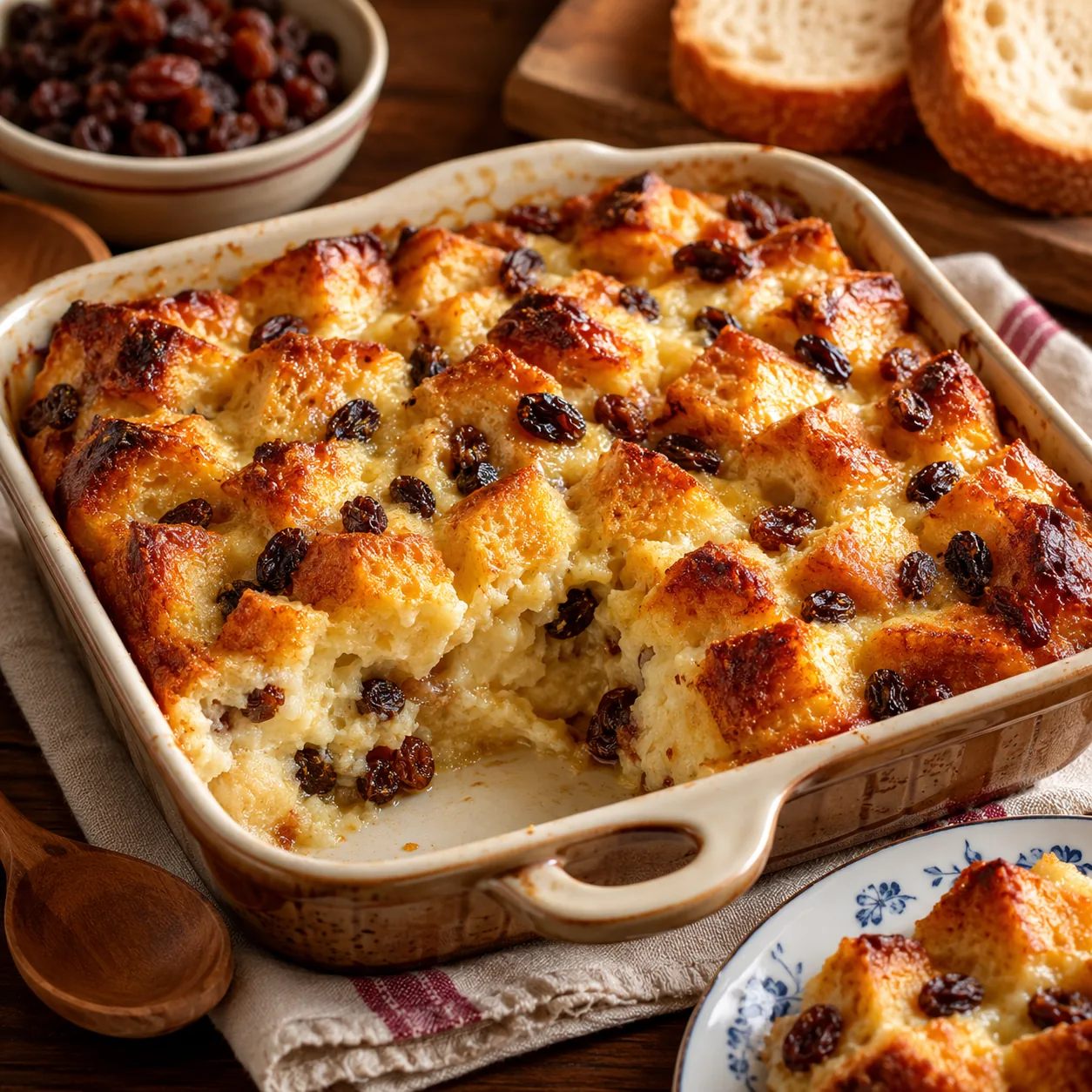
Sweet did not mean expensive: Bread pudding, rice pudding, baked apples, custard, and cobbler used basic ingredients.
Grandma made desserts that absorbed leftovers and seasonal fruit instead of requiring specialty groceries. A little cinnamon or vanilla made simple food feel cared for.
The habit helped the budget because treats did not require a separate shopping trip. Dessert came from what the kitchen already had.
9. Packed Lunch From Supper
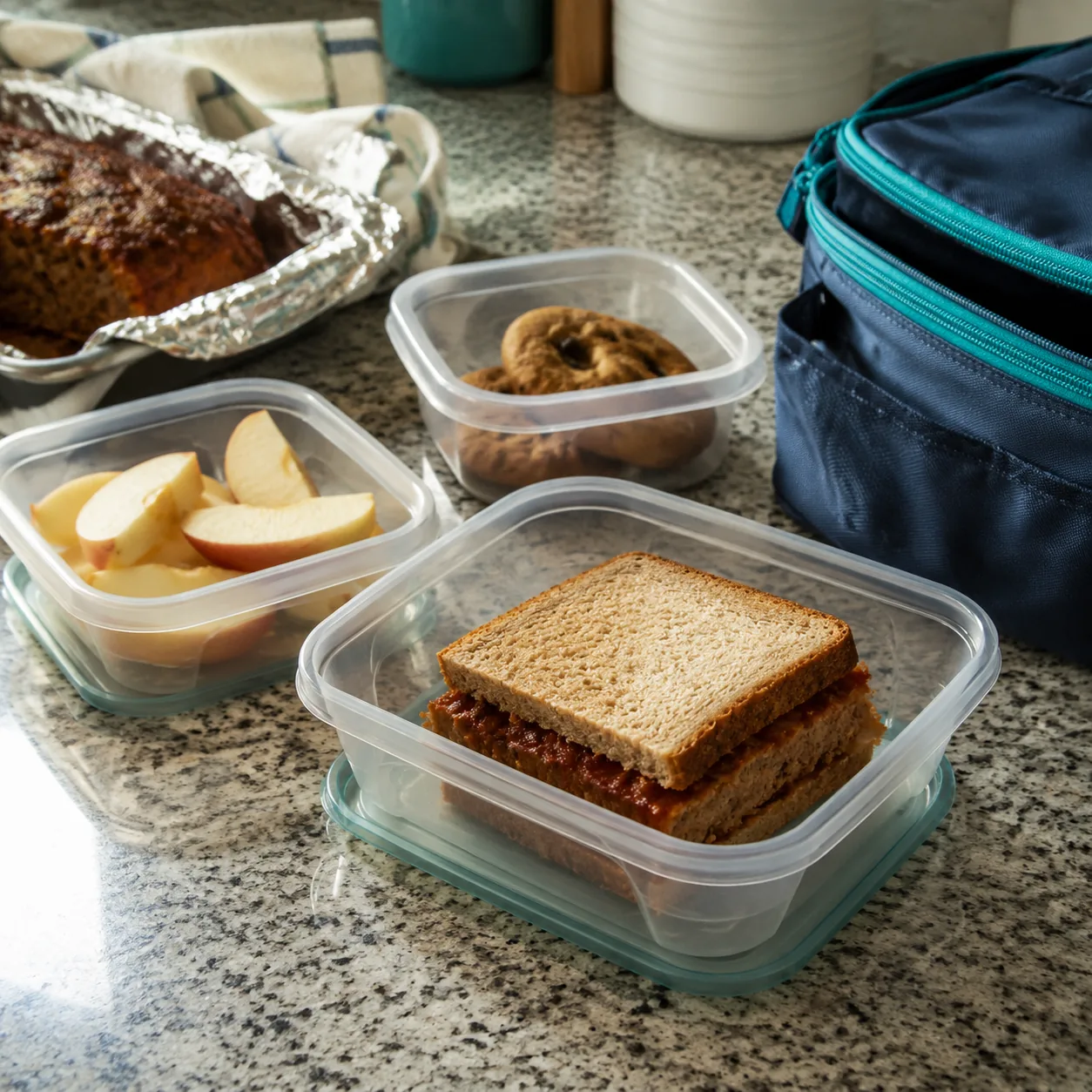
Tomorrow was included: Supper portions were planned with lunch in mind.
Cold meatloaf, boiled eggs, leftover chicken, biscuits, apples, cookies, and soup in a thermos kept people out of lunch counters and vending machines. Grandma knew bought lunches drained grocery money twice.
Packing lunch also protected leftovers from drifting forgotten into the back of the refrigerator. Food had an assignment before it cooled.
8. Made Meatless Meals Normal

No apology needed: Beans, eggs, potatoes, macaroni, vegetable soup, pancakes, and cheese toast could all be dinner.
Grandma did not always announce meatless meals as a lifestyle choice. Sometimes they were simply Tuesday. The table still had hot food and enough of it.
That normalcy matters. A budget stretches further when every meal does not have to prove itself with meat.
It also reflects the quieter household standards in 33 Old-School Family Rules That Actually Made Kids More Independent.
7. Used Powdered and Evaporated Milk
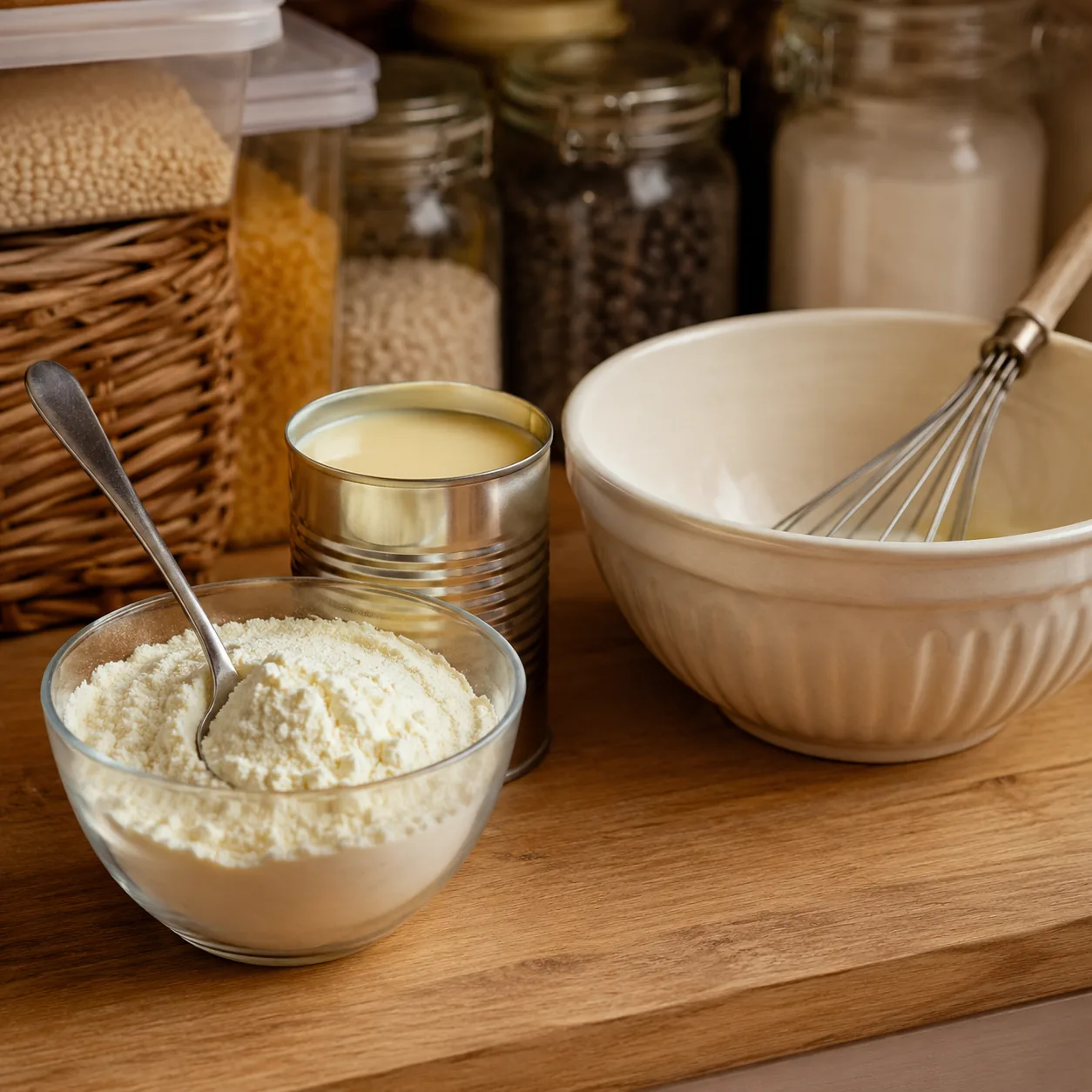
Fresh milk got protected: Powdered and evaporated milk handled cooking when fresh milk needed to last.
Grandma used them in bread, gravy, pudding, cocoa, casseroles, mashed potatoes, and sauces. The flavor blended better inside recipes than in a drinking glass.
This was quiet allocation. Use the freshest food where people notice most, and use shelf-stable backups where the recipe will forgive them.
6. Bought Seasonal Produce in Bulk
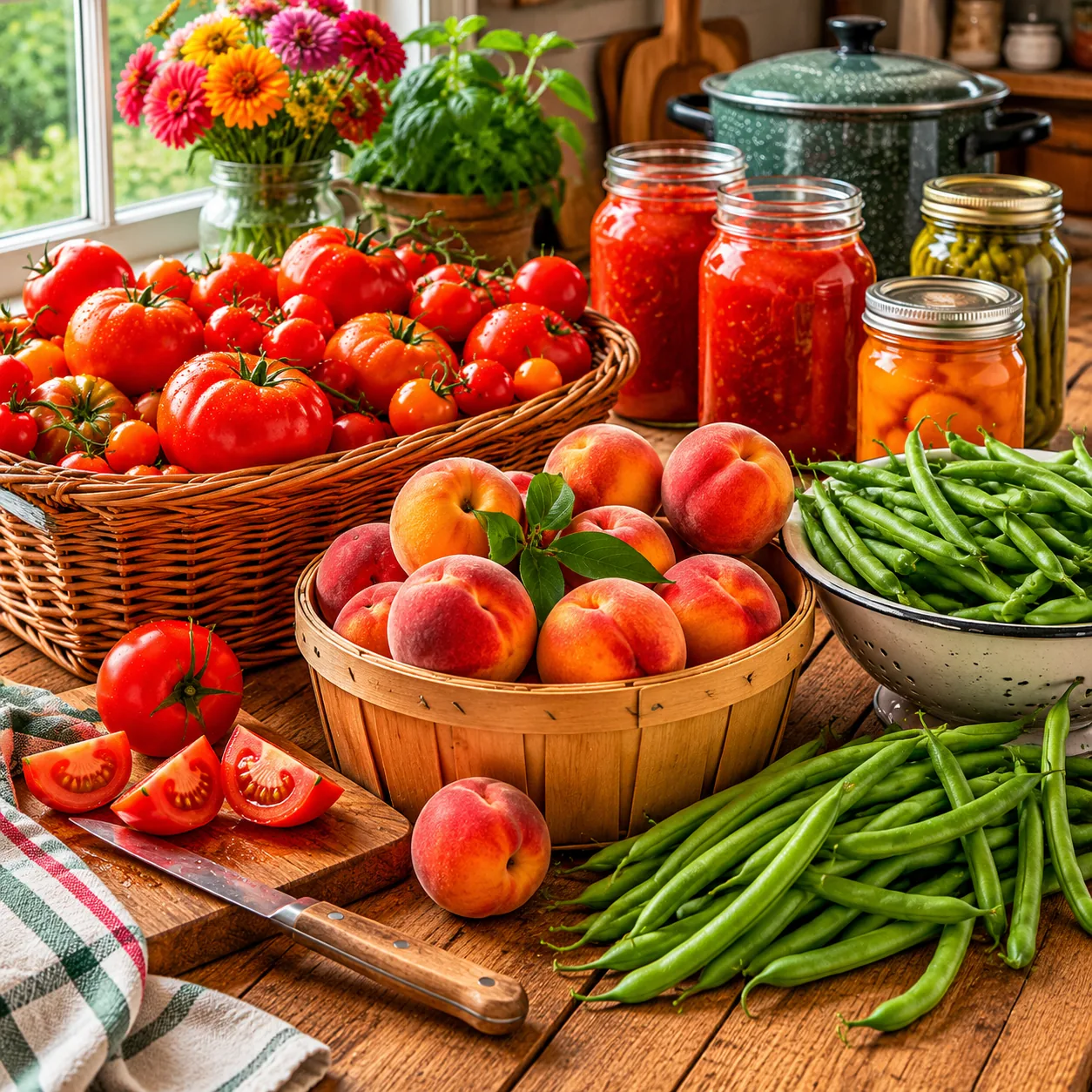
Cheap at the right moment: Grandma bought or picked produce when it was abundant, then preserved what the family could not eat.
Canning, freezing, drying, pickling, and jam-making turned short seasonal bargains into winter food. It took work, but the savings lasted.
The important habit was timing. The cheapest tomato is the one bought when everyone has tomatoes, not when winter recipes start asking for them.
5. Served Breakfast for Dinner

Low-cost comfort: Pancakes, eggs, toast, oatmeal, biscuits, and fried potatoes made dinner without expensive ingredients.
Breakfast foods were familiar, fast, and flexible. A little syrup, gravy, jam, or leftover ham changed the whole mood.
Grandma used this move when time and money were both short. Nobody complained much because breakfast for dinner felt like a treat, even when it was really budget work.
4. Made One Expensive Ingredient the Accent

Flavor, not bulk: Bacon, cheese, ham, sausage, or nuts were often used as accents instead of main portions.
Grandma crumbled bacon into beans, grated cheese over potatoes, or diced ham into soup. The taste spread through the dish while the cost stayed controlled.
This trick still works. Strong ingredients are often better used widely and lightly than piled heavily on one plate.
3. Kept a Reliable Baking Shelf

Flour solved problems: A baking shelf meant biscuits, pancakes, bread, dumplings, muffins, and cobblers were always possible.
Grandma did not need a mix for every outcome. Flour, leavening, fat, salt, and liquid could go several directions depending on the meal.
That flexibility stretched groceries because bread products filled plates cheaply. They also made thin soups, small eggs, and leftover gravy feel like enough.
2. Put the Oldest Food in Front

Rotation prevented waste: Grandma used the older can, older flour, older potatoes, and older leftovers first.
This sounds obvious until a modern pantry proves otherwise. Food hides behind newer purchases, expires quietly, and becomes expensive guilt.
Her system was simple because it had to be. Bring the old forward, cook from what is aging, and only then open the new.
1. Taught Everyone Not to Waste the Last Bite
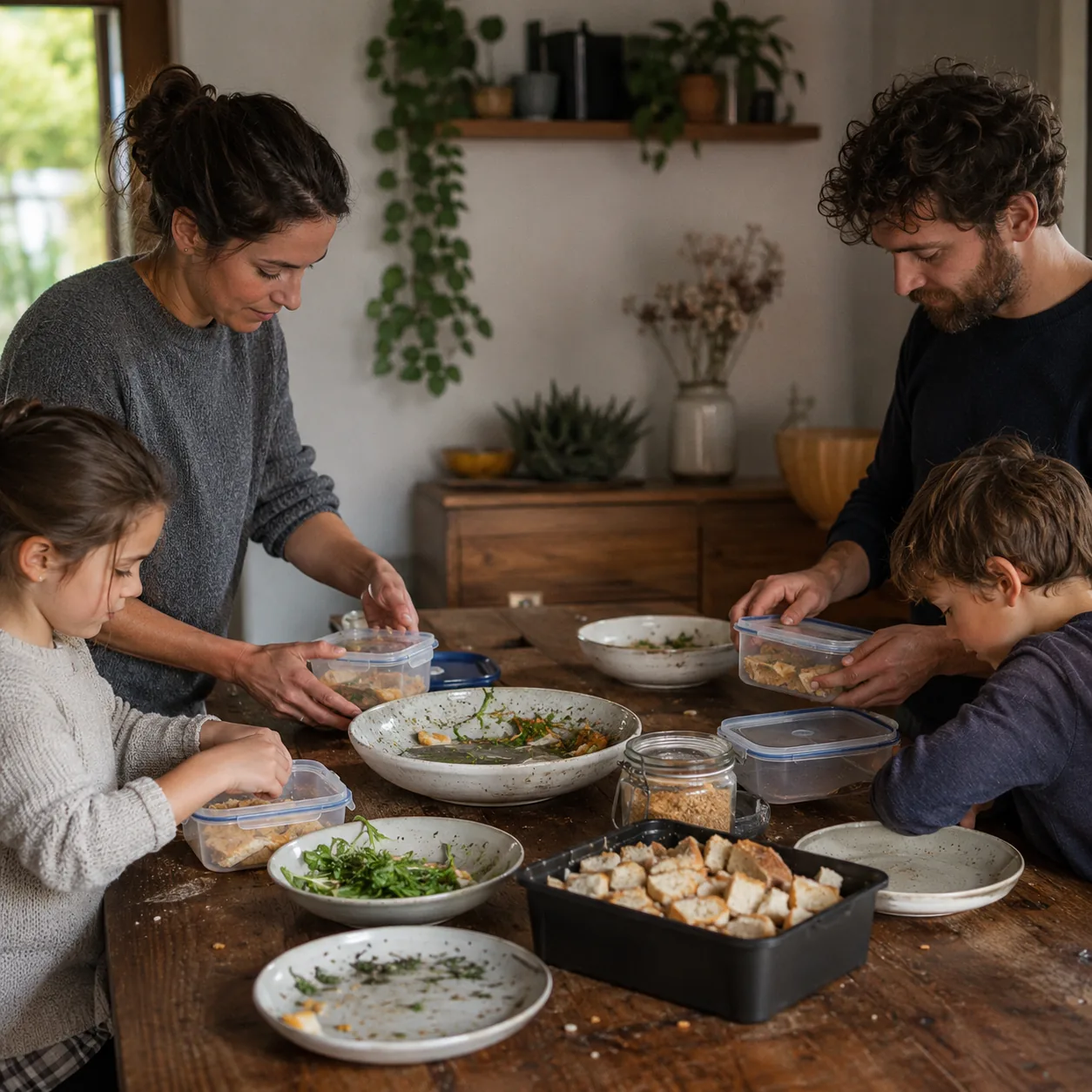
Household culture: Stretching groceries worked because everyone understood the rule.
Children finished reasonable portions, leftovers were saved, bread ends had a use, and nobody opened something new while something older needed eating. Grandma did not make waste feel clever or harmless.
That culture was the real budget. Techniques helped, but the deeper habit was respect: for money, labor, food, and the person who had to make dinner again tomorrow.