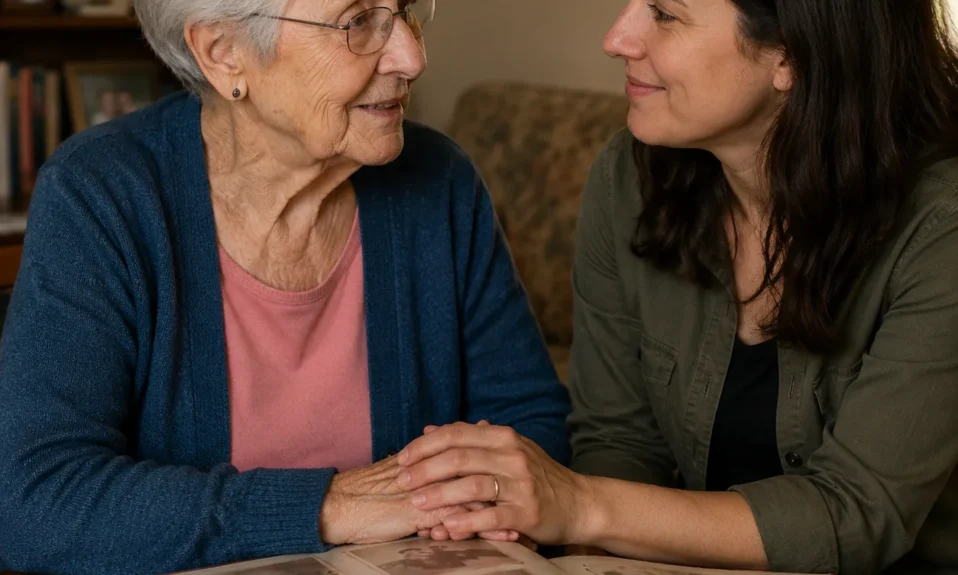
Family stories disappear faster than people expect.
These questions help you save the details while there is still time.
31. What Was Your Childhood Home Really Like?
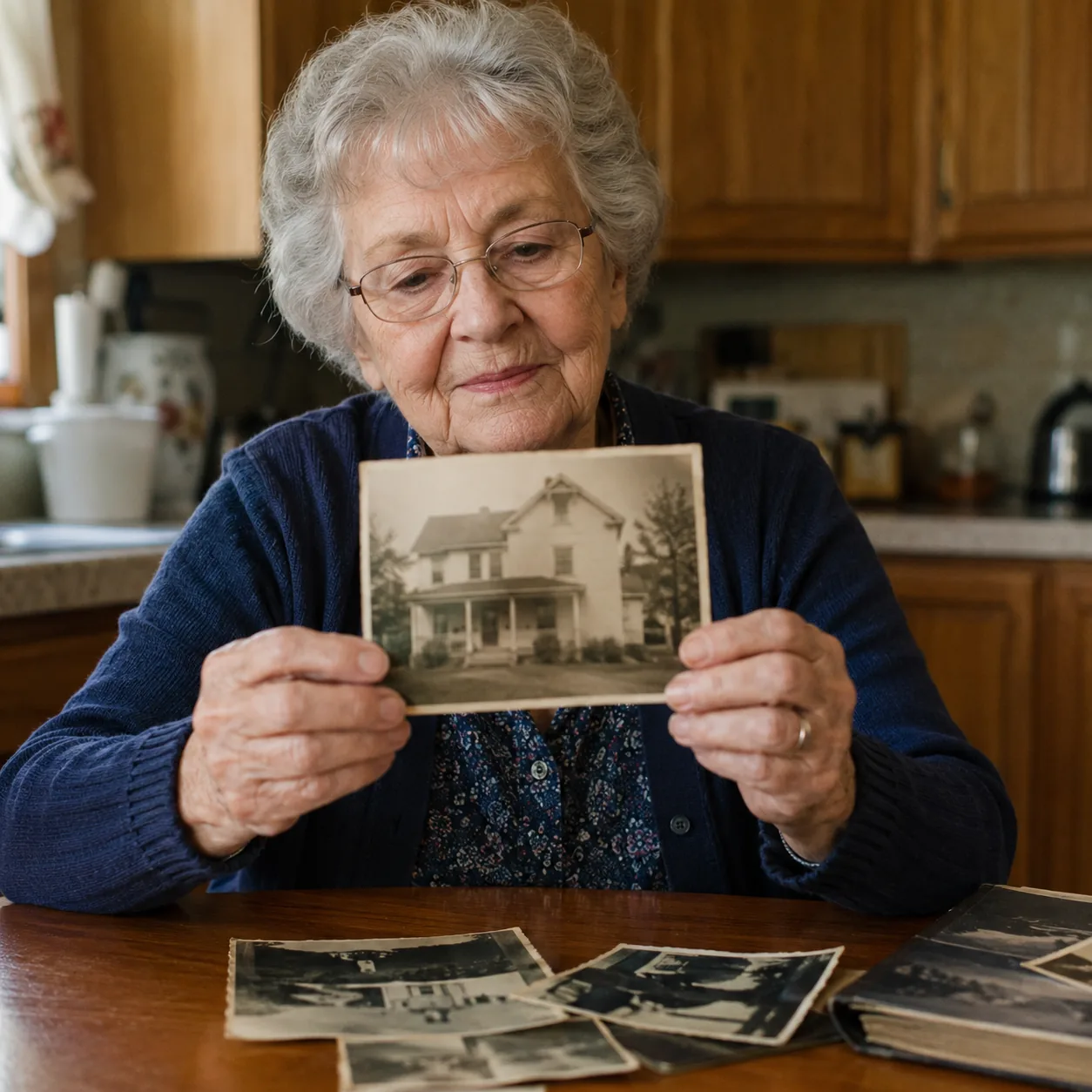
Start with the room. Ask what the house smelled like, where everyone slept, and which room felt safest.
Those details make the story useful later. A street name is nice, but the creaky stairs, shared bedroom, and winter window drafts help younger relatives picture the life behind the address.
Follow up by asking who visited most often and what changed first when the family finally had a little more money.
30. Who Was The Strictest Person In Your House?
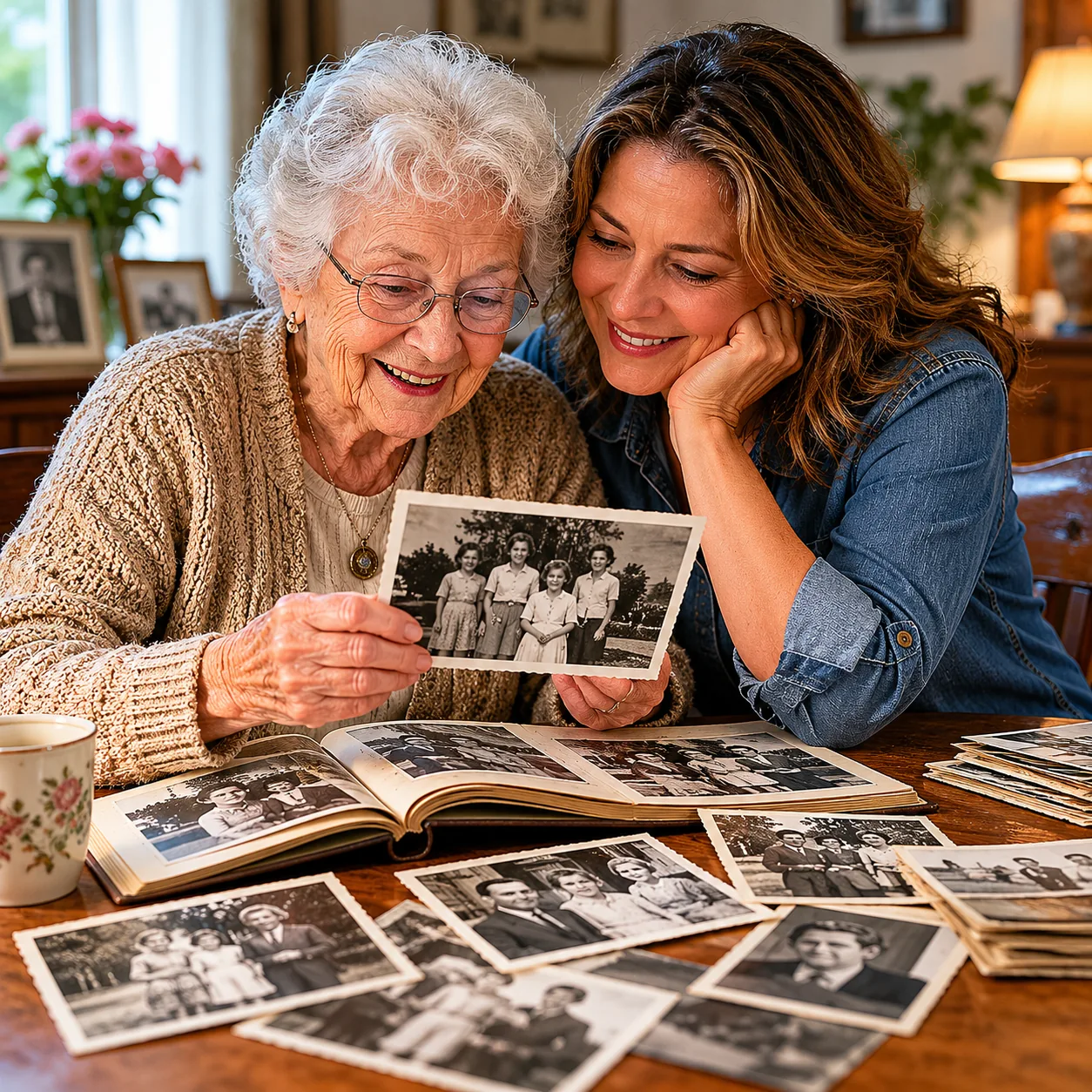
Ask about the rule keeper. Every family had someone who decided bedtime, chores, manners, and what counted as disrespect.
This question often opens better stories than asking about rules directly. You may learn who was feared, who was secretly soft, and which discipline was actually about keeping children safe.
Ask for one rule that felt unfair then, because that answer usually explains the values the household was trying to protect.
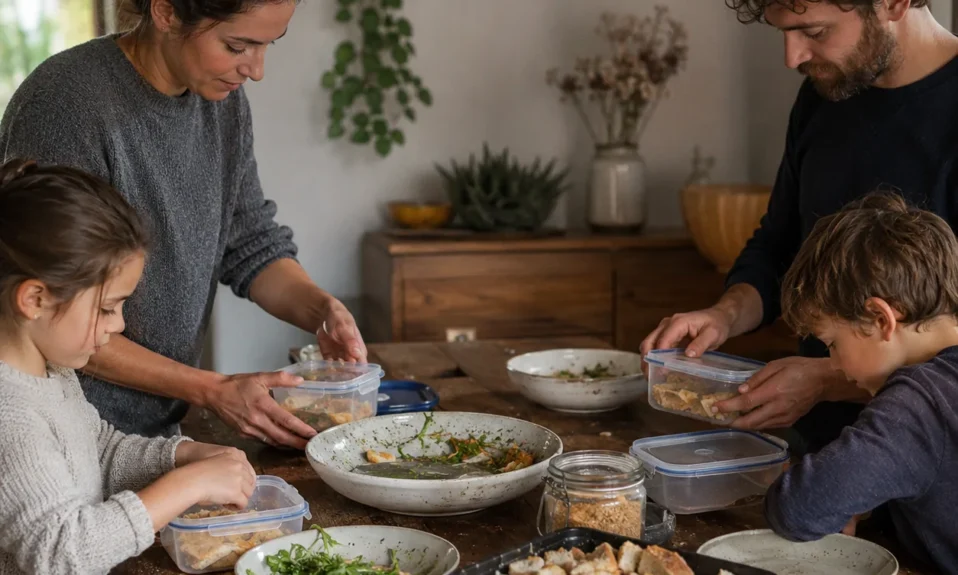
29. What Did Your Family Eat When Money Was Tight?

Food reveals pressure. Ask what appeared on the table at the end of a hard week.
You may hear about beans, soup bones, fried potatoes, stale bread, or one roast stretched into three meals. Recipes matter, but the real value is learning how your family turned scarcity into routine.
If they mention a dish, ask who cooked it best and whether anyone still knows the exact method.
28. What Was Your First Real Job?
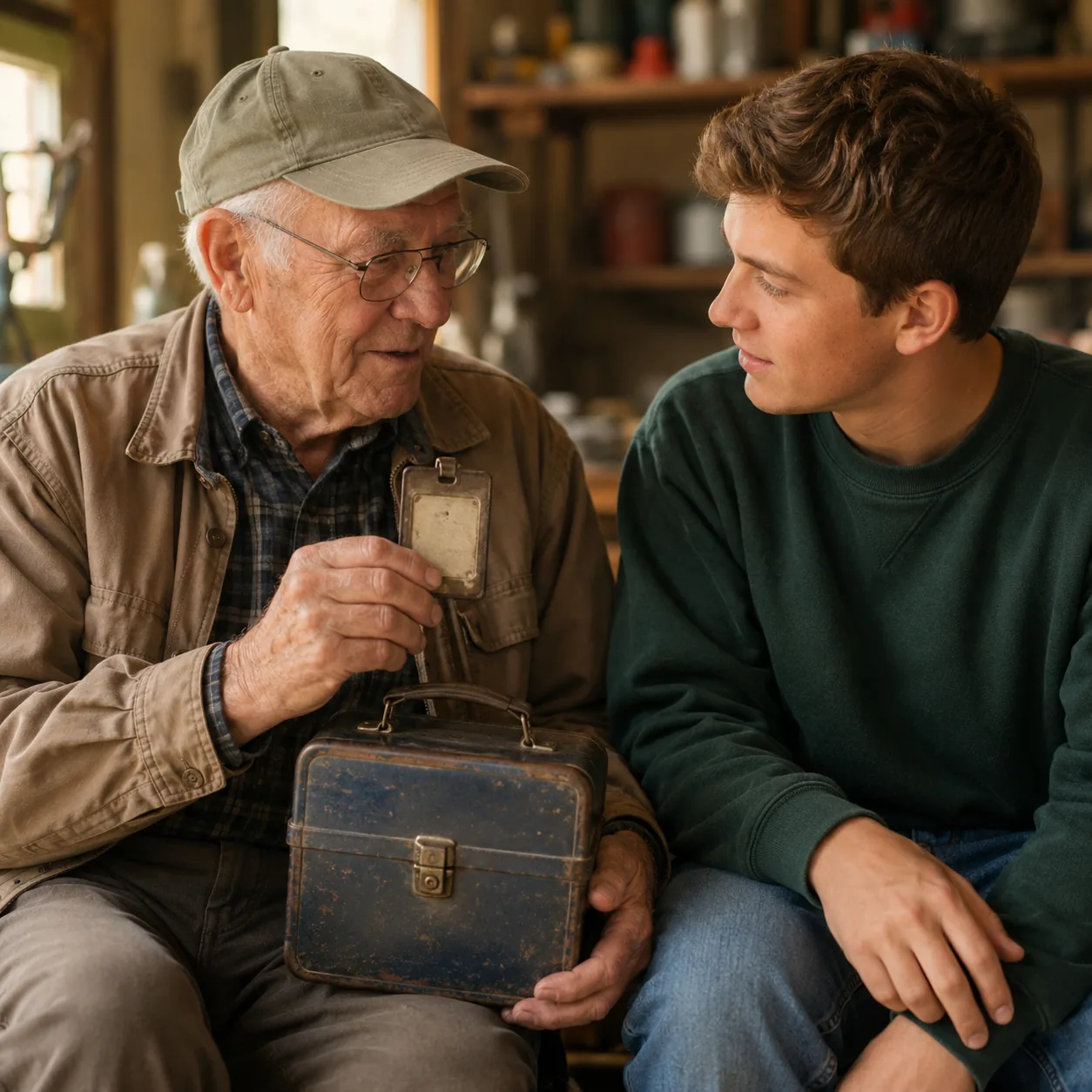
Get the work story. Ask how old they were, what they earned, and who taught them how to act on the job.
First jobs often explain a person’s whole attitude toward money. Listen for pride, embarrassment, danger, boredom, and the moment they realized adults were not always fair.
Ask what they bought with the first paycheck, because that purchase often reveals what felt urgent or precious.
27. What Chore Did You Hate Most?

Chores make childhood concrete. Ask which task felt endless and which one they secretly liked.
This turns family history into something children can understand. Hauling water, ironing pillowcases, sweeping steps, or feeding animals says more about daily life than a polished summary ever could.
If they laugh at the memory, ask who helped and who disappeared whenever that chore came around.
26. What Did Your Parents Worry About Most?
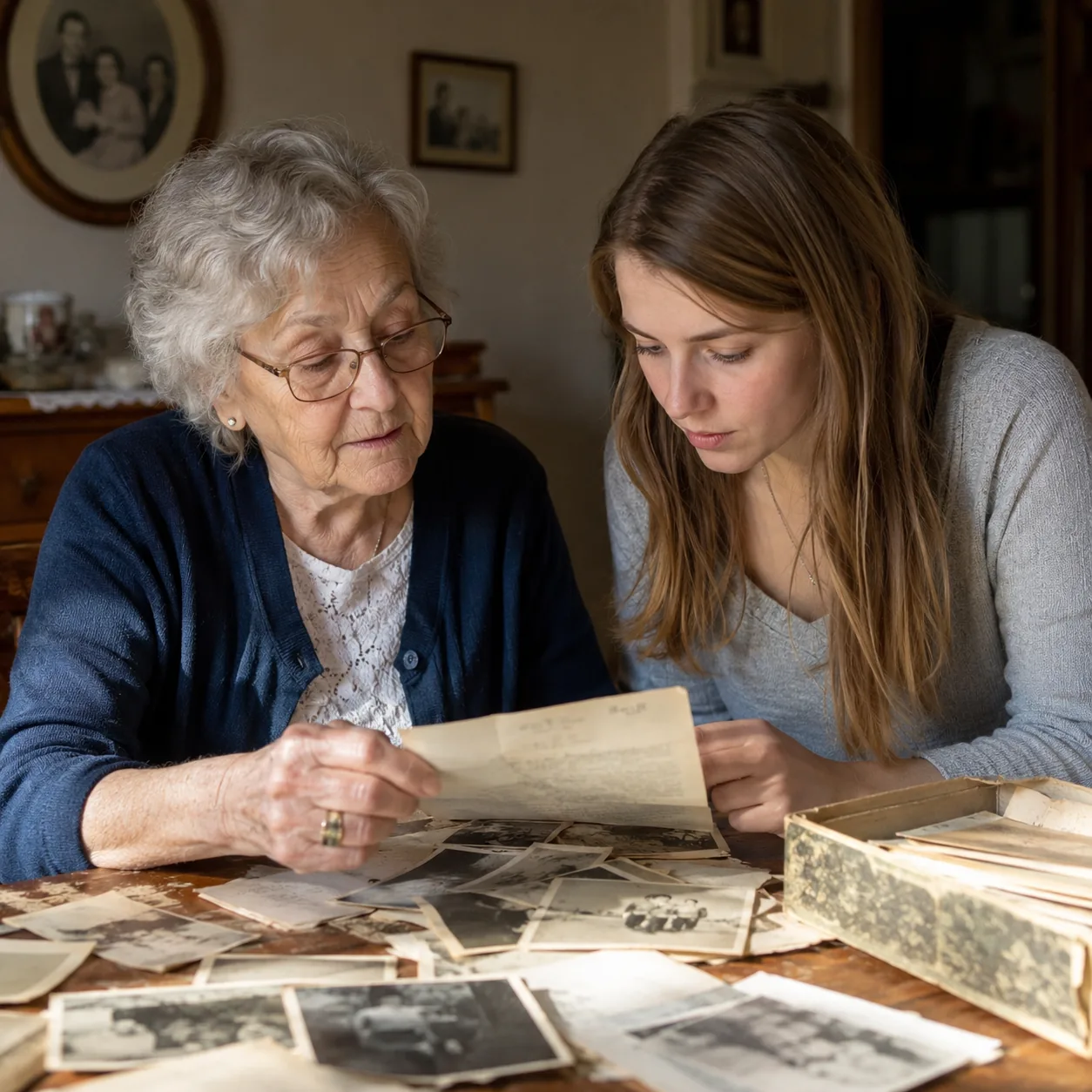
Name the pressure. Ask what kept their parents awake at night.
The answer might be rent, illness, crops, immigration papers, factory layoffs, neighborhood safety, or children growing up too fast. This helps younger relatives understand the invisible weight older generations carried without announcing it.
Knowing the worry also makes old family decisions feel less random and more human.
25. What Family Story Did Everyone Tell Again And Again?
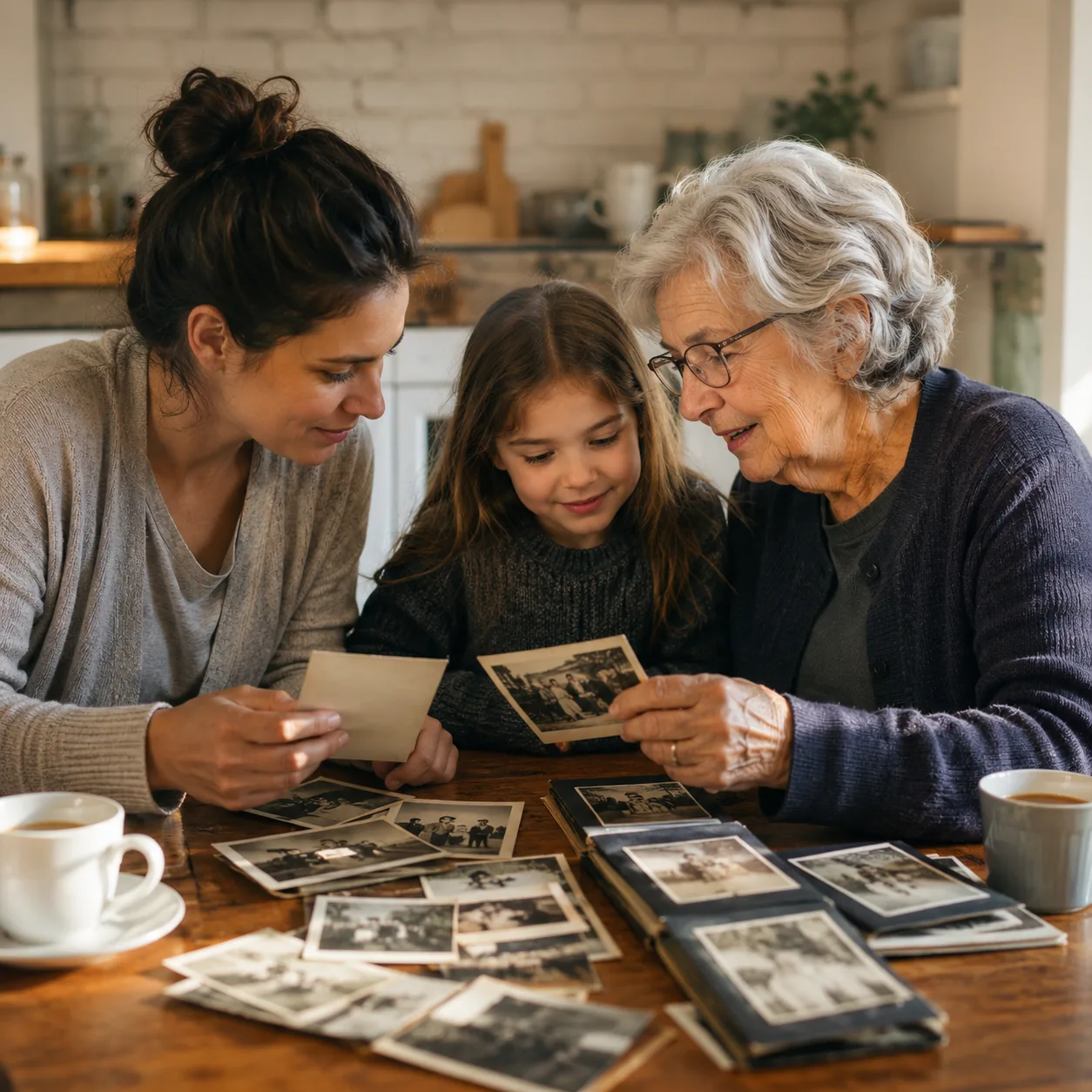
Capture the repeated tale. Ask for the story that came out at holidays, weddings, or whenever company stayed too long.
Repeated stories often carry the family’s unofficial values. They show what people thought was brave, foolish, funny, shameful, or worth remembering for another generation.
Ask whether the story changed over time, because the changes can reveal what the family wanted to forgive or emphasize.
24. Who In The Family Was Misunderstood?
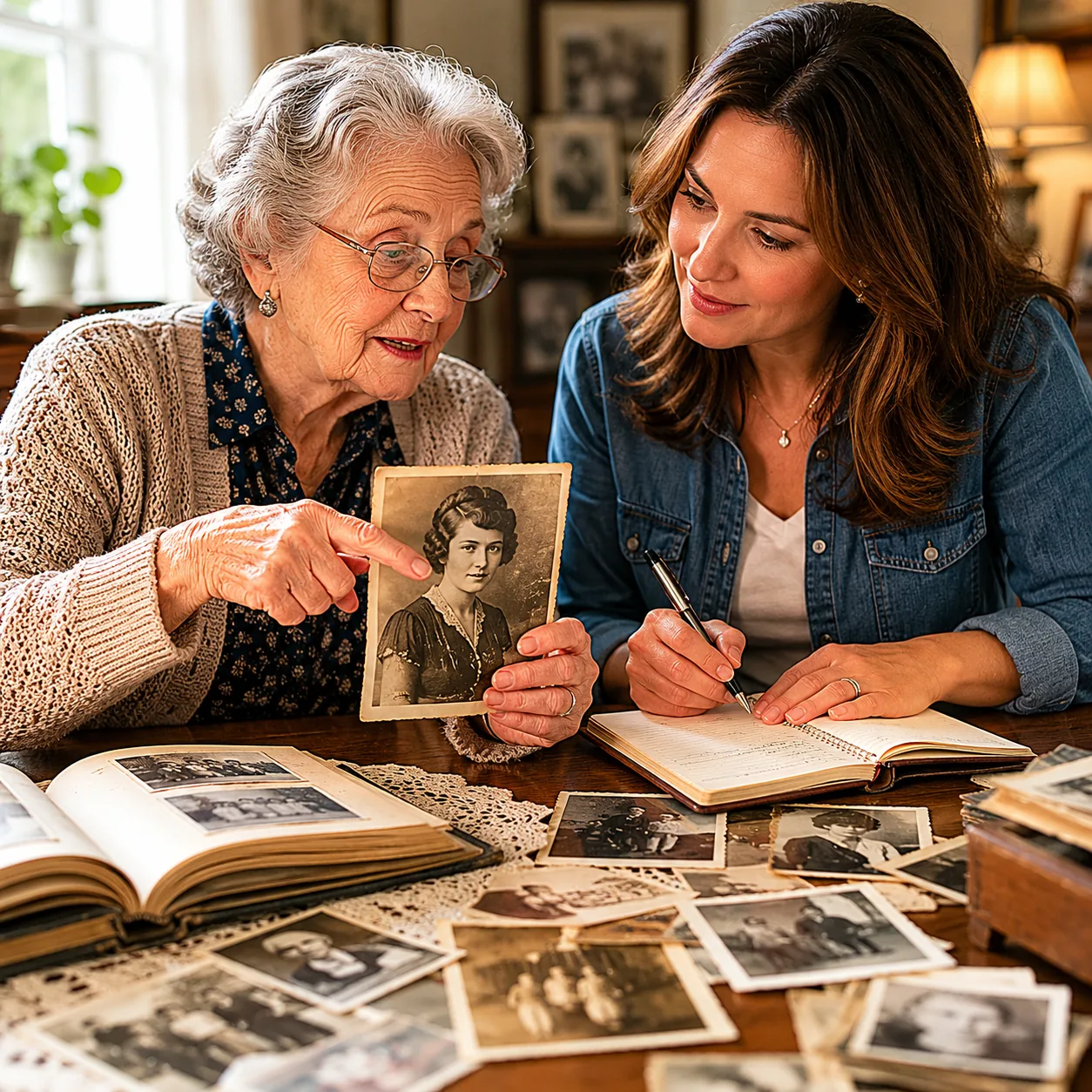
Ask gently. Every family has someone who became a label instead of a full person.
This question can bring compassion back into the record. Maybe the difficult aunt was grieving, the quiet uncle was shy, or the cousin everyone judged was carrying more than people knew.
It can also help younger relatives stop inheriting old judgments without understanding where they came from.
23. What Did You Do For Fun Before Screens?
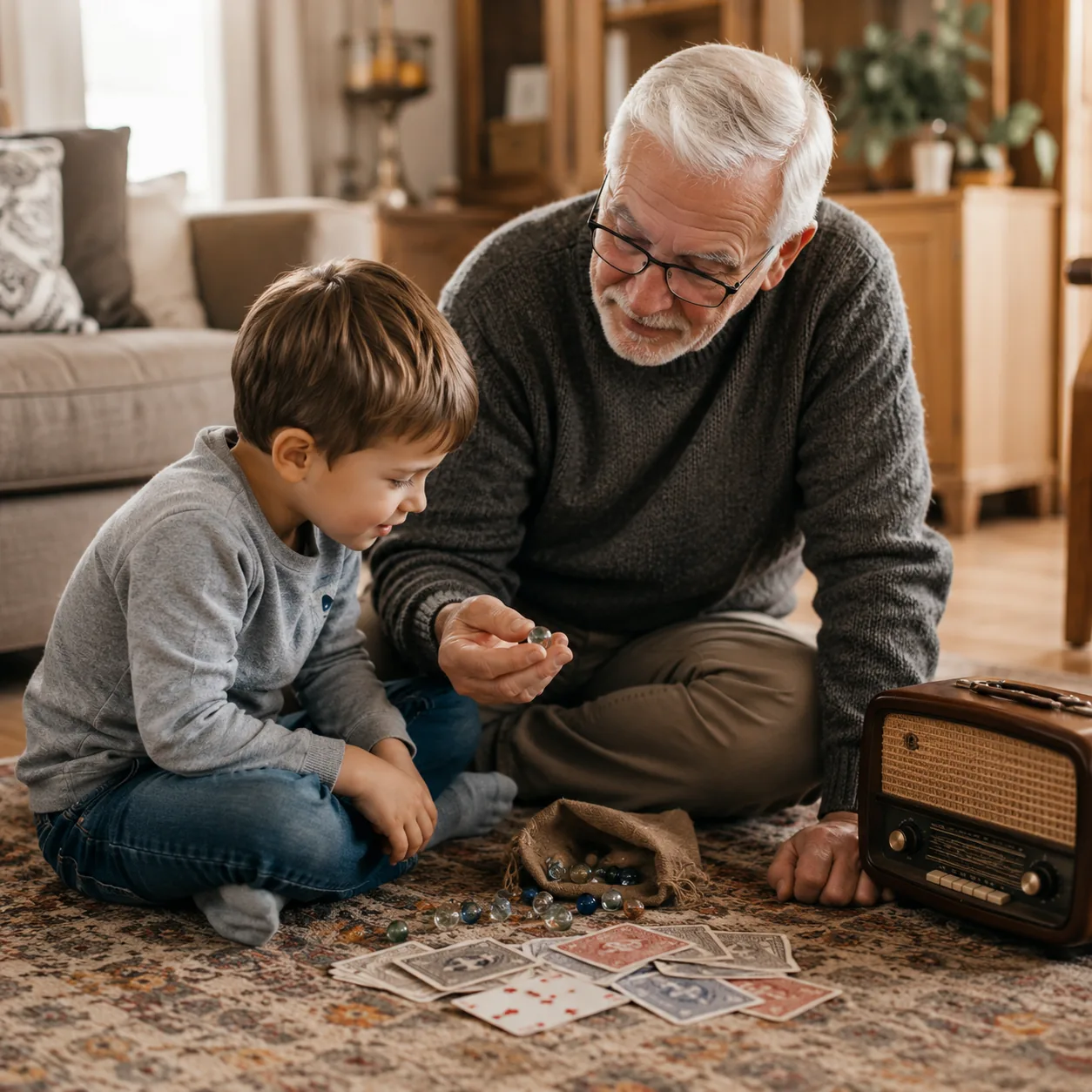
Look for ordinary joy. Ask how kids filled a long summer afternoon with no phone, no streaming, and no quick ride across town.
You may hear about stoop games, swimming holes, library cards, radio programs, bike rides, or simply walking until somebody called everyone home for dinner.
Ask who organized the fun, because childhood leaders often become the relatives everyone still remembers.
22. What Was The Hardest Lesson You Learned Young?
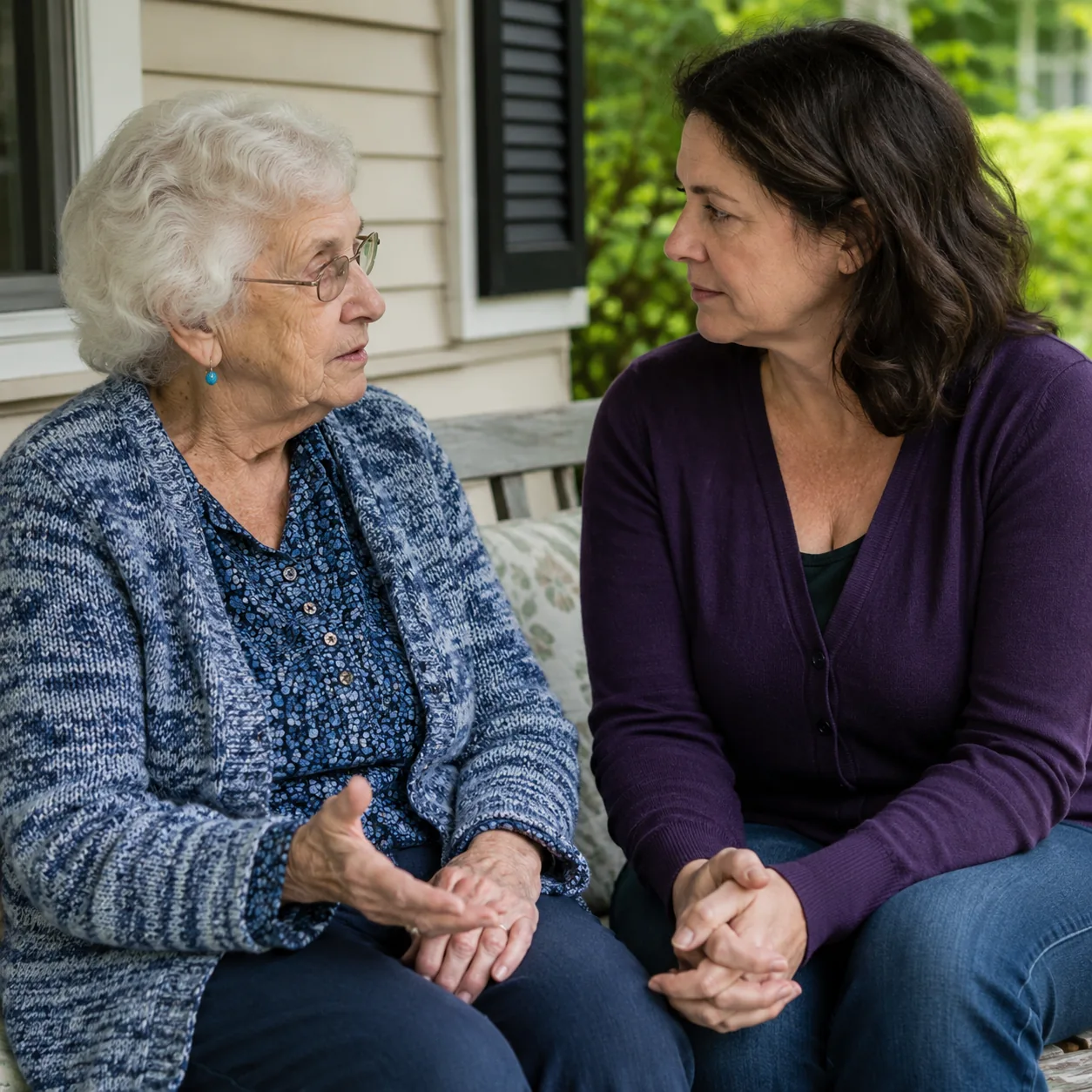
Let the answer breathe. This is not small talk, so do not rush to fill the silence.
Grandparents may talk about betrayal, poverty, grief, prejudice, marriage, work, or a mistake that shaped them. The lesson matters, but so does how they made peace with it.
If the answer gets heavy, thank them directly instead of turning the moment into another question.
21. What Did Your Father Or Grandfather Know How To Fix?
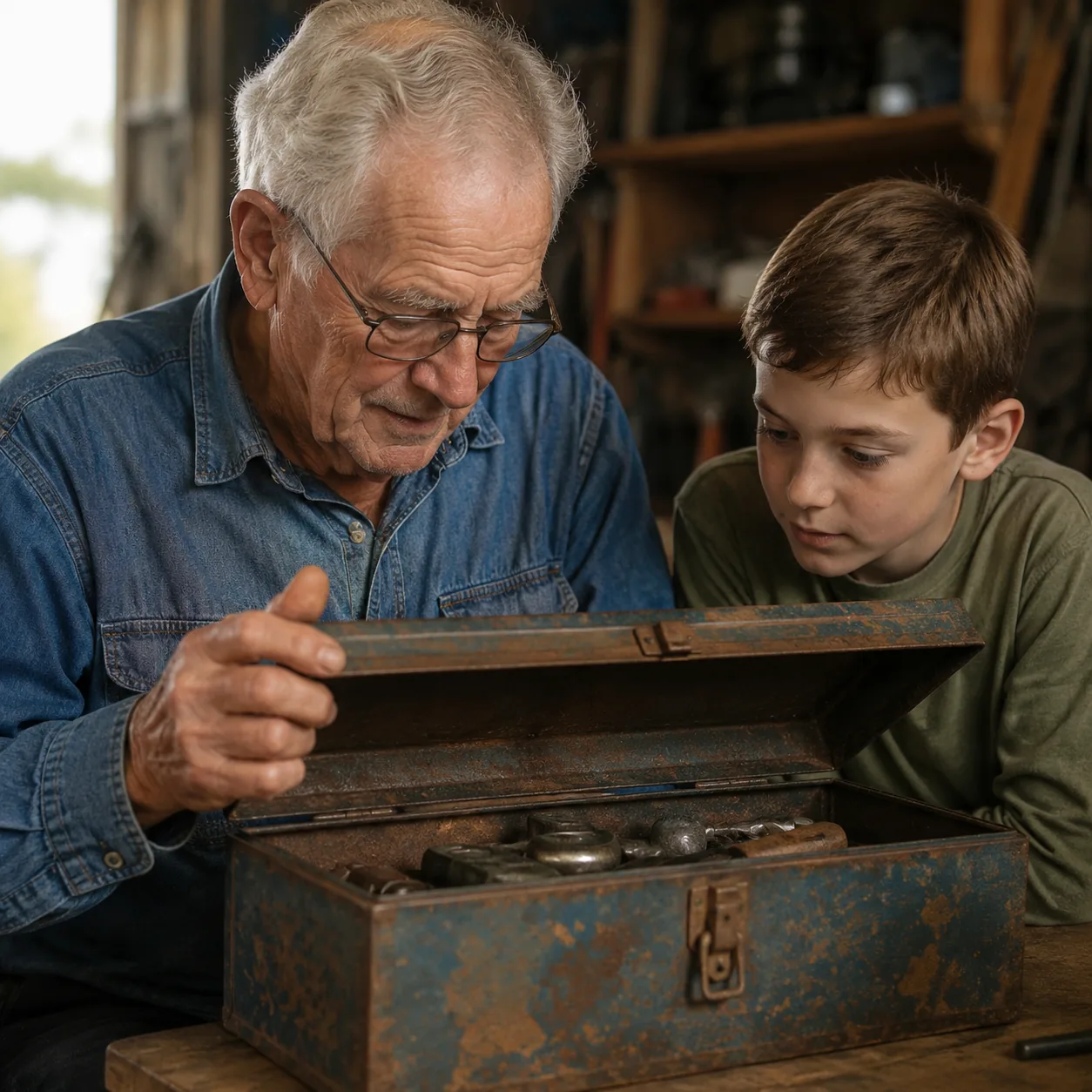
Ask about useful hands. Repairs reveal thrift, patience, and the skills people expected adults to have.
If the answer turns into stories about patched screens, sharpened mower blades, or a radio that never quite died, it pairs naturally with 33 Things Grandpa Fixed Instead of Throwing Away.
Ask which repair they wish younger people still knew, because that answer can become a practical family lesson.
20. Which Holiday Tradition Meant The Most?

Do not stop at the holiday name. Ask who cooked, who arrived late, who argued, and which small ritual made the day feel official.
Traditions are often built from tiny repeated acts. The same serving bowl, porch light, hymn, card table, or dessert can hold more memory than the big event.
Write down who was responsible for each ritual, since traditions often fade when the keeper is gone.
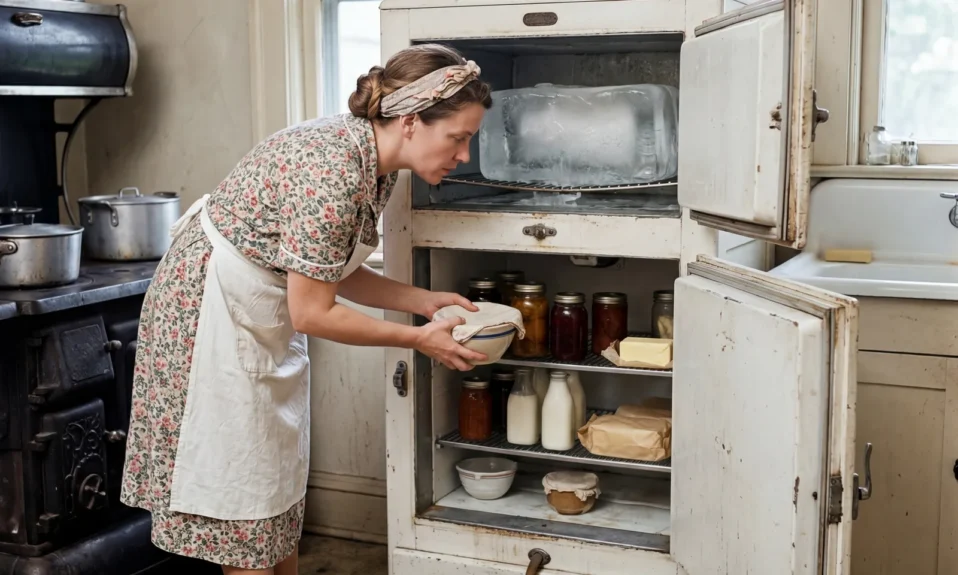
19. What Did Your Mother Or Grandmother Always Keep In The House?
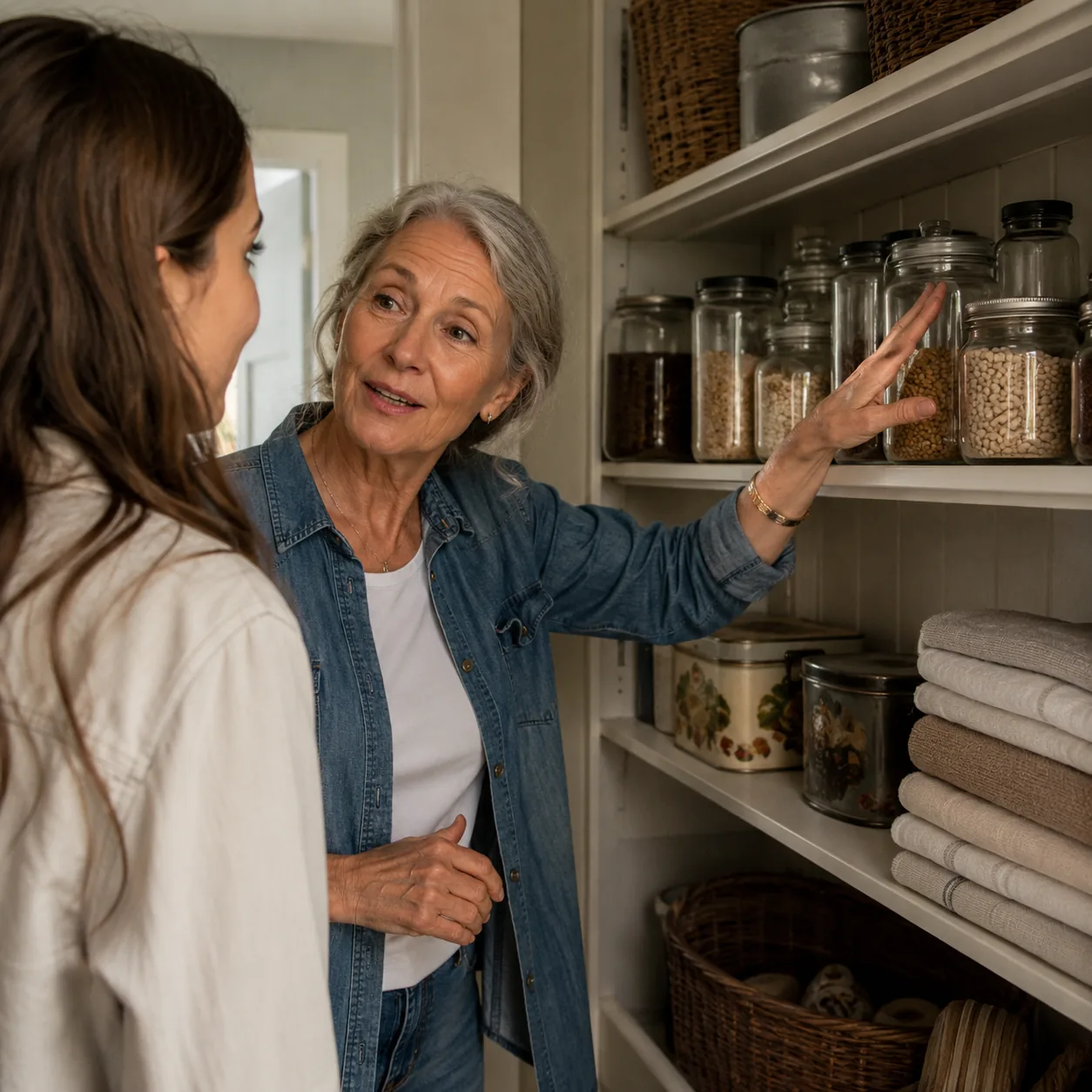
Ask about supplies. What stayed in the pantry, linen closet, medicine cabinet, purse, or freezer because life felt safer with it there?
The list can explain a whole household. Extra flour, cough syrup, safety pins, candles, cash, or coffee often point to the shortages people never forgot.
Ask whether the habit came from childhood, marriage, migration, or one emergency that changed how they stocked a home.
18. What Made Your Grandmother’s House Feel Like Home?
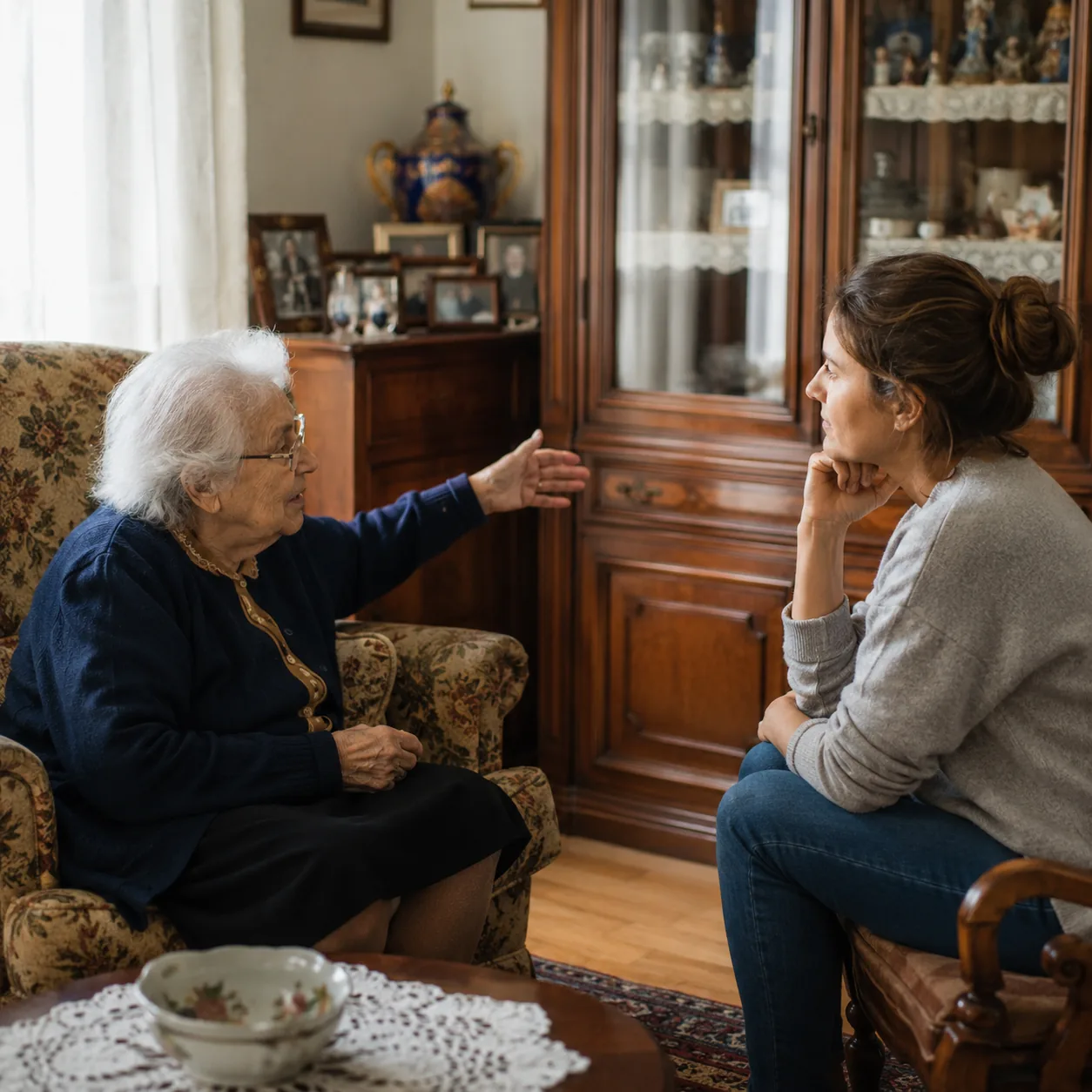
Ask for sensory details. The best answers usually involve smell, sound, texture, and routine.
Maybe it was a ticking clock, a simmering pot, plastic sofa covers, a certain quilt, or the way everyone knew where to sit. Read More: 35 Things That Made Grandma’s House Feel Like Home
Take notes on the sensory details, because they are the easiest parts for future generations to picture.
17. What Was Your Courtship Really Like?
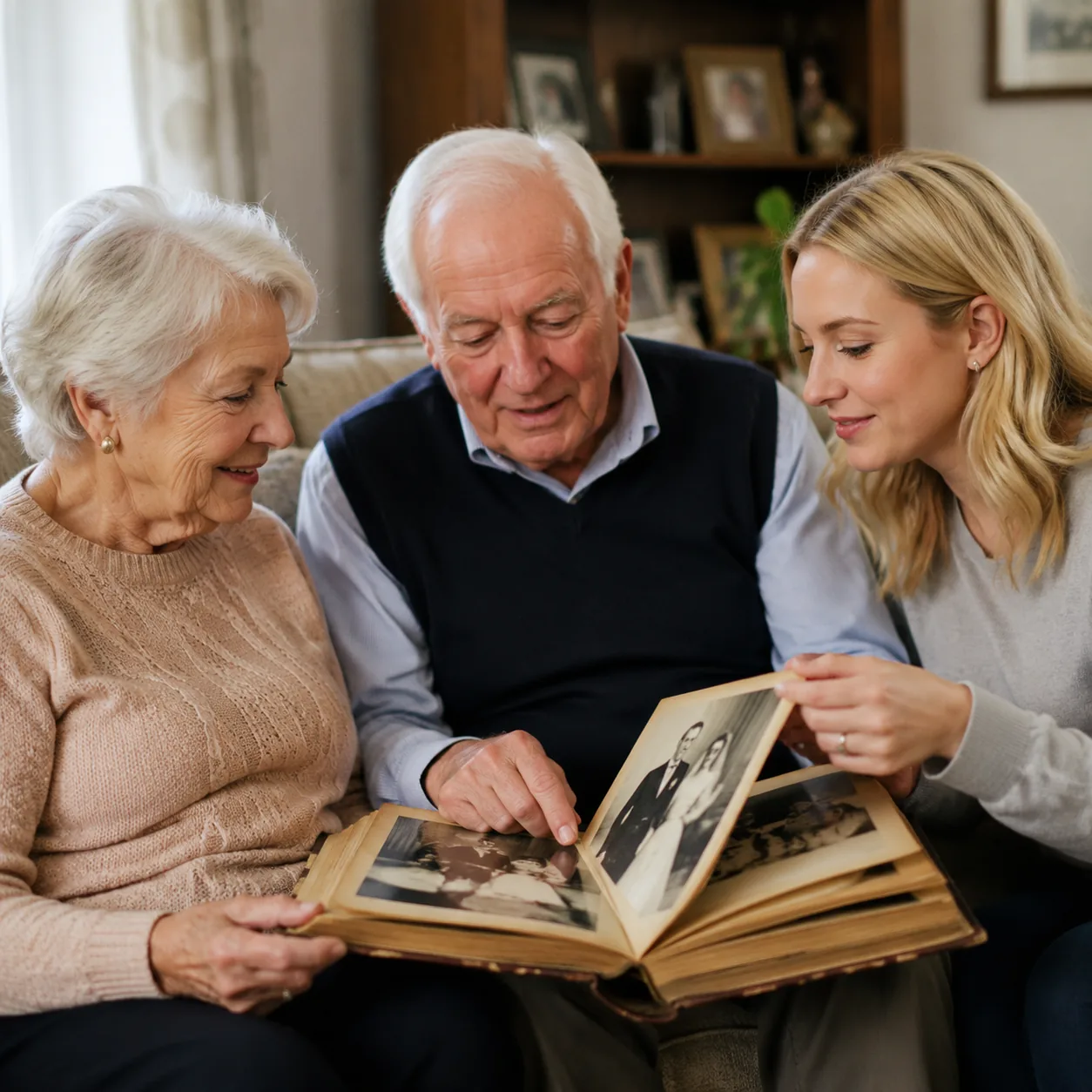
Go beyond the cute version. Ask who introduced them, where they went, what made them nervous, and what almost ended it.
Family love stories get polished over time. The awkward parts often teach more: missed buses, disapproving parents, cheap dates, long letters, and the choice to stay.
Ask what their younger self misunderstood about love, because that can turn a sweet story into usable wisdom.
16. What Did Marriage Teach You The Hard Way?
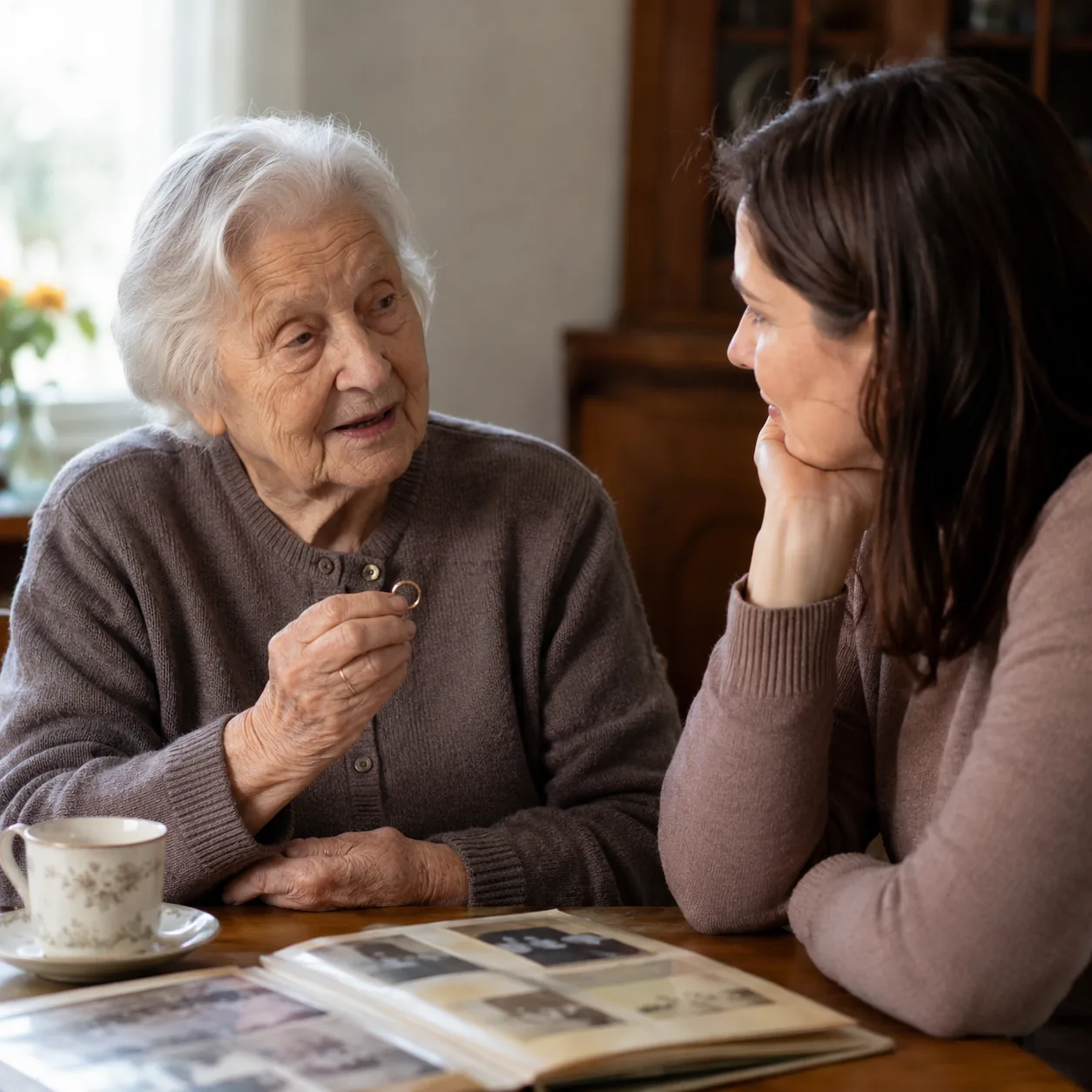
Ask with respect. This question can bring wisdom without forcing private pain into the open.
Listen for practical lessons about money, apology, patience, loneliness, illness, and sharing a house with another imperfect person. The answer may be more useful than any romantic advice.
If they are honest about mistakes, preserve that honesty carefully and avoid turning it into family gossip.
15. What Family Traditions Came From Your Culture?
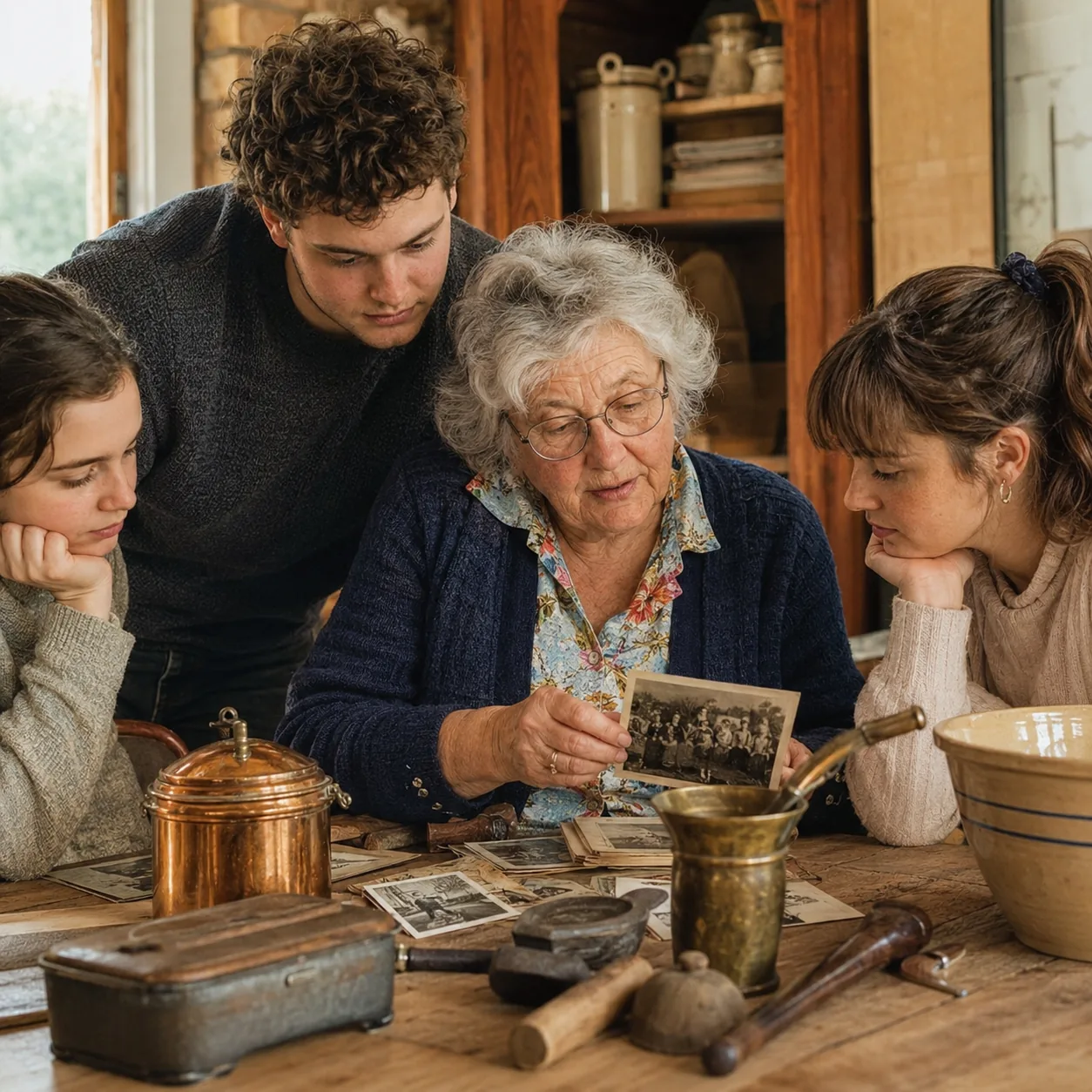
Trace the origin. Ask which foods, sayings, prayers, songs, chores, or manners came from the old country, the old neighborhood, or an older relative.
For Latino families, small household objects can carry enormous memory, much like the keepsakes in 37 Things Every Abuela Kept in Her House That Made It Feel Like Home.
Ask which tradition they hope survives unchanged, and which one they would let the next generation adapt.
14. What Did People In Your Neighborhood Share?

Look for community habits. Ask whether neighbors borrowed tools, watched children, traded food, or checked on each other without making a big announcement.
These memories show how families survived before every service was bought. They also reveal who could be trusted when trouble came to the door.
Names matter here, so ask which neighbor always helped and which one everyone knew to avoid.
13. What Rule Did Your Parents Enforce That You Understand Now?

Separate fear from wisdom. Ask which rule felt unfair then but makes sense now.
The answer may involve curfews, chores, church clothes, saving money, respecting elders, or walking younger siblings home. It shows how childhood resentment can turn into adult understanding.
Ask whether they used the same rule with their own children, and what they softened with age.
12. What Did Kids Have To Do For Themselves?
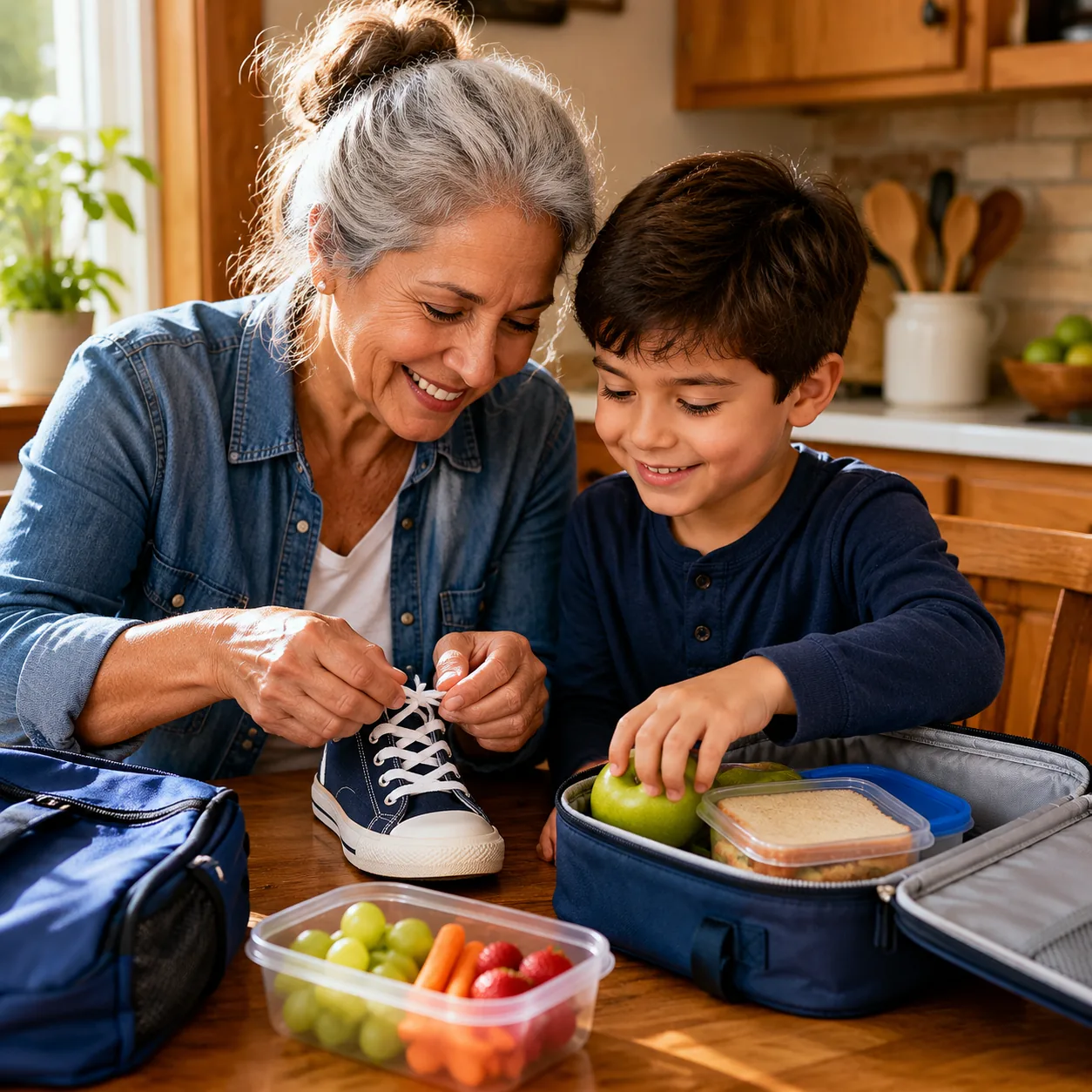
Ask about responsibility. Which tasks were children expected to handle without reminders?
Those answers can sound strict now, but they often explain confidence. Read More: 33 Old-School Family Rules That Actually Made Kids More Independent
The best follow-up is asking which responsibility made them proud before adults noticed.
That pride can explain which skills they still value most.
11. What Was The Biggest Argument Your Family Ever Had?

Ask carefully, not eagerly. The goal is understanding, not gossip.
Disputes over land, money, caregiving, marriage, inheritance, or pride can shape generations. If they are willing to tell it, ask what finally healed, what never did, and what they wish had gone differently.
Handle this answer with care, because some stories explain patterns without needing to reopen every wound.
10. What Recipe Should Someone Write Down?
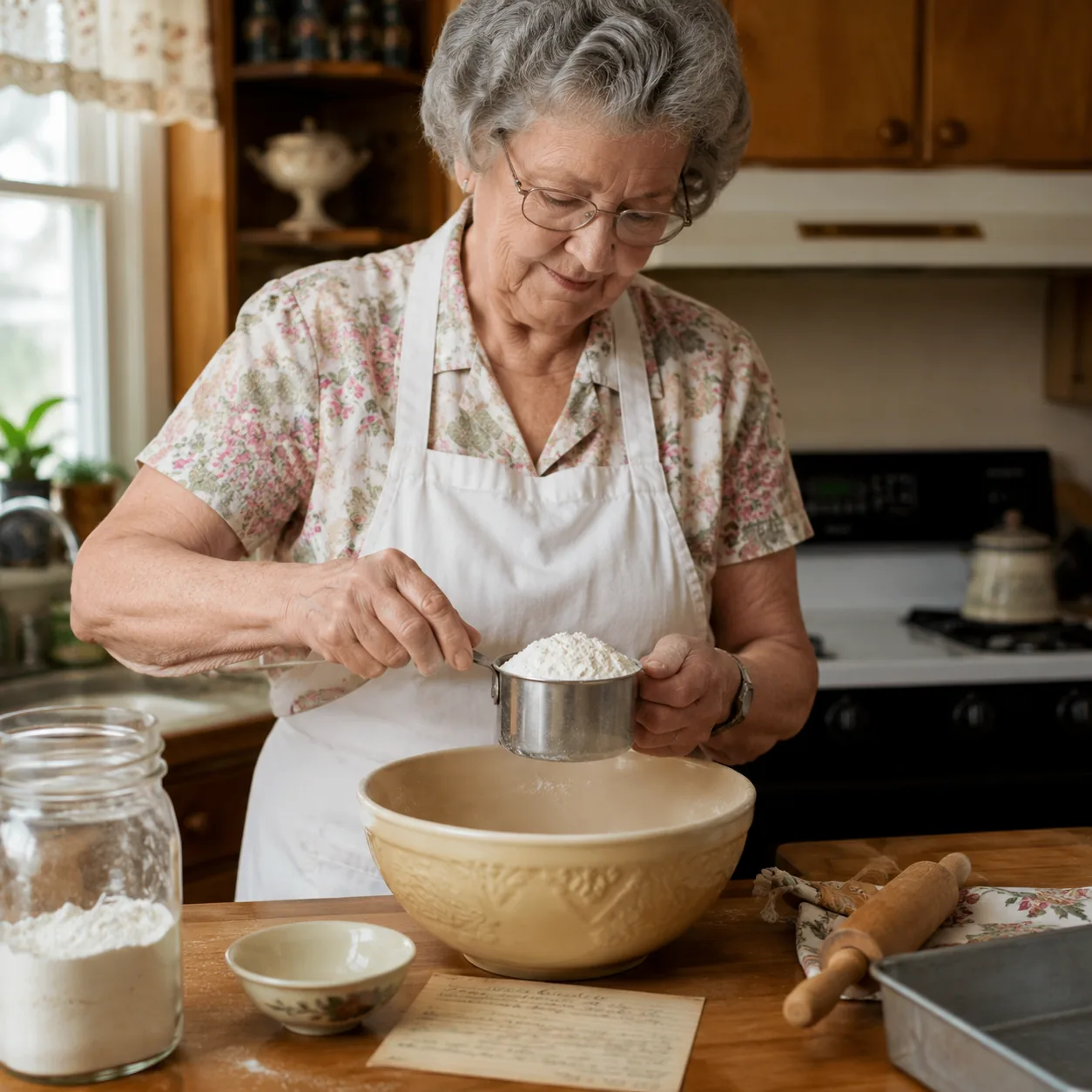
Get the method, not just ingredients. Many family recipes live in pinches, handfuls, and the look of the dough.
Ask them to cook it while someone records notes. Capture the pan size, brand habits, substitutions, and the exact point when they say, “Now it is ready.”
A phone video can preserve hand movements and texture cues that a written recipe will miss.
9. What Did Your Family Do When Someone Got Sick?
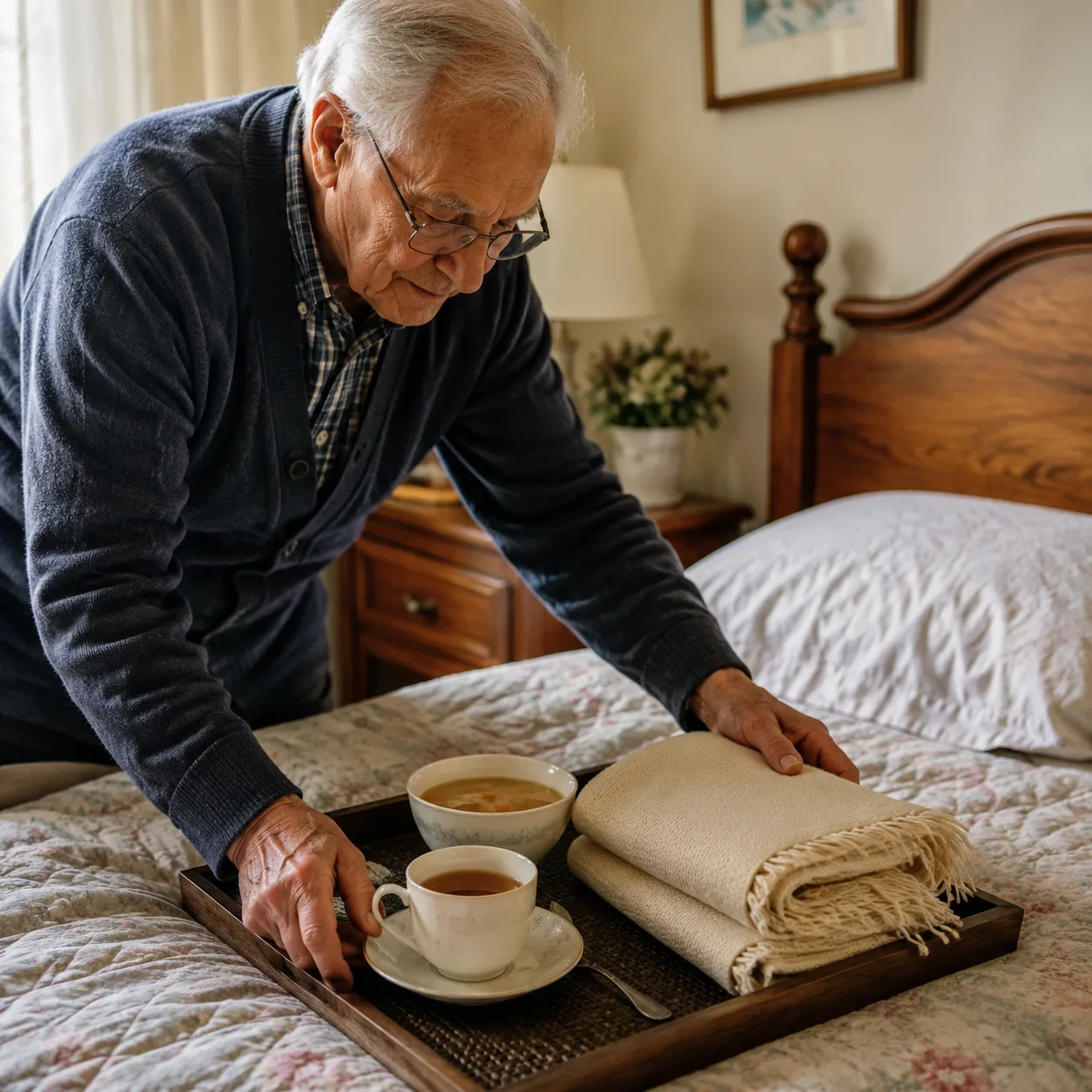
Ask about care routines. Who made soup, who sat overnight, who called the doctor, and what home remedies were trusted?
Illness shows the family support system clearly. It may also reveal fears people carried quietly, especially before modern insurance, easy transportation, or nearby hospitals.
Ask who became the caregiver, because families often remember the patient and forget the person who kept showing up.
8. What Food Always Reminds You Of Home?
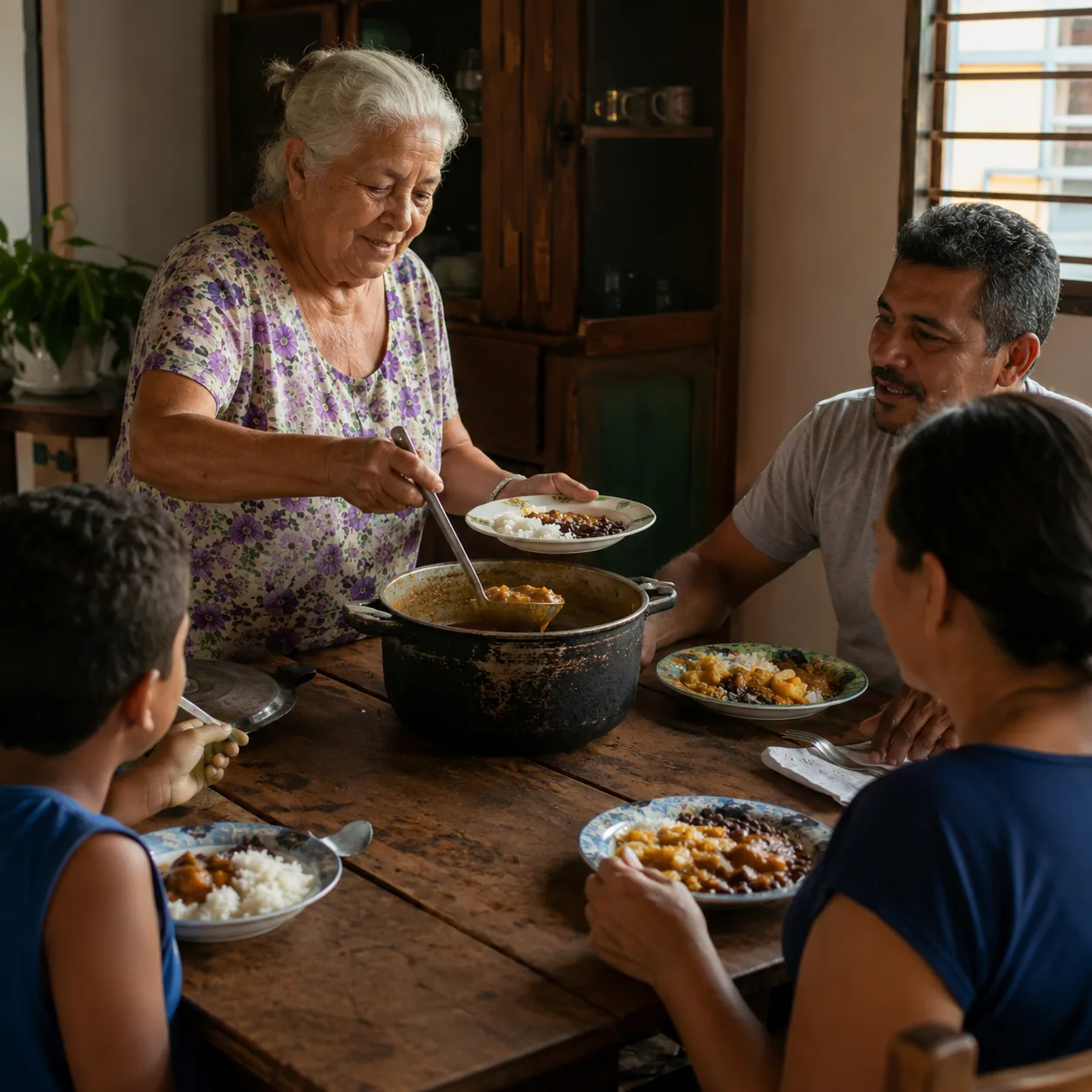
Let food unlock memory. Ask what dish could bring them back to childhood in one bite.
Pantry staples often carried that magic, especially the everyday ingredients remembered in 37 Things Every Grandma Kept in the Pantry That Modern Kitchens Forgot.
If the dish still exists, ask them to taste it with you and tell you what is missing.
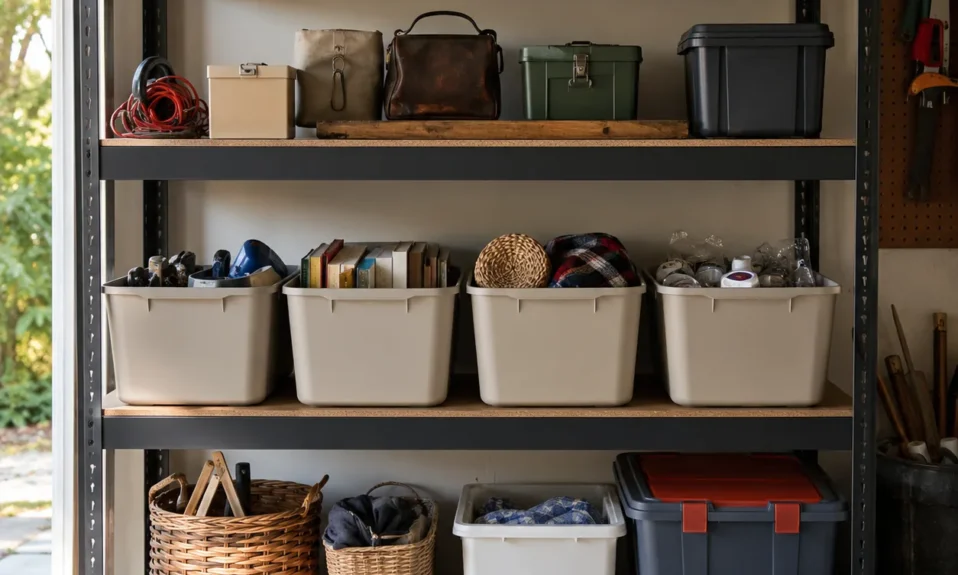
7. What Did You Save That You Wish You Still Had?
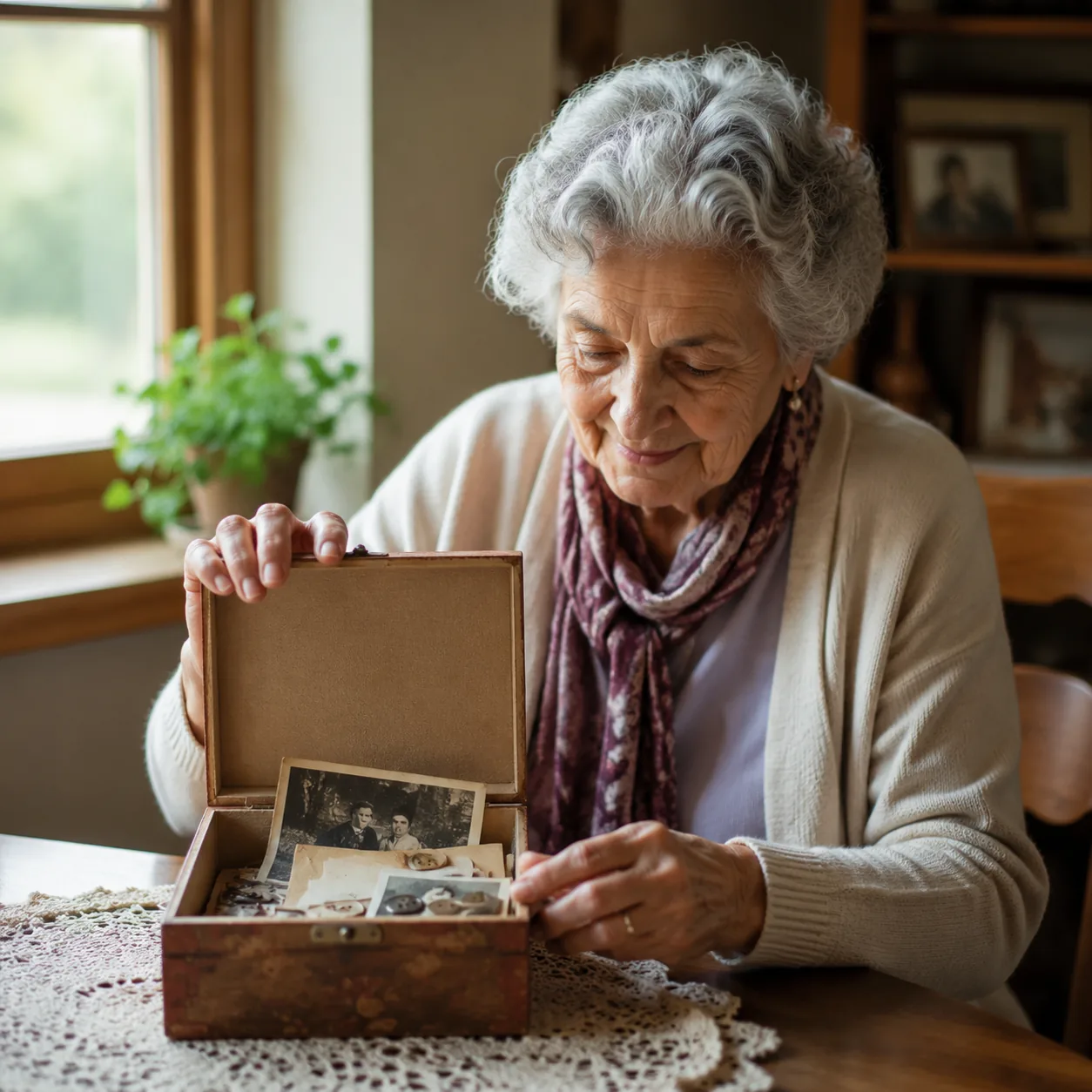
Ask about lost objects. A missing watch, recipe card, uniform, toy, dress, or letter can hold a whole life.
The regret around an object often points to the person attached to it. Ask where it came from, why it mattered, and when it disappeared.
This question can also guide what the family should label, photograph, or protect before another move.
6. What Did You Throw Away Too Soon?
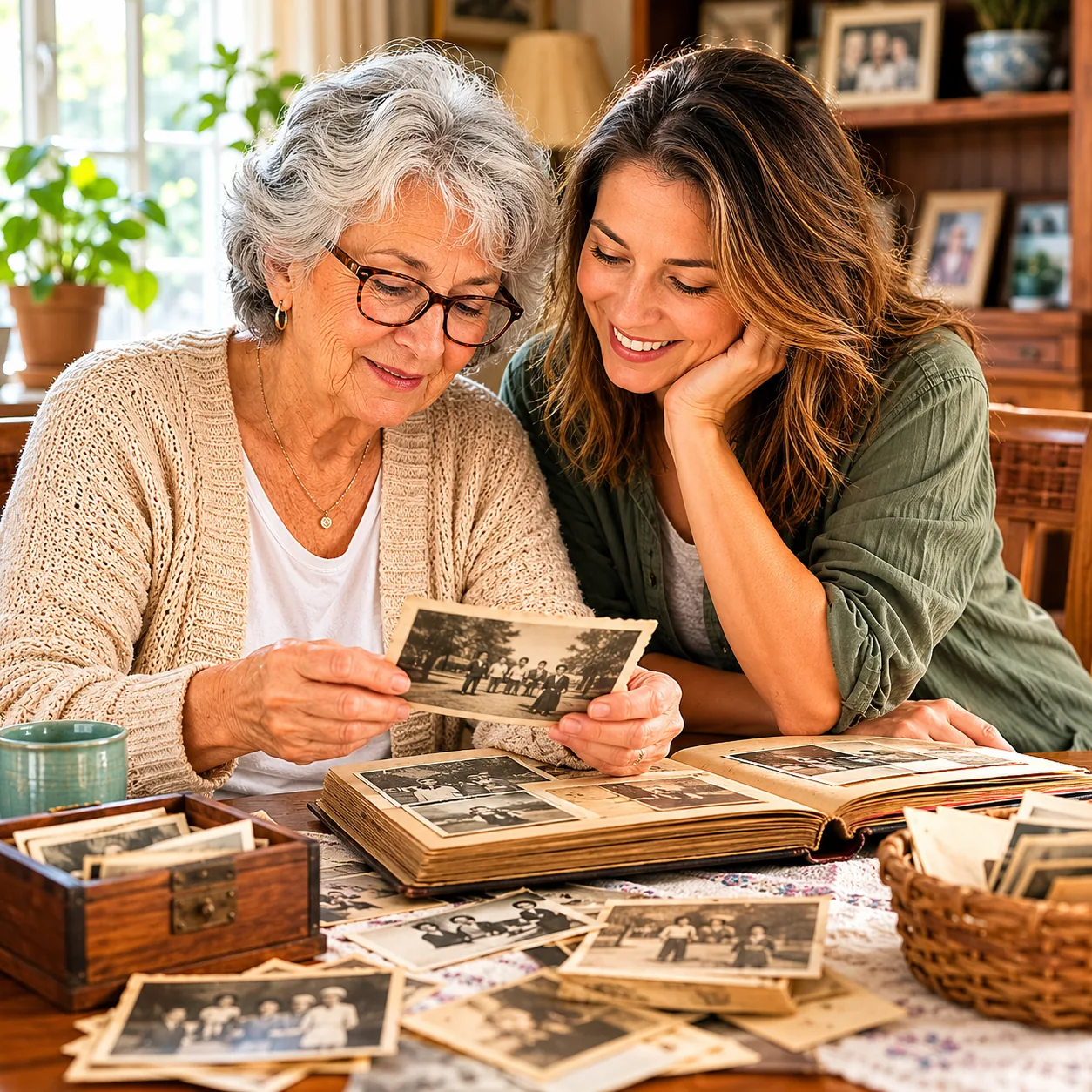
This question catches hidden grief. People often remember the thing they dismissed as ordinary until it was gone.
It could be a dress pattern, tool, lunchbox, church program, or handwritten note. The lesson is not hoarding. It is learning which ordinary things deserve a photo, label, or story.
Ask what they would save now if they had to downsize quickly, because priorities become clear under pressure.
5. What Do You Wish Your Children Understood About You?
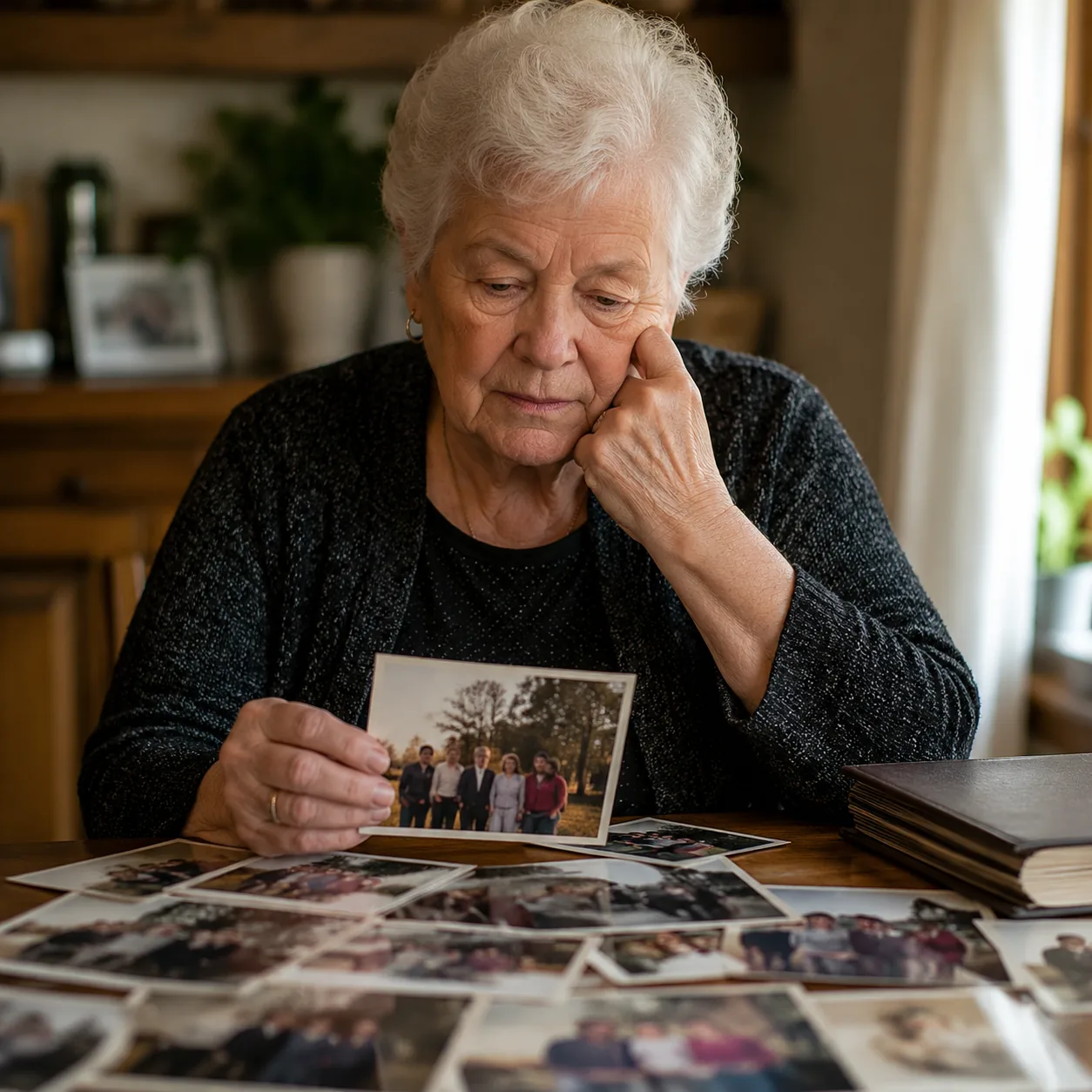
Ask for the missing chapter. Parents and grandparents are often remembered only through what they provided or enforced.
This question gives them room to be a whole person. They may talk about dreams, mistakes, sacrifices, loneliness, humor, ambition, or the parts of life nobody asked about before.
Give them time to answer, because being seen outside a family role can feel surprisingly emotional.
4. What Were You Afraid Of As A Young Adult?
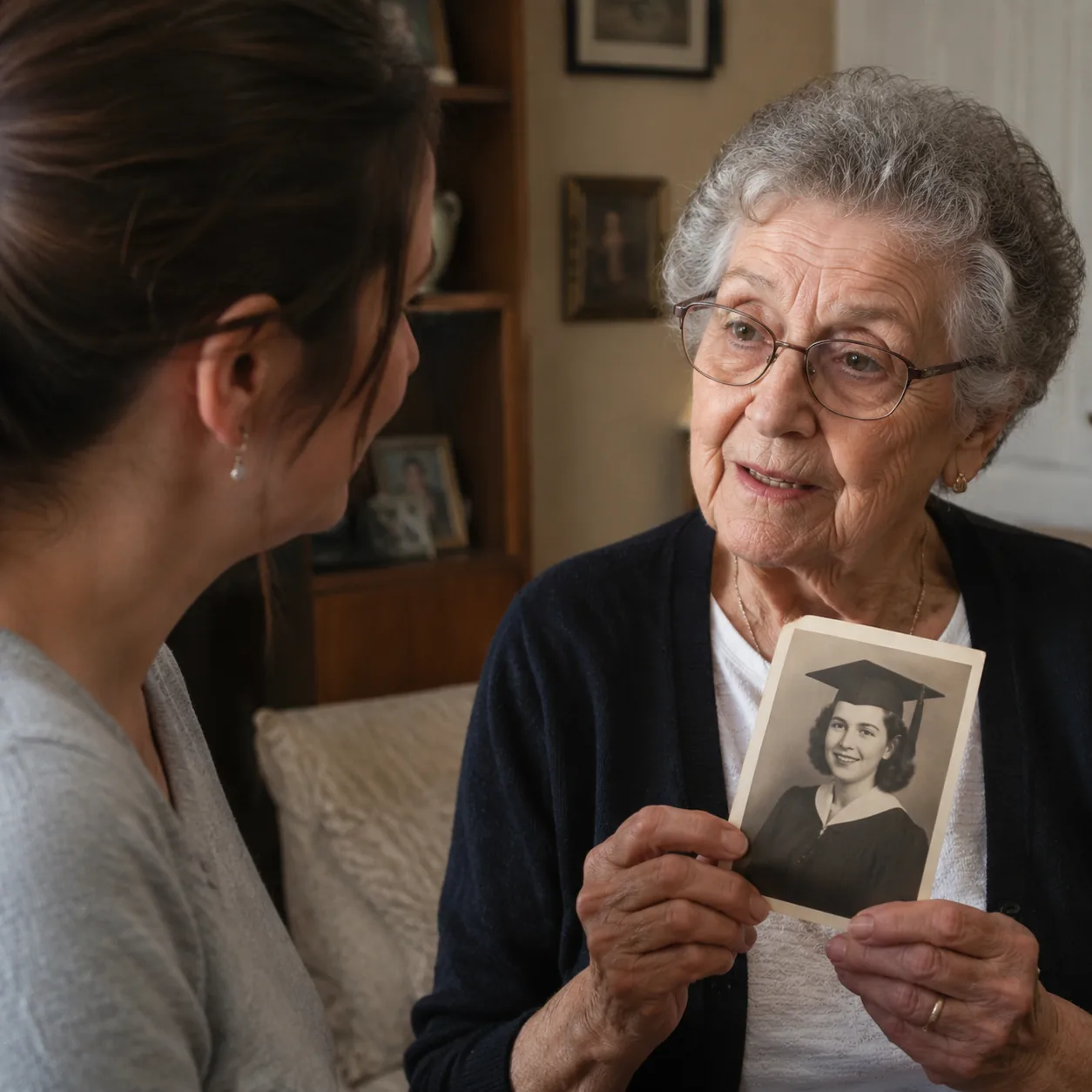
Normalize fear. Younger relatives often assume elders were always steady.
Ask what scared them at 18, 25, or 35. Money, marriage, children, war, moving away, language barriers, or job loss may have shaped decisions the family now treats as simple history.
The answer can help younger relatives feel less alone in their own uncertain seasons.
It also turns family history into reassurance instead of distance.
3. What Did You Learn Too Late?

Invite honest wisdom. This question can produce advice that feels earned instead of preachy.
They may mention health, pride, forgiveness, spending time with parents, saving money, choosing friends, or speaking up sooner. Write it down exactly, because the wording may matter later.
Ask what helped them finally learn it, since the turning point is often the most useful part.
2. Who Should We Remember More Than We Do?
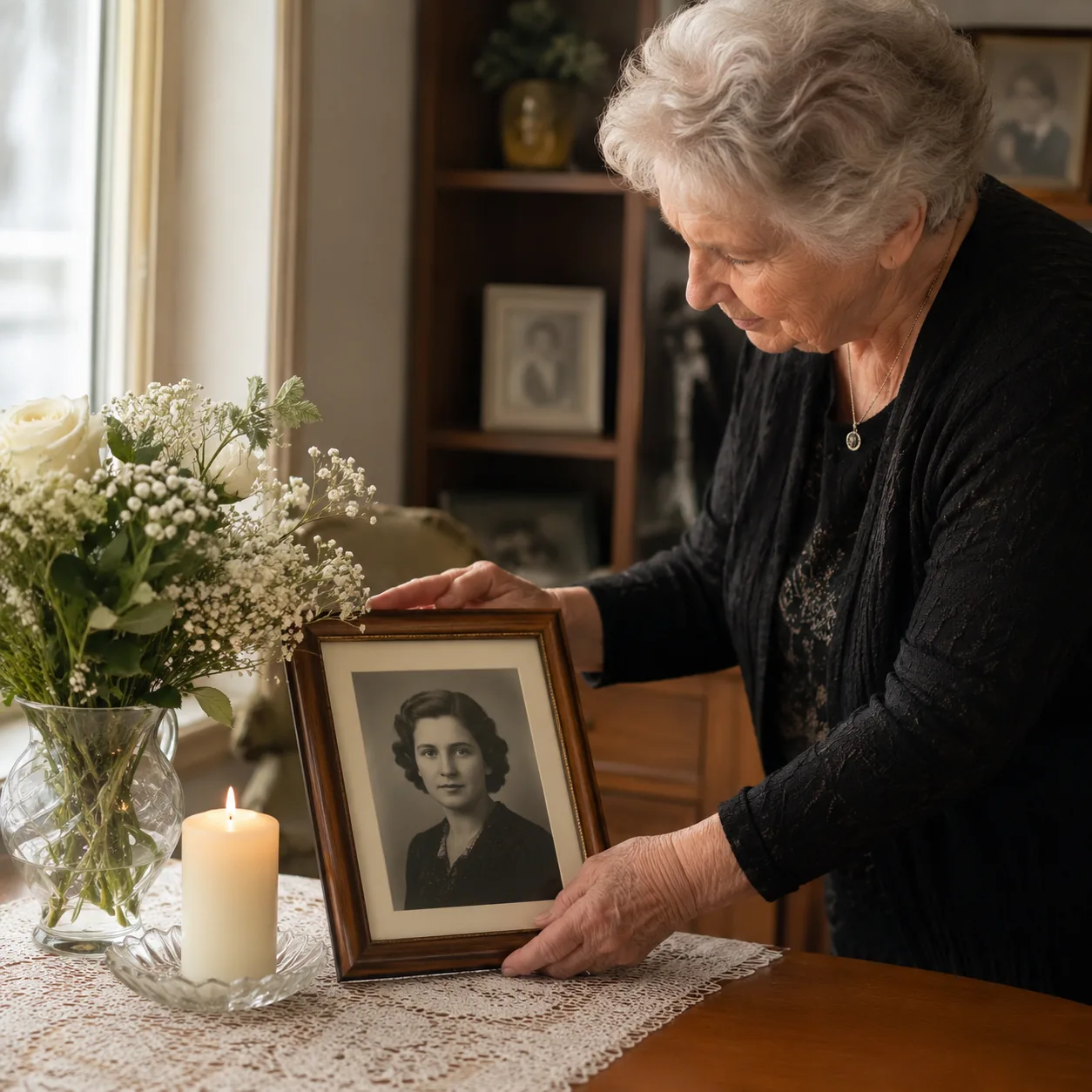
Recover the overlooked names. Ask who fed people, raised children, paid debts, crossed borders, kept secrets, or held the family together without recognition.
This can bring quiet relatives back into the family story. Read More: 33 Poor Man Meals That Fed Whole Families When Money Was Tight
Once they name someone, ask for a photo, recipe, saying, or habit that keeps that person from becoming only a name.
1. What Do You Want Us To Carry Forward?
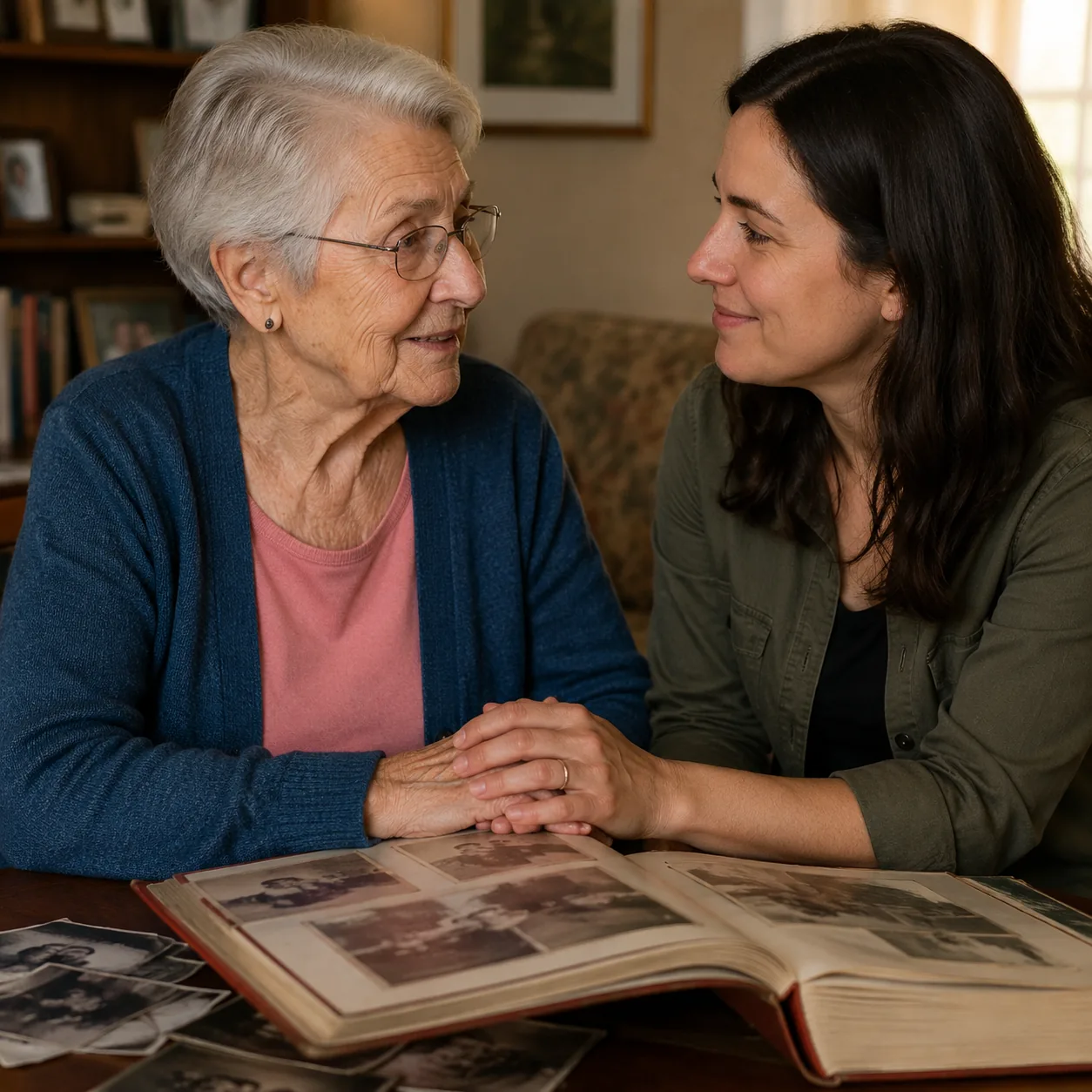
End with legacy. Ask what habit, story, recipe, phrase, prayer, value, or warning should not disappear.
This gives the conversation a purpose beyond memory. It lets your grandparent choose what matters most, and it gives the next generation something clear to protect.
End by repeating their answer back to them, so they know you heard the legacy they meant to leave.