Old kitchens were built around work, not display.
They held tools, habits, and quiet knowledge that helped families stretch food before convenience took over.
35. The Grease Can Beside the Stove
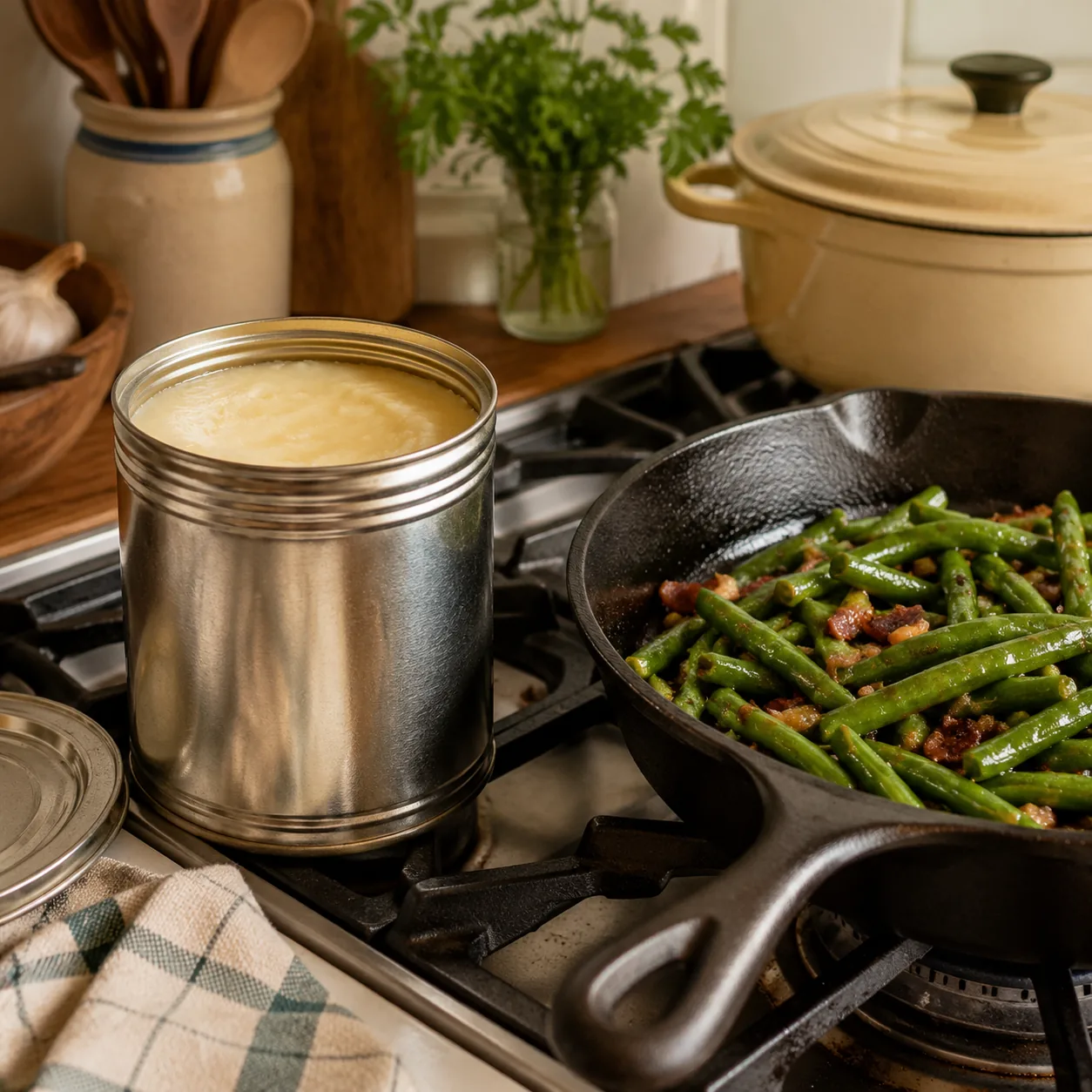
The grease can was not decoration. It sat near the stove collecting bacon drippings, sausage fat, and anything useful enough to earn a second life.
Older cooks knew which spoonful could season beans and which one belonged in fried potatoes. That little can saved money before anyone used the word budgeting.
Modern kitchens throw flavor away with paper towels. Old kitchens kept it close.
34. The Flour Sifter That Snowed Over the Counter
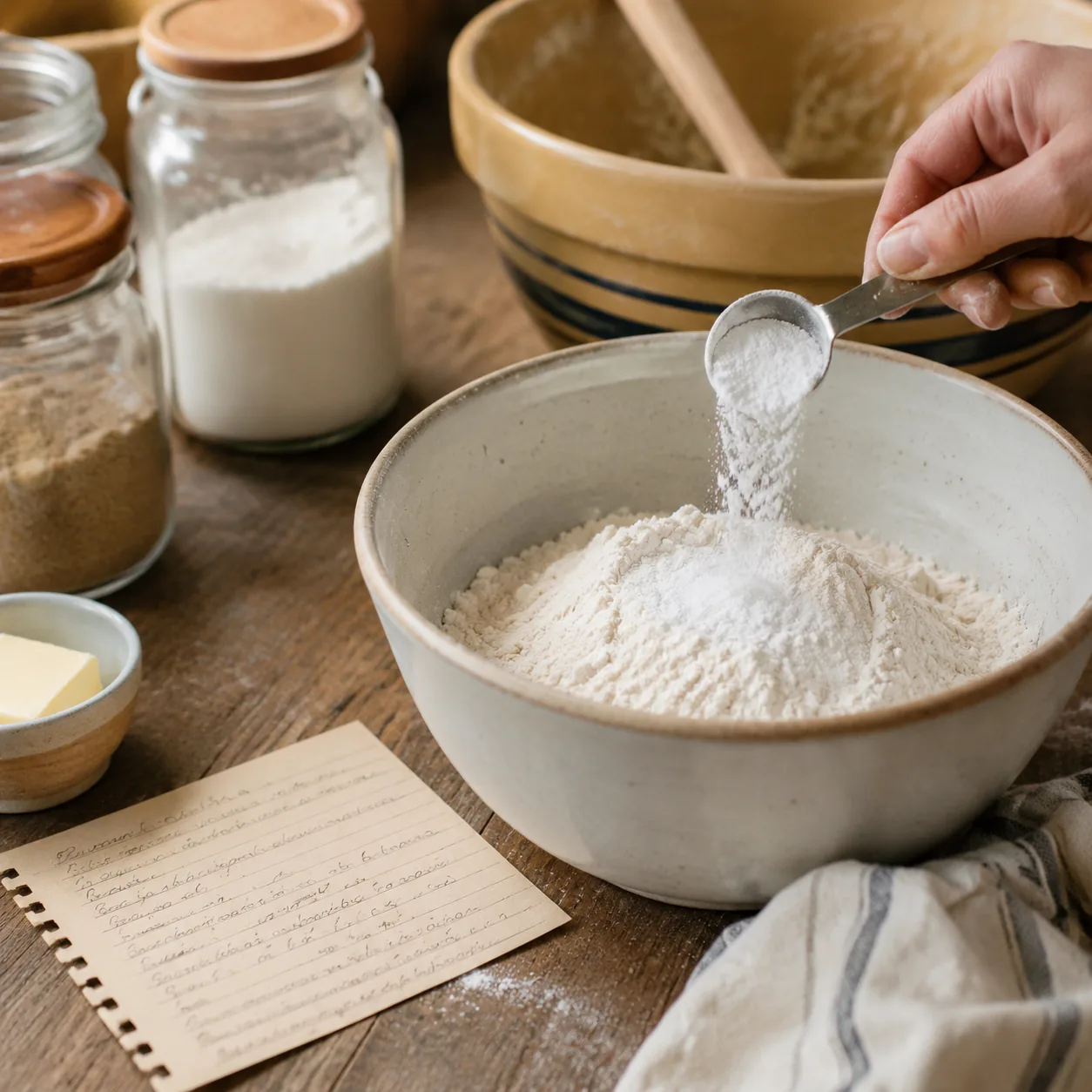
A flour sifter made a small kitchen feel like something was about to happen. The crank squeaked, flour floated down, and every biscuit or cake started with a little white dust on the counter.
It broke up lumps from humid pantry shelves and mixed in baking powder when measuring had to be exact.
Today flour often goes straight from bag to bowl. The sifter made baking slower, but also more careful.
33. The Hand-Crank Egg Beater
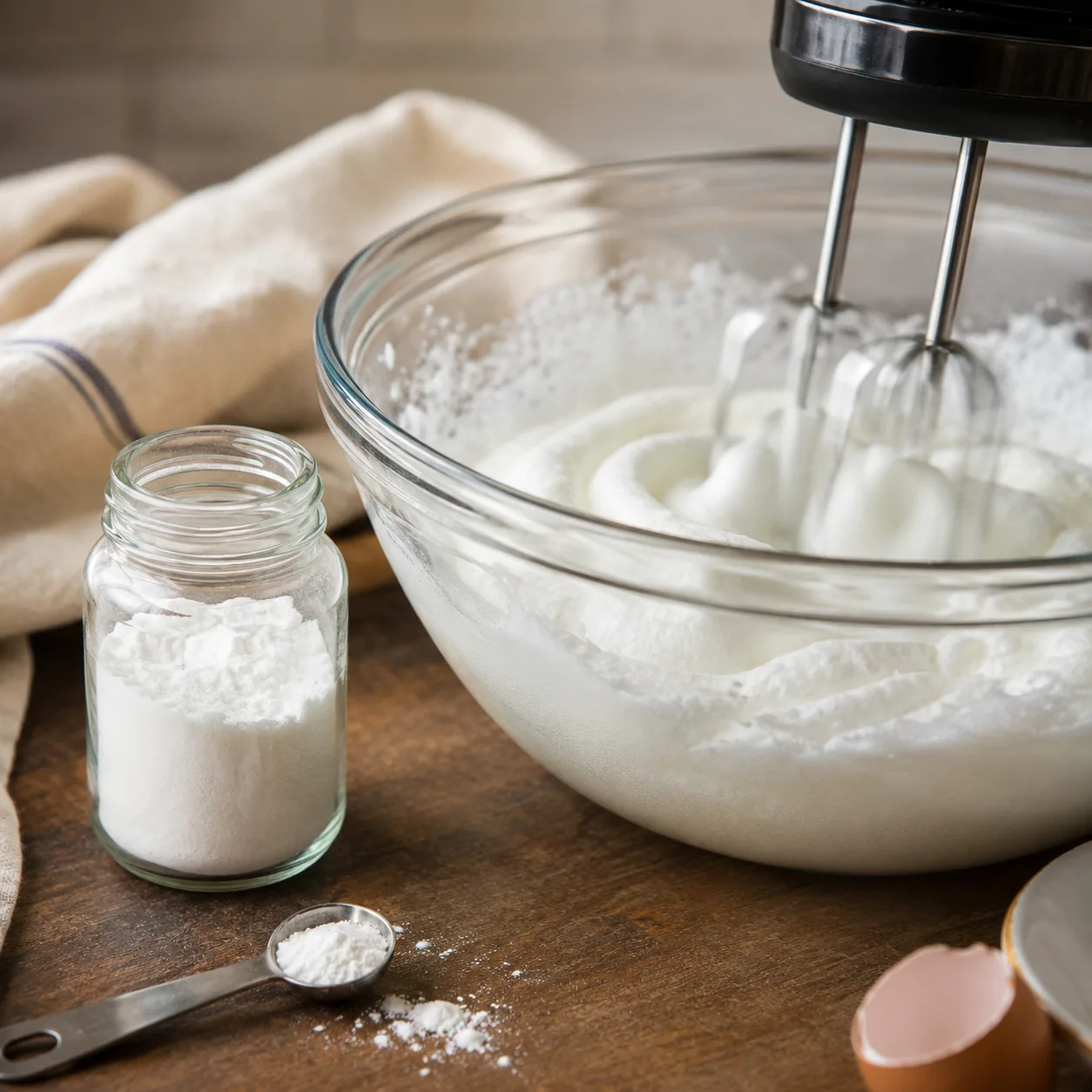
The hand-crank egg beater sounded like Sunday morning. It clicked and whirred through eggs, cream, and cake batter without an outlet or a charging cord.
It took wrist work, but it also gave the cook control. You could feel when egg whites thickened or pancake batter loosened.
Modern mixers are faster. The old beater made the person at the bowl part of the recipe.
32. The Stovetop Percolator
A percolator announced coffee before anyone poured a cup. It burbled on the stove, filled the room with a roasted smell, and turned waiting into part of the morning.
There was a trick to it. Let it go too long and the coffee turned bitter enough to wake the walls.
Single-serve machines made coffee private and fast. The percolator made it shared, loud, and hard to ignore.
31. The Heavy Cast-Iron Skillet
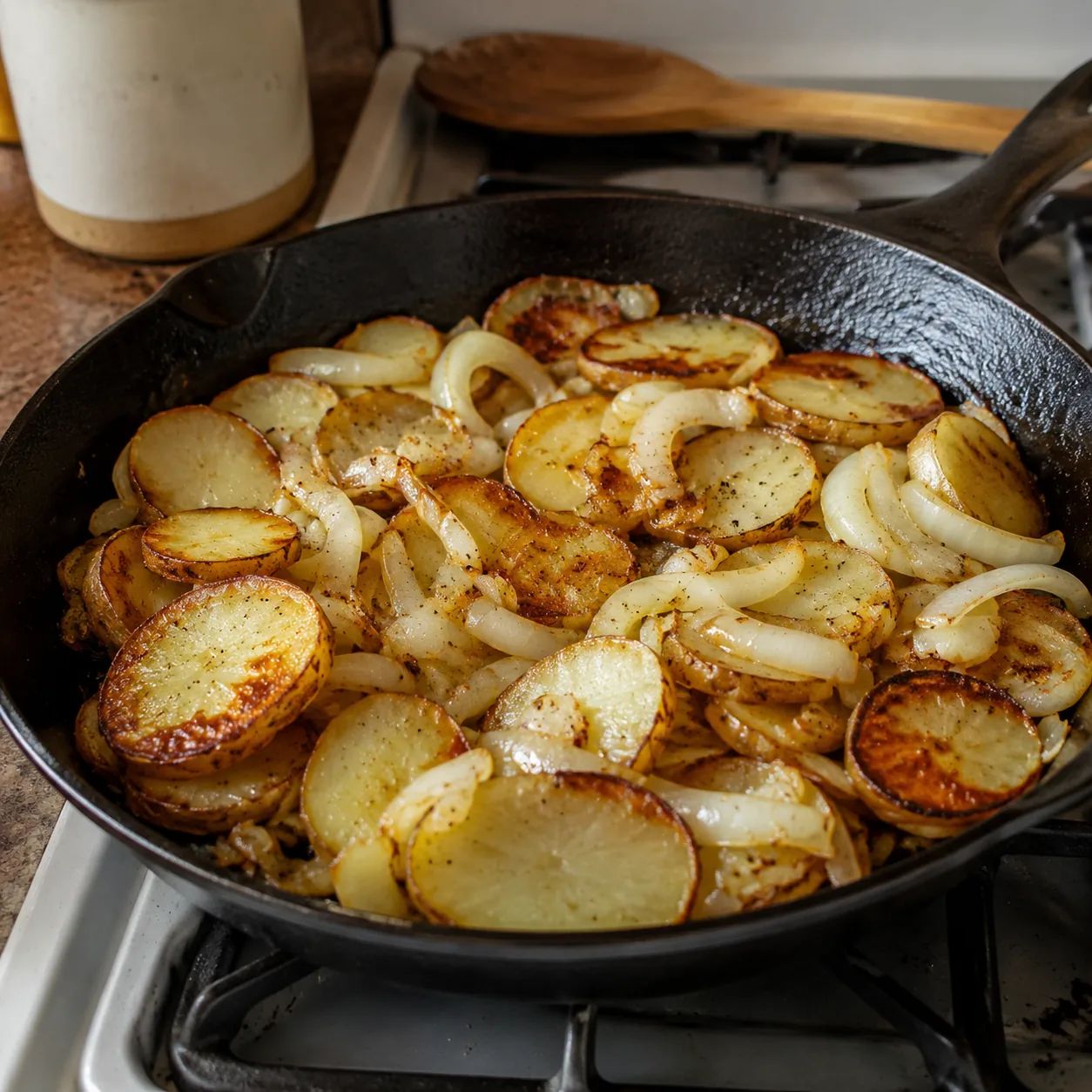
The cast-iron skillet was the kitchen’s blunt instrument. It fried eggs, baked cornbread, seared pork chops, and survived being scrubbed by three generations.
People learned its moods. Too cold and food stuck; too hot and onions scorched before the potatoes softened.
Modern nonstick pans promise ease. Cast iron demanded attention, then paid it back with crust, heat, and durability.
30. The Bread Box With Real Crumbs
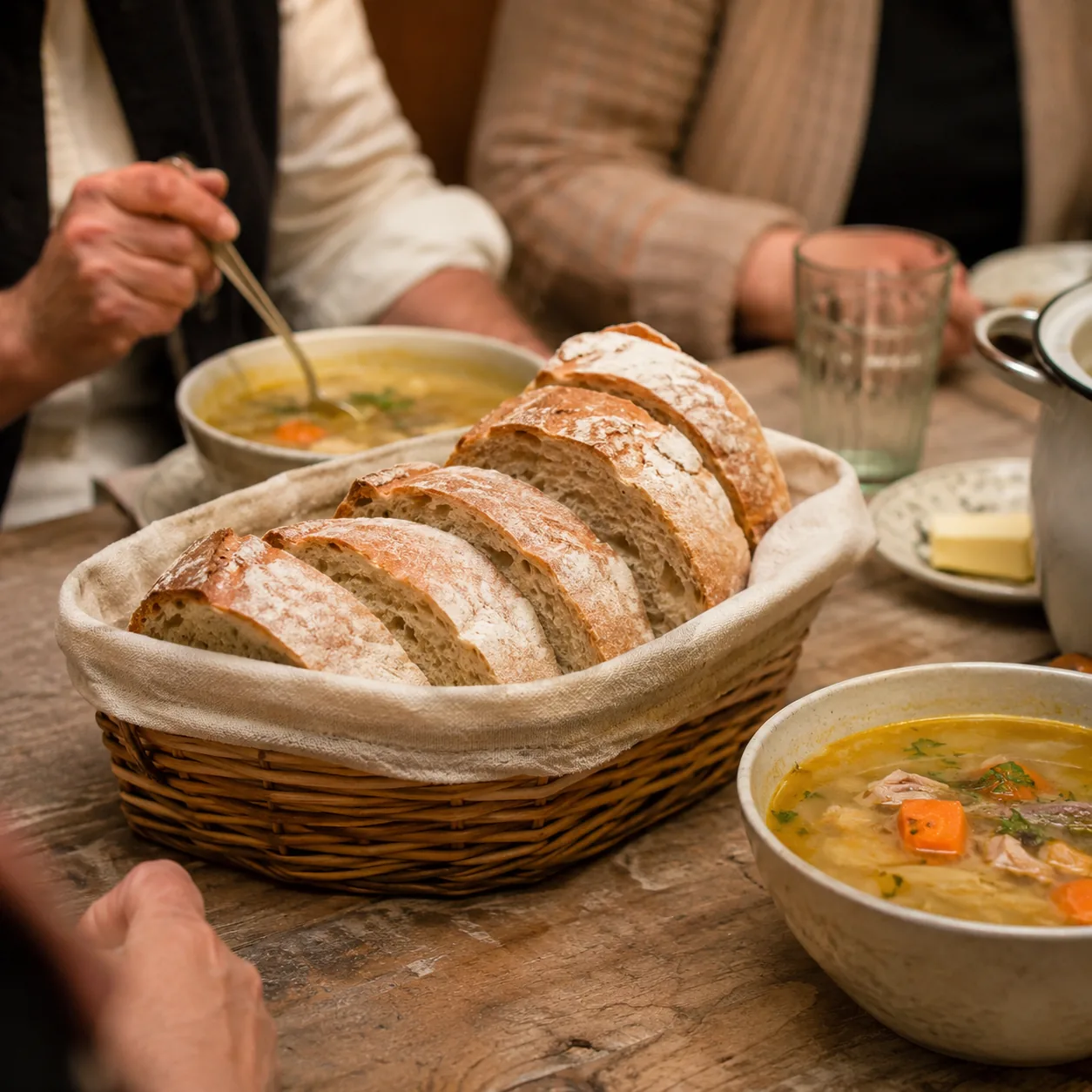
The bread box held more than bread. It held biscuits wrapped in a cloth, heel pieces nobody wanted yet, and crumbs that proved the kitchen was being used.
Before every loaf came sealed in plastic, bread needed a place with air, shade, and protection from busy hands.
Old kitchens did not expect bread to last forever. They expected someone to turn the stale pieces into toast, pudding, or crumbs.
29. The Apron Hanging on a Hook
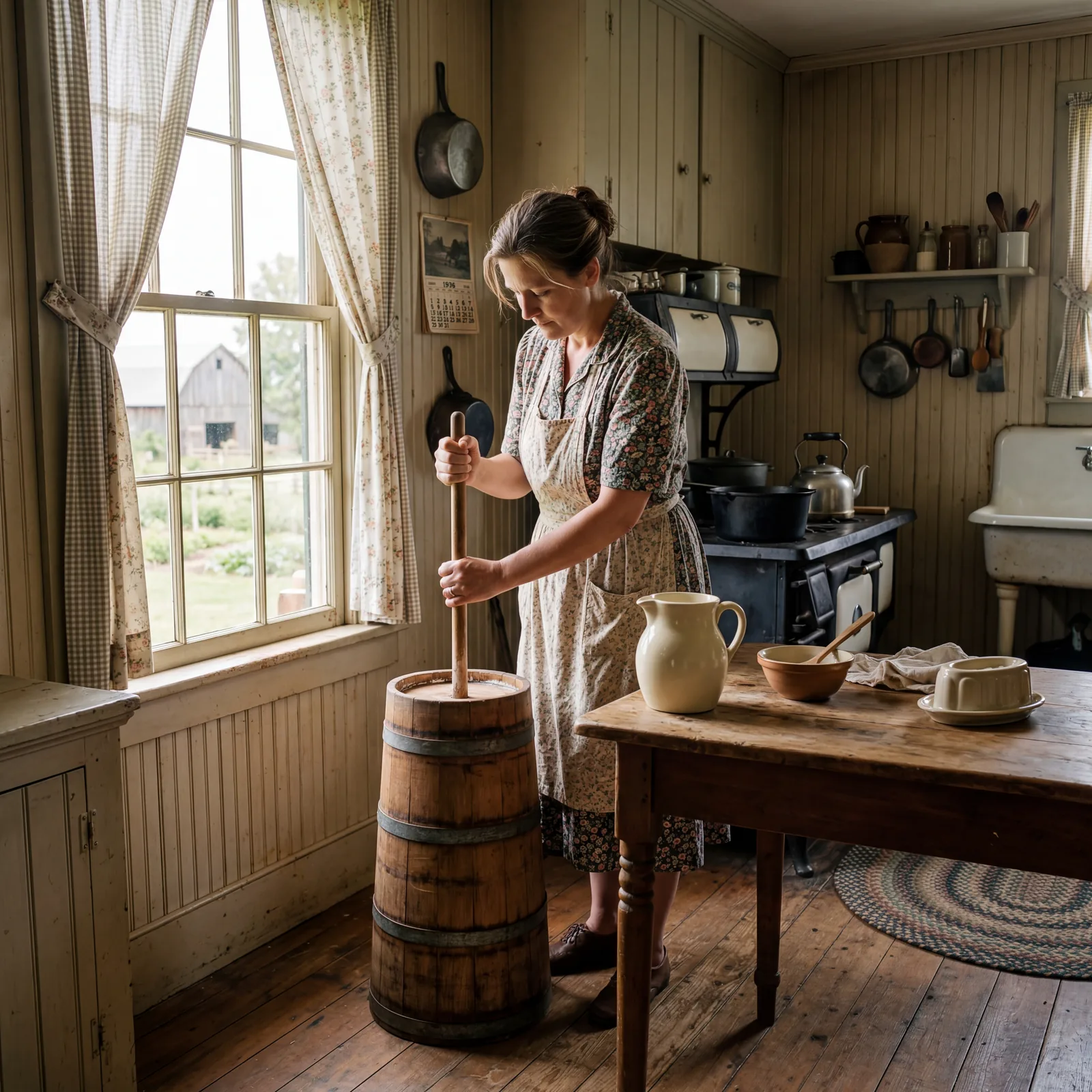
The apron was a tool, not a costume. It wiped hands, held a clothespin, carried an egg from the coop, and protected one good dress from splattered gravy.
Its pocket collected recipe cards, twist ties, and the occasional clothespin nobody meant to keep.
Modern kitchens have stain remover and fast laundry. The apron came from a time when clothing had to last and cooking was messy work.
28. The Wall-Mounted Can Opener
The wall-mounted can opener had one job and did it for years. A can went under the blade, the handle turned, and supper moved forward.
It belonged to kitchens where canned tomatoes, tuna, peaches, and soup were practical insurance. Nobody hunted through a drawer when dinner was already late.
Modern gadgets disappear into cabinets. This one stayed bolted to the wall, ready for work.
27. The Enamel Roasting Pan

The enamel roasting pan came out when a meal needed to stretch. A small roast, potatoes, carrots, onions, and drippings could feed more people than the meat alone ever would.
The pan was light enough to lift but tough enough to bang around the oven for decades.
Today roasting pans are often holiday equipment. In old kitchens, one pan could turn Sunday dinner into Monday gravy.
26. The Potato Masher Built Like a Tool

The old potato masher looked almost industrial. It had a metal head, a wooden handle, and no patience for lumps.
It mashed potatoes, squash, turnips, beans, and boiled eggs for salad. If something needed softening, the masher did it without a plug.
Modern kitchens use processors for speed. The masher left texture behind, which is why the potatoes tasted homemade instead of whipped into submission.
25. The Knife Stone on the Windowsill

A dull knife was not a reason to buy a new set. It was a reason to pull out the stone and make a few steady passes.
Old cooks respected sharp tools because they saved time and prevented waste. A clean slice left more onion on the board and less frustration in the room.
Modern knife blocks multiply quickly. Older kitchens kept fewer blades and knew how to care for them.
24. The Pastry Blender With the Wooden Handle
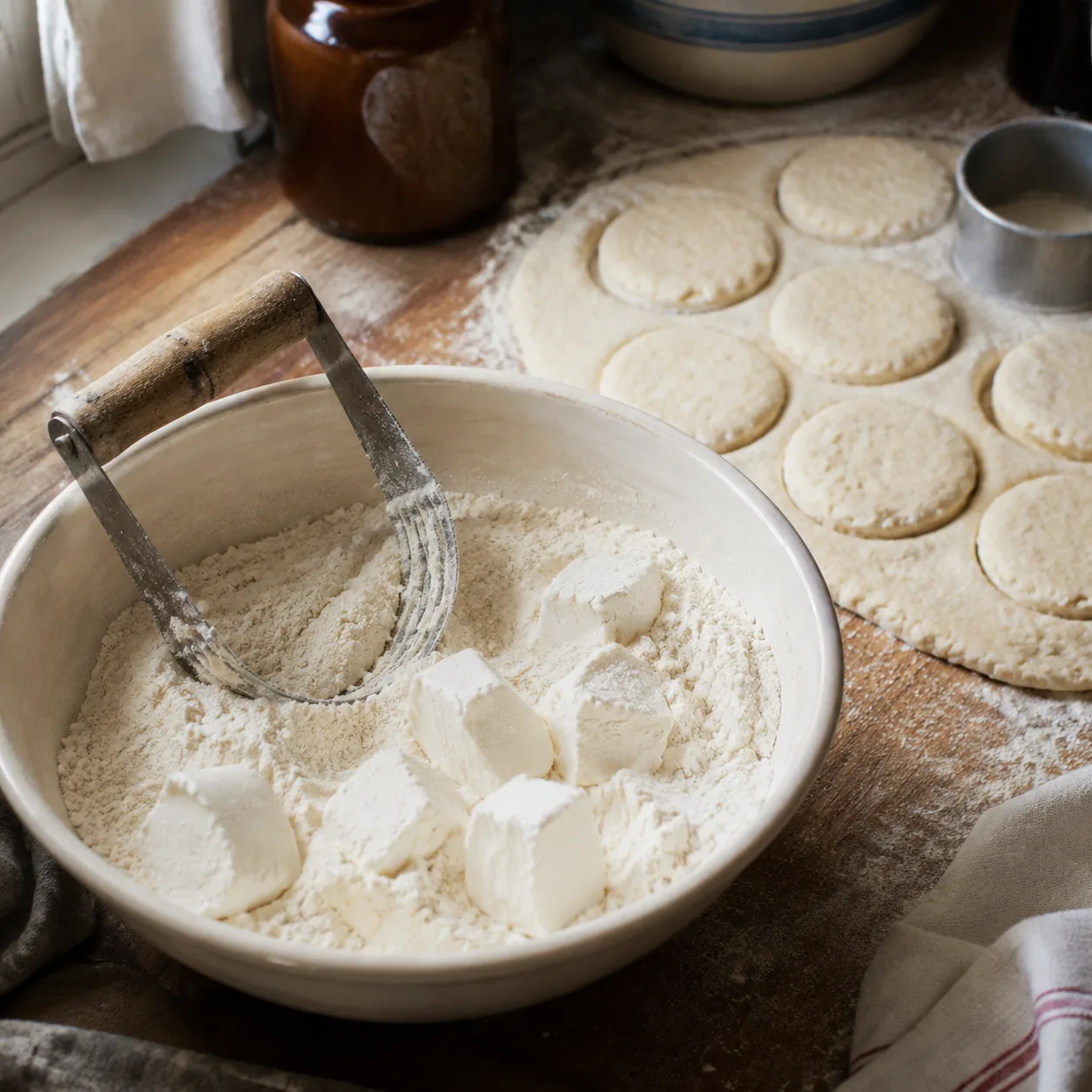
The pastry blender was for biscuits, pie crust, dumplings, and anything that needed fat worked into flour without melting it.
It made a soft scraping sound against the bowl while small pea-sized bits formed in the flour. That texture mattered more than any written instruction.
Food processors made pastry faster. The old blender taught cooks to look, feel, and stop at the right moment.
23. The Canning Funnel and Jar Lifter
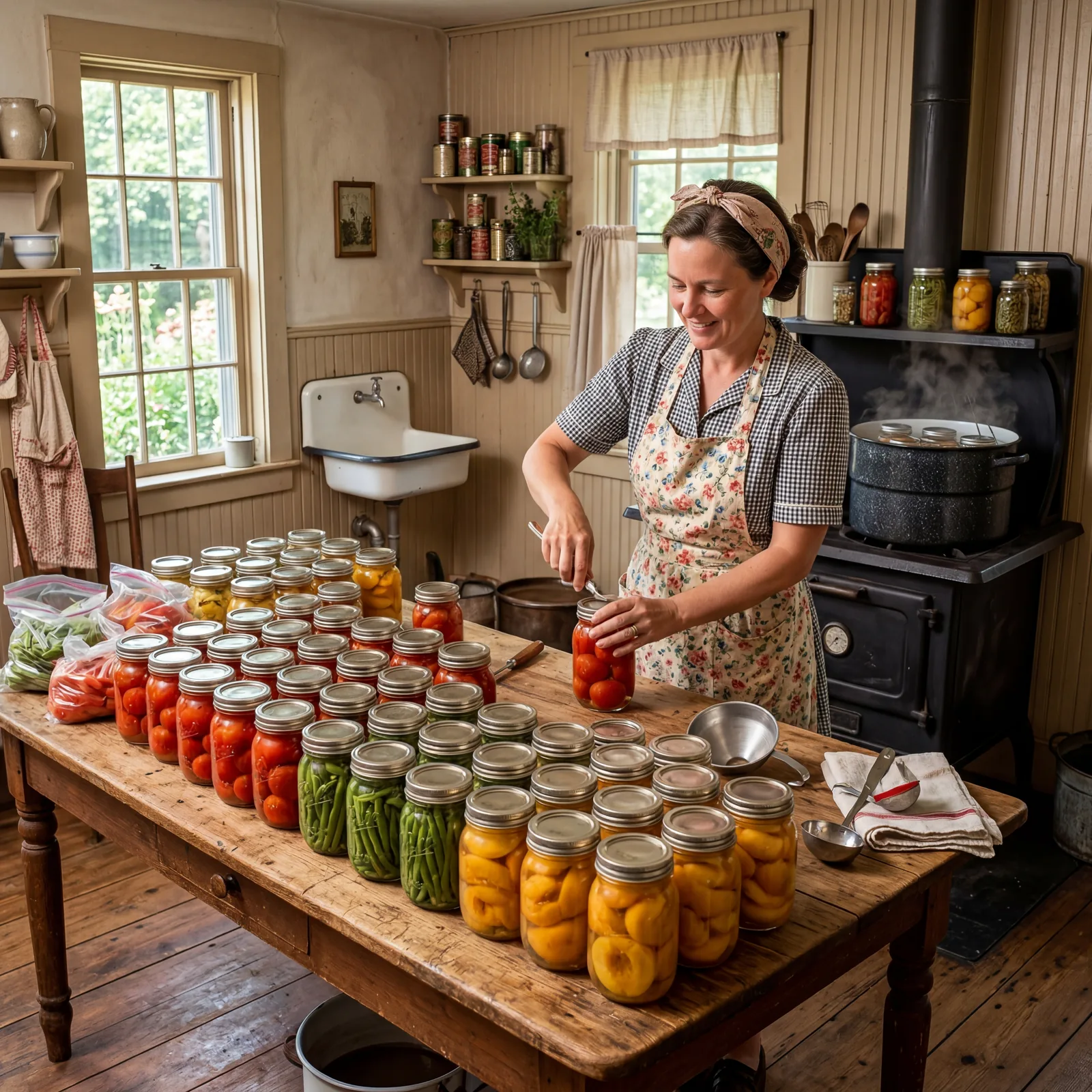
Canning tools made a kitchen feel serious. The funnel kept jam off the rim, and the jar lifter saved fingers from boiling water.
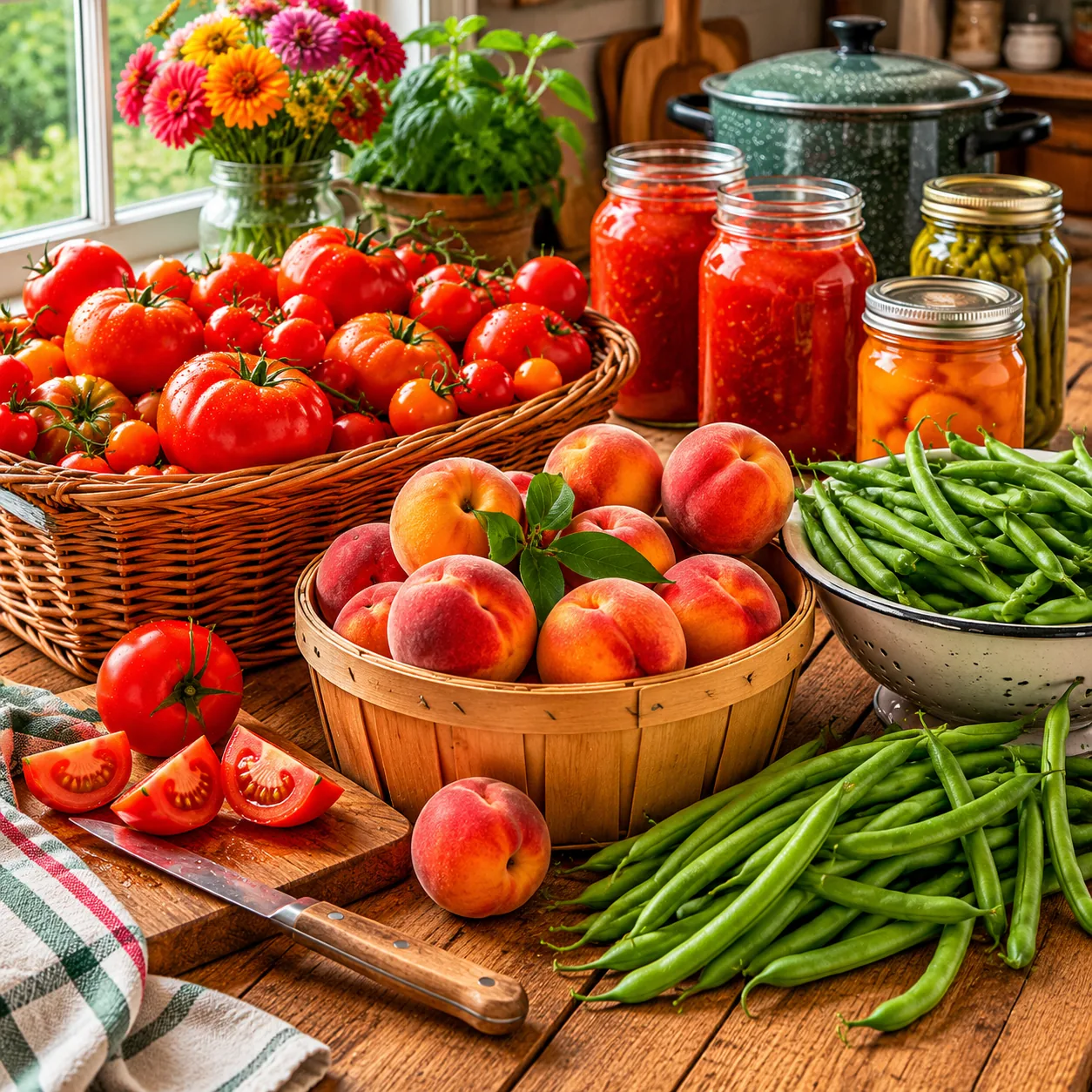
These tools belonged to seasons when tomatoes, peaches, beans, and pickles arrived faster than one family could eat them. Waste was the enemy.
That same pantry discipline shows up in 37 Things Every Grandma Kept in the Pantry That Modern Kitchens Forgot, where shelf space was really a survival plan.
22. The Mason Jar Shelf
Mason jars were too useful to retire after one batch of peaches. They stored beans, rice, nails, buttons, sourdough starter, bacon grease, and leftover soup.
The glass let people see what they had without opening every lid. That mattered when grocery money was tight and a missing cup of rice could change dinner.
Modern storage bins look prettier. Jars earned trust because they worked everywhere.
21. The Pressure Canner That Made Everyone Respect the Stove
A pressure canner was not casual equipment. It hissed, rattled, and made children understand that some kitchen work required distance.
Used correctly, it preserved vegetables, meat, and broth for months. Used carelessly, it could ruin food or worse, so older cooks watched the gauge like a clock.
Families who grew and preserved food had a different relationship with meals, much like the habits behind 35 Backyard Staples Families Used Before Grocery Runs Were Normal.
20. The Cold Pantry Shelf
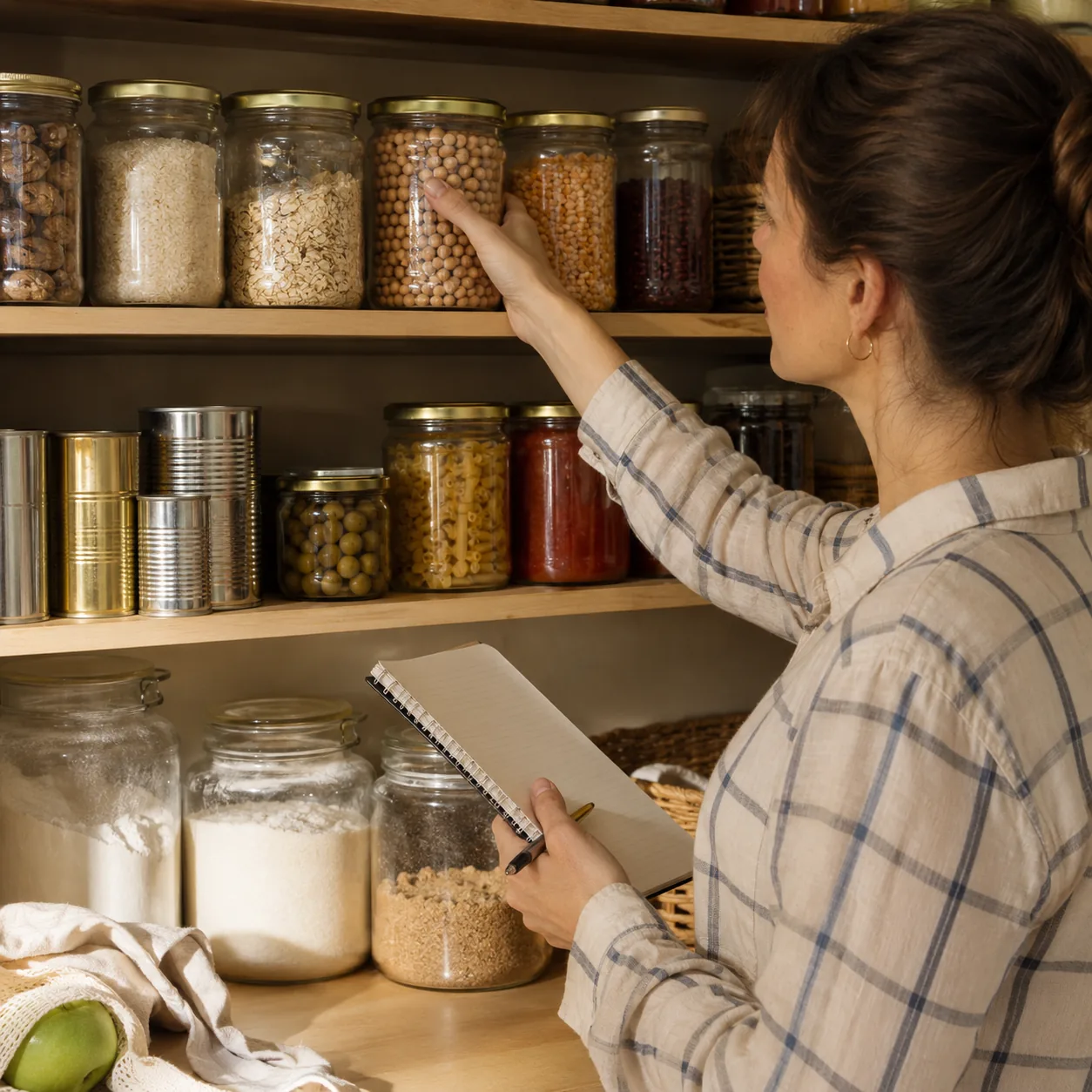
Old kitchens often had one shelf everyone knew stayed cooler. It held apples, onions, potatoes, butter in a covered dish, or a pie waiting for supper.
That shelf was part architecture, part memory. Someone had learned where the sun hit and where damp air gathered.
Modern climate control hides those details. Older homes ran on small observations, the same kind of household intelligence described in 35 Household Habits From the 1930s That Modern Families Forgot.
19. The Coffee Can Full of Useful Bits
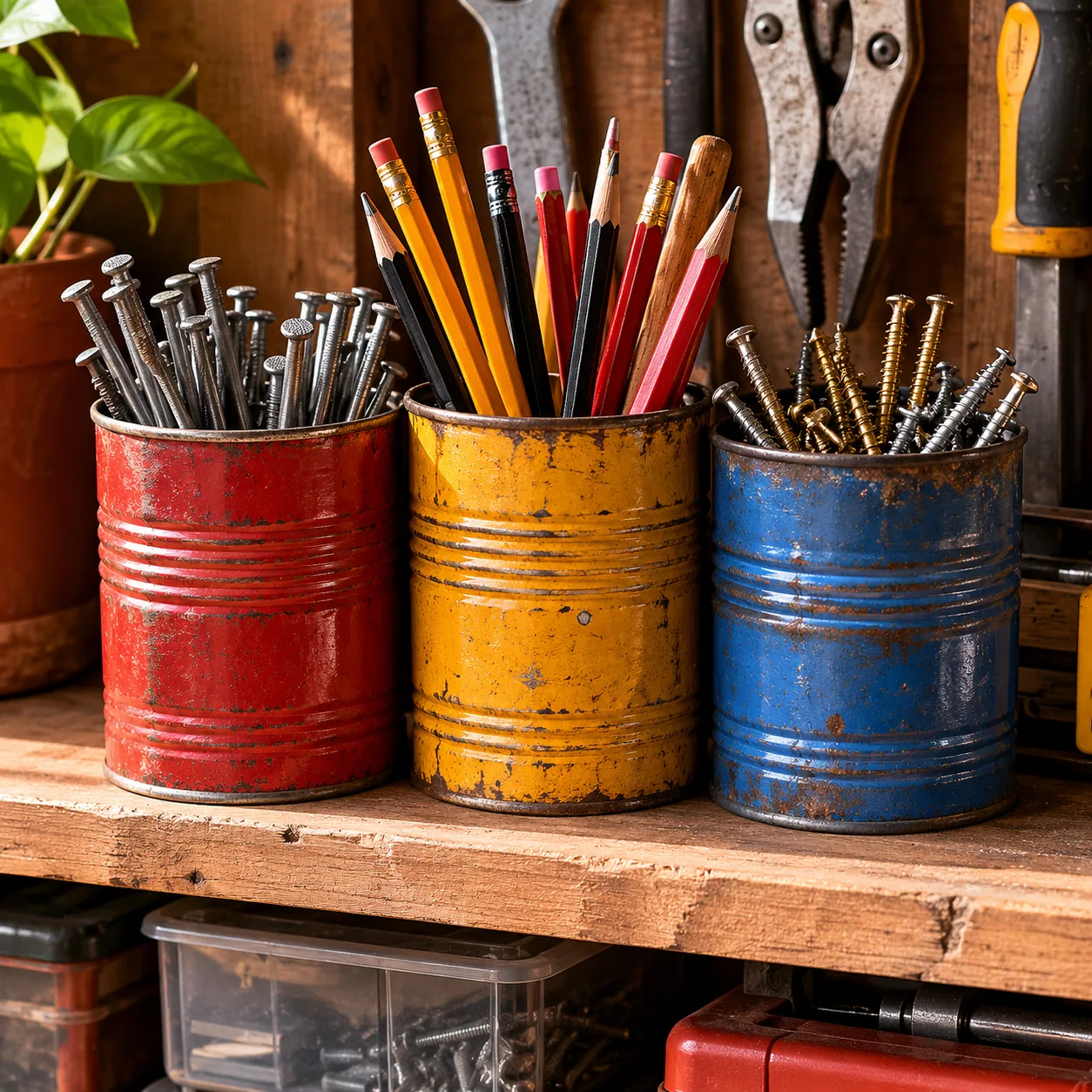
The coffee can was the kitchen’s backup drawer. It held twist ties, rubber bands, jar lids, small screws, clothespins, and mystery parts that might matter someday.
It was not neat, but it was practical. When a lid cracked or a bag needed closing, someone knew where to look.
Modern homes buy replacements quickly. Old kitchens saved the little pieces because little pieces kept bigger things useful.
18. The Manual Meat Grinder Clamped to the Table

The manual meat grinder turned scraps into sausage, hash, sandwich spread, or meatloaf filler. It clamped to the table and made a heavy, determined sound when the handle turned.
Nothing about it felt disposable. The blade had to be cleaned, dried, sharpened, and stored.
That old repair-and-maintain mindset fits the same world as 35 Things People Repaired at Home Before Replacing Became Normal.
17. The Covered Butter Dish
The covered butter dish made breakfast easier. Butter stayed soft enough for toast, biscuits, corn muffins, and pancakes without tearing everything apart.
It also made the table feel ready. Someone could set out bread, coffee, and a dish of butter and call it a meal if money was thin.
Modern kitchens hide butter in the fridge until it is hard as a brick. Old kitchens made it usable.
16. The Biscuit Cutter That Was Really a Glass
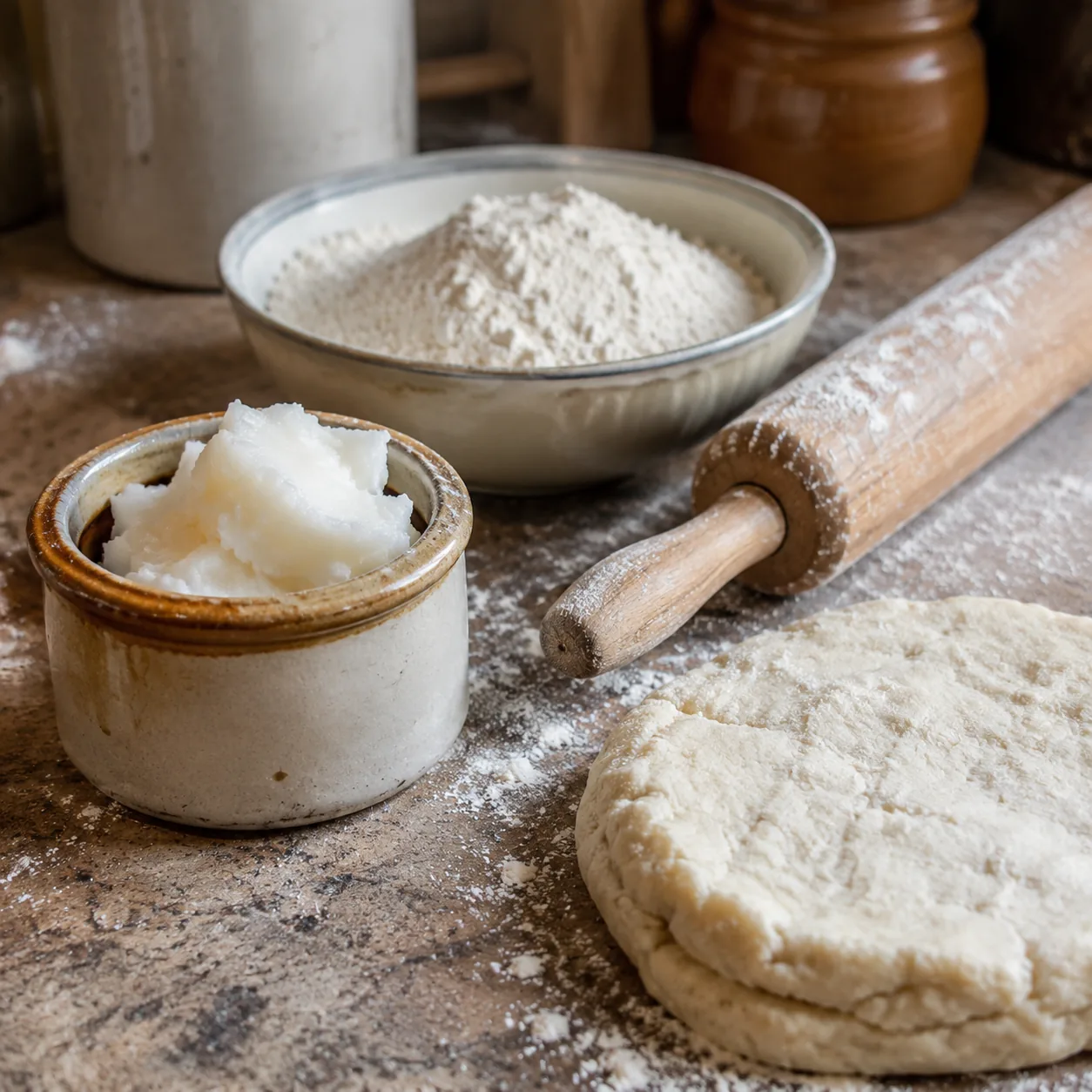
Not every kitchen had a fancy biscuit cutter. Plenty used an upside-down drinking glass dipped in flour.
That was the old kitchen attitude in miniature: use what is already in your hand. The rim made rounds, the scraps got pressed together, and breakfast kept moving.
Modern tools promise perfect shapes. The glass cutter proved perfect was less important than hot biscuits on the table.
15. The Rolling Pin With Flour in the Handles
A rolling pin carried memory in its dents. It flattened pie dough, cracker dough, dumplings, cookie dough, and whatever else needed patience and pressure.
The best ones felt familiar in the hands. People learned when dough was too sticky by the drag against the wood.
Objects like this helped make a house feel cared for, the same feeling behind 35 Things That Made Grandma’s House Feel Like Home.
14. The Ice Pick in the Drawer
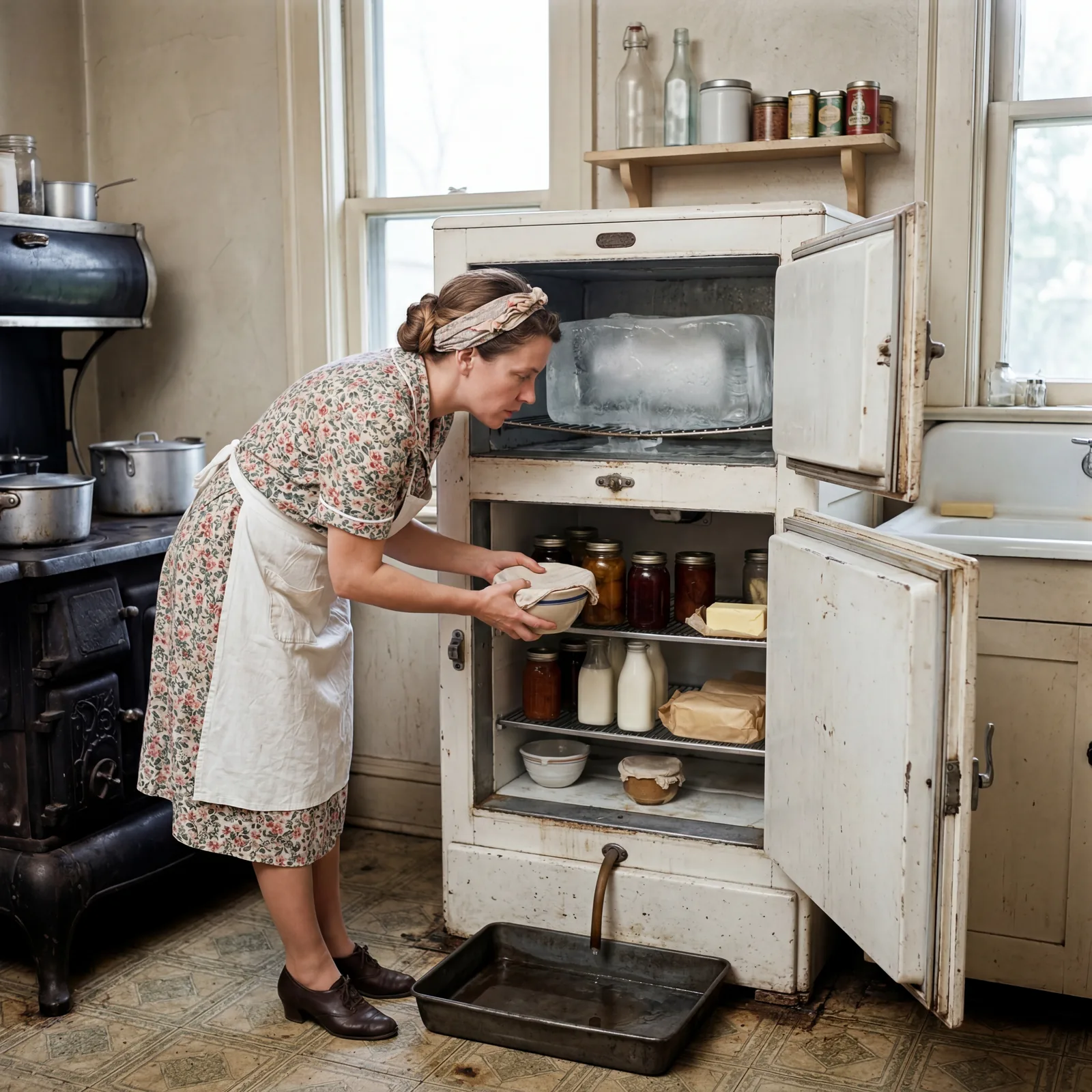
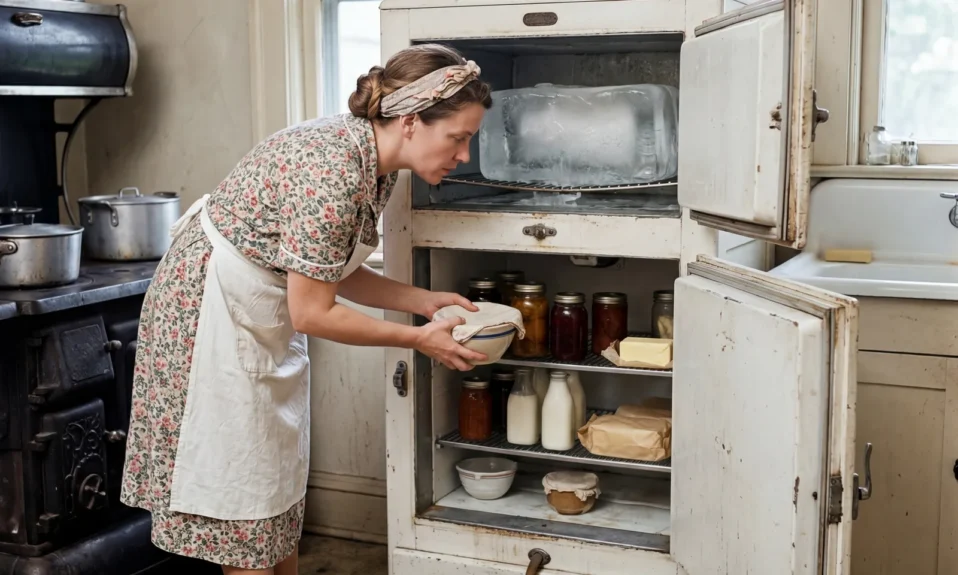
An ice pick in the drawer meant the kitchen still remembered harder work. Ice did not always arrive as perfect cubes from a door dispenser.
People chipped blocks for pitchers, coolers, or an icebox. It was sharp, cold, and not something children were supposed to touch.
Modern kitchens made ice effortless. The old pick made cold feel like a resource you handled carefully.
13. The Dishpan in the Sink
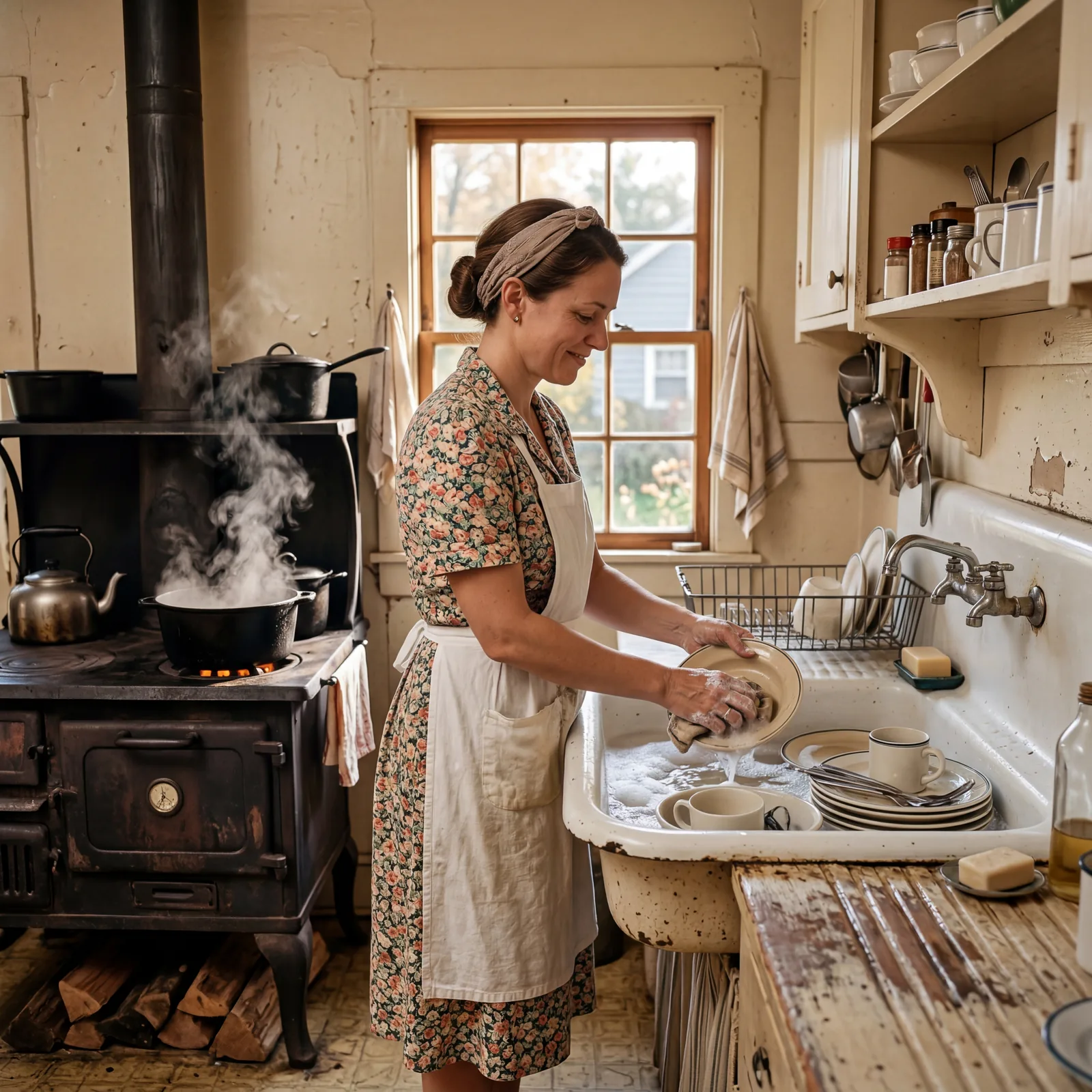
The dishpan saved water before conservation became a lifestyle label. It held hot soapy water for plates, cups, pans, and whatever else the meal created.
Washing dishes meant order: scrape, wash, rinse, dry, put away. Children learned the sequence because nobody escaped the kitchen after supper that easily.
Dishwashers made cleanup quieter. The dishpan made it communal, visible, and impossible to ignore.
12. The Dish Towels on the Oven Door
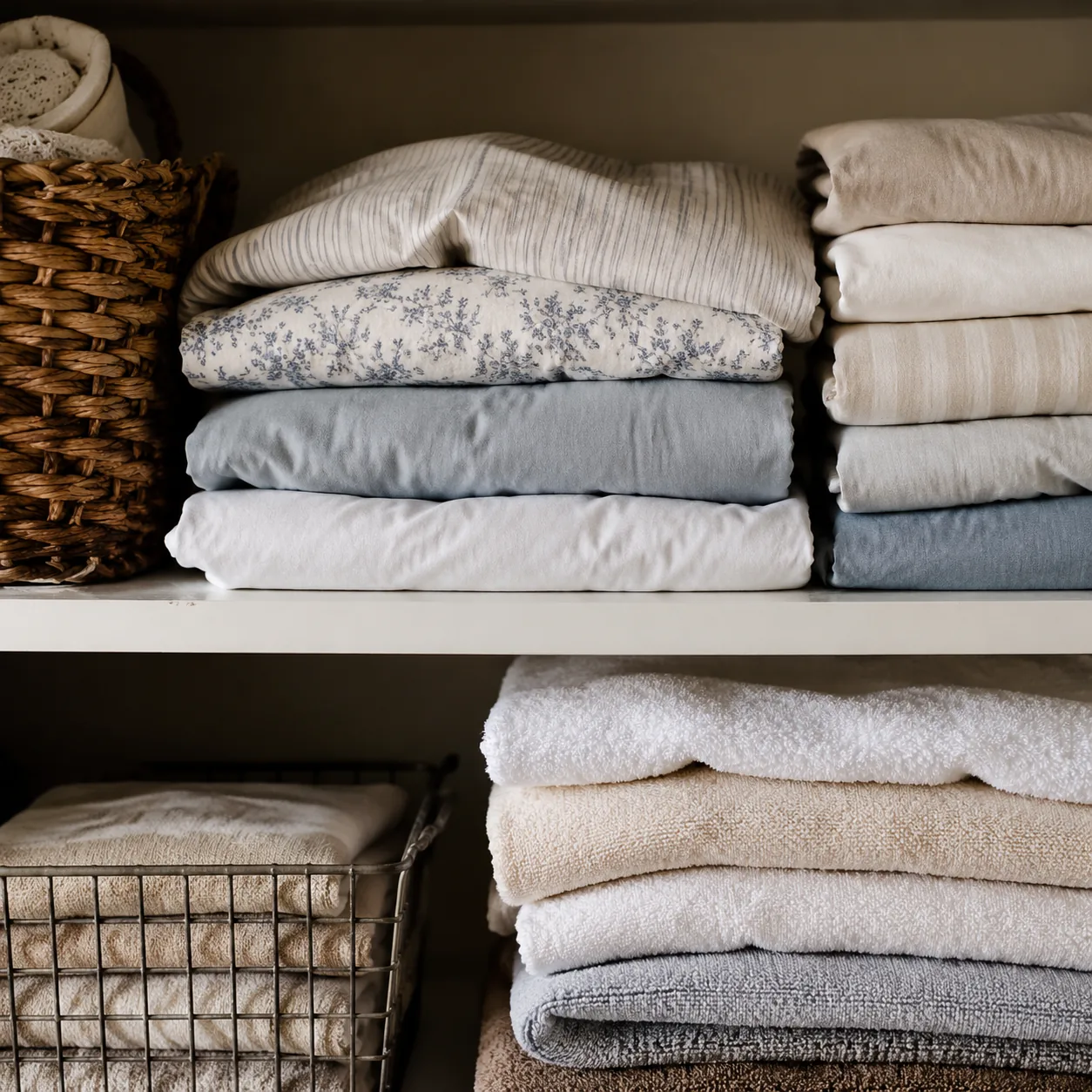
Dish towels were everywhere because paper towels were not the answer to every spill. One dried plates, one covered rising dough, and one lived over the shoulder during busy cooking.
They carried smells too: soap, steam, starch, sometimes a little onion from the wrong wipe.
Modern rolls are convenient. Old towels were washable evidence that kitchens produced mess and expected people to handle it.
11. The Recipe Box With Stained Cards
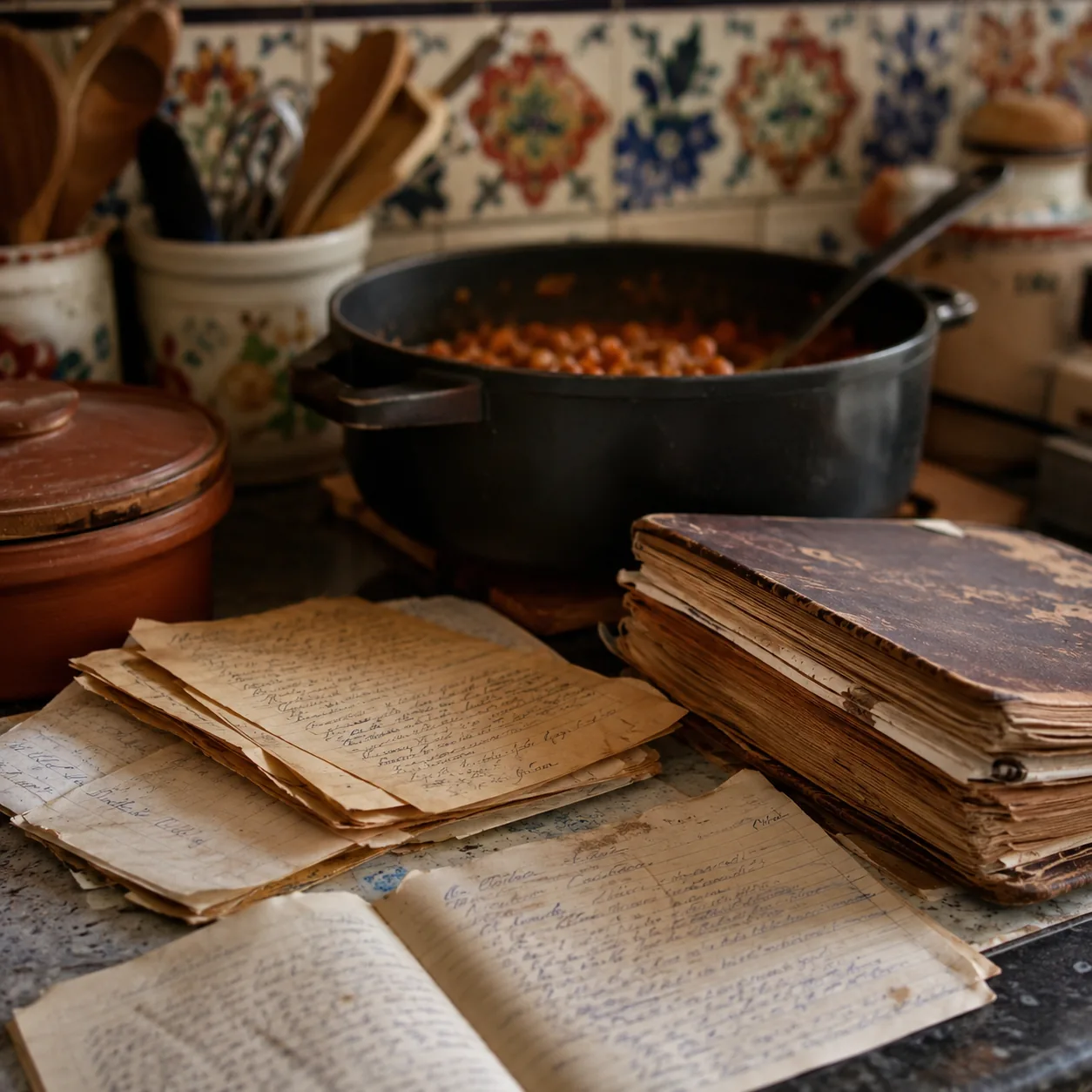
The recipe box held more than instructions. It held stains from vanilla, grease, coffee, and years of being opened with damp fingers.
Recipes were often half-written because the real directions lived in someone’s hands. “Bake until done” only worked if you knew what done smelled like.
Those cards are exactly why families should ask stories early, before the details disappear like the memories in 31 Questions People Wish They Asked Their Grandparents Before It Was Too Late.
10. The Grocery List on a Scrap Envelope
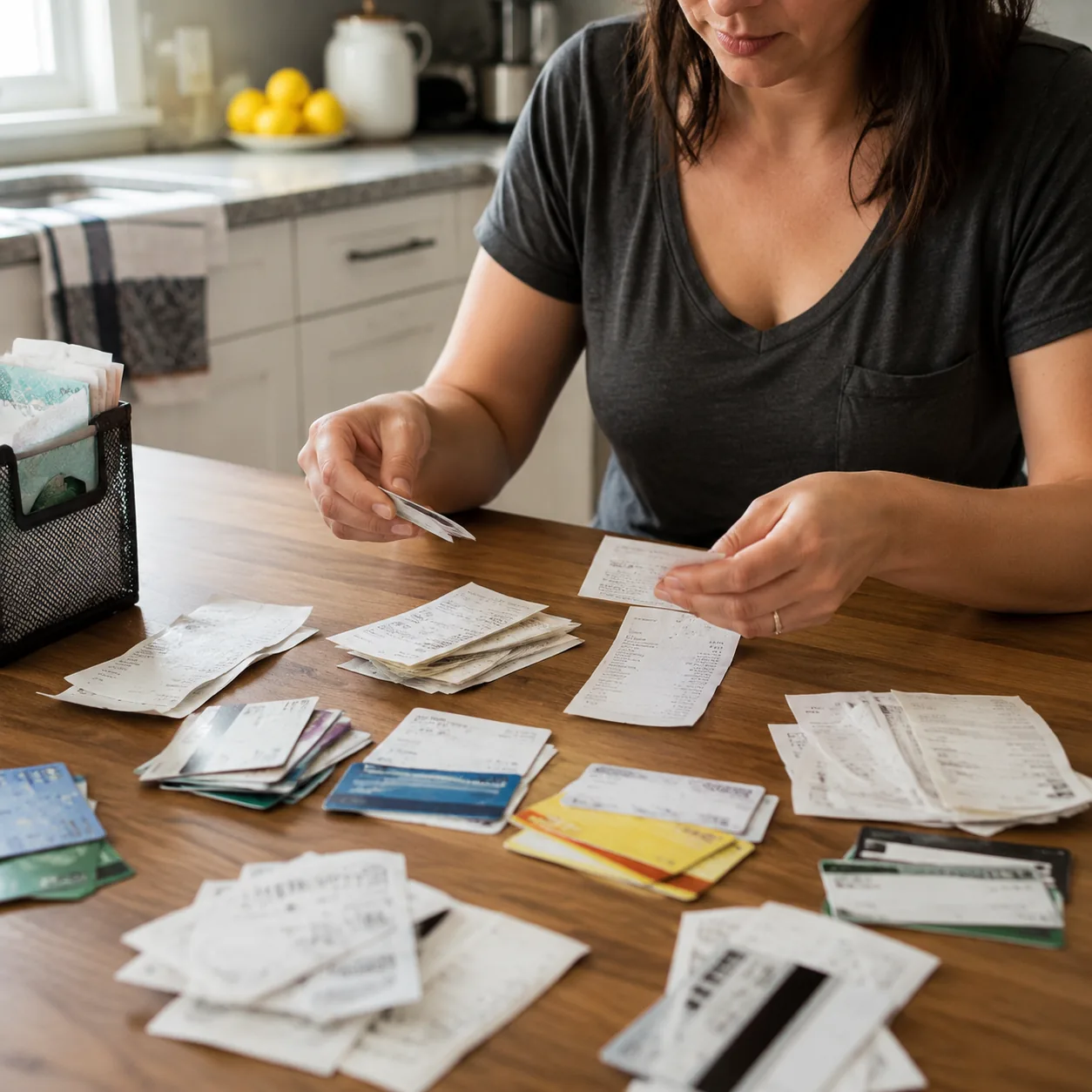
The grocery list often lived on a torn envelope, the back of a receipt, or whatever paper was closest to the phone.
It was not just a list. It was a negotiation between payday, leftovers, Sunday dinner, and what the pantry could still cover.
Modern apps sort aisles and store coupons. The scrap list carried arithmetic, memory, and a quiet promise not to waste a trip.
9. The Stockpot That Turned Bones Into Dinner

The stockpot was where leftovers went to become respectable again. Bones, onion ends, celery leaves, carrot peels, and yesterday’s meat could make broth with enough time.
That pot stretched flavor farther than a thin budget should have allowed. It also made the whole kitchen smell warmer.
This is the same practical logic behind 33 Poor Man Meals That Fed Whole Families When Money Was Tight: use what is left before buying more.
8. The Cake Carrier for Company
The cake carrier meant dessert could travel safely to church suppers, school events, neighbor visits, and family birthdays.
It protected frosting from dust, fingers, and the bumpy back seat of the car. It also signaled that someone had made an effort.
Modern desserts often come in plastic clamshells. The old carrier treated cake like a responsibility, not just a purchase.
7. The Kitchen Scale With a Needle Dial

The needle-dial scale measured flour, meat, apples, potatoes, and anything else that needed fairness. It helped divide food when guessing could cause arguments.
Older cooks understood weight because recipes, canning, mailing parcels, and stretching meat all depended on it.
Modern packaging does much of that thinking for us. The old scale kept the household honest about portions, cost, and what was really left.
6. The Root Cellar Basket
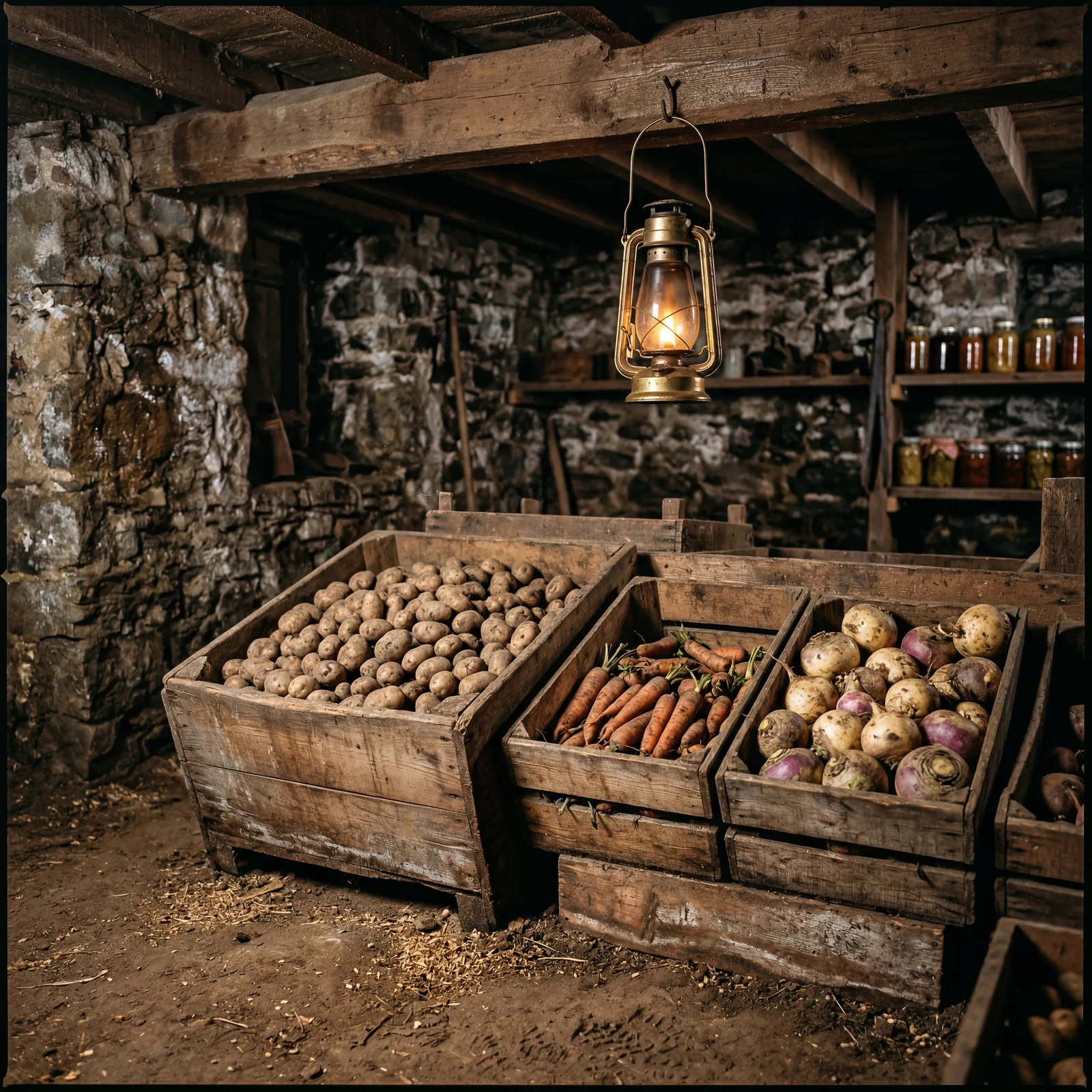
The root cellar basket brought up potatoes, onions, apples, carrots, and sometimes jars from the coolest part of the house.
Food storage was physical then. Someone had to check for soft spots, use the older potatoes first, and know which apples bruised easily.
That careful rotation sits close to the food-stretching habits in 35 Ways Grandma Stretched Groceries Before Budgeting Apps Existed.
5. The Matchbox by the Stove
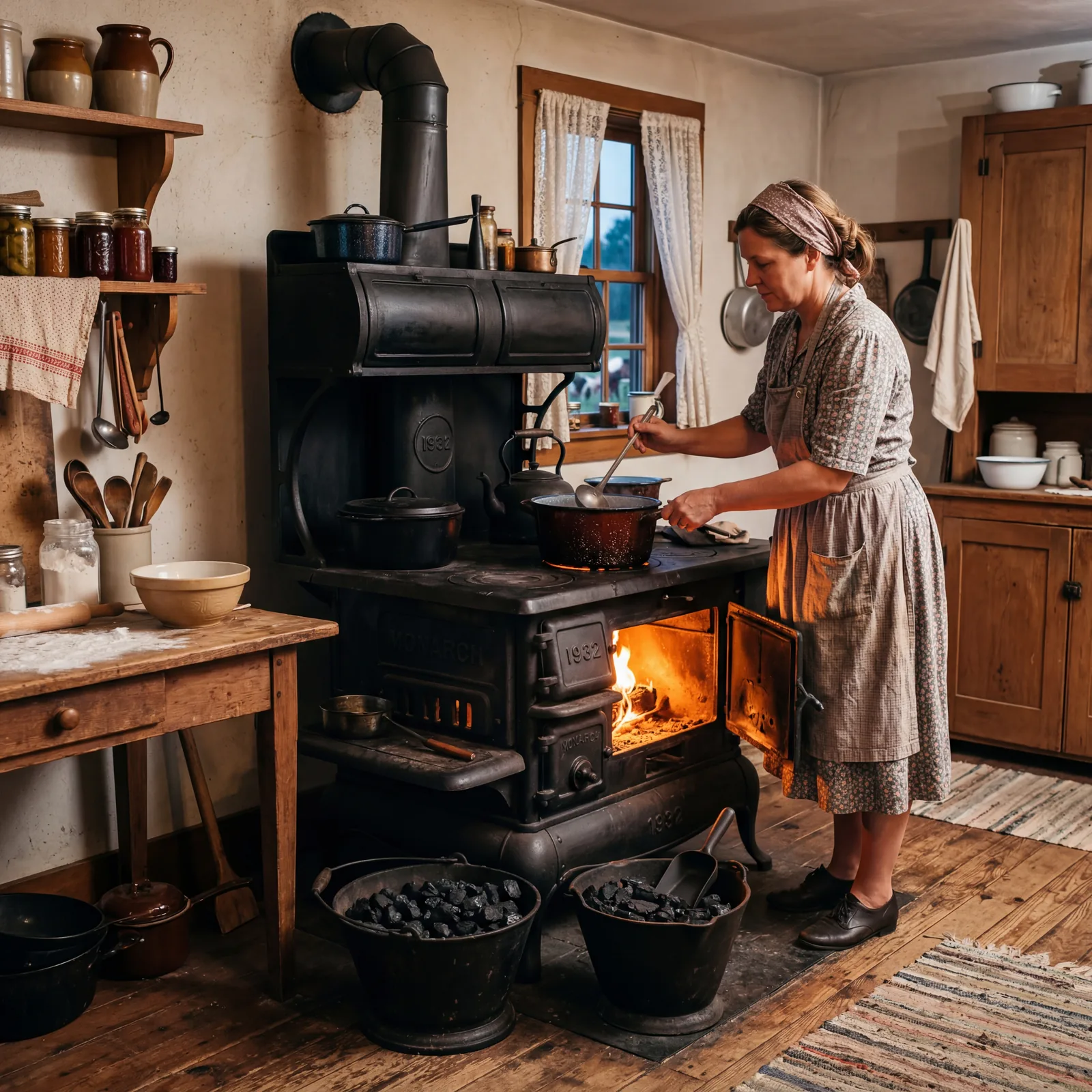
The matchbox by the stove belonged to kitchens where fire was handled, not hidden. Lighting a burner took a strike, a small flare, and a little respect.
People listened for gas, watched the flame, and adjusted heat by sight instead of pressing a digital button.
Modern stoves removed much of that drama. The old matchbox made cooking feel closer to campcraft than appliance use.
4. The Kettle Always Waiting on the Back Burner
The kettle was never far from useful. It made tea, loosened stuck lids, warmed a washcloth, filled a hot water bottle, and helped clean greasy pans.
Hot water solved more problems than people remember. It softened, rinsed, soothed, and stretched a little comfort across the day.
Modern kitchens have instant taps and microwaves. The kettle made waiting part of the rhythm.
3. The Drawer of String, Twist Ties, and Saved Foil
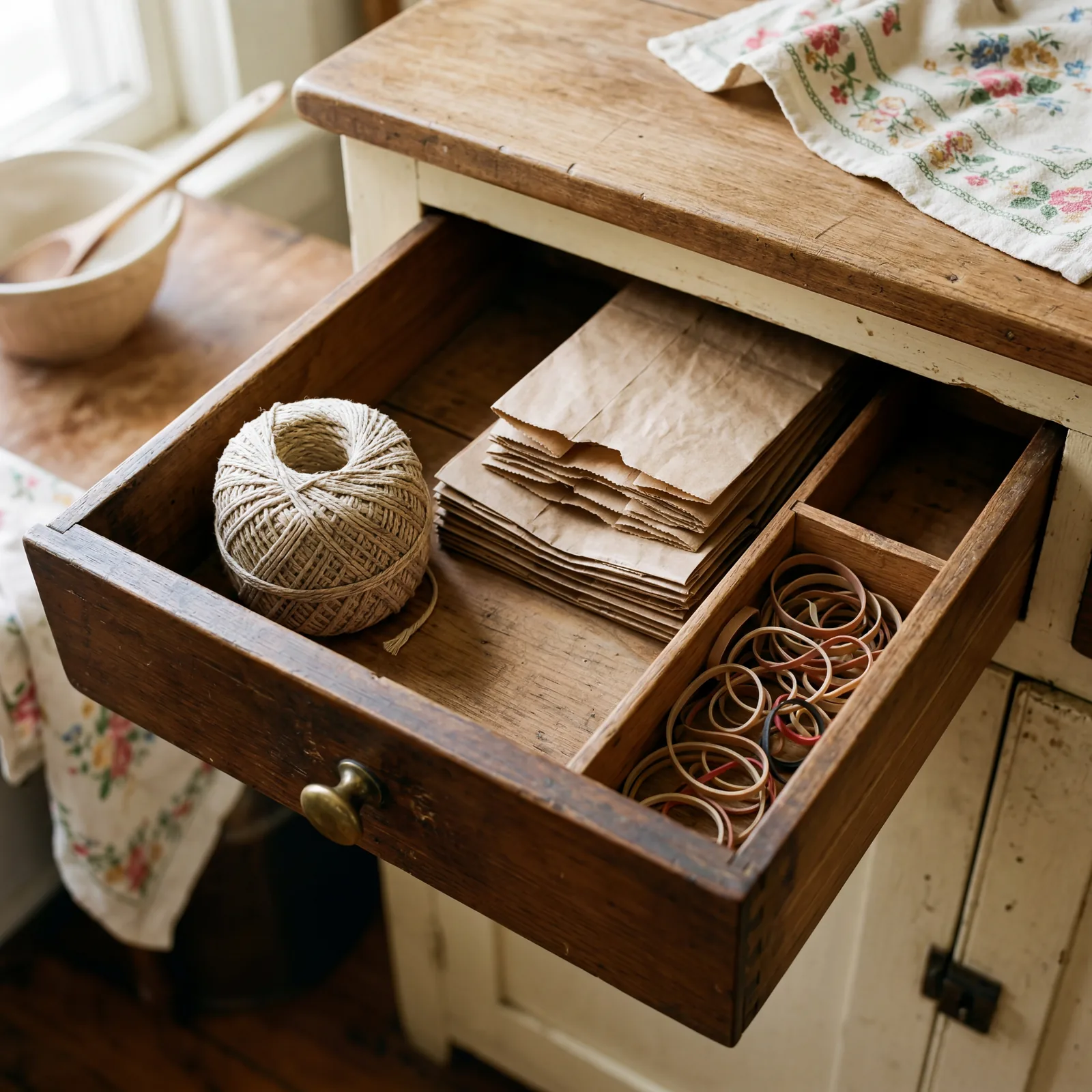
Every old kitchen had a drawer that looked like clutter until someone needed it. String tied roasts, twist ties closed bags, and saved foil covered a pie edge before it burned.
The drawer taught thrift through use. It was not glamorous, but it prevented small annoyances from becoming purchases.
One-paycheck households understood that readiness mattered, a theme that runs through 35 Things Older Families Did When One Paycheck Had to Run the Whole House.
2. The Kitchen Table Everyone Worked Around
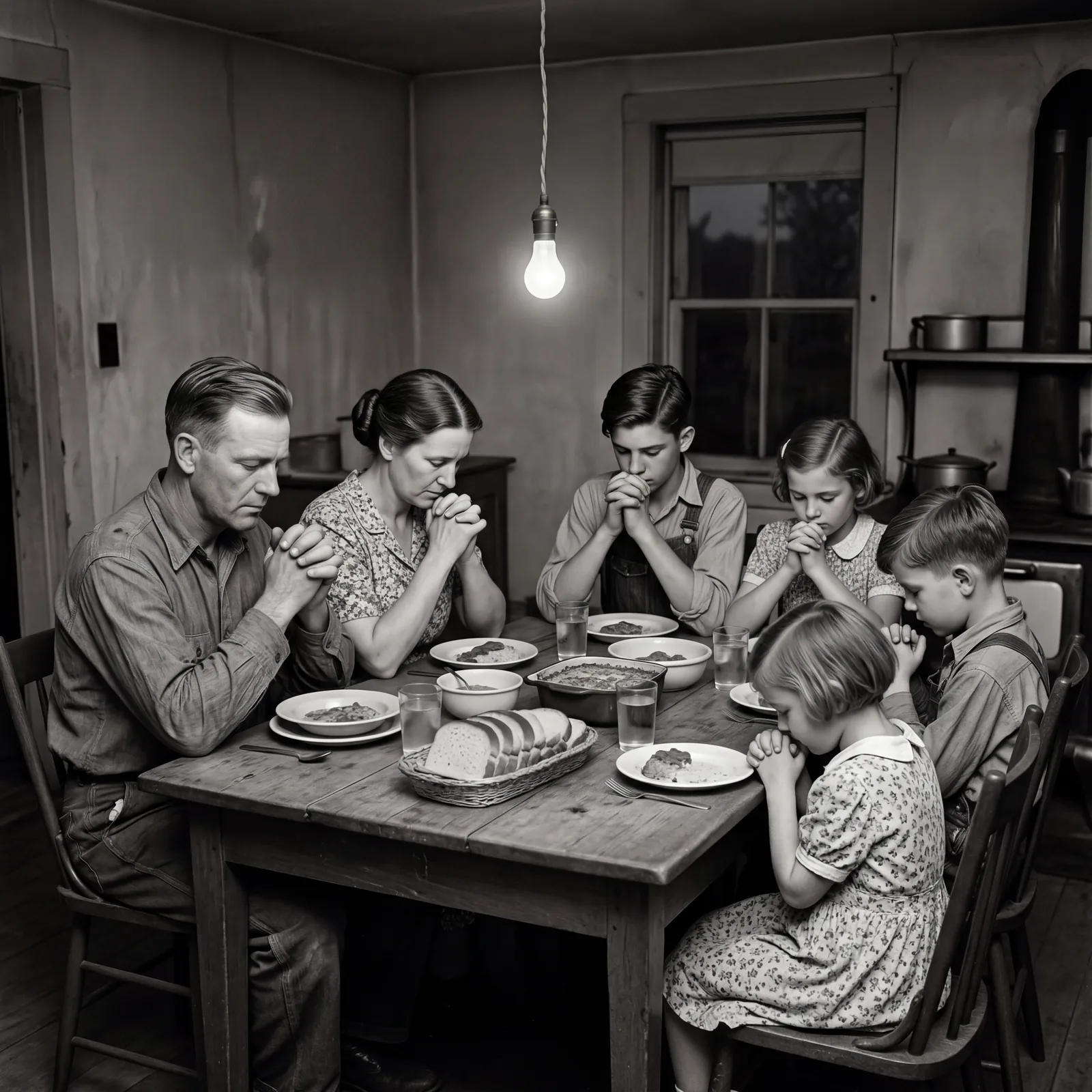
The kitchen table was not just for eating. It was a prep counter, homework desk, mending station, bill-paying spot, and family meeting place.
People peeled potatoes there, rolled dough there, counted coins there, and sometimes sat quietly while coffee cooled.
Modern homes often split every task into its own zone. The old table gathered work together, which meant people saw what it took to keep a house running.
1. The Skill of Making Do Before Ordering Out
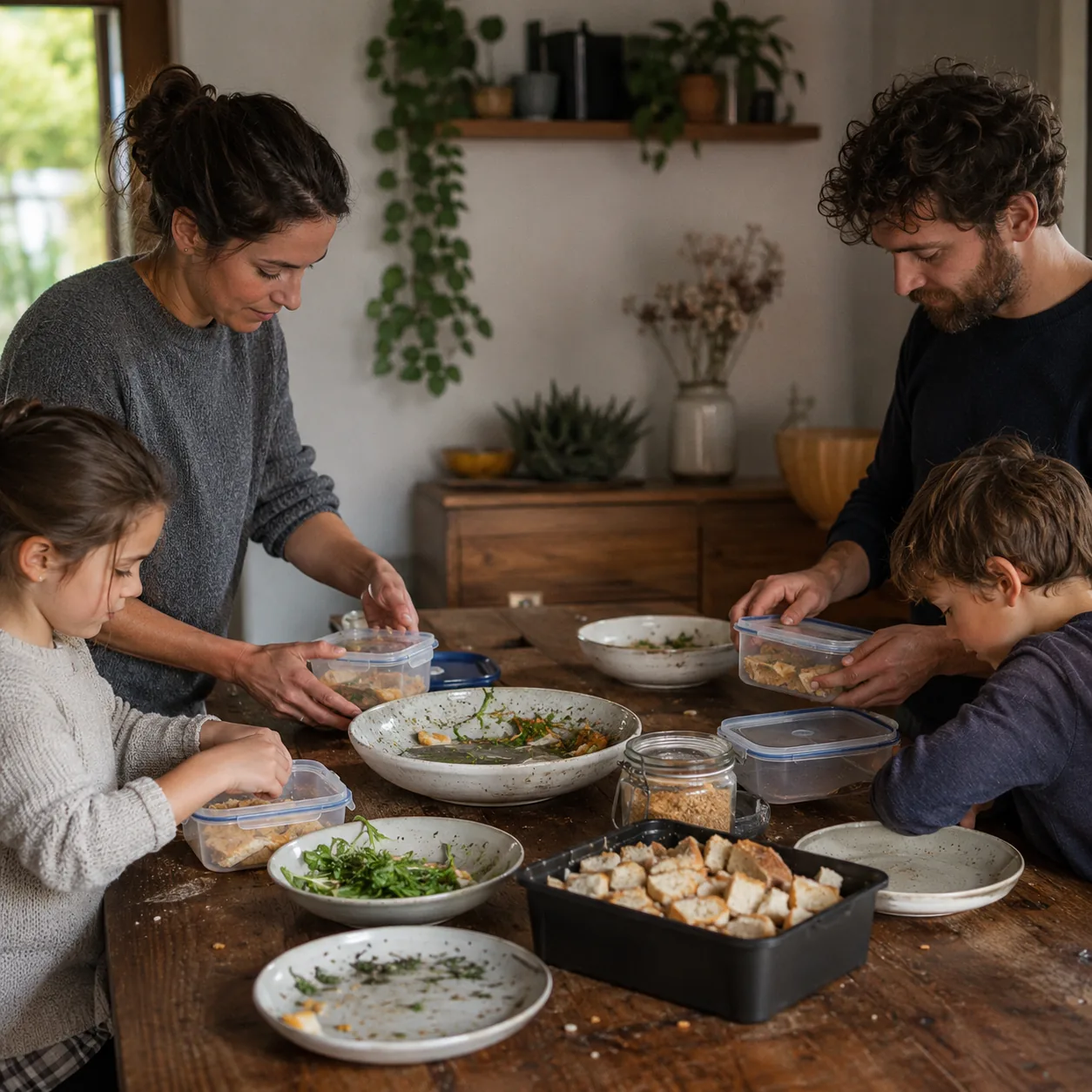
The biggest thing old kitchens had was not an object. It was the habit of looking around and making dinner from what was already there.
A heel of bread became crumbs. A bone became broth. A little grease, flour, and water became gravy.
Modern convenience is wonderful, but it can make that knowledge feel unnecessary. Old kitchens quietly taught that food, money, and effort all deserved respect.