Home life in the 1940s could make an ordinary kitchen feel like part of the war effort.
Families saved fat, darkened windows, stretched ration stamps, and expected children to help without making a production of it.
37. Pinned Blackout Curtains Over The Windows
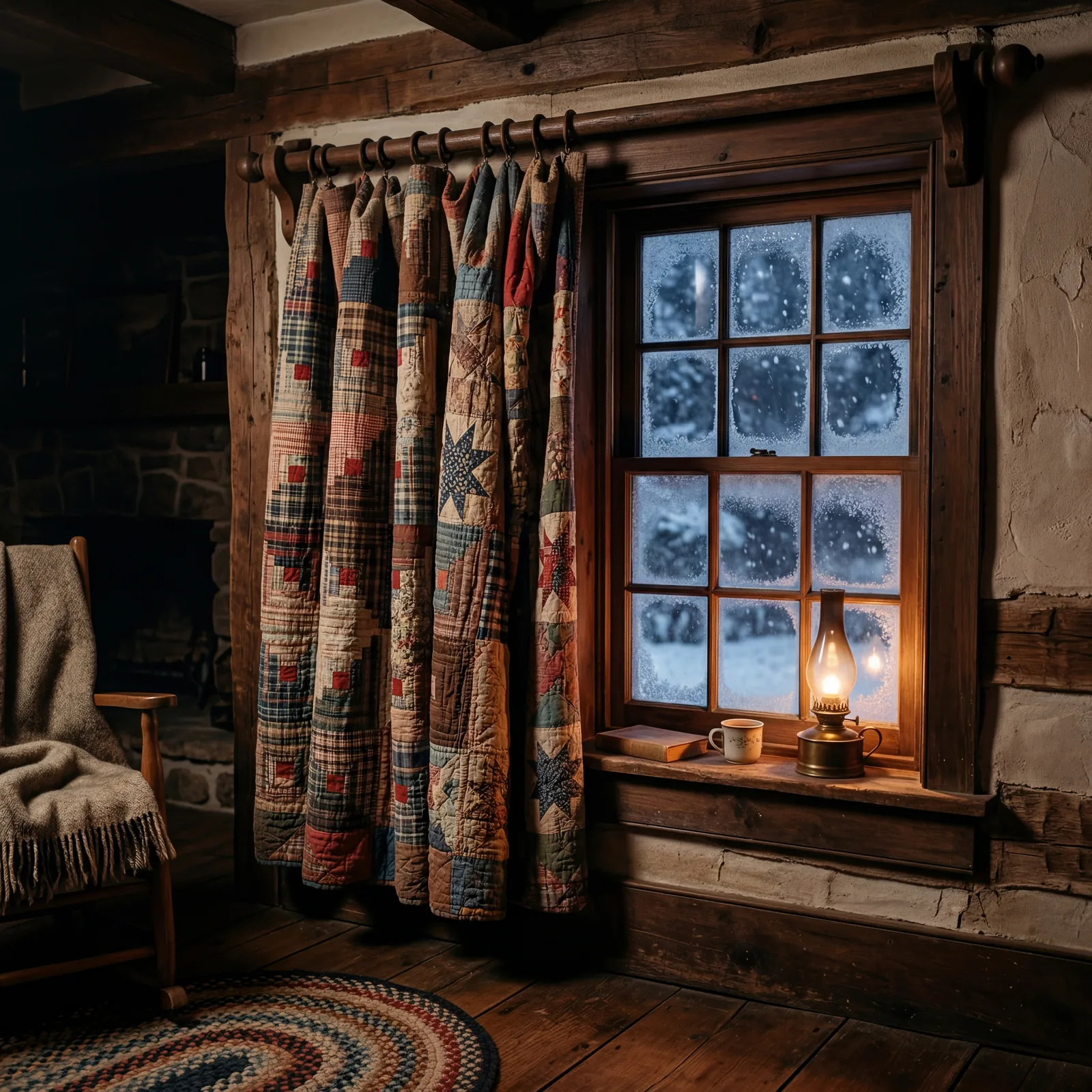
When blackout rules reached a town, the window became a job. Curtains were pulled tight, cracks were checked, and anyone with a porch light learned to turn it off fast.
Kids today grow up with glowing screens in every room. A 1940s child might remember the opposite: a house made deliberately dark so light would not spill into the street.
It made war feel close, even at the kitchen table.
36. Kept Ration Books In A Kitchen Drawer
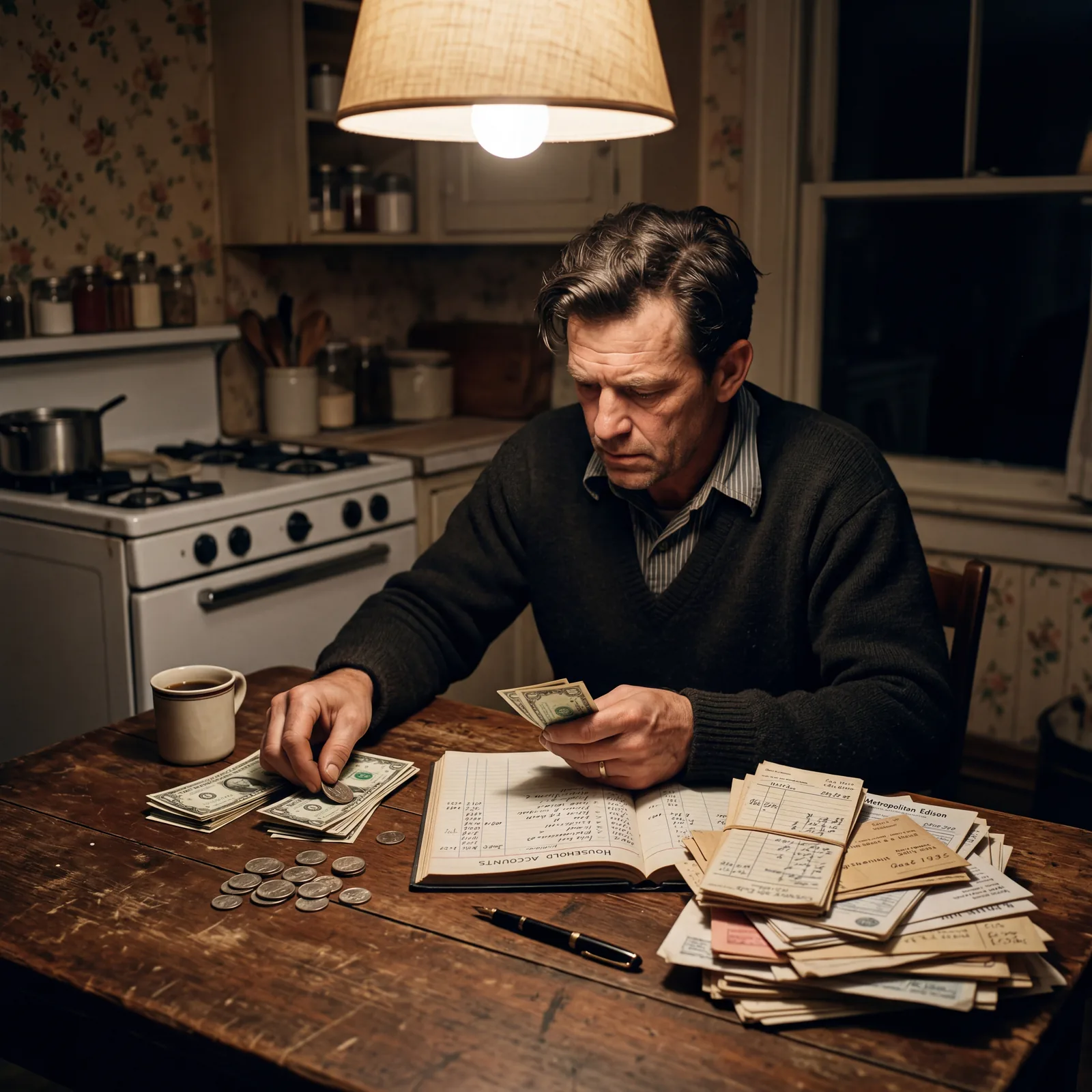
The ration book was not a souvenir. It lived near the grocery money because sugar, meat, butter, coffee, canned goods, and gasoline all had rules at different points.
Parents checked stamps before making a list. Children learned that even having money did not mean you could buy whatever you wanted.
That is the part modern kids would find strange. The shelf was not always empty because nobody could pay. Sometimes the stamp was already gone.
35. Planted Victory Gardens In Every Spare Patch
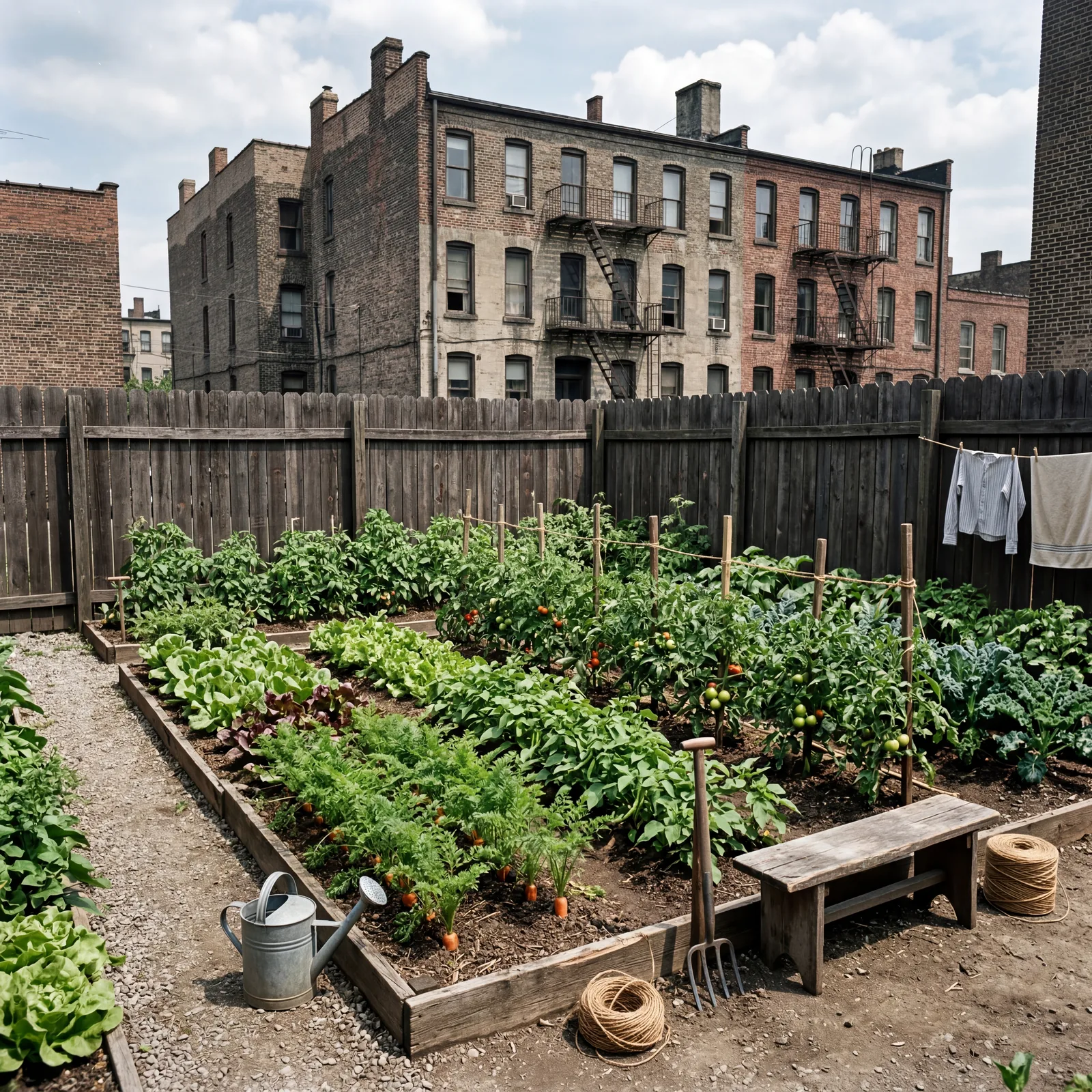
A strip beside the garage, a backyard corner, or a borrowed empty lot could become tomatoes, beans, carrots, squash, and onions. Food from the ground meant less pressure on stores and more food put up for winter.
Victory gardens were patriotic, but they were also practical. A row of beans was cheaper than a store run.
The garden gave children work that felt grown-up: weeding, watering, picking bugs, and carrying in a basket heavy enough to prove the day mattered.
34. Saved Bacon Grease Like It Was Money
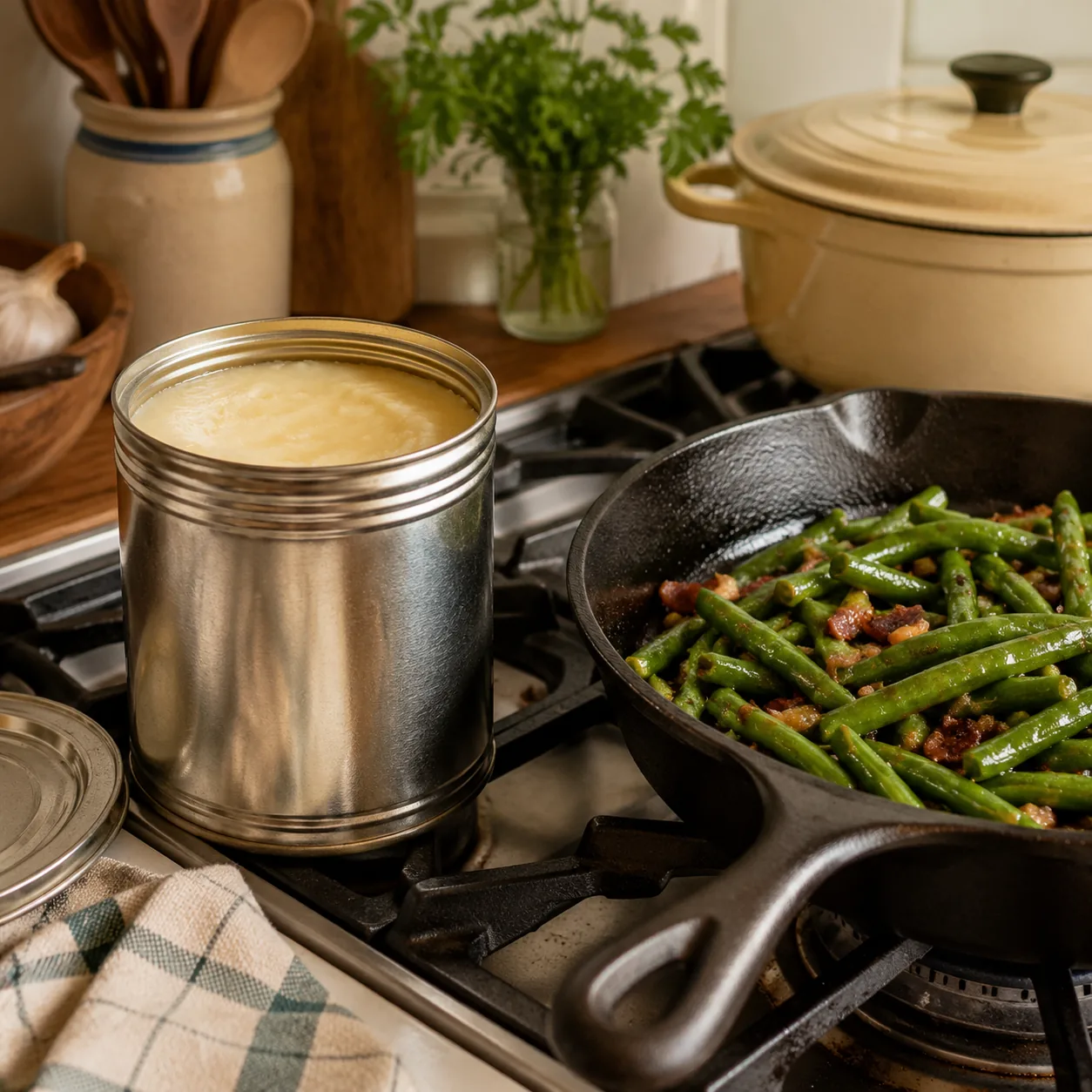
The little grease can near the stove was not clutter. It was flavor, cooking fat, and grocery stretching in one dented container.
Bacon grease went into fried potatoes, beans, cabbage, cornbread, gravy, and skillet suppers that needed help tasting richer than they were. During wartime, used fats could also be saved for collection drives.
Modern kitchens buy cooking sprays and flavored oils. Many 1940s kitchens kept yesterday’s breakfast fat and made it work again.
33. Listened To War News Around The Radio
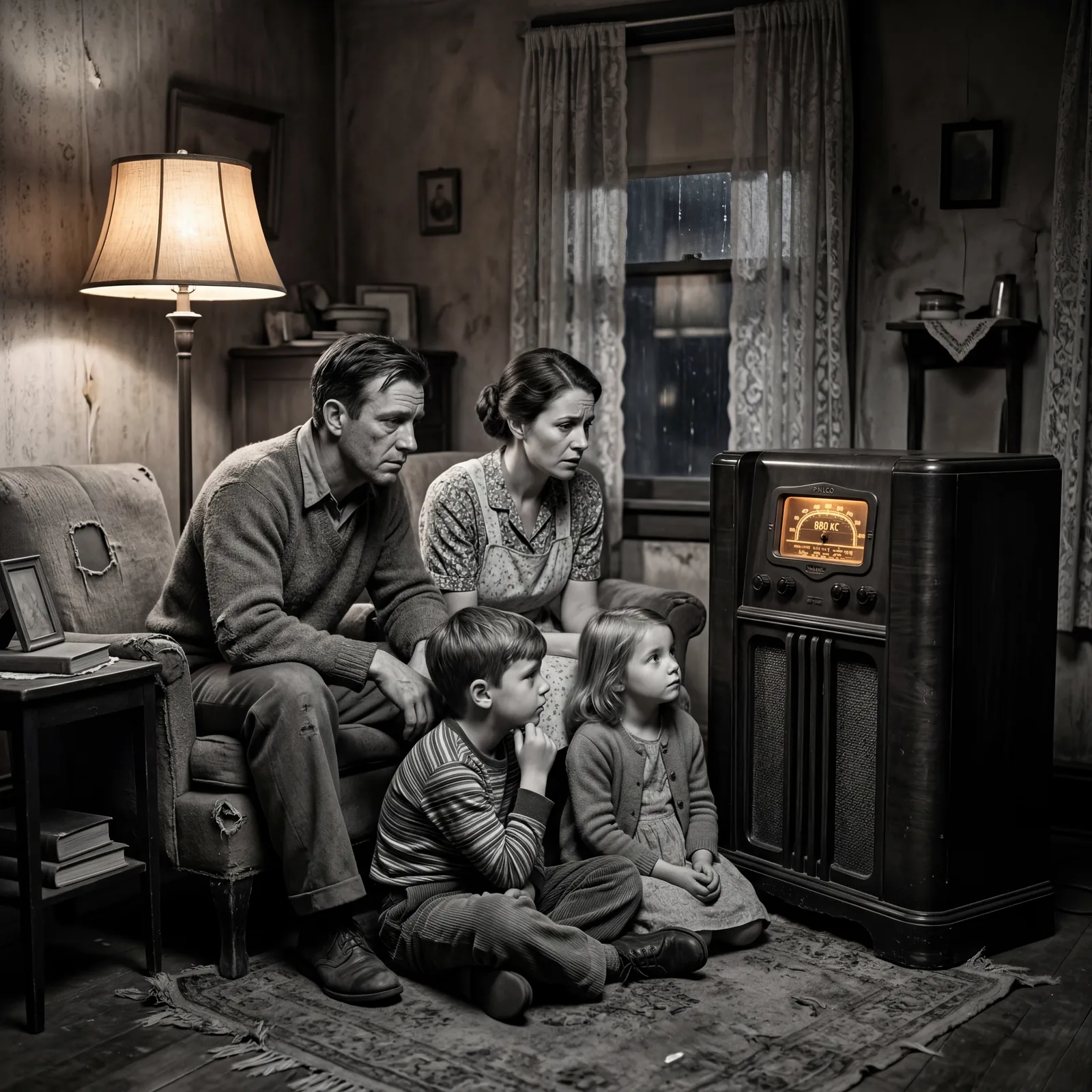
The radio could quiet a whole house. A meal paused, knitting slowed, and children were told to hush when the news came on.
There was no refreshing a phone for updates. Families heard battles, speeches, ration changes, and bond appeals through a wooden cabinet that smelled faintly of warm dust.
For kids, the radio made distant places sound real. Names on the broadcast could mean an uncle overseas, a neighbor’s son, or a father who had not written in weeks.
32. Stretched Sugar Until Dessert Felt Like An Event

Sugar rationing changed the mood of a kitchen. Cake, cookies, jam, and sweet tea all had to compete with the same limited supply.
Families used molasses, corn syrup, applesauce, raisins, or less sugar than the recipe wanted. A frosted cake became special because the ingredients behind it had been guarded.
Modern kids see dessert as a choice on a menu. In many 1940s homes, dessert meant someone had saved carefully and decided the occasion deserved it.
31. Ate Meatless Suppers Without Calling Them Healthy

Meatless meals were not a lifestyle brand. They were beans, potatoes, cabbage, macaroni, eggs when available, and bread thick enough to make the table feel less bare.
Families stretched meat with gravy, dumplings, noodles, rice, or vegetables from the garden. The goal was not to impress anyone. It was to fill plates without wasting stamps.
A child learned fast that supper did not need a centerpiece every night. Warm, filling, and paid for was enough.
30. Cut Worn Clothes Into Patches And Quilt Squares
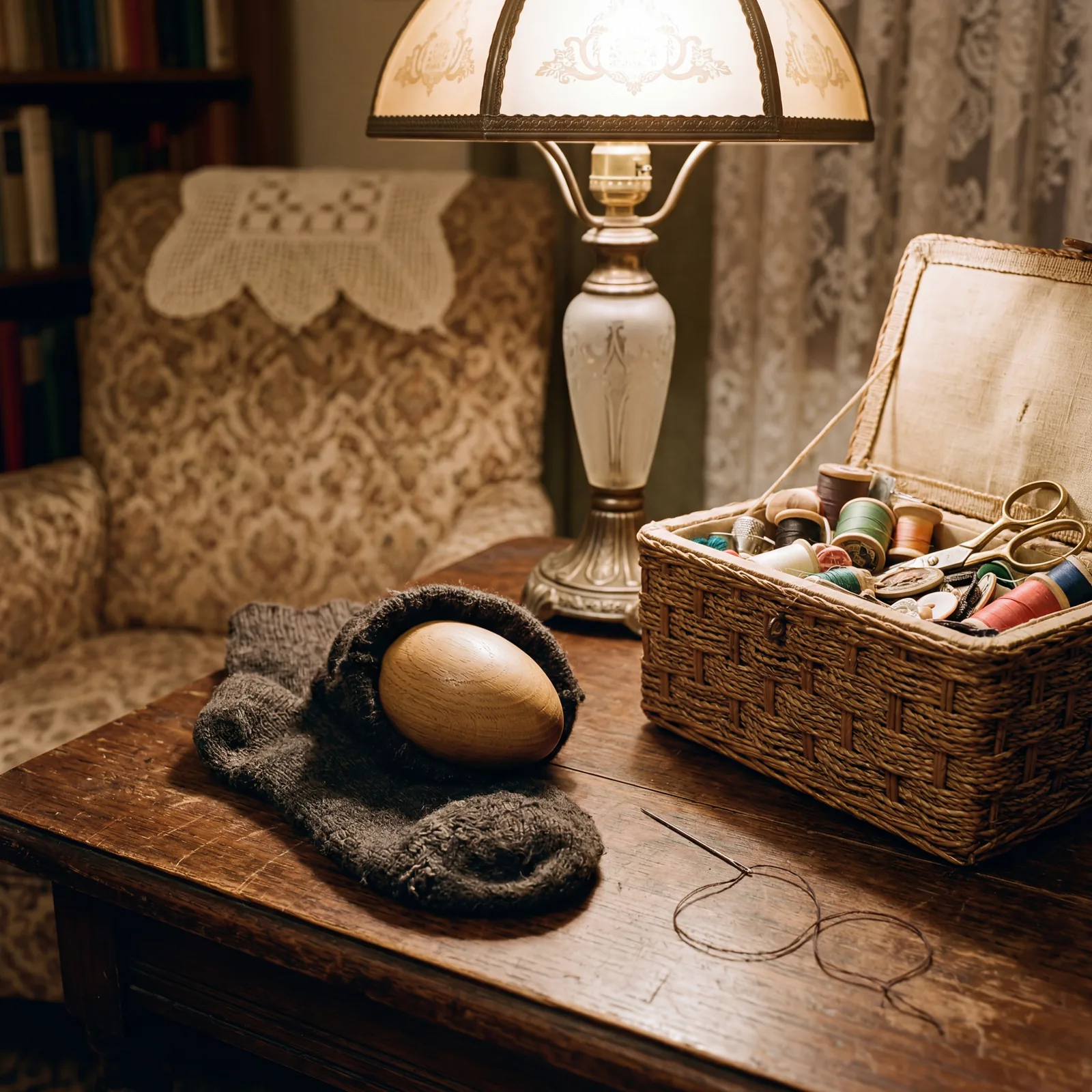
A shirt with ruined cuffs was not finished. The good cloth could become patches, quilt squares, doll clothes, dust rags, or a piece of something smaller.
Mothers and grandmothers knew where the fabric still had life. Children recognized old dresses in quilts and work shirts in mended knees.
That kind of reuse made objects feel personal. Even the scrap pile carried a family history you could touch.
29. Washed And Reused Foil
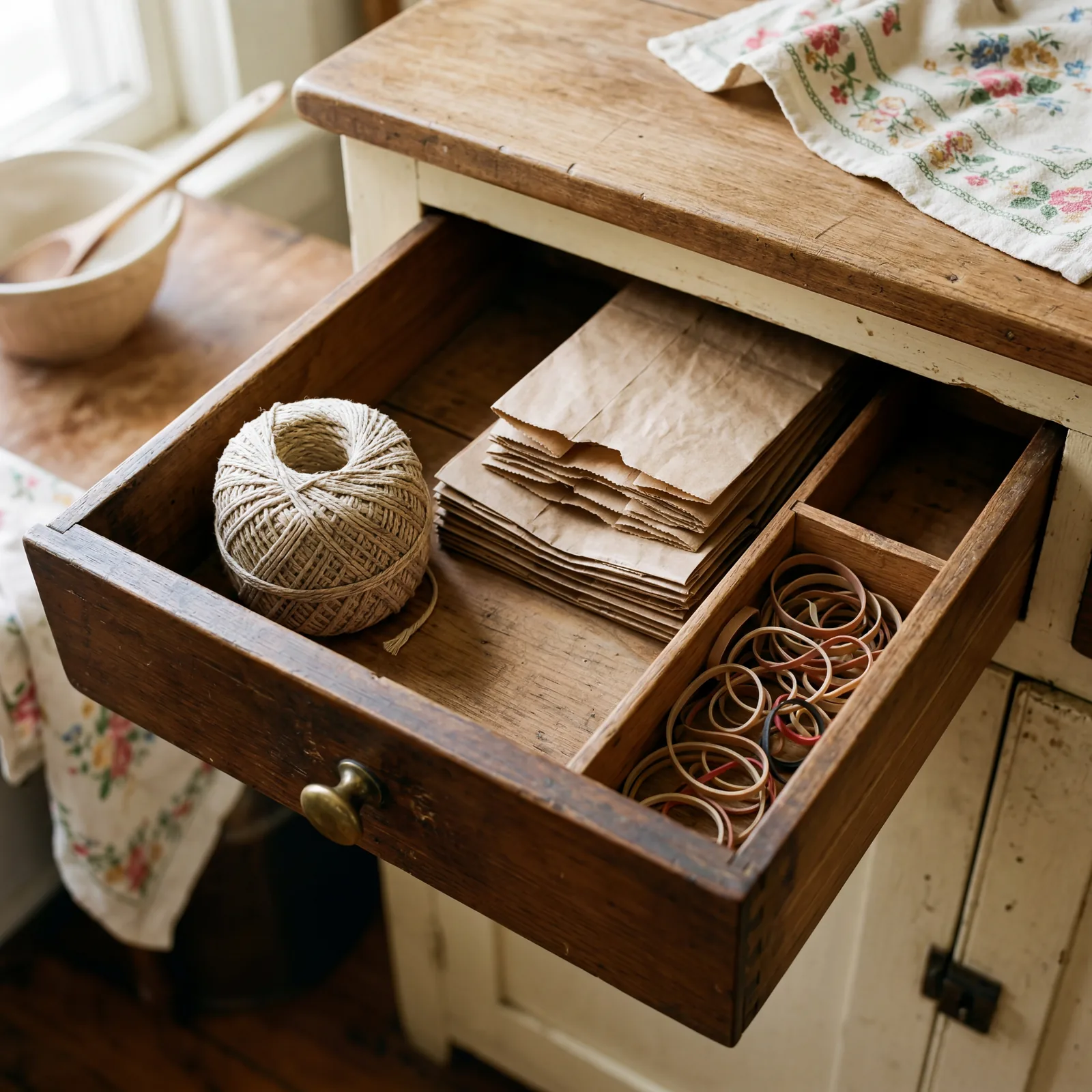
Foil was smoothed, washed, dried, and folded for another use if it had not torn too badly. Wax paper, bags, string, jars, and twist ties got the same second look.
It seems fussy now because replacements are cheap and everywhere. In the 1940s, wasting useful material felt careless.
Children saw adults turn trash back into supplies. That lesson stuck harder than any lecture about being grateful.
28. Walked Errands To Save Gas
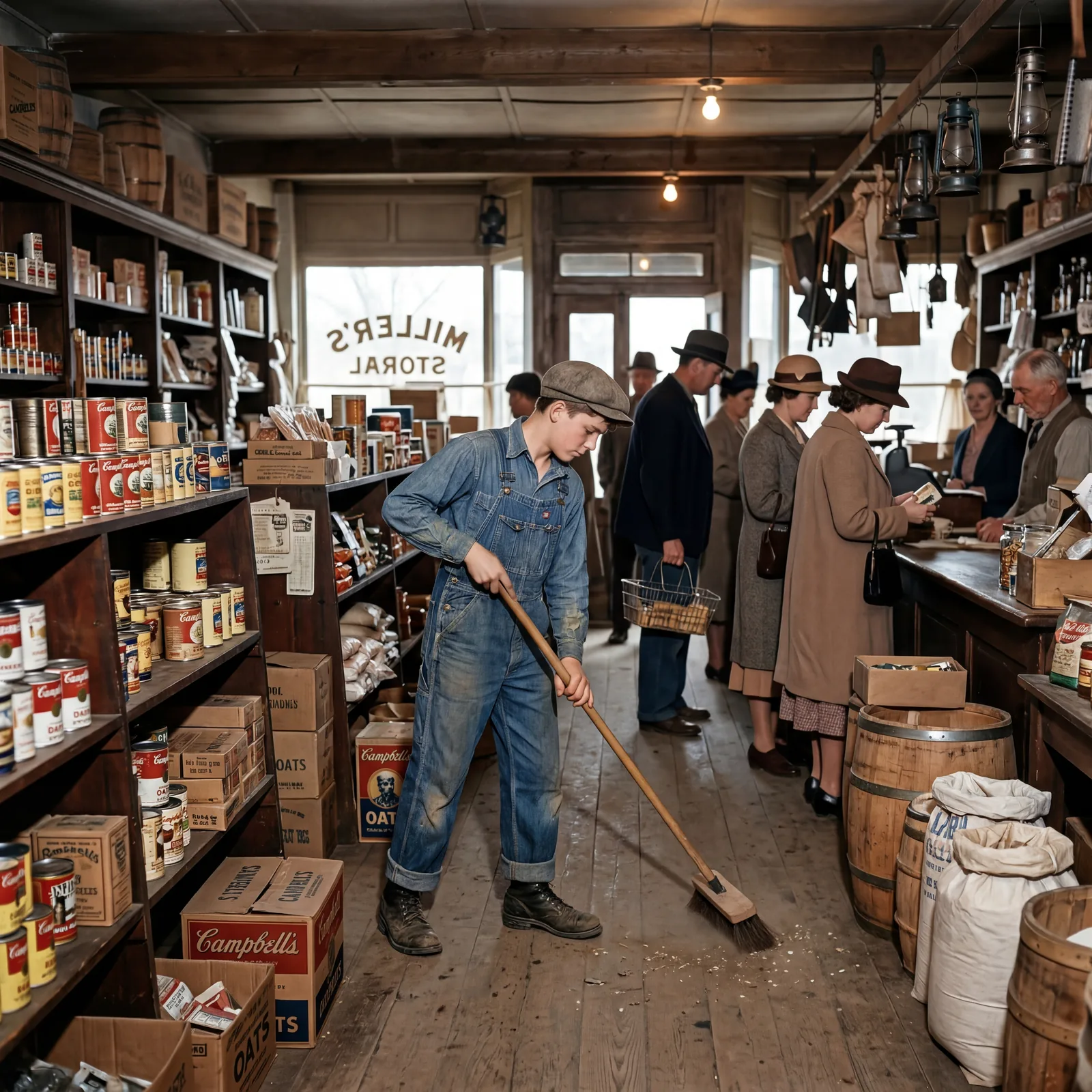
Gasoline rationing made the car feel less casual. A quick errand could become a walk, a bicycle trip, or a carefully planned stop on the way home from work.
Families grouped errands because waste was visible. Every unnecessary drive used fuel, tires, time, and maybe a stamp they would need later.
Modern kids know cars as constant background. A 1940s child could know the family car as something you saved for when it truly mattered.
27. Dried Laundry Wherever Sun Could Reach

Clotheslines turned the backyard into part of the laundry room. Sheets snapped in the wind, work shirts dried stiff, and children were warned not to run through the wet rows.
Dryers were not waiting in every basement. Sun and air did the work, and bad weather could rearrange the whole household schedule.
Fresh laundry smelled like soap, dust, and outside air. It also proved someone had lifted, wrung, pinned, watched the sky, and brought everything in before rain.
26. Kept A Button Jar Ready
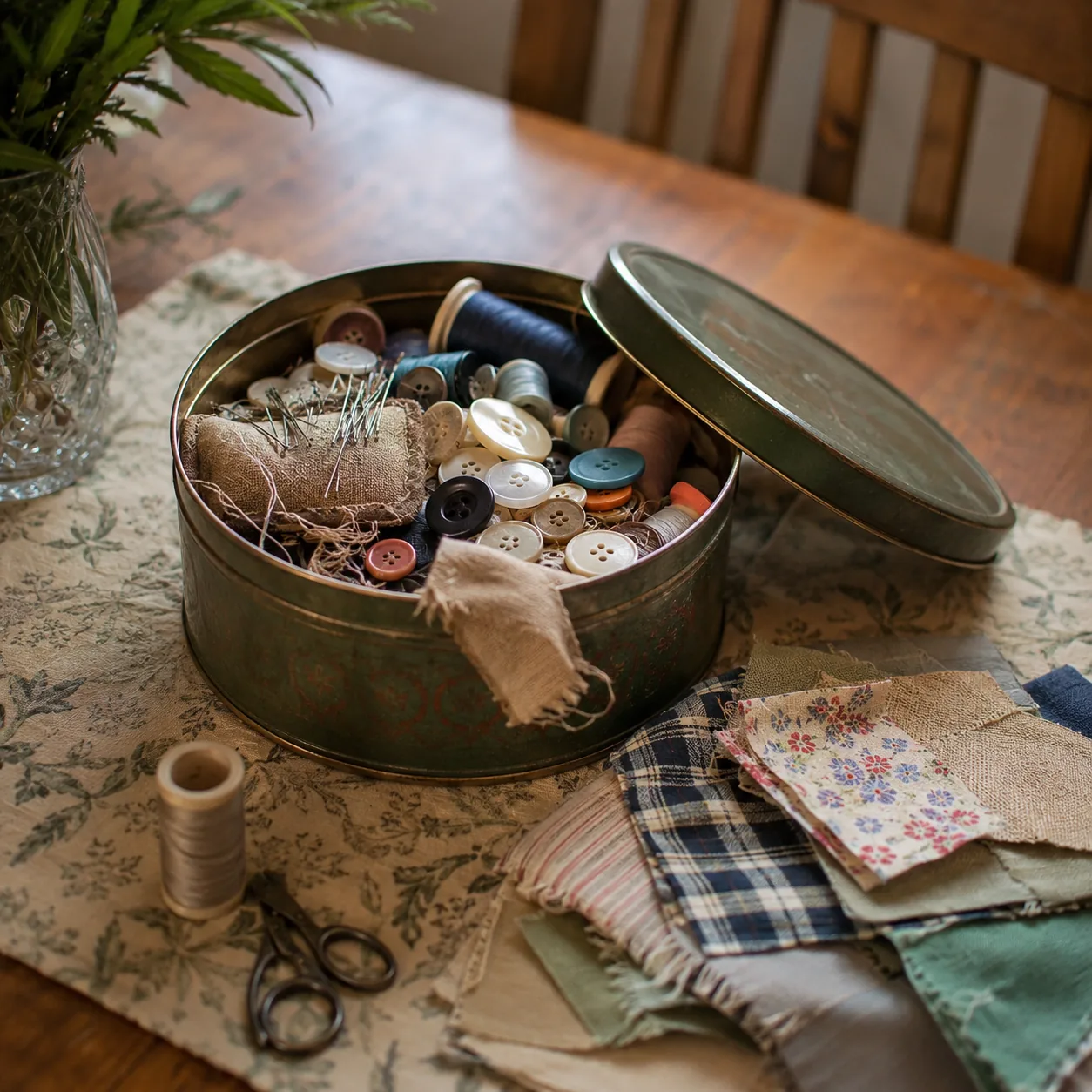
The button jar was tiny insurance. Every coat, dress, shirt, and cardigan had a future repair waiting in that clinking glass.
Children loved sorting the buttons by color or size, but adults saw the practical side. Losing a button did not mean buying a new garment or walking around untidy.
A spare button could keep Sunday clothes respectable, school clothes wearable, and a winter coat closed against the wind.
25. Canned Summer Food In A Hot Kitchen
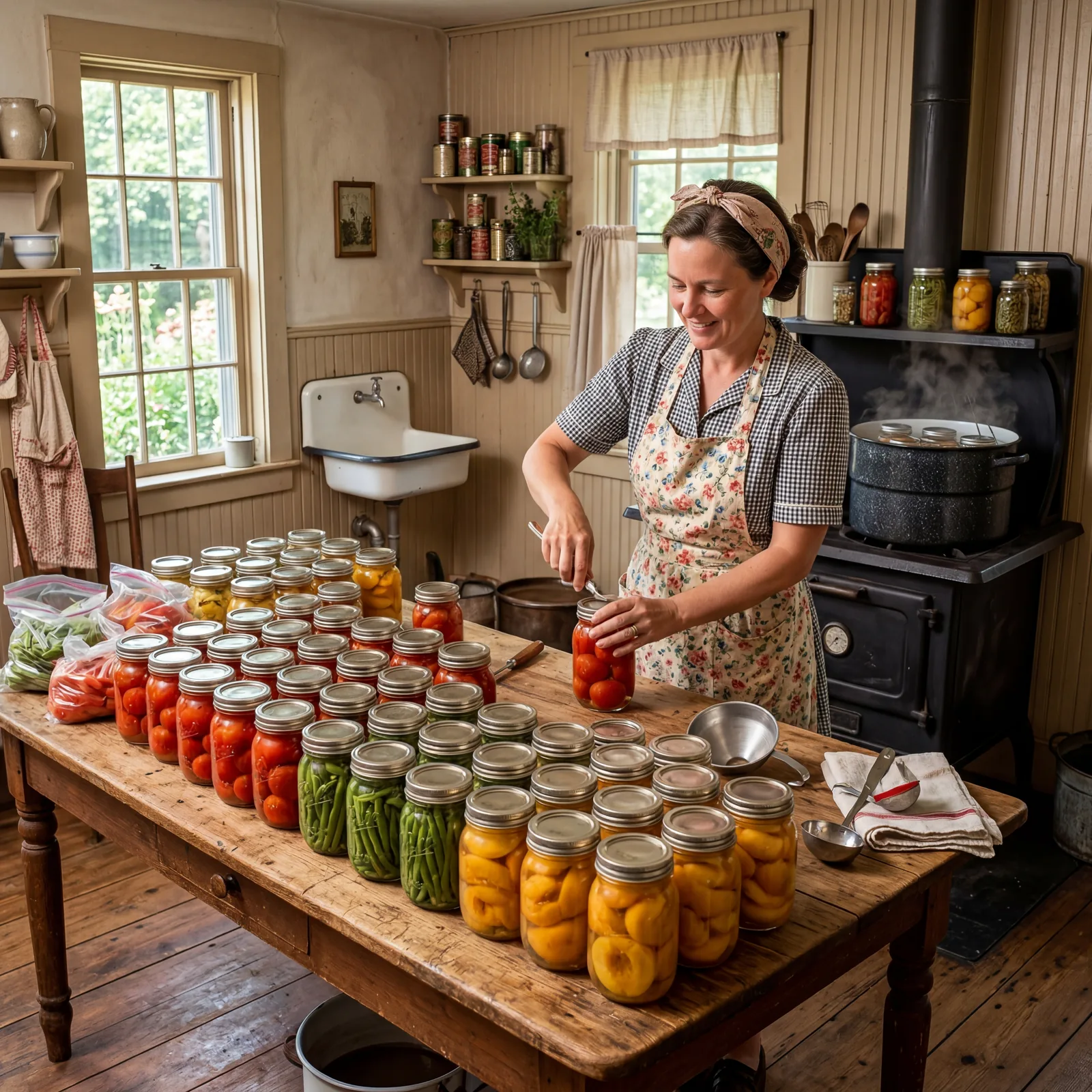
Canning day was hot, steamy, and serious. Tomatoes, peaches, beans, pickles, relishes, and jams moved from baskets to jars while the kitchen windows fogged.
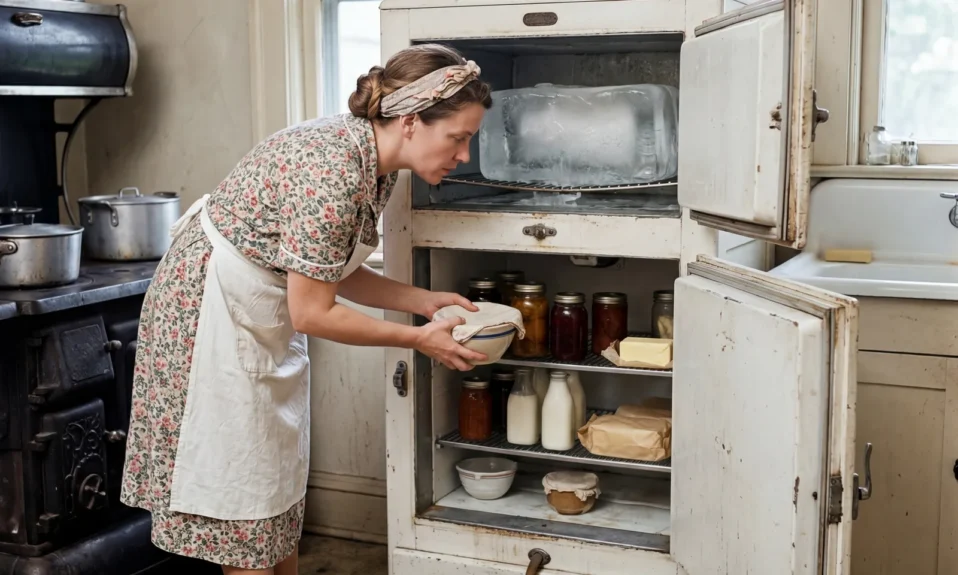
The work paid off later, when winter plates needed color and the grocery budget needed mercy. A shelf of sealed jars could feel like money in the bank.
Children heard the lids pop and learned that summer did not simply disappear. If the family worked fast enough, some of it stayed.
24. Traded Garden Extras Over The Fence
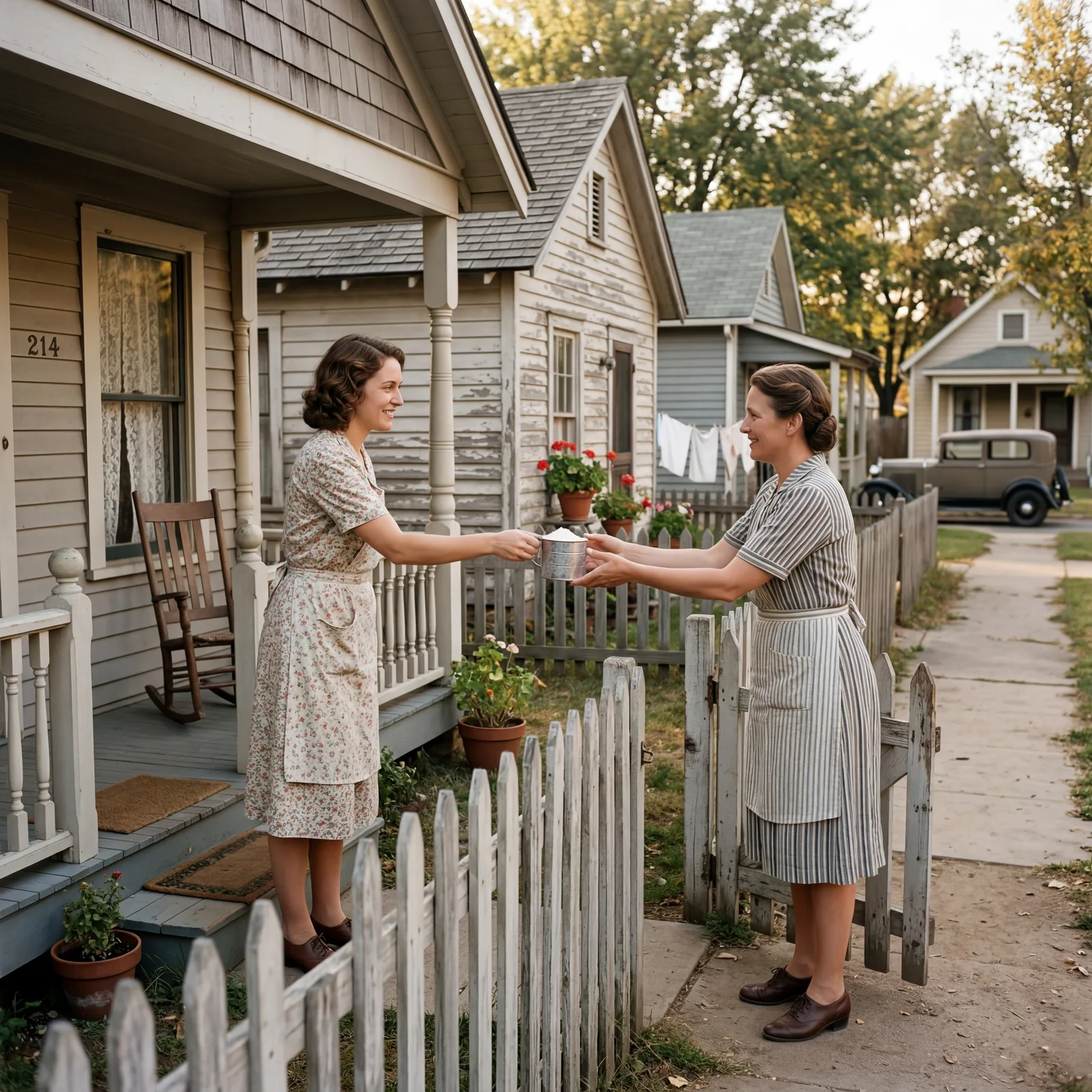
One family had too many beans. Another had eggs, onions, rhubarb, or a jar of pickles that turned out better than expected.
Neighbors traded because waste made no sense when everyone was watching the same prices and shortages. It was the same practical backyard thinking behind the old staples families grew before grocery runs.
Children saw sharing without ceremony. A basket left on a porch could be thanks, apology, friendship, and food all at once.
23. Saved Coffee Grounds And Stretched The Pot

Coffee was rationed for part of the war, and even after restrictions lifted, families remembered the pinch. The pot was not treated like an endless office machine.
Some households stretched coffee with chicory, reused grounds for a weaker second round, or served smaller cups when company arrived. Nobody wanted to admit the pot was thin, but everyone could taste it.
It made coffee feel social and scarce at the same time.
22. Mended Clothes Before Buying New Ones
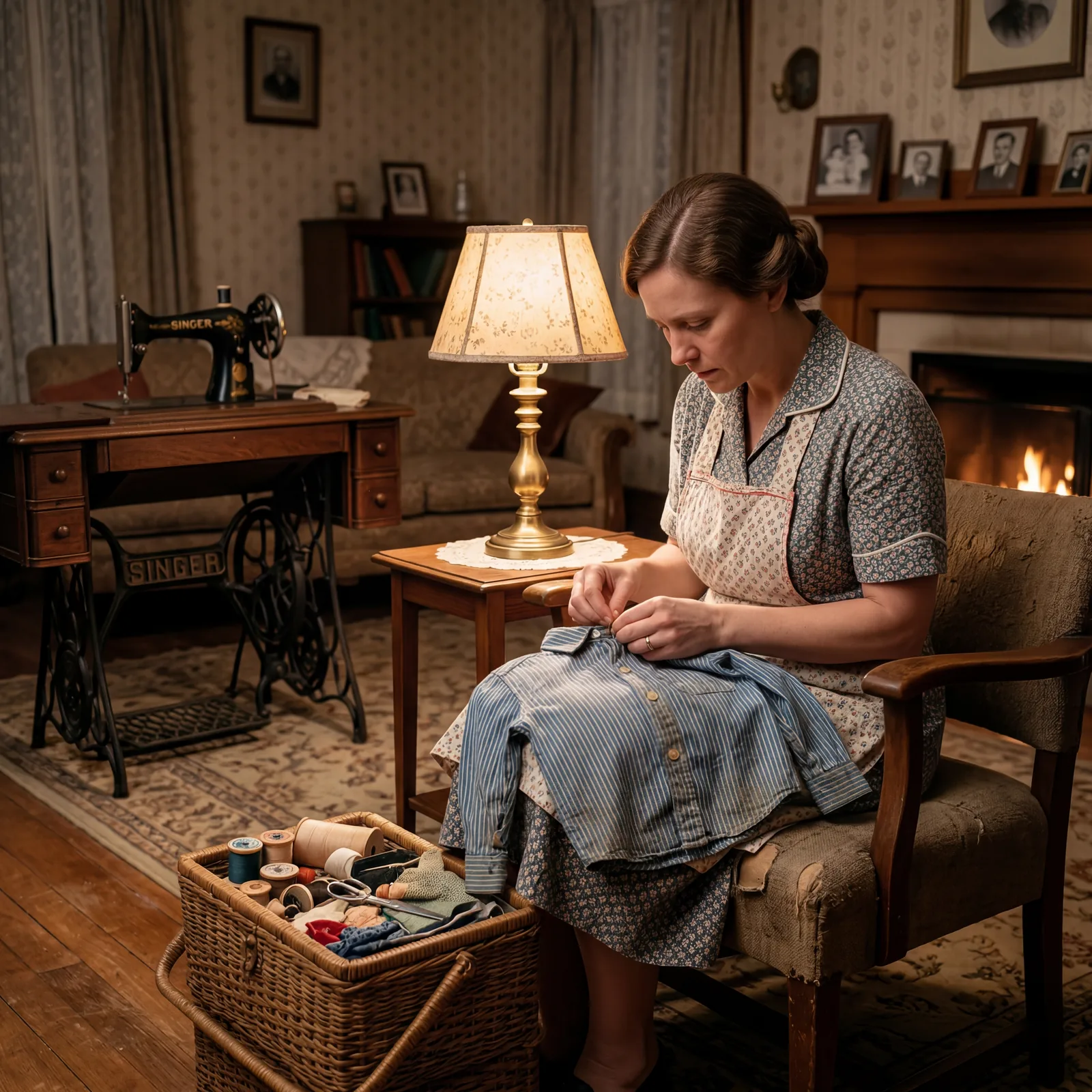
Thin elbows, loose hems, split seams, and worn knees were handled at the table after supper. The needle came out before the wallet did.
That habit was not just thrift. It was part of the larger repair culture captured in things people repaired at home before replacing became normal.
Children learned to inspect the damage first. If the cloth could hold a patch, the garment still had work left in it.
21. Made One Paycheck Cover The Whole House
Money was counted where everyone could see the stakes: rent, coal or oil, groceries, shoes, school needs, church, savings, and maybe a war bond.
There were no budgeting apps smoothing the edges. Many homes ran on envelope math and the kind of discipline described in how older families made one paycheck carry a whole household.
Children might not know every number, but they felt the rules. Turn off lights, finish leftovers, and do not waste what somebody worked for.
20. Sent Letters To Service Members
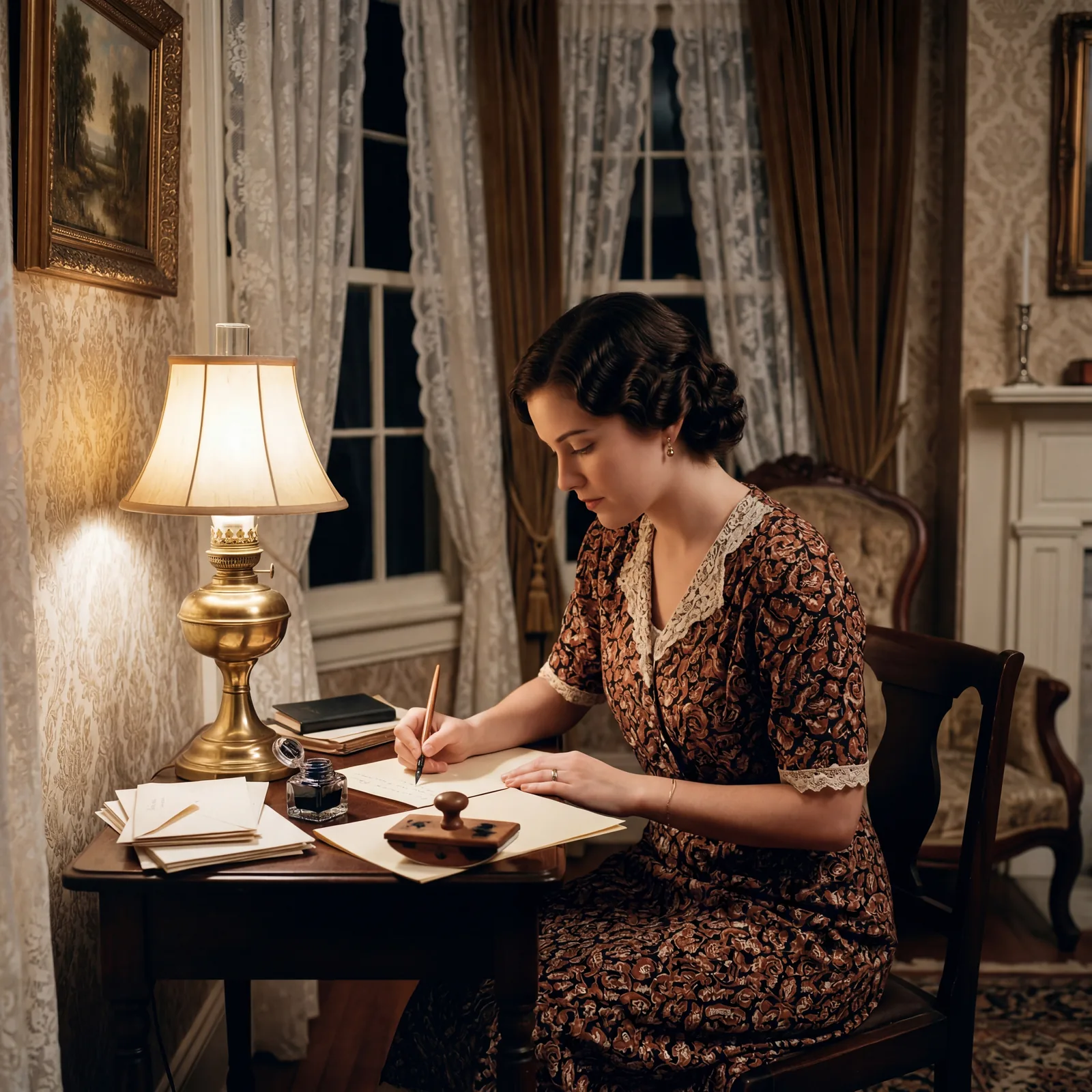
Letters carried the house to someone far away. Children added drawings, mothers tucked in family news, and fathers chose words carefully when worry sat too close to the page.
A letter could be read again and again. It smelled like paper, ink, kitchen smoke, and home.
Modern kids can send a message in seconds. A 1940s family waited days or weeks, then treated a reply like a small miracle.
19. Guarded Pantry Staples Like Treasure
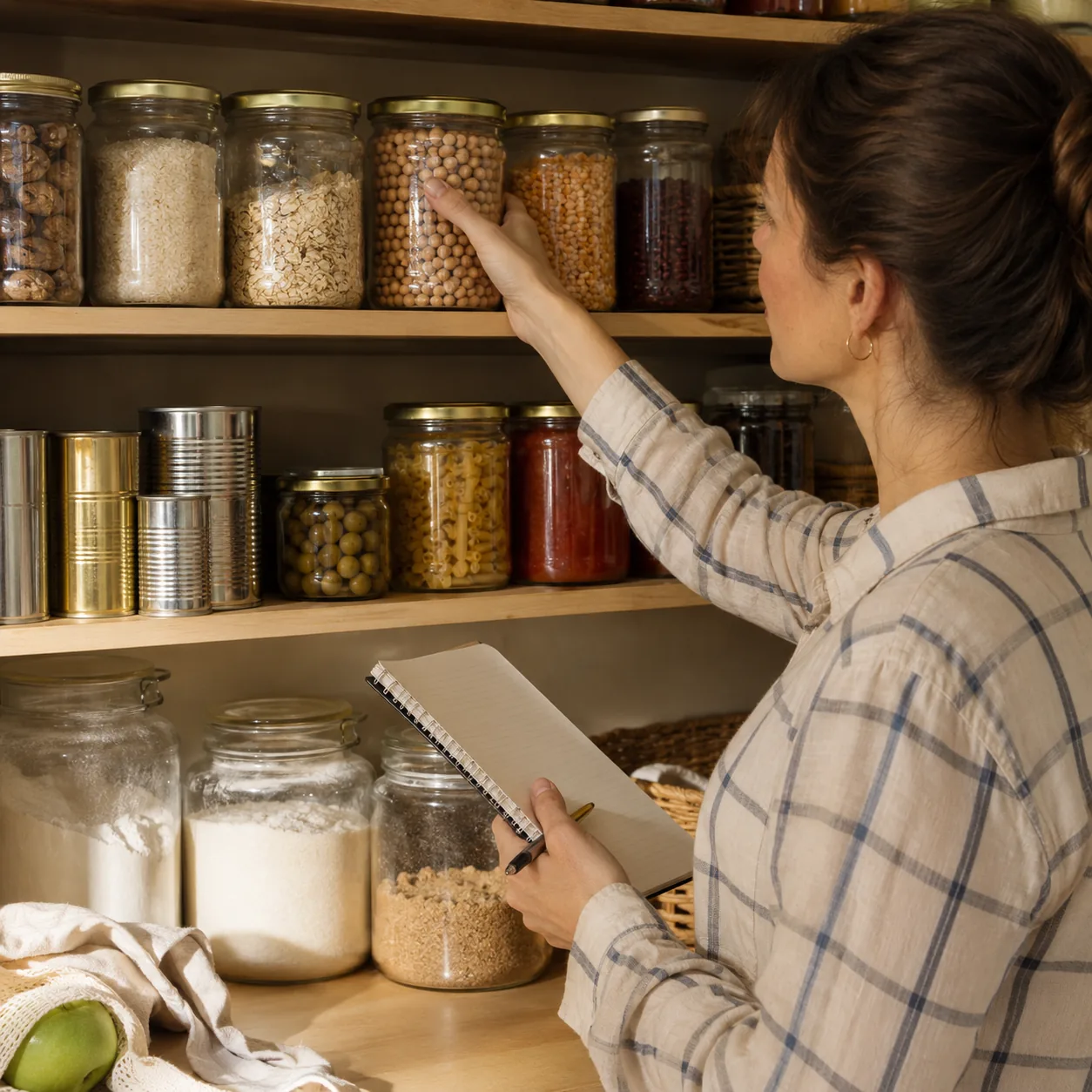
Flour, cornmeal, beans, lard, canned tomatoes, rice, onions, and powdered milk could decide what kind of week the family had.
Pantry shelves were checked before shopping because duplicates wasted money and gaps caused trouble. That older kitchen discipline connects naturally with pantry items modern kitchens forgot, where usefulness mattered more than pretty packaging.
The pantry was not decoration. It was a quiet survival map.
18. Played Cards And Board Games By Lamplight
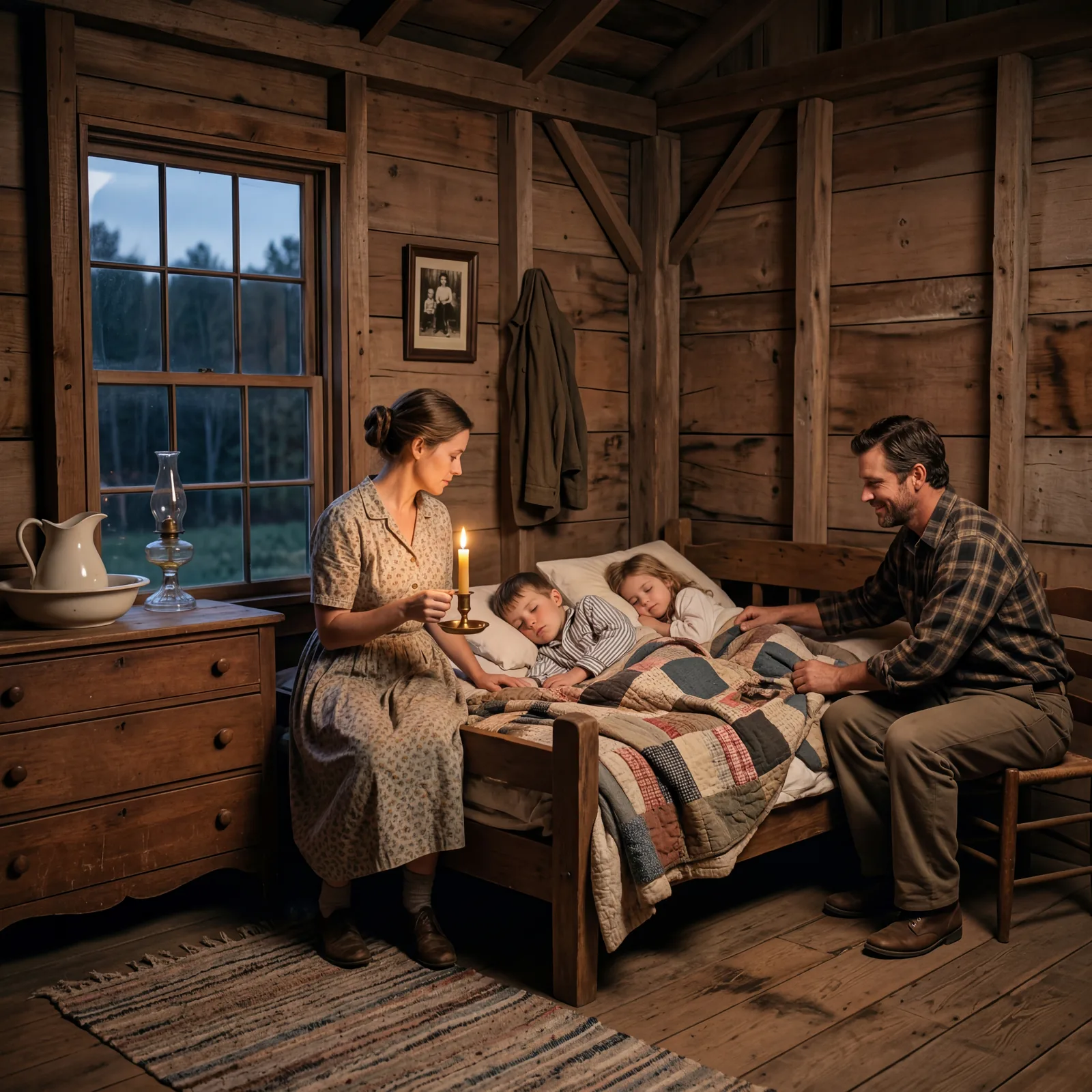
Entertainment often stayed inside the house. Cards, checkers, puzzles, parlor games, radio shows, and singing could fill an evening without tickets, screens, or a car ride.
The room was usually doing several jobs at once. Someone played, someone mended, someone listened to the radio, and someone kept one ear on the stove.
Modern kids might call it boring. Families called it Tuesday night.
17. Turned Scraps Into The Next Meal
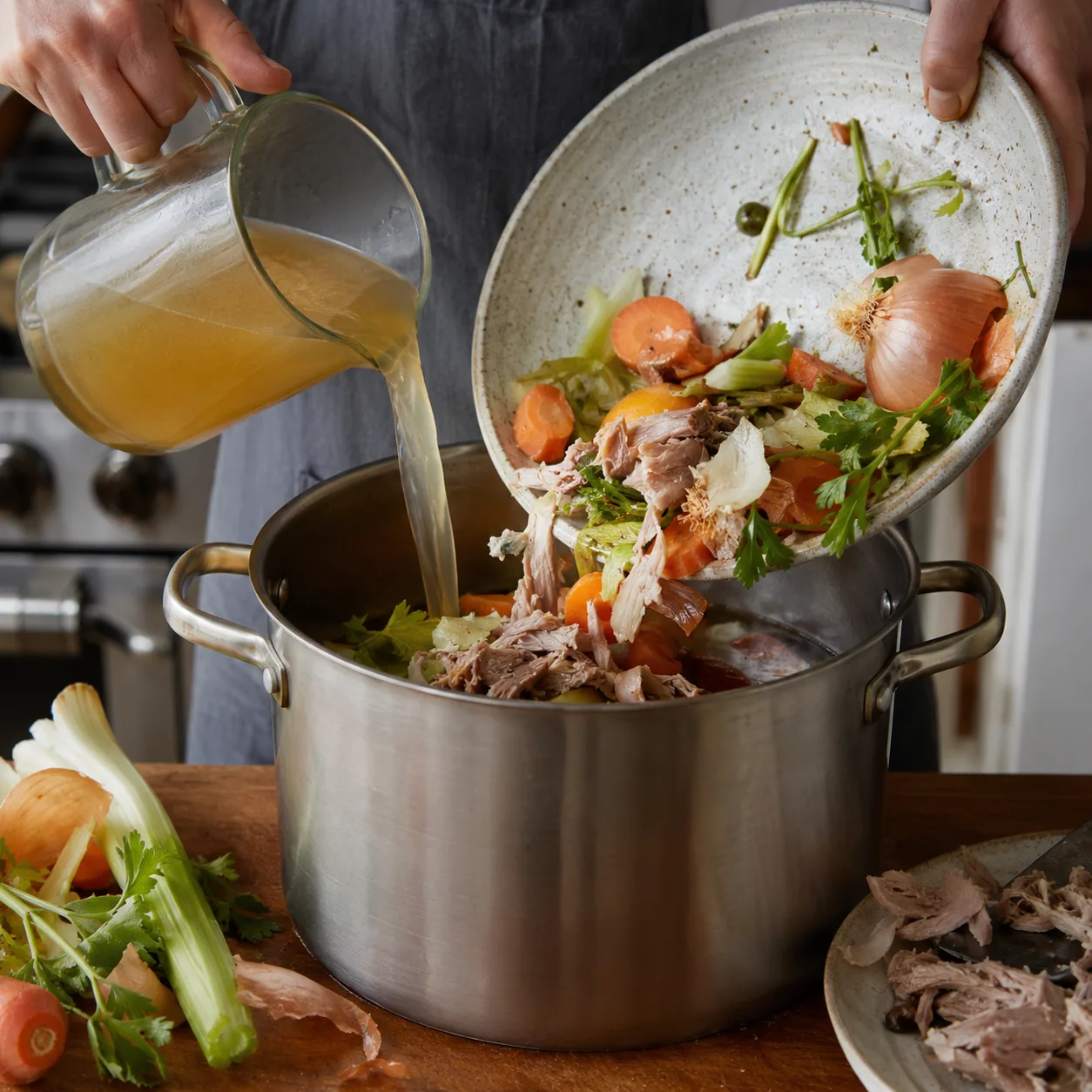
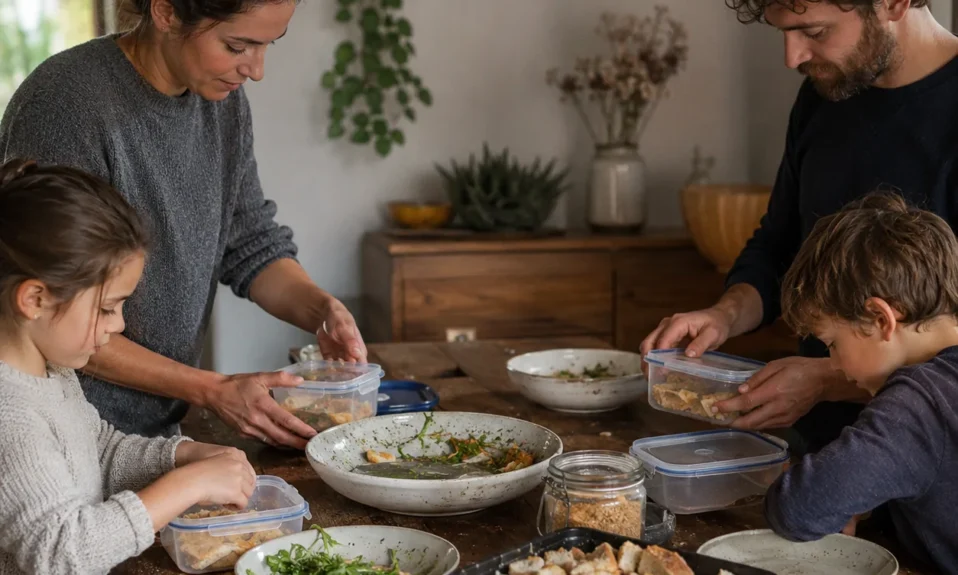
Leftover gravy became sauce. Bread ends became crumbs. Vegetable peels, bones, and onion tops became stock if they were clean enough for the pot.
Nothing useful went straight to the bin without a second thought. It was the same grocery-stretching logic behind the ways grandmas stretched groceries before budgeting had a name.
Children learned that a meal was not over when plates were cleared. The next meal might already be hiding in the scraps.
16. Shared Tools Instead Of Buying Duplicates

Every house did not need every tool. A neighbor might have the saw, the ladder, the pressure canner, the egg beater, or the big roasting pan.
Borrowing worked because people returned things clean and on time. A careless borrower could damage more than a tool; they could damage trust.
Modern families often buy duplicates to avoid asking. In the 1940s, asking was part of how a block stayed connected.
15. Cooked Poor Man Suppers Without Apologizing
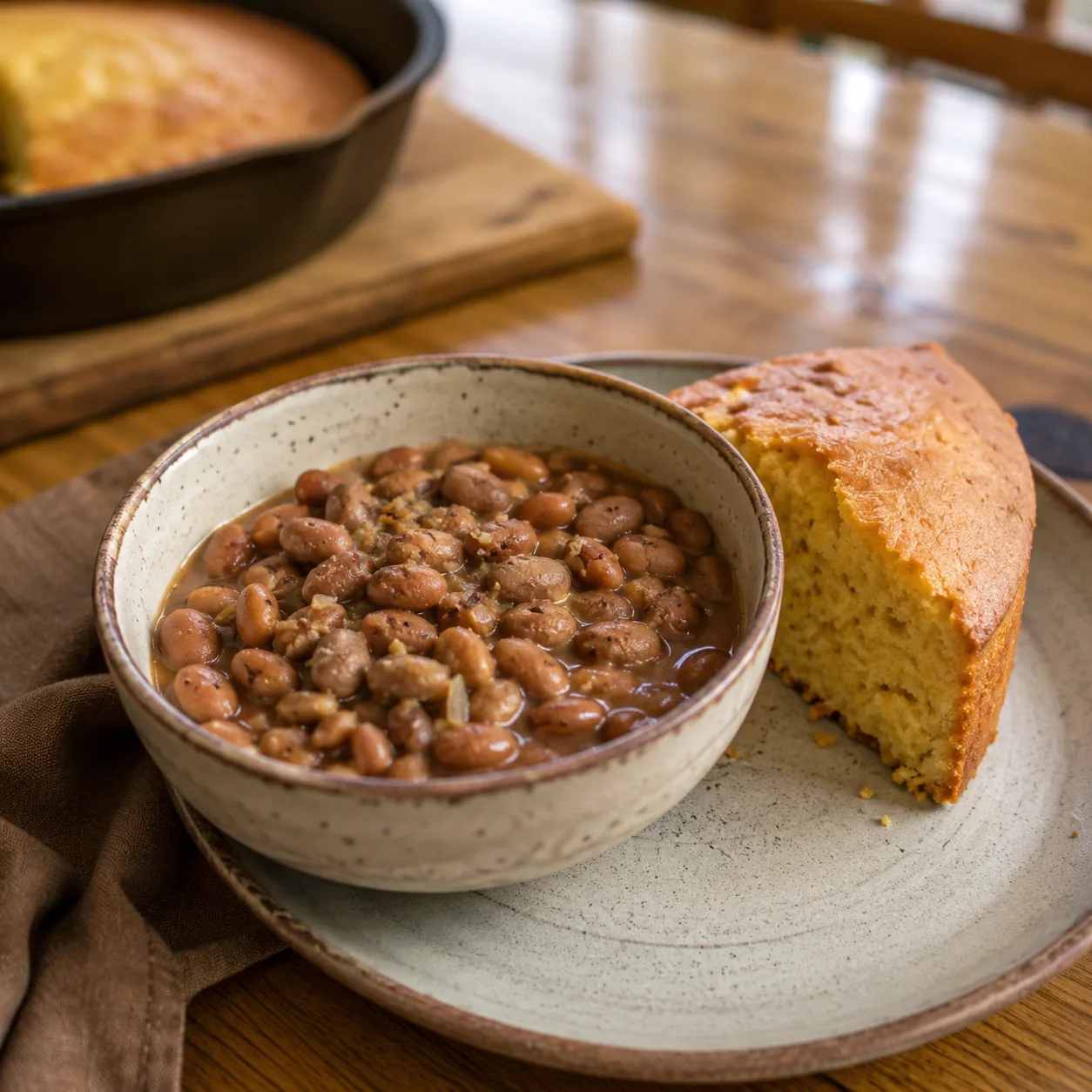
Potato soup, beans and cornbread, chipped beef gravy, cabbage, rice pudding, creamed peas, and fried onions could feed a room for very little.
Nobody needed a glossy recipe card to understand the point. These meals belonged to the same hard-times tradition as poor man meals that fed families when money was tight.
The food was plain, but it was not careless. A good cook knew exactly how much salt, fat, and patience made cheap food feel like supper.
14. Saved Tin Cans, Jars, And String
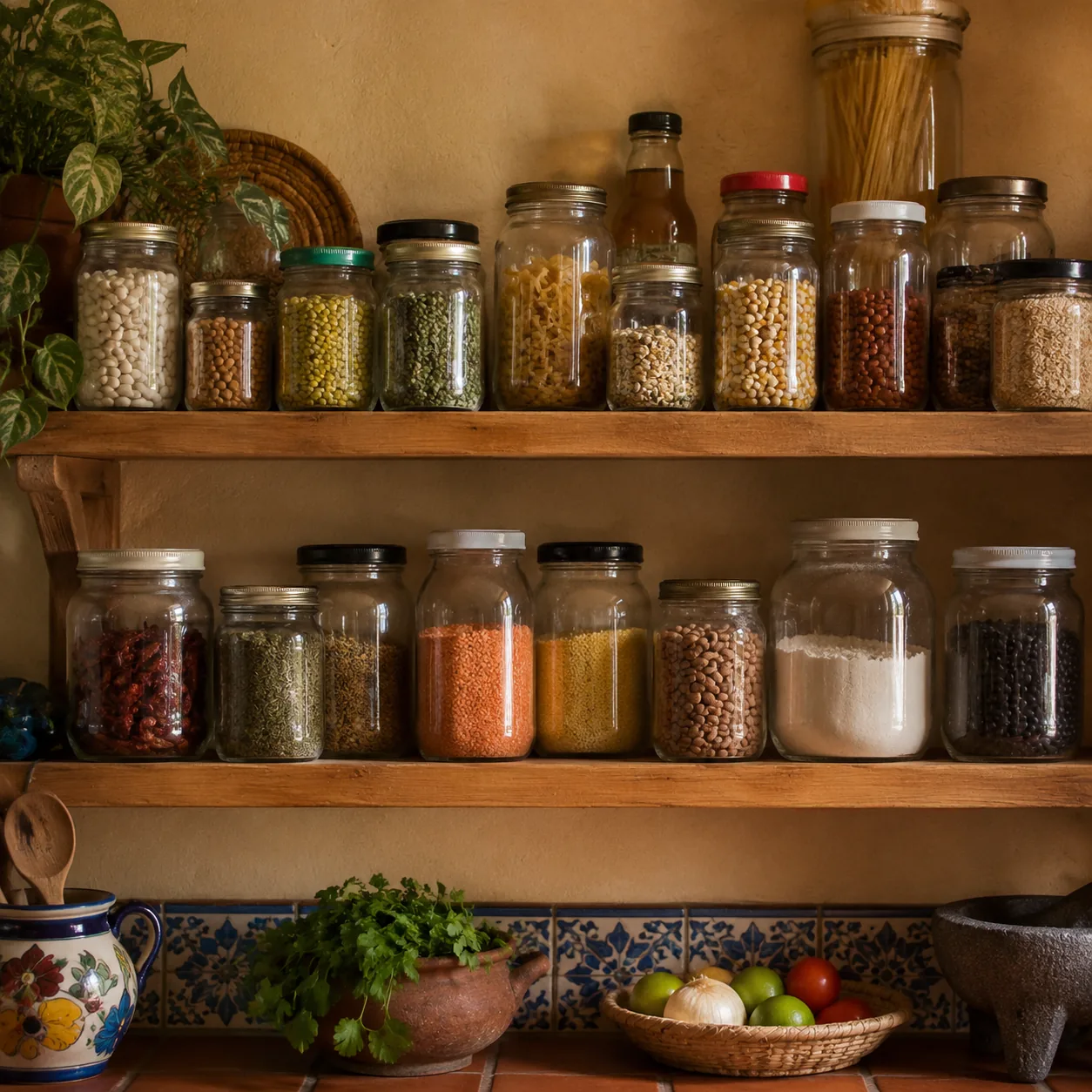
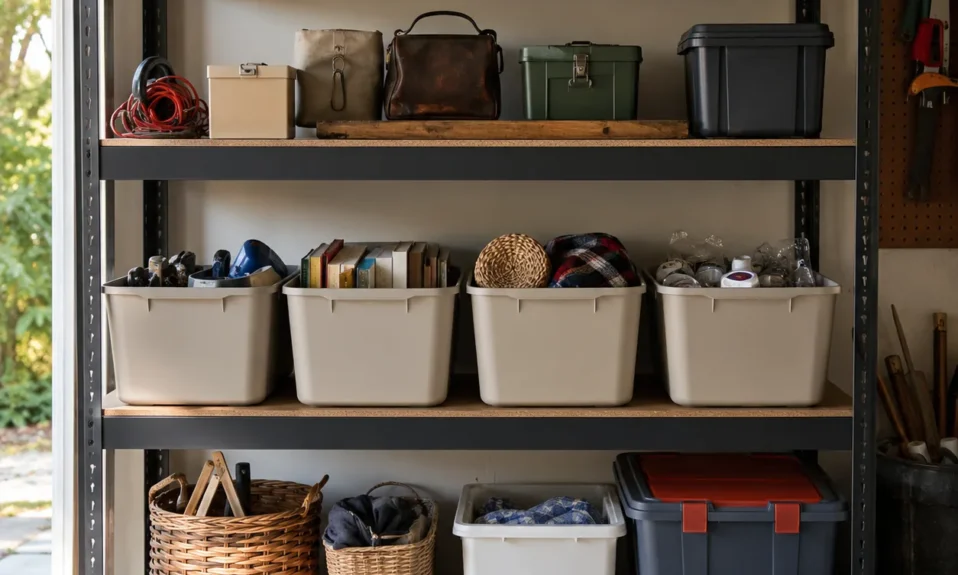
An empty jar could hold buttons, bacon grease, nails, jam, pickles, or a child’s marbles. A tin can could become a scoop, pencil holder, seed starter, or scrap container.
String was rolled up because the next package, curtain, bundle, or garden row might need it. This was not hoarding when every object had a possible job.
Children grew up seeing containers as resources. The trash can was the last stop, not the first guess.
13. Closed Off Rooms To Save Heat
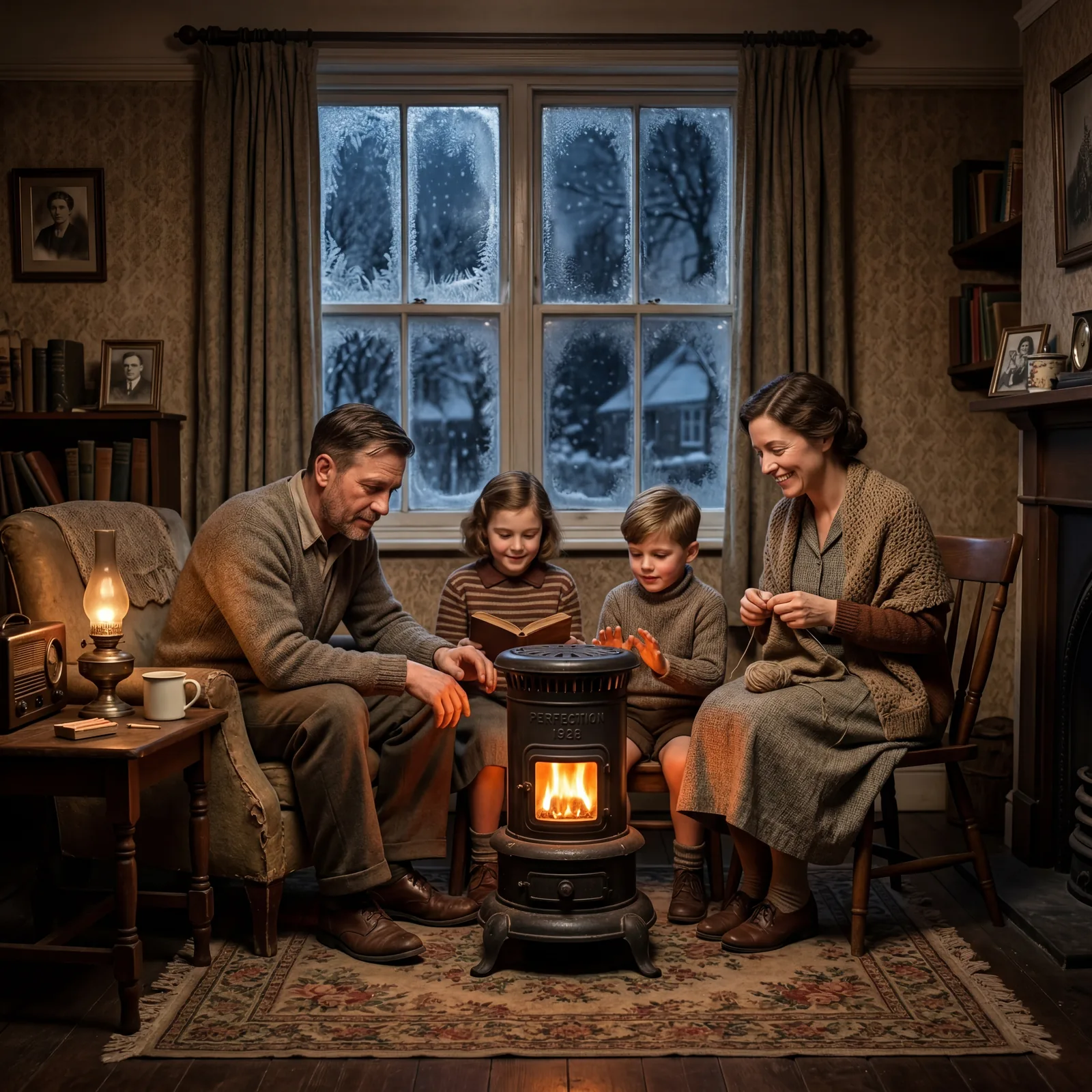
The whole house did not always get heated. Families gathered in the warm room, shut doors, used quilts, and let bedrooms stay cold until bedtime forced the issue.
Fuel cost money, and wartime shortages made waste feel even worse. The habit echoes older 1930s household habits that would confuse modern families, especially the idea that comfort was managed room by room.
Modern kids expect a thermostat to make every corner agreeable. A 1940s child knew which room was warm.
12. Let Children Help With Adult Chores
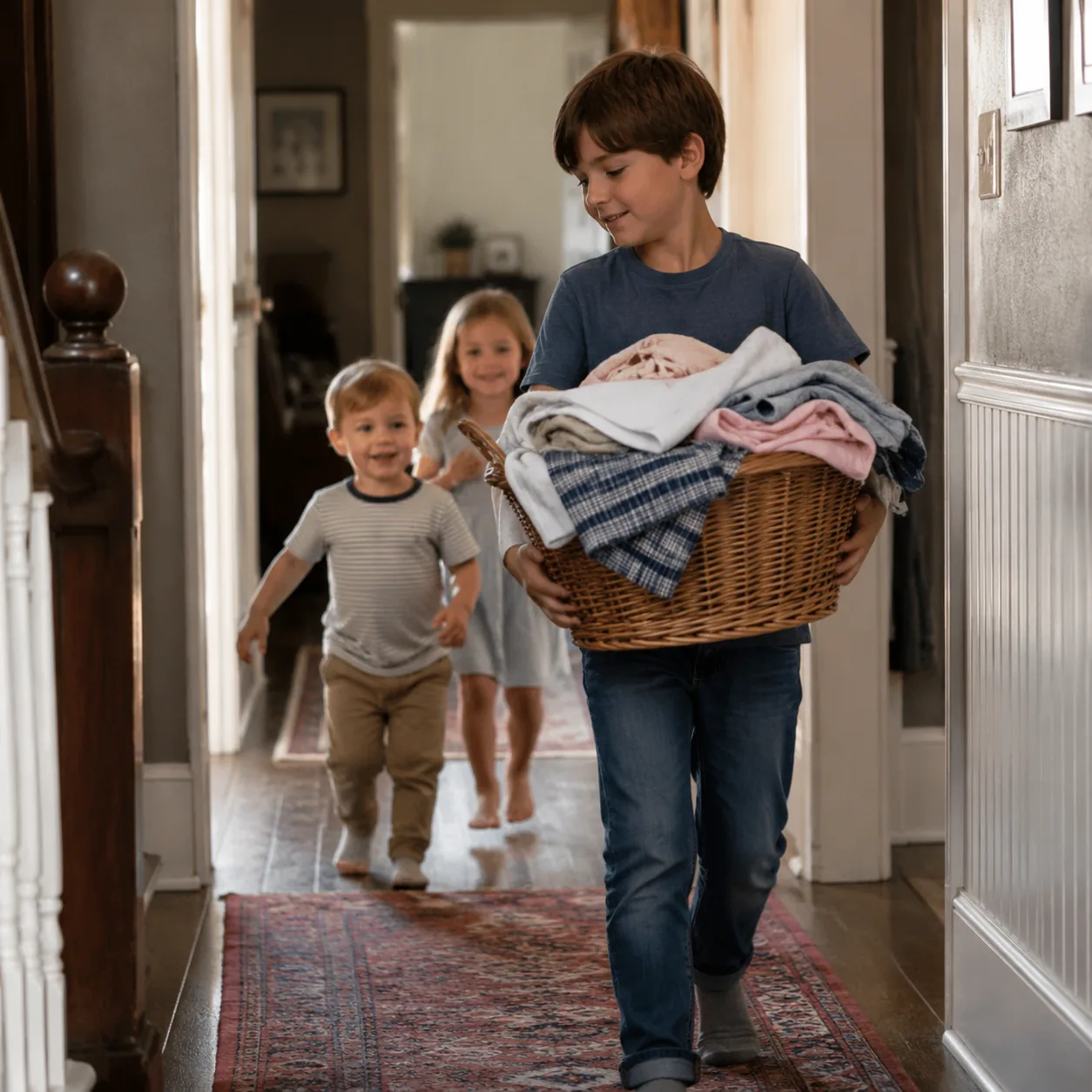
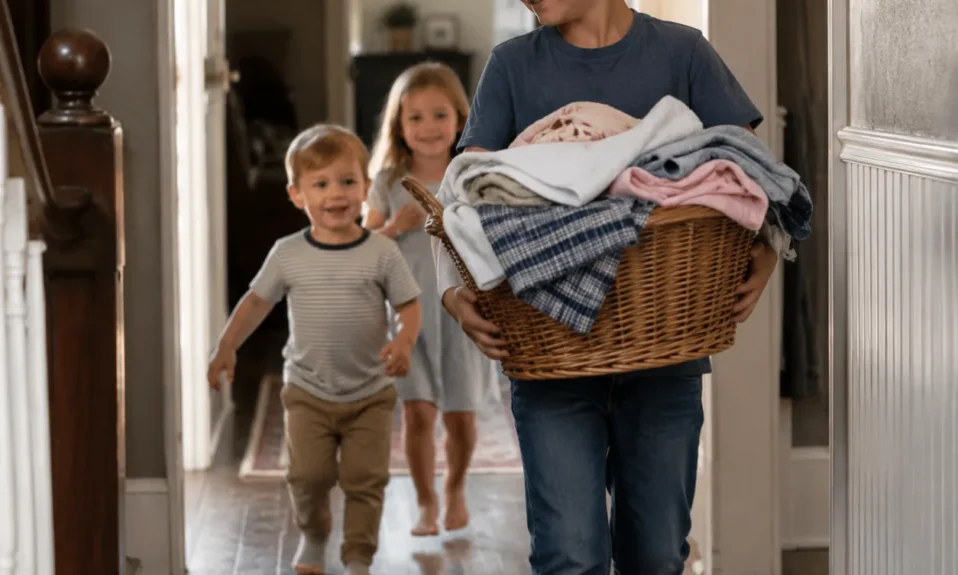
Children were not treated as guests in their own house. They carried coal, weeded gardens, washed dishes, folded towels, watched younger siblings, and helped make beds.
Some chores were too much, and not every old rule deserves revival. But useful responsibility did teach confidence, much like old-school family rules that made kids more independent.
The work said, “You belong here, and this house needs your hands too.”
11. Rolled Bandages And Saved Clean Rags
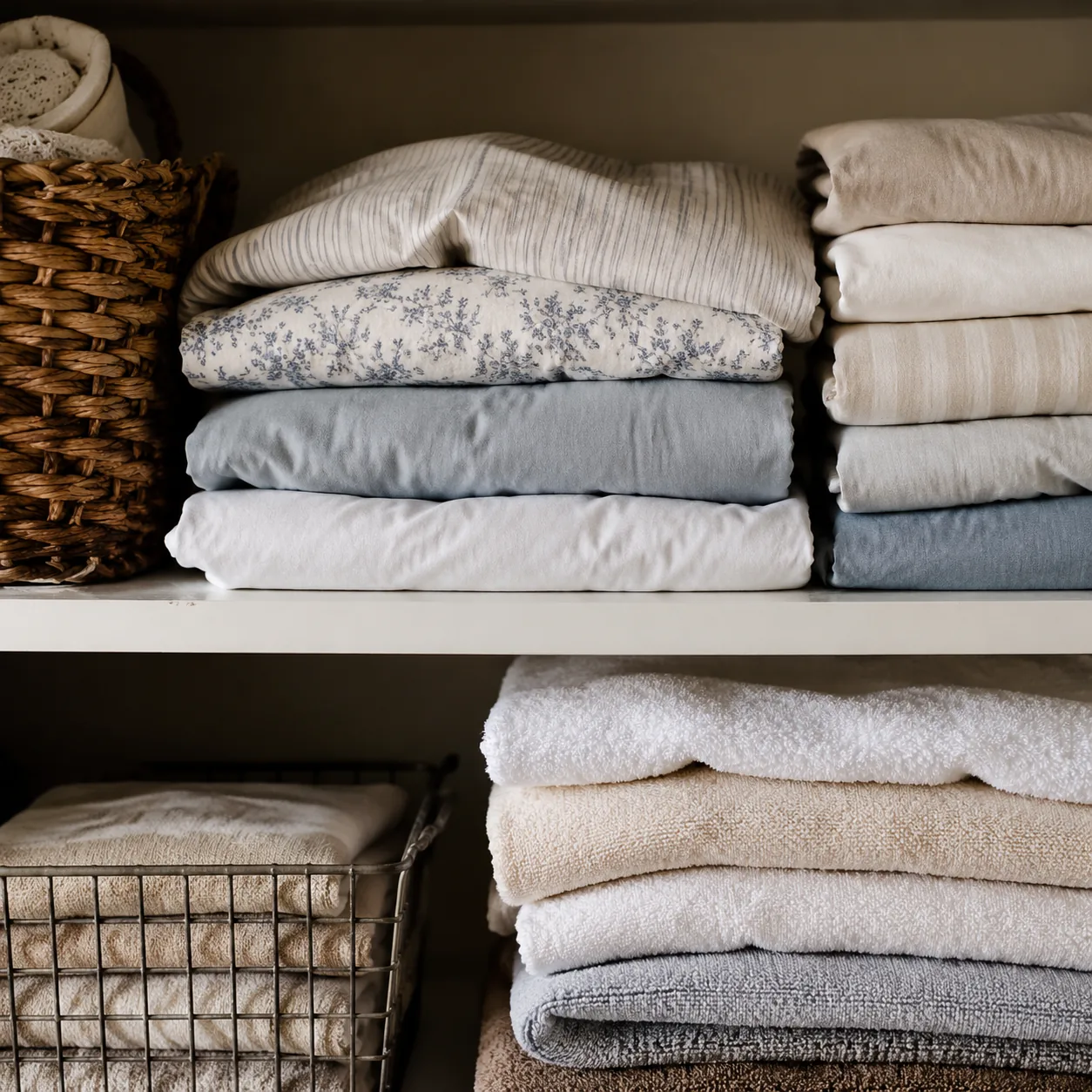
A worn sheet could become bandages, cleaning cloths, baby wipes, dust rags, or polishing cloths. Clean cotton was too useful to throw away casually.
First-aid tins were practical little kingdoms: iodine, gauze, safety pins, tape, scissors, and folded cloth. A child with a scraped knee saw the household supply chain in miniature.
Even care was frugal. The rag had to be clean, folded, and ready before anyone needed it.
10. Packed Care Boxes With Homemade Things
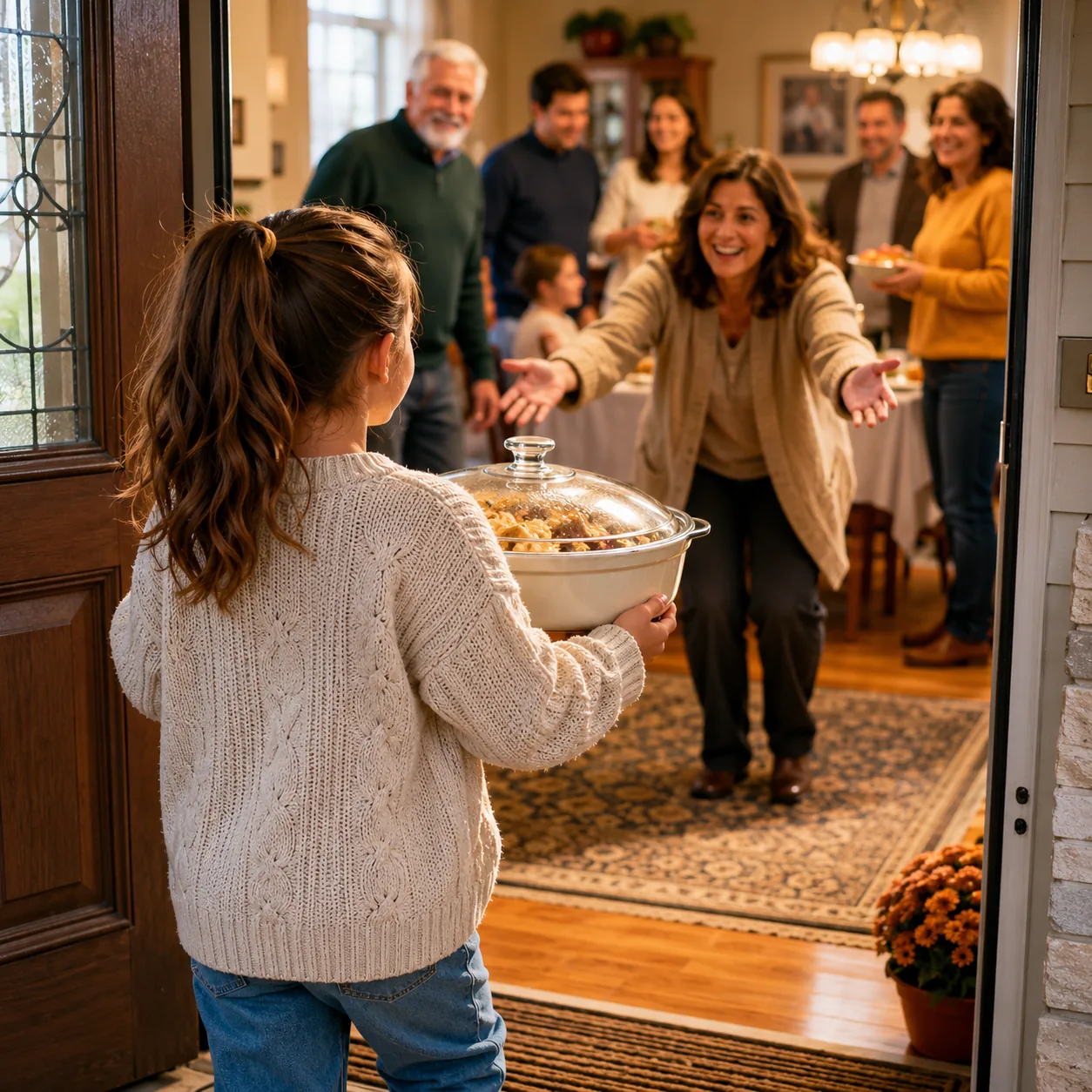
A care box was not random. Socks, cookies that could survive the trip, stationery, family photos, and small comforts were chosen with the person in mind.
The box carried proof that home still noticed. Even practical items felt tender because somebody had darned, baked, wrapped, and stood in line to mail them.
Modern convenience can make shipping feel ordinary. In the 1940s, a box from home could make a barracks, ship, or training camp feel less lonely for one evening.
9. Saved War Bonds In The Family Plan
War bonds and savings stamps made national duty feel personal. Children brought coins to school, parents set aside what they could, and the household talked about sacrifice in dollars and cents.
For a family already stretching food and fuel, even a small purchase could feel meaningful. It also made children aware that money could serve a purpose beyond candy or toys.
The lesson was plain: little amounts counted when enough people saved them.
8. Made The House Feel Like Home With Small Rituals
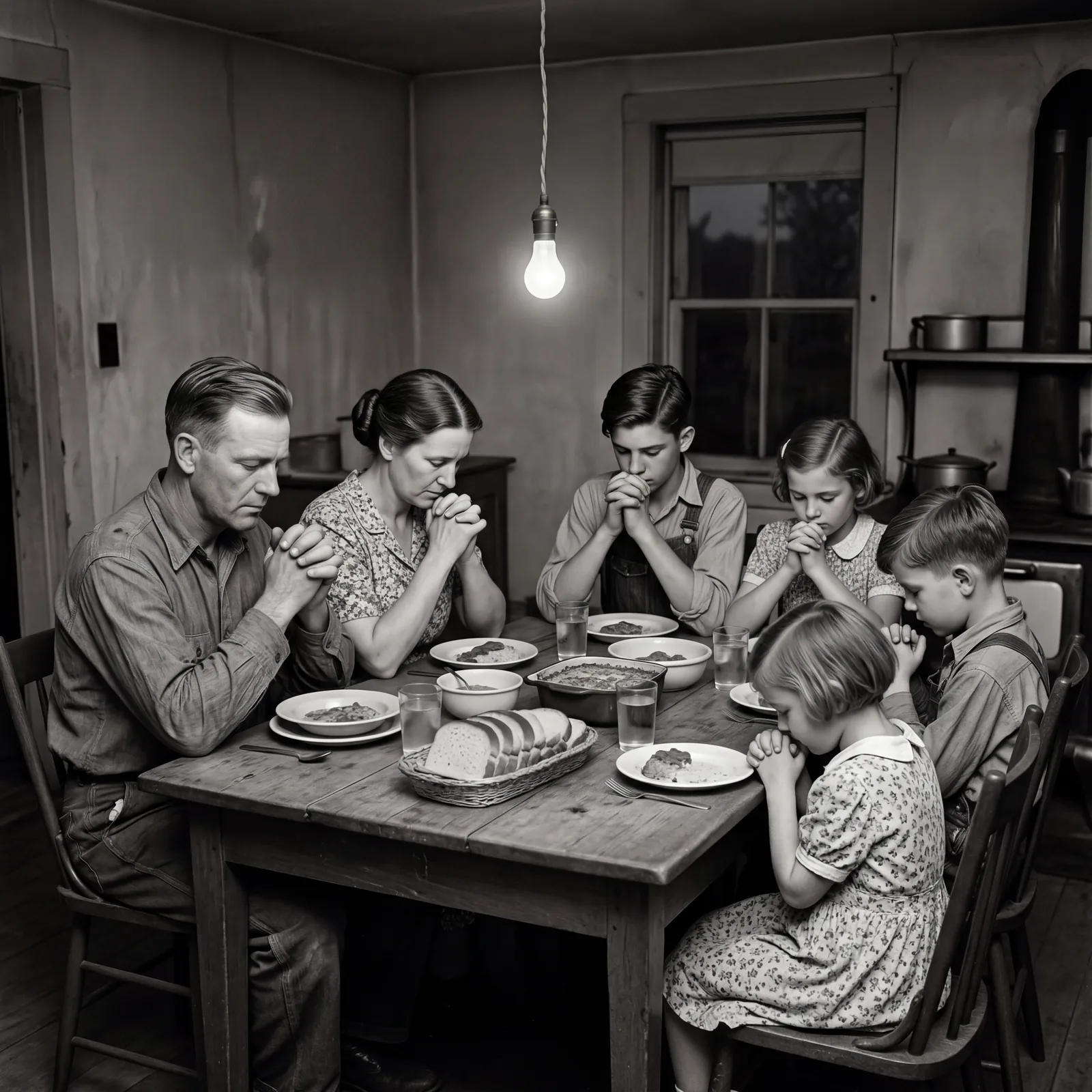
Hard years did not stop people from making rooms feel cared for. A clean tablecloth, swept porch, percolator smell, polished shoes, and curtains tied back in the morning all mattered.
That warmth is why older homes linger in memory, like the details in things that made Grandma’s house feel like home.
The comfort was rarely expensive. It came from repetition, order, and someone deciding the house should greet people kindly.
7. Took Scrap Drives Seriously
Old pans, metal bits, newspapers, rubber, and other salvageable materials were gathered for drives. Children dragged bundles to school or stacked them near the garage.
Some of it was patriotic theater, and some of it was genuinely useful to the war effort. Either way, the habit taught kids that the household’s castoffs might still matter.
A broken object did not simply vanish. It could become part of a larger story.
6. Asked Older Relatives What They Remembered

In homes with grandparents nearby, stories carried practical knowledge. Who knew how to can safely, stretch soup, patch a coat, read the weather, or keep a stove steady? Usually the older person in the chair.
Those memories are exactly why questions people wish they had asked their grandparents can feel so urgent later.
The 1940s household ran on instructions that were rarely written down. Once the person was gone, the method often went with them.
5. Fixed Toys Before Christmas
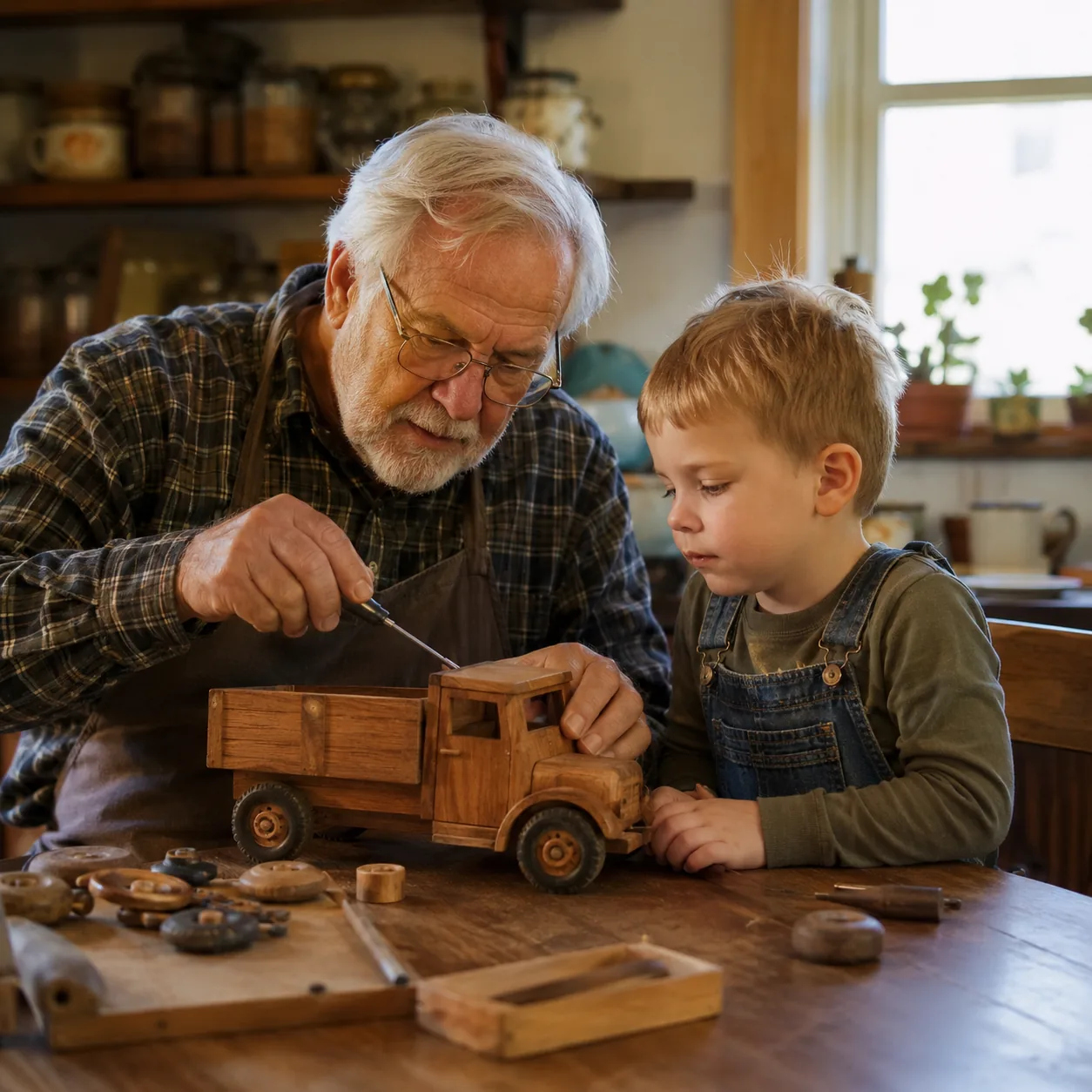
A doll got a stitched arm. A wooden truck got a new wheel. A train track was straightened, a teddy bear was patched, and board game pieces were borrowed from something else.
Repairing toys fit the same mindset as things Grandpa fixed instead of throwing away: first see whether the useful part can be saved.
For children, the repair could feel almost magical. For adults, it was one more way to make Christmas happen without pretending money was endless.
4. Used The Porch As A Neighborhood Office
The porch handled news, borrowing, returning, warnings, invitations, and quick help. A neighbor might stop by for a cup of flour, a borrowed tool, or a quiet word about someone who needed checking on.
Phones existed, but not every home used them constantly or privately. The porch kept the neighborhood visible.
Modern kids may know neighbors by doorbell cameras. A 1940s child often knew them by footsteps on the boards.
3. Made School Lunches From Whatever The House Had
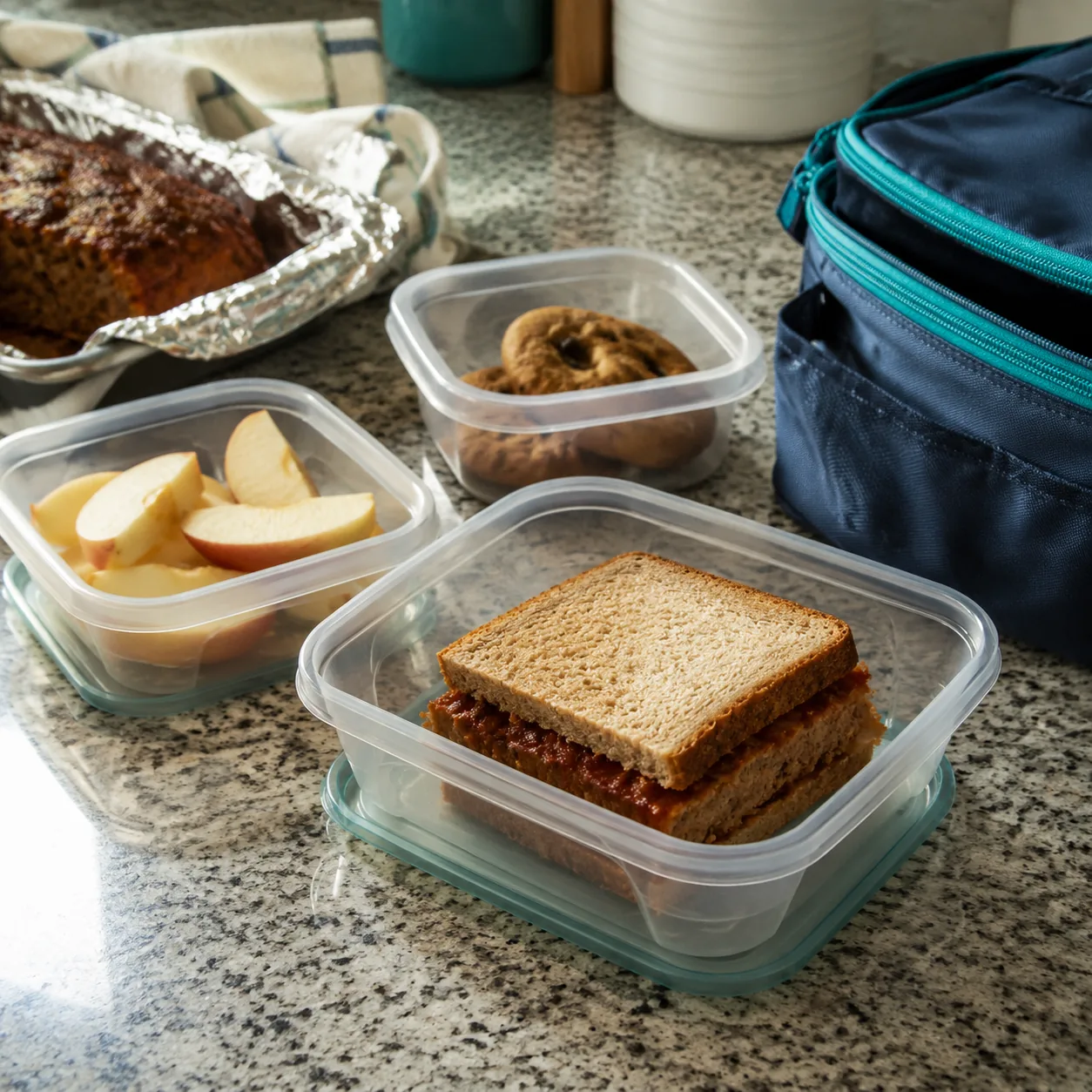
Lunch could be a sandwich wrapped in wax paper, a boiled egg, leftover biscuits, apple slices, or whatever the pantry allowed. There was no backup cafeteria swipe if the house was short.
Children learned not to complain too loudly because everyone knew the limits. A lunch pail showed the state of the household as honestly as the pantry shelf did.
If the bread was yesterday’s and the filling was thin, you still ate. Waste did not get packed in the first place.
2. Practiced Air-Raid Rules In Ordinary Clothes
Some communities practiced what to do during alerts. Lights out, curtains tight, stay calm, listen for instructions, and do not turn the house into a beacon.
The strangest part for modern kids is how ordinary it looked. Nobody was wearing a costume. Dinner might be half done, homework open, and the dish towel still over someone’s shoulder.
War entered the home through routines. The scary part was not always noise. Sometimes it was silence and waiting.
1. Treated Waste Like A Family Failure
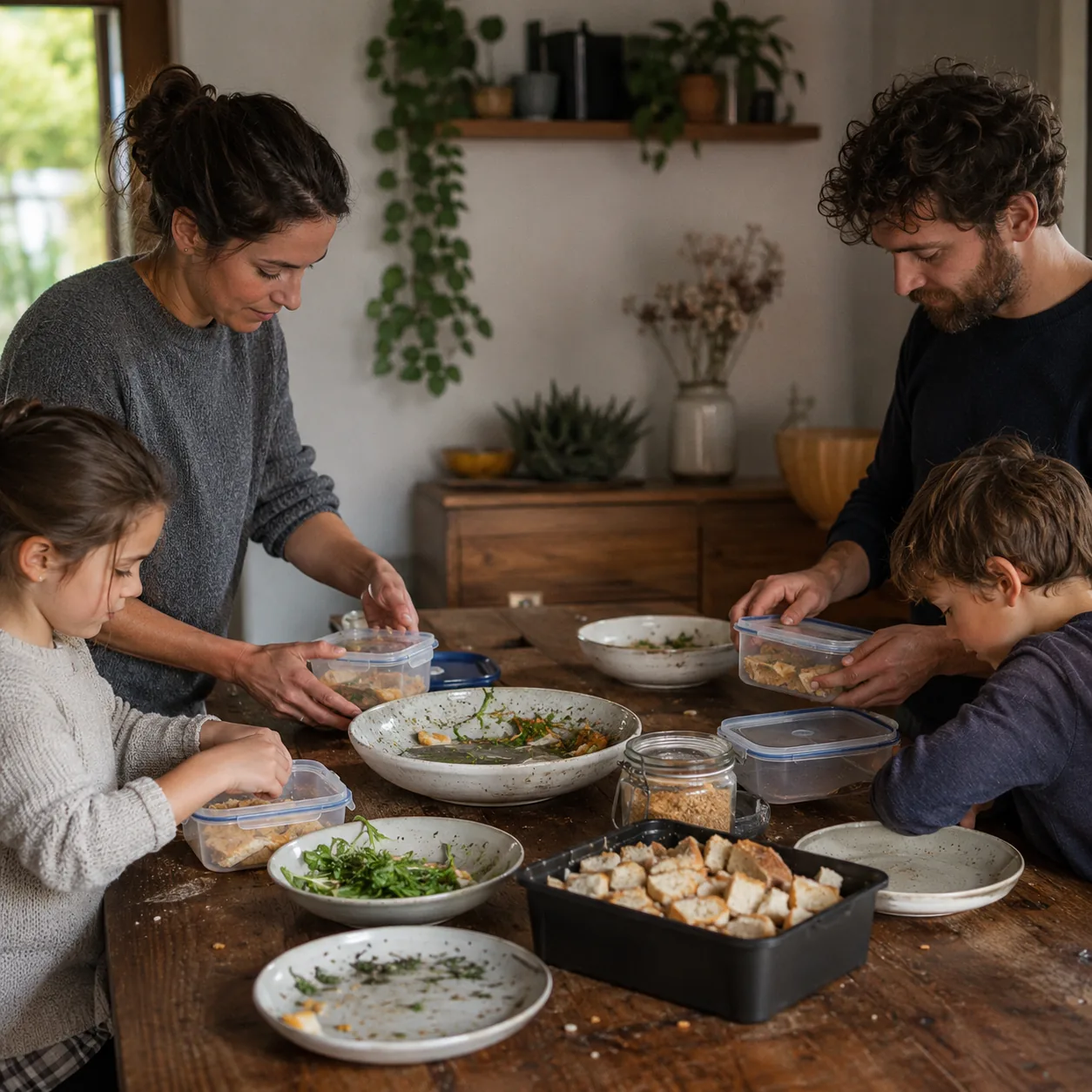
The biggest difference was not one object. It was the household attitude: food, fuel, fabric, light, money, and time all had value.
Children heard it in small corrections. Close the door. Save that jar. Finish your plate. Turn off the lamp. Put the string away. Do not tear the good paper.
Modern life makes waste easy to hide. A 1940s home made it visible, because every wasted thing could become tomorrow’s shortage.
What Those Homes Still Remember
The 1940s home front was not cozy every minute, and scarcity should not be romanticized.
But those families left behind a powerful household lesson: when people share, repair, save, and pay attention, an ordinary home can carry more weight than it looks like from the outside.