Food used to demand attention before a cold box hummed in the kitchen.
Families stretched freshness with ice, salt, cellars, jars, habits, and a sharp sense of what could not wait.
35. The Icebox Drip Pan Nobody Could Ignore
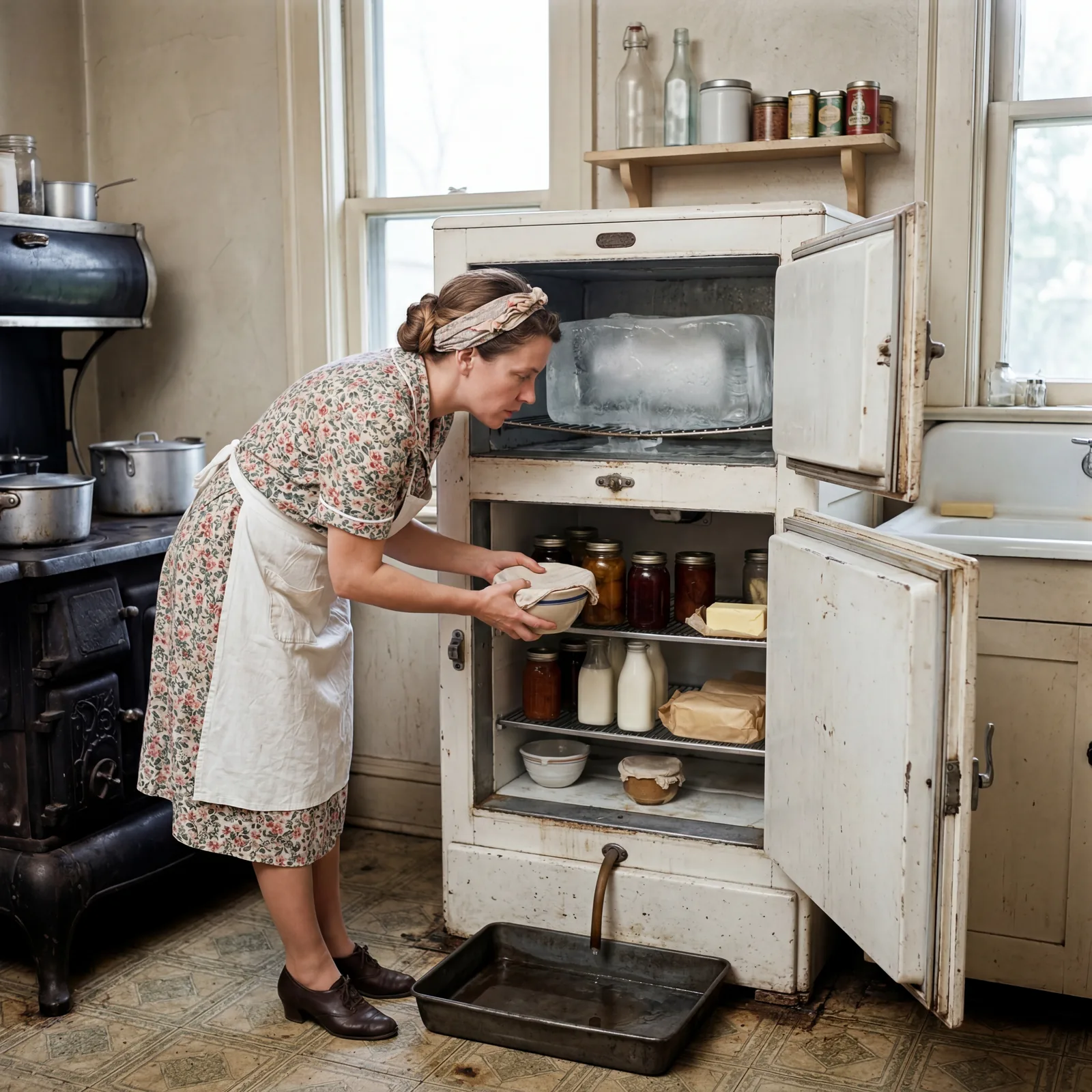
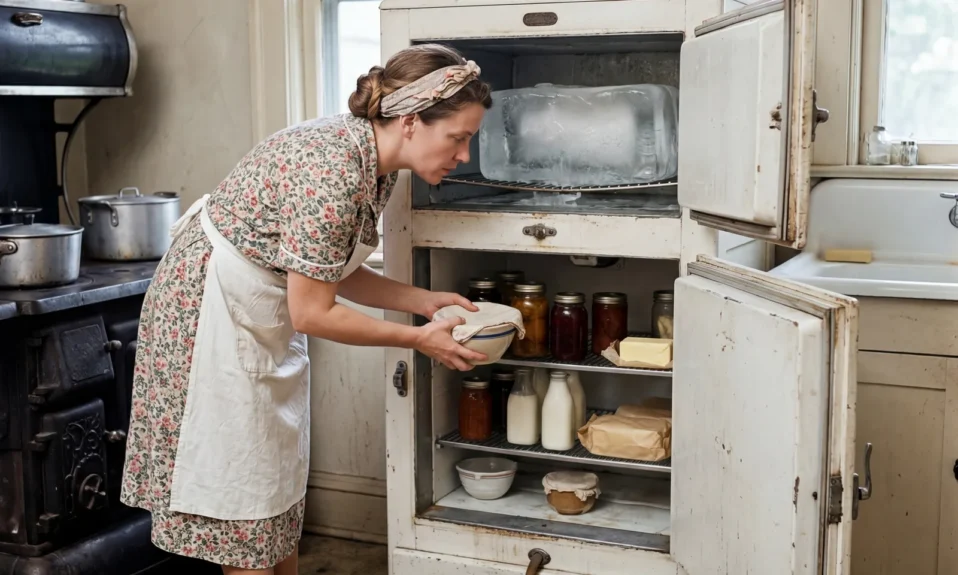
The old icebox did not quietly solve anything. A block of ice sat above the food, melted all day, and sent water into a pan that someone had to empty.
Miss the pan, pay for it: water on the floor meant warped boards, sour smells, and a scolding before breakfast.
Cold was not automatic. It was a chore with puddles.
34. The Ice Man’s Tongs at the Back Door
Families listened for the wagon, truck, or heavy footsteps because the ice delivery set the rhythm of the kitchen.
The ice man carried a dripping block with tongs and slid it into the box while children watched from the doorway. In hot weather, that block meant milk lasted longer and Sunday leftovers had a fighting chance.
It was service, but it still felt like weather entering the house.
33. The Butter Crock in the Coolest Room
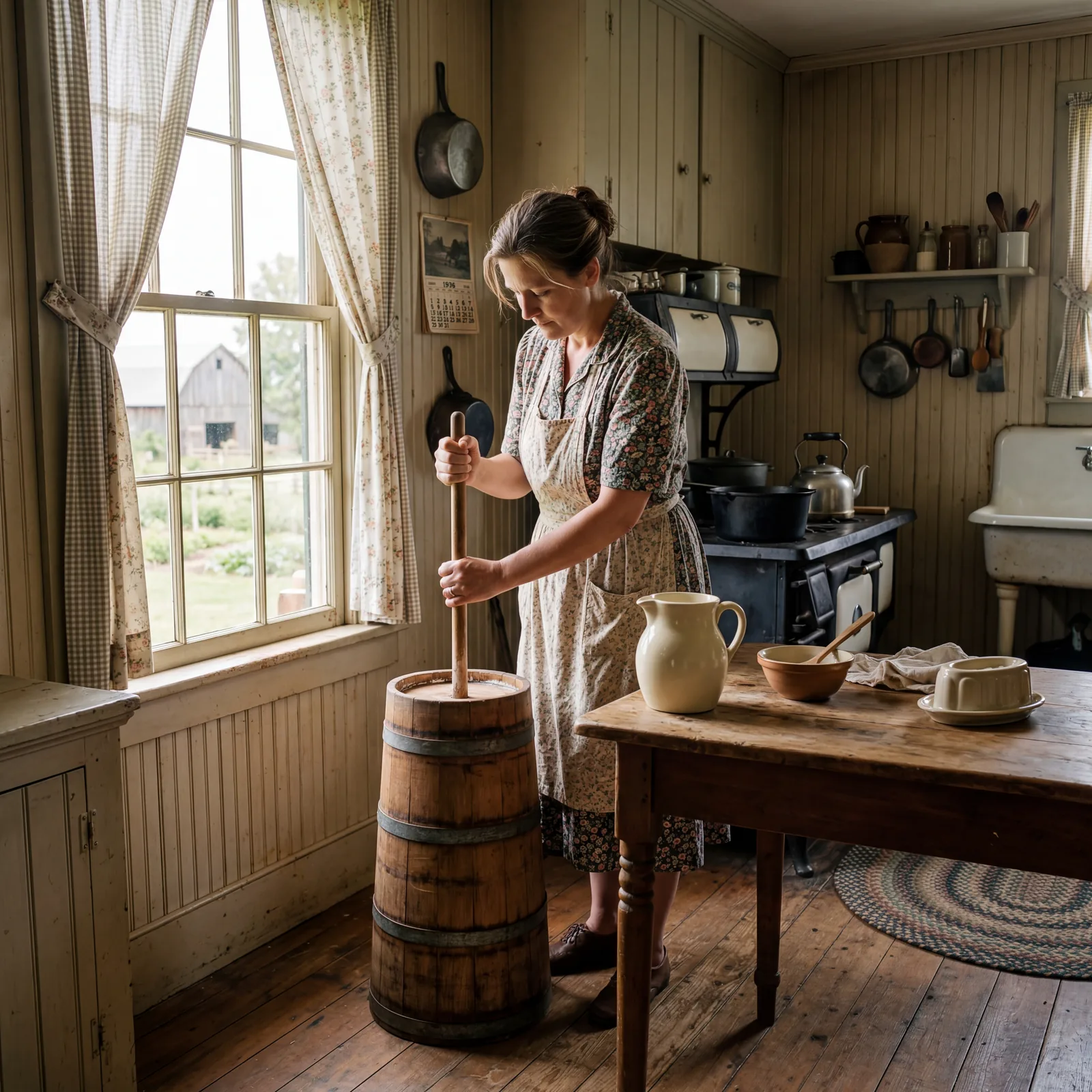
Butter was too expensive to let sweat near the stove.
Families kept it in a crock, wrapped it carefully, or moved it to the coolest room after breakfast. A shaded pantry shelf could matter as much as a recipe.
Small rule: use a clean knife. One careless smear of crumbs could turn good butter into a problem.
32. Meat Bought for Tonight, Not Next Week

Before big refrigerators, meat was often a same-day decision.
A family might buy pork chops, stew meat, liver, or a chicken because supper needed it now, not because the freezer had space. The butcher’s paper came home with a clock attached.
That changed how people cooked. Plans were smaller, portions were tighter, and waste felt personal.
31. Milk Bottles Sweating on the Porch
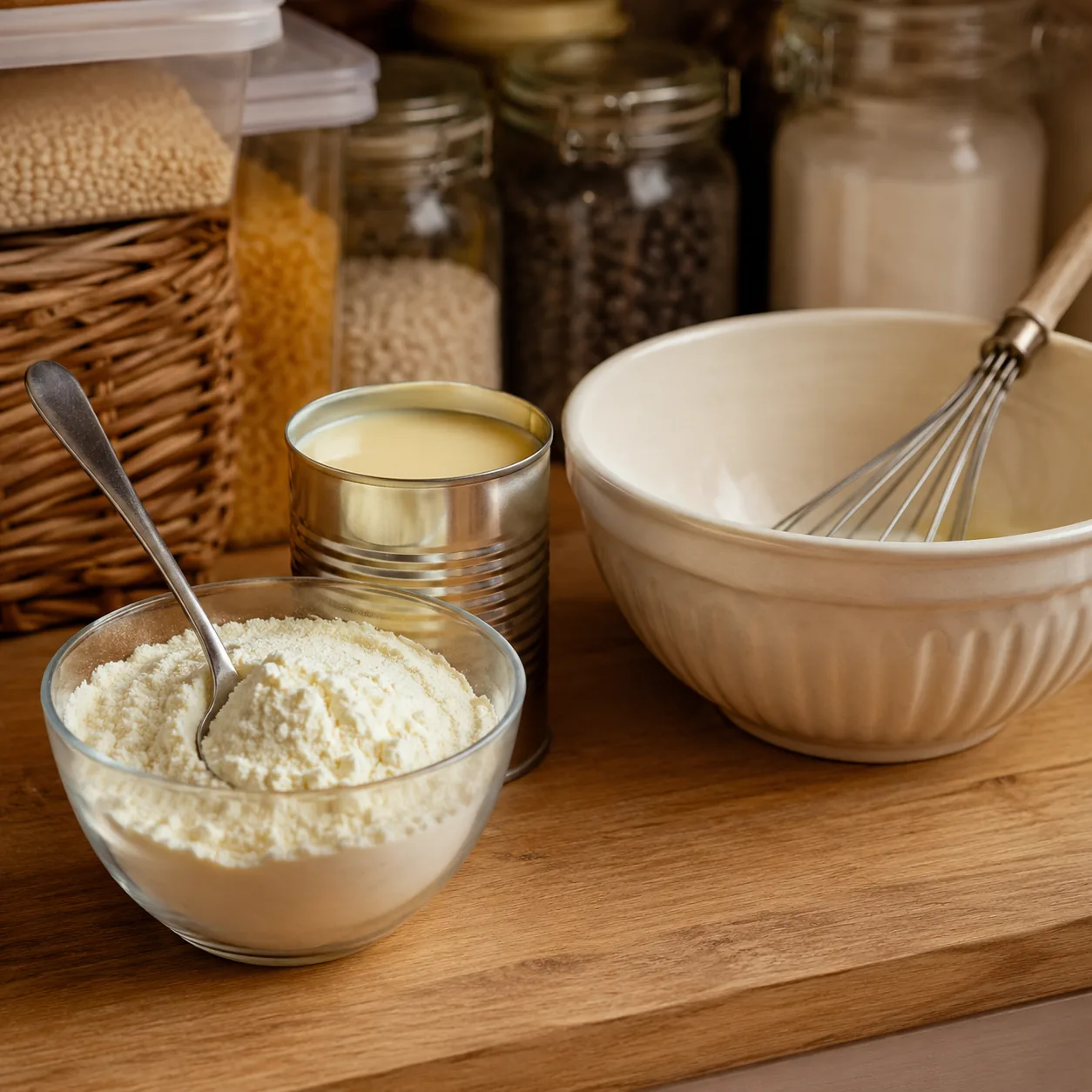
Milk delivery was convenient, but it was not lazy.
The bottles landed on the porch early, cold and sweating, sometimes with cream rising at the top. Someone had to bring them in before the sun found them.
Children learned that milk had a deadline. Leave it outside too long and breakfast carried the mistake.
30. The Root Cellar That Smelled Like Earth
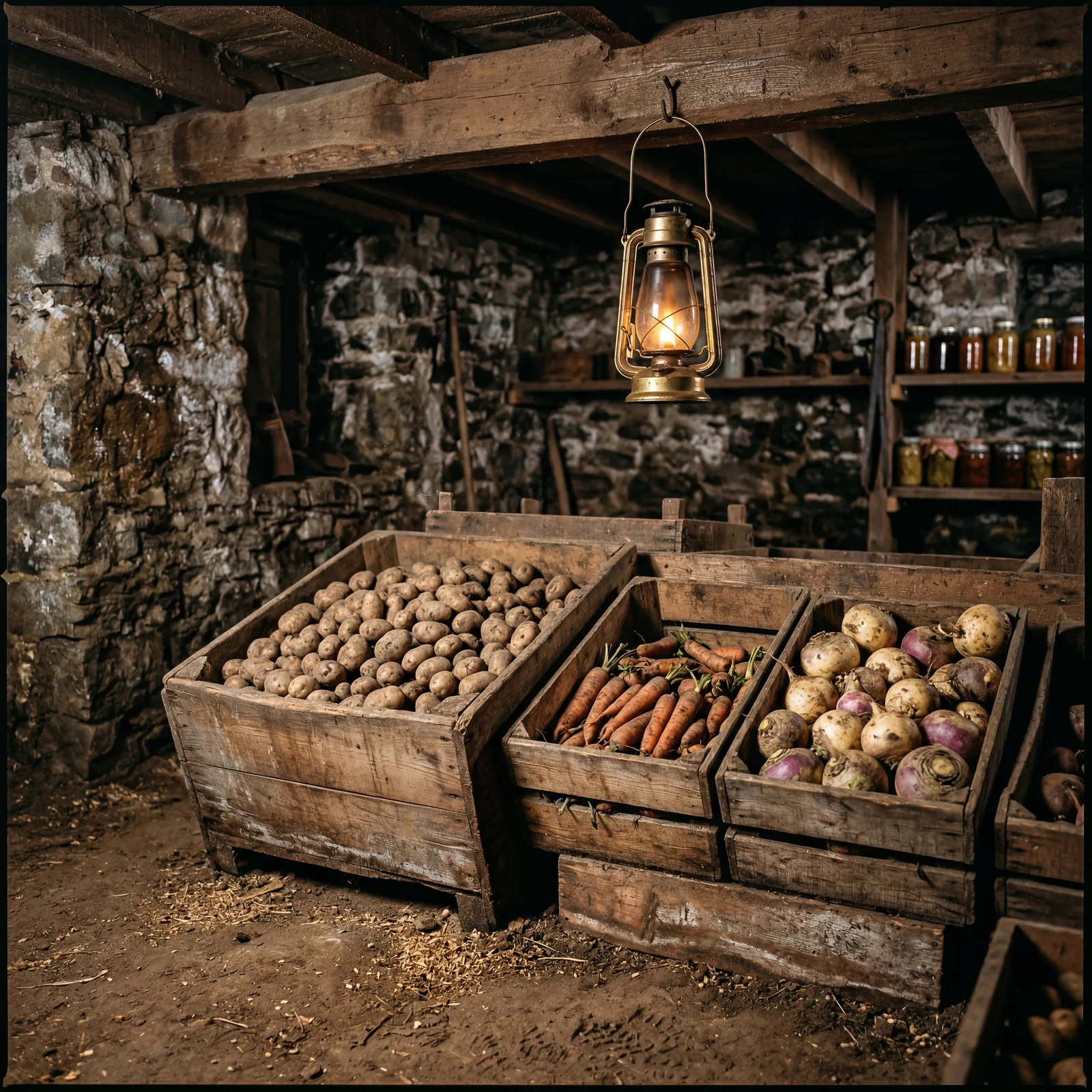
A root cellar was not pretty. It smelled like dirt, potatoes, damp wood, and winter.
That was the point. Cool, dark, slightly humid air helped root crops hold on when the garden was gone and the roads were bad.
Families did not call it food storage strategy. They called it getting through February.
29. Sand Boxes for Carrots and Beets
Carrots, beets, and parsnips could shrivel if they sat bare on a shelf.
Families packed them in damp sand, sawdust, or boxes that kept them from drying out too fast. You reached in and pulled dinner from what looked like a small indoor garden bed.
It was messy, but it was cheaper than buying fresh vegetables every few days.
28. Apples Kept Away From Potatoes
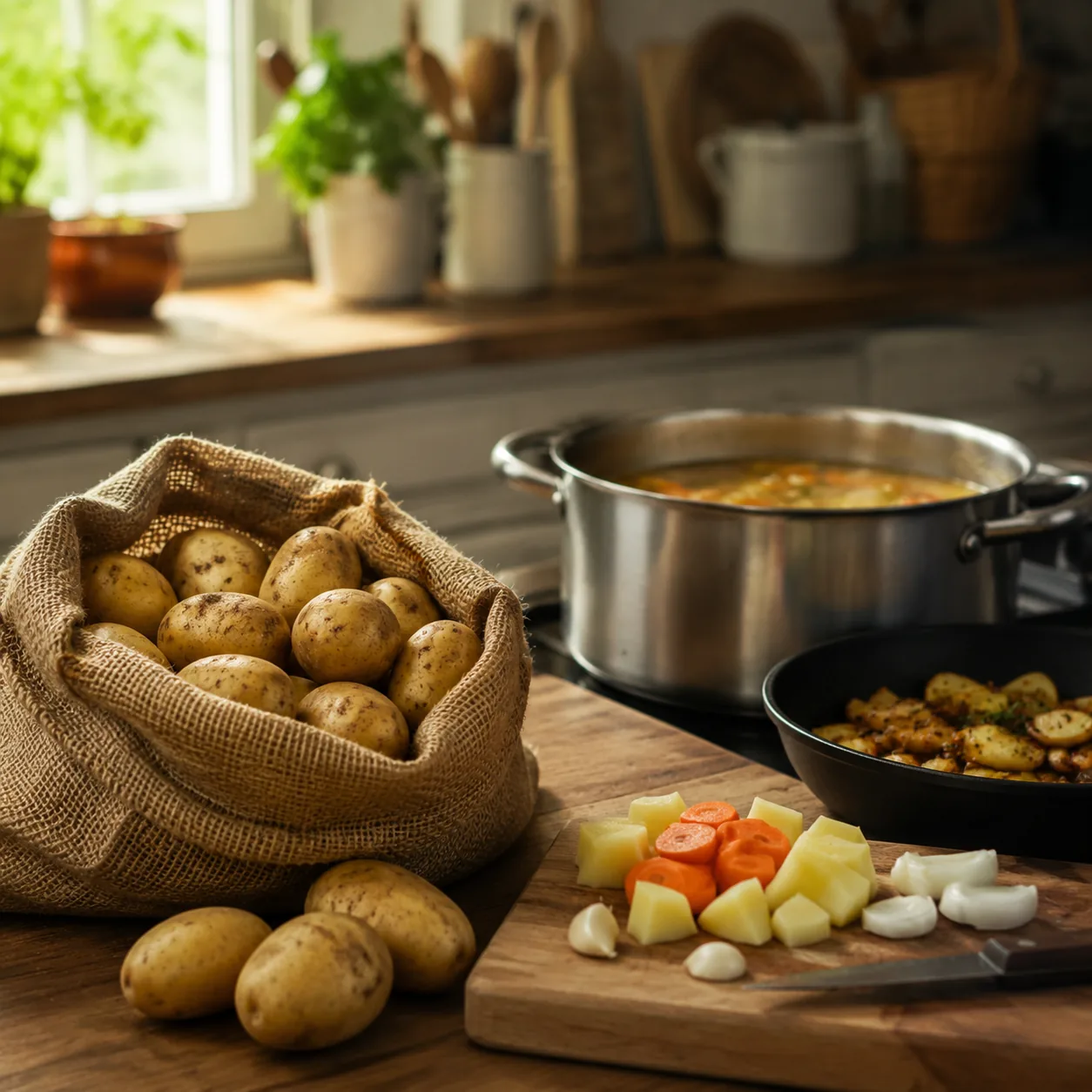
Older kitchens had their own invisible map.
Apples were stored in crates, wrapped, or kept apart from other foods because one bad apple could spoil more than itself. Potatoes had their own corner, away from light and household traffic.
The cellar was not a dumping ground. It was a quiet system, checked by hand.
27. Onions Braided Where Air Could Move
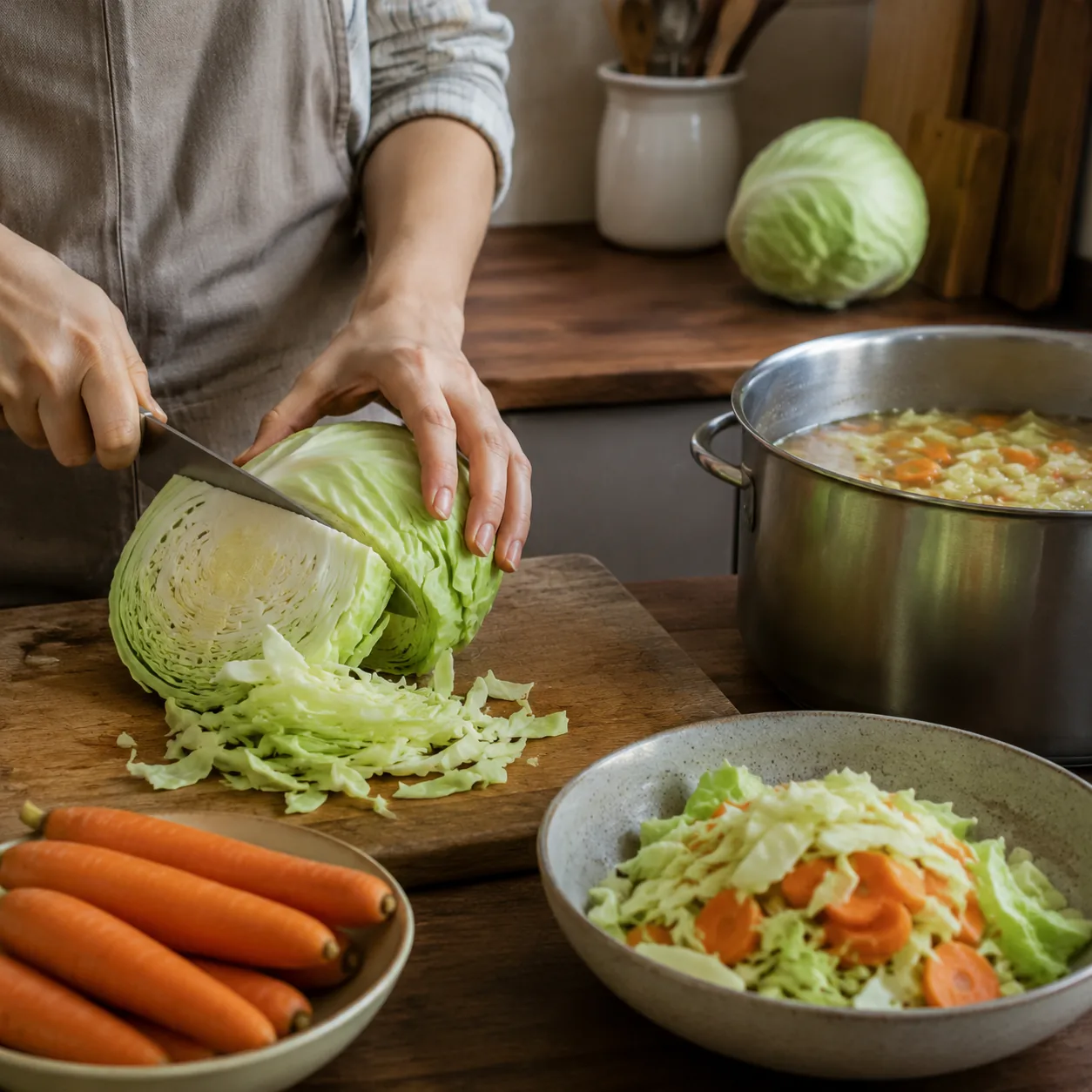
Onions hated damp corners.
Families braided them, hung them, or spread them where air could move around the skins. A soft onion was not just unpleasant; it could ruin the smell of a whole pantry.
Good storage sounded boring until money was tight. Then every dry onion that lasted another week counted.
26. Salt Pork Waiting in the Pantry

Salt pork was food insurance in a salty slab.
It could season beans, greens, potatoes, and cabbage when fresh meat was gone. Families bought it because salt slowed spoilage and fat carried flavor through plain food.
Nobody needed a thick piece to feel the difference. A small strip could make a pot taste like supper.
25. Hams Hanging in Smoke
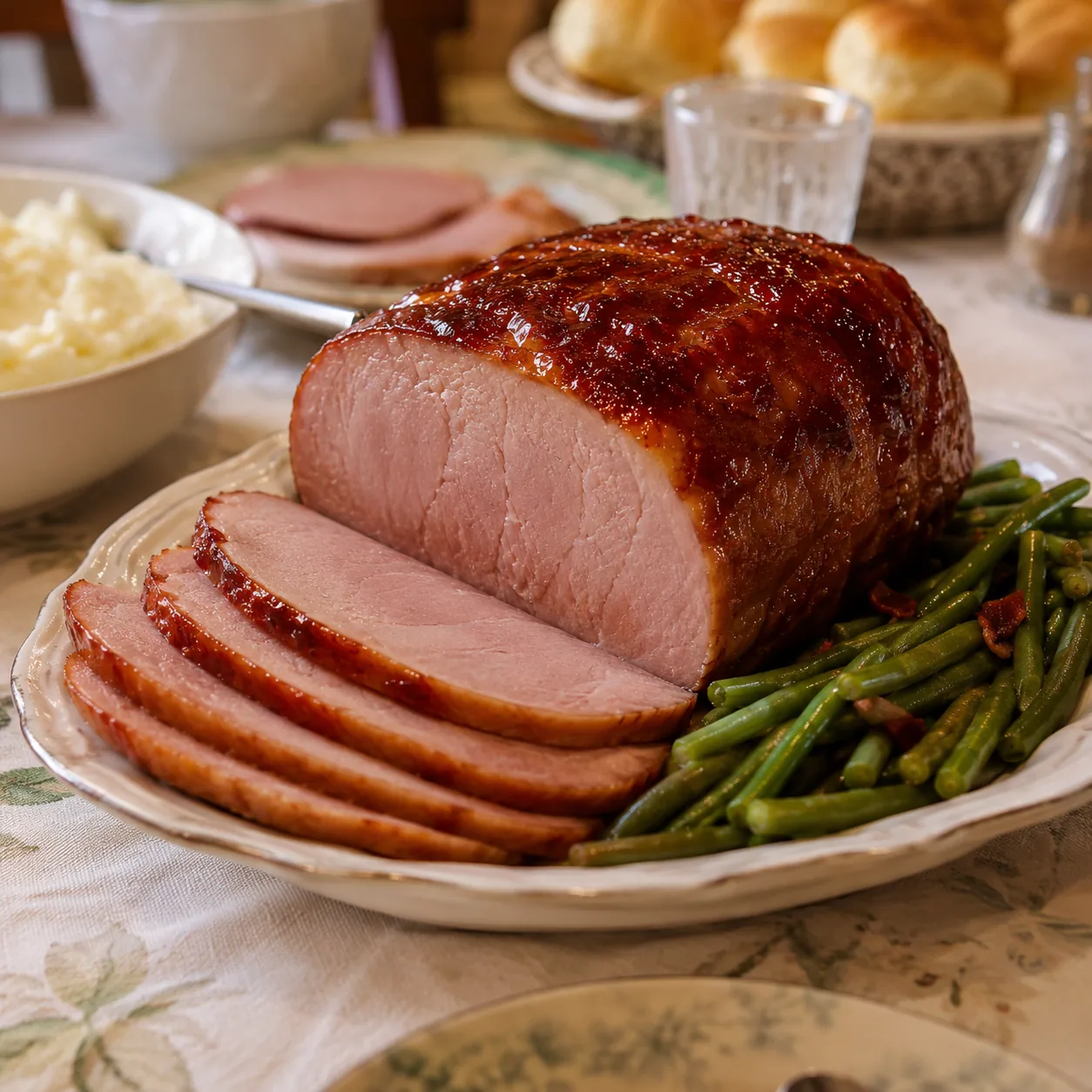
Smokehouses turned meat into stored value.
Salt, smoke, time, and cool air helped hams and shoulders last far longer than raw meat ever could. The smell clung to clothes, rafters, and the first slice cut for the table.
This was not romance. It was winter planning with hooks, ashes, and patience.
24. Pickle Crocks That Bought Time
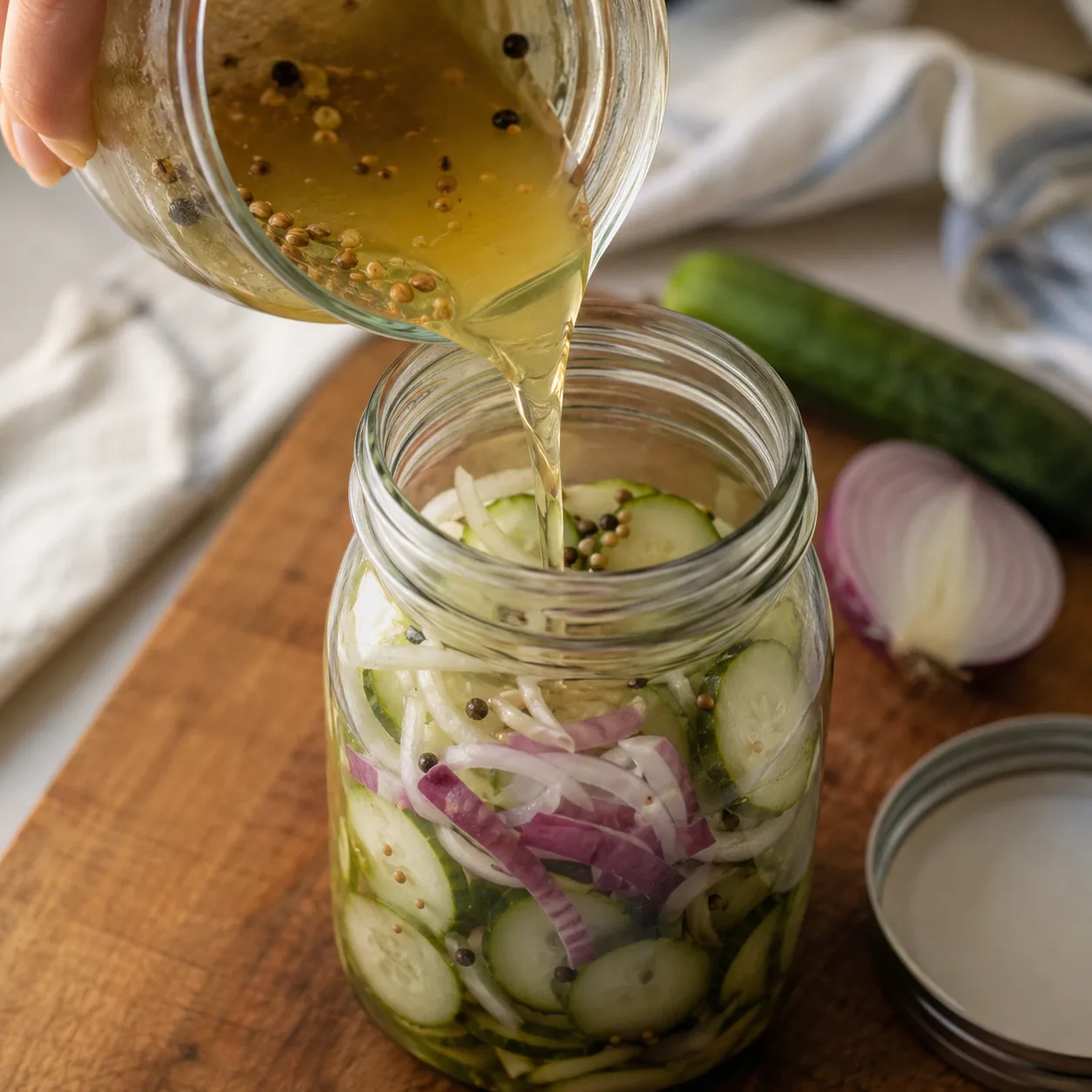
Vinegar and brine helped summer last.
Cucumbers, onions, beets, green tomatoes, and cabbage could be turned into sharp jars and crocks instead of rotting on the counter. The kitchen smelled like dill, vinegar, hot water, and wet towels.
Pickling was flavor, but it was also a race against the harvest.
23. Water-Glass Eggs in a Stoneware Jar
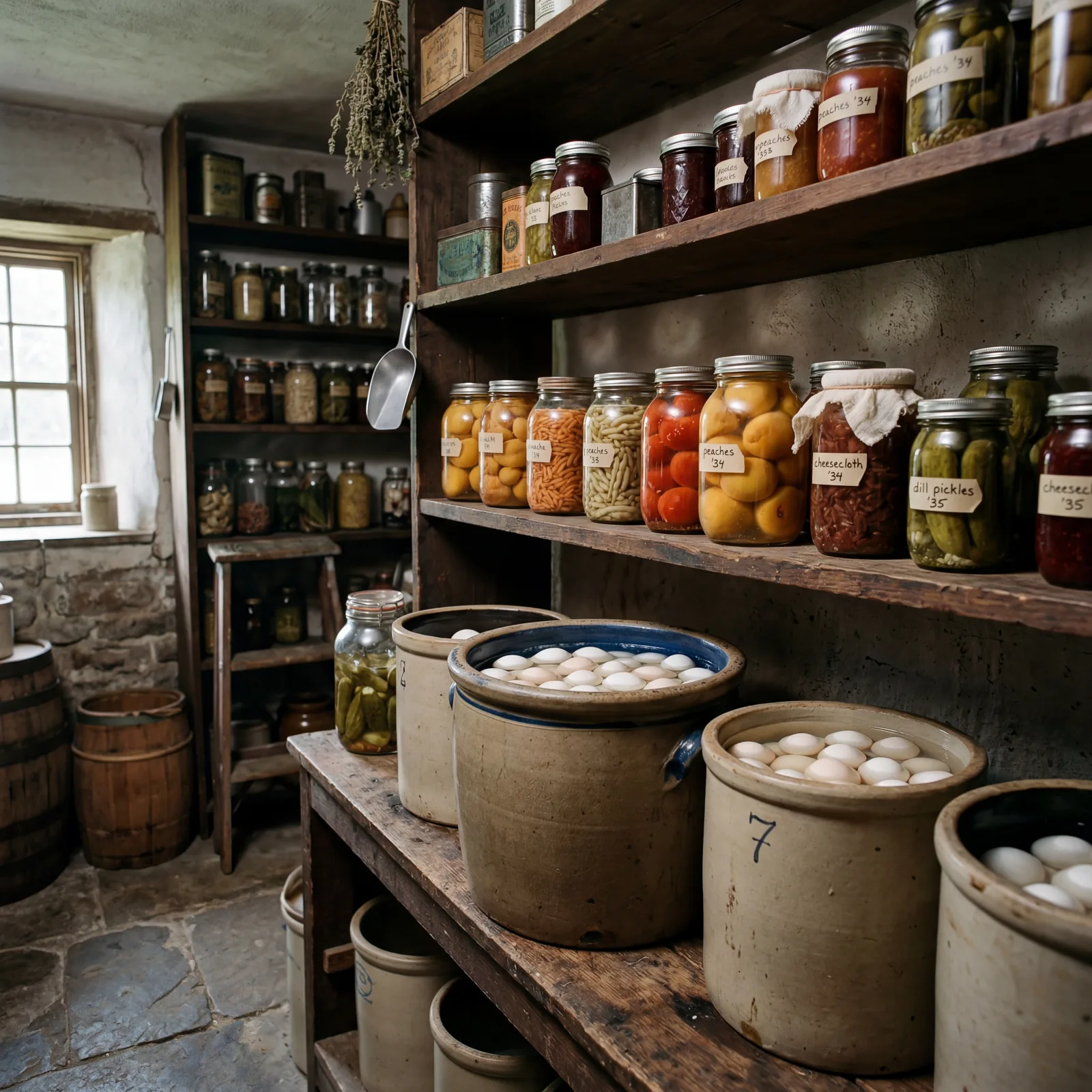
When hens slowed down, eggs became a planning problem.
Some families preserved clean, fresh eggs in water-glass solution, storing them in crocks for leaner months. It was fussy work, not casual guessing, and modern safety rules are different.
Still, the habit shows how seriously households treated ordinary staples. The same practical pantry mindset runs through 37 Things Every Grandma Kept in the Pantry That Modern Kitchens Forgot.
22. Fish Cooked the Day It Came Home

Fresh fish did not sit around waiting for inspiration.
If fish came home from the market, lake, or neighbor, it was cleaned, fried, baked, or salted quickly. The smell told everyone there was no such thing as “later” with fish.
That urgency shaped shopping too. Families living on one paycheck often bought only what dinner could handle, much like the habits in 31 Things Older Families Did When One Paycheck Covered the Whole House.
21. Sour Milk Turned Into Something Useful
Milk that soured was not automatically treated as garbage.
If it was still suitable for cooking, families used it in biscuits, pancakes, cornbread, or quick cakes where acidity helped the batter. There was a difference between soured and spoiled, and older cooks learned that line carefully.
That kind of quick decision-making is exactly why 37 Things Grandma Did to Stretch Groceries Before Budgeting Had a Name feels so familiar.
20. Cream Skimmed Before It Turned
Cream rose to the top, and families knew what to do with it.
It could become coffee cream, gravy, custard, butter, or a richer spoonful for cereal before it lost its sweetness. Nobody wanted to waste the best part of the bottle.
Modern milk hides that layer. Older households saw it every morning and treated it like a small bonus.
19. Canning Kettles That Heated the Whole Kitchen
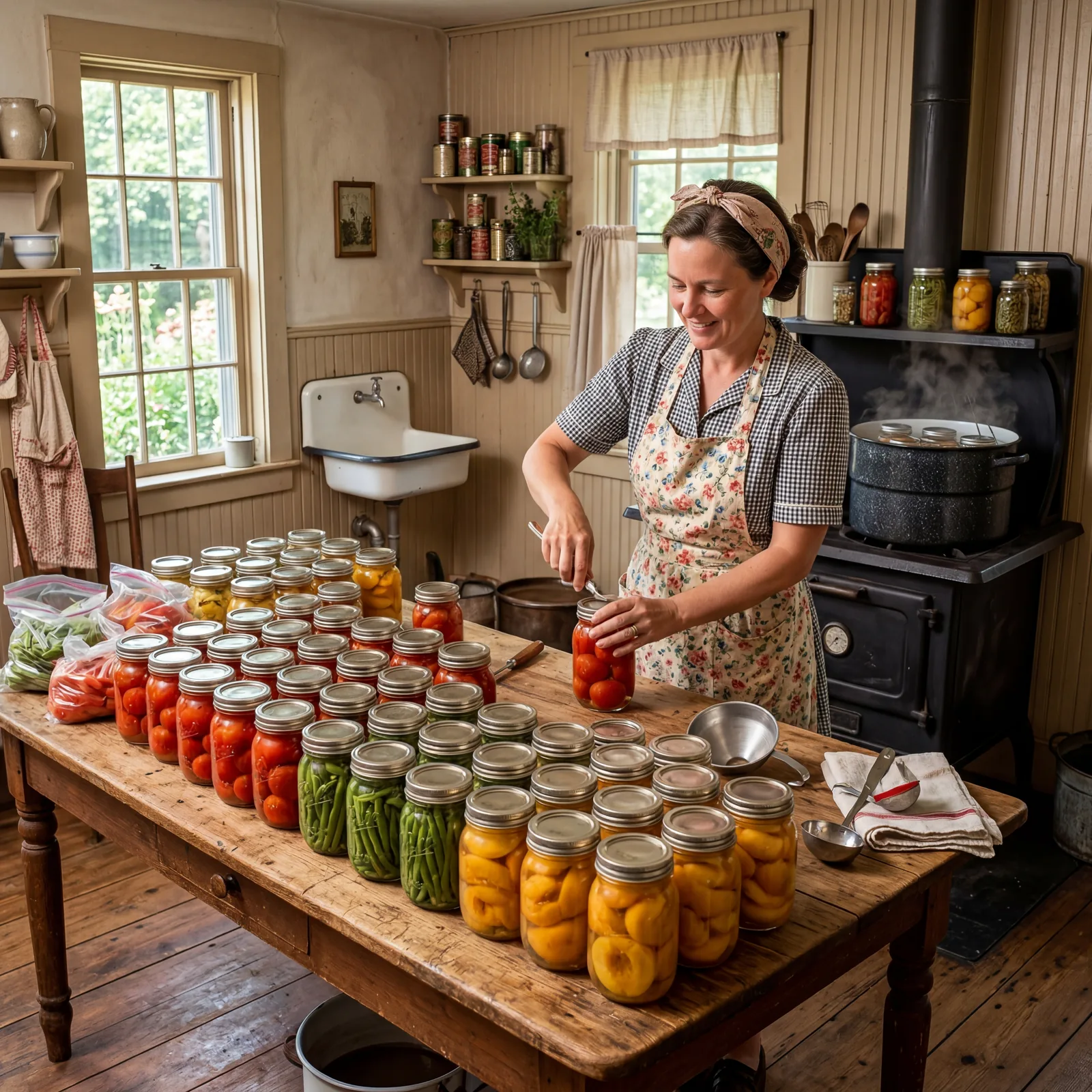
Canning day made the kitchen hot enough to remember.
Tomatoes, peaches, beans, relish, jam, and applesauce filled jars while towels covered the table and steam ran down the windows. It was tiring work, but it moved food from a short season into a longer one.
For families with garden plots, this connected directly to 31 Backyard Staples Families Grew Before Grocery Runs Became Routine.
18. Dried Apple Rings on Screens
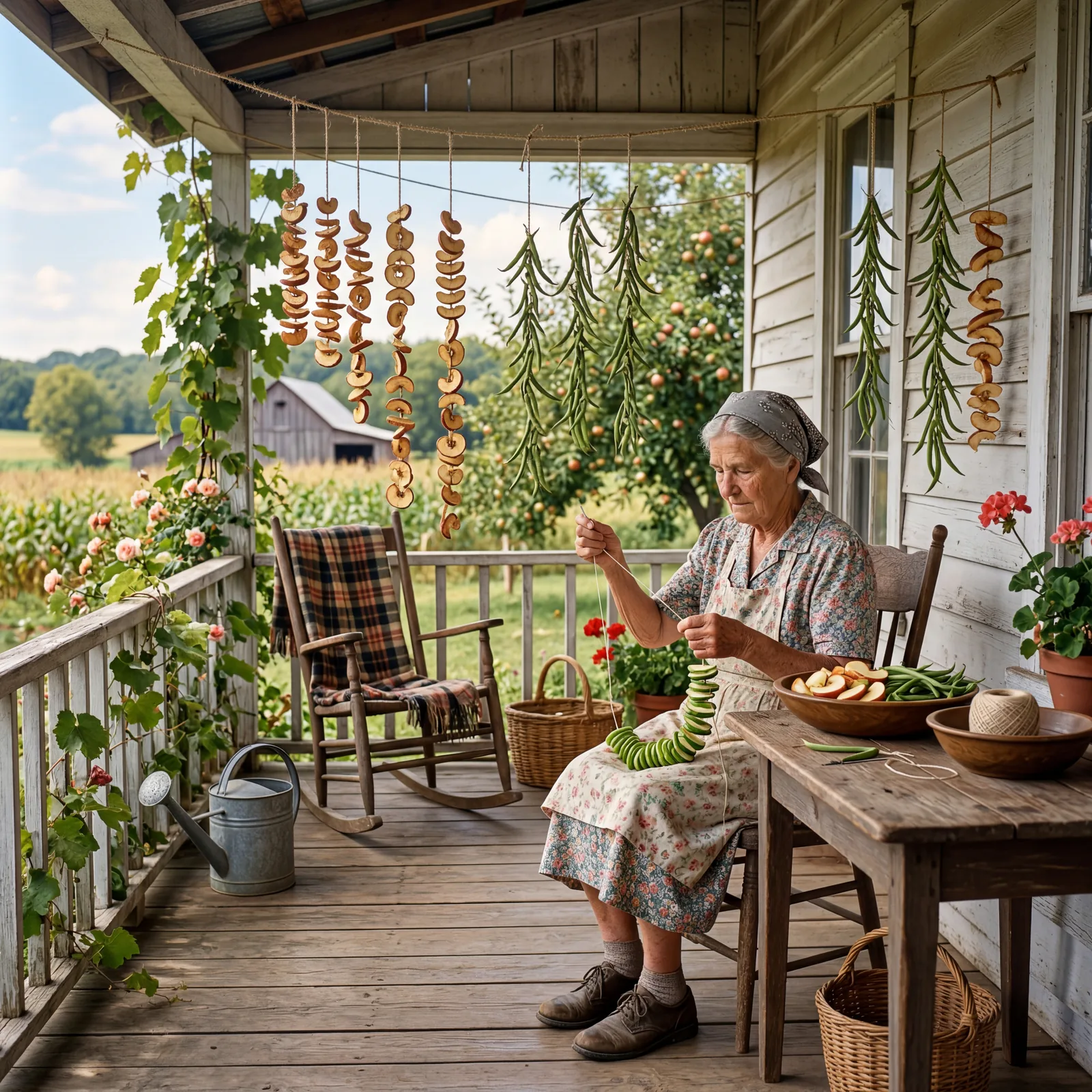
Drying took water out before spoilage could win.
Apple rings, herbs, beans, and sometimes corn were spread on screens, strings, or trays where air and patience could work. The fruit shrank, darkened, and became chewy enough for winter pies or snacks.
It was not instant. That was why children were told not to touch the drying trays.
17. Bread Kept in a Tin
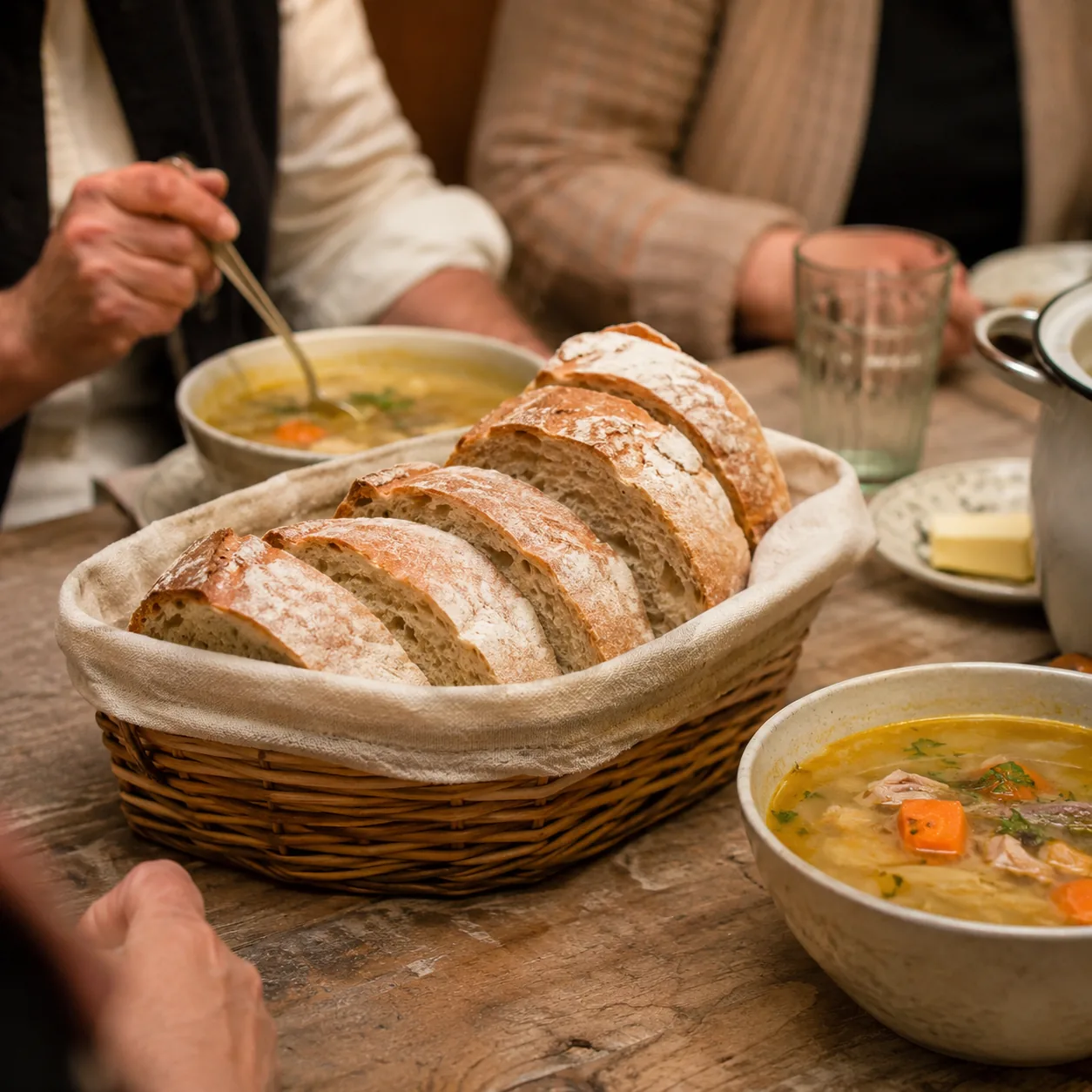
Bread needed protection from damp air, mice, flies, and hungry hands.
A bread tin or covered box kept loaves tidy and slowed staleness. Once bread dried, it still had work to do as toast, crumbs, pudding, dressing, or thickener.
Older kitchens rarely saw bread as one thing. Fresh bread was food; stale bread was an ingredient waiting its turn.
16. Pie Safes With Punched Metal Doors
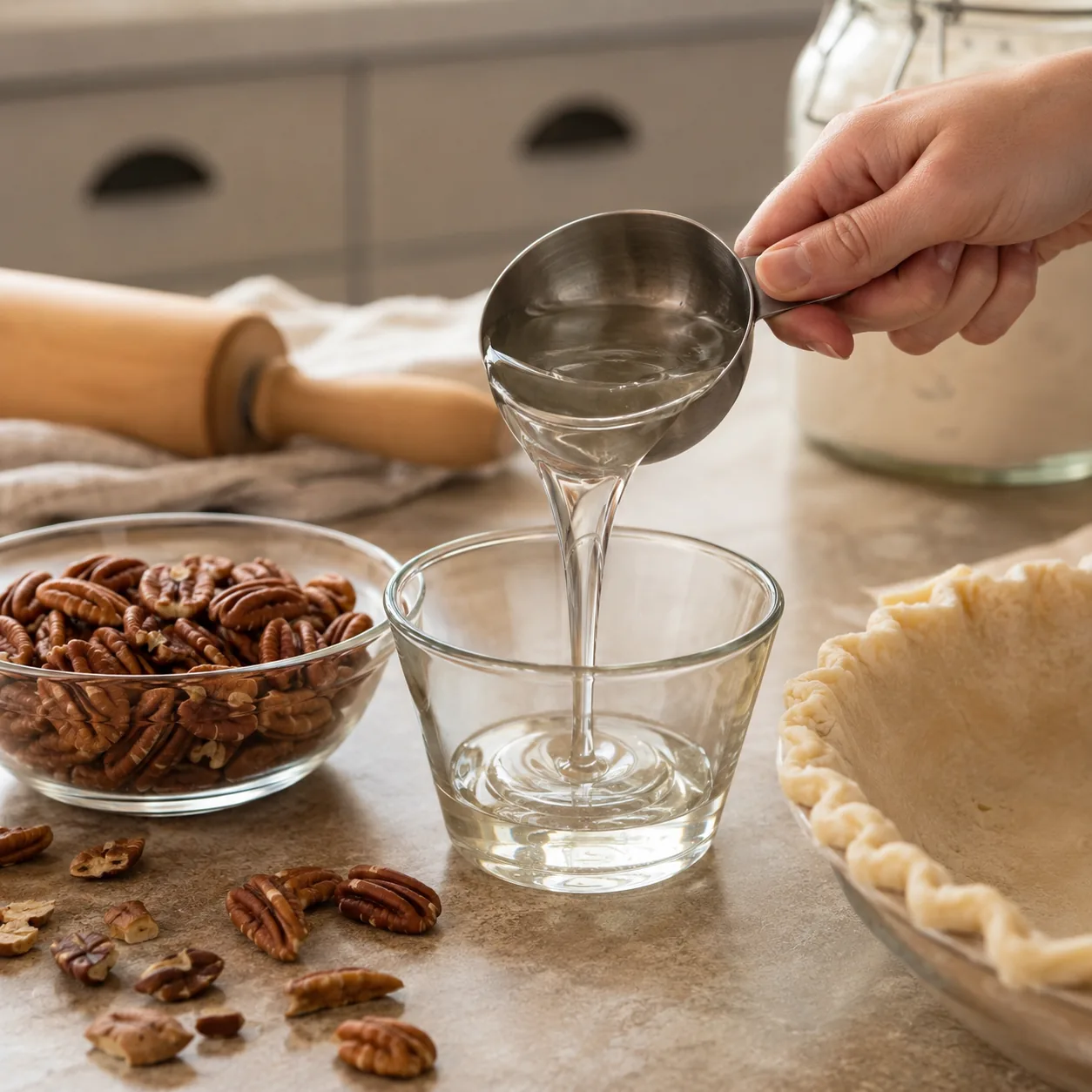
Pie safes protected food without sealing it in a plastic box.
The punched metal doors let air move while keeping flies and fingers away from pies, cakes, biscuits, and cooling dishes. A warm pie could not go straight into tight storage without sweating.
Those cabinets were part furniture, part food safety habit, and part memory of the things that made Grandma’s house feel like home.
15. Leftovers Served Before They Could Turn
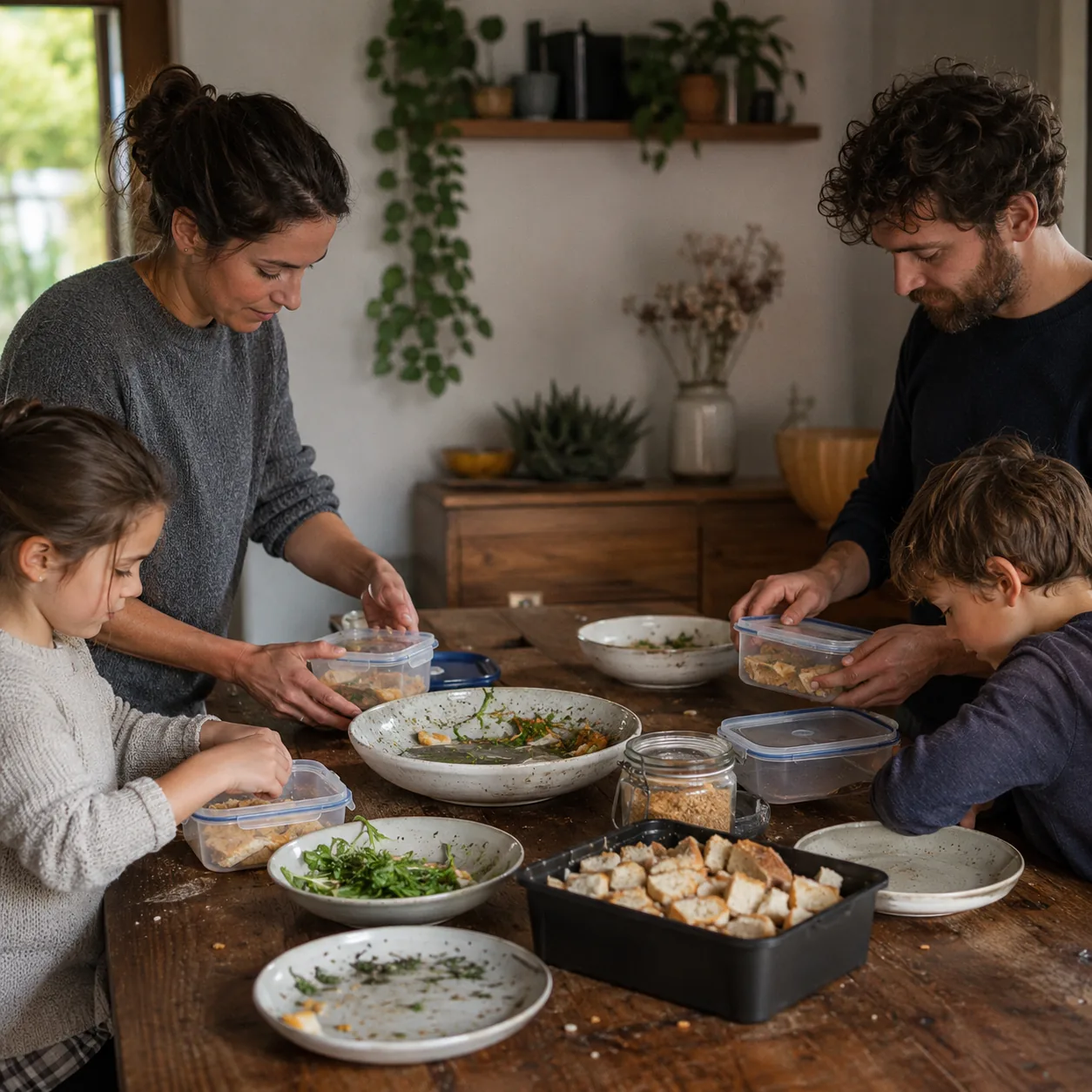
Leftovers were handled fast because they had to be.
Yesterday’s roast became hash, sandwiches, gravy, soup, or meat pie before it sat too long. A little food in a warm kitchen could turn from savings into sickness.
House rule: eat it, cook it into something else, or admit it was gone. Waiting was not a strategy.
14. Soup Pots That Rescued the Last Spoonfuls
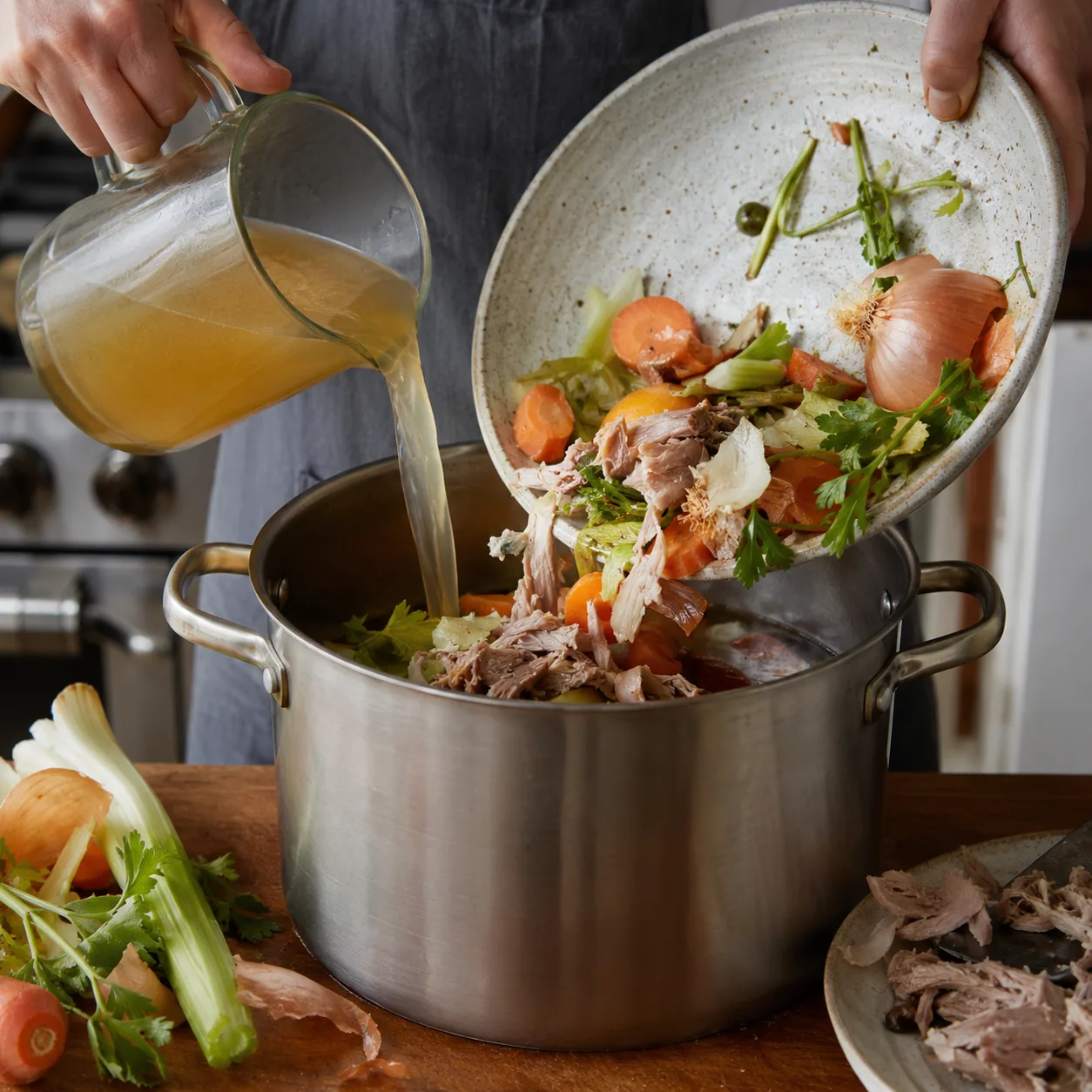
Soup solved small problems before they became waste.
A spoonful of peas, a ham bone, potato water, onion ends, and leftover rice could become lunch if someone acted quickly. The pot made fragments feel respectable again.
This is why old budget meals still hit a nerve. They were survival habits, not cute tricks, much like 33 Poor Man Meals That Fed Whole Families When Money Was Tight.
13. Bacon Grease Saved Clean
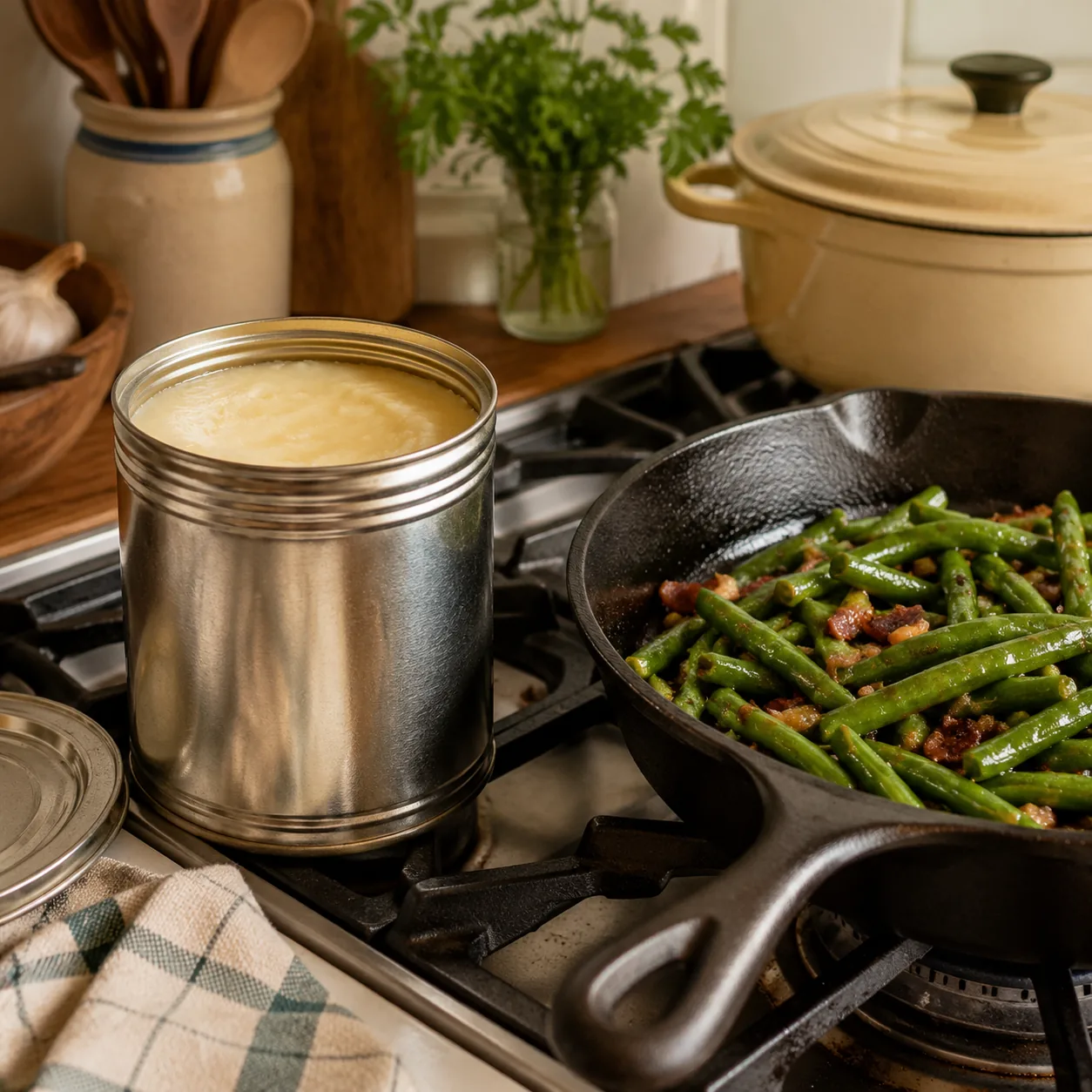
Bacon grease was kept because flavor cost money.
Families strained it, covered it, and used clean spoonfuls for potatoes, beans, cornbread, cabbage, and eggs. Dirty grease spoiled faster and made everything taste tired.
That little can near the stove taught a blunt lesson: saving food only helped if you saved it carefully.
12. Cheesecloth Covers Over Bowls
Before plastic wrap, bowls got covered with cloth, plates, towels, or cheesecloth.
The cover kept flies out while steam escaped from cooling food. That mattered because trapping heat could make food sweat, while leaving it exposed invited every insect in the room.
It was a small, ordinary piece of household discipline. Nobody applauded it, but everyone depended on it.
11. Stone Jars in Cold Water
Families used water as a temporary chill when ice was scarce.
Stone jars, bottles, or crocks could sit in a basin, spring, or shaded wash tub to keep milk, butter, or drinks cooler for a little while. It was not refrigeration. It was buying time.
Knowing the difference mattered. Cool enough for now was not the same as safe forever.
10. Daily Market Stops With a Short List
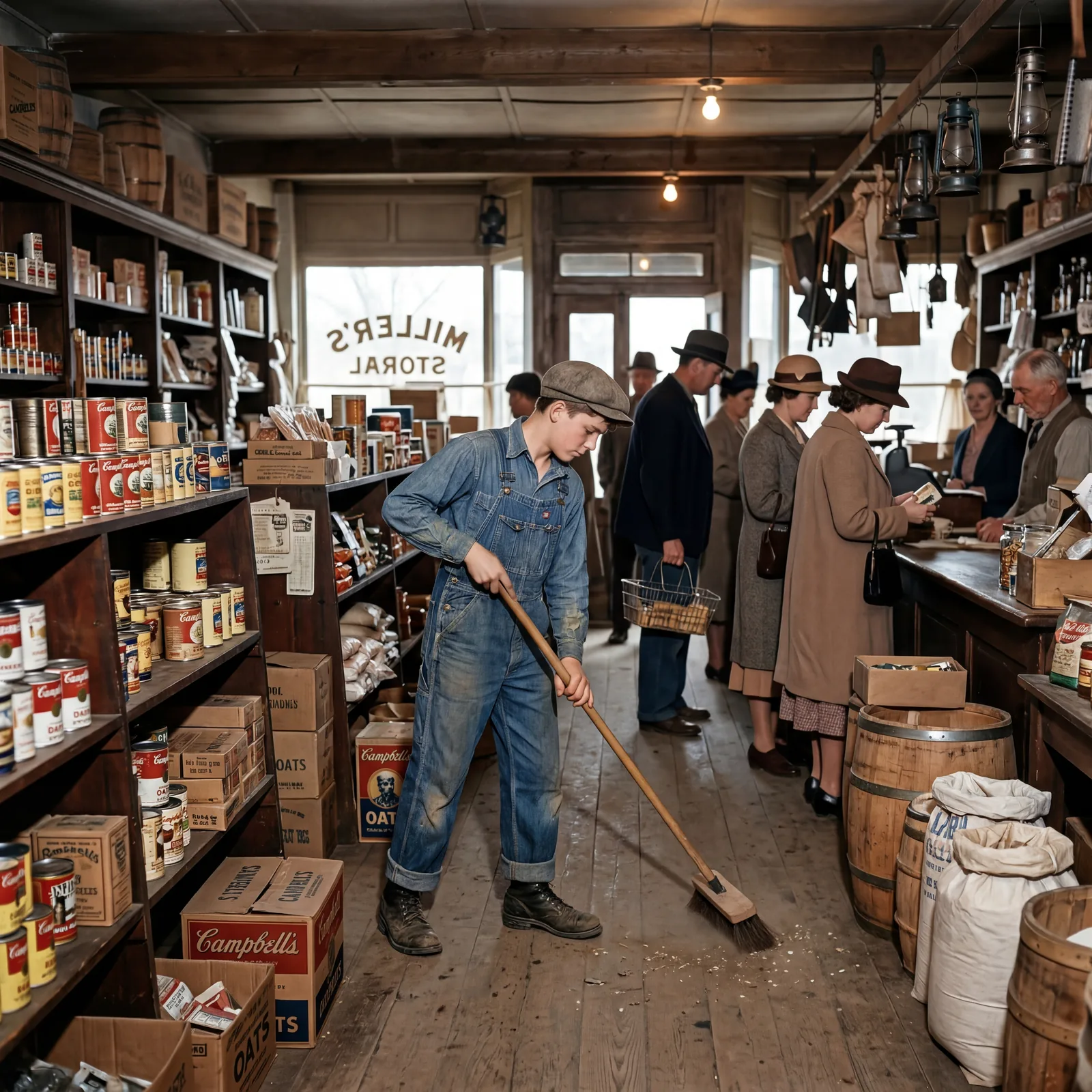
Without a refrigerator full of backup food, shopping happened in smaller bursts.
Families bought bread, meat, milk, greens, or fruit close to when they would use it. The short list kept money visible and spoilage harder to ignore.
That daily rhythm fits with older household systems in 29 Household Habits From the 1930s That Modern Families Forgot. Convenience changed the schedule, not just the appliance.
9. Summer Cooking Done Early
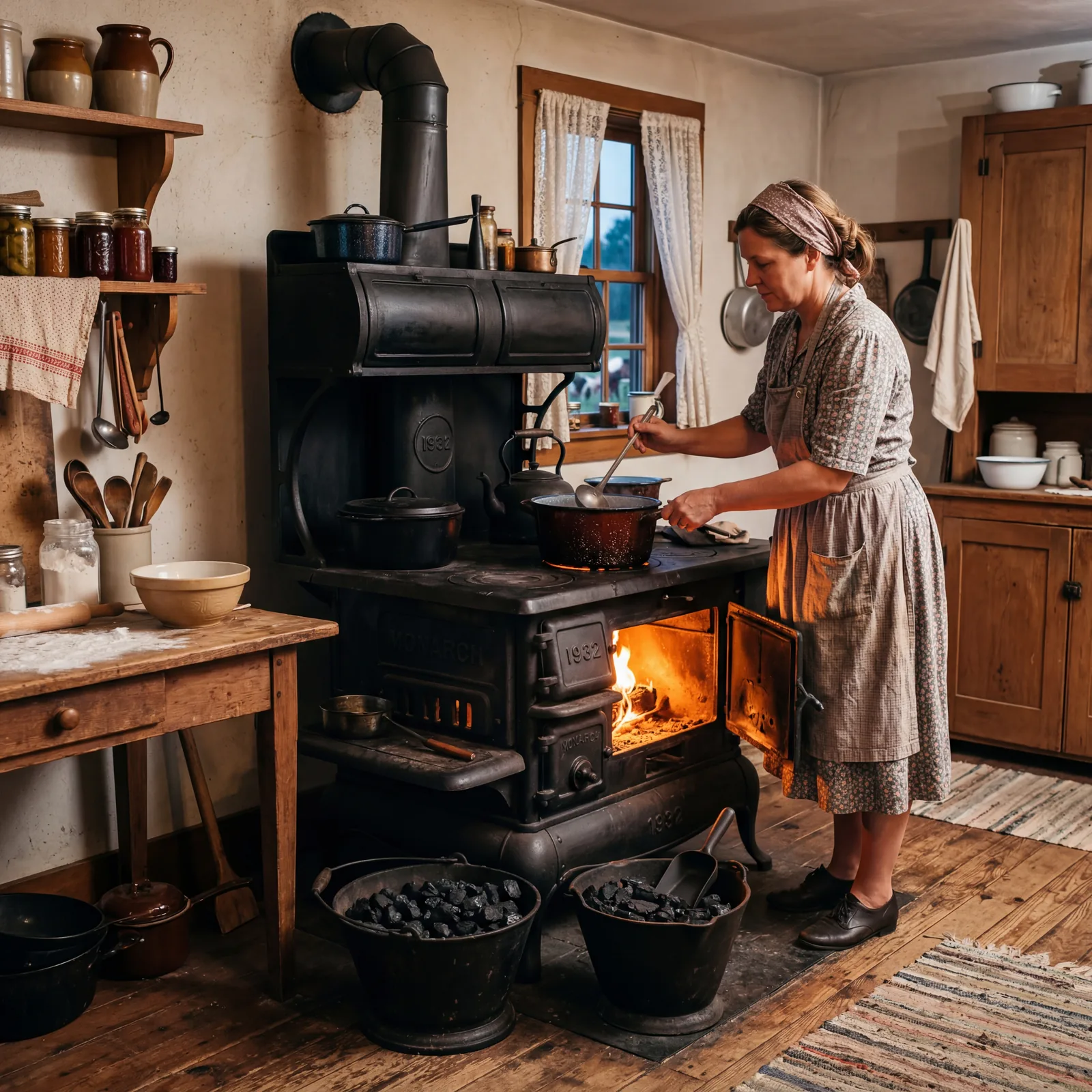
Hot kitchens made food spoil faster and people crankier.
Families cooked early in the day, baked before the sun was high, and kept heavy work away from the worst afternoon heat. A pot left warm too long was not only unappetizing; it could become risky.
The stove was part of the weather. Older cooks planned around it.
8. Neighbor Sharing When Food Peaked
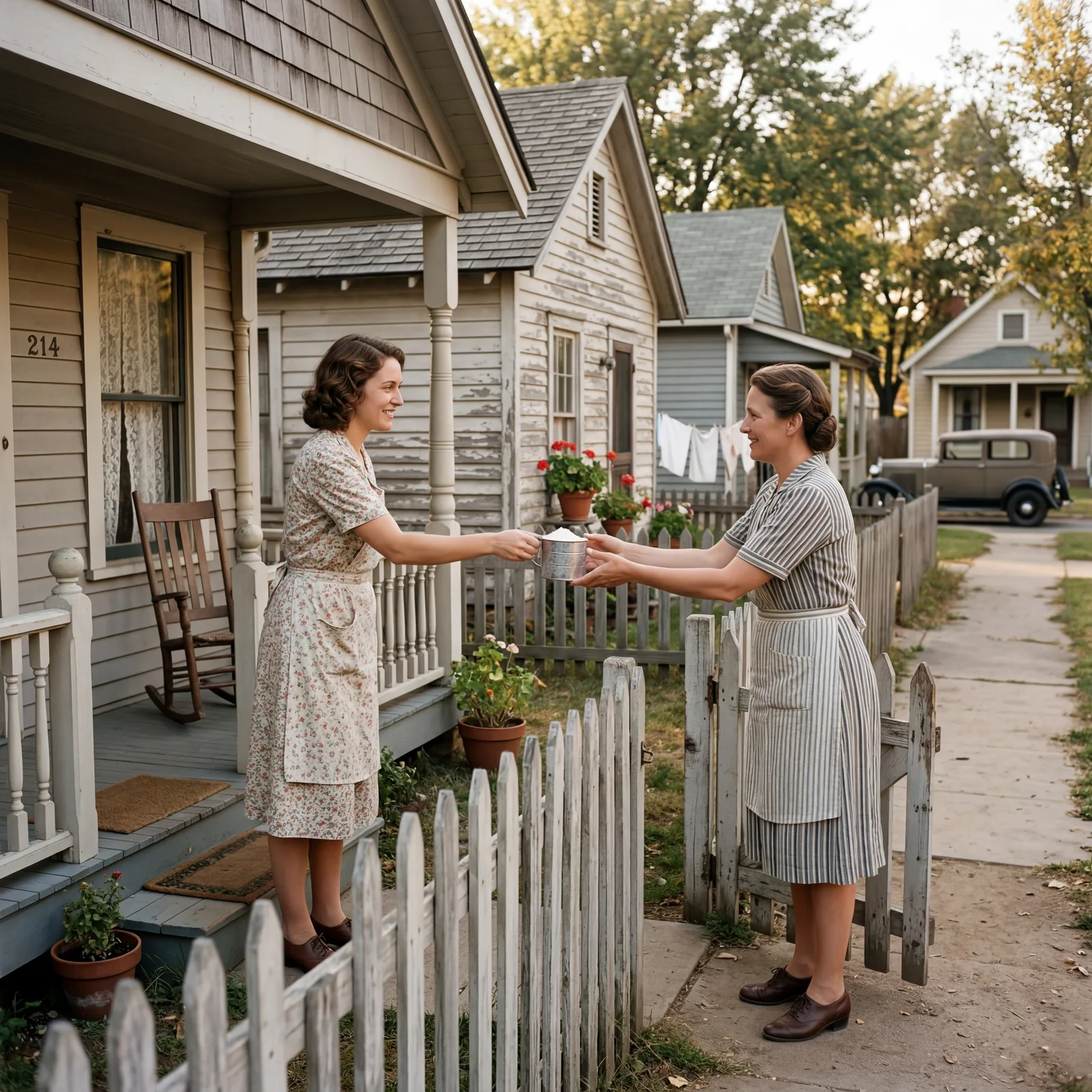
When peaches, tomatoes, beans, or sweet corn peaked, families shared before food collapsed.
A basket over the fence was not just kindness. It was practical spoilage control when a garden produced faster than one kitchen could can, dry, or eat.
Children learned to carry food carefully and say thank you. That same useful independence shows up in 31 Old-School Family Rules That Made Kids More Independent.
7. Vinegar Jars for Cucumbers, Onions, and Eggs
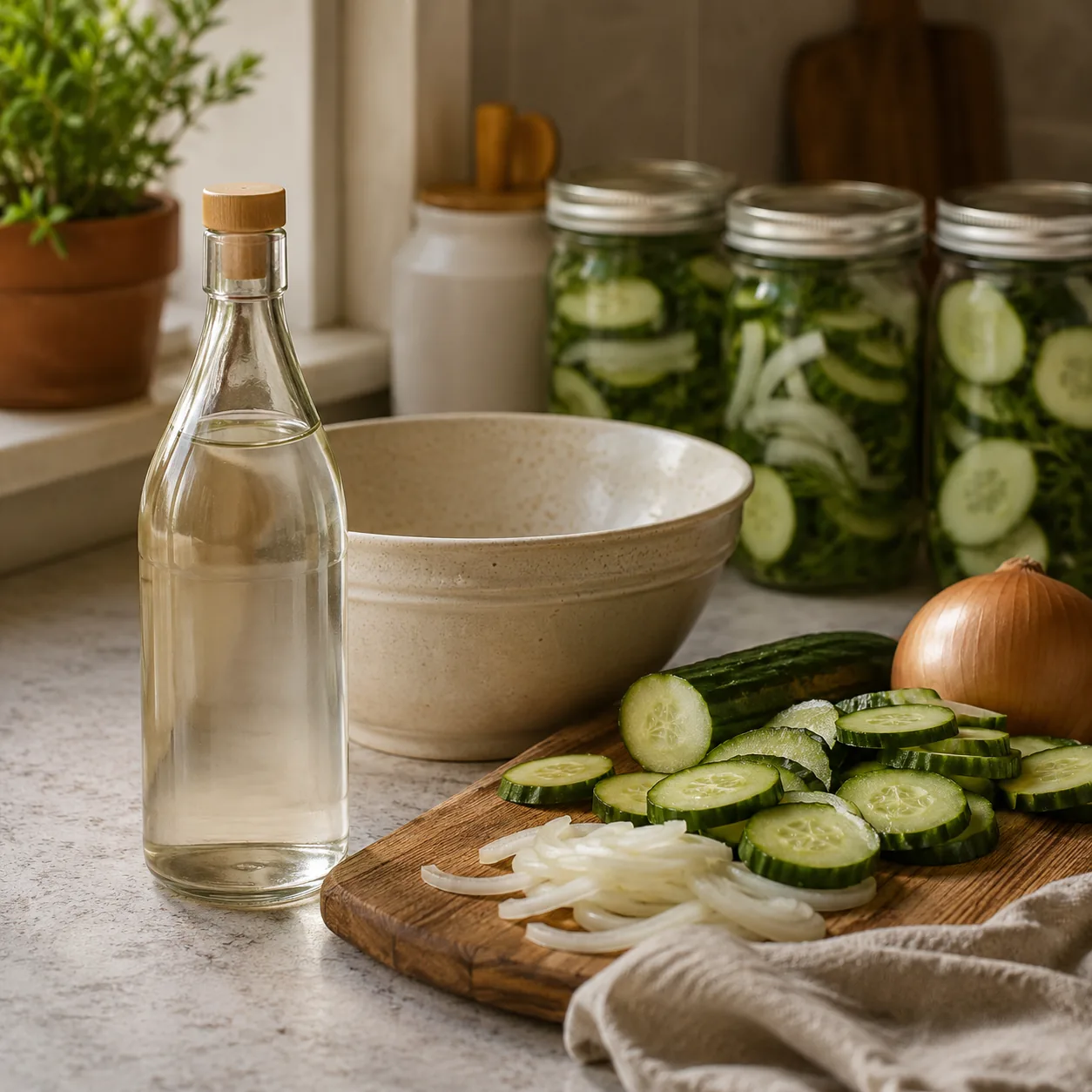
Vinegar gave families a sharp tool against blandness and waste.
Onions, cucumbers, beets, cabbage, and eggs could be pickled for flavor and short-term keeping, especially when the table needed something bright beside potatoes or pork. The smell announced itself before the jar opened.
Those tangy sides later became part of the kind of family meals remembered in 35 Dinners From the 1970s That Disappeared From American Tables.
6. Fermenting Crocks in the Corner
Sauerkraut and other fermented foods took attention after the chopping ended.
Cabbage, salt, weights, and time could become food that kept longer and tasted stronger. Families watched for scum, off smells, and whether the brine still covered everything.
It was not magic in a crock. It was maintenance, judgment, and a willingness to trust a process without ignoring it.
5. Butter Lowered Into the Well
Some rural families used a well, springhouse, or cold stream like a temporary refrigerator.
A covered crock or bottle could be lowered into cool water, away from kitchen heat. It helped butter stay firm and drinks stay pleasant, especially before ice was available.
Important difference: it cooled food; it did not erase time. People still had to use their eyes, nose, and sense.
4. Pantry Shelves Arranged by Risk

Pantries had order because mixing foods could waste money.
Dry goods stayed dry, onions got air, potatoes stayed dark, and opened jars moved closer to the front. The things most likely to spoil were not hidden behind flour sacks.
That kind of practical arrangement overlaps with 37 Things People Repaired at Home Before Replacing Became Normal, because both depended on noticing small problems early.
3. Nose, Eyes, and Rules Before Anyone Ate
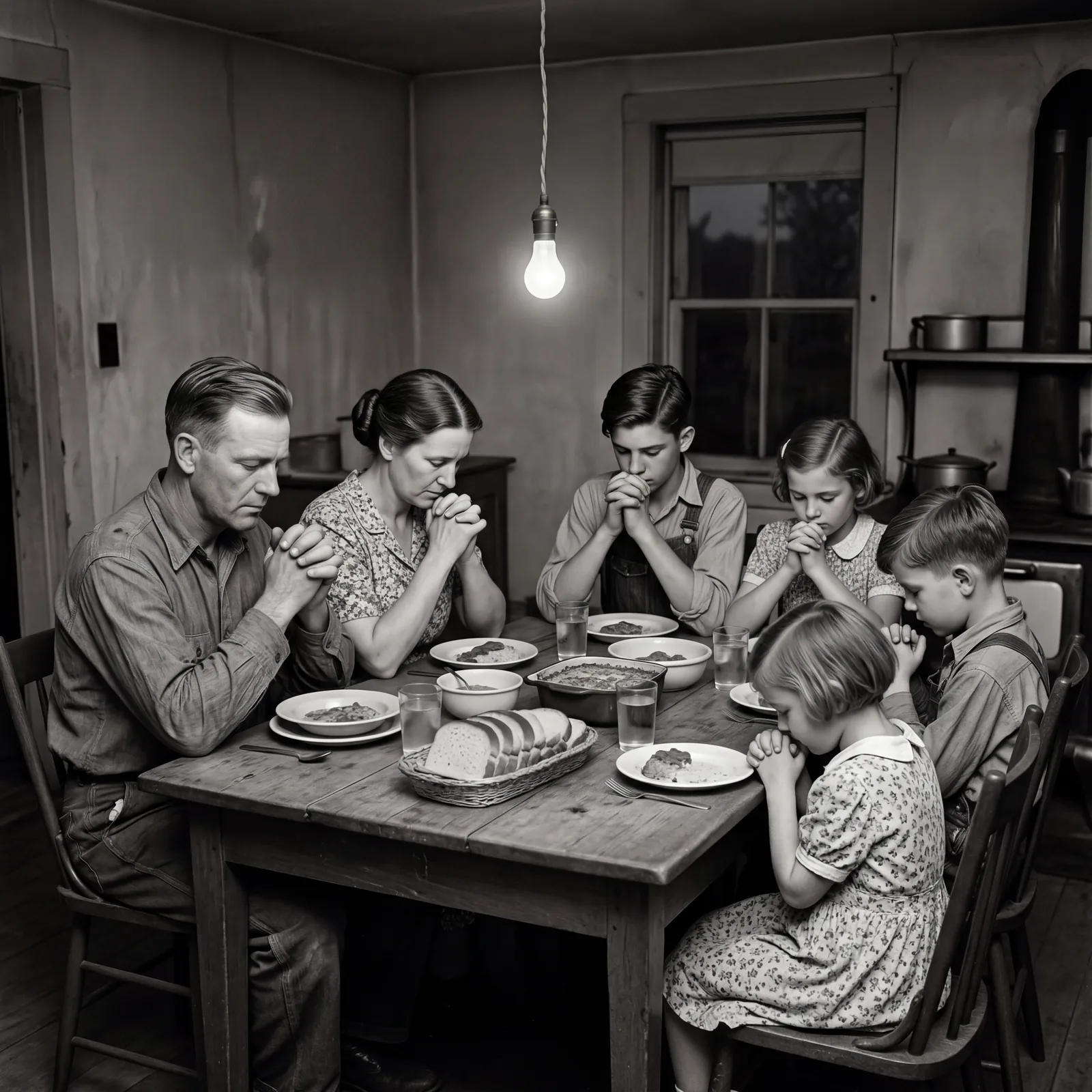
Food safety used to involve more direct judgment.
Families looked for mold, swelling jars, bad smells, odd textures, flies, warmth, and time left out. They did not always get it right, but they knew food could punish carelessness.
Many of those rules lived in memory, not manuals. They are exactly the kind of details worth asking about in 35 Questions to Ask Your Grandparents Before It’s Too Late.
2. Children Sent to Fetch, Turn, and Check
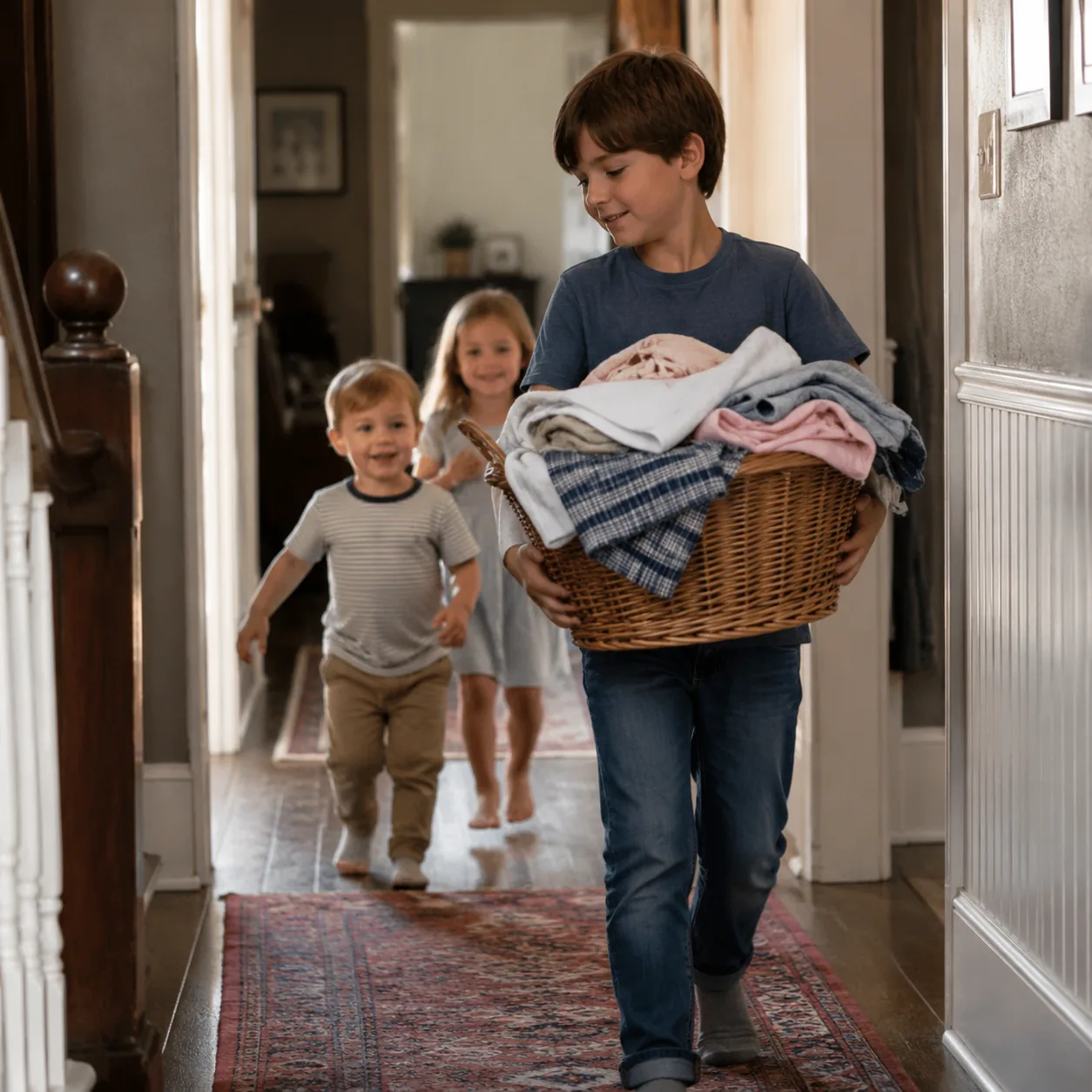
Keeping food safe was not only an adult job.
Children fetched potatoes from the cellar, brought in milk, turned drying fruit, checked the egg basket, and learned which door should stay shut. Responsibility arrived through small errands.
That is why older family routines could feel strict. The house needed help, and food did not wait for anyone to feel ready.
1. Respect for Cold as Real Work
The refrigerator changed more than storage. It changed how much attention food demanded.
Before that hum in the corner, families managed cold with delivery schedules, cellar steps, salt, vinegar, smoke, jars, cloth covers, and quick decisions. Every method had limits.
What survived was not just the food. It was the household knowledge: notice early, waste little, share excess, and never assume dinner will take care of itself.