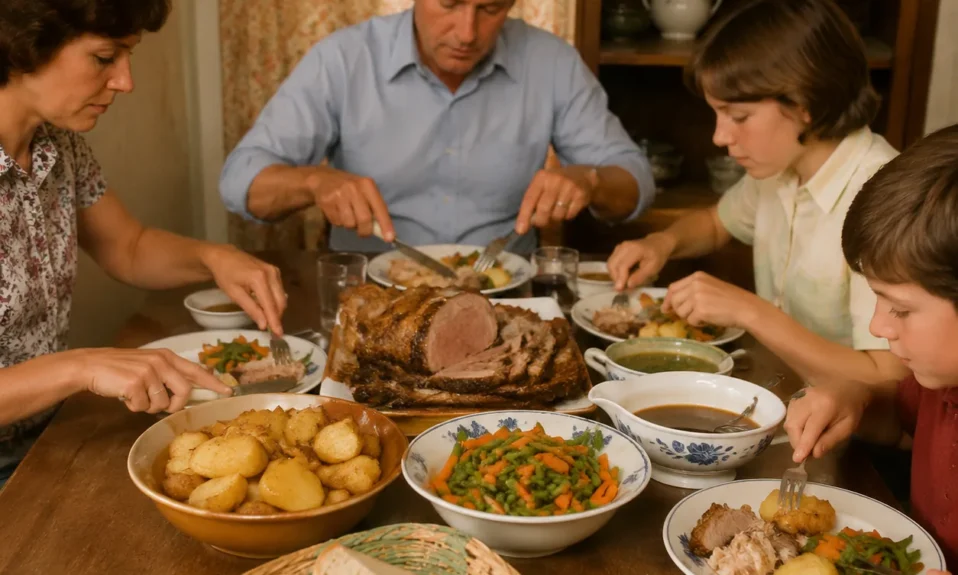
The 1970s dinner table was practical, canned, creamy, and oddly confident.
Some of these meals vanished because tastes changed, but the logic behind them still works.
35. Salisbury Steak TV Dinners
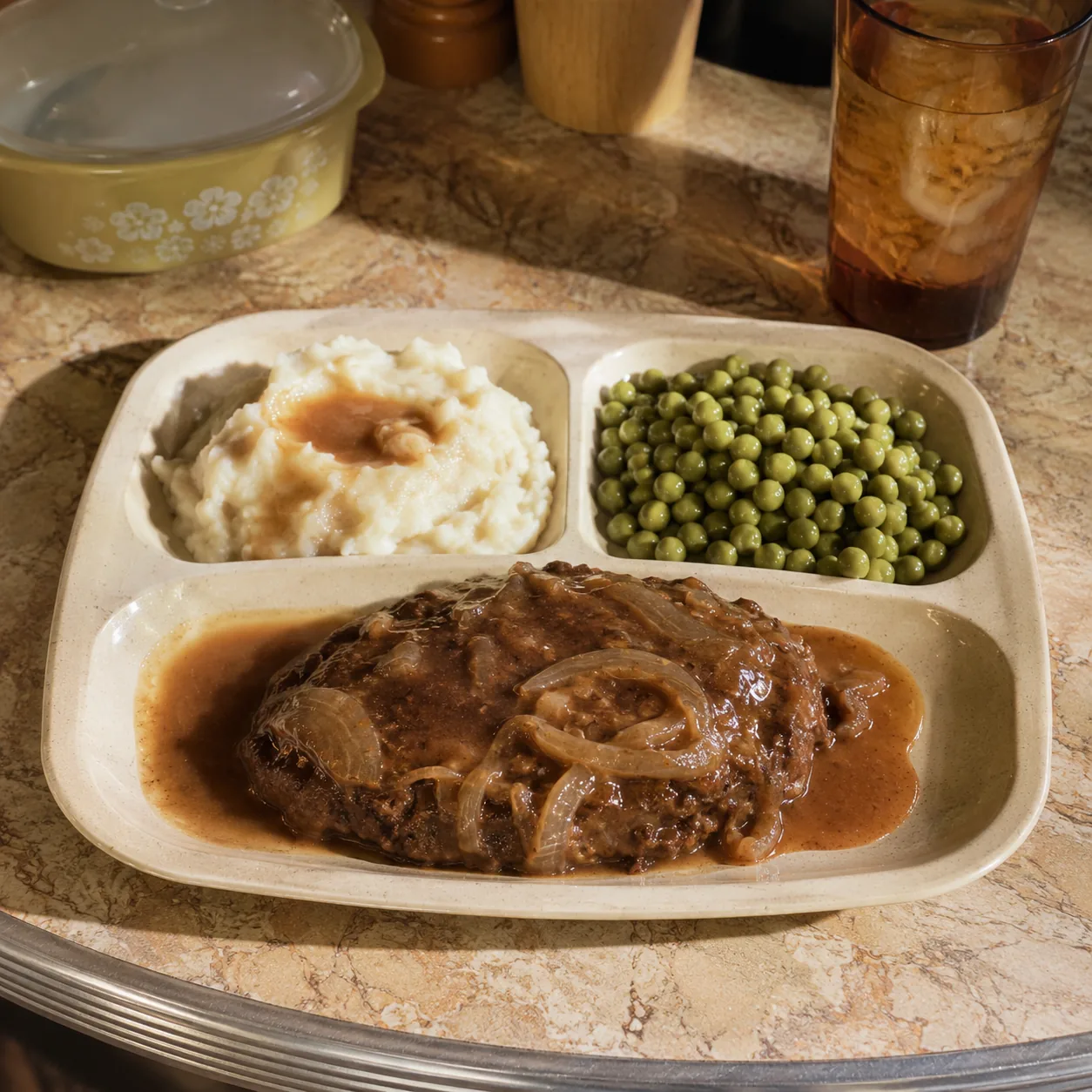
The freezer-table shortcut: Salisbury steak TV dinners made a complete plate feel effortless.
The patty was soft, the gravy was salty, and the mashed potatoes lived in their own little compartment. It was not restaurant food, but it solved a real weeknight problem.
Families liked the certainty. Everyone got a portion, nobody washed many pans, and dinner appeared even when no one had the energy to cook from scratch.
34. Tuna Noodle Casserole

The pantry bake: Tuna noodle casserole turned canned soup, noodles, peas, and tuna into a dependable dinner.
The topping mattered. Crushed crackers, chips, or bread crumbs gave the creamy middle some crunch, which made the whole dish feel finished.
Modern kitchens moved away from canned soup casseroles, but the structure still makes sense. Starch, protein, sauce, vegetable, topping: that is solid dinner engineering.
33. Chicken a la King
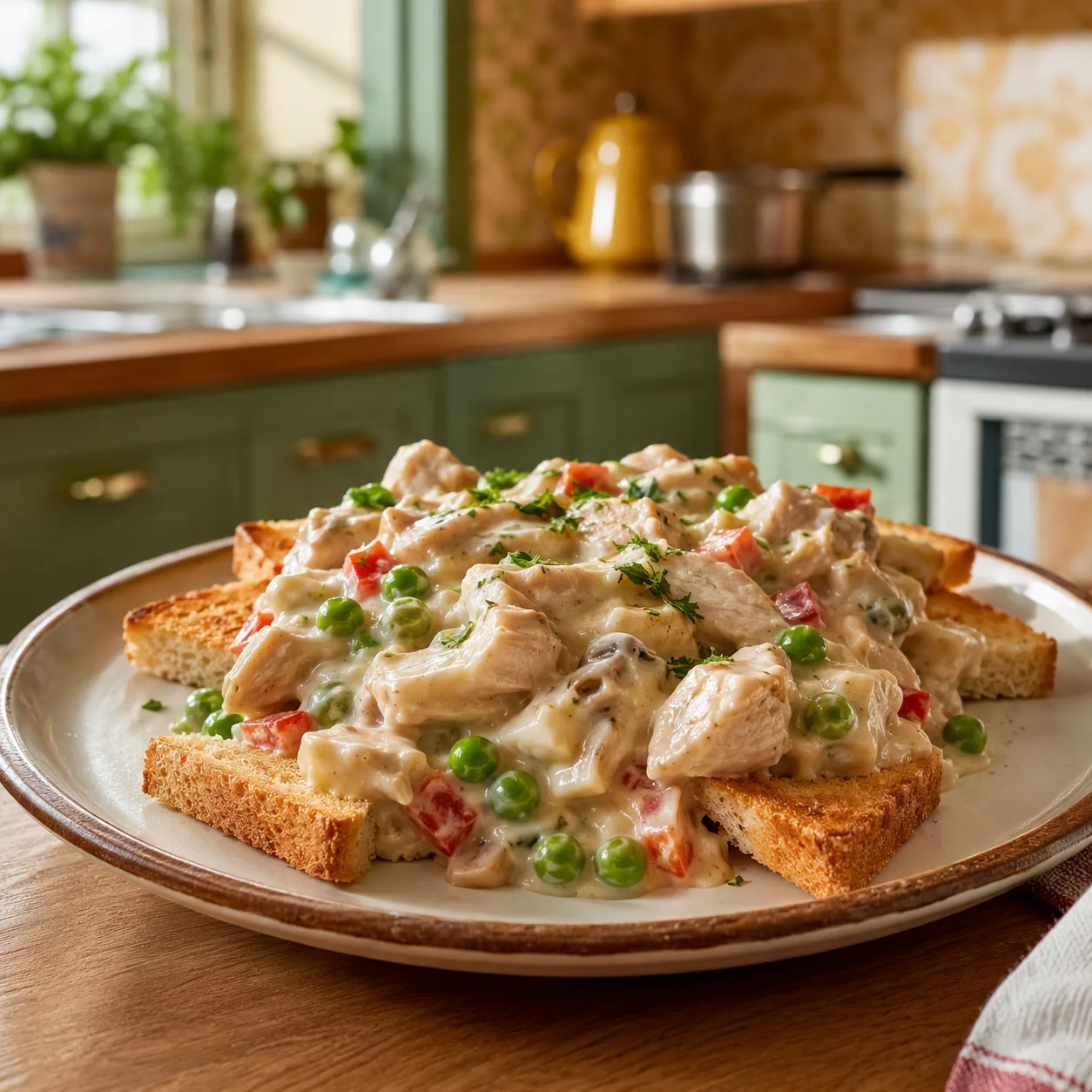
Cream sauce confidence: Chicken a la king made leftover chicken look company-ready.
The sauce carried mushrooms, peas, pimentos, and small pieces of chicken over toast, biscuits, rice, or puff pastry shells. It felt fancy because it had a French-sounding name and a creamy texture.
Its real job was thrift. Small scraps of chicken could feed several people when the sauce and base did the stretching.
32. Ham With Pineapple Rings
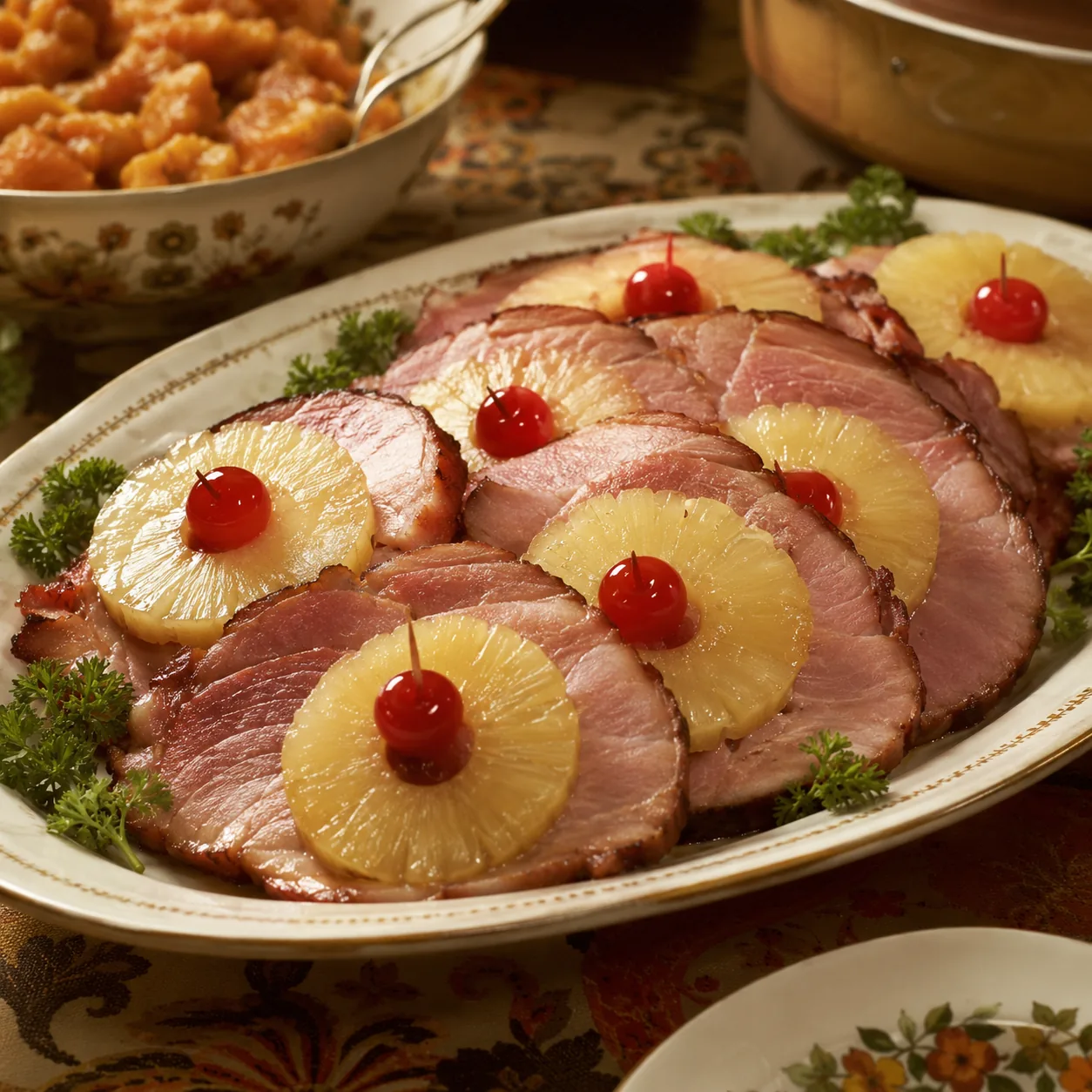
Sweet dinner drama: Ham with pineapple rings made the table look festive without complicated cooking.
The fruit added sweetness, moisture, and a little showmanship. Cloves, brown sugar, and canned pineapple juice made a glaze that felt special but used pantry ingredients.
It disappeared from regular tables as tastes shifted away from sweet meat dishes. Still, the idea was clever: use one bright canned fruit to dress up a salty, affordable centerpiece.
31. Meatloaf With Ketchup Glaze
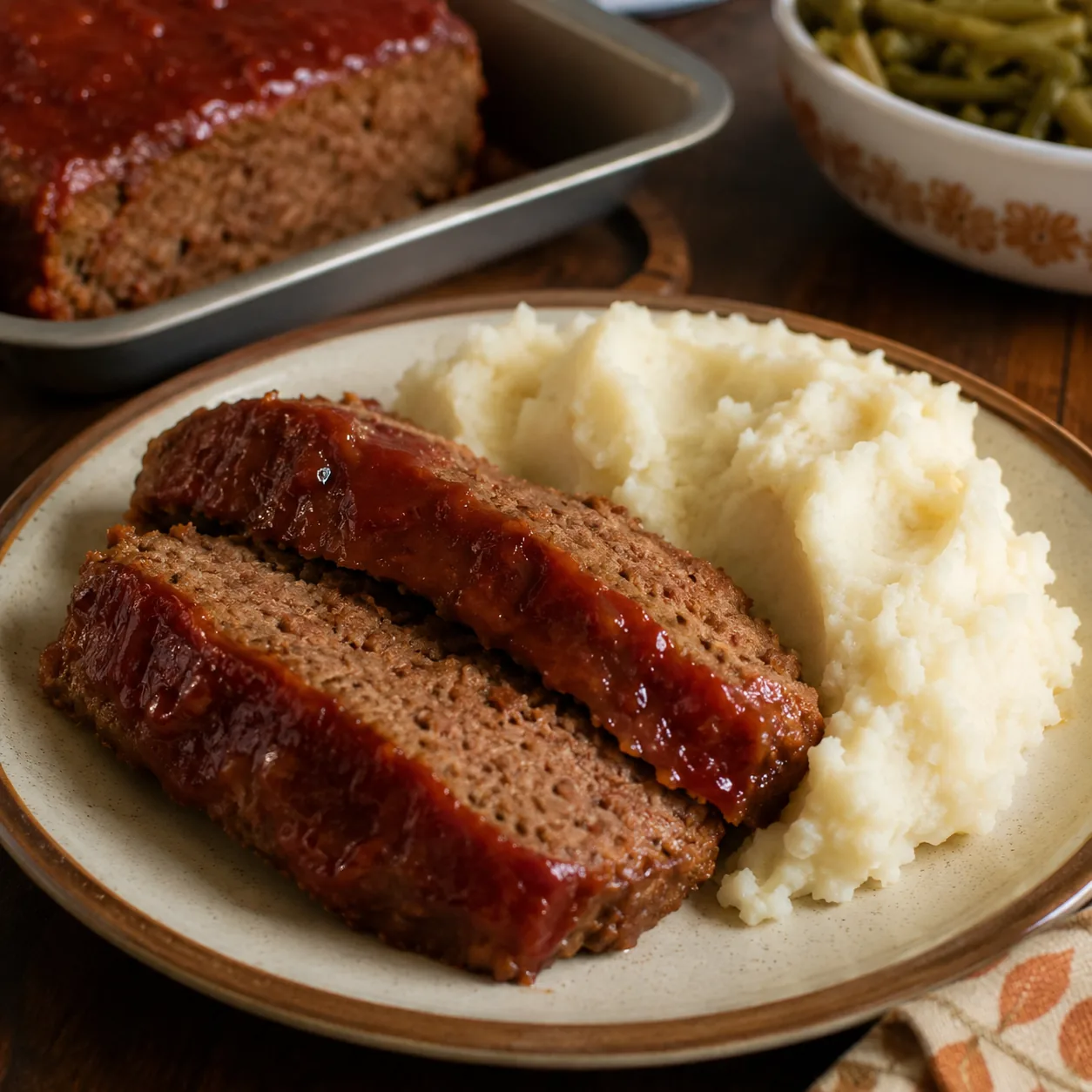
The weeknight loaf: Meatloaf with ketchup glaze was familiar, stretchable, and easy to slice into portions.
Bread crumbs, oats, crackers, or stale bread made the meat go farther. The ketchup glaze gave sweetness and shine, which helped children accept a dish that was really built on economy.
The best part came later. Cold slices became sandwiches, making one dinner cover tomorrow’s lunch before anyone planned anything extra.
30. Beef Stroganoff With Canned Soup
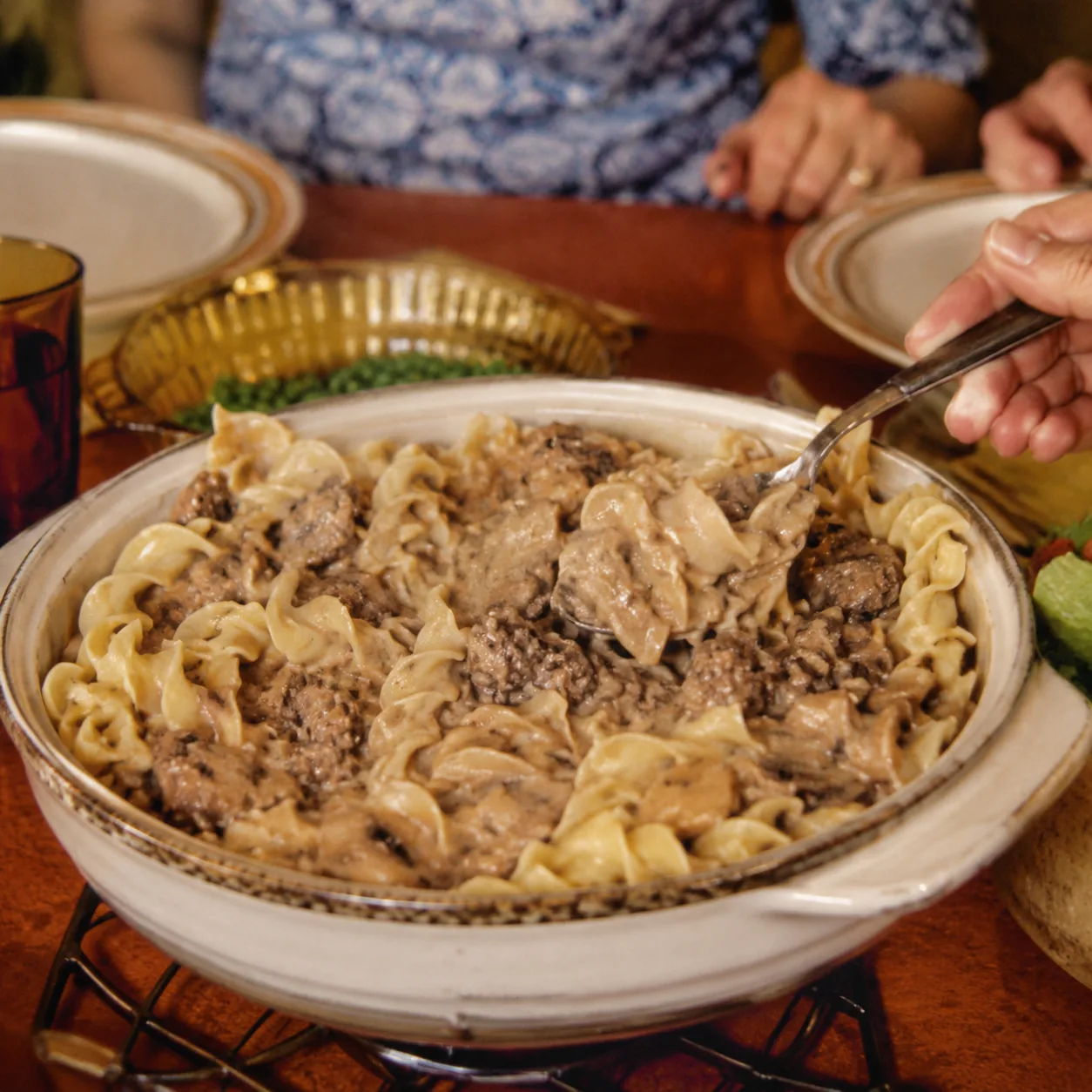
Shortcut comfort: Canned cream soup made beef stroganoff possible on ordinary weeknights.
Instead of a careful sour cream sauce, many families used condensed mushroom soup, ground beef, onion, and egg noodles. It was fast, creamy, and filling.
Food magazines may have preferred fancier versions, but home cooks needed repeatable meals. This one used cheap beef and pantry sauce to create something that felt richer than it was.
29. Swedish Meatballs Over Noodles
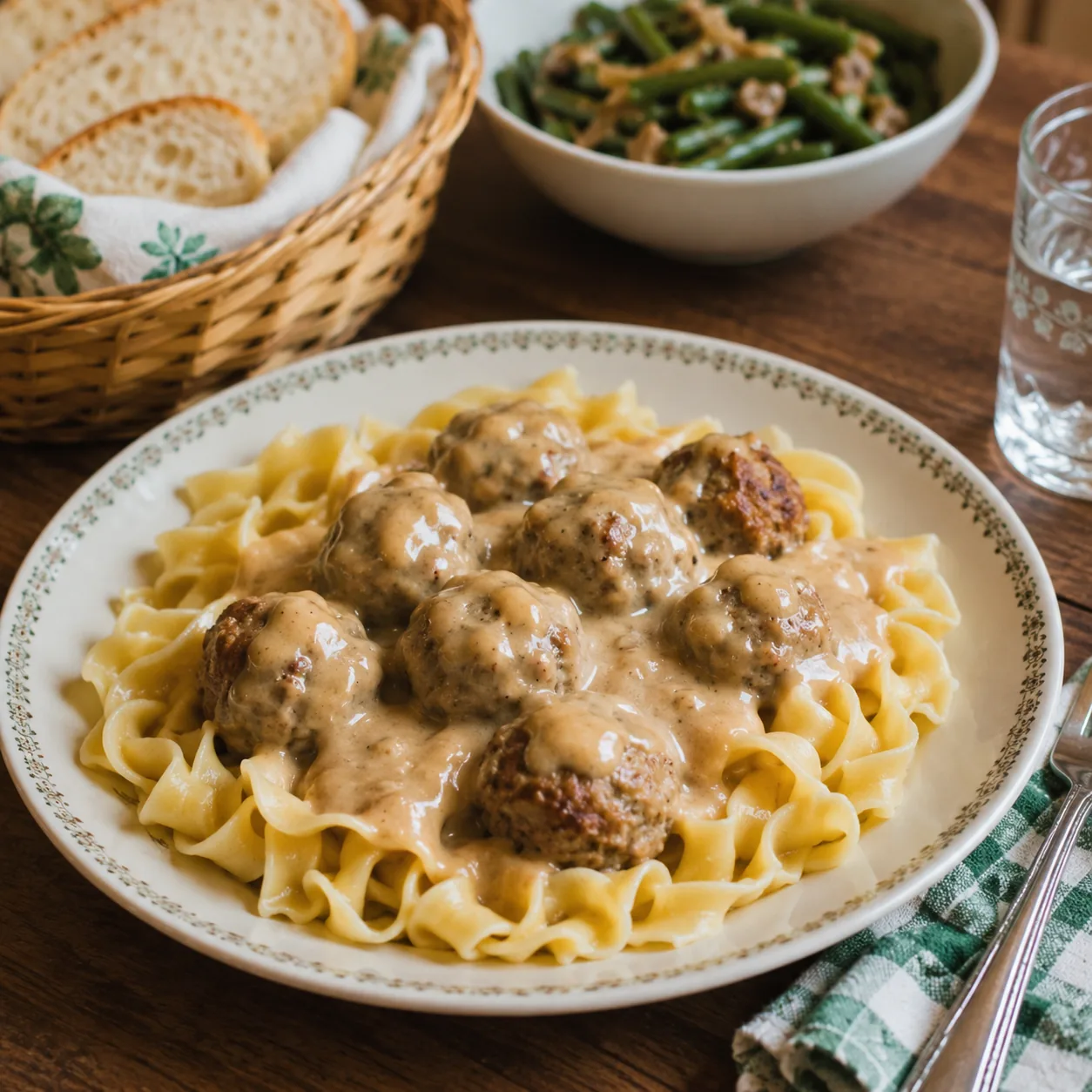
Party food turned supper: Swedish meatballs crossed from buffet tables into family dinners.
Ground meat, bread crumbs, onion, and creamy gravy made the meat stretch while keeping the plate satisfying. Egg noodles caught every bit of sauce.
The dish faded because it became associated with frozen appetizers and store cafeterias. Made at home, though, it was practical: small meatballs cooked quickly and served more evenly than one expensive cut.
28. Stuffed Bell Peppers
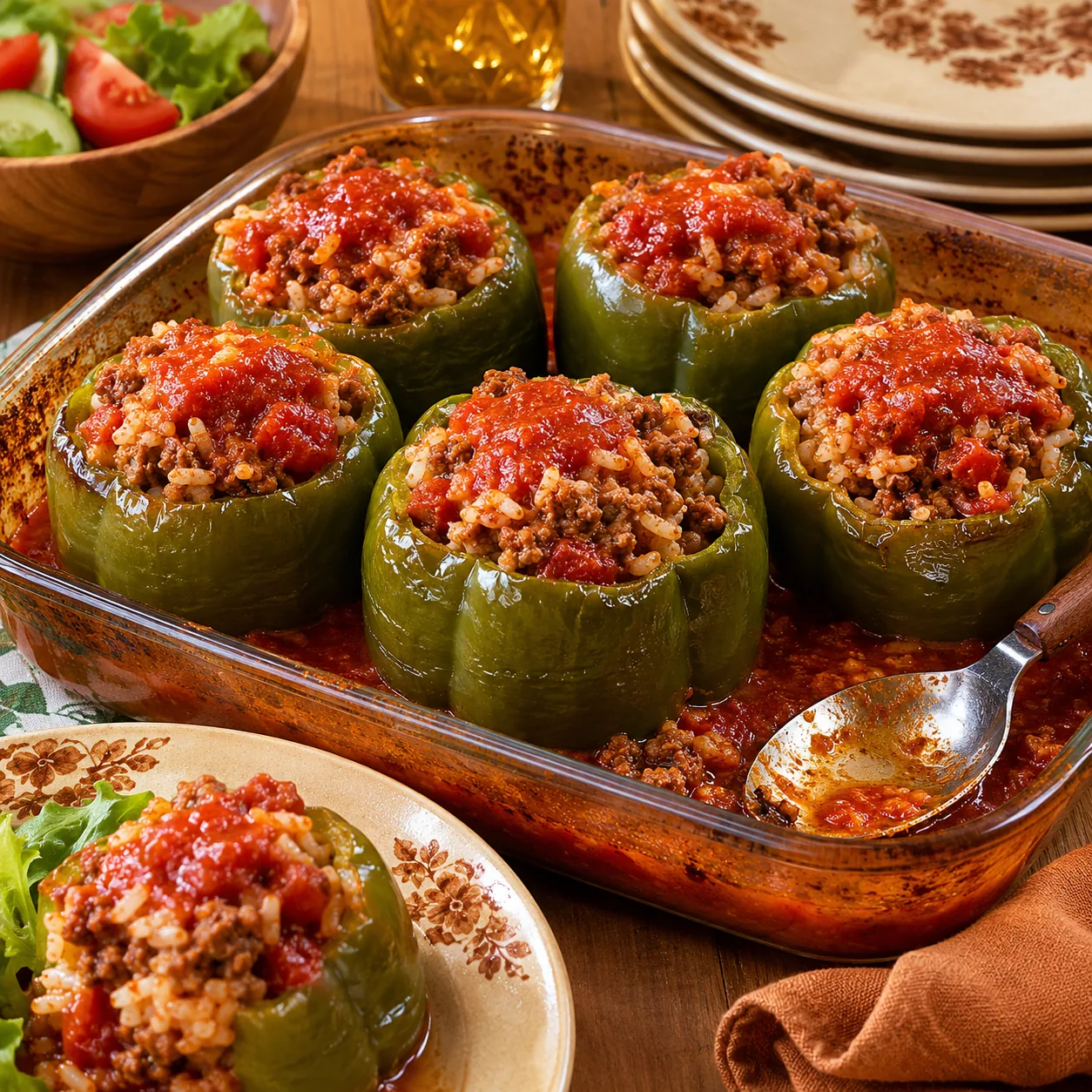
Vegetables as containers: Stuffed bell peppers made rice and ground beef look tidy and complete.
The pepper held the filling, tomato sauce kept it moist, and the oven did most of the work. Green peppers were especially common because they were cheaper and sturdy.
They disappeared from many tables because people stopped wanting long-baked vegetables. The useful trick remains: a little meat feels bigger when rice and sauce are built around it.
27. Chop Suey Casserole
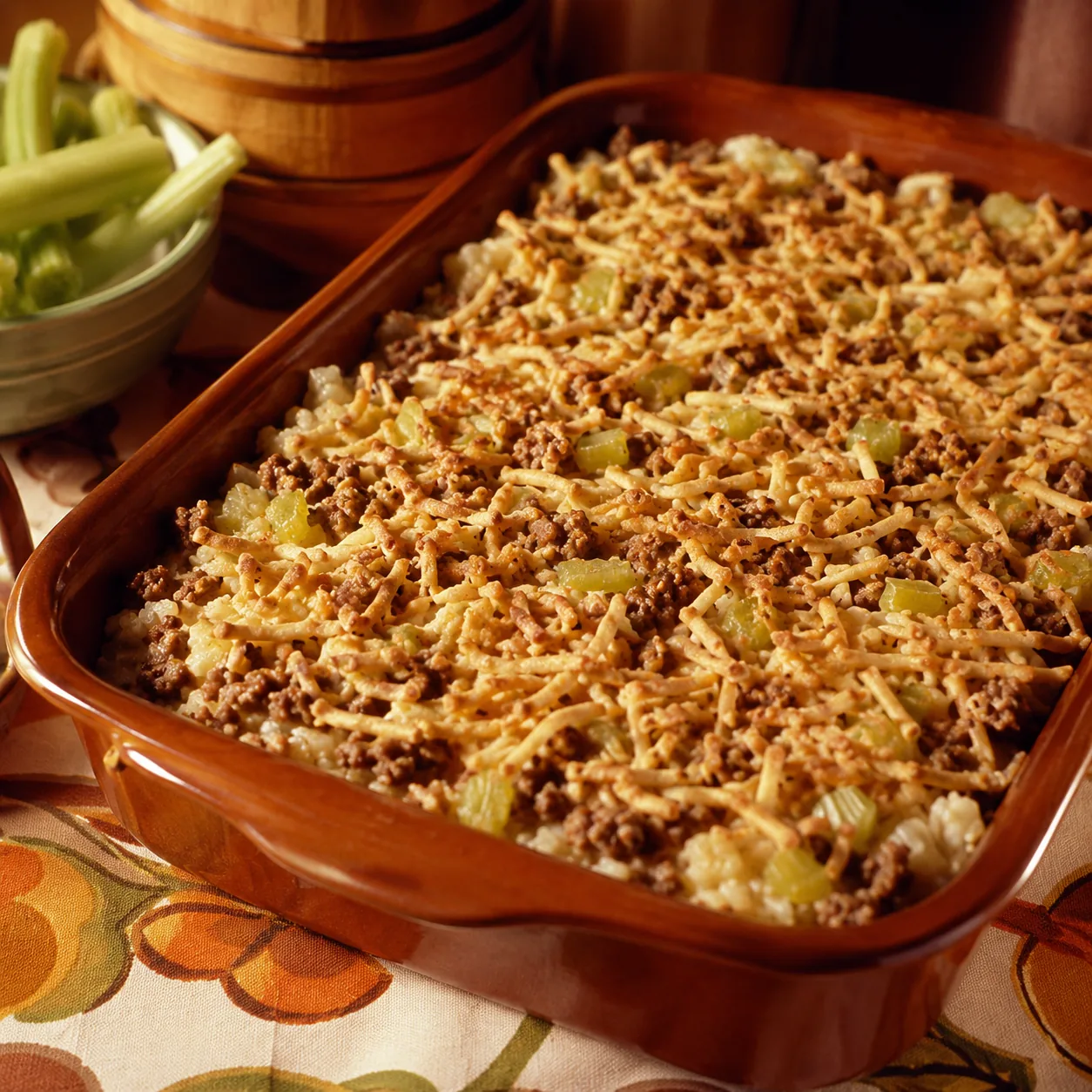
Americanized pantry cooking: Chop suey casserole used crunchy noodles, celery, rice, meat, and canned sauce shortcuts.
It was less about authenticity than convenience. Families wanted the flavor idea of takeout without the price or trip across town.
The dish feels dated now, but it reveals a real 1970s habit: home cooks borrowed restaurant flavors and rebuilt them with supermarket cans, casseroles, and whatever would feed six.
26. Liver and Onions
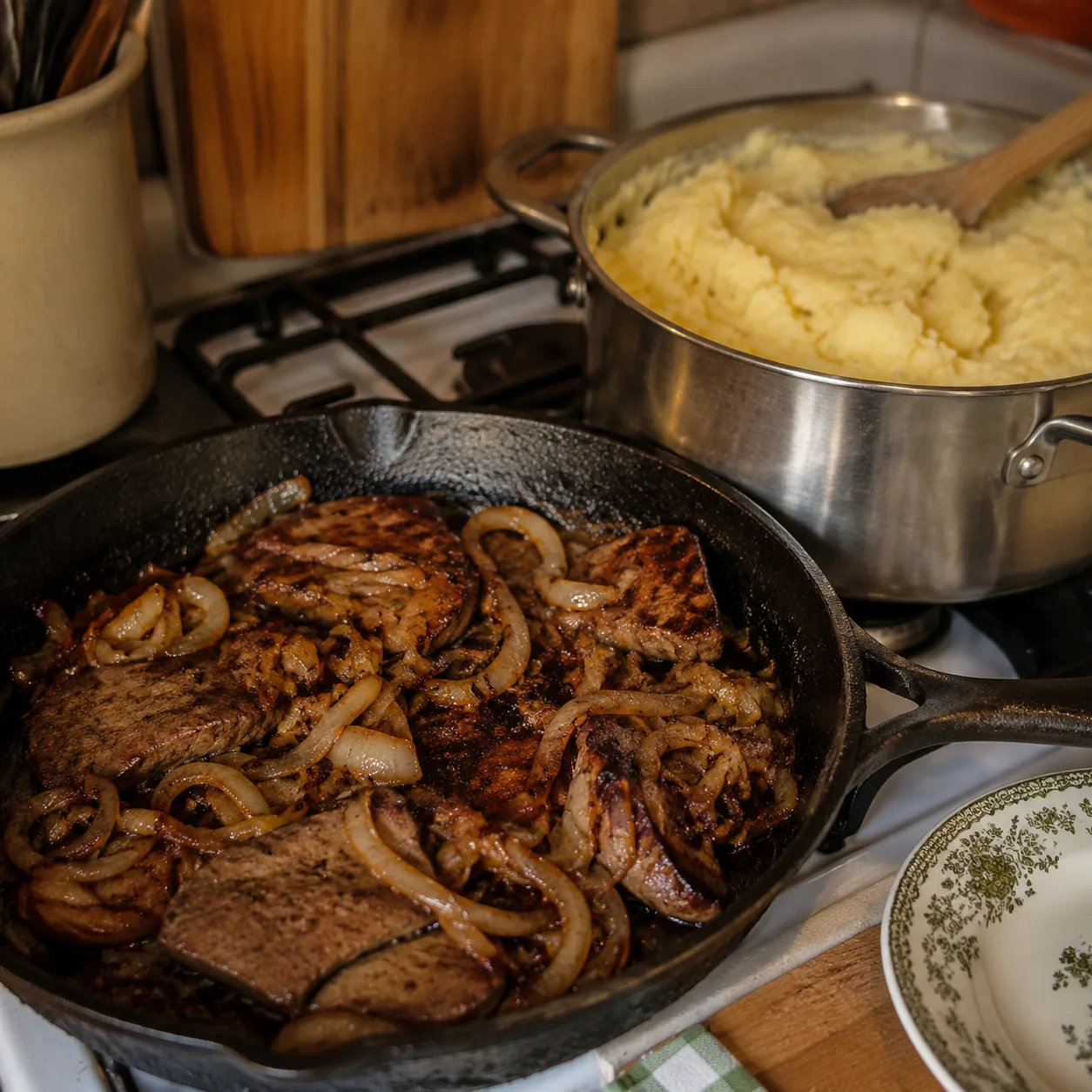
The iron-rich regular: Liver and onions appeared because it was inexpensive, nutritious, and quick to cook.
The onions helped soften the mineral flavor, especially when cooked low and sweet. Overcooking made liver tough, which is one reason so many people grew up rejecting it.
It faded as families had more meat choices and less patience for strong flavors. Still, grandma understood why it worked: cheap protein with real nutritional value.
25. Salmon Loaf
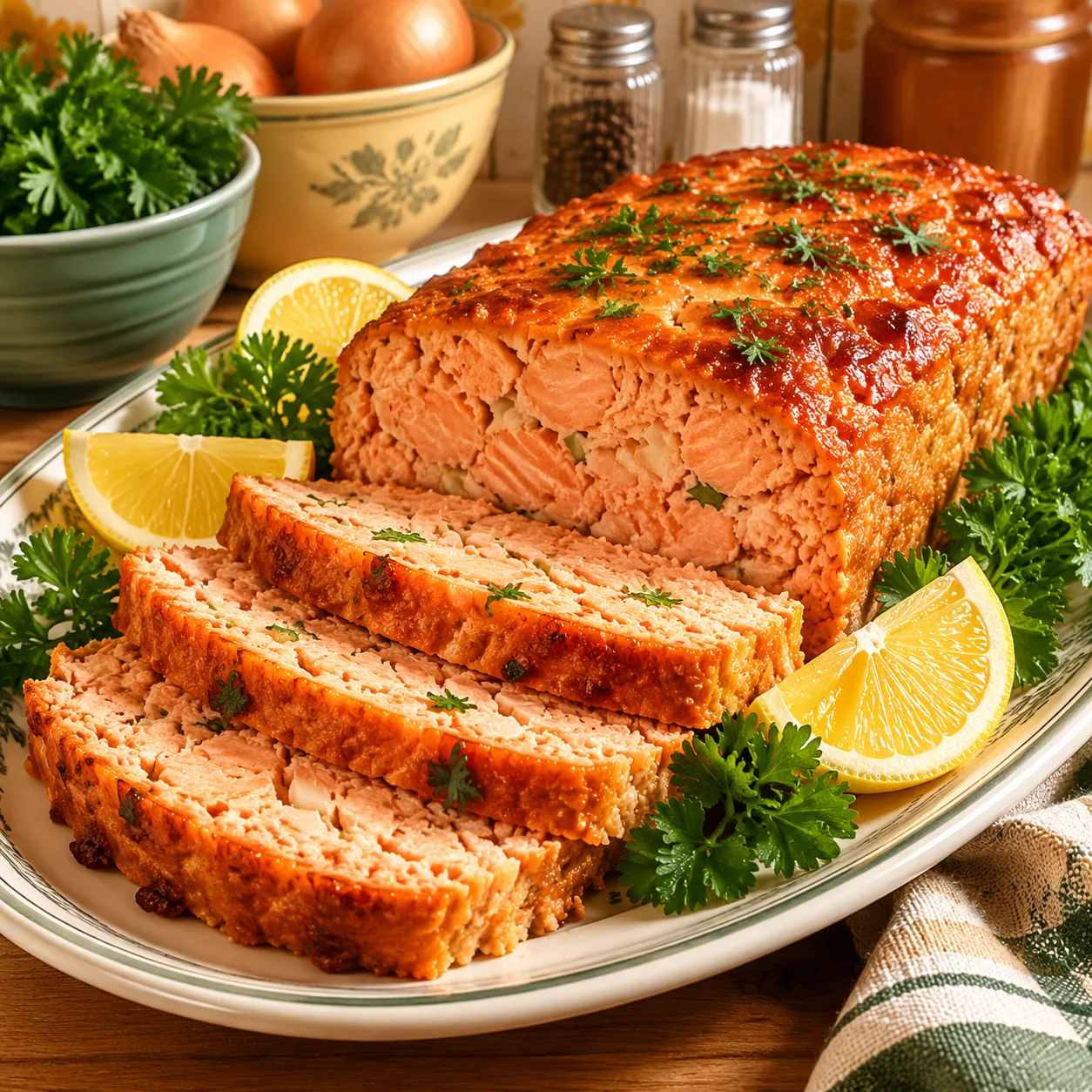
The canned-fish centerpiece: Salmon loaf made one can of salmon look like a proper main dish.
Eggs, crumbs, milk, onion, and seasoning helped it slice neatly. A white sauce or lemony topping made it feel less plain.
This kind of pantry-centered cooking belongs beside 37 Things Every Grandma Kept in the Pantry That Modern Kitchens Forgot, because the whole point was making shelf food feel like dinner.
24. Porcupine Meatballs
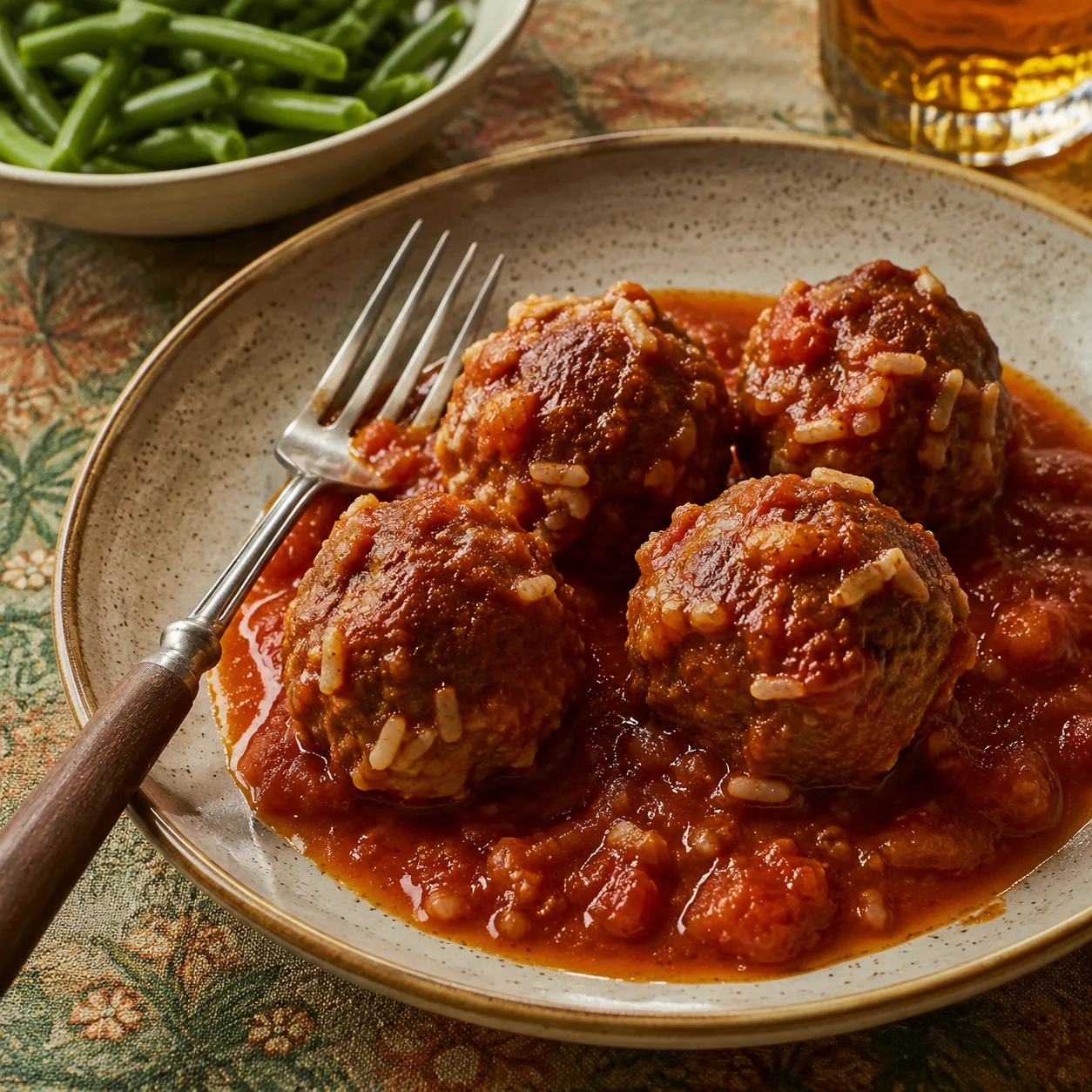
Rice inside the meat: Porcupine meatballs stretched ground beef by mixing uncooked rice right into the meat.
As the meatballs simmered in tomato sauce, the rice expanded and poked out slightly, giving the dish its name. Children remembered the look as much as the taste.
It was playful, cheap, and portion-friendly. The rice was not a side dish; it was hidden economy.
23. Fondue Night for Dinner
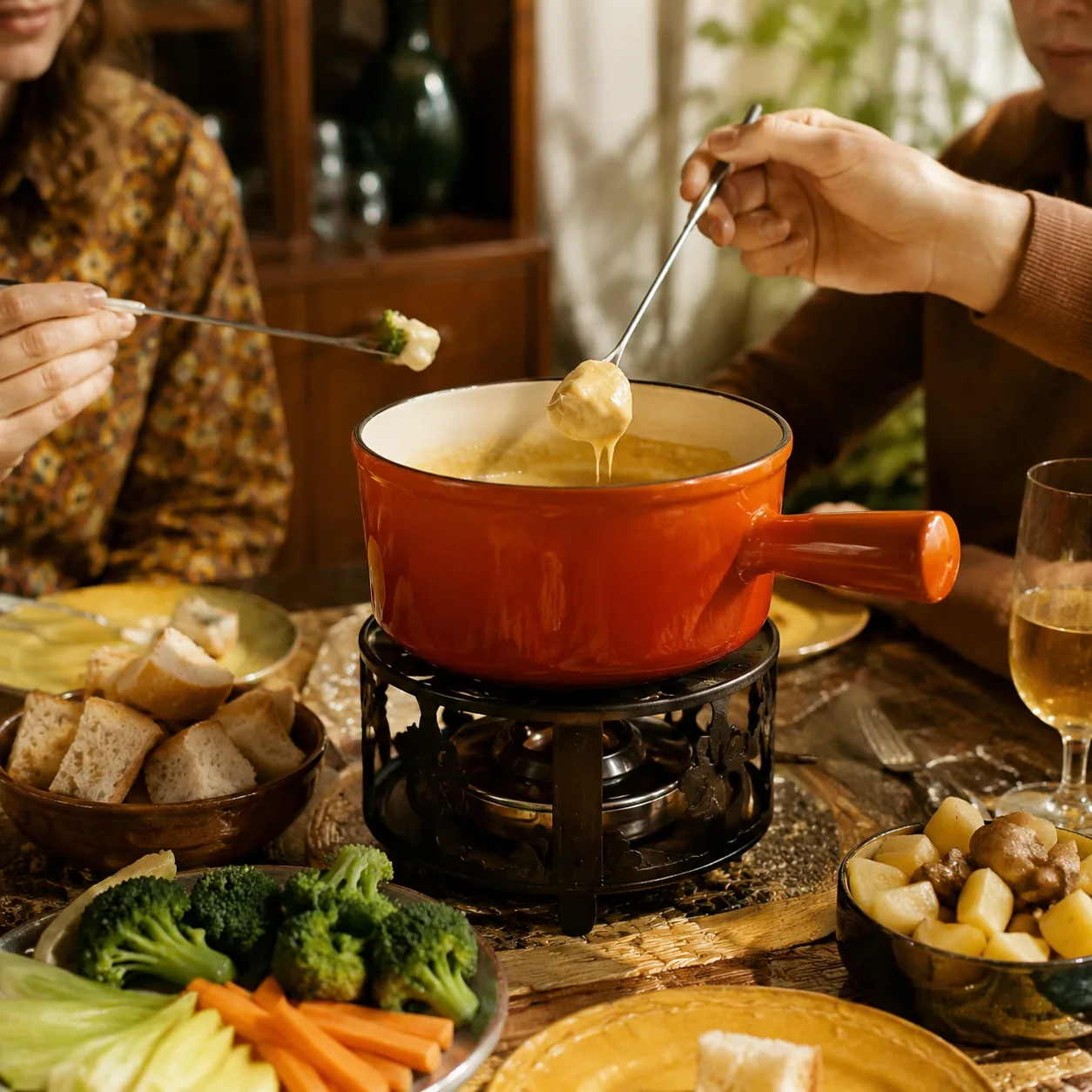
Dinner as an event: Fondue made melted cheese or hot oil feel glamorous at home.
Families dipped bread, vegetables, meat cubes, or fruit, depending on the version. The setup slowed dinner down and turned eating into participation.
Read More: 33 Childhood Snacks From the 60s, 70s, and 80s That Vanished From Lunchboxes
22. Creamed Peas and Potatoes

Soft comfort: Creamed peas and potatoes could turn a small meat portion into a full plate.
The white sauce was simple: butter or fat, flour, milk, salt, and pepper. Peas added sweetness while potatoes made the dish filling.
It fell away as lighter vegetables became fashionable, but the method is useful. A basic sauce can make humble produce feel like something cooked with intention.
21. Hamburger Gravy Over Mashed Potatoes
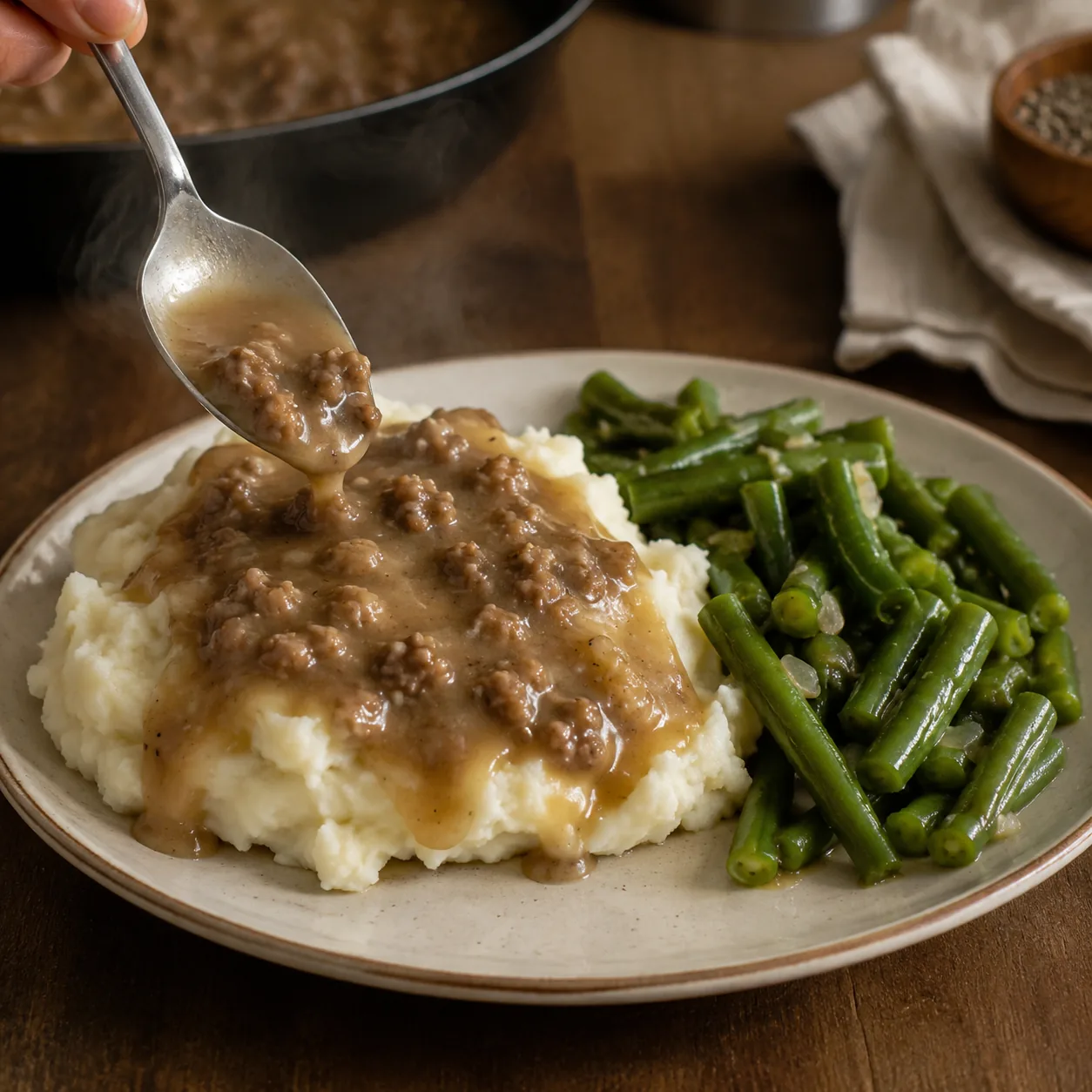
Ground beef stretched right: Hamburger gravy made a pound of meat cover several plates.
The flour-thickened gravy carried the beef flavor into every bite of mashed potatoes. Onion, pepper, and bouillon helped when the meat was lean or the budget was thinner than usual.
It shares the same logic as 33 Poor Man Meals That Fed Whole Families When Money Was Tight: make the expensive part flavor the cheap part.
20. Spam Casserole
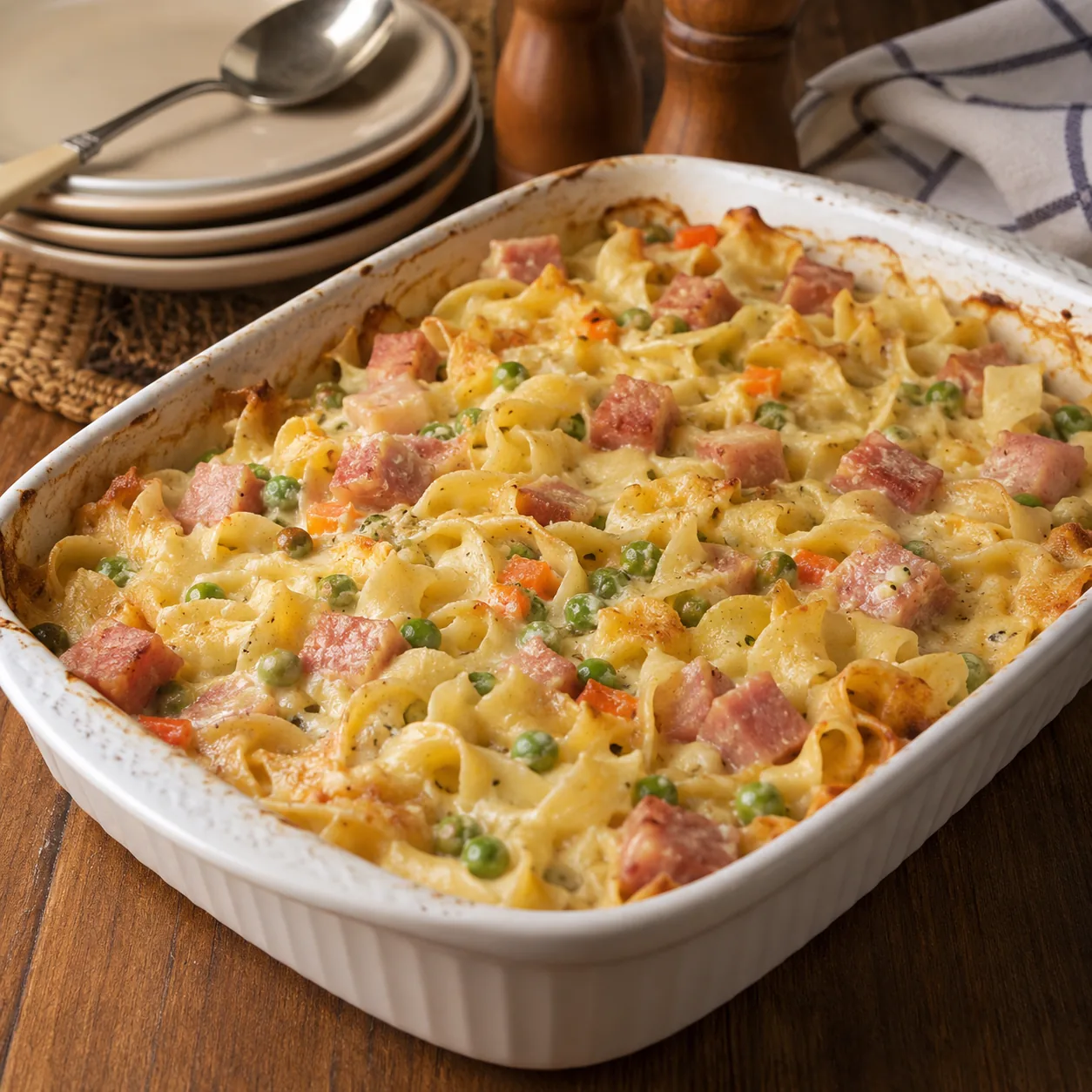
Canned meat strategy: Spam casserole used salty canned meat where fresh ham or sausage would have cost more.
Diced small, it spread through noodles, potatoes, rice, or canned vegetables. A creamy sauce and crumb topping made the whole dish feel more complete.
Its reputation changed over time, but its usefulness was obvious. One shelf-stable can could season a family-size casserole without a butcher counter trip.
19. Chicken Divan

Broccoli in disguise: Chicken divan tucked broccoli under chicken, creamy sauce, and a browned topping.
It felt slightly elegant because the name sounded restaurant-born, but many home versions used soup, mayonnaise, cheese, and leftover chicken. That combination hid the hard edges of reheated poultry.
This dinner disappeared as casseroles lost status. The practical lesson stayed: sauce can make leftovers and vegetables sit together peacefully.
Read More: 35 Things That Made Grandma’s House Feel Like Home
18. Turkey Tetrazzini

Leftover holiday rescue: Turkey tetrazzini turned dry leftover turkey into a creamy noodle bake.
Spaghetti, mushrooms, sauce, and cheese helped the turkey feel moist again. It was especially useful after Thanksgiving, when nobody wanted another plain turkey sandwich.
The dish faded because it is rich and heavy. But for leftovers, it solved the exact problem that mattered: how to make yesterday’s bird taste like a new dinner.
17. Stuffed Cabbage Rolls

Cabbage as wrapping: Stuffed cabbage rolls used leaves to bundle rice, meat, and seasoning into neat portions.
They took time, which is one reason they faded from weeknight tables. But the technique stretched meat beautifully and made a full pan from modest ingredients.
The sauce mattered too. Tomato kept the rolls moist while they baked, turning cabbage from plain vegetable into a protective layer around the real meal.
16. Pot Roast With Onion Soup Mix

Packet-powered dinner: Onion soup mix gave pot roast reliable seasoning without measuring half the spice cabinet.
The packet brought salt, onion flavor, and gravy help. Carrots and potatoes cooked alongside the roast, making the pan a full meal.
This approach was very 1970s: convenience ingredients used inside traditional cooking. The roast still took time, but the flavor planning came from one little envelope.
15. Chipped Beef on Toast
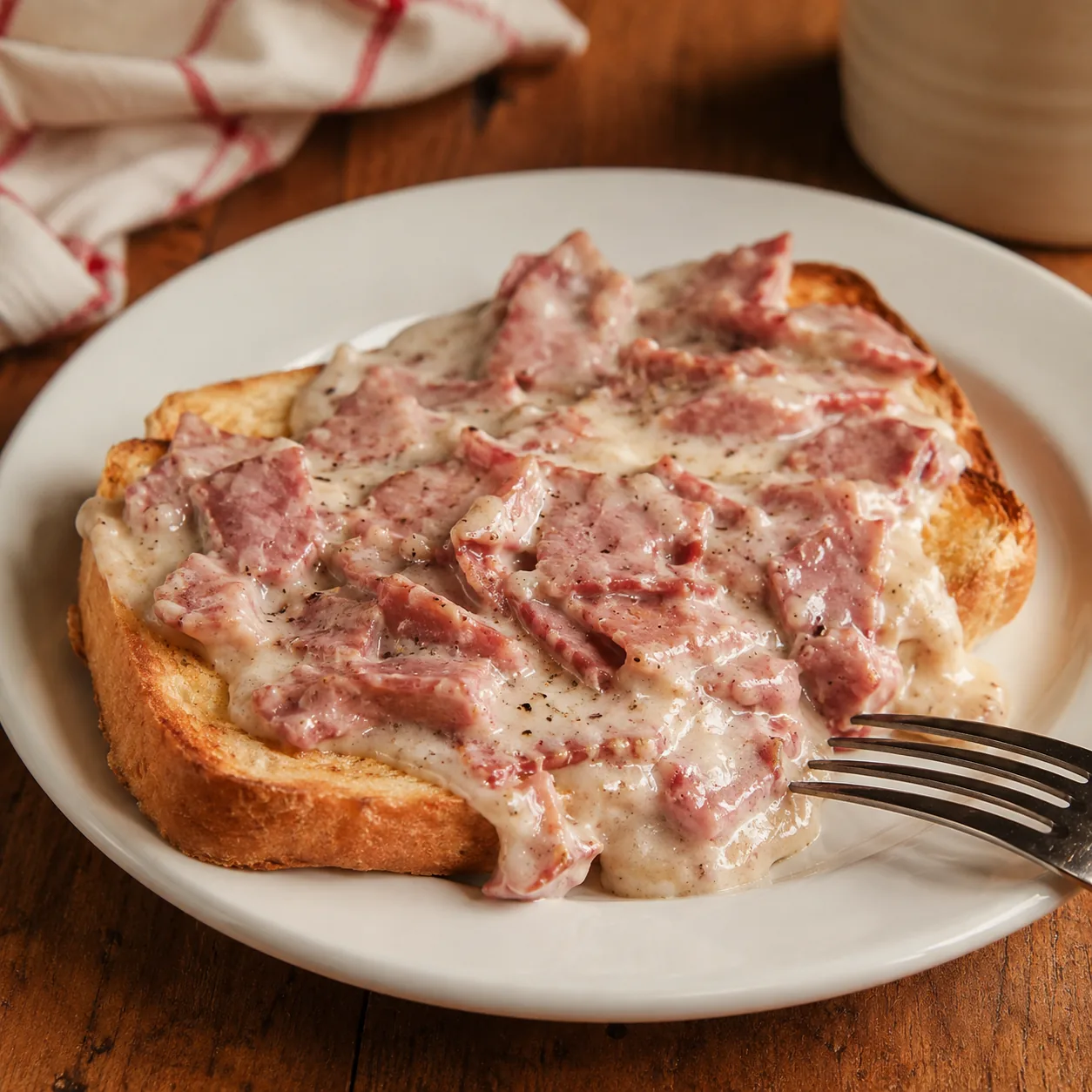
A sauce that stretched meat: Chipped beef on toast made intensely salty dried beef cover multiple slices.
The white sauce diluted the salt and created volume. Toast caught the sauce, so even a small serving felt filling.
For another family-table angle on thrift and repair, 33 Things Grandpa Fixed Instead of Throwing Away carries the same old habit: make the small thing do more work.
14. Boiled Dinner
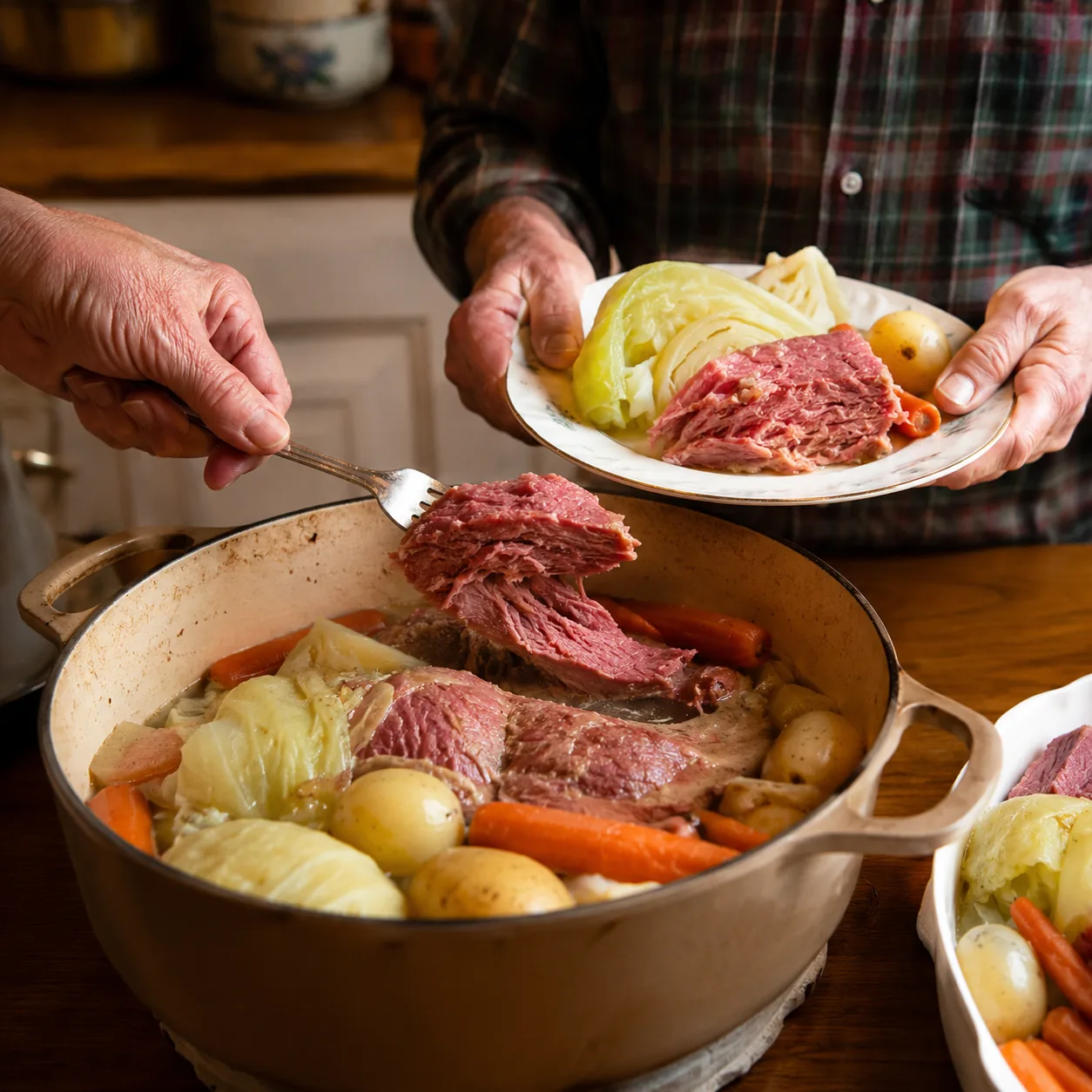
One-pot plainness: Boiled dinner put meat, cabbage, carrots, and potatoes into one practical pot.
The result was not delicate, but it was efficient. Everything shared seasoning, the vegetables stretched the meat, and cleanup stayed manageable.
This meal faded as people chased fresher textures and faster cooking. Still, the method had wisdom: cook the tough thing until tender, let the cheap vegetables absorb the flavor, and feed everyone.
13. Swiss Steak
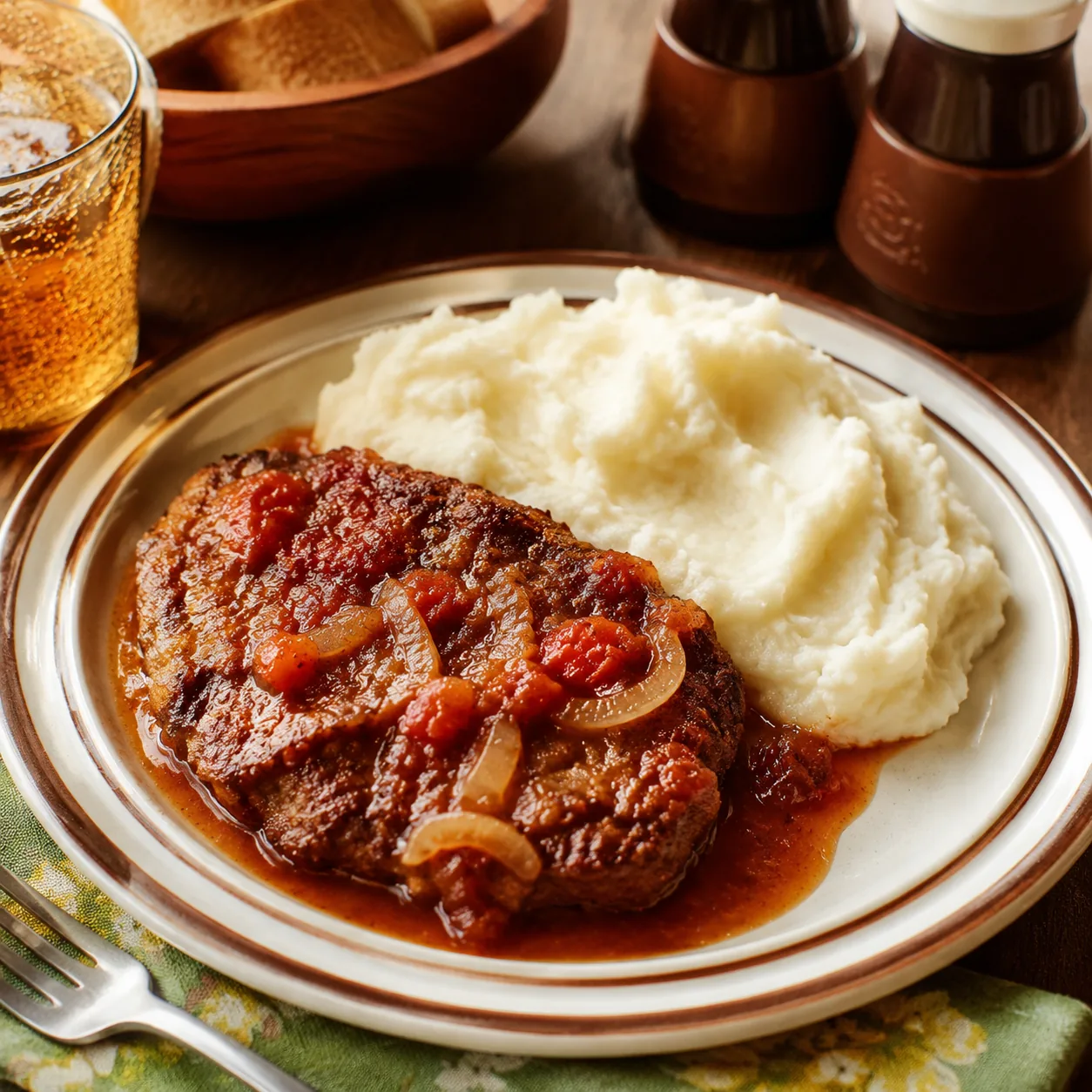
Tenderizing by patience: Swiss steak made tougher cuts usable by pounding, flouring, browning, and simmering them in tomatoes.
The sauce did more than add flavor. Acid and time helped soften meat that would be unpleasant if cooked quickly.
It disappeared as families bought more tender cuts or cooked less at home. But Swiss steak was built for the opposite reality: make the cheaper cut worth sitting down for.
12. Frank and Beans

Kid-friendly economy: Frank and beans made a small amount of meat stretch through a full pot of beans.
The sliced hot dogs gave children something familiar to find in each serving. The beans carried the sweetness, sauce, and bulk.
Read More: 31 Questions People Wish They Asked Their Grandparents Before It Was Too Late
11. Hot Chicken Salad Casserole
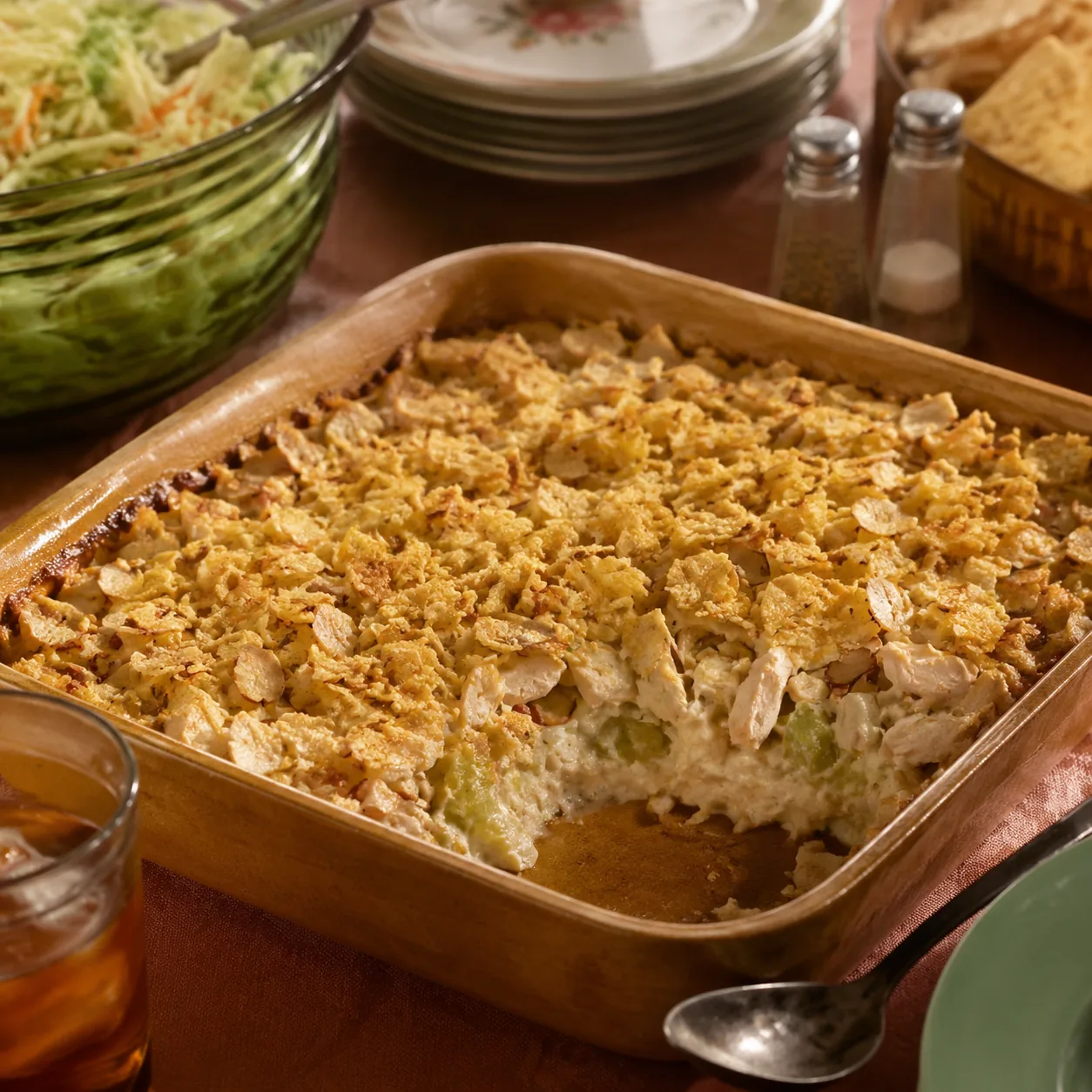
Crunch on top: Hot chicken salad casserole baked chicken, celery, mayonnaise, and crunchy topping into a strange but memorable dinner.
The appeal was contrast. Creamy filling, crisp celery, salty chips, and warm chicken made a casserole that felt like potluck food crossing into supper.
It faded because warm mayonnaise dishes make modern cooks nervous. In context, it was another leftover chicken solution, and those were always valuable.
10. Fish Sticks and Boxed Macaroni

Freezer meets box: Fish sticks and boxed macaroni gave parents a predictable kid dinner.
It required little prep, few dishes, and almost no negotiation at the table. Add peas or applesauce and the plate looked complete enough for a busy night.
This meal did not vanish completely, but its old lunchroom-and-TV-tray dominance did. It was convenience before convenience became an entire food culture.
9. Ham Loaf
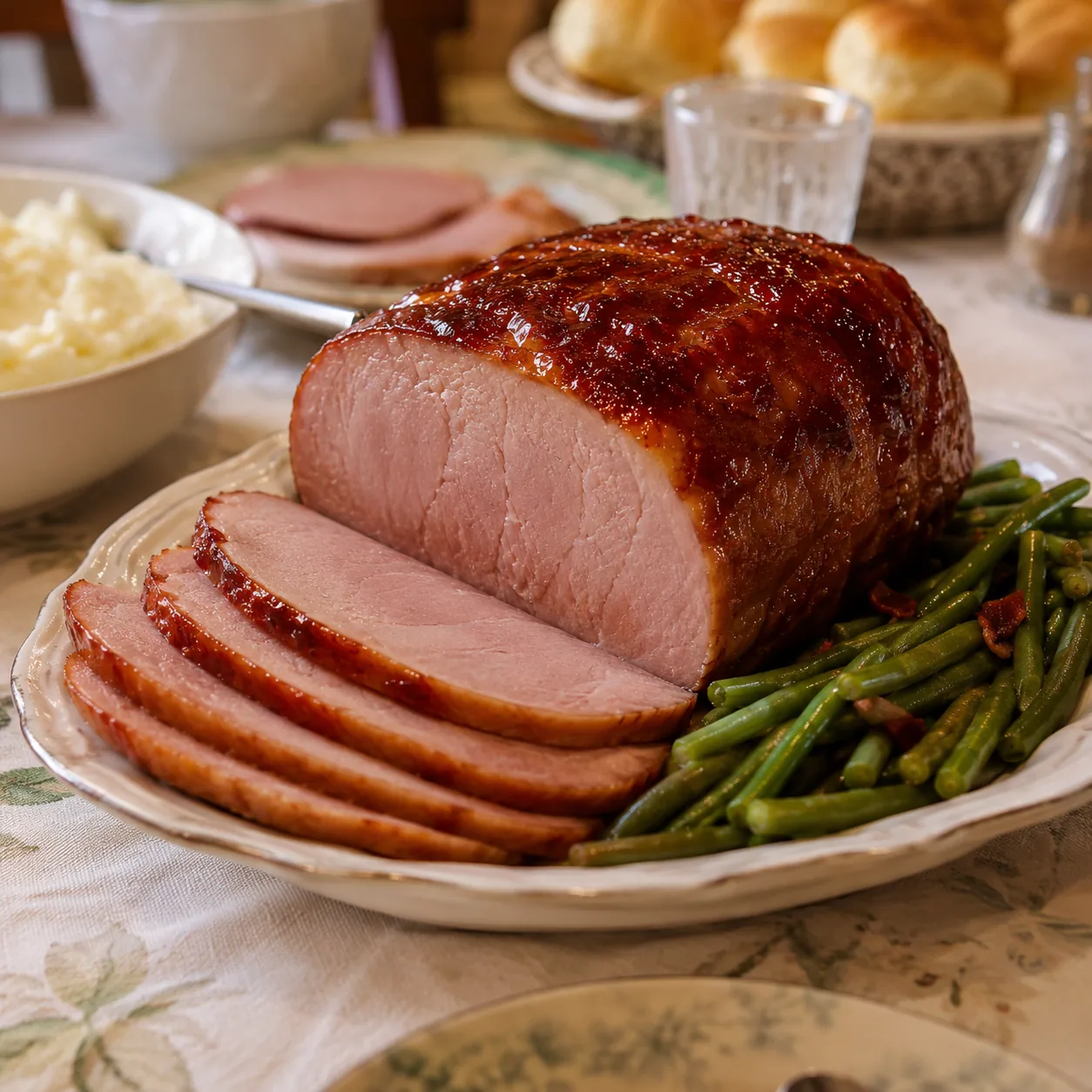
The other loaf: Ham loaf used ground ham and pork the way meatloaf used beef.
A sweet glaze made it feel special, while crumbs, eggs, and milk helped bind and stretch the meat. It often appeared after holidays or when ham scraps needed purpose.
The flavor was sweeter and saltier than modern dinners usually allow. That is probably why it disappeared from ordinary tables, even though the thrift logic was excellent.
8. Deviled Egg Supper Plates
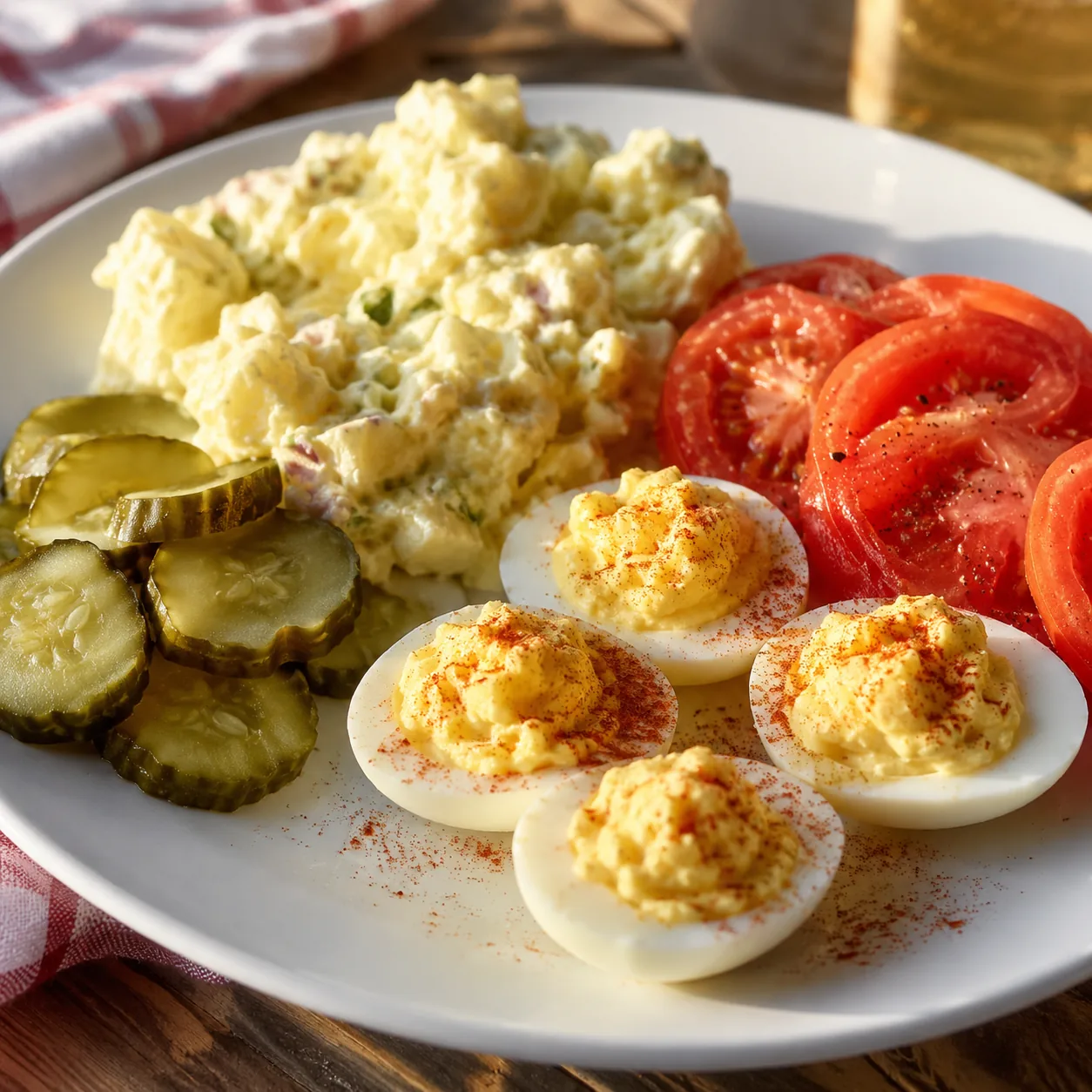
Cold supper: Deviled eggs could become dinner when paired with potato salad, pickles, tomatoes, and bread.
In hot weather, that mattered. Nobody wanted to heat the kitchen for a heavy meal, and eggs provided protein without much expense.
The special tray made the eggs feel more formal than they were. A cold plate dinner was really a survival tactic for summer evenings before central air felt normal.
7. Seven-Layer Salad as Dinner
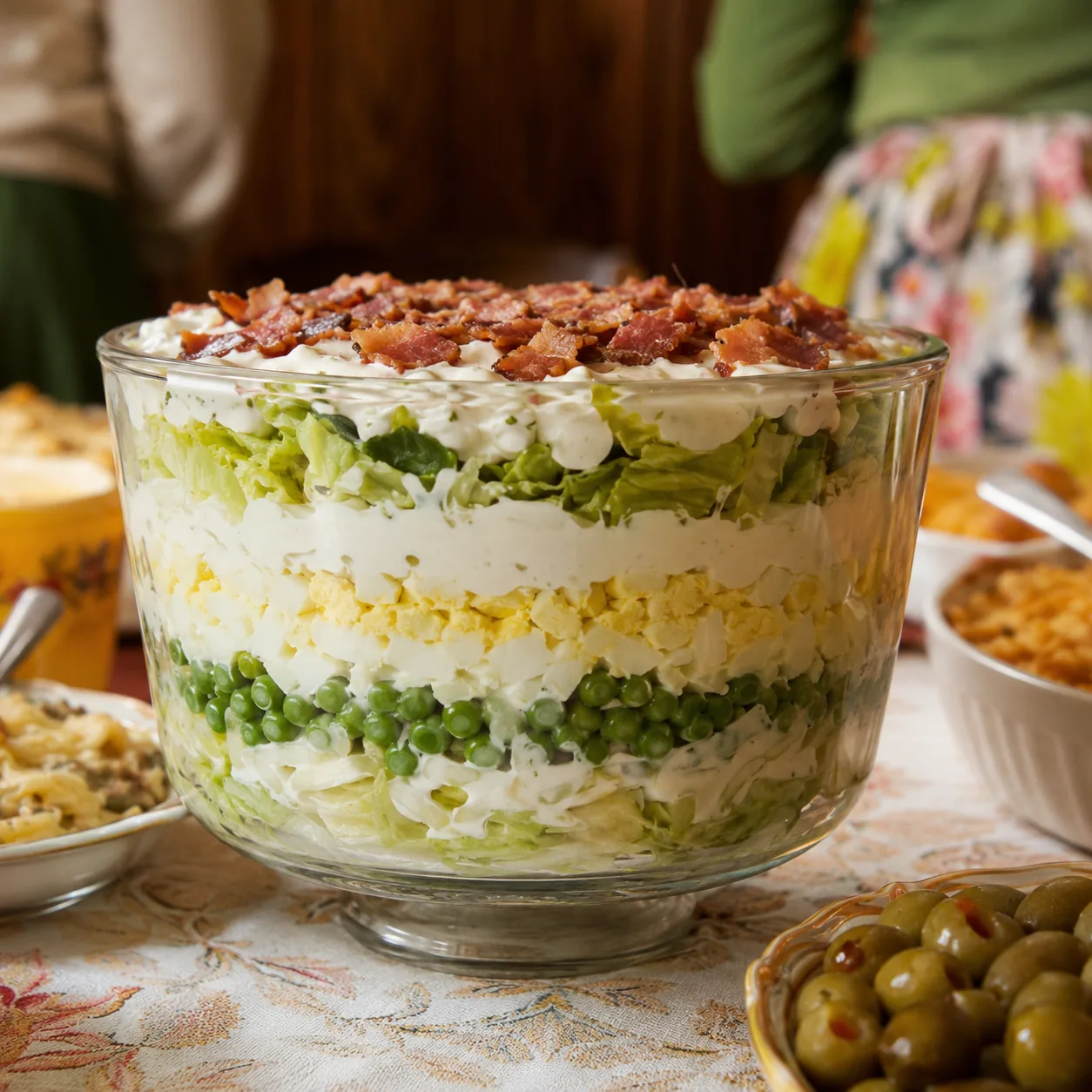
The meal salad: Seven-layer salad was built to be seen through a glass bowl.
Lettuce, peas, eggs, bacon, cheese, onion, and creamy dressing made it more filling than the word salad suggests. It could sit in the refrigerator and arrive at dinner already assembled.
It faded because heavy mayonnaise salads lost favor. But for potlucks and busy households, the make-ahead design was genuinely useful.
6. Skillet Corned Beef Hash
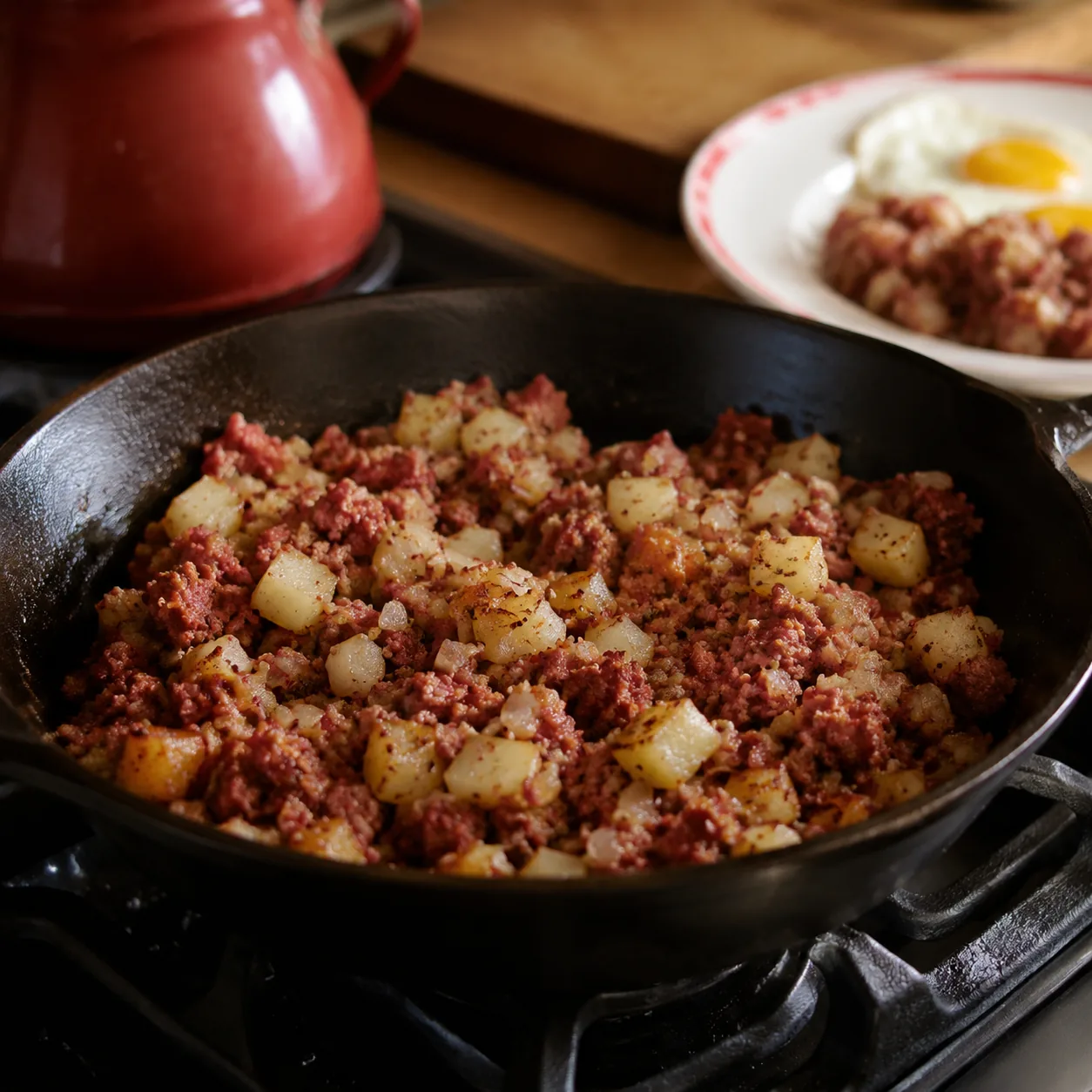
Can plus potatoes: Corned beef hash turned canned meat and potatoes into a crisp-edged supper.
Grandma pressed it into the skillet so it browned instead of steaming. A fried egg on top made it feel complete.
The meal survived longer as diner food than home food. At home, it once answered the same question beautifully: how do you make a shelf-stable can taste hot, salty, and satisfying?
5. Noodle Kugel at Family Suppers
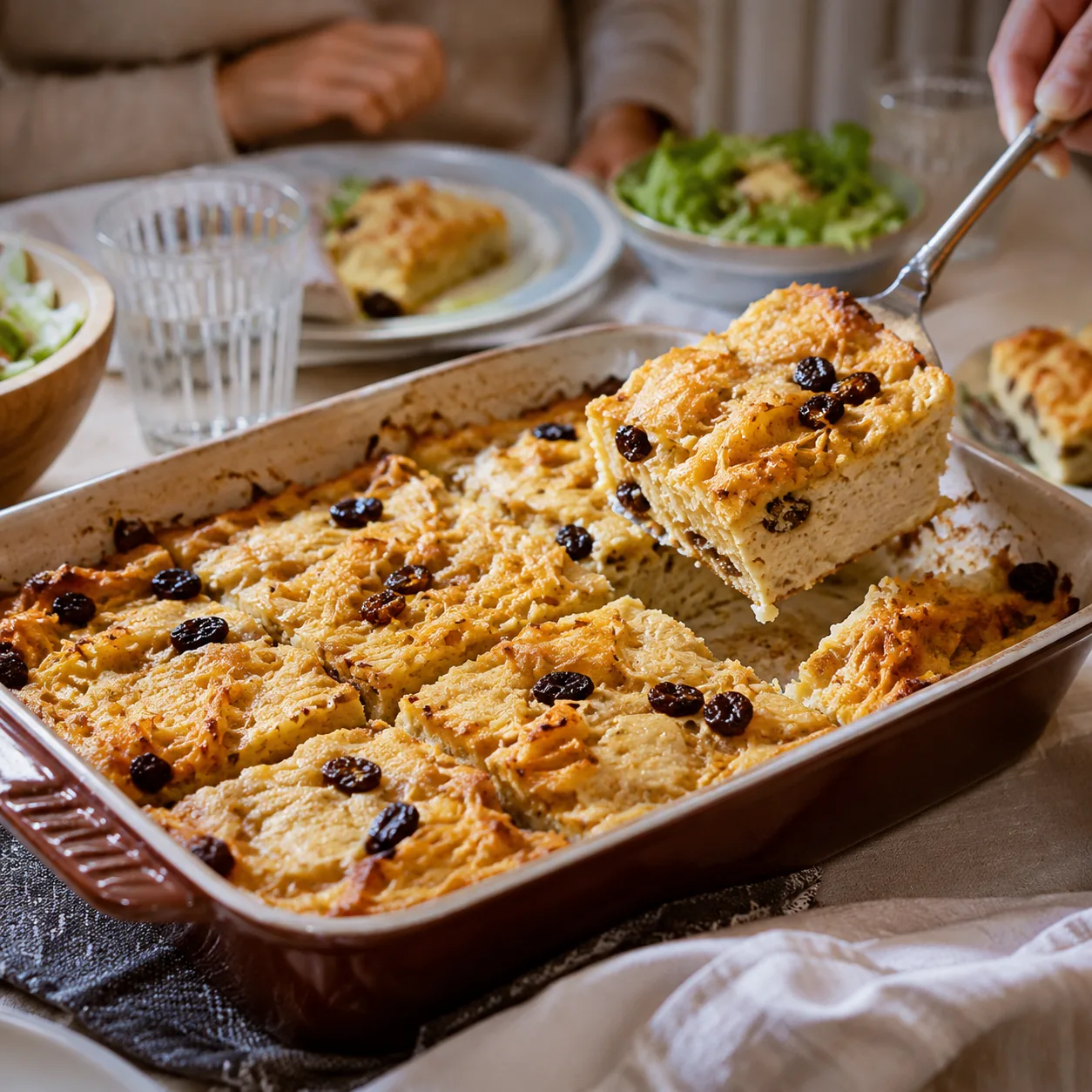
Sweet or savory comfort: Noodle kugel brought egg noodles, dairy, eggs, and sometimes raisins into a sliceable casserole.
For families who made it, kugel was not a novelty. It was holiday food, family food, and leftover-friendly food all at once.
It disappeared from many broader American tables as regional and family traditions got flattened. The dish still proves an old truth: noodles can carry memory as well as sauce.
4. Creamed Tuna on Toast
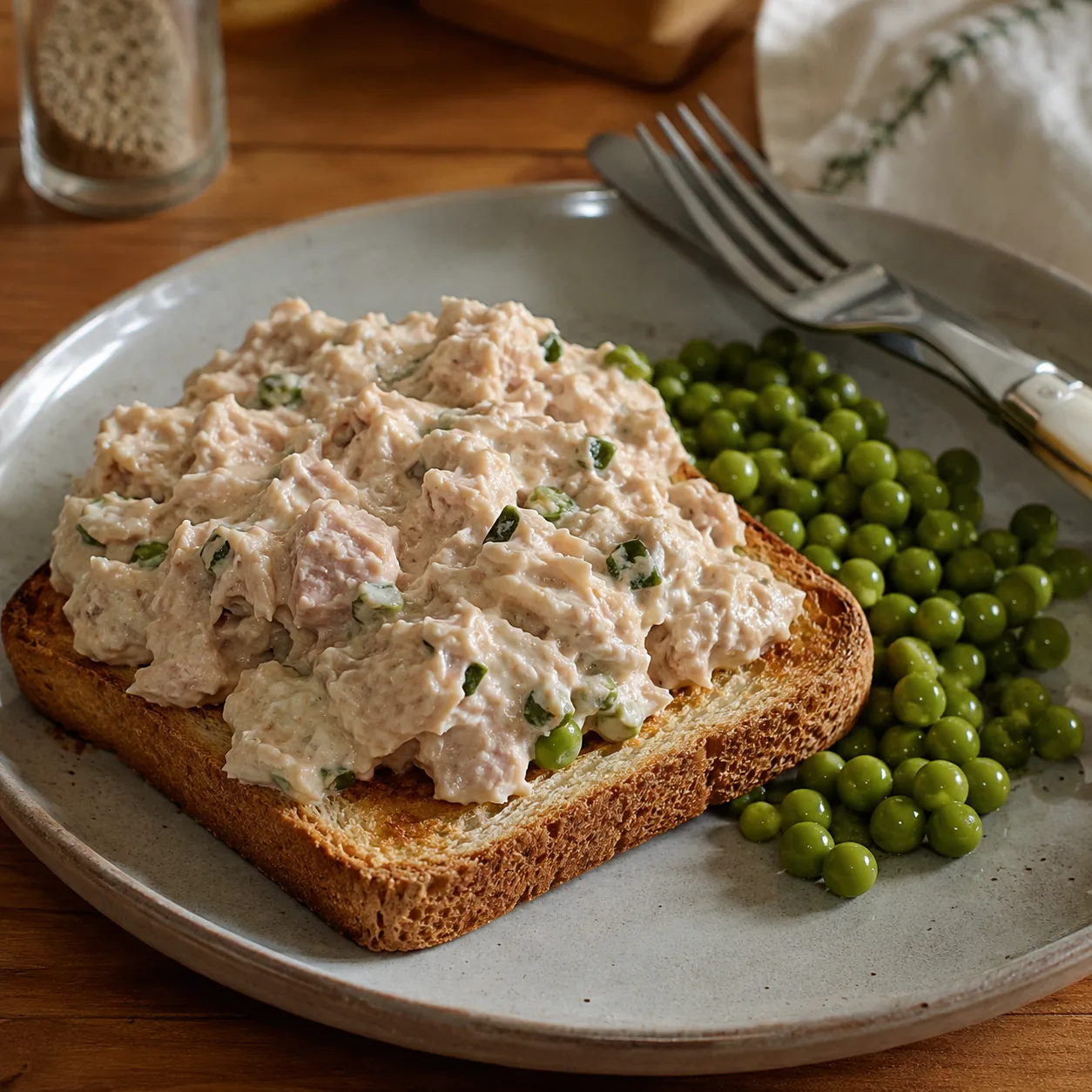
Tuna without casserole: Creamed tuna on toast used white sauce to turn a can of tuna into dinner.
Peas, pepper, and toast made it feel complete. It cooked faster than a baked casserole and used fewer ingredients.
This was weekday food, not company food. That is probably why it disappeared quietly. No one framed it as special, but it solved real hunger with a can, a pan, and bread.
3. Stuffed Tomato Plates
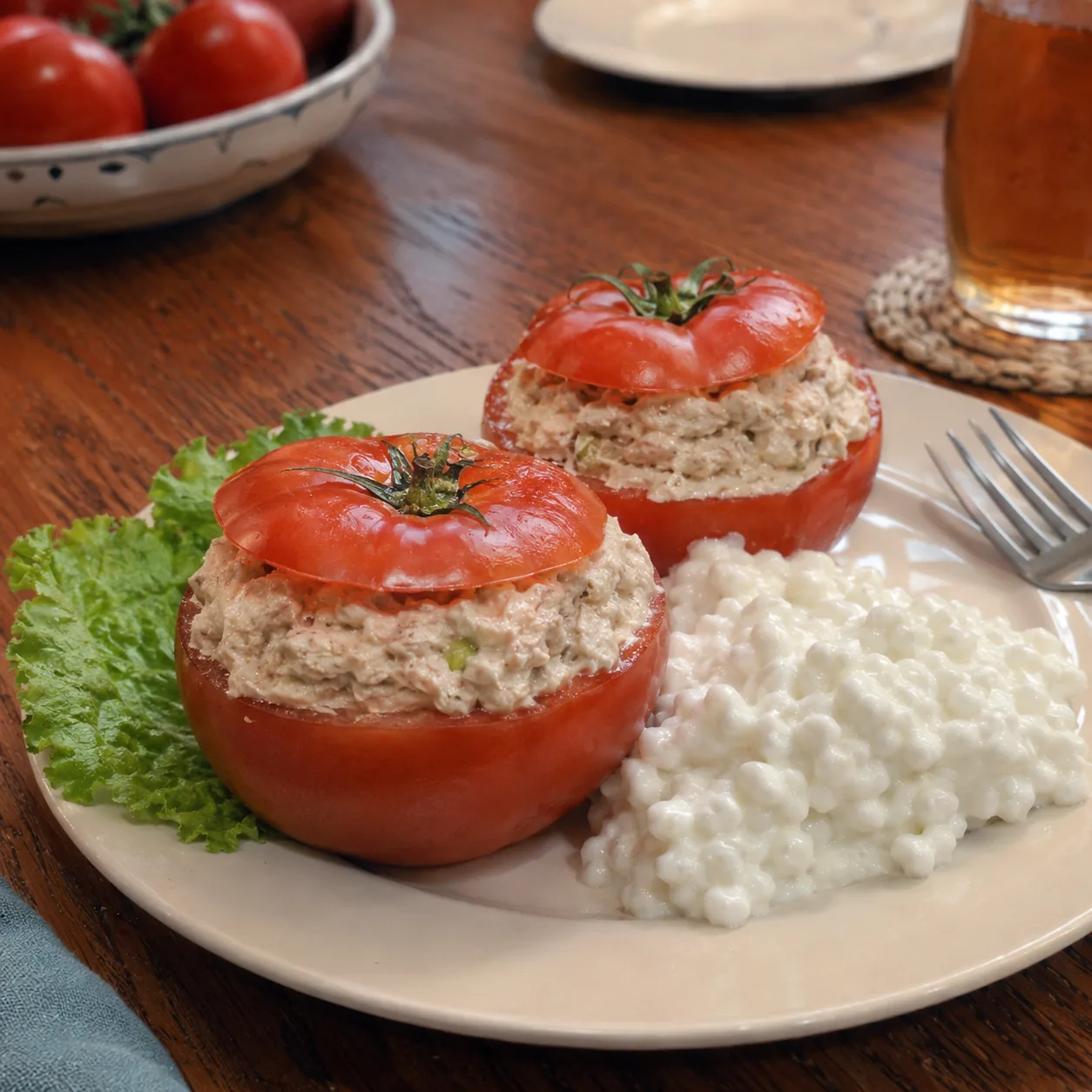
The summer diet plate: Stuffed tomatoes with tuna, chicken salad, or cottage cheese once counted as a light dinner.
They looked tidy, required little cooking, and made use of ripe tomatoes when gardens were generous. Lettuce leaves and crackers usually completed the plate.
It feels dated now because dinner expectations changed. Still, on a hot night, the appeal is obvious: cold, quick, inexpensive, and clean.
2. Leftover Casserole Surprise
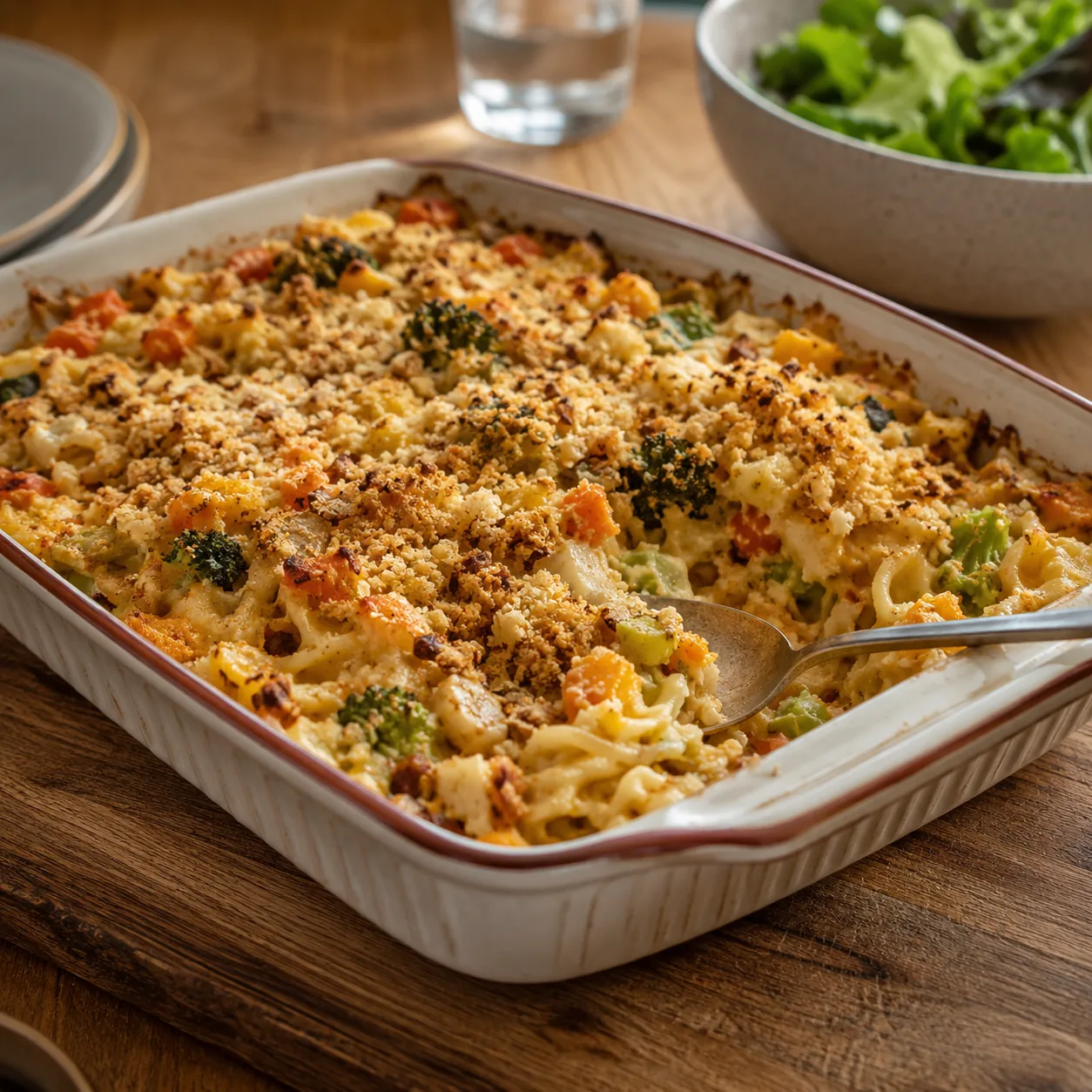
The refrigerator sweep: Leftover casserole surprise was whatever needed using, bound together with sauce.
Cooked vegetables, noodles, rice, bits of meat, gravy, canned soup, cheese, or crumbs could all end up in the same dish. The topping made it official.
The danger was muddiness, so grandma balanced texture. Something creamy needed something crisp, and bland leftovers needed onion, pepper, mustard, or acid.
1. Sunday Supper With Everything Reheated
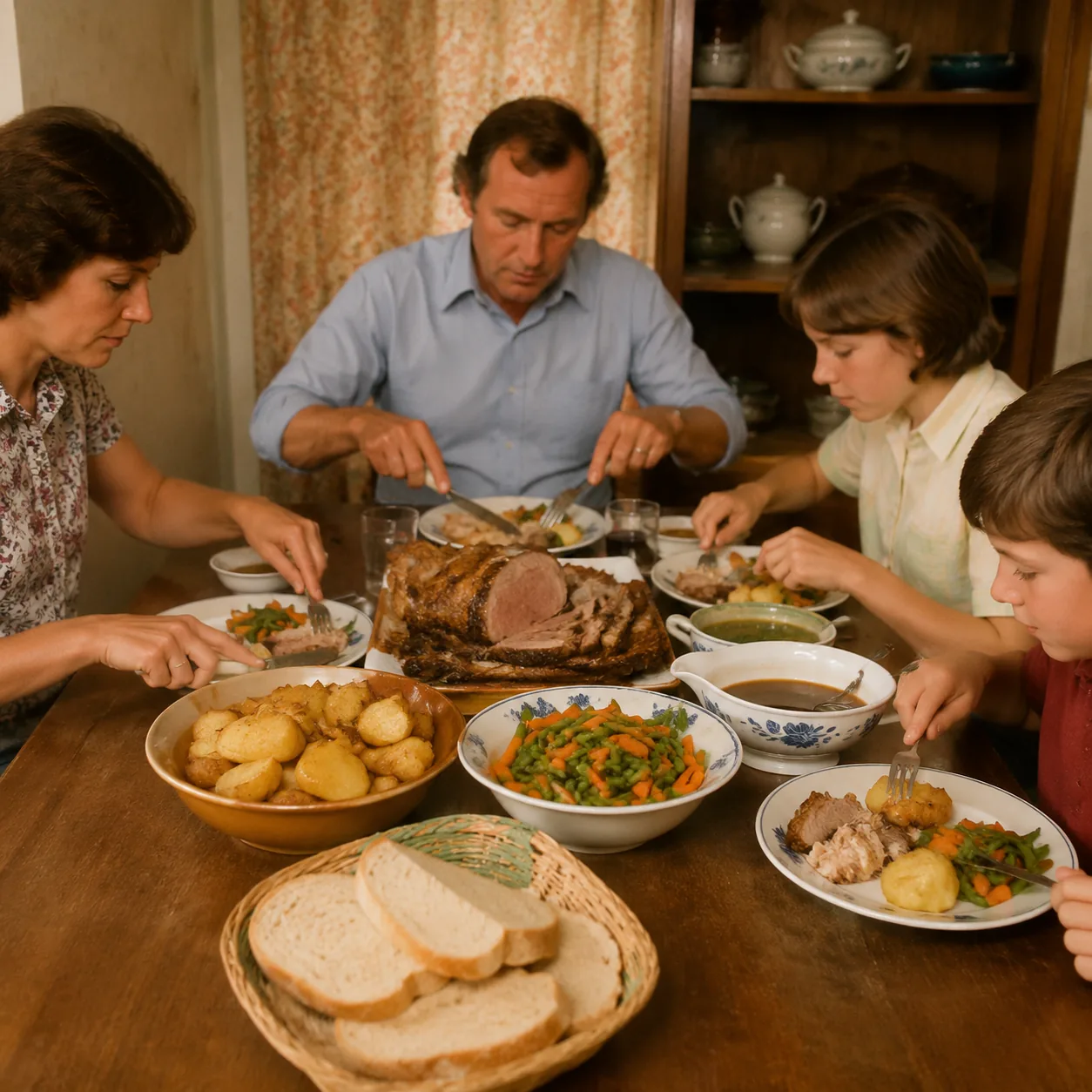
The final stretch: Sunday supper often meant the week’s good leftovers returning in coordinated form.
Roast became slices in gravy, potatoes were fried or mashed again, vegetables went into a casserole, and bread filled the plate. It was not one named dish, but every family recognized it.
This dinner disappeared as schedules changed and leftovers became less central. The old table had a skill modern kitchens often miss: making the last bits feel like abundance.