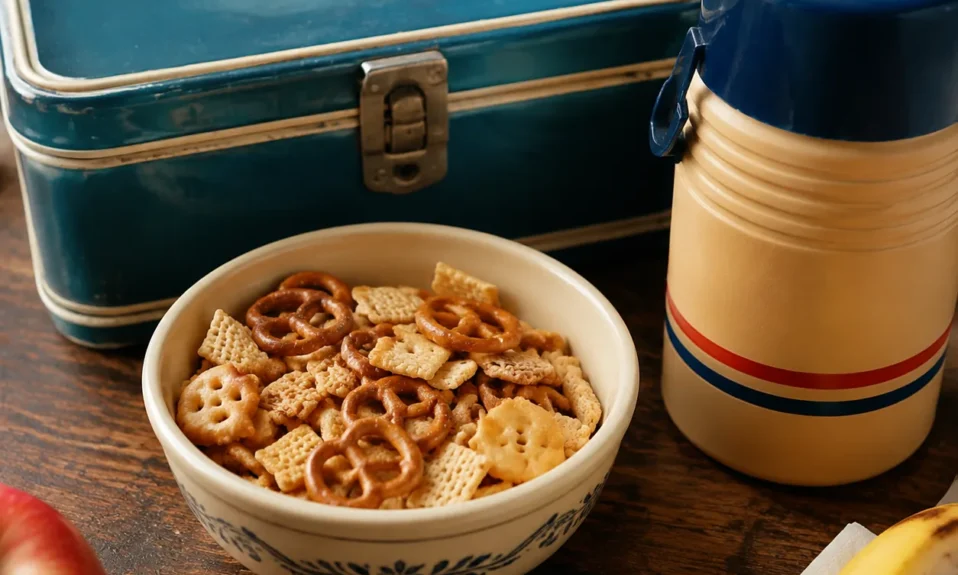
Old lunchboxes had their own tiny economy of trades, crumbs, and bragging rights.
These snacks disappeared from everyday childhood even when the memories stayed loud.
33. Space Food Sticks

The astronaut snack: Space Food Sticks made ordinary kids feel connected to the space age.
They were chewy, dense, and slightly futuristic in a way that only the late 1960s and 1970s could manage. A stick in the lunchbox felt more exciting than a cookie because it sounded like equipment.
The lesson is pure nostalgia. Marketing made them feel scientific, but kids mostly remembered the texture and the thrill of eating something that sounded like it belonged in orbit.
32. Marathon Bars

The slow candy: Marathon Bars were long, braided, chewy, and built to last.
The appeal was time. A child could work through the caramel stretch slowly instead of finishing the candy in three bites. That made it feel like better value, even if the nutrition was exactly what you would expect.
It vanished from lunchbox culture because candy shelves changed, but anyone who had one remembers the pull.
31. PB Max

Peanut butter overload: PB Max felt like a candy bar built by someone who understood lunch trades.
It had peanut butter, cookie crunch, oats, and chocolate in a compact square that seemed more substantial than a plain candy bar. That made it easy to justify as an after-school snack.
Its shelf life in memory is longer than its shelf life in stores. Kids who loved it still describe the texture first, which says everything.
30. Pudding Pops

Frozen pudding: Pudding Pops were smoother than ordinary ice pops and less icy than many freezer treats.
They tasted like pudding that had learned how to survive summer. Kids ate them slowly because the texture was the whole point.
They disappeared from everyday freezer life as brands changed and freezer aisles got crowded. But the idea remains strong: make a snack creamy, portable, and cold enough to buy ten quiet minutes after school.
29. Jell-O 1-2-3
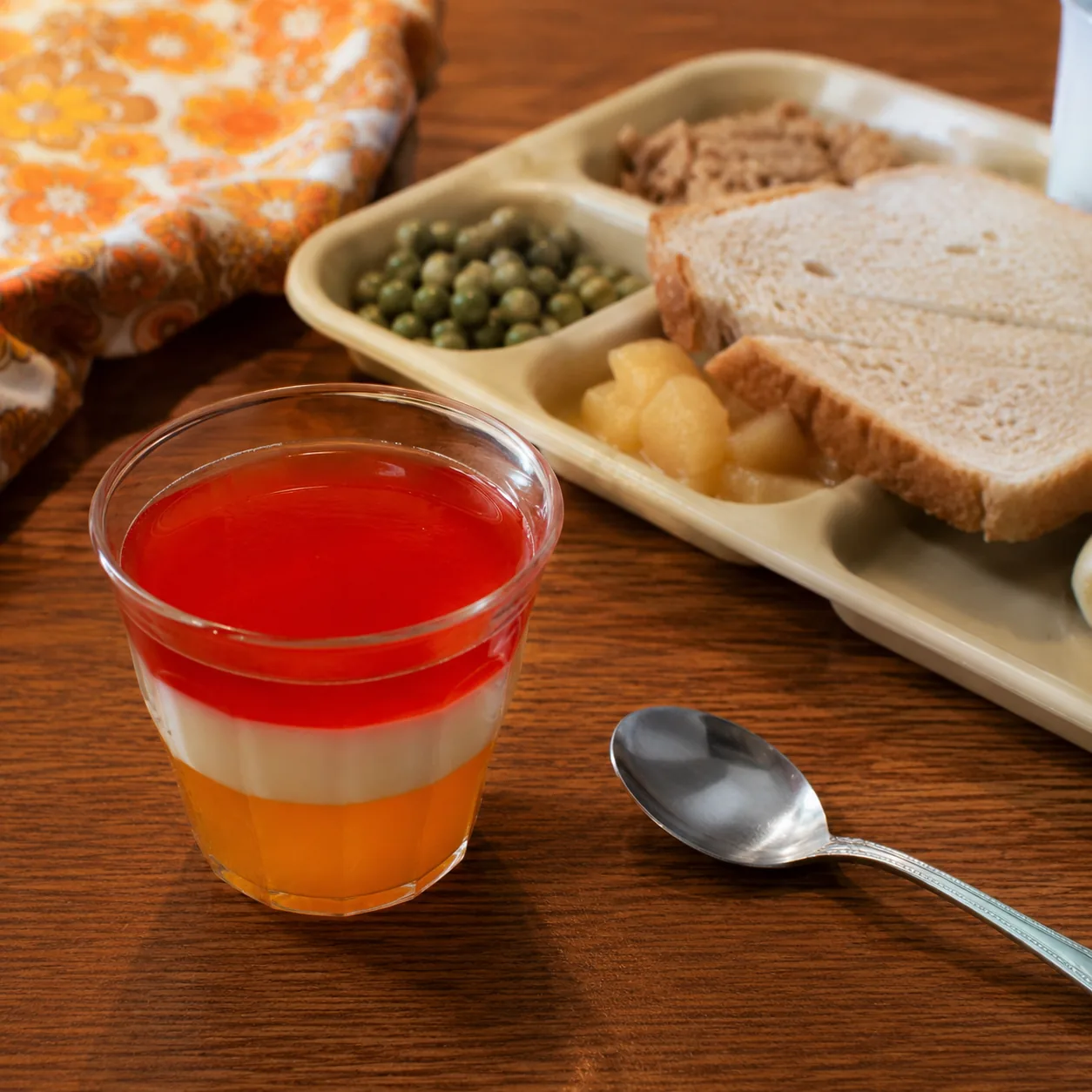
The magic layer cup: Jell-O 1-2-3 separated into layers that made a simple dessert feel like a trick.
Kids cared less about the chemistry than the reveal. One mix became a clear layer, creamy layer, and foamy layer if made correctly.
It belonged to a time when gelatin had real snack-table power. Modern desserts got busier, but few offered that same low-effort sense of kitchen magic.
28. Figurines Diet Bars
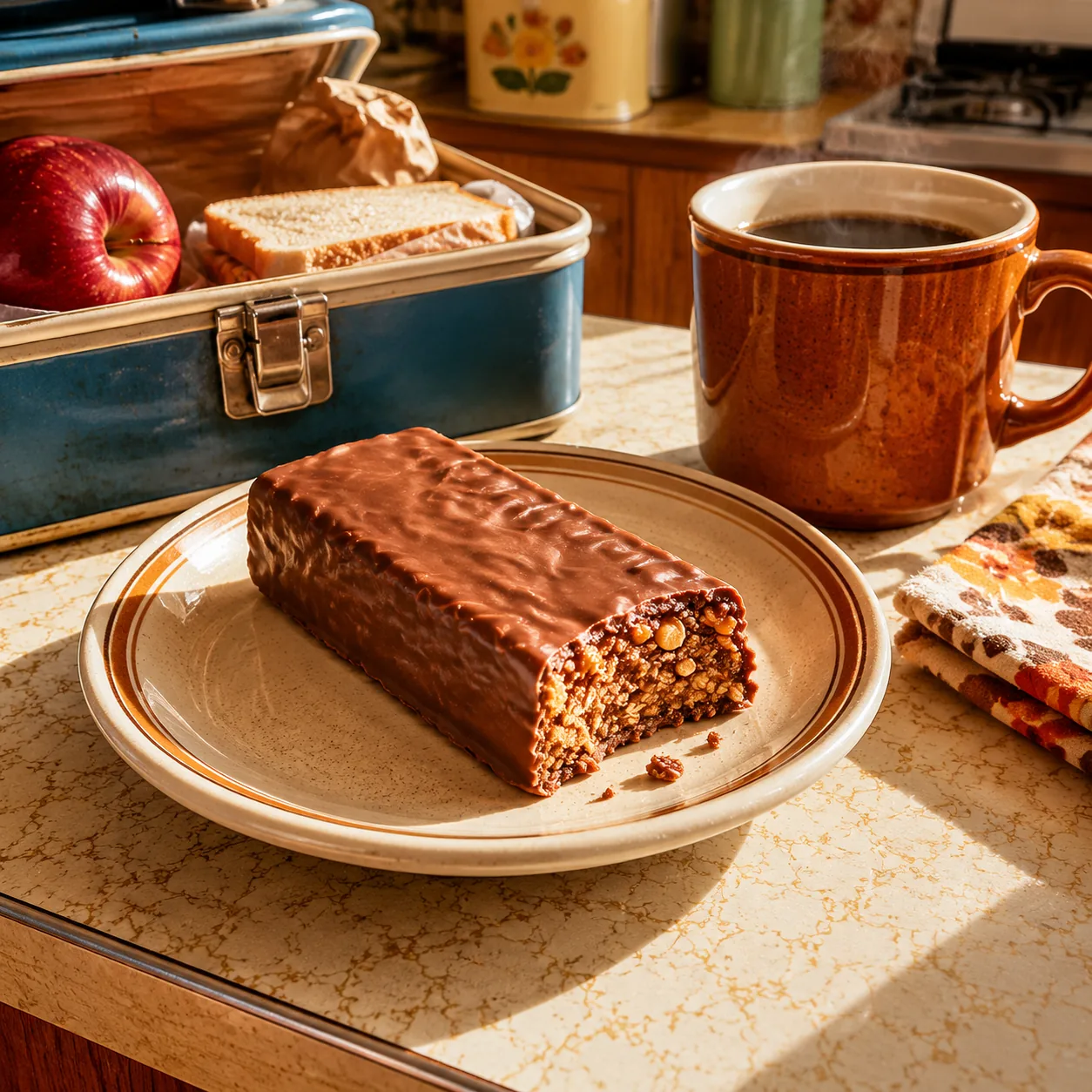
Mom’s snack that kids sampled: Figurines were diet bars, but children absolutely noticed them in the pantry.
They were chocolatey, chewy, and presented as adult restraint rather than candy. That made sneaking a bite feel strangely dramatic.
The bar belongs to a vanished snack world where diet food sat beside lunchbox treats without much separation. It was not really kid food, which may be why kids remember it.
27. Carnation Breakfast Bars
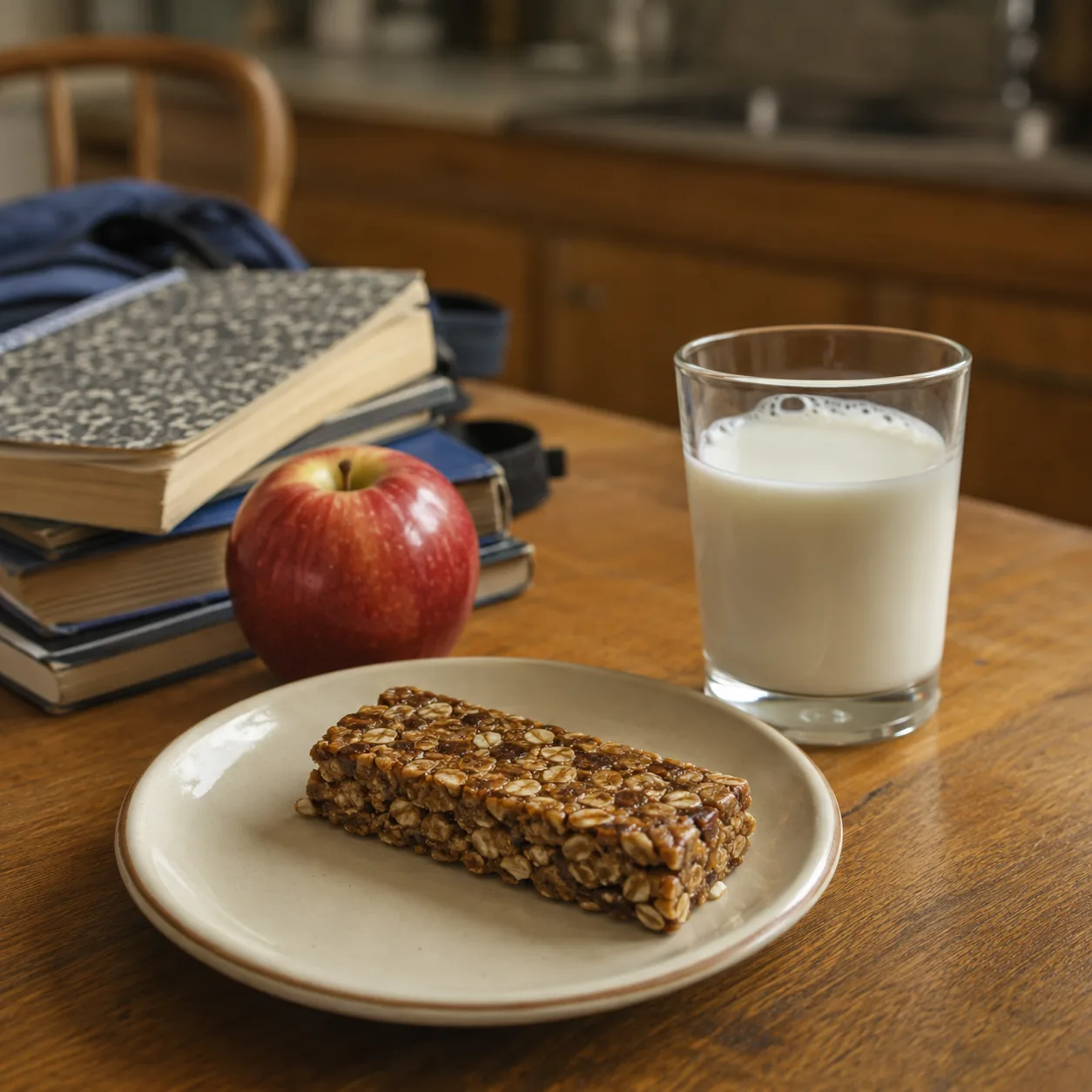
Breakfast in a wrapper: Carnation Breakfast Bars tried to turn a rushed morning into something portable.
They were dense, sweet, and more filling than a cookie, which made parents feel better about handing one over before school. Kids liked the chocolate versions best for obvious reasons.
They vanished because the breakfast bar aisle reinvented itself many times. The original memory is still specific: chewy, square, and somehow both practical and treat-like.
26. Summit Bars
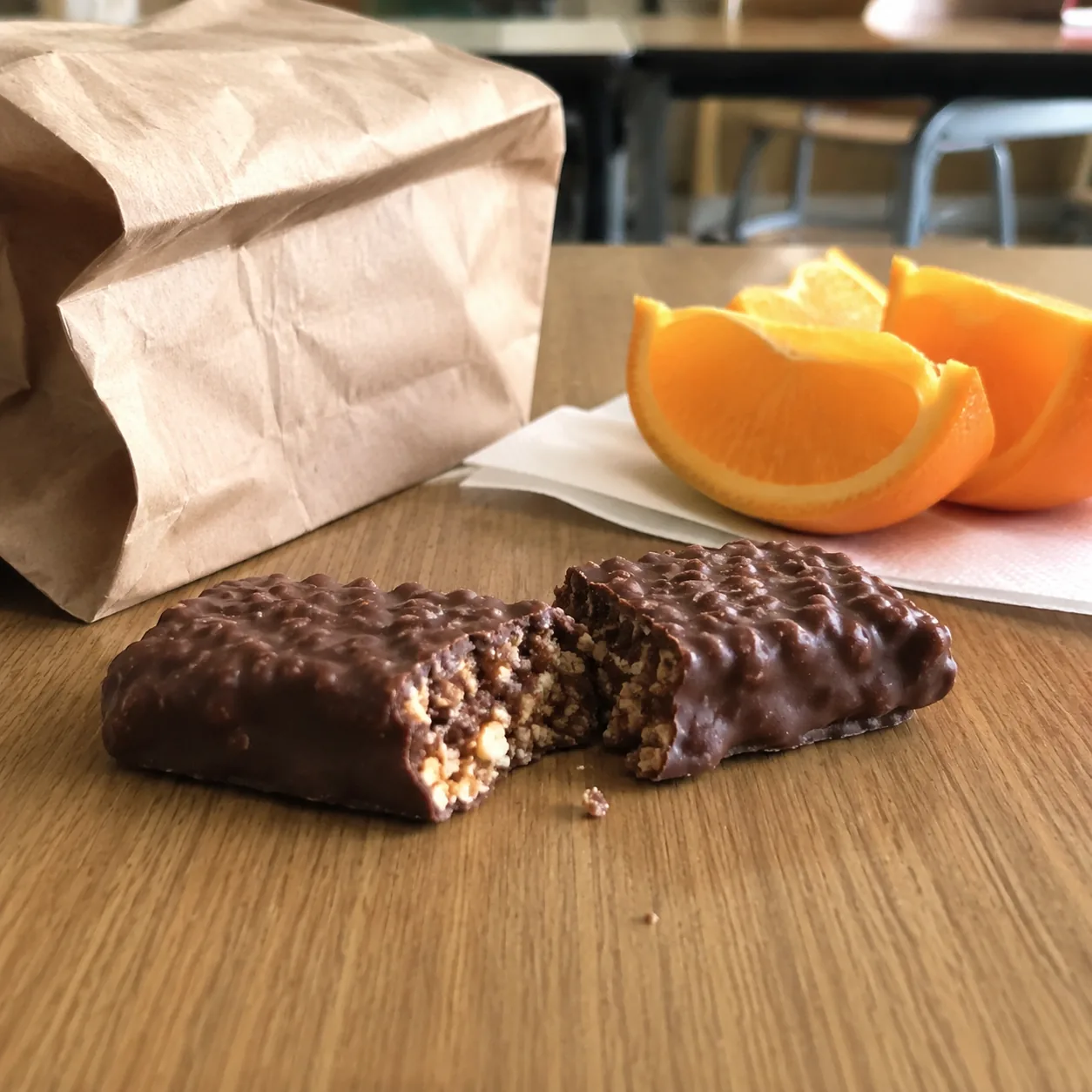
Crunchy and forgotten: Summit Bars had wafers, peanuts, and chocolate in a layered format that felt built for lunchbox bragging.
They were the kind of snack that made a loud snap when broken, which mattered in a cafeteria full of soft sandwiches and bruised fruit.
The bar faded while louder candy brands survived. That may be why it has such a strong afterimage for people who remember it: specific texture, short run, real devotion.
25. Choco’Lite Bars
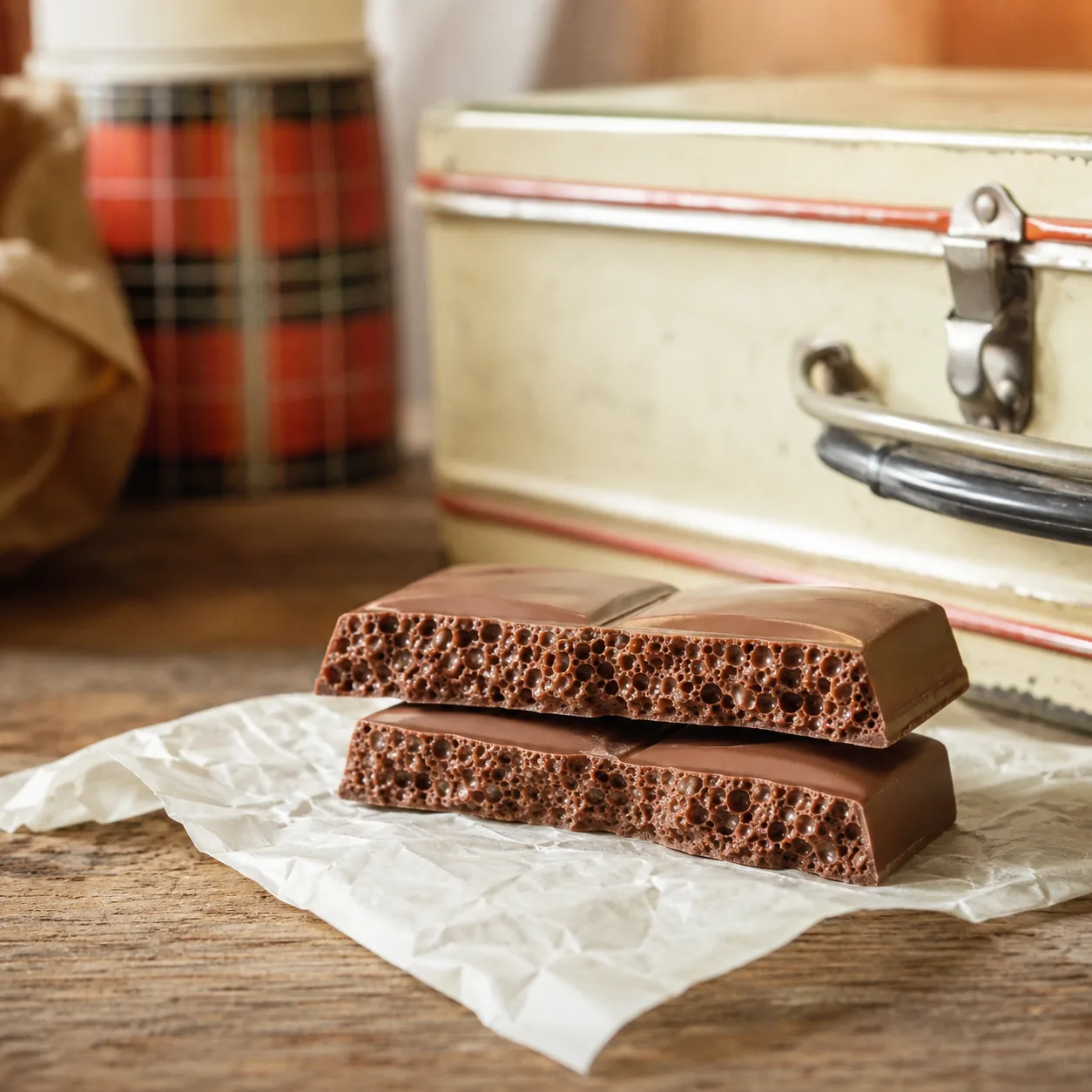
Airy chocolate: Choco’Lite bars were lighter and more delicate than the heavy candy bars around them.
The little bubbles made the chocolate feel crisp, almost like it dissolved and crunched at the same time. That texture is why people still talk about them.
They are part of the same vanished food world where texture experiments showed up everywhere from candy to casseroles.
24. BarNone Original

The layered bite: The original BarNone had wafer, chocolate, and peanuts in a format that felt more grown-up than a plain candy bar.
Kids liked the crunch because it held up better than soft candy smashed in a backpack. It also looked substantial enough to trade well.
Snack bars kept evolving, and this one slipped out of everyday reach. The memory survives because the original texture was hard to replace exactly.
23. Kudos Granola Bars
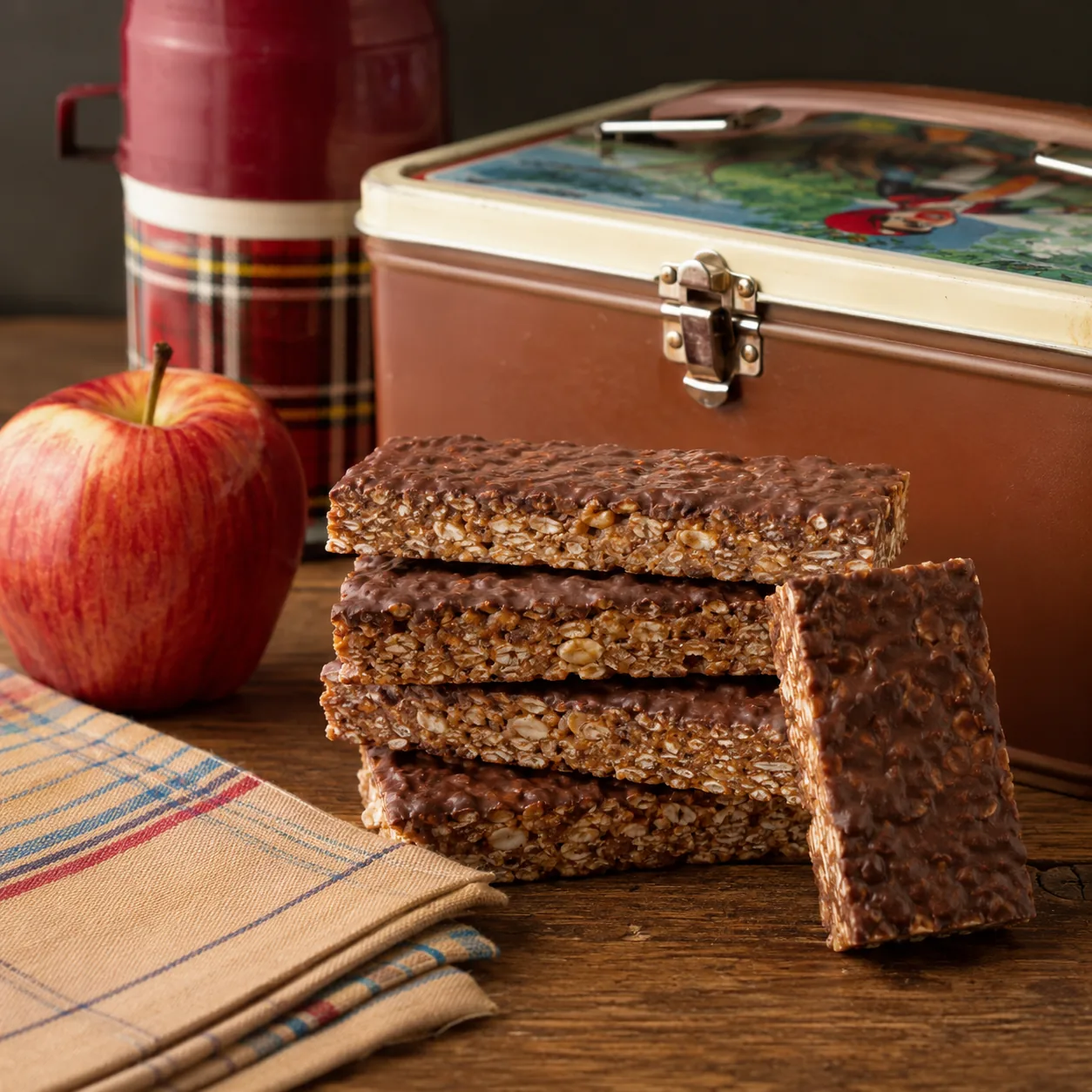
Candy pretending to be wholesome: Kudos bars sat in the perfect gray area between granola bar and candy.
Parents saw oats. Kids saw chocolate, candy pieces, and a wrapper that traded well. That tension made them lunchbox gold.
Read More: 37 Things Every Grandma Kept in the Pantry That Modern Kitchens Forgot
22. Planters Cheez Balls in a Can

Orange fingers: Cheese balls in a can were loud, salty, and impossible to eat neatly.
The can made them feel different from ordinary chips. It also protected them from being crushed, which mattered in a pantry full of cereal boxes and lunch supplies.
They have had revivals, but the old lunchbox aura changed. The snack was not just cheese dust. It was the ritual of prying open the can and claiming the first handful.
21. Screaming Yellow Zonkers
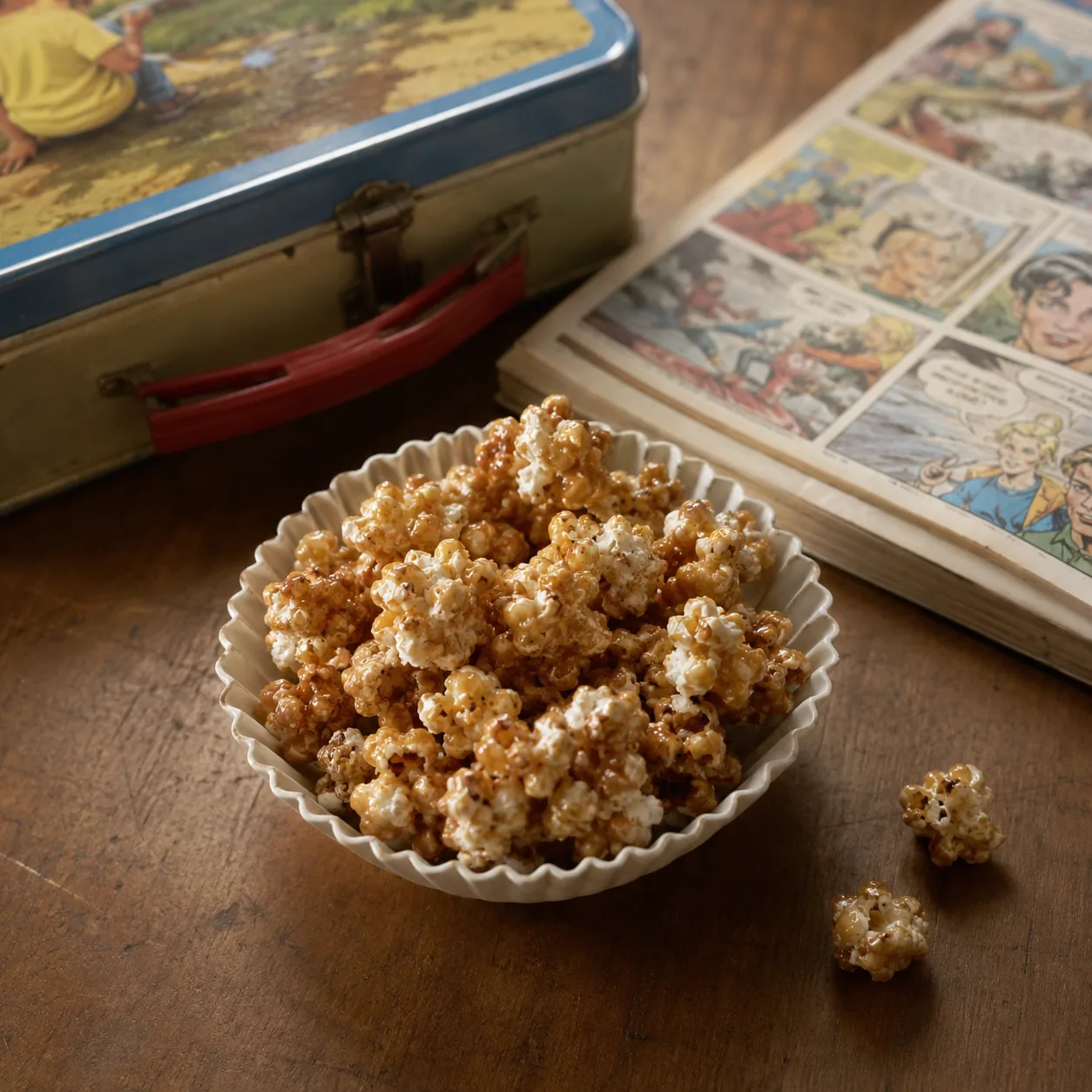
Popcorn with attitude: Screaming Yellow Zonkers made glazed popcorn feel more rebellious than caramel corn.
The name did half the work. The snack was sweet, crunchy, and strange enough to stand out in a lunchroom where most kids had chips or cookies.
Its lunchbox energy belongs with 33 Old-School Family Rules That Actually Made Kids More Independent, because it came from an era when kids managed their own tiny snack trades with serious intensity.
20. Gatorgum
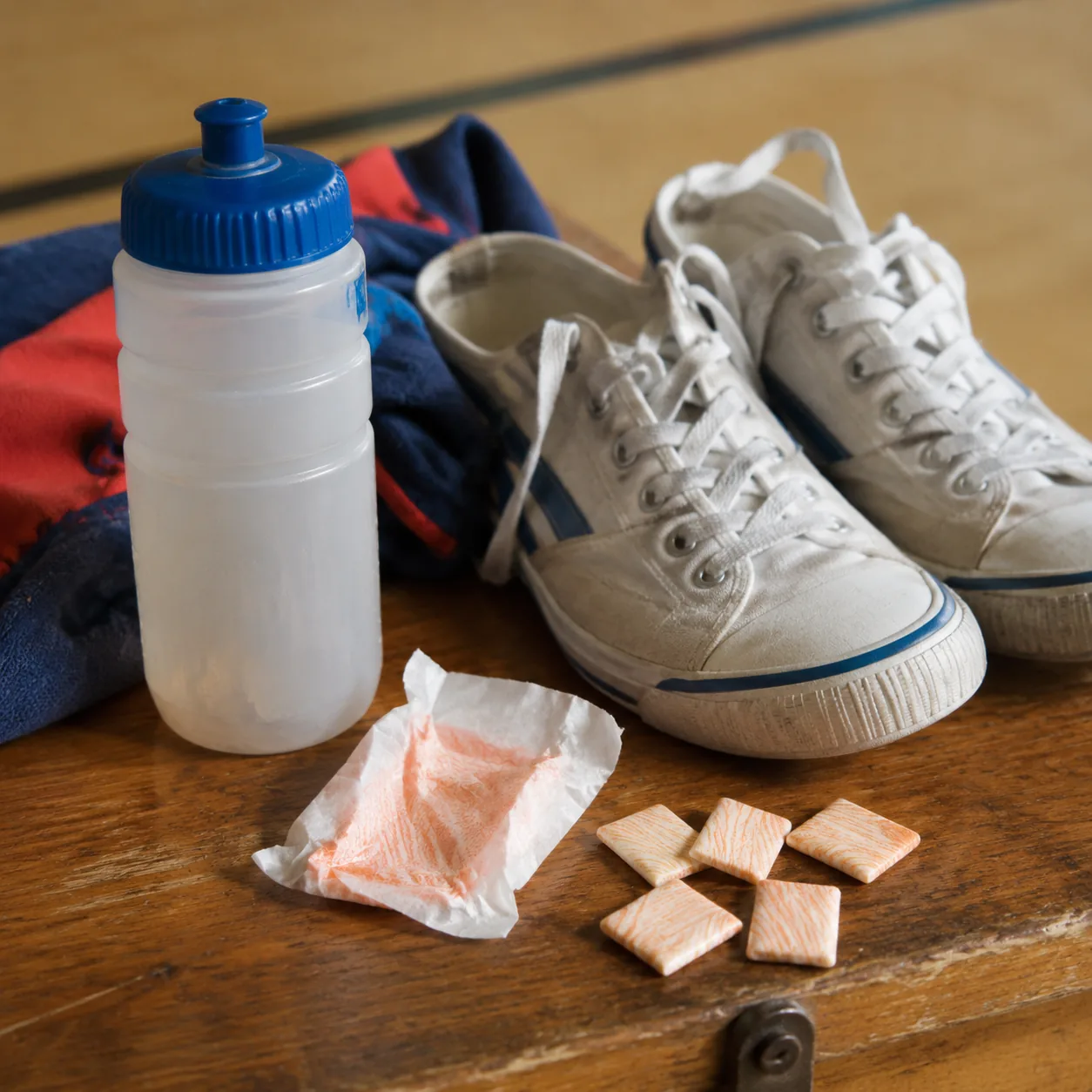
Sports drink as gum: Gatorgum tasted sharp, citrusy, and briefly athletic.
Kids chewed it before practice, after recess, or simply because it sounded more active than ordinary gum. The flavor faded fast, but the first few seconds were the point.
It vanished from normal kid life because novelty gum moved on. Still, it captured the 1980s idea that every snack could become a performance product if the name sounded sporty enough.
19. Fruit Wrinkles
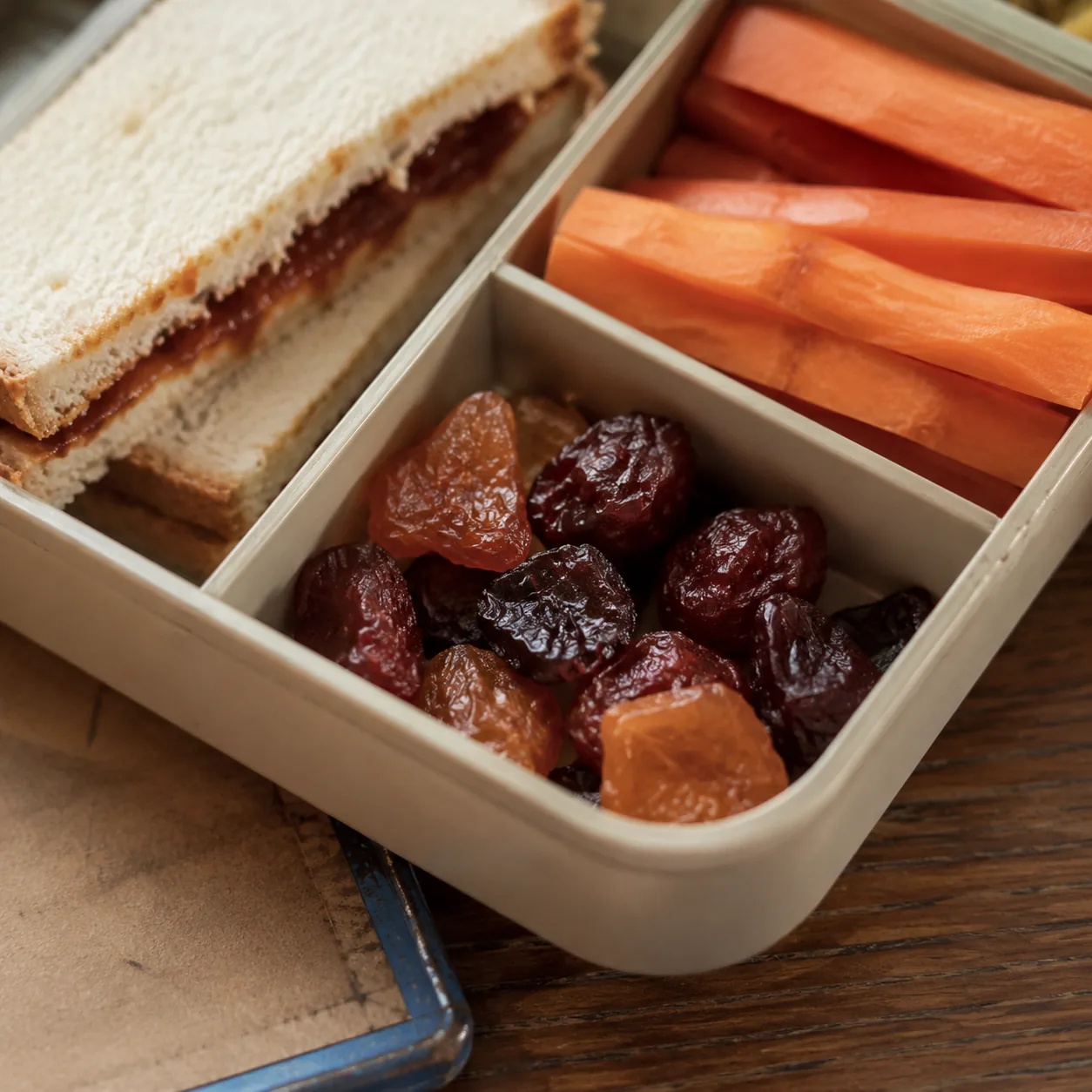
The odd fruit snack: Fruit Wrinkles were chewy, wrinkled, and more peculiar than later fruit snacks.
They felt closer to fruit leather chopped into little pieces than the glossy gummies that took over the category. That made them memorable, even for kids who were not sure they liked them.
For more old make-do food memories, 37 Things Grandma Did to Stretch Groceries Before Budgeting Had a Name shows how older kitchens handled treats, leftovers, and lunchbox extras without wasting much.
18. Fruit Corners Fruit Bars
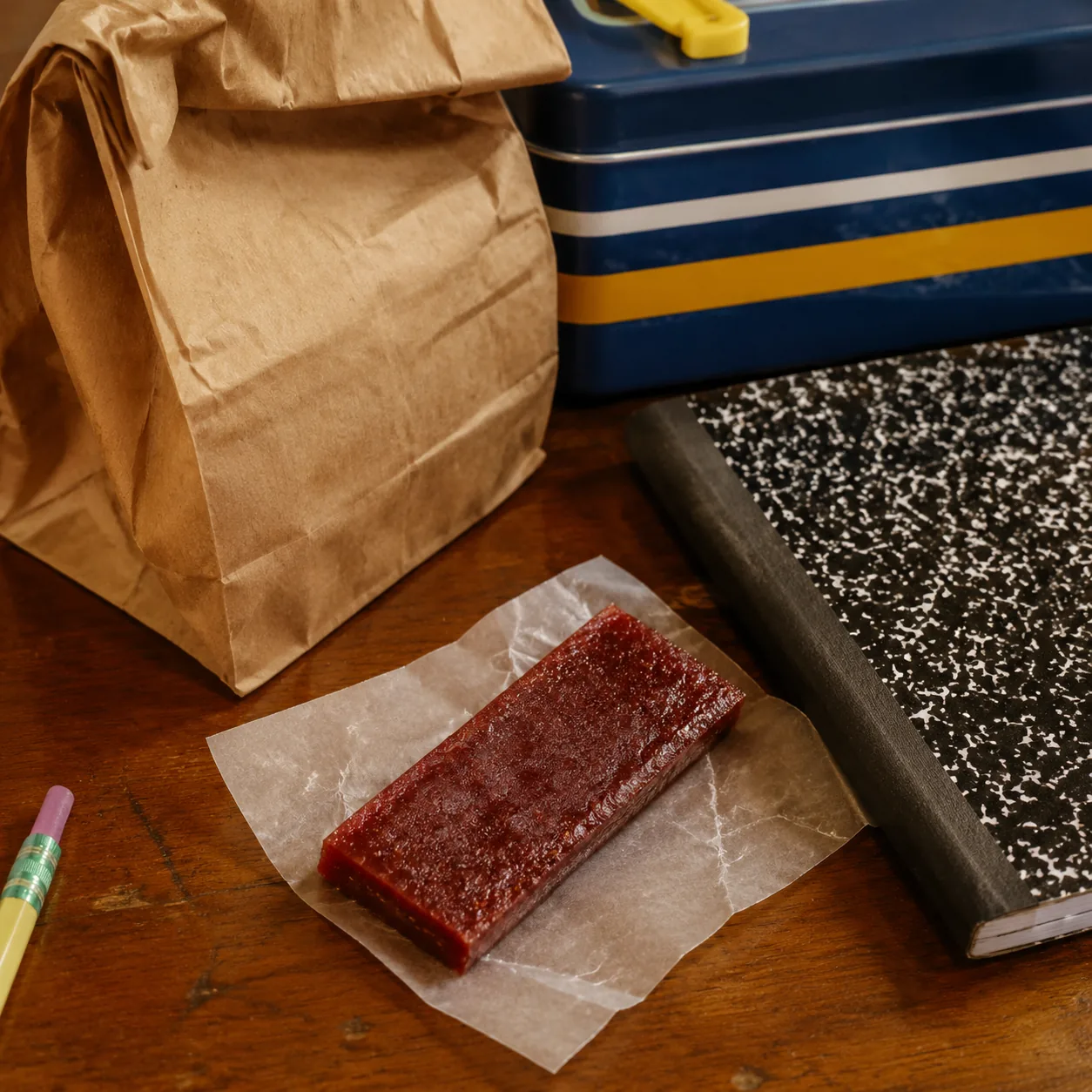
Flat fruit leather: Fruit Corners bars were chewy rectangles that stuck to wrappers and teeth with equal confidence.
They felt healthier than candy because they were fruit-adjacent, but kids mostly cared that they lasted longer than a cookie. Pulling one apart became part of the experience.
The modern fruit snack aisle got softer, brighter, and more gummy. These bars belonged to a tougher, stickier lunchbox era.
17. Squeezit Drinks
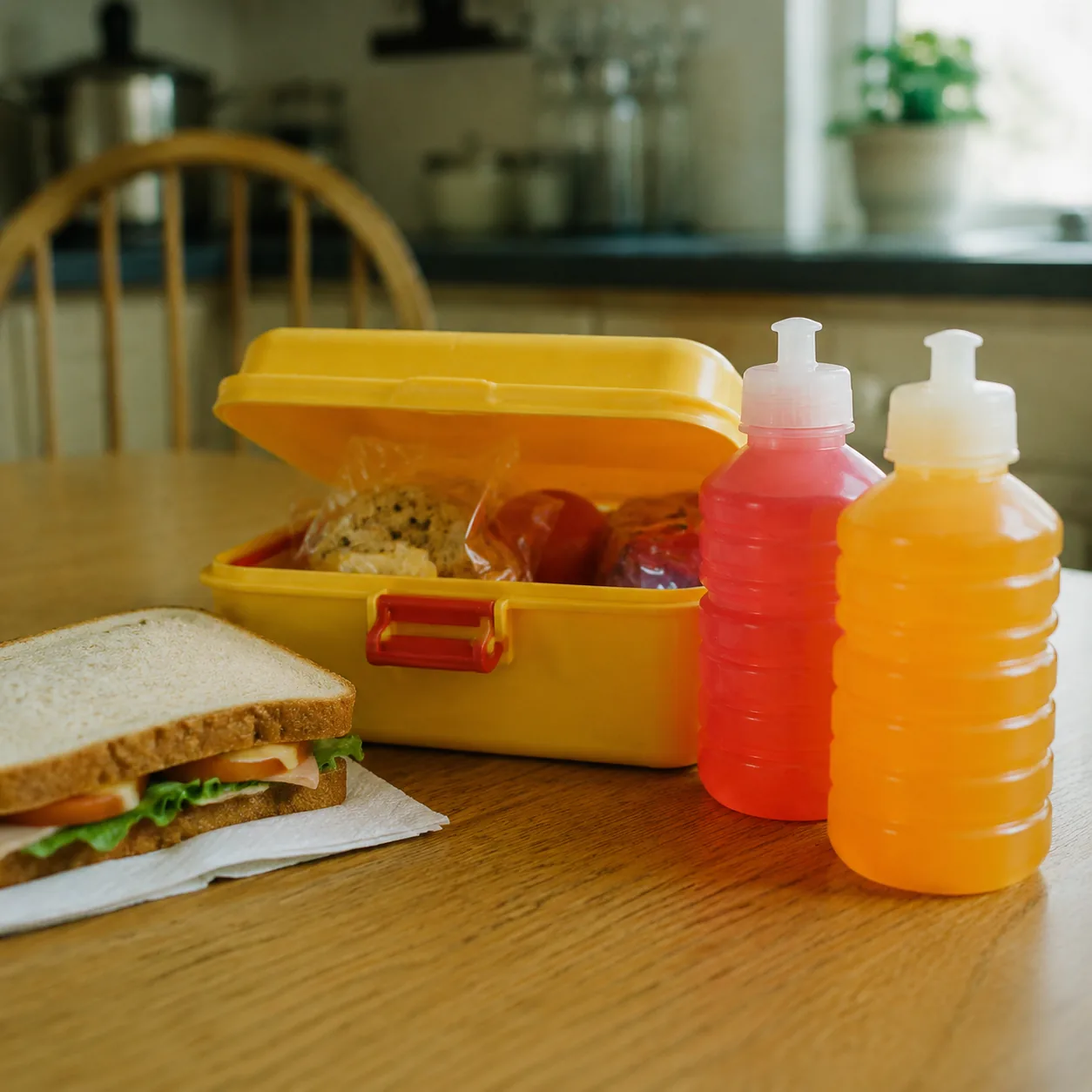
Bottle as entertainment: Squeezits were sugary drinks, but the bottle made them memorable.
Kids squeezed, twisted, and sometimes sprayed them with terrible judgment. The drink itself was secondary to the plastic container and the feeling that lunch had become interactive.
They vanished as school lunches and parent expectations changed. A modern lunchbox rarely includes a drink whose main feature is how much trouble a child can cause with it.
Read More: 35 Things That Made Grandma’s House Feel Like Home
16. Hi-C Ecto Cooler
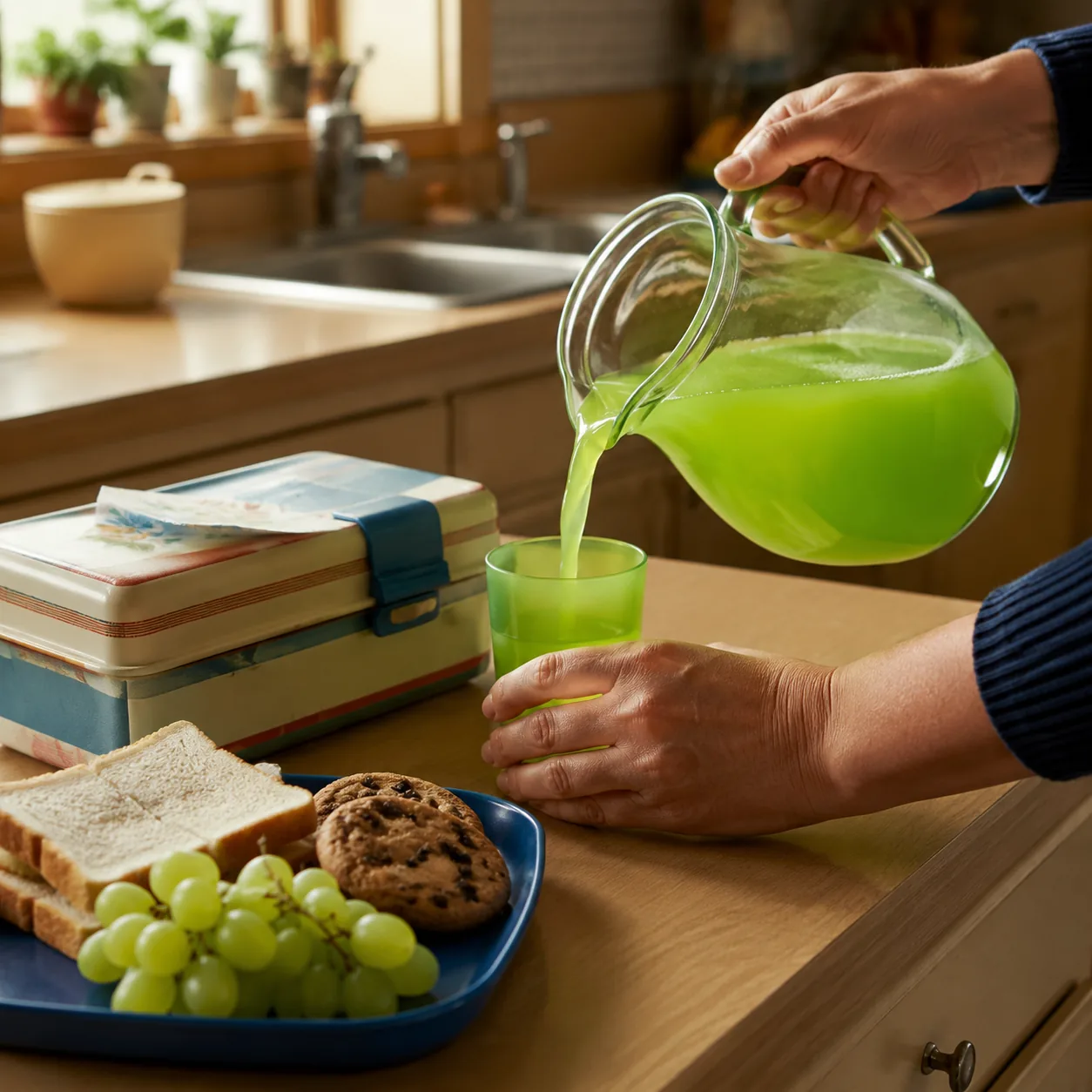
Green lunchbox legend: Ecto Cooler turned a juice box style drink into playground currency.
The flavor was citrusy and sweet, but the color and pop-culture tie made it feel bigger than the drink itself. Kids recognized it instantly.
It has returned in limited waves, but the everyday lunchbox moment is gone. That is the difference between nostalgia and routine: one is a special hunt, the other was Tuesday.
15. Shark Bites Fruit Snacks

Shape mattered: Shark Bites proved that fruit snacks were as much about design as flavor.
The shark shapes made the pouch feel like a tiny collection. Kids compared colors, hunted favorite pieces, and remembered the unusual opaque pieces long after the snack was gone from their normal routine.
Fruit snacks still exist everywhere, but this specific lunchbox excitement feels tied to the era when every pouch had to feel like a little toy.
14. Giggles Cookies
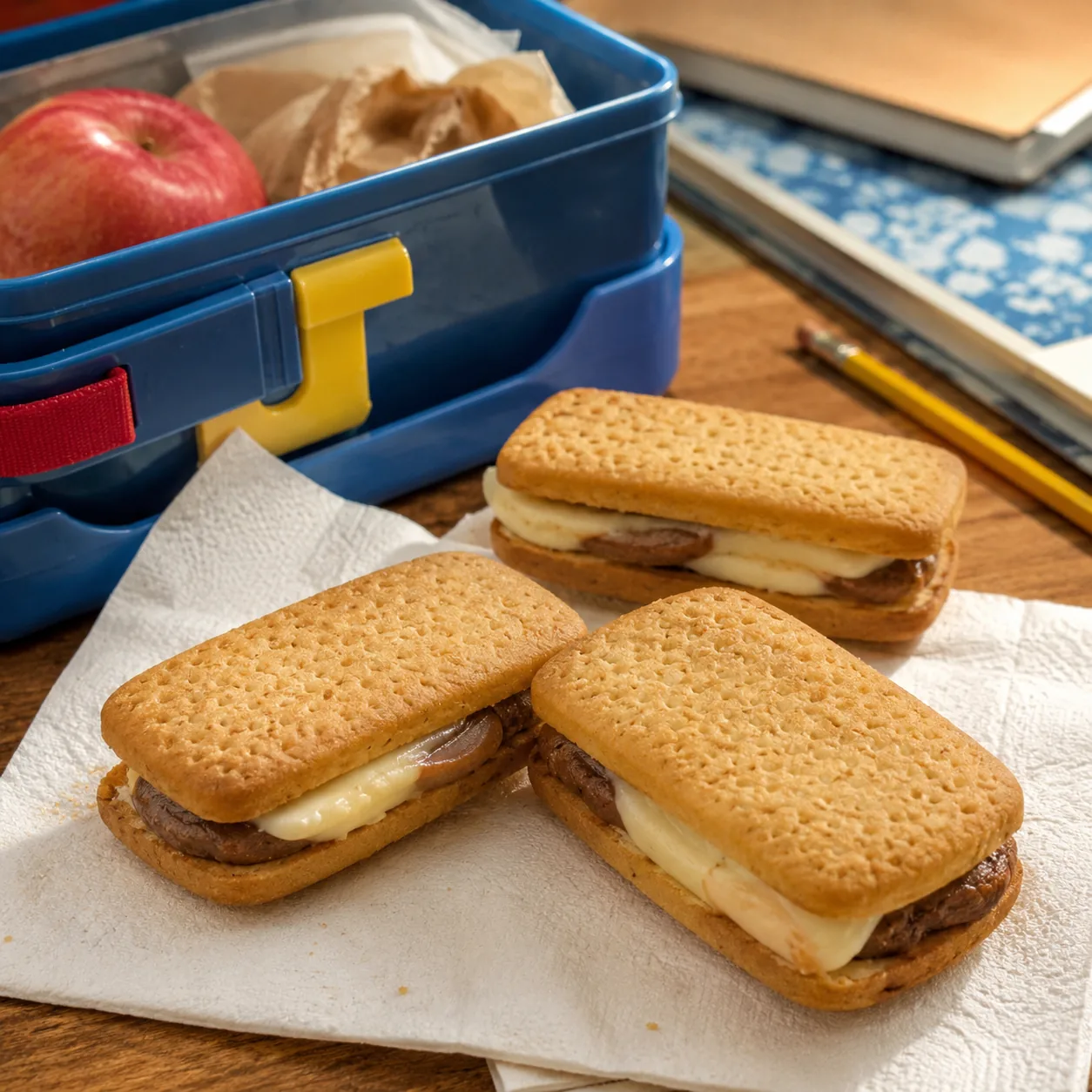
Cookies with a gimmick: Giggles cookies had faces and two filling flavors, which made them more fun than ordinary sandwich cookies.
They were not subtle. Kids liked matching the face, splitting the cookie, and eating the filling first because that was half the point.
The snack disappeared into a crowded cookie aisle, but it understood something important: in a lunchbox, design can matter as much as taste.
13. Keebler Magic Middles
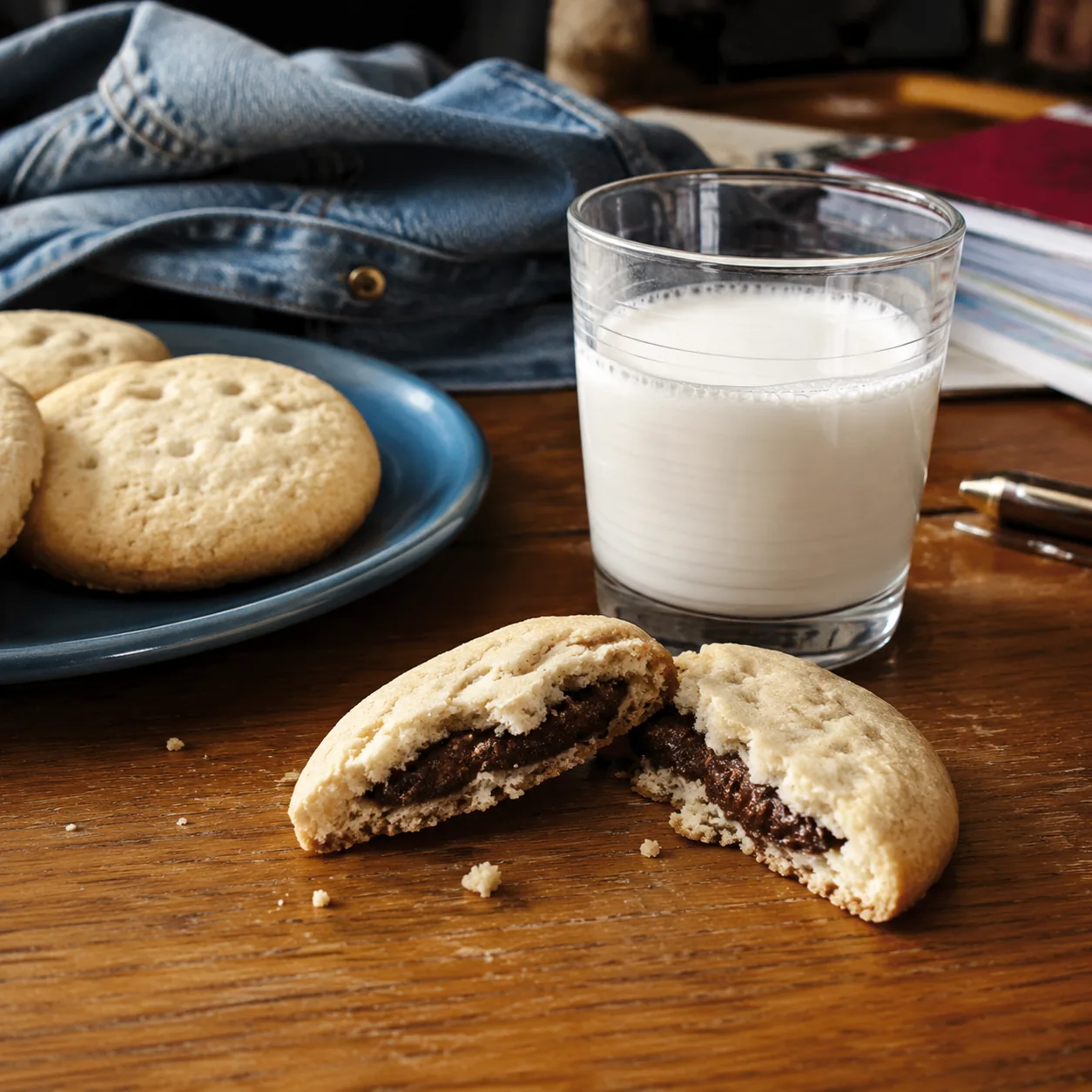
Hidden center cookies: Magic Middles looked plain until the chocolate filling showed up.
That surprise made them powerful lunchbox currency. A cookie with a secret center felt more valuable than a cookie that revealed everything immediately.
The same hidden-treasure feeling runs through 31 Questions People Wish They Asked Their Grandparents Before It Was Too Late, because small familiar things often hold more memory than people expect.
12. Nabisco Almost Home Cookies

Soft cookie promise: Almost Home cookies tried to taste closer to homemade than the crisp packaged cookies around them.
They were soft, sweet, and easy to tuck into a lunch bag without breaking. Parents liked the homemade suggestion; kids liked that they were cookies.
They vanished because the packaged cookie aisle kept reinventing softness, freshness, and portion packs. But the name captured the whole pitch: not home, but close enough for school.
11. Sunshine Lemon Coolers

Powdered lemon dust: Lemon Coolers were bright, sweet, and messy in a very specific way.
The powdered coating got on fingers, napkins, and sometimes homework. That mess was part of the charm, especially when most lunchbox sweets leaned chocolate or peanut butter.
They disappeared from ordinary snack rotation, but people remember the sharp lemon bite. Some snacks survive in memory because no replacement lands on the same flavor note.
10. Wacky Wafers
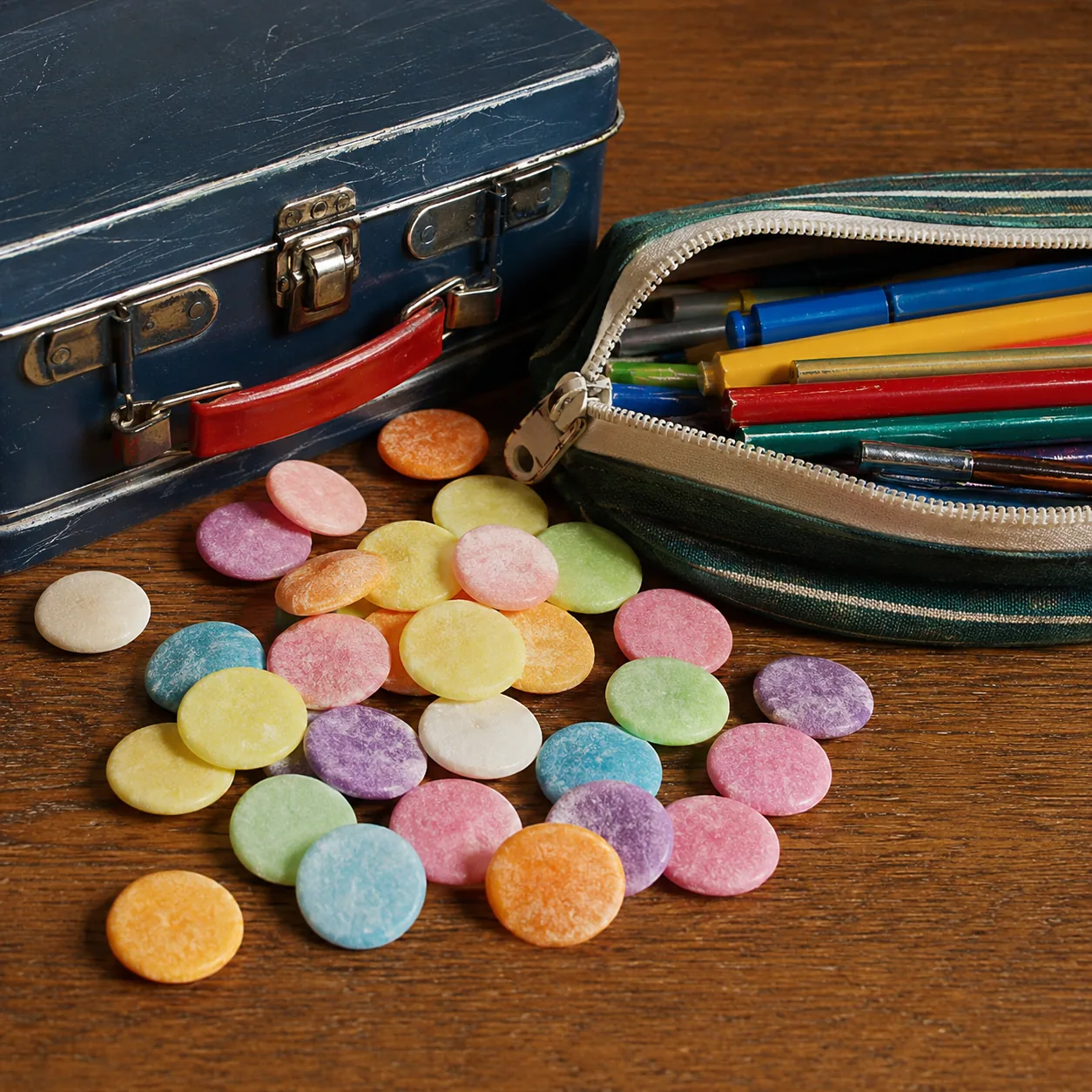
Big candy coins: Wacky Wafers were large, colorful, and built for trading.
They were easier to compare than tiny candies because each wafer felt like its own object. Kids ranked flavors, swapped colors, and made the pack last.
The snack’s disappearance from everyday lunchboxes says a lot about how candy changed. Smaller, branded, individually wrapped pieces took over where big loose wafers once had power.
9. Whistle Pops
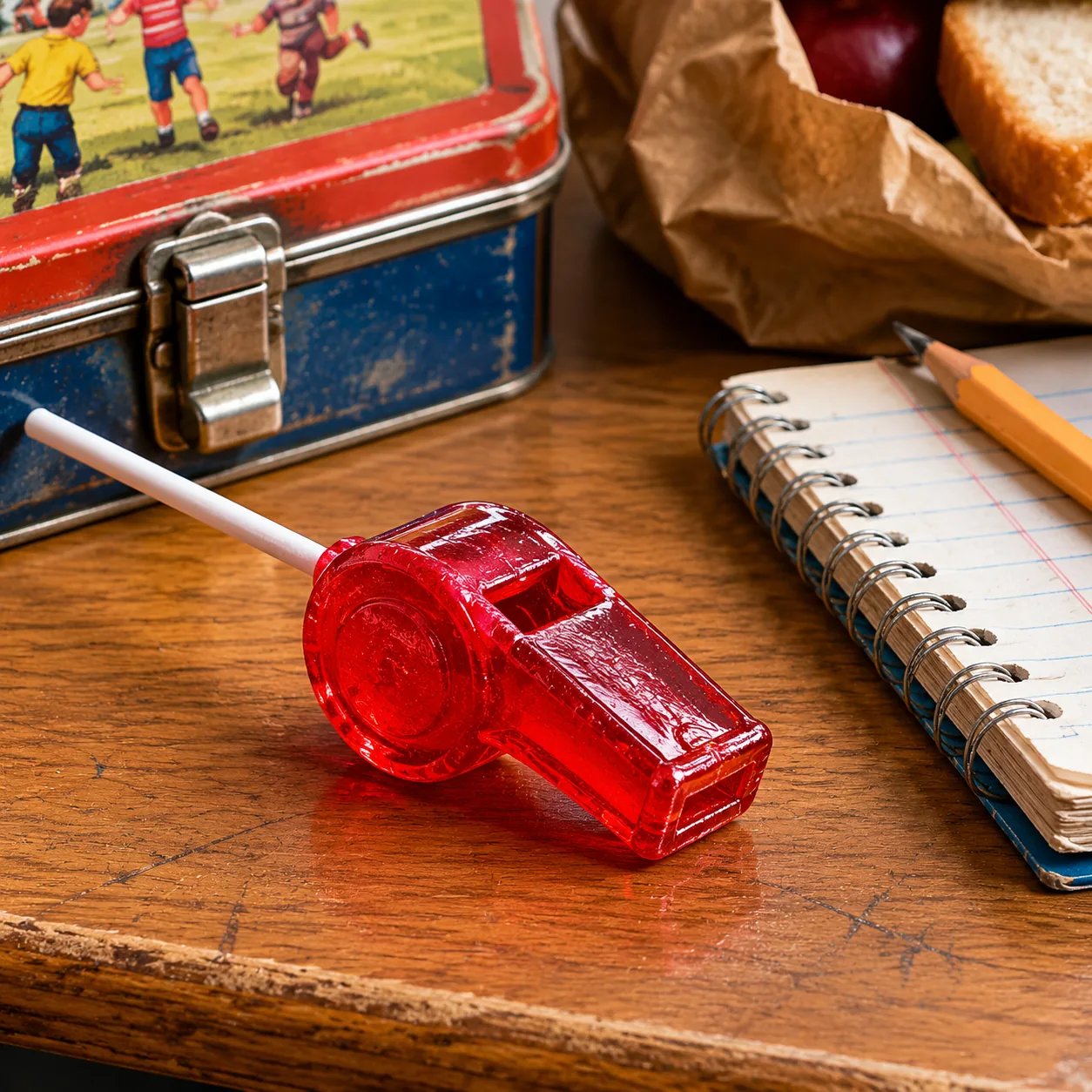
Candy that made noise: Whistle Pops were exactly the kind of snack adults regretted buying.
They were lollipops with a whistle shape, which meant the child received sugar and a sound effect. From a kid’s point of view, that was excellent product design.
Schools and parents had obvious reasons to lose enthusiasm. The snack belongs to an era when more toys seemed to come embedded in the food itself.
8. Candy Cigarettes
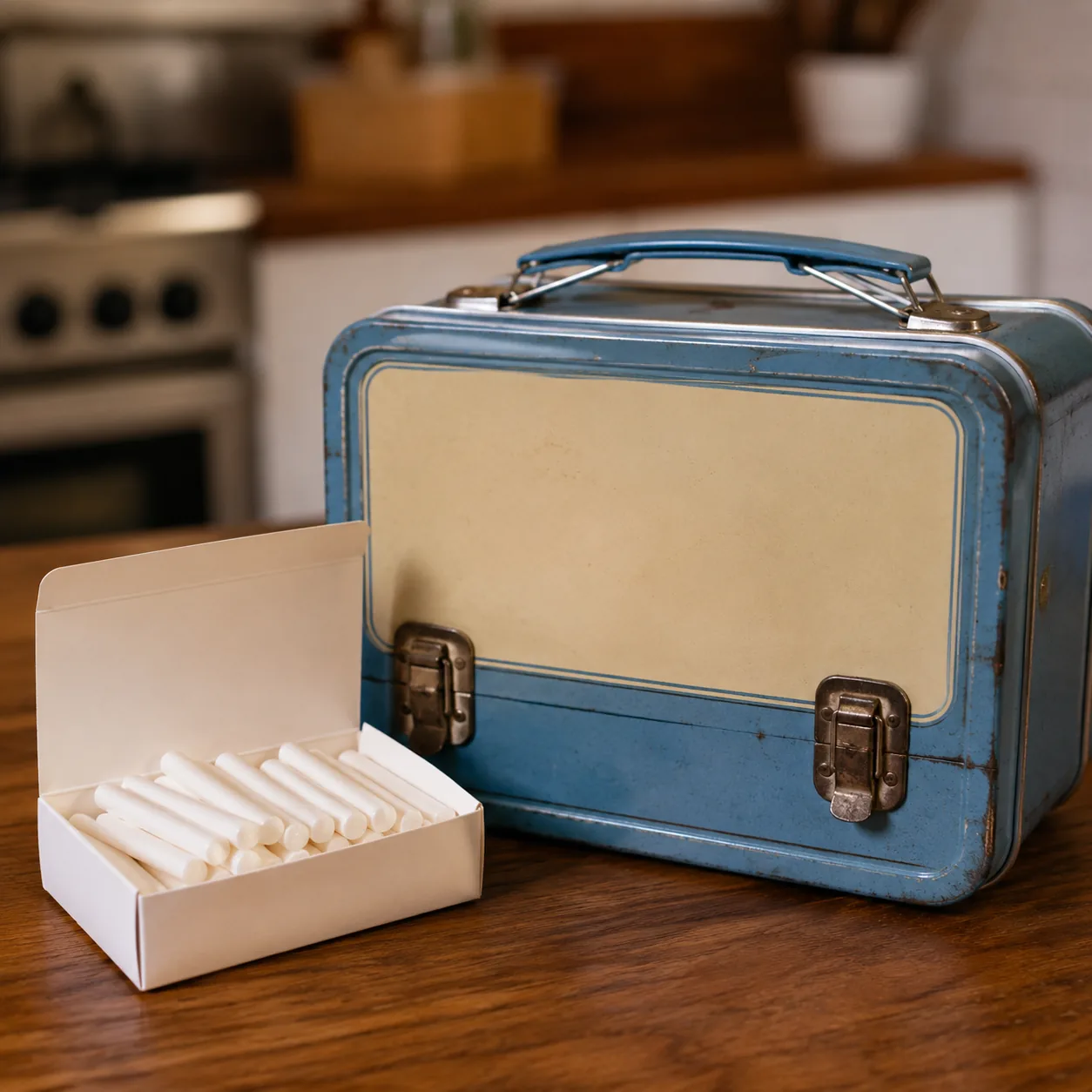
A very different era: Candy cigarettes were common enough that many kids treated them as ordinary sweets.
The appeal was imitation, which is exactly why they became uncomfortable later. Children pretended, posed, and chewed the chalky sticks without understanding the larger message.
They vanished or changed because culture changed. This is one snack memory that comes with a footnote: childhood nostalgia can be real even when the product idea aged badly.
7. Wax Lips
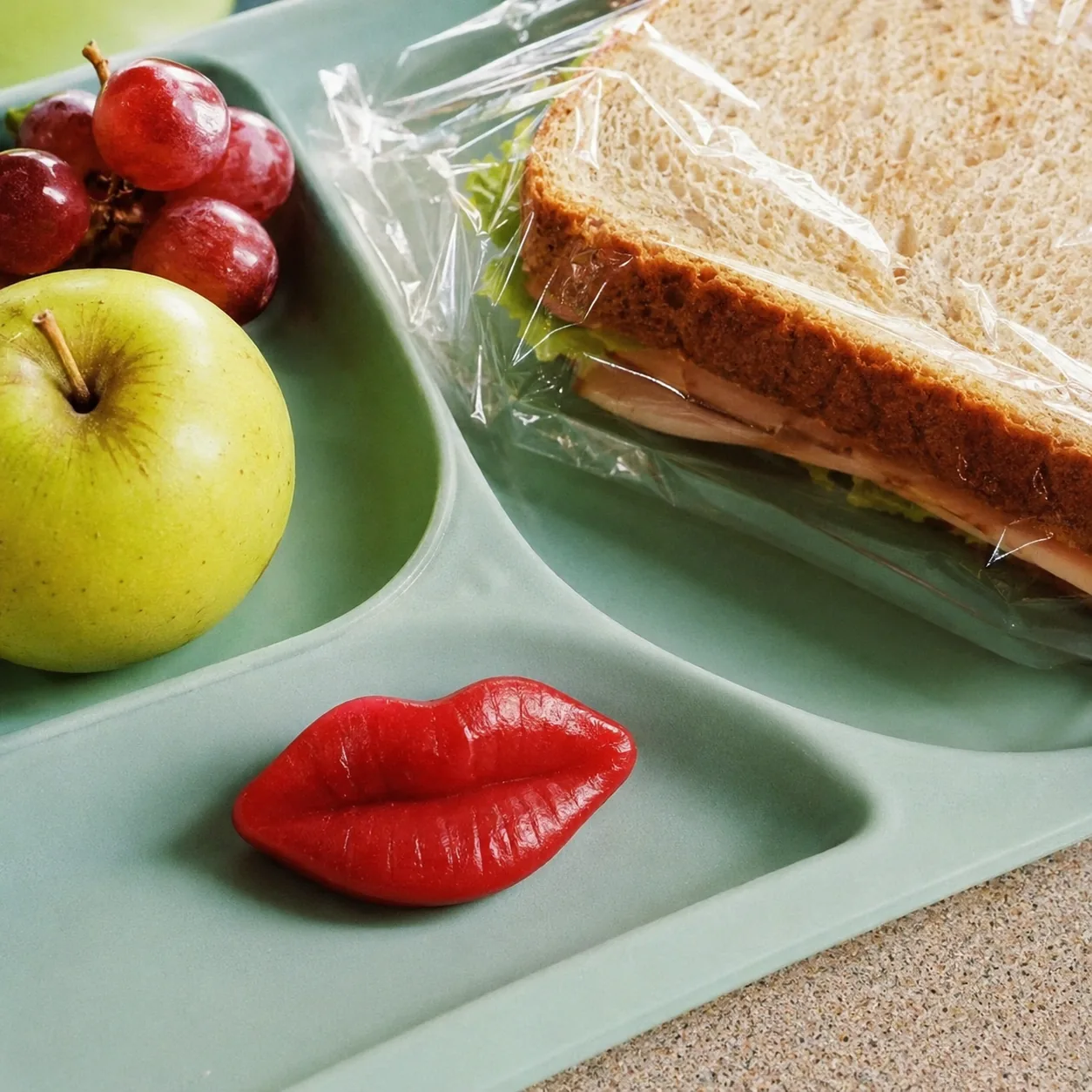
More prop than snack: Wax lips were worn first and chewed second.
They tasted faintly sweet, but nobody loved them for flavor. The joke was the snack. Kids put them in, made faces, and eventually gnawed the wax until it became boring.
Modern lunchboxes rarely include candy designed mostly for performance. Wax lips belonged to a slower, weirder candy world where novelty could beat taste.
6. Fudge Town Cookies
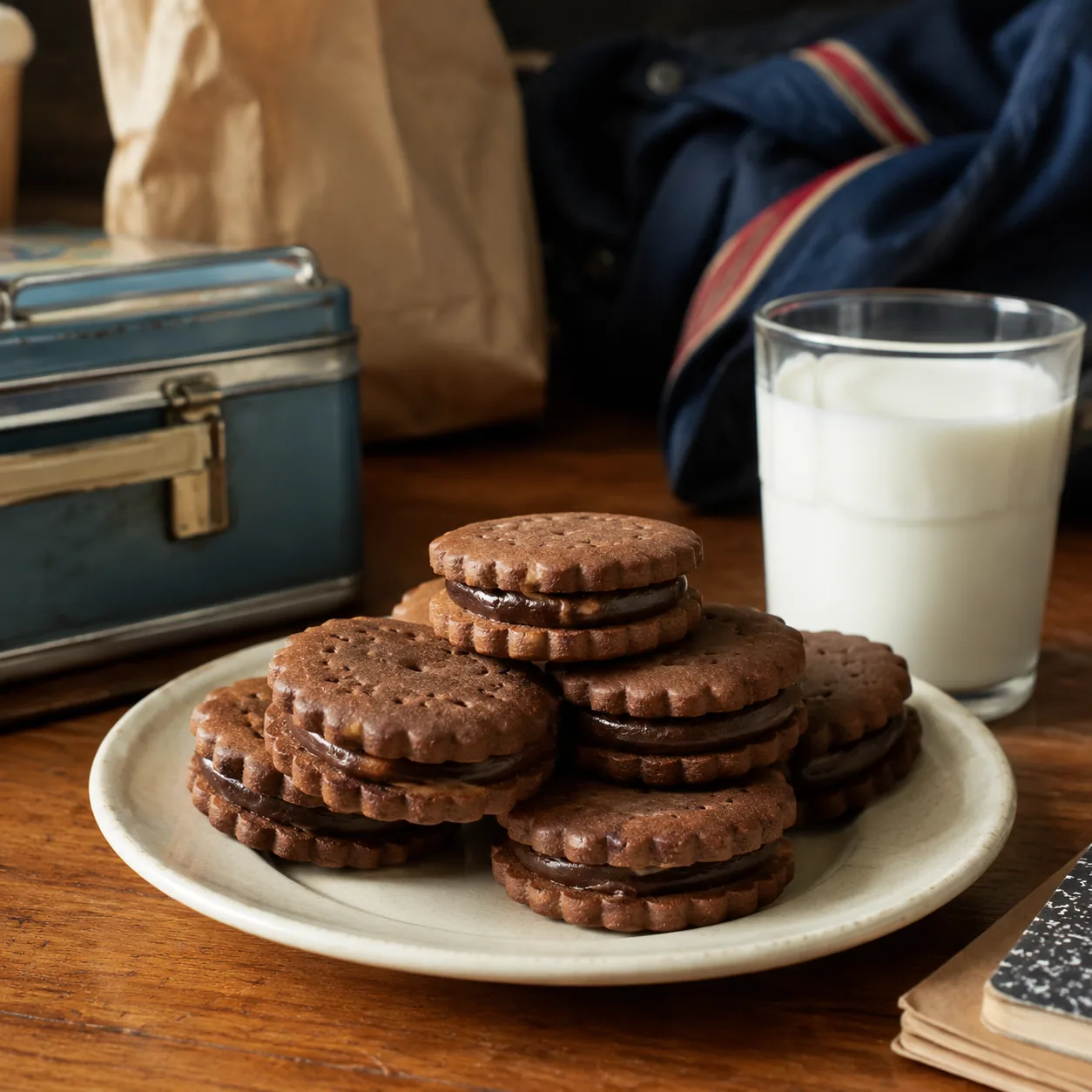
Chocolate sandwich nostalgia: Fudge Town cookies were rich, crisp, and built for milk.
They had the kind of sturdy texture that survived lunchboxes better than delicate cookies. Kids could twist them, dunk them, or eat them straight from a napkin after school.
The cookie aisle eventually swallowed many once-familiar names. What disappeared was not just one cookie, but the feeling that every household had a favorite nobody else remembered exactly right.
5. Tato Skins
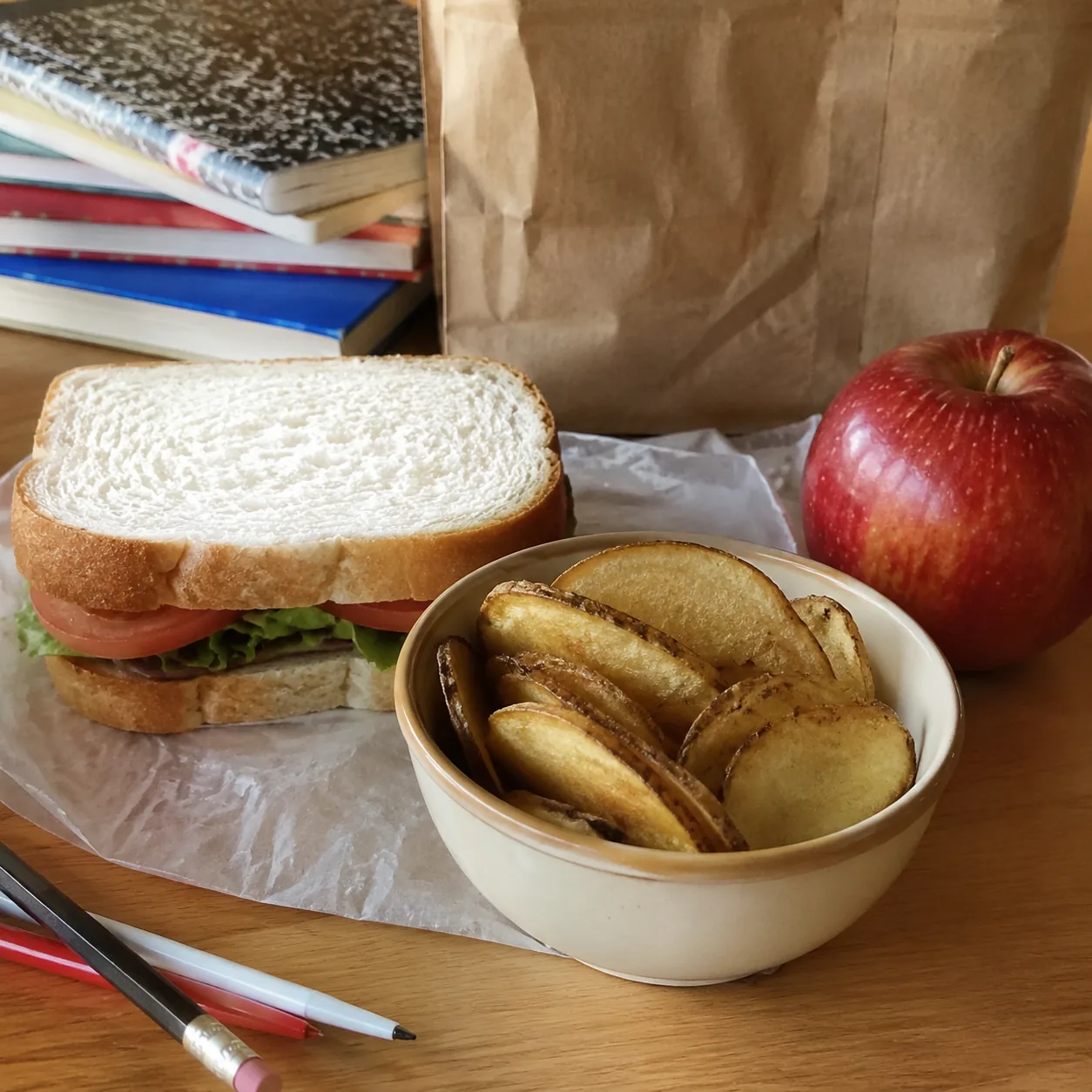
Loaded potato chip energy: Tato Skins tasted like baked potato toppings translated into a crunchy snack.
They were heartier than regular chips and felt slightly more grown-up, especially in cheddar-and-bacon-style flavors. The shape helped them stand out too.
Potato snacks kept evolving, but this one had a specific 1980s confidence: take a restaurant appetizer, flatten the idea into a bag, and send it to school.
4. O’Boisies Potato Crisps
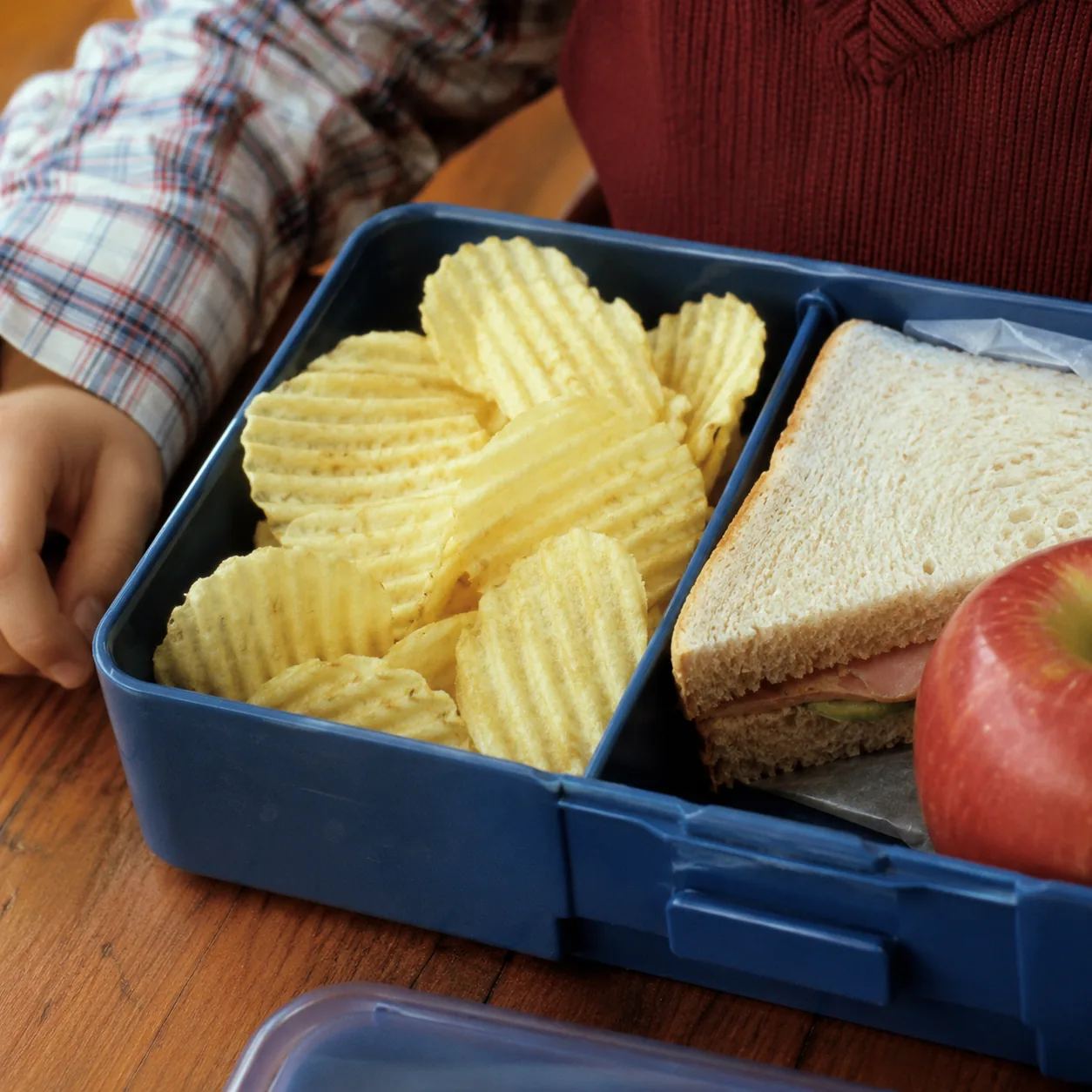
The sturdy crisp: O’Boisies had a thicker crunch than ordinary chips.
They felt engineered, but in a satisfying way. A small bag could survive the ride to school better than fragile chips crushed under a thermos.
Their disappearance left a specific hole for people who liked that hard, ridged bite. Snack memories often come down to texture, and this one had texture to spare.
3. Danish Go-Rounds
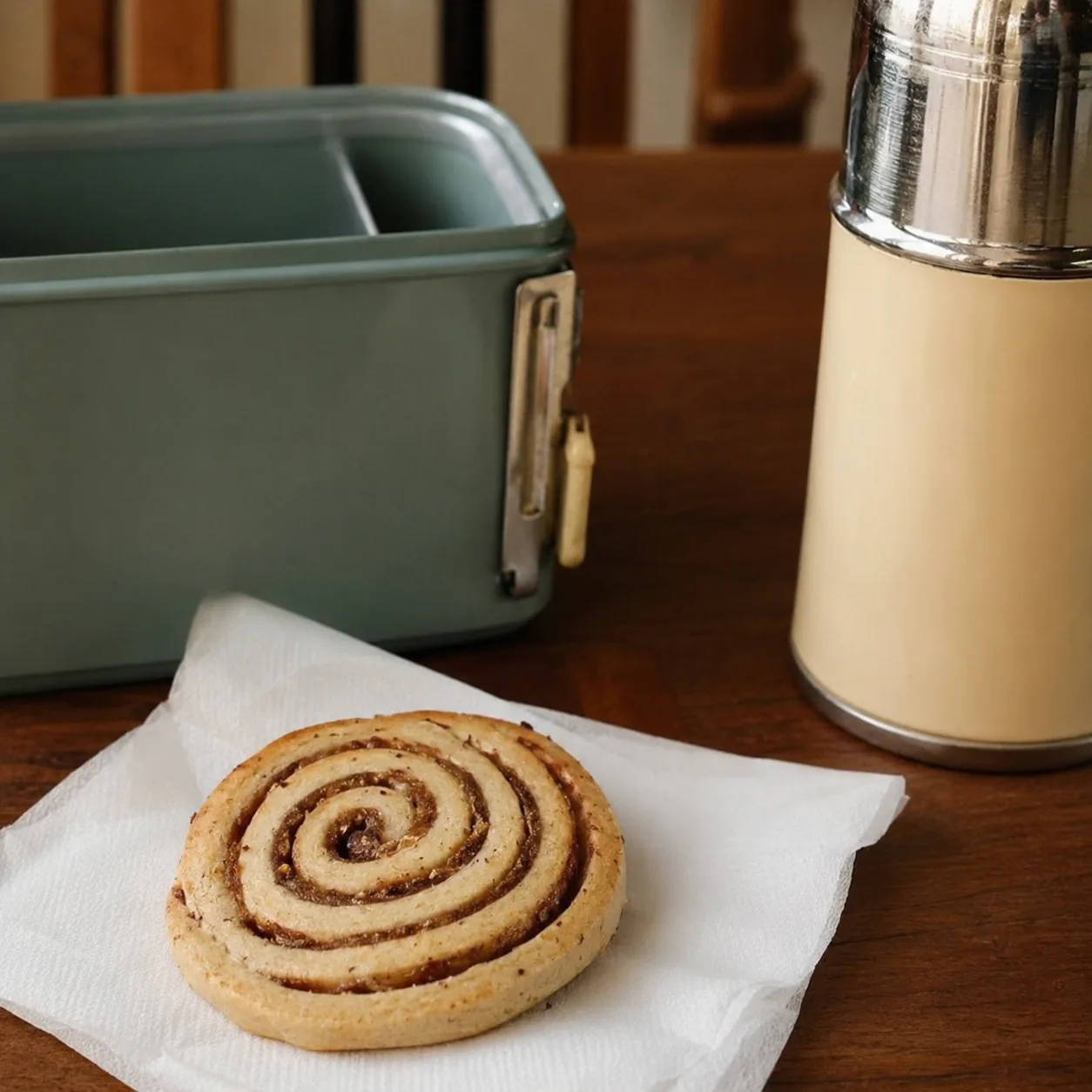
The pastry coil: Danish Go-Rounds were sweet breakfast snacks that could slide into lunchbox territory.
They were more flexible and pastry-like than a standard cookie, which made them feel special when packed as a treat. Kids remembered the spiral as much as the filling.
They faded as toaster pastries and packaged breakfast bars took over. The idea survived, but the shape did not stay ordinary.
2. Koogle Peanut Spread Sandwiches

Flavored peanut butter: Koogle made peanut spread taste like chocolate, banana, cinnamon, or vanilla depending on the jar.
For kids, that meant a sandwich could feel like dessert without becoming a candy bar. For parents, it still looked enough like peanut butter to pass lunchbox inspection.
It vanished because novelty spreads come and go quickly. But the basic desire never left: make the everyday sandwich taste a little less everyday.
1. Doo Dads Snack Mix
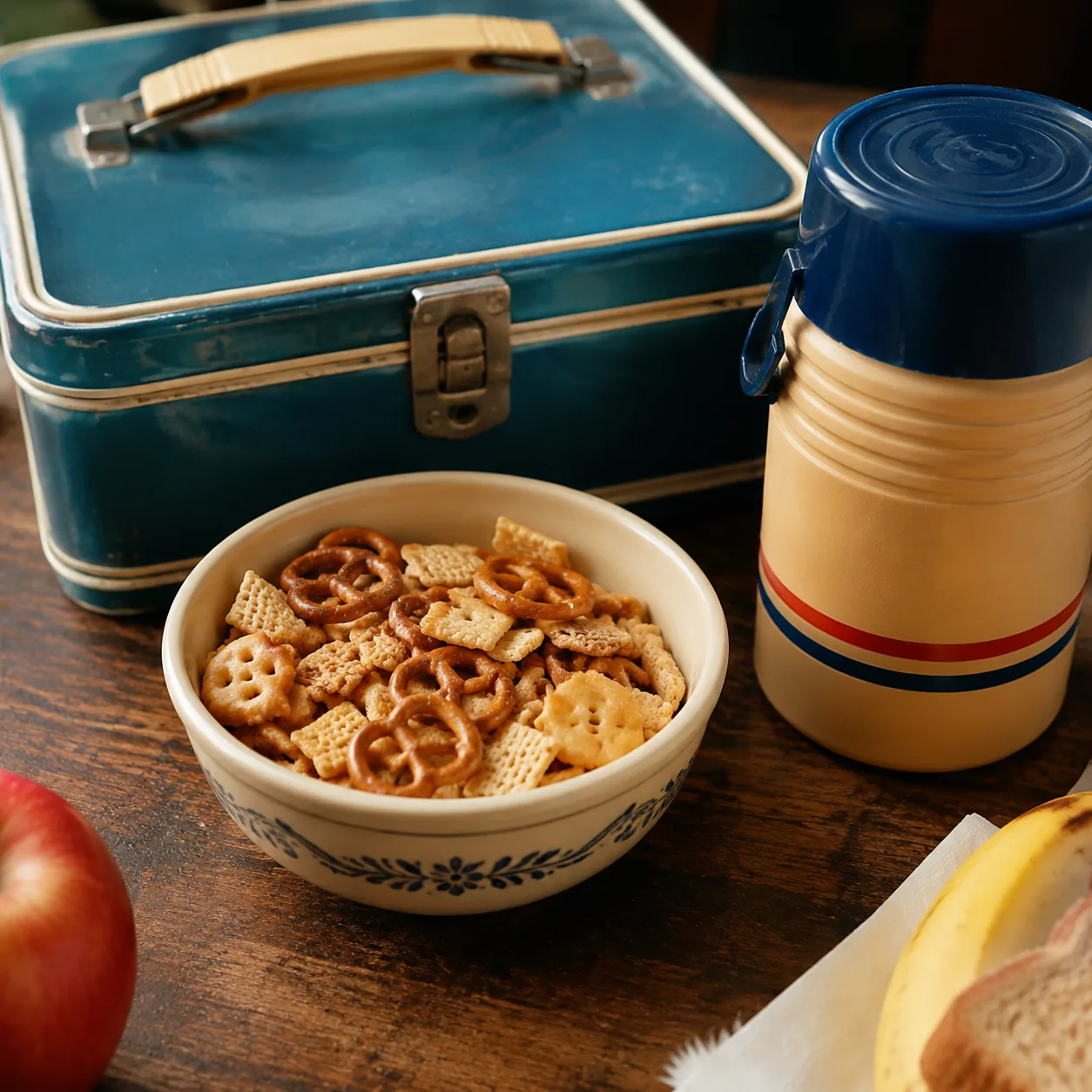
The original handful mix: Doo Dads offered a salty mix before snack aisles became crowded with endless combinations.
Pretzels, cereal pieces, crackers, and seasoning made every handful slightly different. That variety was the appeal, especially for kids tired of one-note chips.
It vanished into a world of bigger snack brands and newer mixes, but the lunchbox logic remains perfect. A good snack mix gives a child choices without requiring a second package.