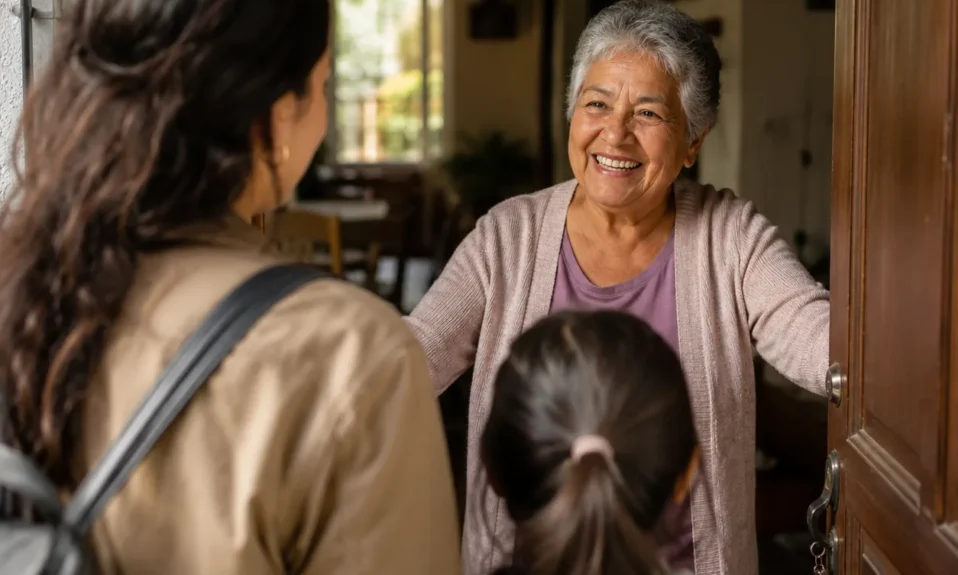
Abuela’s house felt full before anyone sat down.
Every object seemed to carry food, faith, memory, or warning.
37. A Pot Of Something Already Cooking
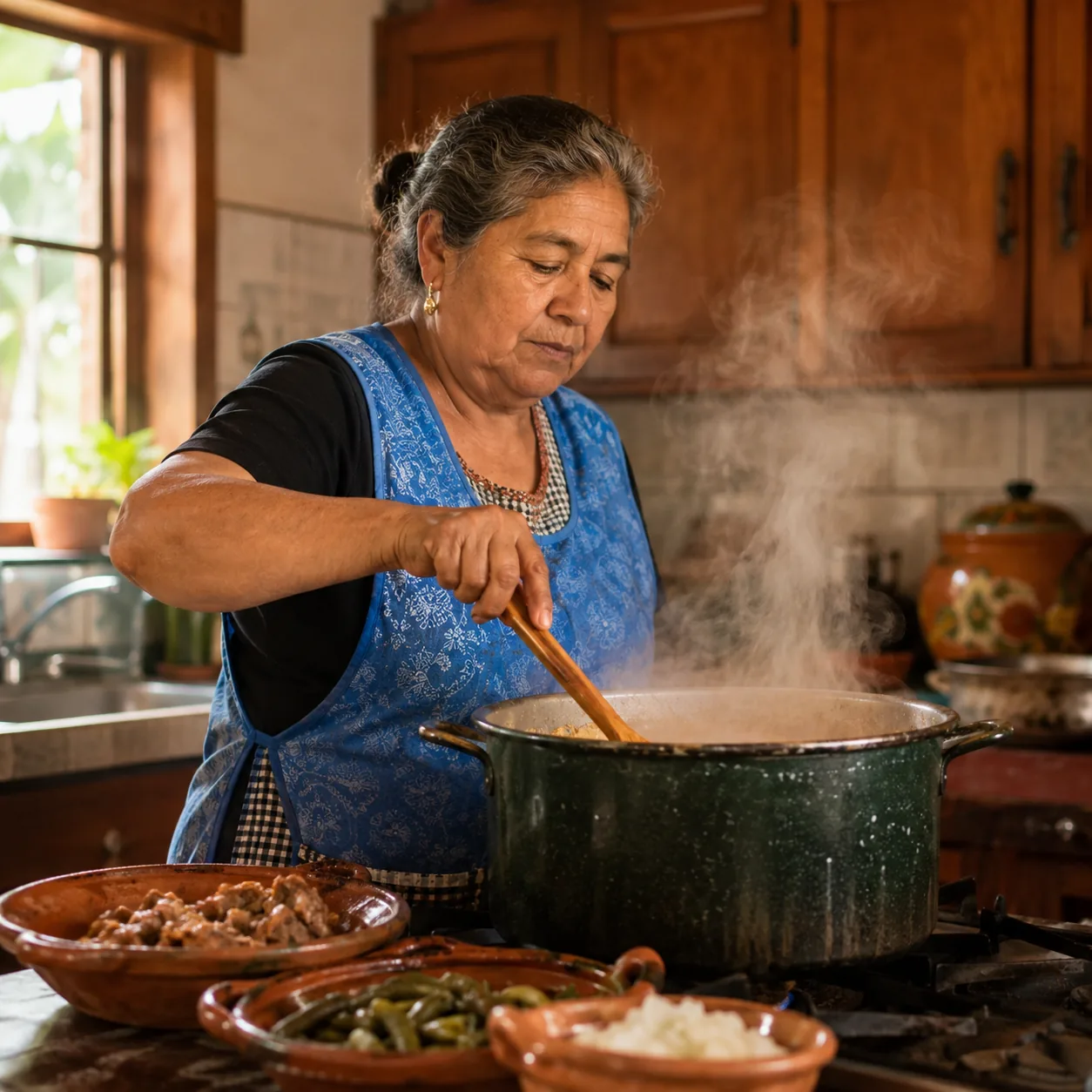
The welcome started at the stove. Beans, caldo, arroz, sauce, or stew made the house feel alive.
It did not matter whether you said you were hungry. Abuela cooked as if hunger could appear at any minute, and she wanted to be ready before it did.
That pot also meant a late cousin, tired neighbor, or unexpected grandchild could be fed without a production.
36. A Comal That Never Really Cooled Down
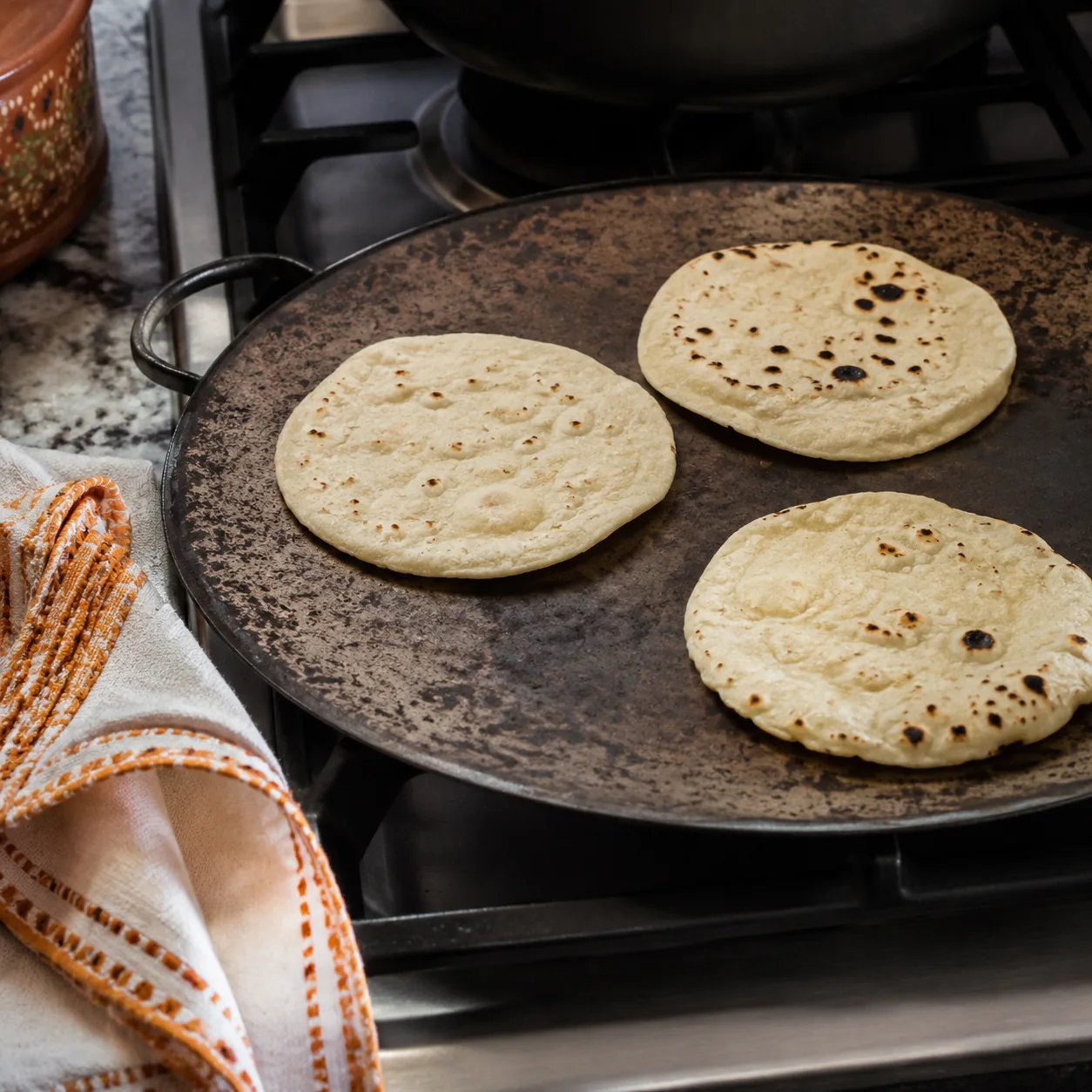
The comal made food immediate. Tortillas, chiles, quesadillas, or leftovers could become a meal in minutes.
Its dark surface held years of use. A new pan might look cleaner, but the old comal knew the family’s rhythm and turned simple food into comfort.
The sound of a tortilla hitting it could announce home before anyone called your name.
35. Tortillas Wrapped In A Towel
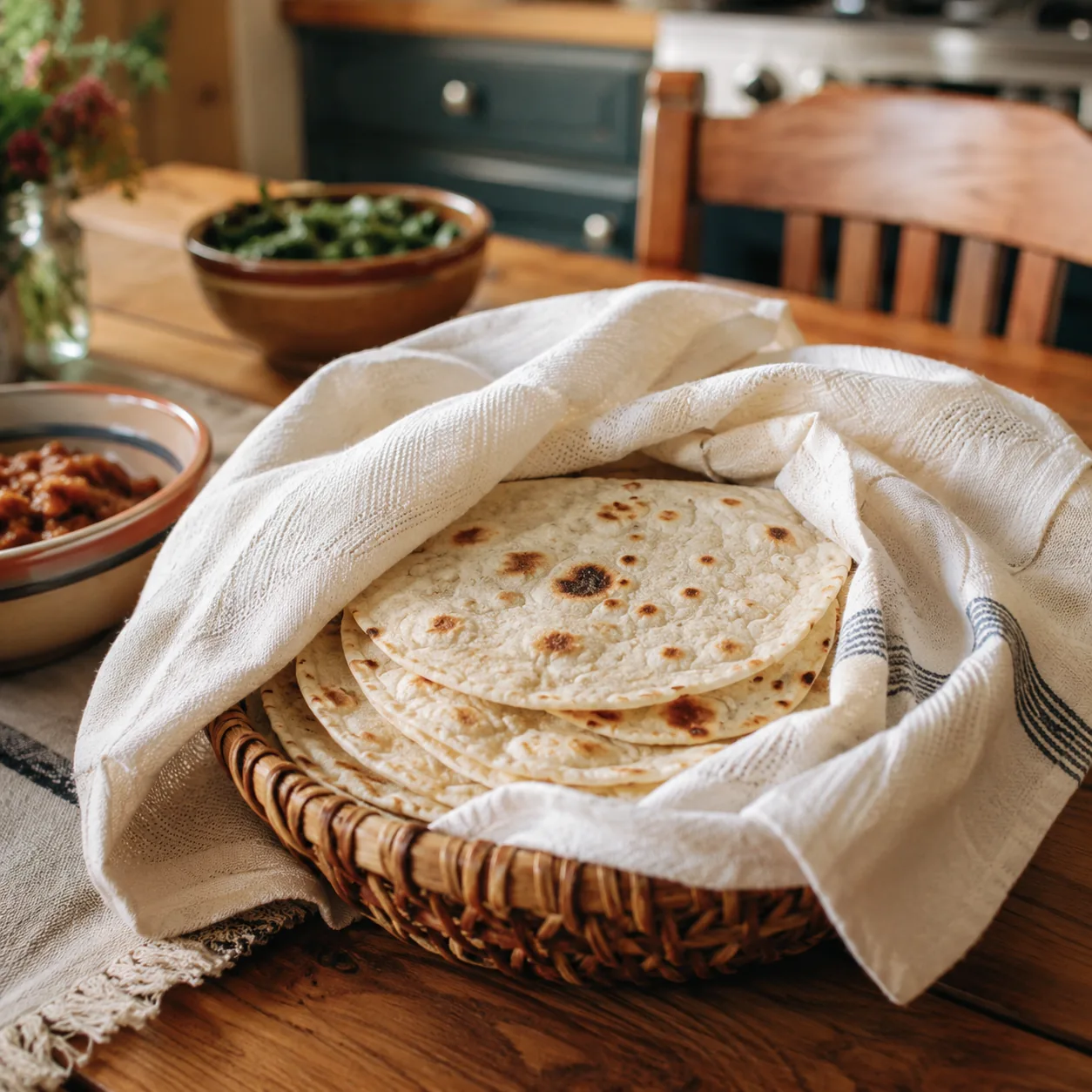
Warm tortillas meant the meal was not finished. There was always one more to take, fold, fill, or use to clean the plate.
The towel mattered too. It kept the stack soft and made the table feel cared for before anyone reached for a fork.
It also kept people at the table longer, because another warm tortilla made seconds feel easy.
34. A Jar Or Tin Full Of Buttons
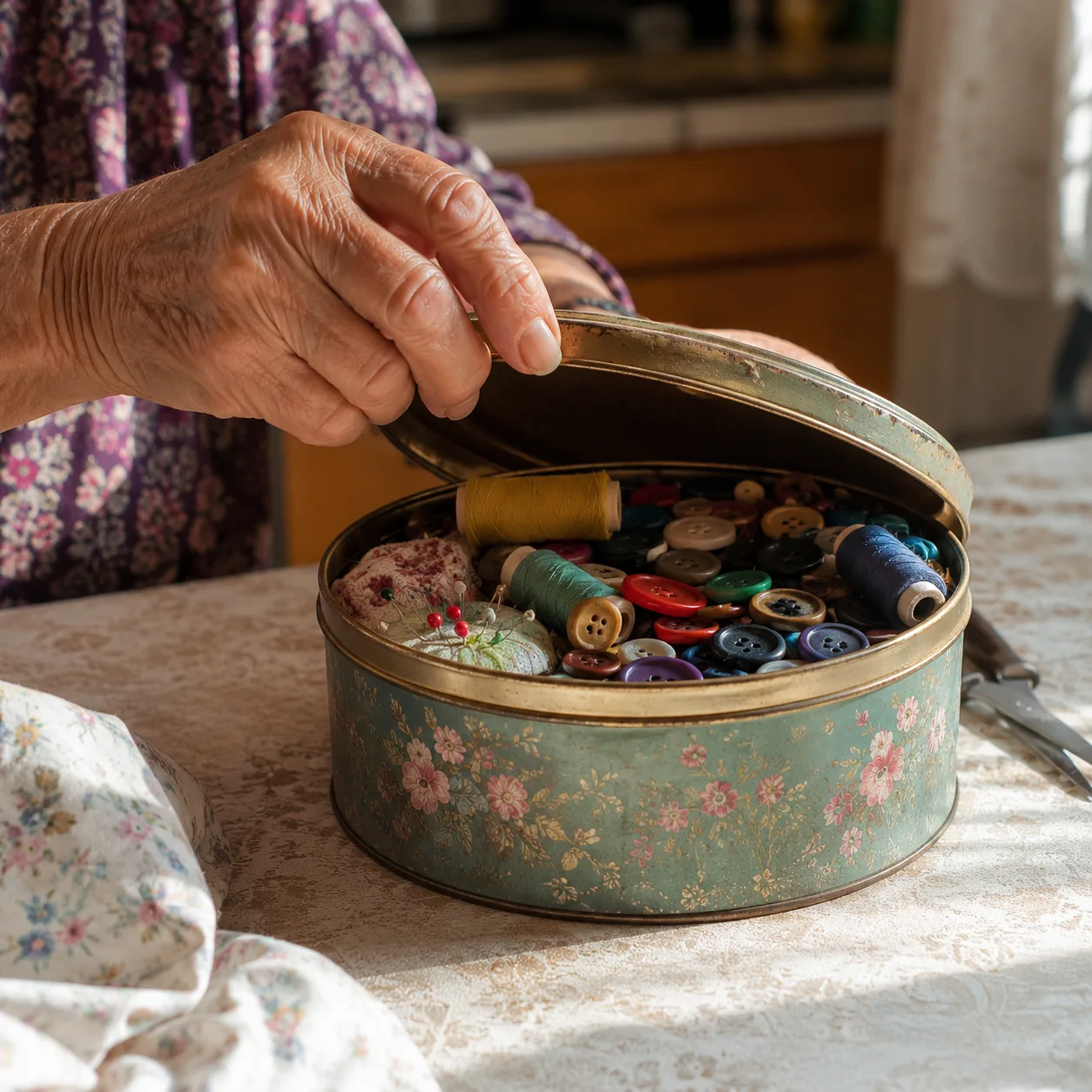
Nothing useful was wasted. Buttons from old shirts, coats, uniforms, and dresses lived together for future repairs.
The tin was practical, but it also held memory. A button could outlast the garment and still bring back the person who wore it.
Children learned that small things had histories, even when adults called them spare parts.
That made saving feel meaningful.
33. Religious Candles On A Safe Shelf
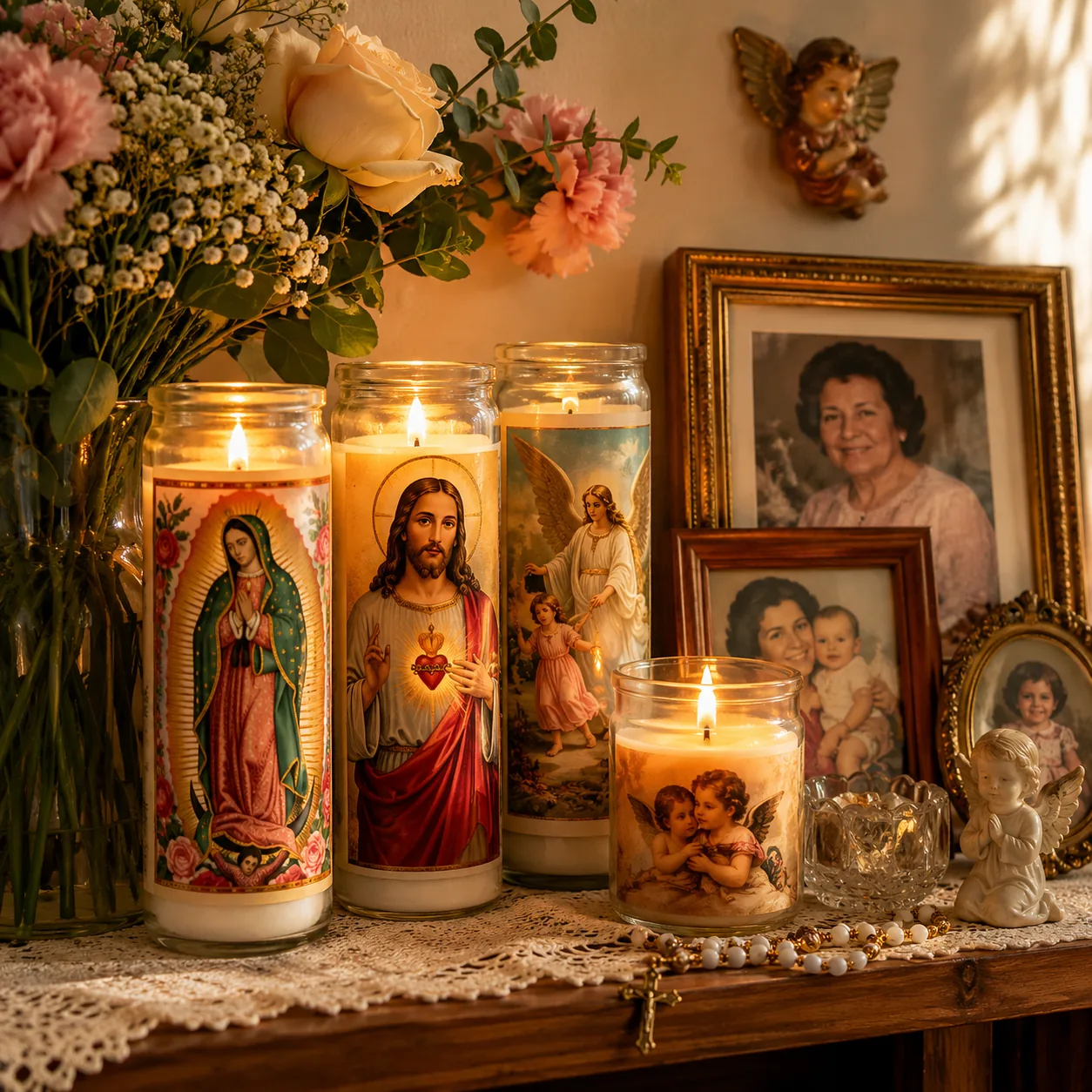
Faith had a visible place. Candles, flowers, prayer cards, and framed images often sat where family could pause for a moment.
Even relatives who were not especially religious understood the shelf’s role. It held worry, gratitude, memory, and hope without needing a long explanation.
The shelf made private prayers visible enough for the household to share the weight.
32. A Rosary Near The Bed Or Chair

Prayer stayed within reach. A rosary near the bed, purse, or favorite chair made comfort portable.
It could be used daily, held during bad news, or kept close because it belonged to someone before her. The object mattered because the hands did.
Its presence said comfort was not abstract; it was something you could hold.
Faith became tactile there.
31. A Plastic Bag Full Of More Plastic Bags
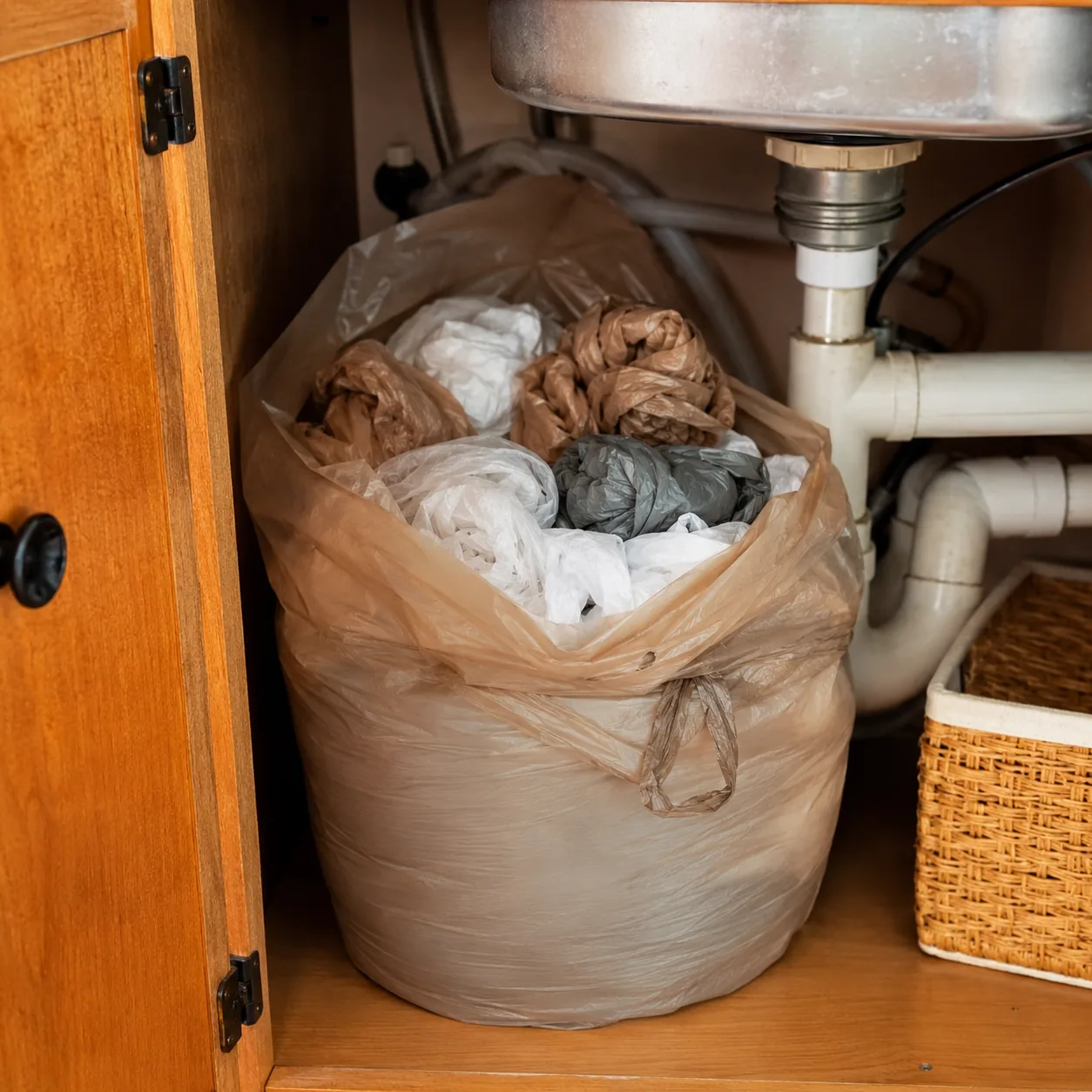
Every bag had a second job. Trash liners, lunch carriers, wet clothes, leftovers, and neighbor deliveries all needed bags.
This was not random clutter. It was household readiness. Abuela knew the exact moment someone would ask, “Do you have a bag?”
The answer was usually yes, because yesterday’s errand became tomorrow’s solution.
Preparedness looked ordinary.
Ordinary habits prevented small crises.
30. A Sofa Covered To Keep It Nice
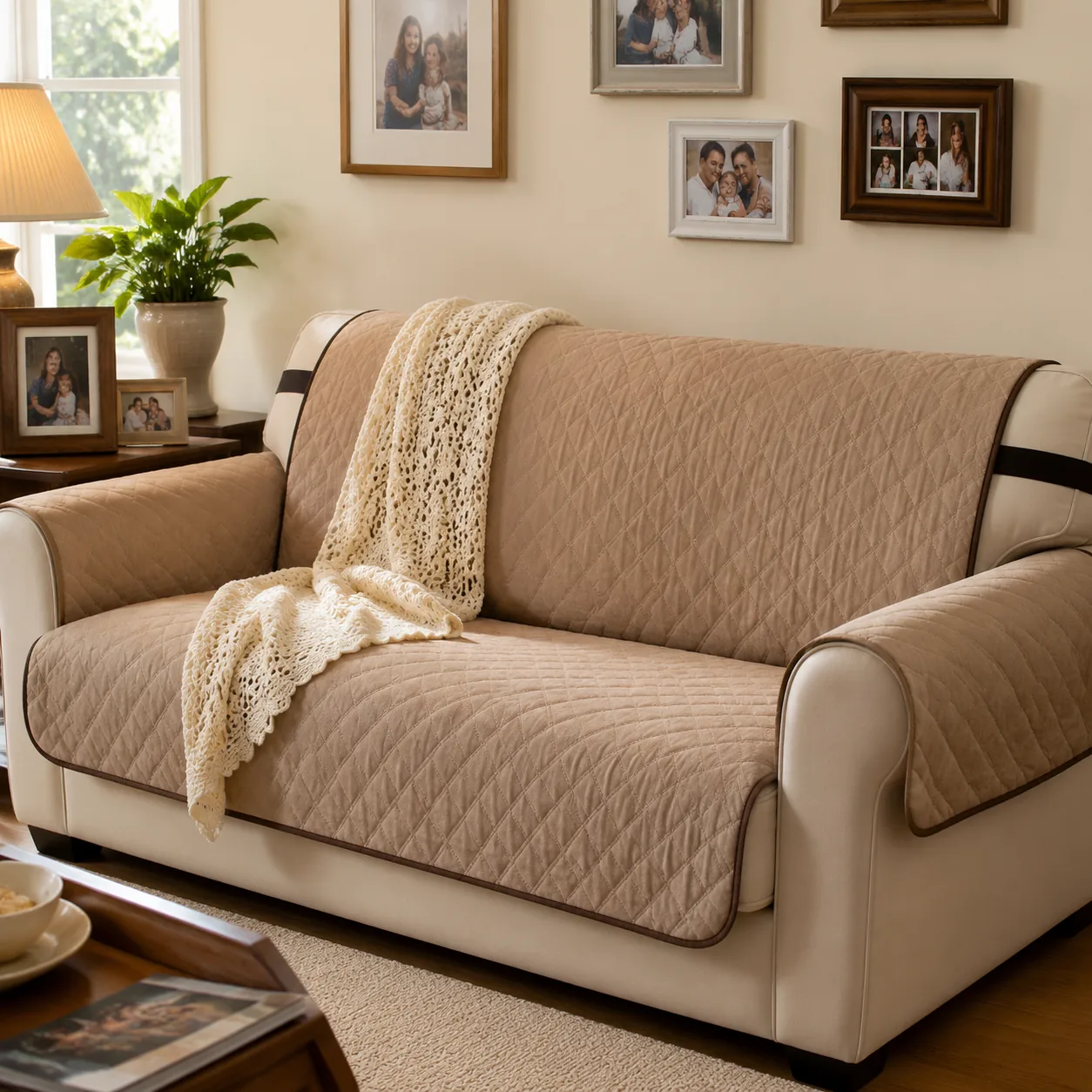
The furniture was protected like an investment. Covers, throws, or plastic saved the good sofa from spills, children, pets, and time.
It could feel formal, but it came from pride. Abuela wanted the house ready for family, guests, and any surprise visit.
The cover also showed that she expected things to last, not merely survive one season.
Care was part of ownership.
29. A Mantel Or Shelf Full Of Family Photos
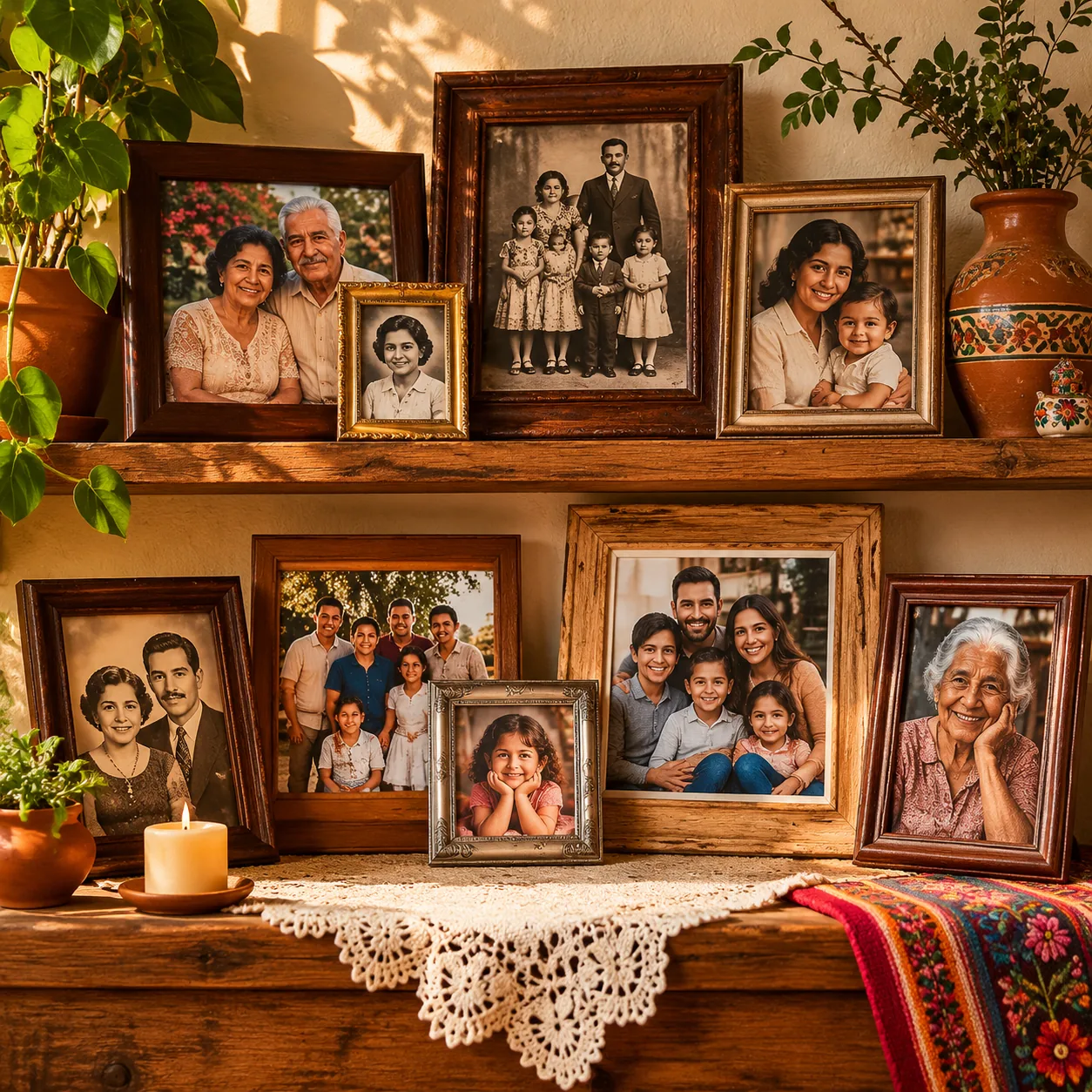
The family was always present. Baptisms, graduations, weddings, school portraits, and old black-and-white photos crowded the room.
Those frames told children they came from somewhere. Even relatives far away felt close when their faces watched over everyday life.
They made the living room feel like a reunion, even on quiet weekdays.
Faces kept distance from winning.
28. An Address Book With Everyone’s Number

The family network lived on paper. Cousins, comadres, neighbors, doctors, churches, and faraway relatives all had a line.
That book was more than contact information. It was proof that nobody was completely unreachable if Abuela decided a call needed to happen.
It also preserved connections a phone upgrade could erase in seconds.
Paper made memory durable.
Durability mattered across distance.
27. A Bottle Of Menthol Rub
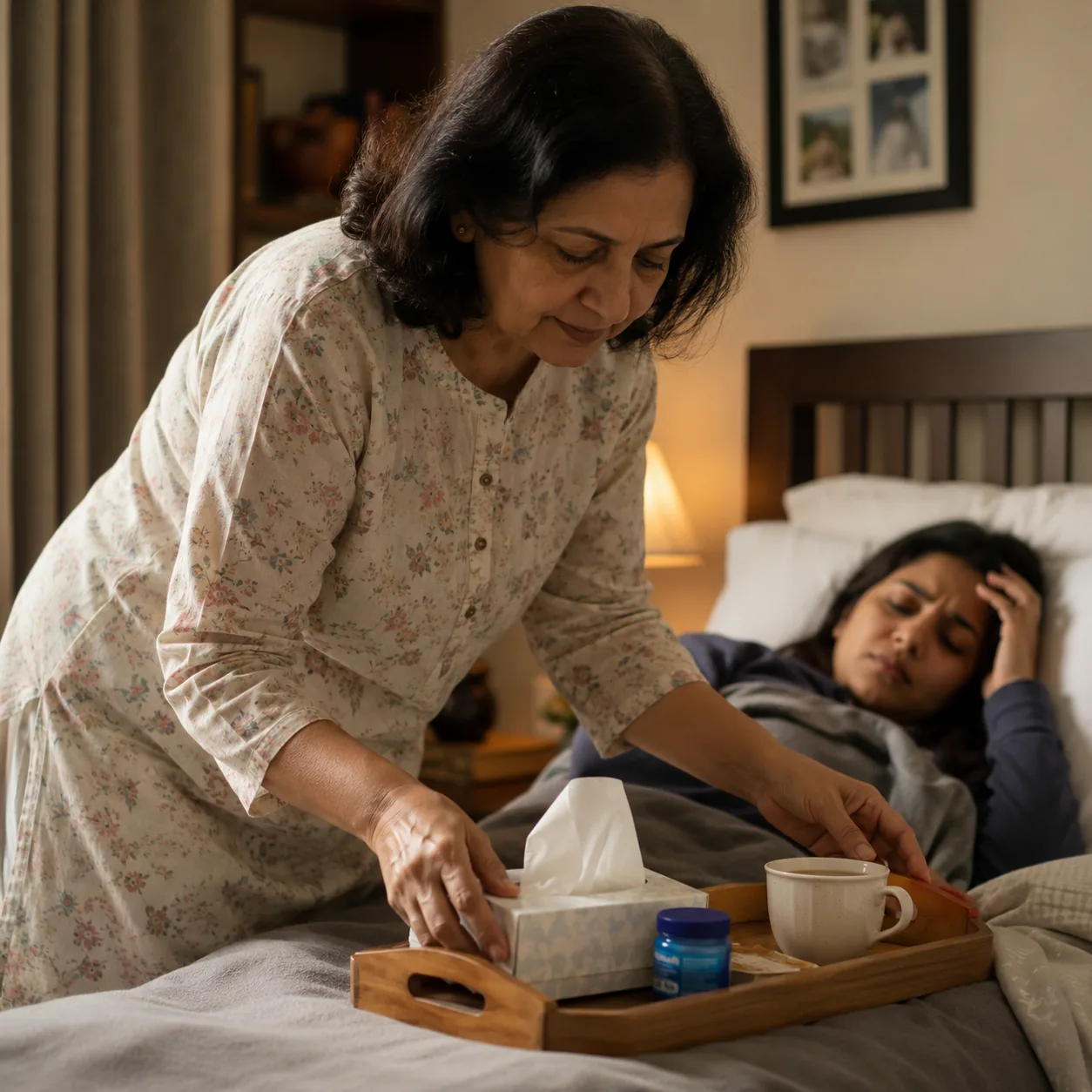
Every sniffle had a ritual. Menthol rub appeared for coughs, colds, sore muscles, and complaints that sounded suspiciously dramatic.
Whether it cured everything or not, the care felt real. The smell alone could make a sick child believe someone knew exactly what to do.
The ritual mattered because being tended to can calm a person before medicine has any chance to work.
26. Aloe Or A Hardy Plant In The Window
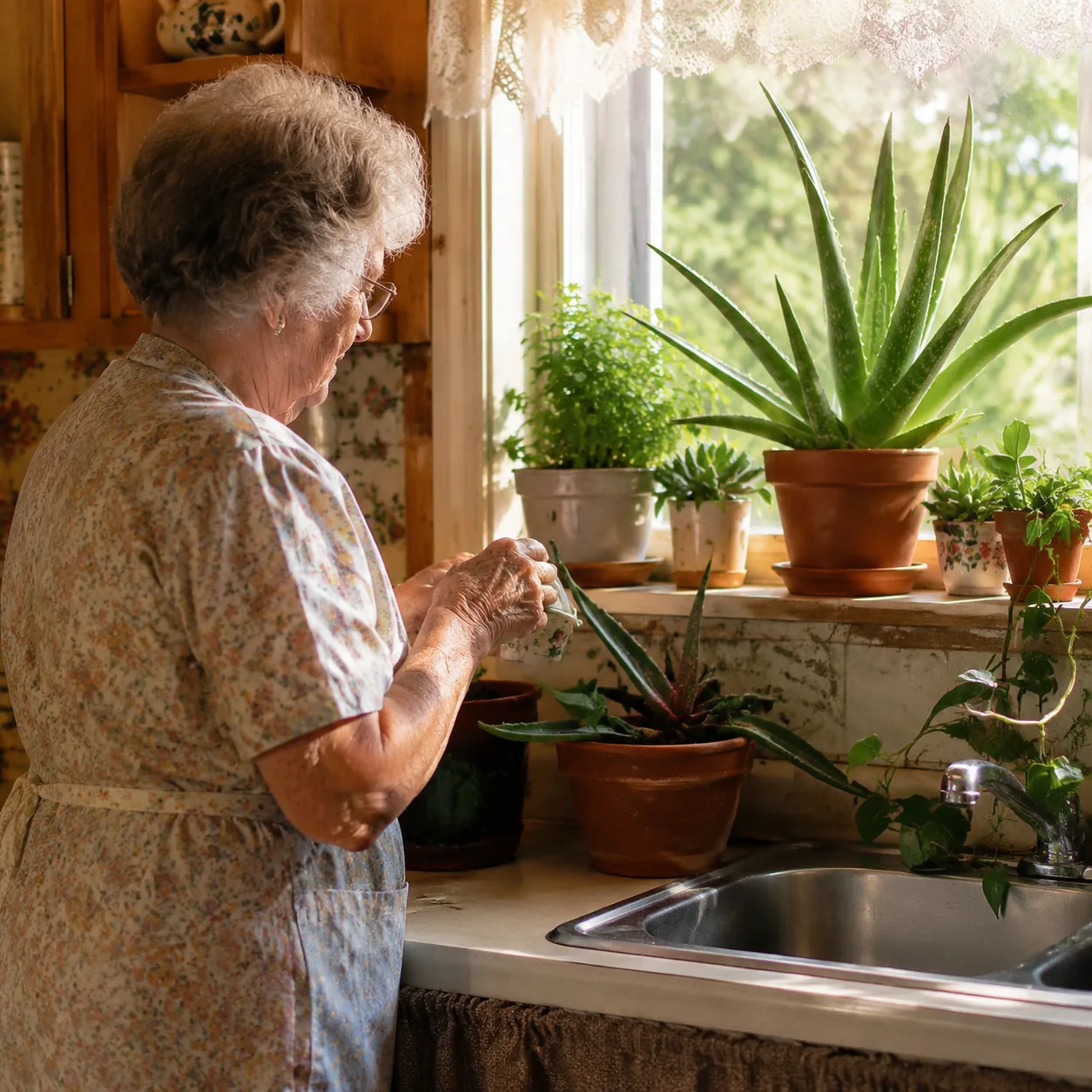
Plants were useful and familiar. Aloe, herbs, pothos, or geraniums made the windowsill feel alive.
Aloe especially had a job. Minor burns, dry skin, and kitchen mishaps often sent someone to the plant before the medicine cabinet.
Keeping it alive also taught that useful remedies sometimes grow quietly beside the sink.
Care and medicine shared the windowsill.
That made healing feel close.
25. The Same Warm Details Grandma Kept Too

Some comforts crossed every family line. Photos, blankets, candy dishes, leftovers, and a favorite chair made Abuela’s house feel like home in ways many families recognize.
That overlap is part of the charm in 35 Things That Made Grandma’s House Feel Like Home.
The shared details made different families feel familiar without erasing what made each home distinct.
24. A Coffee Pot Ready For Visitors
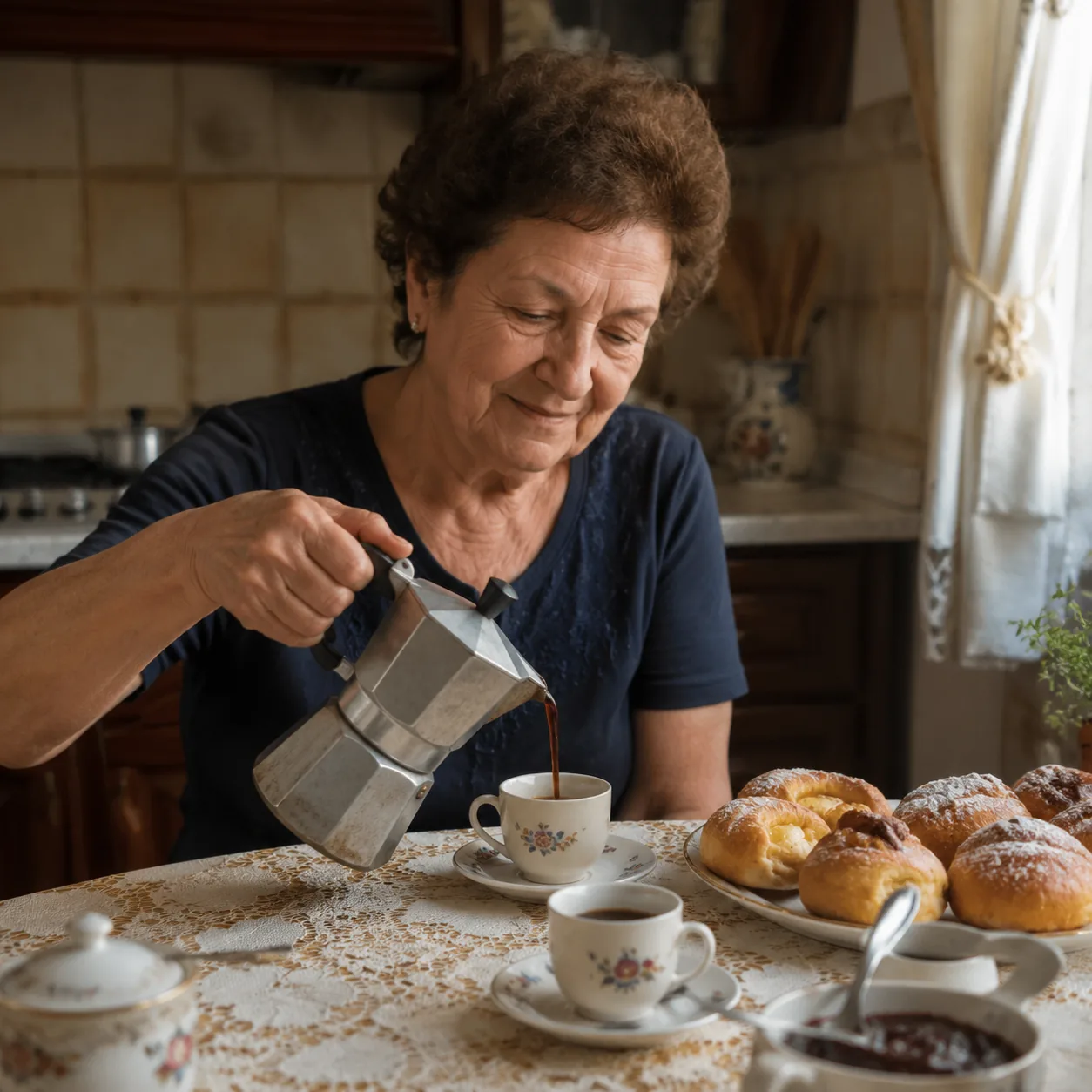
Coffee turned a stop into a visit. Whether it was cafecito, instant coffee, or a full pot, something warm appeared quickly.
The cup gave everyone a reason to sit down. Abuela could learn three pieces of family news before the coffee cooled.
Coffee made conversation feel natural, especially when a serious question needed a gentle beginning.
The cup softened the room.
23. A Bowl Of Fruit On The Table
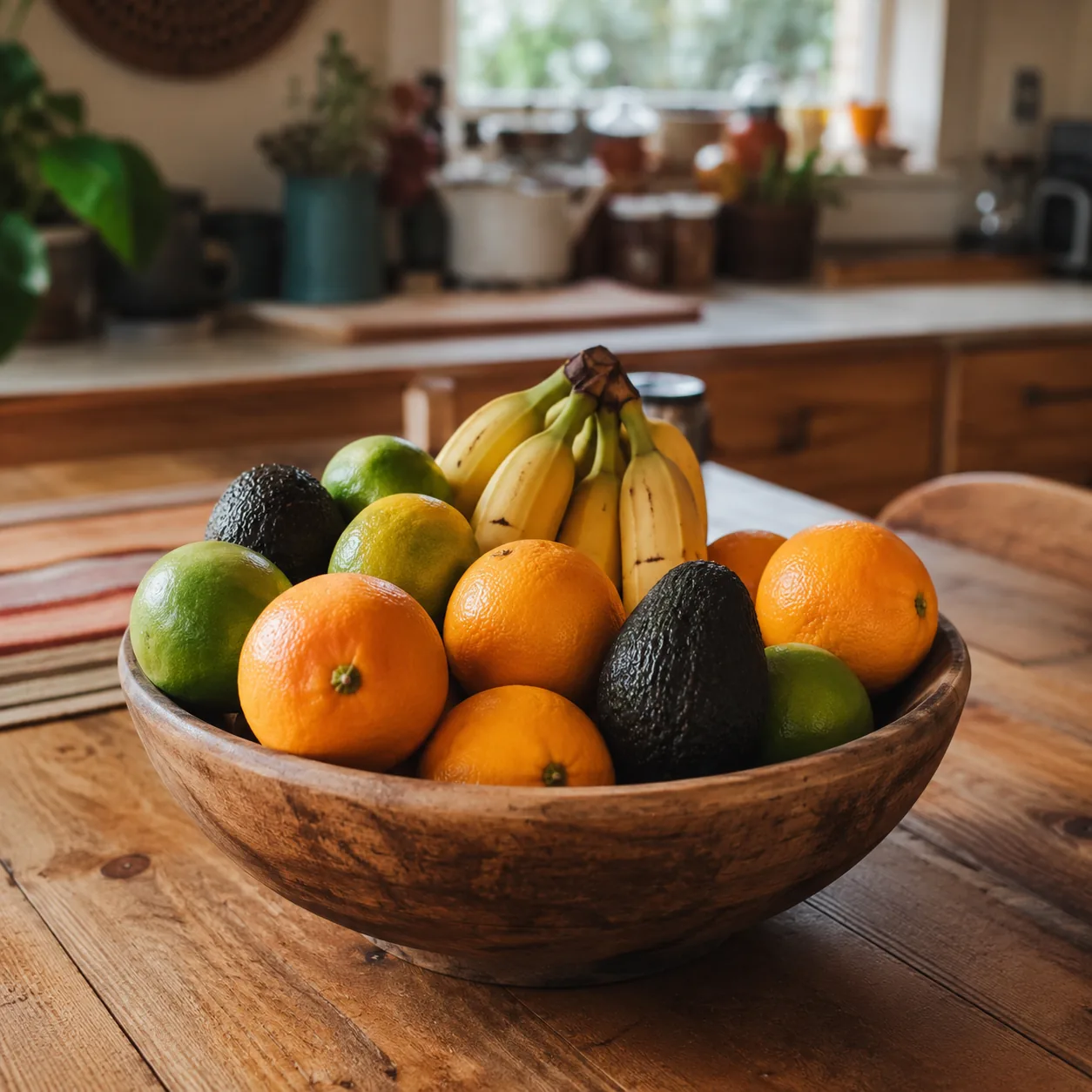
Fruit was both food and decor. Oranges, bananas, limes, mangos, or avocados waited where people could see them.
It made the kitchen feel generous. Someone could snack, cook, make agua fresca, or be sent home with fruit because Abuela thought they looked tired.
The bowl also made abundance visible, even when the rest of the meal was simple.
22. Pantry Staples That Could Feed A Crowd
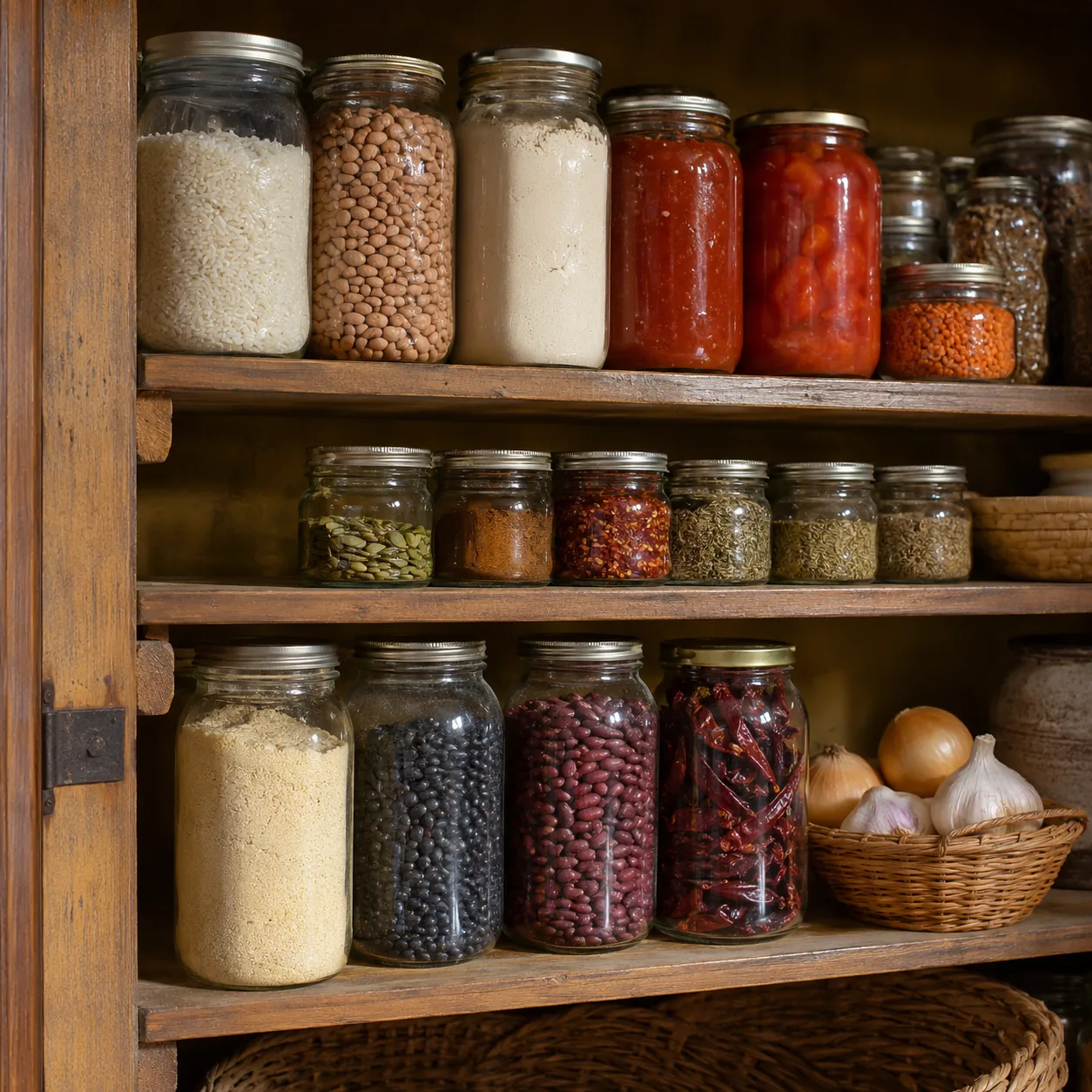
The pantry carried security. Rice, beans, masa, pasta, canned tomatoes, spices, and coffee meant a meal could happen even on a tight week.
That practical abundance belongs with many old kitchens. Read More: 37 Things Every Grandma Kept in the Pantry That Modern Kitchens Forgot
Those staples gave Abuela options, which is one reason her kitchen felt so steady.
21. A Pressure Cooker Or Heavy Pot
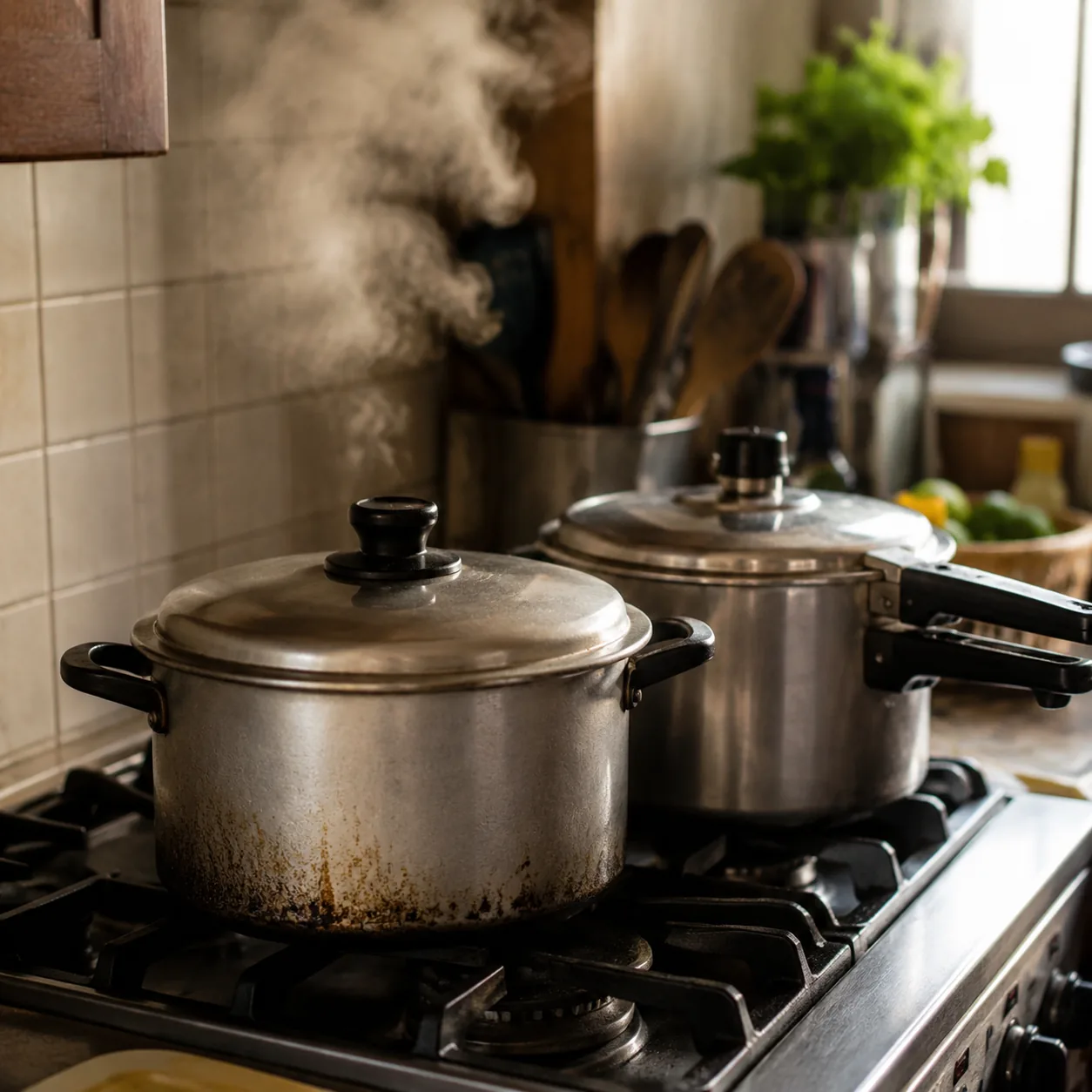
Big pots promised leftovers. Beans, meat, soups, and stews cooked in quantities that assumed someone might arrive hungry.
That habit made the home feel abundant even when money was not. The pot stretched ingredients, time, and care into several meals.
It also made leftovers feel intentional instead of like an afterthought.
Abundance continued into tomorrow.
Tomorrow was always considered.
20. A Drawer Of Foil, Bags, And Rubber Bands

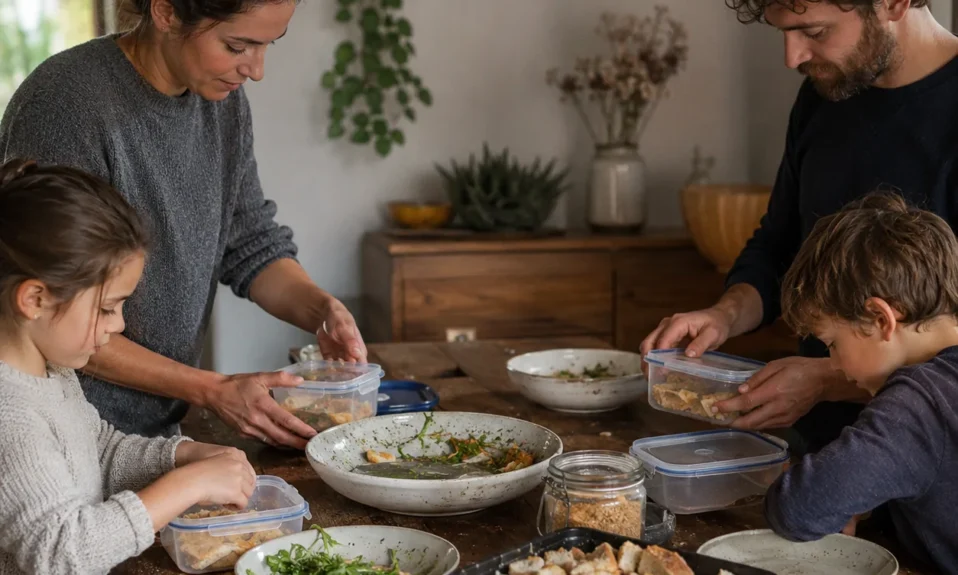
Storage supplies were never casual. Foil got smoothed flat, rubber bands were saved, and twist ties went into a little pile.
This drawer made leftovers, lunches, and sent-home plates possible. Abuela’s generosity depended on having a way to wrap it.
Saving supplies was not stingy; it was what allowed food to keep traveling.
Generosity needed containers.
Containers kept care moving.
19. A Sewing Basket That Solved Emergencies
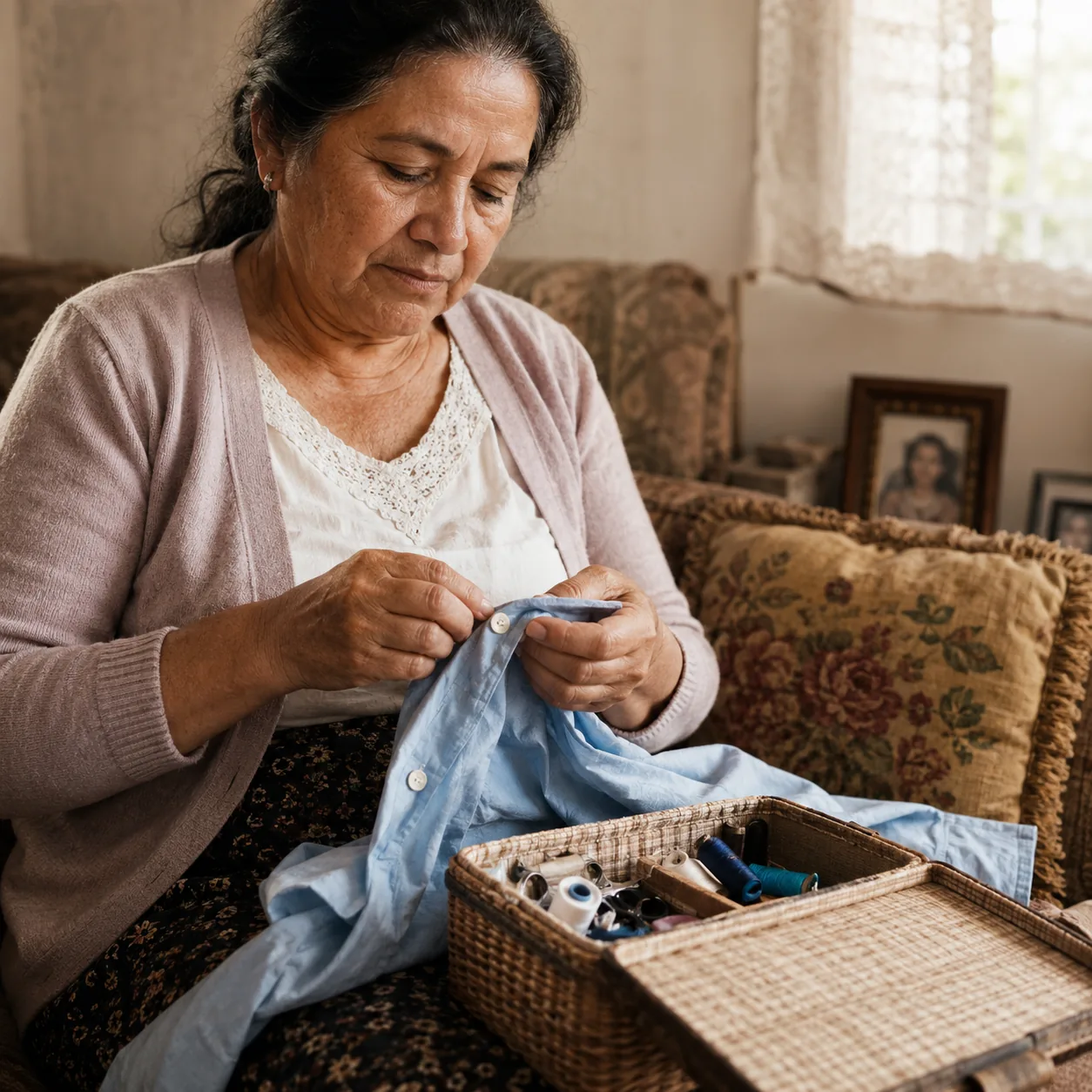
Clothes got one more chance. Loose buttons, split seams, hems, and tiny tears were handled before they became excuses to shop.
The sewing basket taught quiet thrift. Looking presentable did not require new things; it required care, patience, and a good needle.
It also meant a child could leave for school with the button fixed before anyone noticed.
18. Stories You Had To Ask For
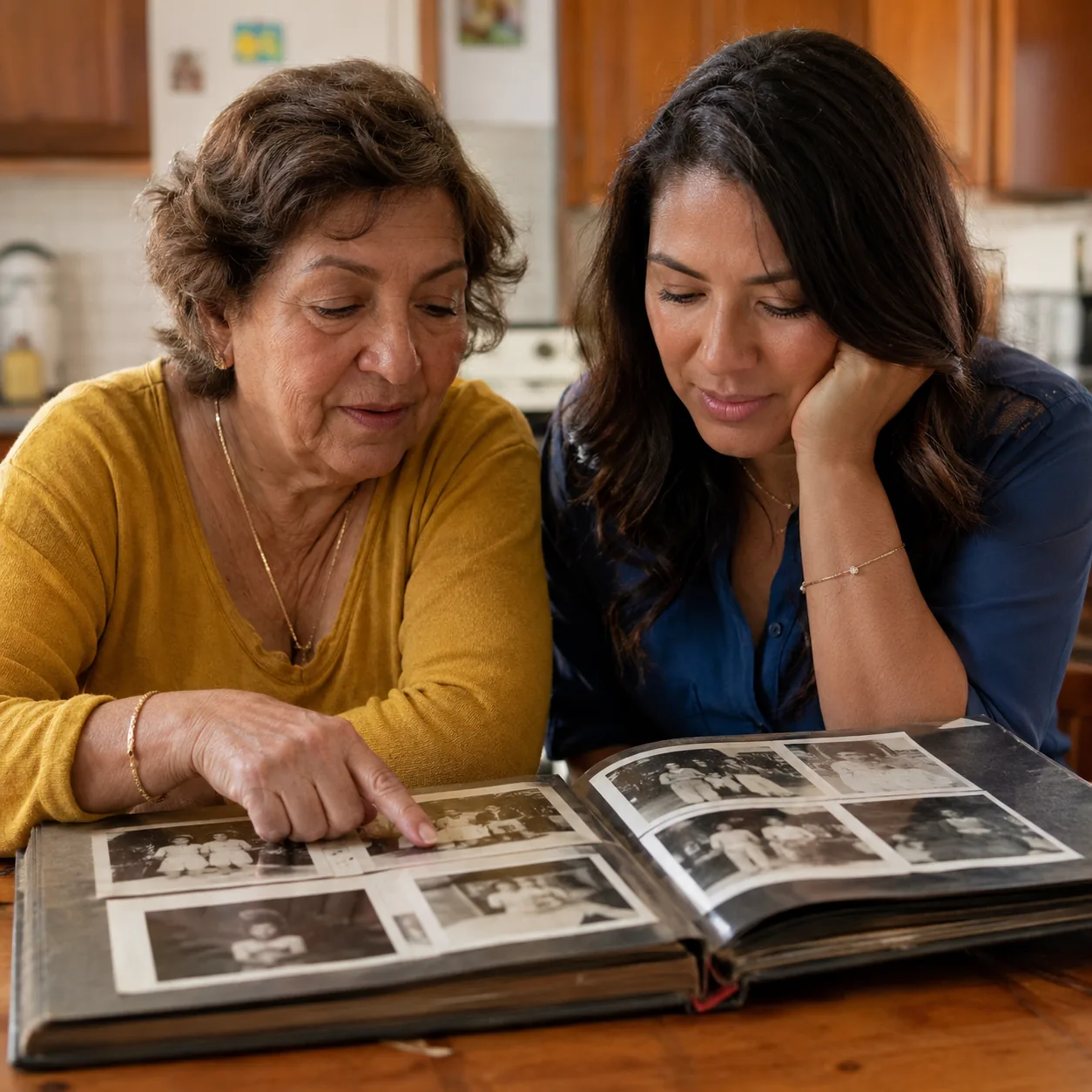
Her objects needed translation. A pot, photograph, candle, or tablecloth might connect to migration, work, faith, loss, or a relative nobody mentioned often.
The best way to preserve those meanings is to ask, especially with 31 Questions People Wish They Asked Their Grandparents Before It Was Too Late.
Once the story is gone, the object can become decorative instead of deeply personal.
17. A Candy Dish For Children

The candy dish had power. It could make shy children approach, calm a long visit, or turn a quick goodbye into one more hug.
The candy mattered less than the permission. Abuela’s house often had little treats that made children feel remembered.
Even being told to take only one became part of the familiar dance.
Limits made the treat memorable.
16. A Tablecloth For Company
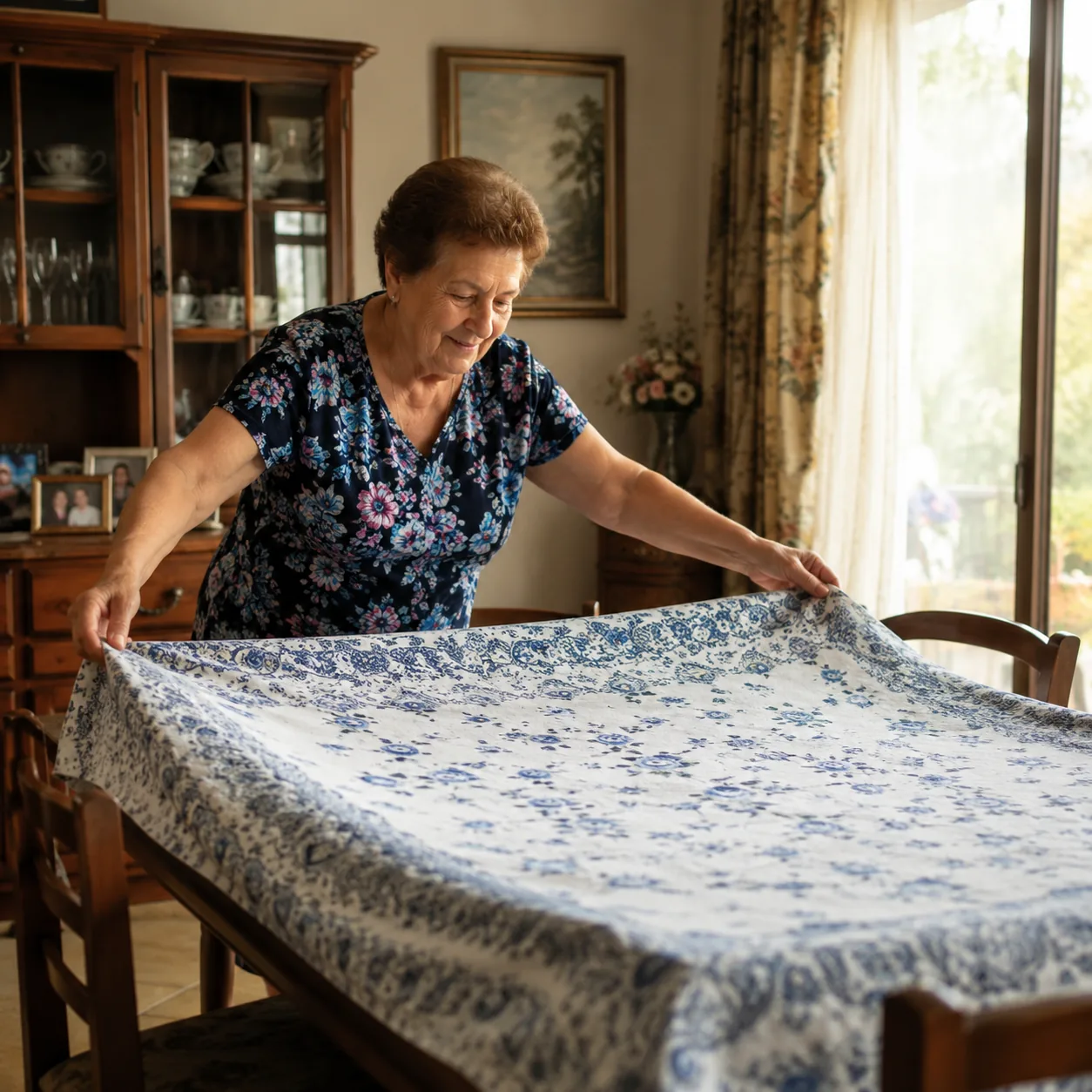
The table changed clothes for people. A good tablecloth signaled that company, holidays, or Sunday food deserved extra care.
It protected the table, but it also elevated the meal. Even simple food felt special when Abuela smoothed the cloth with both hands.
That gesture told everyone the people arriving were worth preparing for.
Preparation became affection.
Affection was visible.
15. Tools Someone In The House Could Fix Things With
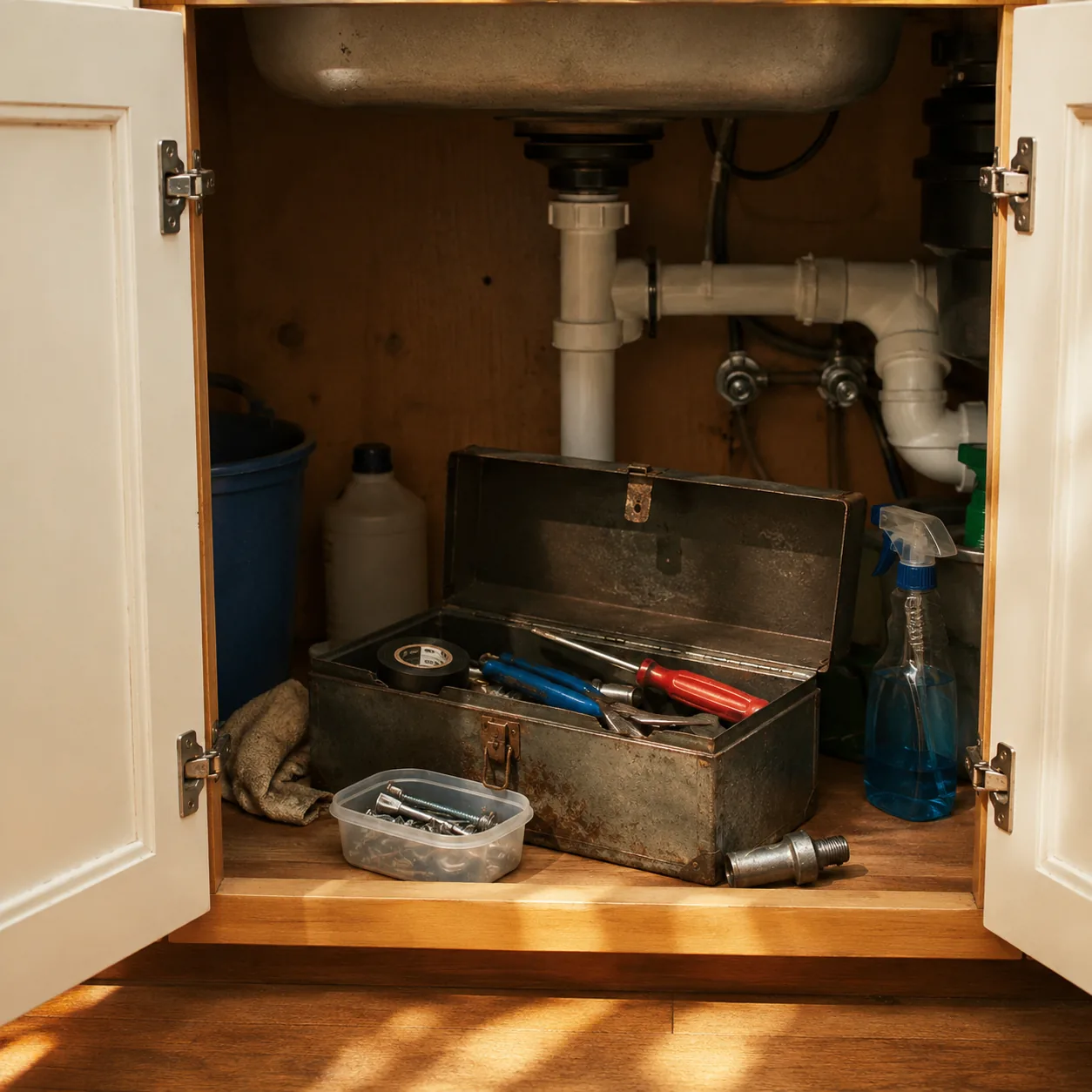
Repairs were expected. A screwdriver, pliers, tape, nails, and spare screws lived somewhere because loose handles and wobbly chairs happened.
That fix-first attitude shows up beautifully in older family homes. Read More: 33 Things Grandpa Fixed Instead of Throwing Away
The tools also taught younger relatives that a home is maintained by ordinary hands.
Maintenance was family work.
14. A Closet Full Of Extra Blankets

Someone could always stay. Extra blankets, pillows, sheets, and quilts made overnight guests possible without fuss.
The closet turned hospitality into action. Abuela did not need a perfect guest room; she needed clean bedding and confidence that everyone would be warm.
It made staying over feel possible instead of like an inconvenience.
Comfort was already waiting.
Waiting comfort feels different.
13. Reused Jars With Useful Things Inside
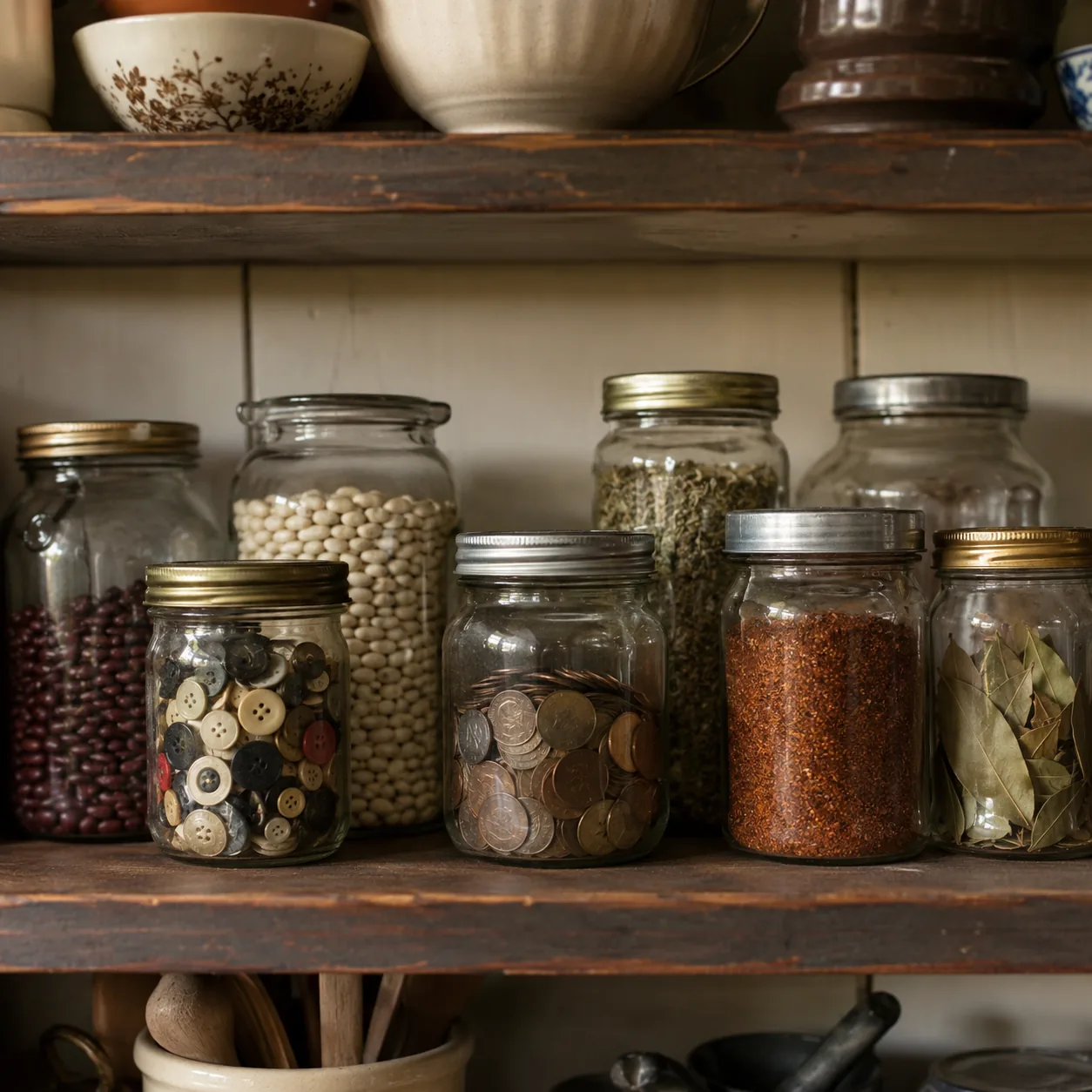
Jars got promoted, not thrown away. They held spices, beans, coins, sewing notions, leftovers, or homemade salsa.
This was practical organization from ordinary materials. A jar that once held something from the store became part of the house’s system.
Clear glass also helped everyone see what was available before buying more.
Visibility prevented waste.
Waste was taken personally.
12. A Broom By The Door
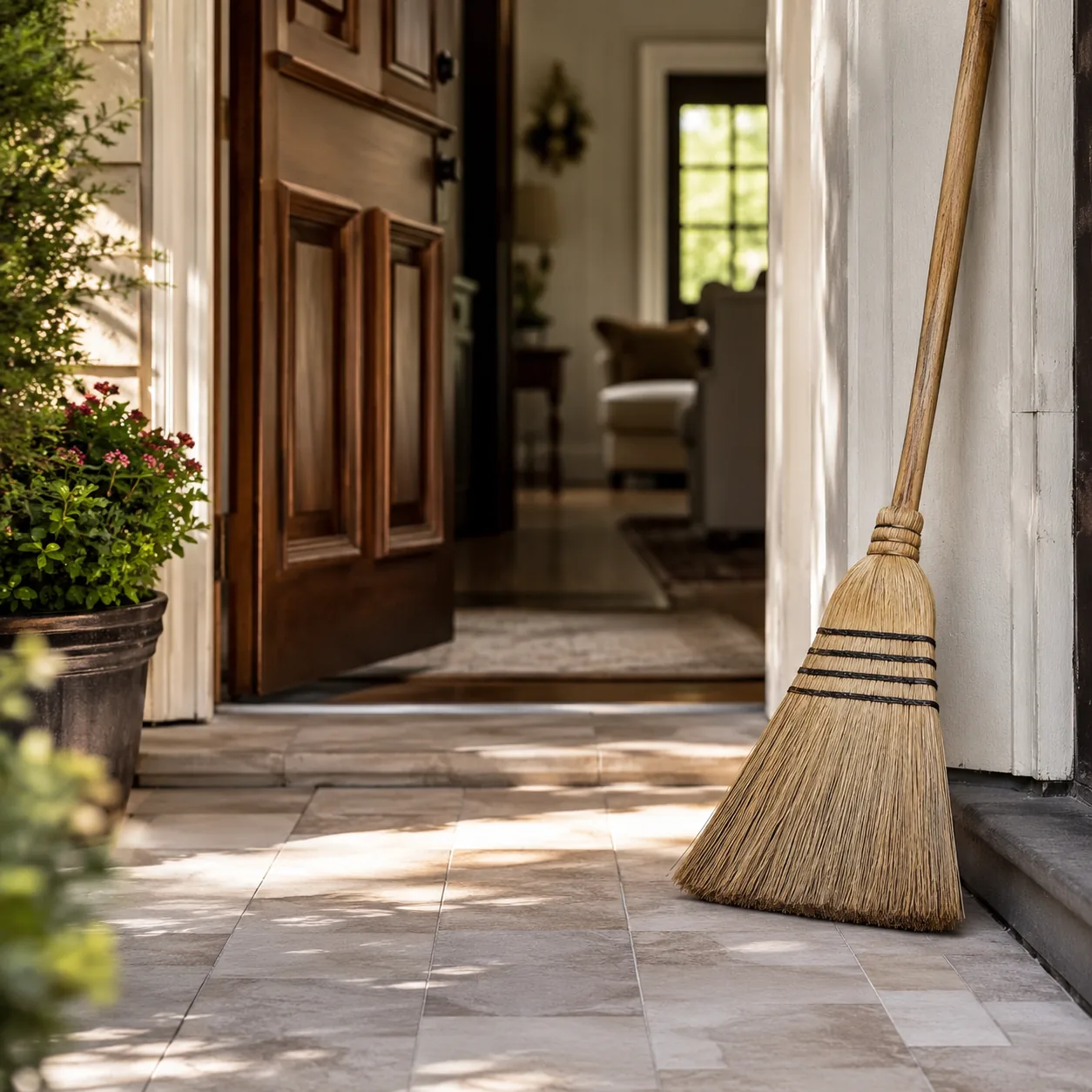
Clean entryways mattered. A broom by the door made it easy to sweep dust, leaves, crumbs, and the evidence of a busy day.
The habit was small but constant. Abuela’s house felt cared for because little resets happened before mess became overwhelming.
The broom by the door made cleaning feel like maintenance, not punishment.
Small sweeps protected pride.
11. A Stack Of Plates Ready For More People

The table could expand. Mismatched plates, folding chairs, and extra forks meant one more person was not a problem.
This flexibility made the house feel generous. The meal adjusted to the family instead of the family adjusting to the perfect table setting.
Mismatched plates were proof that being included mattered more than matching.
The meal made room.
Room was the message.
10. A Small Dish For Coins And Keys
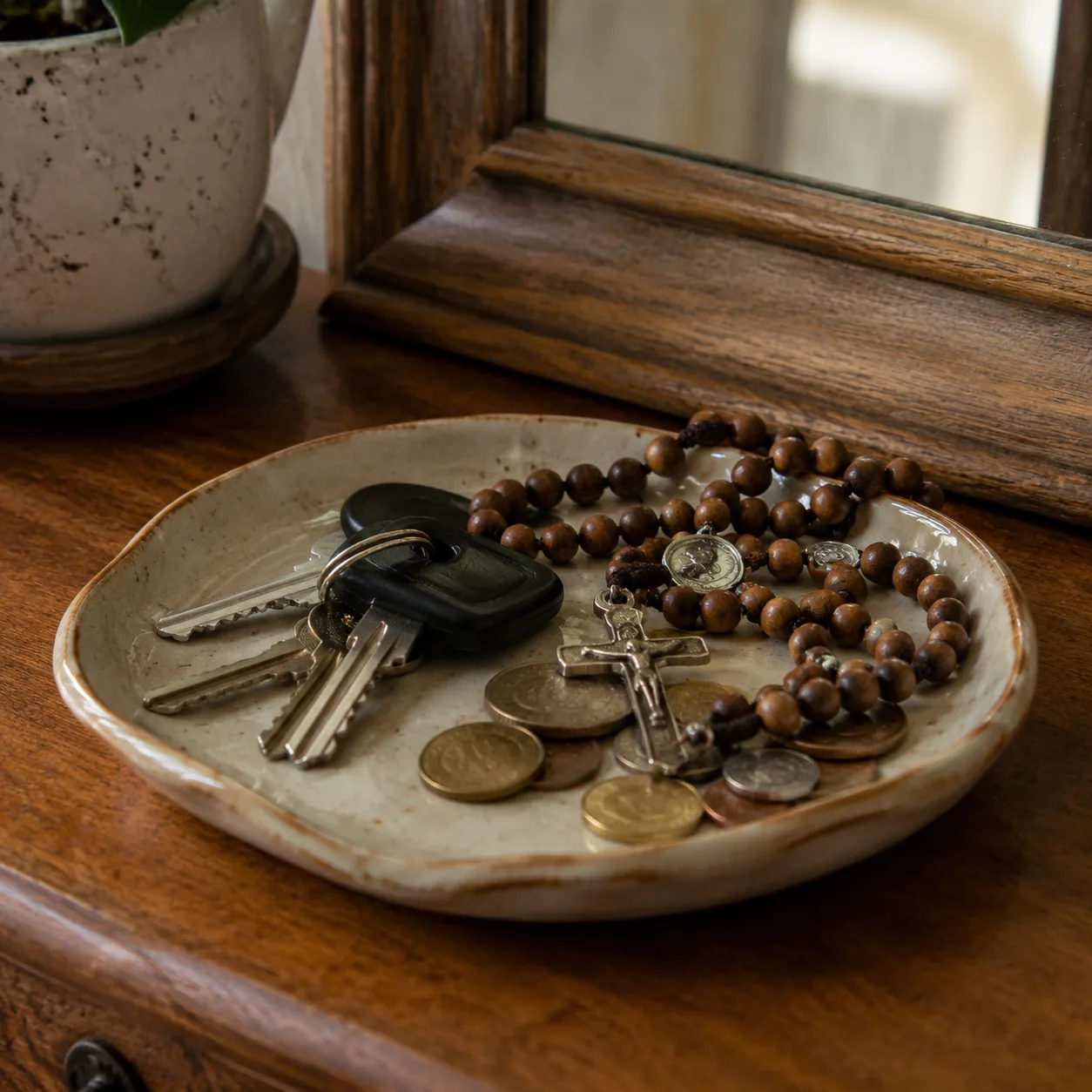
Tiny landing spots saved frustration. Keys, coins, earrings, safety pins, and receipts needed somewhere to land.
Abuela’s little dish kept daily life moving. It was the sort of humble system nobody praised until the keys were exactly where they should be.
Small systems like that made the whole house feel calmer than it looked.
Order hid in plain sight.
9. Rules Children Learned Without A Lecture
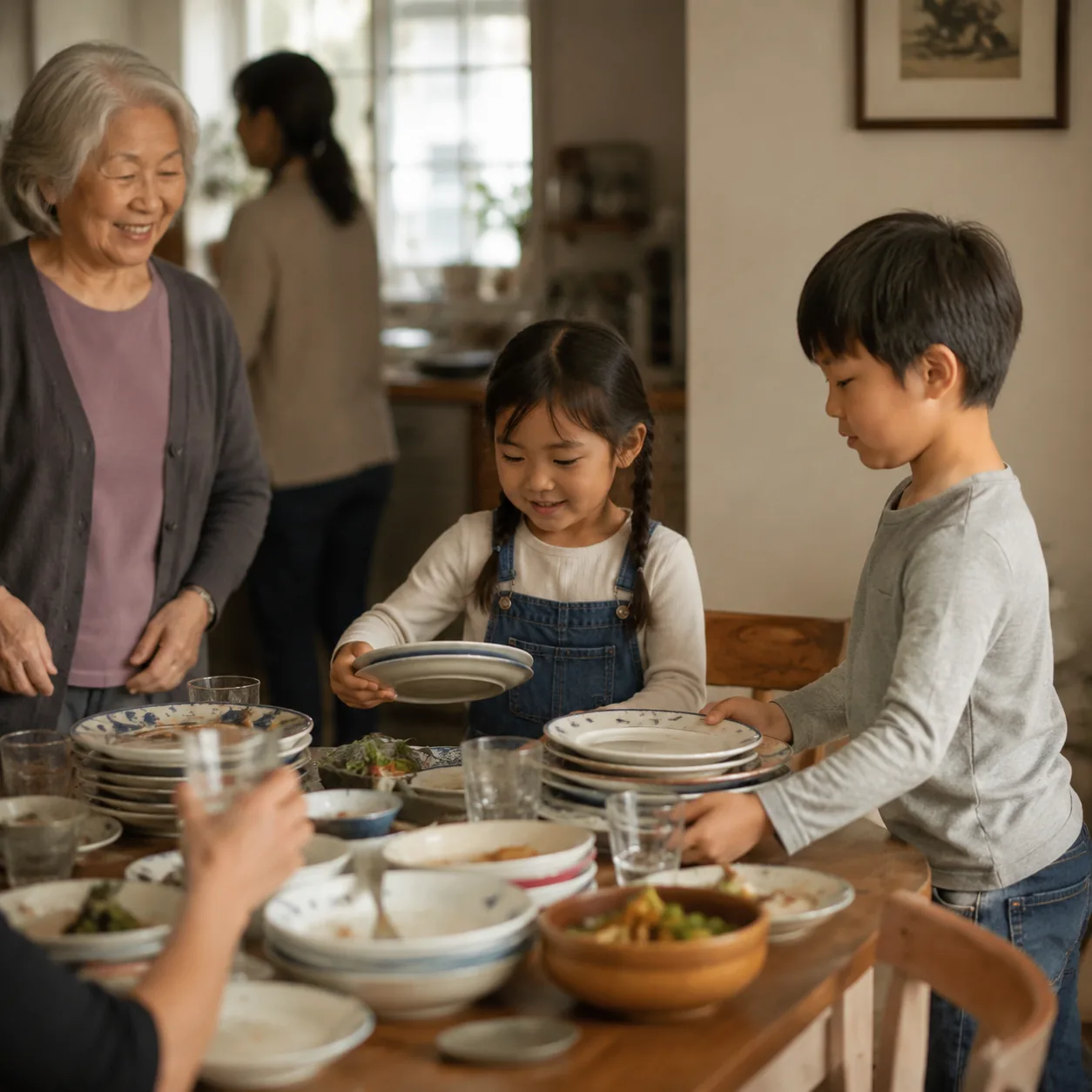
The house taught behavior. You greeted elders, helped clear plates, did not waste food, and listened when adults were speaking.
Those expectations overlap with 33 Old-School Family Rules That Actually Made Kids More Independent.
The lessons worked because children practiced them during real meals, visits, and cleanup.
Behavior became family muscle.
Practice made it automatic.
Children noticed.
8. A Radio Or TV Always Playing
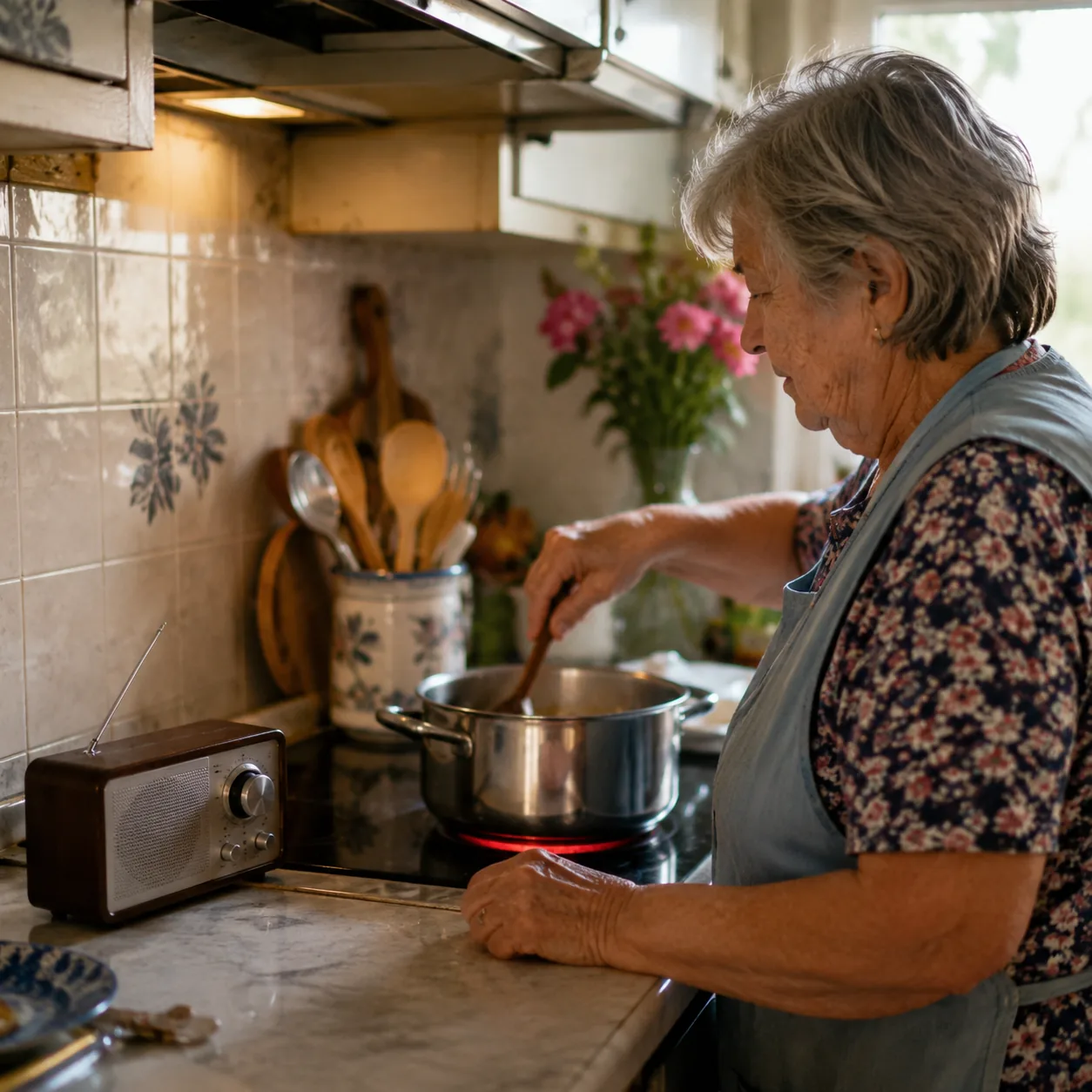
Sound filled the rooms. Music, news, novelas, sports, or morning shows became part of the household atmosphere.
The background noise made the house feel occupied and alive. Even silence felt different after years of hearing those familiar voices.
The sound also connected the kitchen to a wider world of music, news, and community.
Background noise carried belonging.
Belonging had a soundtrack.
7. A Bowl For Rising Dough Or Masa
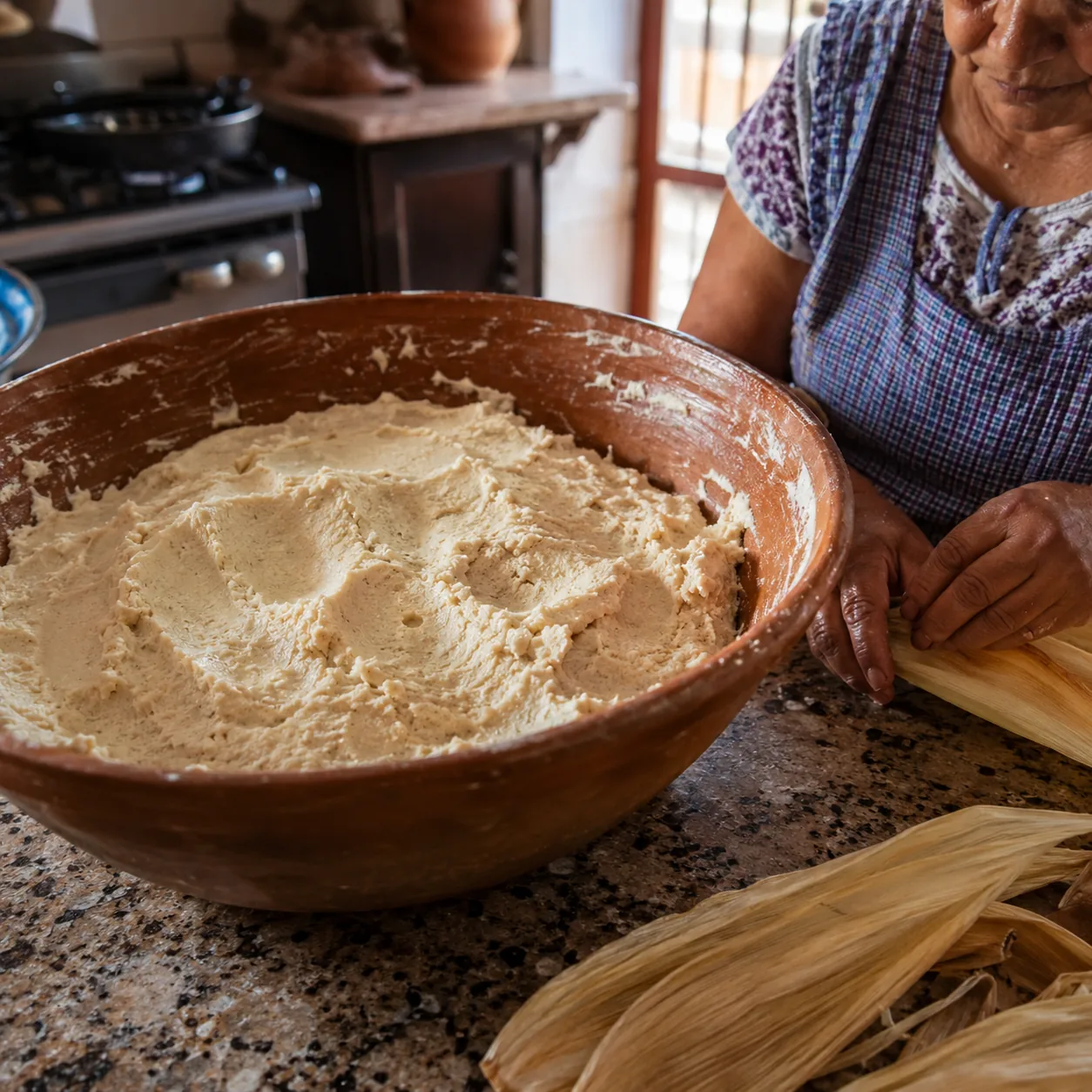
The bowl meant work was underway. Dough, masa, fillings, or batter turned the kitchen into a place of preparation.
Children learned that special foods did not appear instantly. They came from hands, timing, texture, and someone knowing how the mixture should feel.
Watching that process taught patience better than any lecture about patience could.
Texture became a teacher.
6. A Purse With Everything Inside
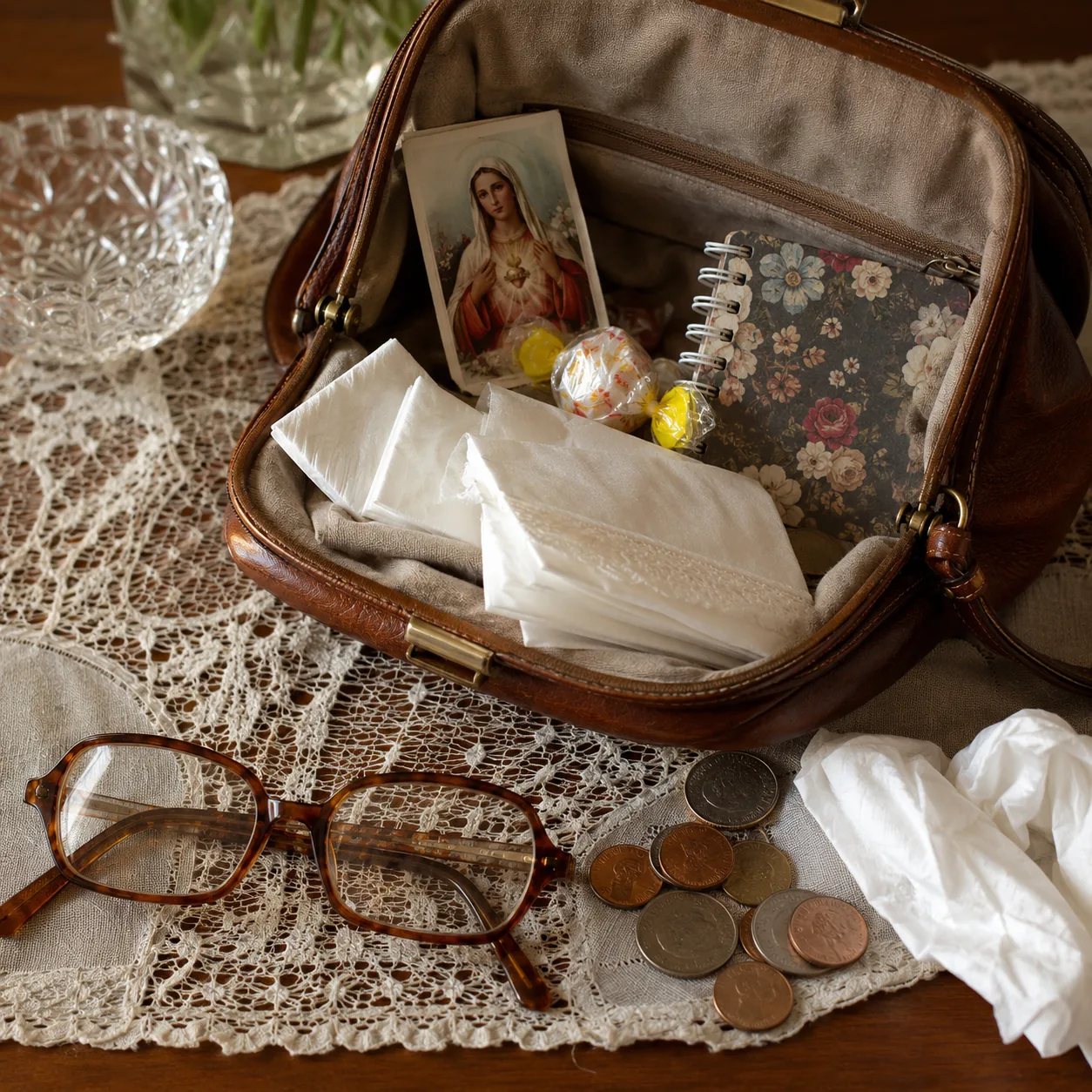
The purse was a mobile household. Tissues, candies, coins, medicine, prayer cards, receipts, and emergency cash all lived inside.
Abuela could solve small problems anywhere. The purse made her seem prepared for church, errands, appointments, and grandchildren who suddenly needed something.
It was funny until the exact item appeared at the exact right moment.
Then everyone understood.
Preparedness proved itself.
5. A Good Pan Nobody Else Was Allowed To Ruin

Some kitchen tools had rules. The good pan, pot, knife, or spoon had to be washed correctly and never abused.
That protectiveness made sense. Certain tools held flavor, memory, and trust. Ruin the pan, and you risked more than dinner.
Those rules taught respect for the objects that quietly served the whole family.
Good tools earned protection.
Protection preserved flavor too.
4. A Place For Visitors To Sit

The room made space for people. Extra chairs, stools, or folding seats appeared when family arrived.
The seating might not match, but everyone found a spot. Abuela’s house felt welcoming because the answer to “Can I sit?” was always yes.
That physical room often made emotional room feel possible too.
Seating shaped welcome.
Welcome needed chairs.
People felt included.
3. Meals That Stretched Without Feeling Small
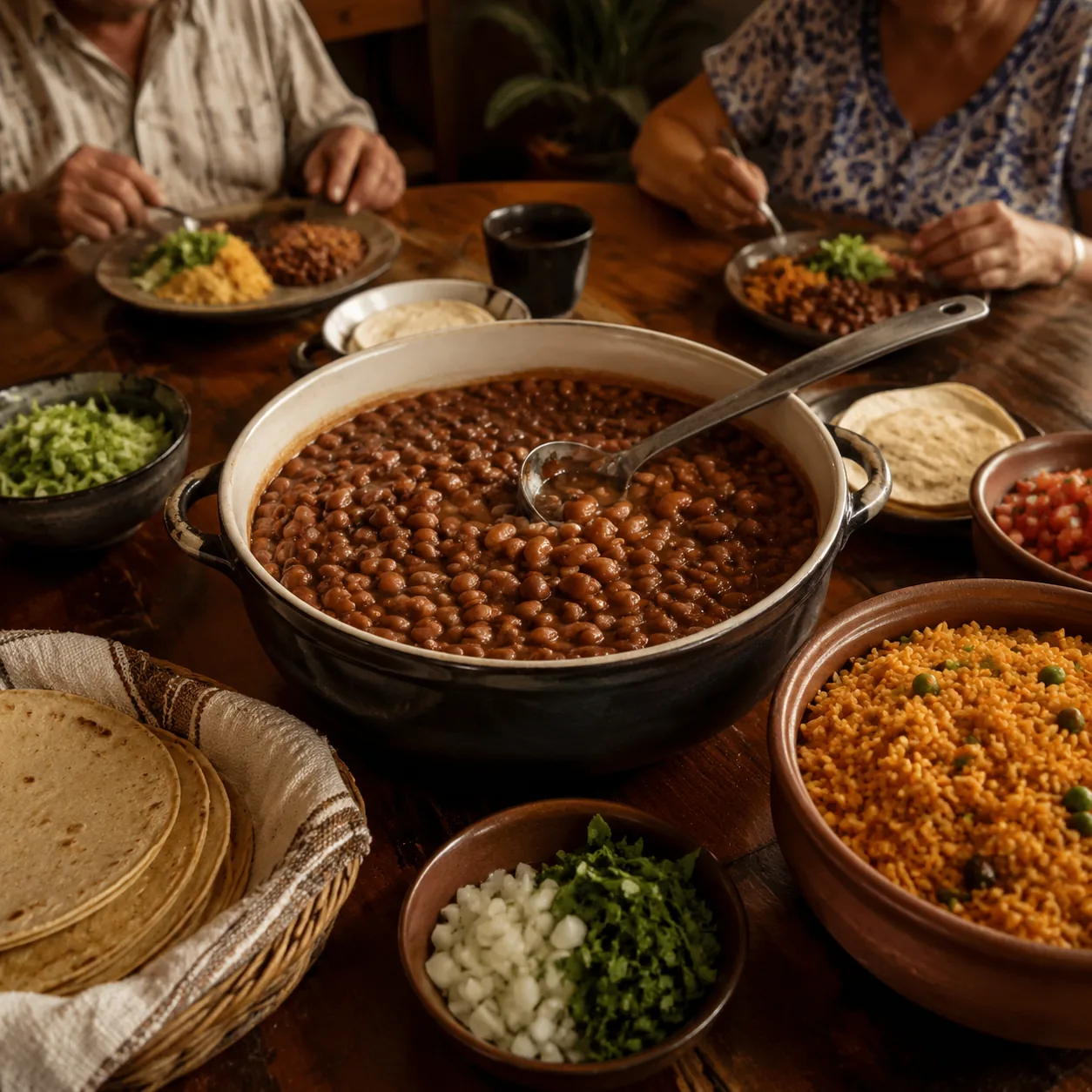
Stretching food was an art. Beans, rice, tortillas, soup, and leftovers could feed more people than seemed possible.
That skill belongs to many hardworking kitchens. Read More: 33 Poor Man Meals That Fed Whole Families When Money Was Tight
The best stretched meals never made guests feel like they were receiving less.
Skill made scarcity gentler.
Gentleness preserved dignity.
2. A Blessing Before You Left
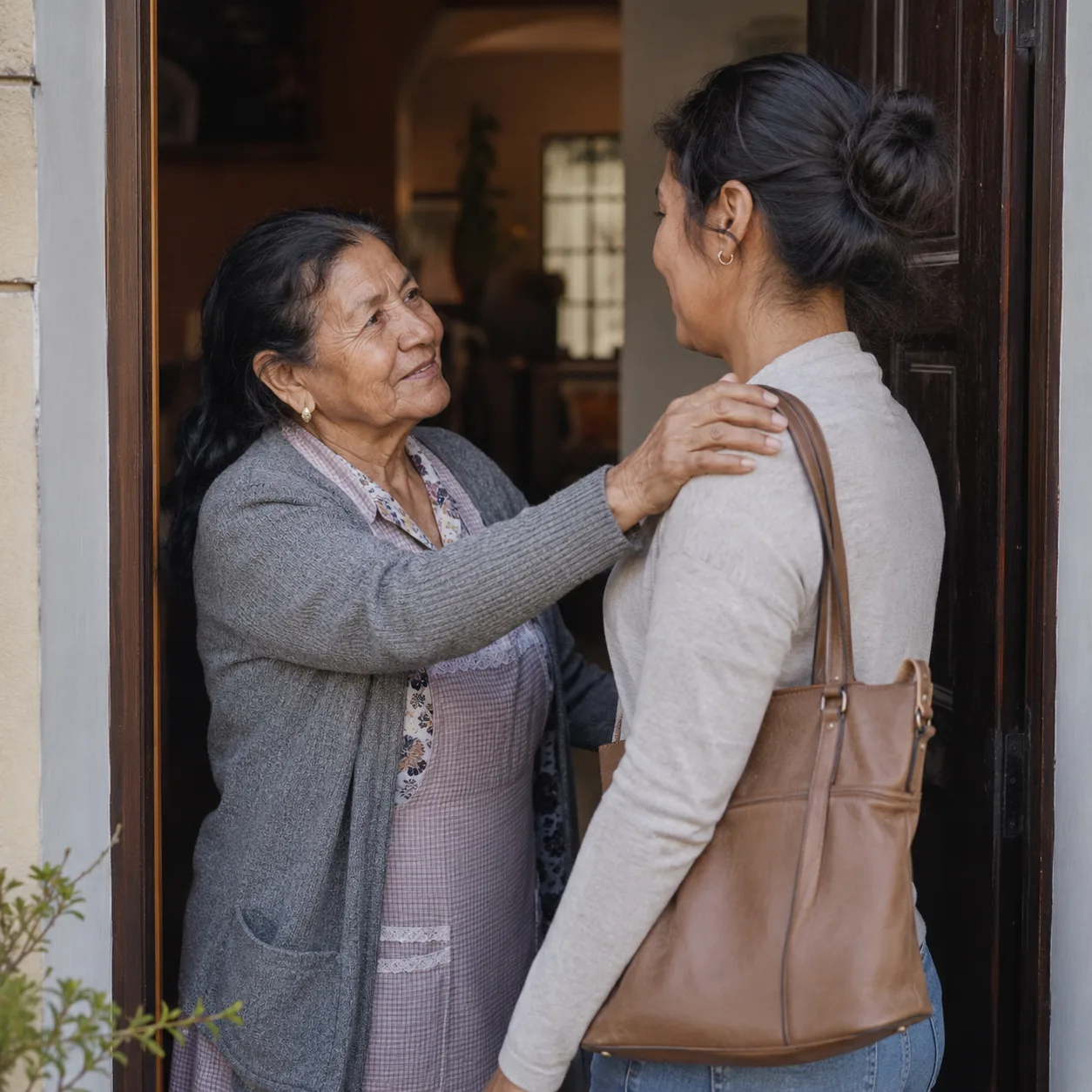
Leaving came with care. It might be a prayer, a warning to drive safely, food in your hands, or a touch on the shoulder.
That small goodbye made the world outside feel less cold. Abuela sent people out carrying protection, whether they admitted needing it or not.
Even adults could feel like children for a second at that doorway.
1. The Feeling That Someone Was Always Waiting For You
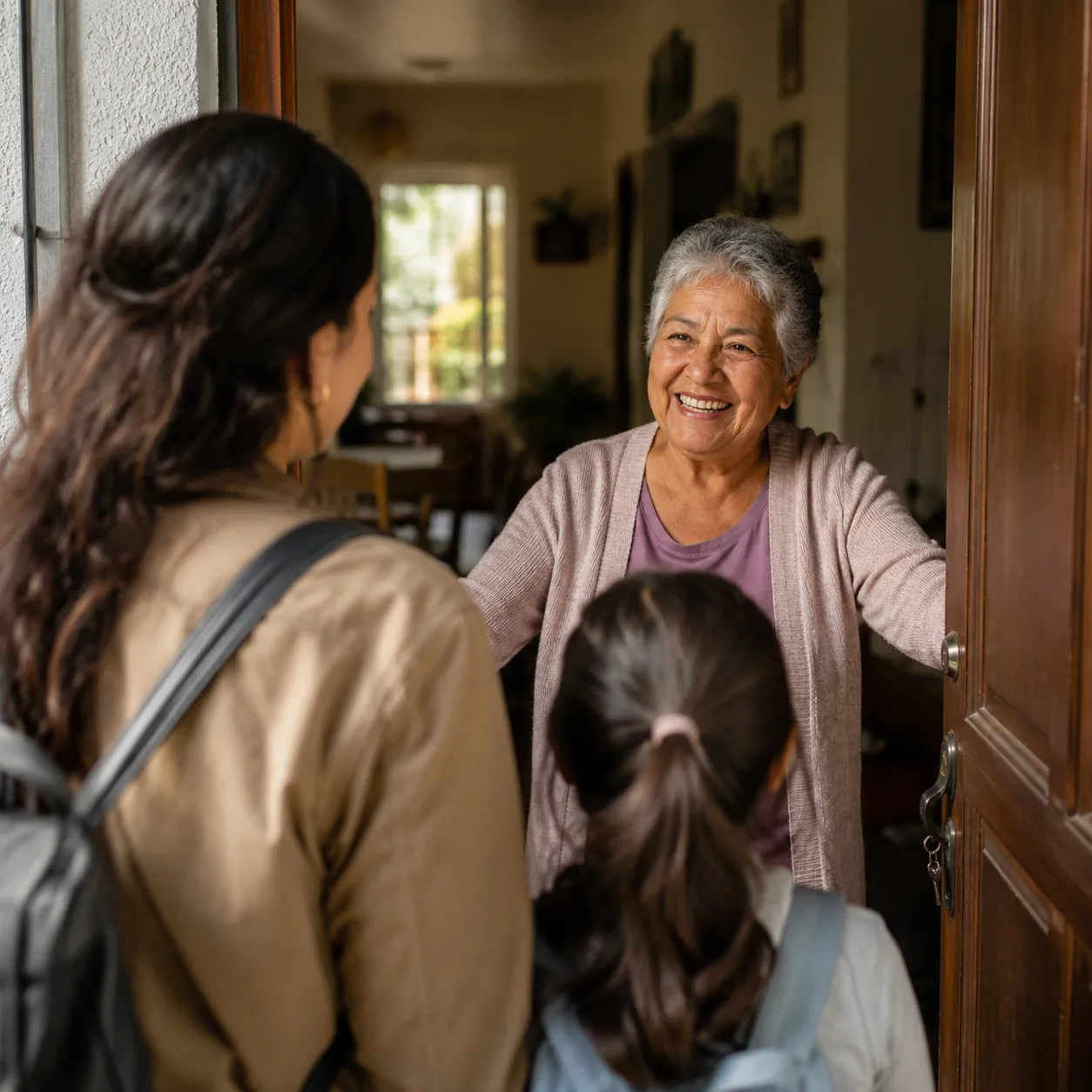
The real comfort was being expected. The food, photos, candles, blankets, and coffee all pointed to the same message.
Abuela’s house felt like home because it made room for you before you arrived. It remembered your hunger, your stories, your worries, and your place at the table.
That memory is why ordinary objects can still feel sacred years later.