
Warehouse clubs reward planning more than impulse.
The same deal can save money or swallow it depending on how you use it.
33. Gas
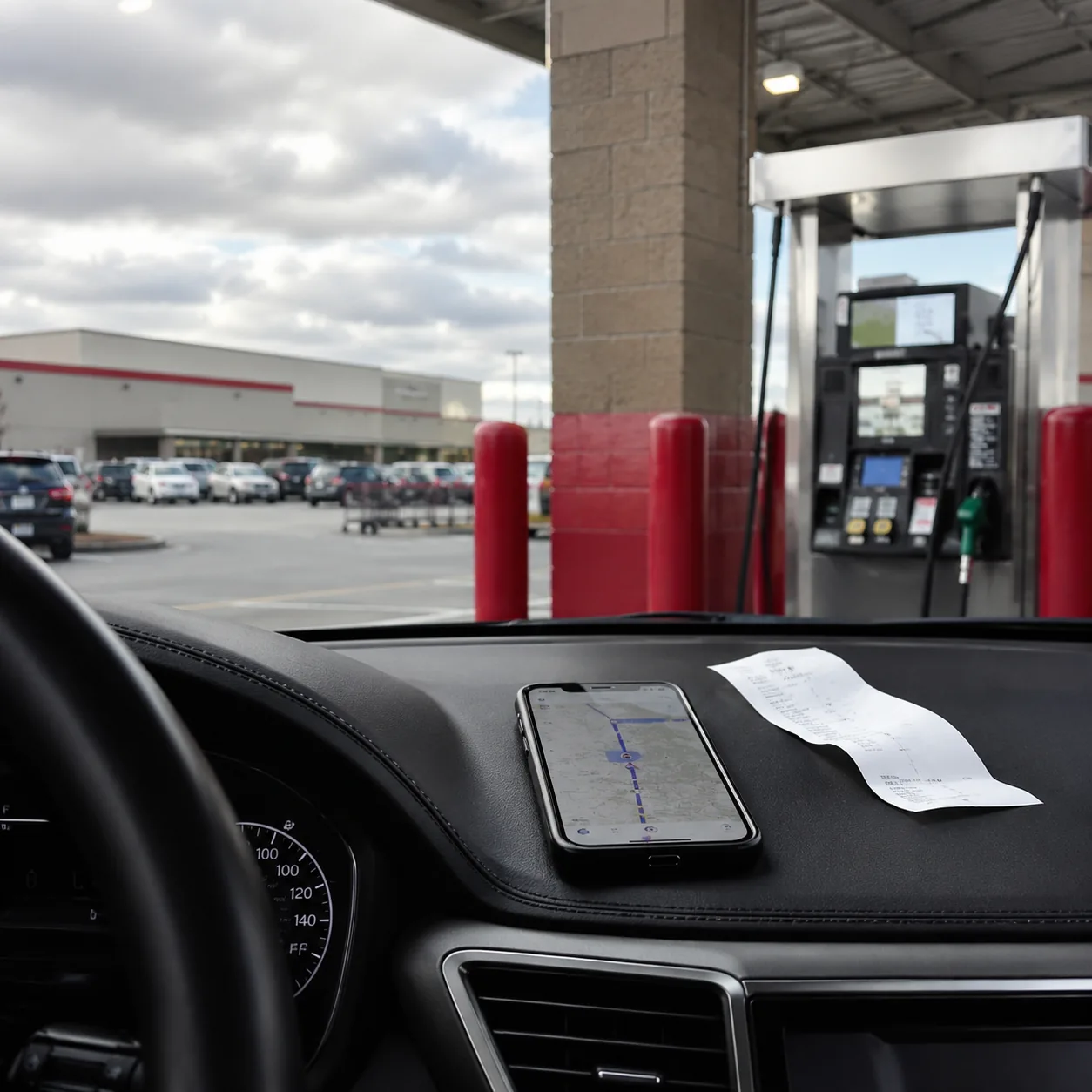
Check the route: gas savings work best when the club is already convenient.
This helps commuters, families with multiple cars, and road-trippers. It can go wrong if the detour, line, or small fill-up eats the savings. Compare the price against stations you pass anyway, then decide whether the time cost is worth the cents per gallon.
32. Tires
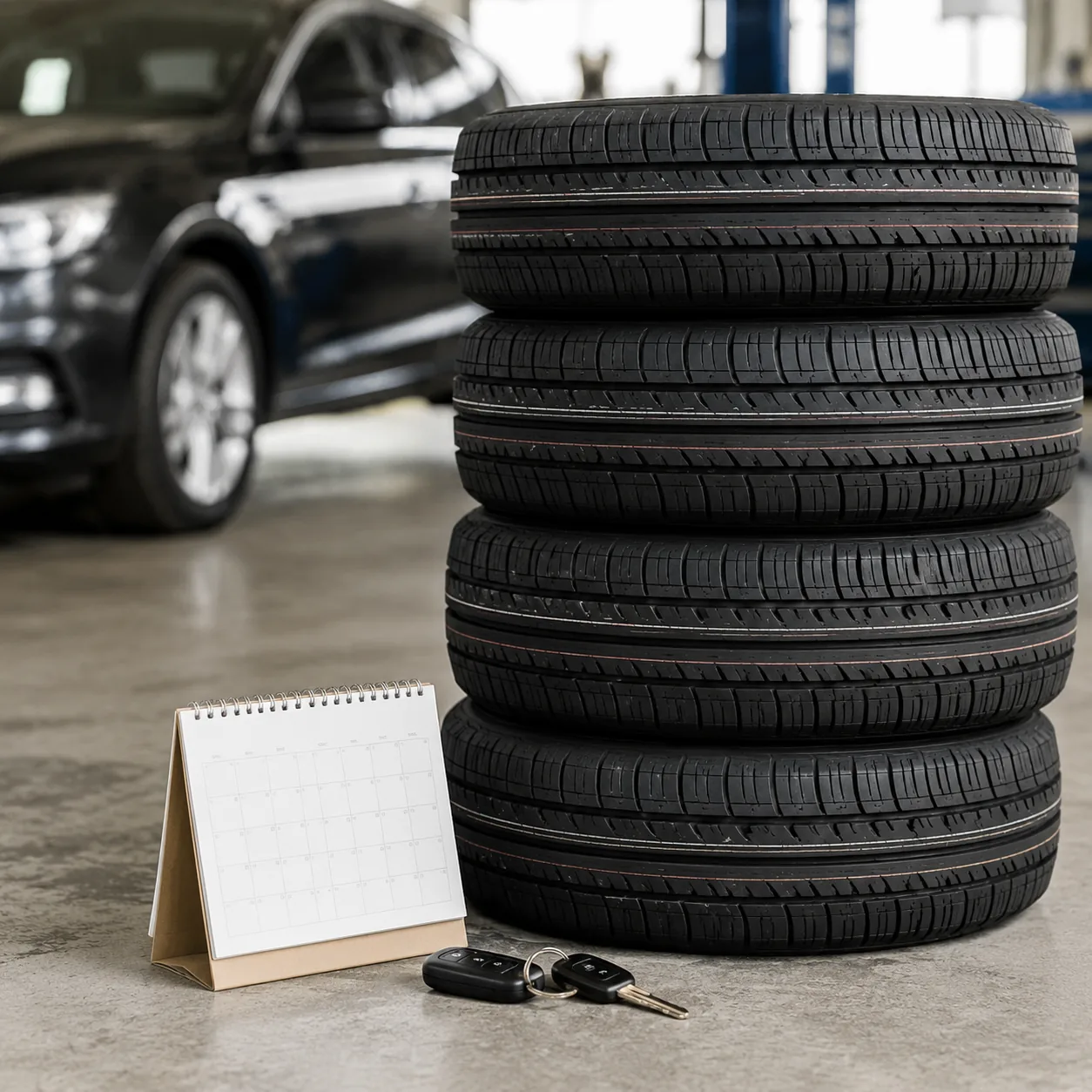
Check the installed total: tires are cheaper only when service fits too.
This helps drivers replacing a full set or planning seasonal swaps. It can go wrong when appointment availability, road hazard terms, rotations, balancing, or vehicle-specific needs complicate the deal. Compare total installed price, not just the tire listing.
31. Rotisserie Chicken

Plan the leftovers: the bargain works when it becomes more than one meal.
This helps busy families, single shoppers who meal prep, and people feeding guests. It can go wrong if the chicken becomes an extra item instead of replacing a dinner. Use it for soup, tacos, salads, or lunches before buying another prepared meal.
30. Paper Towels and Toilet Paper
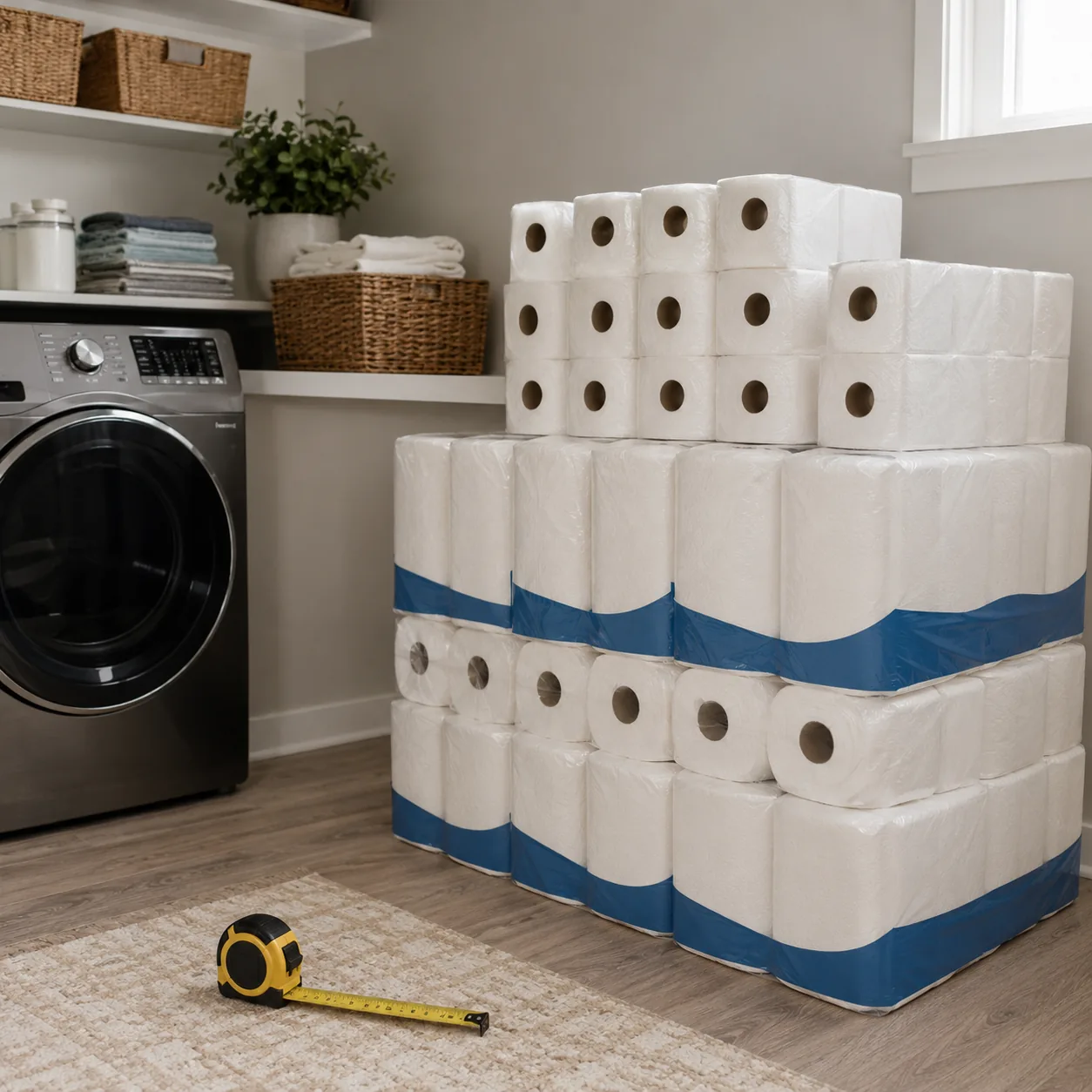
Check storage: paper savings take up physical space.
This helps households with garages, closets, or basement shelves. It can go wrong in apartments, small condos, or homes already packed with bulk goods. Compare sheet count and quality, then decide whether the package has a clean, dry place to live.
29. Laundry Detergent
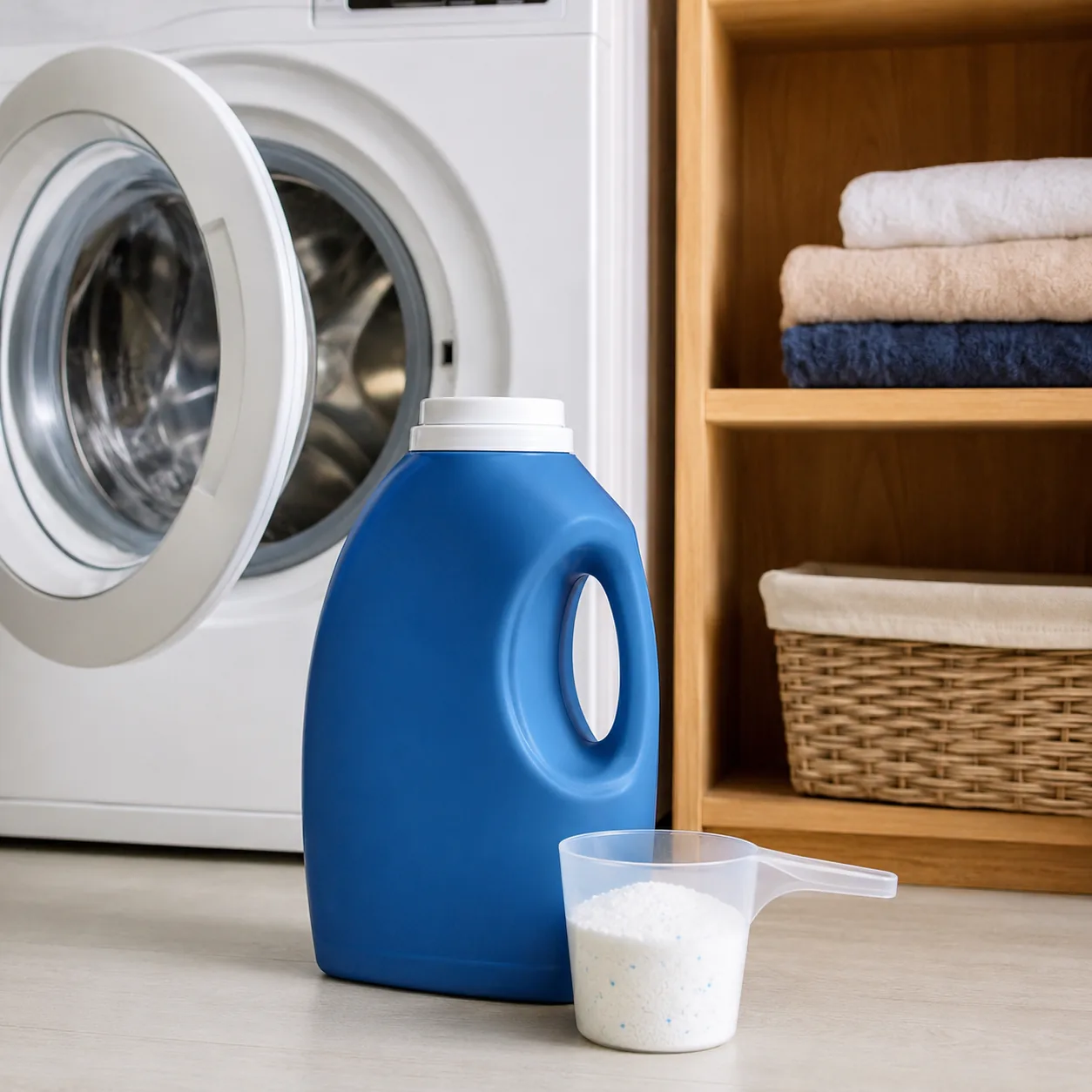
Check dose size: bigger bottles can encourage overpouring.
This helps families who do frequent laundry and know their preferred brand. It can go wrong if the jug is hard to lift, leaks, or does not work with your machine. Look at loads per container, scent, concentration, and where it will sit safely.
28. Dishwasher Tabs
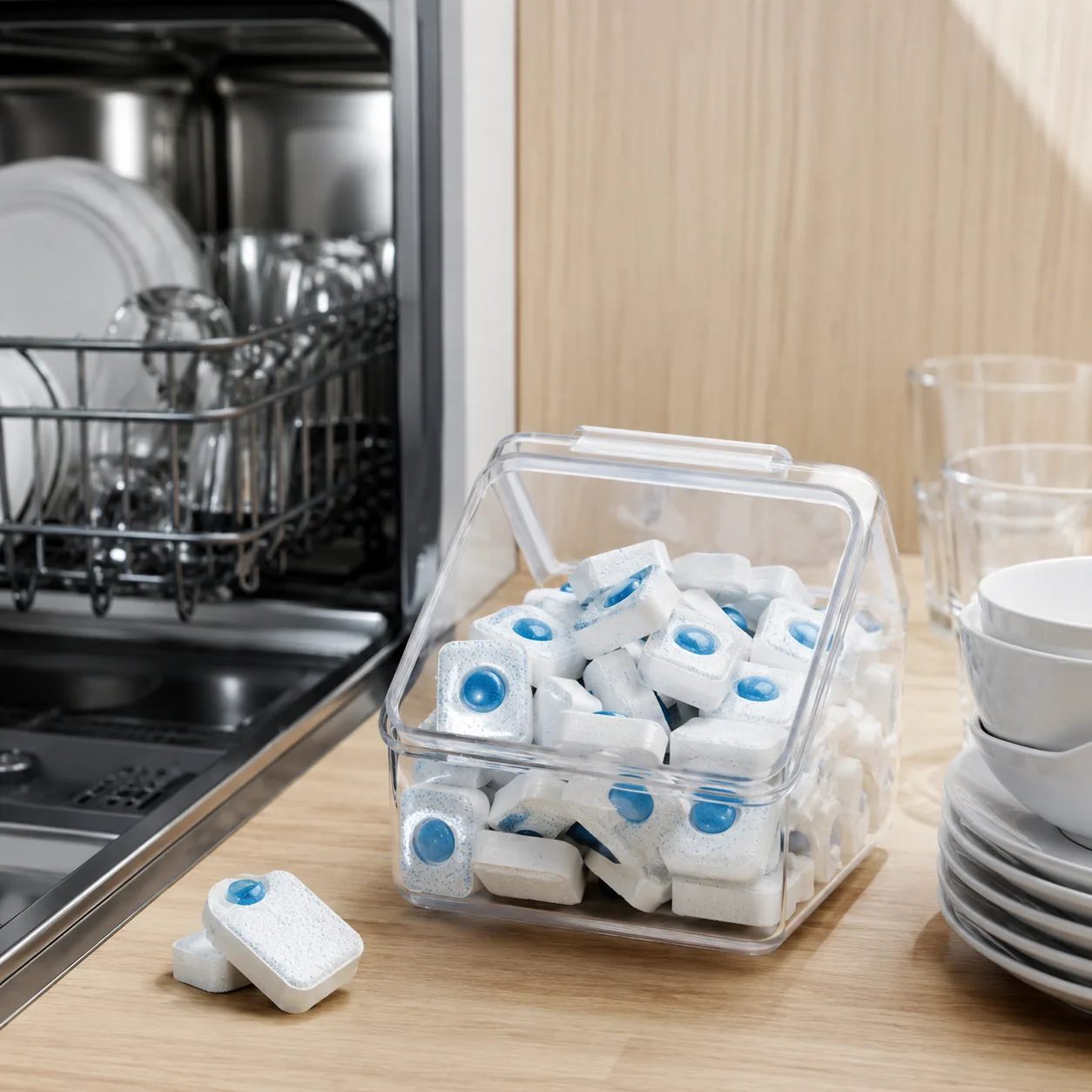
Check humidity: a big box is useful only if the tabs stay dry.
This helps households running the dishwasher daily. It can go wrong in damp cabinets, garages, or laundry rooms where tabs clump. Compare price per load, confirm the formula works with your machine, and store the bulk package in a sealed container if needed.
27. Meat Value Packs

Portion immediately: meat deals need labor after checkout.
This helps meal preppers, grillers, and families with freezer space. It can go wrong if a huge pack sits in the fridge while everyone is busy. Buy only when you have bags, labels, freezer room, and twenty minutes to divide it safely.
26. Seafood

Check timing: seafood is a fragile bargain.
This helps hosts, pescatarian households, and people planning specific meals. It can go wrong if the package is too large, the freezer is full, or dinner plans change. Know whether you will cook, freeze, or share it before the product leaves the club.
25. Produce
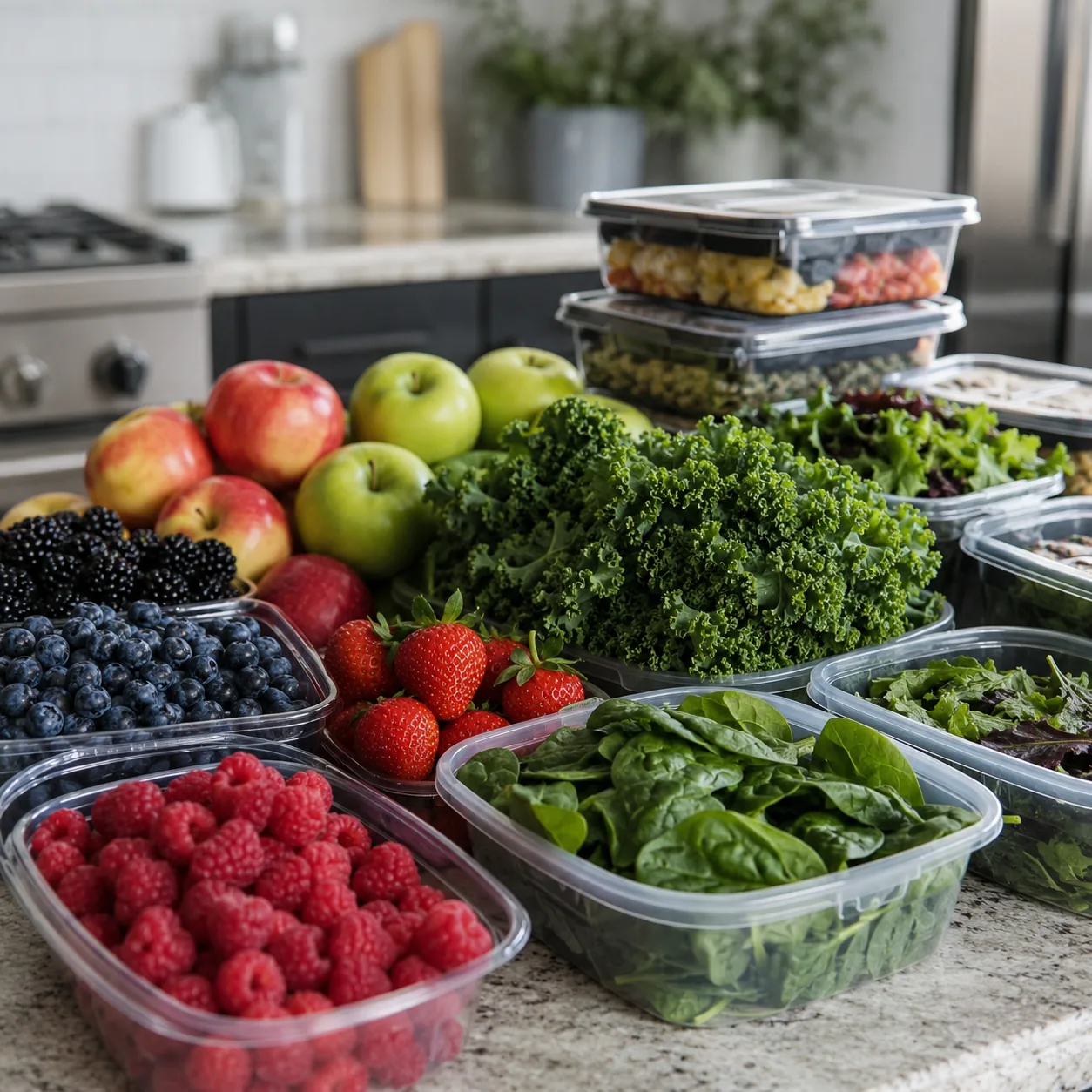
Check your week: produce is cheaper only when it gets eaten.
This helps smoothie drinkers, lunch packers, and families with predictable meals. It can go wrong when a huge container of greens meets a week of takeout. Buy produce after checking school lunches, dinners, travel, and who will actually eat it.
24. Bakery Items
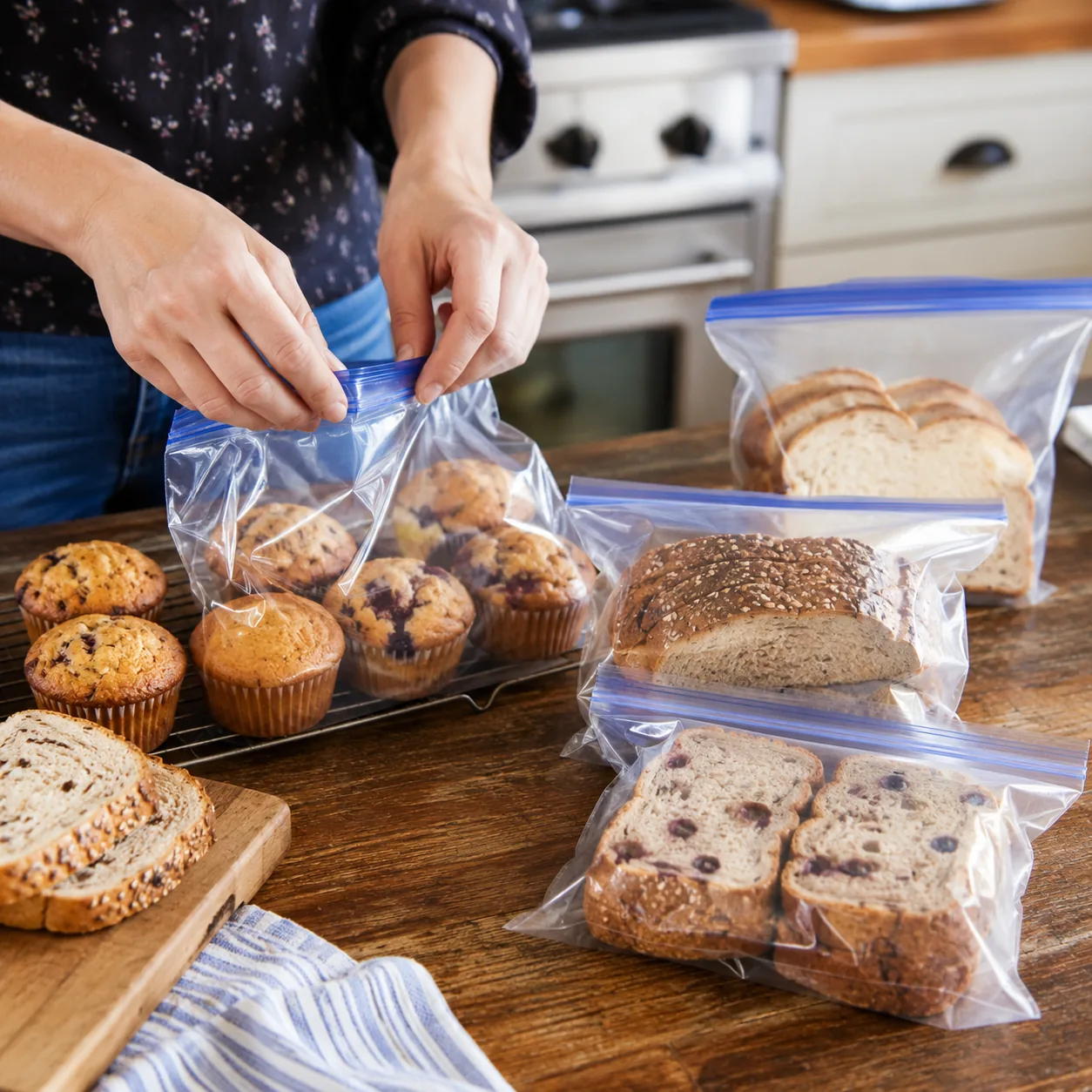
Freeze early: warehouse bakery value often depends on storage.
This helps hosts, large families, and people stocking school snacks. It can go wrong when muffins, rolls, or bread stale on the counter. Divide portions the day you buy them, and avoid variety packs if half the flavors always sit untouched.
23. Snack Multipacks
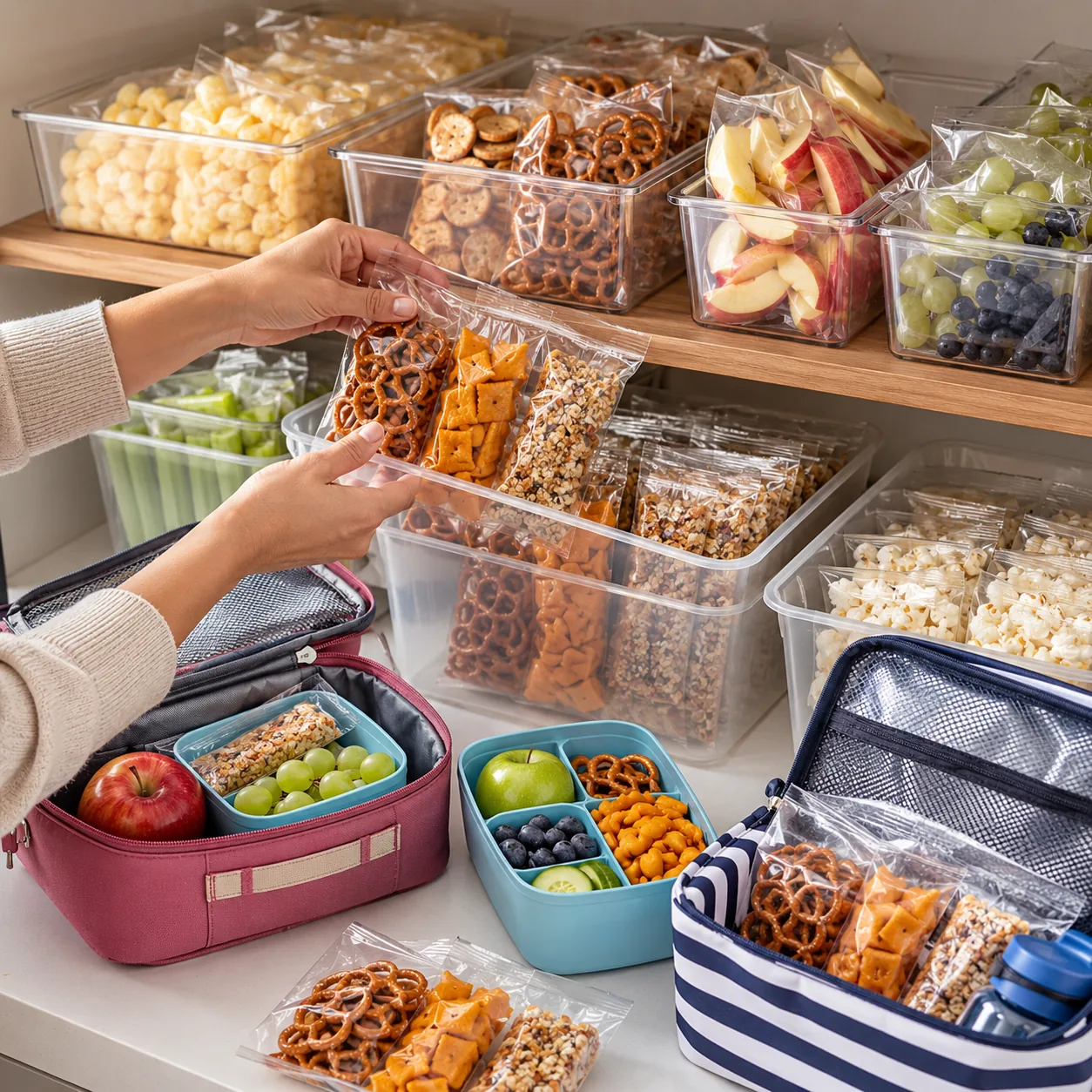
Check flavor mix: the unwanted flavors are part of the price.
This helps lunch-packers, sports families, and office snack buyers. It can go wrong if everyone eats the same two flavors and leaves the rest. Compare usable servings, not total servings, and avoid giant variety boxes unless the whole household agrees.
22. Private-Label Staples
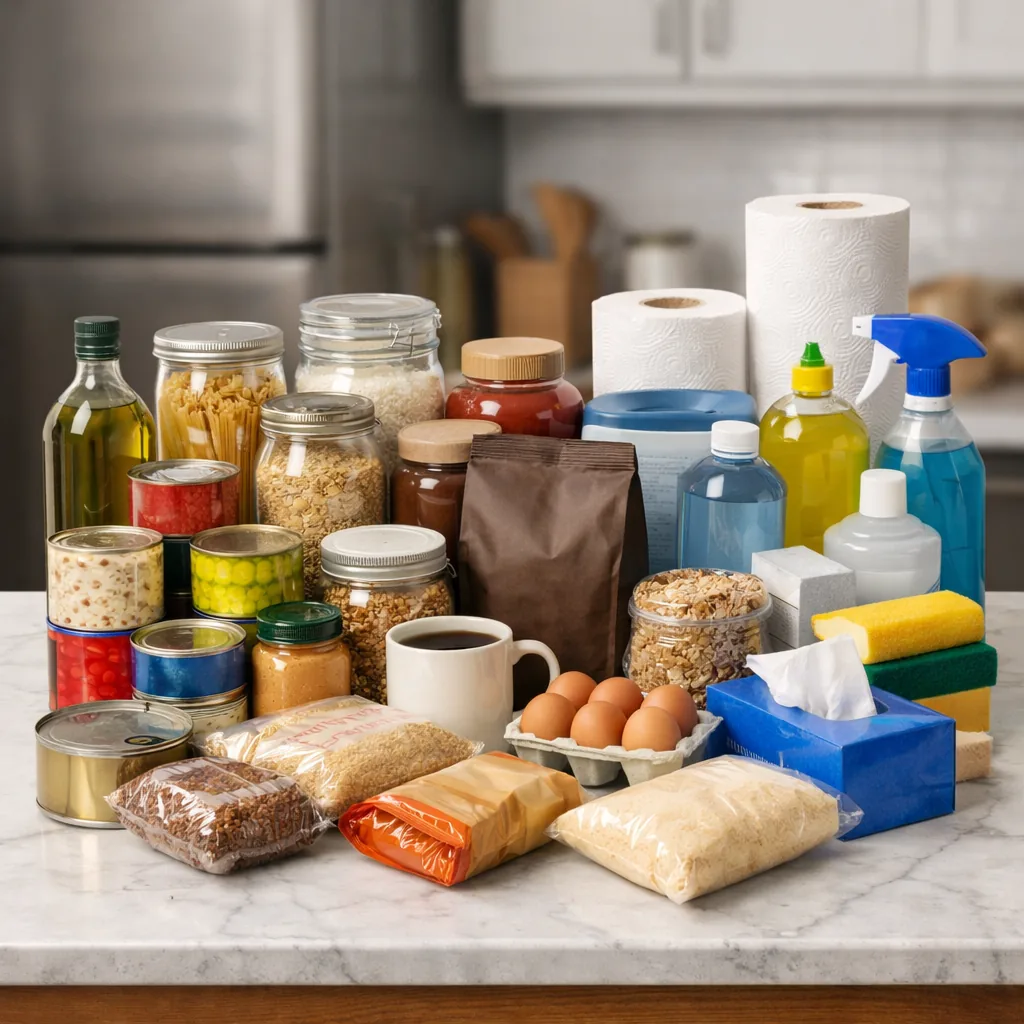
Test one category at a time: house brands can be great, but preferences matter.
This helps shoppers switching coffee, olive oil, trash bags, diapers, or detergent. It can go wrong if you buy the biggest size before knowing quality. The same discipline appears in 31 Weirdly Useful Things to Check If You Pay for Costco.
21. Instant Savings and Digital Coupons

Load or notice the offer: discounts are useful when attached to planned purchases.
This helps shoppers who stock up on the same brands every month. It can go wrong when a coupon creates a new purchase instead of lowering a real one. Check dates, limits, and whether the club requires clipping, scanning, or digital activation.
20. Curbside Pickup

Check minimums and substitutions: pickup saves time only when the order is clean.
This helps parents, caregivers, and busy households. It can go wrong if fees, unavailable items, or pickup windows offset the convenience. Use it for repeat staples and avoid relying on it for last-minute specialty items that may be out of stock.
Read More: 33 Weird Things You Can Actually Buy at Costco That Most Members Never See
19. Same-Day Delivery
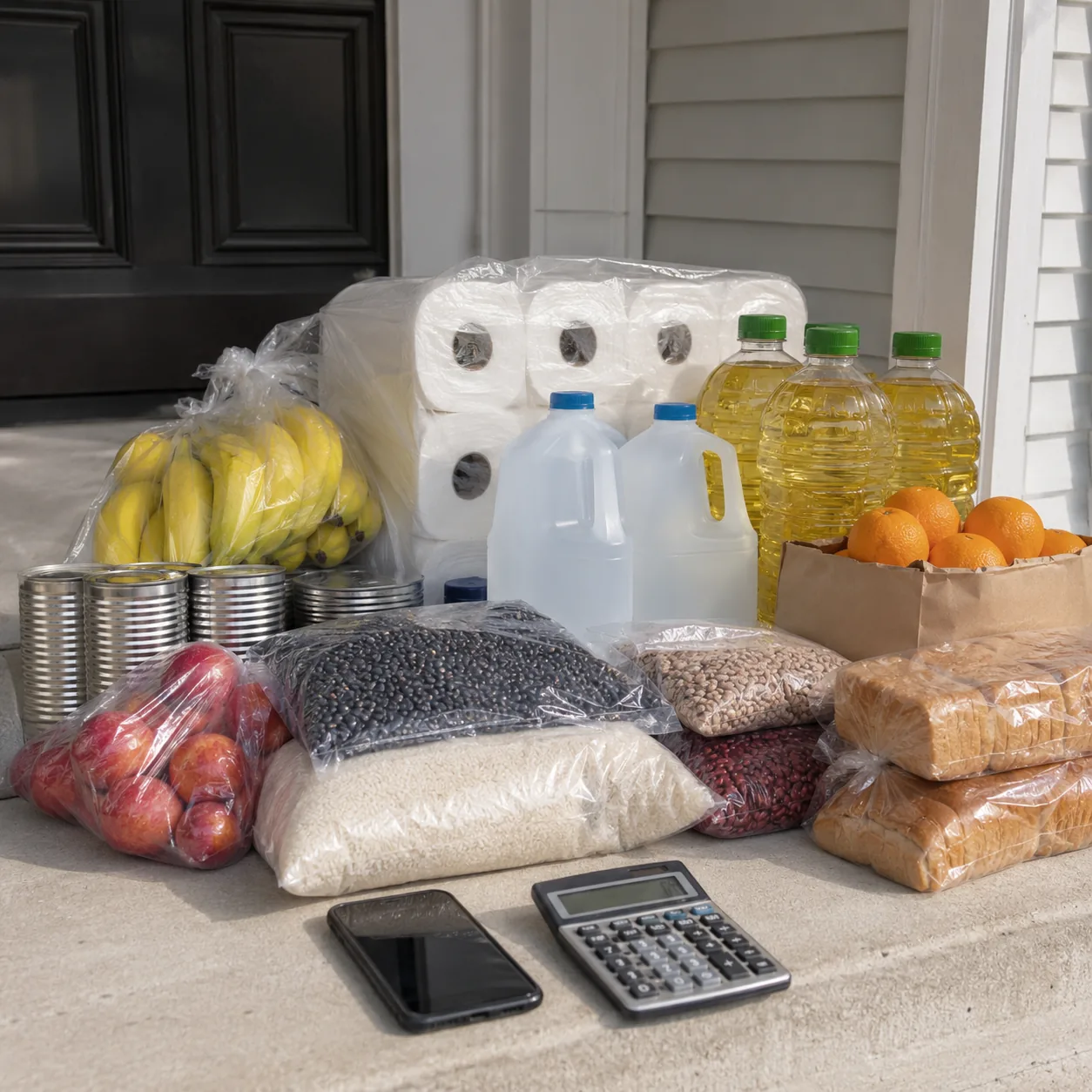
Compare the delivered cart: convenience can raise item prices or add fees.
This helps people without easy transportation, households in a crunch, and caregivers. It can go wrong when the delivery total is compared to memory instead of in-club pricing. If delivery makes bulk buying too easy, reread 31 Costco Mistakes That Make a Deal Cost More Than It Should.
18. Scan-and-Go Style Checkout

Check participation and accuracy: faster checkout still needs attention.
This helps shoppers at clubs and locations where scan-and-go or express pay is available. It can go wrong if an item scans wrong, the phone battery dies, or receipt checks slow you down. Keep the cart organized so you can verify quantities before leaving.
17. Food Court Meals
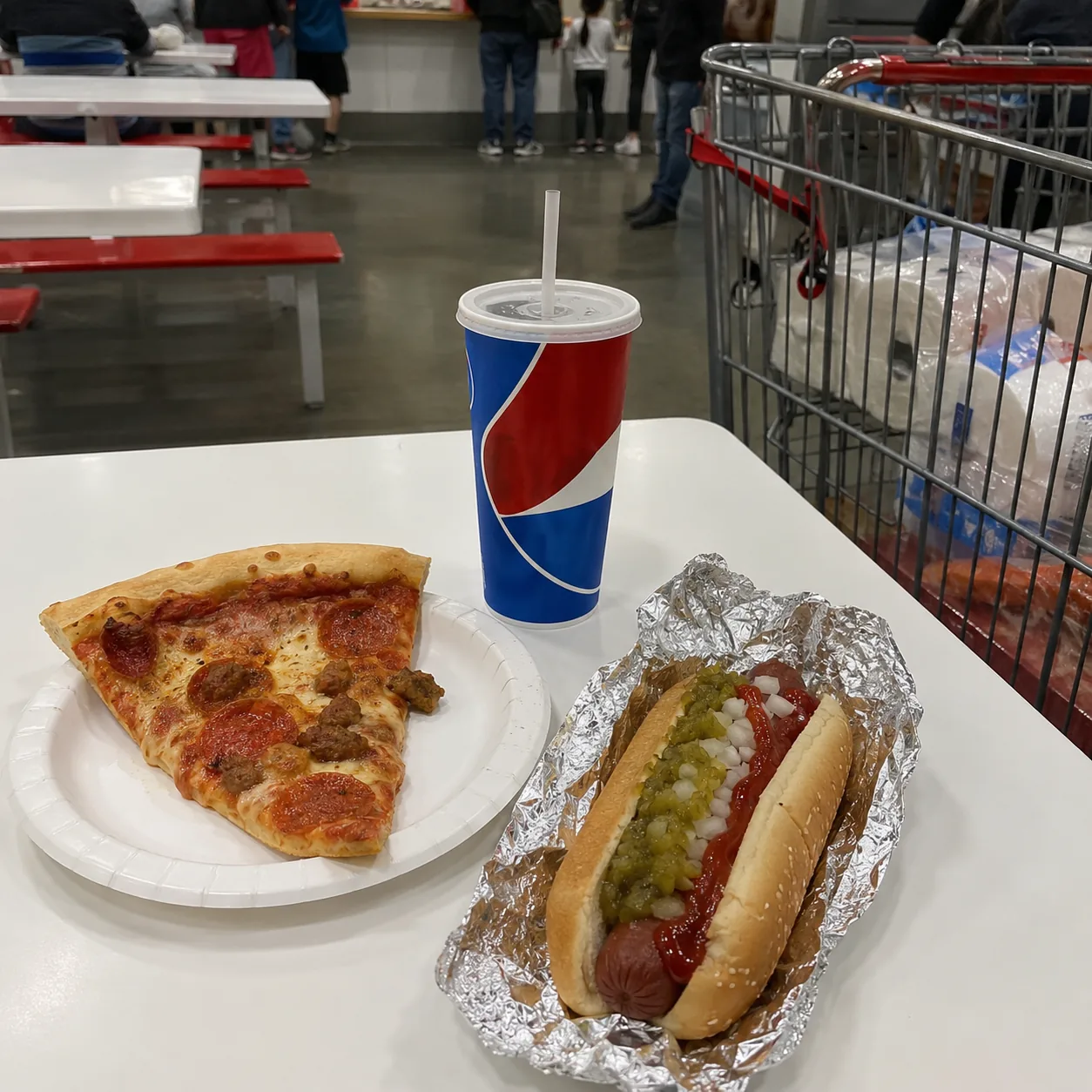
Use it as a meal replacement: the value drops when it becomes an add-on.
This helps families feeding kids during errands or shoppers avoiding a pricier restaurant stop. It can go wrong when every trip adds snacks, drinks, desserts, and time. Decide whether it replaces lunch or simply increases the outing cost.
16. Pharmacy

Ask for price comparisons: pharmacy savings vary by medication and plan.
This helps people with recurring prescriptions, pet medications, or cash-pay situations. It can go wrong if insurance, discount programs, or location rules change the cost. Compare before transferring, and make sure refill timing and pickup location fit your routine.
15. Optical

Price the whole pair: frames are only the start.
This helps families buying multiple pairs, contacts, sunglasses, or backups. It can go wrong if lens upgrades, coatings, progressives, insurance rules, or turnaround time surprise you. Consumer perks overlap across memberships, so compare this mindset with 35 Amazon Prime Perks People Pay For but Never Use.
14. Hearing Aids

Check follow-up support: hearing value depends on service after purchase.
This helps older adults, caregivers, and anyone comparing hearing care options. It can go wrong if fitting, adjustments, batteries, cleaning, repairs, or travel distance are ignored. Do not compare only the device price; compare the whole support path.
13. Discounted Gift Cards
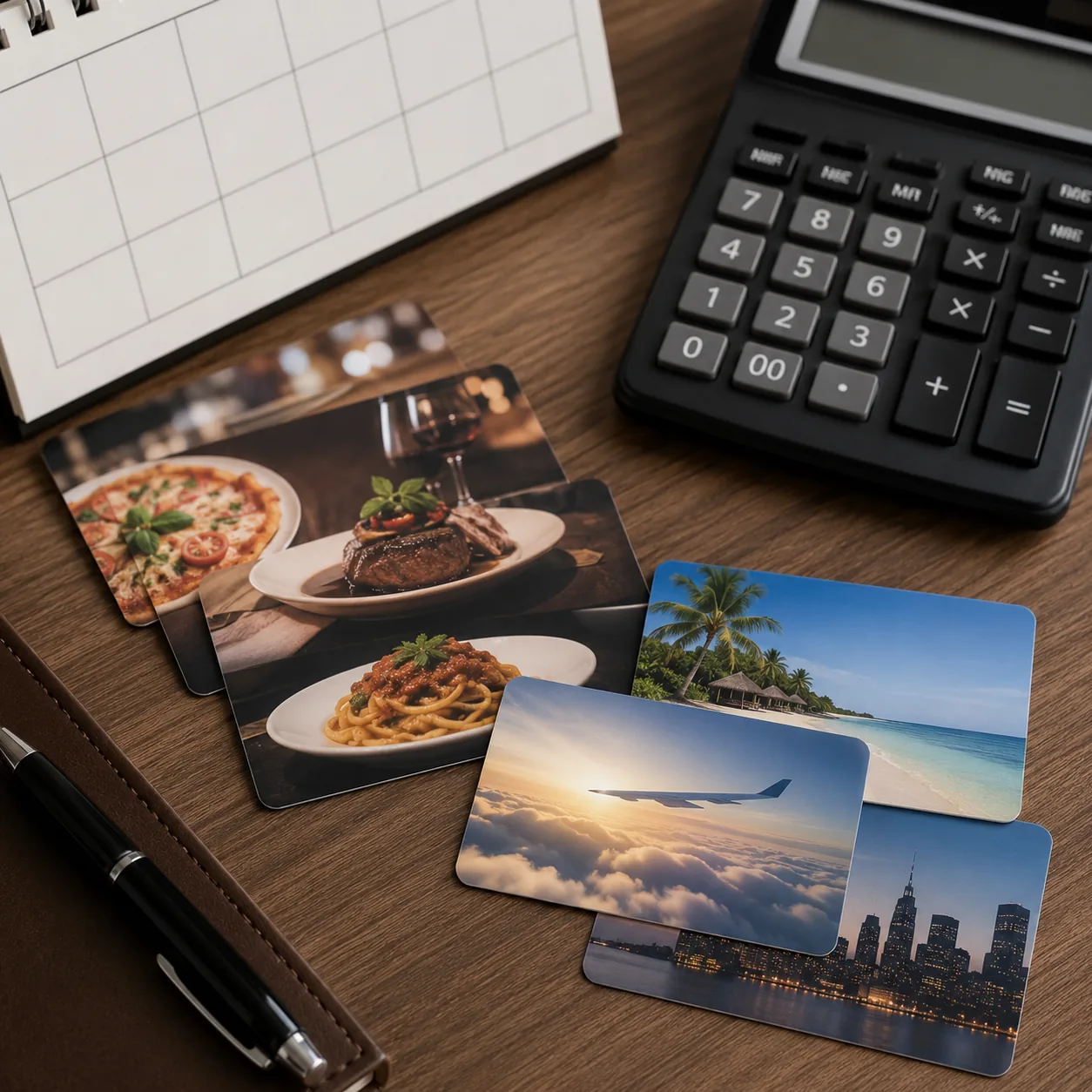
Check redemption reality: a discount card saves money only when you would spend there anyway.
This helps restaurant regulars, travelers, moviegoers, and gift buyers. It can go wrong if the card is forgotten, excluded at your location, or makes you overspend to use the balance. Buy for known plans, not vague future intentions.
12. Travel Packages

Compare every inclusion: bundled travel is cheaper only when the pieces fit.
This helps families, cruisers, and people who like simple planning. It can go wrong with room category, cancellation terms, resort fees, transfers, insurance, or rental car details. Treat travel fine print like housing fine print: slow down, compare terms, and know what happens if plans change.
Read More: 33 Condo Rules Downsizers Wish They Read Before Closing
11. Appliances
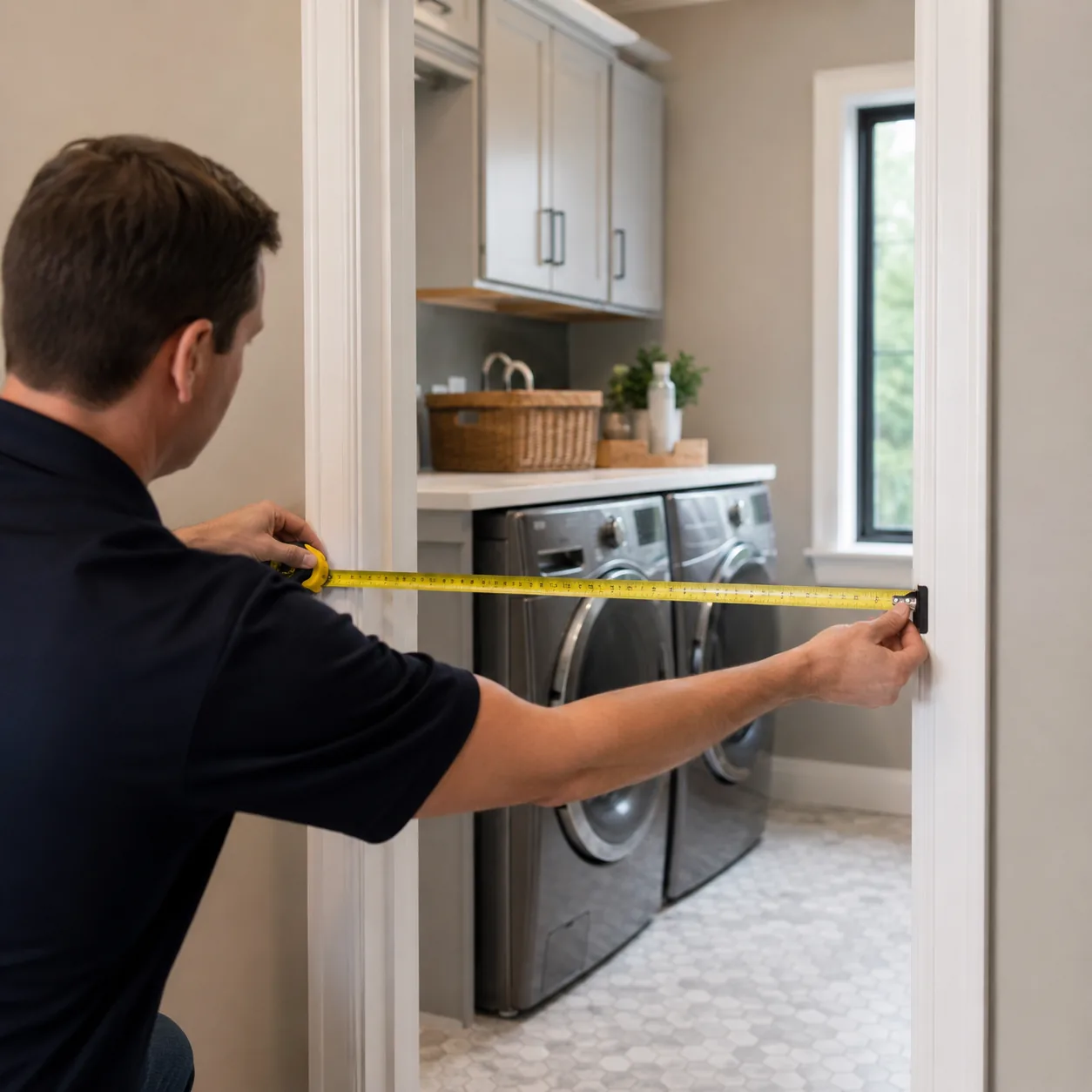
Check delivery services: appliances are not just price tags.
This helps homeowners replacing refrigerators, washers, dryers, ranges, and dishwashers. It can go wrong if hookups, haul-away, stairs, local code, or installer availability complicate delivery. Measure the space, the doorway, and the path before comparing the deal.
10. Patio Furniture

Check assembled size: club displays can make large sets look manageable.
This helps homeowners furnishing decks, porches, and pool areas. It can go wrong if cushions need storage, the frame blocks walkways, or return shipping is difficult. Measure the patio and decide where covers or cushions go during storms.
9. Mattresses

Check return logistics: comfort cannot be judged from a box.
This helps people replacing old beds or furnishing guest rooms. It can go wrong if height, firmness, base compatibility, or pickup rules are not clear. A mattress deal is useful only if the trial, delivery, and removal process fit your home.
8. Batteries
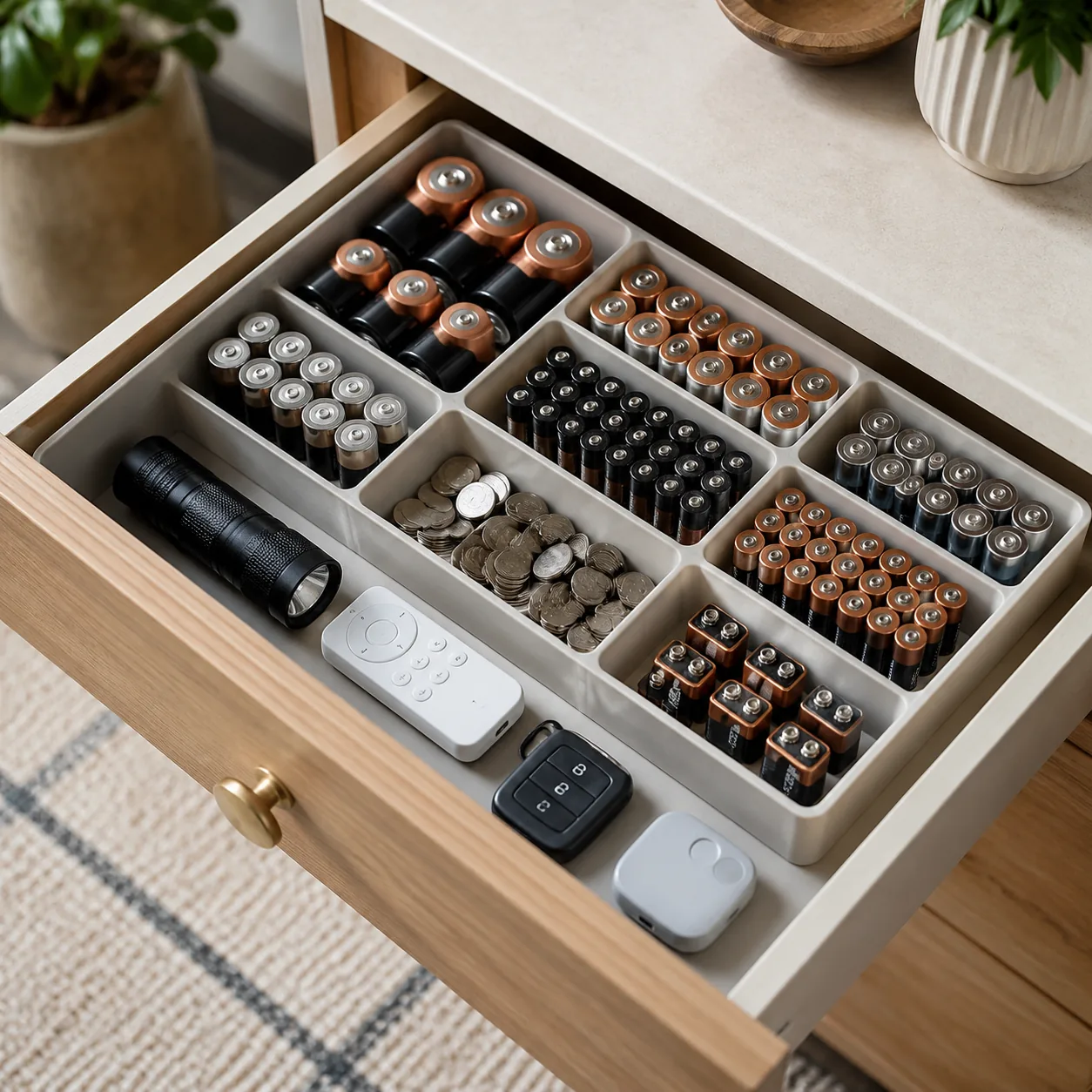
Check usage rate: batteries age, leak, and get misplaced.
This helps households with toys, remotes, flashlights, tools, and emergency kits. It can go wrong if a huge pack sits for years in a hot drawer. Store them properly, rotate older ones first, and avoid specialty sizes unless you know the exact device.
7. Pet Supplies
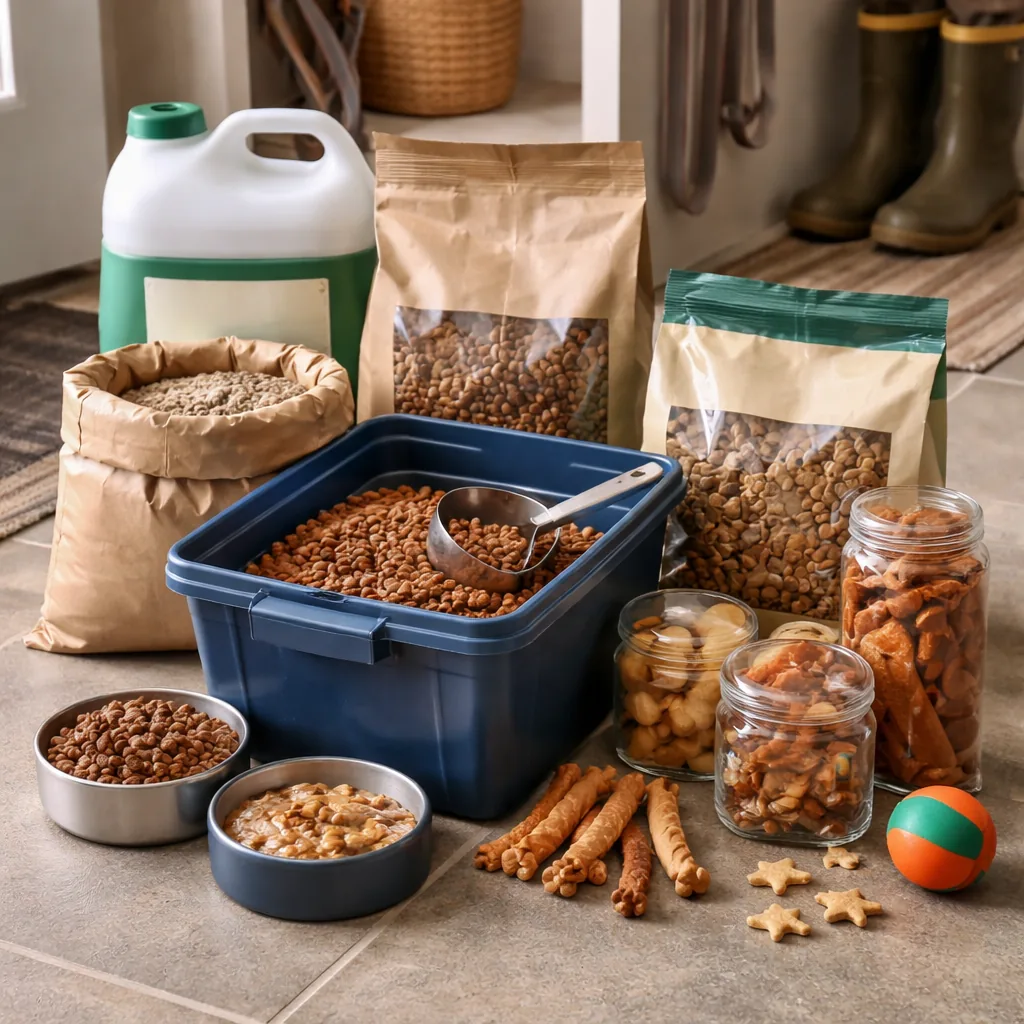
Test before stocking up: pets can reject a bargain immediately.
This helps dog and cat owners buying food, treats, litter, supplements, and medications. It can go wrong if the animal refuses the product, has stomach trouble, or the bag goes stale. Buy big only after a smaller test has worked.
6. Baby Diapers and Wipes
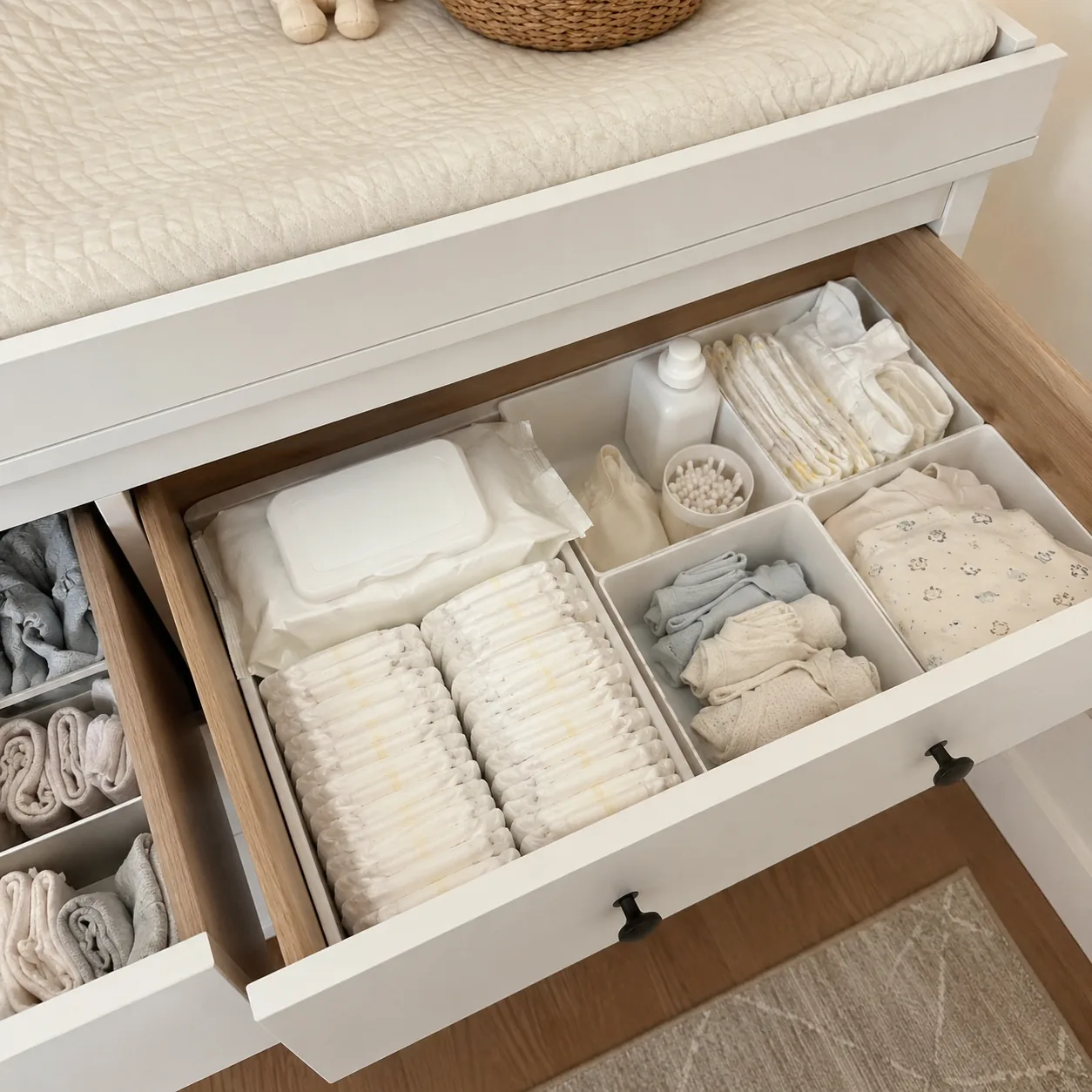
Check size timing: babies outgrow bulk faster than parents expect.
This helps families with predictable diaper use and storage space. It can go wrong if you overbuy one size right before a growth spurt. Think about storage like any other space problem: today’s great price still needs room until the last pack is used.
Read More: 35 Things Downsizers Regret Getting Rid of After Moving to a Smaller Home
5. Office Supplies

Check actual consumption: office bulk helps only if the supplies move.
This helps small businesses, teachers, remote workers, churches, and nonprofits. It can go wrong when printer paper warps, ink dries out, or supplies become clutter. Buy bulk for items you reorder often, not for an imagined version of your office.
4. Restaurant-Size Supplies

Match the event: foodservice sizes make sense for foodservice needs.
This helps caterers, church kitchens, reunion planners, and people hosting large parties. It can go wrong when a normal household buys commercial tubs because the unit price looks good. If you cannot name the event or recurring use, skip the giant package.
3. Membership Tier Upgrades

Run the break-even: premium tiers need enough qualifying spend.
This helps frequent shoppers, business buyers, and families buying travel or appliances through a club. It can go wrong when the upgraded tier becomes an annual fee with no matching usage. Estimate your real year, then downgrade if the math does not work.
2. Household Add-On Cards

Put access where errands happen: the right person needs the card.
This helps couples, roommates, caregivers, and adult children helping parents. It can go wrong if one person pays for the membership while another does the shopping but lacks access. Set up household or add-on permissions before a big trip.
1. Walking Away From the Oversized Deal

Use the best warehouse skill: leave the wrong deal behind.
This helps everyone. Warehouse clubs are built to make large quantities feel normal, but the real savings come from restraint. If the item will not fit, last, get used, or replace something you already planned to buy, walking away is the cheaper choice.