

A retirement community can look easy to sell while the tour still feels impressive.
The details that slow resale usually hide in fees, rules, upkeep, and buyer limits.
31. Monthly Dues That Outrun Nearby Options

High dues do not always scare buyers on tour day.
They start to matter when a resale listing sits beside newer neighborhoods with lower monthly costs.
What to check: compare dues against similar communities within the same driving radius. Ask what rose over the past five years and what is not included. A fee that looks manageable today can narrow the buyer pool later.
30. A Reserve Fund That Looks Thin

A pretty clubhouse does not prove the association has saved enough.
Thin reserves can lead to higher dues, delayed repairs, or special assessments that buyers notice during due diligence.
What to check: ask for the reserve study, recent financials, and upcoming capital projects. If big assets are aging and the reserve balance looks light, resale may depend on a buyer accepting future uncertainty.
29. Land Lease or Lot Rent Confusion

Some communities sell the home but not the land underneath it.
That arrangement can still work for the right buyer, but it changes the resale conversation.
What to check: clarify whether the property is fee simple, leasehold, co-op, or land-lease. Buyers may hesitate if lot rent can rise, financing is limited, or the ownership structure takes extra explaining.
28. Mandatory Club or Golf Costs

A golf course view can look like a built-in selling point.
It can also come with membership costs that shrink the audience.
What to check: separate required charges from optional perks. Dining minimums, initiation fees, cart fees, and club dues can make non-golf buyers move on quickly, even if they love the house itself.
27. Transfer Fees Buyers Meet Late

Transfer fees often hide behind the bigger closing numbers.
They become a resale problem when buyers feel surprised or nickeled-and-dimed near the finish line.
What to check: ask for every buyer-paid, seller-paid, and association-paid transfer charge. Even a one-time fee matters if competing communities make the transaction feel cleaner.
26. Rental Rules That Limit Exit Options

Strict rental rules can protect the neighborhood feel.
They can also reduce flexibility when an owner needs to move before the right buyer appears.
What to check: read rules on minimum lease length, waiting periods, caps, family use, and hardship exceptions. Buyers who want a backup plan may avoid communities where renting is nearly impossible.
25. Age Restrictions That Shrink the Buyer Pool

Age restrictions are the point of a 55+ community.
They also mean the resale audience is smaller than for a standard neighborhood.
What to check: understand occupancy rules, spouse exceptions, caregiver rules, and underage visitor limits. A narrow buyer pool is not automatically bad, but it makes pricing and timing more sensitive.
24. Financing That Some Lenders Avoid

Not every property type fits every lender’s comfort zone.
Co-ops, land leases, high investor ratios, litigation, or unusual association structures can slow financing.
What to check: ask local agents which lenders regularly close in the community. If buyers need specialty financing, cash, or extra documentation, resale depends on a smaller and more prepared group.
23. Insurance Trouble in the Area

Insurance problems can make a good-looking community feel risky.
Buyers may worry about premiums, deductibles, or whether the association has enough coverage.
What to check: ask about master policies, recent premium increases, flood or wildfire exposure, and owner coverage requirements. A buyer who cannot predict the true monthly cost may keep shopping.
22. Floor Plans That Feel Dated Fast

Tour-day furniture can make an older floor plan feel charming.
Resale buyers may see narrow halls, small kitchens, low light, or awkward laundry placement.
What to check: look past staging and measure the everyday spaces. A home that cannot handle mobility changes, guests, or modern storage may need a discount to compete.
21. Rules That Block Simple Updates

Resale buyers often imagine easy improvements.
That optimism fades if paint, windows, doors, patio changes, or landscaping need long approval cycles.
What to check: review the architectural rules before assuming a fixer can be modernized quickly. This is closely tied to 35 HOA Rules Retirees Regret Ignoring Before They Bought, because renovation friction can follow the next owner too.
20. Too Many Similar Listings

Uniform neighborhoods are easy to tour.
They can be harder to sell in when several nearly identical homes hit the market at once.
What to check: search active, pending, and recently sold listings inside the community. If every home has the same floor plan, view, and finish level, small price differences can control buyer attention.
19. A Clubhouse That Needs Expensive Work
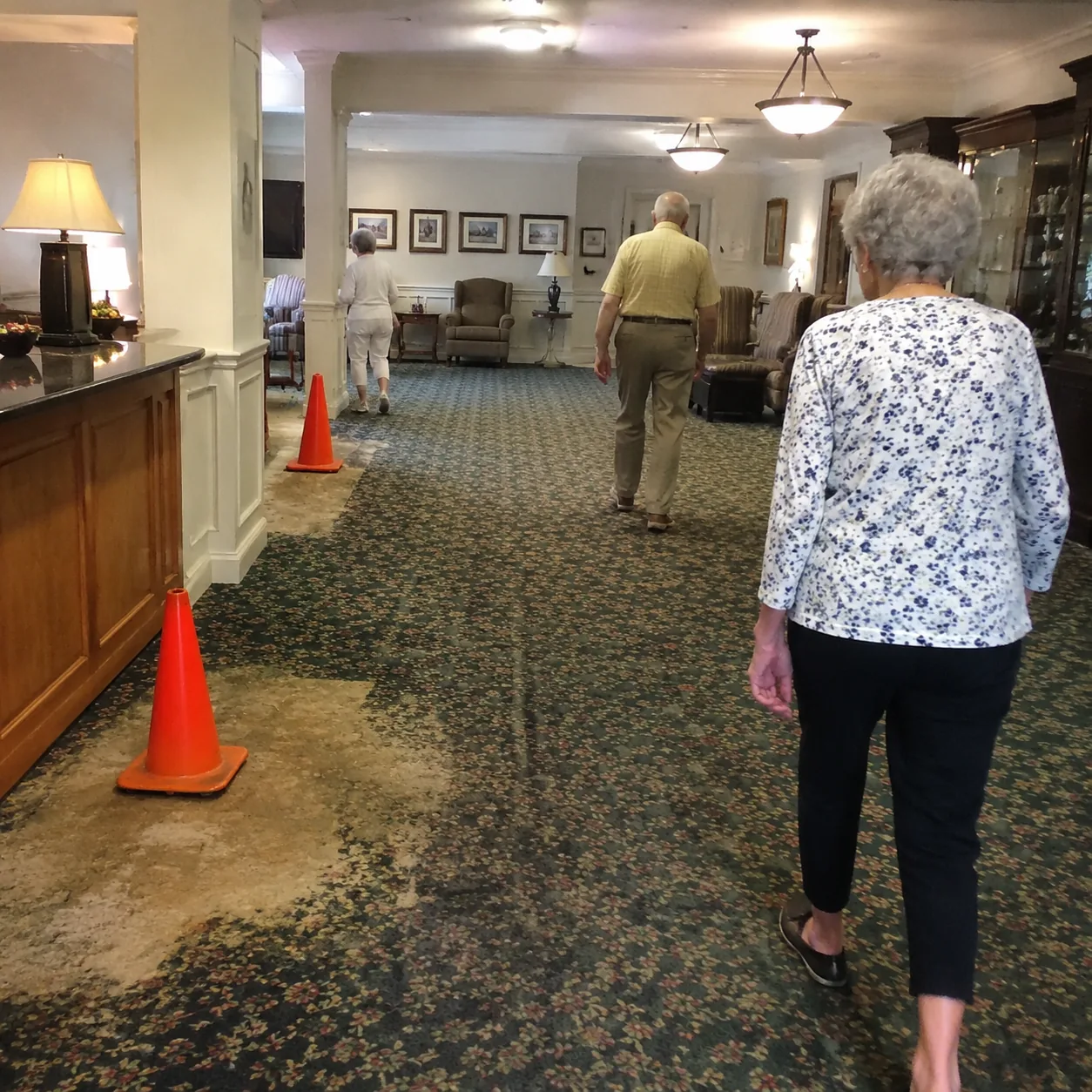
Amenity photos can stay online long after the building ages.
Buyers notice when the pool deck, clubhouse roof, fitness room, or pickleball courts look tired.
What to check: walk the amenities the way an inspector would. Worn common areas can signal future assessments, higher dues, or a community that has been postponing hard decisions.
18. Maintenance Boundaries That Are Fuzzy

“Maintenance-free” is rarely as broad as it sounds.
Resale gets messier when buyers cannot tell who handles roofs, patios, drainage, irrigation, windows, or pest issues.
What to check: request the maintenance matrix, not just the brochure. For daily-life surprises, pair this with 35 Little Details That Make a 55+ Community Feel Different After the First Year.
17. Special Assessment History

One special assessment does not automatically make a community bad.
A pattern of them can make resale buyers nervous.
What to check: ask how often assessments happened, what they paid for, and whether more are being discussed. Buyers may accept a clear one-time project more easily than recurring budget surprises.
16. A Reputation for Fee Hikes

Local agents remember communities where dues jump often.
That reputation can follow a listing even when the home is clean and well priced.
What to check: compare several years of meeting minutes and budget notices. If increases are frequent but explanations are thin, future buyers may assume the next hike is already waiting.
15. Back Streets That Look Neglected
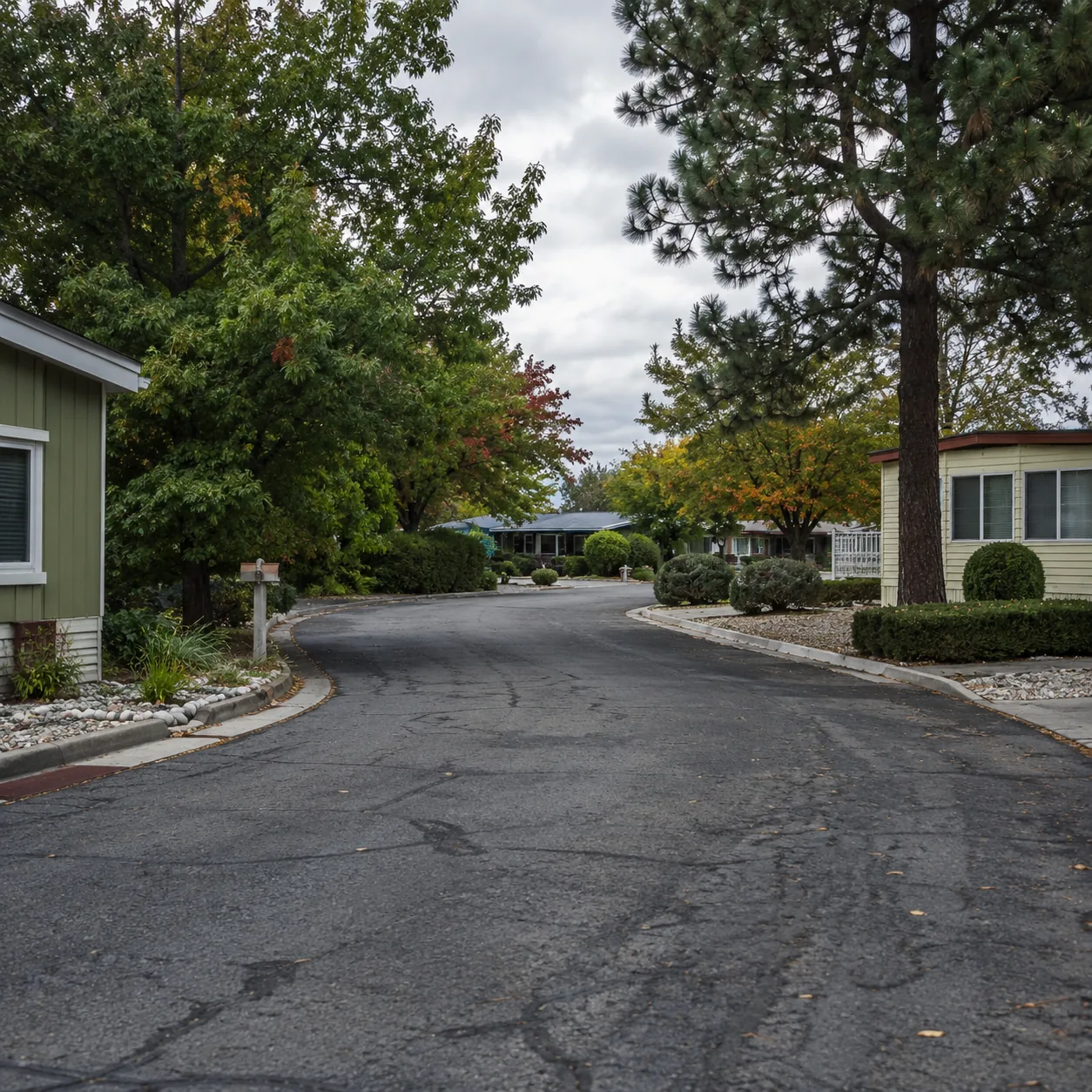
Tour routes usually show the best streets first.
Resale buyers eventually drive the rest of the neighborhood.
What to check: visit side streets, service areas, mail stations, drainage spots, and the oldest section. Many of the same clues show up in 33 Red Flags to Spot Before Moving Into a Retirement Community.
14. Pet and Vehicle Limits That Surprise Buyers

Some buyers fall in love with the house before reading the lifestyle rules.
Then they learn their dog, truck, RV, motorcycle, or visiting family car creates a problem.
What to check: read pet limits, vehicle storage rules, guest parking, and driveway restrictions. Resale becomes harder when everyday possessions need exceptions.
13. Weak Cell Service or Internet Choices

Connectivity rarely gets the same tour attention as the pool.
It matters every single day after move-in.
What to check: test cell service inside the home, in the garage, and around amenities. Ask which internet providers serve the address. Buyers who stream, work part-time, or use telehealth may reject a beautiful home with poor service.
12. Pending Litigation or Board Conflict

Disputes can make financing, insurance, and buyer confidence harder.
Even small conflicts feel larger when they appear in resale documents.
What to check: ask about litigation, insurance claims, construction defects, and major owner disputes. Buyers do not need a perfect community; they need to understand what they are walking into.
Read More: 37 Things Retirement Community Tours Make Look Better Than They Feel After Move-In
11. Poor Guest Parking

Guest parking sounds minor until holidays, caregiving, or grandkids arrive.
It can affect how flexible the home feels to the next buyer.
What to check: visit during evenings, weekends, and events. If every guest space is full, or overnight parking needs constant approvals, buyers with active family lives may hesitate.
10. Location That Is Pretty but Inconvenient

A peaceful setting can sell the dream.
It can also make errands, medical visits, airports, and family trips feel harder over time.
What to check: drive to grocery stores, pharmacies, hospitals, parks, and major roads at normal errand times. Resale buyers often pay less for beauty that adds friction to daily life.
9. Newer Phases Competing With Older Homes

A builder’s sales office can be tough competition.
New homes may offer incentives, warranties, fresher layouts, and easier financing.
What to check: ask whether new phases are planned or actively selling. If a future buyer can choose brand-new nearby, an older resale may need stronger pricing, better upgrades, or a better lot.
8. Ownership Documents That Are Hard to Explain

Confusing documents create hesitation.
Buyers may back away when the ownership structure, fees, rules, or maintenance duties require too much interpretation.
What to check: ask for the full disclosure packet early and see how clearly it reads. A community that cannot explain itself simply may face slower resales.
Read More: 33 Condo Rules Downsizers Wish They Read Before Closing
7. Appliances and Systems Near the Same Age

Many homes in the same phase age together.
That means HVAC units, roofs, water heaters, and appliances can all approach replacement at once.
What to check: look for clusters of same-age systems across comparable listings. Buyers may discount a home if they expect several expensive replacements soon after closing.
6. Limited Storage for Real Downsizing

Small homes tour beautifully when they are edited down.
They sell more slowly when buyers cannot see where life actually goes.
What to check: open closets, garage cabinets, pantry spaces, and outdoor storage areas. If golf clubs, holiday bins, tools, or mobility equipment have no obvious home, resale buyers may keep looking.
5. Amenities That Depend on Volunteers

A busy calendar can make a community feel vibrant.
The risk is that the energy depends on a small group of volunteers.
What to check: ask who runs clubs, events, committees, and welcome programs. If participation is fading or leadership is burned out, future buyers may not experience the same lifestyle the brochure promises.
4. Resale Rules That Add Extra Steps

Some communities require buyer approval, orientation, paperwork, fees, or board timing before a sale closes.
Extra steps can be reasonable, but they can also slow momentum.
What to check: ask how resales are handled from listing to closing. A process that feels unclear may make buyers choose a simpler transaction.
Read More: 31 Signs a Retirement Town Is Harder to Leave Than to Move Into
3. Seasonal Demand Swings

Some retirement markets feel busy only part of the year.
That can affect how quickly a resale finds the right buyer.
What to check: ask local agents when listings move fastest and slowest. If the community depends on seasonal buyers, pricing and timing matter more than they do in a year-round market.
2. The Seller Must Compete With the Lifestyle Pitch

Buyers are not only judging the home.
They are judging whether the community still feels like the dream they were sold.
What to check: look at the gap between marketing and reality. If the lifestyle pitch is stronger than the actual upkeep, programming, and convenience, resale can feel like selling against the brochure.
1. The Documents Do Not Match the Tour

The biggest resale problem is usually not one dramatic flaw.
It is the moment buyers realize the paperwork tells a more complicated story than the tour.
What to check: compare every promise against budgets, rules, minutes, maintenance charts, and fee schedules. A home resells better when the documents make the same calm argument as the showing.