Grandma’s house had a strange talent for turning almost-empty, worn-out, and used-once things into something useful again.
Waste was not just messy; it was money leaving the house before its last job was done.
35. Bread Bags Folded Flat in the Drawer
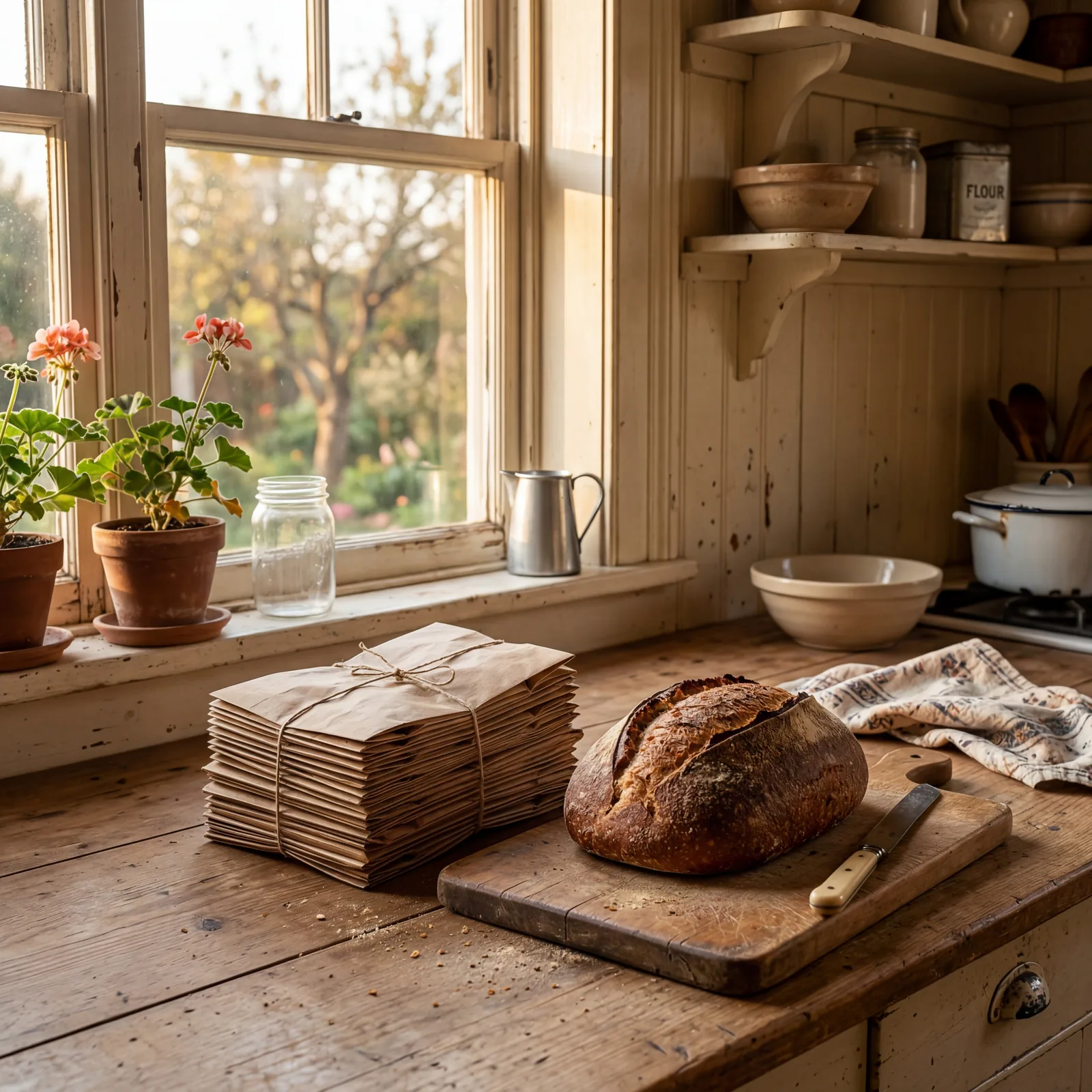
Bread bags did not go straight into the trash once the loaf was gone. They were shaken clean, folded, and tucked into a drawer for another round.
They covered leftovers, wrapped sandwiches, held freezer rolls, lined a small trash can, or protected wet shoes in a suitcase. The plastic already existed, so buying special bags felt careless.
Grandma knew a bread bag still had plenty of life left if the crumbs were gone and the seams held.
34. String Wound Into a Ball
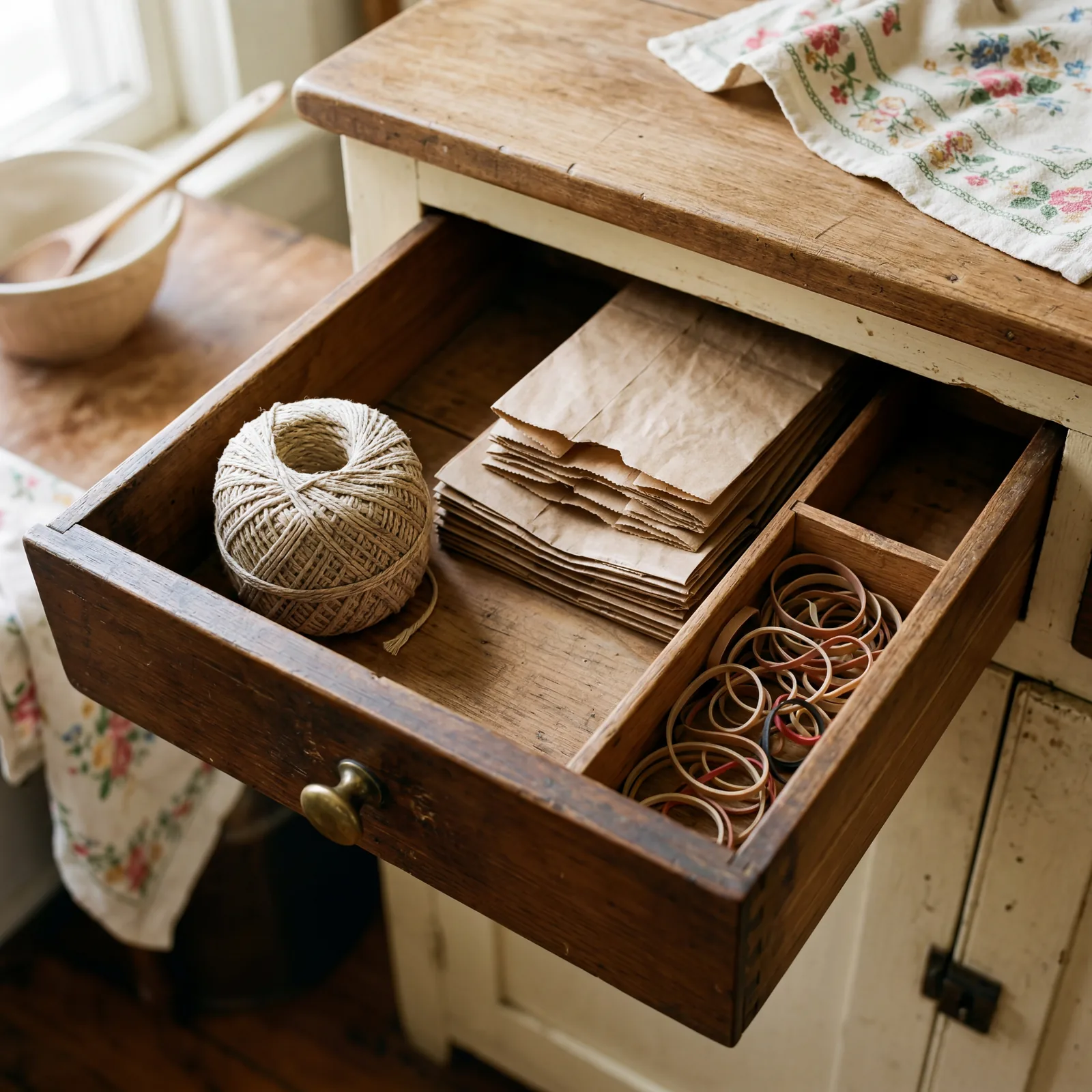
String was saved from packages, bakery boxes, feed sacks, and parcels. Loose pieces were knotted together or wound into a ball that lived in a drawer.
That ball tied newspaper bundles, tomato plants, curtain repairs, luggage tags, and anything that needed one honest loop. String was small, but it spared trips to the store.
The old rule was simple: if it could still tie, it was not finished.
33. Glass Jars With Their Lids
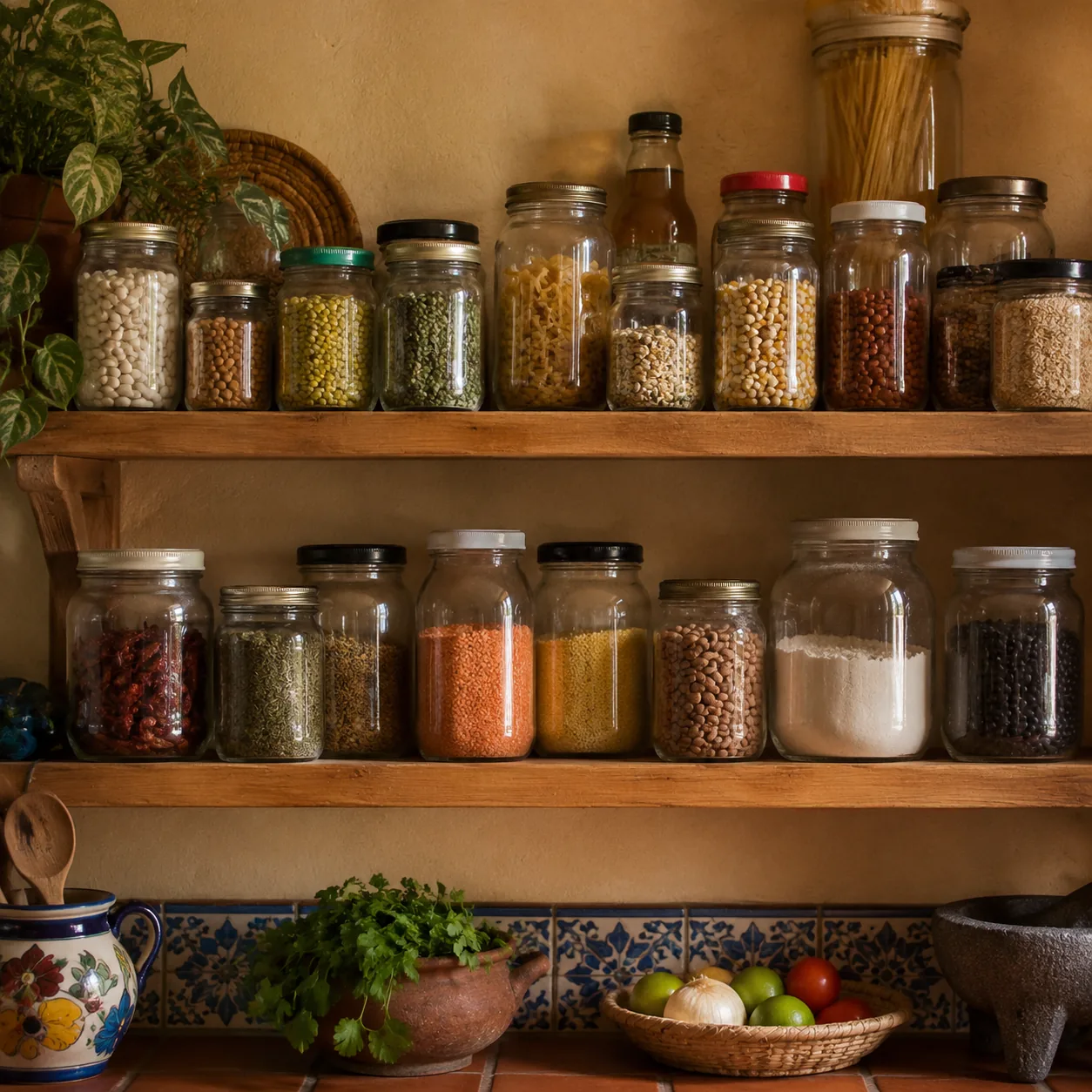
Mayonnaise jars, jelly jars, pickle jars, and peanut butter jars became storage long before matching containers were a kitchen status symbol.
They held beans, nails, buttons, leftover gravy, bacon grease, cotton balls, or pencil stubs. A clear jar meant you could see what you had without opening five lids.
Grandma saved the lid too, because a jar without a lid was only half useful.
32. Bacon Grease in a Coffee Can
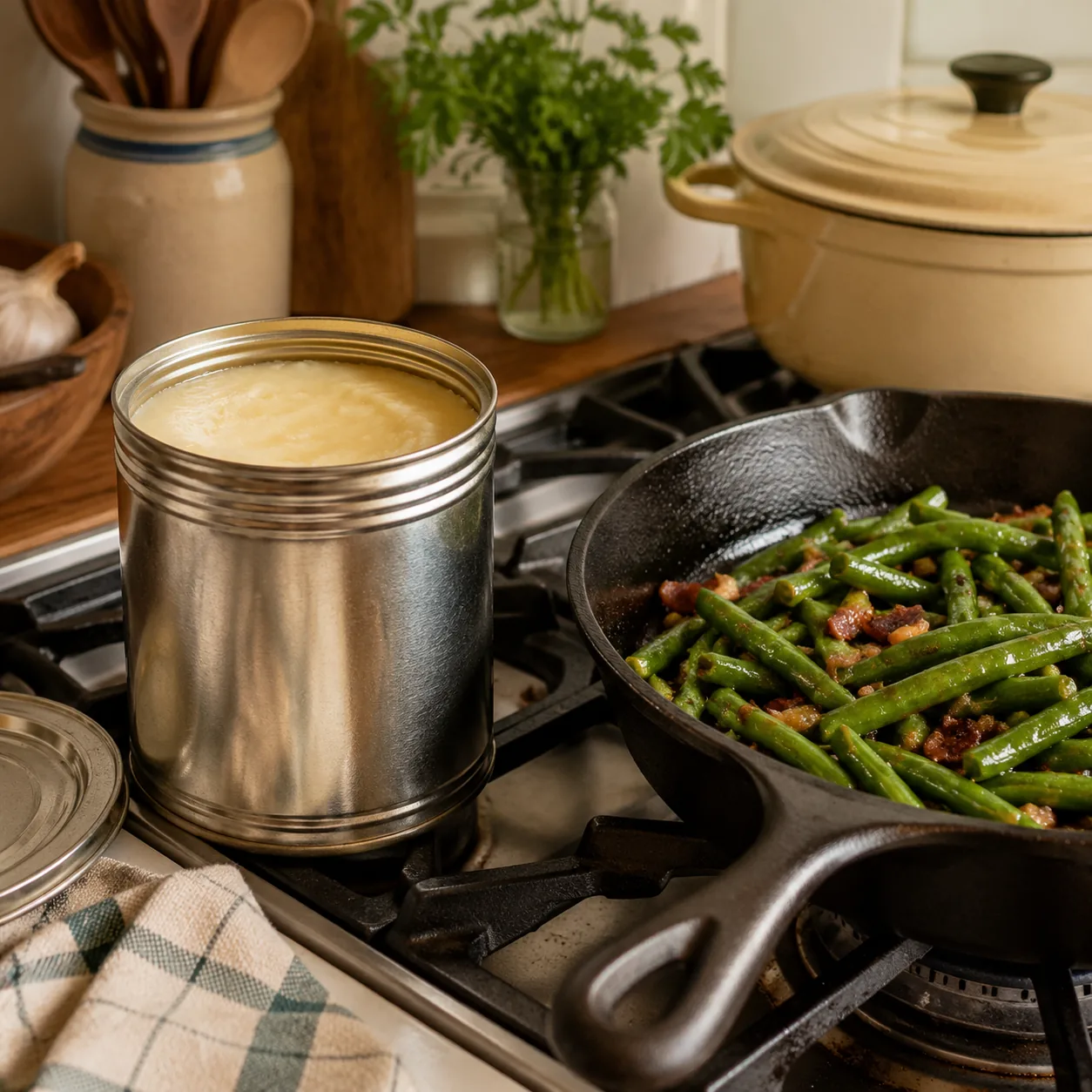
Bacon grease was treated like paid-for flavor. After breakfast, it was spooned or strained into a can and kept near the stove.
A little grease fried eggs, seasoned green beans, crisped potatoes, started gravy, or made cornbread taste richer than the pantry really was. Throwing it away meant buying flavor twice.
The smell alone could make a thin supper feel less thin.
31. Aluminum Foil Smoothed Flat
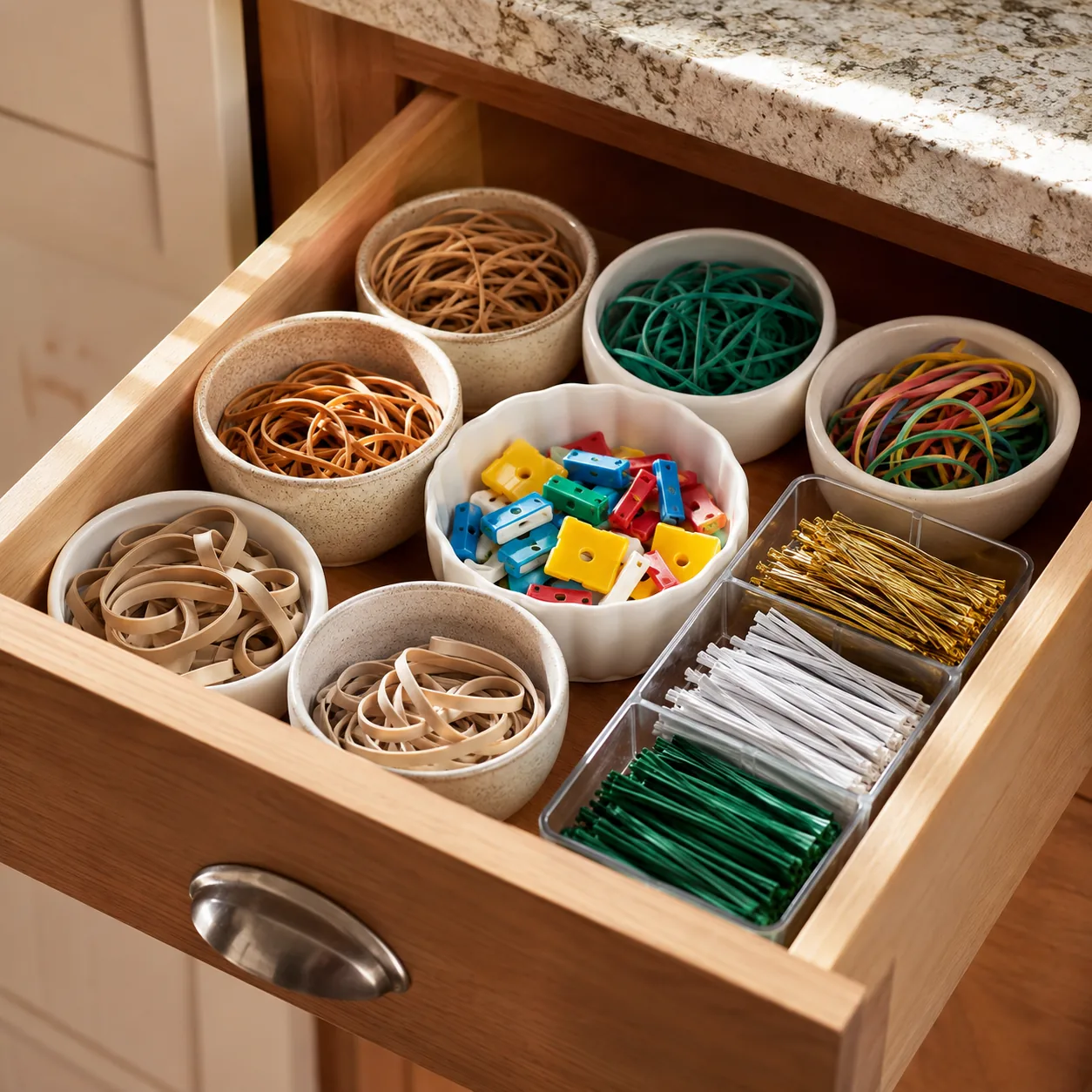
Foil was washed if it was clean enough, dried, and smoothed with the side of a hand. It did not matter if the corners looked tired.
It could cover another casserole, line a pan, wrap a potato, sharpen scissors in a pinch, or shield pie crust from burning. New foil was expensive enough to notice.
Grandma hated seeing a perfectly usable sheet crumpled into a ball.
30. Buttons in a Tin
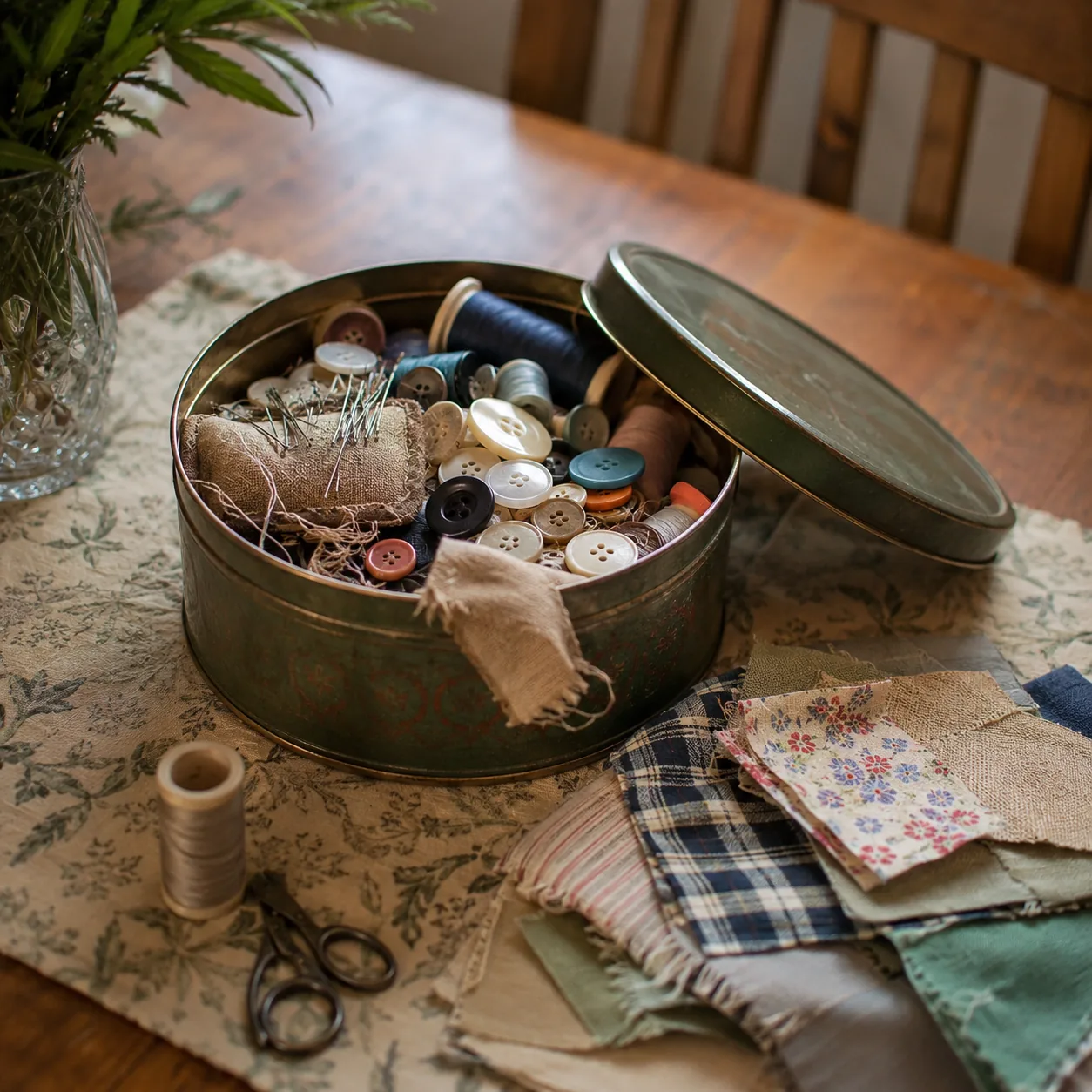
Every worn shirt donated its buttons before becoming a rag. The good ones went into a tin that rattled when the drawer opened.
That tin fixed coats, dresses, pajamas, school shirts, and the one cardigan nobody wanted to give up. Matching was nice, but close enough often won.
Buttons were tiny insurance. Lose one at breakfast, and Grandma could have you presentable by noon.
29. Soap Slivers in a Dish

A bar of soap did not disappear when it became too small to hold. The slivers gathered in a dish by the sink or tub.
They were pressed onto a new bar, tied into a washcloth, or melted down for laundry jobs. It was slippery work, but it stretched the purchase to the very end.
Grandma could not stand paying for soap and then throwing away the last washes.
28. Coffee Cans for Everything Small
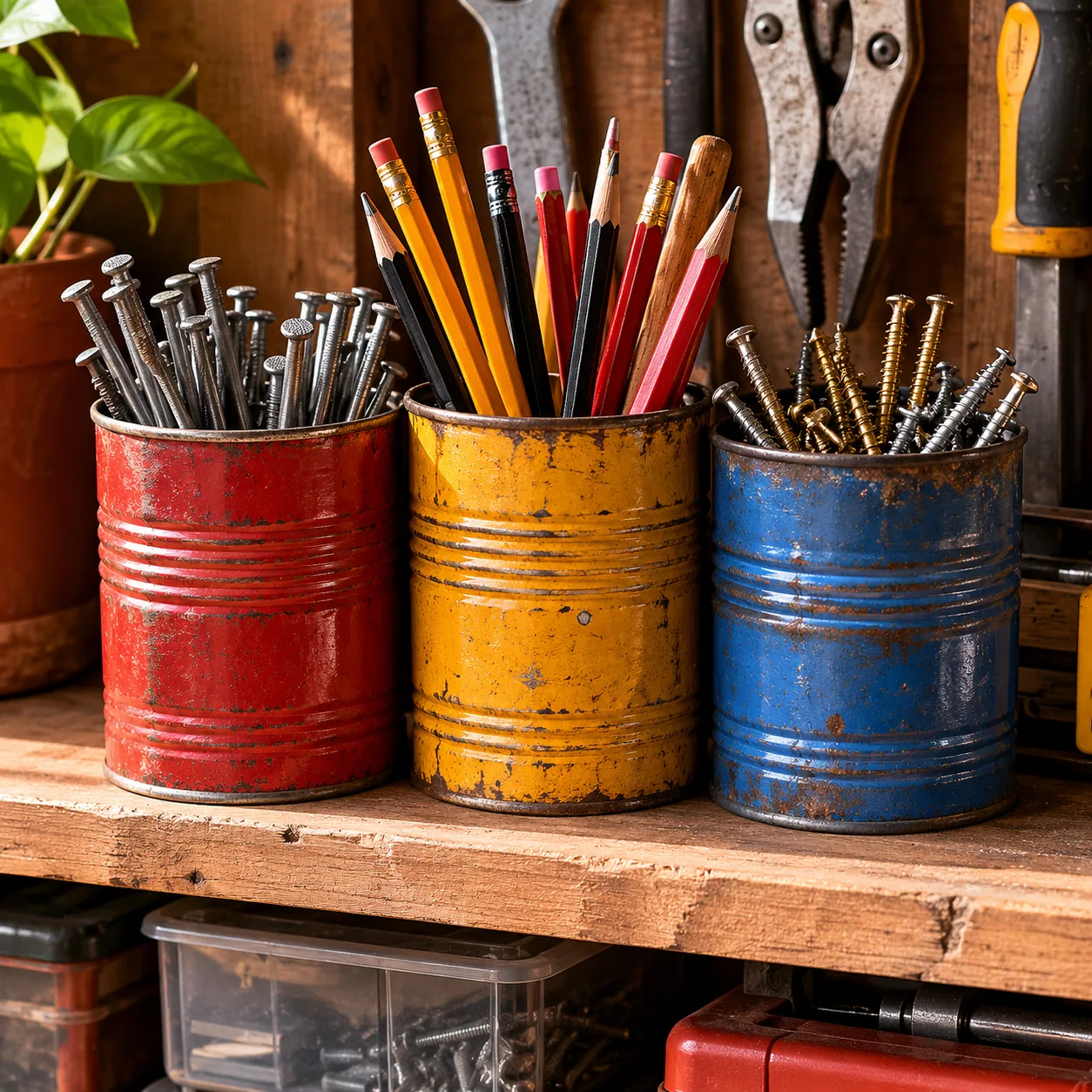
Coffee cans were too sturdy to waste. Once the coffee was gone, the can became a small bucket with a lid.
One held clothespins. Another held screws, pencils, cookie cutters, garden stakes, or kitchen scraps on the way to the compost pile. The plastic lid kept dust out and smells in.
The best part was the price: free storage hiding inside something the house already bought.
27. Rubber Bands Around Doorknobs
Rubber bands from produce, newspapers, mail, and packaging were saved until a doorknob looked like a little supply station.
They held recipe cards, closed flour bags, bundled pencils, kept cords together, and stopped a lid from sliding loose. A fresh rubber band felt too useful to toss after one errand.
Grandma also knew the sad snap of a dry one. That was the only time it was truly done.
26. Paper Grocery Bags
Paper grocery bags were flattened, stacked, and saved somewhere near the broom. They were not trash. They were future floor protection.
They wrapped packages, covered schoolbooks, caught vegetable peels, lined drawers, held donations, and protected the table during messy crafts. A strong brown bag could take more punishment than it got in one grocery trip.
Grandma saw useful paper, not clutter.
25. Twist Ties in a Little Cup
Twist ties collected near the bread box, often in a cup, saucer, or drawer corner. The tidy ones were straightened with a thumbnail.
They closed bags of rice, tied up cords, marked freezer bundles, supported young plants, and replaced missing bread ties. A twist tie was a small thing, but small things mattered when every package had to last.
The wire inside made it worth saving.
24. Old Envelopes for Lists
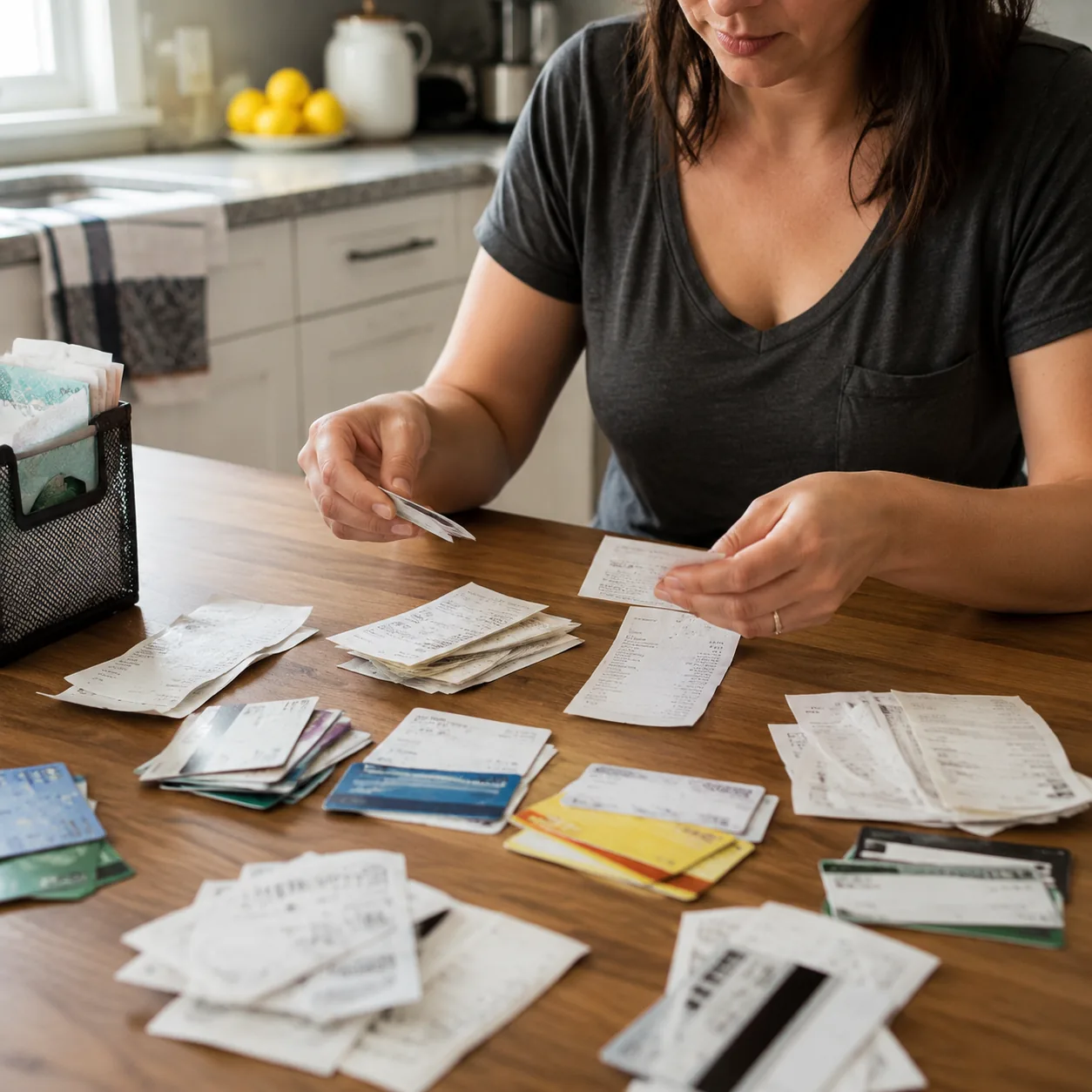
Mail envelopes became scratch paper as soon as the bills were paid. The blank back was too useful to ignore.
They held grocery lists, measurements, phone numbers, recipe changes, and the running tally of what the household owed. A proper notepad was nice, but an envelope did the job for free.
Grandma’s lists often looked temporary, yet they kept the whole week from drifting.
23. Bread Heels for Crumbs

The end pieces of a loaf were saved even when nobody wanted them in a sandwich. They dried on a plate or waited in a bag.
Ground into crumbs, they topped casseroles, stretched meatloaf, coated chicken, or thickened a pot that looked too thin. That same grocery-stretching instinct runs through 37 Things Grandma Did to Stretch Groceries Before Budgeting Had a Name.
Bread heels were not leftovers in her mind. They were crumbs waiting for a job.
22. Chicken Bones for Stock

Chicken bones went into a pot, not the garbage, if there was still flavor on them. Even a picked-over carcass had something to give.
With onion ends, celery leaves, carrot peels, and time, bones became broth for soup, rice, dumplings, and gravy. The house smelled warmer before anyone spent another cent.
Grandma understood the second meal hiding inside the first one.
21. Eggshells for the Garden
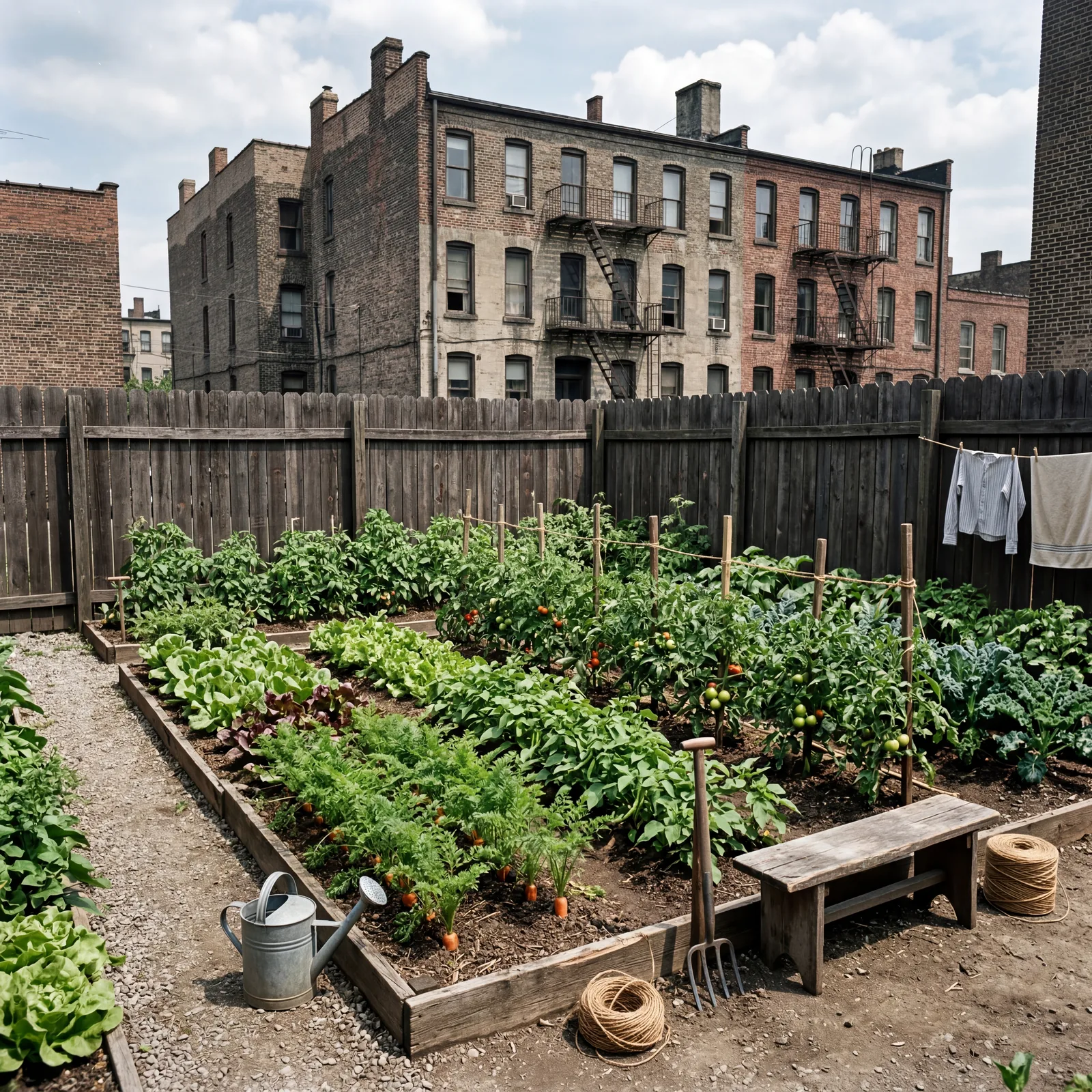
Eggshells were rinsed, dried, crushed, and carried outside. They did not belong in the trash if the garden could use them.
Sometimes they went around tomato plants. Sometimes they went into compost. The science was less exact than Grandma made it sound, but the habit made sense in a household where the backyard helped feed the kitchen. It fits the same world as 35 Backyard Staples Families Grew Before Grocery Runs Were Normal.
Even breakfast scraps had a route back to the table.
20. Candle Stubs in a Jar

Candle ends were saved after the wick burned low. The wax still looked useful, and that was enough.
Grandma could melt stubs into a new candle, grease a sticky drawer runner, seal a drafty spot, or keep them for emergencies when the power went out. The pieces looked like junk until the lights flickered.
Then the jar suddenly felt wise.
19. Flour Sacks for Towels
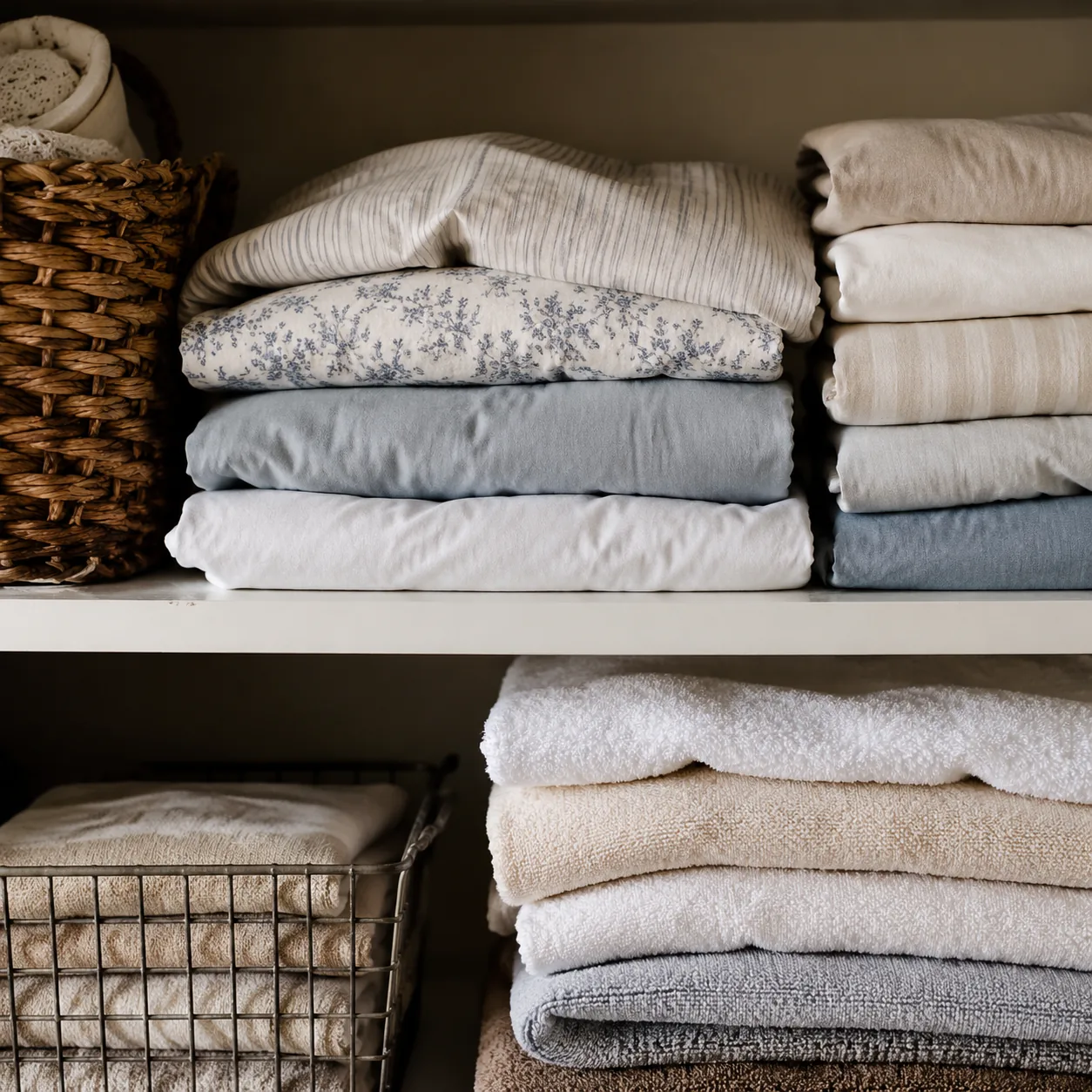
Flour sacks were washed and turned into dish towels, aprons, cleaning cloths, doll clothes, or quilt pieces. The fabric was plain, but it worked hard.
That kind of reuse was part of a larger household rhythm, the same one behind 29 Household Habits From the 1930s That Would Shock Modern Families. Packaging was not separate from the home. It became part of the home.
Grandma saw cloth where a modern shopper might only see a bag.
18. Newspaper Bundles

Newspapers were stacked, folded, tied, and saved for more than yesterday’s news. The ink smell alone could make the utility room feel busy.
They started fires, wrapped fragile dishes, lined shelves, cleaned windows, cushioned packages, and protected floors during muddy jobs. One paper could move through the house three or four times before it was truly spent.
Waste looked different when paper had that many uses.
17. Worn Towels Cut Into Rags
A frayed towel did not become garbage just because it no longer belonged in the bathroom. It moved down a rank.
Bath towel became hand towel, hand towel became cleaning rag, and cleaning rag eventually handled the ugliest jobs in the garage. That ladder of usefulness matches the repair-first mindset in 29 Things People Repaired at Home Before Replacing Everything Became Normal.
Grandma got every absorbent inch out of it.
16. Pickle Jars and Leftover Brine
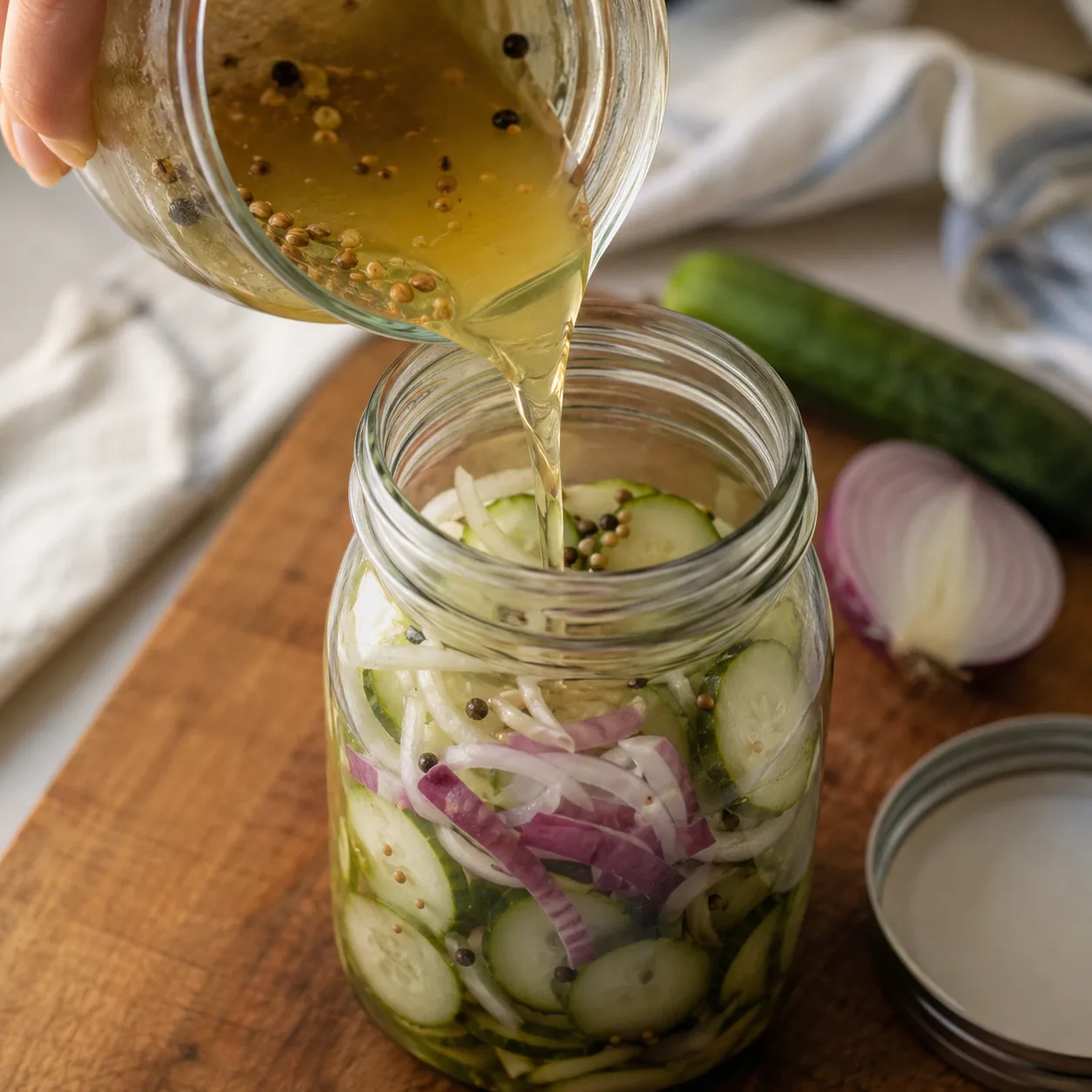
A pickle jar was useful twice. The glass held things, and the brine still had acid, salt, and seasoning.
Grandma poured it over onions, cucumbers, boiled eggs, or potato salad when a dish needed a little bite. The jar then held buttons, beans, nails, or refrigerator leftovers.
Pouring seasoned liquid down the sink felt too close to throwing away something already paid for.
15. Brown Paper for Parcels
Brown paper from packages was folded and kept flat, especially if it was clean and not too torn. Wrinkles were not a problem.
It wrapped parcels, protected books, covered work surfaces, and gave children something to draw on when nicer paper was off limits. The habit feels right beside 37 Things Every 1930s Family Did That Would Shock Modern Kids, where making do was not a slogan. It was daily management.
Paper had to earn its way out of the house.
14. Wrapping Paper Saved From Gifts
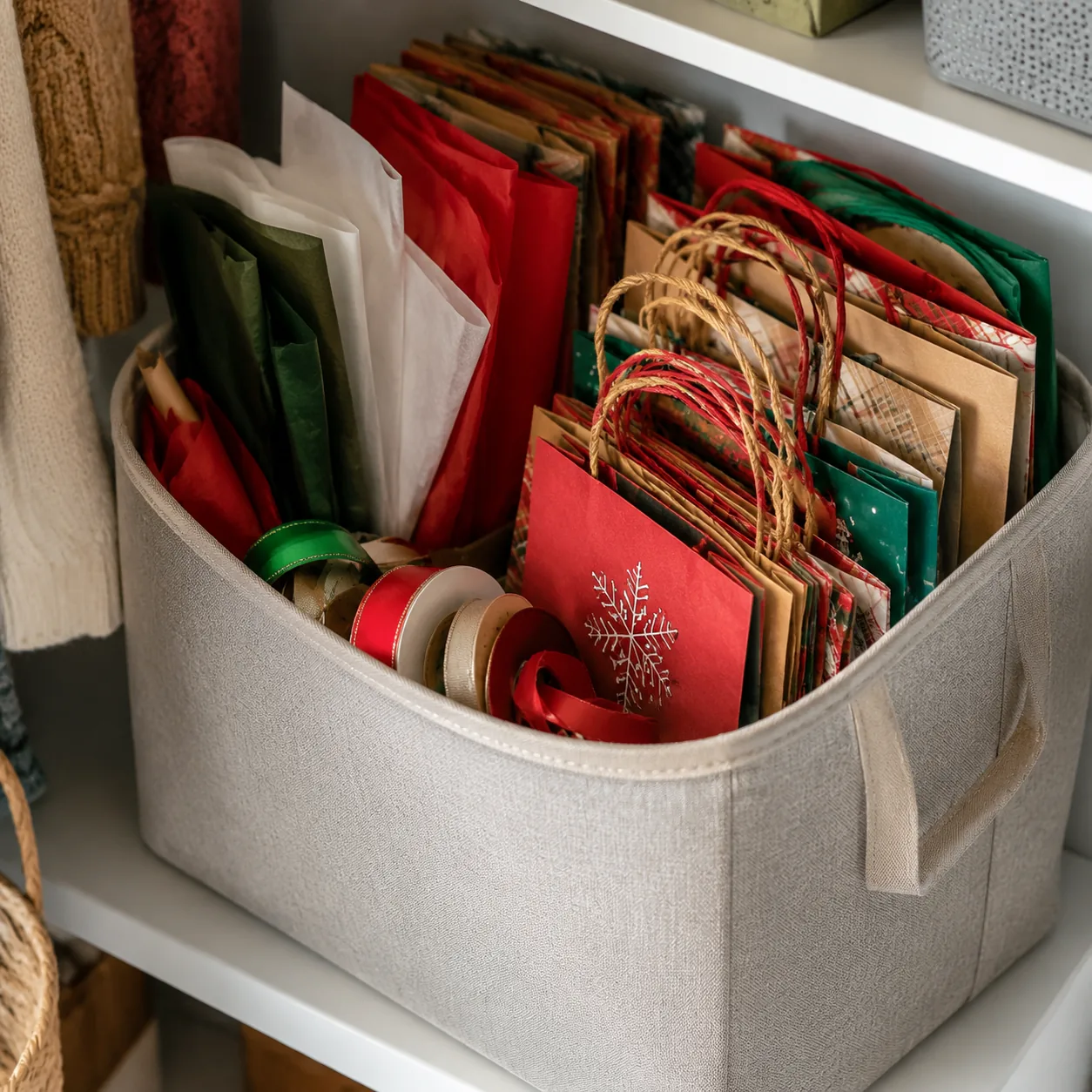
Gift wrap was opened carefully if Grandma was watching. Tape got peeled back slowly, and the biggest clean pieces were folded for next time.
Small scraps wrapped little boxes, lined drawers, covered school projects, or became paper chains at Christmas. A torn corner did not ruin the whole sheet.
The thrift was partly money and partly manners. Pretty paper deserved more than one afternoon.
13. Seed Packets and Garden Twine
Empty seed packets were kept for notes, dates, and reminders about what grew well. Garden twine was rewound if it survived the season.
Grandma might tuck a packet into a drawer with a penciled note about frost, rain, or which beans the family actually liked. That memory mattered in homes where backyard staples helped reduce grocery runs.
Saving the packet saved more than paper. It saved the lesson from that year’s garden.
12. Tin Pie Pans
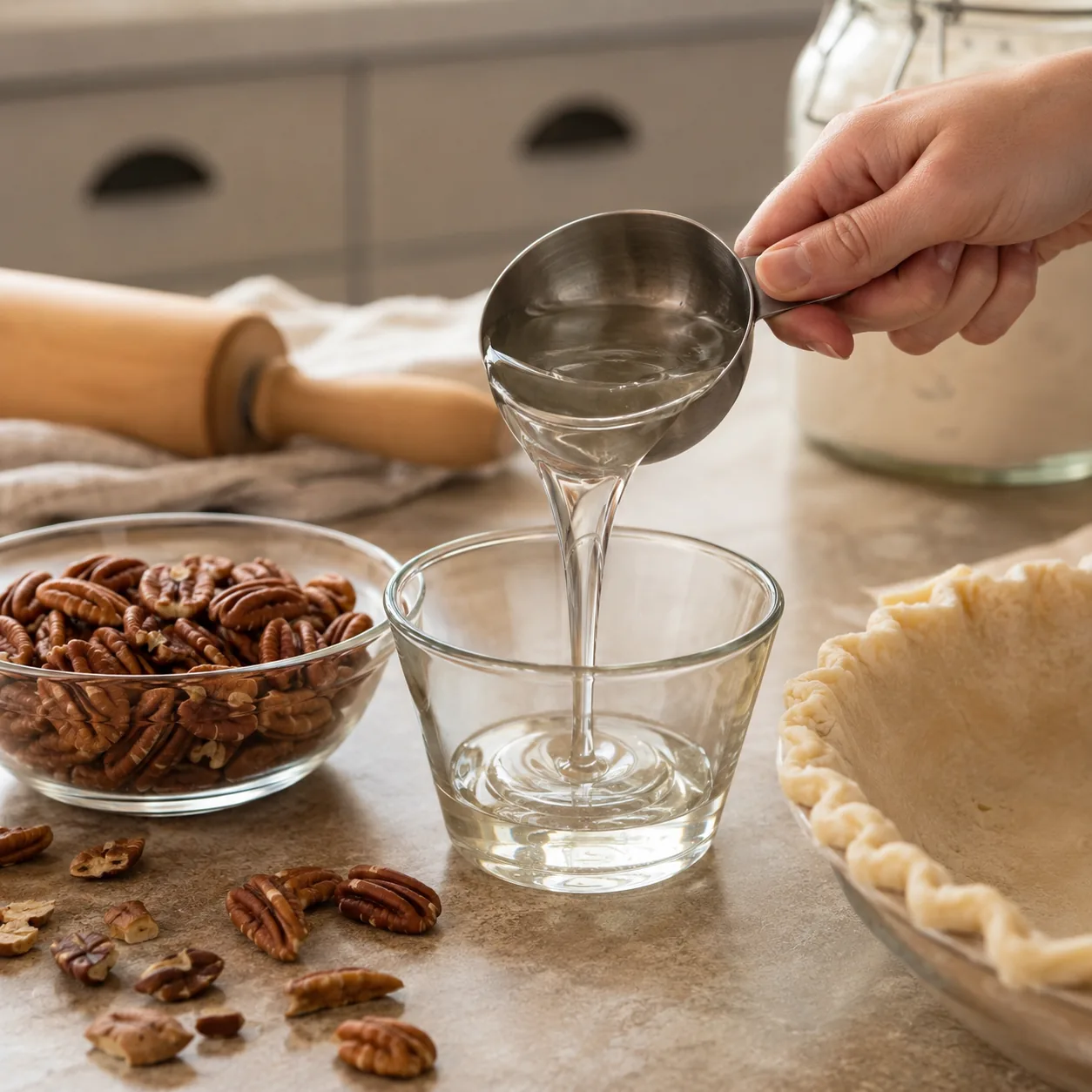
Tin pie pans were washed and stacked even after the bakery pie was gone. They were light, bendable, and strangely handy.
They caught drips under casseroles, held screws during repairs, started seedlings, covered bowls, or carried cookies to a neighbor without risking a good plate. A dent did not bother anyone.
Grandma loved objects that could leave the house and not need a worried phone call.
11. Fabric Scraps From Old Clothes
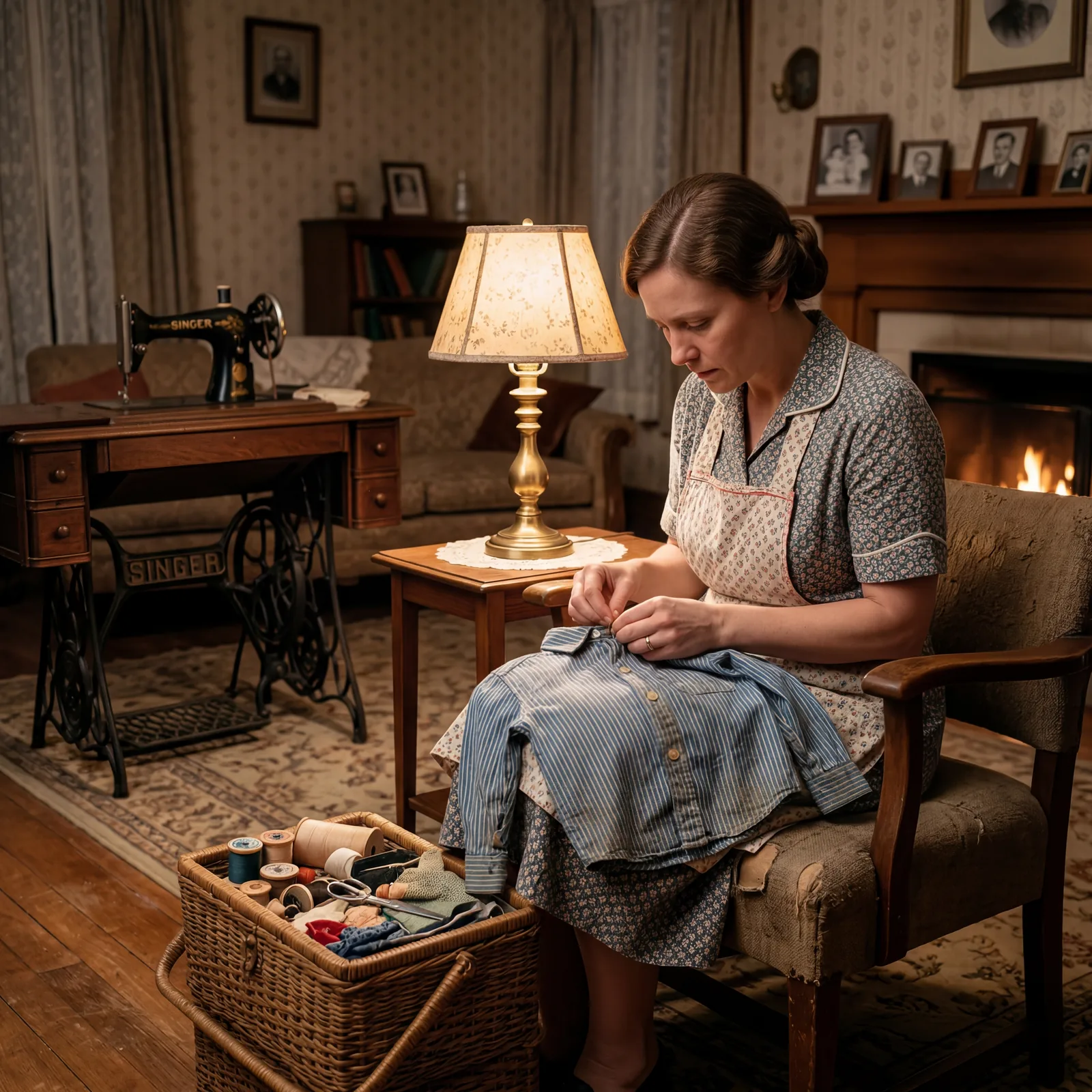
Old clothes were stripped for buttons, zippers, and usable cloth before the rest became rags. The best scraps went into a sewing basket.
They patched knees, reinforced pockets, made doll blankets, covered jar lids, or joined a quilt if the pieces were pretty enough. Children learned that clothing had stages, which fits the sturdy independence behind 33 Old-School Family Rules That Actually Made Kids More Independent.
Waste was harder when everyone had seen the work behind a seam.
10. Canning Jar Rings
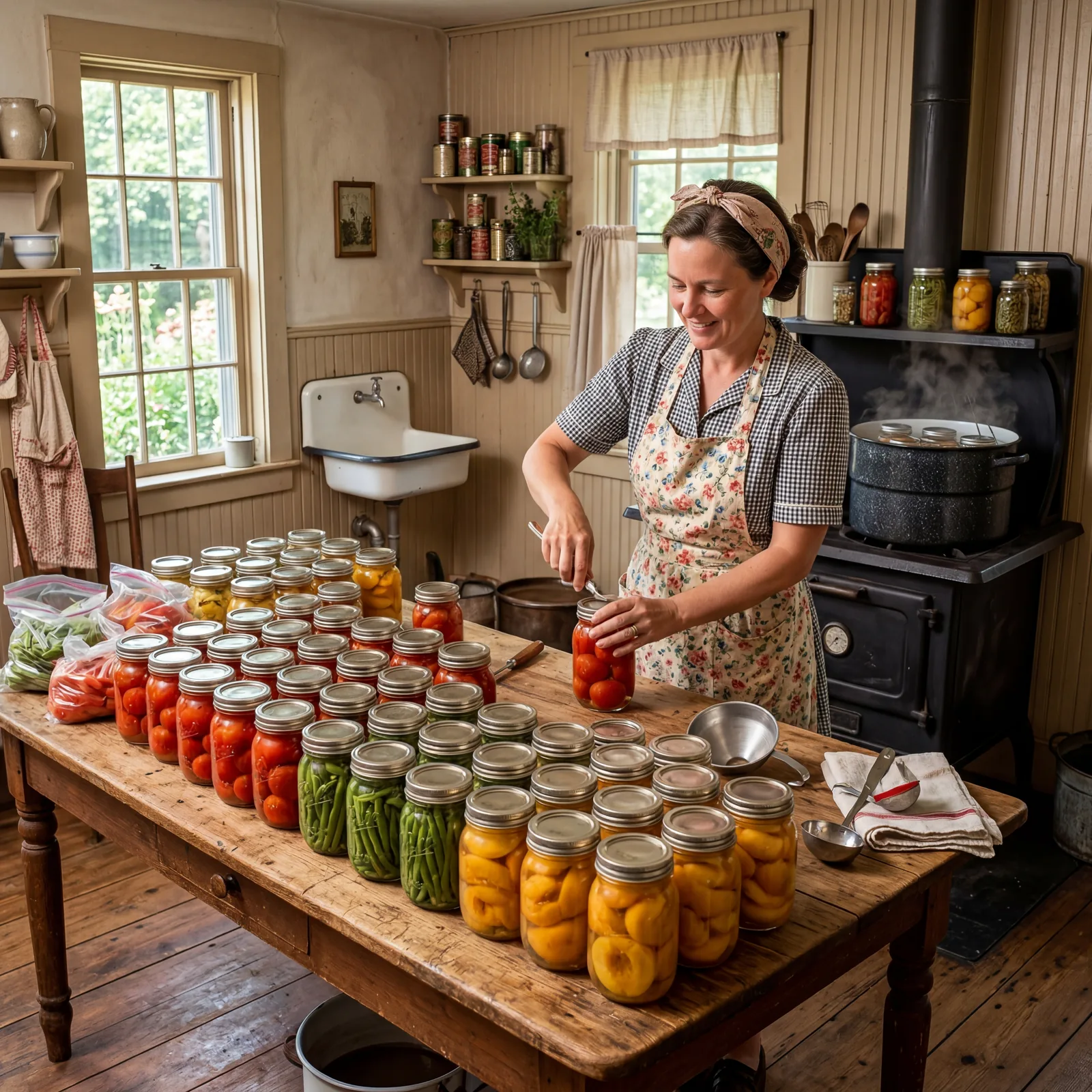
Canning rings were saved long after a jar was opened. The flat lid might not be trusted for another seal, but the ring still had jobs.
It held cloth covers, organized small items, helped with crafts, and kept jars useful for dry storage. Grandma respected canning safety, but she also hated wasting good metal.
The important distinction was knowing what could be reused and what could not.
9. Empty Spice Tins
Spice tins were small enough to disappear in a drawer and useful enough to keep. Their tight lids made them feel dependable.
They held straight pins, tiny nails, seeds, safety pins, tacks, or the one screw nobody could identify but nobody dared throw away. A faint smell of cloves or cinnamon might linger inside.
Grandma’s drawers had a way of turning old containers into little archives.
8. Milk Jugs Cut Into Scoops
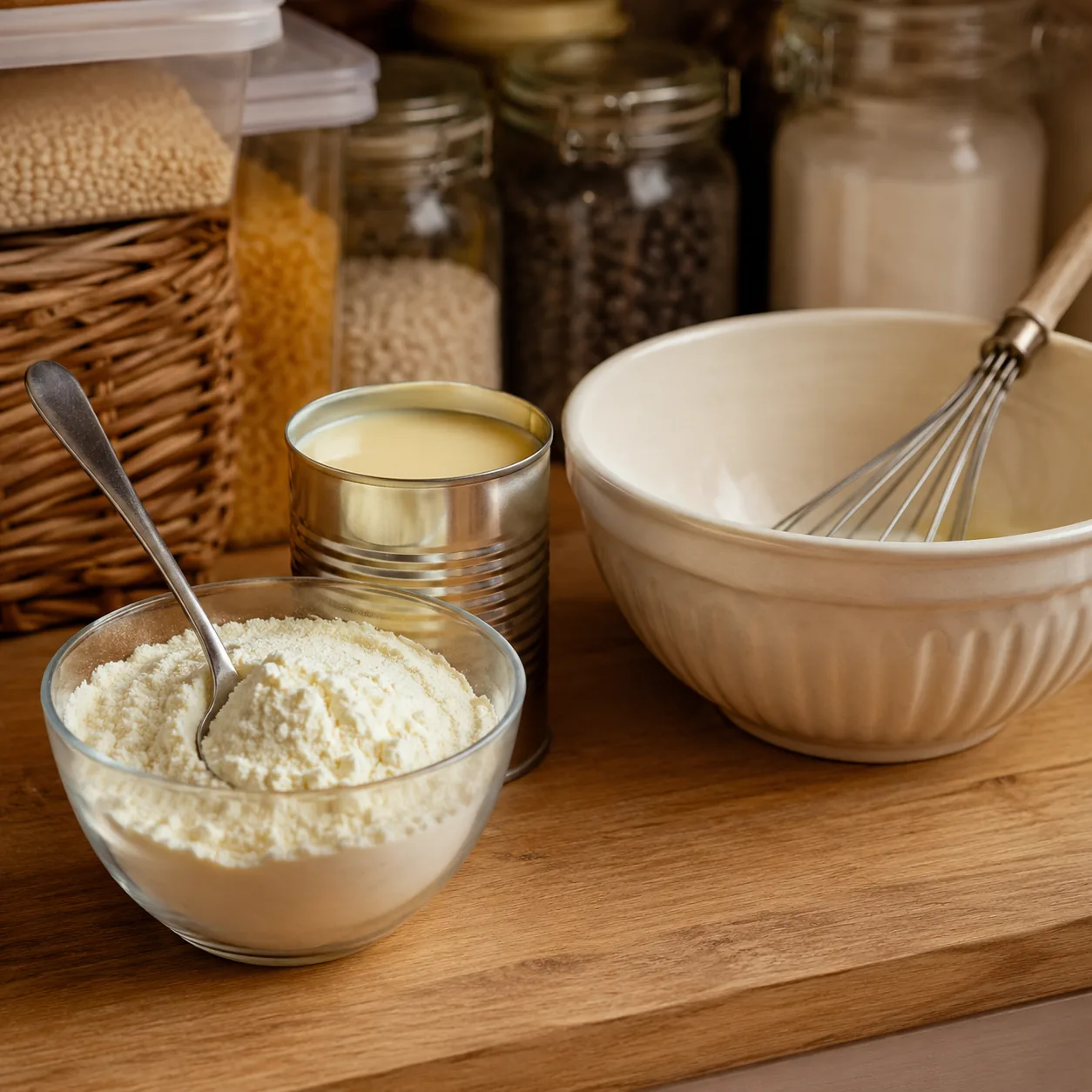
Plastic milk jugs became scoops, funnels, plant protectors, watering cans, or storage for homemade mixes. A handle made them too useful to toss quickly.
Grandma cut them with kitchen scissors and kept the best shapes near birdseed, laundry powder, or potting soil. The same practical pantry eye shows up in 37 Things Every Grandma Kept in the Pantry That Modern Kitchens Forgot.
Convenience packaging annoyed her less when it could be drafted into service.
7. Yarn Ends Rolled Together
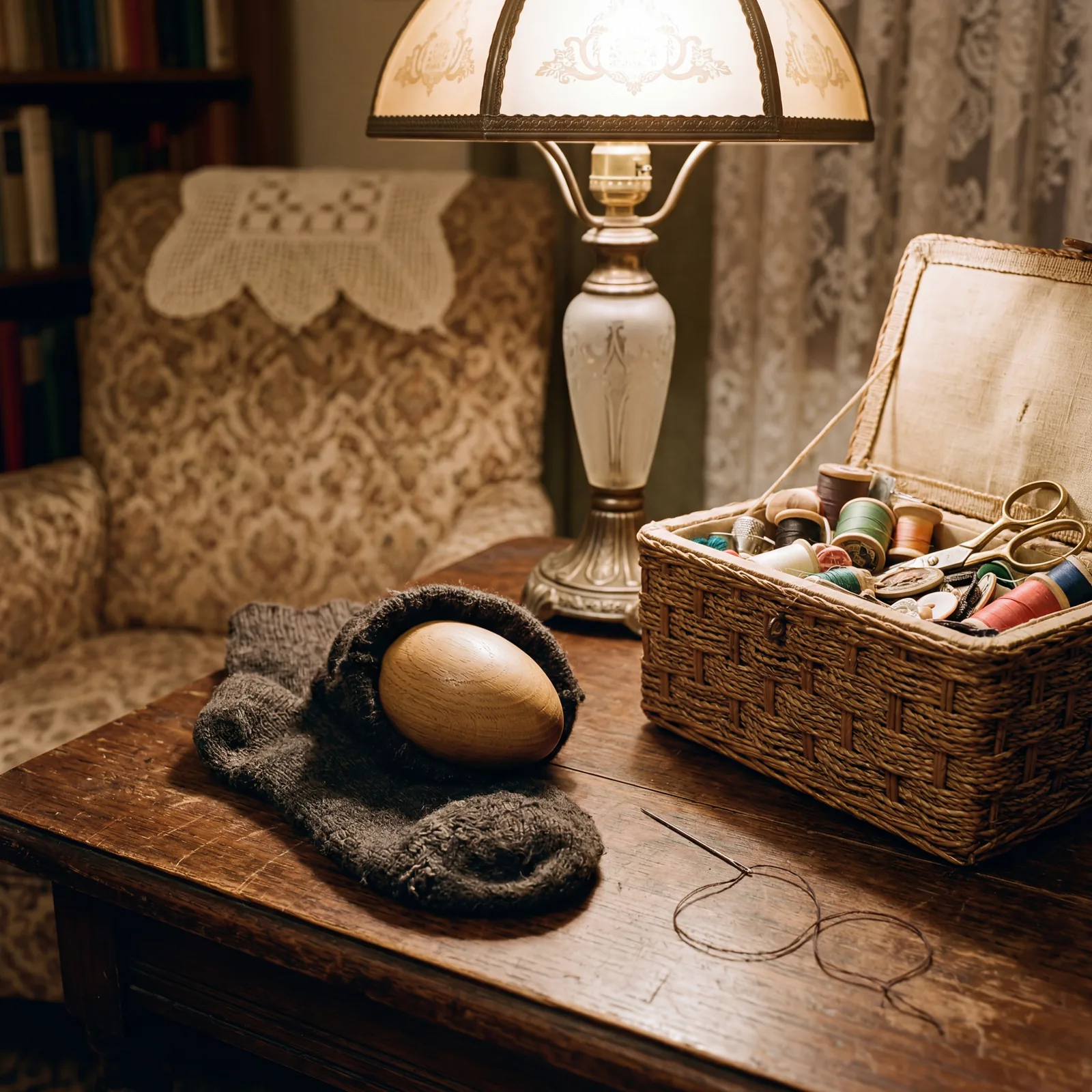
Yarn ends from sweaters, scarves, and mending jobs were rolled into small balls. They were too short for a project but long enough for a repair.
Those pieces tied bundles, mended a loose cuff, marked luggage, or became doll hair and craft supplies for children on a rainy day. Soft scraps had a different value than string.
Grandma saved them because a matching color could be impossible to find later.
6. Shoeboxes Under the Bed

Shoeboxes were dependable storage before every closet had matching bins. They slid under beds, stacked in cupboards, and kept small categories from scattering.
One held photos. Another held receipts, Christmas hooks, shoe polish, sewing notions, or letters tied with ribbon. The cardboard was not elegant, but it made order cheap.
Grandma did not need storage to look coordinated. She needed it to hold.
5. Wax Paper Liners From Cereal Boxes
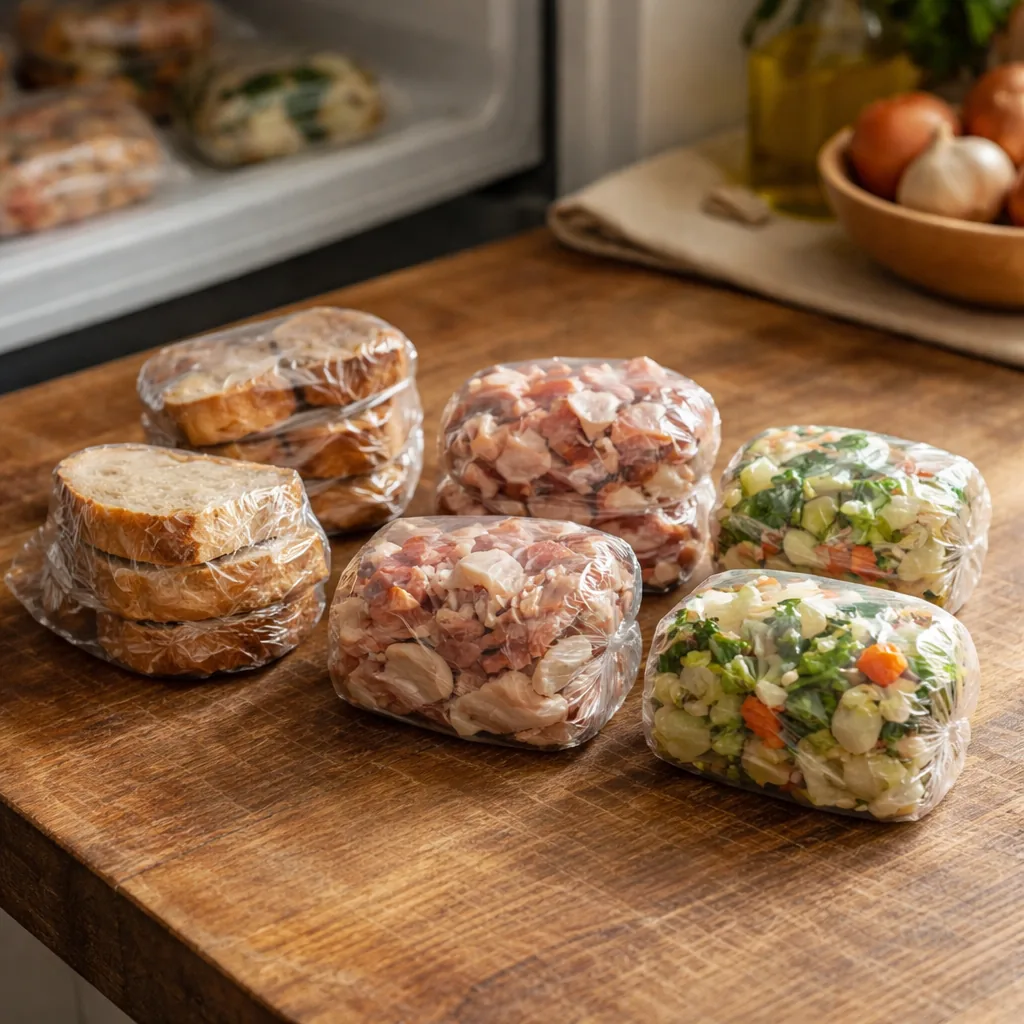
The inside liner from a cereal or cracker box was shaken clean and saved if it was still decent. It had more use left than the box.
It separated cookies, wrapped sandwiches, crushed crackers neatly, or covered a bowl in the refrigerator. In one-paycheck households like the ones described in 31 Things Older Families Did When One Paycheck Had to Run the Whole House, little savings added up because they happened every day.
Grandma noticed the pennies nobody else counted.
4. Old Calendars for Scrap Paper
Last year’s calendar still had blank backs, sturdy pages, and sometimes pretty pictures. That was enough reason to keep it near the phone.
Grandma cut pages into note squares for grocery lists, measurements, reminders, and recipes copied from neighbors. The glossy picture side might line a drawer or become a child’s craft project.
A date could expire without making the paper useless.
3. Empty Coffee Jars for Pantry Goods
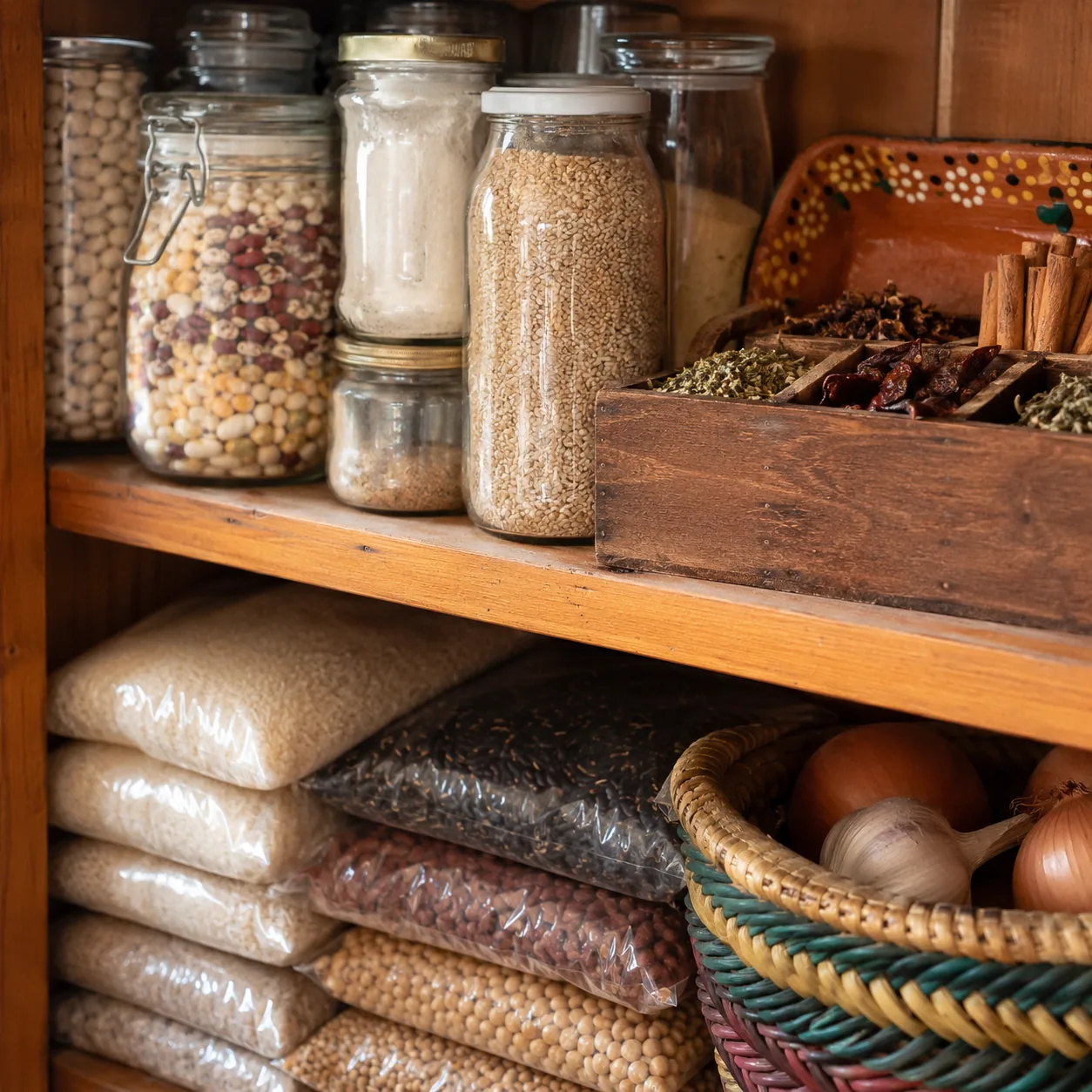
Glass coffee jars felt almost too nice to throw out. They were heavy, clear, and usually had lids that sealed well enough for dry goods.
They held rice, sugar, beans, oatmeal, clothespins, cookie cutters, or spare change for the milkman. A row of them made a pantry look steadier than the budget sometimes felt.
Grandma liked containers that made scarcity look organized.
2. Ribbons From Packages
Ribbon was pulled from packages, smoothed, rolled, and saved with the gift wrap. Even short lengths could dress up something plain.
It tied jars, hung ornaments, fixed a child’s costume, marked luggage, or made a homemade gift look cared for. Those little touches are part of why 33 Things That Made Grandma’s House Feel Like Home still hits people so hard.
Nothing had to be expensive to feel generous.
1. The Just-in-Case Drawer
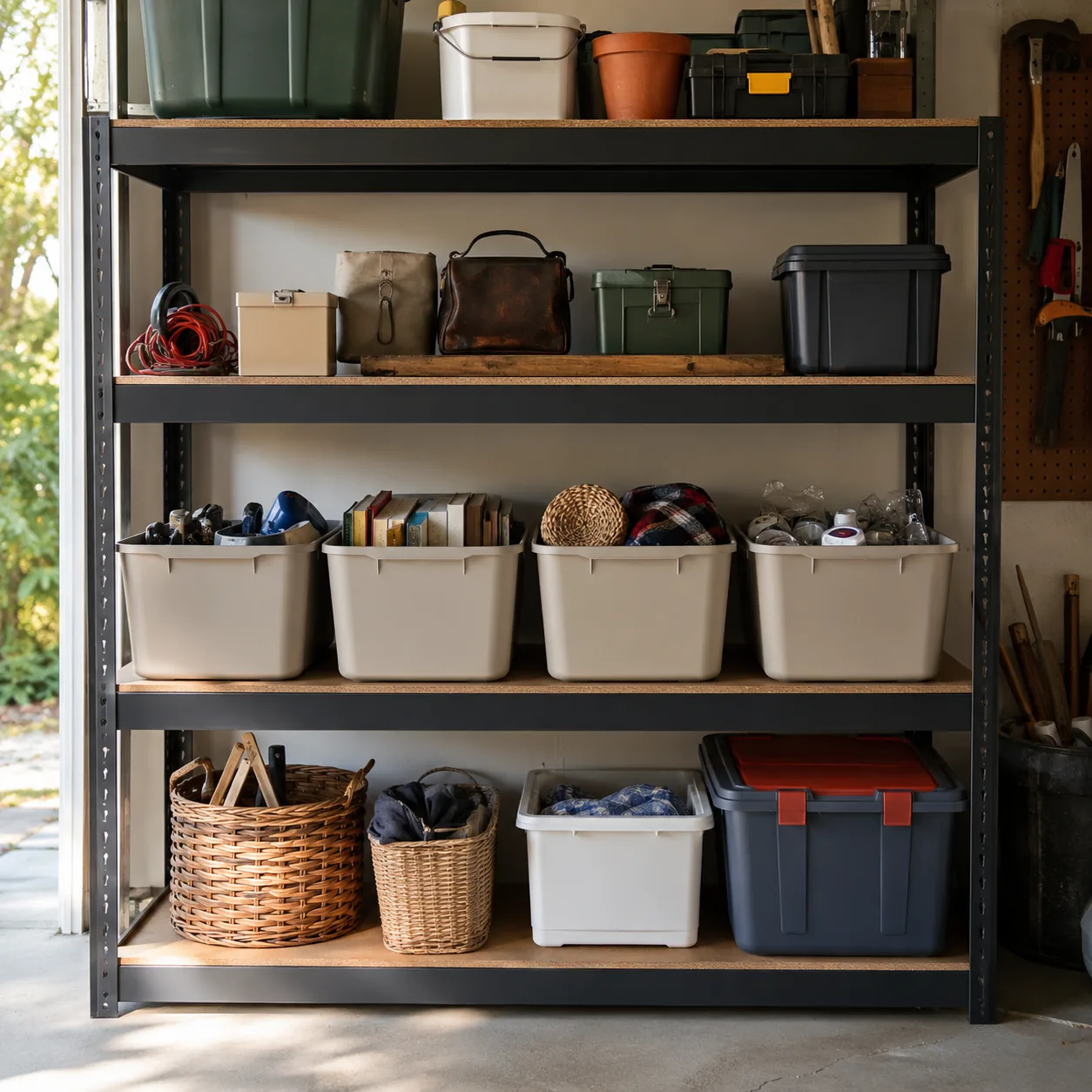
Every saved object eventually had a place in the just-in-case drawer. It was not neat, but it was powerful.
Inside were bread ties, rubber bands, pencils, string, buttons, keys, jar lids, tape ends, and tiny parts from things nobody could name. It looked like clutter until something broke, ran short, or needed tying shut before supper.
That drawer was really a family memory system. If you still can, ask what lived in your own grandparents’ version before those details vanish; 31 Questions People Wish They Asked Their Grandparents Before It Was Too Late is a good place to start.