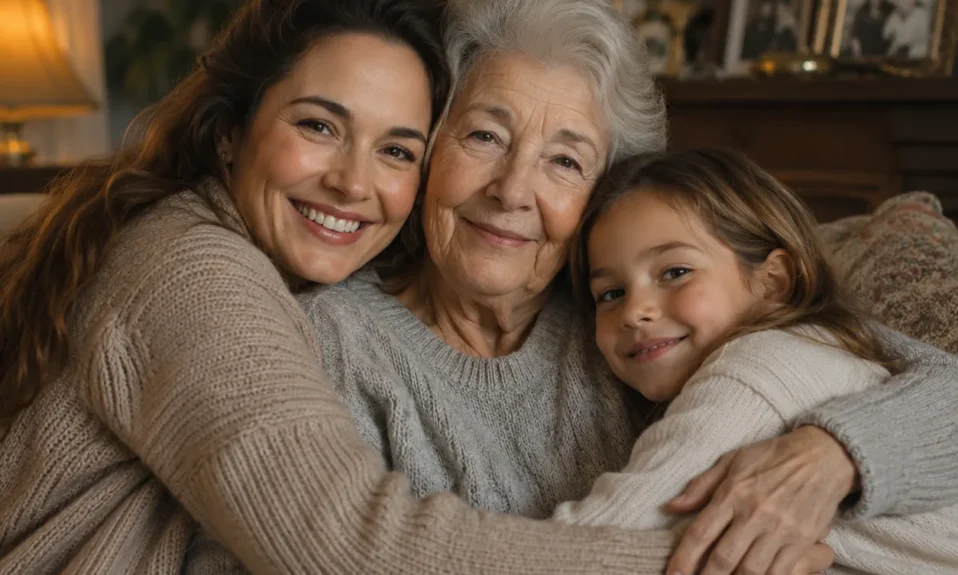
Grandma’s house had a feeling no store can sell.
It came from small habits repeated with love.
35. A Pot Already Simmering On The Stove
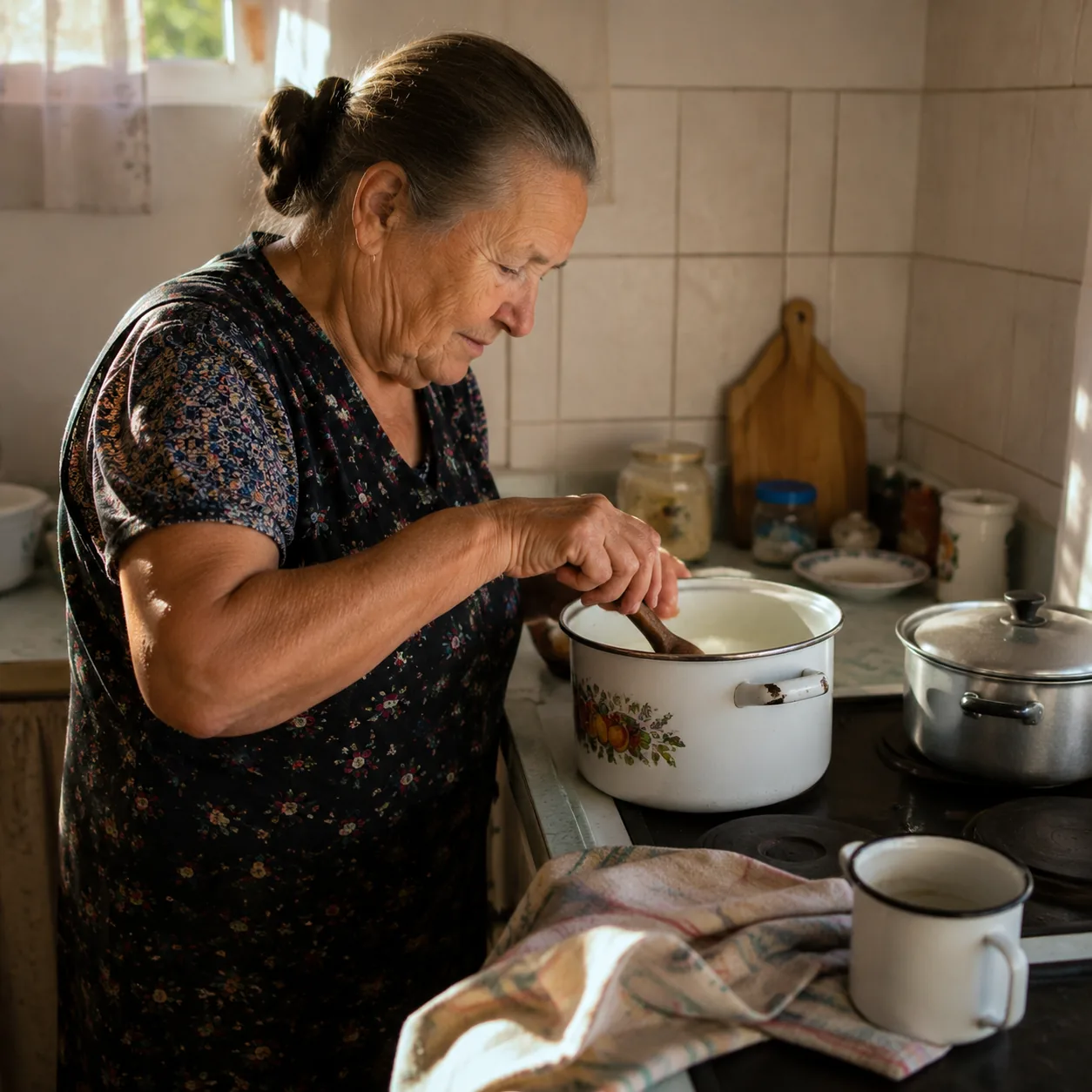
The welcome started with smell. Soup, sauce, beans, or stew made the whole house feel ready for visitors.
It did not have to be fancy. A simmering pot meant someone had planned ahead, stretched ingredients, and made enough that an extra person could sit down without fuss.
That smell told visitors they had arrived somewhere practical, generous, and ready for them.
34. Plastic Containers Full Of Leftovers

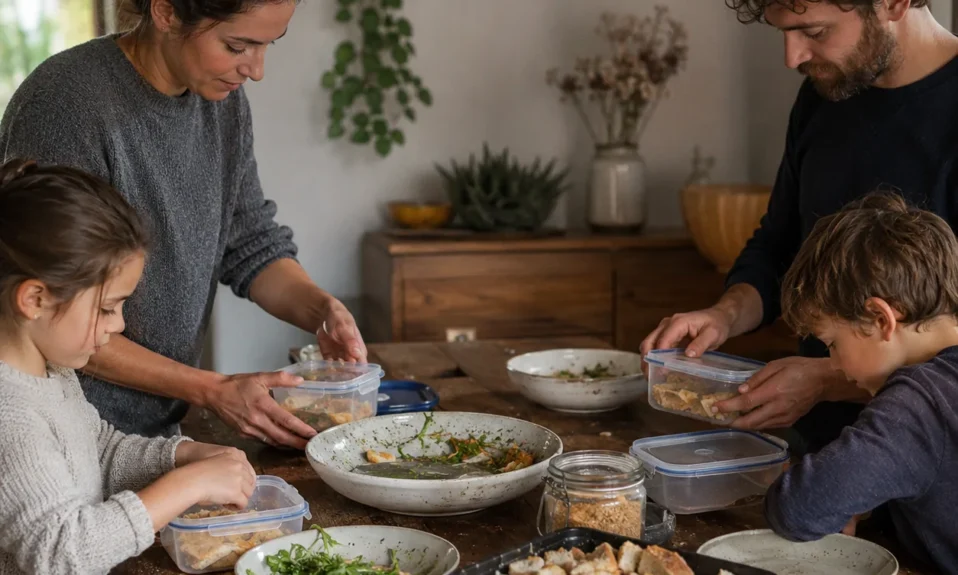
The fridge always had backup. Grandma knew leftovers were tomorrow’s lunch, emergency dinner, or something to send home.
The containers rarely matched, but that was part of the system. You learned to open lids carefully because butter tubs did not always contain butter.
The real lesson was that food should keep serving the family until every useful bite was gone.
33. The Cookie Tin That Might Not Hold Cookies
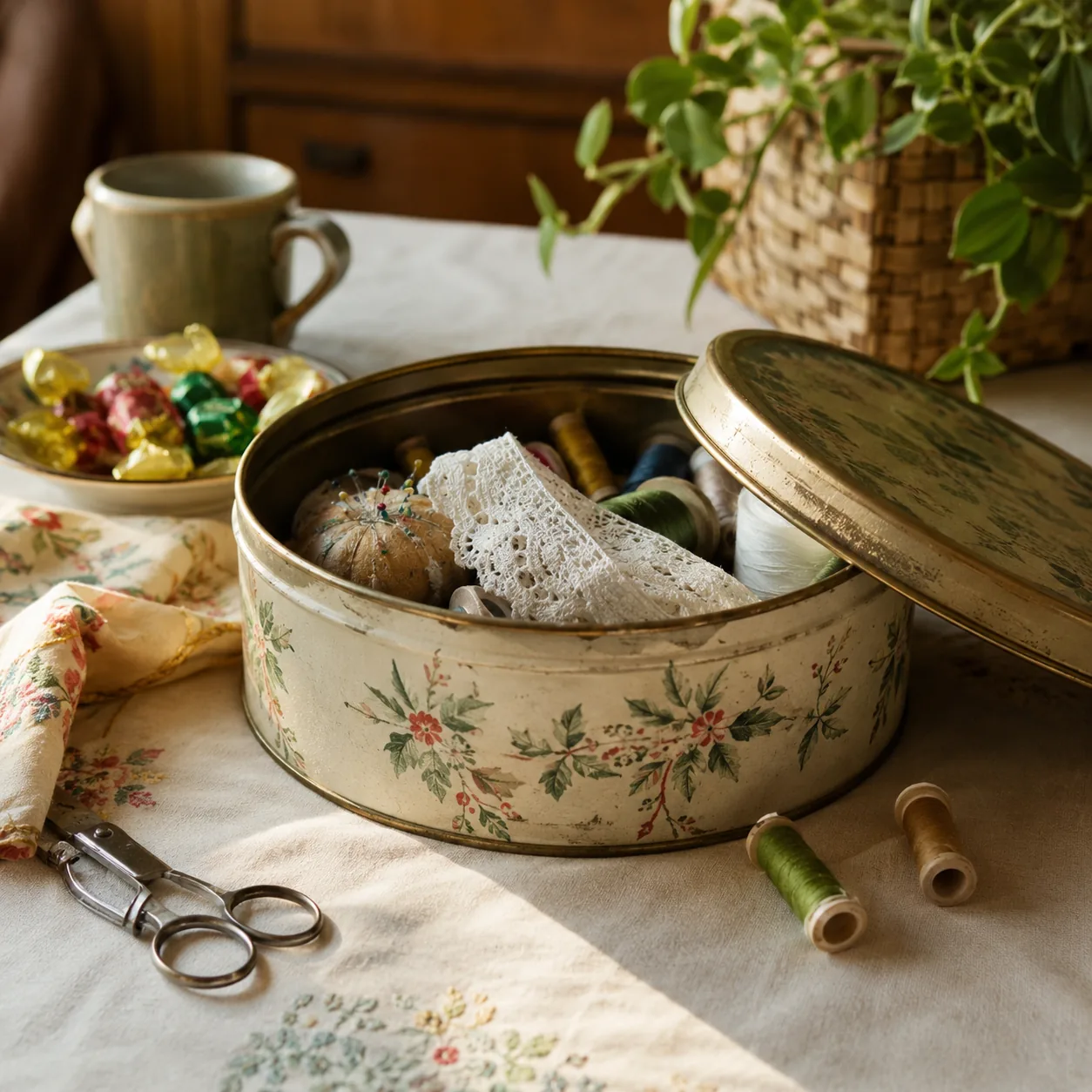
The tin was a gamble. Sometimes it held cookies, sometimes buttons, thread, stamps, rubber bands, or old receipts.
That little surprise became part of the charm. Grandma’s house taught you that containers could have second lives and that useful things deserved a place.
It also trained children to look before assuming, which is a tiny household survival skill.
32. A Chair Everyone Knew Was Hers
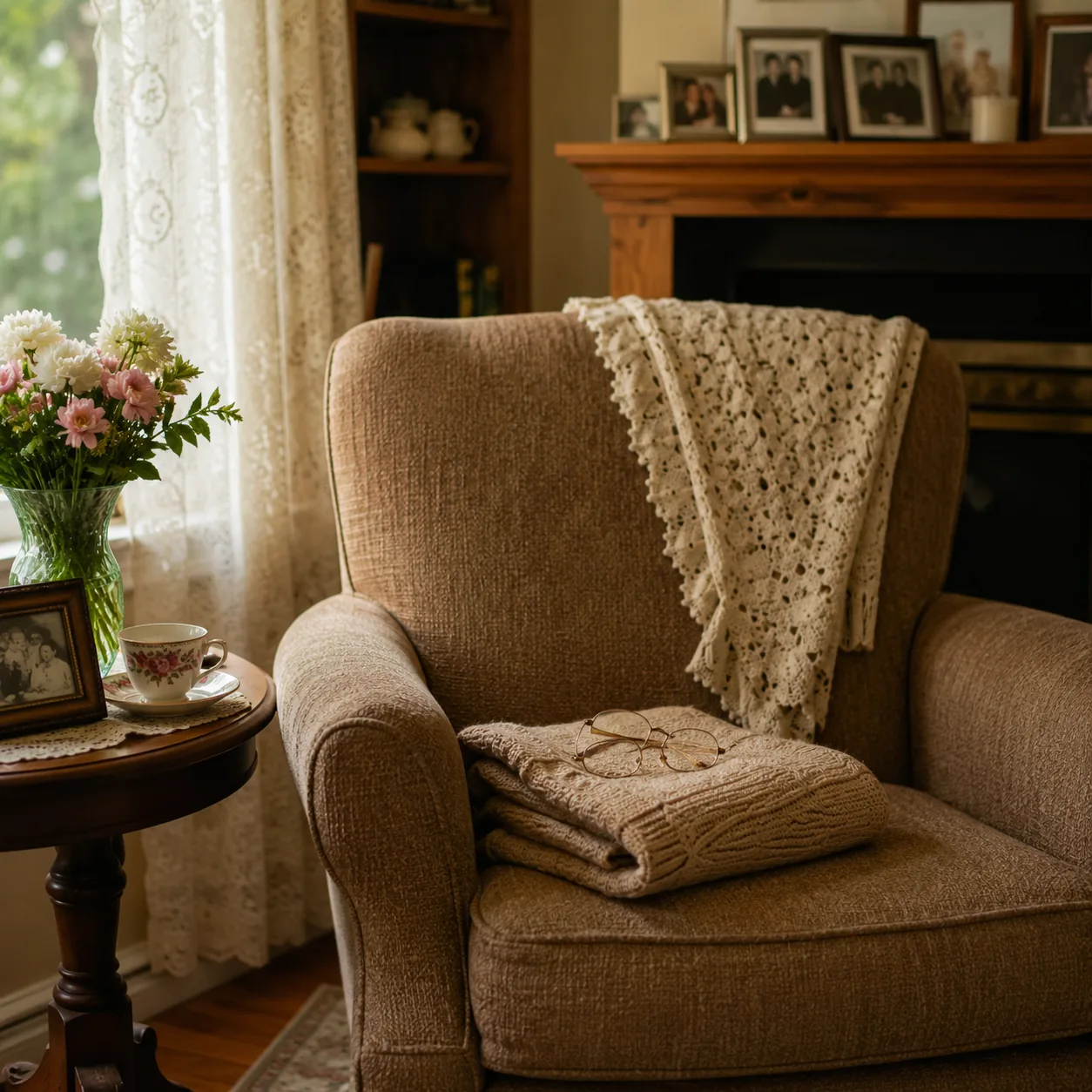
Her chair anchored the room. It might have faced the television, the window, or the best spot for watching everybody.
Kids knew not to steal it for long. The cushion, throw blanket, side table, and tissue box all said this was command central.
Her chair made the room feel organized around a person, not a decorating plan.
That made everyone know where home centered.
31. A Bowl Of Wrapped Candy
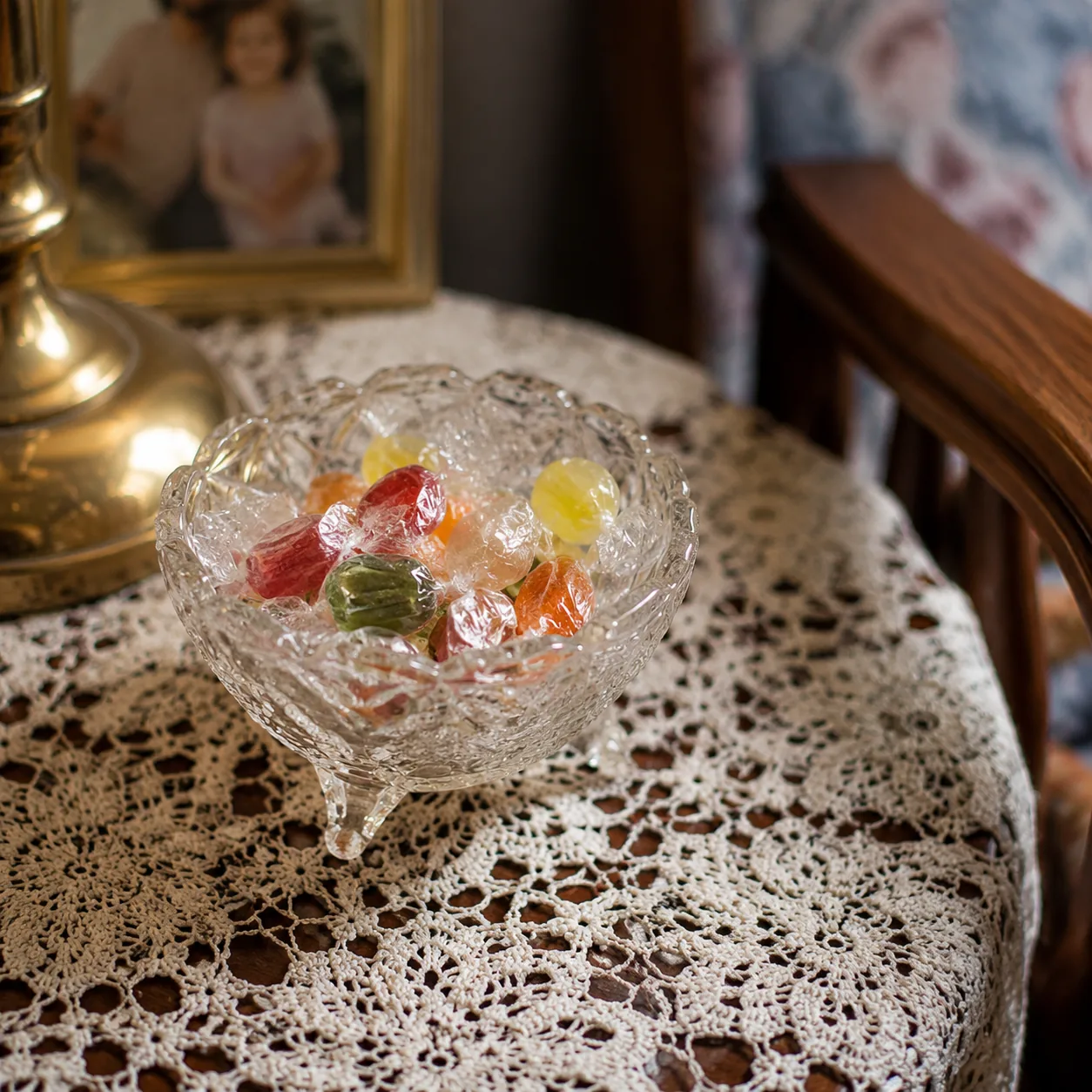
Candy made visits official. A bowl near the door or coffee table turned errands into treats.
It was not about sugar as much as ritual. You asked, she said yes, and one tiny wrapped candy became proof that Grandma’s house had different rules.
The bowl also gave shy children an easy reason to approach and start talking.
It made welcome feel wonderfully simple.
30. Family Photos In Every Room

The walls kept score in love. School portraits, wedding photos, baby pictures, and faded snapshots made everyone visible.
Those frames told children they belonged to a story bigger than one afternoon. Even crooked or outdated photos made the house feel claimed by family.
They also helped visitors learn names, faces, and connections without needing a formal family tree.
29. Towels That Were Too Nice To Use
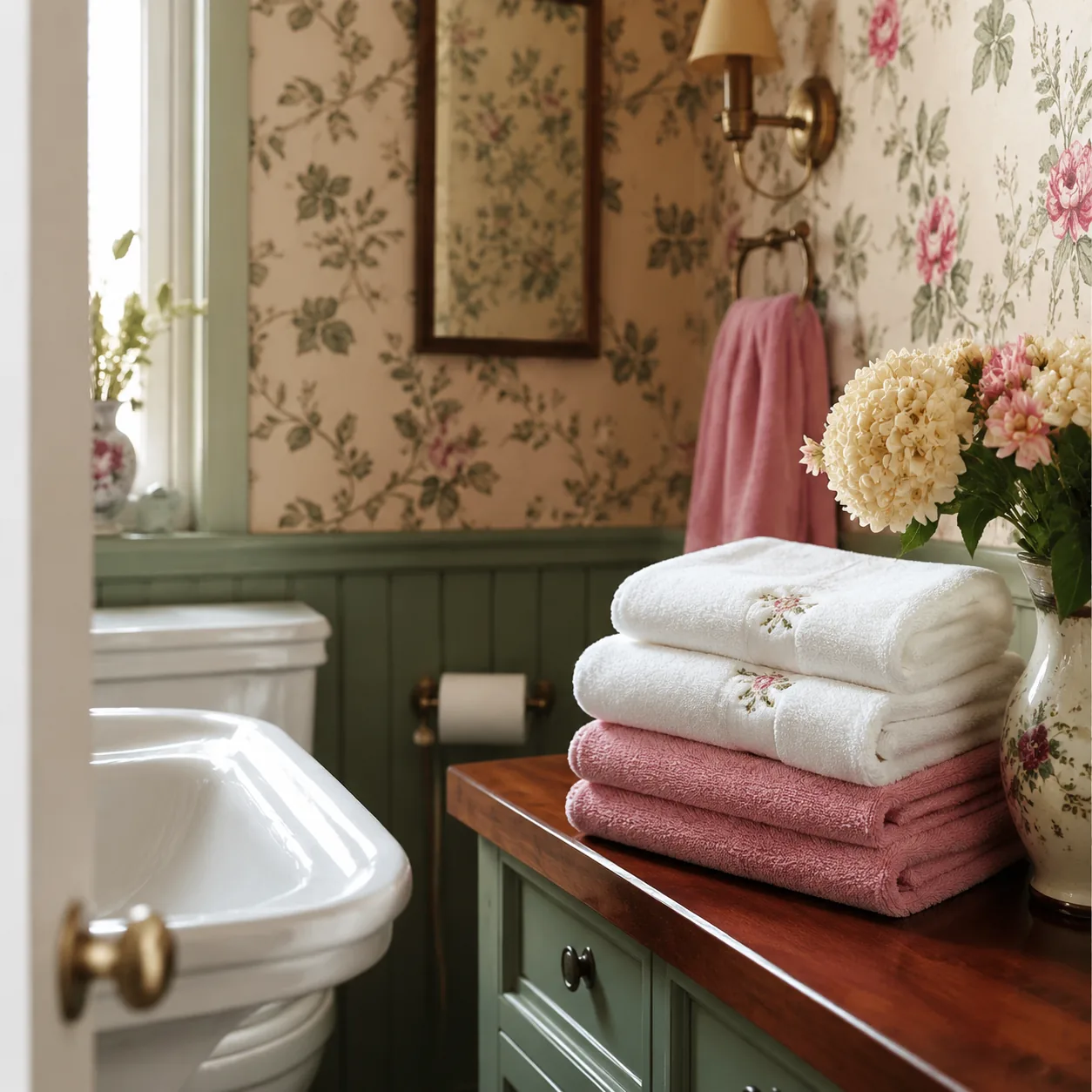
Some towels were ceremonial. They hung in the bathroom looking perfect, and everyone somehow knew to leave them alone.
That rule could seem funny, but it showed pride. Grandma wanted at least one corner of the house ready for company at all times.
Children learned that presentation mattered, even if the rest of the house was busy and lived in.
28. A Kitchen Table That Solved Problems
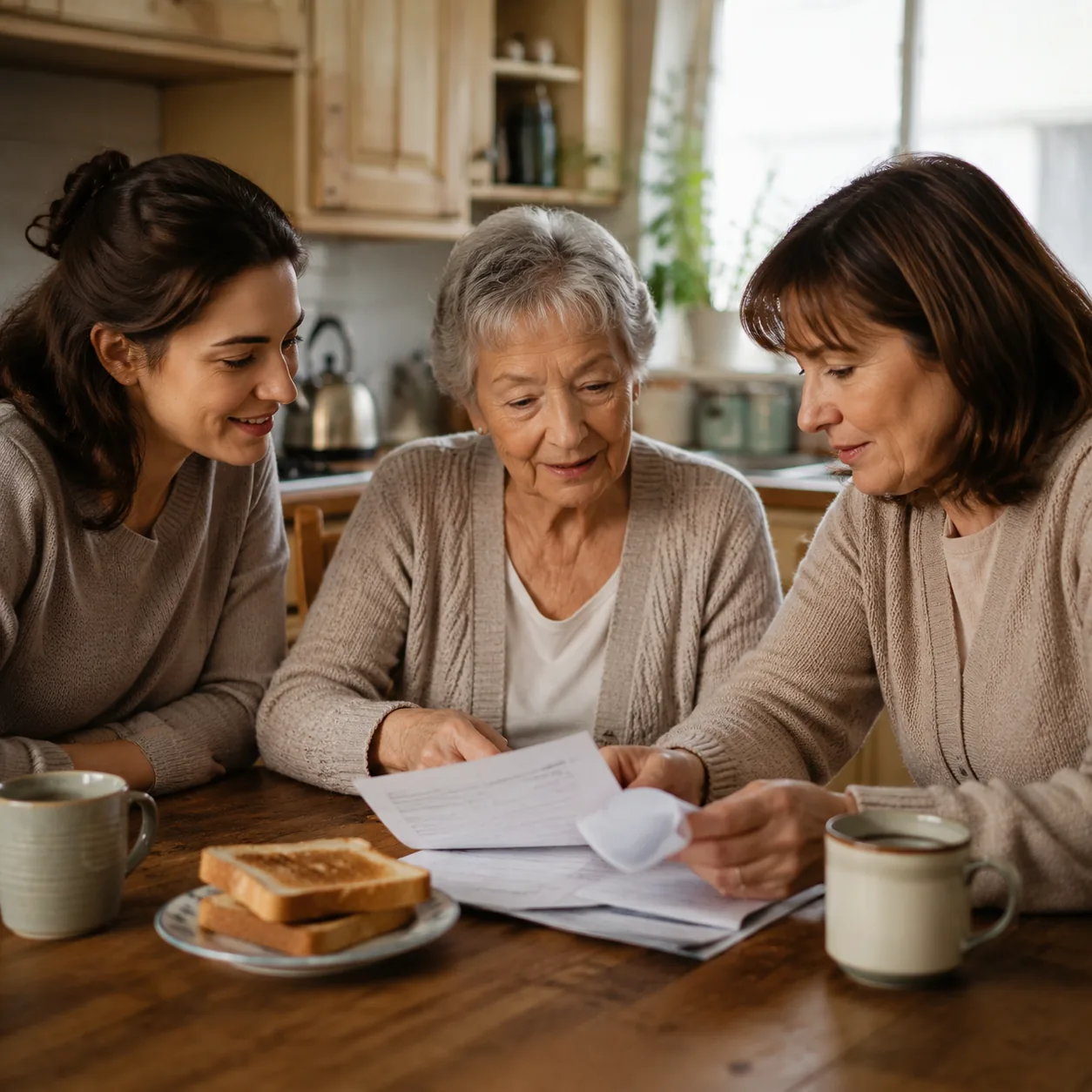
Everything happened at the table. Bills, homework, gossip, grief, card games, and big decisions all landed there.
The table made hard conversations feel possible because food and coffee were close by. It was less furniture than family infrastructure.
Its scratches and stains were proof that the family actually used the center of the house.
No polished table could replace that history.
27. Curtains That Softened The Light
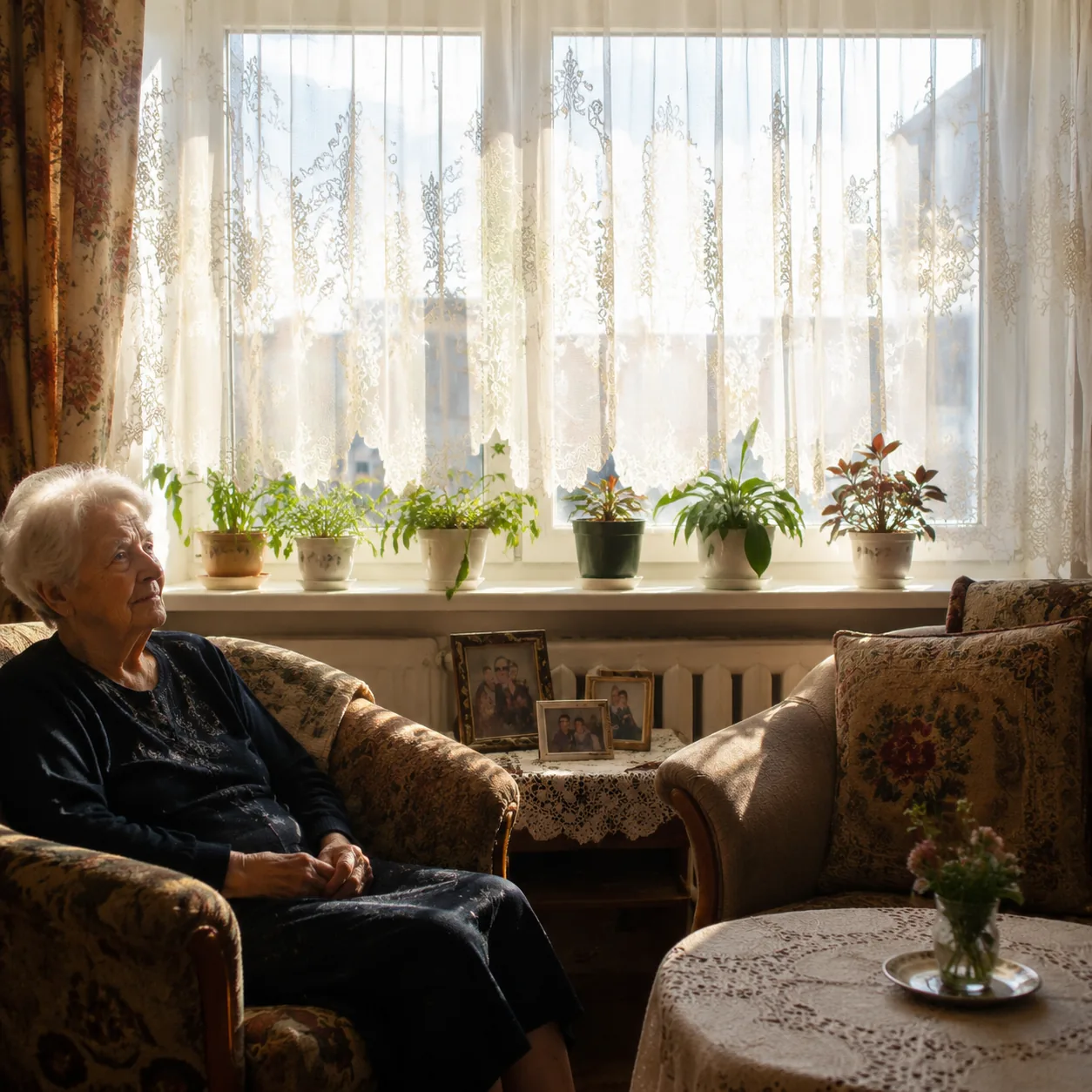
The windows had a mood. Lace, sheers, cafe curtains, or floral panels turned harsh daylight into something gentle.
Grandma understood atmosphere before anyone called it design. The right curtain made even an ordinary room feel private, calm, and cared for.
They also protected the family from feeling watched, which made the house feel safer.
Privacy helped the rooms relax.
26. A Freezer With A Secret Inventory
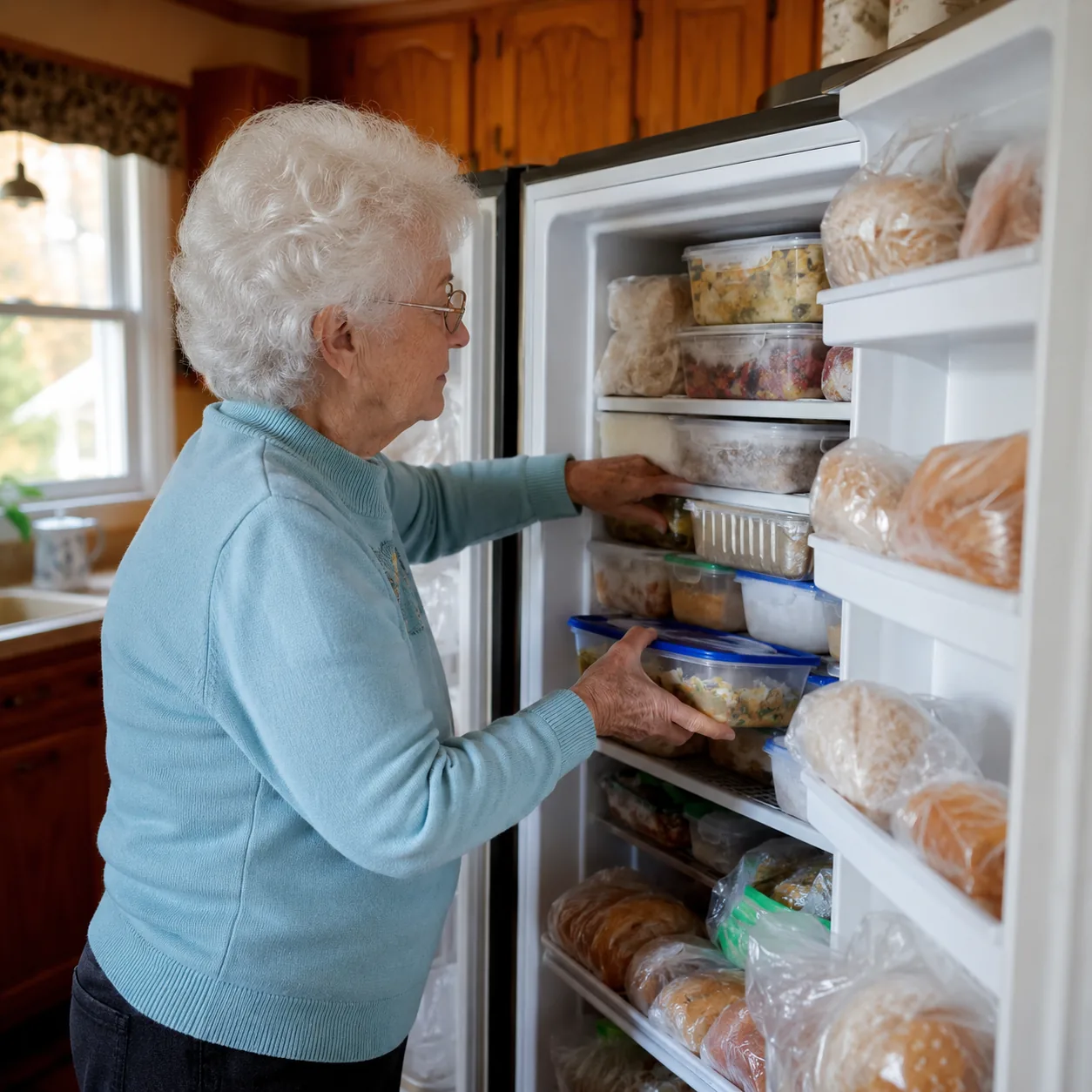
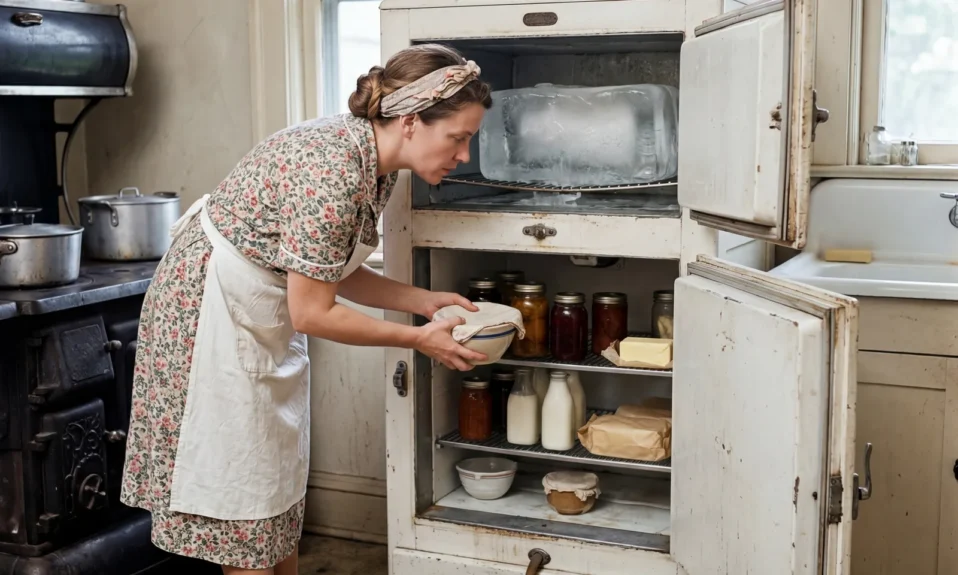
The freezer was insurance. Bread, casseroles, soup, pie crust, meat, and mysterious foil packets all waited for future need.
Grandma’s freezer meant a snowstorm, surprise guest, or tight week did not become a crisis. It was planning disguised as clutter.
The mystery packages were annoying sometimes, but they were also proof that future meals had been considered.
Preparedness had its own comfort.
25. A Phone Table Or Message Pad

Communication had a station. The phone, address book, pen, and message pad lived together.
That spot held grocery lists, doctor numbers, birthday reminders, and the latest news from relatives. Before phones lived in pockets, Grandma’s phone corner kept the family network running.
It made communication feel like a household duty, not just a private convenience.
Everyone knew where messages belonged.
24. Stories Attached To Ordinary Objects

Nothing was just a thing. A dish, lamp, quilt, rosary, clock, or mixing bowl usually came with a person behind it.
Those object stories are easy to lose, which is why families should ask while they can. Start with 31 Questions People Wish They Asked Their Grandparents Before It Was Too Late.
Once the story is written down, even a plain dish can become an heirloom.
23. A Drawer Full Of Saved Bags

Every bag had another job. Paper bags, bread bags, twist ties, and foil were saved because waste felt foolish.
This was not random hoarding. Grandma knew that a good bag could line a trash can, hold leftovers, wrap lunch, or carry tomatoes home.
That drawer taught resourcefulness without a lecture, because every saved bag eventually proved its point.
22. A Medicine Cabinet With Everything
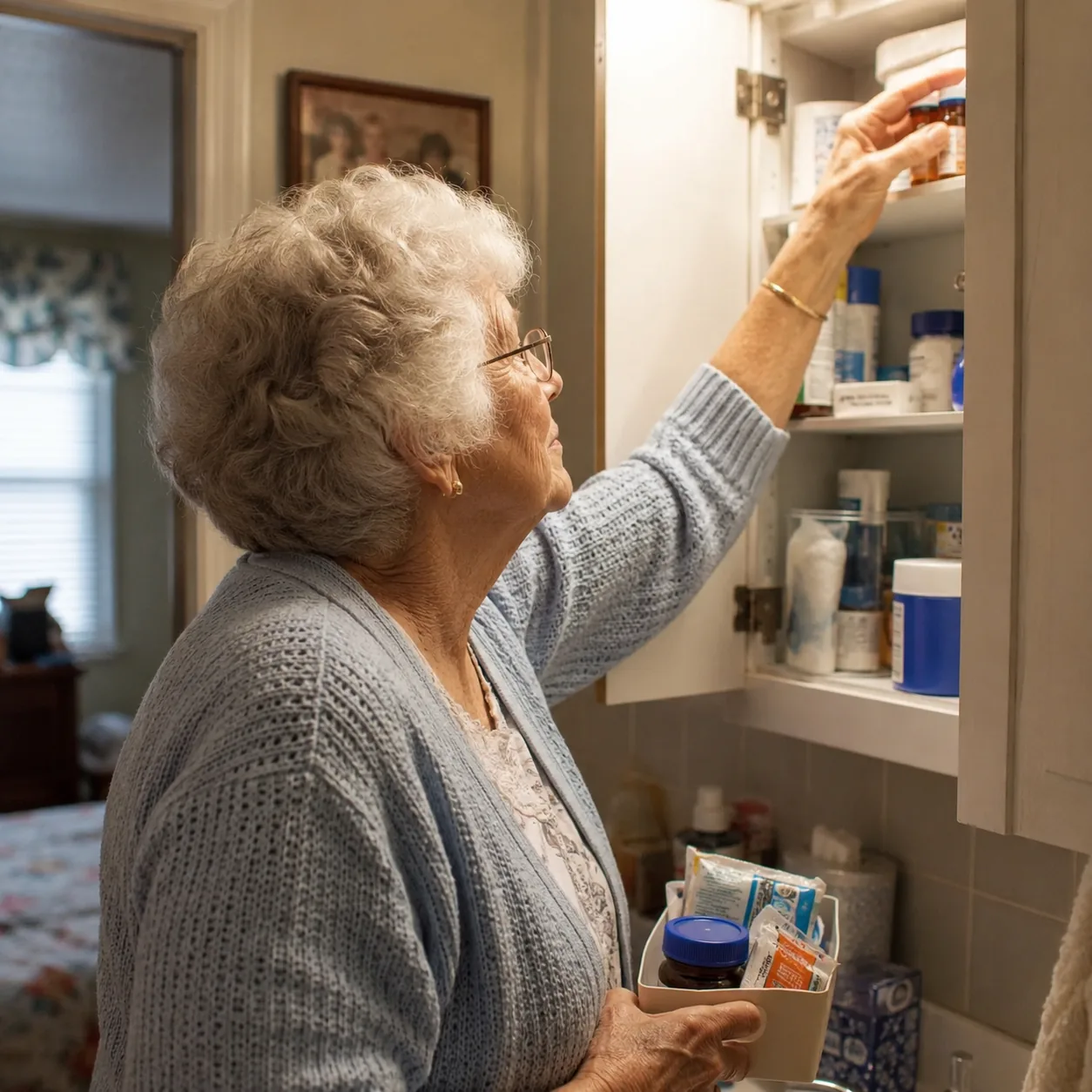
Minor trouble met a prepared shelf. Bandages, ointment, cough drops, aspirin, menthol rub, and a thermometer were always somewhere.
The cabinet made the house feel safe because Grandma did not panic over scrapes or sniffles. She had seen worse and had supplies ready.
Children absorbed that calm, learning that small emergencies could be handled step by step.
That confidence often mattered as much as medicine.
21. Pantry Staples That Made Anything Possible
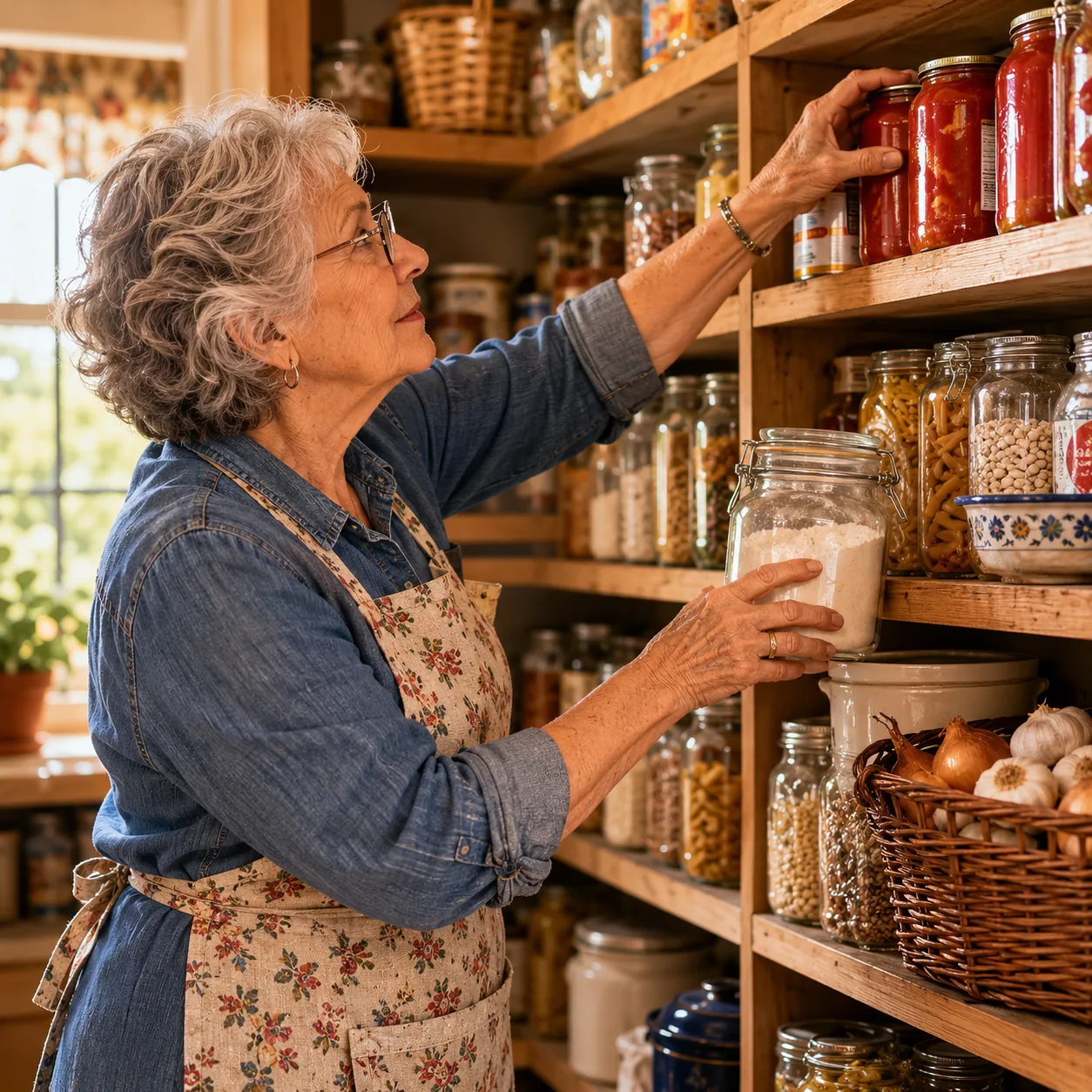
The pantry held confidence. Flour, sugar, rice, beans, canned tomatoes, crackers, and coffee meant something could always be made.
Modern kitchens forget how powerful those basics were. Read More: 37 Things Every Grandma Kept in the Pantry That Modern Kitchens Forgot
Those shelves made hospitality possible even when nobody had planned a big grocery run.
Pantry basics kept generosity flexible.
20. A Sewing Kit Within Reach
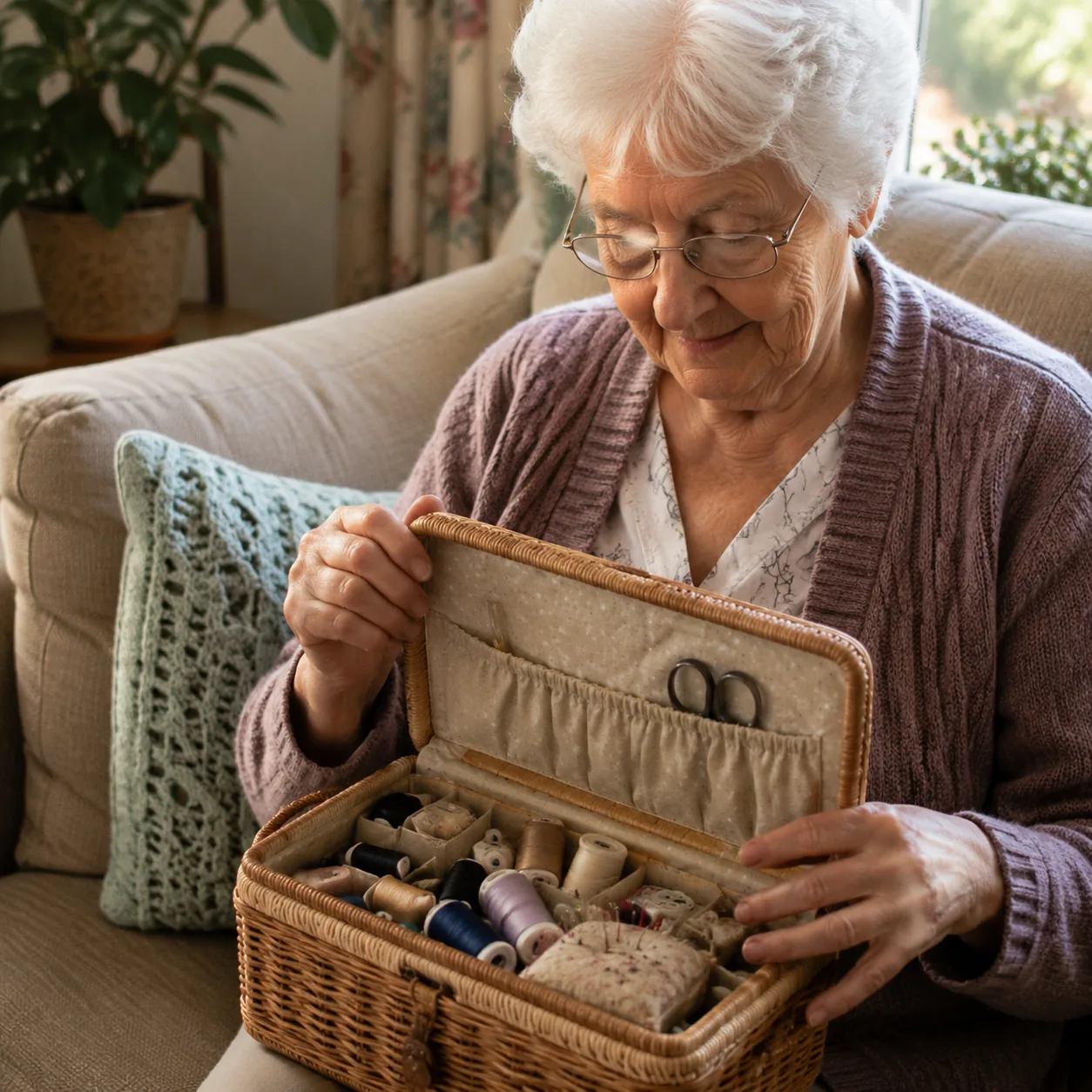
Small repairs happened immediately. A button, hem, loose seam, or torn pocket did not need a shopping trip.
Grandma kept thread, needles, buttons, and tiny scissors ready. Fixing clothes quickly made the whole household look more put together without spending money.
It also showed children that neatness often comes from maintenance, not constant replacement.
A few stitches could save embarrassment.
19. The Smell Of Clean Laundry
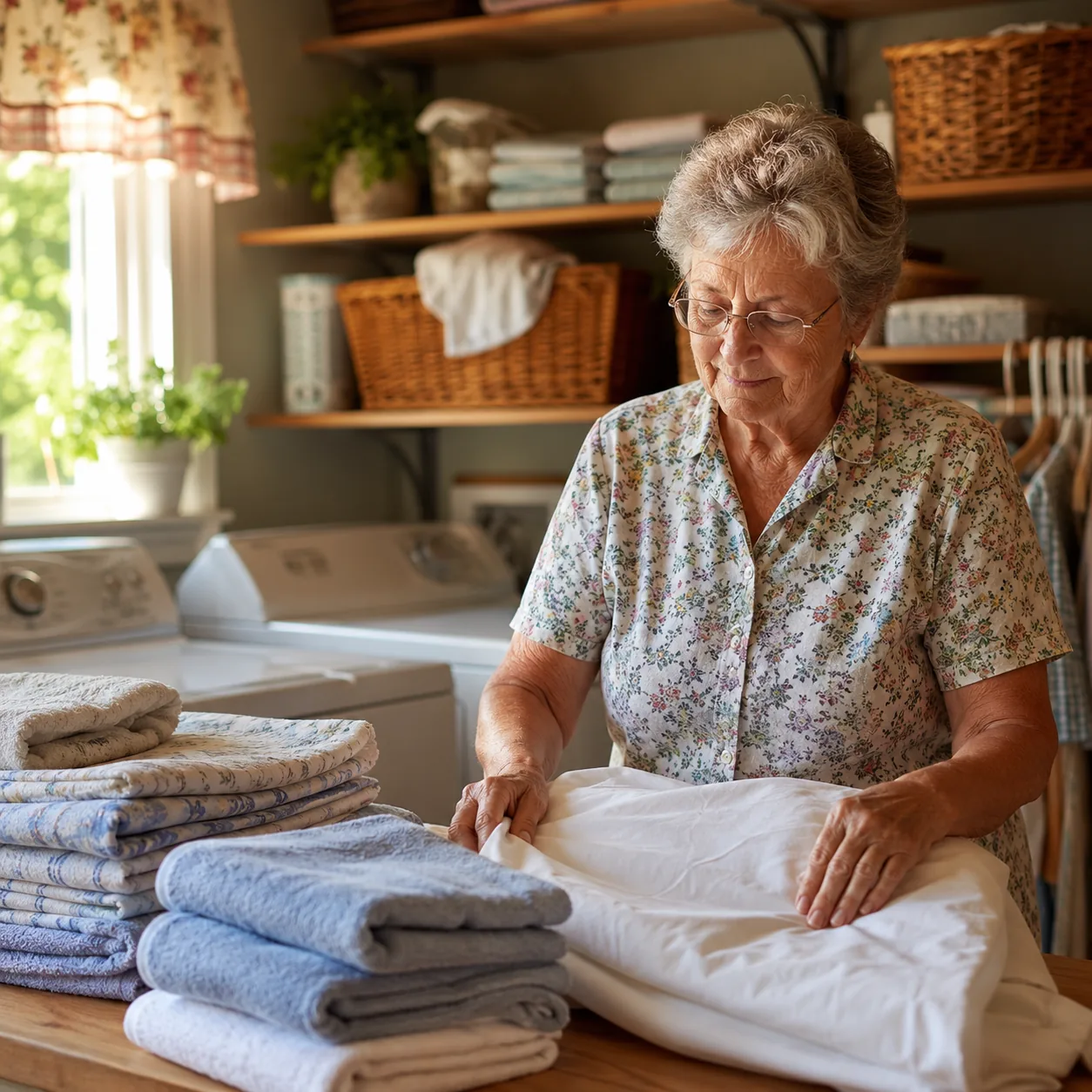
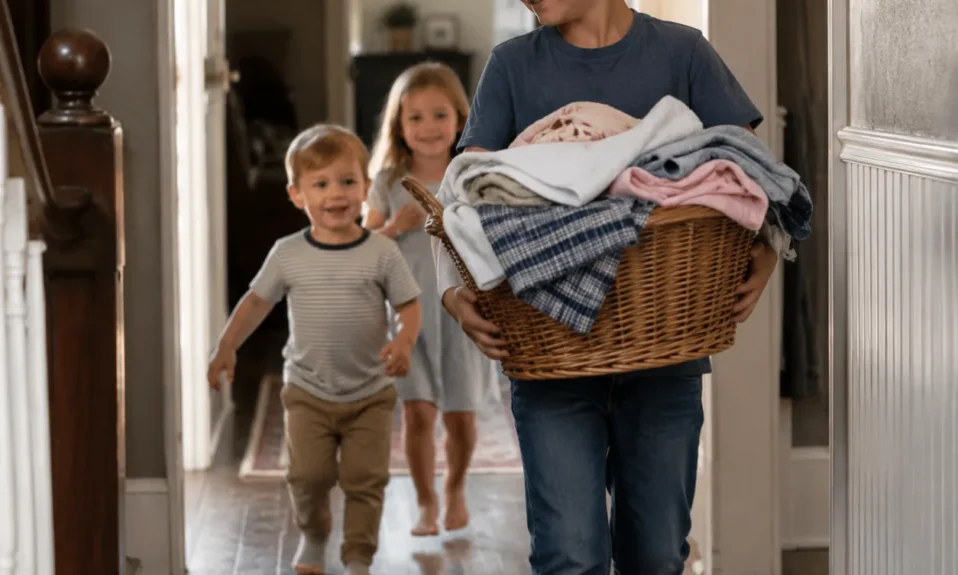
Fresh linens changed the house. Sheets on the line, towels from the dryer, or pillowcases stacked in a closet made everything feel cared for.
The smell became memory. Years later, one whiff of detergent, starch, or sun-dried cotton can pull someone back to Grandma’s hallway.
Clean laundry also meant comfort was ready before anyone asked for it.
18. Cultural Details That Stayed In Daily Use
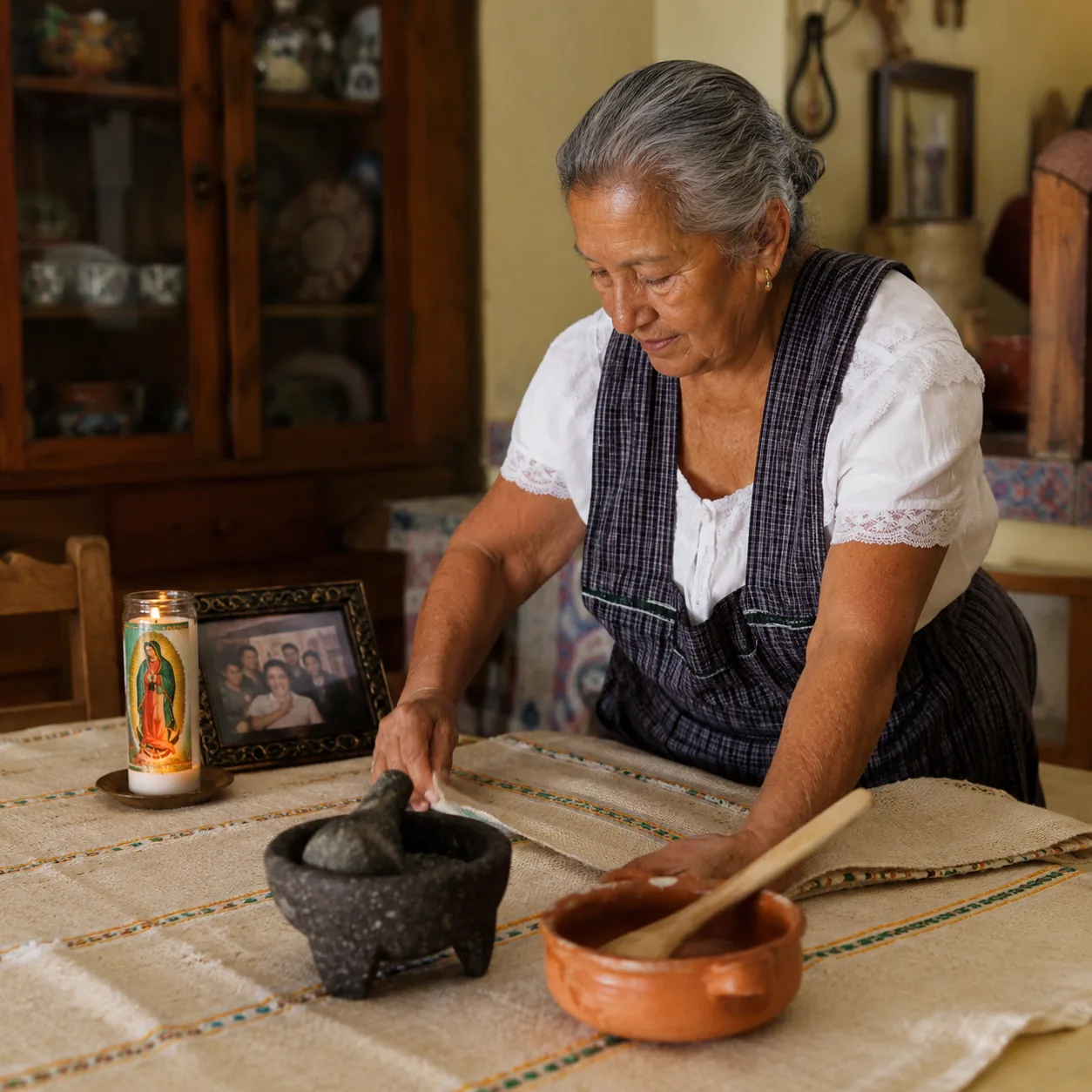
Her house carried heritage quietly. It might have been a prayer candle, special pot, woven cloth, framed blessing, or holiday food that came from older generations.
That same feeling runs through Latino homes too, especially in 37 Things Every Abuela Kept in Her House That Made It Feel Like Home.
The details mattered because they made heritage part of daily life instead of something saved only for holidays.
17. A Porch Where People Could Sit
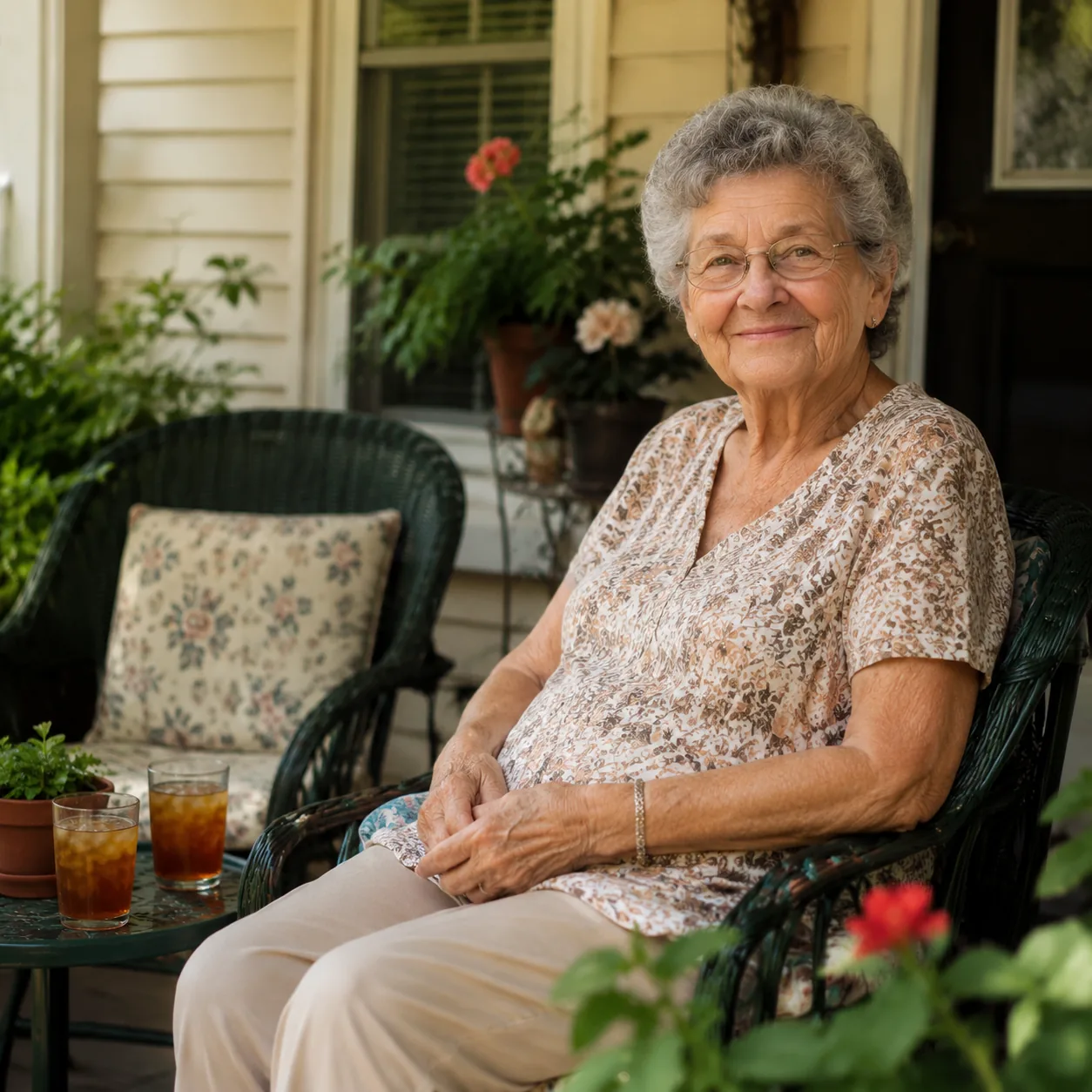
The porch slowed people down. It gave neighbors somewhere to wave, children somewhere to drip popsicles, and adults somewhere to talk after dinner.
Grandma’s porch did not need matching furniture. It needed shade, a chair, and permission to stay awhile.
It also connected the private house to the neighborhood, letting people belong without making formal plans.
The porch made community visible.
16. A Cabinet Of Special Dishes
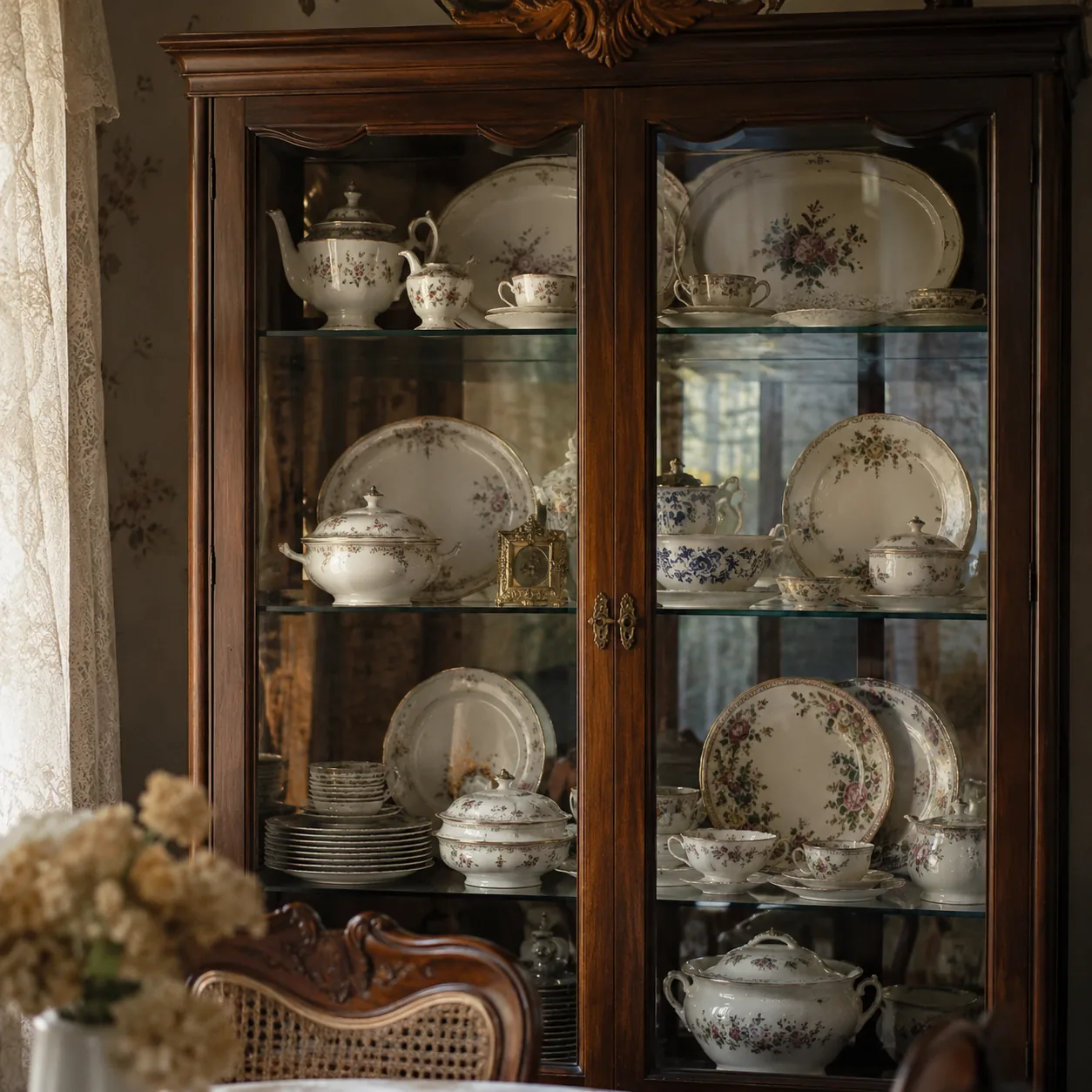
The good dishes created occasion. Even if they came out rarely, everyone knew they mattered.
They taught children that some meals deserved care, not because the plates were expensive, but because gathering together was worth marking.
Even seeing those dishes behind glass reminded everyone that family occasions were expected to keep happening.
They kept celebration in view.
That mattered on ordinary days too.
15. A Calendar Full Of Birthdays
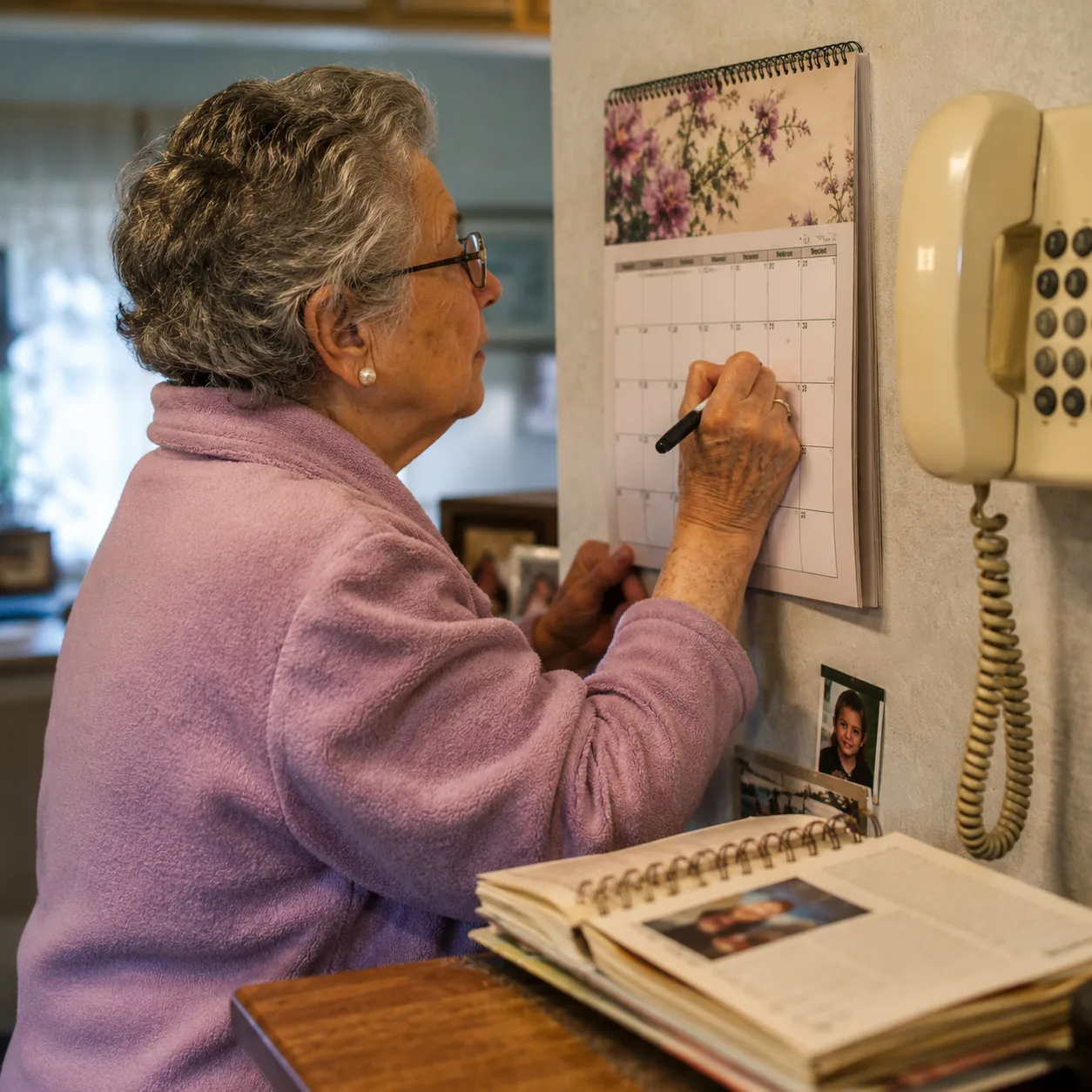
She remembered people on paper. Birthdays, appointments, anniversaries, church events, school concerts, and visiting relatives all lived on the calendar.
It was the family’s command board. Grandma’s memory looked effortless because she built systems that kept everyone visible.
The calendar also made children feel remembered before social media reminders did the work.
Ink turned affection into a system.
14. Rules That Made Kids Feel Capable

Her house expected participation. Kids carried plates, helped fold towels, put toys away, and learned not to interrupt every adult sentence.
Those rules could feel strict, but they built confidence. Read More: 33 Old-School Family Rules That Actually Made Kids More Independent
Helping in the house also made children feel useful instead of merely entertained.
Useful children become capable adults.
13. A Closet With Extra Blankets
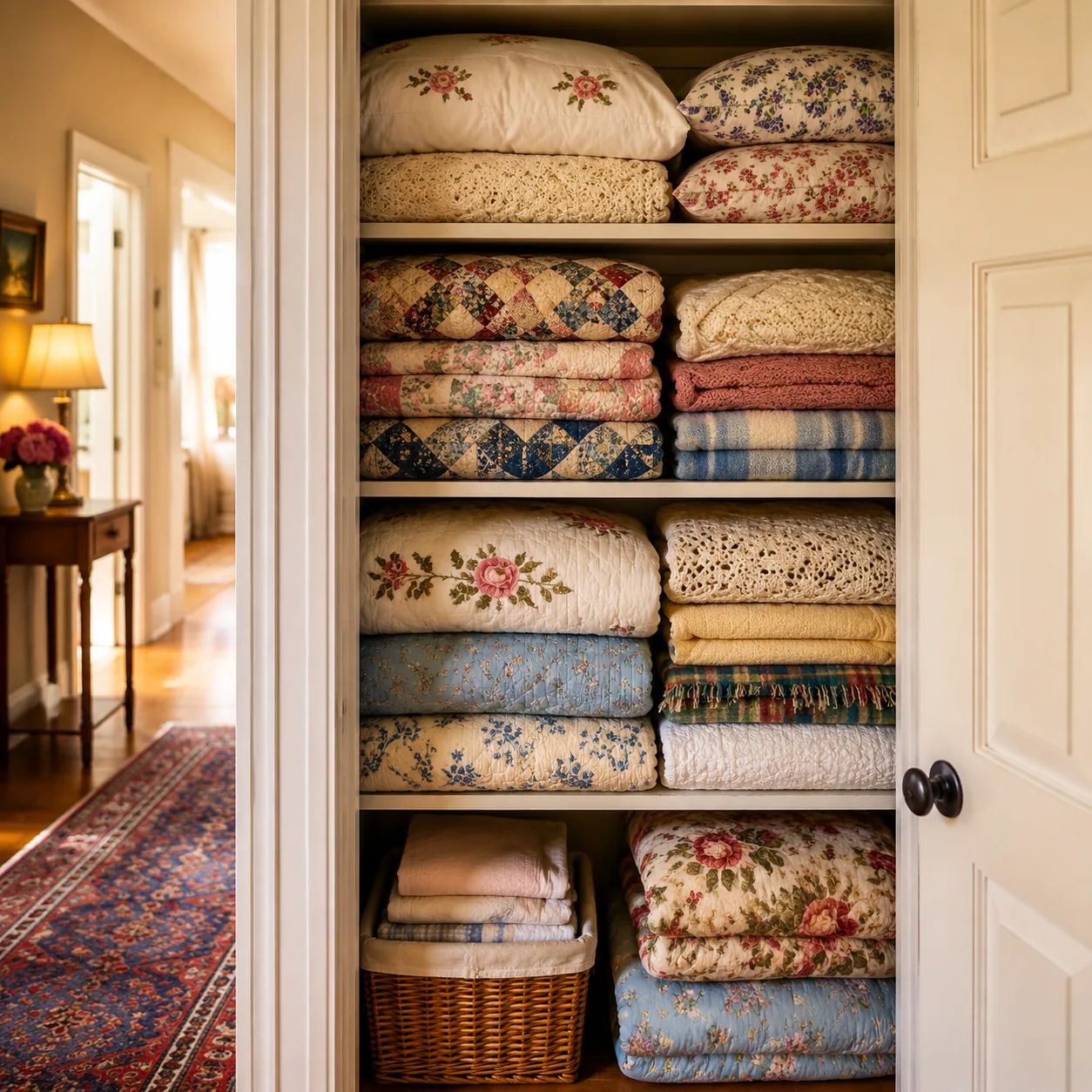
Comfort was stocked. Spare quilts, afghans, pillows, and sheets meant someone could stay over without drama.
The closet showed Grandma’s quiet hospitality. She did not need a guest suite to make people feel expected; she needed clean bedding and a place to sleep.
That preparedness turned last-minute family needs into something manageable rather than stressful.
Extra bedding made welcome practical.
12. Coffee Ready For Company
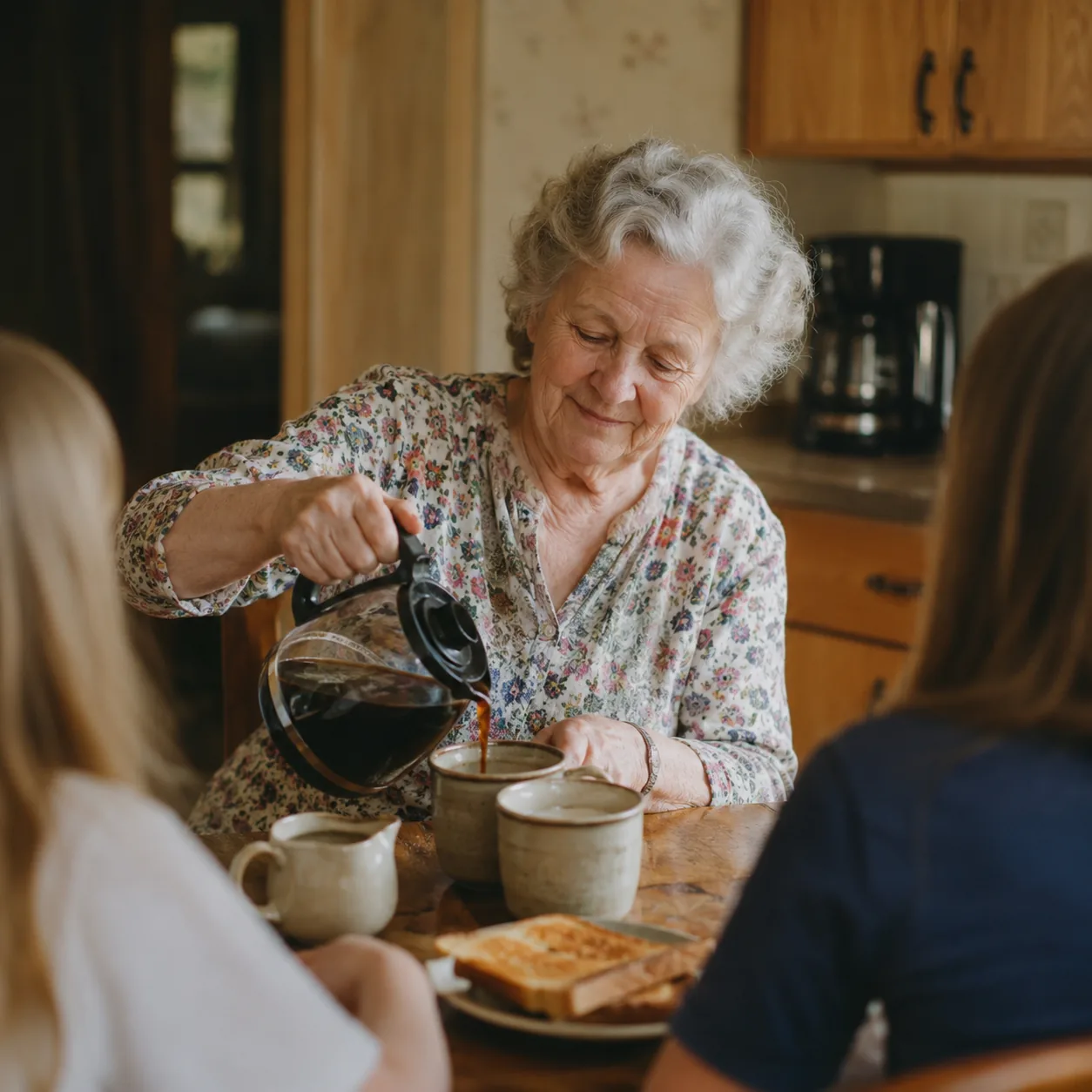
Coffee was conversation fuel. It gave visitors something to hold and hosts a reason to sit.
Grandma could turn a quick stop into a proper visit with one pot. The coffee did not have to be perfect; the pause was the point.
The cup created a natural rhythm: sit down, warm your hands, and tell what happened.
Coffee gave stories permission to start.
11. Plants On The Windowsill

Living things softened the room. African violets, herbs, pothos, geraniums, or cuttings in jars made the house feel tended.
Grandma’s plants were often practical too. They came from neighbors, family cuttings, or old pots that kept growing because someone remembered to water them.
Each cutting could carry a relationship, which made the windowsill feel like a living family record.
10. A Junk Drawer That Actually Helped

The drawer saved time. Tape, batteries, rubber bands, matches, scissors, twist ties, and spare keys all had a chaotic little home.
It looked messy until someone needed exactly one thing. Grandma’s junk drawer was a household emergency kit pretending to be clutter.
The drawer worked because Grandma usually knew what was in it, even if nobody else did.
9. Snacks That Marked Childhood

After-school food became memory. Crackers, pudding cups, fruit, toast, pickles, or homemade treats could define a whole era.
Some of those lunchbox and snack memories overlap with 33 Childhood Snacks From the 60s, 70s, and 80s That Vanished From Lunchboxes.
The snack mattered because it told children somebody expected them to come through the door hungry.
That expectation felt like love.
8. A TV Volume Everyone Commented On
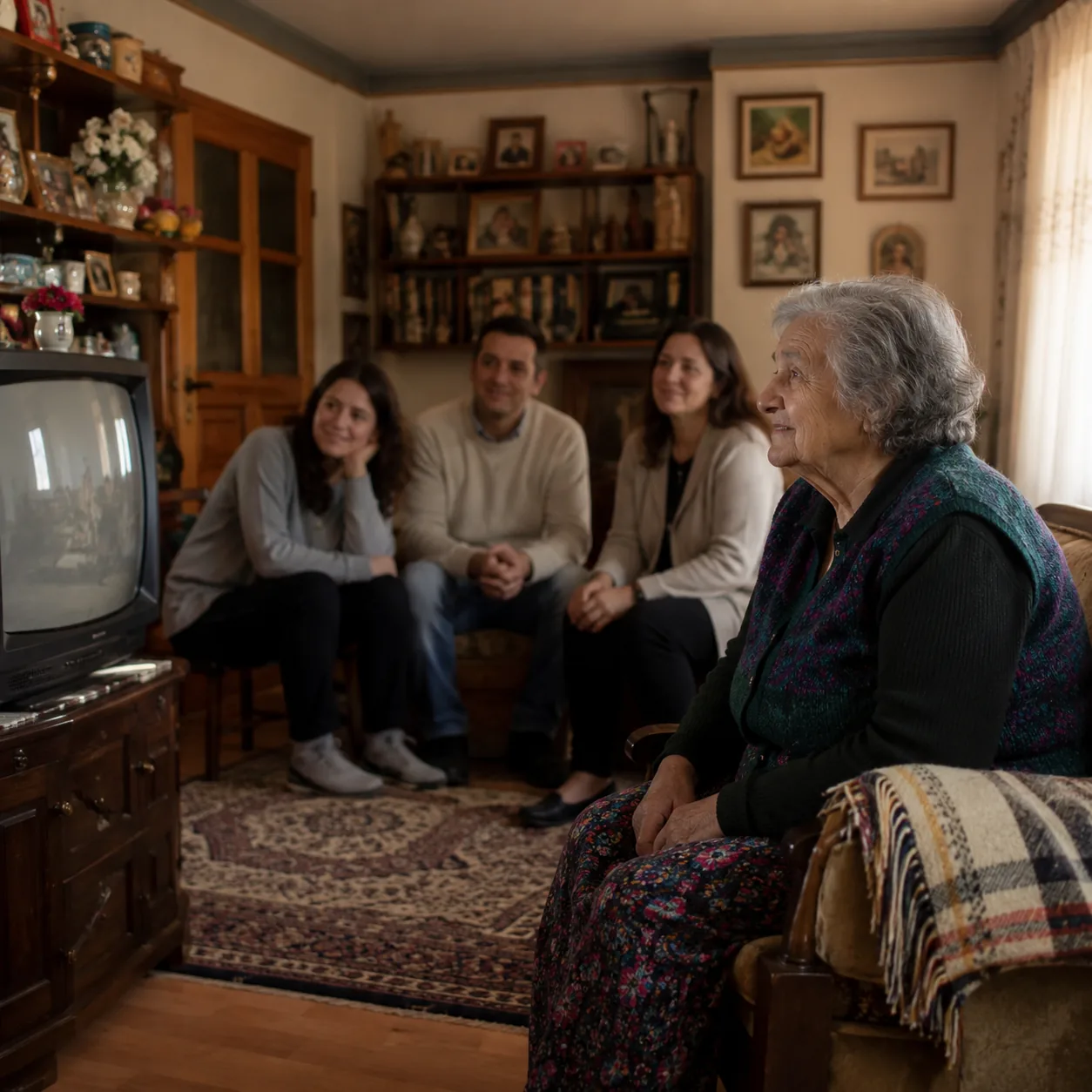
The television had its own personality. It might have been too loud, always on, or reserved for certain shows.
That background sound became part of the house. News, game shows, soap operas, sports, or Sunday movies gave visits a familiar soundtrack.
Even arguing about the volume became one of the rituals people missed later.
Familiar noise can become memory.
7. A Yard With Useful Corners
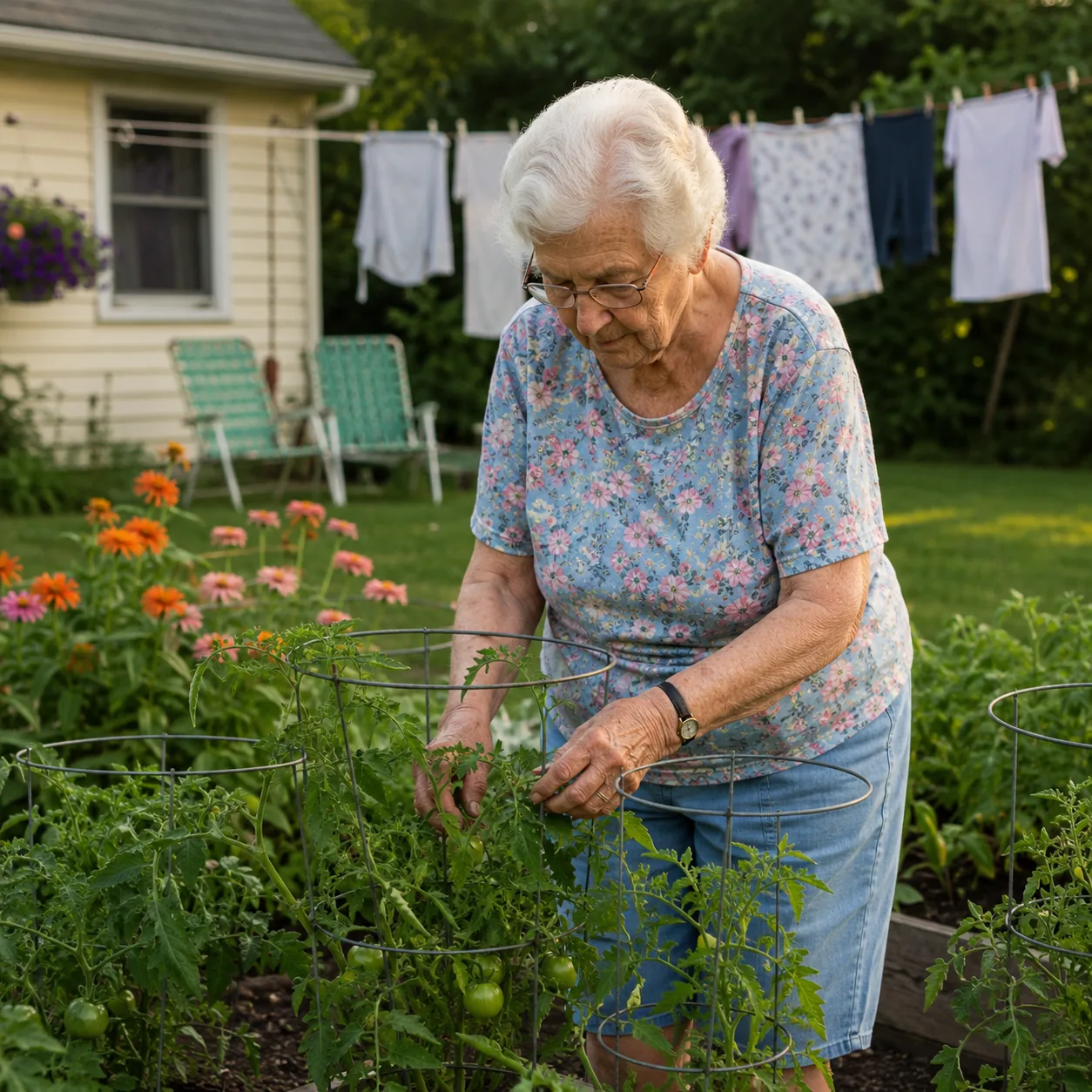
The yard did more than look nice. It held tomatoes, flowers, a clothesline, lawn chairs, and maybe a place for kids to run.
Grandma’s yard was not staged. It was used. Every corner had a task, a memory, or a person who preferred sitting there.
That usefulness made the outside of the house feel as personal as the kitchen.
6. A Housecoat Or Apron Hung Nearby
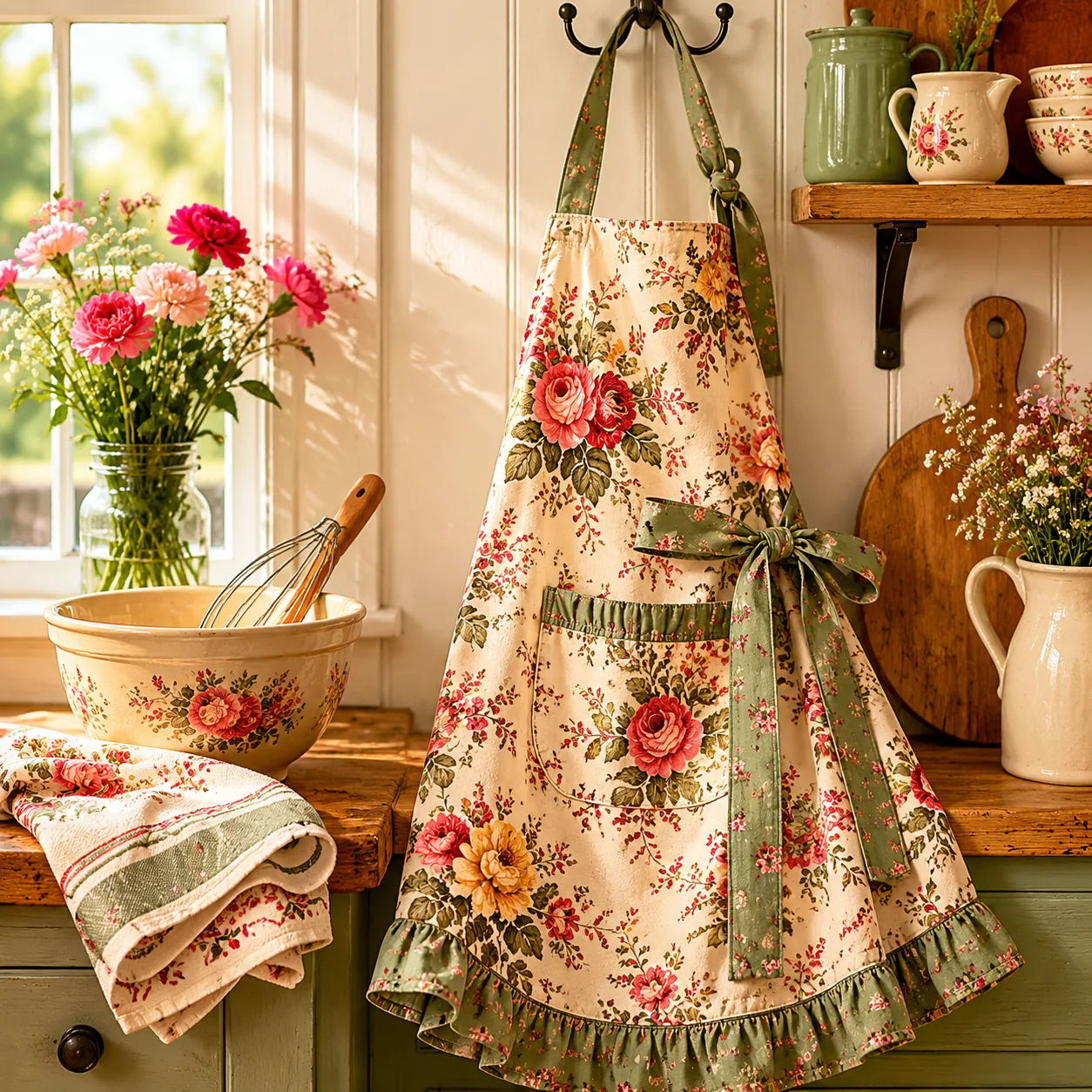
Her uniform signaled work and welcome. A housecoat, apron, cardigan, or kitchen towel over the shoulder made Grandma look ready for anything.
It was practical clothing for practical love. Cooking, cleaning, hugging, and answering the door all happened in the same trusted outfit.
Seeing it on a hook could make the kitchen feel occupied even when she had stepped outside.
5. A Clock That Marked The Day

Time sounded different there. A mantel clock, wall clock, cuckoo clock, or ticking kitchen clock gave the house rhythm.
Meals, phone calls, television programs, medicine, and bedtime all moved around that steady sound. The clock made the day feel ordered.
Its ticking filled quiet rooms in a way that made the house feel awake.
Silence felt less empty with it.
4. A Bed Always Ready For Naps
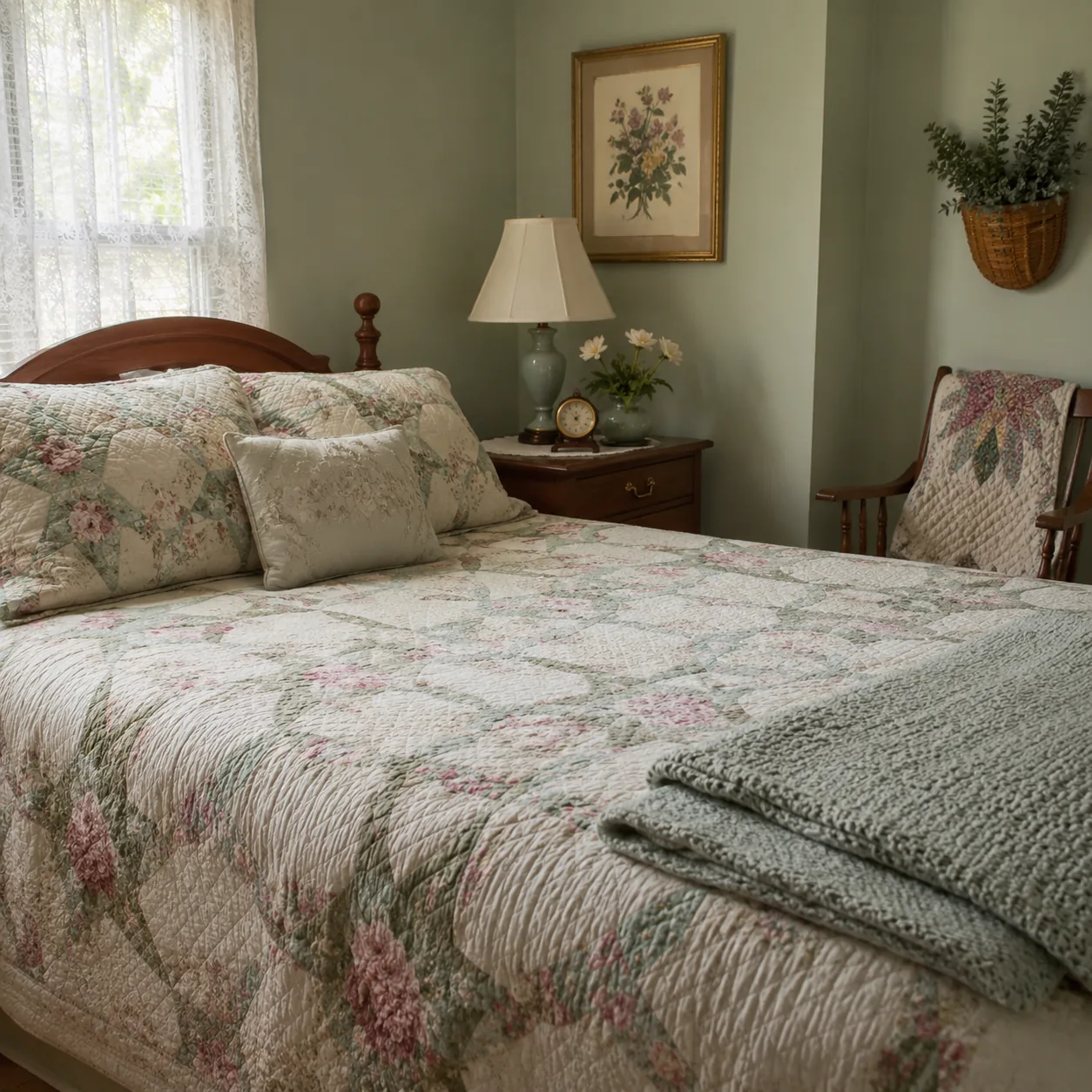
Rest was allowed. A spare bed, sofa, or recliner made it possible for tired relatives to close their eyes without apology.
Grandma’s house often felt safe because nobody had to perform there. If you were worn out, you could sleep.
That permission to rest is one reason people remember the house as gentler than the outside world.
Rest was part of the welcome.
3. Repairs That Kept Old Things Useful
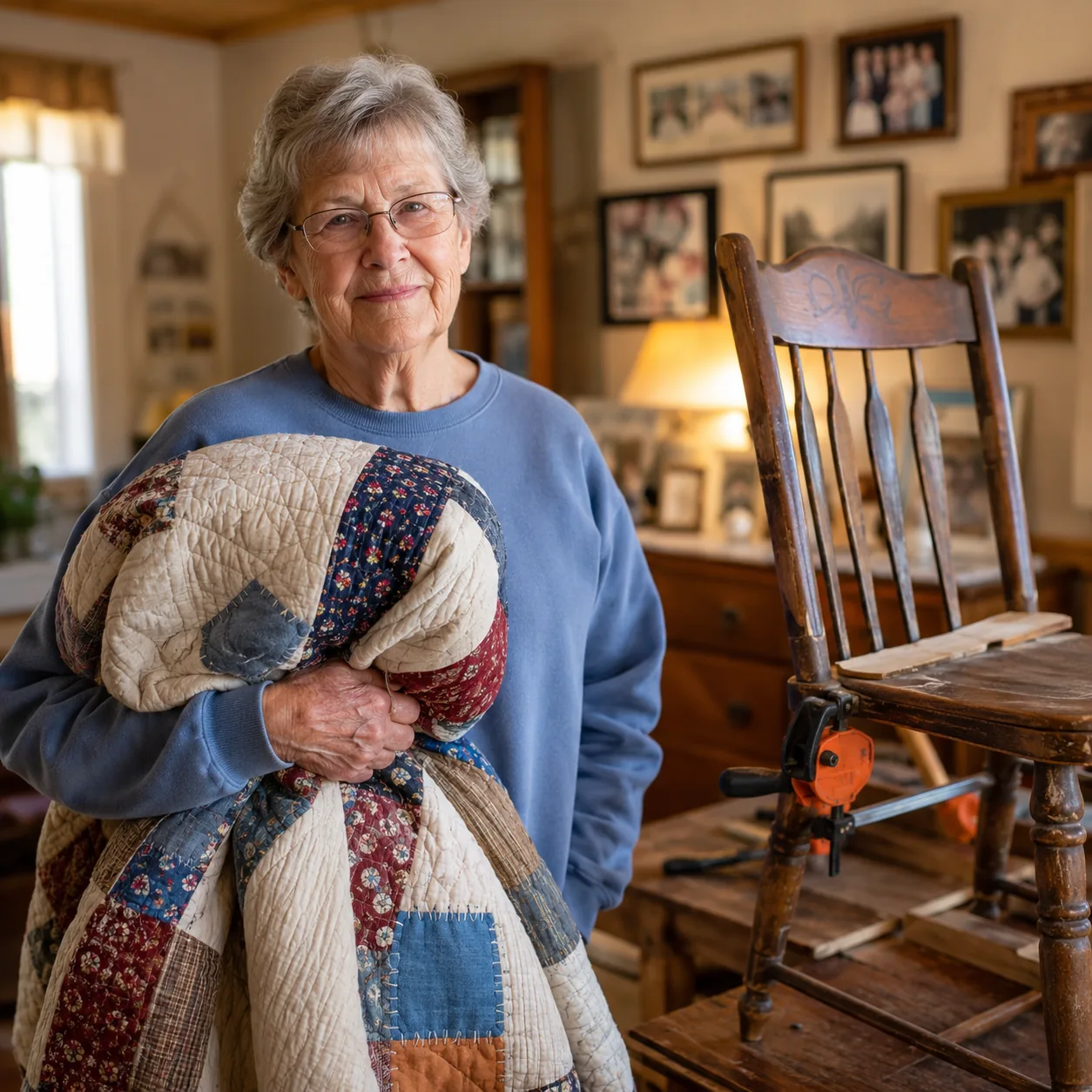
Nothing useful left too quickly. Chairs were glued, blankets were mended, pans were scrubbed, and lamps were rewired.
That repair culture made the house feel steady. Read More: 33 Things Grandpa Fixed Instead of Throwing Away
Every visible mend reminded the family that age and usefulness could exist together.
That lesson made old things honorable.
Useful age deserved respect.
2. The Way She Sent Food Home
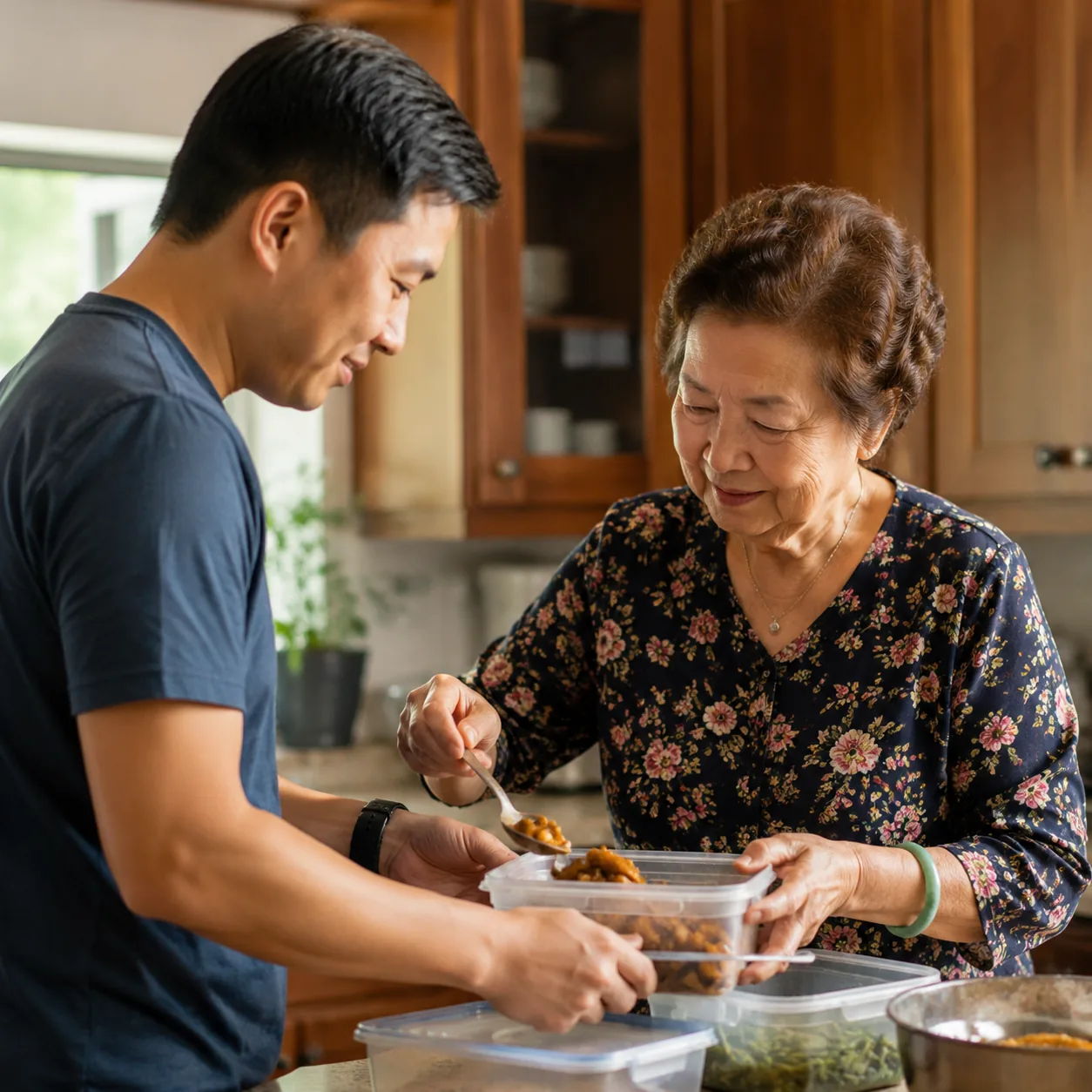
Leaving empty-handed was rare. Grandma sent soup, cake, fruit, leftovers, coupons, or something she insisted you needed.
The food was love with a lid on it. It extended the visit into the next day and reminded you that someone wanted you fed.
Even the container became part of the relationship, because returning it meant another visit.
Leftovers created a reason to come back.
1. The Feeling That You Belonged There

The real detail was emotional. The chair, pantry, candy bowl, and coffee mattered because they added up to belonging.
Grandma’s house felt like home because it remembered people. It held your preferences, your stories, your place at the table, and the comfort of being expected.
That kind of home is built slowly, one repeated gesture at a time.